
Choosing The Right Slotting: Igniting Efficiency And Trust
By Tom Seest
At RackingWorld, we help guide you through selecting warehouse storage systems and racking.
Be sure to read our other related stories at RackingWorld to learn more about warehouse storage systems.
Physical Slotting Vs System Slotting
When it comes to organizing your warehouse, the debate between physical slotting and system slotting cuts to the core of how we run our operations. Picture this: you’re standing in a vast warehouse, the smell of new materials mixing with the faint odor of rubber from the forklifts buzzing around. You’ve got Racking Systems lined up like soldiers, all waiting to be utilized efficiently. Physical slotting is the hands-on approach, grounding the way we see our space and its capabilities.
With physical slotting, you determine where products go based on instinct, experience, and a good ol’ understanding of how things flow. It’s about knowing that the heaviest items should be closer to the ground, that fast-moving stock deserves front-row seats, and that seasonal goods need their own designated sections. Sure, it’s straightforward and practical, but there’s a warmth in the wisdom of personal touch that you won’t find in a computer program. You can feel it in your gut – that familiarity lets you make quick tweaks when demand shifts, all because you’ve built an instinctive relationship with your inventory.
On the flip side, you have system slotting. This is where technology struts its stuff, using algorithms and data to dictate where every item should go. Sounds efficient, right? It is, especially when selling seasonal stock or managing a diverse inventory, but it can feel cold, impersonal, even intimidating. The computer doesn’t care if it means spending hours looking for an item buried in the back because the system told you to stick it there. You might have the metrics and analysis backing you, but there’s something about losing the human intuition that can breed frustration.
So why not blend the two? Make the data-driven recommendations your guide but let your experience steer the ship. It’s not about choosing sides; it’s about creating a connection between the human and the machine, building a system that respects the knowledge of the floor and the power of technology. If you can harness both, you foster an environment ripe for smooth operations.
Ultimately, whether you lean towards physical or system slotting, the goal is the same: streamline your process, optimize space in your racking systems, and keep that heart in the operation. It’s about achieving balance – trust those instincts while letting the numbers support you, creating a reliable system that inspires confidence in the entire team.

Physical Slotting Vs System Slotting
Physical Slotting Vs System Slotting
- The debate between physical and system slotting is central to warehouse organization.
- Physical slotting relies on instinct and experience to determine product placement.
- It emphasizes practical knowledge, such as placing heavy items lower and fast-moving stock in accessible areas.
- System slotting uses technology and data to dictate item locations, offering efficiency but lacking personal touch.
- Combining physical and system slotting can create a more effective and intuitive process.
- The goal is to streamline operations and optimize racking space while maintaining a human connection.
- A balanced approach fosters confidence among the team and enhances overall efficiency.
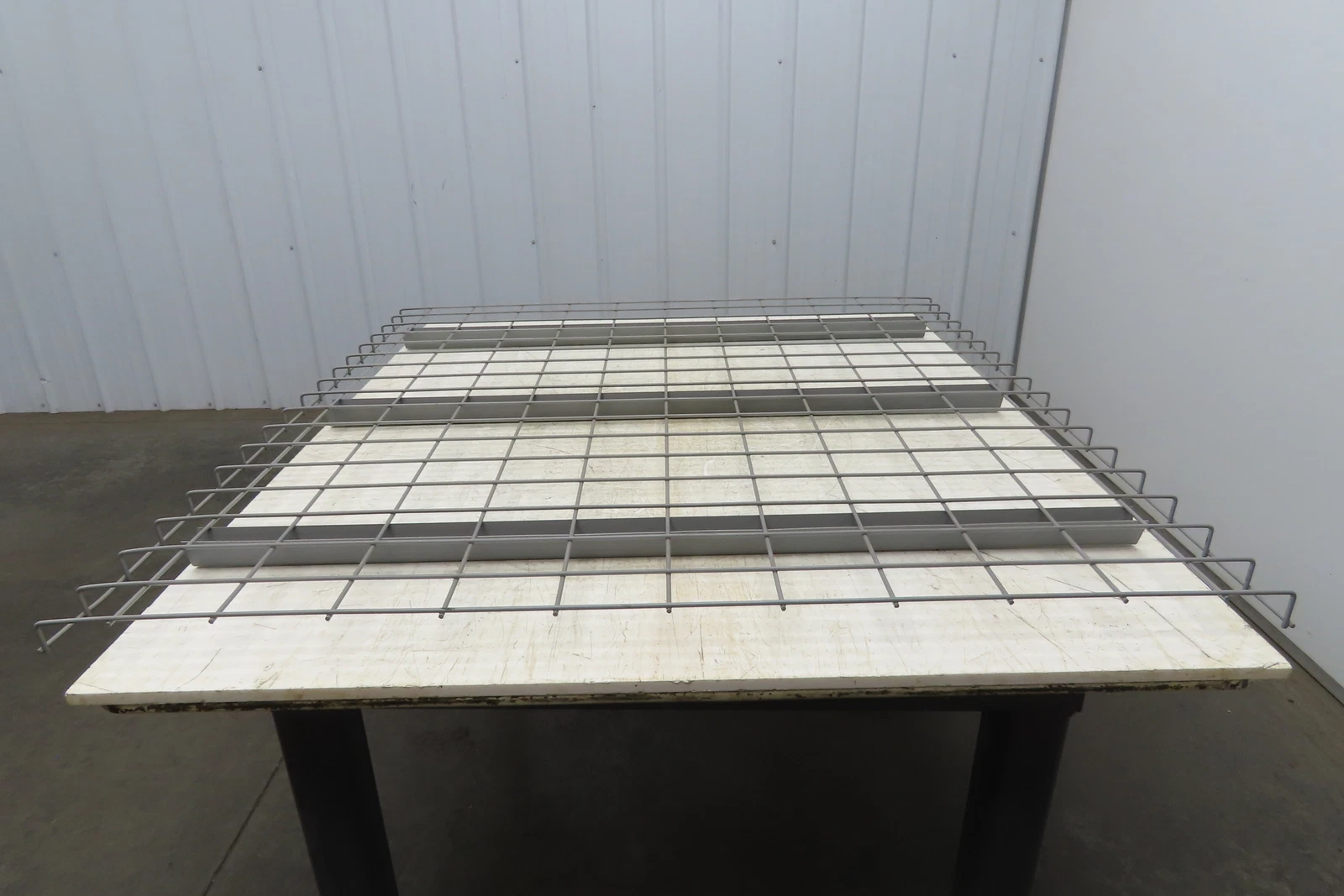
Physical Slotting Vs System Slotting
Table Of Contents
- Physical Slotting Vs System Slotting
- What Are the Benefits Of Physical Slotting for Inventory?
- How Does System Slotting Improve Efficiency?
- Which Slotting Method Reduces Picking Errors?
- Can Physical Slotting Enhance Product Accessibility?
- How Does System Slotting Affect Warehouse Space Utilization?
- What Role Does Technology Play In Slotting Decisions?
- Conclusion
- Other Resources
- Glossary Of Terms
- Other Questions
- Checklist
What Are the Benefits Of Physical Slotting for Inventory?
Physical slotting for inventory is more than just an operational tactic; it’s a game changer for any warehouse looking to streamline its workflow and make the most out of its assets. Picture a bustling warehouse floor. With everything in its right place, goods flow smoothly, and workers can get their hands on what they need without tearing apart the place. That’s the beauty of effective slotting.
When you think about it, racking systems play a crucial role in this process. The better the layout, the less time employees waste wandering around searching for items. This not only enhances productivity but also boosts morale; when workers can quickly find what they’re looking for, they feel empowered and efficient. This is not just about moving boxes; it’s about fostering a culture of reliability and competence.
From a numbers standpoint, the benefits of proper slotting are hard to ignore. Improved pick rates can lead to faster order fulfillment, which means happier customers. When the goods arrive on time and accurately, companies build trust with their clients—a vital commodity in today’s competitive market. Trust translates into repeat business, and nothing beats that for a company’s bottom line.
Moreover, there’s an ethical angle to consider. By optimizing inventory layouts, businesses can reduce waste—be it time, materials, or labor. This reflects a commitment to responsible management of resources, which resonates well in an era where corporate responsibility is front and center. When companies demonstrate a care for efficiency, they also communicate a care for their people and the planet.
Sharing stories from the floor can further reinforce the advantages of physical slotting. Consider a warehouse manager who implemented a new slotting strategy and how it transformed not just the logistics but also the team dynamic. Colleagues who once struggled to collaborate found themselves working together more seamlessly, sharing best practices, and supporting each other. This camaraderie not only makes the job easier but instills a sense of belonging and purpose.
In essence, physical slotting invites connection among people and places. By aligning physical workflows with human experiences, companies can cultivate environments where employees take pride in their work, feel supported in their roles, and recognize that their efforts contribute to a bigger picture. It’s about harmonizing efficiency with a sense of community, making the warehouse a place where everyone thrives.

What Are the Benefits Of Physical Slotting for Inventory?
What Are the Benefits Of Physical Slotting for Inventory?
- Physical slotting streamlines warehouse workflows and maximizes asset utilization.
- Effective slotting improves productivity and employee morale by reducing search time.
- Proper slotting enhances order fulfillment, leading to happier customers and increased trust.
- Efficient inventory layouts minimize waste in time, materials, and labor.
- Optimizing resources reflects corporate responsibility and commitment to sustainability.
- New slotting strategies can enhance team collaboration and foster a supportive work environment.
- Physical slotting connects workflows with human experiences, promoting a sense of community and pride among employees.
What Are the Benefits Of Physical Slotting for Inventory?
How Does System Slotting Improve Efficiency?
System slotting isn’t just some fancy term thrown around by consultants in suits; it’s like giving your warehouse a well-deserved tune-up. Think of it this way: when you’re organizing a workspace, you wouldn’t just toss your tools into the nearest drawer. You’d make sure that the hammer’s easily accessible next to the nails, right? That’s exactly what effective slotting does for racking systems in warehouses. It’s about smartly positioning your products so that the flow of work gets smoother, faster, and more efficient.
Imagine walking into a warehouse where everything seems good and tidy. Well, that neatness isn’t just for show; it’s the result of careful slotting. By strategically placing high-demand items closer to packing areas and slow-moving stock further away, workers don’t waste time running back and forth. This is where the heart of operational efficiency lies. When you maximize your layout, it’s not just about the boxes on shelves; it’s about the people doing the hard graft. Workers don’t have to waste their energy on unnecessary trips; they focus on getting the job done right, which leads to a boost in morale and productivity.
Rationally speaking, slotting means less time hunting down merchandise and more time moving goods. Every minute saved in searching is a minute that can be better spent fulfilling orders and serving customers. It’s not just the bottom line that benefits—improved efficiency also means happier customers. They appreciate speedy deliveries, and in today’s market, that can make or break your reputation.
Let’s not forget the ethical aspect here. By optimizing your racking systems through slotting, you’re showing respect for your workers’ time and effort. You’re making their jobs easier, allowing them to focus on quality rather than playing a never-ending game of hide and seek with inventory.
Coupled with narratives of real-life improvements, system slotting creates a ripple effect throughout the workforce. Teams become more cohesive as they learn the layout, sharing tricks and tips along the way, building camaraderie. Knowing that their environment is optimized for their success fosters trust and commitment.
Embracing system slotting isn’t just a checkmark on a to-do list; it’s about investing in the very people who keep your operations running smoothly. It’s about understanding that efficiency is a collective journey, one that requires both thoughtful planning and unyielding support for those who are on the front lines every day.

How Does System Slotting Improve Efficiency?
How Does System Slotting Improve Efficiency?
- System slotting improves warehouse efficiency by strategically positioning products.
- High-demand items should be placed near packing areas to reduce unnecessary trips for workers.
- Optimizing layout leads to enhanced worker morale and productivity.
- Time saved from searching for merchandise allows for quicker order fulfillment.
- Improved efficiency results in greater customer satisfaction and reputation.
- Slotting respects workers’ time, allowing a focus on quality and efficiency.
- Team cohesion grows as employees adapt to an optimized layout, fostering trust and commitment.
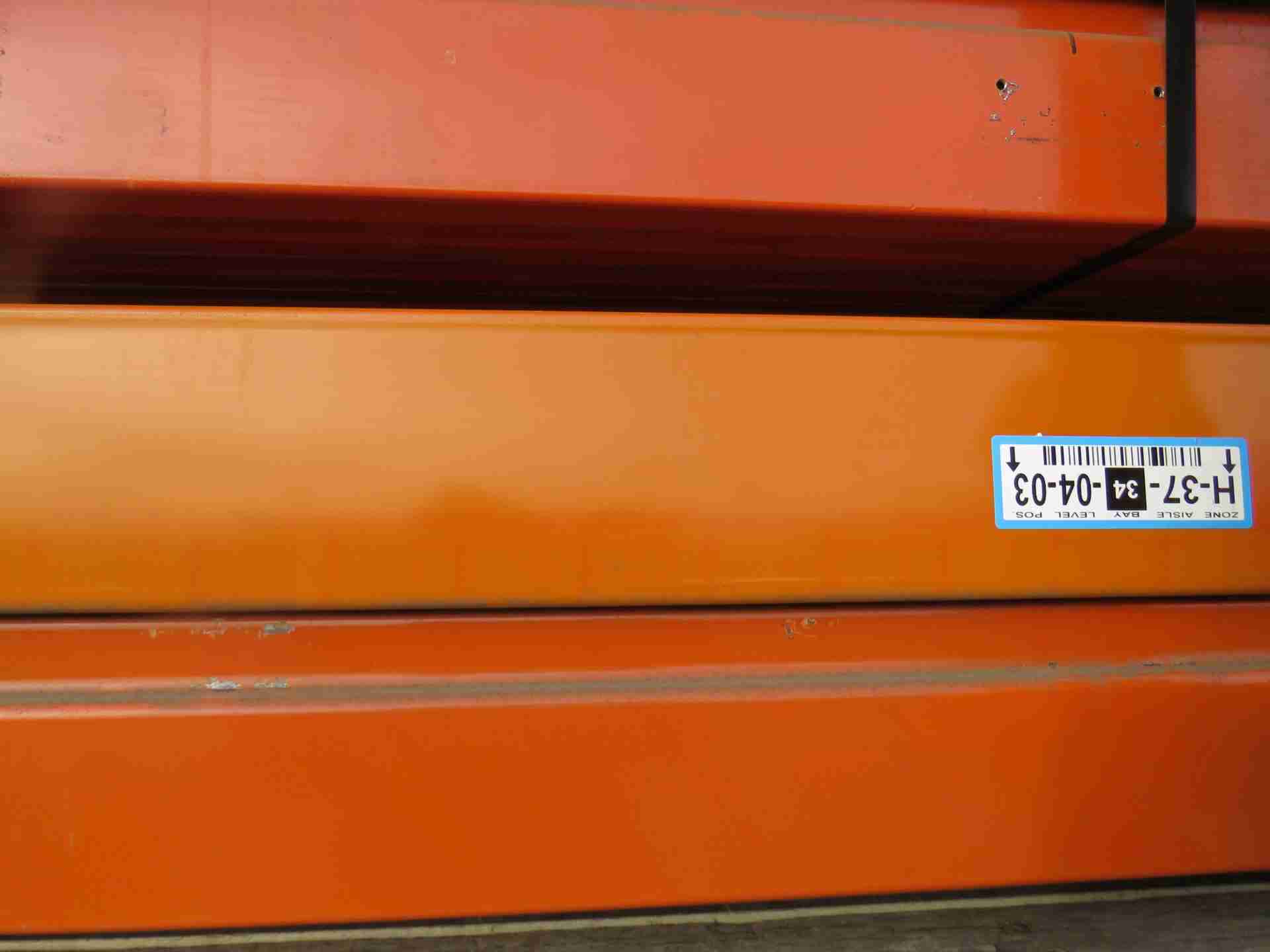
How Does System Slotting Improve Efficiency?
Which Slotting Method Reduces Picking Errors?
When it comes to reducing picking errors in warehouses, the slotting method chosen is as vital as the racking systems used to support it. Picture yourself in a bustling warehouse, the hum of activity all around, and the pressure mounts as orders come flying in. The stakes are high; a single error in picking can lead to dissatisfied customers, wasted resources, and a tarnished reputation. This is where an effective slotting strategy steps in, like a seasoned foreman guiding the crew.
Let’s talk about the data-driven approaches, like ABC analysis, which prioritize items based on their sales velocity and frequency of picks. This isn’t just some abstract concept; it’s a method that resonates with the practical experience reflected in every box you pick up. Imagine the satisfaction of reaching for a fast-moving item that’s right where it should be, not buried under a pile of seldom-used goods. This straightforward organization not only boosts efficiency but also fosters a sense of pride among your team. It’s about creating an environment where every pick feels right, where each team member can trust that their path through the warehouse is clear and purposeful.
But it’s not just about speed or precision; it’s also about understanding the heart of the operation. Workers thrive when they see that their efforts lead to concrete results. If the slotting method aligns with the natural flow of picking, it leads to fewer errors and less frustration. This resonates deeply: when people feel empowered by their workspace, they take ownership and pride in their work.
There’s an ethical component, too. Choosing the right slotting method shows a commitment to your team. When you invest time in figuring out the best layout, you’re saying that you care about their daily grind. An effective strategy translates to fewer stressful shifts, reducing the likelihood of mistakes that could ripple out to clients. When you foster collaboration and invite input from staff, you’re tapping into collective wisdom, forging a stronger connection among everyone in the warehouse.
Whether it’s through understanding the data that drives your operations or the hands-on experiences shared among colleagues, the right slotting method shouldn’t just be a business decision; it should illuminate a clear path for everyone involved. It’s about building a community within those walls—a space where every picker feels confident in their role and knows that they are part of something larger than themselves. Trust in your system, trust in your team, and watch those picking errors practically disappear.
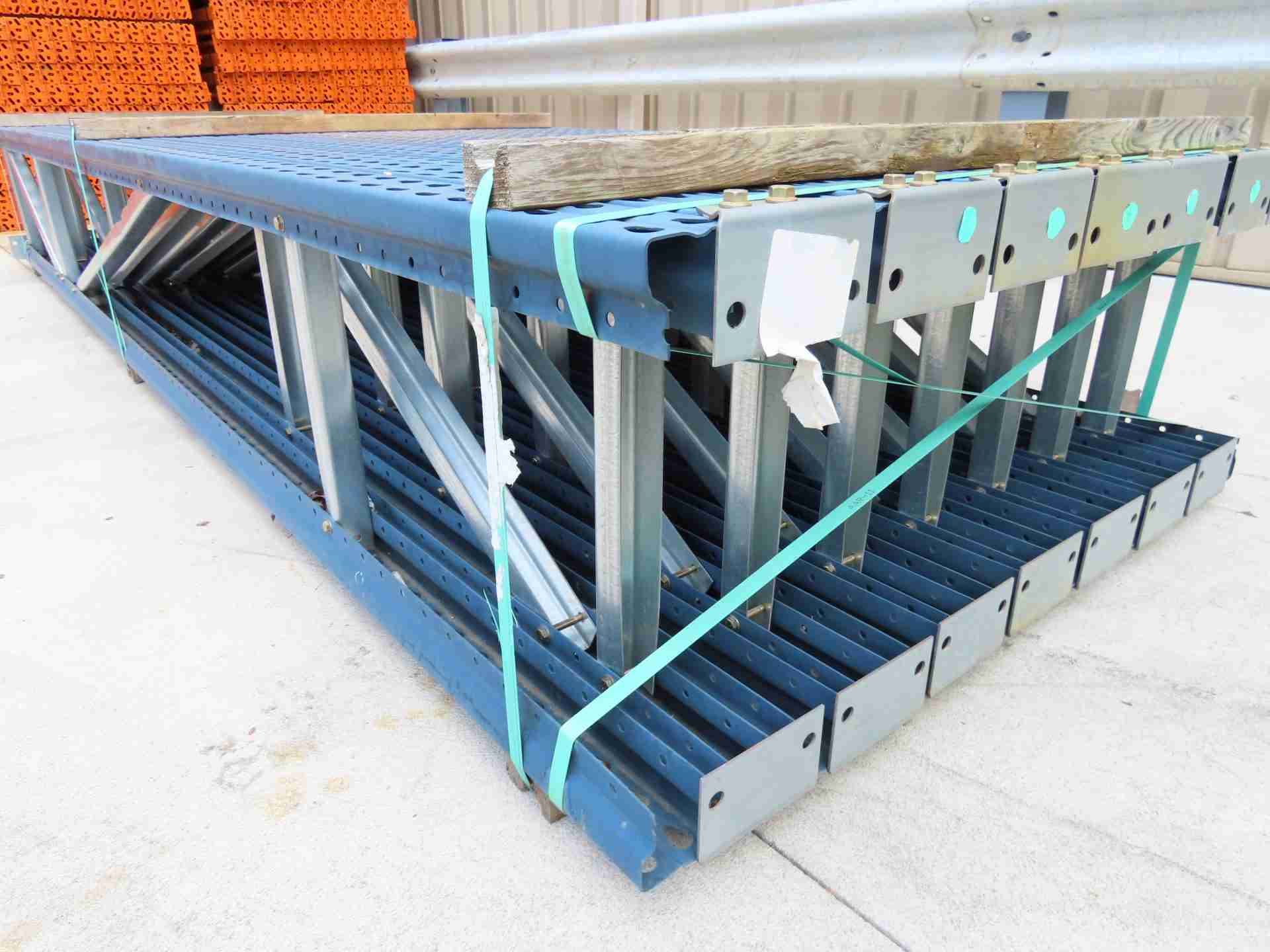
Which Slotting Method Reduces Picking Errors?
Which Slotting Method Reduces Picking Errors?
- The chosen slotting method is crucial for reducing picking errors in warehouses.
- Data-driven strategies, such as ABC analysis, help prioritize items based on sales velocity and frequency.
- Effective slotting improves efficiency and instills pride among warehouse teams.
- Alignment of slotting methods with the natural flow of picking minimizes errors and frustration.
- Investing in proper slotting layouts demonstrates commitment to team welfare and reduces stress.
- Encouraging collaboration and input from staff fosters a stronger warehouse community.
- The right slotting approach enhances trust and confidence, leading to fewer picking mistakes.
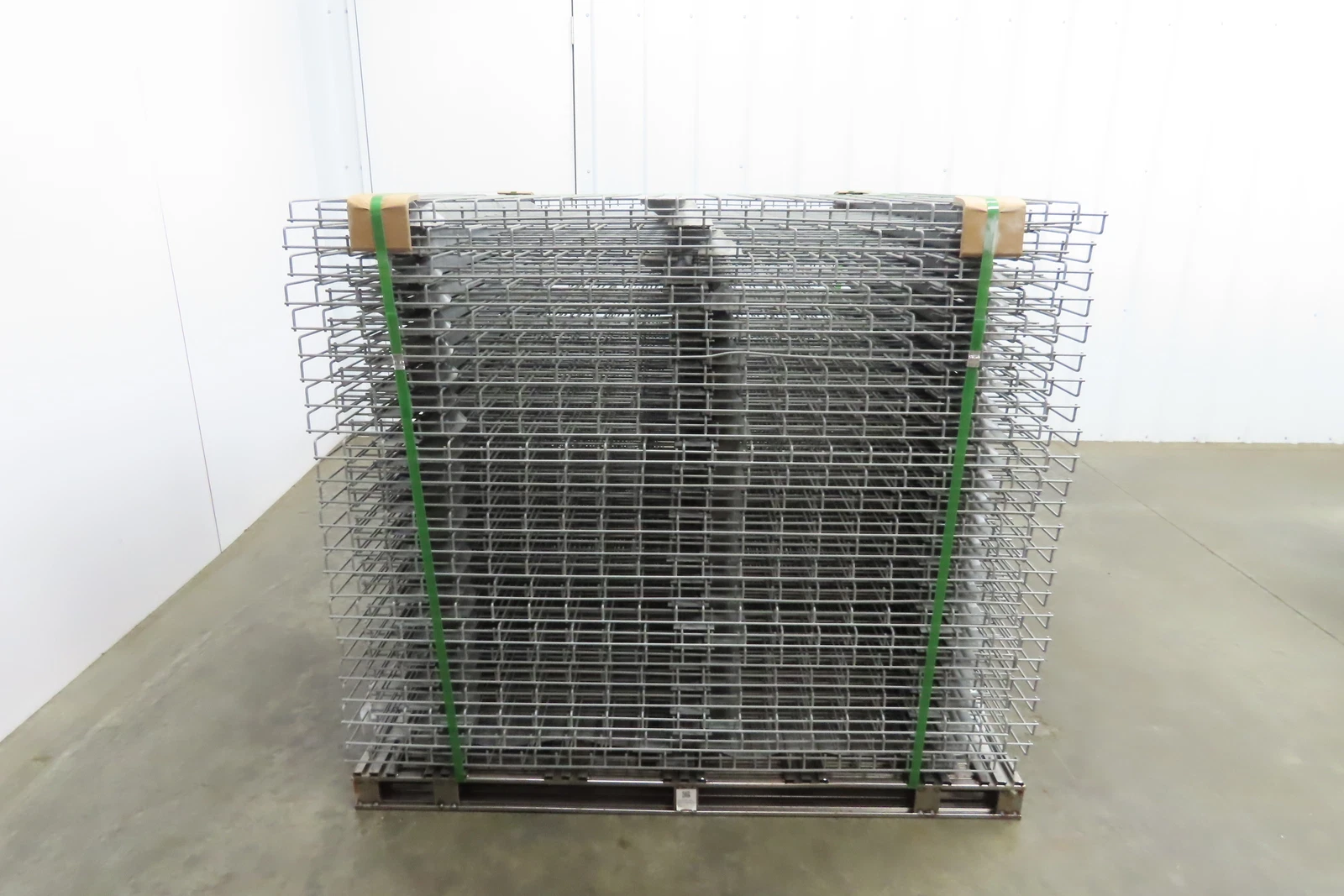
Which Slotting Method Reduces Picking Errors?
Can Physical Slotting Enhance Product Accessibility?
When it comes to a bustling warehouse or store floor, effective physical slotting is not just a strategic choice; it’s a lifeline for accessibility. Imagine a busy worker trying to grab a product from a chaotic racking system. Time lost translates into money lost, and frustration builds like a pressure cooker. But when products are thoughtfully positioned, it transforms the scene. Employees move with purpose, guided not just by memory, but by a layout that feels intuitive, almost like a well-rehearsed dance.
The heart of the matter is about people and how they interact with the space around them. Every product in the racking systems deserves its place, and when that place is easy to navigate, it fosters a sense of belonging—both for the items being stored and for the team members who handle them. We’re talking about more than just organization; we’re fostering respect for the hard work put into managing inventory. When workers can easily find what they need, the job becomes easier, and morale improves. They feel supported, which in turn motivates them to give their best.
Rationally, a well-planned slotting system saves time and increases efficiency. It’s about optimizing the flow of work. Consider the hours saved when employees know precisely where to find a product. Fewer missteps mean fewer delays, which can add up to a significant boost in productivity. This isn’t merely about speed; it’s about ensuring that customers are served promptly, enhancing their experience and trust in the brand.
Ethically, promoting accessibility through thoughtful slotting aligns with the core values of respect and dignity in the workplace. An inclusive approach means considering the diverse needs of all workers—ensuring that everyone, regardless of their role or experience, can navigate the racking systems with ease. It’s about fostering a culture where everyone feels valued and empowered.
Let’s not forget the social aspect. In the break room, stories emerge about how a simple change in slotting made someone’s job easier. Those tales create a sense of community, where shared experiences lead to collective problem-solving. It encourages team members to share tips, fostering a supportive environment where everyone is looking out for one another.
Ultimately, the impact of enhancing product accessibility through physical slotting is profound. It’s a story of respect, efficiency, and community, grounded in the practical realities of everyday work. By investing in well-organized racking systems, we’re not just improving business operations; we’re crafting a workplace where everyone can succeed together.

Can Physical Slotting Enhance Product Accessibility?
Can Physical Slotting Enhance Product Accessibility?
- Effective physical slotting enhances accessibility in busy warehouse environments.
- Thoughtful product positioning improves employee movement and efficiency.
- A well-planned slotting system fosters a sense of belonging and respect among workers.
- Improved navigation leads to higher morale and productivity among employees.
- Promoting accessibility aligns with workplace values of respect and inclusion.
- Positive social interactions develop from shared experiences related to slotting changes.
- Investing in organized racking systems benefits both business operations and employee success.
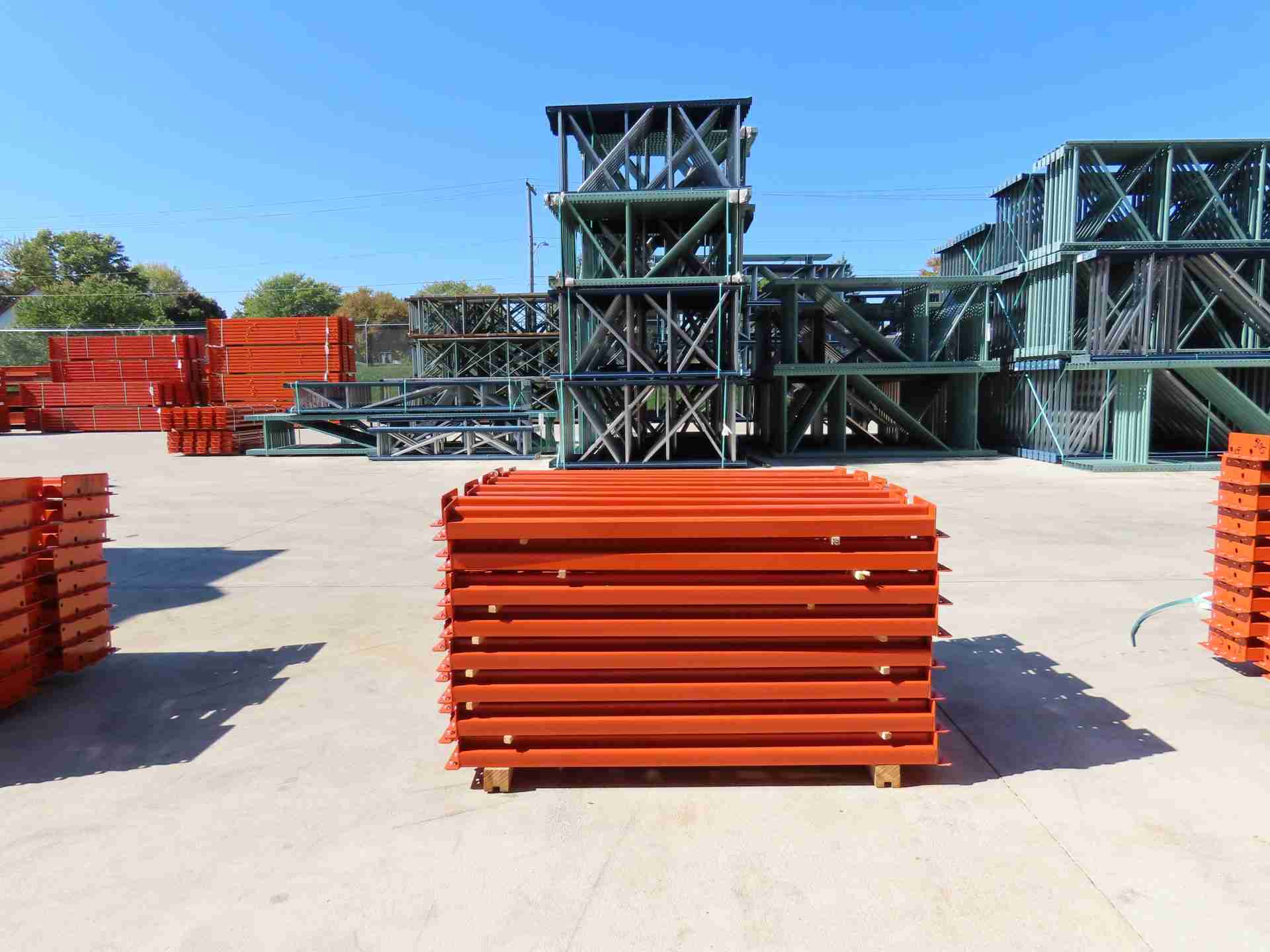
Can Physical Slotting Enhance Product Accessibility?
How Does System Slotting Affect Warehouse Space Utilization?
In the world of warehousing, space is often a precious commodity, akin to gold buried in hard-packed earth. Efficiently utilizing that space requires thoughtful consideration and a strategy that fits like a well-worn glove. Enter system slotting, the unsung hero behind racking systems that can make or break how well inventory flows and how that precious warehouse square footage is employed.
Picture a bustling warehouse: forklifts whizzing by, workers weaving through aisles, each person on a mission to locate and retrieve goods. Inefficiency lurks in poorly organized setups, where items are haphazardly thrown onto racking systems. This not only leads to frustration but also tangible losses in productivity. When items are strategically slotted based on their size, shape, and demand frequency, the impact is transformative. The aisle that once felt like a maze suddenly reveals clear pathways, speeding up the picking process and slashing wasted time.
The real beauty of effective slotting isn’t just the numbers on a spreadsheet; it’s in the heartbeat of operations. When workers feel a sense of order and clarity in the tasks at hand, they experience a boost in morale. No one wants to dig through a mess when the goal is to deliver a product swiftly. By placing high-demand items closer to dispatch areas, businesses not only enhance efficiency but foster an environment where workers take pride in their contributions. This human aspect is vital; when your team sees the tangible results of a well-slotted system, it ignites a collective drive to maintain that standard.
But let’s not overlook the ethics of space utilization. Responsible slotting practices help minimize waste—not just in tracking inventory but also in ensuring items move before they go stale. The awareness that slotting is about more than mere organization reinforces a company’s commitment to sustainability and reduces the risk of overstocking, a burden that weighs heavy on both the budget and the environment.
Traditions of good warehouse management run deep. Companies that prioritize systematic slotting are not just optimizing space; they’re investing in their future. They draw from the wisdom of experience, mastering the art of using their racking systems to the fullest. When you get slotting right, you’re not just putting things on shelves; you’re crafting a resonant story of efficiency that empowers everyone involved—from the manager making decisions to the worker processing items. Ultimately, it’s about fostering a culture of respect for resources, each decision a step toward making the warehouse a better place for all.

How Does System Slotting Affect Warehouse Space Utilization?
How Does System Slotting Affect Warehouse Space Utilization?
- Efficient space utilization in warehouses is crucial for productivity.
- System slotting enhances inventory flow and maximizes warehouse space.
- Poor organization leads to inefficiency and lost productivity.
- Strategically slotted items based on size, shape, and demand improve picking speed.
- Effective slotting boosts worker morale by creating order and clarity.
- Responsible slotting minimizes waste and supports environmental sustainability.
- Investing in systematic slotting contributes to long-term warehouse management success.
How Does System Slotting Affect Warehouse Space Utilization?
What Role Does Technology Play In Slotting Decisions?
When you step into a warehouse, you might see rows and rows of products stacked neatly on Racking Systems that seem to stretch endlessly. But behind those orderly shelves lies a world of decision-making driven by technology. Slotting, the practice of arranging products in warehouses for optimized efficiency, is no longer just about guessing what goes where. It’s a blend of art and science, leveraging data and modern tools to make smarter choices.
Think about it: every time an order is placed, it’s not just a transaction; it’s a dance of sorts. The right item must be pulled at the right time, with minimal effort and maximum speed. Technology plays a crucial role here, transforming how we manage inventory and streamline processes. With sophisticated software systems analyzing sales history, seasonal trends, and even customer behavior, we’re no longer working off hunches. Instead, we have data-driven insights that guide our slotting decisions, getting the high-demand products where they need to be—even before a customer knows they want them.
Moreover, there’s the ethical piece we can’t overlook. Efficient slotting reduces waste—not just of time and effort but also of resources. By utilizing technology effectively, companies minimize the carbon footprint of their operations, making choices that benefit both the bottom line and the planet. This moral responsibility resonates with many of us who strive for sustainability, marrying high efficiency with ethical stewardship.
Picture a seasoned warehouse worker, his hands rough from years of labor, reliant on technology to inform his daily decisions. He trusts that the system will place heavy, slow-moving items at the back while placing the fast-selling goods within easy reach. The interface isn’t just a tool; it becomes an ally. With real-time data, he’s empowered to adapt to changes on the fly, like a craftsman responding to the needs of his trade.
Socially, technology fosters collaboration. Modern slotting systems allow teams to track what’s selling and what’s not, opening dialogues that lead to better strategies and more cohesive teamwork. It’s a shared journey, where everyone plays a part in optimizing the warehouse space.
Slotting decisions, driven by technology, create a healthier, more efficient workflow. Trust in the process, confidence in the tools, and the collective effort of a dedicated workforce culminate in a smarter, more responsive operation. Embracing these technologies isn’t just a trend; it’s the foundation of a future where efficiency and empathy coexist, paving the way for better warehouses and a better world.
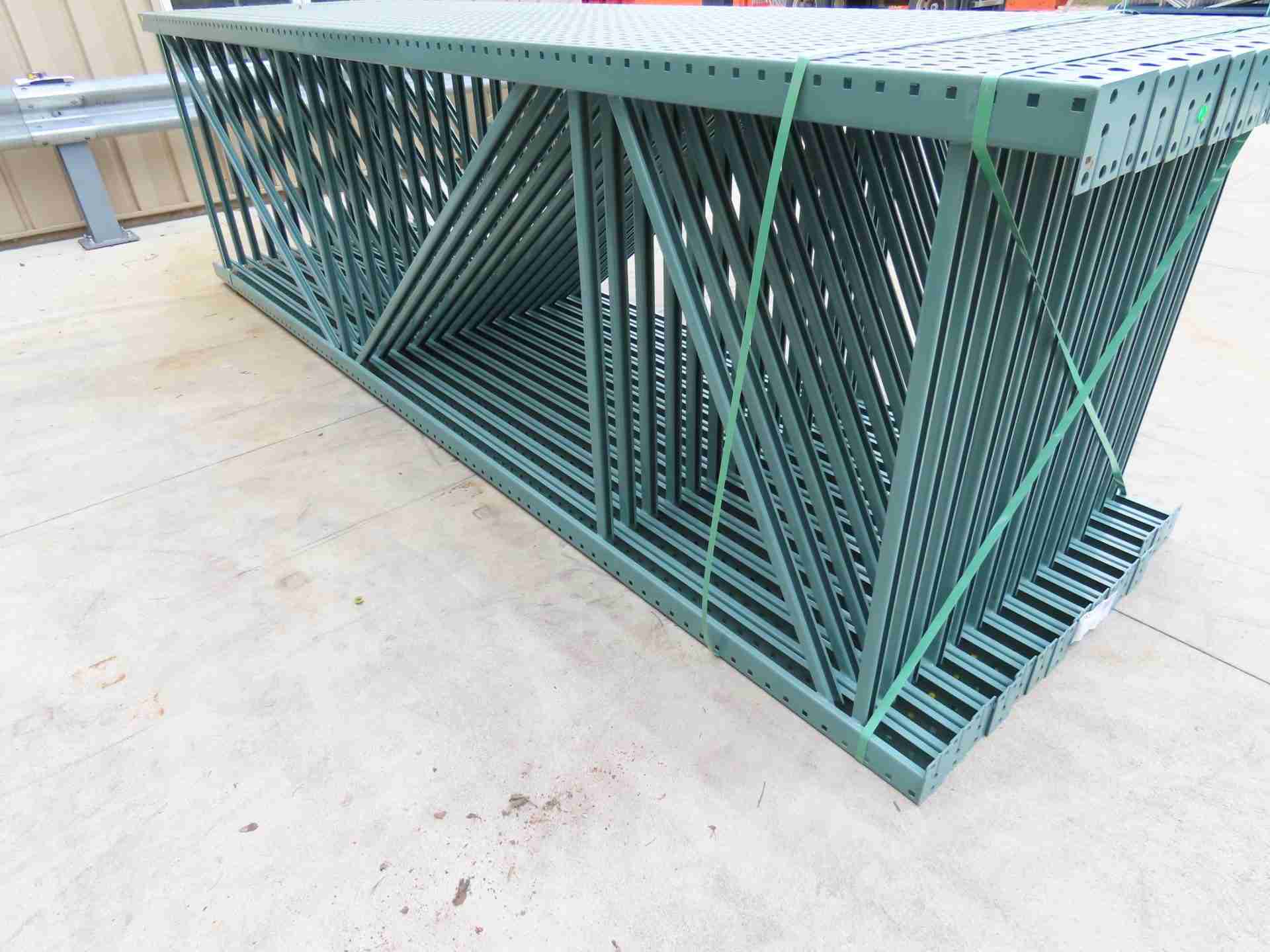
What Role Does Technology Play In Slotting Decisions?
What Role Does Technology Play In Slotting Decisions?
- Slotting optimizes efficiency in warehouses by arranging products based on data-driven insights.
- Technology transforms inventory management, ensuring high-demand items are easily accessible.
- Ethical slotting reduces waste and minimizes the carbon footprint, aligning with sustainability goals.
- Warehouse workers rely on technology for informed decision-making, adapting to real-time data.
- Modern slotting systems promote teamwork by tracking product performance and encouraging collaboration.
- Data-driven slotting enhances workflow, foster trust in the process, and empowers a dedicated workforce.
- Embracing technology in warehousing paves the way for a smarter, more empathetic future.
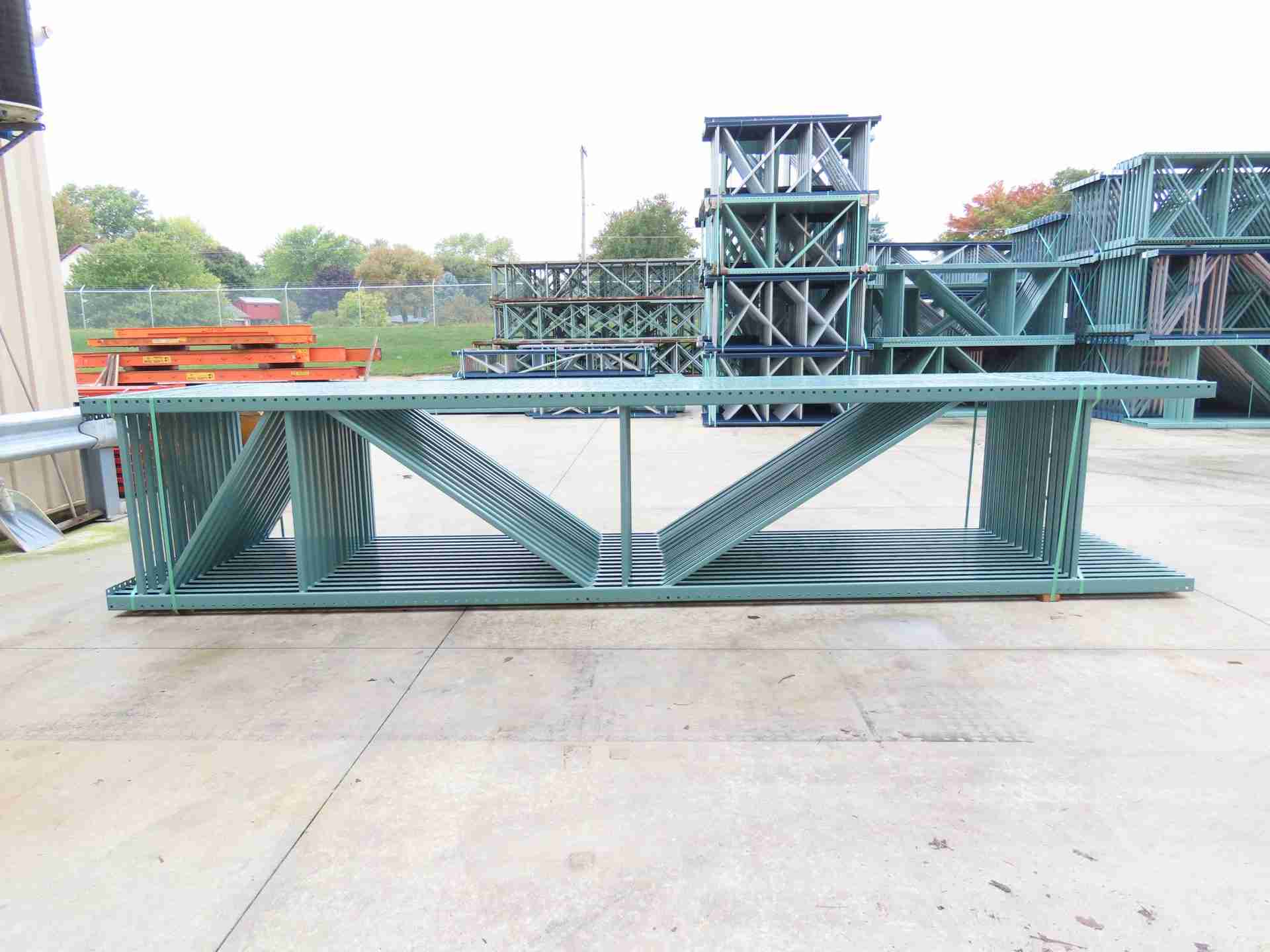
What Role Does Technology Play In Slotting Decisions?
Conclusion
Physical and system slotting are two crucial methods for organizing warehouse operations, each with distinct strengths and weaknesses. Physical slotting relies on hands-on experience, allowing warehouse workers to place items based on instinct and familiarity with product flow. This approach fosters a close connection between the worker and the inventory, ensuring that heavy items are accessible and fast-moving products are prioritized, thus enhancing quick adjustments in response to demand changes. The human touch brings warmth and intuition to operations, creating an environment where workers feel confident and empowered, recognizing their role in the bigger picture and contributing to team morale.
In contrast, system slotting employs technology to optimize space and improve efficiency through data-driven decisions. This method uses algorithms to determine where items should be placed based on demand patterns and other metrics. While highly efficient, it can feel impersonal to workers who may find themselves sifting through items buried by the dictated system. It emphasizes the importance of balancing the cold precision of data with the warm insights gained from personal experience. The blend of both approaches can lead to operational success, where technology supports intuition, ensuring that every item is in its ideal location and that workers can easily access what they need.
Choosing between these slotting methods isn’t a matter of one being better than the other; it’s about creating a harmonious environment where both can exist and thrive together. By fostering a culture of collaboration, businesses can enhance efficiency while respecting the workers’ knowledge and instincts. Improved layout not only boosts productivity by reducing search time but also nurtures a sense of community among staff. Workers share stories and strategies, leading to collective problem-solving that enhances morale and trust within the team.
Ultimately, both slotting methods are instrumental in reducing errors and increasing accessibility, demonstrating a commitment to ethical practices that prioritize people and planet alike. By investing in both physical and system slotting, companies reinforce their dedication to operational excellence and employee satisfaction. The goal is a streamlined process that not only meets customer needs but also contributes to a collaborative and fulfilling workplace atmosphere—turning the everyday hustle of warehouse life into a well-orchestrated performance where everyone plays their part. Efficiency isn’t merely about speed; it’s about creating a workspace where individuals feel valued, connected, and supported in their essential roles.

Conclusion
Conclusion:
- Physical slotting utilizes hands-on experience for organizing warehouse items based on worker familiarity and intuition.
- This approach enhances accessibility for heavy items and prioritizes fast-moving products, adapting quickly to demand changes.
- The human element in physical slotting fosters confidence among workers, improving team morale and connection to inventory.
- System slotting uses technology and algorithms for space optimization, making data-driven decisions based on demand patterns.
- While efficient, system slotting can feel impersonal, leading to challenges in item retrieval for workers.
- Combining both slotting methods creates a harmonious environment that values worker insights while enhancing operational efficiency.
- Investing in both approaches supports ethical practices, reduces errors, and fosters a collaborative and fulfilling workplace atmosphere.
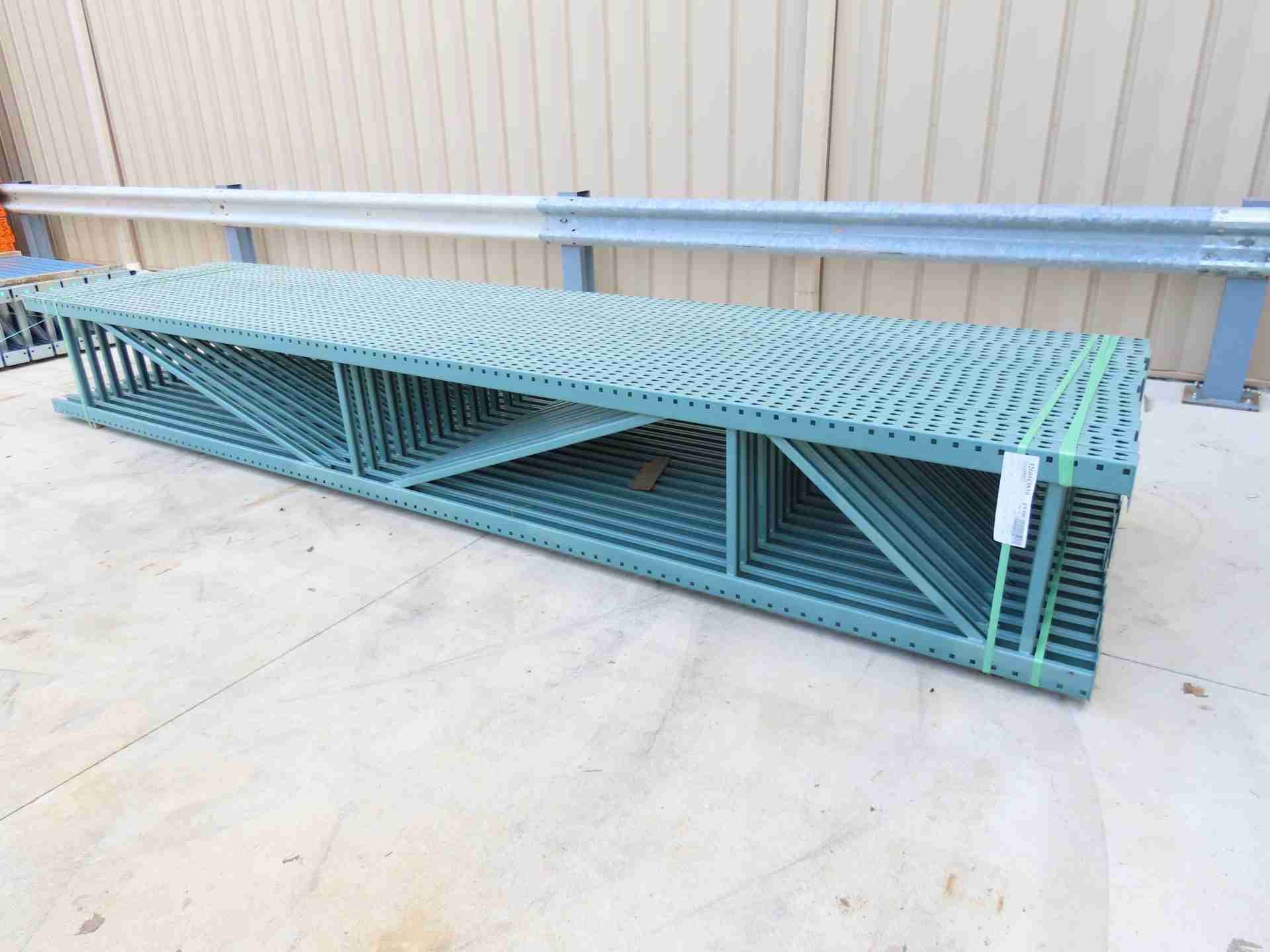
Conclusion
Other Resources

Other Resources
Here is a list of other resources you can review online to learn more:
- American Society of Safety Professionals
- Warehouse Racks, Warehouse Racking in Stock – ULINE
- Intro to Warehouse Racks & Warehouse Racking Systems – ShipBob
- Rack Manufacturers Institute
- Used Pallet Rack for Sale in Illinois – American Surplus
- IWLA
- Cantilever Rack Guide: Ordering Cantilever Racking
- Selective Racking
- Shipping Boxes, Packaging Materials, Pallet Racking
- Interlake Mecalux
- Material Handling Safety
- WERC
- Overhead Lifting
- IIWS Inc. Rack Installation Illinois & Rack Repairs Illinois
- Iowa Illinois Warehouse Racking
- Logic Material Handling
- Warehouse Storage Racking in Illinois
- The Complete Pallet Rack Guide – Simply Rack
- Interlake Mecalux
- Warehouse Storage Racks
Use This Prompt To Get More Resources With Your Favorite Online AI Tool: Please provide me with a list of online articles with their URLs in a bulleted list that I can read regarding Physical Slotting Vs System Slotting

Other Resources
Glossary Terms
Physical Slotting Vs System Slotting – Glossary Of Terms
1. Slotting: The process of organizing and arranging items within a storage or warehouse space for optimal accessibility and efficiency.
2. Physical Slotting: The arrangement of inventory based on the physical characteristics and dimensions of items to maximize space utilization.
3. System Slotting: The method of organizing inventory using software and algorithms to determine the best location for items based on various data inputs.
4. Warehouse Management System (WMS): Software that manages warehouse operations, including inventory control, slotting, and order fulfillment.
5. SKU: Stock Keeping Unit, a unique identifier for each distinct product or item in inventory.
6. FIFO: First In, First Out, an inventory management principle where the oldest items are sold or used first.
7. LIFO: Last In, First Out, an inventory method where the most recently added items are the first to be picked or sold.
8. Bin Location: A specific place within a warehouse where an item is stored.
9. Layout Optimization: The process of designing a warehouse’s structure to enhance efficiency in inventory storage and retrieval.
10. Item Velocity: The rate at which items are sold or used, influencing their placement in a warehouse.
11. Data-Driven Slotting: Using analytical data to determine optimal storage locations for inventory items.
12. Inventory Turnover: A measure of how many times inventory is sold or replaced over a specific period.
13. Manual Slotting: The traditional method of organizing goods based on human judgement and experience rather than statistical data.
14. Automated Slotting: The use of technology and algorithms to efficiently determine inventory placement without manual input.
15. Picking Method: The approach used to select and gather items from their storage locations for order fulfillment.
16. Accessibility: The ease with which items can be reached or retrieved from storage locations.
17. Product Size and Weight: Key factors influencing how products are slotted within a warehouse for efficiency.
18. Demand Forecasting: The process of predicting future customer demand for products to aid inventory management.
19. Safety Stock: Extra inventory held to mitigate the risk of stockouts due to unpredictable demand.
20. Cross-Docking: A logistics practice where incoming goods are directly transferred to outbound shipping, minimizing storage time.
21. Storage Density: The amount of product stored in a given area of the warehouse, affecting slotting decisions.
22. Inventory Accuracy: The precision with which the recorded inventory matches the physical stock available.
23. Replenishment: The process of restocking inventory as it is consumed or sold.
24. Aisle Configuration: The arrangement of aisles within a warehouse to facilitate movement and accessibility.
25. SKU Rationalization: The process of evaluating and optimizing the number of SKUs carried in inventory based on performance.
26. Zone Picking: A picking method where items are grouped into specific storage zones to streamline fulfillment processes.
27. Slotting Analytics: The analysis of data related to inventory placements and their performance to enhance efficiency.
28. Supply Chain Management: The management of the flow of goods and services from suppliers to customers.
29. Labor Efficiency: The measure of how effectively labor resources are utilized in warehouse operations.
30. Optimization Algorithms: Mathematical procedures used to determine the best arrangement and placement of resources for maximum efficiency.
Glossary Of Terms
Other Questions
Physical Slotting Vs System Slotting – Other Questions
If you wish to explore and discover more, consider looking for answers to these questions:
- What is the total cost comparison between physical slotting and system slotting (implementation, software, hardware, and ongoing costs)?
- How quickly can a warehouse expect to see ROI after implementing system slotting or a hybrid approach?
- What are the step-by-step implementation steps for migrating from physical slotting to system slotting or to a hybrid model?
- What specific data is required for effective system slotting (sales history, pick frequency, seasonality, dimensions, weight, etc.)?
- Which KPIs should be tracked to measure slotting performance (pick rate, walk time, accuracy, space utilization, inventory turnover)?
- How often should slotting be reviewed and updated (continuous, monthly, quarterly, seasonally)?
- How do you handle new SKUs, one-off items, or rapidly changing product assortments within each slotting method?
- What are the common pitfalls and failure modes when implementing system slotting or changing physical layouts?
- How do you design slotting for different product types (fragile, hazardous, perishable, bulky, irregularly shaped)?
- How does slotting strategy differ for high-volume e‑commerce fulfillment versus B2B palletized distribution?
- What are best practices for combining human intuition with algorithmic recommendations in a hybrid slotting approach?
- How do slotting systems integrate with WMS, ERP, TMS, and other existing warehouse software?
- What hardware (RF scanners, barcode printers, RFID, conveyors, pick-to-light) is needed to support system slotting and what are the costs?
- How compatible are system slotting solutions with automation and robotics (AMRs, AS/RS, robotic pickers)?
- What training and change-management practices ensure workforce buy-in and correct use of a new slotting system?
- How do slotting choices affect worker ergonomics, safety, and fatigue?
- What simulation or A/B testing approaches can validate slotting changes before full rollout?
- How should slotting account for seasonal peaks, promotions, and temporary surges in demand?
- How does slotting influence returns processing and reverse logistics workflows?
- What are the auditing and reconciliation processes to ensure physical locations match system records?
- How does slotting impact inventory accuracy, shrinkage, and cycle-count strategies?
- What governance or approval workflows should be used when slotting recommendations change product locations?
- How can small or low-margin operations implement slotting improvements on limited budgets?
- What metrics or benchmarks from industry case studies demonstrate the benefits of system or hybrid slotting?
- How does slotting strategy affect space utilization metrics and warehouse capacity planning?
- What are legal, safety, or regulatory considerations when slotting certain goods (e.g., chemicals, food, controlled substances)?
- How do you handle exceptions and special-handling SKUs that don’t fit normal slotting algorithms?
- What vendor-selection criteria and RFP questions should be used when choosing a slotting software provider?
- How do you ensure ongoing continuous improvement and feedback loops between floor staff and the slotting system?
- How does slotting influence cross-docking, zone picking, batch picking, and other operational picking strategies?
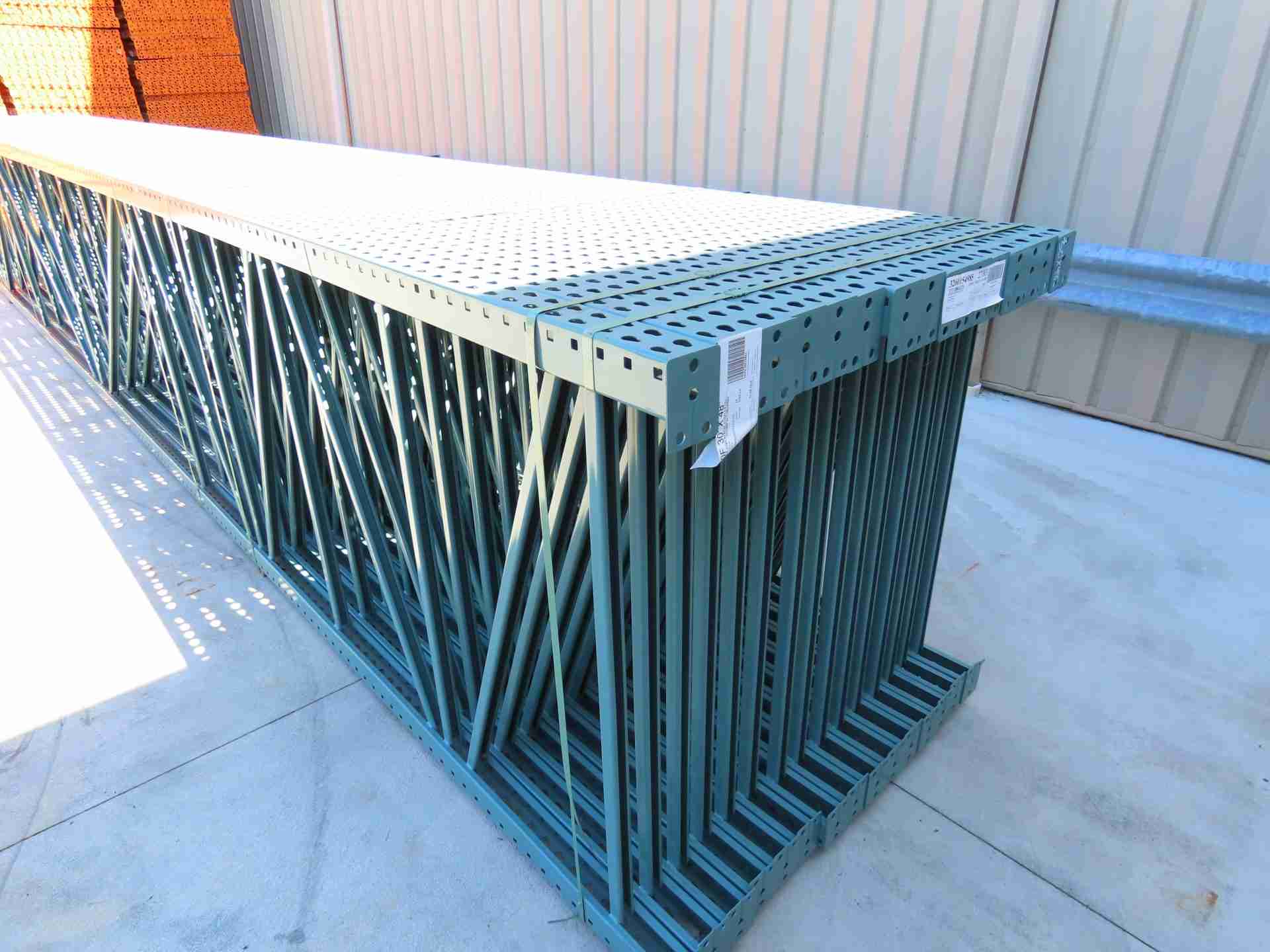
Other Questions
Checklist
Physical Slotting Vs System Slotting – A Checklist
Define Goals and Baseline
✅______ Establish objectives (throughput, on-time fulfillment, accuracy, labor hours, travel time, space utilization)
✅______ Capture current KPIs and pick-path time studies to set a baseline
✅______ Align goals with customer promises (speed, accuracy, seasonality)
Inventory Profiling
✅______ Classify SKUs by velocity (ABC), variability, and seasonality
✅______ Record accurate item data (dimensions, weight, pack/inner/eaches, handling constraints)
✅______ Identify order correlations and affinities (items often picked together)
✅______ Note conflicts (look-alike SKUs, hazmat rules, temperature, security)
Storage Medium and Capacity
✅______ Map each SKU to an optimal medium (pallet rack, carton flow, shelving, bins, floor, mezzanine)
✅______ Right-size locations to cube and pick face demand to reduce honeycombing
✅______ Separate case, inner, and each-pick stocking as needed
Physical Slotting Principles
✅______ Place fast movers near pack/ship and along primary travel paths
✅______ Keep heavy and bulky items in lower, easily accessed locations
✅______ Use the ergonomic “golden zone” for highest frequency each picks
✅______ Group correlated SKUs to shorten pick paths and reduce touches
✅______ Create dedicated, clearly marked seasonal and promotional zones
✅______ Standardize clear, consistent location labeling and signage
✅______ Separate pick and replenish aisles and flows where possible
System Slotting Setup
✅______ Validate WMS/ERP master data (item dimensions, location dimensions, capacities, units of measure)
✅______ Configure slotting rules (ABC velocity, cube-per-order index, order affinity, replenishment min/max)
✅______ Generate and review recommended placements and exceptions
✅______ Simulate travel time and workload balancing before go-live
✅______ Align slotting with pick methods (batch, wave, zone, cluster, voice or light)
Replenishment Alignment
✅______ Set min/max and presentation quantities to match pick demand
✅______ Schedule replenishment during low-traffic windows
✅______ Define triggers and alerts to prevent stockouts at pick faces
Error Reduction
✅______ Separate look-alike and sound-alike SKUs; use visual cues where needed
✅______ Place high-accuracy risk items in easy-to-verify locations
✅______ Enable scan verification and check digits at pick and put-away
✅______ Provide clear, concise standard work at the point of pick
Accessibility and Flow
✅______ Ensure clear, uncongested aisles and logical travel paths
✅______ Balance zones to avoid bottlenecks and picker crowding
✅______ Maintain accurate, up-to-date maps of zones and locations
Space Utilization
✅______ Adjust beam levels and slot sizes to fit actual SKU cube
✅______ Use dynamic or floating locations for slow movers where appropriate
✅______ Prioritize high-cube, high-velocity SKUs near docks and pack-out
✅______ Cross-dock ultra-fast items when feasible
People and Trust
✅______ Involve floor teams in walk-throughs and pilot re-slotting
✅______ Explain the slotting logic and expected benefits to all shifts
✅______ Capture and act on picker feedback post-change
✅______ Recognize improvements and share KPI gains with the team
Technology and Data Discipline
✅______ Set a cadence to refresh velocity, affinity, and seasonality (weekly or monthly)
✅______ Use heatmaps and travel-time reports to target re-slot opportunities
✅______ Maintain audit trails for moves and keep cycle counts current
✅______ Integrate slotting updates with wave planning and labor planning
Change Control and Rollout
✅______ Pilot in one zone, validate KPIs, then scale
✅______ Stage labels, maps, and WMS location updates before physical moves
✅______ Communicate cutover plans and provide quick-reference guides
✅______ Monitor first-week performance and correct issues daily
Sustainability and Cost
✅______ Reduce touches and travel to lower energy and consumables usage
✅______ Minimize obsolescence by prioritizing aging inventory in slotting rules
✅______ Track ROI (labor saved, accuracy gains, space recovered)
Review Cadence and Triggers
✅______ Schedule quarterly re-slot reviews; conduct a full re-slot annually or post-peak
✅______ Trigger re-slot for new top sellers, packaging changes, or layout changes
✅______ Revisit seasonal zones before each season and de-slot promptly after
Go-Live Readiness Check
✅______ All labels installed and verified
✅______ WMS locations synced; handhelds updated
✅______ Maps posted; team trained across shifts
✅______ KPIs and dashboards configured for daily review
Checklist
At RackingWorld, we help guide you through selecting warehouse storage systems and racking.
Be sure to read our other related stories at RackingWorld to learn more about warehouse storage systems.
0 Comments