
Optimizing Pharmaceutical Storage: A Holistic Approach
By Tom Seest
At RackingWorld, we help guide you through selecting warehouse storage systems and racking.
Be sure to read our other related stories at RackingWorld to learn more about warehouse storage systems.
Pharmaceutical Warehouse Racking Strategies
When it comes to pharmaceutical warehouse racking strategies, we’re not just talking about shelves and pallets; we’re diving into the lifeblood of an industry that saves lives. Imagine for a moment the weight of responsibility that comes with handling medications. Every box, every vial, every label, they all point to a person’s hope for health. That’s where racking systems come into play—not as bare structures, but as vital components designed with care, precision, and urgency.
From the moment those products arrive, efficient racking transforms a chaotic influx into organized columns of potential wellness. With the right system, we can reduce the distance between a patient and their treatment. Picture a healthcare professional urgently searching for a medication—a process that should be seamless, swift, and accurate. By optimizing the way we store and retrieve pharmaceuticals, racking strategies become more than mere logistics; they become the unsung heroes of healthcare delivery.
Let’s face it, the stakes are high. Every inch saved in a pharmaceutical warehouse means space for another critical product. By implementing deep lane racking or flow systems, you maximize capacity while ensuring each item is easy to access. This isn’t just smart business; it’s an ethical imperative. We owe it to those relying on us to ensure that whether it’s a life-saving drug or a routine prescription, the supply chain works without a hitch.
Moreover, consider the technological leaps we’ve made. Advanced automated racking not only heightens efficiency but adds layers of accuracy that build trust back with the community. This isn’t just about getting the job done; it’s about doing it right. When you use proven racking systems, you ally yourself with the health of countless individuals who depend on the precision of your operation.
Engagement goes beyond the warehouse walls. When a community sees a commitment to operational excellence, they respond positively. They won’t just see a well-organized warehouse; they’ll see a partner in their health journey. This is where social appeal morphs into brand loyalty. When we recognize the importance of pharmaceutical racking strategies, we embrace the collective responsibility of healthcare—one shelf, one product, one life at a time.
So let’s roll up our sleeves and commit to optimizing pharmaceutical warehouse racking. Let’s put the heart, head, and gut into it. Because every adjustment we make can resonate far beyond those warehouse walls, touching lives in ways we may never fully grasp.
Pharmaceutical Warehouse Racking Strategies
Pharmaceutical Warehouse Racking Strategies
- Pharmaceutical warehouse racking strategies are crucial for handling medications responsibly.
- Efficient racking systems organize products, making the supply chain more accessible for healthcare professionals.
- Every inch of saved space allows for the inclusion of more critical products in the warehouse.
- Implementing advanced racking systems, like deep lane racking or flow systems, maximizes capacity and accessibility.
- Technological advancements in automated racking enhance efficiency and accuracy, building community trust.
- Operational excellence in racking fosters community engagement and brand loyalty in the healthcare sector.
- Optimizing pharmaceutical racking has a significant impact on healthcare delivery and individual lives.
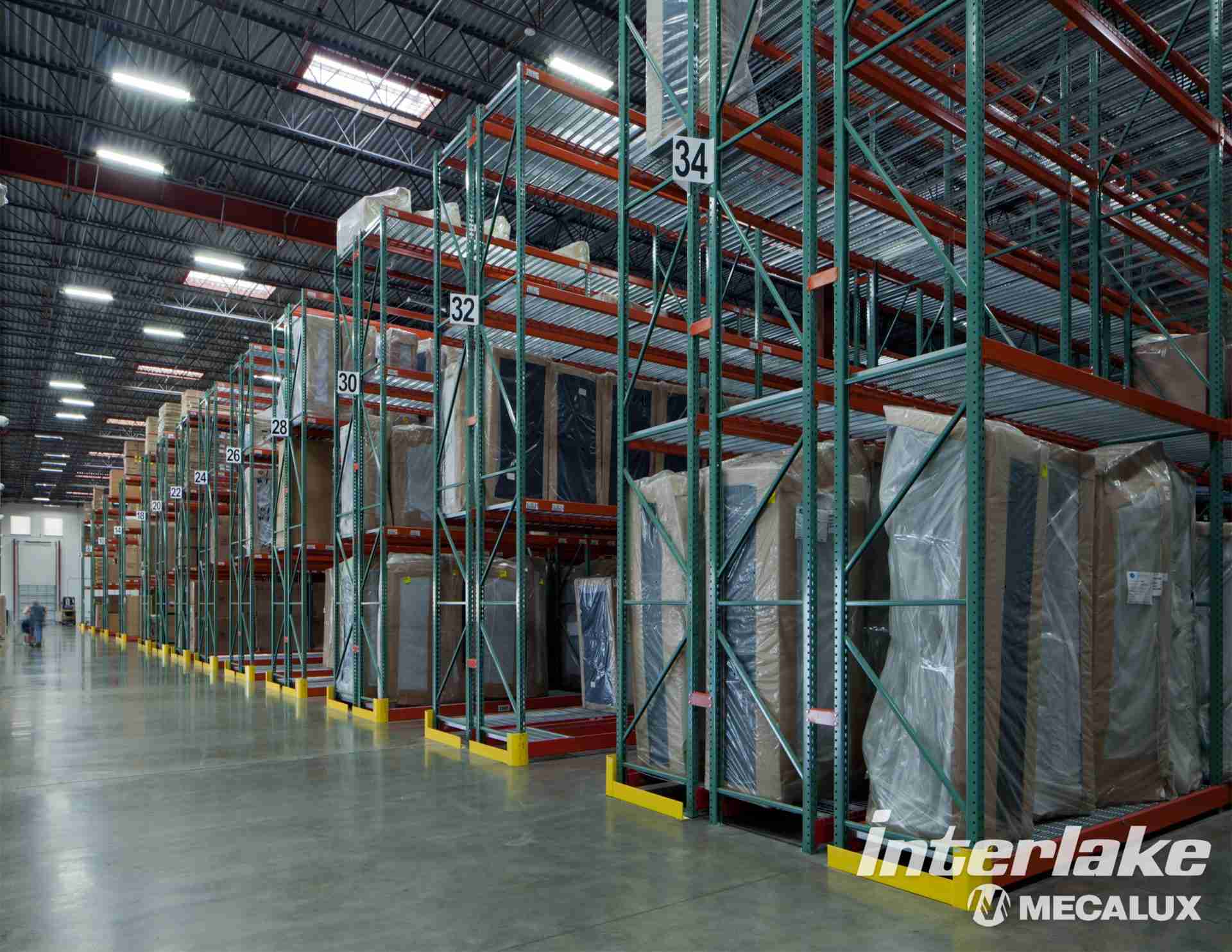
Pharmaceutical Warehouse Racking Strategies
Table Of Contents
- Pharmaceutical Warehouse Racking Strategies
- What Do Your Employees Feel About the Current Racking System?
- How Does Your Racking Strategy Affect Overall Warehouse Efficiency?
- Are You Concerned About the Safety Of Your Pharmaceutical Products?
- What Role Does Compliance Play In Your Warehouse Organization?
- How Can Improving Racking Influence Your Delivery Times Positively?
- Conclusion
- Other Resources
- Glossary Of Terms
- Other Questions
- Checklist
What Do Your Employees Feel About the Current Racking System?
Picture this: your warehouse is alive with the hum of productivity, the clang of metal, and the rhythm of teamwork. But then, you hear whispers and hushed conversations about the racking system. Are your employees feeling the weight of inefficiency, frustration bubbling beneath the surface as they navigate the chaos of poorly designed racks? The racking system isn’t just about holding shelves; it’s the backbone of your operation. When your workers feel hindered by a struggling structure, the impact ripples through the entire organization.
Let’s get real for a moment. The racking system affects everyone—the picker racing against the clock, the manager striving for efficiency, and even the newcomer trying to find their footing. Employees aren’t just cogs in a machine; they are integral players in a grand production, and their insights are worthy of respect. Are they anxious about safety with that racking system? Are they frustrated by wasted time, or worse, injury? Their voices matter, and actively listening can foster a bond of trust that turns a place of work into a community.
On a more rational note, inefficiencies in your racking system could amount to significant lost revenue. It’s not only about the physical clutter; it’s about the psychological toll on your employees. When people are proud and confident in their environment, they thrive. They don’t just lift boxes—they lift each other’s spirits. Think about that: a smooth, efficient racking system can be the difference between stagnation and innovation.
Ethically, there’s an obligation to provide a workspace that prioritizes both safety and efficiency. Employees deserve to feel valued, and their comfort in the workplace is paramount. You wouldn’t build a house on shaky ground, so why construct a workflow on a racking system that doesn’t resonate with the people who depend on it?
Every conversation about racking can become a narrative of improvement—a story where shared experiences spark transformative action. Engage your team, hold discussions, and create a culture of open feedback. This isn’t merely a supply chain issue; it’s about those who navigate it daily and the relationships you build with them. When you ask employees how they feel about the racking system, you’re not just inquiring—you’re inviting them to take ownership of their workspace. And when they feel valued, productivity soars.

What Do Your Employees Feel About the Current Racking System?
What Do Your Employees Feel About the Current Racking System?
- A well-designed racking system is essential for warehouse productivity and overall efficiency.
- Employees’ feelings about their racking system impact their performance and safety concerns.
- Active listening to employee feedback fosters trust and community within the workplace.
- Inefficiencies in the racking system can lead to significant financial losses and psychological stress.
- Providing a safe and efficient workspace is an ethical obligation that values employees’ comfort.
- Conversations about the racking system can lead to improvements and a culture of open feedback.
- Inviting employees to share their thoughts can increase their sense of ownership and enhance productivity.
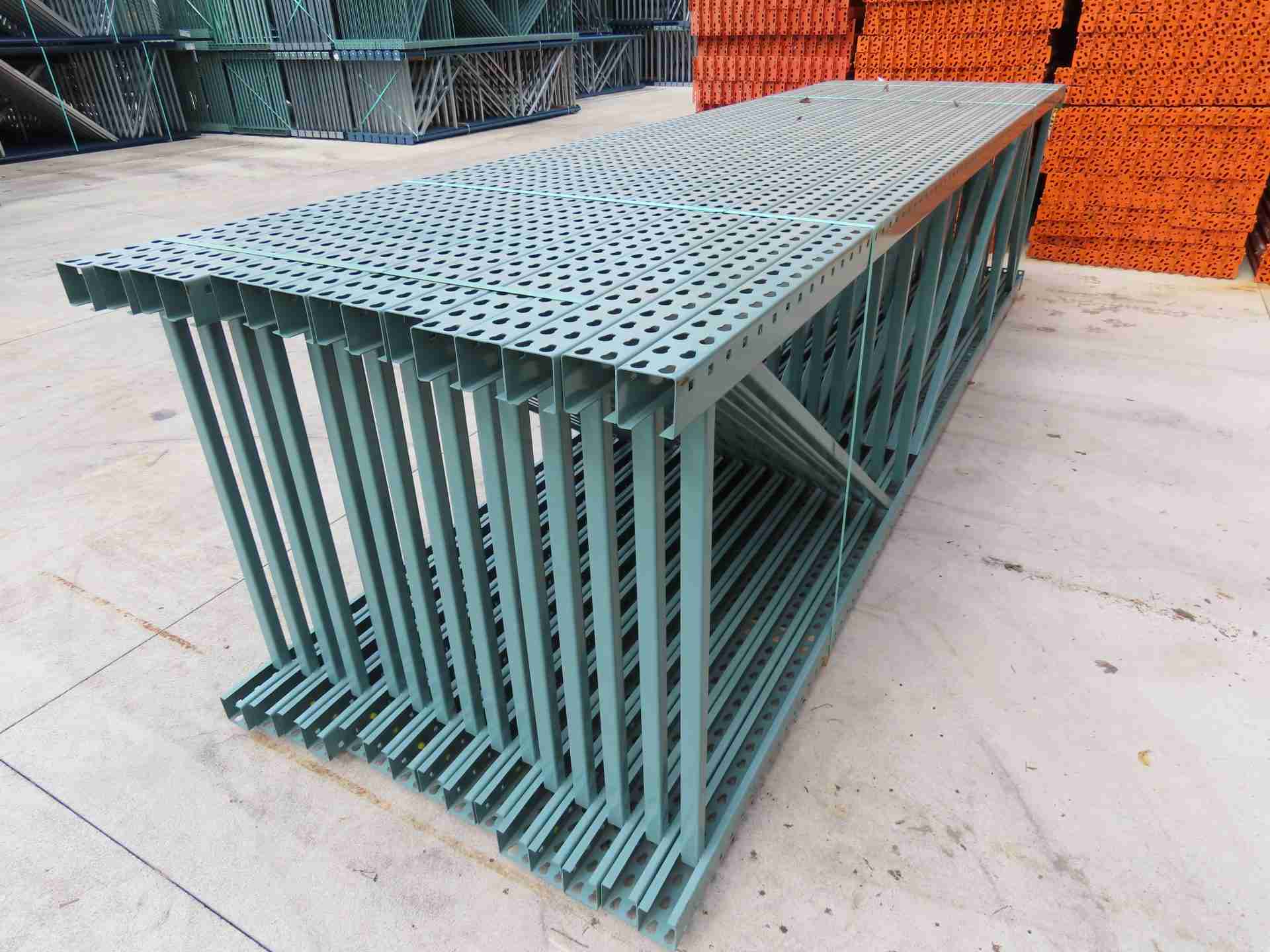
What Do Your Employees Feel About the Current Racking System?
How Does Your Racking Strategy Affect Overall Warehouse Efficiency?
When you step into a warehouse, you’re entering a bustling world where every inch matters. Picture rows of carefully arranged pallets stacked high, each one a promise of efficiency. The racking system—the backbone of this operation—plays a silent but powerful role. It’s not just about storing items; it’s about orchestrating a dance of motion, a finely-tuned machine operating with purpose. Your racking strategy can directly shape the pulse of your warehouse, affecting everything from order fulfillment to inventory management.
Most people might view racking purely as a practical matter—where to put things and how to access them. But at its core, a thoughtful racking strategy is an emotional endeavor, too. It’s about providing your team with a safe, organized environment that minimizes stress and maximizes productivity. Imagine a workplace where employees can move swiftly and easily, retrieving items without the frustration of sifting through chaotic stacks. That feeling of clarity and focus elevates not just the task at hand but also the morale of the workforce. It instills a sense of pride and ownership—something we can all get behind.
From a rational perspective, effective racking means better space utilization, reduced picking times, and ultimately, higher throughput. If a racking system is designed optimally—be it selective, drive-in, or narrow aisle—it translates into fewer errors and quicker response times. The bottom line? A well-organized racking strategy maximizes ROI, letting every square foot of your warehouse work harder for you.
On the ethical front, consider the environmental implications. By strategizing your racking carefully, you’re not just enhancing operational efficiency, but also reducing waste and resource consumption. A leaner operation can lead to a lighter footprint on our planet, which is something we should all champion.
You’re also tapping into a shared narrative—a story of collaboration and innovation in your industry. Businesses that actively prioritize their racking strategies send a message that they respect their employees, their customers, and their communities. This commitment cultivates trust, encouraging a culture where everyone feels invested in the outcome. So, as you ponder your racking strategy, remember: it’s more than shelves and beams; it’s the framework upon which your efficiency—and your entire operation—stands tall. Prioritize it, and you’ll set the stage for not just productivity but a legacy of excellence.
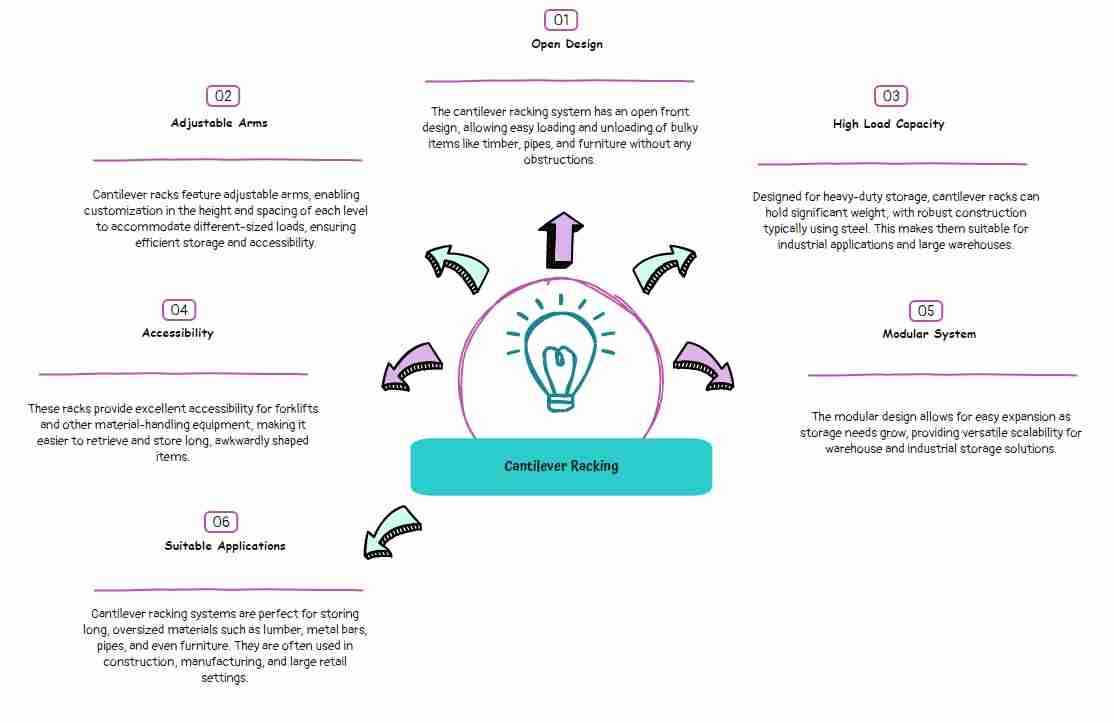
How Does Your Racking Strategy Affect Overall Warehouse Efficiency?
How Does Your Racking Strategy Affect Overall Warehouse Efficiency?
- A warehouse is a dynamic environment where efficient racking is crucial for operations.
- The racking system is essential for orchestrating warehouse motion and affects order fulfillment and inventory management.
- A well-thought-out racking strategy promotes a safe and organized workplace, enhancing employee morale and productivity.
- Effective racking leads to better space utilization, reduced picking times, and increased throughput.
- Optimal racking design (selective, drive-in, narrow aisle) can reduce errors and improve response times.
- Strategically planned racking can minimize waste and lower the environmental impact of operations.
- Cultivating a strong racking strategy fosters a culture of collaboration, trust, and innovation within the organization.
How Does Your Racking Strategy Affect Overall Warehouse Efficiency?
Are You Concerned About the Safety Of Your Pharmaceutical Products?
When you peel back the layers of what it takes to create a pharmaceutical product, the process can feel like a high-stakes game of racking your brain and wondering how it all holds together. You’re probably thinking, “Is my medication safe?” When you’re facing a health challenge, that question is more than a passing concern; it’s a gut punch. It demands attention, and rightly so. The truth is, we all deserve assurance that what we put into our bodies is not just effective, but also safe.
Consider for a moment the journey your medication has taken before it reaches your hands. Picture scientists tirelessly racking their brains, long nights spent perfecting compounds, and companies pouring resources into rigorous testing. Yet, despite the best efforts, the shadows of contamination and inadequacy can still linger, and that should not be taken lightly. Each pill represents hope and renewal, a silent promise made to you, your loved ones, and the community at large. They’re not just products; they are essential lifelines woven into the fabric of our society.
Now, let’s turn to ethics. Our society depends on trust. We assume that the institutions overseeing pharmaceutical safety have our best interests in mind. But what happens when that trust is shaken? Think about it—how would you feel if your medication caused harm because a critical step in safety testing was overlooked? It’s a question that gets to the heart of accountability. As we become more aware of product recalls and safety alerts, it’s up to us as consumers to advocate for transparency and to demand more from the entities we place our faith in.
You aren’t alone in seeking a safer path. Join a community that cares. Engage with local health organizations, participate in discussions about pharmaceutical safety, and share your experiences. Your voice matters. Together, we can hold pharmaceutical companies accountable, ensuring they prioritize our safety over profit. The ripple effect of each small action transforms not just individual lives but society as a whole.
So when you think about the safety of your pharmaceutical products, know this: you have the power to inspire change. Equip yourself with the knowledge and the courage to advocate not just for yourself but for everyone who relies on the healing power of these medications. Because when it comes to safety, we all deserve nothing less.
Are You Concerned About the Safety Of Your Pharmaceutical Products?
Are You Concerned About the Safety Of Your Pharmaceutical Products?
- The creation of pharmaceutical products involves a complex and high-stakes process.
- Consumers rightfully seek assurance regarding the safety and effectiveness of medications.
- Medicines are the result of extensive research, testing, and dedication from scientists and companies.
- Contamination and inadequacy are persistent concerns in the pharmaceutical industry.
- Trust in pharmaceutical institutions is vital, but can be disrupted by safety oversights.
- Consumers are encouraged to engage with health organizations and advocate for transparency and accountability.
- Knowledge and action can empower individuals to inspire change for safer pharmaceutical practices.
Are You Concerned About the Safety Of Your Pharmaceutical Products?
What Role Does Compliance Play In Your Warehouse Organization?
In the bustling world of warehouses, compliance isn’t just a dry set of rules—it’s the backbone of an efficient operation, a heartbeat that pulses life into racking systems, inventory management, and employee safety. Picture a warehouse as a living organism; every aspect, from tiny screws on the racking to the big machinery that moves pallets, needs to function in harmony with regulations. Every day, warehouse workers navigate these labyrinthine structures, relying on a safe environment to get their jobs done and return home to their families.
Imagine a father, pulling a double shift to make ends meet, or a mother ensuring her kids have what they need. The stakes are high, and compliance safeguards those everyday heroes. By upholding standards, you protect people and create a culture of accountability and respect. It’s a moral obligation as much as it is a legal one. Employees deserve to know that the warehouse they work in is not just a means to an end but a place where their well-being matters.
Let’s think about the rational side of compliance. When you implement safety protocols and adhere to regulations, you reduce accidents, minimize costly fines, and even improve productivity. It’s about looking at the bigger picture. You’re not just saving your organization money; you’re investing in a resilient future. Companies that take compliance seriously often enjoy the reputational boost of being seen as safe and responsible—attributes that attract talent and customers alike.
And here’s the gut punch: consider the alternates. Noncompliance can lead to tragic accidents, painful injuries, and loss of life. The thought alone should make every warehouse manager stand tall and fight for adherence. A successful warehouse operation is one where regulations are not merely checked off a list but woven into the very fabric of the organization.
In an age where the collective voice holds immense power, think about the story you want your warehouse to tell. When compliance becomes part of your narrative, you show employees and the community that you value integrity. It inspires trust and builds a collaborative environment, inviting everyone to take part in the mission. After all, compliance isn’t just a policy—it’s a promise to everyone who steps foot in your warehouse. So let’s embrace that commitment and build a culture where safety and respect reign supreme.
What Role Does Compliance Play In Your Warehouse Organization?
What Role Does Compliance Play In Your Warehouse Organization?
- Compliance is essential for efficient warehouse operations, ensuring safety and effective management.
- Every component, from racking systems to machinery, must function in harmony with regulations.
- Warehouse workers depend on a safe environment to perform their tasks and care for their families.
- Upholding compliance creates a culture of accountability and respect, valuing employee well-being.
- Implementing safety protocols reduces accidents, minimizes fines, and increases productivity.
- Noncompliance risks tragic consequences, highlighting the importance of adhering to regulations.
- Embedding compliance in the organizational narrative fosters trust and collaboration among employees.

What Role Does Compliance Play In Your Warehouse Organization?
How Can Improving Racking Influence Your Delivery Times Positively?
Imagine a bustling warehouse, where every tick of the clock pulses with the rhythm of freight trains and delivery trucks. Here, the difference between hitting your delivery targets and missing them by a mile often hinges on one simple yet powerful component: racking. It’s more than just a system of shelves and supports; it’s a lifeline for efficiency, a thriving backbone that can transform how a business operates.
When racking is optimized, the chaos of boxes and pallets gives way to order, clarity, and productivity. Picture the thrill of knowing that your team can locate a product in mere seconds rather than scouring aisles for minutes on end. This isn’t just about saving time; it’s about creating a culture of accountability, where every staff member feels empowered to contribute to the company’s success. An organized racking system fosters pride in one’s work, enhancing morale and turning mundane tasks into engaging challenges.
Rationally, improving racking translates to measurable gains. Imagine reducing the distance your workers travel within the warehouse, cutting down labor costs and allowing for increased throughput. Like a finely tuned machine, every part of the operation works in harmony—fewer touches result in fewer errors and wasted resources. When your team can swiftly complete orders, you’re not just meeting benchmarks; you’re exceeding customer expectations, making your brand synonymous with reliability.
On an ethical level, this transformation matters. It respects your workers’ time and energy, ensuring they have the tools necessary to thrive. Well-structured racking not only enhances efficiency but also minimizes stress, reducing injuries often linked to disorganization. When employees feel safe and valued, they invest in their work, creating a cycle of loyalty and dedication.
By leveraging the authority of best practices in racking, a company’s reputation strengthens. Businesses that prioritize effective inventory management become respected leaders in their field, fostering trust among customers and inspiring competitors to follow suit.
In a world where time is currency, effective racking transforms warehouses from chaotic labyrinths into streamlined pathways, unlocking delivery potential that not only meets demand but anticipates it. It’s about more than just getting things out the door; it’s about building a lasting relationship with your community, reinforcing a promise of reliability, and driving the success of both teams and customers. This is the heart of optimized racking—a commitment to excellence that resonates in every delivery, every product, and every satisfied customer.
How Can Improving Racking Influence Your Delivery Times Positively?
How Can Improving Racking Influence Your Delivery Times Positively?
- Racking is crucial for efficiency in warehouses, acting as a backbone for operations.
- Optimized racking leads to order and clarity, enabling quicker product location and boosting team accountability.
- An organized racking system enhances employee morale and encourages engagement in their tasks.
- Improved racking results in measurable gains, reducing worker travel distances and labor costs.
- Effective racking minimizes errors, reduces wasted resources, and helps exceed customer expectations.
- Well-structured racking respects workers’ time and energy, ensuring their safety and reducing stress.
- Companies that prioritize racking best practices build strong reputations and foster trust in their communities.

How Can Improving Racking Influence Your Delivery Times Positively?
Conclusion
The world of pharmaceutical warehouse racking strategies is far more intricate than just metal shelves and pallets. Imagine a framework underscored by responsibility, where each carefully organized box represents a lifeline for someone in need of medication. The stakes are incredibly high. These racking systems are not just logistic tools; they are the unsung heroes that connect patients with the treatments pivotal to their health and well-being. When designed thoughtfully and executed with precision, they turn the chaos of incoming products into a structured haven, reducing waiting times for medications and improving overall healthcare delivery.
Operational efficiency is crucial in this high-paced environment. Innovations like deep lane racking and flow systems allow for maximizing both space and accessibility. These aren’t merely smart investments; they’re ethical imperatives. They demonstrate a commitment to the countless individuals counting on these medications, whether for life-saving cures or routine prescriptions. An efficient racking system does more than streamline processes; it instills trust within communities—a promise that their health needs are taken seriously.
Let’s take a moment to consider those working within these warehouses—the employees navigating the aisles. Their experiences are directly tied to the effectiveness of the racking system. If they’re feeling frustrated by inefficiencies or risking safety, it affects morale, productivity, and ultimately the entire operation. Listening to their insights is essential. Their engagement fosters trust and transforms the workplace from a mere job into a community. When employees feel proud, empowered, and safe in their environment, productivity flourishes, serving as the backbone of a successful organization.
Compliance plays an equally significant role in this narrative. It’s the proactive embrace of safety regulations that protects employees and promotes accountability. Good compliance practices don’t only mitigate risks; they enhance a company’s reputation. A company that prioritizes safety and operational excellence becomes a trusted partner in healthcare, eliciting brand loyalty from its community.
As we consider these facets, it’s evident that optimizing racking strategies goes beyond operational logistics. It is a heartfelt call to action, appealing to our ethics, our rationality, and our shared responsibility. Each adjustment to improve these systems is a step toward greater health outcomes, not just for our communities but for the individuals who rely on our dedicated efforts. Together, let’s commit to a legacy of excellence that resonates in every warehouse and touches lives in ways we may never fully comprehend. It’s time to roll up our sleeves and elevate our pharmaceutical storage solutions—because every little bit matters.

Conclusion
Conclusion:
- The pharmaceutical warehouse racking strategies are vital for connecting patients with necessary medications.
- Thoughtfully designed racking systems reduce waiting times and enhance healthcare delivery.
- Operational efficiency is essential; innovations like deep lane racking and flow systems maximize space and accessibility.
- Efficient racking systems build trust within communities and prioritize health needs seriously.
- Employee experiences in warehouses impact overall effectiveness; their insights are key to improvements.
- Compliance with safety regulations protects employees and enhances company reputation in healthcare.
- Optimizing racking strategies is a collective responsibility that leads to better health outcomes for communities.
Conclusion
Other Resources
Other Resources
Here is a list of other resources you can review online to learn more:
- Rack Manufacturers Institute
- Warehousing Education and Research Council: https://www.werc.org/
- Heavy-Duty Cantilever Storage Racks
- Wolter
- What is Cantilever Racking? – AK Material Handling Systems
- Racking World
- National Safety Council
- Warehouse Racks, Warehouse Racking in Stock – ULINE
- Interlake Mecalux
- Pallet Racking 101: A Comprehensive Guide & Options Explained
- What is Selective Racking: Understanding Benefits & Options
- Warehouse Automation
- Teardrop Pallet Rack – Ridg-U-Rak
- Illinois Pallet Racking – WPRP
- Pallet Racking systems in Illinois and Great Lakes
- BMH Equipment LLC
- Material Handling Safety
- Mustang Material Handling
- CMMA
- SEMA
Use This Prompt To Get More Resources With Your Favorite Online AI Tool: Please provide me with a list of online articles with their URLs in a bulleted list that I can read regarding Pharmaceutical Warehouse Racking Strategies
Other Resources
Glossary Terms
Pharmaceutical Warehouse Racking Strategies – Glossary Of Terms
1. Warehouse: A storage facility designed for holding goods before distribution.
2. Racking: A system of shelves or frameworks used to organize and store products in a warehouse.
3. Pallet Racking: A type of racking specifically designed to hold palletized loads for easier access and storage.
4. Vertical Racking: A storage solution that maximizes vertical space, allowing for higher stacking of goods.
5. Selective Racking: A racking system allowing easy access to any individual pallet without needing to move others.
6. Drive-In Racking: A high-density storage system where forklift trucks can enter to retrieve pallets, suitable for large quantities of the same item.
7. Cantilever Racking: A system designed for storing long, bulky items such as pipes or lumber that require support from one side.
8. FIFO (First In, First Out): A rotation method where older stock is used before newer stock, minimizing expiration and waste.
9. LIFO (Last In, First Out): A stock rotation principle where newer items are utilized before older items, counter to FIFO.
10. Cold Storage: Temperature-controlled areas used for storing temperature-sensitive pharmaceuticals.
11. Batch Management: Tracking and managing inventory by specific batches or lots to ensure traceability.
12. Storage Density: A measure of storage utilization efficiency, indicating the amount of product stored in a specific area.
13. Inventory Turnover: A metric expressing how frequently inventory is sold and replaced over a period.
14. SKU (Stock Keeping Unit): A unique identifier for each distinct product and service that can be purchased.
15. Cross-Docking: A logistic practice where incoming goods are directly transferred to outgoing shipments without long-term storage.
16. Flow Rack: A racking system that uses gravity to move items forward, ideal for FIFO inventory management.
17. Mobile Racking: A dynamic racking system that can be moved to create aisles for access, optimizing space utilization.
18. Order Picking: The process of selecting and gathering products from storage to fulfill customer orders.
19. Warehouse Management System (WMS): Software that helps manage inventory, shipping, and receiving processes in the warehouse.
20. Zoning: Designating specific areas within a warehouse for different types of inventory or activities to enhance operational efficiency.
21. Barcode Scanning: Using barcodes and scanners to track and manage inventory quickly and accurately.
22. Shelf Life: The period during which a pharmaceutical product remains effective and safe to use.
23. Ergonomics: Design principles aimed at optimizing human well-being and system performance, crucial for preventing injuries in warehouses.
24. Safety Stock: Extra inventory kept on hand to mitigate risks of stockouts due to supply chain disruptions.
25. First Expiry, First Out (FEFO): A stock management method prioritizing products that will expire soonest.
26. Replenishment: The process of restocking products in the warehouse to maintain adequate inventory levels.
27. Temperature Mapping: Monitoring and documenting temperature variations within cold storage to ensure compliance with safety regulations.
28. Compliance: Adherence to laws and regulations governing pharmaceutical storage and handling.
29. Workflow Optimization: Improving processes and procedures in the warehouse to enhance efficiency and reduce waste.
30. Load Capacity: The maximum weight that a racking system can safely hold without risk of failure.

Glossary Of Terms
Other Questions
Pharmaceutical Warehouse Racking Strategies – Other Questions
If you wish to explore and discover more, consider looking for answers to these questions:
- What are the key factors to consider when choosing a pharmaceutical racking system?
- How can technology improve pharmaceutical warehouse racking systems?
- What are the different types of racking systems available for pharmaceutical warehouses?
- What are the common mistakes to avoid in pharmaceutical warehouse racking?
- How can employee feedback be effectively gathered regarding racking systems?
- What training is necessary for employees to work efficiently with the racking system?
- How do different racking strategies impact the overall supply chain in pharmaceuticals?
- What are the regulations regarding pharmaceutical storage and racking systems?
- How often should a racking system be assessed or updated for compliance?
- What environmental considerations should be taken into account for racking systems in pharmaceuticals?
- What role does inventory management software play in racking efficiency?
- How can a company measure the ROI of optimizing their racking systems?
- What strategies can enhance the safety of employees in a pharmaceutical warehouse?
- How does proper racking influence customer satisfaction and trust in pharmaceutical products?

Other Questions
Checklist
Pharmaceutical Warehouse Racking Strategies – A Checklist
Checklist: Optimizing Pharmaceutical Warehouse Racking Strategies
Emotional Appeals
_____ Visualize the impact of efficient racking on patient care and health outcomes. How does your racking system contribute to saving lives?
_____ Engage employees in discussions about their experiences with current racking systems. What changes could make them feel more valued and empowered?
Rational Appeals
_____ Assess current efficiency: Measure the current picking times and inventory management to identify potential improvements.
_____ Evaluate space utilization: Conduct a space audit to determine if your racking system allows for maximum capacity and ease of access.
_____ Monitor compliance: Regularly review compliance with safety regulations and industry standards to ensure optimal functioning and reduced liability.
Ethical Appeals
_____ Prioritize safety: Implement safety protocols that not only protect employees but also ensure the integrity of pharmaceutical products.
_____ Foster transparency: Share operational changes and improvements with your team to build trust and foster a culture of cooperation.
Authority Appeals
_____ Research best practices: Stay updated with advances in pharmaceutical racking technology and techniques. Which systems have proven effective in improving efficiency?
_____ Consult with experts: Engage with supply chain and warehouse management authorities to gain insights on improving your racking strategies.
Narrative Appeals
_____ Build a story: Share success stories of racking system improvements and their positive outcomes on both employee morale and patient safety.
_____ Create a stakeholder narrative: Involve employees, customers, and community members in the conversation about how a better racking strategy represents a commitment to quality care.
Social Appeals
_____ Encourage team feedback: Create channels for employees to voice their thoughts and suggestions on the racking system improvements.
_____ Engage with the community: Participate in local health initiatives to demonstrate your warehouse’s commitment to safety and quality, reinforcing your role as a trusted partner in health care.
Self-Assessment
_____ Reflect on current practices: Are your racking strategies aligned with the principles of efficiency, safety, and ethical responsibility?
_____ Commit to continuous improvement: Develop a plan to regularly assess and update your racking strategies to ensure they meet evolving industry standards and community needs.

Checklist
At RackingWorld, we help guide you through selecting warehouse storage systems and racking.
Be sure to read our other related stories at RackingWorld to learn more about warehouse storage systems.
0 Comments