
Maximizing Efficiency And Sustainability In Rack Storage
By Tom Seest
At RackingWorld, we help guide you through selecting warehouse storage systems and racking.
Be sure to read our other related stories at RackingWorld to learn more about warehouse storage systems.
Optimizing Rack Storage for E-Commerce Fulfillment
When it comes to e-commerce fulfillment, optimizing rack storage isn’t just a matter of convenience; it’s a lifeline. Imagine the bustling warehouse, where every aisle echoes with the anticipation of a thousand orders waiting to be fulfilled. A well-organized racking system transforms chaos into order, creating a seamless heartbeat for your operation. It’s here where the art and science of storage intertwine, making every inch of space work harder for you, like a silent partner committed to your success.
Now, let’s talk numbers. A well-planned racking system can boost your picking efficiency by up to 30%. That’s not just a statistic; it’s the difference between meeting customer expectations and letting them down. Picture a family waiting for a long-awaited package. If you can deliver that package on time, you’re not just fulfilling an order—you’re creating a moment of joy. However, if your shelves are cluttered or disorganized, you risk leaving that family disappointed. From a rational standpoint, effective racking maximizes your storage capacity while minimizing picking time, keeping your operational costs in check.
But there’s a deeper story here: the ethical responsibility we have to our customers. Every delay, every mistake, every out-of-stock item reflects on us, shaping our brand and reputation. Customers don’t just remember timely deliveries; they remember how we made them feel. A streamlined racking system empowers us to honor our commitments. By optimizing rack storage, we send a message that we care—about our business, our employees, and, most importantly, our customers.
Let’s also not forget the social aspect of the e-commerce world. Your fulfillment success is a shared triumph among your team. Together, you tackle challenges, celebrate milestones, and grow as a cohesive unit. Effective racking means everyone knows their role and where to find the products they’re responsible for. It fosters unity and boosts morale, reminding us daily that we are in this together.
Optimizing rack storage is more than a practical step; it’s a testament to our dedication. It’s about putting forth our best effort, ensuring that the stories we hear and the connections we build are rooted in trust and reliability. So roll up those sleeves, embrace the challenge, and let’s make that storage work for us. Your customers are counting on you.

Optimizing Rack Storage for E-Commerce Fulfillment
Optimizing Rack Storage for E-Commerce Fulfillment
- Optimizing rack storage is crucial for e-commerce fulfillment, transforming chaos into order in busy warehouses.
- A well-planned racking system can enhance picking efficiency by up to 30%, impacting customer satisfaction significantly.
- Effective racking maximizes storage capacity and minimizes picking time, helping to control operational costs.
- Timely deliveries build brand reputation, while delays and mistakes can lead to customer disappointment.
- Streamlined racking systems reflect ethical responsibilities towards customers, showcasing commitment to quality service.
- Optimizing storage fosters teamwork, as everyone understands their role and contributes to shared successes.
- Prioritizing rack optimization emphasizes dedication to customer service and builds trust and reliability.
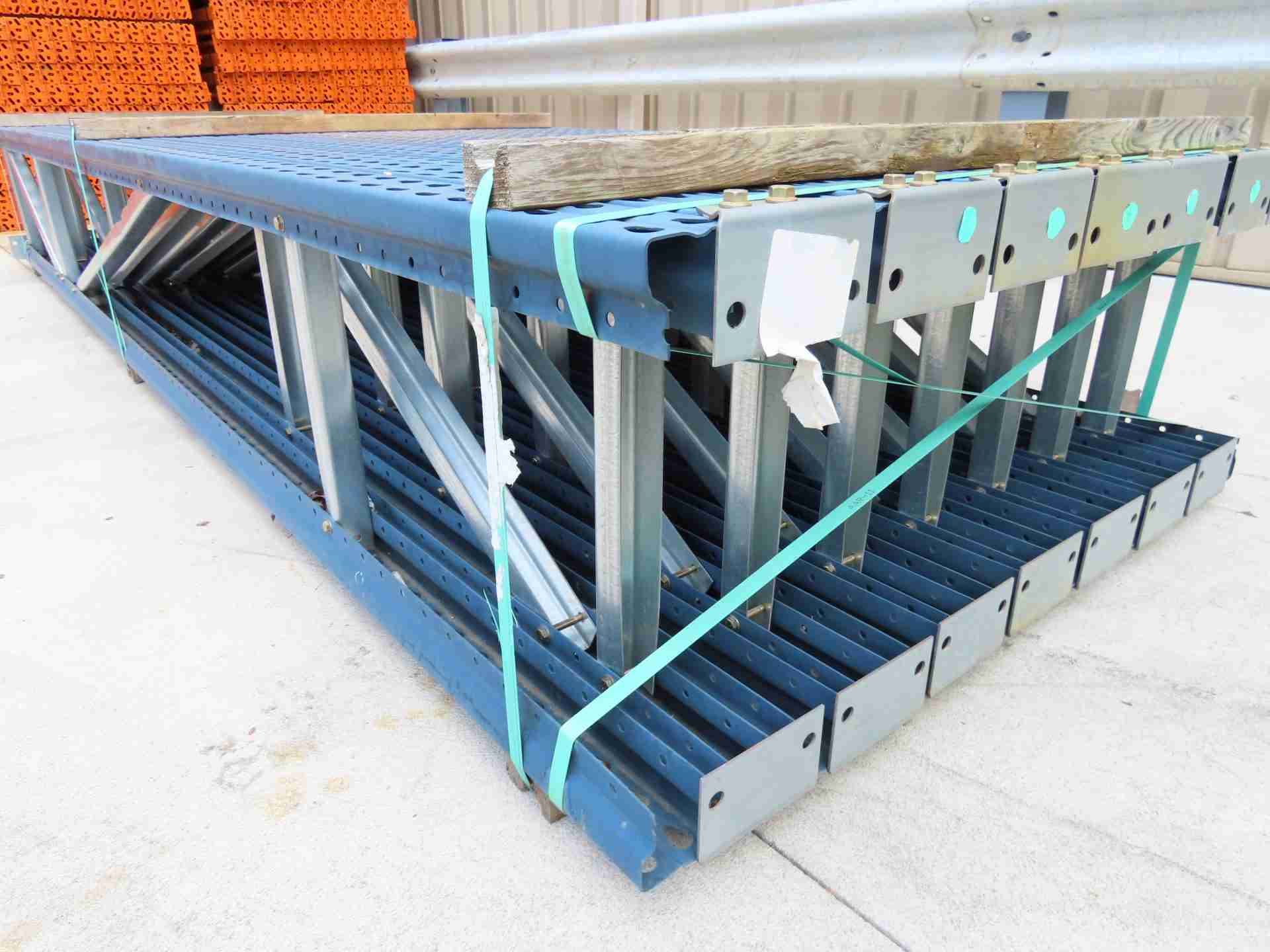
Optimizing Rack Storage for E-Commerce Fulfillment
Table Of Contents
- Optimizing Rack Storage for E-Commerce Fulfillment
- How Does Efficient Rack Storage Impact Your Bottom Line?
- Are You Confident Your Current System Meets Industry Best Practices?
- What Ethical Considerations Arise When Maximizing Storage Space?
- How Do Competitors Successfully Manage Their Fulfillment Storage?
- What Guidance Can Experts Provide for Optimizing Warehouse Layout?
- Conclusion
- Other Resources
- Glossary Of Terms
- Other Questions
- Checklist
How Does Efficient Rack Storage Impact Your Bottom Line?
Imagine walking into a warehouse bustling with activity—a place where every square foot is maximized like a well-oiled machine. This is not just a scene from a logistics mastermind’s playbook; it’s the tangible outcome of efficient racking systems that can make or break your bottom line.
When you consider racking, think of it not merely as a warehouse fixture, but as the backbone of your business. Good racking is about more than just storing pallets; it’s about storing potential. Properly designed racking increases accessibility, speeds up order fulfillment, and reduces labor costs—three factors that directly impact your profit margins. Imagine reducing the time your staff spends searching for inventory. Picture the smiles as they clock out early because they’ve been empowered by a space that supports their work instead of hindering it.
Your bottom line thrives on efficiency, a fact that’s hard to overlook but easy to underestimate. When every item in your warehouse is organized, you glean valuable data about inventory levels and turnover rates. This data enables you to make smart, informed decisions, creating a ripple effect that can lead to growth and innovation. It’s not just numbers on a spreadsheet; it’s about people who can do their jobs better because they have the tools to succeed.
Ethically speaking, investing in a solid racking system shows your commitment to your workforce. When you prioritize safe, accessible, and efficient storage solutions, you’re sending a message that you care. A well-organized workspace fosters a sense of pride and ownership among employees, promoting a positive work culture that resonates beyond warehouse walls.
Now let’s consider a compelling narrative—your story. You’re not just a business owner; you’re a leader who recognizes the importance of functional, efficient racking. Each section of your warehouse tells a story of hard work, innovation, and dedication. By making smarter choices about storage, you’re not only supporting your bottom line but also laying the groundwork for future successes that benefit your entire team.
When you invest in efficient racking, you invest in the interconnected web of your business. Enhanced efficiency leads to better service, happier employees, and healthier profit margins. It’s about building a lasting legacy, one rack at a time, creating value that goes beyond the immediate gains and positions your business for the future. Embrace the change; it’s time to rearrange your focus and see just how far your bottom line can stretch.
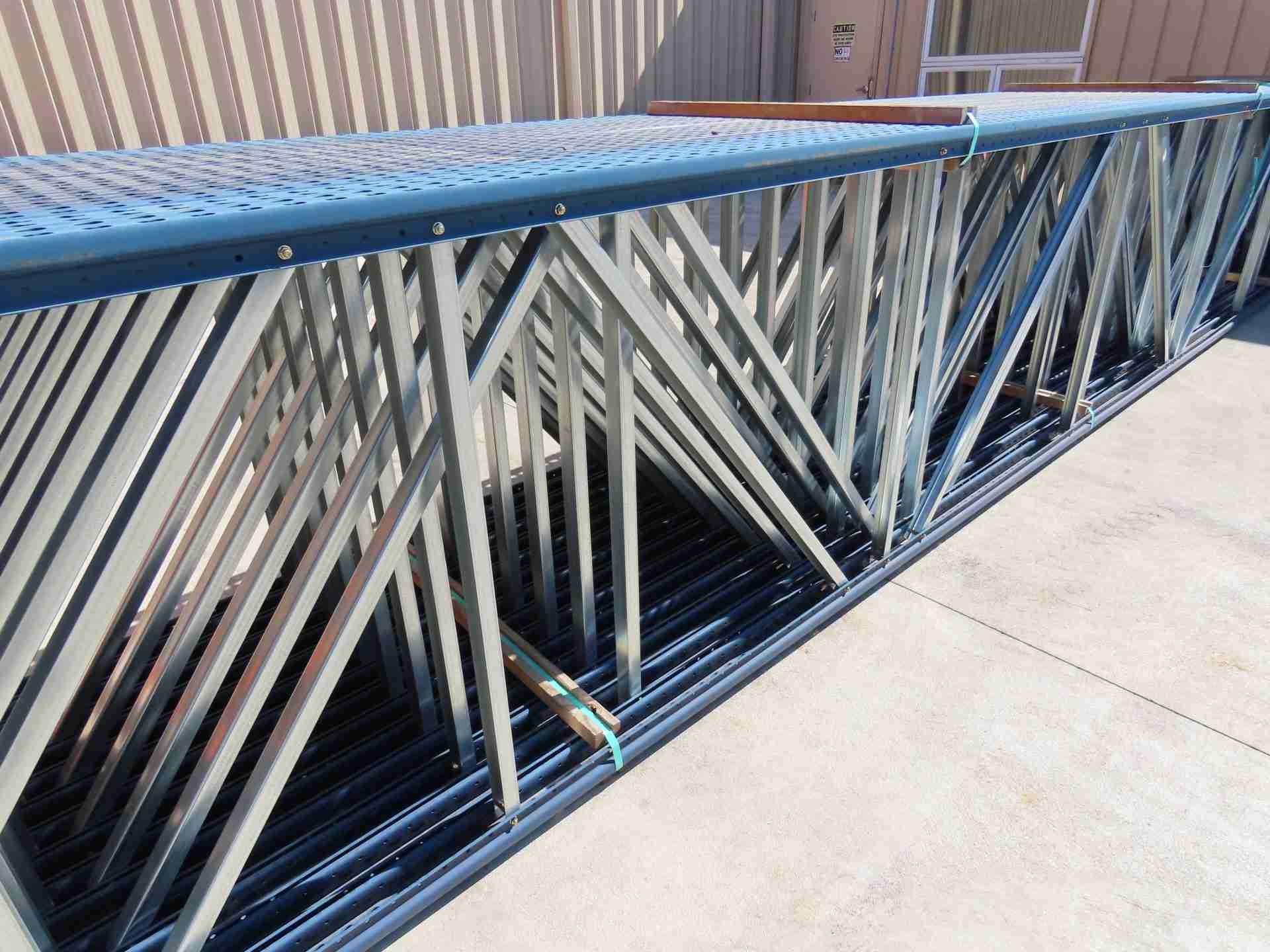
How Does Efficient Rack Storage Impact Your Bottom Line?
How Does Efficient Rack Storage Impact Your Bottom Line?
- Efficient racking systems are essential for maximizing warehouse productivity and profitability.
- Racking is the backbone of the business, crucial for not just storage, but also accessibility and order fulfillment.
- Properly designed racking reduces labor costs and improves inventory management.
- Organized warehouses provide valuable data on inventory levels and turnover rates, facilitating informed business decisions.
- Investing in racking shows commitment to workforce safety and promotes a positive work culture.
- Efficient racking supports a narrative of hard work and innovation within the business.
- Investing in storage solutions builds a lasting legacy and positions businesses for future success.
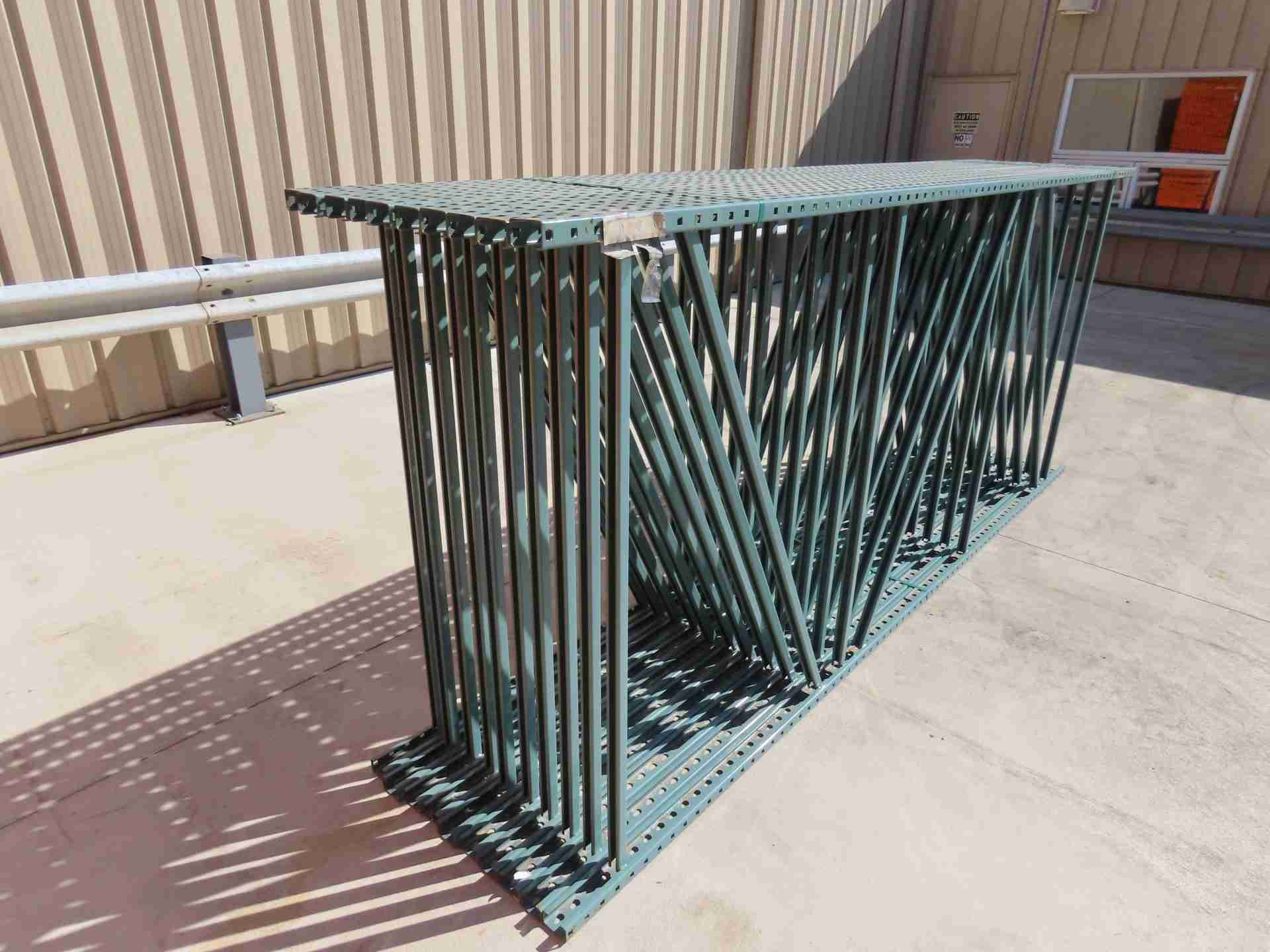
How Does Efficient Rack Storage Impact Your Bottom Line?
Are You Confident Your Current System Meets Industry Best Practices?
When was the last time you truly examined the system you rely on day in and day out? It’s easy to get lost in the grind, surrounded by the hum of machinery and the buzz of daily business. But let me remind you: if you’re not regularly assessing whether your current system—be it racking solutions or workflows—aligns with industry best practices, you might as well be sleeping on the job.
Now, don’t get me wrong. There’s comfort in routine. You know how things work, and change can feel daunting. But complacency is a silent killer in any industry. When you make the leap to tick that box and validate your setup, something remarkable happens. Purpose surfaces. You transform from being a participant in the status quo to becoming a leader who inspires confidence.
Think about it for a second. Experts emphasize that stale processes lead to stale results. Ask yourself—are you keeping pace with competitors who embrace innovation? When you harness best practices, you’re not just safeguarding your bottom line; you’re ensuring the very foundation of your operation is robust and future-ready. Consider that an investment in your system is more than a financial decision—it’s an ethical commitment to your team and clients. Your people deserve the best tools for their jobs; it’s fundamental to their well-being and success.
We’ve all been in a situation where we’ve seen potential slip through our fingers because we underestimated the need for improvement. Or perhaps you’ve walked into a warehouse and stared up at the racking systems, wondering if they were built not just for today but for tomorrow’s challenges. That emotional connection comes from knowing you’re doing everything you can to prevent mishaps. Your staff should feel valued; their safety and efficiency depend on a well-thought-out system.
So, let’s build that connection not just through words but through action. Take a step back and assess. Gather your team, review your practices, and don’t hesitate to seek out expert opinions. A fresh perspective could ignite change that you never thought possible. Investing time in this process is not merely organizational—it’s a meaningful commitment to excellence. It says, “We care.” And when you foster that spirit, you’ll forge a culture that doesn’t just survive but thrives. You’ll be paving the way for success, not just for yourself, but for everyone who counts on you.

Are You Confident Your Current System Meets Industry Best Practices?
Are You Confident Your Current System Meets Industry Best Practices?
- Regularly assess the systems you rely on to ensure they align with industry best practices.
- Complacency can hinder progress; routine can lead to stagnation.
- Validating your setup transforms you from a participant to a leader, inspiring confidence.
- Stale processes lead to stale results; keep pace with competitors embracing innovation.
- Investing in your systems is an ethical commitment to your team and clients, enhancing their work environment.
- Evaluate your current systems to prevent potential losses and ensure safety and efficiency for your staff.
- Engage your team and seek expert insights to ignite meaningful changes and foster a thriving culture.
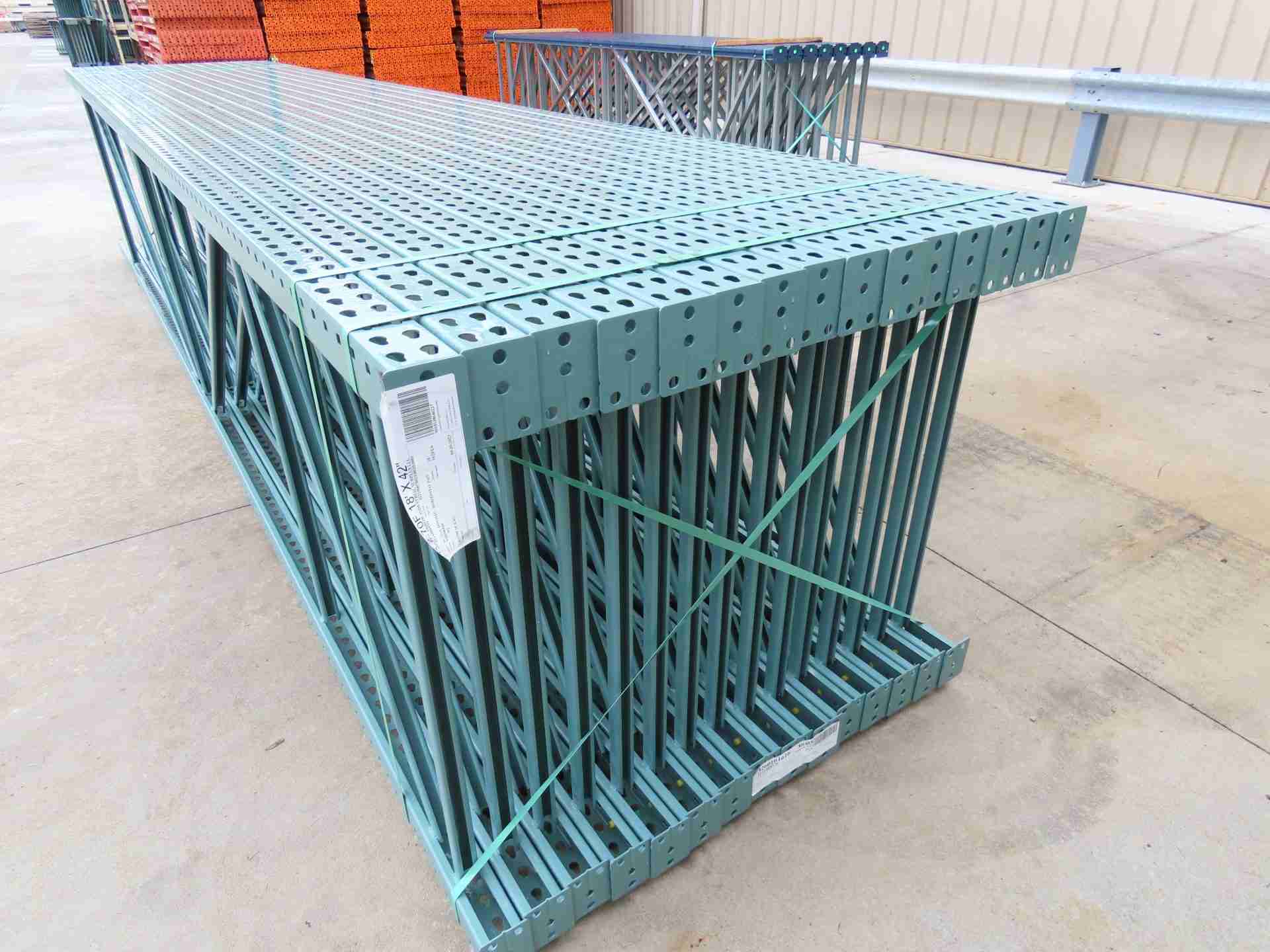
Are You Confident Your Current System Meets Industry Best Practices?
What Ethical Considerations Arise When Maximizing Storage Space?
When we talk about maximizing storage space, we often focus on efficiency, convenience, and maybe even a little bit of thrill at the prospect of reclaiming lost corners in our homes or businesses. But what about the ethical considerations that lurk beneath the shiny veneer of racking systems and sleek storage solutions? Every decision we make in this arena holds the weight of responsibility, and it’s time to engage heart, head, and gut in this conversation.
Imagine walking into a warehouse filled to the brim, where racks rise towering like skyscrapers, and every inch is a battle won against clutter. It’s impressive, right? But those racks don’t just offer a place for your old boxes or surplus inventory; they symbolize choices. Where does that product come from? Who manufactured it, and under what conditions? As consumers, we wield power when we ask these questions. Our choices about what to store and how to store it reflect our values. If ethical sourcing and sustainability matter to you—and they should—then maximizing storage space should also involve minimizing waste and exploitation.
Rationally speaking, maximizing storage can lead to improved organization, reduced costs, and better resource management. However, it’s important to remember that behind each storage decision lies a complex web of social implications. Are we prioritizing efficiency over community health? Are we overlooking risks of overconsumption? Every time we fill a shelf, we should reflect on what that means for our environment and our society. Let’s not ignore the gut feeling that tells us, “Am I contributing to a cycle of consumption that damages rather than heals?”
As a society, we trust that businesses will act responsibly. We trust that when they choose efficient racking systems, they’re also considering their carbon footprint, their impact on workers, and the message they send to future generations. We call upon organizations to lead with integrity, to inspire action beyond mere profits. Every choice offers a chance to foster connection—not only with our belongings but with the planet.
So, the next time you’re planning to maximize that storage space, pause for a moment. Connect with your values. Investigate the choices before you. Be the mindful steward of your personal and shared spaces. Together, let’s reclaim not just our homes but our collective conscience in the name of ethical responsibility. It’s not just about filling space—it’s about what we choose to fill it with and the legacy we leave behind.
What Ethical Considerations Arise When Maximizing Storage Space?
What Ethical Considerations Arise When Maximizing Storage Space?
- Maximizing storage space involves considerations of efficiency, convenience, and ethical implications.
- Storage solutions represent choices regarding product origins, manufacturing conditions, and consumer values.
- Ethical sourcing and sustainability should guide decisions about what and how to store items.
- Improved organization and reduced costs come with social implications, such as community health and overconsumption risks.
- Businesses should prioritize responsible practices, considering their carbon footprint and worker impact.
- Every storage choice can foster a connection with belongings and the environment.
- Being mindful about storage impacts our legacy and collective conscience regarding ethical responsibility.

What Ethical Considerations Arise When Maximizing Storage Space?
How Do Competitors Successfully Manage Their Fulfillment Storage?
When it comes to managing fulfillment storage, competitors who succeed don’t just stack boxes on racking and call it a day. They weave a tapestry of strategy, empathy, and innovation—creating a seamless experience for customers. Imagine walking into a fulfillment center that feels organized like a well-oiled machine, where every product has a purpose, every aisle is a pathway to efficiency, and the air hums with the rhythm of purpose. That’s not an accident; it’s the result of intentional design.
Processing orders is more than a mere transaction; it’s about trust. Companies that excel invest time and resources to understand their customers’ needs. They’re not just filling orders; they’re creating connections through every package shipped. Picture a hardworking family eagerly waiting for a package that doesn’t just satisfy a need but brings joy, maybe a birthday gift or a long-awaited toy. That fulfillment center in the background has a hand in those moments, making sure that joy arrives on time, every time.
Logistics is complex, but competitors who rise to the top engage both the heart and the head. They analyze data with laser precision, utilizing cutting-edge technology to predict trends and streamline their processes. They embrace automation and smart systems that take the headache out of managing stock levels and order processing, transforming chaos into clarity. This isn’t just about saving time—it’s about creating space for creativity and innovation, allowing teams to focus on what truly matters: improving customer experiences.
Ethically, these leaders are also committed to sustainability. They embrace eco-friendly practices in their fulfillment centers, ensuring that their operations leave a minimal footprint. This goes beyond profit; it fosters an environment where people feel good about the brands they support. Customers are increasingly drawn to companies that reflect their values, creating a social connection that extends far beyond purchase.
And let’s talk about culture. A fulfillment center thrives on teamwork. The success of operations rests on the shoulders of dedicated individuals who take pride in their work. It’s not just a job; it’s a mission. Whether it’s a manager guiding their team or workers communicating across aisles, each person plays a pivotal role in crafting a smooth experience. This sense of community not only fuels performance but cultivates an atmosphere of trust and camaraderie that resonates with everyone involved.
Successful fulfillment storage management isn’t merely about storage or speed; it’s about relationships—relationships built on understanding, innovation, ethics, and community. Embrace these principles, and the practice of fulfillment transforms from a mere function into a vital force that drives not just business, but truly meaningful connections.
How Do Competitors Successfully Manage Their Fulfillment Storage?
How Do Competitors Successfully Manage Their Fulfillment Storage?
- Successful fulfillment storage goes beyond mere organization; it requires a strategy built on empathy and innovation.
- Order processing involves building trust and creating connections with customers, enhancing their experience.
- Leaders in logistics analyze data and utilize technology to streamline operations and predict trends.
- Automation and smart systems help manage stock levels effectively, allowing teams to focus on customer experience.
- Ethical practices, including sustainability, are essential for companies wanting to resonate with customers’ values.
- A strong team culture fosters pride and collaboration, which enhances operational efficiency and community spirit.
- Fulfillment management transforms from a function to a force that drives meaningful connections and relationships.

How Do Competitors Successfully Manage Their Fulfillment Storage?
What Guidance Can Experts Provide for Optimizing Warehouse Layout?
When it comes to optimizing warehouse layout, the wisdom of experts is like a well-tuned machine; it doesn’t just hum along—it roars with efficiency and purpose. Imagine walking into a bustling warehouse where everything has its place and your eyes scan the horizon, noticing not just chaos, but a meticulously arranged ballet of racking systems, order-pickers, and inventory flowing like a well-choreographed dance. It’s not just about having stuff stacked neatly; it’s about creating an environment where every inch of space works for you, not against you.
Experts often remind us that the goal isn’t merely to maximize square footage but to cultivate an atmosphere of productivity. Take a moment to visualize that—a place where the workers feel empowered, not bogged down by clutter. This is where decisions based on data and experience come into play. They analyze movement patterns, assess the paths most taken, and can even predict needs based on seasonal fluctuations. Such insight helps establish a layout that enhances flow and reduces bottlenecks, providing not just efficiency, but assuring every worker feels the satisfaction that comes from a job well done.
It’s not just numbers on a page; it’s about the people. The folks on the ground floor working hard deserve a workspace that respects their time and energy. Ethical layout considerations focus not only on cost but also on the well-being of the employees. Leadership that invests in optimizing warehouse layout demonstrates their deep respect for the crews. When workers feel valued, morale rises, turnover rates drop, and productivity flourishes.
The authority of warehouse experts is built on years of experience, trial and error, and success stories that can be shared over coffee breaks. Picture them at a conference, surrounded by enthusiastic faces, sharing narratives of struggles turned victories—each one a beacon of hope for those still navigating their own challenges.
Community matters, too. Engaging with fellow warehouse managers fosters collaboration and exchange of ideas. Online forums and local meet-ups can unearth solutions and innovations that propel your layout from adequate to exceptional. So, when you’re ready to take a hard look at your space, remember: it’s not just about what you store; it’s about how you store it—and with the right guidance, your warehouse can be transformed into a powerhouse of efficiency and pride.

What Guidance Can Experts Provide for Optimizing Warehouse Layout?
What Guidance Can Experts Provide for Optimizing Warehouse Layout?
- Expert advice is crucial for optimizing warehouse layout, resulting in increased efficiency.
- A well-organized warehouse creates a productive environment, transforming chaos into a choreographed flow.
- The focus should be on maximizing productivity rather than just square footage.
- Data-driven analysis of movement patterns aids in developing layouts that enhance workflow and reduce bottlenecks.
- Optimizing layouts respects workers’ time and improves morale, leading to lower turnover rates and higher productivity.
- Experienced warehouse experts share valuable insights and success stories, fostering a community of collaboration.
- Transforming warehouse space involves not just storage practices but also how to create an efficient and satisfying work environment.
What Guidance Can Experts Provide for Optimizing Warehouse Layout?
Conclusion
Optimizing rack storage for e-commerce fulfillment is more than just a logistical necessity; it’s a transformative journey. Walk into any bustling warehouse, and you can feel the energy. Each aisle is a testament to purpose, showcasing a well-organized racking system that ensures the heartbeat of operations flows smoothly. This isn’t merely about aesthetics or routine; it’s about maximizing potential and creating moments of delight for customers eagerly awaiting their orders. Efficiency gleaned from an optimized racking system can elevate picking speed by as much as 30%, a figure that carries profound implications. Delivering joy to a family waiting for a special package means everything—it’s about honoring commitments and crafting trust.
From a rational perspective, effective rack storage not only reduces operational costs but also enhances employee morale. Employees armed with a streamlined workspace can fulfill their roles with confidence, knowing that every item is within arm’s reach. It fosters a culture of ownership and pride, reinforcing the idea that a well-structured environment leads to happiness and success. This ethical responsibility to our teams and clients brings forth a compelling narrative—every time you enhance your storage practices, you’re investing in better relationships and more meaningful interactions.
Observation of successful competitors reveals an intricate web of strategies aimed not just at efficiency, but also at weaving emotional connections with customers. These organizations understand that truly exceptional service goes hand in hand with a thriving workplace culture, built on teamwork and shared victories. This sense of community is what transforms fulfillment from a series of transactions into a dynamic exchange of trust.
But let’s not forget a critical part of the equation: sustainability. As businesses, our legacy is intertwined with the choices we make. Each storage decision holds a mirror to our values. Ethical sourcing, waste reduction, and mindful consumption should dictate how space is maximized. The challenge lies not just in filling racks but in what we choose to fill them with.
In conclusion, embracing the challenge of optimizing rack storage is an opportunity to express our dedication to excellence. It’s about rolling up our sleeves and committing to a shared goal—enhancing efficiency, fostering connections, and leaving a legacy of responsibility. When we commit to this level of engagement, we don’t just meet industry standards; we set new ones. The journey is daunting, but the rewards—happier customers, empowered employees, and a sustainable future—are worth every effort. So let’s get to work; our customers are counting on us.
Conclusion
Conclusion:
- Optimizing rack storage for e-commerce fulfillment is a transformative journey that enhances operational efficiency.
- A well-organized racking system can increase picking speed by up to 30%, improving customer satisfaction.
- Effective rack storage reduces operational costs and enhances employee morale, leading to a happier workplace.
- A streamlined workspace allows employees to feel confident and foster pride in their roles.
- Successful fulfillment strategies emphasize emotional connections with customers and a thriving workplace culture.
- Sustainability is crucial; every storage decision reflects company values and must prioritize ethical sourcing and waste reduction.
- Embracing rack optimization is an opportunity to enhance efficiency, improve relationships, and set new industry standards.

Conclusion
Other Resources

Other Resources
Here is a list of other resources you can review online to learn more:
- Teardrop Racks – Pallet Rack World
- Heavy-Duty Cantilever Storage Racks
- Mustang Material Handling
- Warehouse Storage Racking in Illinois
- Material Handling Safety
- Warehouse Racking Systems: Beginner’s Guide to Rack Systems
- Cantilever Rack Configuration & Installation: A Comprehensive Guide – BMH
- Illinois Pallet Racking – WPRP
- Total Warehouse
- Pallet Racking systems in Illinois and Great Lakes
- Bradford Systems
- Intro to Warehouse Racks & Warehouse Racking Systems – ShipBob
- Logic Material Handling
- IIWS Inc. Rack Installation Illinois & Rack Repairs Illinois
- What is Cantilever Racking? – AK Material Handling Systems
- Warehouse Racking System: Powerful Guide to Optimise, 2024
- Shipping Boxes, Packaging Materials, Pallet Racking
- Illinois Pallet Racking – Storage Solutions
- Cantilever Racking Specialists – Get the Right Racks
- Wolter
Use This Prompt To Get More Resources With Your Favorite Online AI Tool: Please provide me with a list of online articles with their URLs in a bulleted list that I can read regarding Optimizing Rack Storage for E-Commerce Fulfillment
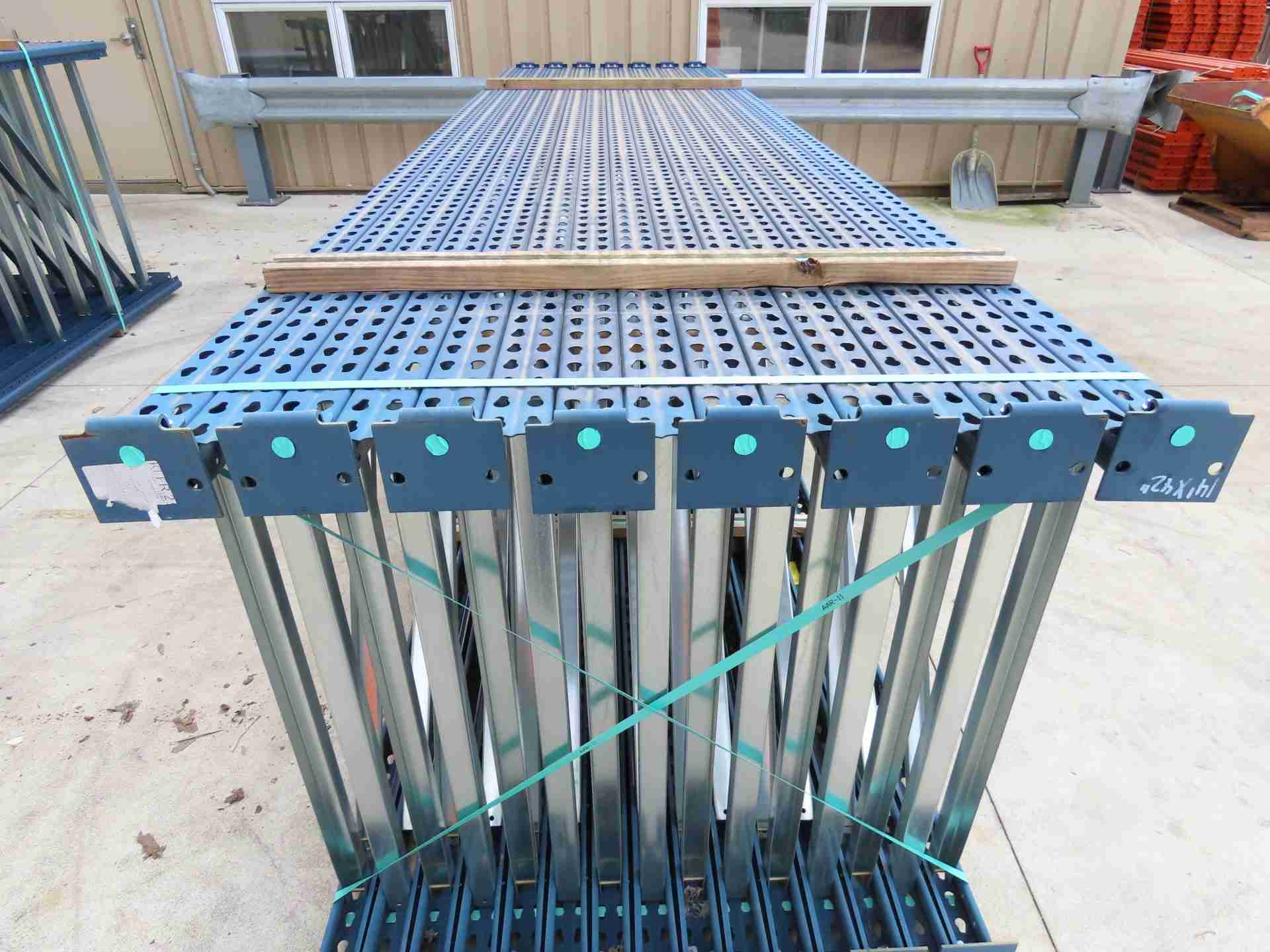
Other Resources
Glossary Terms
Optimizing Rack Storage for E-Commerce Fulfillment – Glossary Of Terms
1. Rack Storage: A system composed of vertical structures used to hold and organize products in a warehouse or storage facility.
2. E-Commerce: Buying and selling goods or services electronically, typically through online platforms.
3. Fulfillment: The process of receiving, packing, and delivering orders to customers.
4. Inventory Management: The supervision of ordering, storing, and using a company’s inventory, crucial for ensuring product availability.
5. SKU (Stock Keeping Unit): A unique identifier for each distinct product and service that can be purchased.
6. Picking: The act of selecting products from storage to fulfill a customer order.
7. Packing: The process of preparing picked items for shipment, ensuring they are secure and properly labeled.
8. Last-Mile Delivery: The final step of the delivery process where goods reach the end customer, often influencing customer satisfaction.
9. Dynamic Slotting: A method that involves regularly updating storage locations based on demand, ensuring high-traffic items are easily accessible.
10. Lean Warehousing: An approach focused on minimizing waste and maximizing efficiency in warehouse operations.
11. Order Management System (OMS): Software that facilitates managing orders, tracking inventory, and processing shipping.
12. Warehouse Layout: The physical arrangement of different storage locations and workstations within a warehouse.
13. Buffer Stock: Extra inventory kept on hand to prevent stockouts, ensuring smooth operations during demand fluctuations.
14. ABC Analysis: A categorization method that segments inventory into three categories (A, B, C) based on importance and turnover rates.
15. Cross-Docking: A logistics practice where products are directly transferred from inbound to outbound transportation without being stored.
16. Load Weight Limit: The maximum weight capacity that a particular rack or shelf can support without compromising safety.
17. Pallet Racking: A storage system designed for handling large quantities of goods on pallets, allowing for easy access and management.
18. Space Utilization: The measurement of how effectively storage space is used within a warehouse, impacting overall capacity and efficiency.
19. Automated Storage: Systems that use technology, such as robots, to manage the placement and retrieval of inventory.
20. Cycle Counting: An inventory auditing procedure where a portion of the inventory is counted and verified at regular intervals.
21. Lead Time: The amount of time taken from the initiation of an order to its fulfillment, crucial for managing customer expectations.
22. Returns Management: The process of handling returned products, including restocking, refurbishing, or disposing of items.
23. Packing Slips: Documents included in shipments that list the items included in an order, used for inventory tracking.
24. Drop Shipping: A retail fulfillment method where a store does not keep the products it sells in stock, instead transferring customer order details to a supplier.
25. Product Lifecycle: The series of stages that a product goes through from introduction to decline, impacting inventory strategies.
26. Safety Stock: Extra inventory maintained to mitigate risk of stockouts due to unforeseen demand surges or supply chain disruptions.
27. Throughput: The rate at which products are processed through the fulfillment system, often used to measure efficiency.
28. Reverse Logistics: The process involved in moving goods from their final destination back to the manufacturer or warehouse for return, repair, or recycling.
29. Inventory Turnover: A ratio that measures how many times inventory is sold and replaced over a specific period, indicating sales efficiency.
30. Omnichannel Fulfillment: A strategy that integrates multiple sales channels, enabling seamless order processing and delivery across different platforms.
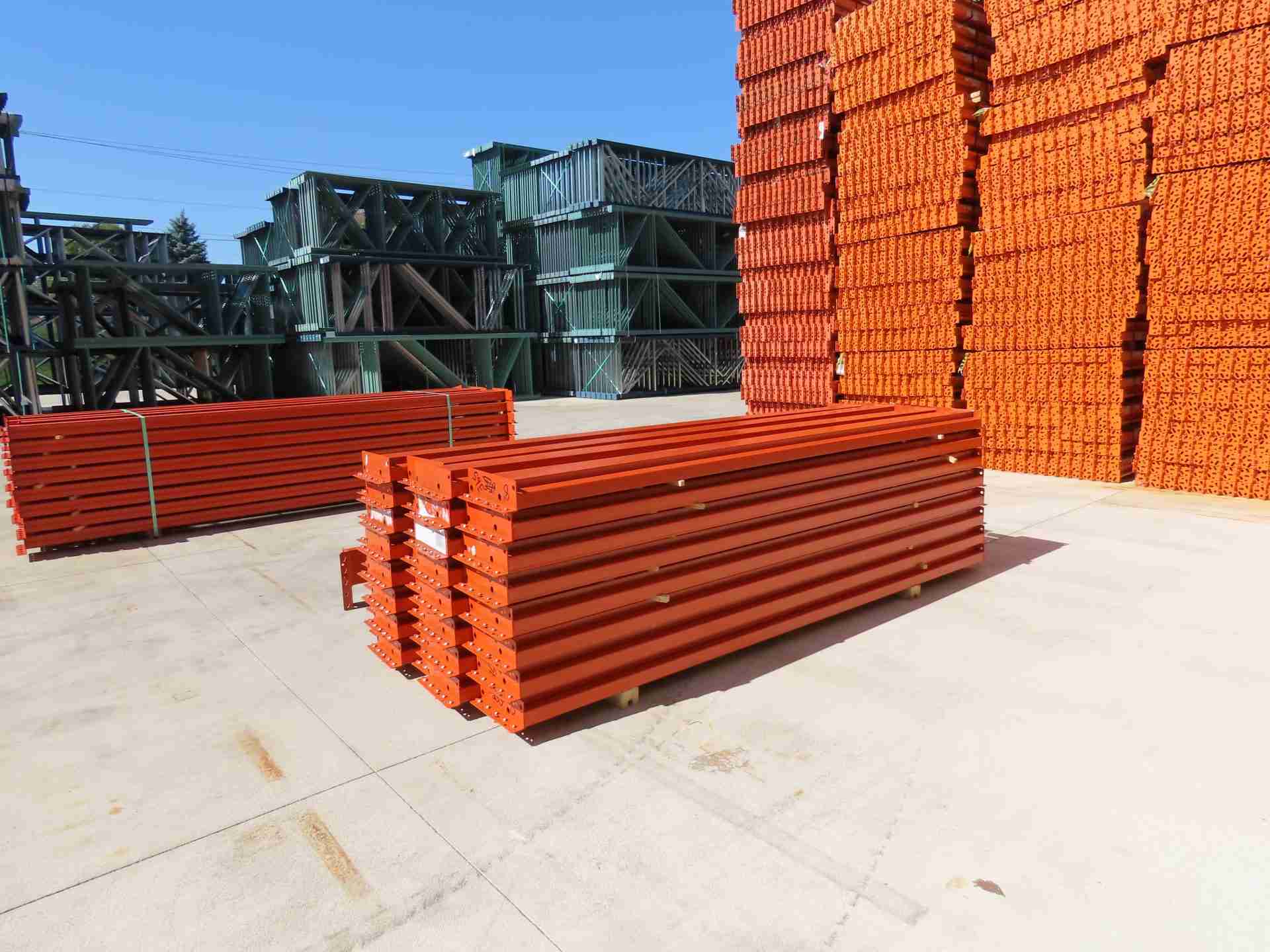
Glossary Of Terms
Other Questions
Optimizing Rack Storage for E-Commerce Fulfillment – Other Questions
If you wish to explore and discover more, consider looking for answers to these questions:
- What are the key components of an effective racking system?
- How can technology be integrated into rack storage optimization?
- What common pitfalls should businesses avoid when optimizing their storage systems?
- How often should a warehouse assessment be performed?
- What role do employees play in maintaining an efficient racking system?
- How can businesses measure the success of their rack storage optimization efforts?
- What sustainable practices can be implemented alongside rack storage optimization?
- What tools or software are best for managing inventory and warehouse layout?
- How do external factors, like market trends, influence racking strategies?
- What training is necessary for employees to effectively utilize a new racking system?
- How can businesses ensure safety while optimizing their warehouse space?
- What impact does warehouse layout have on order accuracy and customer satisfaction?
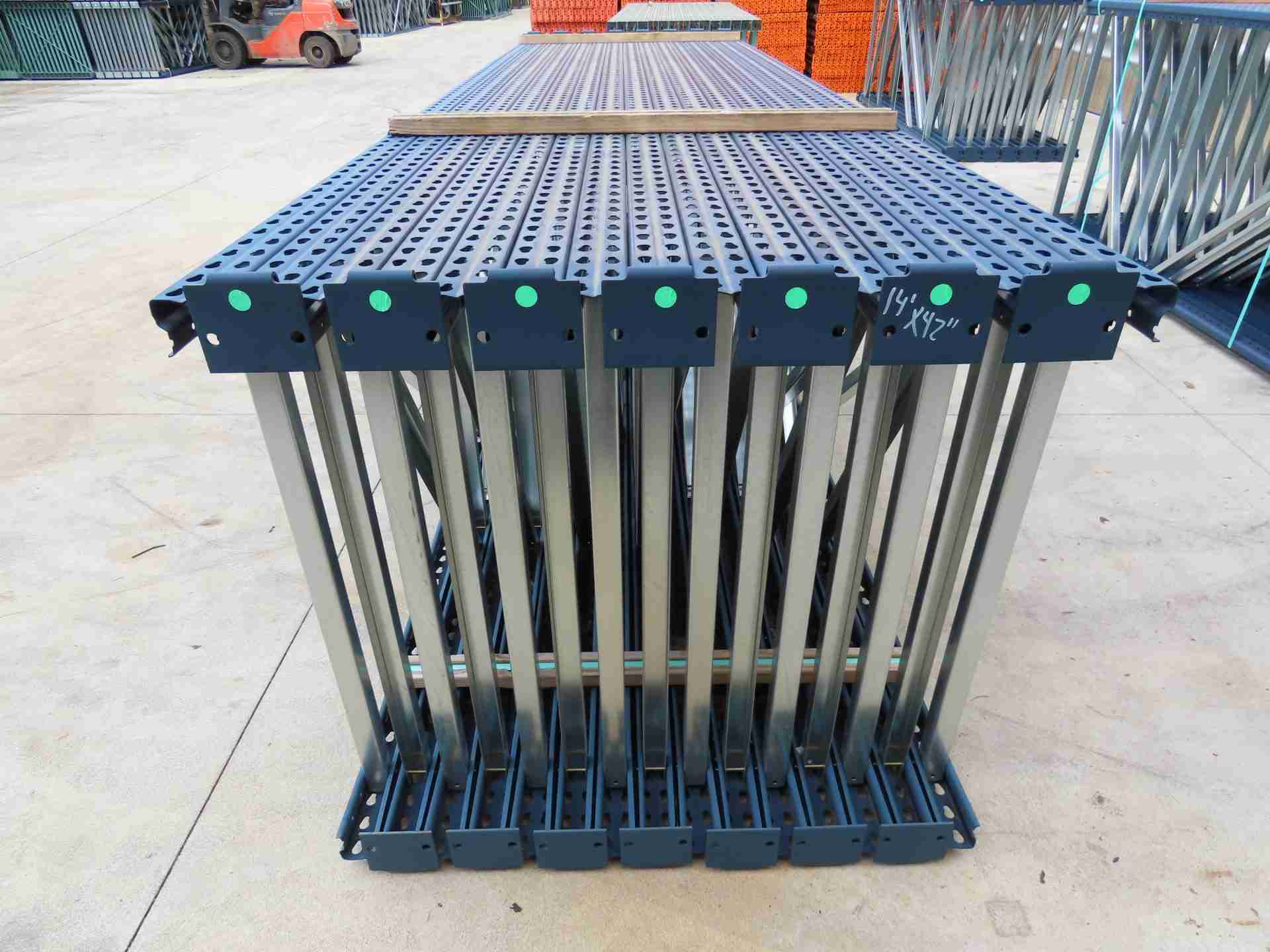
Other Questions
Checklist
Optimizing Rack Storage for E-Commerce Fulfillment – A Checklist
Checklist for Optimizing Rack Storage in E-Commerce Fulfillment
Emotional Appeals
_____ Visualize Customer Impact: Reflect on how timely deliveries evoke joy and connection with customers.
_____ Acknowledge Employee Contributions: Recognize how an efficient layout fosters pride among team members and boosts morale.
_____ Create Positive Moments: Think about how your choices impact customer experiences and relationships.
Rational Appeals
_____ Assess Efficiency Gains: Calculate potential improvements in picking efficiency and labor cost reductions.
_____ Analyze Data Management: Track inventory levels and turnover rates to make informed decisions.
_____ Benchmark Best Practices: Compare your racking systems with industry standards to identify gaps.
Ethical Appeals
_____ Consider Sustainable Practices: Reflect on the environmental impact of your storage solutions and sourcing.
_____ Foster Responsibility: Evaluate how your fulfillment processes align with ethical commitments to your team and customers.
_____ Promote Transparency: Ensure that your storage choices convey a commitment to integrity and community well-being.
Authority Appeals
_____ Consult Industry Experts: Seek advice from warehouse optimization specialists to enhance your systems.
_____ Stay Informed on Innovations: Regularly update your knowledge on the latest storage technologies and methodologies.
_____ Participate in Communities: Engage with fellow managers to share insights and solutions.
Narrative Appeals
_____ Document Your Improvement Journey: Chronicle the changes you implement and share success stories with your team and customers.
_____ Build a Collective Vision: Craft a narrative that reflects the mission and values of your organization.
_____ Celebrate Milestones: Recognize and share achievements as your storage solutions improve.
Social Appeals
_____ Encourage Team Collaboration: Involve employees in the assessment and brainstorming process for racking solutions.
_____ Create a Culture of Feedback: Foster regular input from your team about storage challenges and solutions.
_____ Highlight Community Values: Promote initiatives that connect your business with local sustainability efforts or charitable causes.
Use this checklist to ensure a holistic approach to optimizing rack storage, engaging the heart, head, and gut of your operations.
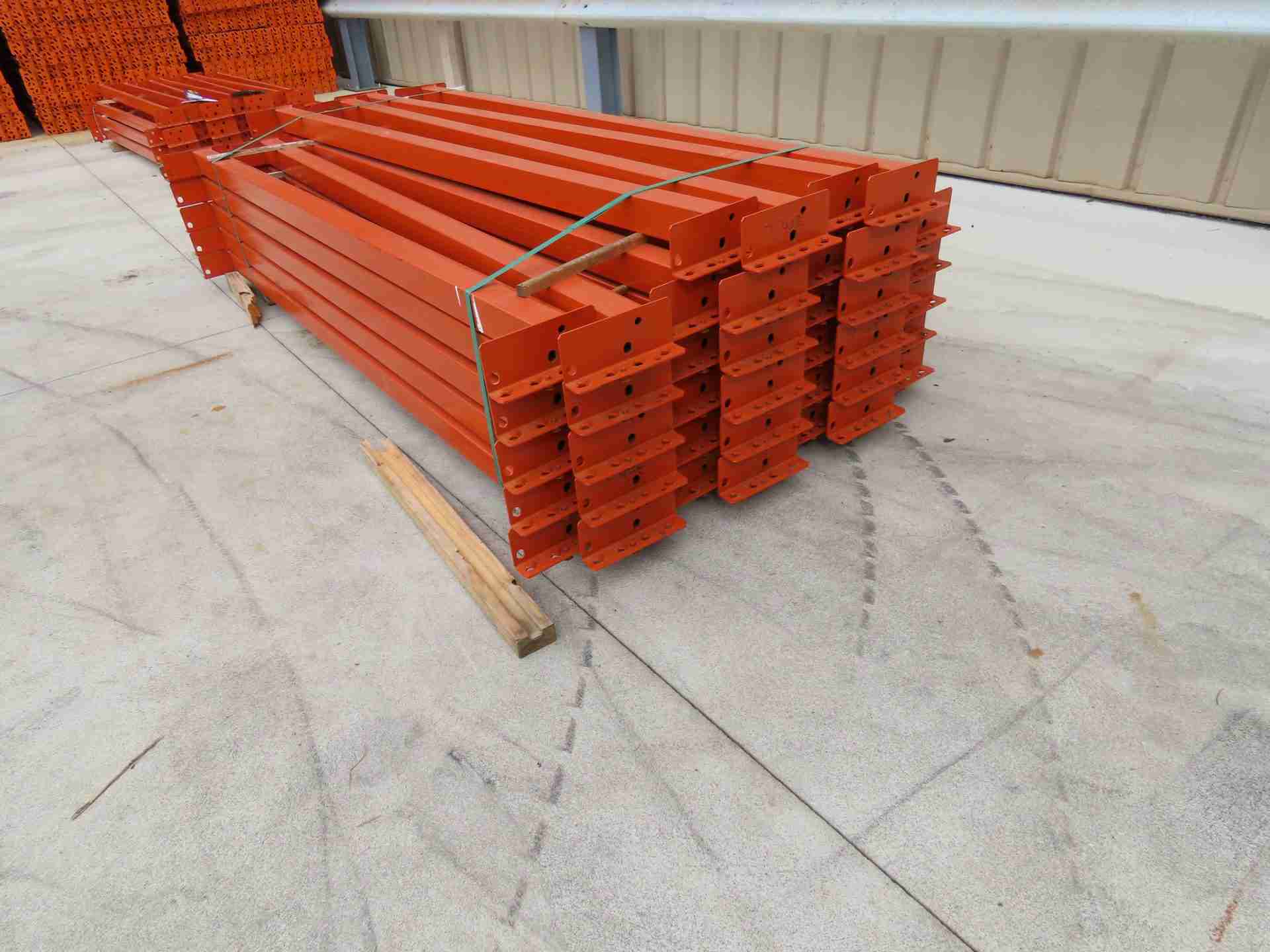
Checklist
At RackingWorld, we help guide you through selecting warehouse storage systems and racking.
Be sure to read our other related stories at RackingWorld to learn more about warehouse storage systems.
0 Comments