
Transform Your Space: Smart Storage Solutions For Growing Businesses
By Tom Seest
At RackingWorld, we help guide you through selecting warehouse storage systems and racking.
Be sure to read our other related stories at RackingWorld to learn more about warehouse storage systems.
Modular Storage Design for Expanding Operations
When you’re running a business that needs to grow, the last thing you want is to be hindered by clutter or inefficient storage. Modular storage design is like building a solid foundation for a new home: it not only supports what’s on top of it but also allows for expansion without tearing everything down. Imagine walking into your warehouse, greeted by tidy rows of racking systems that seem to breathe organization. That sense of order isn’t just good for the eye; it’s good for the soul. It’s the comfort of knowing that when you expand, your operations won’t hit a wall—they’ll flow smoothly into new territory.
Racking systems create a backbone for modular design, allowing businesses to scale up without losing efficiency. Picture a budding workshop, where every tool has its place. When jobs increase, these systems can grow alongside them, adapting to new needs without a complete overhaul. Emotionally, that versatility resonates. It means you’re not just pouring money into something that may not work six months later. You’re investing in a future that stretches beyond today.
From a practical standpoint, modular storage allows for easy access and inventory management. This reduces the time spent searching for tools or supplies, which means more time getting the job done. When every team member knows where to find what they need, it builds a sense of camaraderie and productivity. We’ve all been there, rummaging around for a lost widget while frustration builds. Modular design eliminates that chaos, fostering an atmosphere where everyone can do their best work.
Ethically, embracing modular storage sends a message about your business practices. It shows you value efficiency and responsibility in your operations. People—suppliers, workers, and customers—take notice when a company operates smoothly and sustainably. This builds trust, transforming customers into loyal advocates.
Connecting through shared experiences is powerful. Think back to when our grandfathers built sheds or garages; they understood the value of a well-organized space. Modular storage design taps into that instinct—the desire to create and support something that lasts. Whether you’re running a small shop or a vast distribution center, this system empowers you to embrace change confidently, knowing that you can adapt and grow without losing control. Your operation becomes a well-oiled machine, ready to take on whatever comes next, built on the confidence that comes from solid, sensible design.
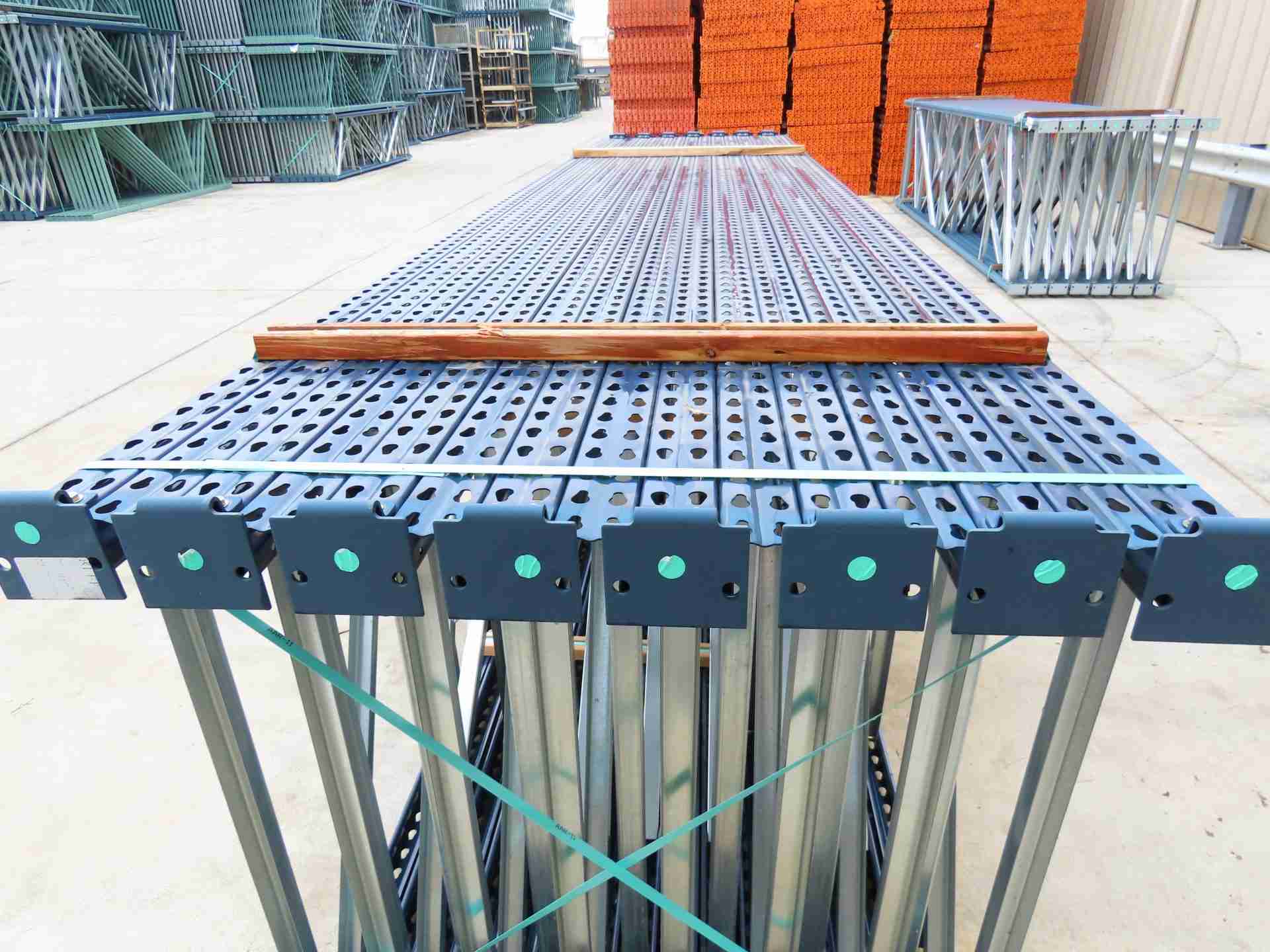
Modular Storage Design for Expanding Operations
Modular Storage Design for Expanding Operations
- Modular storage design supports business growth by eliminating clutter and inefficiency.
- It facilitates expansion without major disruptions, ensuring smooth operations.
- Racking systems serve as a backbone for modular design, allowing scalable solutions.
- Easy access and inventory management reduce time spent searching for tools and supplies.
- Improved organization fosters productivity and builds team camaraderie.
- Ethical practices in modular storage enhance business reputation and build customer trust.
- This design approach encourages adaptability and confidence in future growth opportunities.

Modular Storage Design for Expanding Operations
Table Of Contents
- Modular Storage Design for Expanding Operations
- What Are the Key Benefits Of Modular Storage Solutions?
- How Can Modular Design Adapt to Business Growth?
- What Challenges Arise When Implementing Modular Storage?
- How Does Modular Storage Enhance Operational Efficiency?
- What Role Does Scalability Play In Storage Systems?
- How Can Modular Designs Improve Inventory Management?
- Conclusion
- Other Resources
- Glossary Of Terms
- Other Questions
- Checklist
What Are the Key Benefits Of Modular Storage Solutions?
When it comes to managing space, modular storage solutions are the workhorses of organization. Racking systems that can be adjusted, expanded, or reconfigured offer a flexibility that’s not just practical—it’s vital. They allow businesses to scale up or down in response to changing needs without the headache of complicated setups or the cost of a complete overhaul. Imagine a warehouse that breathes with your demands, reshaping itself effortlessly to accommodate inventory spikes or seasonal storage needs.
Emotionally, there’s a sense of relief that comes with decluttering a space, knowing every tool and every item has its rightful spot. A well-organized area fosters a feeling of calm, turning chaos into order. This isn’t just about aesthetics; it impacts productivity and morale. Workers who can find their tools without digging through a mountain of boxes feel more competent and valued, translating to better performance and a stronger team spirit.
Rationally, modular storage systems are a smart investment. Instead of pouring hard-earned cash into fixed storage that might be too bulky or inefficient, businesses can opt for a solution that evolves. When the season changes or demand swells, it’s easy to adapt your racking systems. You conserve precious resources, allowing for better budgeting and planning—decisions that contribute to the bottom line.
Ethically, promoting an organized and efficient environment aligns with responsible business practices. By utilizing modular storage, companies reduce waste by maximizing existing resources rather than expanding into new spaces unnecessarily. It sends a message—social responsibility is at the core of operations, showcasing a commitment to being good stewards of the environment.
The authority of modular storage comes from its proven track record across various industries. Countless businesses rely on these systems to maintain order in their operations. The narrative is one of resilience—adapting to challenges, learning from past mistakes, and creating reliable methods to keep the wheels turning smoothly.
In a world where space is often at a premium, embracing modular storage solutions nurtures a community of individuals who respect their environment and their work. It builds a culture of efficiency and clarity, turning the storage room from a forgotten corner into the heart of organizational success. So, if you’re grappling with clutter, consider the practicality and peace modular storage could bring to your operation. It’s about more than just shelves—it’s about elevating your entire approach to space and workflow.

What Are the Key Benefits Of Modular Storage Solutions?
What Are the Key Benefits Of Modular Storage Solutions?
- Modular storage systems provide adjustable, expandable, and reconfigurable racking solutions for efficient space management.
- They allow businesses to adapt to changing needs without costly overhauls, enhancing operational flexibility.
- An organized space reduces clutter, improving productivity and worker morale by making tools easily accessible.
- Investing in modular solutions is economically savvy, allowing for resource conservation and better budgeting.
- Utilizing these systems promotes responsible business practices by maximizing existing resources and reducing waste.
- Modular storage has a proven track record across various industries, enhancing resilience and operational reliability.
- Embracing modular storage fosters a culture of efficiency and clarity, transforming storage areas into valuable organizational assets.

What Are the Key Benefits Of Modular Storage Solutions?
How Can Modular Design Adapt to Business Growth?
Modular design isn’t just an architectural trend; it’s a lifeline for businesses navigating the unpredictable waters of growth. Think about it like building with blocks—when you need more space or a different setup, you don’t start from scratch. You expand. That straightforward approach resonates with anyone who’s rolled up their sleeves on a job site or in a cramped workshop.
Imagine a company that begins with a modest storefront. As demand picks up, instead of committing to a lengthy, costly renovation, they look to modular solutions. Racking systems come into play here, allowing for quick configuration changes without uprooting the entire operation. This adaptability gives business owners peace of mind. They know they can scale up or reconfigure as needed, providing a significant return on investment. It’s the kind of rational choice that speaks volumes.
But beyond the numbers, there’s an emotional pull to modularity. Picture a small business owner, heart pounding at the thought of expansion. The excitement of growth is often laced with apprehension. Modular design alleviates that fear, offering a tangible way to embrace change without losing the essence of what got them there. It feels like a safety net, a support structure that allows dreams to flourish while keeping the familiar close.
Ethically, using modular systems helps promote sustainability. By prioritizing reusable and reconfigurable assets, businesses lessen their environmental footprint. This commitment not only enhances a brand’s reputation but also connects deeply with today’s consumers, who increasingly favor companies that demonstrate social responsibility. It’s about creating a community—not just within the business but with the customers it serves.
When you walk into a shop that’s grown over the years, every nook and cranny tells a story. Each piece of furniture, every racking system, has been placed thoughtfully, highlighting the journey from an idea to a thriving reality. That narrative creates trust, allowing customers to feel a part of it, emphasizing that their support has helped shape this space.
Ultimately, modular design is not just about physical structures; it’s about creating environments that evolve with you. It’s about giving businesses the confidence to dream big while staying grounded in practicality and community. The lessons learned in struggle and growth weave a fabric that not only holds the company together but invites everyone to be a part of the journey.

How Can Modular Design Adapt to Business Growth?
How Can Modular Design Adapt to Business Growth?
- Modular design provides a scalable solution for businesses facing growth challenges.
- It allows for quick configuration changes without extensive renovations, offering adaptability.
- Business owners gain peace of mind knowing they can efficiently manage growth.
- Modular systems alleviate the emotional stress tied to expansion while maintaining operational continuity.
- Sustainability is promoted through the use of reusable and reconfigurable assets.
- The evolution of a business space reflects its journey, fostering customer trust and connection.
- Ultimately, modular design supports both practical needs and community-building within businesses.

How Can Modular Design Adapt to Business Growth?
What Challenges Arise When Implementing Modular Storage?
When companies set out to implement modular storage, often they dive in headfirst, inspired by promises of efficiency and flexibility. But the road to a streamlined warehouse isn’t without its bumps. One major challenge is the initial setup of racking systems. While they may seem straightforward, getting the design right requires meticulous planning. It’s akin to piecing together a puzzle where every piece must fit just right, or you’ll find yourself with wasted space and missed opportunities.
Consider the cash flow implications—those racking systems come with their own costs, both upfront and ongoing. For many businesses, especially smaller operations, skimping on quality in favor of immediate savings can lead to a false economy. When weight limits are exceeded, or when components degrade due to poor craftsmanship, the consequences can be dire. It’s not just about dollars; it’s about the trust that employees place in the system to keep their workplace safe and efficient.
Beyond the dollars, there’s a psychological hurdle. Employees may grapple with change, feeling uncertain about new systems and processes. When the space they’ve grown accustomed to suddenly shifts, it can create anxiety. But relatable storytelling can bridge that gap. Share success stories from within your company or others in the industry—how modular systems transformed chaotic spaces into organized havens. That human element fosters connection, showing that change isn’t just possible; it can lead to growth.
Furthermore, ethical considerations loom large. Ensuring that modular solutions are sourced responsibly is vital. Clients increasingly look for systems that embody sustainability. Racking systems made from recycled materials or produced under fair labor practices not only enhance corporate image but nurture a sense of shared responsibility. It speaks to a growing awareness that how we store our goods reflects on our values.
There’s a need for proper training in the face of these new systems. Employees must learn the ins and outs; improper handling can lead to accidents or inefficient use of space. Investing in thorough training promotes not only safety but a culture of respect for the tools provided, ultimately leading to greater productivity.
Addressing the challenges of modular storage isn’t just about logistics; it’s about building a framework that supports people, profits, and principles. Embracing these challenges head-on fosters an environment where people feel valued and empowered, creating a ripple effect of positivity throughout the organization. The journey may be tough, but the rewards of an efficient, trusting workspace are worth the effort.

What Challenges Arise When Implementing Modular Storage?
What Challenges Arise When Implementing Modular Storage?
- Implementing modular storage requires careful planning, particularly for racking systems.
- Initial setup costs and ongoing expenses can impact cash flow, especially for smaller businesses.
- Compromising on quality for cost savings can result in unsafe and inefficient systems.
- Employees may experience anxiety due to changes in familiar workspaces; storytelling can help ease this transition.
- Ethical sourcing of modular solutions is increasingly important for corporate sustainability and image.
- Proper training for employees is crucial to prevent accidents and promote efficient use of space.
- Addressing these challenges fosters a supportive environment that enhances productivity and employee trust.
What Challenges Arise When Implementing Modular Storage?
How Does Modular Storage Enhance Operational Efficiency?
Modular storage is not just a trendy buzzword; it’s a game-changer that touches everyone who walks the floor of a warehouse or a workshop. Picture this: a bustling facility where every inch matters, your team is working hard, and time is money. Enter modular storage with its racking systems designed to fit like a glove. Imagine shelving that can grow or shrink based on your needs, allowing the space to flex with your operations. It frees up floor space and clears the clutter, making it easier for your crew to get what they need without wasting precious minutes hunting down supplies.
Now think about the sheer weight of a well-organized workspace. It cultivates a sense of pride and ownership. Workers feel more energized when they aren’t tripping over boxes or searching for tools. A tidy environment fosters a smoother workflow, reducing the chances of accidents, and, let’s be honest, nobody wants to trip over a misplaced pallet. It instills a confidence in your team; they know where everything is. That’s pivotal in building a company culture where everyone feels empowered to contribute to the mission.
From a rational standpoint, investing in modular storage is smart economics. The initial cost may give you pause, but consider the long-term savings. Time saved is money earned. Efficient racking systems streamline operations, reduce waste, and lower operational costs. They minimize the risk of stock damage and lost inventory, which directly impacts the bottom line. An investment in well-designed storage solutions pays off not just in dollars but in stress reduction. It’s pretty clear that when you can find what you need when you need it, frustration dwindles, and productivity soars.
Ethically, we owe it to our teams to provide a safe and effective working environment. Modular storage isn’t just good for the budget; it’s a commitment to the people who make the business run day in and day out. It shows you value their time and well-being. And socially, adopting such practices promotes a culture of innovation and adaptability. Sharing success stories about how modular systems transformed your workflow can inspire similar changes in other organizations, creating a ripple effect in the community.
By embracing modular storage, we’re not just enhancing efficiency; we’re nurturing a workplace culture where safety, pride, and productivity thrive together. That’s more than just smart business; it’s the right thing to do.

How Does Modular Storage Enhance Operational Efficiency?
How Does Modular Storage Enhance Operational Efficiency?
- Modular storage revolutionizes warehouse and workshop efficiency, catering to the need for optimal space utilization.
- Shelving systems can be adjusted to fit varying operational needs, minimizing clutter and enhancing productivity.
- A well-organized workspace boosts morale, reducing accidents and fostering a positive company culture.
- Investing in modular storage is economically beneficial, with long-term savings through increased efficiency and reduced waste.
- Effective storage solutions mitigate risks associated with stock damage and lost inventory, improving the bottom line.
- Provision of a safe and organized environment reflects commitment to employee well-being and boosts productivity.
- Adopting modular storage practices promotes innovation, with potential ripple effects inspiring other organizations.

How Does Modular Storage Enhance Operational Efficiency?
What Role Does Scalability Play In Storage Systems?
Scalability in storage systems isn’t just a techy buzzword; it’s the backbone that holds up everything we do with data. Picture yourself in a bustling warehouse, managing a myriad of items, from tools to electronics. Now, imagine trying to cram all that into a storage setup that can’t keep up. That’s where racking systems come into play. They’re not just shelves; they’re the unsung heroes of organization, ensuring that every single item has a place, while giving you the flexibility to grow as your business expands.
When you choose a scalable storage system, you’re making a decision that speaks to your future. You’re opting for flexibility—it’s like having an extra pair of hands when the workload doubles. Any seasoned operator knows that when business picks up, so does the strain on your resources. A system that grows with you is like a trusty friend; reliable and prepared for whatever comes next. You can add more shelves, expand storage space, or even reconfigure existing racking systems without starting from scratch. That’s not just smart; it’s downright essential.
Consider the emotional weight of a storage crisis. When your systems get overwhelmed, chaos reigns. It’s stressful, and that tight knot in your gut is all too real when you can’t find that key component or when inventory gets misplaced. A solid, scalable system alleviates that anxiety. You can breathe easier, focus on your core business, and trust that your storage is in good hands.
From an ethical standpoint, investing in scalable solutions is about responsibility. It means you’re making a choice that respects the environment. Reducing waste by maximizing space efficiency contributes to sustainability, allowing your operations to flourish without leaving a hefty carbon footprint.
The narrative of scalability is rooted in the experiences of countless businesses. Each one has faced the struggle of limited space or inefficient layouts. Yet, those who took the leap into scalable storage solutions emerged stronger, more organized, and ready to tackle whatever the market throws at them. It’s an appealing story of growth, empowerment, and community resilience.
In a world where unpredictability is the only constant, having a scalable storage system is your ace in the hole. It builds trust not only in your operations but also in the relationships you cultivate with clients and partners. When they see that you can adapt, respond, and thrive, they’ll be more inclined to align with you. Invest in scalability; it’s not just a decision; it’s a declaration of your commitment to excellence.
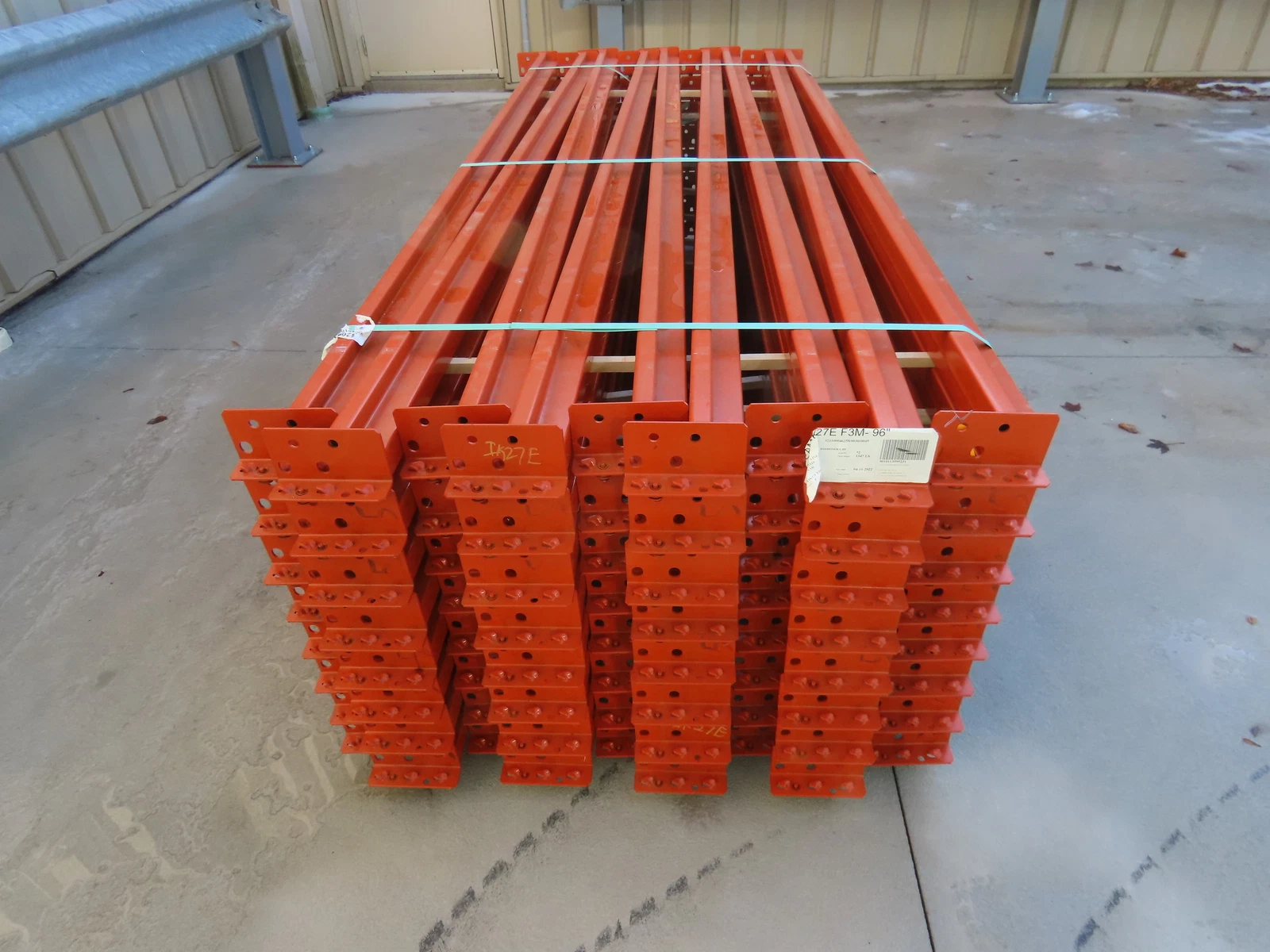
What Role Does Scalability Play In Storage Systems?
What Role Does Scalability Play In Storage Systems?
- Scalability in storage systems is essential for effective data management.
- Racking systems provide organization and flexibility for business growth.
- Choosing scalable systems signifies a commitment to future adaptability.
- Scalable solutions help alleviate stress and chaos during storage crises.
- Investing in scalability promotes environmental responsibility through waste reduction.
- Many businesses benefit from adopting scalable storage solutions, improving organization and resilience.
- A scalable system fosters trust and adaptability in client and partner relationships.

What Role Does Scalability Play In Storage Systems?
How Can Modular Designs Improve Inventory Management?
Modular designs are transforming the way we handle inventory management, leading to smoother operations and ultimately a healthier bottom line. Imagine a workspace where every item has its designated spot, and accessing them is as straightforward as pie. This is the charm of modular designs—and it’s not just for show.
When we talk about inventory, we’re often dealing with moving parts—literal and figurative. Racking systems designed with modular principles create a sense of order in what can feel like sheer chaos. Each piece can be adjusted, expanded, or reconfigured based on need. When you’re facing a crunch and need to pivot quickly, that flexibility can mean the difference between falling behind and staying ahead.
Picture this: You walk into a warehouse with rows of neatly arranged racking systems. Each shelf holds tools, parts, or products organized logically. You’ve got what you need within arm’s reach. This isn’t just convenient; it fosters a culture of efficiency and respect for labor. Workers spend less time hunting for items, leading to higher morale and greater productivity—something that can ripple out to customer satisfaction as well. Nobody wants to feel like they’re scrambling in the dark when a deadline looms.
From a financial perspective, modular designs can significantly reduce overhead costs. They optimize space, which means you can store more without needing to expand your facility. This kind of ethical resource management shows customers that you believe in doing more with less, making your operation not just leaner but more responsible. Trust builds when people see you’re committed to smart choices.
Stories of success are abundant when companies adopt these designs. Take the small distributor who faced mounting challenges with disorganized stock. By investing in flexible racking systems, they turned their situation around. What once was a headache transformed into a well-oiled machine, allowing the owner to focus on growth rather than constantly battling clutter. Those stories resonate. They remind us that with a little creativity and proper planning, we can tackle seemingly insurmountable challenges.
Communities thrive on shared knowledge. As more businesses recognize the potential of modular designs in their inventory management, they inspire others to follow suit. It creates a network of professionals committed to innovation and improvement, proving that when one succeeds, we all can. So, the next time you’re considering how to optimize your operations, think modular—it might just be the heart of your inventory strategy.
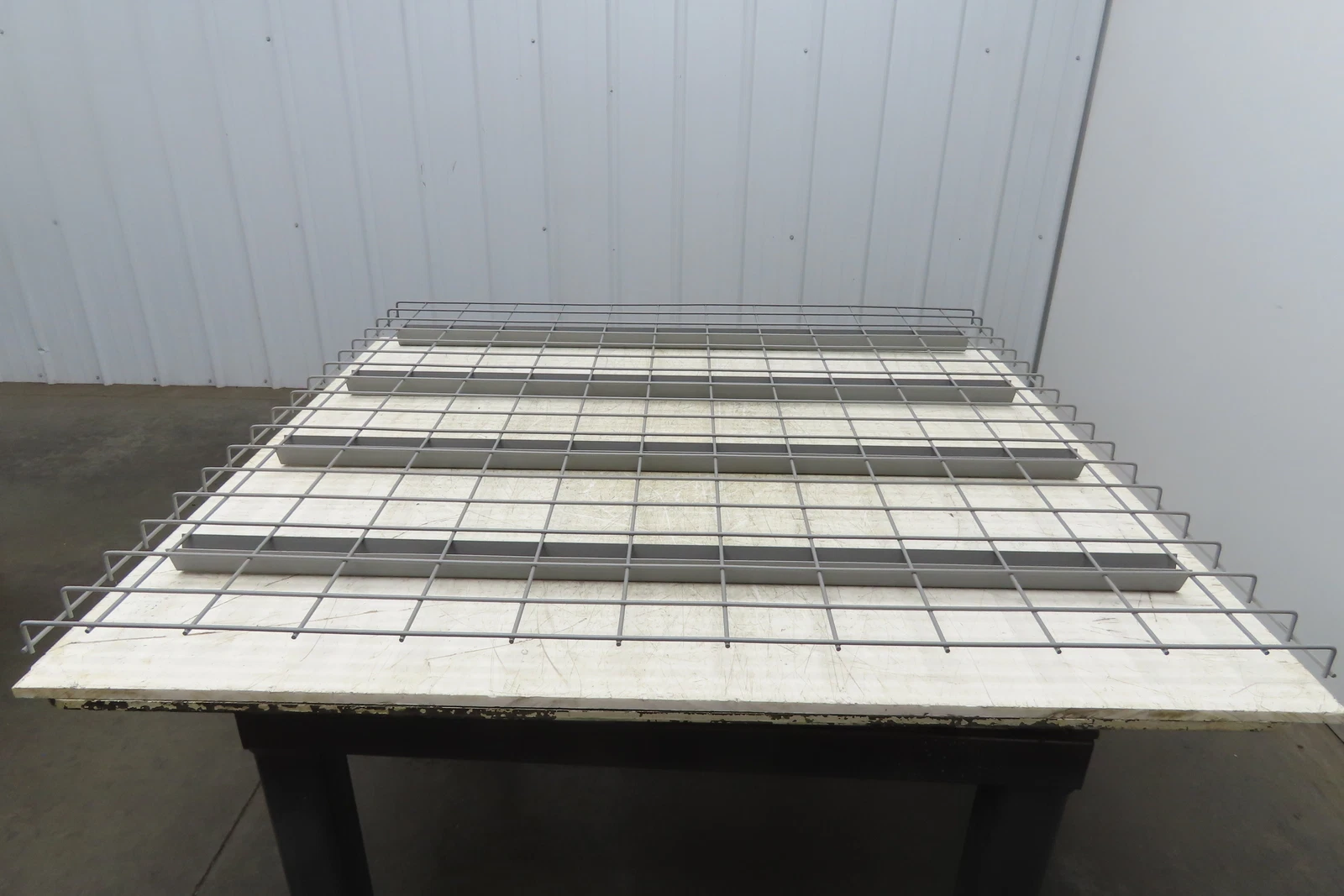
How Can Modular Designs Improve Inventory Management?
How Can Modular Designs Improve Inventory Management?
- Modular designs enhance inventory management, leading to smoother operations and improved financial outcomes.
- Each item in a modular workspace has a designated spot, simplifying access and organization.
- Modular racking systems create order amid chaos and allow flexibility in response to changing needs.
- Efficient organization fosters higher morale and productivity among workers, contributing to customer satisfaction.
- Financially, modular designs reduce overhead costs by optimizing storage space without facility expansion.
- Successful case studies show companies transforming their inventory systems through modular designs.
- Adoption of modular inventory strategies encourages a community of shared knowledge and innovation among businesses.

How Can Modular Designs Improve Inventory Management?
Conclusion
Modular storage design stands as a robust solution for businesses poised to grow, acting like a well-laid foundation supporting future endeavors. In a world where clutter can stifle innovation, these systems breathe organization into operations, ensuring businesses remain agile and capable of expansion without disruption. The allure of entering a neatly arranged warehouse brings more than visual pleasure; it fosters a sense of order that boosts morale and facilitates teamwork. When every tool has a designated spot, frustrations dissipate, allowing employees to focus on what truly matters—getting the job done efficiently.
Investing in modular systems is a forward-thinking decision. It translates not only into financial prudence but also into emotional reassurance. Business owners can invest with confidence, knowing their setup will evolve alongside their operations. This flexibility cuts costs over time, preventing over-commitment to inflexible solutions that may soon become outdated. Moreover, by streamlining inventory management and reducing waste, companies demonstrate a commitment to sustainability—a value increasingly admired by consumers.
The fabric of a well-implemented modular system extends beyond mere efficiency; it nurtures a culture of pride within the workforce. Workers who find themselves in a well-organized environment tend to feel valued. This, in turn, leads to heightened productivity and a shared sense of purpose. Embracing change through modularity alleviates the anxieties associated with uncertainty, transforming businesses into more adaptable structures prepared for unpredictable demands.
Yet, the journey isn’t always smooth. Challenges lie ahead, particularly in the initial setup and the necessary training to bring employees up to speed. Missteps here can lead to safety concerns and lost productivity, underscoring the need for thoughtful implementation. However, every challenge faced fortifies the business, reinforcing a culture of continuous improvement and learning.
Success stories abound in the realm of modular design, showcasing resilience and adaptability. When companies pivot towards modular systems, they not only enhance their operations but also build narratives steeped in trust and community. Such transformations resonate within the industry, forging connections that bolster relationships with clients and partners alike. Ultimately, modular storage design goes beyond mere functionality; it’s about creating spaces that evolve, serving as a testament to an organization’s dedication to its mission, employees, and environment, crafting a future where expansion is not just a possibility but a promise.

Conclusion
Conclusion:
- Modular storage design supports business growth by providing a solid foundation for future endeavors.
- These systems enhance organization, helping businesses remain agile and adaptable against clutter.
- A well-arranged warehouse boosts morale and teamwork, allowing employees to focus on efficiency.
- Investing in modular systems offers financial prudence and emotional reassurance for business owners.
- Flexibility in modular design reduces long-term costs and demonstrates a commitment to sustainability.
- A well-implemented modular system nurtures a culture of pride and productivity among employees.
- While initial challenges exist, overcoming them fosters continuous improvement and enhances industry relationships.

Conclusion
Other Resources

Other Resources
Here is a list of other resources you can review online to learn more:
- Selective Pallet Racking Systems – Container Systems
- IIWS Inc. Rack Installation Illinois & Rack Repairs Illinois
- ASSP
- Pallet Racking 101: A Comprehensive Guide & Options Explained
- WERC
- What is Selective Pallet Racking
- MHI
- Shipping Boxes, Packaging Materials, Pallet Racking
- Cantilever Racking Specialists – Get the Right Racks
- Racking World
- Illinois Pallet Racking – WPRP
- Overhead Lifting
- Heavy-Duty Cantilever Storage Racks
- Intro to Warehouse Racks & Warehouse Racking Systems – ShipBob
- Cantilever Rack Guide: Ordering Cantilever Racking
- IIWS Inc. Rack Installation Illinois & Rack Repairs Illinois
- The Ultimate Pallet Racking Guide – Speedrack West
- Teardrop Industrial Shelving Rack
- Wolter
Use This Prompt To Get More Resources With Your Favorite Online AI Tool: Please provide me with a list of online articles with their URLs in a bulleted list that I can read regarding Modular Storage Design for Expanding Operations

Other Resources
Glossary Terms
Modular Storage Design for Expanding Operations – Glossary Of Terms
1. Adaptability: The ability of a storage solution to adjust and expand in response to changing needs.
2. Scalability: The capability to grow and accommodate increasing volumes of goods without compromising efficiency.
3. Modularity: The design principle that allows components to be separated and connected easily for flexible configurations.
4. Efficiency: The effectiveness of a storage system in maximizing space and minimizing waste.
5. Configuration: The arrangement of storage units and systems to optimize accessibility and organization.
6. Inventory Management: The process of overseeing and controlling stock levels, orders, and deliveries within the storage system.
7. Ergonomics: The study of how to design storage spaces for maximum comfort and efficiency for users.
8. Accessibility: The ease with which stored items can be reached and retrieved within a storage system.
9. Integration: The ability of modular storage components to work seamlessly with existing systems and processes.
10. Automation: The use of technology to streamline and enhance storage operations, reducing manual intervention.
11. Footprint: The physical space that a storage system occupies within a facility.
12. Reconfiguration: The process of rearranging storage components to meet evolving operational requirements.
13. Standardization: The practice of establishing uniformity in sizes and specifications of storage modules for consistency.
14. Cost-Effectiveness: The ability of a storage solution to provide value relative to its cost, especially when expanding operations.
15. Space Optimization: The strategy of utilizing the available storage space to its fullest potential.
16. Modular Racking: A storage solution comprised of shelving systems that can be combined or adjusted based on needs.
17. Load Capacity: The maximum weight or volume a storage unit can support safely.
18. Inventory Turnover: The rate at which inventory is replenished and sold, crucial for storage efficiency.
19. Lean Storage: A philosophy aimed at minimizing waste while maximizing productivity within storage operations.
20. Cross-Docking: A logistics practice where incoming goods are immediately transferred to outgoing transportation with minimal storage time.
21. FIFO (First In, First Out): A method of inventory management where the oldest stock is sold or used first.
22. LIFO (Last In, First Out): An inventory management method where the most recently received items are sold first.
23. Just-In-Time (JIT): A strategy aimed at reducing inventory levels by receiving goods only as they are needed in production.
24. Customization: The capability to modify storage solutions according to specific operational requirements.
25. Vertical Storage: Utilizing height in storage design to save horizontal space through shelving or racking systems.
26. Inventory Auditing: The systematic examination of inventory records to ensure accuracy and organization.
27. Palletization: The method of using pallets to manage and store goods more efficiently.
28. Warehouse Management System (WMS): Software that supports daily operations in a warehouse, optimizing inventory management and storage.
29. Safety Stock: Extra inventory held to mitigate the risk of stockouts caused by uncertainties in supply and demand.
30. Transportability: The ability to easily relocate modular storage units as operational needs change.

Glossary Of Terms
Other Questions
Modular Storage Design for Expanding Operations – Other Questions
If you wish to explore and discover more, consider looking for answers to these questions:
- What are the typical upfront and ongoing costs of implementing modular racking systems?
- How do I calculate the ROI and payback period for modular storage investments?
- Which types of modular storage systems (pallet racking, shelving, mezzanines, bins) are best for my operation?
- How do I choose the right supplier or installer for modular storage?
- What load capacities and weight limits should I consider for different racking components?
- How long does installation typically take and how disruptive will it be to daily operations?
- What are common layout and space-planning best practices for modular storage?
- How do modular systems integrate with existing inventory management software and WMS?
- Can modular systems support automation (conveyors, AS/RS, pick-to-light, robotics)?
- What safety standards, building codes, and industry regulations apply to racking installations?
- How do I ensure seismic, wind, or floor-load compliance for my facility?
- What maintenance is required and what are typical lifecycle and replacement timelines?
- Are there warranties, service agreements, or inspection schedules to consider?
- How easy is it to reconfigure or relocate modular components as business needs change?
- What training do employees need to use and maintain modular storage safely and efficiently?
- How do modular solutions affect insurance, liability, and workplace safety programs?
- What are the environmental impacts—can systems be made from recycled materials or reclaimed at end of life?
- Are there tax incentives, grants, or financing/leasing options available for storage upgrades?
- How do I measure the operational benefits—what KPIs show improved efficiency?
- What are common pitfalls or mistakes companies make when adopting modular storage?
- How do modular systems handle seasonal inventory spikes or sudden surges in demand?
- Can modular storage accommodate hazardous materials, temperature-sensitive goods, or special storage requirements?
- How does modular design impact picking accuracy, order fulfillment speed, and error rates?
- What security options exist to protect stored inventory from theft or unauthorized access?
- How well do modular solutions scale vertically—what about mezzanines and multi-tier systems?
- What are the space-savings comparisons between fixed vs. modular storage layouts?
- How do I plan for future growth when designing a modular storage system today?
- Are there industry-specific case studies or examples that match my business size and needs?
- What customization options are available for odd-sized, fragile, or high-value items?
- How do I balance cost, durability, and flexibility when selecting materials and components?
- What lead times should I expect for components, and how does supply chain variability affect projects?
- How do I test or prototype a modular layout before committing to a full rollout?
- What are the ergonomic considerations to reduce worker strain and improve accessibility?
- How do I handle disposal or recycling of old storage systems when upgrading?

Other Questions
Checklist
Modular Storage Design for Expanding Operations – A Checklist
Goals and Constraints
✅______ Define growth horizon (12–36 months) and capacity targets
✅______ Identify SKU count, velocity (ABC), peaks/seasonality, and reverse logistics needs
✅______ Document space constraints, docks, ceiling height, floor load ratings
✅______ Verify building codes: fire egress, sprinkler clearance, seismic/bracing requirements
✅______ Confirm material handling equipment in use (pallet jacks, forklifts, AMRs)
Layout and Flow
✅______ Map end-to-end flow: receiving, QC, putaway, storage, picking, packing, shipping, returns
✅______ Set aisle widths per equipment and safety requirements
✅______ Zone by velocity (fast, medium, slow) and temperature/hazard classes
✅______ Define ergonomic pick heights and golden zones
✅______ Allocate surge/overflow and project/staging areas
✅______ Reserve clear expansion zones for future bays/mezzanines
System Selection
✅______ Choose rack/shelving types (selective pallet, cantilever, boltless shelving, carton/flow rack, mezzanines, mobile)
✅______ Confirm modularity features (adjustable shelves, add-on bays, tool-less connections, casters where needed)
✅______ Match pallet/tote/bin sizes; select decking (wire/solid) and dividers
✅______ Validate weight ratings per level and per bay
✅______ Plan accessories: guards, end-of-aisle protectors, safety netting, backstops, label holders
✅______ Ensure automation readiness (conveyor interfaces, AMR paths, power/data drops)
Safety and Compliance
✅______ Post load plaques; anchor racks; install seismic bracing as required
✅______ Maintain fire code flue spaces and sprinkler clearances
✅______ Add rack protection at impact points; set inspection cadence
✅______ Define chemical/hazard storage, MSDS access, and battery charging compliance
✅______ Implement ergonomic aids (lift assists, steps, anti-fatigue mats)
Budget and Vendors
✅______ Build total cost of ownership: purchase, installation, training, maintenance, reconfiguration
✅______ Compare vendors on certifications, warranty, lead times, service/spares
✅______ Check sustainability: recycled content, low-VOC finishes, take-back/recycling programs
✅______ Schedule delivery/installation to minimize downtime and avoid peak periods
Inventory Management
✅______ Create location schema and naming conventions
✅______ Label all locations with barcodes/RFID; integrate with WMS/ERP
✅______ Slot by velocity/size/compatibility; define replenishment min/max
✅______ Implement cycle counting program and accuracy targets
✅______ Define damage prevention (dunnage, separators) and quarantine/returns zones
Implementation
✅______ Pilot a representative area; validate capacity, safety, and pick rates
✅______ Write SOPs for putaway, picking, replenishment, re-slotting, and reconfiguration
✅______ Train by role; use job aids at point of use; capture training sign-offs
✅______ Plan cutover timeline, change freeze, and overflow contingencies
✅______ Verify as-built against design before go-live
Operations and Maintenance
✅______ Stock a reconfiguration toolkit and spare parts (beams, clips, labels)
✅______ Establish 5S cadence and zone ownership
✅______ Schedule rack inspections, torque checks, and repair workflows
✅______ Audit labels and location accuracy; refresh slotting on a set cadence
✅______ Re-verify equipment clearances after any change
KPIs and Review Cadence
✅______ Space utilization percentage
✅______ Pick and putaway time per line/order
✅______ Travel distance per order
✅______ Inventory accuracy percentage and cycle count variance
✅______ Damage rate and incident/near-miss rate
✅______ On-time ship rate and dock-to-stock time
✅______ Quarterly optimization review; monthly KPI dashboard
Scalability Triggers
✅______ Add bays/levels when utilization >85% for 4 consecutive weeks
✅______ Introduce flow rack or re-slot when pick times exceed target by defined threshold
✅______ Deploy seasonal add-ons and plan offsite overflow as needed
✅______ Maintain a phased capital plan with pre-approved SKUs and lead times
Documentation
✅______ Maintain as-built drawings and rack load plaques
✅______ Archive vendor manuals, certifications, and warranties
✅______ Record training, SOP versions, inspections, and corrective actions
✅______ Keep compliance records (fire, seismic, safety audits)
Communication
✅______ Kickoff brief with goals, timeline, roles
✅______ Weekly progress updates during rollout
✅______ Go-live briefing and safety walk
✅______ Post-implementation review; lessons learned shared with the team

Checklist
At RackingWorld, we help guide you through selecting warehouse storage systems and racking.
Be sure to read our other related stories at RackingWorld to learn more about warehouse storage systems.
0 Comments