
Unlocking Trust: How Strategic Layout Shapes Your Inventory’s Future
By Tom Seest
At RackingWorld, we help guide you through selecting warehouse storage systems and racking.
Be sure to read our other related stories at RackingWorld to learn more about warehouse storage systems.
Inventory Integrity Starts with Layout
In the world of warehouses, a well-thought-out layout is nothing short of a backbone for successful operations. Picture this: a bustling warehouse, alive with the hum of activity. You have folks zipping around, but if your inventory isn’t organized, that energy quickly turns into chaos. It’s the equivalent of trying to keep your toolbox in order when you toss everything in there without a second thought. When it comes to racking systems, the right setup can either be your saving grace or a headache waiting to happen.
Start by visualizing the flow. Products should move through the space like a well-rehearsed dance. The layout should not just be about cramming as much inventory as possible into a space; it’s about optimizing every square foot. An efficient racking system organizes items logically, making it as easy as pie for anyone to find what they need. It’s not just a matter of practicality; it’s a question of respect for your team. When every worker knows where to find an item, they feel empowered, valued, and less stressed. It’s all about fostering a culture where everyone knows they’re part of a well-oiled machine.
Consider the emotional weight of working in a well-designed space. A smooth, logical layout helps to eliminate confusion and frustration. A worker battling through a jungle of misplaced items is bound to feel defeated. However, a well-lit, clean aisle with neatly arranged racking systems invites them in, gives them confidence, and sends them home at the end of the day feeling accomplished. There’s a sense of pride in knowing you’re part of a team that values efficiency and teamwork.
But let’s get real—this isn’t solely about making things look pretty. It’s about protecting your bottom line. Think about the hard costs tied to inefficiency: wasted time, unhappy customers, and the risk of errors. A strategic layout mitigates loss and safeguards quality. A business that prioritizes its racking systems and layout isn’t just smart; it’s ethical. It showcases a commitment to responsibility toward employees, clients, and the overall productivity that fuels the economy.
Creating a layout that promotes inventory integrity is an ongoing journey. It’s about listening to your workers, adjusting as necessary, and continuously seeking improvement. Just like in any strong community, the bond grows from trust and mutual respect. With a solid foundation in place, you’ll find that your inventory integrity doesn’t just improve; it transforms the entire landscape of your operations.

Inventory Integrity Starts with Layout
Inventory Integrity Starts with Layout
- A well-organized warehouse layout is essential for successful operations.
- Efficient racking systems help streamline the flow of products and improve inventory access.
- A clear layout fosters a sense of empowerment and respect among workers.
- Good design minimizes confusion and frustration for employees.
- Strategic layout choices positively impact business efficiency and customer satisfaction.
- Prioritizing inventory integrity reflects a business’s ethical commitment to its employees and clients.
- Continuous improvement of the layout promotes trust and teamwork within the organization.

Inventory Integrity Starts with Layout
Table Of Contents
- Inventory Integrity Starts with Layout
- What Layout Proves Best for Maintaining Inventory Accuracy?
- How Does Layout Design Affect Stock Management Efficiency?
- Can an Organized Layout Reduce Inventory Errors Significantly?
- What Emotional Impact Does a Chaotic Layout Have on Staff Morale?
- How Do Layout Choices Influence Product Accessibility for Customers?
- Can a Strategic Layout Improve Overall Workflow and Productivity?
- Conclusion
- Other Resources
- Glossary Of Terms
- Other Questions
- Checklist
What Layout Proves Best for Maintaining Inventory Accuracy?
When it comes to maintaining inventory accuracy, choosing the right layout is like finding the right tool for a job. Just as a carpenter wouldn’t use a hammer when a screwdriver is needed, businesses must recognize the importance of layout in their storage systems. Racking systems play a crucial role here, serving as the backbone that keeps everything organized and accessible. Picture a warehouse filled with a jumbled mess; the stress of searching for an item can derail operations and dent morale.
Now, let’s dig deeper. A well-designed layout doesn’t just bolster efficiency; it creates an environment where employees feel empowered. Workers take pride in knowing where things belong. With proper racking systems in place, they can swiftly locate items, leading to a sense of accomplishment at the end of the day. There’s nothing quite like the satisfaction of a job done right, and that pride translates to higher accuracy in inventory tracking.
The rational side of the argument is clear: implementing a strategic layout reduces human error. Studies have shown that layouts that promote flow—like U-shaped or straight-line designs—minimize the backtracking and confusion that lead to mistakes. Utilizing racking systems optimally can transform the warehouse into a well-oiled machine, allowing for swift picking and packing processes.
Ethically speaking, a well-organized layout also fosters respect for workers’ time and efforts. Employees shouldn’t be wasting hours searching for misplaced items. By investing in the right racking systems and layouts, companies send a message that they value their workforce. This, in turn, cultivates loyalty and retention, which is priceless in any industry.
Consider the narrative of a company that revamped its layout. They started with a cluttered space and chaos in their inventory management. After analyzing their workflow and implementing a new racking system, they found that accuracy improved astonishingly. Employees spoke about how much easier their work became, fostering a sense of community and pride in their shared successes.
The best layout for maintaining inventory accuracy is not just a practical decision; it’s a commitment to creating an efficient, respectful, and pride-filled work environment. By embracing the right racking systems, businesses can inspire confidence and action, leading to an operation where every item has its place, and every worker feels valued.

What Layout Proves Best for Maintaining Inventory Accuracy?
What Layout Proves Best for Maintaining Inventory Accuracy?
- Choosing the right layout is essential for inventory accuracy, akin to using the appropriate tool for a task.
- Racking systems are crucial for organization and accessibility, preventing clutter and operational stress.
- A well-designed layout enhances efficiency and empowers employees, fostering pride in their workspace.
- Strategic layouts, like U-shaped or straight-line designs, reduce human error and improve workflow.
- Investing in proper racking systems respects workers’ time, enhancing loyalty and retention.
- A case study shows that revamping layout led to significantly improved accuracy and employee satisfaction.
- An effective inventory layout is not just practical, but also crucial for creating a respectful and motivating work environment.
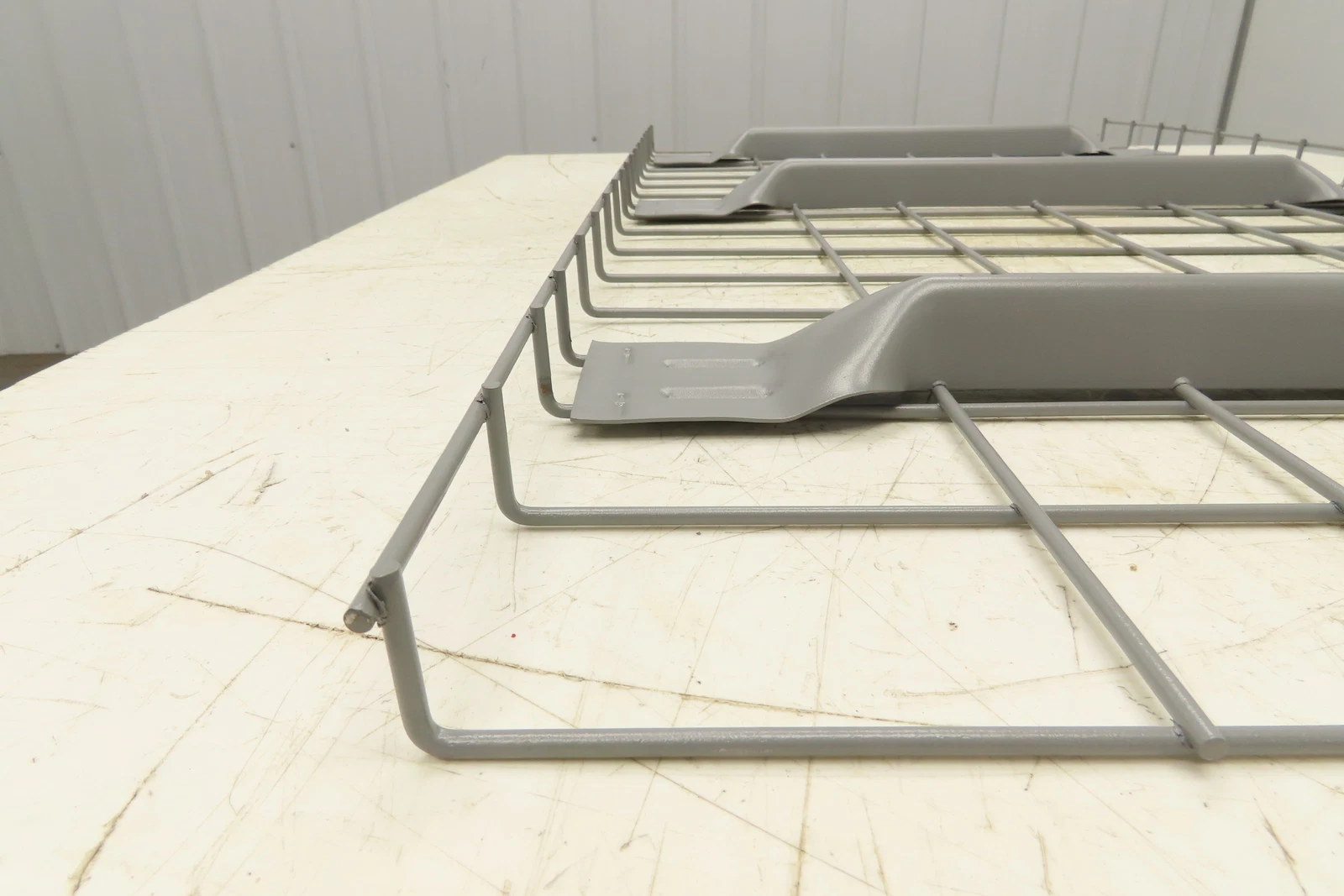
What Layout Proves Best for Maintaining Inventory Accuracy?
How Does Layout Design Affect Stock Management Efficiency?
Layout design is no small matter when it comes to stock management efficiency. Picture a warehouse with racking systems that are not just functional but tailored to the specific needs of the operation. These systems, when laid out thoughtfully, can revolutionize how goods flow through a space, minimize the number of steps employees take, and boost productivity. Think of it like arranging tools in a garage; if everything’s organized, you find what you need faster, and the job gets done quicker.
When the layout is chaotic, inefficiencies creep in. Workers spend precious time wandering aisles searching for items, and that’s not just frustrating—it eats into profits. Imagine the morale hit when a team member has to waste half their shift hunting down stock that could have been organized better. A well-planned layout fosters a sense of pride and ownership among staff. They want to be part of a well-oiled machine, not just another cog in a rusty wheel.
Racking systems, when selected and positioned properly, bring a level of authority and professionalism to a warehouse. They stand tall and organized, reflecting a commitment to efficiency that speaks volumes about a company’s ethos. Employees thrive in environments where they can see the fruits of their labor—and that’s where good design comes into play. When workers can easily locate and manage stock, their confidence grows, leading to better overall performance. They feel recognized and valued, knowing that their work environment respects their time and energy.
The power of layout design extends beyond the walls of a warehouse; it creates a ripple effect through the entire supply chain. When stock management runs smoothly, customers receive their products on time, leading to happy and loyal clientele. This isn’t just about numbers on a spreadsheet; it’s about building trust and relationships, one effective layout at a time.
Engaging employees and fostering a collaborative atmosphere are just as crucial as the physical elements of layout design. When staff have a stake in the design process, they feel heard and respected, leading to a stronger team dynamic. The pride that comes from being part of a well-executed operation energizes the workplace culture. Good design isn’t just a strategic move; it’s about making sure every worker feels like they’re part of something that matters. The layout isn’t merely a backdrop; it’s a catalyst for efficiency, morale, and connection.

How Does Layout Design Affect Stock Management Efficiency?
How Does Layout Design Affect Stock Management Efficiency?
- Effective layout design in warehouses enhances stock management efficiency.
- Thoughtfully arranged racking systems streamline the flow of goods and boost productivity.
- Disorganized layouts lead to inefficiencies, wasting employees’ time and affecting morale.
- Proper racking systems project professionalism and reflect a company’s commitment to efficiency.
- Employees perform better in organized environments, feeling recognized and valued.
- Smooth stock management positively impacts the entire supply chain and builds customer trust.
- Engaging employees in the design process fosters collaboration and strengthens team dynamics.

How Does Layout Design Affect Stock Management Efficiency?
Can an Organized Layout Reduce Inventory Errors Significantly?
Imagine walking into a warehouse where every item has its place, clearly marked and easy to reach. This isn’t just about keeping things neat; it’s about saving time, money, and frustration. A well-organized layout can drastically cut down on inventory errors. Think about the last time you searched high and low for a tool, only to discover it was hiding under a pile of boxes. That’s not just a waste of time; it’s also a hit to productivity and morale.
When utilizing effective racking systems, each item has a designated spot, making it straightforward for employees to locate what they need. The efficiency gained through an organized layout goes beyond reducing errors; it fosters a sense of pride in the workspace. Workers can feel the small victories as they zip through tasks, knowing that everything is where it should be. This creates a rhythm, a flow in the work environment where confidence builds, and mistakes drop.
Rationally, an organized layout saves more than just minutes; it saves dollars. Inventory errors can lead to costly misorders and dissatisfied customers. Companies lose millions in revenue each year due to these slip-ups, which can be significantly reduced with thoughtful planning. It’s an investment in your operations that pays dividends in accuracy and reliability.
Connecting on an ethical level, a commitment to organization signals respect for your team and your customers. When employees have the tools and environment they need to succeed, they can take pride in their work and better serve those who rely on them. It creates a culture of accountability and encourages everyone to contribute to the larger goal of operational excellence.
The human element is crucial too. Stories circulate in industries about how the simple act of cleaning up a workspace transformed morale and efficiency. One facility employed a new racking system that streamlined inventory processes, leading to a marked decrease in errors. Workers recounted how it felt to walk into a clean, organized space; it was like a weight had been lifted.
So, whether you’re sweating it out on the warehouse floor or managing operations from an office, remember that an organized layout is more than just logistics. It’s about creating a trustworthy foundation where work can thrive, errors can dwindle, and everyone feels like they’re part of something bigger. Embrace the change and watch how it transforms not just your inventory, but your entire operation.

Can an Organized Layout Reduce Inventory Errors Significantly?
Can an Organized Layout Reduce Inventory Errors Significantly?
- A well-organized warehouse layout saves time, money, and reduces frustration.
- Effective racking systems ensure each item has a designated spot, improving retrieval efficiency.
- An organized workspace boosts morale and fosters a sense of pride among employees.
- Reducing inventory errors can significantly lower costs and dissatisfied customer rates.
- A commitment to organization reflects respect for teams and enhances accountability.
- Clean, organized spaces have been shown to improve morale and operational efficiency.
- An organized layout creates a reliable foundation for productivity and operational excellence.

Can an Organized Layout Reduce Inventory Errors Significantly?
What Emotional Impact Does a Chaotic Layout Have on Staff Morale?
A chaotic layout in the workplace isn’t just about misplaced items or clutter; it can deeply affect staff morale. Imagine stepping into a space that feels disorganized the moment you walk through the door. It’s unsettling. Staff members may feel overwhelmed, like trying to navigate through a maze, uncertain of where to focus their energy. This confusion can lead to frustration, ultimately driving productivity off a cliff. Employees want to feel empowered, but chaos can breed anxiety, making them feel like they’re treading water instead of moving forward.
Consider a factory floor with racking systems sprawled haphazardly. Workers struggling to find tools or materials waste precious minutes. Those lost minutes add up, not just on the clock but also in the team’s spirit. When your workspace feels jumbled, it’s harder to connect with colleagues, and relationships suffer. A discontented team leads to a culture of disengagement, where motivation dwindles and collaboration fades away. When staff see a disorderly environment, it can feel like management isn’t invested in creating a space that fosters success.
But a chaotic layout doesn’t only hit hard emotionally; it chips away at the rational side too. A well-thought-out design can lead to smoother operations, lower stress levels, and ultimately, better outcomes. These tangible benefits aren’t just numbers on a report; they matter when payday rolls around and when teams gather to share successes. Organizations that prioritize an orderly environment are more likely to inspire loyalty, as their employees feel seen and valued.
There’s an ethical component at play, too. Every worker deserves a space where they can thrive, not just survive. A chaotic layout can leave people feeling undervalued and disregarded, quietly pushing away top talent. Investing in an efficient, organized environment shows staff that their well-being matters.
So, how do we change this narrative? It starts with small changes—rearranging those racking systems, decluttering desks, and ensuring there’s a spot for everything. When workers land in a clean, structured space, they can breathe a little easier, leading to enhanced morale. The path is clear: create an environment that reflects care and commitment, where staff can do their best work and feel good about it. It’s more than aesthetics; it’s about building a sense of purpose and community.

What Emotional Impact Does a Chaotic Layout Have on Staff Morale?
What Emotional Impact Does a Chaotic Layout Have on Staff Morale?
- A chaotic workplace layout affects staff morale and can lead to feelings of overwhelm and confusion.
- Disorganization can result in wasted time and frustration, negatively impacting productivity.
- Messy environments hinder communication and relationships among team members.
- Employees may perceive a disordered space as a lack of management investment in their success.
- A well-organized layout promotes smoother operations and lowers stress, leading to better outcomes.
- Creating a structured environment shows employees their well-being is valued, promoting loyalty.
- Small changes, like decluttering and organizing, can enhance morale and foster a sense of community.

What Emotional Impact Does a Chaotic Layout Have on Staff Morale?
How Do Layout Choices Influence Product Accessibility for Customers?
Layout choices directly impact product accessibility for customers, shaping their experience in ways that are both visible and invisible. Picture a warehouse filled with various goods, organized around Racking Systems that determine how easily a customer can navigate from one item to another. A well-laid-out space not only invites customers in but can also spur them to explore more—products tucked away in a messy corner are bound to be forgotten, while those front and center catch the eye and the heart.
Think about the moment a customer walks into a store. Their first instinct is to scan the surroundings, and if the layout is chaotic, frustration takes over. It’s not just about aisles and shelves; it’s about the emotional journey that begins the moment they cross the threshold. A clear, logical layout grounded in common sense serves as a roadmap, steering customers effortlessly to the items they need, reducing their stress and getting them engaged. In these moments, it’s as if the space is saying, “We care about your experience here.”
Racking Systems are the unsung heroes in this dance. When they’re strategically placed, they elevate the shopping experience, making it feel personal and well thought out. Consider how products are grouped; complementary items placed together can spark new ideas, leading to upsells that benefit both customer and retailer. It’s about fostering connections—not just between products but between the business and the customer, cultivating trust that results in repeat visits.
On a deeper level, the layout also speaks to social responsibility. When a business prioritizes accessibility, it shows respect for all customers, including those with different needs. Creating wide pathways, clear signage, and thoughtfully placed products ensures everyone feels welcomed, reflecting an ethical commitment to inclusivity. This thoughtful consideration builds confidence in the brand and fosters a sense of community.
Stories emerge from these environments. Think of the single parent who finds everything needed for dinner in one approachable aisle, or an elderly customer who confidently navigates a well-organized store. These narratives illustrate the power of solid layout choices. They resonate and inspire action, as customers leave feeling capable and valued, ultimately spreading the word about their positive experiences. In a world overflowing with options, layout can be the deciding factor that invites customers back through your doors time and again.

How Do Layout Choices Influence Product Accessibility for Customers?
How Do Layout Choices Influence Product Accessibility for Customers?
- Layout choices significantly affect product accessibility and customer experience.
- A well-organized space encourages exploration, while chaotic layouts may lead to frustration.
- Clear, logical layouts serve as effective roadmaps for customers, enhancing engagement.
- Strategically placed Racking Systems improve the shopping experience and foster customer trust.
- Grouping complementary items can lead to new ideas and upsells, benefiting both customers and retailers.
- Accessibility reflects social responsibility and inclusivity, creating a welcoming environment for all customers.
- Positive layout choices can lead to memorable customer experiences and encourage repeat visits.

How Do Layout Choices Influence Product Accessibility for Customers?
Can a Strategic Layout Improve Overall Workflow and Productivity?
When you step onto a shop floor or into a warehouse, the first thing that hits you often isn’t the machinery or products; it’s the layout. The arrangement of every racking system, tool, and workstation can drastically affect how the day unfolds. Picture a crew packed in tight, juggling equipment and bumping elbows. Now imagine that same crew working in a space where each item has its station, streamlined for efficiency. It makes your gut feel better just thinking about it, right?
Think about it this way: a well-thought-out layout doesn’t just tidy up space; it sculpts the workflow. Workers don’t have to waste precious minutes wandering around looking for tools or products; instead, they spend that time getting things done. This isn’t just about sticking some shelves against a wall; it’s about crafting an environment that respects the effort and skill of the people doing the work. It’s about building a structure that facilitates teamwork, making sure everyone can access what they need without fuss or frustration.
There’s an old saying in the trades: “A place for everything and everything in its place.” That’s not just a catchy phrase; it’s a gut-level truth. When folks trust their surroundings—knowing where to find every tool and material—it boosts confidence. That trust breeds action, lighting a fire under productivity. If everyone knows that the racking systems are optimized for flow and efficiency, it fosters a culture where workers feel valued and empowered, not just as cogs in a machine but as vital contributors to a shared goal.
But a strong layout isn’t merely about logistics; it’s about ethics too. Giving teams a setup that prioritizes their safety and efficiency shows respect for their well-being. Managers invest not just in materials and equipment but also in people—bolstering morale by creating spaces where the work itself isn’t a struggle against a cluttered and chaotic environment.
Sharing stories of triumph and transformation can create an even deeper connection. Consider a company that struggled with chaos before revamping its layout. Once they organized the racking systems and streamlined the paths between workstations, not only did productivity soar, but the sense of camaraderie among workers flourished. People no longer felt like strangers in their own space; they felt like part of a winning team.
A strategic layout isn’t just a physical change or an operational choice; it’s a philosophy. It’s the heart of a thriving workspace, where people come together to do great things with less hassle and more pride. That’s where real productivity begins.

Can a Strategic Layout Improve Overall Workflow and Productivity?
Can a Strategic Layout Improve Overall Workflow and Productivity?
- The layout of a shop floor or warehouse significantly impacts workflow and productivity.
- A well-designed space reduces time wasted searching for tools and materials.
- Effective layouts enhance teamwork and ensure easy access to necessary equipment.
- Trust in one’s environment boosts confidence and fosters productivity among workers.
- Prioritizing safety and efficiency in layout design shows respect for employees and boosts morale.
- Revamping layouts can transform workplace culture, fostering camaraderie and a sense of belonging.
- A strategic layout reflects a philosophy that supports a thriving, efficient workspace.

Can a Strategic Layout Improve Overall Workflow and Productivity?
Conclusion
Inventory integrity is crucial for any successful warehouse operation, functioning as the backbone that supports effective management and fulfillment processes. A strategic layout, much like an organized toolbox, ensures that every item has its place, streamlining workflows and reducing frustration among workers. In a busy warehouse environment, efficient racking systems contribute to a sense of order, allowing products to flow smoothly and keeping team morale high. This layout fosters a culture of respect, where employees feel valued and empowered to navigate their tasks with confidence, enhancing their pride in their work.
The emotional impact of a well-organized space cannot be understated. A neat, logical layout not only minimizes confusion but also nurtures a positive atmosphere, bolstering employee engagement. Staff members are more productive when they can quickly locate items and collaborate effectively, reducing wasted time and fostering a sense of community. The tangible benefits of a strategic layout extend beyond morale; they directly affect the bottom line. An investment in an organized racking system translates into decreased errors and inefficiencies, saving time and money while building lasting customer trust.
Moreover, ethical considerations come into play. Prioritizing an organized layout signals respect for both employees and customers, fostering loyalty and retention. Everyone deserves a workspace that encourages success rather than chaos. The transformation of a cluttered space into a coherent one proves that thoughtful design impacts not just productivity but also the well-being of the workforce. By listening to employee feedback and fine-tuning the layout, companies can create environments that promote inventory integrity, leading to smoother operations.
The ripple effect of a well-planned layout influences not just internal efficiency but also customer satisfaction. When products are easily accessible, customers have a pleasant shopping experience, leading to repeat business and stronger brand loyalty. Accessibility and clear organization reflect a company’s commitment to inclusivity and care for its clientele.
Ultimately, a strategic layout is more than just an operational necessity; it’s a way to cultivate an atmosphere of shared purpose and pride. From facilitating workflow to boosting morale, an organized warehouse fosters a solid foundation for both employee satisfaction and customer trust, proving that good layout design is a vital part of any successful business strategy. Such an investment lays the groundwork for long-term success, turning a simple space into a thriving hub of efficiency and collaboration.
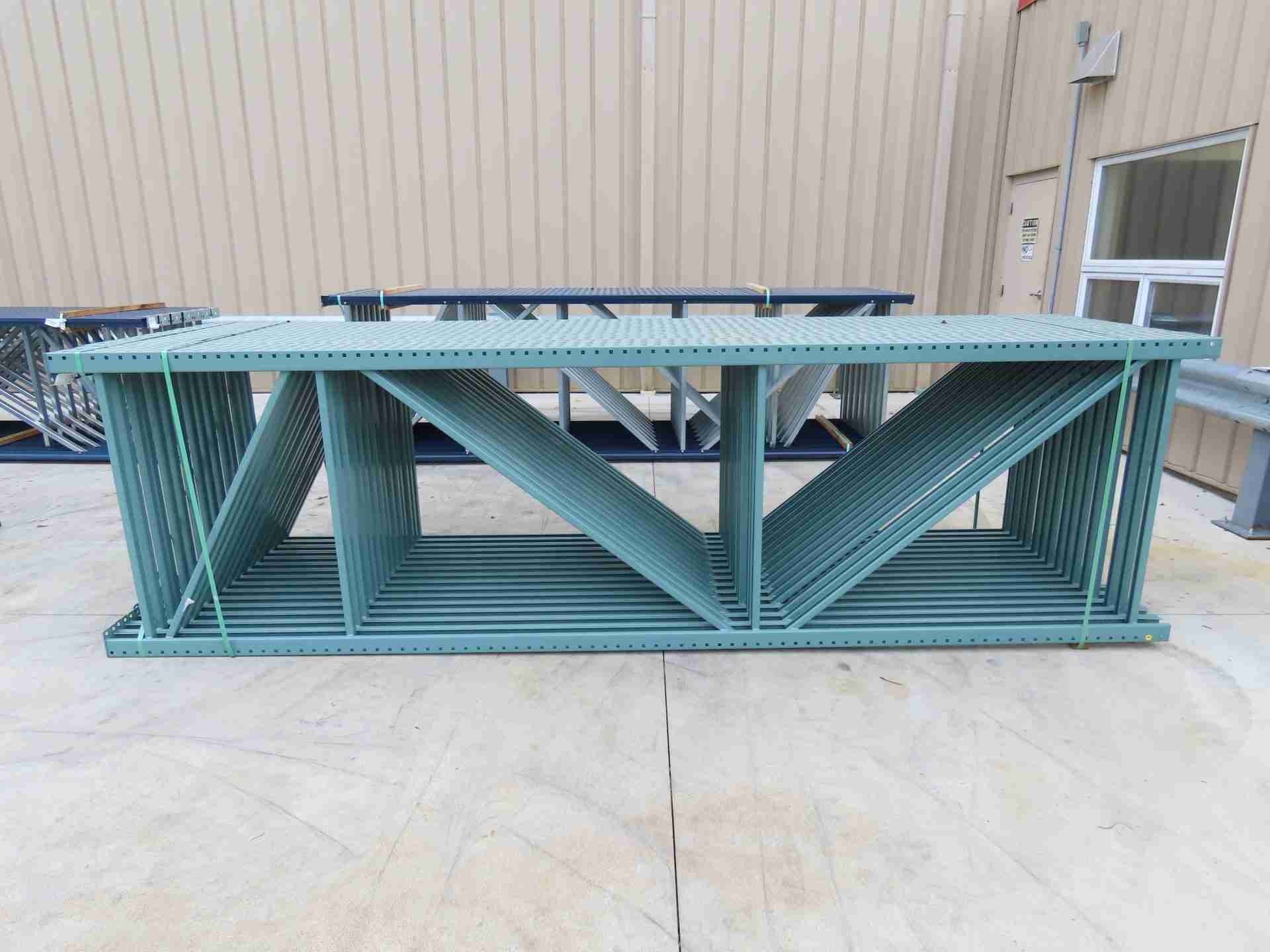
Conclusion
Conclusion:
- Inventory integrity is essential for successful warehouse operations, supporting management and fulfillment processes.
- A strategic layout functions like an organized toolbox, streamlining workflows and reducing frustration among workers.
- Efficient racking systems contribute to order, allowing products to flow smoothly and improving team morale.
- A well-organized space minimizes confusion, fosters a positive atmosphere, and enhances employee engagement.
- An investment in organized racking leads to decreased errors, inefficiencies, and builds customer trust.
- Prioritizing an organized layout reflects respect for employees and customers, fostering loyalty and retention.
- A strategic layout cultivates a shared purpose and pride, contributing to employee satisfaction and customer trust.

Conclusion
Other Resources

Other Resources
Here is a list of other resources you can review online to learn more:
- Warehouse Racking Systems: Beginner’s Guide to Rack Systems
- Pallet Racks, Pallet Racking, Pallet Shelves in Stock – ULINE
- Teardrop Uprights
- Crane Manufacturers Association Of America Inc.
- IIWS Inc. Rack Installation Illinois & Rack Repairs Illinois
- CMMA
- Warehouse Storage Racking in Illinois
- BMH
- Teardrop Pallet Rack – Ridg-U-Rak
- Wolter
- What is Cantilever Racking? – AK Material Handling Systems
- Material Handling Industry
- Teardrop Pallet Rack – Ridg-U-Rak
- What is Selective Pallet Racking
- National Safety Council
- Storage Equipment Manufacturers’ Association
- Rack Manufacturers Institute
- Used Pallet Rack for Sale in Illinois – American Surplus
- WERC
- International Warehouse Logistics Association
Use This Prompt To Get More Resources With Your Favorite Online AI Tool: Please provide me with a list of online articles with their URLs in a bulleted list that I can read regarding Inventory Integrity Starts with Layout

Other Resources
Glossary Terms
Inventory Integrity Starts with Layout – Glossary Of Terms
1. Layout: The arrangement of items within a storage area to maximize space and accessibility.
2. Inventory: The complete list of items or goods in stock within a business or warehouse.
3. Integrity: The condition of being whole or undivided, ensuring accurate representation of inventory levels.
4. Stocktaking: The process of counting and verifying inventory levels to maintain accuracy.
5. Organization: The systematic arrangement of inventory for efficient management and retrieval.
6. Storage: The act of housing inventory in designated areas to facilitate easy access and security.
7. Accessibility: The ease with which items can be reached or retrieved from storage locations.
8. Accuracy: The degree to which inventory records reflect the actual quantities on hand.
9. Control: The methods and practices used to manage inventory and maintain its integrity.
10. Tracking: The process of monitoring inventory movement, including sales, returns, and restocking.
11. Replenishment: The act of restocking inventory to maintain adequate supply levels.
12. SKU: Stock Keeping Unit; a distinct item for sale with a unique identifier for inventory management.
13. FIFO: First In, First Out; an inventory management method where the oldest stock is sold first.
14. LIFO: Last In, First Out; an inventory approach where the most recently acquired stock is sold first.
15. Cycle count: An inventory auditing procedure where a portion of inventory is counted on a specific schedule.
16. Warehouse: A large building where goods are stored before distribution or sale.
17. Pallet: A flat transport structure used to support goods in a stable fashion during storage or shipment.
18. Shelf life: The length of time that a product remains usable or saleable.
19. Markdown: A reduction in the selling price of goods to stimulate sales or clear inventory.
20. Obsolescence: The process by which an item becomes outdated or no longer in demand.
21. SKU rationalization: The analysis of product assortments to identify underperforming SKUs.
22. Audit: An official examination of inventory records and practices to ensure compliance and accuracy.
23. Return on investment (ROI): A measure of the profitability of investments in inventory.
24. Safety stock: Extra inventory held to guard against uncertainty in demand or supply.
25. Lead time: The amount of time from placing an order for inventory to its arrival at the warehouse.
26. Demand forecasting: The process of predicting future inventory needs based on historical data.
27. Batch tracking: The method of tracking a specific group of items produced or received together.
28. Expiration date: The date after which a product may not be safe or effective to use.
29. Inventory turnover: The rate at which inventory is sold and replaced over a period.
30. Just-in-time (JIT): An inventory strategy that aligns raw-material orders with production schedules to minimize holding costs.

Glossary Of Terms
Other Questions
Inventory Integrity Starts with Layout – Other Questions
If you wish to explore and discover more, consider looking for answers to these questions:
- What are the most common warehouse layout types (e.g., U-shaped, straight-line, grid) and when is each preferred?
- Which racking system options exist (selective, drive-in, push-back, pallet flow, cantilever, mezzanine) and how do they compare?
- How do I choose the best racking system for my specific SKUs, turnover rates, and handling equipment?
- How does layout choice affect different picking strategies (single pick, batch picking, zone picking, wave picking)?
- What are realistic cost estimates and typical ROI for a layout redesign or racking upgrade?
- Which KPIs should I track to measure inventory accuracy and the impact of layout changes (e.g., pick accuracy, order lead time, travel distance)?
- How do I integrate layout changes with my WMS, barcoding, or RFID systems?
- What best practices exist for labeling, signage, and location identification to reduce errors?
- How frequently should warehouse layout and slotting be reviewed and updated?
- How can I involve frontline staff in the layout design process to increase buy-in and usability?
- How do I balance storage density versus ease of access when maximizing space utilization?
- How should I design aisle widths and traffic flows to optimize forklift safety and throughput?
- What safety standards, fire codes, and load-capacity regulations must be considered when planning racking and layout?
- How can I retrofit an existing warehouse layout with minimal operational disruption?
- What staging, receiving, packing, and returns areas are required and where should they be located relative to racking?
- How do layout choices support multi-channel fulfillment (e‑commerce, store replenishment, B2B)?
- What layout features facilitate automation (conveyors, AGVs, sortation, robots) and how should I plan for them?
- How do I design for seasonal demand spikes and variable SKU profiles without permanent overcapacity?
- What training, SOPs, and documentation are needed after a layout change to maintain inventory integrity?
- How can lighting, ergonomics, and environmental controls (temperature, humidity) be incorporated into layout decisions?
- What methods prevent product damage and racking collapse (protective barriers, inspections, maintenance schedules)?
- How should I plan for security and loss-prevention within the layout (access control, cameras, locked zones)?
- What software tools or simulation techniques can validate layout performance before implementation?
- How do I calculate travel distance and time savings from a proposed layout change?
- What are the most common layout mistakes that lead to inventory errors and low morale?
- How do I select and evaluate racking vendors and installation partners (warranties, certifications, references)?
- How should I allocate space and flow for quality control, inspection, and rework processes?
- What regulatory or industry-specific standards (OSHA, local codes, food/pharma) impact layout design?
- How can layout improvements contribute to sustainability (energy use, reduced travel, material efficiency)?

Other Questions
Checklist
Inventory Integrity Starts with Layout – A Checklist
Inventory Integrity Starts with Layout: Unlocking Trust—Strategic Layout Checklist
Planning & Principles
✅______ Current-state process map documented (inbound to outbound)
✅______ Future-state flow designed to minimize touches and travel
✅______ Clear objectives set for accuracy, speed, and cost per order
Flow & Zoning
✅______ One-way flow defined: receive → putaway → storage → pick → pack → ship
✅______ U-shaped or straight-line flow selected and documented
✅______ Dedicated, clearly marked zones for staging (inbound and outbound), returns, quarantine, kitting, and cycle counts
✅______ Cross-docking path identified where applicable
Slotting & Storage Logic
✅______ ABC/velocity slotting applied and reviewed regularly
✅______ Fast movers positioned closest to pick, pack, and ship
✅______ Complementary SKUs co-located to reduce travel
✅______ Heavy and bulky items stored low; ergonomic reach ranges respected
✅______ Temperature and humidity, or hazmat requirements, addressed
Racking Systems
✅______ Rack type matches SKU profile (selective, carton flow, pallet flow, drive-in/drive-through, pushback, cantilever)
✅______ Load capacities posted; beams and bays verified and labeled
✅______ Pallet orientation standardized; overhang controlled
✅______ Rack spacing and bay depth matched to equipment and pallet types
✅______ Guarding, end-of-aisle protection, and stop bars installed where needed
Aisles & Accessibility
✅______ Aisle widths align with equipment turning radius and traffic volume
✅______ Cross-aisles clearly marked to reduce travel time
✅______ Clean, well-lit, unobstructed pathways
✅______ Inclusive access: wide pathways and reachable locations for varied users
✅______ Congestion points identified and eliminated
Identification & Visual Management
✅______ Standard location schema (aisle-bay-level-position) implemented
✅______ Durable, scannable labels, barcodes, or RFID installed and validated
✅______ Floor markings define lanes, staging, and keep-clear zones
✅______ Wayfinding and zone signage legible from working distance
✅______ 5S in place (Sort, Set in Order, Shine, Standardize, Sustain)
Pick, Pack, and Replenishment
✅______ Standard pick paths defined to prevent backtracking
✅______ Error-proofing active (check digits, scan validation, weight and dimension checks)
✅______ Replenishment minimum/maximum levels and triggers configured
✅______ Dedicated packing stations with materials at point of use
✅______ Quality check gates placed pre-pack and pre-ship
Technology & Data
✅______ WMS location master mirrors physical layout exactly
✅______ Real-time scanning at receiving, moving, picking, packing, and shipping
✅______ Exception capture for shorts, damages, substitutions, and holds
✅______ Dashboards for accuracy, travel time, throughput, and labor
People & Culture
✅______ Frontline input used in design, pilots, and revisions
✅______ SOPs documented with visual work aids at each zone
✅______ Role-based training completed and certified
✅______ Daily housekeeping ownership and audits assigned
Inventory Accuracy Controls
✅______ Cycle counting program established by class or velocity
✅______ Root-cause analysis on discrepancies with corrective actions tracked
✅______ Quarantine or hold area segregated and system controlled
✅______ Returns triage and disposition process standardized
✅______ High-value or controlled SKUs secured with access controls
Customer Experience (If Customer-Facing)
✅______ Logical product groupings and adjacencies planned
✅______ End caps or features placed for discovery and upsell
✅______ Clear wayfinding from entry to key categories
✅______ ADA-compliant paths and reach ranges
✅______ High-touch areas tidy, labeled, and restocked
Metrics & Continuous Improvement
✅______ Targets set for pick accuracy, inventory record accuracy, dock-to-stock time, and lines per labor hour
✅______ Baseline travel distances measured; reduction goals set
✅______ Seasonal re-slotting and space reviews scheduled
✅______ Gemba walks and feedback loops on a cadence
✅______ Formal change control for layout updates
Go-Live & Sustainment
✅______ Pilot run completed; issues resolved before scale-up
✅______ Peak-volume and exception paths defined
✅______ Spare labels, signs, and floor-marking supplies on hand
✅______ Post-implementation review scheduled with KPIs and actions
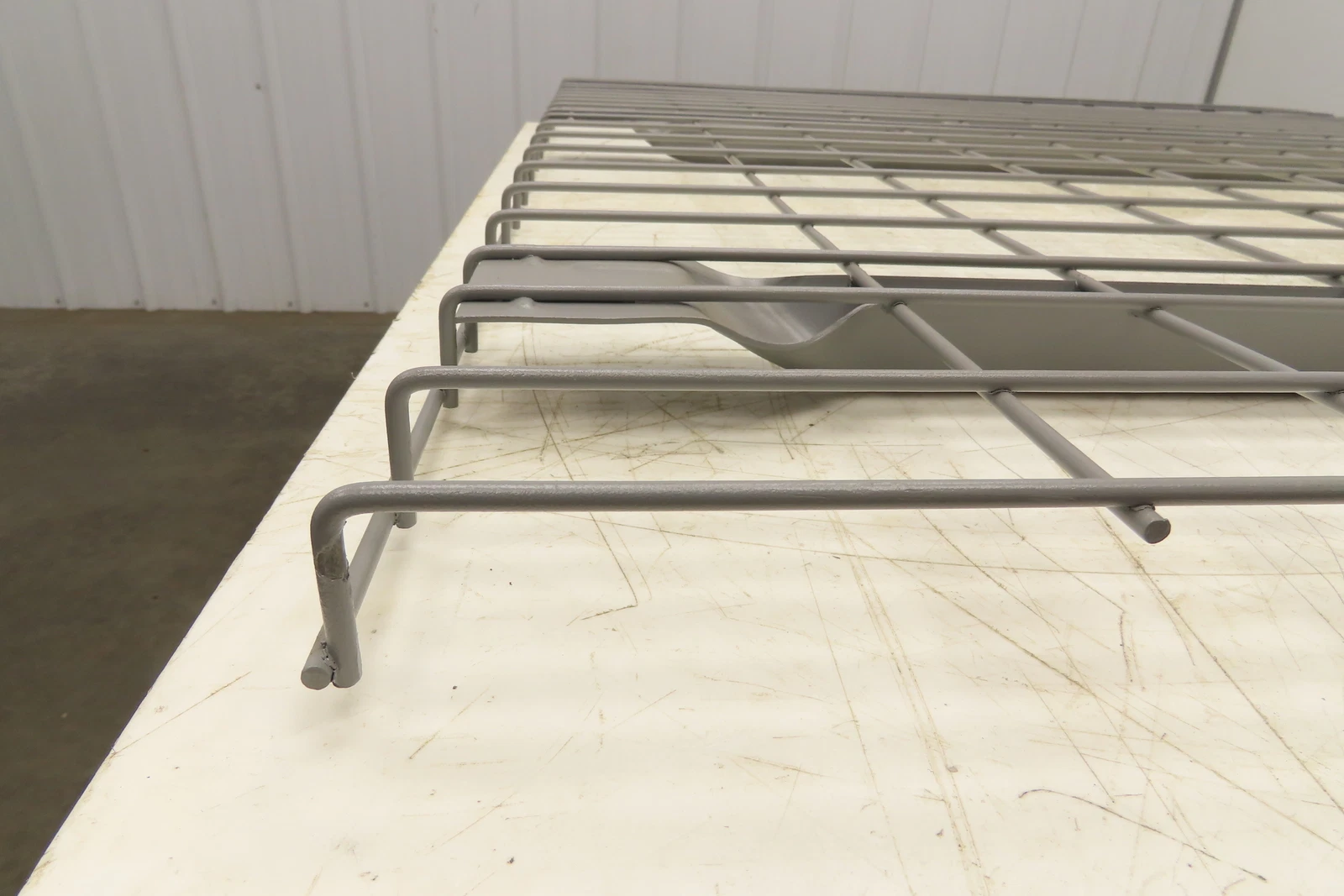
Checklist
At RackingWorld, we help guide you through selecting warehouse storage systems and racking.
Be sure to read our other related stories at RackingWorld to learn more about warehouse storage systems.
0 Comments