
Revolutionize Your Warehouse With Tim Ferriss’s Tactics!
By Tom Seest
At RackingWorld, we help guide you through selecting warehouse storage systems and racking.
Be sure to read our other related stories at RackingWorld to learn more about warehouse storage systems.
How Would Tim Ferriss Optimize Your Warehouse Storage Solutions?
In a world where efficiency reigns supreme, warehouse storage solutions can make or break your bottom line. Tim Ferriss, known for his clever productivity hacks, would undoubtedly approach your warehouse challenges with a blend of innovation and practicality. Picture this: your inventory is a labyrinth, but it doesn’t have to be.
Let’s start with Pallet Racking. This fundamental pillar of warehouse organization is often taken for granted. Ferriss would advise you to maximize vertical space using high-density pallet racking systems. Imagine a setup that not only increases storage capacity by 70% but reduces the time spent searching for products. By employing a push-back racking system, you’ll allow for first-in-last-out inventory management, which is critical for items with expiration dates – think perishables or tech products that quickly become outdated.
Next, Ferriss would advocate for lean principles to streamline operations—an approach that echoes in today’s e-commerce boom. As companies like Amazon continue to shape consumer expectations, your warehouse must adapt. Lean warehousing minimizes waste in storage solutions and drives productivity. This means evaluating every inch of your space, analyzing the flow of goods, and ultimately reducing unnecessary travel time for your team.
Consider recent advancements in technology. Ferriss would likely see the integration of automation as a game-changer. Automated storage and retrieval systems (AS/RS) can minimize human error and speed up the picking process, creating a continuously flowing environment. With the rise of AI and robotics in warehousing, your storage solutions could evolve overnight—removing the bottleneck that has plagued the industry for years.
Furthermore, data-driven decision-making is paramount. Utilizing warehouse management systems (WMS) can help monitor stock levels and predict future needs. This forward-thinking approach ensures storage layouts evolve with demand. When Netflix experienced a surge in subscriptions during the pandemic, their logistics and warehousing adaptations became key. Following suit can mean the difference between glory and a logistics nightmare.
Finally, think about employee engagement. Ferriss believes that a motivated team drives productivity. Investing in ergonomic equipment and streamlined workflows ensures that your employees are healthy and efficient. A happy worker is a productive worker, which echoes in every corner of your warehouse.
In summary, adopting Tim Ferriss’ mindset could revolutionize your warehouse storage. From optimizing pallet racking systems to embracing automation, your path to efficiency is paved with strategic, thought-provoking actions that ensure you’re always a step ahead in the game.

How Would Tim Ferriss Optimize Your Warehouse Storage Solutions?
How Would Tim Ferriss Optimize Your Warehouse Storage Solutions?
- Warehouse storage solutions are crucial for maintaining efficiency and profitability.
- Tim Ferriss recommends maximizing vertical space with high-density pallet racking systems, potentially increasing storage capacity by 70%.
- Implementing push-back racking allows for effective first-in-last-out inventory management, essential for perishable or quickly outdated items.
- Lean principles help streamline operations, reducing waste and unnecessary travel time in warehouses.
- Integration of automation, such as Automated Storage and Retrieval Systems (AS/RS), can minimize human error and enhance picking speed.
- Data-driven decision-making through Warehouse Management Systems (WMS) aids in monitoring stock levels and adapting storage layouts according to demand.
- Employee engagement and ergonomic equipment contribute to a motivated workforce, boosting overall warehouse productivity.

How Would Tim Ferriss Optimize Your Warehouse Storage Solutions?
Table Of Contents
- How Would Tim Ferriss Optimize Your Warehouse Storage Solutions?
- How Can I Maximize Space In My Warehouse?
- What Storage Systems Are Most Efficient?
- How Can Technology Improve My Warehouse Layout?
- What Are Best Practices For Inventory Management?
- How Can I Reduce Picking And Packing Times?
- What Role Does Automation Play In Storage Solutions?
- Conclusion
- Other Resources
- Glossary Of Terms
- Other Questions
- Checklist
How Can I Maximize Space In My Warehouse?
In today’s fast-paced economy, where every square foot of warehouse space equates to potential profit, maximizing your warehouse layout is no longer an option—it’s a necessity. Let’s explore actionable strategies to enhance your operational efficiency and create room for growth.
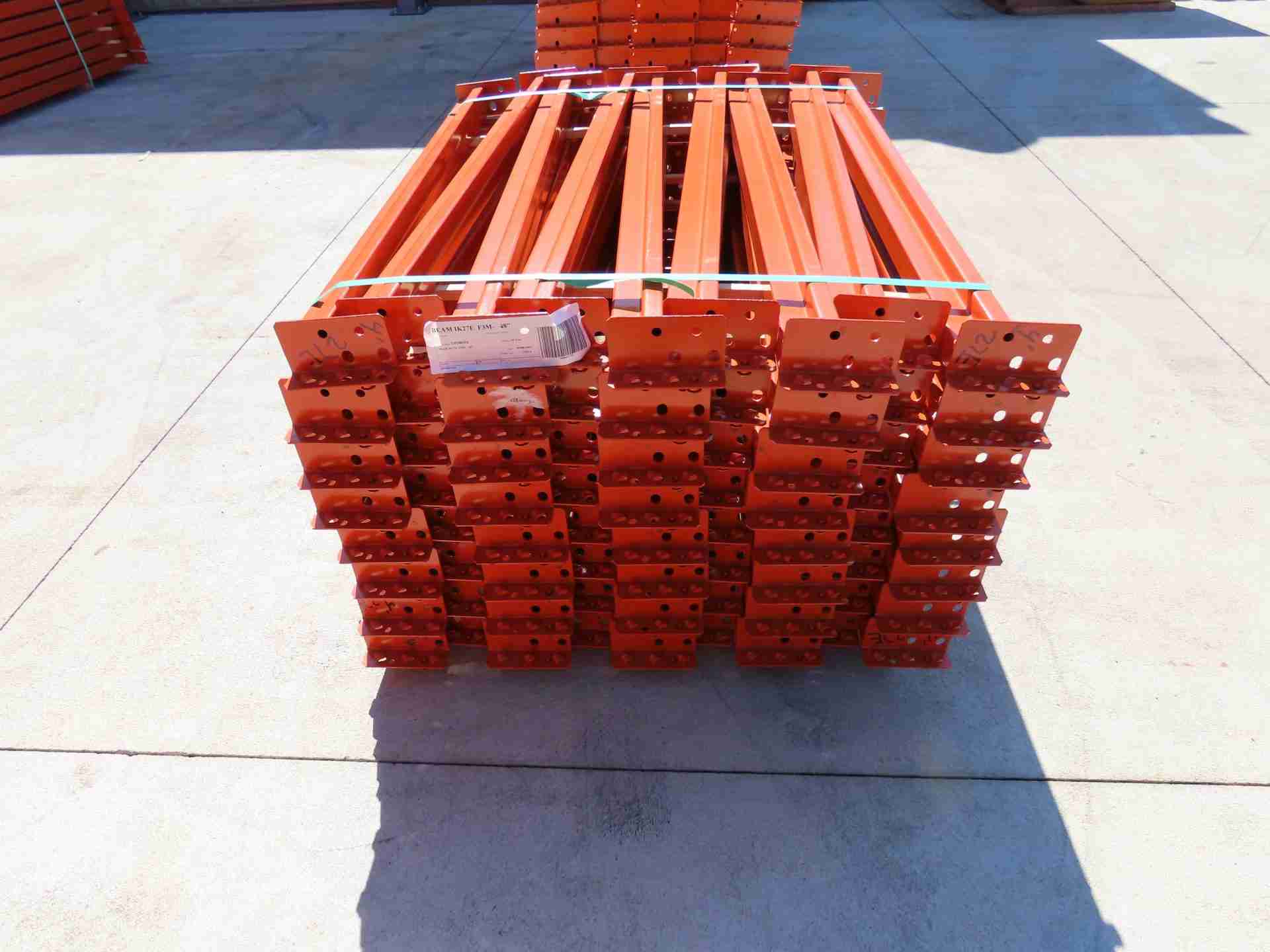
First and foremost, consider the power of pallet racking systems. A well-designed pallet racking system optimizes vertical space, allowing you to utilize the ceiling height effectively. For instance, imagine investing in high-density pallet racking—this can increase your storage capacity by up to 40% compared to traditional methods. As demand for quicker shipping times surges, especially since the onset of supply chain disruptions, having a compact and efficient storage solution is crucial. By strategically placing high-frequency items at eye level and seasonal goods higher up, you can streamline picking processes and improve inventory turnover.
Next, embrace the art of inventory management. Implementing a robust Warehouse Management System (WMS) can significantly organize your space. A WMS not only tracks inventory but also provides insights into slow-moving items that can take up valuable real estate. For instance, during the pandemic, many businesses found their inventories ballooning with items that were no longer in demand. By utilizing data analytics, you can identify which items to phase out or discount, freeing up essential space and capital.
Another game-changer in the warehouse space optimization arena is the concept of cross-docking. This operational strategy minimizes storage time by directly transferring goods from incoming to outgoing trucks. Companies that adopted cross-docking during recent global supply disruptions managed to maintain higher service levels, ensuring that customer demands were met swiftly without overcrowding the warehouse.
Don’t overlook the importance of layout evaluation. A well-planned warehouse layout should prioritize workflow efficiency. Use techniques such as the spaghetti diagram to identify inefficiencies in your picking routes. By reducing unnecessary movement and creating clear pathways, not only can you maximize your space utilization, but you’ll save time—a critical currency in the current market landscape.
Lastly, partnerships count. Collaborate with third-party logistics providers who can bring expertise and innovative solutions to your operations. For example, companies pivoting to asynchronous inventory systems have found that outsourcing storage overflow can significantly optimize their space without the need for costly renovations.
Maximizing space in your warehouse is not merely about fitting more into a limited area; it’s about creating a strategic environment where efficiency breeds profitability. Reassess your approach, embrace technology, and innovate; the warehouse of tomorrow demands it!

How Can I Maximize Space In My Warehouse?
How Can I Maximize Space In My Warehouse?
- Maximizing warehouse layout is essential for profitability in today’s economy.
- Implementing high-density pallet racking can increase storage capacity by up to 40%.
- Effective placement of high-frequency and seasonal items improves picking processes.
- Adopting a Warehouse Management System (WMS) organizes inventory and identifies slow-moving items.
- Cross-docking minimizes storage time by transferring goods directly between trucks.
- Evaluating the warehouse layout enhances workflow efficiency and reduces unnecessary movement.
- Collaborating with third-party logistics can optimize space without costly renovations.
How Can I Maximize Space In My Warehouse?
What Storage Systems Are Most Efficient?
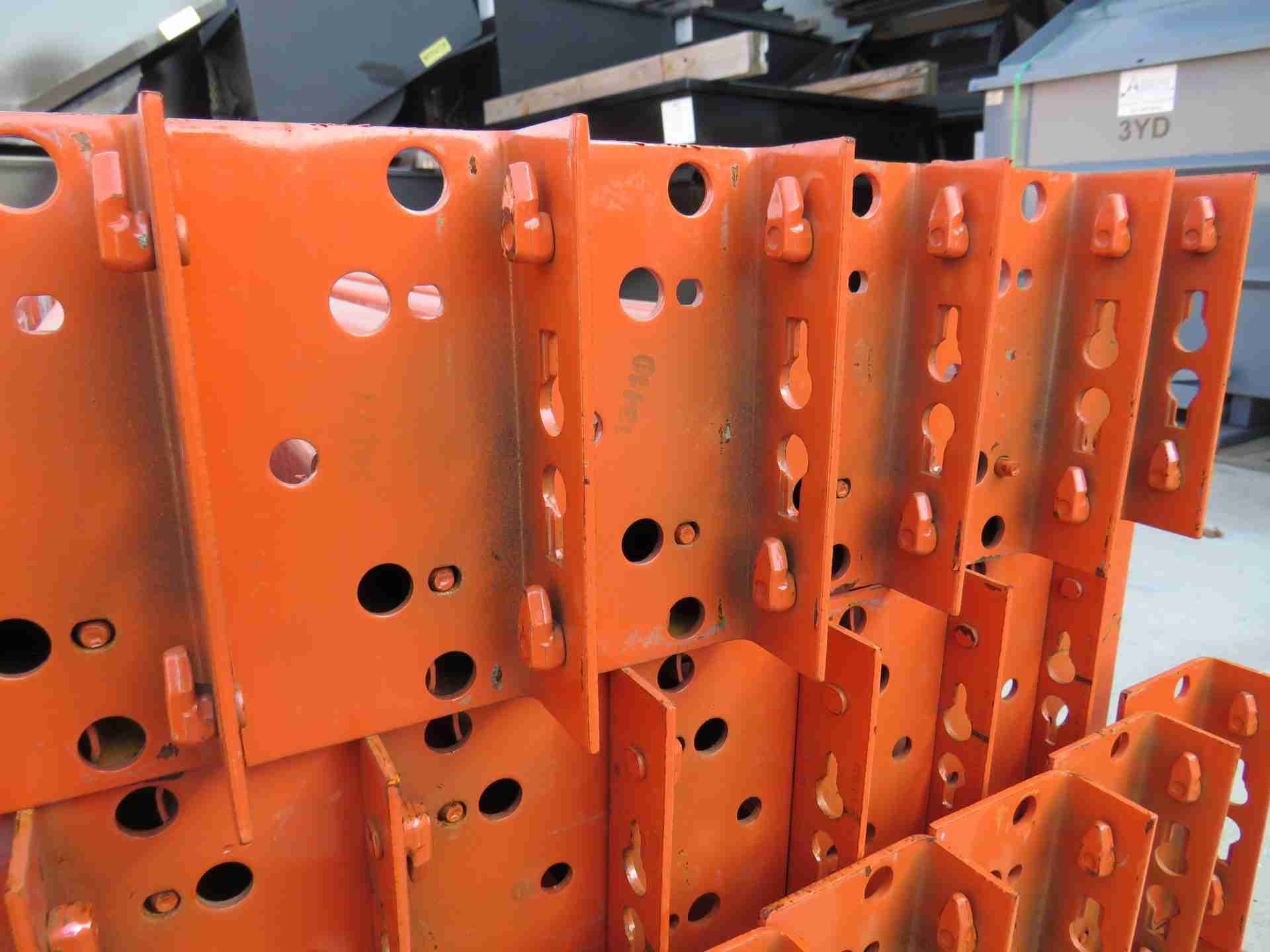
When it comes to maximizing efficiency in your warehouse operations, the right storage system can be the game-changer you need. The landscape of industrial storage solutions is rapidly shifting, with the demand for agility and space optimization rising higher than ever. Among the numerous options available, pallet racking stands out as one of the most effective systems you can implement to transform cluttered chaos into clean, organized order.
Imagine walking into a warehouse that is both streamlined and efficient. You’re greeted by rows of meticulously arranged pallet racks, each designed to hold multiple pallets of goods. This is the power of pallet racking—the backbone of modern warehousing. With the ability to utilize vertical space, pallet racking systems can triple or even quadruple your storage capacity without expanding your physical footprint. Just think of companies like Amazon, which have perfected their operations through highly efficient pallet racking. They have mastered moving merchandise swiftly and efficiently, ensuring they can meet consumer demand with ease.
In a market where speed is vital, pallet racking allows for quick access to inventory, reducing handling time and enhancing workflow. For example, during the 2023 holiday season, retailers leveraging advanced pallet racking systems reported a significant decrease in order fulfillment times, giving them a competitive edge against rivals who were slower to adapt. This is the kind of operational efficiency that not only improves your bottom line but also boosts customer satisfaction—a hallmark of successful businesses today.
Moreover, pallet racking systems are incredibly customizable. Whether you run a small business or a large-scale operation, these systems can be tailored to meet your unique needs. You might opt for selective racking for easy access to each pallet, or perhaps drive-in racking to maximize storage density for bulk items. Your choice directly impacts how efficiently you can operate, and it prepares your business for scalability as it grows.
Additionally, there’s the emerging trend of smart pallet racking systems that incorporate technology like RFID and IoT. These innovations enhance inventory tracking, minimize loss, and provide real-time data analytics, revealing insights that drive further efficiencies. Companies that adopt these intelligent solutions are not just keeping up with the competition; they are often several steps ahead.
If you’re serious about boosting efficiency in your storage operations, integrating an effective pallet racking system is essential. Not only will it optimize your space and streamline processes, but it will also position your business for greater agility and adaptability in ever-changing market conditions. Now is the time to invest in a solution that will pay dividends for years to come.
What Storage Systems Are Most Efficient?
What Storage Systems Are Most Efficient?
- Pallet racking is a transformative storage solution that maximizes efficiency in warehouse operations.
- Utilizing vertical space, pallet racking systems can significantly increase storage capacity without expanding the physical footprint.
- Companies like Amazon demonstrate the effectiveness of pallet racking in enhancing operational efficiency and meeting consumer demand.
- Pallet racking allows for quick inventory access, reducing handling time and improving workflow, especially during peak seasons.
- These systems are customizable, catering to both small and large operations with various racking options tailored to specific needs.
- Emerging smart pallet racking technologies, such as RFID and IoT, enhance inventory tracking and provide real-time data analytics.
- Investing in an effective pallet racking system optimizes space, streamlines processes, and positions businesses for future scalability and agility.

What Storage Systems Are Most Efficient?
How Can Technology Improve My Warehouse Layout?
In the fast-paced world of logistics, optimizing your warehouse layout isn’t just good practice—it’s essential for staying competitive. Technology plays a vital role in transforming how warehouses operate, particularly through innovations in pallet racking systems, inventory management, and automation.
Let’s explore how embracing these advancements can streamline your operations, reduce costs, and improve overall efficiency.
First, consider the innovative designs of modern pallet racking systems. Traditional pallet racking may have served well in the past, but with the integration of technology, businesses can now utilize adjustable systems that respond dynamically to inventory fluctuations. Automated vertical storage units, for instance, maximize vertical space and reduce floor clutter, allowing for increased inventory turnover. Companies like SpaceSaver have demonstrated how their tech-driven racking solutions not only improve space utilization but also enhance picking efficiency by minimizing the distance workers travel to retrieve items.
Moreover, advanced inventory management software can revolutionize warehouse operations. Real-time monitoring and analytics provide insights that can dramatically impact the layout and workflow. Imagine being able to track which items move quickly and which don’t. Armed with this information, you can rearrange the layout to position high-demand products closer to packing and shipping areas, significantly decreasing fulfillment time. Recent events, such as supply chain disruptions witnessed during the pandemic, highlighted the need for agility in warehouse management. Smart layouts backed by data can make your operation more resilient in the face of unexpected challenges.
Furthermore, the rise of automation technologies, such as robotic picking systems, can fundamentally change how you approach your warehouse layout. These systems, capable of moving goods with precision and speed, can work alongside pallet racking solutions to optimize space and flow. By integrating robots into your operations, not only do you free up your workforce for more complex tasks, but you also enhance safety and reduce the likelihood of errors—a critical factor in maintaining customer satisfaction.
Now is the time to rethink your warehouse layout through the lens of technology. Companies like Amazon and Walmart are continually setting the bar for efficiency, and you can follow suit. By investing in modern pallet racking systems, advanced inventory management, and automation, you position your warehouse for success in a rapidly evolving marketplace. Don’t wait—embrace the future of warehousing today, and watch your efficiency soar.

How Can Technology Improve My Warehouse Layout?
How Can Technology Improve My Warehouse Layout?
- Optimizing warehouse layout is essential for competitiveness in logistics.
- Technology transforms warehouse operations through innovations in pallet racking, inventory management, and automation.
- Modern pallet racking systems offer adjustable designs that respond to inventory fluctuations.
- Automated vertical storage maximizes space and increases inventory turnover while enhancing picking efficiency.
- Advanced inventory management software enables real-time monitoring, improving layout and workflow.
- Automation technologies, like robotic picking systems, optimize warehouse space and enhance safety.
- Investing in modern solutions positions warehouses for success in a rapidly evolving marketplace.

How Can Technology Improve My Warehouse Layout?
What Are Best Practices For Inventory Management?
In the fast-paced world of retail and distribution, effective inventory management is not just a back-office function; it’s a powerful strategy that can propel your business ahead of the curve. Here are some best practices to optimize your inventory management, ensuring you have the right products available at the right time, while minimizing waste and maximizing profit.
1. Utilize Modern Technology: In today’s digital landscape, leveraging advanced inventory management systems can revolutionize your operations. Cloud-based software allows for real-time tracking and reporting, streamlining order management, and reducing human error. For instance, a recent study indicated that businesses integrating these tools cut their inventory costs by up to 30%. Consider employing systems that can automatically adjust stock levels based on trends and sales data.
2. Implement Pallet Racking: Efficient storage is a hallmark of successful inventory management. Pallet racking systems maximize vertical space in your warehouse and improve the accessibility of products. By organizing inventory according to size and demand, businesses can ensure faster fulfillment and turnover. For example, a leading grocery chain recently revamped their storage with pallet racking, resulting in a 20% increase in operational efficiency.
3. Perform Regular Audits: Inventory audits are essential to maintain accurate stock levels. Implement a cycle counting approach where a portion of your inventory is counted regularly, rather than waiting for an annual audit. This method not only keeps your records up to date but also helps identify discrepancies early, thus preventing issues from escalating.
4. Focus on Demand Forecasting: A major pain point for many companies, especially amidst fluctuating market conditions, is demand forecasting. Analyze historical sales data and consider current events impacting your market. For instance, during the COVID-19 pandemic, businesses that quickly adapted their inventory strategy based on demand spikes for essentials succeeded, while others faced stockouts. Integrating analytics tools can provide insights that help you predict future demands more accurately.
5. Optimize Supplier Relationships: Your suppliers are your partners in inventory management. Build strong relationships and negotiate favorable terms that allow for flexible ordering. This relationship can lead to better pricing, improved product availability, and quicker turnaround times, which is particularly crucial in volatile markets where supply chain disruptions are frequent.
Mastering the art of inventory management is not a one-size-fits-all endeavor. By incorporating these best practices—leveraging technology, optimizing space with pallet racking, performing regular audits, forecasting demand smartly, and nurturing supplier relationships—you position your business to thrive in any environment. In a market that’s as dynamic as ever, this foundational strategy could be the difference between leading the pack and falling behind.

What Are Best Practices For Inventory Management?
What Are Best Practices For Inventory Management?
- Effective inventory management is a strategic approach that propels retail and distribution businesses forward.
- Utilizing modern technology like cloud-based systems allows for real-time tracking, reducing costs by up to 30%.
- Implementing pallet racking maximizes warehouse space and improves product accessibility, enhancing operational efficiency.
- Conducting regular inventory audits through cycle counting helps maintain accurate stock levels and prevents discrepancies.
- Focusing on demand forecasting by analyzing historical data enables businesses to adapt to market fluctuations efficiently.
- Optimizing supplier relationships can lead to better pricing, improved product availability, and faster turnaround times.
- Incorporating these best practices positions businesses to thrive in a dynamic market environment.

What Are Best Practices For Inventory Management?
How Can I Reduce Picking And Packing Times?
In today’s high-stakes market, where every second counts, reducing picking and packing times becomes a pivotal strategy for increasing operational efficiency and enhancing customer satisfaction. By leveraging techniques that streamline your warehouse processes, you can maximize productivity and minimize costs.
Embrace Technology: Automation is no longer a novelty; it’s a necessity. Consider incorporating barcode scanning technology or RFID systems into your operations. These tools not only speed up the identification of items but also significantly reduce human error. For instance, companies like Amazon are continuously improving their automated picking systems, which allows them to process orders exponentially faster. Are you ready to give your operations that same competitive edge?
Optimize Your Pallet Racking Systems: Effective pallet racking can make a world of difference in how swiftly your team can retrieve items. Implementing a well-thought-out racking strategy—such as FIFO (First In, First Out)—can enhance accessibility to products and cut down time spent searching for items. Smart racking layouts put high-demand items within easy reach, minimizing unnecessary movement and allowing your warehouse workers to maintain a non-stop rhythm—crucial in a climate where customer expectations are at an all-time high.
Train Your Team: A skilled workforce is your greatest asset. Invest in comprehensive training programs that focus on best practices for efficient picking and packing. Create a culture of continuous improvement, encouraging staff to share ideas for enhancing workflow. For example, companies like Walmart focus heavily on onboarding and ongoing training, which leads to better team performance and even quicker order fulfillment rates.
Implement Lean Practices: Lean methodologies center on eliminating waste and optimizing processes. Conduct regular audits to identify bottlenecks in your current operations. Are workers frequently waiting for stock to be retrieved? Perhaps it’s time to rethink your warehouse layout or the frequency of replenishments. Consider adopting a Just-In-Time (JIT) inventory system that ensures you have the right amount of stock, reducing space and time wasted on surplus items.
Utilize Data Analytics: With the power of modern data analytics, it’s feasible to gauge your picking and packing times accurately. Track metrics and refine your approach based on actionable insights. For instance, if peak times show a consistent slowdown in order picking, you can allocate more resources during those hours.
As the retail landscape evolves, those who can adapt quickly will prevail. By integrating these strategies—optimizing pallet racking, embracing technology, and continually training your workforce—you can drastically reduce your picking and packing times, setting your business on a path to greater success.

How Can I Reduce Picking And Packing Times?
How Can I Reduce Picking And Packing Times?
- Reducing picking and packing times is essential for operational efficiency and customer satisfaction in the competitive market.
- Embrace automation through technologies like barcode scanning and RFID to enhance speed and minimize errors.
- Optimize pallet racking systems with strategies like FIFO to improve accessibility and reduce item search time.
- Invest in comprehensive training programs to develop a skilled workforce focused on efficient picking and packing practices.
- Implement lean practices to eliminate waste, conduct regular audits, and consider Just-In-Time (JIT) inventory systems.
- Utilize data analytics to monitor performance metrics, allocate resources effectively during peak times.
- Adapting quickly by integrating these strategies can significantly reduce picking and packing times for greater business success.

How Can I Reduce Picking And Packing Times?
What Role Does Automation Play In Storage Solutions?
In the fast-paced world of logistics and warehousing, the conversation around automation is no longer confined to a futuristic vision—it’s an immediate reality that is revolutionizing how businesses manage their storage solutions. Automation isn’t just a trend; it’s a necessity for companies looking to stay competitive, reduce costs, and improve efficiencies in their operations.
Take pallet racking, for instance. This foundational element of warehouse storage can drastically benefit from automation. With innovations in automated guided vehicles (AGVs) and robotic systems, warehouses can literally stack up their efficiency. Imagine a scenario where a robotic arm can seamlessly retrieve a pallet from high racking systems, minimizing manual labor and reducing the risk of workplace injuries. Major corporations like Amazon are already implementing such methods, demonstrating that quick retrieval and processing can significantly enhance order fulfillment speeds.
Moreover, the rise of the Internet of Things (IoT) has made it easier than ever to integrate automated systems into existing warehouse infrastructures. Facilities equipped with smart sensors can monitor inventory in real-time. This means businesses spend less time counting and more time focused on strategic growth. By deploying automated inventory management software, companies can anticipate their supply needs and eliminate overstock or stockout scenarios. Recent data shows that organizations employing these practices are realizing up to a 30% increase in operational efficiency.
The pandemic has been another catalyst for the increased adoption of automating storage solutions. With supply chain disruptions affecting the flow of goods, many companies have turned to automation not only as a means to streamline their operations but also as a way to safeguard against future uncertainties. Companies like Walmart are now leveraging advanced robotics to manage inventory levels proactively, ensuring that they remain agile and can respond swiftly to market demands.
Let’s not forget the environmental impact either. Automated systems in pallet racking generally promote better space utilization, leading to reduced energy costs and resource waste. With sustainability being at the forefront of many businesses today, embracing automation can serve dual purposes—enhancing operational efficiency while also contributing to an eco-friendly approach.
The role of automation in storage solutions is multifaceted and vital. By embracing automated technologies, businesses can transform their pallet racking capabilities into efficient, responsive, and sustainable systems. The question isn’t if you should implement automation; it’s how soon can you get started? Your competitors are not waiting. Are you?
What Role Does Automation Play In Storage Solutions?
What Role Does Automation Play In Storage Solutions?
- Automation in logistics and warehousing is an immediate reality and a necessity for competitiveness.
- Automated guided vehicles (AGVs) and robotic systems significantly enhance pallet racking efficiency.
- Companies like Amazon are adopting automation for improved order fulfillment speeds and reduced manual labor.
- The Internet of Things (IoT) allows real-time inventory monitoring, increasing operational efficiency by up to 30%.
- The pandemic has accelerated automation adoption, helping companies manage inventory levels and respond to market demands.
- Automated systems promote better space utilization, reducing energy costs and contributing to sustainability efforts.
- Embracing automation transforms pallet racking into efficient, responsive, and eco-friendly systems, urging businesses to act quickly.

What Role Does Automation Play In Storage Solutions?
Conclusion
In today’s cut-throat business landscape, the effectiveness of your warehouse storage solutions can make or break your operations. Following the insightful approaches of productivity guru Tim Ferriss, the path to unparalleled efficiency and profitability begins with a mindset shift. By employing high-density pallet racking systems, you not only transform clutter into organization but also unlock potential storage increases of up to 70%. Imagine no longer wasting time searching through a maze of inventory; Ferriss’s methods streamline processes and enhance productivity. His focus on lean principles allows warehouses to evolve in rhythm with the fast-paced demands of e-commerce giants like Amazon, minimizing waste and maximizing efficiency.
But that’s just the beginning. With warehouse management systems (WMS) at your disposal, harness data analytics to forecast stock needs accurately and refine your operations accordingly. Adapting to market demands is essential, as evidenced during unpredictable times like the pandemic when companies like Netflix shifted rapidly. Moreover, integrating automation technologies—think robotic picking systems and automated storage and retrieval (AS/RS)—can drastically reduce human error, speed up processes, and create a dynamically responsive environment. Companies that embrace automation not only meet customer expectations but soar above the competition.
And let’s talk about your workforce. Ferriss asserts that invested employees yield higher productivity. This means engaging your team with ergonomic equipment and efficient workflows, ensuring they remain healthy and satisfied—a vital component of warehouse success.
Maximizing warehouse space is not merely about fitting in more; it’s about creating a strategic haven for growth. Implement advanced pallet racking tailored to your needs and utilize innovative practices like cross-docking to enhance efficiency. Remember that effective inventory management isn’t just a function—it’s your competitive edge.
The clock is ticking, and every moment lost can translate directly to lost revenue. Don’t let your operations fall behind. Call Arrow Industrial Sales at (574) 349-6575 today to learn how our expertise, coupled with Ferriss-inspired strategies, can revolutionize your warehouse efficiency. The future is now—embrace these transformative strategies and watch your warehouse thrive. Don’t wait; your competitors are already ahead!

Conclusion
Conclusion:
- Warehouse storage solutions greatly impact operational effectiveness in today’s competitive environment.
- Tim Ferriss’s strategies emphasize a mindset shift towards efficiency and profitability.
- Implementing high-density pallet racking can lead to a potential storage increase of up to 70%.
- Utilizing warehouse management systems (WMS) enables accurate stock forecasting and operational refinement.
- Automation technologies like robotic picking and AS/RS reduce human error and enhance responsiveness.
- Invested employees using ergonomic equipment boost productivity and overall warehouse success.
- Effective inventory management is crucial for maintaining a competitive edge in the market.

Conclusion
Other Resources

Other Resources
Here is a list of other resources you can review online to learn more:
- Material Handling Safety
- American Society of Safety Professionals
- Mustang Material Handling
- Warehouse Racking System: Powerful Guide to Optimise, 2024
- Teardrop Uprights
- Intro to Warehouse Racks & Warehouse Racking Systems – ShipBob
- Storage Equipment Manufacturers’ Association
- IIWS Inc. Rack Installation Illinois & Rack Repairs Illinois
- Selective Racking
- Pallet Racks, Pallet Racking, Pallet Shelves in Stock – ULINE
Use This Prompt To Get More Resources With Your Favorite Online AI Tool: Please provide me with a list of online articles with their URLs in a bulleted list that I can read regarding How Would Tim Ferriss Optimize Your Warehouse Storage Solutions?

Other Resources
Glossary Terms
How Would Tim Ferriss Optimize Your Warehouse Storage Solutions? – Glossary Of Terms
1. ABC Analysis: A method of inventory categorization that prioritizes items based on their value and turnover rate, helping focus on what’s most important.
2. Automation: The use of technology and systems to perform tasks with minimal human intervention, increasing efficiency and reducing errors in storage management.
3. Batch Picking: A picking method where multiple orders are picked simultaneously, streamlining the process and reducing travel time within the warehouse.
4. Cross-Docking: A logistics process where products are transferred directly from incoming to outgoing transport with minimal storage time, optimizing flow.
5. Cycle Counting: A regular inventory auditing method where a portion of the inventory is counted on a specific day to ensure accuracy without shutting down operations.
6. Dynamic Slotting: A storage strategy that assigns locations for products based on real-time data about demand, helping to reduce travel time for pickers.
7. Ergonomics: The study of optimizing the workplace environment to reduce fatigue and maximize productivity, particularly important in manual handling areas.
8. First-In-First-Out (FIFO): An inventory management technique where the oldest stock is sold first, ensuring product freshness and reducing waste.
9. Just-In-Time (JIT): An inventory strategy that aligns raw-material orders with production schedules, minimizing holding costs and space requirements.
10. Lean Warehousing: A philosophy focused on minimizing waste while maximizing productivity in warehouse operations.
11. Location Optimization: The strategic positioning of products in a warehouse to reduce picking times and improve overall efficiency.
12. Order Fulfillment: The complete process from receiving and processing an order to delivering the product to the customer, crucial for customer satisfaction.
13. Pick-and-Pack: A process where items are picked from the shelf, packed, and prepared for shipment, focusing on speed and accuracy.
14. Reorder Point (ROP): The inventory level at which a new order should be placed to replenish stock before it runs out, critical for maintaining supply chain efficiency.
15. RFID (Radio-Frequency Identification): A technology that uses electromagnetic fields to automatically identify and track tags attached to objects, enhancing inventory accuracy.
16. Safety Stock: Extra inventory kept on hand to mitigate the risk of stockouts caused by uncertainties in supply and demand.
17. Scalability: The capability of a warehouse system to handle an increasing amount of work or its potential to accommodate growth in inventory or order volume.
18. SOP (Standard Operating Procedure): A set of step-by-step instructions compiled to help workers carry out routine operations consistently and effectively.
19. Storage Density: The measure of the amount of product stored per unit of warehouse space, aimed at maximizing available space without compromising access.
20. Supplier Collaboration: Working closely with suppliers to improve inventory management and streamline logistics processes, ensuring timely deliveries and reducing costs.
21. Inventory Turnover Rate: A ratio that shows how many times inventory is sold and replaced over a period, indicating how efficiently a company manages its stock.
22. Warehouse Management System (WMS): Software designed to support warehouse operations in inventory tracking, order fulfillment, and space optimization, enhancing overall efficiency.
23. Picking Wave: A strategy to group orders for picking based on specific criteria (e. g. , destination, product type) to increase efficiency and reduce congestion.
24. Load Optimization: The process of arranging products in transportation to maximize space and balance loads, reducing shipping costs and improving delivery times.
25. Shelf Life Management: The practice of monitoring and managing the lifespan of products in storage to minimize spoilage or obsolescence.
26. Visual Management: Using visual cues (labels, color codes, charts) to enhance communication within the warehouse and streamline processes.
27. Batch Tracking: The ability to monitor and manage products by their production batches, useful for quality control and regulatory compliance.
28. Flow Rack: A storage system that uses inclined shelves and rollers to facilitate first-in, first-out picking for high-demand items.
29. Vendor Managed Inventory (VMI): A supply chain initiative where the vendor manages and replenishes inventory levels, improving efficiency and reducing risk.
30. Lean Six Sigma: A methodology that combines Lean manufacturing principles with Six Sigma techniques to identify waste and improve processes in warehousing.
These terms collectively encapsulate the strategies and tools crucial for optimizing warehouse storage solutions, echoing Tim Ferriss’ philosophy of maximizing efficiency and effectiveness.

Glossary Of Terms
Other Questions
How Would Tim Ferriss Optimize Your Warehouse Storage Solutions? – Other Questions
If you wish to explore and discover more, consider looking for answers to these questions:
- What are the key factors to consider when choosing a pallet racking system?
- How can I implement lean principles in my warehouse?
- What are the benefits of using a Warehouse Management System (WMS)?
- How do I evaluate the efficiency of my current warehouse layout?
- What kind of training should I provide to my warehouse employees?
- How does cross-docking work and when should I use it?
- What technologies are available for automating warehouse operations?
- How can data analytics improve my inventory management?
- What are the common challenges in warehouse automation?
- How do ergonomic solutions contribute to warehouse efficiency?
- What are some successful case studies of warehouse optimization?
- How can I manage seasonal fluctuations in inventory effectively?
- What partnerships should I consider for third-party logistics?
- How do I assess the ROI of implementing new warehouse technologies?
- What industry trends should I keep an eye on for warehouse management?

Other Questions
Checklist
How Would Tim Ferriss Optimize Your Warehouse Storage Solutions? – A Checklist
1. Maximize Vertical Space
_____ Implement high-density pallet racking systems.
_____ Utilize an appropriate pallet racking setup (e. g. , drive-in, selective, push-back).
2. Streamline Operations with Lean Principles
_____ Evaluate and refine your warehouse layout.
_____ Identify and eliminate waste in storage solutions and workflows.
_____ Ensure high-frequency items are easily accessible.
3. Embrace Technology and Automation
_____ Integrate Automated Storage and Retrieval Systems (AS/RS).
_____ Consider adding barcode scanning or RFID systems for inventory management.
_____ Explore smart pallet racking solutions that utilize IoT and real-time data.
4. Implement a Robust Warehouse Management System (WMS)
_____ Use WMS for tracking inventory levels and managing stock efficiently.
_____ Analyze sales data to phase out slow-moving items from your inventory.
5. Utilize Data-Driven Decision Making
_____ Regularly monitor stock levels and adapt storage layouts based on demand forecasts.
_____ Maintain flexibility to address sudden changes in market demand, similar to companies like Netflix.
6. Enhance Employee Engagement and Working Environment
_____ Invest in ergonomic equipment to improve employee comfort.
_____ Train staff on efficient picking and packing techniques.
7. Adopt Best Practices for Inventory Management
_____ Conduct regular inventory audits and utilize cycle counting.
_____ Focus on demand forecasting using historical data.
_____ Strengthen relationships with suppliers for better inventory management.
8. Reduce Picking and Packing Times
_____ Optimize pallet racking layouts to minimize unnecessary movement.
_____ Implement lean practices to identify and eliminate bottlenecks.
_____ Allocate resources efficiently based on data analytics regarding peak times.
9. Explore Cross-Docking Strategies
_____ Minimize storage time by transferring goods directly from incoming to outgoing trucks.
10. Stay Informed on Industry Trends and Technologies
_____ Keep abreast of advancements in automation and technology applications in warehousing.
_____ Regularly assess and adapt your storage solutions to maintain competitive advantage.
By incorporating these strategic practices, you can revolutionize your warehouse storage solutions and enhance operational efficiency, ensuring you’re always a step ahead in today’s competitive market.

Checklist
At RackingWorld, we help guide you through selecting warehouse storage systems and racking.
Be sure to read our other related stories at RackingWorld to learn more about warehouse storage systems.
0 Comments