
Critical Steps For Warehouse Compliance Now
By Tom Seest
At RackingWorld, we help guide you through selecting warehouse storage systems and racking.
Be sure to read our other related stories at RackingWorld to learn more about warehouse storage systems.
How Will You Ensure Your Warehouse Is Compliant This Month?
Every warehouse manager knows that compliance is not just a regulatory hurdle; it’s a critical component that keeps your operation running smoothly and protects your bottom line. As a devoted steward of your warehouse, you face a predictable set of challenges that can keep you up at night. Are your safety protocols up to date? Is your pallet racking system configured to meet the latest safety standards? Are your employees well-trained on the equipment and procedures that keep your workspace compliant?
This month, take proactive steps to foster a culture of compliance within your warehouse. Start with a thorough audit of your pallet racking systems. Ensure they’re structurally sound and compliant with the latest OSHA regulations and manufacturer guidelines. Remember, the integrity of your pallet racking not only affects compliance but can also impact the safety of your employees. A well-designed pallet racking system means more than just maximizing storage space; it ensures that your goods are stored safely and efficiently, mitigating potential risks.
Next, invest in training sessions for your staff. Hold regular workshops to reinforce the importance of compliance and familiarize your team with the current standards. Highlight the critical role each employee plays in maintaining safety protocols. Encourage open discussions that allow them to share experiences and suggestions, creating a team atmosphere where compliance becomes a communal goal rather than just a checklist item.
Documentation is another vital area that often gets overlooked. Keep meticulous records of inspections, employee training sessions, and any compliance-related communications. Not only will this protect you during audits, but it will also empower your team, ensuring everyone understands the warehouse’s compliance landscape and their part in maintaining it.
Finally, don’t hesitate to engage outside experts if needed. Consulting with compliance specialists can provide you with tailored guidance that matches your unique warehouse environment. Their fresh perspective can help identify gaps and suggest improvements, turning compliance from a monthly obligation into a continual improvement effort.
This month, approach compliance as an opportunity rather than a burden. By prioritizing your pallet racking system, investing in training, diligently documenting your processes, and seeking expert advice, you’ll cultivate a warehouse environment that thrives on safety and efficiency. Take confidence in the fact that compliance is not merely an ends to a means; it is a promise to your employees, your stakeholders, and yourself. The path to compliance starts with you—let’s embark on this journey together!
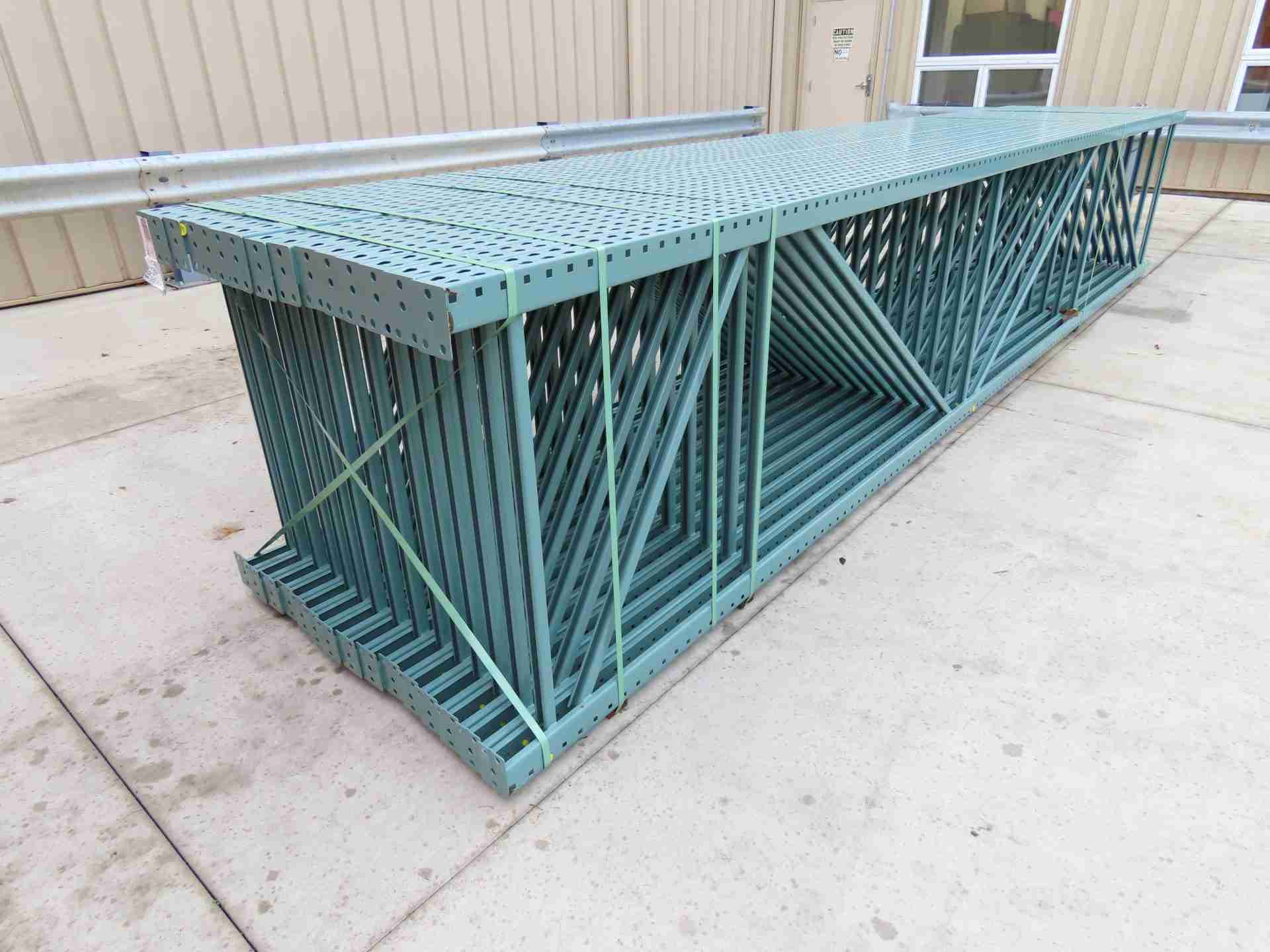
How Will You Ensure Your Warehouse Is Compliant This Month?
How Will You Ensure Your Warehouse Is Compliant This Month?
- Compliance is essential for warehouse operations, protecting both functionality and financial health.
- Conduct a thorough audit of pallet racking systems to ensure compliance with OSHA regulations and safety standards.
- Invest in regular training sessions to reinforce compliance importance and educate employees on current standards.
- Encourage open discussions among staff to share experiences and foster a communal approach to compliance.
- Maintain detailed documentation of inspections, training sessions, and compliance communications to ensure clarity and preparedness for audits.
- Consult with compliance experts for tailored guidance and to identify areas for improvement in safety protocols.
- View compliance as an opportunity for continuous improvement, enhancing both safety and efficiency in the warehouse.

How Will You Ensure Your Warehouse Is Compliant This Month?
Table Of Contents
- How Will You Ensure Your Warehouse Is Compliant This Month?
- How Can You Track Compliance Requirements For Your Warehouse?
- What Are The Key Regulations Affecting Warehouse Compliance?
- How Often Should You Conduct Compliance Audits In Your Warehouse?
- What Documentation Is Necessary For Warehouse Compliance?
- How Can Staff Training Improve Warehouse Compliance Efforts?
- What Role Does Technology Play In Warehouse Compliance Management?
- Conclusion
- Other Resources
- Glossary Of Terms
- Other Questions
- Checklist
How Can You Track Compliance Requirements For Your Warehouse?
In the fast-paced realm of warehousing, ensuring compliance with regulations might feel like navigating a maze, but don’t let that overwhelm you! Tracking compliance requirements is not merely an obligation—it’s a proactive strategy that safeguards your operation, protects your assets, and builds trust with your clients.
Imagine walking into your warehouse and knowing, without a doubt, that every section—from your pallet racking to your safety protocols—is in perfect alignment with industry standards. That’s the peace of mind you deserve! The first step in this journey is to establish a robust tracking system tailored to your unique warehouse needs.
Start with a clear inventory of compliance requirements related to safety, sanitation, and storage methods. For instance, opt for a digital compliance management system that seamlessly integrates with your existing operations. This isn’t just about keeping up with regulations; it’s about taking control. Your team will appreciate the ease of logging inspections and updates in real-time, removing the headache of manual tracking.
Next, think about your pallet racking systems. Improper use of pallet racking can lead to penalties or safety hazards. Regular inspections and maintenance schedules not only ensure compliance but optimize your storage capacity, helping you save time and money. Create a checklist for your staff; whether it’s checking weight limits, inspecting for damage, or ensuring proper spacing, encourage a proactive mindset. Make compliance everyone’s job!
Set up regular training sessions for your staff—educating them on compliance requirements and best practices will foster a culture of vigilance. When your team feels empowered to speak up about potential issues, they become your greatest asset. Additionally, don’t hesitate to seek partnerships with compliance experts or consultants; their insights can provide invaluable perspectives and keep you ahead of the curve.
Finally, document everything. Develop a centralized repository for compliance documentation, audit reports, and training records. This ensures that when the time comes for external audits or inspections, you’ll be ready, with everything at your fingertips. Remember, confidence shines through preparation.
So take charge! By fostering a culture of compliance and investing in the right systems and training, you’ll not just track requirements—you’ll turn compliance into a competitive advantage. When compliance becomes second nature to your business, you unlock doors to new opportunities while solidifying your reputation in the industry. Start tracking today, and watch as your warehouse transforms into a beacon of efficiency and trustworthiness!
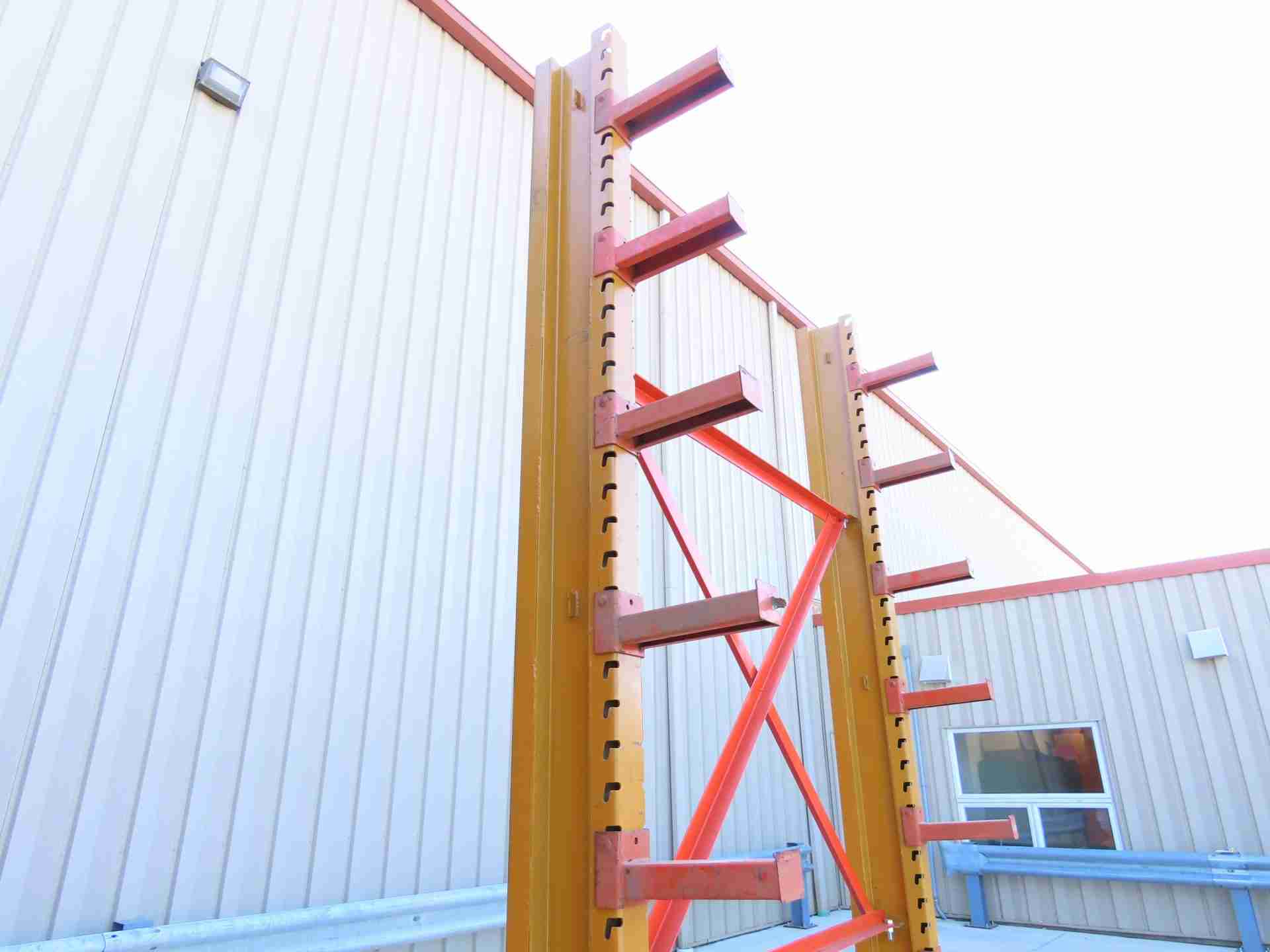
How Can You Track Compliance Requirements For Your Warehouse?
How Can You Track Compliance Requirements For Your Warehouse?
- Ensuring compliance in warehousing is a proactive strategy that safeguards operations and builds client trust.
- Establish a robust tracking system tailored to your warehouse needs, starting with a clear inventory of compliance requirements.
- Utilize a digital compliance management system to streamline inspections and updates, promoting ease of tracking.
- Conduct regular inspections and maintenance of pallet racking systems to ensure compliance and optimize storage capacity.
- Encourage a proactive culture by creating checklists and involving staff in compliance responsibilities.
- Invest in regular training sessions for staff to educate them on compliance requirements and best practices.
- Document compliance efforts in a centralized repository, preparing for external audits and inspections with ease.
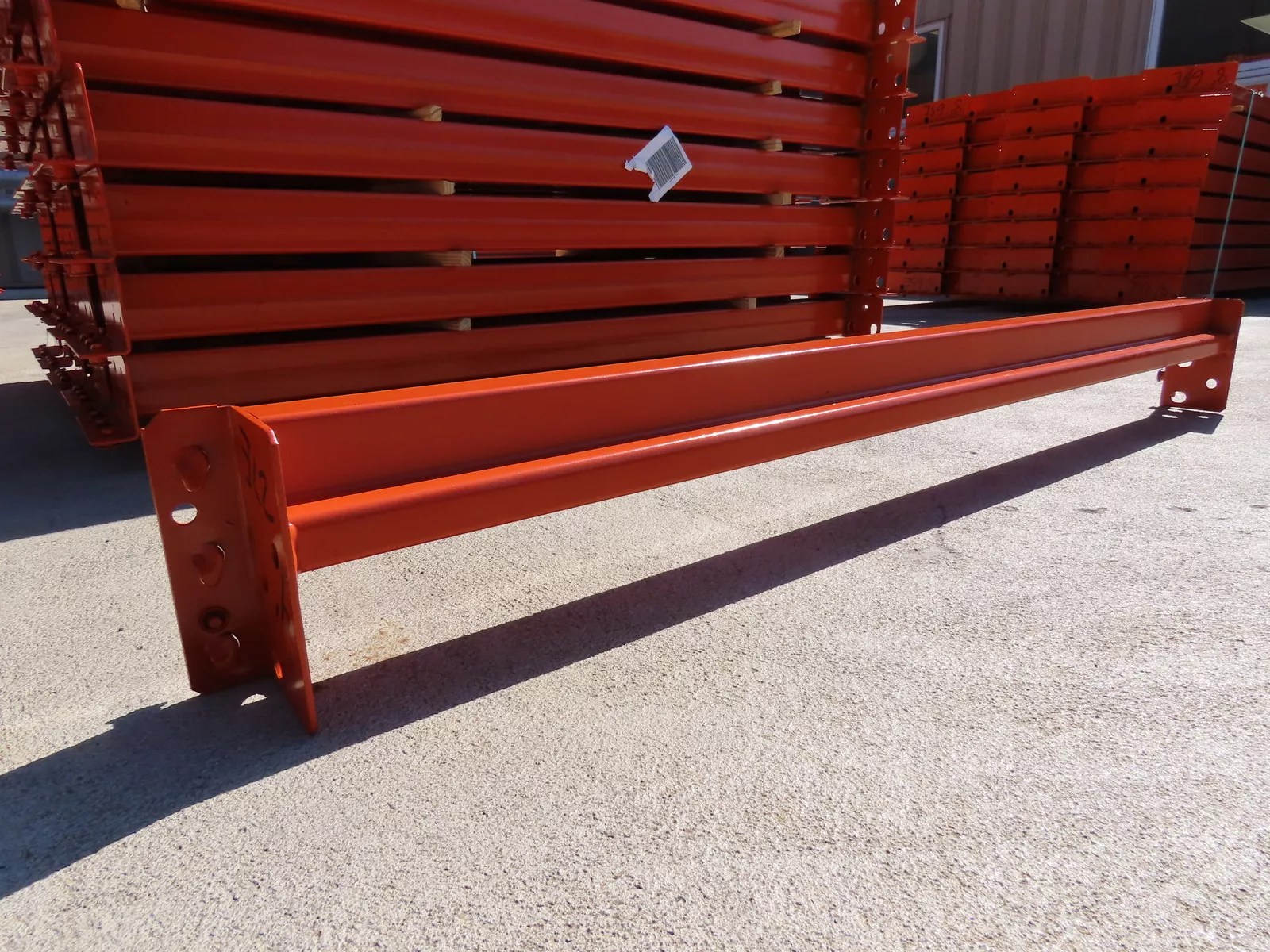
How Can You Track Compliance Requirements For Your Warehouse?
What Are The Key Regulations Affecting Warehouse Compliance?
Imagine walking into a warehouse, the hum of machinery creating a symphony of productivity. A well-organized space, with neatly stacked pallets on sturdy pallet racking, exudes an air of professionalism. But behind that polished façade lies a complex web of regulations that every warehouse operator must navigate. Staying compliant is not just about following the rules; it’s about fostering a safe and efficient environment for both employees and inventory.
First and foremost, the Occupational Safety and Health Administration (OSHA) sets the tone for workplace safety. OSHA regulations define the standards that warehouses must adhere to in order to protect workers from potential hazards. For example, improper use of pallet racking can lead to unsafe stacking heights, risking serious accidents. By adhering to OSHA guidelines, you not only protect your team but also shield your business from potential fines and legal repercussions.
Moreover, the National Fire Protection Association (NFPA) emphasizes proper storage and racking practices to minimize fire hazards. Think about it: a small oversight in securing pallet racking or failing to maintain clear aisles can lead straight to disaster. Compliance with NFPA standards ensures that your warehouse not only meets legal requirements but also creates a safe haven for your products and personnel.
Environmental regulations shouldn’t be overlooked either. The Environmental Protection Agency (EPA) has guidelines that dictate how warehouses manage hazardous materials. If your operation involves chemicals or any potentially harmful substances, ensuring compliance means not just protecting your people but also the environment. It’s a responsibility that speaks volumes about your company’s values and integrity.
Incorporating technology can elevate your compliance game. Automated systems for inventory tracking, inspection schedules, and safety training can streamline adhering to regulations while enhancing your warehouse’s overall efficiency. Think of it as an investment; your commitment to compliance lays the groundwork for growth, ensuring that your operations withstand the test of time.
Above all, fostering a culture of safety and compliance within your team is crucial. Regular training sessions centered around the importance of these regulations not only empower employees but create a unified voice advocating for safety and efficiency in the workplace.
In a world driven by rules and regulations, understanding and embracing these key compliance factors can set your warehouse apart. When done right, it’s not just about avoiding fines; it’s about establishing a legacy of excellence and trust in your industry. After all, a compliant warehouse is a thriving warehouse!
What Are The Key Regulations Affecting Warehouse Compliance?
What Are The Key Regulations Affecting Warehouse Compliance?
- Well-organized warehouses create an efficient environment but involve navigating complex regulations.
- OSHA sets safety standards to protect workers and prevent accidents from improper pallet racking use.
- Compliance with NFPA standards minimizes fire hazards through proper storage and racking practices.
- Environmental regulations from the EPA are essential for appropriately managing hazardous materials.
- Incorporating technology, such as automated inventory systems, enhances compliance and operational efficiency.
- Fostering a culture of safety through regular training empowers employees and promotes a unified approach to compliance.
- Understanding compliance factors establishes a legacy of excellence and trust while ensuring warehouse growth.
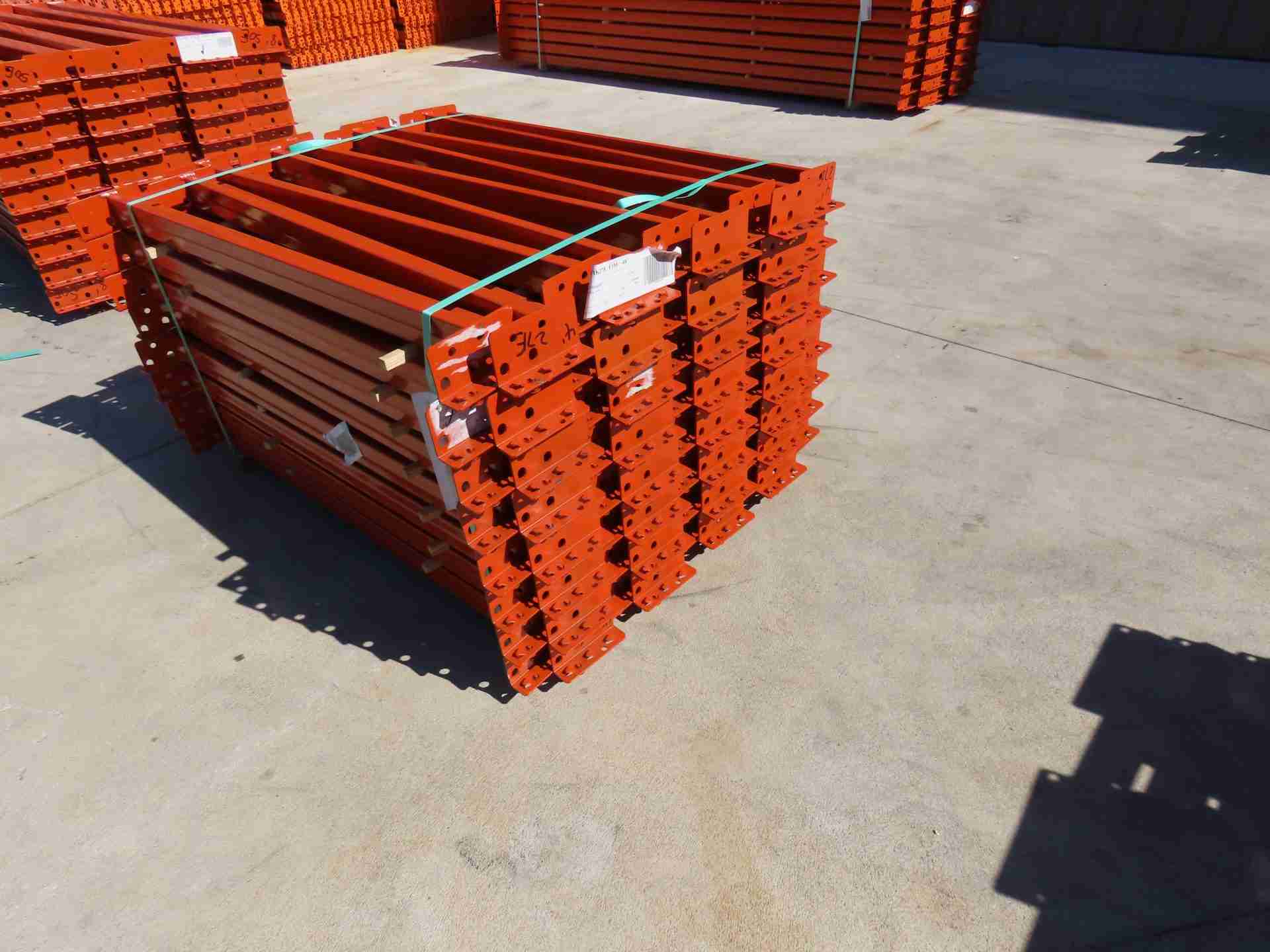
What Are The Key Regulations Affecting Warehouse Compliance?
How Often Should You Conduct Compliance Audits In Your Warehouse?
In the bustling world of warehousing, where every minute counts and efficiency reigns supreme, compliance audits often take a backseat. But let’s pause for a second. Imagine stepping into your warehouse, surrounded by neatly organized pallet racking, and knowing—you’re in total compliance. There’s an unmistakable sense of security in that scenario, right? That’s the power of regular compliance audits.
So, how often should you conduct these essential checks? A good rule of thumb is to align your audit frequency with your business cadence, which means evaluating your warehouses at least biannually. However, if you’re scaling up, facing frequent personnel changes, or managing hazardous materials, quarterly audits may be more fitting. Why is this crucial, you ask? Because compliance isn’t just a checkbox; it’s a crucial element in protecting your reputation and assets.
Picture this: you go beyond the bare minimum, inspecting those critical components of your operation—like your pallet racking systems. Conducting an audit allows you to ensure this vital storage solution adheres to safety regulations, is free from damage, and is used effectively. You wouldn’t want to face a costly OSHA fine simply because you overlooked a crucial safety assessment.
Now, let’s get real. Compliance audits can be daunting, but they don’t need to be. Think of them as the regular check-ups for your warehouse health—vital for sustaining a thriving operation. Regular audits foster trust—not only in your workforce but also with your clients, who can feel more confident in your processes.
You may feel tempted to let the audit schedule slide, telling yourself, “We’ll get to it later.” But procrastination costs you in the long run. Remember, a little diligence today pays off in dividends tomorrow. When you conduct regular audits, you empower your team to identify potential risks before they escalate into bigger problems, ensuring the stability of your operations and compliance with applicable regulations.
Take that first step toward a more secure warehouse. Design a compliance audit schedule that outlines clear timelines, responsibilities, and procedures. Your pallet racking and every corner of your warehouse will thank you—after all, in the world of compliance, prevention is always better than cure. Start today, and foster a culture of accountability and excellence in your warehouse!

How Often Should You Conduct Compliance Audits In Your Warehouse?
How Often Should You Conduct Compliance Audits In Your Warehouse?
- Compliance audits are essential for ensuring safety and security in warehouse operations.
- Conduct audits at least biannually, or quarterly if scaling up or dealing with hazardous materials.
- Regular audits protect company reputation and assets by ensuring adherence to safety regulations.
- Audits help inspect critical components like pallet racking systems to avoid costly OSHA fines.
- Viewing compliance audits as regular check-ups promotes a thriving and healthy operation.
- Procrastination in scheduling audits can lead to bigger risks and problems down the line.
- Establish a clear audit schedule to foster a culture of accountability and operational excellence.

How Often Should You Conduct Compliance Audits In Your Warehouse?
What Documentation Is Necessary For Warehouse Compliance?
Navigating the intricate maze of warehouse compliance can feel overwhelming, but fear not! With the right documentation in hand, you can transform this daunting process into a seamless journey. Let’s break it down together, making compliance not just an obligation, but an achievable goal that boosts your operational efficiency while fostering a safer workplace.
First and Foremost: The Basics
To get the ball rolling, you need a solid foundation of documentation. This includes your warehouse layout plan, which provides a clear visual of your space—think of it as the blueprint of your operations. Did we mention pallet racking? That’s right! Proper documentation of your pallet racking system is crucial. It details the specifications, load capacities, and proper installation practices to ensure safety and compliance. You want to ensure that your team understands how to stack and store items safely, reducing the risk of accidents.
Safety Data Sheets (SDS): The Unsung Heroes
Ever heard of Safety Data Sheets? Think of them as your ultimate safety net. These documents outline the handling, storage, and potential hazards of the materials you work with daily. Not only are they essential for ensuring the safety of your team, but they also serve as a legal safeguard for your warehouse. By regularly updating these sheets and training your workers on their importance, you’re fostering an environment that prioritizes health and safety.
Compliance Checklists: Simple Yet Effective
Let’s not overlook the power of checklists! Create compliance checklists that cover everything from equipment inspections to employee training requirements. Having a standardized list ensures consistency and accountability. It’s your roadmap, guiding your team through mandatory procedures and helping you stay on top of regulations.
Documentation of Training and Certification
Speaking of your team, don’t forget to document their training and certifications! Keeping track of who’s trained in warehouse equipment operation, safety protocols, and emergency procedures is vital for compliance. Plus, it shows your commitment to employee development and safety, which builds trust and loyalty among your staff.
Conclusion: Embrace the Power of Documentation
Remember, compliance documentation isn’t just paperwork—it’s the foundation of a successful and safe warehouse operation. By prioritizing these essential documents—from pallet racking specifications to safety training records—you’re not just ticking boxes; you’re creating a culture of safety and efficiency that resonates throughout your organization. So roll up your sleeves, grab that pen, and start transforming compliance into a cornerstone of your warehouse success story!
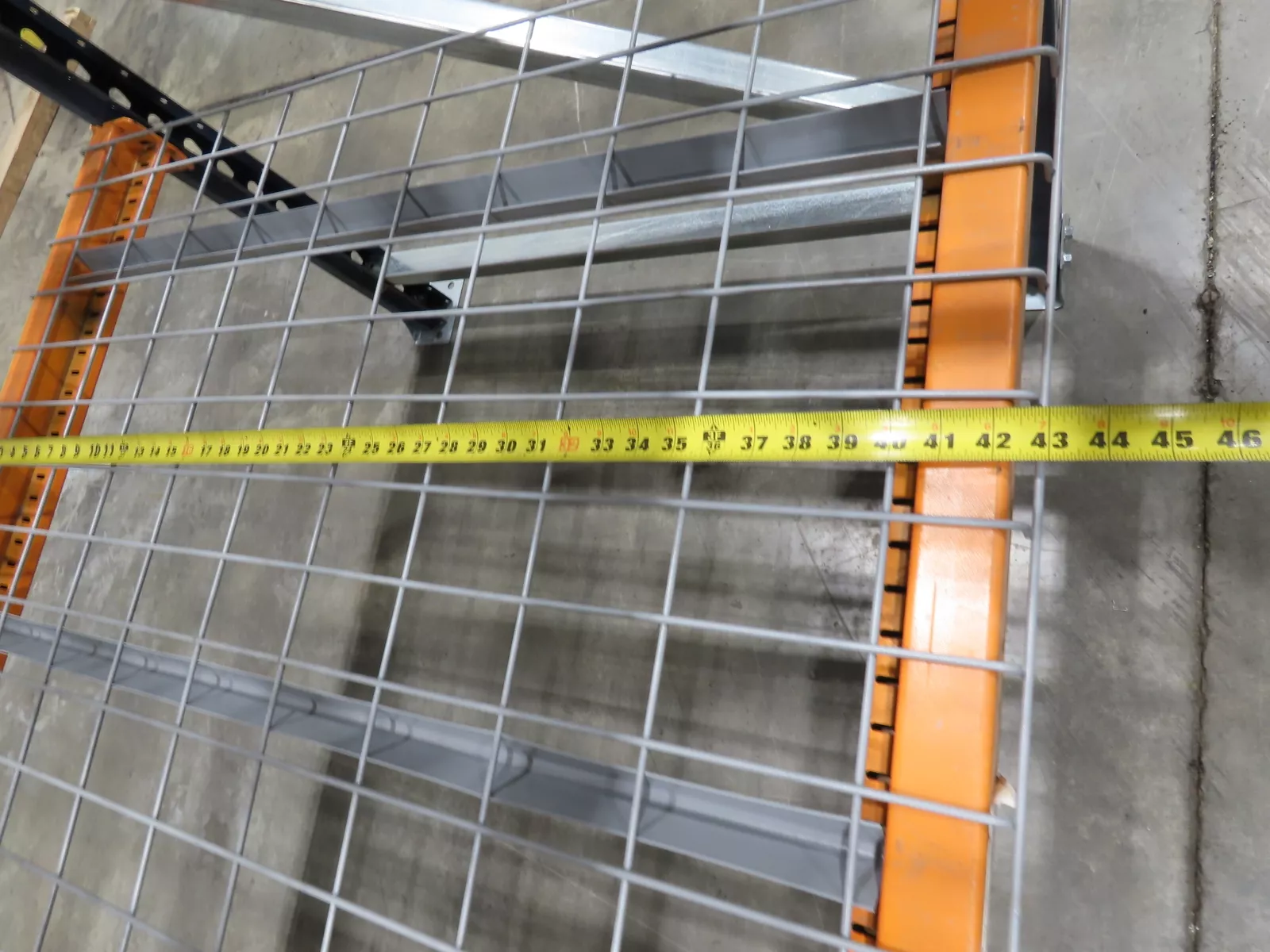
What Documentation Is Necessary For Warehouse Compliance?
What Documentation Is Necessary For Warehouse Compliance?
- Navigating warehouse compliance can be overwhelming, but proper documentation simplifies the process.
- A solid foundation includes essential documents like the warehouse layout plan and pallet racking specifications.
- Safety Data Sheets (SDS) provide crucial information on handling, storage, and hazards of materials.
- Regularly updating SDS and training employees enhances workplace safety and legal compliance.
- Compliance checklists help maintain consistency and accountability in operations and regulations adherence.
- Documenting employee training and certifications underscores commitment to safety and operational excellence.
- Prioritizing documentation fosters a culture of safety and efficiency, vital for warehouse success.
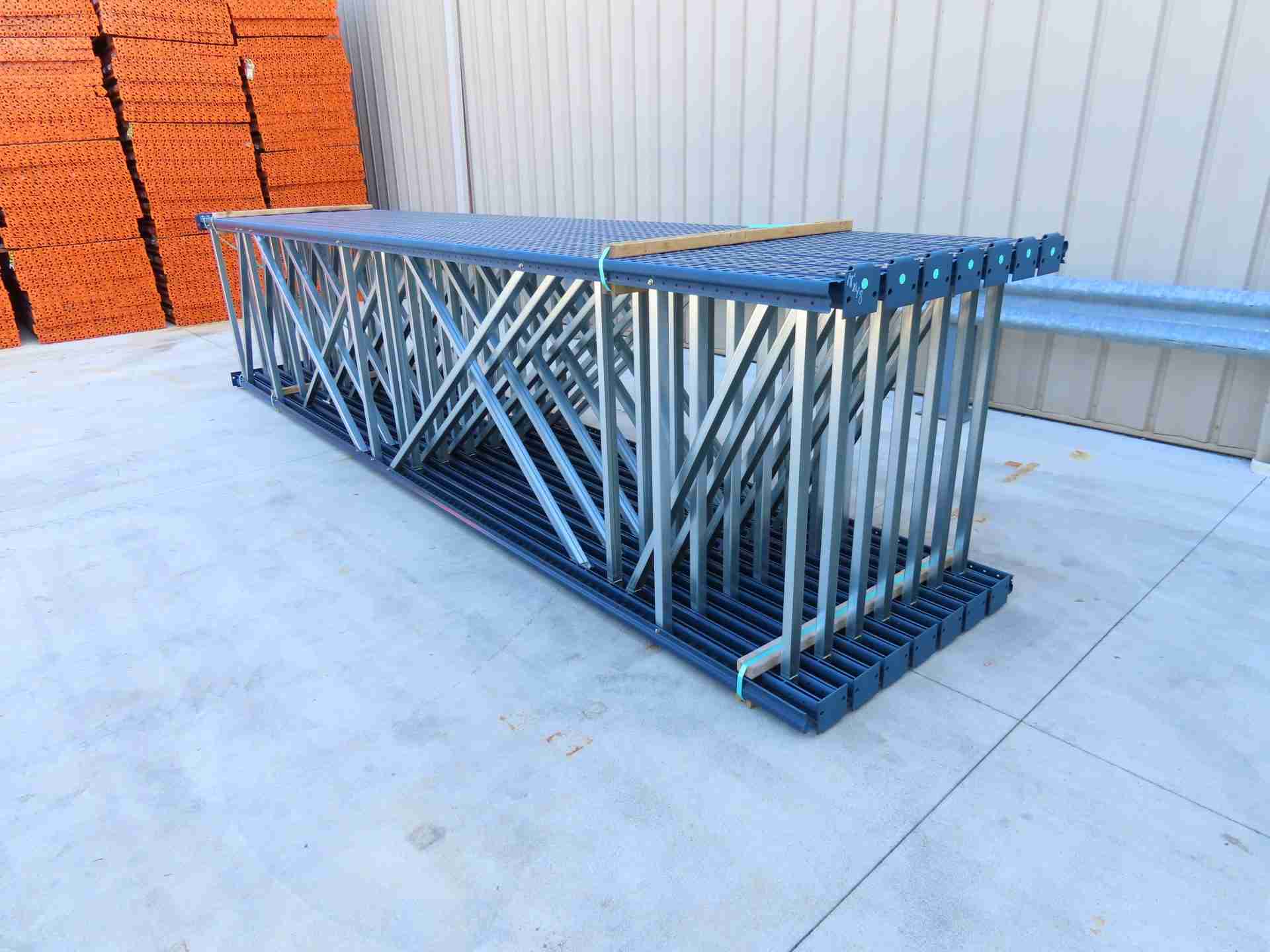
What Documentation Is Necessary For Warehouse Compliance?
How Can Staff Training Improve Warehouse Compliance Efforts?
Imagine your warehouse bustling with activity, every pallet perfectly racked, each item precisely accounted for, and every employee confidently knowing their role in maintaining compliance. Now, picture this efficiency shattered by lapses in training—mishandled pallet racking, mislabeling inventory, or improper safety protocols leading to costly accidents. The stark reality is that without comprehensive staff training, compliance efforts can quickly unravel, costing you time, money, and credibility.
Let’s face it: warehouse compliance isn’t just about checking boxes on a form. It’s about creating a culture where accountability reigns and every team member understands the importance of their role in ensuring safety and efficiency. With targeted training initiatives, you can empower your employees to take ownership of compliance standards. Think about it. When staff members are trained properly, they are not just employees—they become ambassadors of your compliance efforts.
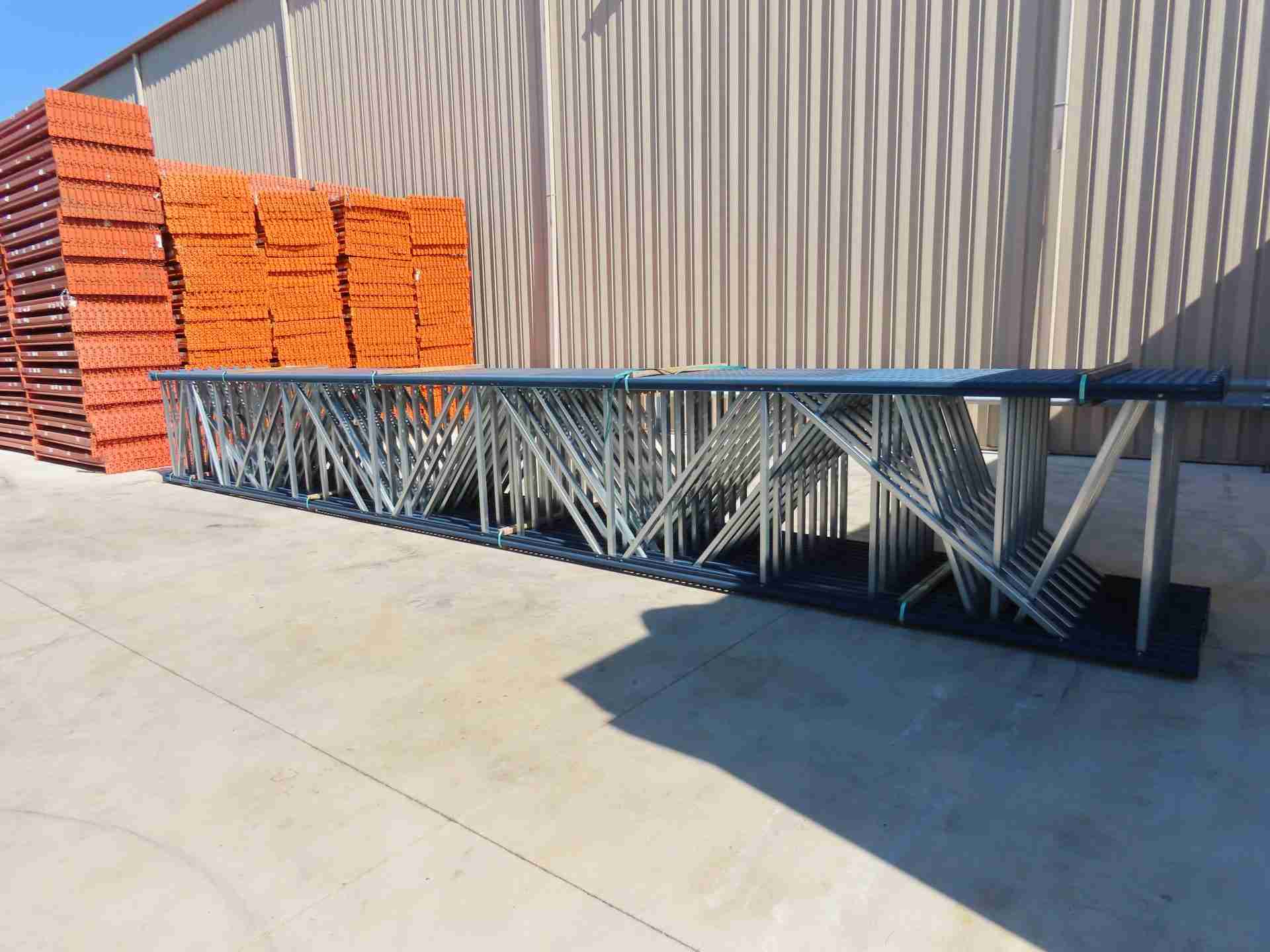
Take pallet racking, for instance. It’s not merely a system for storing goods; it’s a vital component of efficient warehouse management. Proper training on how to use pallet racking systems effectively ensures that products are stored safely, minimizing the risk of damage and injury. Equipping your team with the right knowledge allows them to adeptly navigate the intricacies of your storage solutions—creating an environment where compliance is not only achievable but sustainable.
Moreover, consider how a culture of training fosters open communication. When staff members feel confident in their skills, they are more likely to speak up about safety concerns or compliance issues. This proactive approach not only identifies potential problems before they escalate but also builds a tight-knit community that champions quality and safety standards together.
Training sessions need not be a monotonous affair. Engage your staff with interactive learning experiences—role-playing scenarios that mimic real-life challenges, quizzes that not only educate but ignite spirited discussions, and workshops that allow them to visualize the impact of compliance on their daily tasks. It’s about making learning relatable and enjoyable.
So, if you’re ready to transform your warehouse operations into a well-oiled machine that thrives on compliance, start investing in your people today. Not only will your compliance rates soar, but you’ll also cultivate a workforce that takes pride in their expertise and commitment to excellence. Don’t just refine your compliance efforts—revolutionize them. Your warehouse, and your bottom line, will thank you.
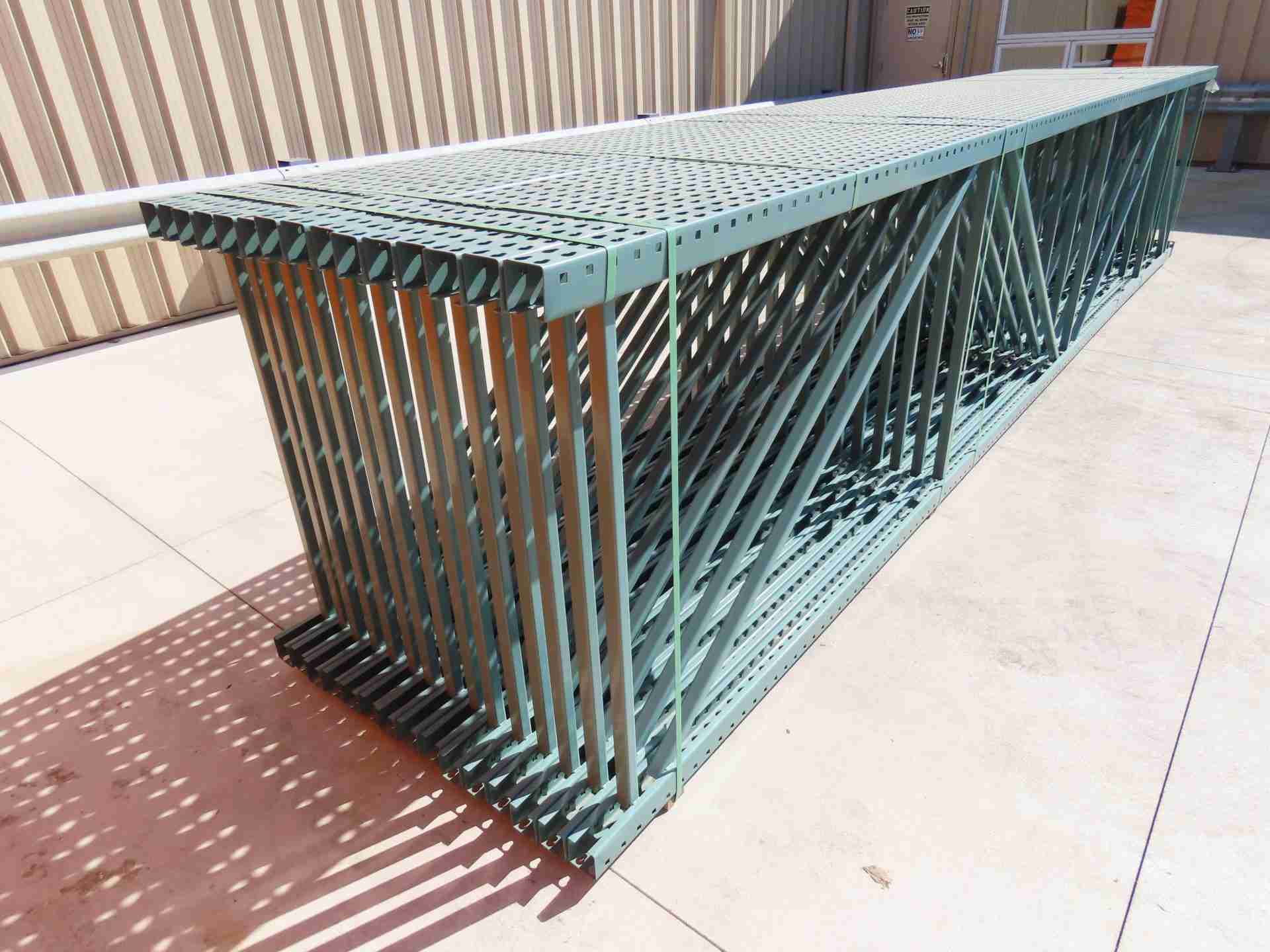
How Can Staff Training Improve Warehouse Compliance Efforts?
How Can Staff Training Improve Warehouse Compliance Efforts?
- Warehouse efficiency relies on comprehensive staff training to maintain compliance.
- Lapses in training can lead to mishandling, mislabeling, and costly accidents.
- Creating a culture of accountability is essential for effective warehouse compliance.
- Targeted training empowers employees to take ownership of compliance standards.
- Proper training on pallet racking promotes safety and minimizes damage and injury.
- A culture of training encourages open communication about safety and compliance issues.
- Interactive learning experiences make training engaging and relatable for staff.
How Can Staff Training Improve Warehouse Compliance Efforts?
What Role Does Technology Play In Warehouse Compliance Management?
In today’s fast-paced market, warehouse compliance management is more crucial than ever. You’re not just storing goods; you’re safeguarding your reputation. Compliance isn’t merely a box to tick—it’s about ensuring that every item is stored, handled, and shipped in accordance with industry standards and regulations. But how do you maintain that high level of scrutiny in an ever-evolving landscape? Enter technology.
Imagine a world where your warehouse operates with the precision of a well-oiled machine. By leveraging cutting-edge software and automation, you can oversee your operations from pallet racking to the shipping dock with ease. Technology transforms the meticulous task of compliance into a streamlined process. No long-winded spreadsheets or fraught manual checks—just real-time data at your fingertips.
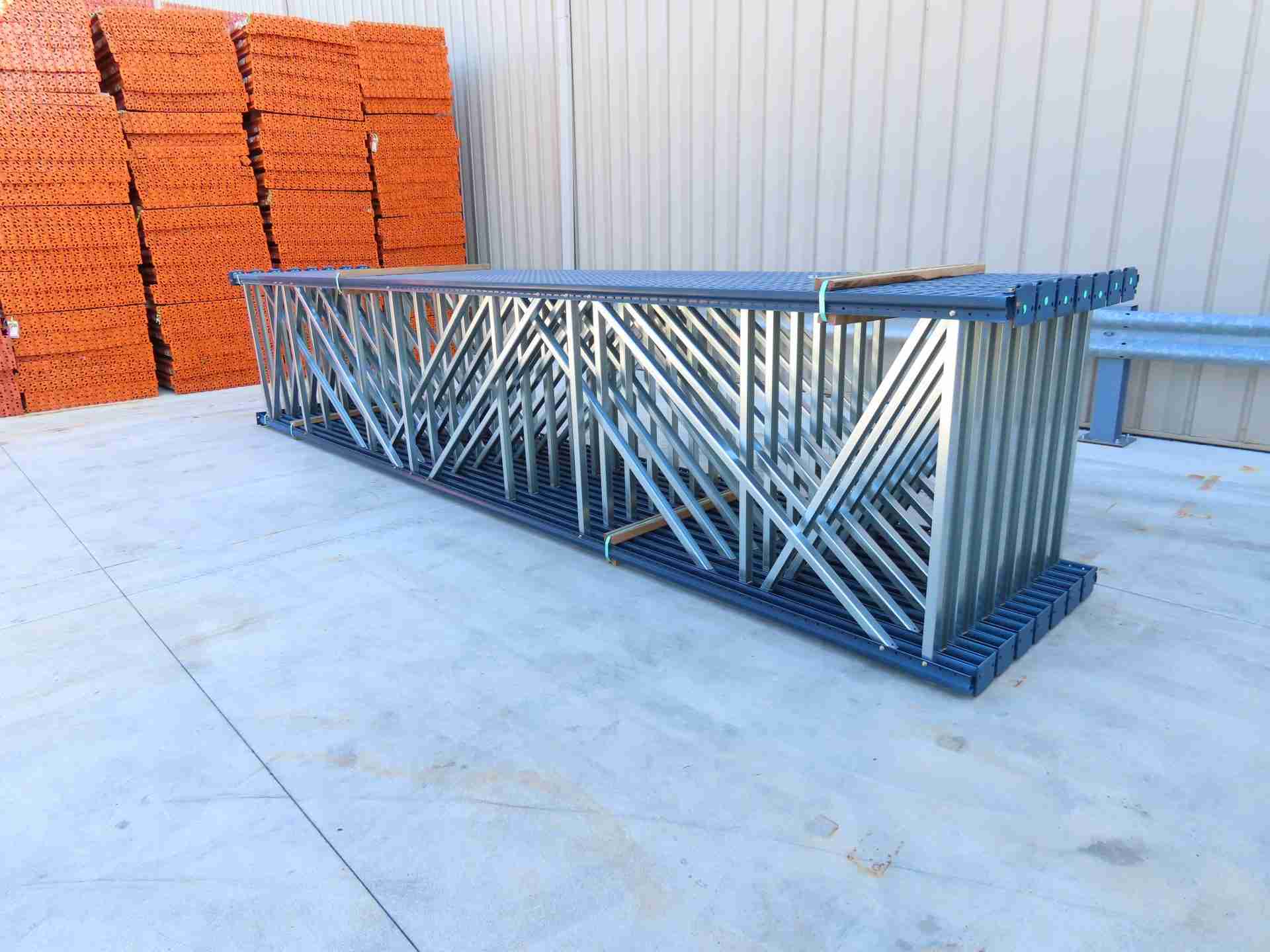
Take, for instance, smart warehouse management systems (WMS). These powerful tools provide insights into the storage conditions of your pallet racking systems, alerting you to any discrepancies before they become costly errors. You no longer have to wait for audits to discover compliance gaps. Instead, proactive monitoring allows you to implement adjustments on-the-fly. It’s like having a compliance guardian 24/7, ensuring your operations stay above board and well-documented.
Furthermore, technologies like RFID and barcode scanning revolutionize inventory management. Picture this: Each item in your pallet racking system is tagged and tracked, reducing human error to virtually nothing. Want to know how long an item has been sitting idle or whether it meets specific regulatory requirements? A quick scan gives you the answer. This ability to track and trace not only bolsters your compliance but also enhances your efficiency, allowing for faster shipping times and happier customers.
Yet, the true power of technology lies in its ability to foster a culture of transparency and accountability. Employees become more engaged when they have access to the right tools, assisting them in understanding the compliance requirements relevant to their roles. Training becomes less about instruction and more about empowerment, which in turn builds trust across your organization.
In a world where compliance can make or break a business, investing in technology is not just a choice—it’s a necessity. Equip your warehouse with innovative solutions that provide both reliability and efficiency. When you embrace technology, you don’t just adhere to compliance; you excel at it. The path to a compliant, efficient, and ultimately successful warehouse starts here. Why wait? Take action today!

What Role Does Technology Play In Warehouse Compliance Management?
What Role Does Technology Play In Warehouse Compliance Management?
- Warehouse compliance management is essential for safeguarding reputation in a fast-paced market.
- Compliance involves ensuring every item is stored, handled, and shipped according to industry standards.
- Technology simplifies compliance management, replacing manual checks with real-time data access.
- Smart warehouse management systems (WMS) provide proactive monitoring to identify compliance gaps early.
- RFID and barcode scanning enhance inventory management, drastically reducing human error.
- Technology fosters a culture of transparency and accountability, empowering employees in compliance training.
- Investing in technology is crucial for achieving compliance, efficiency, and business success.
What Role Does Technology Play In Warehouse Compliance Management?
Conclusion
Conclusion: Elevate Your Warehouse Compliance with Arrow Industrial Sales
As we reflect on the essential aspects of warehouse compliance, one undeniable truth emerges: your commitment to compliance is more than a mere checkbox—it’s a core principle that drives the safety, efficiency, and reputation of your business. The stakes are high, with OSHA regulations, NFPA mandates, and EPA guidelines looming in the background. The risk of penalties, accidents, and liability is something every warehouse manager grappled with. Yet, it doesn’t have to be a source of constant stress.
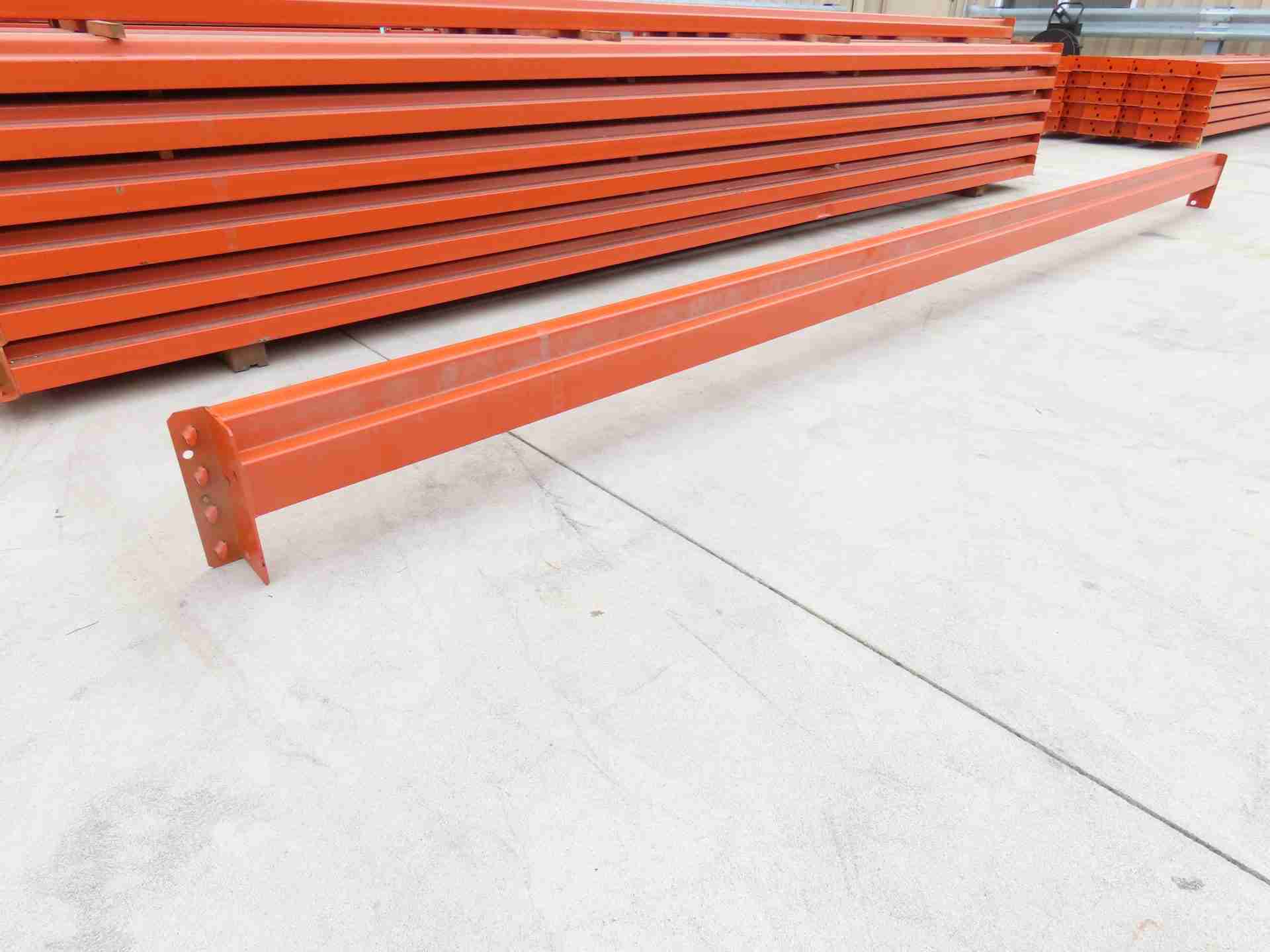
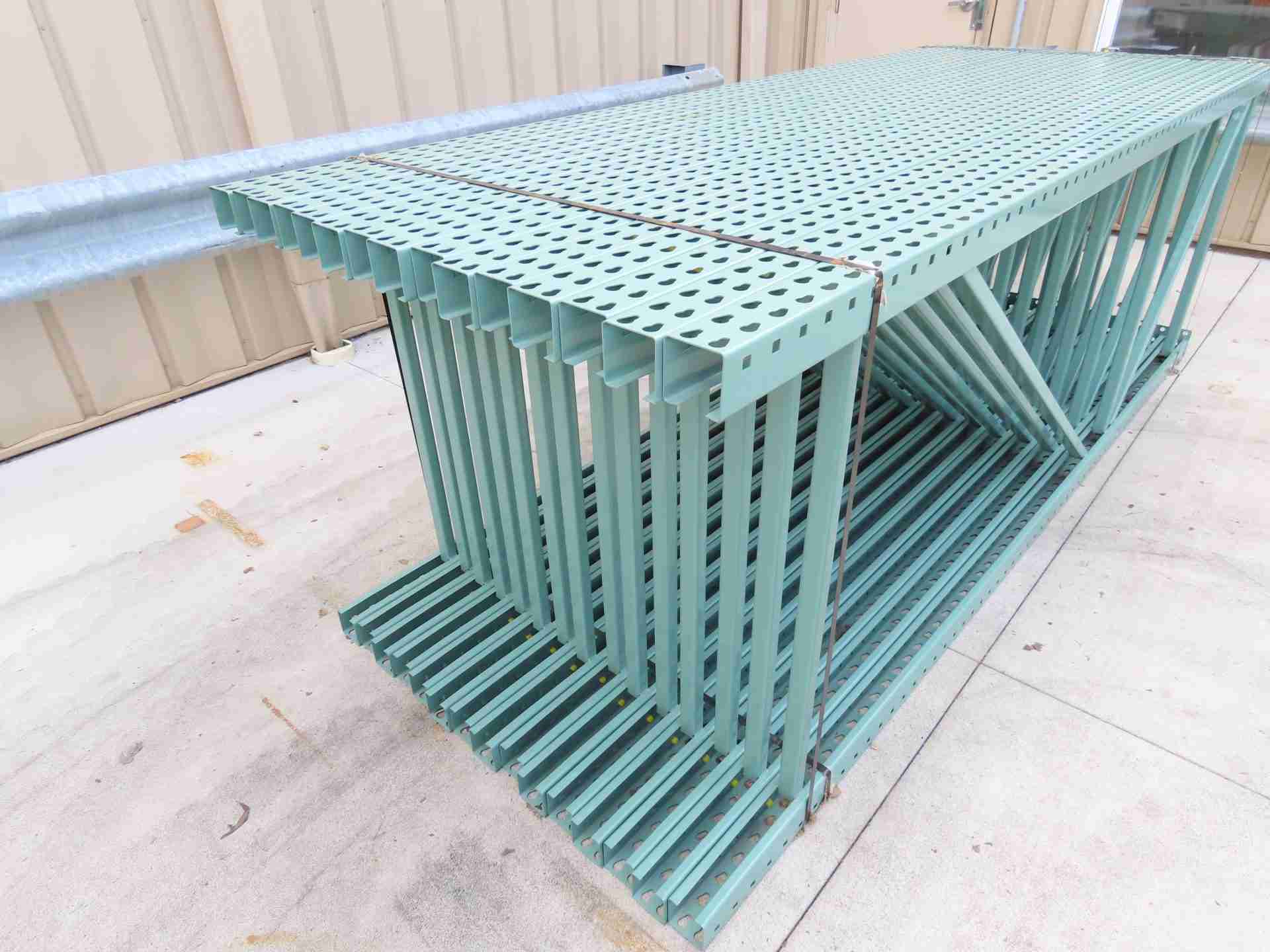
This month, shift your mindset from mere compliance compliance to a culture of proactive assurance. Start by conducting rigorous audits of your pallet racking systems and safety protocols to identify any gaps. A robust training regimen is key; it not only keeps your staff informed but engages them in a dialogue about compliance—transforming their understanding from the basics into a passionate commitment.
And let’s not forget the power of documentation. Keeping meticulous records of inspections, training, and compliance efforts serves not only as a safety net but as a clear roadmap to operational excellence. Technology plays a pivotal role—think smart warehouse management systems, RFID, and barcode scanning—as they help streamline compliance processes, mitigate human error, and empower your workforce.
At Arrow Industrial Sales, we understand that navigating compliance can feel overwhelming. But remember: every effort made in fostering compliance within your warehouse is an investment towards stability and success. Don’t hesitate to reach out to our experts who are ready to provide tailored guidance tailored to your unique environment.
But time is of the essence! Every moment you delay can potentially expose your operation to risks that could easily have been avoided. Call Arrow Industrial Sales at (574) 349-6575 today to discuss how we can help you ensure compliance, create a safer work environment, and transform potential challenges into opportunities for growth.
Embrace compliance not just as a requirement, but as a vital pillar of your warehouse operations that can elevate your business’s reputation and success. Your journey towards a compliant, efficient, and thriving warehouse begins now—don’t wait for compliance to catch up with you! Reach out today, because a well-managed compliance effort is a competitive advantage that can take your operation to the next level.
Conclusion
Conclusion:
- Your commitment to warehouse compliance is crucial for safety, efficiency, and business reputation.
- Be aware of regulations from OSHA, NFPA, and EPA to avoid penalties and liability.
- Shift your mindset from mere compliance to a culture of proactive assurance.
- Conduct rigorous audits of pallet racking systems and safety protocols to identify gaps.
- Implement a robust training regimen to engage staff and foster a commitment to compliance.
- Maintain meticulous records of inspections, training, and compliance efforts to ensure operational excellence.
- Contact Arrow Industrial Sales for expert guidance and to elevate your warehouse compliance.
Conclusion
Other Resources
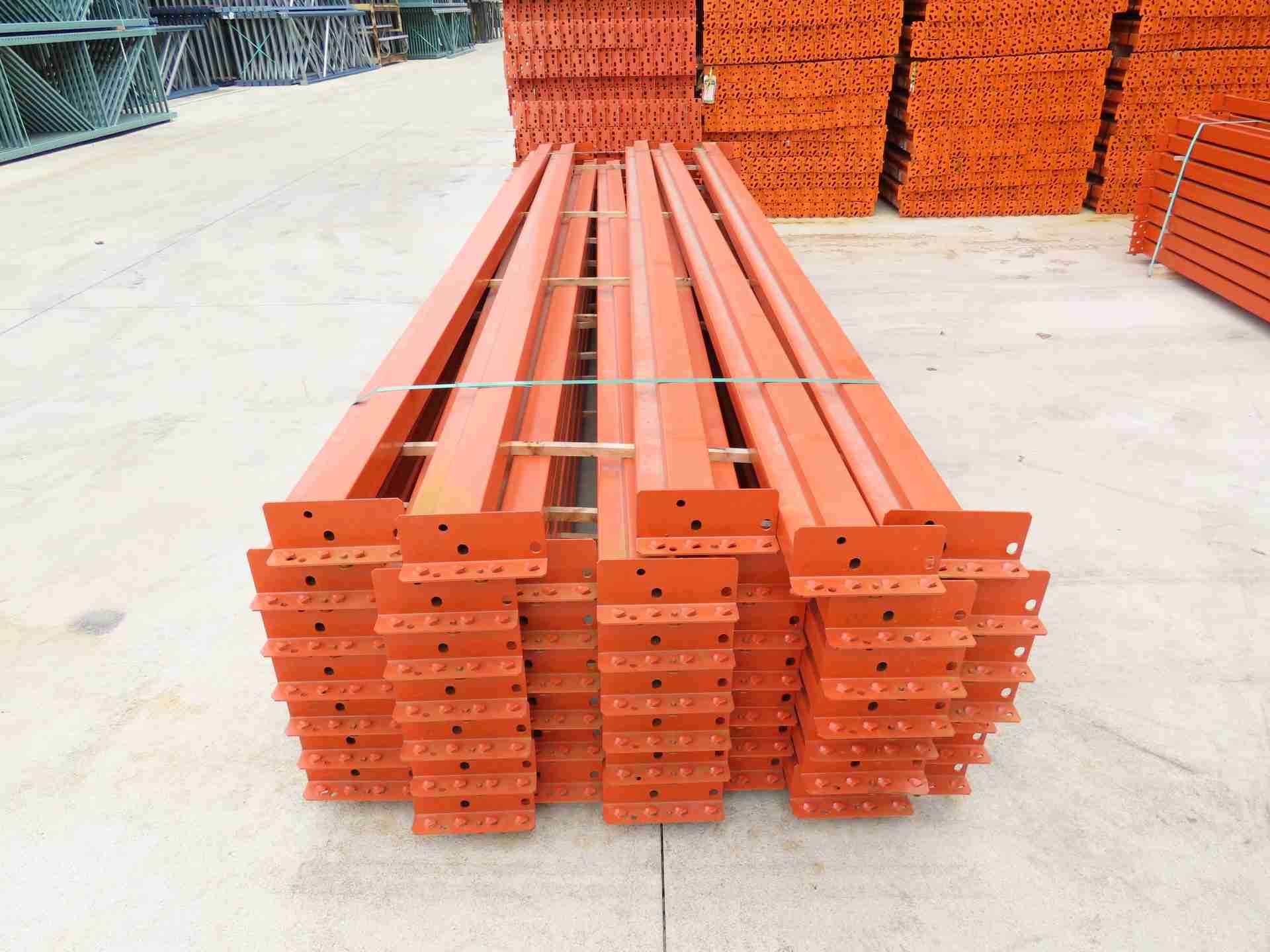
Other Resources
Here is a list of other resources you can review online to learn more:
- Warehouse Racking System: Powerful Guide to Optimise, 2024
- Wolter
- Pallet Rack Systems – New and Used Pallet Racking and Shelving Experts
- Crane Manufacturers Association Of America Inc.
- American Society of Safety Professionals
- American Surplus
- What is Selective Pallet Racking
- RMI
- What is Cantilever Racking? – AK Material Handling Systems
- Mustang Material Handling
Use This Prompt To Get More Resources With Your Favorite Online AI Tool: Please provide me with a list of online articles with their URLs in a bulleted list that I can read regarding How Will You Ensure Your Warehouse Is Compliant This Month?
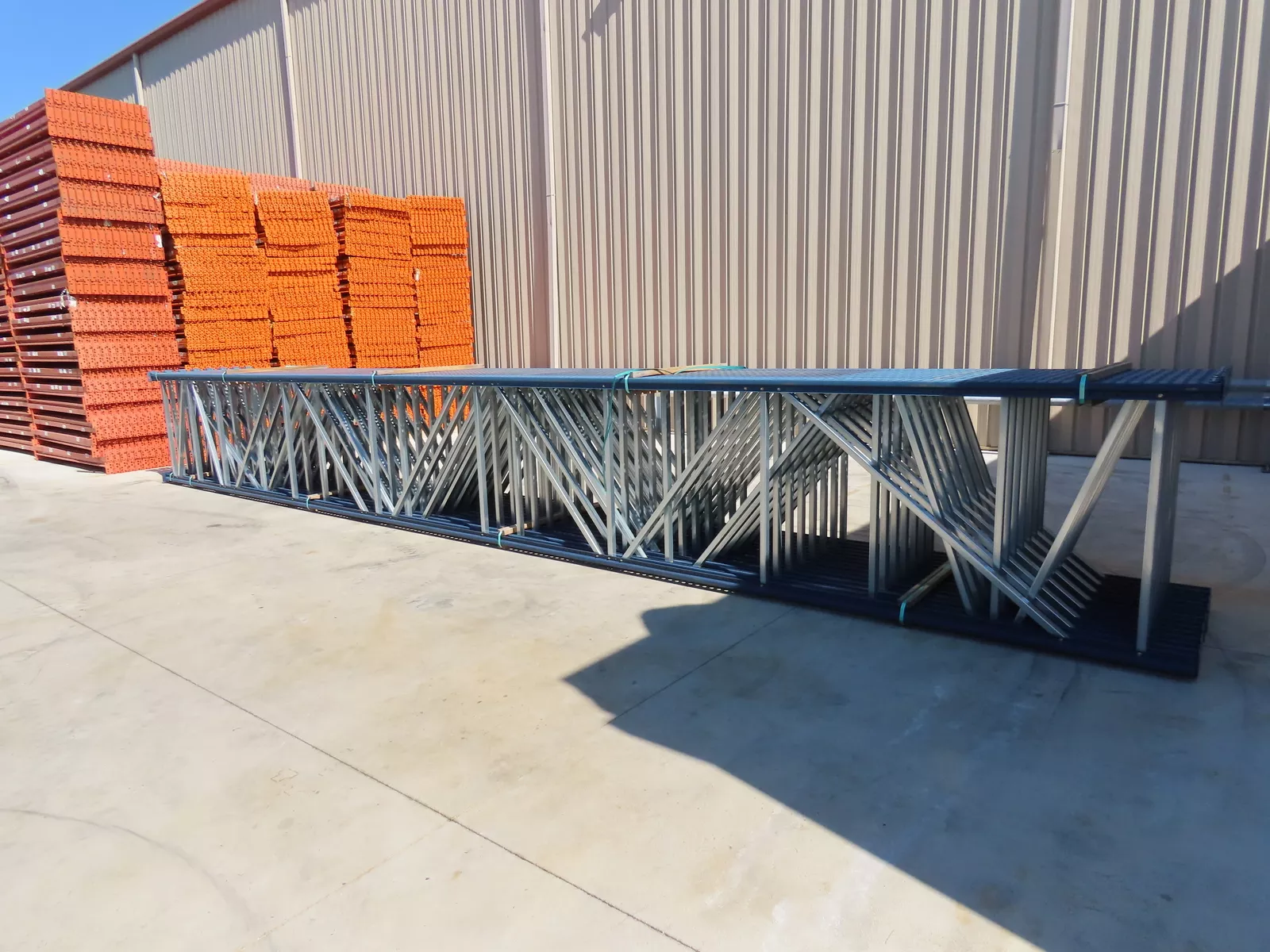
Other Resources
Glossary Terms
How Will You Ensure Your Warehouse Is Compliant This Month? – Glossary Of Terms
1. Compliance: Adhering to laws, regulations, standards, and guidelines set by government and industry bodies.
2. Regulations: Rules established by authorities that govern warehouse operations, including safety, environmental, and labor practices.
3. Safety Standards: Protocols designed to protect workers, equipment, and products within the warehouse environment.
4. Inventory Management: The process of overseeing and controlling the ordering, storage, and use of products in the warehouse to ensure accuracy and compliance.
5. Hazardous Materials: Substances that pose a risk to health, safety, or the environment, requiring special handling and storage procedures.
6. PPE (Personal Protective Equipment): Gear worn by workers to protect against workplace hazards, mandatory in many compliance regulations.
7. Training Programs: Scheduled educational initiatives to ensure warehouse personnel are knowledgeable about safety and compliance requirements.
8. Audit: A formal examination of an organization’s adherence to regulatory standards, which can be internal or external.
9. Documentation: Records that demonstrate compliance with regulations, including safety inspections, incident reports, and training certifications.
10. Storage Solutions: Systems and methods used to organize warehouse space efficiently, often impacting compliance with safety and accessibility regulations.
11. Inspections: Regular examinations of the warehouse to identify and rectify potential non-compliance issues.
12. Emergency Procedures: Established protocols to follow in case of accidents or natural disasters to ensure worker safety and minimize risks.
13. Labeling: Proper identification of products and storage areas, crucial for safety and compliance with hazardous materials regulations.
14. Forklift Certification: Mandatory training and certification for operators to ensure safe handling of material transport equipment.
15. Fire Safety: Regulations pertaining to fire prevention and control measures within the warehouse environment.
16. Material Handling: Techniques and equipment used for moving and storing goods, requiring compliance with ergonomic and safety standards.
17. Warehouse Management System (WMS): Software that manages warehouse operations, improving accuracy and compliance tracking.
18. Environmental Compliance: Adhering to laws and regulations regarding waste management, hazardous materials, and emissions affecting the environment.
19. Workplace Safety Plan: A comprehensive strategy outlining how to maintain a safe working environment, including compliance measures.
20. Standard Operating Procedures (SOPs): Established methods for handling tasks and operations in the warehouse to ensure consistency and compliance.
21. Incident Reporting: The process of documenting accidents or safety violations to evaluate risks and ensure compliance.
22. Forklift Safety: Guidelines and practices to ensure the safe operation of forklifts within the warehouse environment.
23. Quality Control: Procedures to monitor and maintain the quality of products and processes in compliance with industry standards.
24. Access Control: Security measures to regulate who can enter the warehouse, ensuring compliance with safety and theft prevention.
25. Insurance: Coverage against risks associated with warehouse operations, often mandated by law to ensure compliance.
26. Corrective Action: Steps taken to address and remedy compliance failures or safety issues identified during audits or inspections.
27. Shelving Regulations: Rules governing how products must be stored on shelves, including weight limits and stability requirements.
28. Pointer Systems: Visual aids such as signage and labels used to guide employees in safe practices and ensure compliance.
29. Sustainability Practices: Methods implemented to reduce environmental impact, often part of compliance with environmental regulations.
30. Third-Party Logistics (3PL): Outsourced warehousing services that must also adhere to compliance standards relevant to the client’s industry.
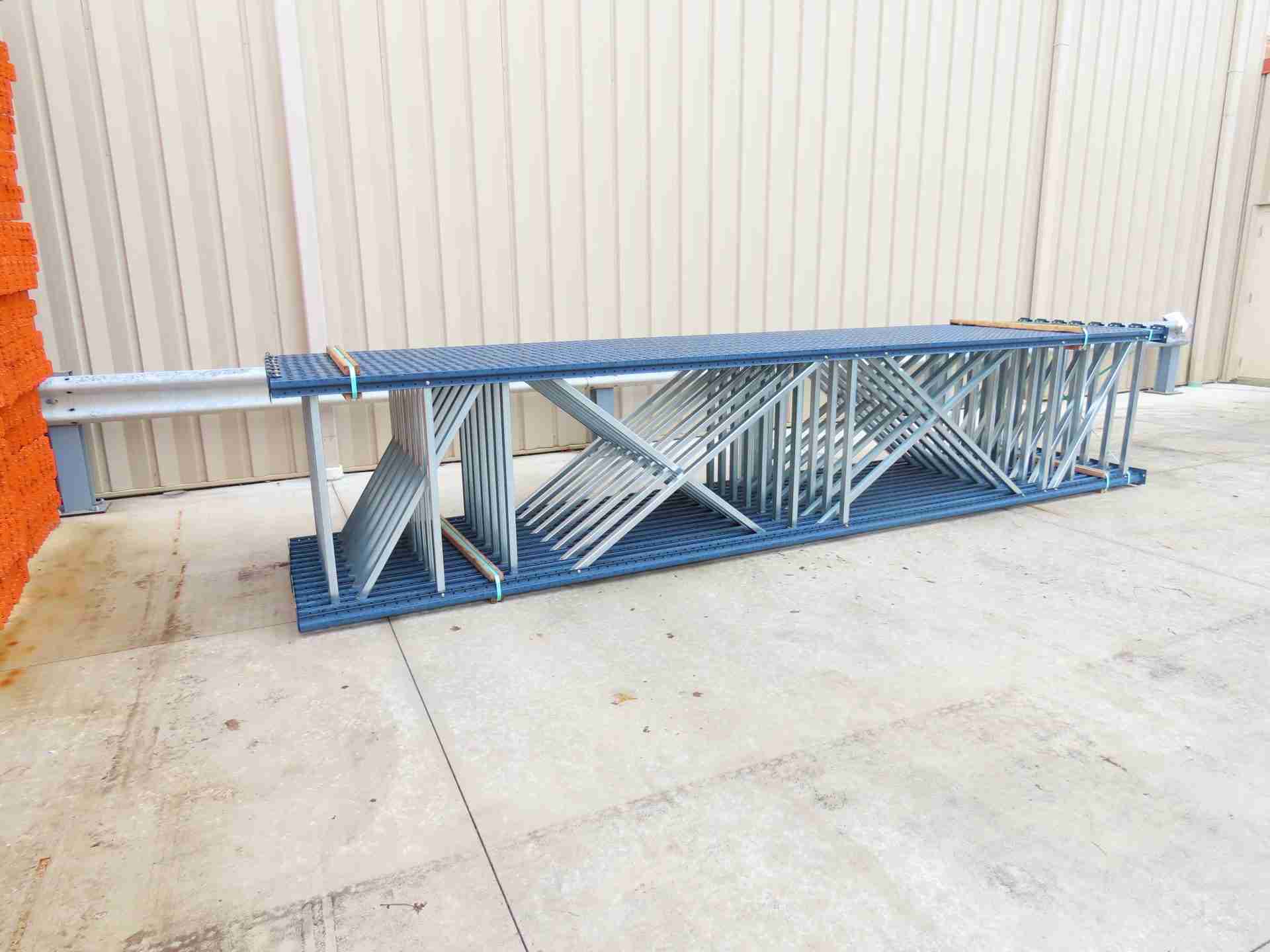
Glossary Of Terms
Other Questions
How Will You Ensure Your Warehouse Is Compliant This Month? – Other Questions
If you wish to explore and discover more, consider looking for answers to these questions:
- What specific OSHA regulations apply to my warehouse operation?
- How can I conduct an effective audit of our pallet racking systems?
- What are the most common compliance pitfalls in warehouses?
- How can I create an effective training program for my warehouse staff?
- What are the consequences of non-compliance in warehouse operations?
- What role does employee feedback play in compliance improvement?
- How can I integrate compliance tracking with existing warehouse management systems?
- What resources are available for understanding environmental regulations for warehouses?
- How can I engage my team in a culture of safety and compliance?
- What are the best practices for documenting compliance-related activities?

Other Questions
Checklist
How Will You Ensure Your Warehouse Is Compliant This Month? – A Checklist
Warehouse Compliance Checklist
Ensure Your Warehouse Is Compliant This Month!
1. Pallet Racking System Audit
_____ Conduct a thorough inspection of the pallet racking systems.
_____ Verify structural integrity and compliance with OSHA regulations.
_____ Ensure load capacities and installation practices are documented.
2. Employee Training and Engagement
_____ Schedule training sessions on compliance protocols and safety standards.
_____ Use interactive methods (role-playing, quizzes) to educate staff.
_____ Encourage team discussions to share insights and suggestions.
3. Documentation Management
_____ Create a centralized repository for all compliance-related documents.
_____ Maintain up-to-date Safety Data Sheets (SDS) for all materials.
_____ Keep a record of training sessions, certifications, and audit reports.
_____ Develop and distribute compliance checklists for staff use.
4. Regular Compliance Audits
_____ Establish a compliance audit schedule (biannually or quarterly).
_____ Assign responsibilities for audit tasks among team members.
_____ Review findings and implement corrective actions promptly.
5. Engagement with Experts
_____ Identify compliance experts or consultants for additional guidance.
_____ Schedule periodic consultations to assess your compliance strategy.
6. Technology Integration
_____ Implement a digital compliance management system for tracking.
_____ Utilize RFID/barcode scanning for inventory management.
_____ Train staff on using technological tools for compliance monitoring.
7. Foster a Culture of Safety and Compliance
_____ Encourage open communication about safety and compliance issues.
_____ Recognize and reward staff contributions to compliance efforts.
_____ Create a shared vision of compliance as a team goal, not just an obligation.
By following this checklist, you can cultivate a compliant, safe, and efficient warehouse environment that supports the well-being of your employees and the integrity of your operation.
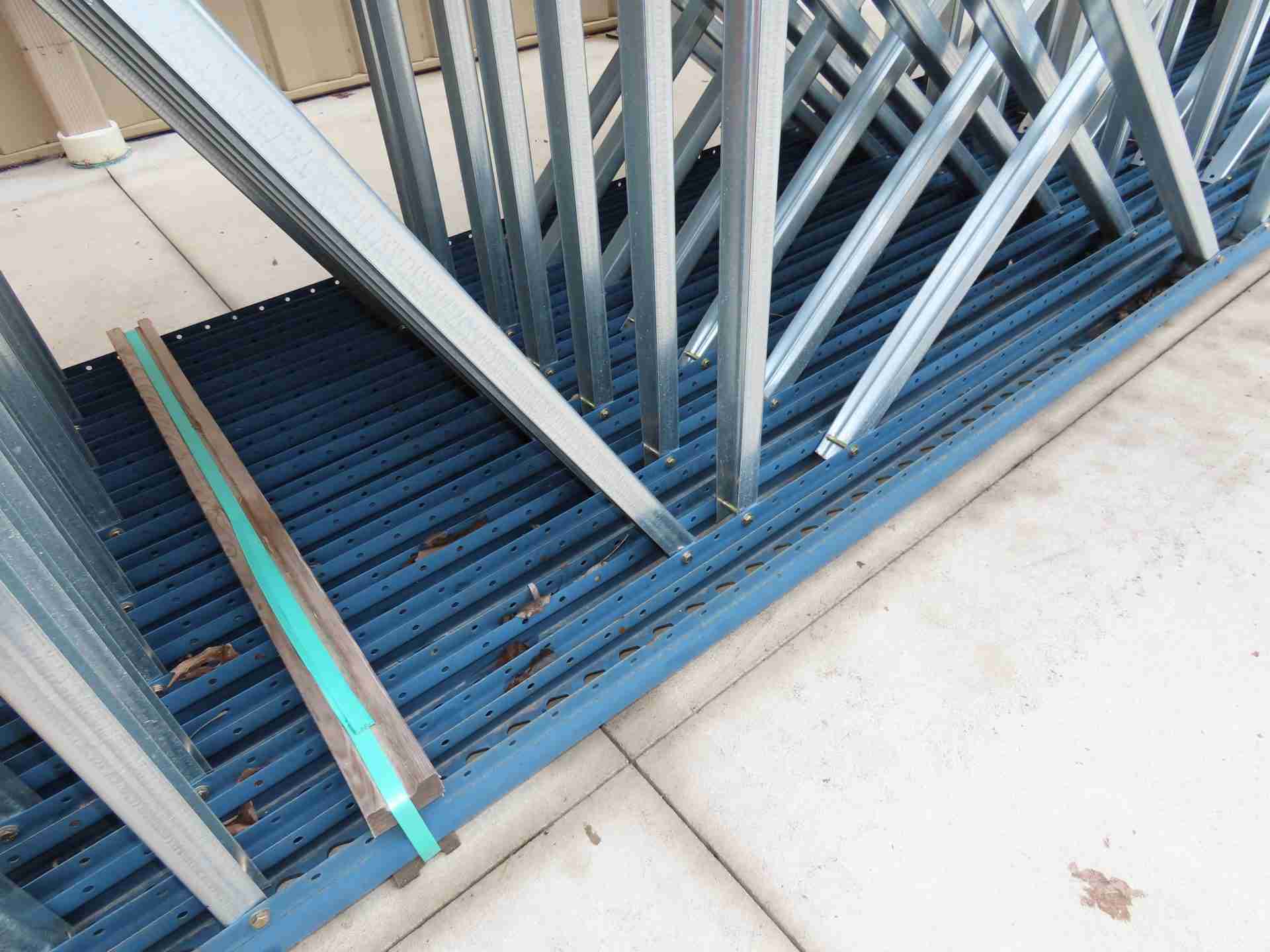
Checklist
At RackingWorld, we help guide you through selecting warehouse storage systems and racking.
Be sure to read our other related stories at RackingWorld to learn more about warehouse storage systems.
0 Comments