
Transform Growth: Strategically Phase Rack Expansion For Lasting Impact
By Tom Seest
At RackingWorld, we help guide you through selecting warehouse storage systems and racking.
Be sure to read our other related stories at RackingWorld to learn more about warehouse storage systems.
How to Phase Rack Expansion Strategically
When considering how to phase rack expansion strategically, it feels a bit like preparing for a long haul on the job site. You wouldn’t rush into adding more racking systems without first measuring the load and understanding the lay of the land. Start with an assessment of your current inventory and workflow. How are your existing racking systems holding up? Are they maximizing space, or do you find yourself dodging loads like it’s an obstacle course? By identifying your existing strengths and weaknesses, you lay the groundwork for informed decision-making.
Next, take a hard look at your future demands. You want to expand, but you don’t want to bite off more than you can chew. Consider seasonal fluctuations and growth projections. Investing in your racking systems is much like investing in your crew—predictable growth ensures that you have the tools and space to meet rising needs without breaking a sweat. Don’t just add racks because you can; add them because you need them.
Collaboration is key in this journey. Involve your team in discussions about the expansion. They’re on the ground, seeing the daily grind and can provide insights that managers may overlook. This approach builds trust and encourages buy-in, making everyone feel part of the expansion, not just bystanders. When your crew knows their input matters, they take ownership.
Equally important is your choice of racking systems. Expertise and ethical responsibility come into play here. Whether you’re leaning toward selective, drive-in, or push-back racking systems, ensure you’re selecting options that are safe and suited for your operation. Poor choices can lead to costly mistakes, wasted time, and even safety issues down the line. Do your due diligence: get multiple opinions, look into product ratings, and consider the long-term impacts of what you choose.
Finally, communicate your plans clearly. A transparent approach fosters a sense of collective purpose. Sharing what you plan and why can ease any anxieties about change. When everyone understands the vision, you propel the team forward together, energized and ready to tackle the challenges of expansion. Engaging the heart, head, and gut through this journey not only paves the way for successful racking systems but strengthens the entire operation, creating a lasting bond woven through trust and mutual respect.

How to Phase Rack Expansion Strategically
How to Phase Rack Expansion Strategically
- Assess current inventory and workflow to identify strengths and weaknesses of existing racking systems.
- Consider future demands, factoring in seasonal fluctuations and growth projections before expanding.
- Involve the team in discussions about expansion to build trust and encourage ownership.
- Select appropriate racking systems that are safe and suited for operations, conducting thorough research.
- Avoid unnecessary additions; expand racking systems based on actual needs rather than capacity alone.
- Communicate plans clearly to foster a sense of collective purpose and alleviate anxieties about change.
- Engage team members emotionally and intellectually to strengthen the operation and build mutual respect.
How to Phase Rack Expansion Strategically
Table Of Contents
- How to Phase Rack Expansion Strategically
- How Can Strategic Rack Expansion Enhance Your Business Growth?
- What Are the Long-Term Benefits Of Phased Rack Expansion?
- Is Your Current System Equipped for Future Rack Needs?
- How Do You Prioritize Racks Based on Product Demand?
- Can Phased Expansions Improve Your Inventory Accuracy?
- What Role Does Technology Play In Rack Expansion Success?
- Conclusion
- Other Resources
- Glossary Of Terms
- Other Questions
- Checklist
How Can Strategic Rack Expansion Enhance Your Business Growth?
Strategic rack expansion can be a game changer for any business looking to grow and adapt in today’s fast-paced environment. Picture your warehouse, a bustling hub of activity where every item is efficiently organized and easily accessible. Racking systems form the backbone of this operation, enabling you to maximize space and streamline processes. But when you decide to expand your racking systems, you’re not just adding shelves—you’re investing in your future.
Think about it: each new rack means more room for inventory. This can tie directly into your bottom line. A well-organized system saves time and effort, allowing your team to focus on what really matters—serving your customers. Faster retrieval times lead to quicker order fulfillment, boosting customer satisfaction and encouraging repeat business. It’s a rational approach to growth that pays off, transforming stagnant operations into vibrant ones.
Emotionally, there’s a sense of pride that comes with a well-laid-out storage facility. Each rack represents not just products, but the hard work and dedication of your team. A space that’s organized and visually appealing fosters a positive workplace culture, enhancing morale. Employees feel valued when they have the tools—like a strategic expansion of racking systems—that empower them to perform their best. This connection to the workplace instills a sense of belonging, turning merely a job into a commitment.
Ethically, investing in state-of-the-art racking systems shows your dedication to safety and efficiency. You are prioritizing your employees by creating a safe environment where they can work without worry. It’s not just about profit; it’s about your responsibility to those who help your business thrive. An ethical approach helps build a respectable brand image, fostering trust in your customers and community.
Furthermore, sharing success stories of businesses that have effectively expanded their racking systems can inspire others to take the plunge. These narratives resonate—it’s about the journey of growth, the challenges faced, and the victories achieved through strategic planning and hard work. And when you see peers in your industry succeeding, it can ignite a spark of competition, encouraging everyone to raise their game.
Strategically expanding your racking systems isn’t just a tactical decision; it’s a powerful catalyst for growth. It’s a blend of heart, head, and gut—an investment that fosters a thriving business ecosystem, driving not only profits but also pride, safety, and community connection. Embrace the opportunity. Your business—and your people—deserve it.
How Can Strategic Rack Expansion Enhance Your Business Growth?
How Can Strategic Rack Expansion Enhance Your Business Growth?
- Strategic rack expansion enhances warehouse efficiency and organization.
- New racks provide more inventory space, directly affecting profitability.
- A well-organized system improves order fulfillment and customer satisfaction.
- Emotionally, a well-laid-out facility boosts employee morale and commitment.
- Investing in modern racking systems prioritizes employee safety and creates a positive work environment.
- Success stories of others inspire and encourage competition in the industry.
- Overall, strategic expansion is a vital investment for growth and building community trust.

How Can Strategic Rack Expansion Enhance Your Business Growth?
What Are the Long-Term Benefits Of Phased Rack Expansion?
Phased rack expansion isn’t just a strategy; it’s a lifeline for warehouses and businesses looking to grow without the risk of overspending or overcommitting. Think of it like adding on to your house little by little instead of taking on a massive renovation all at once. This method allows you to adapt as you go, making changes based on what’s actually happening rather than what you hope will happen.
By adopting phased expansion, you’ve got the freedom to test the waters—bringing in new racking systems, for example, as demand grows. This is a smart, rational approach that minimizes waste while maximizing space and efficiency. You’re not just throwing money into a big batch of steel; you’re investing strategically, which brings about a sense of confidence in those decisions.
Imagine a bustling warehouse day; you can see the customers moving in and out and feel that pulse of activity. With a phased approach, you’re keeping pace with that pulse, allowing for smooth transitions and adapting rack installations as workflow demands change. It’s about understanding the rhythm of your operation and responding accordingly, ensuring you’re not caught flat-footed when your order volume spikes.
This step-by-step method fosters trust among your team as well. They can see you’re making informed choices, valuing every corner of that warehouse. Morale stays high when workers know that there’s room for growth without chaos. Plus, it sends a clear message to everyone involved: you care about responsibility and sustainability. There’s an ethical pride in doing things the right way and not just for quick gains.
Too often, companies dive in headfirst and end up with excess inventory or wasted space. By expanding your racking systems bit by bit, you can actively engage with your community, staying aware of their needs and preferences. It builds a stronger connection with your workforce and customers alike.
Long-term benefits from phased rack expansion extend beyond today; they lay the groundwork for future success. Decisions made today ripple through the years, allowing for flexibility and sustainability—keeping your business nimble in an ever-changing landscape. You’re not just preparing for the future; you’re building a legacy of smart, responsible growth. That’s where the real strength lies.

What Are the Long-Term Benefits Of Phased Rack Expansion?
What Are the Long-Term Benefits Of Phased Rack Expansion?
- Phased rack expansion is a strategic, incremental approach for warehouses and businesses.
- This method allows for adaptation based on actual demand rather than predictions.
- It enables testing new racking systems as demand increases, minimizing waste and maximizing efficiency.
- The approach fosters trust within the team, boosting morale by demonstrating informed decision-making.
- It encourages ethical responsibility and sustainability, avoiding quick, reckless gains.
- Engaging with the community helps maintain awareness of their needs and preferences, strengthening connections.
- Long-term benefits include flexibility and sustainability, contributing to a legacy of responsible growth.

What Are the Long-Term Benefits Of Phased Rack Expansion?
Is Your Current System Equipped for Future Rack Needs?
When you think about the racking systems in your warehouse or shop, what comes to mind? Many folks focus on immediate needs—how much can it hold today, or if it fits the current floor plan. But let’s take a step back. Is your current system built to stand the test of time? Are you investing in racking systems that will adapt as your business grows and changes?
Embracing the future starts with acknowledging the present. A well-designed storage system is more than a collection of shelves; it’s the backbone of your operation. Every time you restock, rearrange, or even pivot your business model, that system should come through for you without a hitch. Think of it as a sturdy set of bones that can support the weight of your ambitions.
Now, let’s talk numbers. Smart racking systems are not just an expense; they are an investment in efficiency. Consider the cost of downtime. When a system falters, it doesn’t just slow down production; it disrupts every part of the workflow, costing you in missed opportunities and frustrated employees. In today’s economy, it’s crucial to have a layout that maximizes both space and productivity. You want solutions that adapt, like smart racks that shift and scale as your inventory evolves.
Ethically, we owe it to ourselves and our team members to create a safe, efficient workspace. Safety isn’t just a box to check; it’s a moral obligation. Properly designed racking systems minimize hazards, protecting your workforce and ensuring that every member of your team feels secure in their environment. When you invest in quality, you’re not just thinking about profit; you’re also thinking about people—the ones who make your business thrive.
Then there’s the social aspect. Picture this: a hardworking team isn’t just clocking in and out; they’re part of a mission. A reliable racking system fosters a sense of trust and accountability. This confidence leads to teamwork that feels cohesive and effective. With the right setup, everyone knows their role in a finely tuned machine, making for a culture of reliability and respect.
Every warehouse tells a story. Yours should reflect growth, resilience, and preparation for the future. As you evaluate your racking systems, think beyond the now. Foster a system that’s ready for what’s next—a robust foundation that carries you forward, no matter what comes your way.
Is Your Current System Equipped for Future Rack Needs?
Is Your Current System Equipped for Future Rack Needs?
- Consider long-term adaptability of racking systems for future business growth.
- A well-designed storage system is essential to operational efficiency.
- Investing in smart racking systems reduces downtime and enhances workflow.
- Safety in the workplace is a moral obligation, minimizing hazards for workers.
- A reliable racking system fosters trust and accountability among team members.
- Teamwork and a cohesive culture are supported by effective storage solutions.
- Evaluate racking systems with an eye toward resilience and future readiness.
Is Your Current System Equipped for Future Rack Needs?
How Do You Prioritize Racks Based on Product Demand?
When it comes to prioritizing racking systems based on product demand, it’s not just about numbers; it’s about the story behind those numbers. Picture a bustling warehouse where decisions are made based on the rhythm of the market. You’ve got to stay connected to the heartbeat of what customers want at any given moment. Understanding this demand takes more than just basic analytics; it requires an appreciation for the narratives behind the products and the people who rely on them.
Start by observing which items fly off the shelves and which gather dust. Those best-sellers aren’t just products; they’re signals. Don’t just look at historical sales data; tap into the emotional aspect of these products. Perhaps a new gadget brings joy to a child or a tool makes a tradesperson’s job easier. These connections urge us to prioritize these items in our racking systems, ensuring they’re easily accessible and prominently displayed.
But let’s not ignore the rational side. Conduct regular assessments of sales trends, inventory turns, and seasonal fluctuations. When demand rises, it often comes with a spike in supply chain complexities. Arrange your racking systems to accommodate changes swiftly. Designate areas for high-demand items, ensuring that your team can respond to shifts with agility. It comes down to being smart about space—allocating more room for products that have proven themselves reliable sales generators while allowing flexibility for seasonal newcomers.
Ethically, consider your impact on your team and your customers. A well-organized rack system reduces frustration, increases safety, and fosters trust. When your racking is intuitive, it empowers workers and enhances their efficiency, leading to better service for customers. A clear and thoughtful system raises morale and demonstrates respect for everyone involved—workers and clients alike.
Let’s not overlook the social side of this equation. In a community like a warehouse, everyone depends on one another. When you make the effort to optimize your racking systems based on demand, you’re not just enhancing productivity; you’re cultivating a workplace where people feel valued. Your choices resonate beyond the warehouse walls, affecting families and businesses in the surrounding area. Prioritizing the right products and communicating those choices fosters unity and gives everyone something to rally behind.
By tuning into the emotional, rational, and ethical components of product demand, you create a racking system that doesn’t just store products but tells a story—a story of trust, reliability, and community connection.
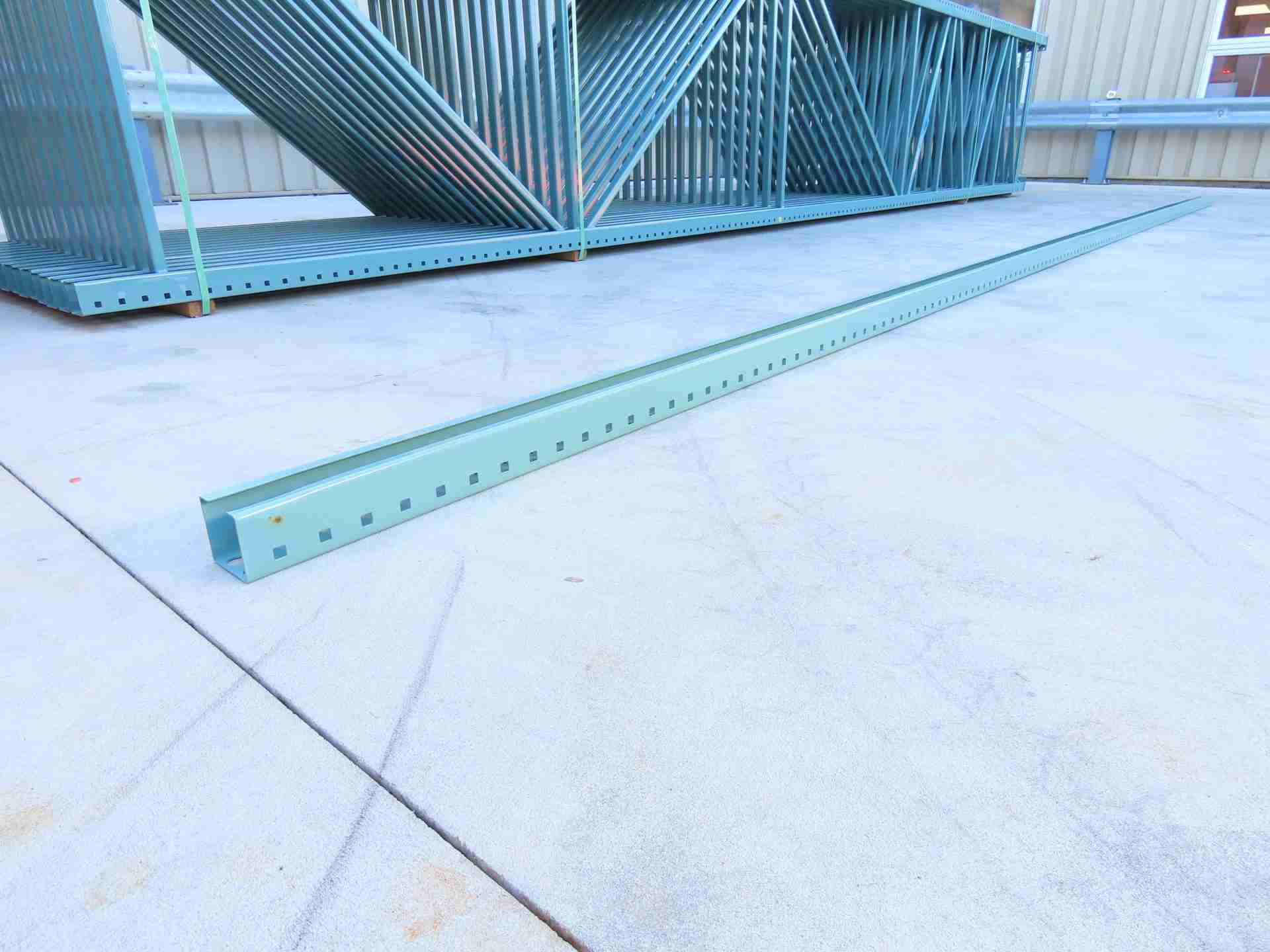
How Do You Prioritize Racks Based on Product Demand?
How Do You Prioritize Racks Based on Product Demand?
- Prioritizing racking systems involves understanding the story behind product demand, not just numerical data.
- Monitoring which items sell quickly versus those that don’t helps identify best-sellers as signals for priority.
- Emotional connections to products, like joy for children or ease for tradespeople, should influence racking decisions.
- Regular assessments of sales trends, inventory turns, and seasonal changes are crucial for adapting racking systems.
- Designating areas for high-demand items enables agile responses to changing market dynamics.
- A well-organized racking system enhances worker efficiency, safety, and morale, impacting customer service positively.
- Optimizing racking based on demand fosters a sense of community and connection within and beyond the warehouse.

How Do You Prioritize Racks Based on Product Demand?
Can Phased Expansions Improve Your Inventory Accuracy?
When it comes to inventory accuracy, nothing hits home quite like the tangible effects of a well-planned phased expansion. Think about it: you’ve spent years building your business, pouring heart and soul into every detail. Yet, poor inventory accuracy can turn your hard work into ashes. The wrong racking systems or inadequate space can lead to chaos, mistakes, and lost sales. But with phased expansions, you can tackle these woes systematically, bringing order back to your operation.
Imagine standing in a warehouse, surrounded by shelves stacked high with products. A common sight might be inventory piling up in the corners or items buried behind boxes, waiting to be found. With phased expansions, you don’t just throw up new shelves willy-nilly; you evaluate your current setup, addressing specific pain points. This methodical approach doesn’t just save you time and money; it gives you confidence that your inventory is safe and accounted for.
Every box on those racking systems tells a story—of hard work, late nights, and dreams of growth. By expanding in phases, you get to control the narrative. You can refine processes and introduce innovative inventory management technologies gradually. This way, your team isn’t just throwing darts in the dark You’re training them to become sharpshooters, mastering the finer points of inventory systems that keep everything balanced.
There’s an ethical dimension to this too. A phased approach shows you care not just about profits but about your people. When your staff knows where to find items and how to manage stock effectively, their confidence grows. They feel empowered rather than bogged down by the overwhelming demands of disorganization.
The real beauty of phased expansions is the connection it fosters within your team. Everyone plays a role, contributing to a common goal: maintaining accuracy. That sense of camaraderie goes a long way in situations where delays or errors can cost not just dollars, but reputation.
Ultimately, trusting in a phased expansion approach to improve your inventory accuracy is an investment in your future. It’s about more than just numbers; it’s about cultivating a sustainable system that supports your growth. As you streamline operations and build a better workspace, your business won’t just survive—it will flourish. Embrace the transformation, and watch as accuracy becomes the backbone of your success.

Can Phased Expansions Improve Your Inventory Accuracy?
Can Phased Expansions Improve Your Inventory Accuracy?
- Phased expansions improve inventory accuracy, preventing chaos and lost sales.
- Evaluate current setups to address specific pain points rather than making random changes.
- Methodical expansion saves time and money while ensuring inventory safety.
- Introduction of new technologies and processes is gradual, enhancing staff capabilities.
- A phased approach empowers employees, reducing feelings of overwhelm and disorganization.
- Team collaboration fosters camaraderie and enhances overall operational accuracy.
- Investing in phased expansions supports sustainable growth and operational excellence.

Can Phased Expansions Improve Your Inventory Accuracy?
What Role Does Technology Play In Rack Expansion Success?
When it comes to rack expansion success, technology is the unsung hero that quietly transforms challenges into opportunities. Picture a warehouse bustling with activity, where the efficient organization of product storage can mean the difference between profit and loss. Racking systems are the backbone of this operation. They provide not only structure but also flexibility in adapting to ever-changing inventory needs. Technology enhances this dynamic, acting as the guiding hand that helps businesses scale up with confidence.
Think about it: the logistics of managing a growing inventory can be a daunting task. Old-fashioned methods of tracking and arranging goods can lead to chaos and inefficiency. Enter technology, with its inventory management systems and automated racking solutions. These tools take the guesswork out of the equation. The head knows that with accurate data and predictive analytics, businesses can optimize their racking systems to meet demand without overcommitting resources. This rational approach allows for quick and informed decision-making, reducing waste and improving margins.
But it’s not just a numbers game. The gut instinct of any experienced worker in the field knows that technology impacts job satisfaction as well. Imagine the relief when complex tasks are simplified by user-friendly software that tracks inventory in real-time. Employees can feel more connected to their work when they trust their tools to do the heavy lifting. It’s a dramatic shift from laborious tasks to an environment where technology amplifies human capability, fostering a sense of pride and teamwork.
On an ethical level, investing in technology for rack expansion isn’t just about profit; it’s about building a sustainable future. Advanced technological solutions can lead to more efficient use of resources, minimizing waste and promoting a culture of responsibility. Many companies today prioritize these values, creating a sense of community and accountability among employees and customers alike.
Finally, the social aspect can’t be ignored. In an industry where collaboration is paramount, technology allows teams to communicate effectively, share insights, and overcome challenges together. When racking systems are supported by modern tools, they bring people together, sparking innovation and creativity in problem-solving.
As the industry continues to evolve, embracing technological advancements is more than just a smart move—it’s a commitment to growth, integrity, and the future of work. By recognizing the vital role technology plays in rack expansion success, businesses can foster a culture that thrives on efficiency, empowerment, and connection, paving the way for sustainable success.
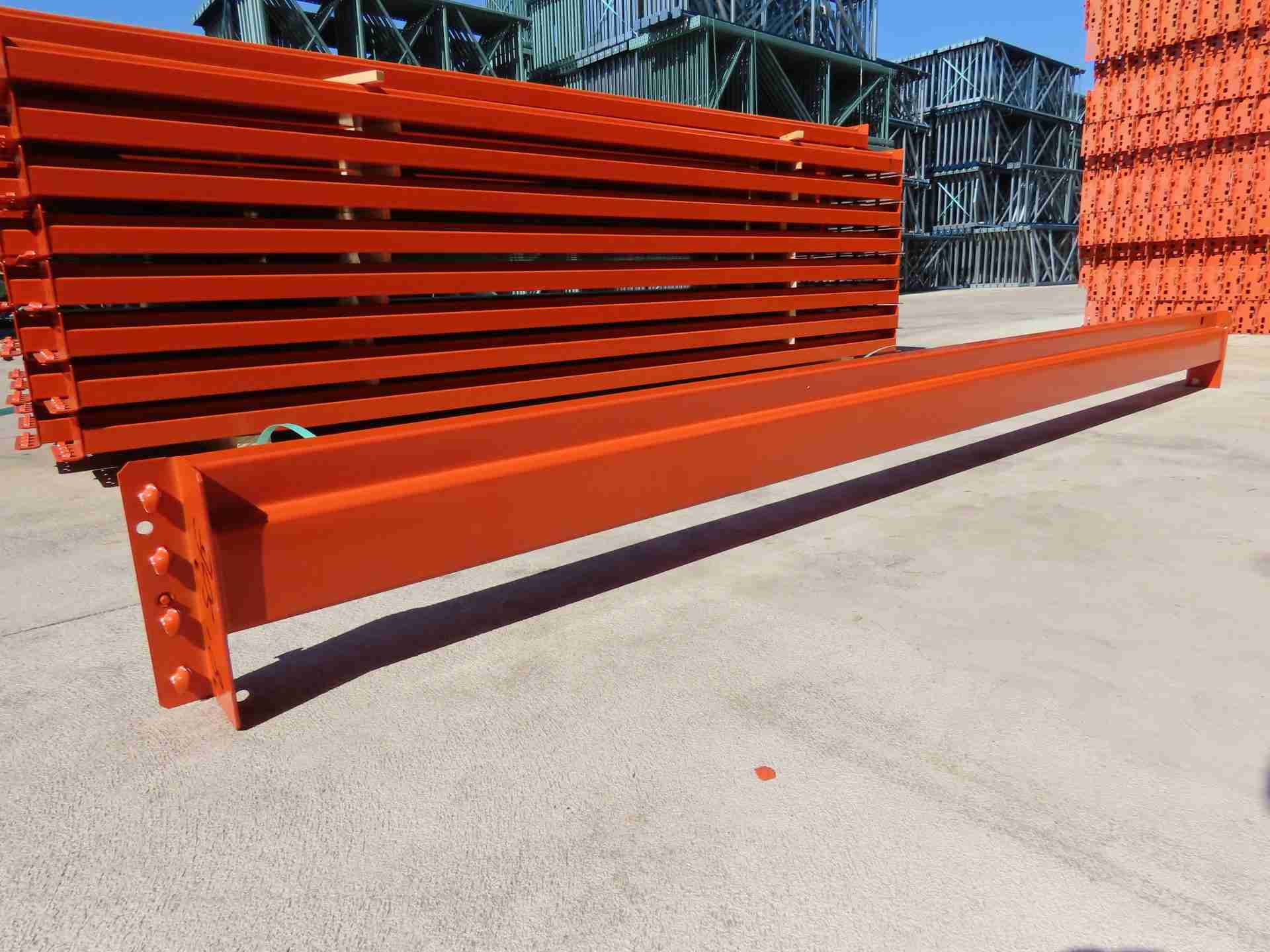
What Role Does Technology Play In Rack Expansion Success?
What Role Does Technology Play In Rack Expansion Success?
- Technology plays a vital role in transforming challenges into opportunities for rack expansion.
- Efficient organization of product storage directly impacts profitability.
- Modern racking systems provide structure and flexibility to adapt to changing inventory needs.
- Inventory management systems and automated racking solutions enhance efficiency and reduce errors.
- User-friendly software increases job satisfaction and fosters employee engagement.
- Investing in technology supports sustainability and accountability within organizations.
- Technology promotes collaboration, innovation, and effective communication among teams.
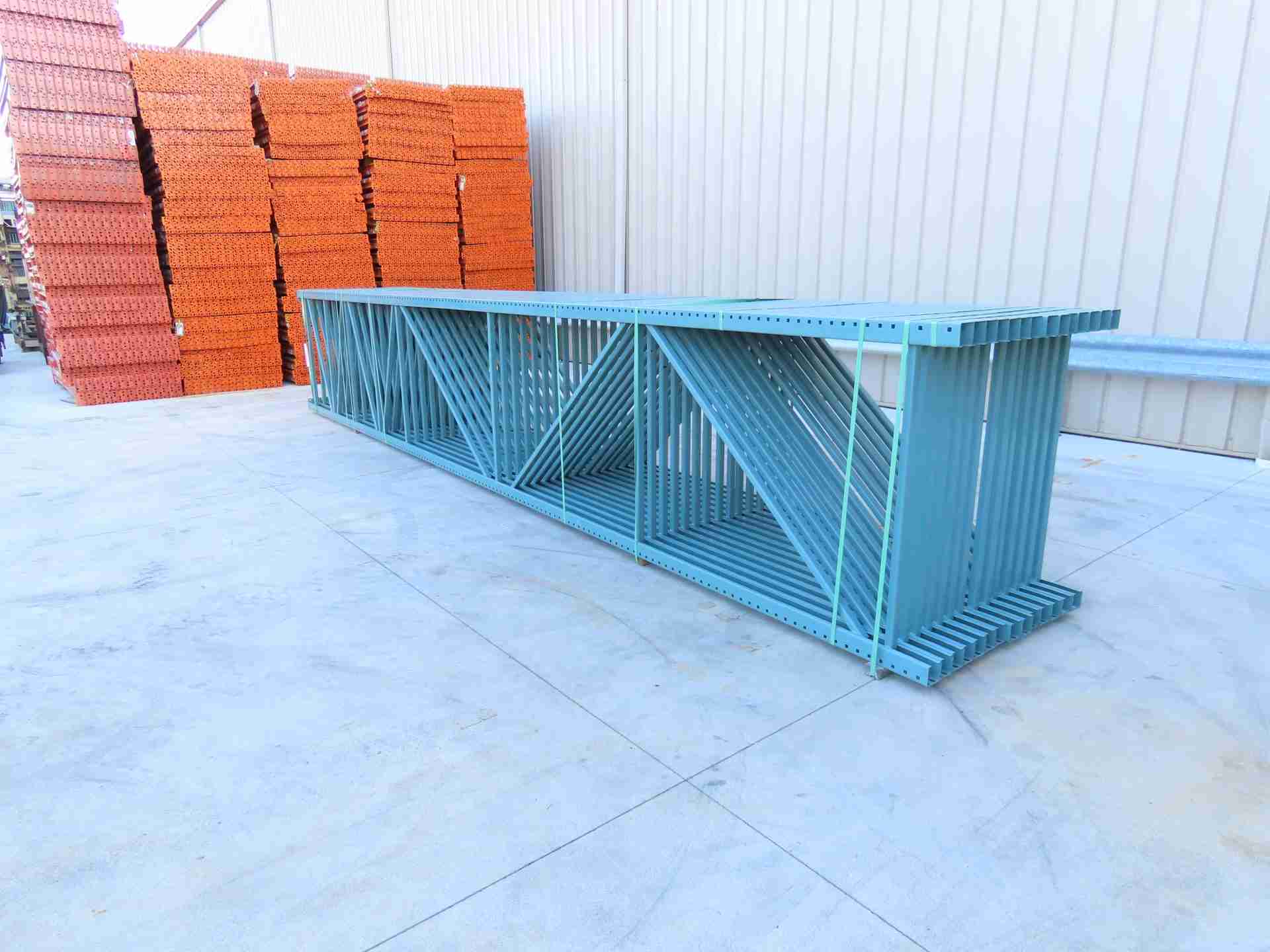
What Role Does Technology Play In Rack Expansion Success?
Conclusion
Phased rack expansion is not just a matter of stacking shelves; it’s about laying a solid foundation for future growth while maintaining the pulse of your operations. By assessing your current inventory and workflow, you start to understand what works and what needs improvement. Just like you wouldn’t rush into a job site without a plan, you shouldn’t leap into expansion without knowing your strengths and weaknesses. Each square foot of a warehouse has a story to tell, and it’s crucial to ensure every rack is a chapter that contributes to the overall narrative of efficiency and success.
Importantly, the key to a successful expansion lies in strategic planning. This isn’t about expansion for the sake of growth but about smartly timing your investments to meet demand. It’s akin to knowing when to up your game in the field, making real-time adjustments based on what’s moving off the shelves. Collaborating with your team fosters trust and buy-in; they see firsthand how their insights lead to better outcomes, which strengthens the overall operation.
Choosing the right racking systems is crucial, too. Whether it’s selective, drive-in, or push-back racking, it’s about safety and suitability for your operations. Poor choices can cost you—not just dollars but also manpower and morale. Investing in quality systems reinforces ethical responsibility to your employees and demonstrates a commitment to creating a safe work environment. This isn’t only about profits; it’s about taking care of the people who dedicate their efforts to your business.
A transparent communication approach regarding your expansion plan is equally vital. When everyone understands the purpose and vision behind changes, it cultivates an environment ripe for teamwork and shared success. The emotional connection that comes from building a well-organized and safe workplace translates into higher morale and productivity. It fosters a sense of belonging, morphing jobs into commitments.
Embracing phased expansion encourages long-term sustainability while preventing waste and maintaining a resilient operational rhythm. As you adapt to the demands of your industry, the trust built amongst your team and the community will resonate beyond warehouse walls, inviting a culture of shared responsibilities. Investing in these strategies today not only prepares your business for the challenges of tomorrow but lays the groundwork for lasting relationships grounded in mutual respect and commitment. When you invest in your infrastructure thoughtfully and strategically, you create the space for growth that reflects not just operational needs but the heart and soul of a workforce ready to support a common mission.

Conclusion
Conclusion:
- Phased rack expansion requires assessing current inventory and workflow for informed decision-making.
- Strategic planning is crucial; expansion should be timed to meet demand rather than for growth alone.
- Collaboration with the team fosters trust and enhances outcomes through shared insights.
- Choosing the right racking systems is essential for safety, suitability, and operational efficiency.
- Transparent communication about expansion cultivates teamwork and boosts morale.
- Phased expansion promotes long-term sustainability and prevents operational waste.
- Investing in infrastructure thoughtfully supports growth and the well-being of the workforce.
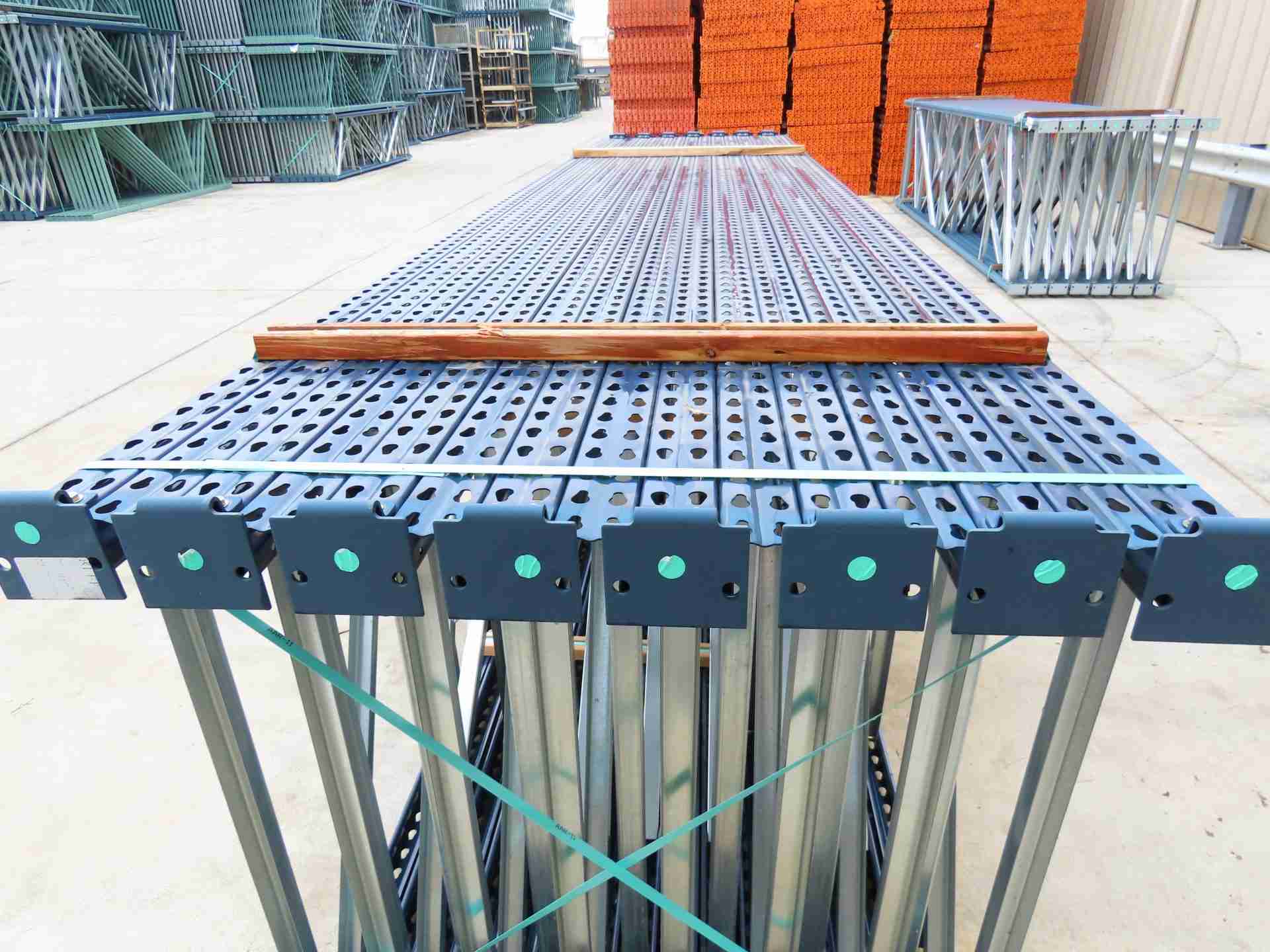
Conclusion
Other Resources

Other Resources
Here is a list of other resources you can review online to learn more:
- Selective Rack – Raymond West
- MHI
- Rack Manufacturers Institute
- Rack Manufacturers Institute
- Storage Equipment Manufacturers Association
- WERC
- Warehousing and Fulfillment
- Shipping Boxes, Packaging Materials, Pallet Racking
- Material Handling Industry
- Chicago Pallet Racking
- Teardrop Industrial Shelving Rack
- Selective Racking
- Interlake Mecalux
- Warehousing Education and Research Council: https://www.werc.org/
- Cantilever Rack Guide: Ordering Cantilever Racking
- IWLA
- Teardrop Pallet Rack – Ridg-U-Rak
- RMI
- Cantilever Rack Configuration & Installation: A Comprehensive Guide – BMH
- Pallet Racking systems in Illinois and Great Lakes
Use This Prompt To Get More Resources With Your Favorite Online AI Tool: Please provide me with a list of online articles with their URLs in a bulleted list that I can read regarding How to Phase Rack Expansion Strategically
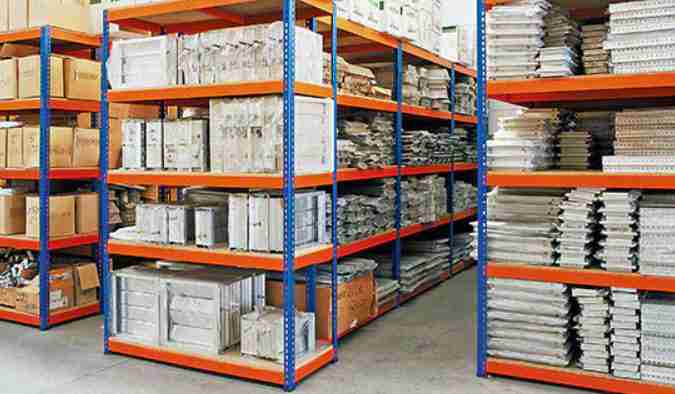
Other Resources
Glossary Terms
How to Phase Rack Expansion Strategically – Glossary Of Terms
1. Phase Rack: A section of a data center where servers are stored and managed in a systematic manner for efficient operation.
2. Expansion: The process of increasing capacity or scaling resources within a data center or server environment.
3. Scalability: The capability of a system to handle a growing amount of work or its potential to accommodate growth.
4. Resource Allocation: The distribution of available resources among various processes or projects to optimize performance.
5. Load Balancing: The method of distributing network or application traffic across multiple servers to ensure no single server is overwhelmed.
6. Downtime: A period when a system is unavailable due to maintenance, upgrades, or unexpected failures.
7. Capacity Planning: The practice of forecasting required resources to meet future demands in a data center.
8. Infrastructure: The underlying foundation or framework that supports a system, including hardware and software components.
9. Modular Design: A design approach that divides a system into smaller parts (modules) that can be independently created and then used in different systems.
10. Migration: The process of moving data or applications from one environment to another, often during upgrades or expansions.
11. Virtualization: Creating virtual versions of physical hardware or software to optimize resource utilization and flexibility.
12. Integration: The process of linking or combining different systems or applications to work together within a cohesive framework.
13. Performance Monitoring: The ongoing measurement and analysis of system performance metrics to ensure optimal operation.
14. Power Management: Techniques and strategies used to optimize energy consumption in a data center.
15. Redundancy: The duplication of critical components or functions in a system to increase reliability and availability.
16. Risk Assessment: The identification and evaluation of potential risks that could negatively impact operations or systems.
17. Automation: The use of technology to perform tasks with minimal human intervention, increasing efficiency and speed.
18. Service Level Agreement (SLA): A contract that outlines the expected level of service between a provider and a customer.
19. Data Center: A facility used to house computer systems and associated components, such as telecommunications and storage systems.
20. Workflow: The sequence of processes through which a piece of work passes from initiation to completion.
21. Stakeholder: Any individual or group with an interest in the outcome of a project or process.
22. Change Management: The process of managing changes to systems and processes in a controlled manner to minimize disruption.
23. Cost-Benefit Analysis: A financial assessment to evaluate the expected costs versus the expected benefits of a project or decision.
24. Compliance: Adhering to established guidelines, regulations, or laws relevant to operations and data management.
25. Timeline: A schedule that outlines key milestones and deadlines for the phases of a project or expansion.
26. Security Protocols: Established procedures and measures to protect data and systems from unauthorized access or attacks.
27. Data Backup: The process of creating copies of data to recover it in case of loss or corruption.
28. Collaboration Tools: Software applications that facilitate communication and collaboration among team members during a project.
29. Environment Assessment: An evaluation of the existing conditions supporting a project or system to determine readiness for expansion.
30. Technology Lifecycle: The stages a technology goes through from initial development to retirement in response to evolving needs.

Glossary Of Terms
Other Questions
How to Phase Rack Expansion Strategically – Other Questions
If you wish to explore and discover more, consider looking for answers to these questions:
- What types of racking systems are available and which is best for my operation?
- What are the upfront, installation, and ongoing maintenance costs for phased rack expansion?
- How do I calculate ROI and the payback period for each expansion phase?
- How long does each phase typically take from planning to full operation?
- How should I sequence phases to minimize disruption to daily operations?
- What operational downtime or productivity loss should I expect during installation?
- Do I need permits or approvals (building, fire, zoning) for rack expansion?
- What safety standards, certifications, and load ratings must the racking meet?
- How do I assess floor load capacity and whether floor reinforcement is required?
- How do I determine optimal aisle widths, forklift clearances, and traffic flow?
- How should SKUs be re-slottted and prioritized during phased expansion?
- How will phased expansion affect inventory accuracy and which metrics will show improvement?
- What inventory management and warehouse technologies (WMS, RFID, barcoding) should I integrate?
- How do I ensure compatibility with automation or AS/RS in future phases?
- What vendor selection criteria, warranties, and service agreements should I require?
- How long are lead times for racking equipment and installation crews?
- What financing options are available for phased expansions (leasing, loans, vendor financing)?
- How do I handle temporary storage and staging during installation?
- What workforce training and change-management activities are required?
- Who should be on the internal project team and what are their responsibilities?
- How do I phase expansion given seasonal demand and sales forecasts?
- What KPIs should I track to measure the success of each phase (throughput, order accuracy, picking time)?
- What common pitfalls or mistakes should I avoid when expanding in phases?
- How should I plan for future scalability and flexibility in rack design?
- What are the implications for insurance, liability, and compliance after expansion?
- How do I inspect, maintain, and safely repair racking systems over time?
- How should older or surplus racking be decommissioned, recycled, or repurposed?
- How will the expansion affect workplace ergonomics, lighting, signage, and employee safety?
- What structural or seismic considerations apply in my region?
- How do I incorporate sustainability or environmental goals into racking choices?
- Are there real-world case studies or benchmarks for phased rack expansion in similar industries?
- What data analyses (inventory turns, velocity, peak forecasts) are needed to justify each phase?
- How can predictive analytics or demand planning inform phase timing and capacity?
- What contingency plans should I have for supply chain delays or unexpected demand spikes?
- How do I ensure clear communication and buy-in across all stakeholder groups?
- What legal, contractual, or warranty pitfalls should I watch for with vendors and installers?
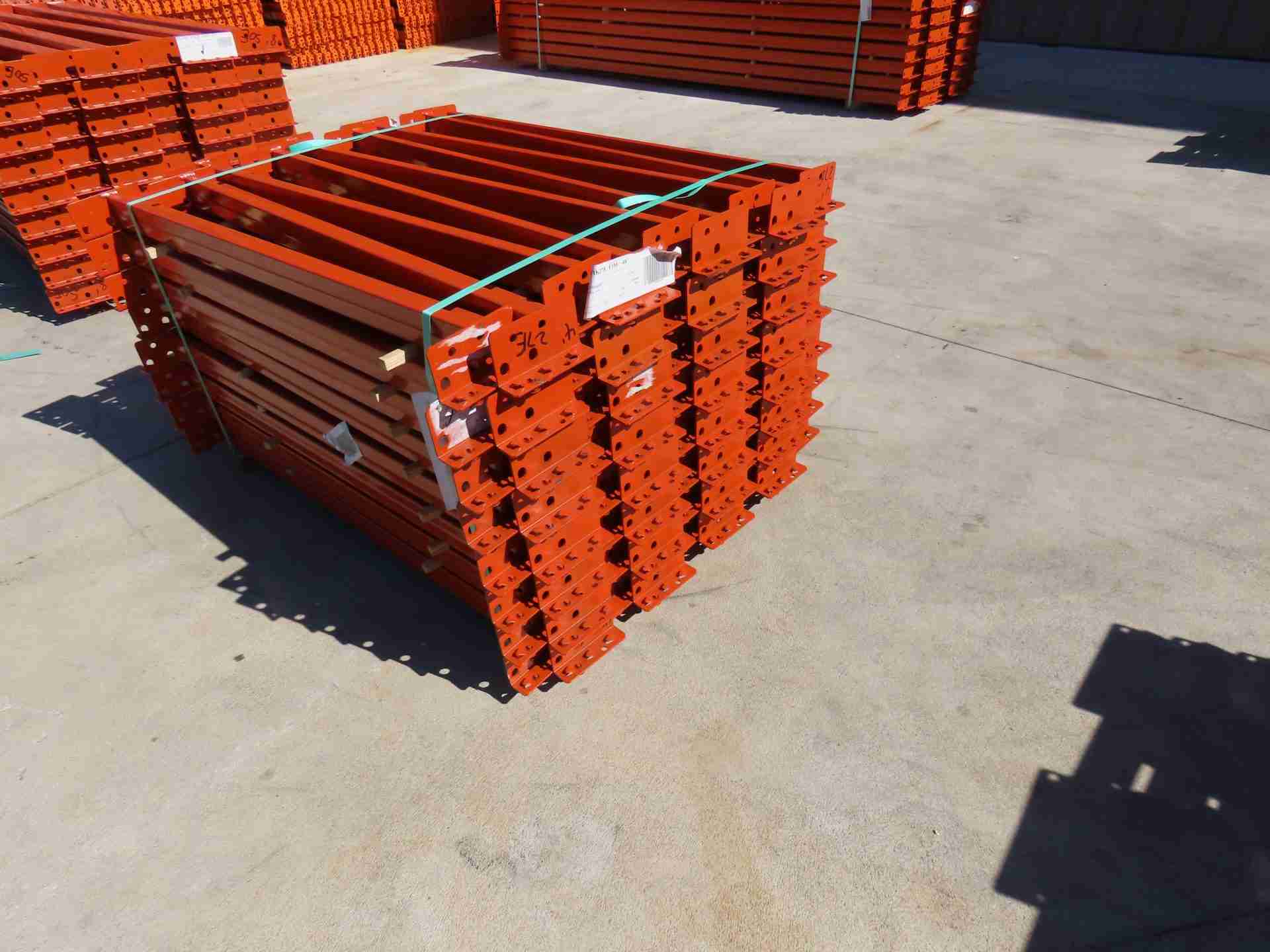
Other Questions
Checklist
How to Phase Rack Expansion Strategically – A Checklist
Readiness and Baseline
✅______ Document current storage types, capacities, and locations (pallet, carton, bulk, mezzanine)
✅______ Measure cube utilization, storage occupancy, and aisle congestion
✅______ Capture SKU dimensions and weights, pallet configurations, and load characteristics
✅______ Baseline KPIs: order cycle time, picks per hour, replenishment touches, inventory accuracy, mis-pick rate, damage rate, dock-to-stock time
✅______ Map current workflows: receiving, putaway, picking, replenishment, packing, shipping
✅______ Identify bottlenecks, safety incidents, and damage hotspots
✅______ Validate permitting, fire protection, and egress compliance status
Demand and Growth Projections
✅______ Build 12–24-month demand forecast with seasonality and promotions
✅______ Classify SKUs (ABC/XYZ) by velocity and volatility
✅______ Define target service levels and safety stock policies
✅______ Assess supplier lead times and inbound variability
✅______ Quantify space and throughput required for peak vs. average periods
Stakeholder Alignment
✅______ Form a cross-functional team: operations, safety, maintenance, engineering, IT/WMS, finance, procurement
✅______ Gather frontline feedback on pain points and improvement ideas
✅______ Assign RACI for decisions, installations, and training
✅______ Establish a clear communication cadence (stand-ups, boards, updates)
Technology and Data
✅______ Audit WMS/ERP capabilities for locations, slotting, replenishment, and cycle counting
✅______ Cleanse location master and SKU attribute data
✅______ Evaluate slotting and analytics tools; simulate storage layouts (“digital twin” if available)
✅______ Define barcoding/RFID, labeling, and scanning standards
✅______ Plan integrations for any automation (conveyors, AMRs, pick-to-light/voice)
Rack Options and Design
✅______ Compare rack types by use case: selective, double-deep, drive-in, push-back, pallet flow, carton flow, cantilever, mezzanine
✅______ Verify load ratings, deflection limits, seismic requirements, and forklift compatibility and aisle widths
✅______ Confirm sprinkler clearance, flue spaces, and fire code implications
✅______ Incorporate guards, end-of-aisle protection, rack netting/mesh, and load plaques
✅______ Validate egress paths and emergency access
Phased Plan and Triggers
✅______ Define phases with scope, timelines, and budgets
✅______ Set objective “go” triggers (e.g., storage occupancy > 85%, cycle time above target, error/damage thresholds)
✅______ Time installations around peak seasons and inventory levels
✅______ Pre-stage materials and sequence work to minimize disruption
✅______ Include re-slotting and changeover plans per phase
Inventory Accuracy and Slotting
✅______ Implement a cycle counting program with ABC frequency
✅______ Establish slotting rules for A/B/C items (golden zone, pick path minimization)
✅______ Design replenishment logic (min/max, demand-driven, wave vs. waveless)
✅______ Standardize location naming and signage
✅______ Validate counts and locations after each phase before ramp-up
Safety and Compliance
✅______ Conduct pre- and post-install rack inspections by qualified personnel
✅______ Train staff on new SOPs, equipment clearances, and ergonomics
✅______ Document anchors, seismic calculations, and certificates of compliance (RMI/ANSI)
✅______ Update emergency plans, walkways, and signage
✅______ Schedule recurring inspections and maintenance
Vendors and Procurement
✅______ Shortlist suppliers/installers; verify certifications, insurance, and references
✅______ Review warranties, lead times, service levels, and spare parts availability
✅______ Align on as-builts, load documentation, and turnover package requirements
✅______ Compare total cost of ownership, not just unit price
Operations Integration
✅______ Redesign pick paths and travel distances; validate with time studies
✅______ Define staging, buffer, and returns areas in the new layout
✅______ Align dock capacity, yard flow, and putaway lanes with added volume
✅______ Update labor plans, shift patterns, and cross-training needs
✅______ Refresh SOPs and visual work instructions
Financials and ROI
✅______ Build an ROI/payback model including labor, throughput, accuracy, and damage reductions
✅______ Capture CAPEX/OPEX, installation, permits, training, and maintenance
✅______ Identify incentives/rebates (energy, safety, local programs)
✅______ Track benefits per phase vs. baseline
Change Management and Communication
✅______ Brief teams on the why, what, when, and impacts of each phase
✅______ Provide hands-on training and quick-reference guides
✅______ Use visual management (boards/dashboards) to show progress and KPIs
✅______ Capture feedback loops and rapid corrective actions
Commissioning and Handover
✅______ Verify installation to drawings; confirm torque/anchors and plumb/level checks
✅______ Post load plaques and verify signage/labels
✅______ Update WMS locations and test transactions end-to-end
✅______ Run pilot orders; monitor for errors and congestion before full release
✅______ Sign off permits and archive as-built documentation
Sustainability and Ethics
✅______ Reuse or recycle legacy racking; dispose of materials responsibly
✅______ Optimize lighting/energy in new aisles; assess HVAC impacts
✅______ Track waste reduction, damage reduction, and safety improvements
Risk and Contingencies
✅______ Identify supply/installation risks; create alternates for materials and crews
✅______ Plan inventory buffers and temporary storage if delays occur
✅______ Establish rollback and reversion steps per phase if issues arise
✅______ Confirm business continuity for critical SKUs and customers
Continuous Improvement
✅______ Review KPIs 30/60/90 days after each phase
✅______ Document lessons learned and update standards
✅______ Recalibrate slotting as demand shifts
✅______ Schedule annual capacity and safety reviews
Acceptance Criteria (Per Phase)
✅______ Storage occupancy below target threshold
✅______ Cycle time, pick rate, and inventory accuracy at or better than targets
✅______ Zero critical safety findings; all corrective actions closed
✅______ User adoption confirmed; training completed and documented
✅______ Financial performance tracking live against ROI model
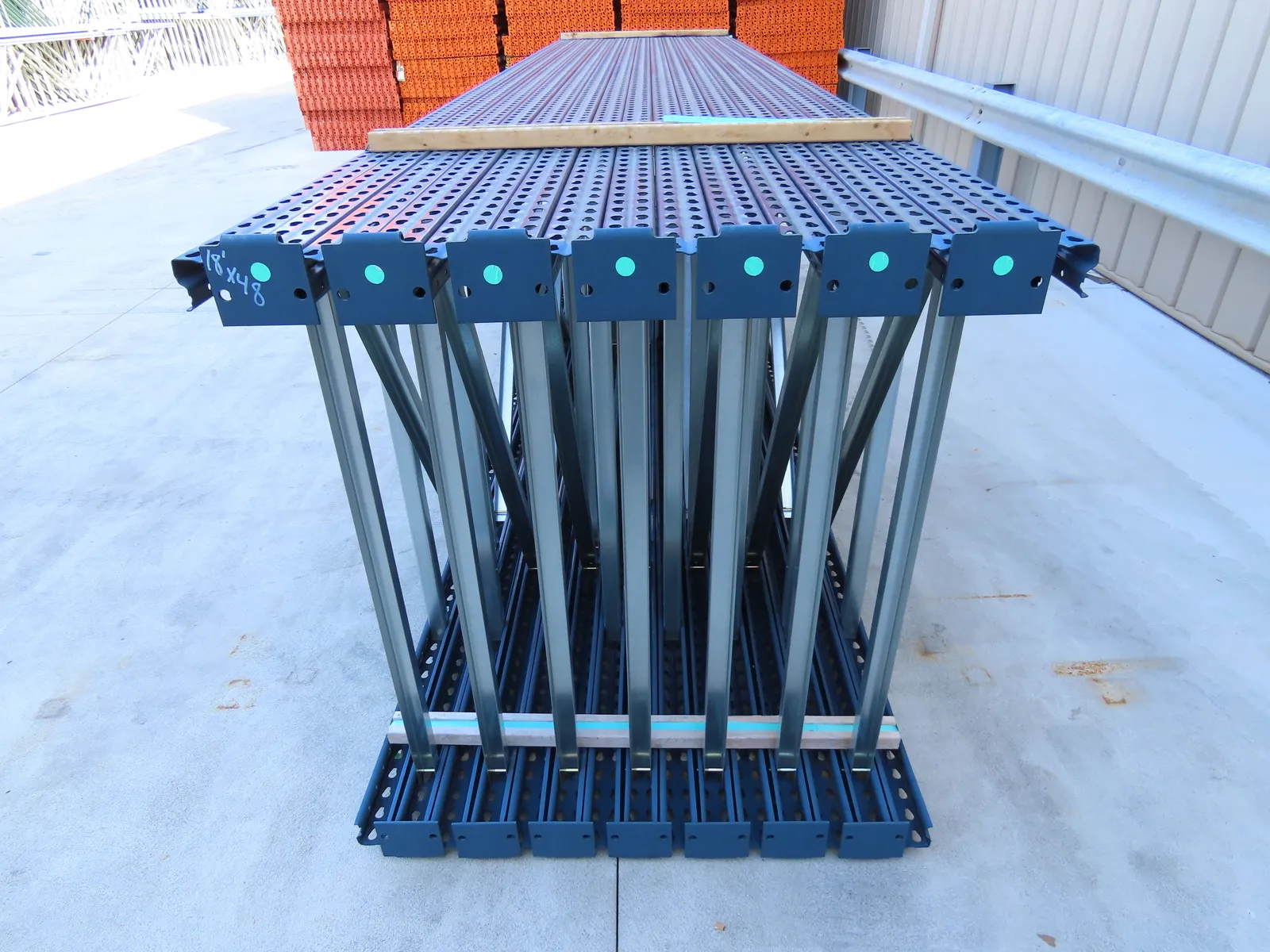
Checklist
At RackingWorld, we help guide you through selecting warehouse storage systems and racking.
Be sure to read our other related stories at RackingWorld to learn more about warehouse storage systems.
0 Comments