
Unlocking Profits: Transform Your Airspace Into A Revenue Stream
By Tom Seest
At RackingWorld, we help guide you through selecting warehouse storage systems and racking.
Be sure to read our other related stories at RackingWorld to learn more about warehouse storage systems.
How to Monetize Your Airspace
Monetizing your airspace isn’t just a high-flying dream; it’s a very realistic way to boost your income with some smart, down-to-earth strategies. Think of it like putting a Racking System in your warehouse—effective storage can create space for things that matter. Similarly, when you utilize your airspace, you’re effectively creating an opportunity for extra revenue without the need for big investments.
Start by understanding what you already have. If you’ve got a rooftop or an open area above your commercial or residential properties, that space can turn into a goldmine. Drones are changing the game, and leasing out your airspace for drone deliveries or aerial photography can put cash in your pocket. This isn’t just pie in the sky; it’s a practical step that’s already happening in communities across the country.
Engage with local businesses that might need visibility. Those towering billboards? They might be falling out of favor when companies realize they can slap their ads on drone packages, all without needing to fight for sidewalk space. You’ll be doing them a solid while also creating a recurring revenue stream. It’s all about tapping into the local market in a way that’s ethical and beneficial for everyone involved—businesses get to promote, and you earn rentals.
Once you’ve opened the door to opportunities, build relationships within your community. As you share the success of your airspace engagement, others will start to see just how accessible it is. Real stories from real folks about turning airspace into a source of income can inspire confidence in your approach. When neighbors see you lending a hand to local businesses, it becomes a story everyone can rally around. You’re not just monetizing space; you’re fostering connections that strengthen the fabric of your community.
Also, don’t forget about regulatory considerations. While it might seem like an uphill climb, knowing local laws keeps your operations legal and running smoothly. This builds trust not just with the local government but with prospective partners. Being transparent about standards and practices reassures everyone that you know your stuff and prioritize safety.
In short, monetizing your airspace is more than a financial move; it’s about community, initiative, and resourcefulness. So, roll up your sleeves, get hands-on, and start exploring how that space above can work for you, your neighbors, and the local economy—all while keeping your feet firmly on the ground.

How to Monetize Your Airspace
How to Monetize Your Airspace
- Monetizing airspace is a realistic strategy to boost income with minimal investment.
- Utilize rooftops or open areas for drone deliveries or aerial photography as revenue sources.
- Engage local businesses to use airspace for advertising, creating a recurring revenue stream.
- Foster community relationships and share success stories to inspire confidence and participation.
- Recognize and adhere to local regulations to ensure legal operations and build trust.
- Transparent practices enhance safety and credibility with partners and the community.
- Monetizing airspace promotes community engagement and resourcefulness while benefiting the local economy.

How to Monetize Your Airspace
Table Of Contents
- How to Monetize Your Airspace
- How Can You Turn Your Aerial View Into Profit?
- What Are the Benefits Of Monetizing Airspace?
- How Do Regulations Impact Airspace Monetization?
- Can You Share Your Airspace Story for Others to Learn?
- What Ethical Considerations Arise In Airspace Trading?
- Which Technologies Best Support Airspace Monetization?
- Conclusion
- Other Resources
- Glossary Of Terms
- Other Questions
- Checklist
How Can You Turn Your Aerial View Into Profit?
When you look down from above, whether it’s a field, a warehouse, or a construction site, you’re seeing potential—transforming that view into profit starts with understanding what lies beneath the surface. Racking systems, for instance, can revolutionize the way you handle storage and inventory, maximizing space and efficiency. Imagine your operation running smoother, with every item in its place, easy to find, and easier to sell.
Think about it: the heart of any operation beats strongest when there’s order in the chaos. The emotional pull of a cluttered space is undeniable; it weighs heavy on your mind and soul. You want your work to reflect your pride and craftsmanship, and a well-organized space can do just that. When you create order with effective racking systems, you’re not just tidying up; you’re showcasing your values. You’re telling your customers, “I care about quality, and I care about you.” That message resonates beyond mere words.
Now, let’s get rational. Investing in efficient racking systems saves you time and money. Picture this: fewer employee hours spent searching for products means more time dedicated to serving customers and making sales. It’s as straightforward as recognizing that the fewer hurdles you have, the faster you can move to the finish line. The numbers don’t lie—better organization leads to improved productivity, and that’s a clear path to profit.
Ethically, making smart choices about your space and systems reflects your commitment to sustainability and responsibility in business practices. You’re not just filling up shelves; you’re optimizing your resources, demonstrating respect for what you have and the environment that sustains it. Customers are increasingly drawn to brands that show integrity, and having a clean, efficient operation speaks volumes about your character.
Sharing your journey can be powerful. Tell the story of how upgrading your racking systems changed your business. Share the struggles of operating under clutter and the eureka moment when you finally invested in the right tools. Relatability breeds connection; when others can see their struggles in your narrative, they’re more likely to trust you.
Ultimately, turning your aerial view into profit is about harnessing the potential you see from above. With the right racking systems, you not only enhance efficiency; you cultivate a culture of professionalism and care that draws in customers and keeps them coming back—all while padding your bottom line. The sky’s the limit when you let your vision take flight.

How Can You Turn Your Aerial View Into Profit?
How Can You Turn Your Aerial View Into Profit?
- Transform aerial views of spaces into profit by understanding underlying potential.
- Racking systems improve storage and inventory management, enhancing space and efficiency.
- A well-organized operation reflects pride, craftsmanship, and commitment to quality.
- Investing in racking systems saves time and money, leading to increased productivity.
- Smart space management demonstrates sustainability and responsibility in business practices.
- Sharing the journey of upgrading racking systems builds trust and connection with customers.
- Effective racking systems foster a culture of professionalism, attracting and retaining customers.

How Can You Turn Your Aerial View Into Profit?
What Are the Benefits Of Monetizing Airspace?
Monetizing airspace isn’t just about making a buck; it’s about reconsidering the space above our heads and what it can do for us. Picture this: the air above a city buzzing with drones or advertising clouds, all while creating jobs and new revenue streams. It’s like setting up racking systems for profits that we didn’t even know were just floating around us. The possibilities are endless, with businesses getting creative in how they use the skies.
From a rational standpoint, using airspace can address significant economic challenges. Cities or municipalities can tap into this often-overlooked asset to fund schools, parks, or infrastructure improvements. For local governments, generating income from airspace is a straightforward solution—no complicated contracts, just honest work leveraging what’s already there. This isn’t just theoretical; communities are actively seeing the benefits. Open up the conversation about airspace, and you might just find neighbors buzzing with excitement, sharing ideas on how to make their corner of the sky work for them.
Let’s not forget the ethical side of things. Building a future that maximizes resources is not just smart; it’s our responsibility. By finding ways to monetize airspace, we can encourage sustainable practices. Imagine drones delivering goods without the need for more delivery trucks clogging our streets. That’s cleaner air and less noise for everyone. It’s a win-win scenario while showing that we’re thinking about generations to come, not just lining our pockets today.
Socially, this shift can create a sense of unity. When airspace is managed well, it opens doors for communities to come together. Local businesses can collaborate, and residents can get involved in initiatives that impact their neighborhoods. This approach fosters connection, as people see how their contributions, whether through ideas or direct action, play a crucial role in shaping their environment.
The narrative of airspace monetization isn’t just about dollars and cents; it’s about cultivating an atmosphere where innovation flourishes. It’s like being part of a community workshop—everyone bringing their strengths to create something greater than the sum of its parts. When we embrace the benefits of monetizing airspace, we’re not just reaching for profit; we’re reaching for progress, building a future that works for everyone. So let’s roll up our sleeves and take a good hard look at that sky above us—there’s treasure to be found if we’re willing to see it.
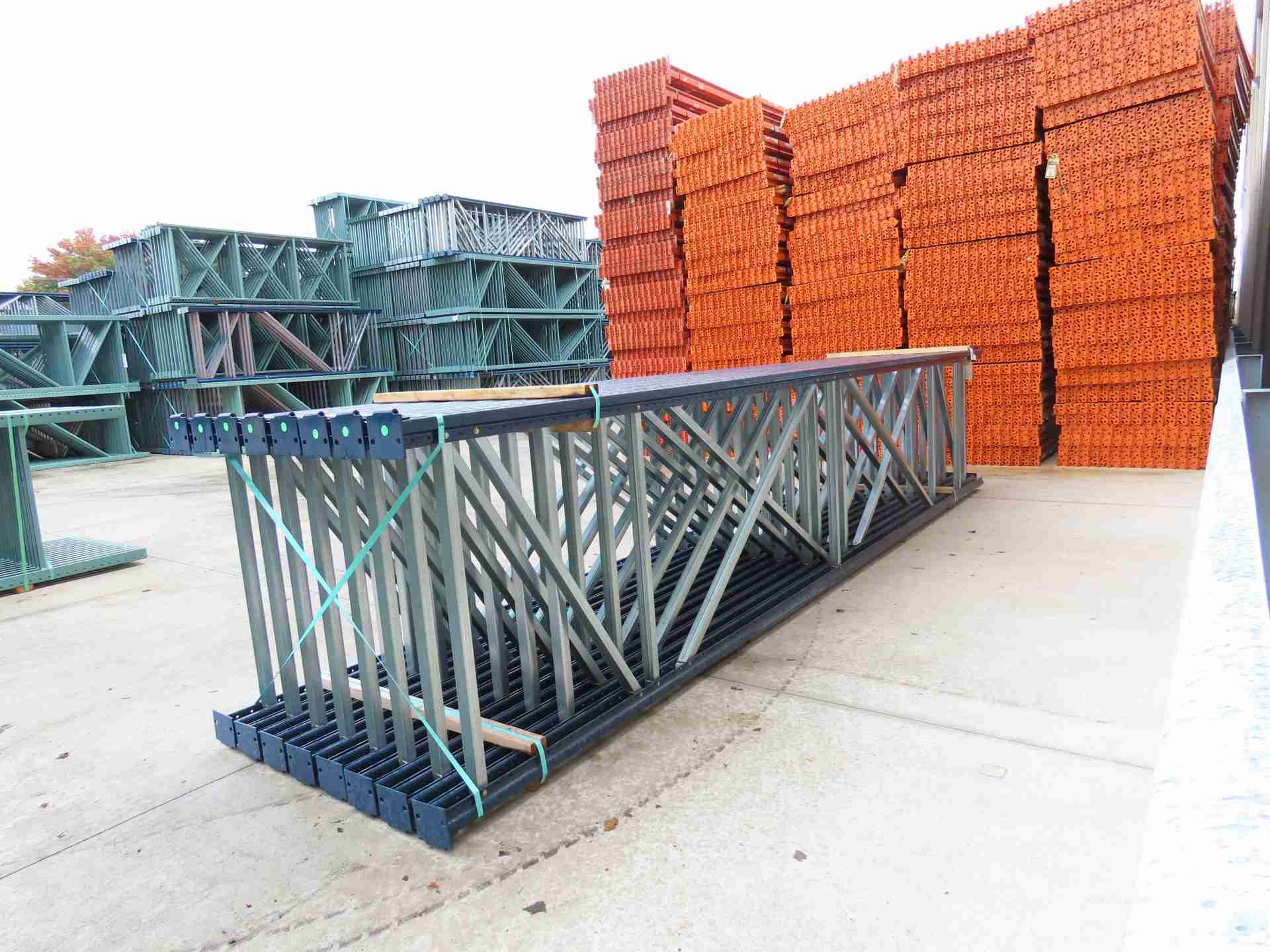
What Are the Benefits Of Monetizing Airspace?
What Are the Benefits Of Monetizing Airspace?
- Monetizing airspace involves rethinking its potential to create jobs and revenue streams.
- Cities can leverage airspace to fund projects like schools and infrastructure without complicated contracts.
- Communities are already witnessing benefits from using airspace creatively.
- Ethically monetizing airspace promotes sustainability by reducing reliance on delivery trucks.
- This approach encourages local collaboration and community engagement.
- Airspace monetization fosters innovation and collective growth within communities.
- Recognizing airspace as a resource can lead to economic progress and environmental benefits.
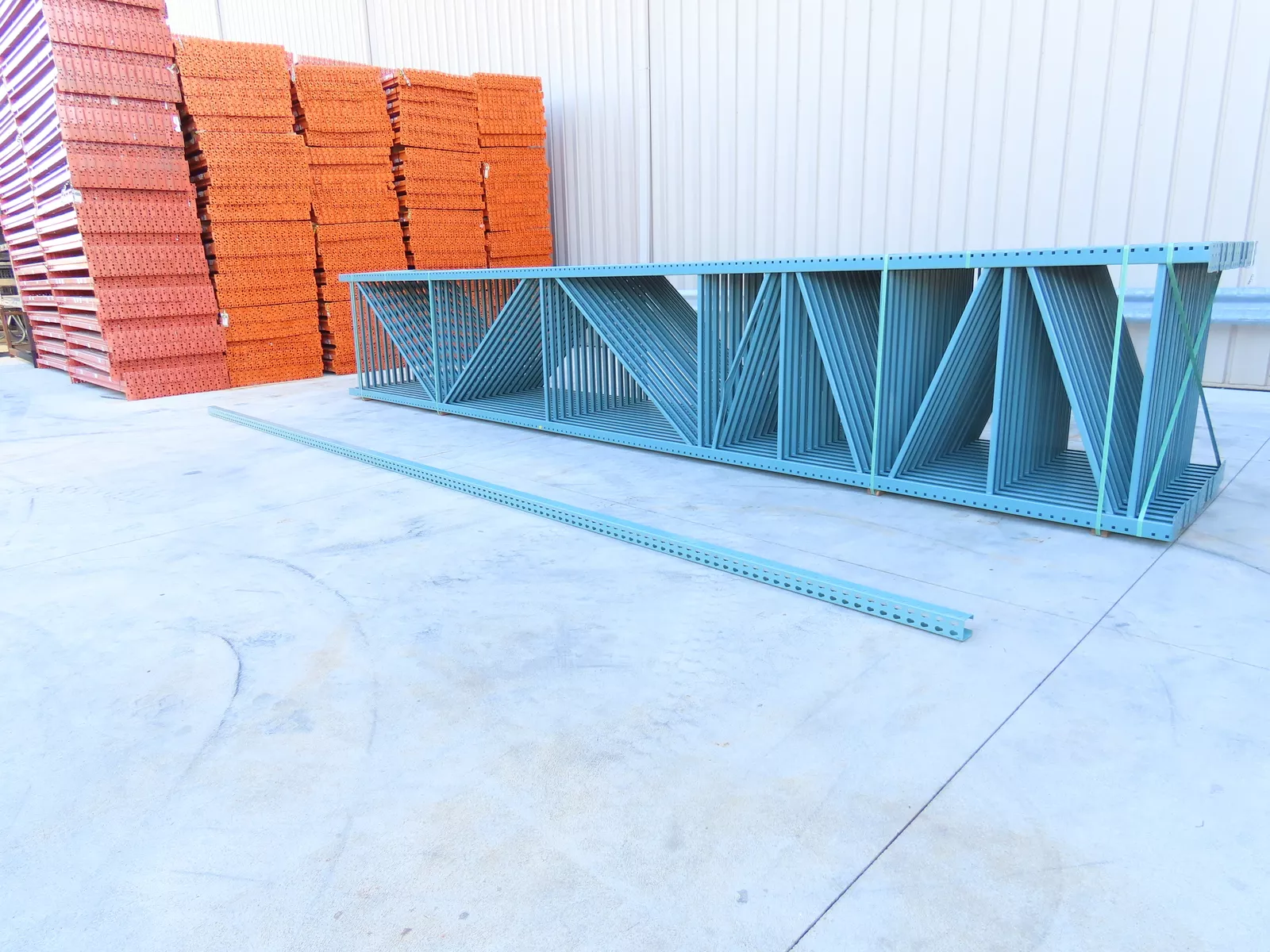
What Are the Benefits Of Monetizing Airspace?
How Do Regulations Impact Airspace Monetization?
When we think about airspace, we often picture the vast skies above our heads filled with planes, each journey an opportunity. But behind the scenes, regulations act like the roads we drive on—essential for safety, direction, and the smooth flow of traffic. These rules shape how we can tap into the potential of our skies, much like they shape our highways.
Racking systems in warehouses illustrate how regulations can dictate efficiency. Just as a well-organized racking system keeps a warehouse running smoothly, regulations help ensure that the airspace is used efficiently and safely. This fosters trust among airlines, businesses, and the public, creating a more predictable environment for commercial ventures.
Let’s get real: the skies aren’t a free-for-all. Regulations dictate who gets to fly where and when. They protect our airspace from chaotic traffic but can also put a damper on innovation. If a new service is stuck in red tape, it’s like watching a good idea gather dust. Consider the small drone company trying to offer delivery services. They face a mountain of regulations that can stifle creativity and slow growth. Yet, those same rules also mean the skies are safer for everyone, and that’s a weighty balancing act.
Emotionally, many of us have a stake in the skies. Remember the thrill of air travel on a family vacation or the distance it brings between loved ones? The regulations surrounding airspace help maintain that joy by making sure every flight is as safe as possible. But when they’re too restrictive, they can stifle progress, leaving advancements like drone deliveries or air taxis grounded.
There’s an ethical side to this, too. Communities want to ensure they’re not just guinea pigs for the latest flying gadgets. Regulations aim to protect neighborhoods from noise and safety hazards, ensuring that while industries develop, the quality of life for residents doesn’t suffer. This bond between community and industry needs nurturing, and regulations play a crucial role in that conversation.
In the louder, faster-paced world we live in, fostering a balance is crucial. The right regulations can pave the way for airspace monetization while ensuring safety and community well-being. Let’s unite our efforts, understanding regulations not as burdens but as essential guides in harnessing the potential of our skies, creating pathways for innovation while keeping our communities grounded in safety and trust.

How Do Regulations Impact Airspace Monetization?
How Do Regulations Impact Airspace Monetization?
- Airspace regulations are essential for safety, direction, and efficient traffic flow.
- Regulations shape how airspace can be utilized, similar to organized racking systems in warehouses.
- They dictate who can fly and when, preventing chaotic air traffic but potentially hindering innovation.
- New services like drone deliveries face challenges due to regulatory hurdles, affecting creativity and growth.
- Regulations also aim to ensure that flights are safe, preserving the joy of air travel for families and individuals.
- Ethically, regulations protect communities from potential noise and hazards associated with new aviation technologies.
- The right balance in regulations can foster airspace monetization while ensuring community safety and well-being.

How Do Regulations Impact Airspace Monetization?
Can You Share Your Airspace Story for Others to Learn?
Every one of us has a story, a moment that changed our perspective on the world above us. Whether it’s witnessing a plane soar over your backyard or experiencing the thrill of your first flight, these moments can shape our understanding of airspace and its significance. Sharing these stories is about more than just the facts; it’s about the feelings, the connections, and the lessons learned.
When I think of airspace, I remember the racking systems at a local airfield. Those steel structures represent not just the machinery of aviation but the hands that built them, the minds that designed them. They remind us that behind every flight, there’s a team dedicated to safety and efficiency, ensuring that the air above us remains accessible while also being secure. Each story we share humanizes this concept. It turns the technical into the relatable, making airspace feel like a community space rather than just an expanse of sky.
Engaging with our airspace narratives can inspire others to think deeply about their own experiences. Maybe you recall the first time you looked up and saw a jet tracing a path across a blue canvas, and it ignited a spark within you. Or perhaps it was watching a loved one fulfill a lifelong dream of flying, each takeoff a testament to hard work and determination. Through our stories, we can highlight the challenges and triumphs we’ve encountered, reminding others that navigating airspace—like life—takes courage, persistence, and sometimes, a little bit of luck.
By sharing these narratives, we not only impart knowledge but also foster a sense of belonging in a larger community. We create a dialogue that opens the floor to both the novice and the expert, bridging gaps in understanding and inviting more voices into the conversation. The beauty of storytelling lies in its power to connect. Each story adds a layer, creating a richer tapestry of experiences that can teach us essential lessons about respect, safety, and responsibility in airspace management.
As we share, we’re not just recounting the past; we’re inviting future generations to embrace the skies. We’re encouraging them to see the beauty in airspace and understand the importance of preserving it. So, bring your stories to the table. Let’s learn from each other, grow together, and ensure that the skies remain a sacred space for all who wish to roam them.

Can You Share Your Airspace Story for Others to Learn?
Can You Share Your Airspace Story for Others to Learn?
- Everyone has a transformative story regarding airspace, shaping perspectives on the world above.
- Moments like witnessing a plane or flying for the first time highlight the significance of airspace.
- Steel structures at airfields symbolize the teamwork and dedication to flight safety and efficiency.
- Sharing stories makes the technical aspects of airspace relatable and fosters a sense of community.
- Engaging with airspace narratives inspires reflection on personal experiences and challenges in flying.
- Storytelling creates dialogue among novices and experts, bridging understanding and inviting diverse voices.
- By sharing, we encourage future generations to appreciate and preserve the beauty of airspace.

Can You Share Your Airspace Story for Others to Learn?
What Ethical Considerations Arise In Airspace Trading?
When we think about airspace trading, a few crucial questions come to mind. Who really owns the air above our heads? Is it ethical to treat airspace like property that can be bought and sold? These questions dig deep, touching on our shared values and the trust we place in each other as a society. Picture a neighbor fighting endlessly for a clear view, only to be told that the sky above is now under someone else’s control. This isn’t just a matter of dollars and cents; it’s about community and connection.
In practical terms, airspace isn’t just a blank canvas for trades. It affects daily lives, from the small-town farmer worried about the buzz of drones overhead to families trying to enjoy a quiet evening without the drone of commercial aircraft. Racking systems, which help manage aircraft storage and logistics, represent a growing industry aimed at maximizing efficiency. However, the ethical challenges here go beyond convenience. We must consider the broader implications of who benefits from airspace trading. Does it disproportionately favor big corporations over everyday people?
It’s essential to recognize the risks and responsibilities that come with changing the very fabric of our airspace usage. As we engage in these trades, we need to build a framework that fosters collaboration rather than division. The narrative of airspace trading often highlights innovation and advancements, but it must also spotlight the potential for displacement and disenfranchisement that comes along with it.
Our approach should be grounded in common sense. Before striking any deals, we ought to think about the long-term impacts on our environment and community relations. Are we preserving the right for future generations to enjoy open skies? Ethical airspace trading isn’t just about the metrics; it’s about striking a balance— paving the way for progress while keeping sight of our values.
It’s not just airspace. It’s about our atmosphere of trust, our sense of belonging, and the integrity of our communities. By fostering conversations that include all voices—especially those who might feel left out—we can build a system that works for everyone. As we navigate this complex new frontier, let’s aim for a solution that resonates deeply, stirring the heart and mind while ensuring that we protect the very air we breathe.

What Ethical Considerations Arise In Airspace Trading?
What Ethical Considerations Arise In Airspace Trading?
- Ownership of airspace raises ethical questions about treating it as property.
- Impact of airspace trading affects daily lives, including concerns from farmers and families.
- Racking systems represent an industry focused on efficiency in aircraft storage and logistics.
- Ethics of airspace trading may disproportionately favor corporations over individuals.
- Risks and responsibilities must be recognized in the changing airspace landscape.
- Long-term impacts on environment and community relations should guide airspace trade decisions.
- Inclusive discussions are necessary to create a fair system that protects community integrity.
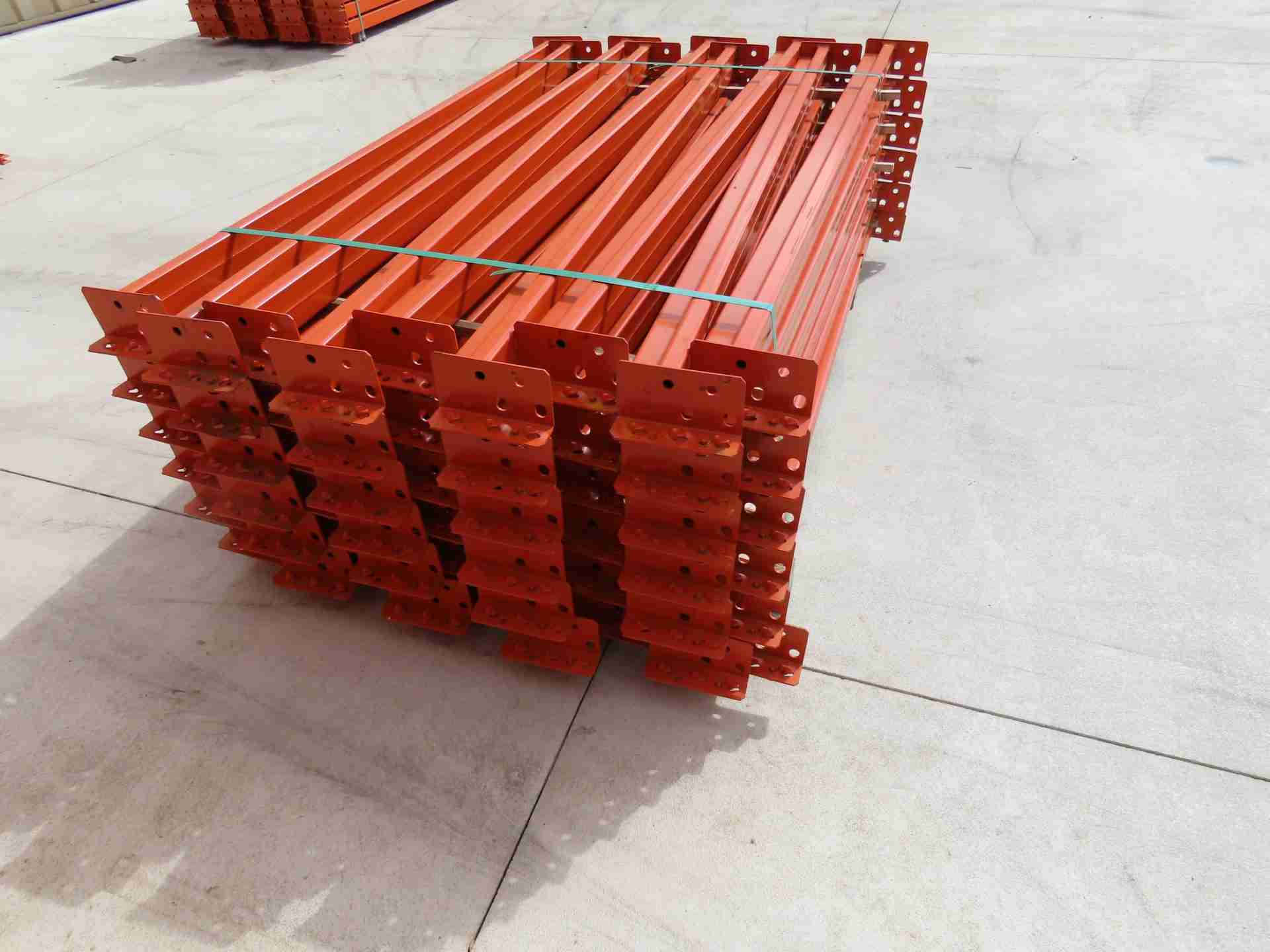
What Ethical Considerations Arise In Airspace Trading?
Which Technologies Best Support Airspace Monetization?
When we talk about airspace monetization, we’re diving into a world where innovation meets the nuts and bolts of everyday operations. Racking systems, those sturdy frameworks that hold everything from shipping containers to tools in our warehouses, serve as a metaphor for how we can structure and optimize airspace management. Much like a well-organized storage area, a well-structured airspace allows for seamless flow, minimizing bottlenecks, maximizing efficiency, and ultimately, generating revenue.
Consider the integration of advanced technologies like drone delivery systems and automated traffic management software. These are not just flashy gadgets; they represent the shift towards a more efficient future. They enable us to utilize airspace in ways we never thought possible, ensuring that every square foot is put to good use. When you think about it, drone systems can help small businesses reach customers faster, breaking down barriers that at one time seemed solid as a concrete wall. This is a game changer for local economies, empowering entrepreneurs while keeping our skies safe and open.
Then there are data analytics tools, which serve as our guiding compass in this expansive airspace. They analyze patterns, predict demands, and even optimize flight paths. Imagine being able to see which routes are most profitable, not just from a financial standpoint but also from a safety perspective. When every decision becomes data-driven, trust builds not just within the industry but with the public who depend on these services. People want to know their skies are managed effectively and that innovation doesn’t come at the cost of their safety.
Moreover, technology isn’t just about numbers. It’s about the human stories behind those numbers. Think of the family-run delivery service that can now expand its reach, or the small-town business that can compete with larger corporations. When we implement these technologies, we’re not just optimizing airspace—we’re fostering dreams, fueling ambitions, and building a community where everyone has the capability to soar.
Let’s not forget the ethical responsibility that comes with these advancements. Ensuring fair access to airspace resources not only builds trust but encourages collaboration among businesses big and small. The air above us is a shared space; leveraging technology to monetize it responsibly reflects our commitment to community and sustainability.
In this evolving landscape, embracing these technologies offers a path forward—a bridge connecting aspiration with reality, ensuring that the skies belong to everyone. By integrating these tools effectively, we can pave the way for brighter skies and a more prosperous future for all, showing that when we work together, even the sky isn’t the limit.
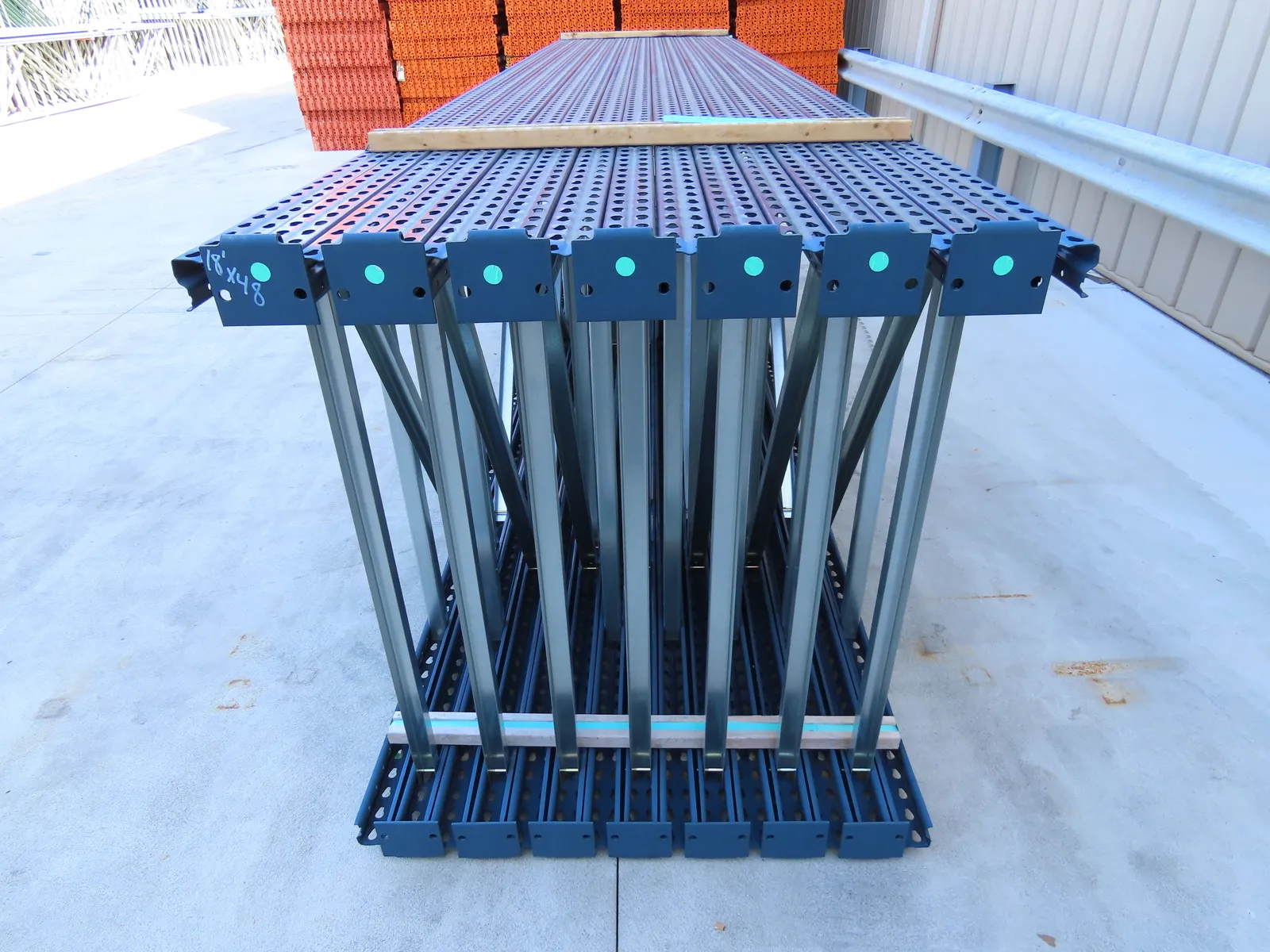
Which Technologies Best Support Airspace Monetization?
Which Technologies Best Support Airspace Monetization?
- Airspace monetization involves innovative management to optimize operations and revenue generation.
- Racking systems serve as a metaphor for structured airspace management, ensuring efficiency and flow.
- Advanced technologies, like drone delivery and automated traffic management, enable better utilization of airspace.
- Drone systems can empower small businesses and enhance local economies by improving delivery speeds.
- Data analytics tools help optimize flight paths and build public trust by ensuring safe and efficient airspace management.
- Technological advancements also highlight human stories, supporting local businesses and community aspirations.
- Ethical responsibility is crucial for fair access to airspace resources, promoting collaboration and sustainability.
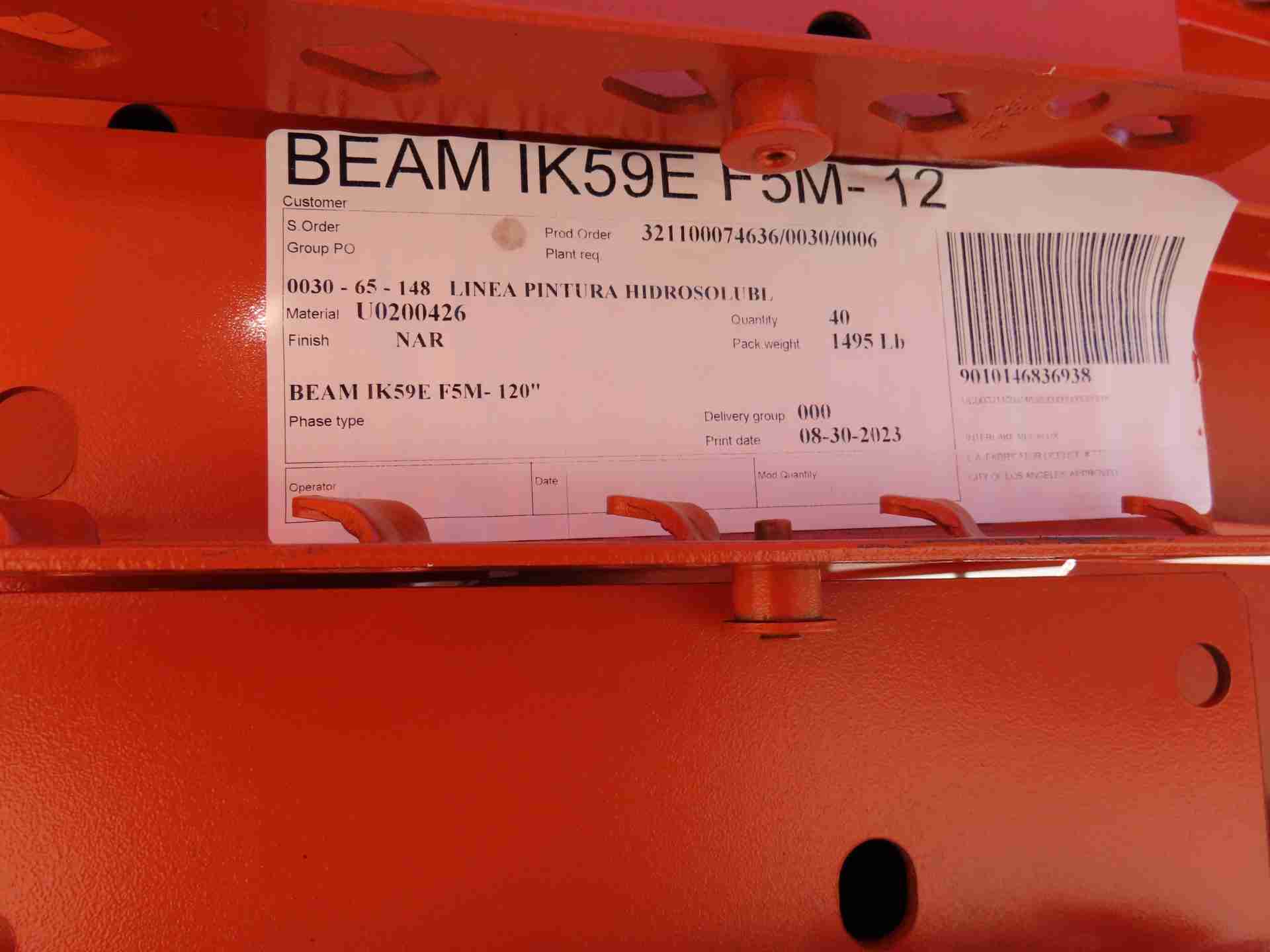
Which Technologies Best Support Airspace Monetization?
Conclusion
Monetizing airspace presents a practical path to generate income and foster community connections. Much like organizing a cluttered warehouse with a well-placed racking system, utilizing the airspace overhead can significantly streamline and enhance local business opportunities. Property owners with rooftops or open areas can lease their airspace for innovative uses like drone deliveries or aerial advertising, creating new revenue streams without considerable investments. This approach not only benefits individuals but also supports local businesses in finding fresh avenues for visibility.
Engaging the local market through such initiatives can help cultivate relationships within the community, encouraging collaboration and shared success. This narrative builds trust, showcasing real examples of how ordinary people have transformed their airspace into profitable ventures. It’s about inspiring others by demonstrating that monetizing airspace is not a distant dream but an accessible reality.
On the regulatory front, understanding and navigating local laws is crucial. Complying with these regulations not only ensures safety but also builds credibility with potential partners. This transparency paves the way for smoother operations and reinforces community trust. It’s essential to consider the implications of airspace usage—ensuring it remains a shared resource while maximizing economic benefits.
Moreover, the ethical dimensions of airspace monetization can’t be overlooked. This initiative should reflect a commitment to sustainability and community well-being, highlighting the need for responsible practices that protect neighborhood quality and promote a unified approach. As businesses explore airspace opportunities, they can actively work to enhance their local environments, creating jobs and contributing to a thriving economy.
The overarching message is that monetizing airspace is about more than just profit—it’s about nurturing relationships and innovation within communities. As local residents and entrepreneurs come together to share ideas and resources, they strengthen their neighborhoods and inspire future generations to embrace the possibilities above. With hands-on effort and grounded strategies, airspace can be transformed into a mutual benefit for all involved, fostering an environment ripe for growth, opportunity, and connection. So let’s get to work, recognizing that the potential above our heads is waiting to be tapped for the shared good.
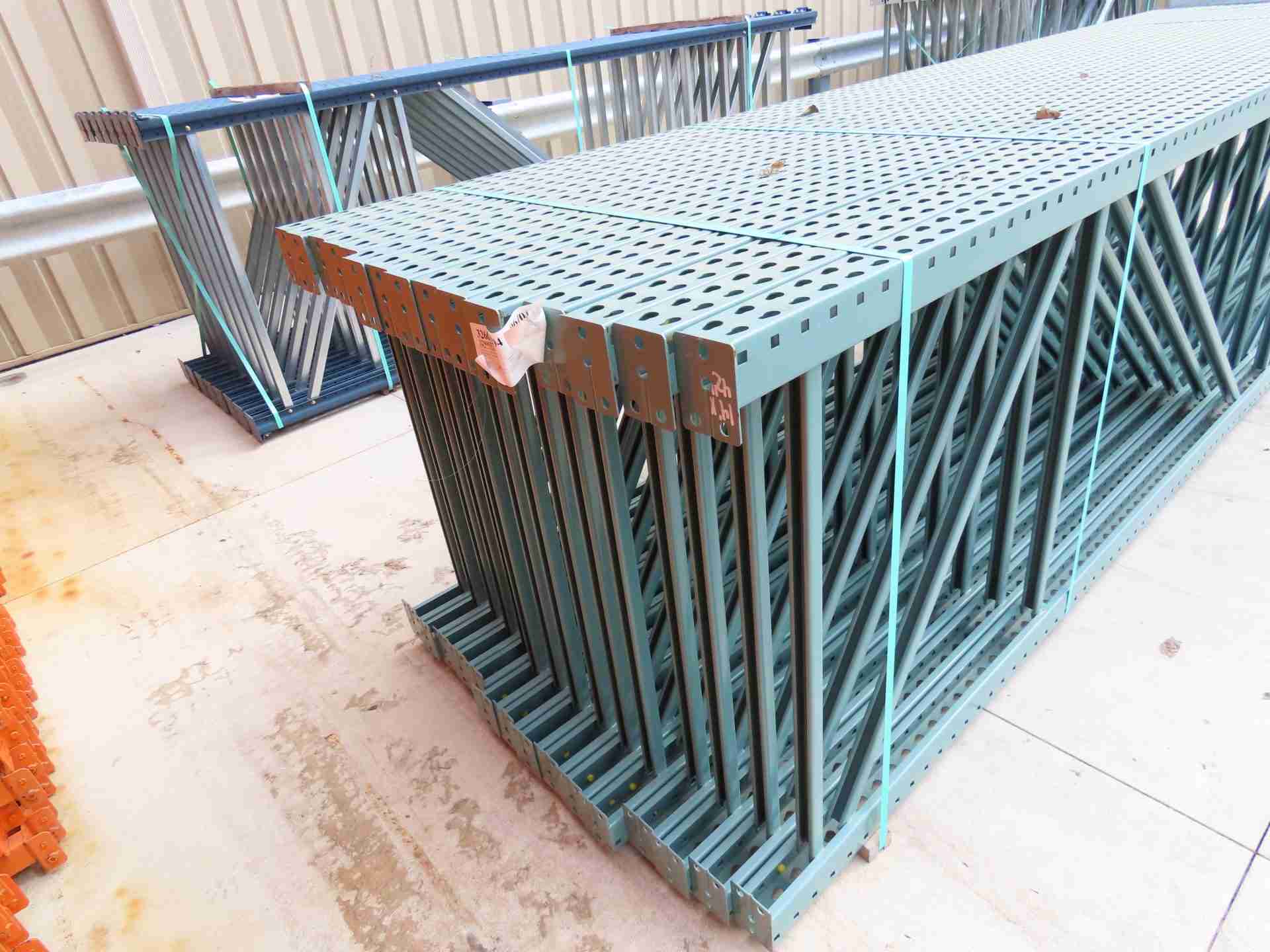
Conclusion
Conclusion:
- Monetizing airspace offers a viable way to generate income and strengthen community ties.
- Property owners can lease airspace for uses like drone deliveries and aerial advertising, creating new revenue without heavy investment.
- This approach helps local businesses gain visibility and find fresh opportunities.
- Engagement initiatives can build community relationships and encourage collaboration for shared success.
- Navigating local regulations is essential for safety and credibility with potential partners.
- Ethics and sustainability should guide airspace monetization to ensure neighborhood quality and unity.
- Ultimately, monetizing airspace fosters innovation and relationships that benefit communities and inspire future generations.
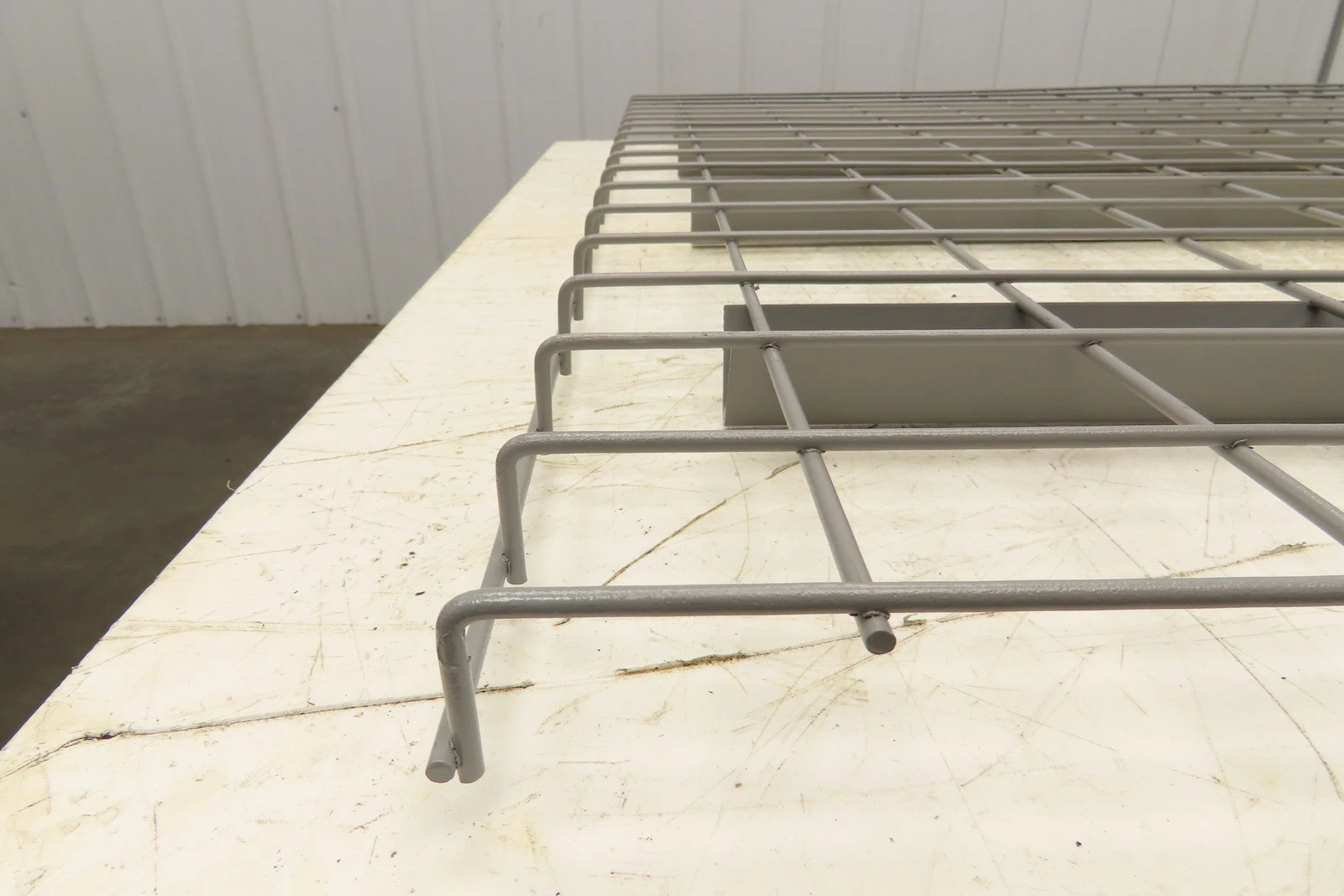
Conclusion
Other Resources

Other Resources
Here is a list of other resources you can review online to learn more:
- Warehouse Racking System: Powerful Guide to Optimise, 2024
- Heavy-Duty Cantilever Storage Racks
- Chicago Pallet Racking
- Rack Manufacturers Institute
- Material Handling Industry
- Cantilever Rack Configuration & Installation: A Comprehensive Guide – BMH
- What is Selective Racking: Understanding Benefits & Options
- Shipping Boxes, Packaging Materials, Pallet Racking
- Iowa Illinois Warehouse Racking
- National Safety Council
- Illinois Pallet Racking – WPRP
- Chicago Pallet Racking
- Pallet Racks, Pallet Racking, Pallet Shelves in Stock – ULINE
- Interlake Mecalux
- Interlake Mecalux
- Teardrop Pallet Rack – Ridg-U-Rak
- What is Selective Pallet Racking
- Warehousing and Fulfillment
- MHI
Use This Prompt To Get More Resources With Your Favorite Online AI Tool: Please provide me with a list of online articles with their URLs in a bulleted list that I can read regarding How to Monetize Your Airspace
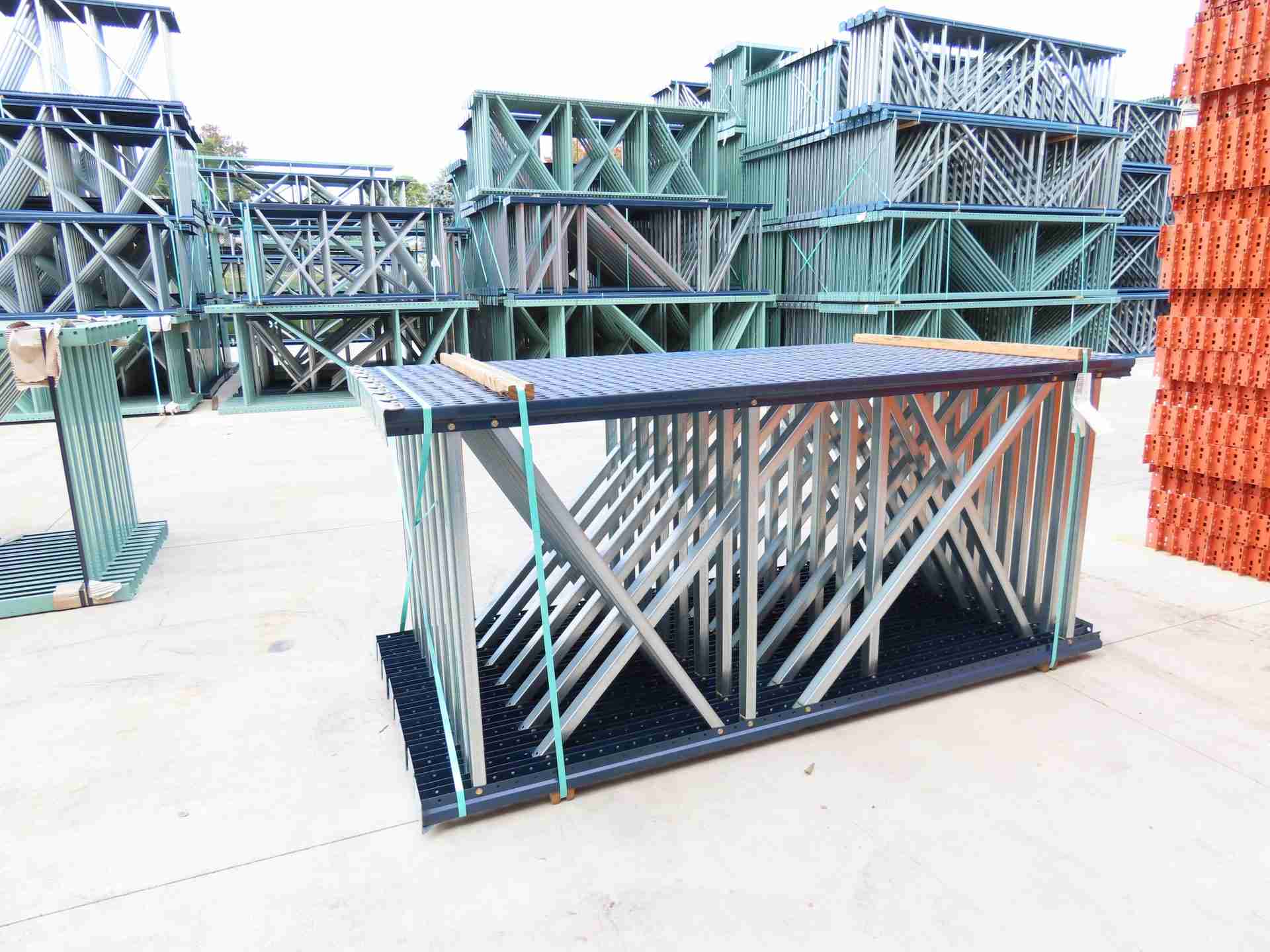
Other Resources
Glossary Terms
How to Monetize Your Airspace – Glossary Of Terms
1. Airspace: The space above the Earth’s surface, where aircraft operate and are managed by regulatory authorities.
2. Monetization: The process of generating revenue from a resource or asset.
3. Drone: An unmanned aerial vehicle (UAV) that can be used for various commercial and recreational purposes.
4. Air Traffic Management: The coordination of aircraft movements in the airspace to ensure safety and efficiency.
5. Flight Paths: The designated routes that aircraft follow during takeoff, flight, and landing.
6. Regulatory Framework: The set of laws and regulations governing airspace use and management.
7. Aerial Advertising: Using aircraft to display promotional messages or images in the sky.
8. Leasing: Renting out airspace or the right to operate within it for commercial purposes.
9. Land Use: The management of land and airspace for various activities, including commercial and agricultural use.
10. Airshare: A platform or service that allows for the sharing of airspace among different users, optimizing usage.
11. Infrastructure: The physical and organizational structures necessary for the operation of air traffic and drones.
12. Vertical Takeoff: A type of aircraft maneuver where the vehicle ascends vertically, often associated with drones.
13. Skyports: Designated locations for the takeoff and landing of airborne vehicles, including drones and air taxis.
14. Remote Sensing: The acquisition of information about an area from a distance, often using drones for data collection.
15. Air Traffic Control (ATC): The service that manages aircraft movements in controlled airspace to prevent collisions.
16. Smart Airspace: Airspace where technology optimizes usage and enhances safety through automation and data analytics.
17. Delivery Services: Using drones or other aerial vehicles to transport goods to consumers.
18. Cargo Drones: Unmanned aerial vehicles designed specifically for transporting goods and freight.
19. Airspace Brokers: Individuals or companies that facilitate transactions for the use of airspace.
20. Surveillance: The monitoring of areas from the air, often using drones for security or research purposes.
21. Urban Air Mobility: The use of air transportation systems within urban areas, often involving drones and air taxis.
22. Environmental Impact: The effects of airspace activities on the surrounding environment, including noise and emissions.
23. Payload: The cargo or equipment carried by a drone or aircraft for commercial purposes.
24. Telecommunications: Utilizing airspace for the transmission of data and communication signals via aerial platforms.
25. Autonomous Drones: Drones capable of flying and navigating without direct human control.
26. Sky Coverage: The extent of airspace that can be utilized for various aerial operations and services.
27. Commercial Operations: Business activities conducted using aircraft, including aerial photography and surveying.
28. Pilot Certification: The regulatory requirement for individuals operating aircraft or drones to undergo training and testing.
29. Airspace Compliance: Adhering to regulations and guidelines when utilizing airspace for commercial purposes.
30. Innovation: The introduction of new methods, ideas, or products in the commercialization of airspace.
Glossary Of Terms
Other Questions
How to Monetize Your Airspace – Other Questions
If you wish to explore and discover more, consider looking for answers to these questions:
- Who legally owns the airspace above private property?
- What local, state, and federal permits are required to monetize airspace?
- How doFAA rules and UAS/airspace regulations affect drone operations?
- What zoning or municipal restrictions might apply to airspace use?
- How do you determine safe altitude limits and flight corridors for drone activity?
- What liability and insurance coverage do I need to lease or sell airspace access?
- How are noise and nuisance complaints handled for drone operations?
- What privacy laws apply to aerial photography and drone surveillance?
- How do you draft contracts or licenses for airspace leases or usage agreements?
- What are common revenue models (lease, license, revenue share, advertising) for airspace monetization?
- How should airspace pricing be determined and what market rates look like?
- What taxes or fees apply to income from airspace monetization?
- How do you split revenue with local businesses, property owners, and municipalities?
- What technical infrastructure (charging stations, landing pads, comms) is required?
- How do structural considerations (roof load, access, permitting) affect rooftop use?
- What cybersecurity and data-protection measures are necessary for drone operations?
- How do UTM (Unmanned Traffic Management) systems integrate with local airspace?
- What are the safety protocols for takeoff, landing, and emergency procedures?
- How do you vet and certify drone operators or delivery partners?
- What are the FAA/authority requirements for Beyond Visual Line of Sight (BVLOS) operations?
- How do no-fly zones and nearby airports impact airspace monetization plans?
- What environmental impacts should be assessed (wildlife, emissions, noise pollution)?
- How do you address equity and access so smaller businesses can benefit?
- What community engagement or consent processes are recommended?
- How do you resolve disputes between neighbors, businesses, and operators?
- What are the ethical implications of selling or trading airspace rights?
- How can municipalities use airspace revenue for public projects effectively?
- What case studies or real-world examples exist of successful airspace monetization?
- What are the upfront and ongoing costs versus expected ROI?
- How long does it typically take to get approvals and launch an airspace service?
- What liability risks exist for property damage or personal injury caused by drones?
- How do payload limits, drone classes, and performance characteristics affect service offerings?
- What maintenance and operational staffing is required to support drone services?
- How do weather and seasonal conditions affect drone operations and scheduling?
- What standards and certifications should equipment and operators meet?
- How can small property owners realistically participate and compete with larger players?
- What are the best practices for advertising or branding on drones or in the airspace?
- How will future technologies (air taxis, autonomous cargo aircraft) change airspace opportunities?
- How do international regulations differ if operations cross borders or involve international partners?
- What dispute-resolution and contract-termination clauses are important in airspace agreements?
- How do emergency services and first responders coordinate with commercial drone traffic?
- What monitoring and compliance reporting is required to keep operations legal?
- How do you measure performance, safety, and community impact after launching an airspace program?

Other Questions
Checklist
How to Monetize Your Airspace – A Checklist
Purpose and Use Cases
✅______ Define revenue targets and timeline
✅______ Select primary use cases: drone delivery, aerial imaging/photography, and drone-borne advertising
✅______ Identify secondary use cases: rooftop landing and launch pads; sensor hosting (weather and air quality); events and filming
Asset Inventory and Site Survey
✅______ List all properties with rooftops or open-air volumes
✅______ Capture GPS coordinates, rooftop elevation, and surrounding obstacle heights
✅______ Assess approach and departure paths, line of sight, and potential congestion
✅______ Verify access, power availability, and secure storage areas
✅______ Map noise-sensitive neighbors, schools, hospitals, and wildlife areas
Market and Partnerships
✅______ Identify local businesses needing delivery, imaging, or advertising
✅______ Build a prospect list and outreach plan
✅______ Draft pilot program terms and MOUs with initial partners
✅______ Establish pricing models (flat fee, per operation, and revenue share)
Regulatory and Legal Baseline
✅______ Confirm the governing aviation authority and applicable rules
✅______ Verify property air rights, overflight allowances, and easements
✅______ Check zoning, HOA/CC&R restrictions, and signage/advertising codes
✅______ Address privacy, data protection, and nuisance and noise ordinances
✅______ Ensure operator credentials (remote pilot certification) and approvals (night, over people, and BVLOS where applicable)
✅______ Set up LAANC and airspace authorization processes if required
✅______ Obtain insurance (general liability, aviation/drone, cyber/data, and property) and define additional insureds
✅______ Prepare contracts: airspace license, SLAs, indemnity, termination, data ownership, incident responsibilities, and confidentiality
Site Design and Operations
✅______ Designate launch and landing zones and safe buffer areas
✅______ Implement access control, markings, and basic rooftop safety provisions
✅______ Define operating hours and noise windows
✅______ Establish standard operating procedures (scheduling, pre- and post-flight checks, and weather minima)
✅______ Define contingency and abort paths and ground-hold procedures
✅______ Set up recordkeeping for flights, maintenance, and incidents
Technology Stack
✅______ Select drone service providers or operators
✅______ Implement UTM provider connectivity and Remote ID compliance
✅______ Configure geofencing and traffic deconfliction tools
✅______ Choose dispatch and mission control software and data logging
✅______ Plan charging and power, landing aids and markers, and connectivity (LTE, 5G, or Wi‑Fi)
✅______ Define data retention and access controls for imagery and telemetry
Financials and Pricing
✅______ Build a CAPEX/OPEX budget and ROI model
✅______ Create a rate card (per flight, per hour, per parcel, and ad impressions)
✅______ Set billing, invoicing, and payment terms (including deposits or escrow if needed)
✅______ Account for taxes, permits, and regulatory fees
Community and Ethics
✅______ Map stakeholders (neighbors, local businesses, schools, and officials)
✅______ Publish a transparency statement (purpose, hours, and contact)
✅______ Provide privacy and noise commitments and an opt-out and complaint channel
✅______ Outline equitable access considerations for small and local businesses
✅______ Assess environmental impacts and mitigation (routes, timing, and equipment)
Marketing and Storytelling
✅______ Collect baseline metrics (delivery times, emissions avoided, and local spend)
✅______ Secure permissions for case studies, photos, and testimonials
✅______ Prepare a media kit and an outreach plan to local press and community groups
✅______ Document success stories and share results with partners and neighbors
Launch and Scale
✅______ Define pilot scope, KPIs, and success thresholds
✅______ Train staff and partners on processes and tools
✅______ Run a limited pilot and capture performance and feedback
✅______ Conduct a post-pilot review and implement improvements
✅______ Plan phased expansion to additional sites or services
Maintenance and Continuous Improvement
✅______ Schedule periodic audits for compliance, insurance, and contracts
✅______ Track regulatory changes and update procedures
✅______ Review partner performance and renegotiate terms as needed
✅______ Monitor community feedback and adjust operations
✅______ Optimize pricing and routes using operational data and analytics
Checklist
At RackingWorld, we help guide you through selecting warehouse storage systems and racking.
Be sure to read our other related stories at RackingWorld to learn more about warehouse storage systems.
0 Comments