
Protecting People And Profits: The Ethical And Practical Guide To Combining Used And New Racks
By Tom Seest
At RackingWorld, we help guide you through selecting warehouse storage systems and racking.
Be sure to read our other related stories at RackingWorld to learn more about warehouse storage systems.
How to Mix Used and New Racks Without Compromising Safety
When it comes to racking systems, the stakes are high. Mix new and used racks and you tread a fine line between efficiency and catastrophe. Here’s the thing: warehouses are where dreams meet the daily grind. They hum with a rhythm fueled by hard work, innovation, and a relentless pursuit of excellence. But beneath that surface lies the unyielding truth: safety must always be front and center.
Picture this: a crew of dedicated workers hustling, boxes stacked to the ceiling, orders flying out the door—all dependent on that racking system. Each shelf, each bolt, every inch of space is your lifeline. Mixing used and new racks can give you the flexibility you need, but without the right approach, it can also invite a shadow of risk to loom over your operation. So where do you start?
Begin with a thorough inspection. Treat those used racks like a seasoned explorer examining a treasure map; look for any signs of wear, rust, or structural damage. It’s not just a checklist; it’s about ensuring your very foundation is as strong as the dreams you’re building on top of it. Be your own authority here. You wouldn’t drive a car with worn-out brakes; similarly, don’t set your warehouse up for failure with compromised equipment. Consult with experts who know the ins and outs of racking. Their wisdom isn’t just a suggestion; it’s an opportunity to connect with decades of knowledge.
Next, embrace compatibility. Maintaining uniformity in design and load capacity between your used and new racks is crucial. That’s your gut instinct kicking in—your intuition shouting that what goes up must stay up. Mixing the old with the new doesn’t mean tossing safety to the wind; it means being smart about it. You can blend efficiencies while keeping integrity intact.
Remember, the people who work under that racking system aren’t just employees—they’re part of your team, your family. Their safety can’t be an afterthought. By fostering an environment where safety is prioritized, you’re not just creating a workspace; you’re cultivating trust, confidence, and camaraderie. And that’s the core of any successful operation. Choose wisely, act responsibly, and together you can stack up success without the risk of it all crashing down.
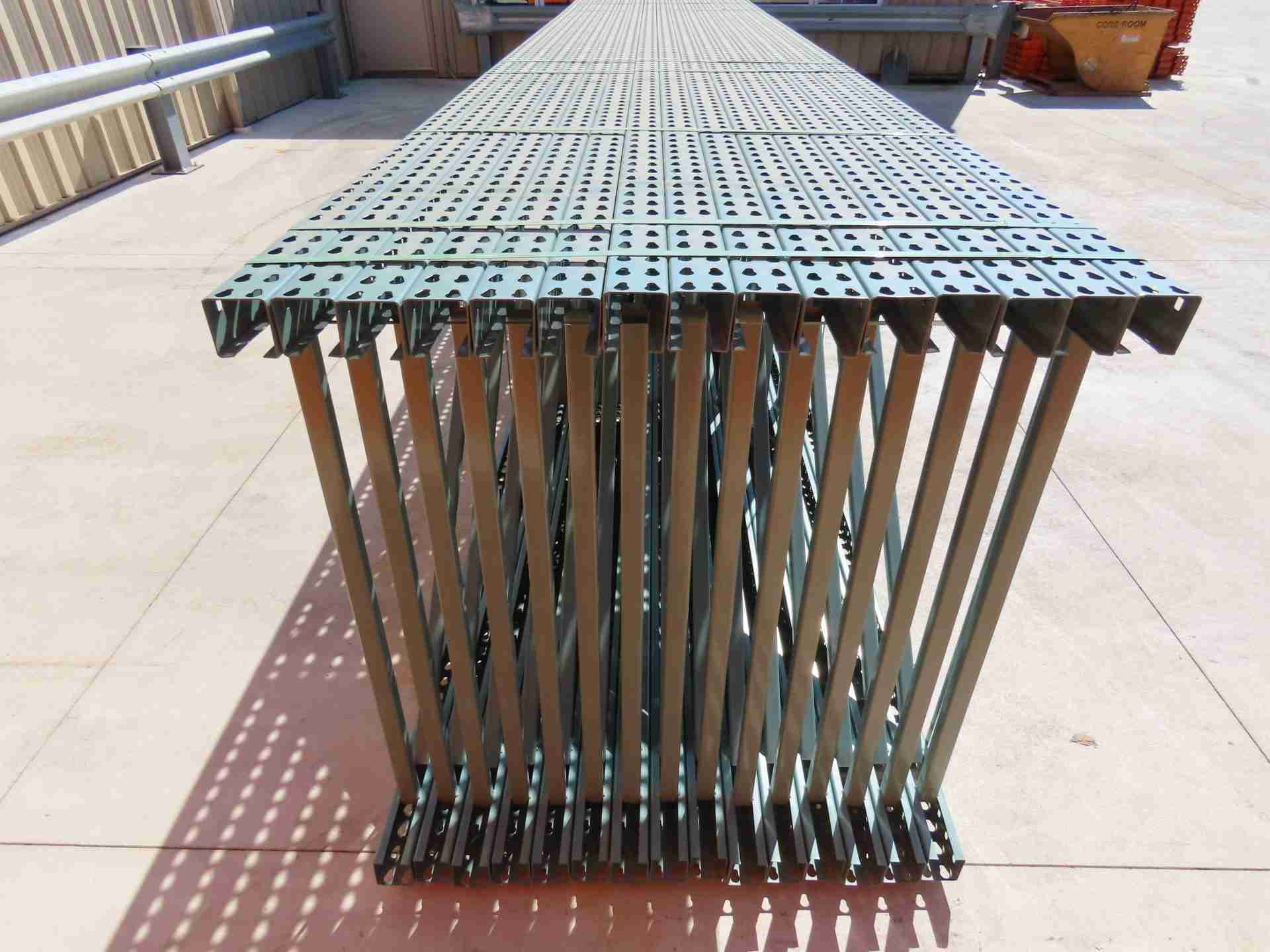
How to Mix Used and New Racks Without Compromising Safety
How to Mix Used and New Racks Without Compromising Safety
- Mixing new and used racking systems requires careful consideration of efficiency and safety.
- Warehouses are dynamic environments that rely heavily on effective racking systems.
- Conduct thorough inspections of used racks to identify any signs of wear or damage.
- Consulting with racking experts can significantly enhance safety and effectiveness.
- Uniformity in design and load capacity between new and used racks is essential for safety.
- Prioritizing safety fosters trust and camaraderie among workers in the warehouse.
- Responsible decision-making in racking systems can lead to successful operations without risks.
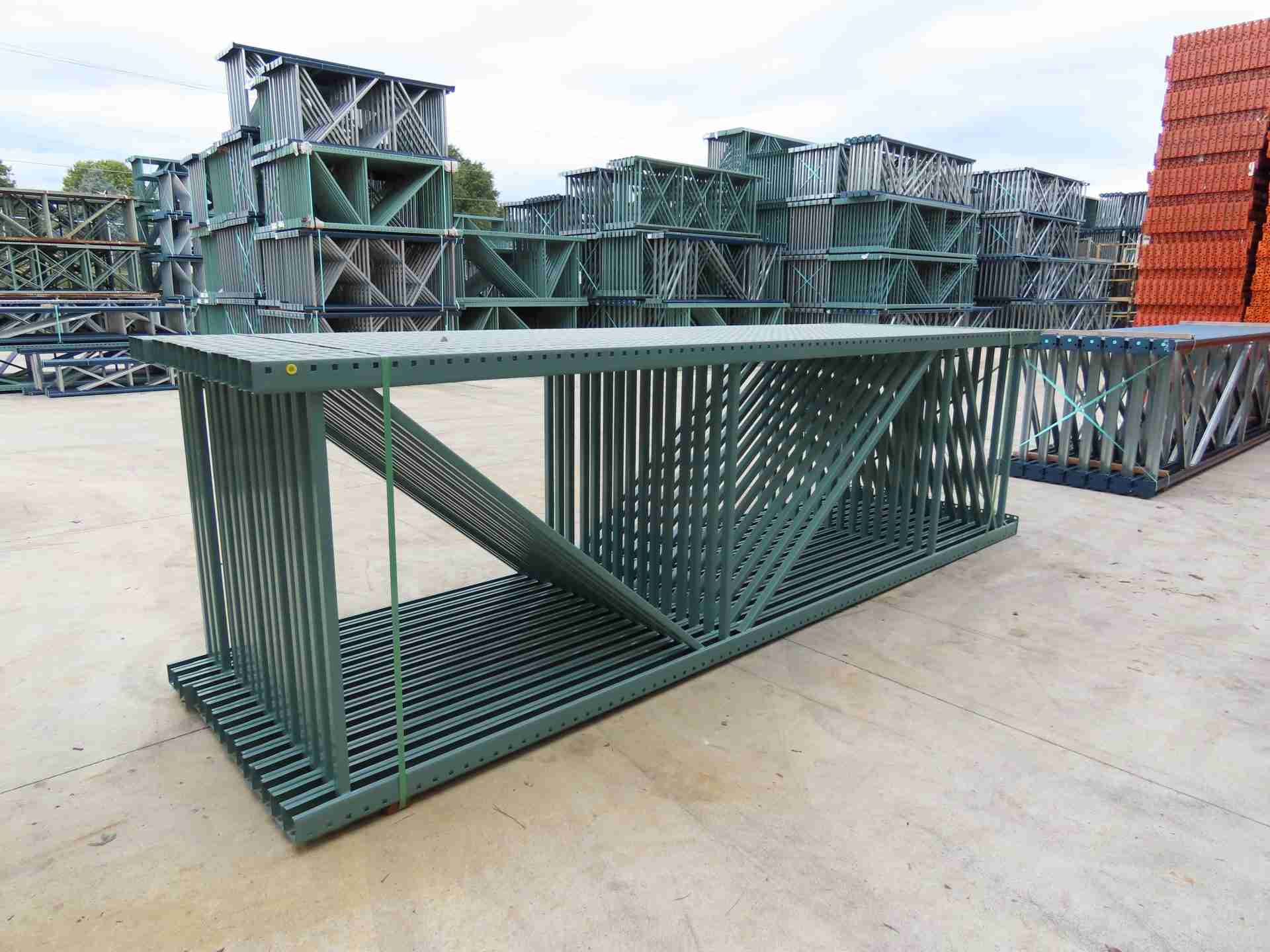
How to Mix Used and New Racks Without Compromising Safety
Table Of Contents
- How to Mix Used and New Racks Without Compromising Safety
- What Are the Emotional Impacts Of Using Unsafe Storage Racks?
- How Can We Ensure Safety Standards for Both New and Used Racks?
- What Ethical Responsibilities Do Businesses Have In Rack Selection?
- How Can Mixing Racks Affect Overall Workplace Safety and Efficiency?
- What Guidelines Exist for Integrating Used Racks with New Ones?
- Conclusion
- Other Resources
- Glossary Of Terms
- Other Questions
- Checklist
What Are the Emotional Impacts Of Using Unsafe Storage Racks?
When it comes to the spine of any warehouse or storage facility, racking plays a pivotal role in organizing goods and boosting productivity. But let’s pull back the curtain for a moment and explore the unseen emotional impacts of relying on unsafe storage racks. Imagine walking through a bustling warehouse, the air thick with anticipation and purpose. Employees are maneuvering around, focusing on their tasks, when suddenly, a loud crash interrupts the rhythm. A poorly designed rack buckles, and with it, the collective breath of the room is held tight, hearts racing. It’s not just the physical safety of employees that’s on the line—it’s the emotional fabric of your workplace.
When workers are surrounded by subpar racking systems, a pall of anxiety lingers. Trust begins to erode. They know that behind those metal beams, their lives hang in the balance. The weight of worry can stifle motivation, stalling productivity and ingenuity. An employee’s peace of mind isn’t just a perk; it’s a necessity. When people feel safe, they’re empowered to innovate, collaborate, and passionately contribute to the company’s success.
Now, let’s consider the rational side. Unsafe racks can lead to costly accidents that go beyond the immediate fallout—injuries, lost time, and damaged goods. Research shows that organizations with a focus on safety and proper equipment see lower turnover rates, higher employee morale, and ultimately, better profit margins. It’s not just about avoiding disaster; it’s about fostering a culture where safety is a priority, where everyone feels valued, and every employee’s well-being is paramount.
Ethically, we have a responsibility to protect each other. A safe workplace isn’t merely compliance with regulations; it’s a commitment to our fellow human beings. By investing in proper racking, we demonstrate respect for our employees and acknowledge their dedication.
Think about the narratives we tell ourselves and each other about workplace safety. When a company prioritizes top-tier storage solutions, it sends a message: people matter. You’re not just an employee; you’re part of a community that cares. That sense of camaraderie can ripple through the organization and lead to better collaboration, higher morale, and an environment where creativity thrives.
The consequences of ignoring unsafe racking systems extend beyond the warehouse walls. They affect families, communities, and livelihoods. So let’s do better; let’s forge a commitment to safety together. Every beam, every bolt, counts. Because when it comes down to it, a safe workplace isn’t just desired—it’s deserved.
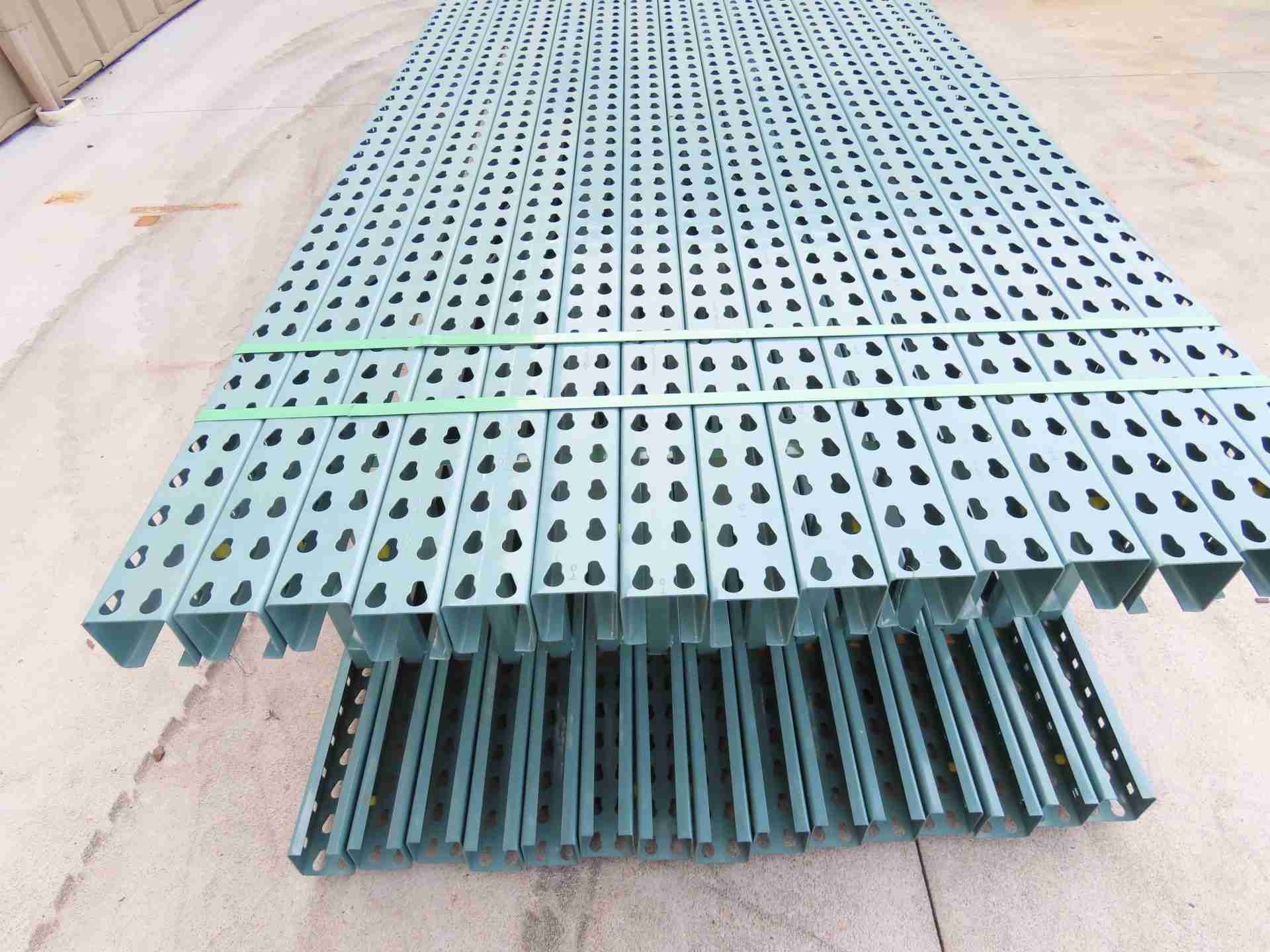
What Are the Emotional Impacts Of Using Unsafe Storage Racks?
What Are the Emotional Impacts Of Using Unsafe Storage Racks?
- Racking systems are essential for organizing goods and enhancing productivity in warehouses.
- Unsafe storage racks can lead to anxiety among employees, impacting their trust and motivation.
- A safe workplace fosters innovation, collaboration, and employee contribution to company success.
- Unsafe racks can cause costly accidents, resulting in injuries, lost time, and damaged goods.
- Organizations prioritizing safety benefit from lower turnover rates and higher employee morale.
- A commitment to safety reflects respect for employees and reinforces a sense of community.
- Neglecting safety affects not only the workplace but also families and communities.
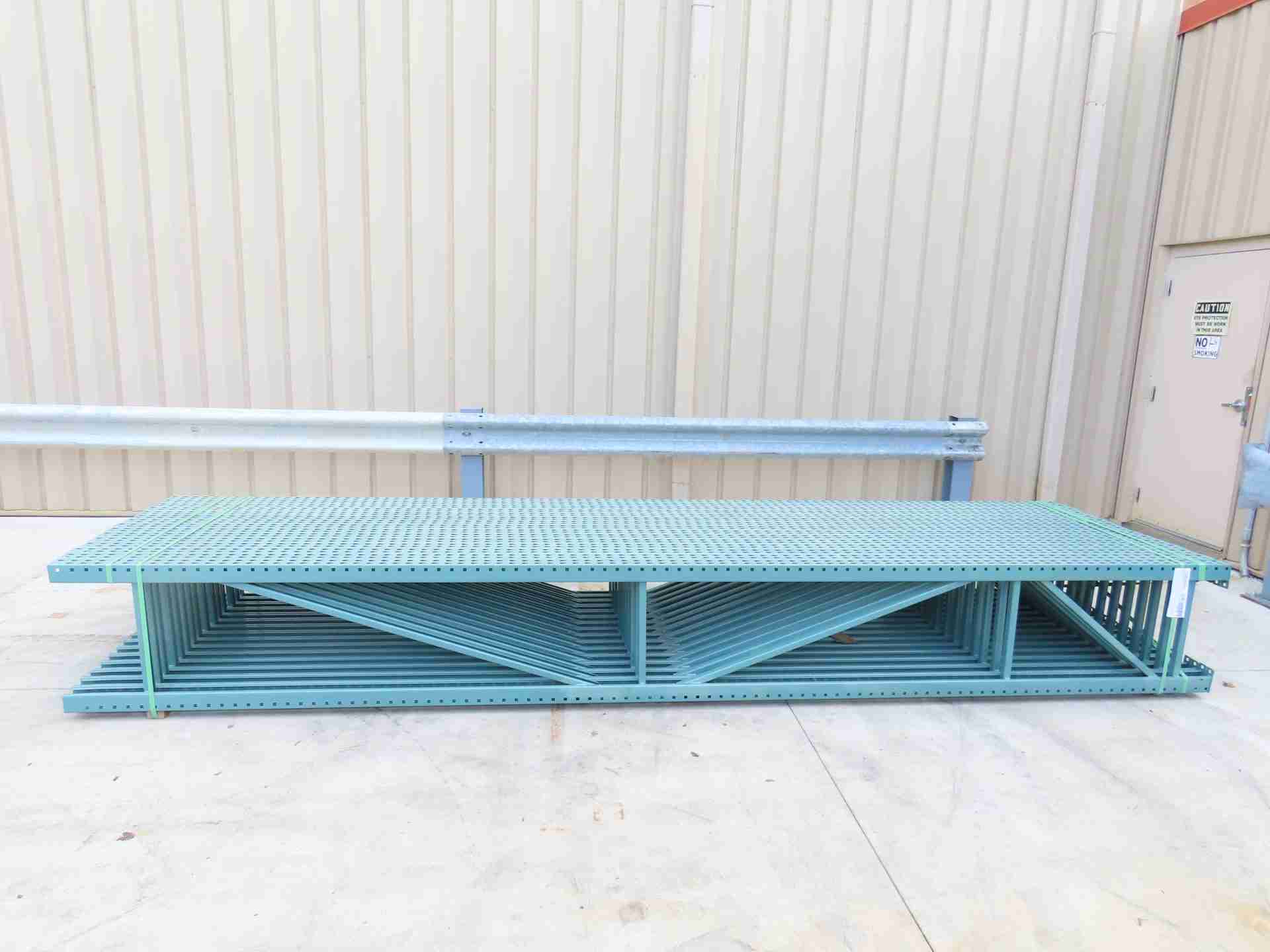
What Are the Emotional Impacts Of Using Unsafe Storage Racks?
How Can We Ensure Safety Standards for Both New and Used Racks?
In the world of racking systems, safety isn’t just a protocol—it’s a promise. A promise we make not only to ourselves but to every person who walks into a warehouse, every worker who stocks a shelf, and every family relying on the products stored within those metal frames. We often hear the term “safety first,” but how do we turn that into an actionable guide? It begins with a shared understanding of responsibility and vigilance.
First off, let’s talk about our duty to each other. Whether you’re inspecting a brand-new racking system or assessing a well-loved, used unit, there’s an ethical responsibility to ensure safety standards are met. This isn’t just about ticking boxes; it’s about creating a workplace where everyone feels secure. Think about that moment of panic when a faulty rack buckles under pressure—it’s a fear for personal safety that can shake even the toughest among us. To avoid that spine-chilling scenario, rigorous inspections are essential. Experts in the field, trusted authorities, should be the ones setting the benchmarks for safety standards. Transparency in these practices builds confidence, ensuring that every rack is ready to withstand the demands placed upon it.
Next, let’s dive deeper into the importance of regular training for staff. Engaging team members in safety protocols doesn’t just empower them; it fosters a culture of vigilance that resonates throughout the organization. When every team member knows what to look for, what signs to heed, and how to manage potential dangers, you transform a job into a mission—a mission to protect the very lifeblood of the operation. Remember, racking systems are more than just structures; they hold the heart of commerce and service.
We also must acknowledge the emotional aspect of safety. Community connections form when you know your colleagues are protected. When you walk into a space where everyone contributes to a safety-first mindset, it creates a bond that transcends mere functionality. These proactive measures not only shield lives but help in creating an ethos that values human dignity and respect.
In a nutshell, ensuring safety standards for both new and used racks is a collective effort. Remember that each rack is a promise. When we hold ourselves accountable, we start to build a legacy of safety that extends far beyond our daily operations and will ripple into the lives of everyone touched by our work. Let’s get it right. After all, we’re not just moving products; we’re upholding a commitment to safety and trust for all.
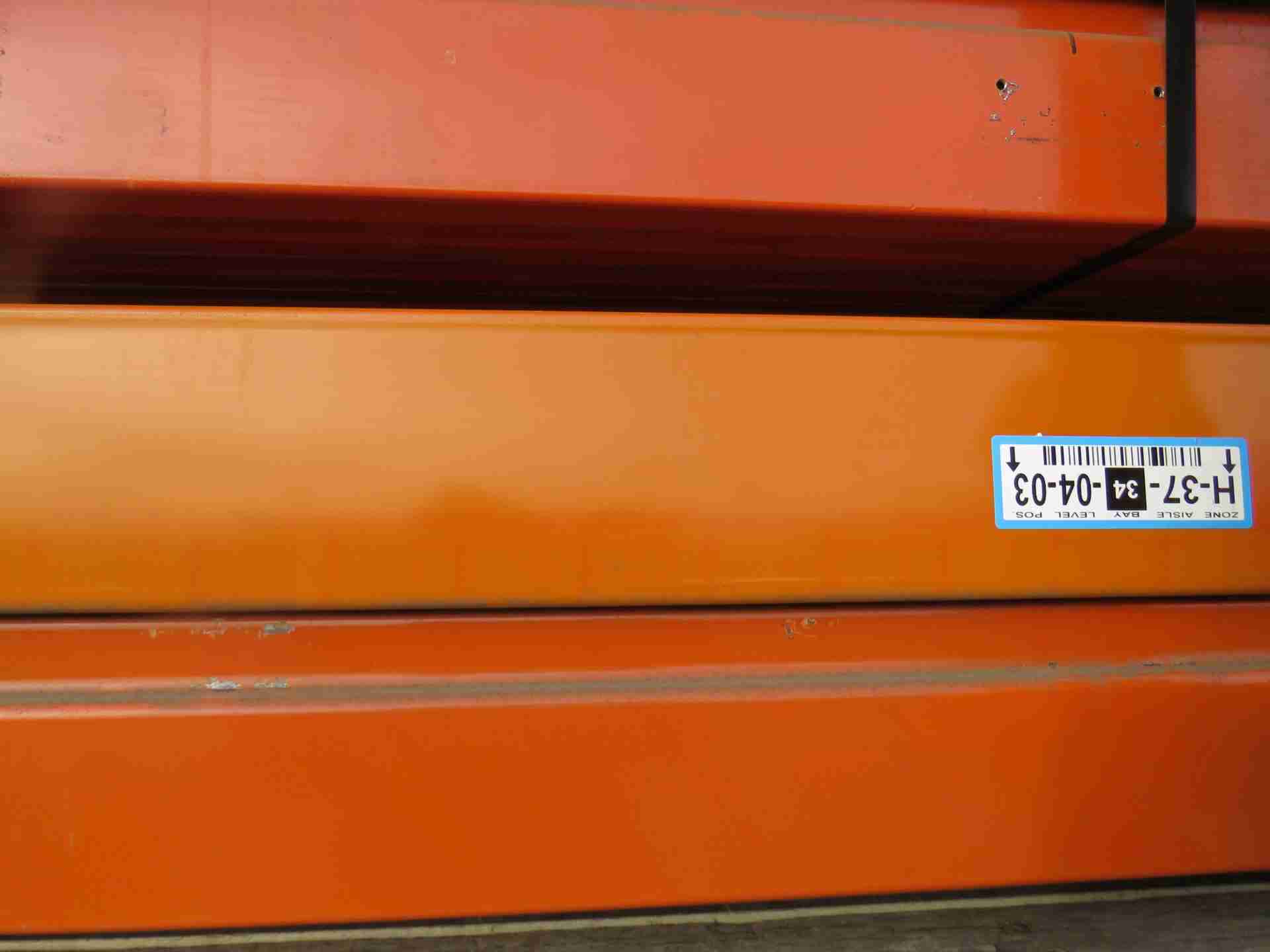
How Can We Ensure Safety Standards for Both New and Used Racks?
How Can We Ensure Safety Standards for Both New and Used Racks?
- Safety is a promise made to everyone involved in warehouse operations.
- Creating a secure workplace requires a shared understanding of responsibility.
- Ethical responsibility includes inspecting both new and used racking systems to meet safety standards.
- Rigorous inspections and expert benchmarks are essential for ensuring rack safety.
- Regular staff training fosters a culture of vigilance and empowers employees to follow safety protocols.
- Safety contributes to emotional well-being and community connections among colleagues.
- Ensuring safety standards is a collective effort that extends the commitment to safety and trust beyond daily operations.
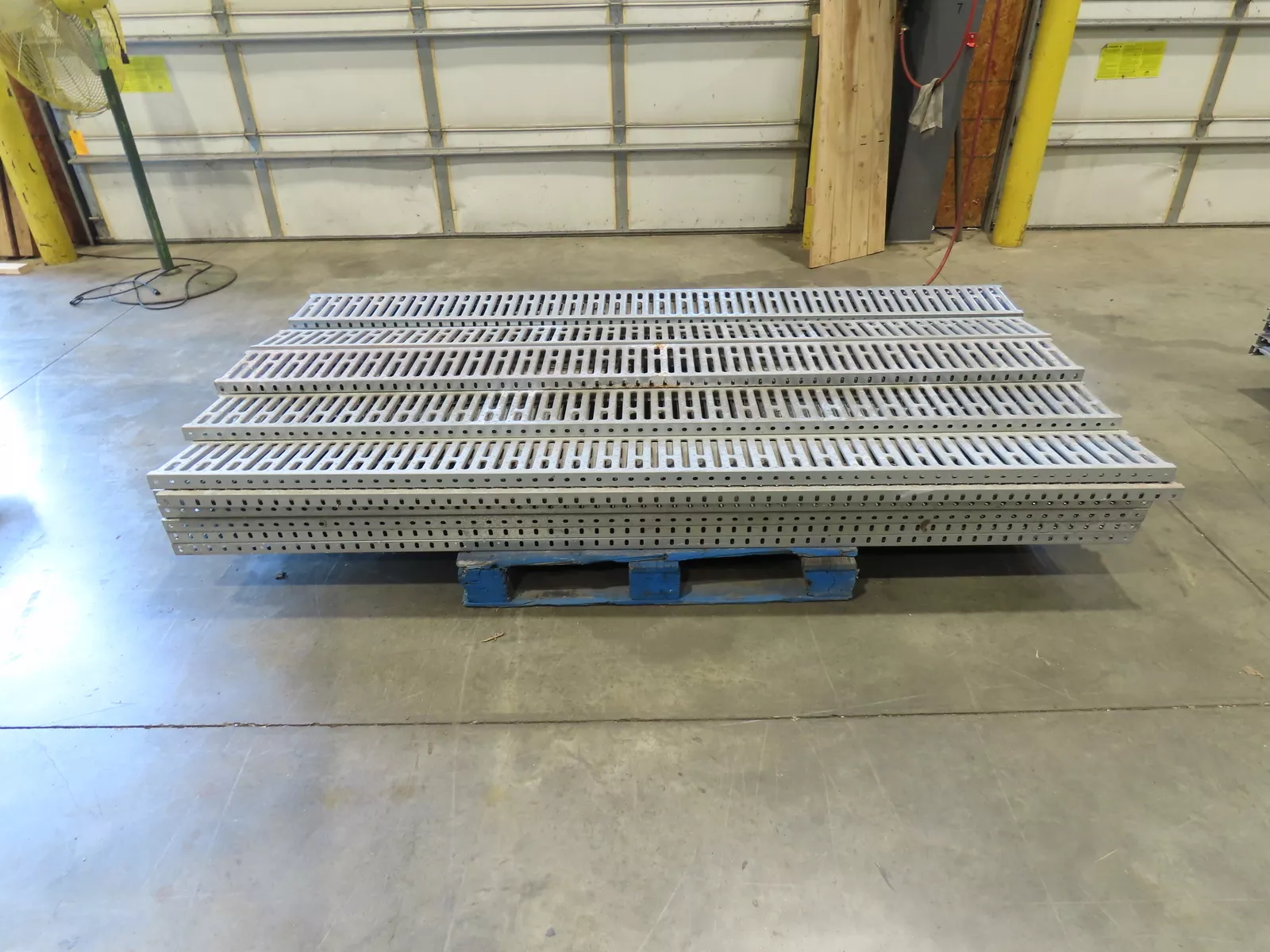
How Can We Ensure Safety Standards for Both New and Used Racks?
What Ethical Responsibilities Do Businesses Have In Rack Selection?
When it comes to racking choices in the workplace, it’s easy to lose sight of the bigger picture. Sure, we want that shiny new rack to hold our goods, maximize efficiency, and maybe even look good while doing it. But let’s take a moment to step back and consider the ethical responsibilities lurking beneath the surface of our racking decisions.
Imagine a warehouse filled with beautiful racks, standing tall and proud—each designed to optimize operations and, ideally, foster a sense of safety. The truth is, every time a company chooses a racking system, it’s making a statement about its values. It’s not just about horizontal space or vertical storage; it’s about people. Think of the worker who navigates those aisles day in and day out. They deserve the peace of mind that comes from a well-constructed, safe racking environment. When businesses choose racking based solely on cost or aesthetics, they risk an employee’s safety for profit margins.
The heart of the matter lies in responsibility. Ethical racking isn’t just about adhering to safety standards—it’s about creating a culture that prioritizes the well-being of every individual who walks those aisles. When companies invest in high-quality racking solutions, they’re also advocating for the people who rely on them. It’s a ripple effect; a safe workplace leads to happier employees, who produce better outcomes. That’s a win-win.
The rational side supports this. Industry standards exist for a reason; they ensure safety, efficiency, and sustainability. Choosing to ignore these guidelines not only undermines trust with employees but can lead to costly injuries and liabilities. Businesses with integrity understand the long-term value of maintaining ethical practices. They become beacons of trust within their communities, gaining respect and loyalty from customers as well as employees, because actions speak louder than words.
Also, consider the social implications. Businesses are part of a larger ecosystem that thrives on cooperation and mutual respect. When companies make ethical choices about racking, they nurture a culture of accountability that extends beyond their four walls, inspiring others in their industry to do the same. It’s about leadership, setting an example, and fostering a sense of connection that not only benefits the individual companies but also elevates the entire industry.
So, the next time the topic of racking comes up, remember: it isn’t just about storage—it’s about ethics, responsibility, and most importantly, people. Make the right choice.
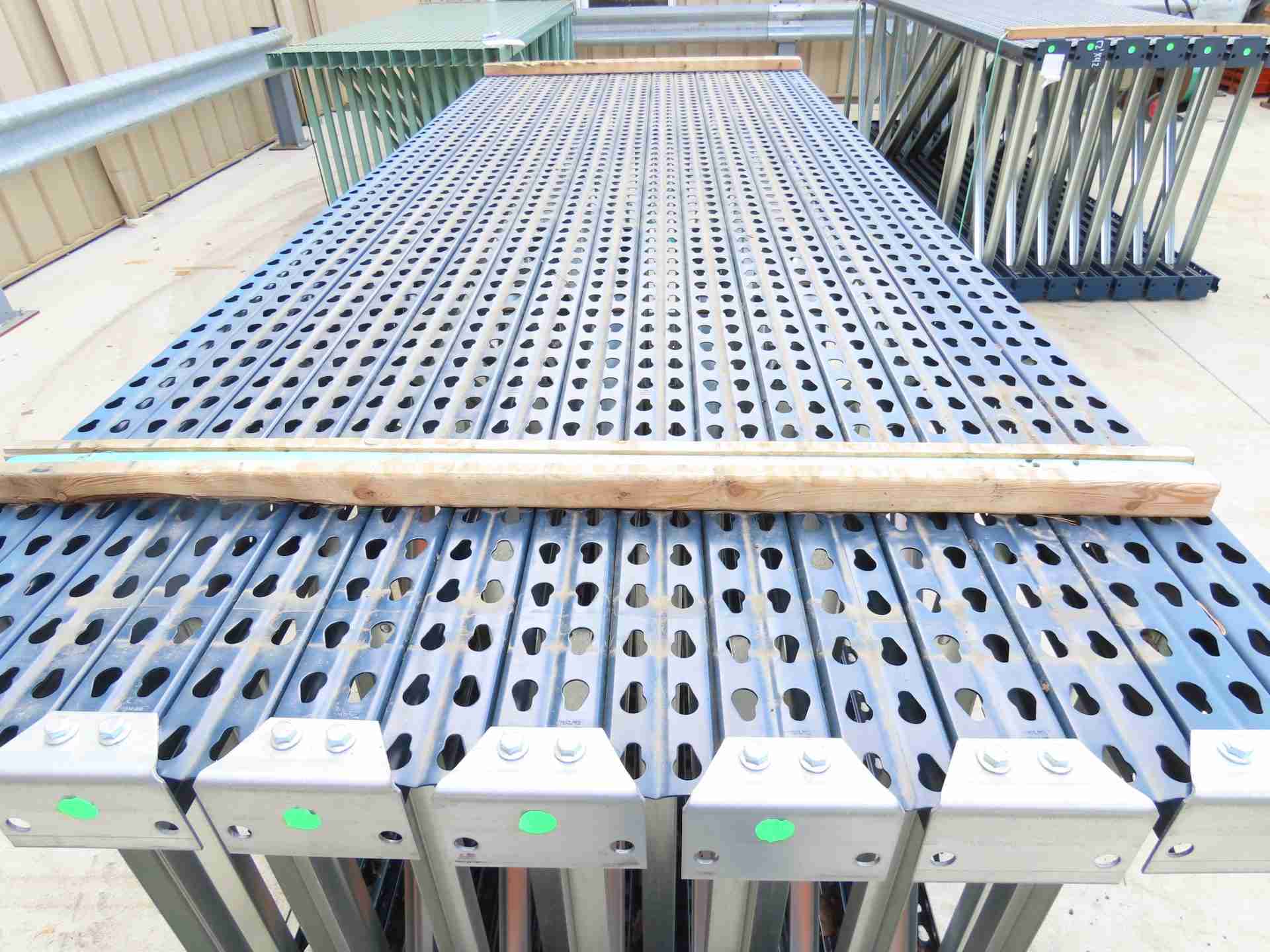
What Ethical Responsibilities Do Businesses Have In Rack Selection?
What Ethical Responsibilities Do Businesses Have In Rack Selection?
- Choosing racking systems in the workplace involves ethical responsibilities beyond aesthetics and cost.
- Racking systems impact the safety and well-being of employees who work in the warehouse environment.
- Prioritizing safe, high-quality racking contributes to a positive workplace culture and happier, more productive employees.
- Adhering to industry safety standards is essential for maintaining trust and avoiding costly injuries or liabilities.
- Businesses that practice ethical racking build integrity and loyalty within their communities.
- Making ethical racking choices fosters accountability and can influence the entire industry positively.
- Racking decisions should reflect values related to ethics, responsibility, and people, not just storage needs.
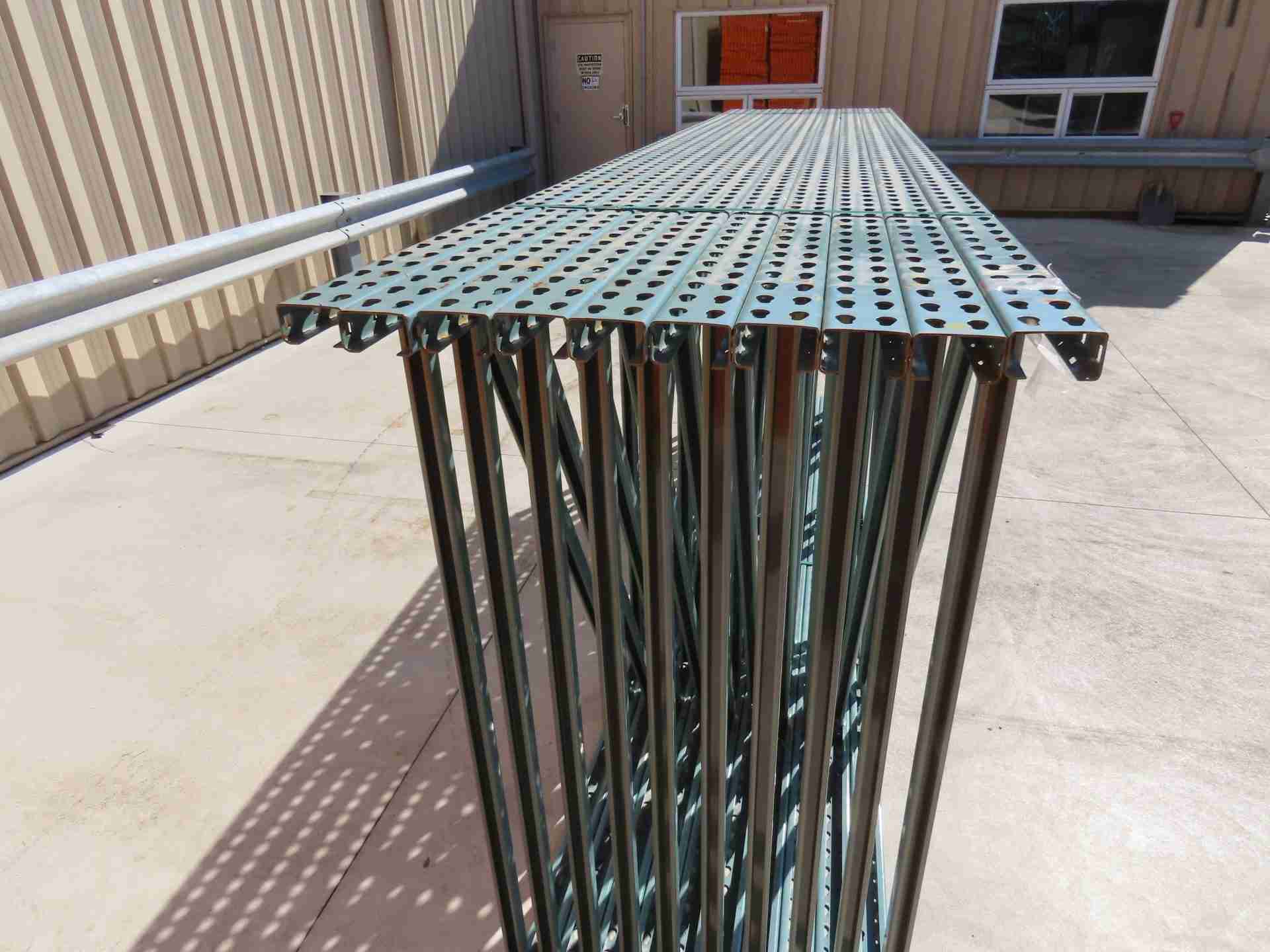
What Ethical Responsibilities Do Businesses Have In Rack Selection?
How Can Mixing Racks Affect Overall Workplace Safety and Efficiency?
When you think about workplace safety and efficiency, don’t just picture shiny equipment and good lighting; consider the unsung hero of the operation—the humble racking system. Racking is often overlooked, but its impact on your workplace can be profound. The right mixing racks not only streamline your operations but also play a critical role in safeguarding your employees.
Picture this: a factory floor where materials are neatly organized. With mixing racks positioned just so, workers can access everything they need without unnecessary digging and without risking injury. A tragic slip or a spent breath searching for that elusive ingredient could lead to far worse consequences than a delayed project. Now, think about the camaraderie fostered when everyone knows where to find their tools, avoiding frustration and chaos on the job. A well-placed rack becomes more than just a structure; it transforms into a lifeline for effectiveness, allowing collaboration and boosting morale.
From a logical standpoint, consider the cost of inefficiency. Every minute spent searching for a misplaced item is a dollar wasted. Mixing racks designed with intuitive layout and easy access save time and streamline processes, ensuring that productivity remains high. Employees can focus on what they do best rather than chasing down materials, thereby increasing the throughput of the entire operation. Numbers don’t lie; investing in a strategic racking solution means you’re investing in your workforce’s potential. A small upfront expense can lead to significant long-term savings—both in accidents and lost time.
Ethically, promoting safety through effective layout isn’t just smart business; it’s a responsibility. By putting the right tools in place, you’re sending a message that you value your employees’ well-being. They are not just workers; they are human beings deserving of an environment that prioritizes their health and security.
Finally, let’s not forget the power of social impact. When a workplace allows for safety and efficiency through strategic racking, it sets a precedent. It becomes a model for other organizations, fostering a community standard that values both productivity and well-being. When the word gets out that your company prioritizes such practices, it attracts talent and builds trust in your brand—each mixing rack telling a story of care, vigilance, and respect for those who work tirelessly day in and day out. It’s time to rethink racking and embrace how it can not only keep us organized but also keep us safe.
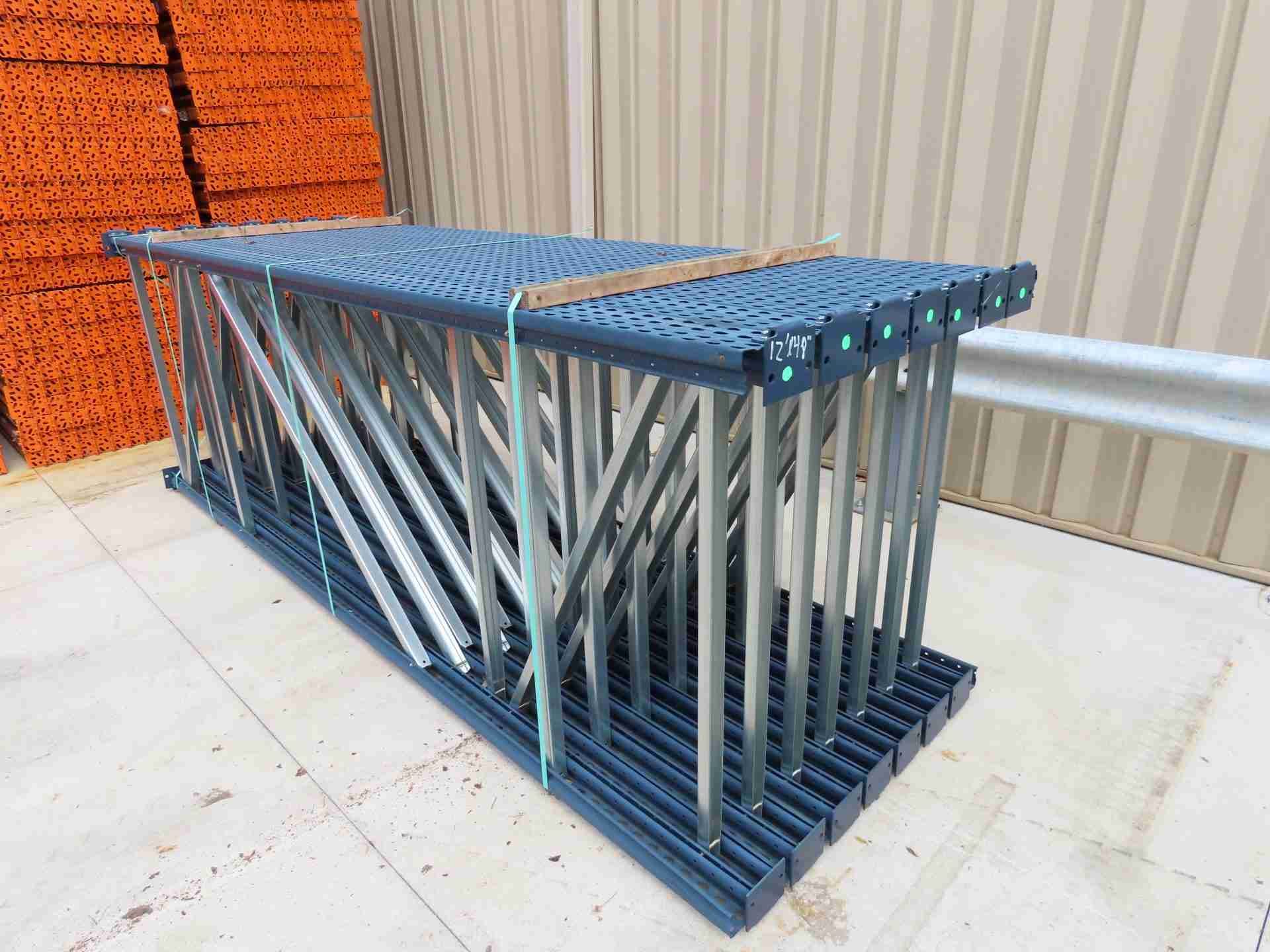
How Can Mixing Racks Affect Overall Workplace Safety and Efficiency?
How Can Mixing Racks Affect Overall Workplace Safety and Efficiency?
- Racking systems play a vital but often overlooked role in workplace safety and efficiency.
- Well-organized mixing racks help workers access materials easily, reducing the risk of injury.
- Efficient organization fosters camaraderie among employees, minimizing frustration and chaos.
- Every moment spent searching for misplaced items translates to wasted time and resources.
- Investing in strategic racking solutions can lead to significant long-term savings and increased productivity.
- Promoting safety through effective layout reflects an ethical responsibility towards employee well-being.
- A workplace that prioritizes safety and efficiency sets a positive example, attracting talent and building brand trust.
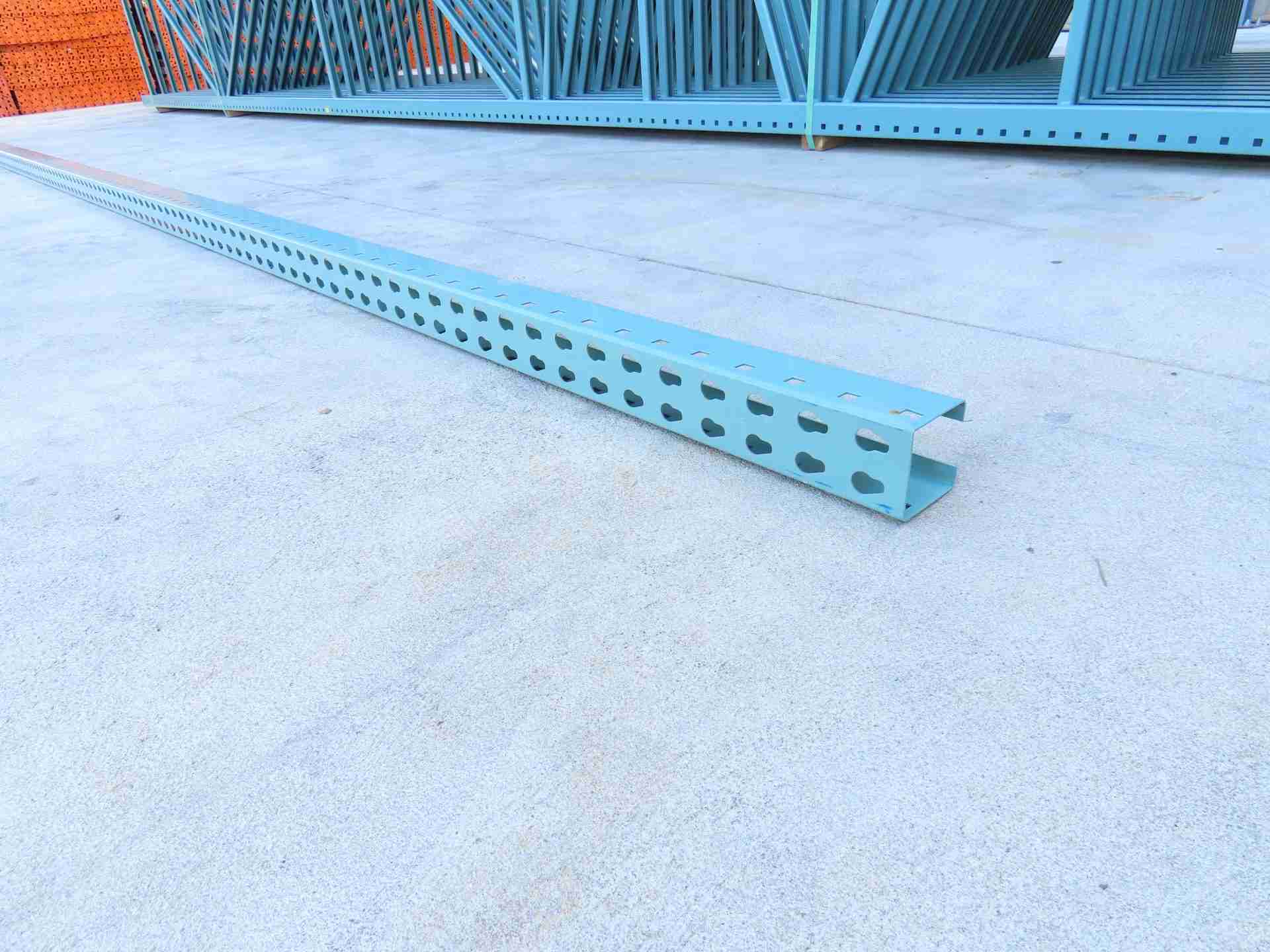
How Can Mixing Racks Affect Overall Workplace Safety and Efficiency?
What Guidelines Exist for Integrating Used Racks with New Ones?
When it comes to integrating used racking with new systems, the process can feel a bit like walking a tightrope—balancing the old with the new, the familiar with the uncertain. This isn’t just about shelving; it’s about creating a reliable structure that supports your operation and, more importantly, the people who depend on it.
First, let’s face it: a warehouse is more than just a place to store goods; it’s the heartbeat of your business. Choosing to mix used and new racking isn’t merely a cost-saving measure; it’s a thoughtful decision that requires careful consideration. You need to ensure that the used racks meet the same safety standards as their brand-new counterparts. Get your specs out and check for compliance—this isn’t just technical jargon; it’s about protecting your team and fostering a safe work environment. Imagine mixing a weathered, rusted rack that might collapse under pressure with brand-new ones supporting your latest inventory. The outcome isn’t pretty, and it’s a risk no one should be forced to take.
Next, let’s talk about aesthetics. A mixed racking system can appear disjointed, sending a message of disorganization to both employees and clients. Think of the impression you want to create—neatness and order foster pride and efficiency among your workforce. Presenting a cohesive and professional environment can be the subtle difference that fuels motivation and drives productivity.
Now, consider the ethics of your choice. By opting for used racking, you are contributing to sustainability, giving new life to something that would otherwise be left to rust in a landfill. That’s a meaningful decision, one that speaks to your character as a leader in your industry. Plus, involving your team in the selection process not only empowers them but also strengthens the bond you share.
Finally, let’s not overlook the social connection. By safely integrating used racks with new ones, you create a space where trust can flourish. Trust in the safety of your workplace and trust in the integrity of your leadership. Share stories of your choices and experiences with your team, encouraging opportunities for dialogue. As they feel a part of this endeavor, they’ll stand shoulder to shoulder with you, confident in the reliability of their environment.
In the world of racking, it’s not just about how high you can stack your inventory; it’s about how well you build the foundation for your future. So, let’s create something solid together, one rack at a time.
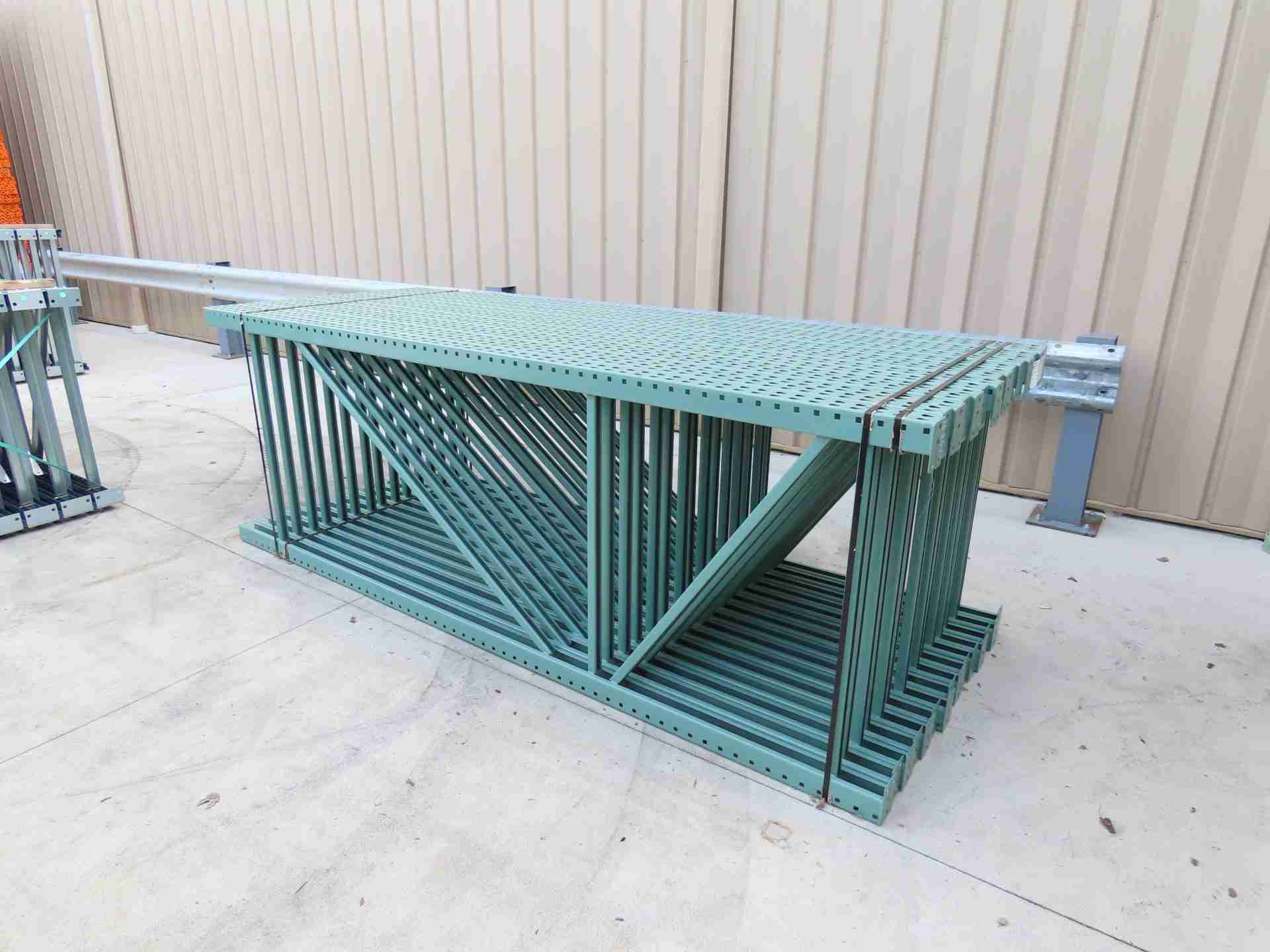
What Guidelines Exist for Integrating Used Racks with New Ones?
What Guidelines Exist for Integrating Used Racks with New Ones?
- Integrating used racking with new systems requires balancing the old and new to support operations and people.
- A warehouse serves as the heartbeat of a business, making the choice to mix used and new racking a significant decision.
- It’s essential to ensure that used racks meet safety standards to protect employees and create a safe work environment.
- A mixed racking system can appear disorganized, impacting employee pride and efficiency; neatness fosters motivation.
- Choosing used racking contributes to sustainability and reflects positive leadership values in the industry.
- Involving the team in the selection process empowers them and strengthens workplace bonds.
- Creating a safe and trustworthy environment allows for open dialogue and enhances reliability within the team.
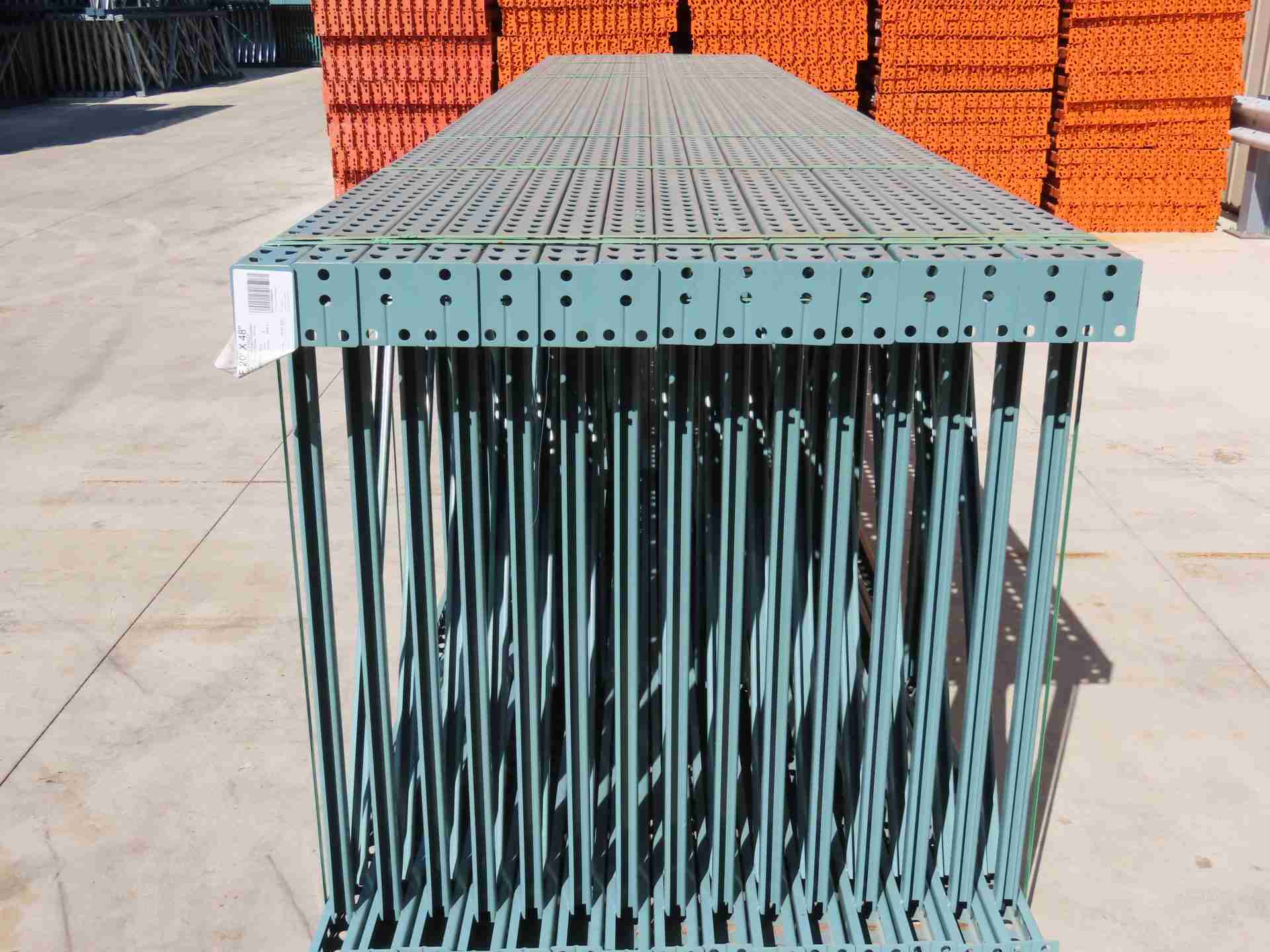
What Guidelines Exist for Integrating Used Racks with New Ones?
Conclusion
In the heart of every warehouse lies a delicate balance between efficiency, safety, and human responsibility. Mixing used and new racks isn’t merely a logistical strategy; it’s a matter of life and livelihood. Each piece of racking tells a story—each bolt, each shelf, is more than just a support structure. It’s about the people who depend on it day in and day out. When we choose to blend the old with the new, we must do so with thoughtful consideration and an unwavering commitment to safety.
Visualize a bustling warehouse where trust and camaraderie thrive amidst the hum of productivity. Now imagine that trust jeopardized by racking systems that aren’t up to par. A single accident—brought on by a neglected rack—can shatter that sense of safety, turning employees’ sense of security into a narrative of anxiety. It’s not just about protecting the physical well-being of your team; it’s about nurturing a culture where every individual feels valued and assured in the place they work.
When integrating used and new racks, a rigorous inspection becomes your strongest ally. This isn’t a box to check; it’s a fundamental responsibility. Just like you wouldn’t drive a car with failing brakes, you shouldn’t risk your team’s safety with subpar racking. Engage with experts who can guide you through the nuances of safety standards—it’s not just good practice; it’s an ethical obligation. You have a duty to preserve the dignity of your workforce by ensuring their environment is secure.
But this is about more than just compliance; it’s about fostering a proactive culture. By investing in training, you transform every team member into a vigilant protector of safety. They become educated advocates for their well-being and that of their colleagues, creating an atmosphere where every person is a valued partner in the journey towards a safer workplace.
Moreover, the choices we make with our racking systems ripple through the entire community. Choosing sustainable practices by giving used racks a second life is an ethical stand that speaks volumes about your leadership. It not only preserves valuable resources but also strengthens the fabric of your organization.
Let’s face it: every rack is a commitment. When you prioritize safety, integrity, and communication, you stack the deck in favor of success—not just for the bottom line, but for the very people who drive that success. Your workers are your family, and a solid, safe environment isn’t just desired; it’s downright deserved. Let’s build this future together, rack by rack, one safe step at a time.
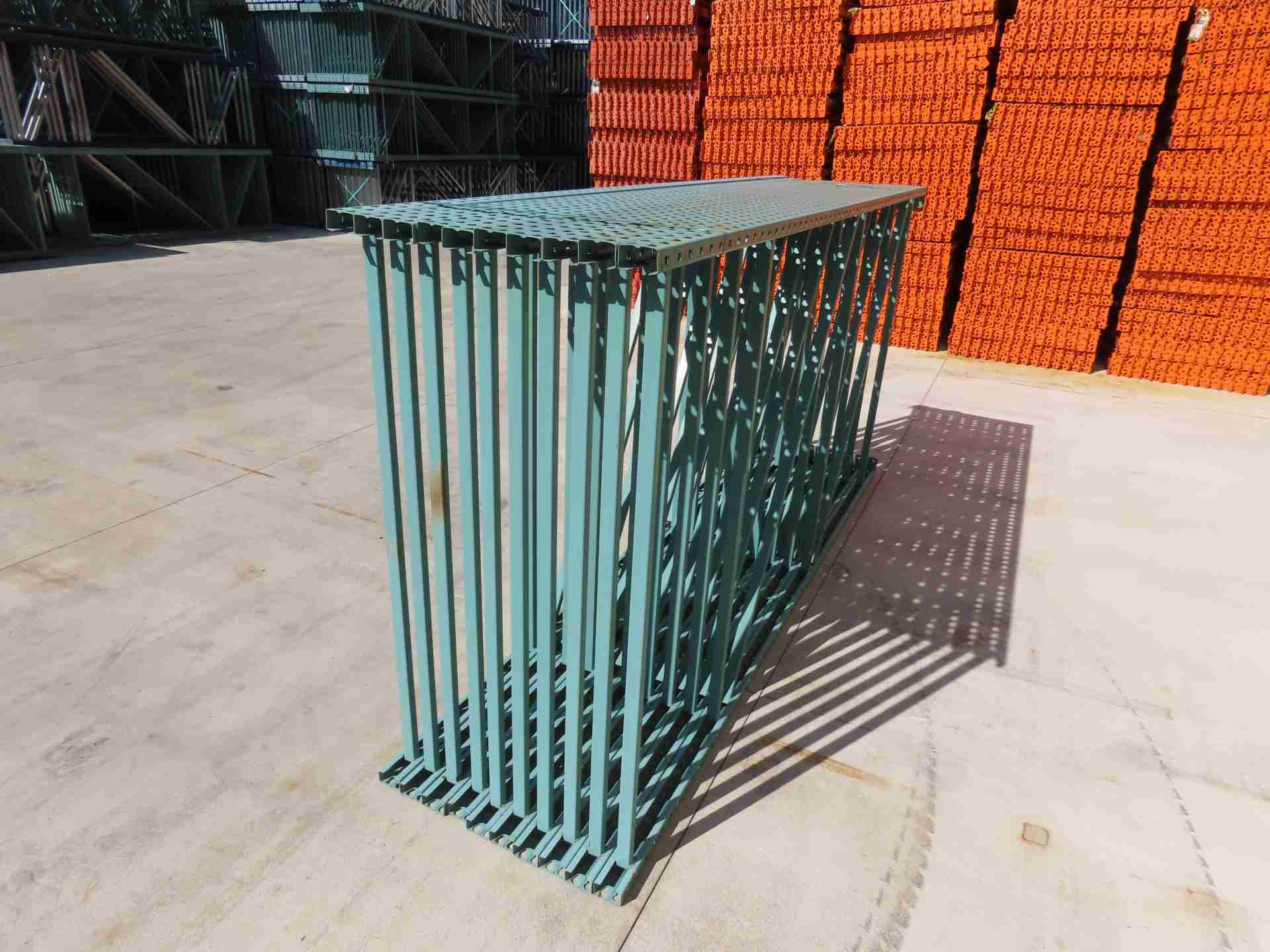
Conclusion
Conclusion:
- The heart of every warehouse balances efficiency, safety, and human responsibility.
- Mixing used and new racks requires careful consideration and commitment to safety.
- Neglected racking systems can jeopardize trust and safety among employees.
- Rigorous inspections of racks are essential and should not be treated as a formality.
- Investing in training transforms employees into advocates for their own and others’ safety.
- Choosing sustainable practices for racking systems reflects strong leadership and community responsibility.
- Prioritizing safety and communication creates a supportive environment that benefits everyone.
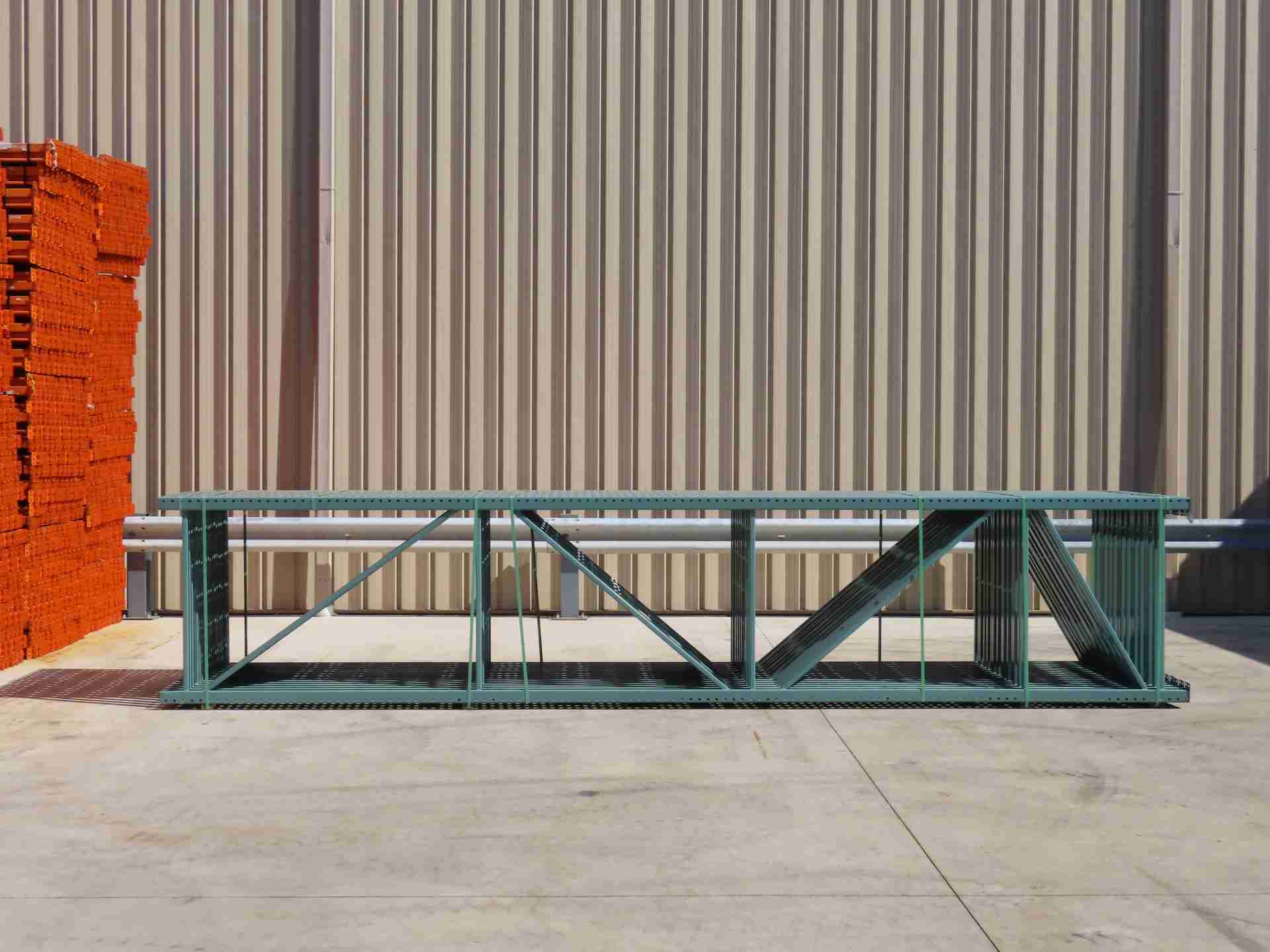
Conclusion
Other Resources
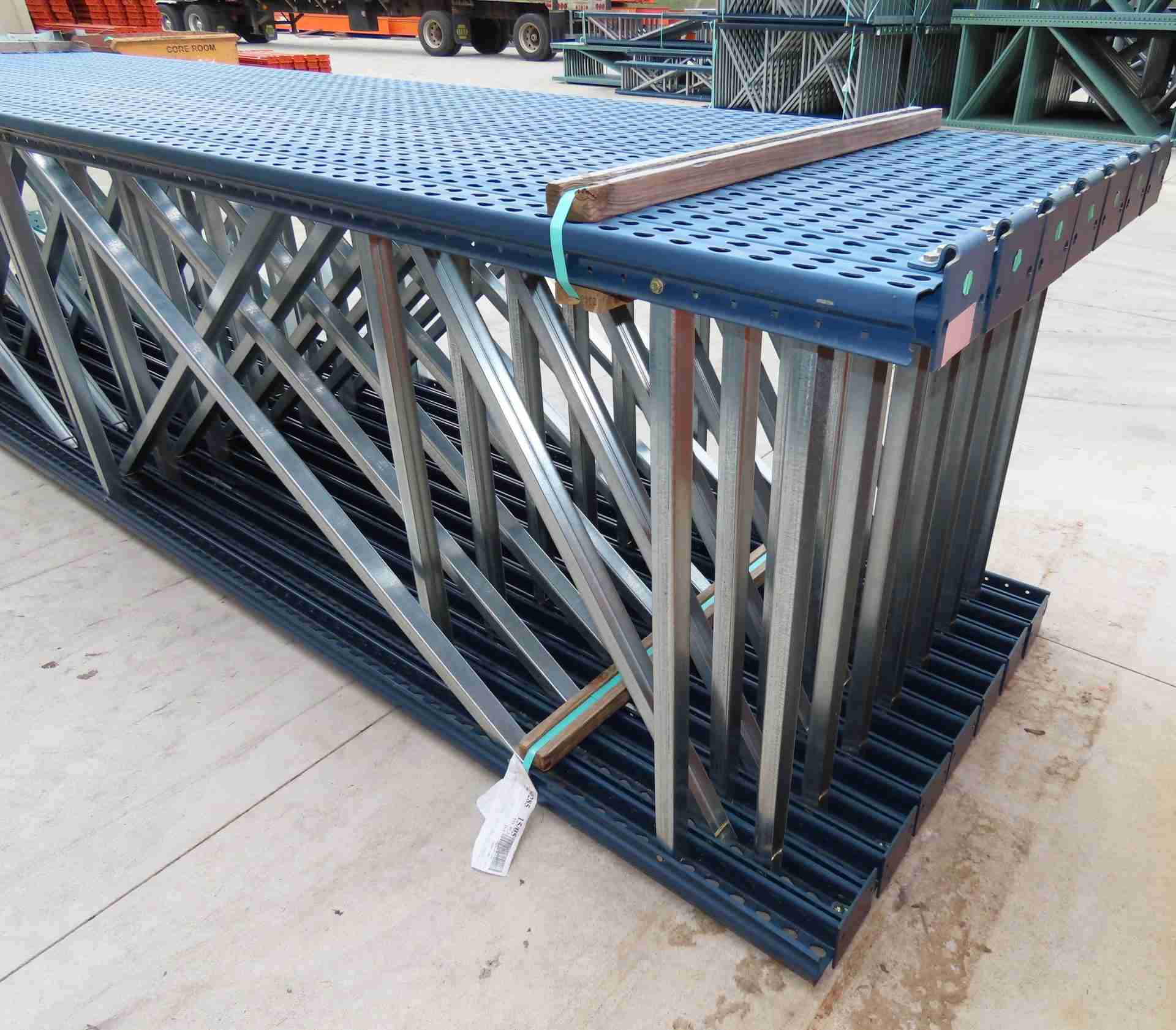
Other Resources
Here is a list of other resources you can review online to learn more:
- Illinois Pallet Racking – Storage Solutions
- BMH Equipment LLC
- Bradford Systems
- National Safety Council
- Used Teardrop Pallet Rack – American Surplus
- International Warehouse Logistics Association
- Arrow Industrial Sales
- SEMA
- Warehouse Racks, Warehouse Racking in Stock – ULINE
- Warehouse Automation
- ASSP
- Material Handling Safety
- Teardrop Racks – Pallet Rack World
- IIWS Inc. Rack Installation Illinois & Rack Repairs Illinois
- Pallet Racking systems in Illinois and Great Lakes
- Warehousing Education and Research Council: https://www.werc.org/
- BMH
- Chicago Pallet Racking
- American Surplus
- Pallet Rack Systems – New and Used Pallet Racking and Shelving Experts
Use This Prompt To Get More Resources With Your Favorite Online AI Tool: Please provide me with a list of online articles with their URLs in a bulleted list that I can read regarding How to Mix Used and New Racks Without Compromising Safety
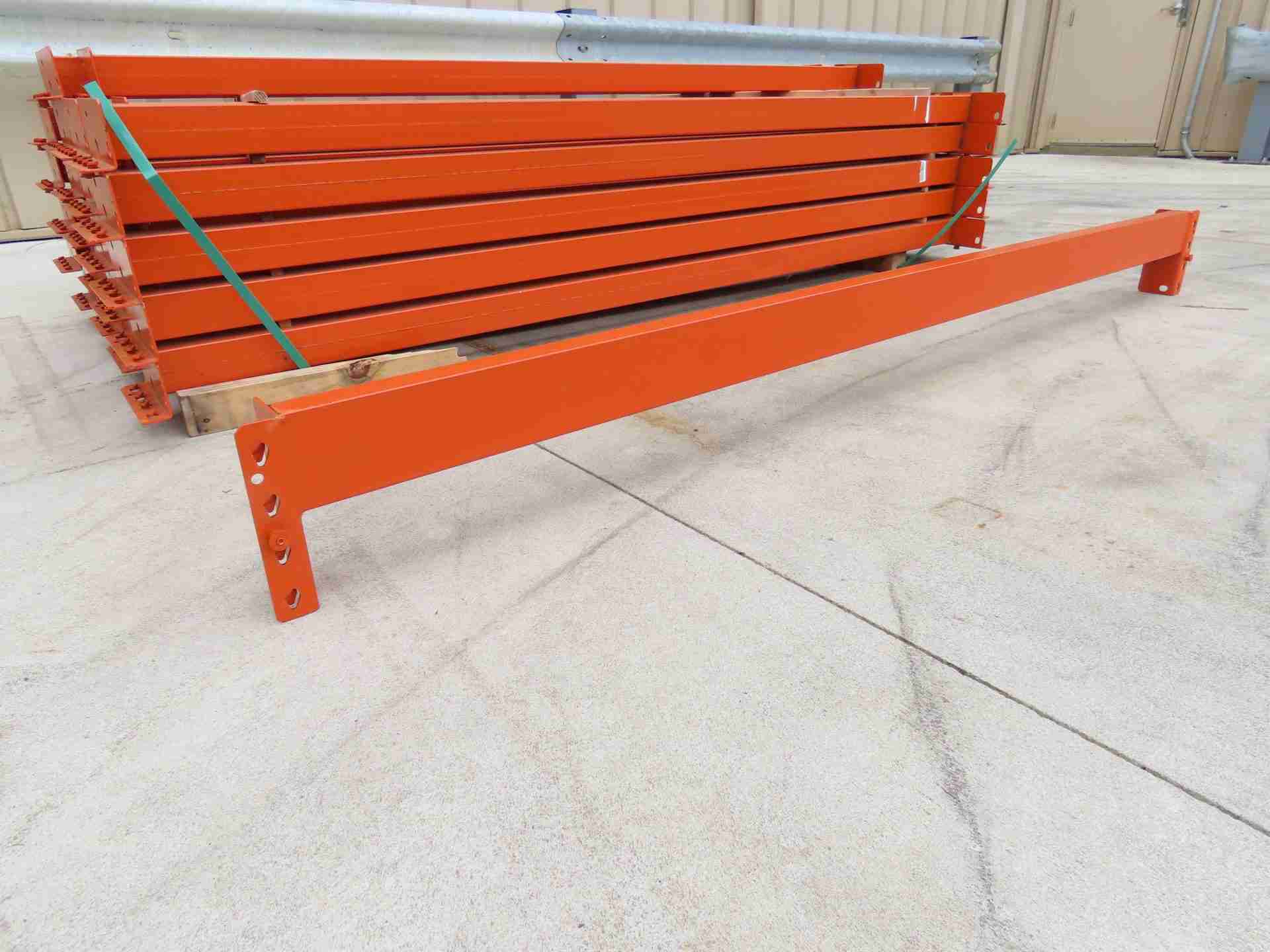
Other Resources
Glossary Terms
How to Mix Used and New Racks Without Compromising Safety – Glossary Of Terms
1. Rack: A structure used to store materials or products, often in warehouses or industrial settings.
2. Pallet Rack: A type of storage system designed to hold palletized goods, typically featuring vertical frames and horizontal beams.
3. Safety Standards: Set regulations and guidelines to ensure safe handling and storage of goods within storage systems.
4. Inspection: The process of examining racks and storage systems for structural integrity and compliance with safety standards.
5. Load Capacity: The maximum weight a rack can safely hold, critical for preventing collapse and accidents.
6. Compatibility: The ability of new racks to safely integrate with existing racks, considering size, design, and load capacity.
7. Structural Integrity: Refers to the rack’s ability to withstand its intended loads without failure.
8. Weight Distribution: The even allocation of weight across the rack’s beams and shelves to avoid overloading.
9. Aisle Space: The area between racks that allows for safe movement of personnel and equipment.
10. OSHA Regulations: Occupational Safety and Health Administration guidelines that govern workplace safety, including storage practices.
11. Mixing Racks: The practice of using both used and new racks together in a single storage area, raising safety concerns.
12. Load Chart: A document or diagram that provides information on the safe load limits for specific rack configurations.
13. Maintenance: Regular checks and repairs to ensure the racks remain safe and functional over time.
14. User Training: Educating workers on proper rack usage and safety practices to minimize risk.
15. Hazard Assessment: Identifying potential risks associated with mixing used and new racks in a storage environment.
16. Repair: The action of fixing broken or damaged racks to restore safety and functionality.
17. Safety Barrier: Physical structures or devices that prevent accidental contact with racks or materials.
18. Visual Inspection: A quick, surface-level examination for obvious signs of damage or wear on racks.
19. Compliance: Adherence to safety standards and regulations regarding storage systems and practices.
20. Forklift Compatibility: Ensuring the racks are designed to accommodate the equipment used for loading and unloading.
21. Adjustable Racking: Racks designed with adjustable beams to modify height and layout for different products.
22. Securing Loads: Techniques to stabilize goods on racks to prevent movement or falling.
23. Safety Tags: Labels placed on racks indicating their load capacity and inspection status.
24. Rack Collapse: A failure of the rack structure, often due to overload or structural damage, posing a severe safety risk.
25. Ergonomics: The study of optimizing the workplace for safe and efficient human use in relation to storage setup.
26. Stability: The ability of racks to remain upright and support loads without tipping or sliding.
27. Environmental Conditions: Factors such as humidity, temperature, and exposure to chemicals that can impact the integrity of racks.
28. Vertical Storage: Utilizing height in warehouses to maximize storage space while ensuring safety.
29. Warehouse Layout: The strategic arrangement of racks and aisles to facilitate efficient movement and safety.
30. Emergency Procedures: Established protocols to follow in the event of a rack failure or an accident in the storage area.

Glossary Of Terms
Other Questions
How to Mix Used and New Racks Without Compromising Safety – Other Questions
If you wish to explore and discover more, consider looking for answers to these questions:
- What are the key differences between new and used racks in terms of safety?
- How can I assess the condition of used racks before integrating them?
- What specific safety standards should be followed for racking systems?
- What are the legal implications of using unsafe racking systems?
- How often should racking systems be inspected for safety purposes?
- What training is necessary for employees regarding racking safety?
- How can companies effectively transition from using old racks to new ones?
- What are the common failures seen in used racks that could affect safety?
- How can companies balance cost considerations with safety in rack selection?
- What role does employee feedback play in maintaining racking systems?
- Are there industry best practices for combining new and used racks?
- What health and safety regulations pertain to warehouse racking systems?
- How can effective racking design improve workplace morale?
- What are the implications of poor racking systems on overall productivity?
- How can businesses encourage a culture of safety and accountability in racking systems?
Other Questions
Checklist
How to Mix Used and New Racks Without Compromising Safety – A Checklist
Checklist for Safe and Effective Racking System Integration
Emotional Appeal
_____ Reflect on the impact of employee safety on morale and productivity.
_____ Share testimonials from team members about their feelings regarding safety in the workplace.
_____ Create a culture of open communication about safety concerns and insights.
Rational Appeal
_____ Conduct a thorough inspection of all used racks for signs of wear and structural integrity.
_____ Verify specifications and compliance with safety standards for both new and used racks.
_____ Evaluate the potential cost savings versus risks of using mixed rack systems.
Ethical Appeal
_____ Make a commitment to prioritize quality and safety over cost when selecting racks.
_____ Involve employees in the racking selection process to foster accountability and ownership.
_____ Assess the environmental impact of using new versus used racks, advocating for sustainable practices.
Authority Appeal
_____ Consult with industry experts on best practices for integrating used and new racks.
_____ Follow industry guidelines and safety standards to validate your racking choices.
_____ Provide training sessions led by safety professionals for all staff involved in racking operations.
Narrative Appeal
_____ Share a success story of a workplace that improved efficiency and safety through effective racking solutions.
_____ Create a narrative around the importance of trust and teamwork in a safe working environment.
_____ Illustrate the potential consequences of neglecting safety in racking systems.
Social Appeal
_____ Encourage team-building activities focused on safety practices and responsibilities.
_____ Promote a safety-first mindset across all levels of the organization.
_____ Share your commitment to safety and proper racking through company channels to inspire other organizations.

Checklist
At RackingWorld, we help guide you through selecting warehouse storage systems and racking.
Be sure to read our other related stories at RackingWorld to learn more about warehouse storage systems.
0 Comments