
Unlock Space Wisely: Smart Strategies For Affordable Storage Solutions
By Tom Seest
At RackingWorld, we help guide you through selecting warehouse storage systems and racking.
Be sure to read our other related stories at RackingWorld to learn more about warehouse storage systems.
How to Increase Storage Without Increasing Rent
Increasing storage without raising rent can seem like a daunting challenge, but with a little creativity and elbow grease, it’s entirely possible. Think about it: every square foot of space has potential, and sometimes, it just takes the right perspective to see it. If you’re feeling cramped in your storage area, it might be time to explore solutions that work harmoniously with your existing setup.
One of the most practical ways to maximize your space is by investing in racking systems. These sturdy, versatile structures can create vertical storage opportunities that you might have overlooked. Instead of filling your basement or garage floor with piles of boxes, consider how a well-placed racking system can turn those empty walls into prime real estate. It’s about lifting your load, both literally and figuratively. Imagine the satisfaction of an organized space, where everything has its place, and you no longer need to dig through jumbled messes.
Emotionally, an uncluttered space can have a profound impact on your overall well-being. When you walk into a tidy area, it feels like a weight has lifted off your shoulders. It’s not just about storing your stuff; it’s about creating an environment that fosters clarity and calm amid life’s chaos. You deserve a space that reflects your hard work and values.
Rationally, you’ll save time and energy. No more searching for that season-specific item buried under a mountain of clutter. Everything is within reach when organized properly. This efficiency translates into more time for what truly matters—whether that’s spending time with family, taking up a new hobby, or simply relaxing after a long day.
Ethically, maximizing storage aligns with sustainability. Instead of paying for a larger space, conserving what you already have means fewer resources are wasted on excess. You’re making a conscious choice to utilize what you’ve already earned, fostering a sense of responsibility.
On a narrative level, think about tales from your neighborhood or community where ingenuity turned inadequate spaces into organized havens. The stories of those who faced similar struggles can resonate, inspiring you to take action.
So, roll up your sleeves, invest in some racking systems, and transform that cluttered mess into a space that works for you. Embrace the challenge; revel in the victory of organization without the fear of rising rent. You can create a supportive environment that nurtures not just your belongings, but your spirit as well.

How to Increase Storage Without Increasing Rent
How to Increase Storage Without Increasing Rent
- Creative solutions can help increase storage without raising rent.
- Racking systems offer vertical storage opportunities and free floor space.
- An organized area promotes emotional well-being and clarity.
- Efficient organization saves time and energy in locating items.
- Maximizing storage aligns with sustainability and responsible resource use.
- Community stories of organization can inspire personal action.
- Transform your space to reflect your values and support your well-being.

How to Increase Storage Without Increasing Rent
Table Of Contents
- How to Increase Storage Without Increasing Rent
- How Can I Maximize My Current Storage Space Effectively?
- What Strategies Can Reduce Clutter Without Spending More?
- Are There Affordable Diy Solutions for Better Organization?
- How Can I Identify Items for Donation Or Sale?
- What Are Creative Ways to Utilize Vertical Space?
- How Can I Optimize My Closet for Maximum Storage?
- Conclusion
- Other Resources
- Glossary Of Terms
- Other Questions
- Checklist
How Can I Maximize My Current Storage Space Effectively?
When it comes to wrangling your clutter and making the most of your available storage, understanding your space is key. Think of your garage, attic, or basement like a puzzle, just waiting to be pieced together. It’s not just about what you have; it’s about how you use it. Start by taking a good, hard look at what you’ve got. Yes, we all have that old bike or box of winter clothes we never seem to part with, but sometimes, it’s time to let go. A little ruthless decluttering is the first step in making your space feel less cramped and more like a sanctuary.
Once you’ve cleared out the unnecessary, it’s time to think smart. Racking systems can be your best friend in this endeavor. These aren’t just shelves; they’re your ticket to utilizing vertical space. Think about it: you’ve got all that empty air above your head! Installing some sturdy racking can take your storage game from “meh” to “wow.” Store those holiday decorations, tools, or even seasonal sports gear up high, freeing up valuable floor space and keeping everything organized.
Now, don’t just toss things on the shelves and call it a day. Take some time to categorize your items—group like with like. It’s about saving you time in the long run. When that project comes up, or the seasons change, you’ll be thankful you can find what you need without turning your space upside down. Use clear bins or labeled boxes, so it’s easy to see exactly what you have.
Think about your space as an extension of your lifestyle. Is it a workshop where your creativity thrives? A family hub for games and gatherings? Whatever it is, keep that vision in mind as you organize. Everything should have a purpose and a place. When friends and family come over, you’ll feel a sense of pride when you share your well-organized space.
Maximizing your storage isn’t just about physical space; it’s about reclaiming your peace of mind. There’s a certain joy in knowing you have control over your belongings, that you can find what you need when you need it. So roll up your sleeves, get to work, and transform that chaotic corner into a well-oiled machine of efficiency. Your future self will thank you for it.

How Can I Maximize My Current Storage Space Effectively?
How Can I Maximize My Current Storage Space Effectively?
- Understand your space as a puzzle to piece together for better storage solutions.
- Conduct ruthless decluttering to create a sanctuary-like atmosphere.
- Use racking systems to maximize vertical storage and free up floor space.
- Organize items by categorizing like with like for easier access.
- Utilize clear bins or labeled boxes for visibility and organization.
- Align your space with your lifestyle purpose for enhanced functionality.
- Maximizing storage leads to peace of mind and efficiency in finding belongings.

How Can I Maximize My Current Storage Space Effectively?
What Strategies Can Reduce Clutter Without Spending More?
Clutter can feel like a heavy weight, pulling you down into chaos. But the good news is that reducing it doesn’t have to strain your wallet. Take a moment to reflect on how often we hang onto items that no longer serve a purpose, too attached to let go. The first simple remedy is to adopt a mindset shift; start viewing your possessions through a new lens. Ask yourself if an item contributes value to your daily life or just occupies space. This straightforward question can spark the motivation to clear out the excess.
One effective approach is the “One In, One Out” rule. For every new item that enters your home, let go of one you no longer need. This tactic helps keep the balance and encourages thoughtful purchasing. You can also engage with friends and family in a swap meet—likely, what’s clutter to you could be treasure to someone else. This creates a sense of community while decluttering your space, fostering connections through shared experiences.
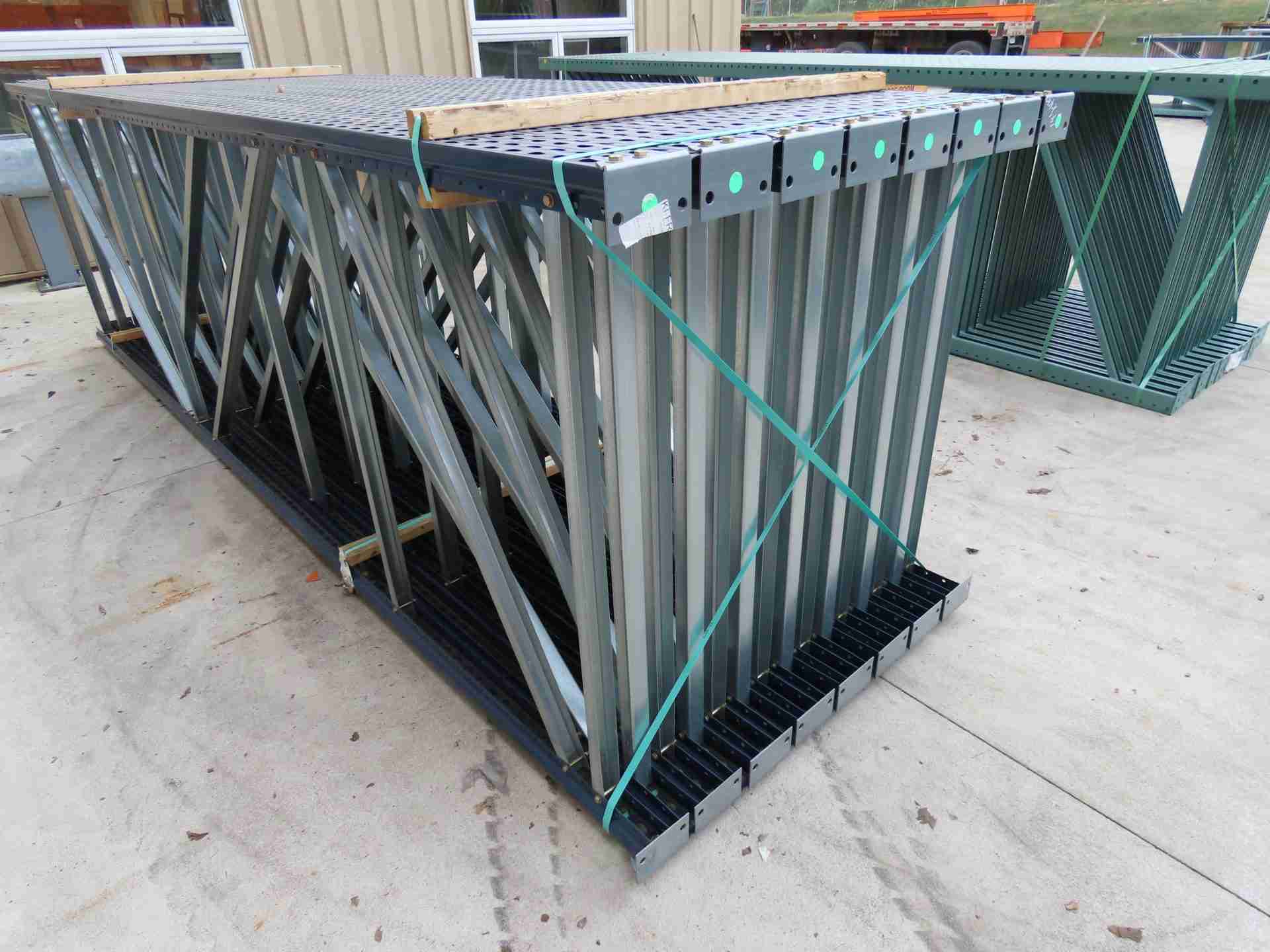
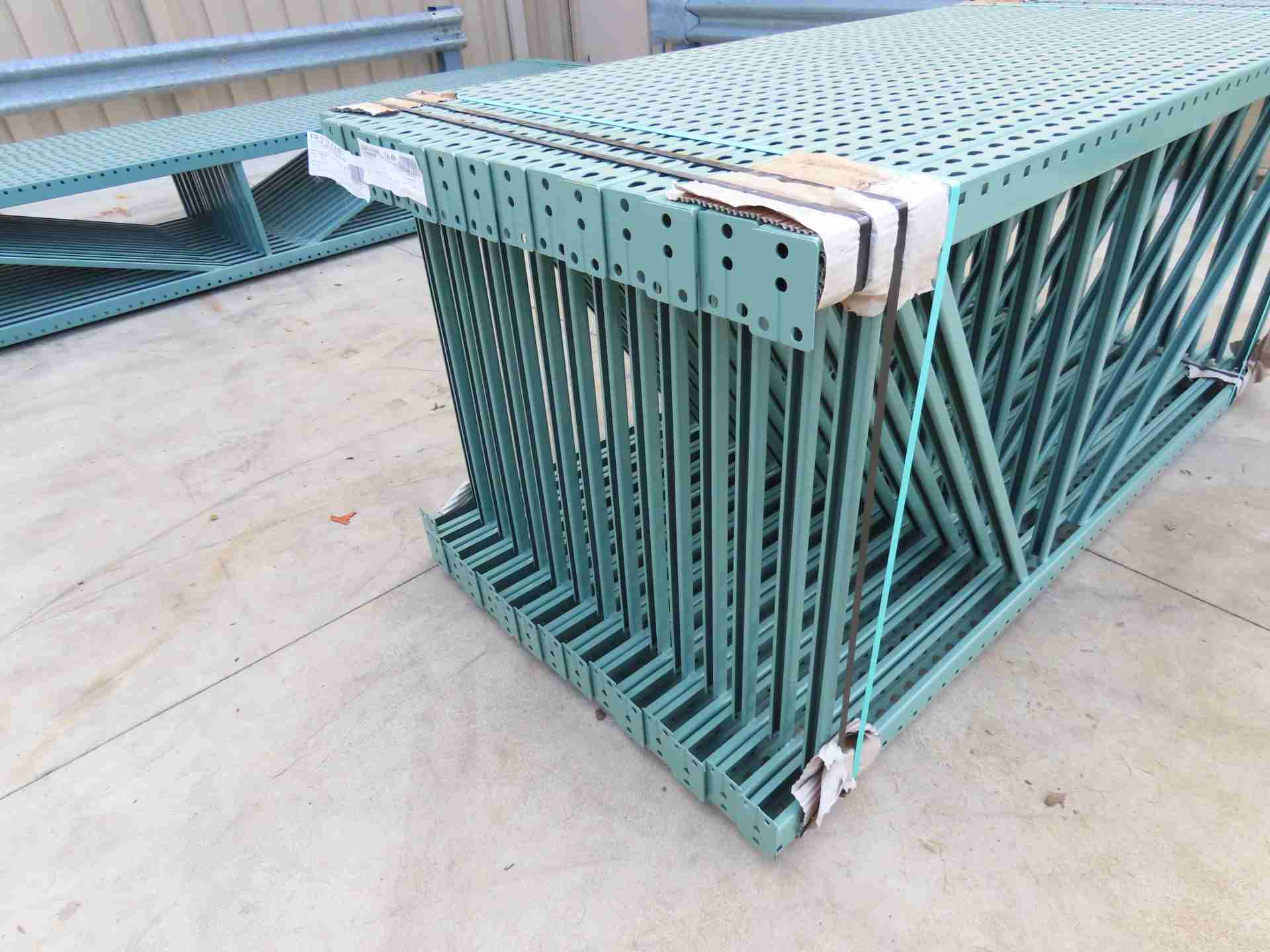
Racking systems can be a game changer in the battle against clutter. They maximize vertical space which often goes underutilized. Install shelves in garages, basements, or storage rooms. It’s a budget-friendly way to create order out of chaos without shelling out cash for expensive storage solutions. You can keep seasonal items, tools, and materials neatly organized and easily accessible.
Consider the deeper emotional aspect of decluttering. Every item you decide to part with can be a step toward a clearer mind. It’s not just about the physical space you reclaim; it’s about the mental freedom that comes with it. Your home should be a sanctuary, not a storage unit. By releasing what no longer serves you, you create space for new memories and experiences.
Take it slow. Start with one room or even one drawer. It’s easy to feel overwhelmed, but breaking it down allows you to celebrate small victories. Each time you clear out a space, acknowledge that accomplishment; it’s progress. Eventually, you’ll find that a clutter-free environment is not just about aesthetics but also about creating a true sense of home. The key is to make choices that resonate not just with your wallet, but with your heart and mind.
What Strategies Can Reduce Clutter Without Spending More?
What Strategies Can Reduce Clutter Without Spending More?
- Clutter can be overwhelming, but reducing it can be cost-effective.
- Shift your mindset to evaluate if items add value or just take up space.
- Implement the “One In, One Out” rule to maintain balance when acquiring new items.
- Engage in swap meets with friends and family to find new homes for clutter.
- Use racking systems to maximize vertical space for organized storage.
- Decluttering offers emotional benefits, providing mental freedom and space for new experiences.
- Take the process slowly, starting small, and celebrate incremental achievements.
What Strategies Can Reduce Clutter Without Spending More?
Are There Affordable Diy Solutions for Better Organization?
Are There Affordable DIY Solutions for Better Organization?
When it comes to getting a handle on the chaos of life, crafting effective DIY solutions doesn’t just save your wallet; it’s a chance to roll up your sleeves, create something meaningful, and restore order in your space. Take, for example, racking systems. These sturdy, versatile structures can transform a cluttered garage or shed into a well-organized haven. Imagine turning a pile of tools and sports gear into a neatly arranged display, where each item has its place. This isn’t just organization; it’s a statement of control and pride in your environment.
Building your own racking systems isn’t just about the materials or the sawdust. It speaks to an innate human desire to create, arrange, and improve. With a little planning, some wood and brackets, you can engineer a solution that meets your specific needs. Picture a Saturday afternoon spent measuring, cutting, and assembling, as the kids buzz around, playing and laughing. You’re not just constructing shelves; you’re building memories, learning together, and reinforcing a sense of community in your home.
Rationally, DIY projects can be incredibly cost-effective. Instead of pouring money into pre-made solutions that may not quite fit your space or style, consider repurposing inexpensive materials. Old pallets, for instance, can be transformed into rustic shelves that breathe new life into any room. This approach appeals not just to your budget but also to your resourcefulness. It encourages you to see potential where others might see waste, allowing you to become an active participant in shaping your surroundings rather than a passive consumer.
Ethically, there’s a satisfaction that comes from creating something with your own hands. It’s about reducing waste and minimizing your carbon footprint while fostering a space that reflects your values and hard work. Each shelf you build or hook you install becomes a testament to your commitment to sustainability and personal responsibility.
On a social level, sharing your DIY successes can inspire others to take on their own projects. Whether through word of mouth or social media, showcasing your organizational triumphs fosters a support network of fellow DIYers. This connection reinforces a communal spirit, as everyone learns from each other’s successes and missteps.
So, as you contemplate tackling that disorganized space, remember that affordable DIY solutions like racking systems offer more than just organization. They provide a way to engage heart, head, and gut, creating a better environment and a profound sense of accomplishment that resonates long after the last nail is driven.

Are There Affordable Diy Solutions for Better Organization?
Are There Affordable Diy Solutions for Better Organization?
- DIY solutions provide cost-effective ways to organize your space, saving money while enhancing your environment.
- Racking systems can transform cluttered areas such as garages into well-organized spaces, creating a sense of control.
- Building DIY projects fosters creativity and reinforces family bonds, turning simple tasks into shared experiences.
- Repurposing inexpensive materials like old pallets can lead to unique and resourceful organization solutions.
- Creating with your hands promotes sustainability by reducing waste and minimizing your carbon footprint.
- Sharing DIY successes can inspire others, building a supportive community among fellow DIY enthusiasts.
- Affordable DIY solutions like racking systems not only improve organization but also provide a lasting sense of achievement.

Are There Affordable Diy Solutions for Better Organization?
How Can I Identify Items for Donation Or Sale?
When it comes to identifying items for donation or sale, trust your instincts—both the practical and the sentimental. Start by taking a stroll through your home, looking with a keen eye at what’s hanging around, gathering dust or just taking up space. Sometimes, those racking systems in the garage are overflowing with stuff that once seemed important but now feel like excess baggage.
Think about the items that haven’t seen the light of day for months or years. Is there a great pair of boots you swore you’d wear again that now just sits there? Or maybe that bread maker you bought on a whim during a late-night infomercial spree? These items might have stories attached, perhaps a bit of pride from the purchase, but if they’re not part of your life anymore, it’s time to let someone else enjoy them.
Step into the shoes of someone who could really use these things. Imagine a family that could use that extra set of utensils or clothes that still have plenty of wear left in them. The thought of your old stuff helping someone else, making their day a little brighter, can pull at the heartstrings. Sometimes, a single jacket can become a lifeline for someone facing the chill of winter.
Lean into the practical side too. Ask yourself if the item can be repaired, repurposed, or reused. If it’s broken and beyond hope, it might just be better off in the recycling bin. If it has a bit of life left, the local charity shop or a community group could benefit from it. It’s about contributing to the greater good—an ethical choice that connects you to others while clearing out your space.
Remember, giving up something is not about loss; it’s about sharing abundance. You’re not simply getting rid of clutter; you’re passing along memories and usefulness. That old shelf might become the centerpiece of someone else’s organized racking systems at home, providing structure to their lives in a way you never intended.
This whole process doesn’t just lighten your load; it fosters a deep sense of community and connection. You’re becoming part of a larger story, and your old items are the bridge. By choosing to donate or sell, you’re not just decluttering; you’re inspiring others and creating a ripple effect of goodwill. So, as you pick through your possessions, let your heart, head, and gut guide you. The result will be a lighter space and a heavier heart filled with the joy of giving.

How Can I Identify Items for Donation Or Sale?
How Can I Identify Items for Donation Or Sale?
- Trust your instincts when deciding what to donate or sell, considering both practical and sentimental value.
- Examine items that haven’t been used in months or years, as they may now be excess baggage.
- Think about how your unused items can benefit others, providing them with practical help.
- Assess whether items can be repaired, repurposed, or reused; if not, recycle them responsibly.
- Understand that giving up items signifies sharing abundance rather than experiencing loss.
- Contributing to the greater good fosters community and connection with others.
- Let your emotions guide you through the process of decluttering, resulting in a lighter space and a fulfilling sense of giving.

How Can I Identify Items for Donation Or Sale?
What Are Creative Ways to Utilize Vertical Space?
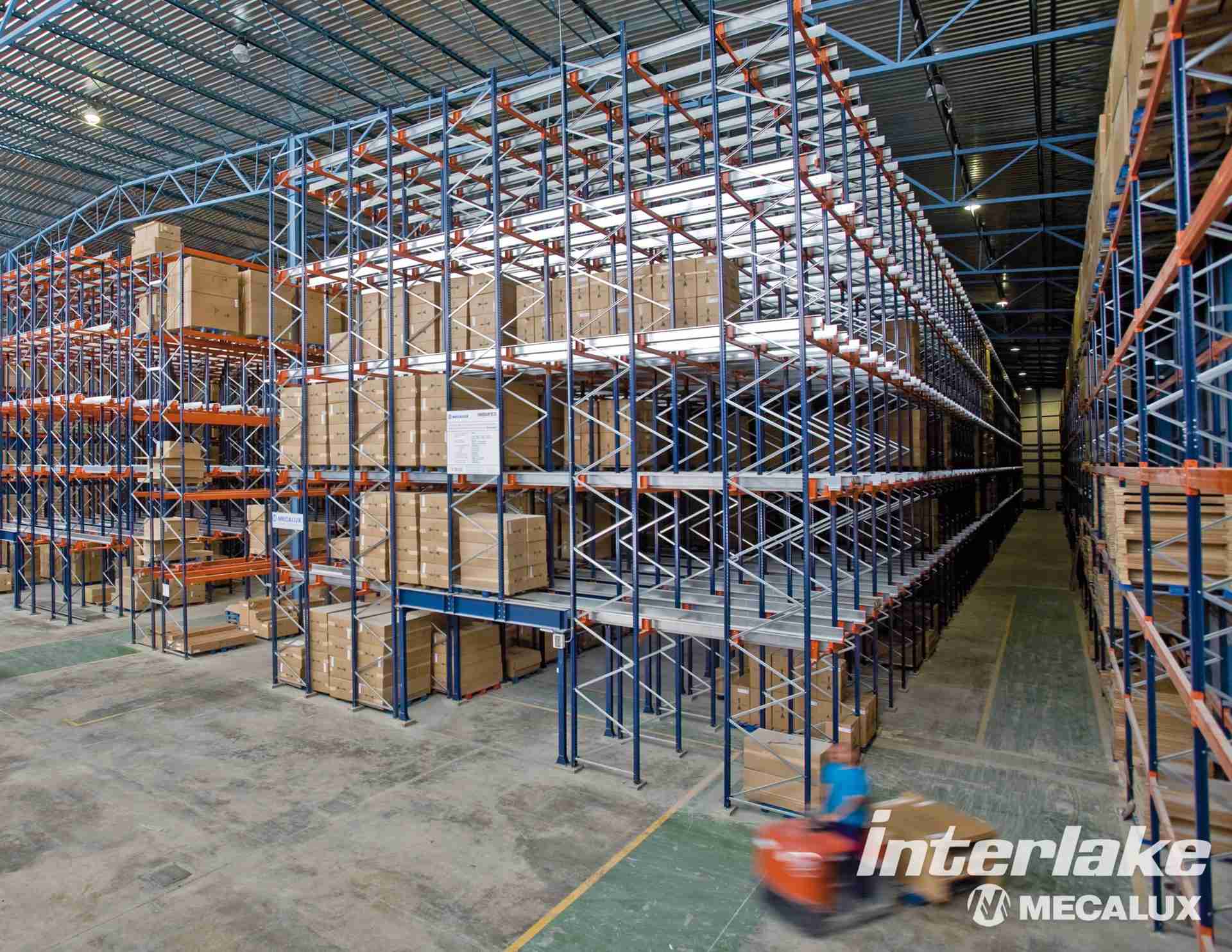
When you think about space, it’s easy to overlook the vertical canvas just waiting for your creativity to take hold. Vertical space isn’t just about height; it’s about making the most of every single inch, turning your home or workspace into a functional haven. Racking systems are a prime example of how to maximize vertical storage, transforming walls into a treasure trove of organization.
Consider the humble garage. It’s a place where tools, bikes, and random seasonal decorations reside. By installing racking systems, you can lift bulky items off the floor, keeping the space clear and accessible. This not only saves your back but also creates a more inviting environment, making it easier to find things when you need them. Picture reaching for a ladder that doesn’t require a game of “where did I put it this time?”—rather, it’s always at arm’s length, neatly stacked and ready to go.
In the kitchen, those vertical spaces above counters and between cabinets can become more than just dead air. Think shelves that stretch to the ceiling, beautifully displaying dishes or storing cookbooks. This approach marries practicality with aesthetics, inviting friends and family to gather around, sharing meals and stories. It fosters connection. You start to recognize that every time you cook, you’re not just making dinner; you’re creating an experience.
Let’s talk plants. Hanging gardens utilize vertical space in a way that connects us to nature, improving air quality and adding life to any room. It’s rewarding to watch something grow, and hanging your favorite herbs or vibrant flowers right where you can see them daily invites joy into your space. It’s an action that feels good and echoes the desire to cultivate our surroundings.
Don’t shy away from vertical art displays, either. It’s a chance to showcase pieces that resonate with you, telling a story and inviting conversations. Every picture, shelf, or piece of art is a marker of who you are and how you see the world. Plus, when guests come around, those walls become a gallery, sparking connections and memories.
In every corner of your life, whether at home or the workplace, consider how vertical space can be your ally. By recognizing its potential, you can create an organized, uplifting environment. Embrace the challenge of verticality; it’s not just about saving space—it’s about making room for life, connections, and inspiration to soar.
What Are Creative Ways to Utilize Vertical Space?
What Are Creative Ways to Utilize Vertical Space?
- Vertical space enhances creativity and maximizes storage potential in homes and workspaces.
- Racking systems in garages can clear floor space and improve accessibility.
- Kitchens benefit from vertical shelves for displaying dishes and storing cookbooks, fostering connections during meals.
- Hanging gardens use vertical space to improve air quality and add vibrancy to rooms.
- Vertical art displays personalize spaces and encourage conversations through storytelling.
- Recognizing and utilizing vertical space contributes to organized and uplifting environments.
- Embracing verticality is about making room for life, connections, and inspiration.

What Are Creative Ways to Utilize Vertical Space?
How Can I Optimize My Closet for Maximum Storage?
Optimizing your closet for maximum storage is not just about cramming more in; it’s about making your space work for you, day in and day out. A well-organized closet can save you time, reduce stress, and give you a sense of calm in your daily routine. Here’s how to dive into this task and transform that chaos into order.
Start with shaking the dust off your hands and getting personal with your belongings. Take everything out. Yes, everything. This is where the magic happens. You’ll not only see what you own but also engage in a little heart-to-heart with your clothes and shoes. Are those boots still your style? Is that jacket going to get worn again? Make decisions from the gut—what sparks joy? Be firm yet fair; the bag for donating can be a true friend in this process.
Next, think about racking systems. It’s like building a little village for your belongings. Shelves that reach the ceiling and baskets that fit neatly on those shelves can free up floor space and clear the clutter from your life. You might even want to consider adjustable racks; they give you options as your storage needs evolve. Install pull-out drawers to hide away smaller items that often get lost; it’s about making things accessible and keeping the chaos at bay.
Now, let’s talk about the practical stuff. Use boxes that match your decor to create visual order. Label everything. You’re not only keeping track of what you have; you’re also fostering a connection with your items. It’s about respect for your belongings and, honestly, for yourself. Being organized isn’t just an aesthetic choice; it’s an ethical one that reflects how we value our things and space.
Share your new closet setup with friends or family. You might inspire them to tackle their own clutter. It creates a sense of community, helping each other create functional spaces that truly reflect who we are. Plus, sharing can elevate your confidence. When you take on this project with determination, you not only improve your space but challenge yourself to take on more significant tasks.
An optimized closet isn’t just about more storage—it’s about peace of mind, clarity in your choices, and a home that feels right. Embrace the process as a journey toward simplicity and self-discovery. You’ve got this.

How Can I Optimize My Closet for Maximum Storage?
How Can I Optimize My Closet for Maximum Storage?
- Optimizing a closet enhances functionality, saves time, and reduces stress.
- Start by emptying your closet to assess belongings and determine what to keep or donate.
- Consider racking systems like ceiling-high shelves and adjustable racks to maximize space.
- Use matching storage boxes and label everything for visual order and personal connection to items.
- Sharing your closet organization can inspire others and foster a sense of community.
- An organized closet promotes peace of mind and reflects personal values and aesthetics.
- Embrace the organization process as a journey towards simplicity and self-discovery.

How Can I Optimize My Closet for Maximum Storage?
Conclusion
Increasing storage without raising rent combines creativity and practicality. Every nook and cranny can be transformed into organized space, allowing each item to have its rightful place. Using racking systems is a prime way to maximize vertical storage, turning walls into productive corners and freeing up floor space that often gets cluttered. A well-organized space not only creates a sense of tranquility but also enhances personal well-being. Walking into a tidy area can feel like a weight lifted, reinforcing the idea that home is a sanctuary rather than just a storage unit.
From a rational standpoint, organization saves time and effort. No more digging through boxes to find seasonal gear or tools; everything becomes easily accessible. This newfound efficiency opens up time for relaxation, family activities, or pursuing hobbies. It’s not just about physical items; it’s about reclaiming mental space and energy.
Ethically, maximizing what you already own promotes sustainability. By conserving resources and focusing on smart storage solutions, you foster a sense of responsibility toward waste reduction. This commitment can resonate deeply, reinforcing the value of using what you have instead of continuously seeking more space.
Narratively, think of those in your community who’ve faced similar challenges. Stories of neighbors turning chaotic garages into well-organized havens highlight the possibilities that arise from tackling clutter creatively. This shared experience builds a sense of community and fosters support networks.
Affordable DIY projects, like crafting custom racking systems, can empower individuals to take control of their spaces. The hands-on approach not only saves money but also reinforces a connection to the home environment. Each shelf built or hook installed reflects personal effort and creativity, fostering pride in a well-ordered space. Sharing these successes inspires others to embark on similar journeys, creating a ripple effect of organization and community spirit.
When sorting through possessions for donation or sale, view items through both practical and emotional lenses. Understand that letting go doesn’t mean losing something valuable; rather, it’s an opportunity to pass along memories that might brighten someone else’s day. By embracing a mindset of sharing abundance, you contribute to a greater good.
Maximizing storage is about more than simply fitting more items in; it’s about creating a space that reflects your values and hard work. It’s where heart, head, and gut come together to cultivate a home filled with joy, peace, and inspiration.

Conclusion
Conclusion:
- Combining creativity and practicality to increase storage without raising rent.
- Maximizing vertical storage with racking systems to free up cluttered floor space.
- A well-organized space enhances personal well-being and creates a sense of tranquility.
- Organization saves time and effort, making items easily accessible and improving efficiency.
- Maximizing storage promotes sustainability and responsibility toward waste reduction.
- DIY projects, such as custom racking systems, empower individuals and foster community spirit.
- Letting go of possessions can be an opportunity to share memories and contribute to the greater good.

Conclusion
Other Resources
Other Resources
Here is a list of other resources you can review online to learn more:
- CA Wire
- Arrow Industrial Sales
- Storage Equipment Manufacturers Association
- New Cantilever Racks and Racking Kits
- Interlake
- Iowa Illinois Warehouse Racking
- CMMA
- Cantilever Rack Guide: Ordering Cantilever Racking
- What is Selective Racking: Understanding Benefits & Options
- National Safety Council
- Pallet Racking 101: A Comprehensive Guide & Options Explained
- Warehouse Storage Racking in Illinois
- SEMA
- Shipping Boxes, Packaging Materials, Pallet Racking
- Rack Manufacturers Institute
- Material Handling Safety
- Teardrop Racks – Pallet Rack World
- Illinois Pallet Racking – Storage Solutions
- BMH Equipment LLC
Use This Prompt To Get More Resources With Your Favorite Online AI Tool: Please provide me with a list of online articles with their URLs in a bulleted list that I can read regarding How to Increase Storage Without Increasing Rent
Other Resources
Glossary Terms
How to Increase Storage Without Increasing Rent – Glossary Of Terms
1. Storage Optimization: Techniques to improve the utilization of existing storage space.
2. Decluttering: The process of removing unnecessary items to make space.
3. Vertical Storage: Utilizing vertical space through shelving or stacking to maximize storage.
4. Multi-functional Furniture: Furniture that serves multiple purposes, such as storage and seating.
5. Smart Storage Solutions: Innovative methods or products designed to maximize storage efficiency.
6. Organizational Systems: Structured methods to organize and categorize stored items.
7. Containerization: Using bins, boxes, or containers to store items systematically.
8. Space Saving: Techniques and products designed to reduce the footprint of stored items.
9. Inventory Management: Keeping track of stored items to optimize space usage.
10. Seasonal Storage: Storing items based on their seasonal relevance to free up space.
11. Customized Storage: Tailoring storage solutions to fit specific needs and spaces.
12. Compact Design: Furniture or storage solutions designed to occupy less space.
13. Underutilized Areas: Areas in a home or office that can be transformed into storage spaces.
14. Shelving Units: Structures designed for holding items, maximizing vertical space.
15. Off-site Storage: Renting external storage units to free up space at home or in the office.
16. Wall-mounted Storage: Storage solutions attached to walls to save floor space.
17. Modular Storage: Flexible and customizable storage systems that can be adapted as needed.
18. Clutter-free Zones: Specific areas designated to remain free of unnecessary items.
19. Labels: Tags or markers used to identify items in storage for easier access.
20. Purging: The act of disposing of or donating items that are no longer needed.
21. Efficient Packing: Strategies for packing items tightly and securely in storage containers.
22. Temporary Storage: Short-term solutions for storing items without long-term commitment.
23. Rentable Space: Utilizing rentable options for additional storage without expanding lease agreements.
24. Utility Items: Everyday items that can double as storage solutions, like benches with hidden compartments.
25. Inventory Audit: Regularly assessing stored items to ensure optimal space utilization.
26. Storage Pods: Portable containers that can be used for temporary storage during transitions.
27. Furniture Arrangement: The strategic placement of furniture to create more storage opportunities.
28. Conversion Projects: Changing the use of existing spaces to serve additional storage purposes.
29. Digital Storage: Utilizing cloud services to replace physical storage of documents and files.
30. Community Sharing: Sharing storage space with neighbors or friends to reduce individual costs.
Glossary Of Terms
Other Questions
How to Increase Storage Without Increasing Rent – Other Questions
If you wish to explore and discover more, consider looking for answers to these questions:
- How much will racking systems or shelving cost upfront and over time?
- Do I need landlord permission to install permanent or semi-permanent racks in a rental?
- What tools and skills are required for common DIY racking and shelving projects?
- What are the best low-cost materials for building sturdy shelving?
- How do I measure my space to choose the right shelving dimensions and layout?
- How do I determine weight limits and load capacity for shelves and racks?
- How should I anchor tall racks to prevent tipping or collapse?
- What are step-by-step instructions for building a simple garage or closet rack?
- Are there modular or adjustable systems that grow with my needs?
- How do I maximize vertical space in rooms with low ceilings?
- What quick DIY projects can create hanging or overhead storage?
- How can I store and organize specific items like bicycles, ladders, tools, and sports equipment?
- What are the best solutions for organizing seasonal decorations and clothing?
- How do I protect stored items from moisture, mold, pests, and temperature changes?
- When is climate-controlled storage worth renting instead of optimizing at home?
- How do I decide what to keep, donate, sell, recycle, or discard?
- Where can I donate items locally, and what items do charities accept?
- How do I price items for sale and what platforms are best for different goods?
- Which items are worth repairing or repurposing before donating or selling?
- Are donations tax-deductible and what documentation is required?
- How can I create an efficient labeling or inventory system for stored items?
- What apps or tools help track inventory and location of stored belongings?
- How often should I rotate or audit stored items to avoid clutter buildup?
- What are safe storage practices for valuables, important documents, and electronics?
- How can I childproof or pet-proof my storage solutions?
- What local building codes, permits, or HOA rules might affect shelving installations?
- How do I calculate cost-benefit or return on investment of upgrading storage vs. renting more space?
- What are attractive, budget-friendly finishes and designs for visible shelving?
- How can I repurpose pallets, crates, or other reclaimed materials safely and attractively?
- What maintenance is required for shelving systems to ensure longevity and safety?
- How do I dispose of or recycle broken or unusable items responsibly?
- When should I hire a professional installer versus doing a DIY build?
- What local resources (community swap meets, tool libraries, workshops) can help with materials or labor?
- How do I plan a phased organization project so it’s manageable week by week?

Other Questions
Checklist
How to Increase Storage Without Increasing Rent – A Checklist
Plan and Measure
✅______ Identify target spaces (garage, basement, attic, closets)
✅______ Define a purpose for each zone (workshop, family hub, archive)
✅______ Measure walls, ceiling height, and floor depth; note doors and outlets
✅______ Photograph “before” and mark problem areas
✅______ Set a declutter target (for example: reduce volume by 25–30%)
Declutter First
✅______ Empty one zone at a time
✅______ Sort into Keep, Donate, Sell, Recycle, and Trash
✅______ Remove items unused for 12+ months
✅______ Apply “One In, One Out” for future purchases
✅______ Schedule donation drop-off or listings within 48 hours
✅______ Host a swap with friends and family to rehome usable items
Maximize Vertical Space
✅______ Select walls for racking systems or shelving
✅______ Prioritize high-access items at eye or waist level; place rarely used items higher
✅______ Choose adjustable racks for evolving needs
✅______ Consider overhead and corner solutions to free floor space
✅______ Map shelf heights to fit bins and bulky gear
DIY, Low-Cost Upgrades
✅______ Inventory materials on hand (pallets, scrap wood, brackets)
✅______ Sketch a simple racking or shelf plan
✅______ Repurpose pallets into shelves or slat walls
✅______ Add pegboard and hooks for tools and accessories
✅______ Set and track a small materials budget
Containerize and Label
✅______ Group like with like (tools, sports, décor, seasonal, archive)
✅______ Use clear bins or uniform boxes for visual order
✅______ Label on multiple sides; include category and key contents
✅______ Create a simple zone inventory (optional: add QR links to lists)
✅______ Assign seasonal bins and store off-season items up high
Closet Optimization
✅______ Completely empty the closet and edit ruthlessly
✅______ Install double-hang rods and adjustable shelves
✅______ Add pull-out baskets and drawers for small items
✅______ Use slim, matching hangers to increase capacity
✅______ Reserve top shelves for rarely used items; rotate seasonally
Garage/Basement Zoning
✅______ Define clear zones: tools, sports, décor, archive
✅______ Wall-mount long items (brooms, ladders) and bikes
✅______ Keep a clear floor stripe for safe movement and quick cleaning
✅______ Create a small, permanent “work surface” zone
Donation and Sale Workflow
✅______ Maintain a visible outbox for ongoing edits
✅______ Pre-label bags and boxes for Donate and Sell
✅______ Photograph and list sale items the same day
✅______ Choose regular donation days and track receipts or totals
Maintain the System
✅______ Complete a 10-minute weekly tidy per zone
✅______ Monthly “Release Five” (let go of five items)
✅______ Seasonal inventory review and bin rotation
✅______ Reapply “One In, One Out” continuously
✅______ Share before-and-after photos to reinforce momentum
Mindset Anchors
✅______ Clarify your why: time saved, peace of mind, sustainability
✅______ Celebrate each cleared shelf or completed zone
✅______ Keep one visible reminder of your progress to stay motivated

Checklist
At RackingWorld, we help guide you through selecting warehouse storage systems and racking.
Be sure to read our other related stories at RackingWorld to learn more about warehouse storage systems.
0 Comments