
Build A Better Warehouse: The Smart Way To Future-Proof Your Layout
By Tom Seest
At RackingWorld, we help guide you through selecting warehouse storage systems and racking.
Be sure to read our other related stories at RackingWorld to learn more about warehouse storage systems.
How to Future-Proof Your Warehouse Layout with Modular Racks
When it comes to future-proofing your warehouse layout with modular racks, the vision should extend beyond just today’s needs. Picture this: the hustle and bustle of a well-organized warehouse where every piece of racking serves a purpose, adapting effortlessly to your ever-changing demands. It’s not just a matter of storage—it’s about creating a living, breathing entity that evolves right alongside your business.
Think of how modular racking plays into the heart of this transformation. These racks aren’t just steel and bolts; they’re the backbone of your operation, allowing you to adapt to fluctuating inventory levels, seasonal peaks, and even unexpected disruptions. When the call comes to change up your inventory strategy, you’re not scrambling—you’re empowered. Each rack can shift, expand, or contract with ease, keeping your workflow smooth and efficient. That kind of flexibility is not just smart—it’s vital.
On the rational side, consider the numbers. Modular racking systems utilize space more efficiently, cutting down on wasted square footage. You’ve got dollars tied up in every inch of your warehouse, and with the right racking setup, you’re maximizing your return on investment. This isn’t just about aesthetics; it’s about solid, measurable benefits that can fuel profitability year after year. Now is the time to take action, turning your floor space into a high-performing asset rather than a stagnant cost.
However, the ethical dimension must not be overlooked. When you invest in modular racking, you’re also investing in your team. A well-organized workspace reduces frustration and fosters collaboration. Employees feel seen and valued when they can efficiently navigate their environment, and that can lead to improved morale and productivity. It’s not just good business; it’s the right thing to do.
Lastly, let’s not forget the power of community. Many warehouse operations are built on relationships—with suppliers, partners, and customers. By embracing a modern, flexible racking system, you position your business as a leader in innovation. Others will take note, and soon enough, you’ll find that sharing your knowledge and experience helps everyone in the industry rise. The world’s a big place, and when you lead by example, you’re creating a ripple effect that extends far beyond your walls.
This is more than just optimizing a space; it’s about crafting a legacy of resilience, adaptability, and teamwork. Unlock the potential of your warehouse with modular racking, and watch your business thrive.
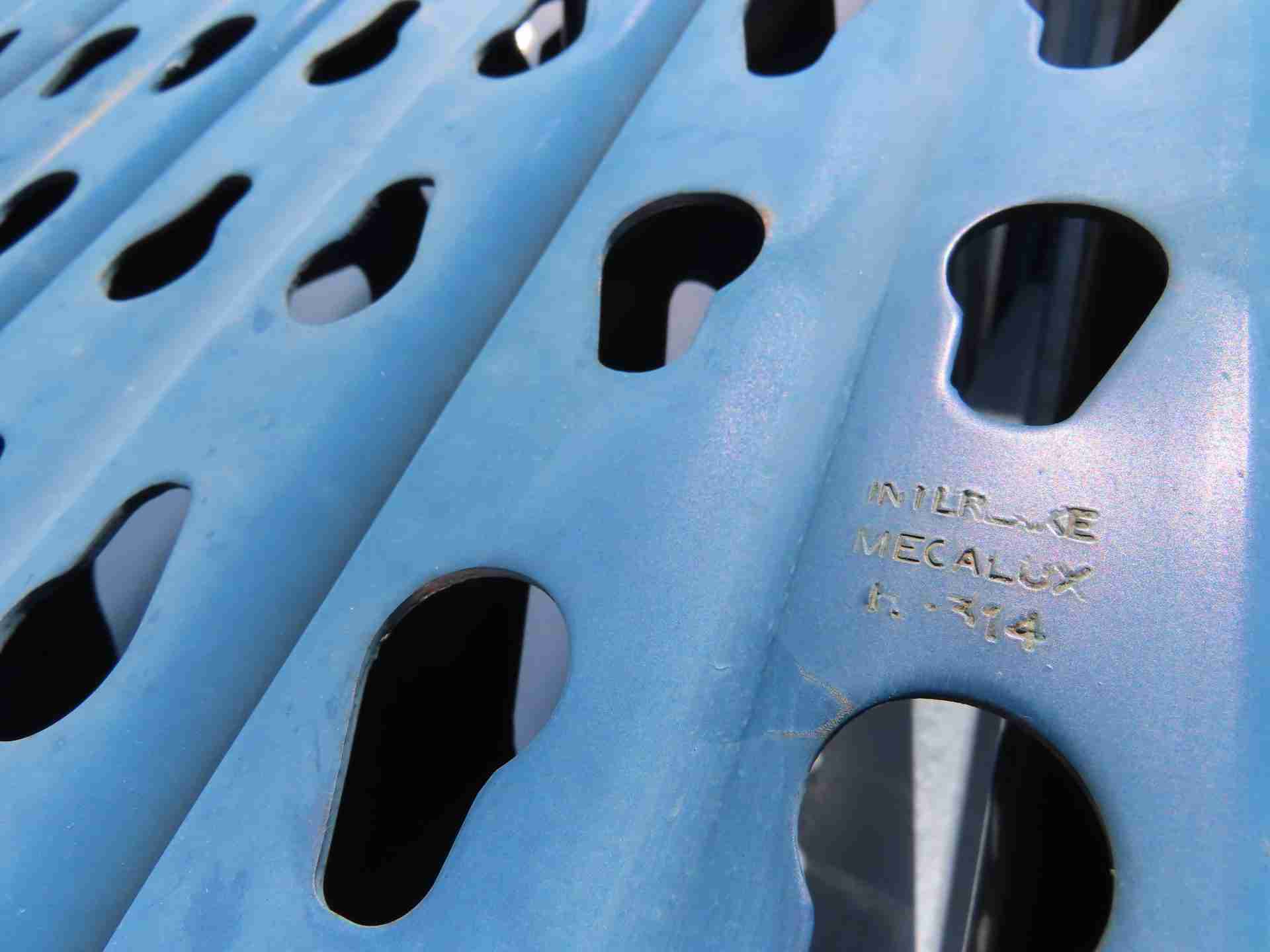
How to Future-Proof Your Warehouse Layout with Modular Racks
How to Future-Proof Your Warehouse Layout with Modular Racks
- Future-proof your warehouse layout with modular racks that adapt to changing demands.
- Modular racking serves as the backbone of operations, allowing for easy adjustments during fluctuations in inventory.
- Efficient use of space with modular systems helps maximize return on investment and reduces wasted square footage.
- A well-organized workspace fosters employee satisfaction, collaboration, and productivity.
- Investing in modular racks benefits not just the business, but also enhances team morale.
- Modern racking positions your business as an innovative leader within the community and industry.
- Embrace modular racking to build a legacy of resilience, adaptability, and teamwork in your warehouse.
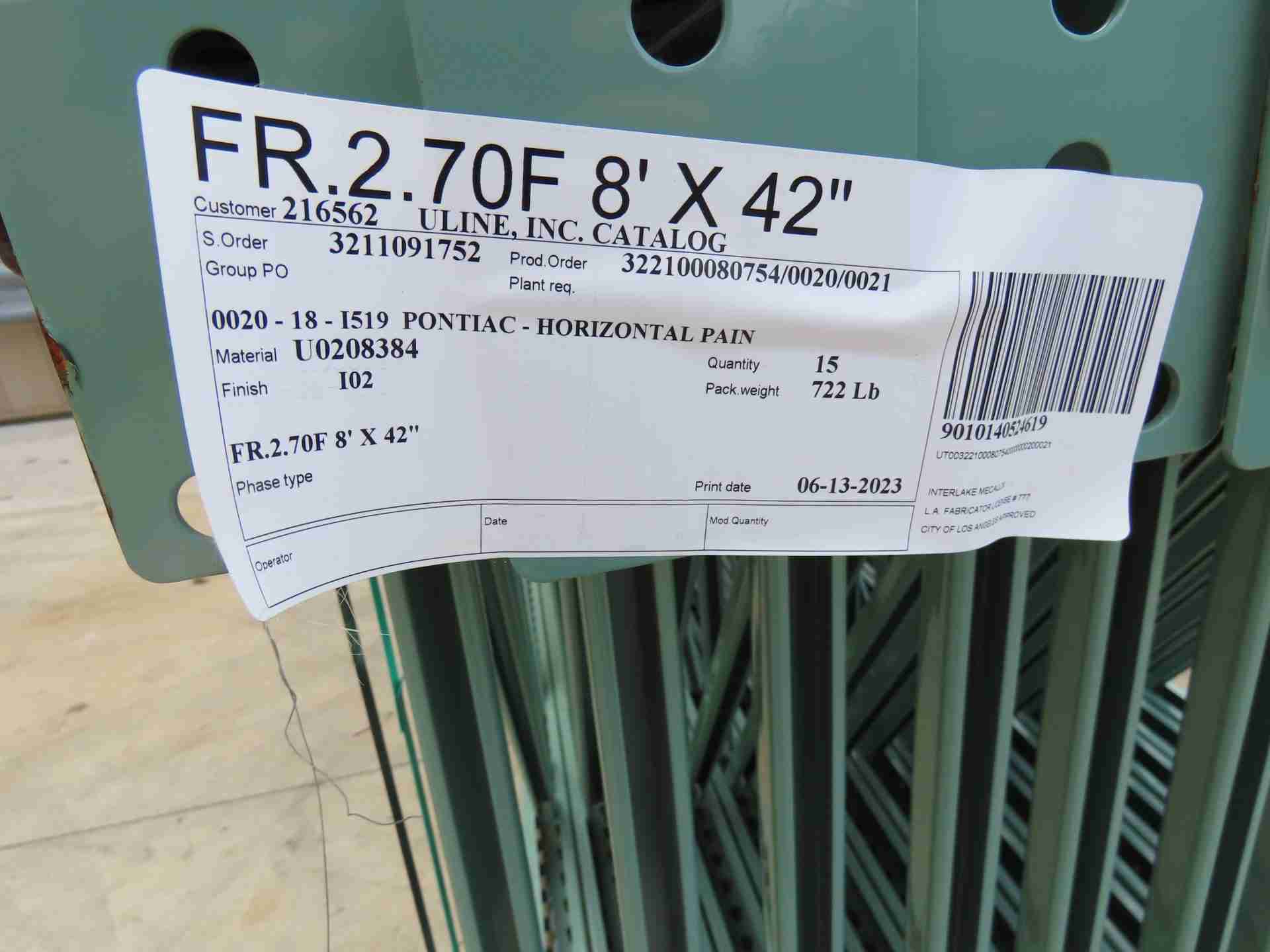
How to Future-Proof Your Warehouse Layout with Modular Racks
Table Of Contents
- How to Future-Proof Your Warehouse Layout with Modular Racks
- What If Your Warehouse Layout Could Adapt As Your Business Grows?
- Are Modular Racks the Key to Maximizing Your Storage Efficiency?
- How Can a Flexible Layout Reduce Operational Costs In the Long Run?
- What Ethical Considerations Should You Make When Designing Your Space?
- What Emotions Drive Your Current Warehouse Layout Decisions?
- Conclusion
- Other Resources
- Glossary Of Terms
- Other Questions
- Checklist
What If Your Warehouse Layout Could Adapt As Your Business Grows?
Imagine walking into your warehouse, and instead of feeling overwhelmed by a maze of rigid aisles and stagnant racking, you see a dynamic space. A place that breathes with your business, adapting to new challenges and opportunities, responding to your growth like a well-trained athlete. This is the future of warehouse design—a layout that doesn’t just serve your current needs but anticipates what’s next.
Think about the warm, sunny days spent working hard, elbow-deep in the workings of your business. The camaraderie with your team as you strategize ways to relocate or optimize the racking; this connection runs deeper than just efficiency. It’s about building a community—where each person understands the role they play in your success. When your warehouse layout can adapt, it fosters that spirit of collaboration. Your team will feel empowered, knowing that they are part of an evolving journey, not just cogs in an unchanging machine.
From a rational standpoint, adapting your warehouse layout is not just a luxury; it’s a necessity. The old adage about the only constant being change rings true now more than ever. E-commerce growth, seasonal fluctuations, and changing demands mean that sticking with a fixed layout is akin to trying to drive a car with a blindfold. It might work for a while, but eventually, you’re going to crash. Investing in adaptive racking solutions can lead to time savings and increased productivity, allowing your business to flourish instead of just survive.
Ethically, as a leader, you have a responsibility to protect your workforce and your resources. A workspace that easily adjusts not only keeps processes flowing smoothly but also demonstrates a commitment to innovation and employee well-being. Your workforce deserves a safe and efficient environment—one where they can navigate challenges without undue stress.
Picture a story where a small business transforms its warehouse into a thriving hub of activity, a space designed not just for storage but for creativity and growth. Others in your industry begin to take notice, feeling inspired to think differently about their own operations, creating a ripple effect of transformation in your community.
If you want to build trust among your customers and employees alike, take the leap. Invest in a warehouse layout that’s as agile as your ambitions. When you design for adaptability, you’re not just optimizing space; you’re inspiring confidence in your vision. This isn’t just good business; it’s the heart of a thriving enterprise.
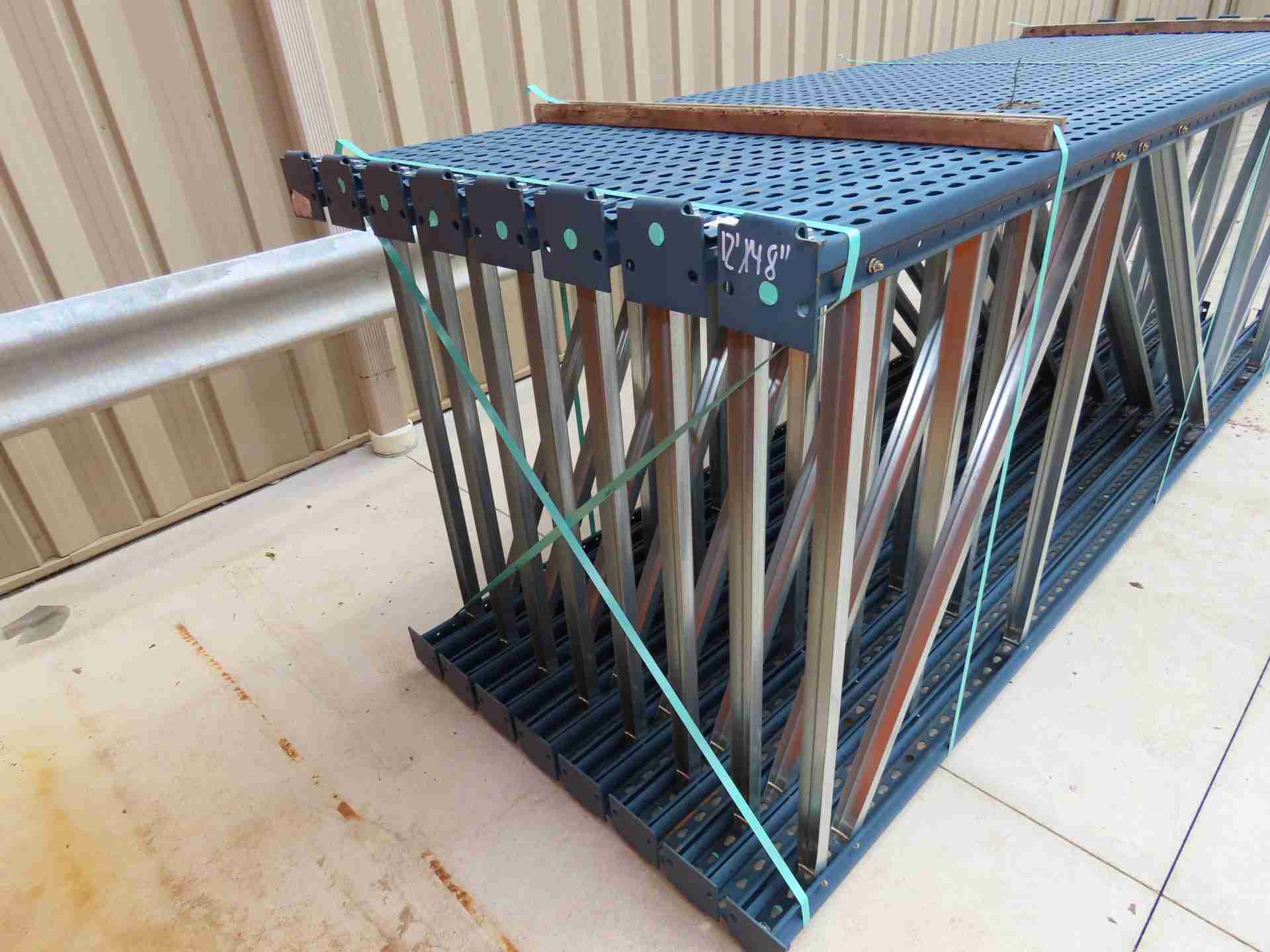
What If Your Warehouse Layout Could Adapt As Your Business Grows?
What If Your Warehouse Layout Could Adapt As Your Business Grows?
- The future of warehouse design emphasizes adaptability to changing business needs and opportunities.
- An evolving layout promotes teamwork and camaraderie among employees, fostering a sense of community.
- Adapting warehouse layouts is essential due to e-commerce growth, seasonal changes, and fluctuating demands.
- Investing in adaptive racking increases productivity and efficiency, allowing businesses to thrive.
- Leaders have the ethical responsibility to ensure a safe and efficient workspace for their workforce.
- Innovative warehouse design can inspire transformation in the industry and within the local community.
- Creating an agile warehouse layout builds trust and confidence among customers and employees alike.
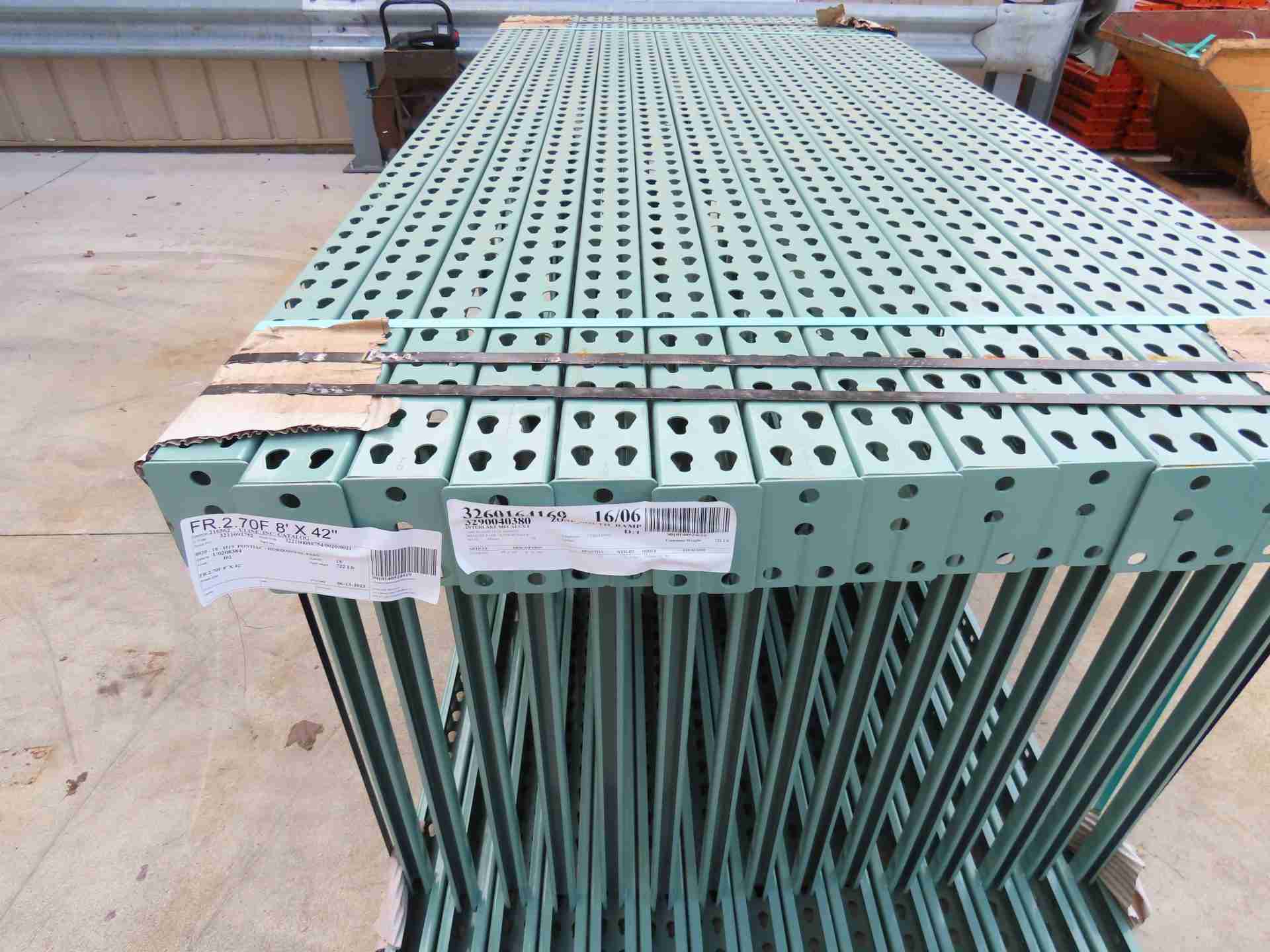
What If Your Warehouse Layout Could Adapt As Your Business Grows?
Are Modular Racks the Key to Maximizing Your Storage Efficiency?
When it comes to managing our spaces, whether it’s a bustling warehouse or a cozy garage, clutter can become a silent thief in our lives. We’ve all been there—struggling to find that tool we need, diving into stacks of boxes only to unearth yesterday’s projects. It’s frustrating, isn’t it? Enter modular racks, a solution that promises not just organization, but a transformation of how we view our spaces.
Picture a sturdy racking system that adapts to your needs, taking a jumble of chaos and turning it into an oasis of order. These racks aren’t just metal and wood; they represent freedom—from the chaos that weighs you down, from the inefficiency that eats away at your time. Each shelf becomes a canvas where you can curate your essentials, an orderly environment that fuels creativity and productivity. Imagine not just searching for that wrench, but knowing exactly where it is—your space, serving you, instead of the other way around.
But it’s not just about tidiness; it’s about wisdom. Owning modular racks is a practical investment that pays dividends in efficiency. Consider this: With a well-designed racking system, you increase accessibility while optimizing space. That’s common sense—efficiency means more time for what truly matters, whether it’s spending time with family, pursuing a hobby, or focusing on your work. You might spend less time digging for items and more time being productive—or simply enjoying life.
Then there’s the ethical piece. In a world where sustainability matters, modular racks offer a greener choice. They’re often manufactured with recyclable materials, embodying the principles of repurposing and reducing waste. By choosing sustainable solutions like these, you’re not just organizing your life—you’re making a statement about your values, about leaving a smaller footprint, about being part of something bigger than yourself.
Lastly, think about your community and those around you. When you invest in your space, you’re empowering others to do the same. It creates a ripple effect, inspiring friends, neighbors, and family to take control of their clutter, to organize and thrive together. When spaces are optimized, we all benefit from a shared environment that’s tidy and pleasant.
Modular racks could be the very key you need, unlocking not just storage efficiency but a pathway to a more fulfilling, organized life. The time to act is now—embrace the change, because the best version of your space is waiting for you.
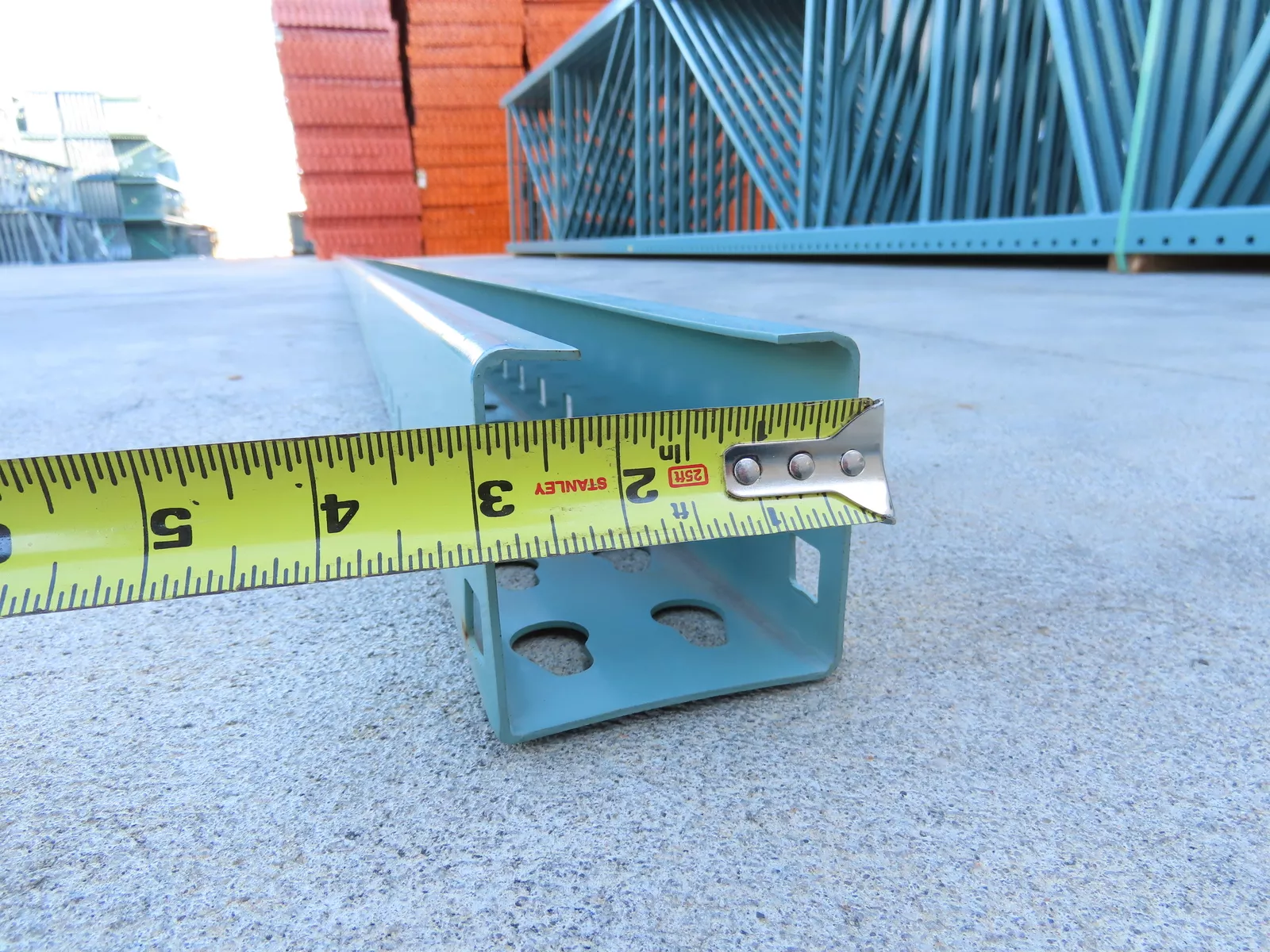
Are Modular Racks the Key to Maximizing Your Storage Efficiency?
Are Modular Racks the Key to Maximizing Your Storage Efficiency?
- Clutter can hinder efficiency and productivity in various spaces, from warehouses to garages.
- Modular racks offer a flexible solution that transforms chaotic areas into organized, functional environments.
- These racks enhance accessibility, turning every shelf into a curated space for essentials.
- Investing in modular racks promotes efficiency, allowing for more time spent on important activities.
- The product is often made from recyclable materials, aligning with sustainable and ethical practices.
- Organizing your space can inspire the community, fostering a collective effort toward tidiness.
- Embracing modular racks can lead to a more fulfilling life through increased organization and productivity.
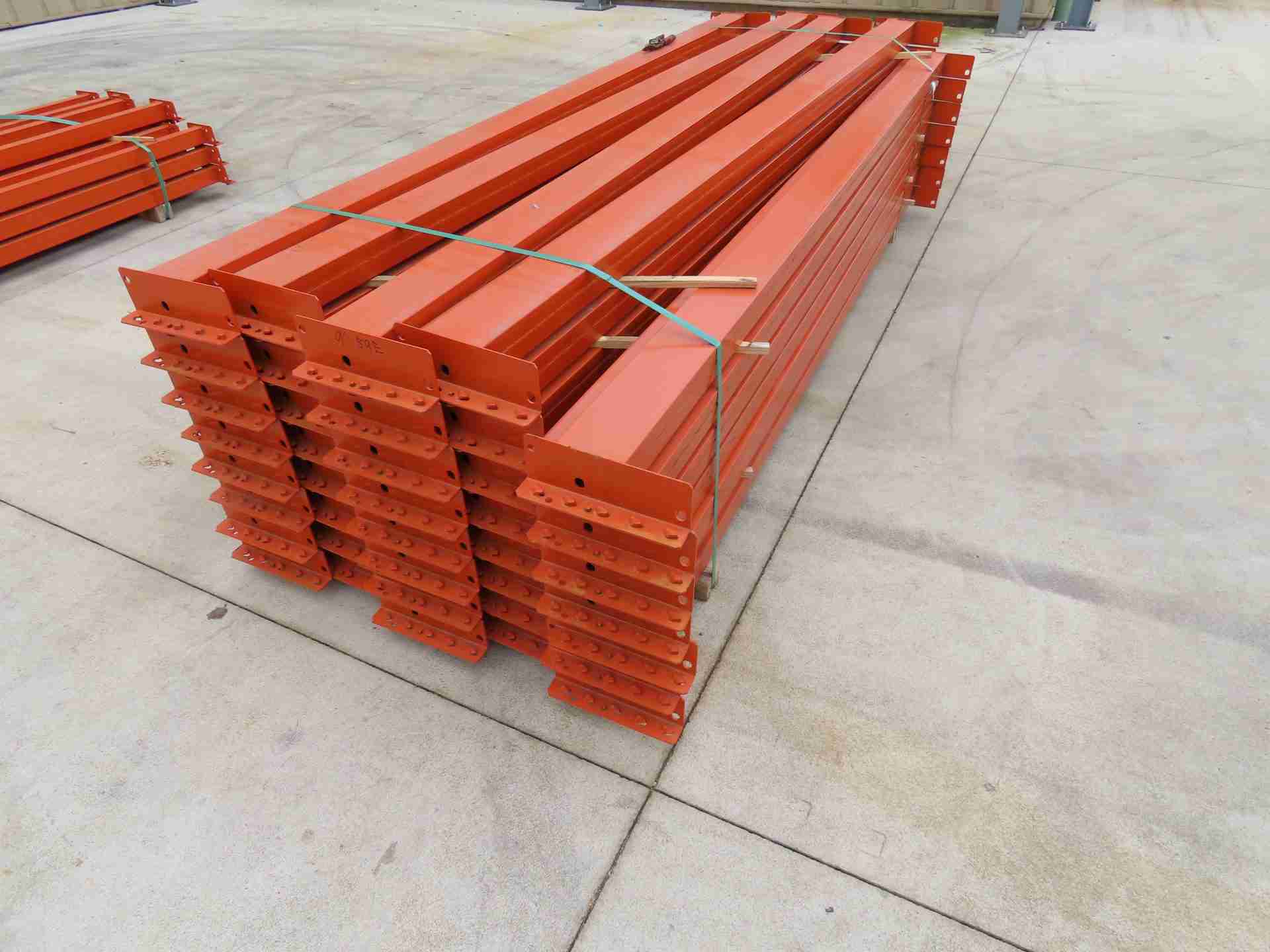
Are Modular Racks the Key to Maximizing Your Storage Efficiency?
How Can a Flexible Layout Reduce Operational Costs In the Long Run?
When it comes to reducing operational costs, a flexible layout isn’t just a clever option—it’s a transformative strategy that can change the entire dynamic of your workspace and, ultimately, your bottom line. Think about the warehouse that once looked like a maze of fixed racking making each item feel like a distant relative at a family reunion. Now, imagine that same space reimagined with a layout that adapts like a seasoned dance partner, seamlessly accommodating the ebb and flow of your operational demands. The emotional satisfaction of a well-organized, efficient workplace can lead to happier employees, and happier employees lead to increased productivity.
The heart of any operation beats strongest when people feel valued and empowered. A flexible layout allows workers to collaborate more freely, creating an environment where ideas flow as smoothly as the coffee at an early morning meeting. When employees can move and adapt their surroundings to fit their immediate needs, that sense of ownership fosters a connection to the mission of the company. You can almost see the pride in their eyes as they access materials or equipment without the cumbersome challenge of fixed racking systems that often create bottlenecks.
From a rational perspective, consider the adaptability that a flexible layout brings to your operation. Why lock yourself into a rigid structure that may hinder growth? With the ability to rearrange resources and streamline workflows, you can respond quickly to market changes or new product launches without incurring the significant costs associated with renovations or new equipment. Over time, those savings stack up, and before you know it, you’ve turned a once-steadfast expense into a savvy investment.
Ethically, the push for sustainable practices has never been stronger. A flexible layout reduces waste, both in terms of materials and time. By optimizing space and resources, companies can showcase their commitment to environmental stewardship—an increasingly vital consideration for consumers today.
In this context, flexibility is not just about space; it’s about the culture that emerges when we invite our teams into the conversation. It’s about creating a workplace that reflects the dynamic nature of our world. By embracing change, we build trust and inspire action—not only in our workforce but within our communities too. The ripple effect of those operational innovations can lead to long-lasting impacts, fostering a sense of pride that extends far beyond the four walls of any facility.
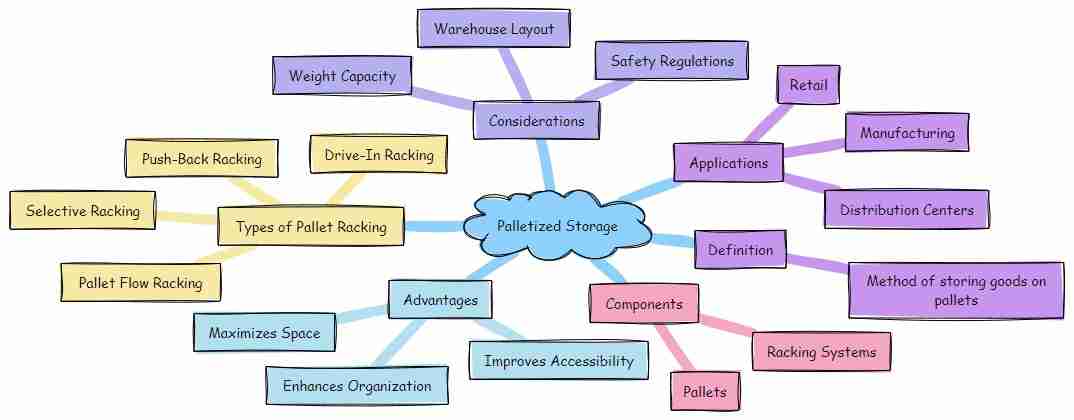
How Can a Flexible Layout Reduce Operational Costs In the Long Run?
How Can a Flexible Layout Reduce Operational Costs In the Long Run?
- A flexible layout is a transformative strategy for reducing operational costs and enhancing workspace dynamics.
- A well-organized and adaptable workspace leads to happier employees, which boosts productivity.
- Employees feel valued and empowered in flexible environments, fostering better collaboration and idea flow.
- Flexible layouts allow quick adjustments to workflows, supporting growth without significant costs associated with renovations.
- Implementing a flexible layout can lead to cost savings over time, transforming expenses into investments.
- Such layouts promote sustainable practices by reducing waste in materials and time, appealing to environmentally-conscious consumers.
- Flexibility in the workplace fosters a culture of trust and innovation, positively impacting communities beyond the organization.
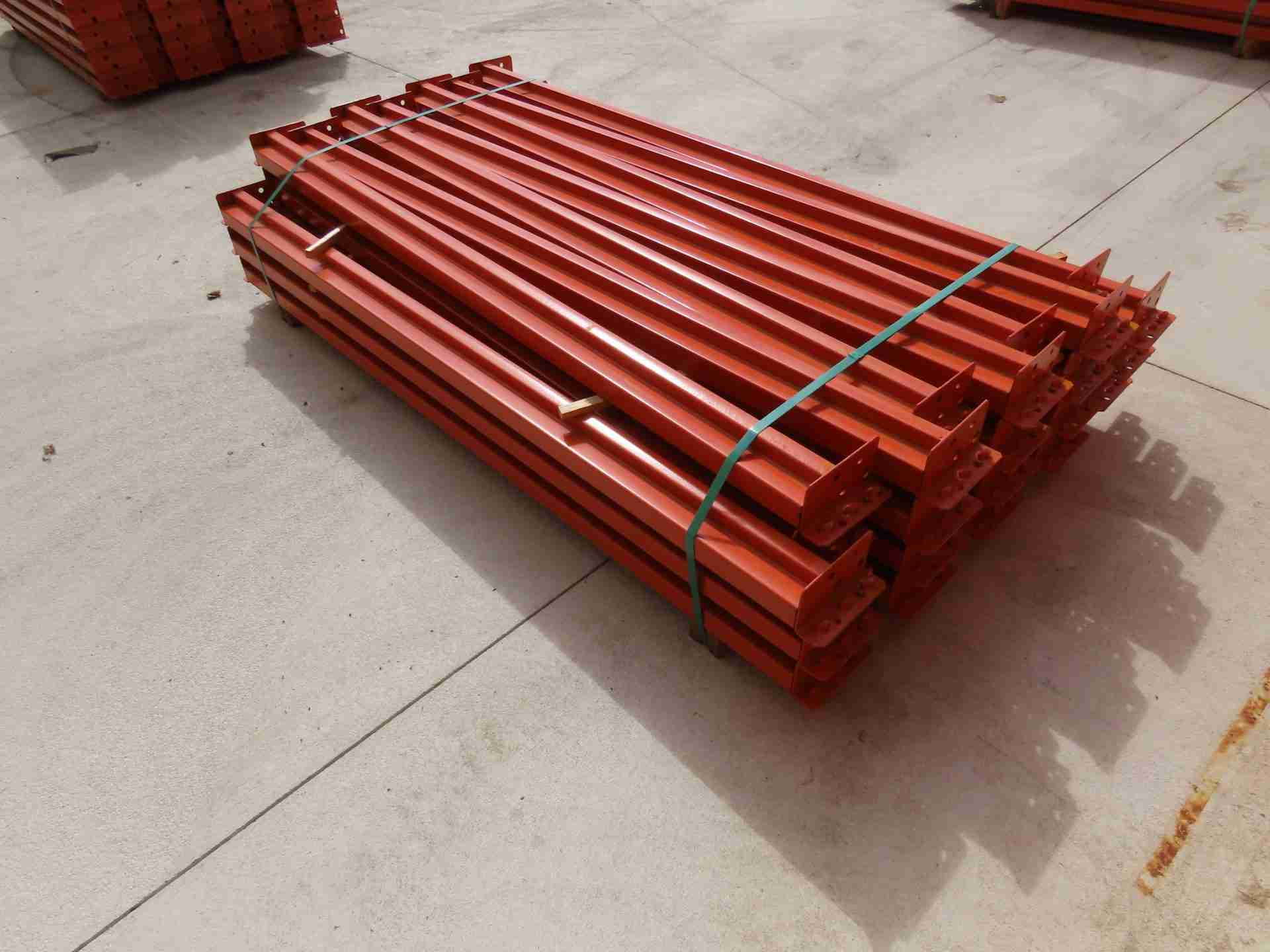
How Can a Flexible Layout Reduce Operational Costs In the Long Run?
What Ethical Considerations Should You Make When Designing Your Space?
When you step into a space you’ve designed, it’s not just a matter of aesthetics; it’s about the soul of that space. Each choice you make carries weight – from the color of the walls to the materials underfoot. But have you paused to think about the ethical considerations behind those decisions?
Racking your brain over logistics and budgets is essential, but what about the impact on the people who will inhabit your space? Ethical design isn’t merely a box to check; it’s a commitment to creating environments that uplift and connect. Picture this: a community center designed with local artisans’ work, providing a place that fosters creativity and collaboration. This isn’t just a building; it’s a testament to the heart of the community. When you prioritize local sourcing, you’re not only enhancing aesthetics but also nurturing relationships and supporting livelihoods.
Think about the materials you choose. That plush carpet may feel divine on your toes, but what about the environmental footprint it leaves behind? Opting for sustainable materials isn’t just a trend; it reflects a responsibility to future generations. Your choices have the power to affect ecosystems and communities, and they whisper a powerful message: you care. It’s about creating a legacy, a story told through the space that respects the planet and its people.
This leads to the gut feeling we all experience when entering a thoughtfully designed environment. It simply feels good. We unconsciously seek spaces that resonate with our values. A well-considered design speaks volumes about trust, responsibility, and care. It’s not just a backdrop but a framework for living, allowing us to thrive rather than just exist.
In your design journey, consider not only the immediate benefits but also the ripples that will spread beyond your four walls. Engage with communities to understand their needs and desires, allowing them to take ownership of their spaces. When you design with empathy, you’re not just creating a physical environment; you’re instilling a sense of belonging.
So, take a moment to reflect on the ethical footprint of your design. By aligning your choices with a higher purpose, you can cultivate spaces that resonate with the heart, engage the head, and connect with the gut. The world needs more spaces that inspire, unite, and empower – and you have the power to create that change.
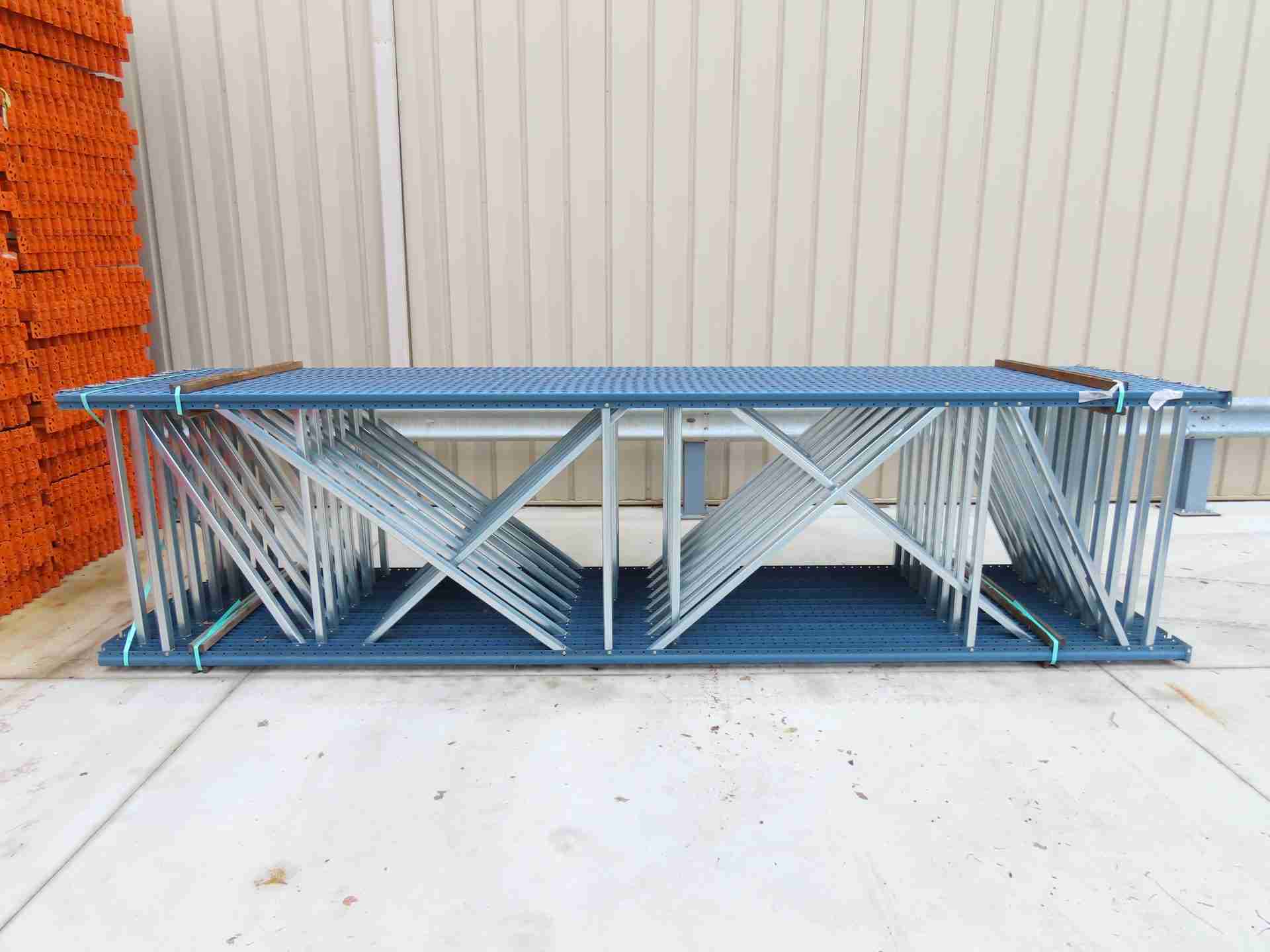
What Ethical Considerations Should You Make When Designing Your Space?
What Ethical Considerations Should You Make When Designing Your Space?
- Designing a space goes beyond aesthetics; it embodies the soul of the environment.
- Each design choice, from colors to materials, carries ethical implications that affect inhabitants.
- Ethical design is a commitment to creating uplifting and connective environments.
- Local sourcing can enhance aesthetics and support community relationships and livelihoods.
- Choosing sustainable materials reflects a responsibility to the environment and future generations.
- Thoughtfully designed spaces resonate with values, fostering trust, responsibility, and care.
- Engaging communities and designing with empathy instills a sense of belonging and ownership.
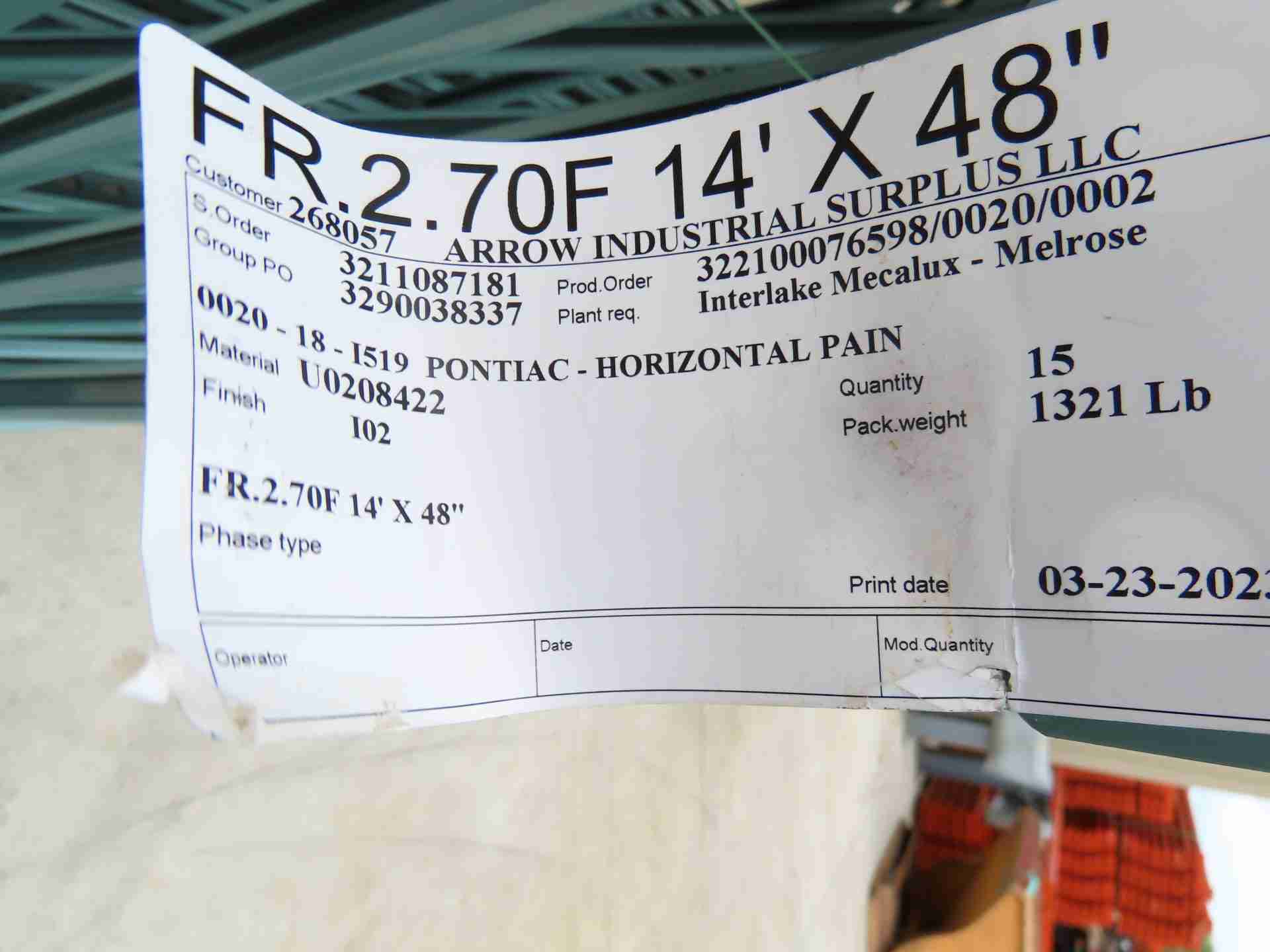
What Ethical Considerations Should You Make When Designing Your Space?
What Emotions Drive Your Current Warehouse Layout Decisions?
When you walk through your warehouse, what do you feel? Is it a sense of pride in the systematic order of your racking, each shelf organized and waiting to serve an essential purpose? Or perhaps it’s a gnawing anxiety about inefficiencies—those frustrating bottlenecks that cost time and morale. Understanding the emotional roots of your layout decisions can be the difference between mere storage and a well-oiled machine that fuels your business.
Let’s start with the heart. Whatever you’re moving in and out of those warehouse doors, it’s more than just boxes and pallets; it’s your livelihood, the passion that drives your team, and the hope of satisfying customers. Every shelf placed and every aisle designed should reflect the value you place on service and productivity. When you connect emotionally with your layout, you create an environment where each employee feels their contribution matters—where the act of picking and packing becomes a point of pride rather than just another chore.
Now, there’s a rational side to this too. A warehouse that is thoughtfully laid out translates into efficiency. By analyzing the flow of goods and orchestrating that movement with clear strategies, you can save valuable time and resources. Picture it: a smooth pathway from receiving to shipping—a system that gets your product to customers faster. This is about cutting unnecessary costs and maximizing ROI, providing the numbers and analytics to bolster your strategies, appealing to the head while celebrating the soul of your work.
But wait, let’s not overlook the ethical considerations. Are you fostering a safe and supportive work environment? Your layout can empower or hinder. An intuitive design can minimize accidents and frustration, ensuring that every team member feels respected and valued. When you commit to a layout that reflects care for your people, you’ve not only built a better warehouse; you’ve built a thriving community.
And of course, consider the social implications. How does your layout impact team dynamics? A well-structured warehouse can foster collaboration and camaraderie. Employees work side by side, sharing tips and insights while feeling connected to a common goal. In a landscape that can sometimes feel isolating, your decisions can be the thread that weaves everyone into a cohesive unit.
So, as you contemplate the decisions in your warehouse, think of the emotions behind them. Trust yourself to design a space that resonates at every level—heart, head, and gut. It’s not just about logistics; it’s about connection, purpose, and passion.
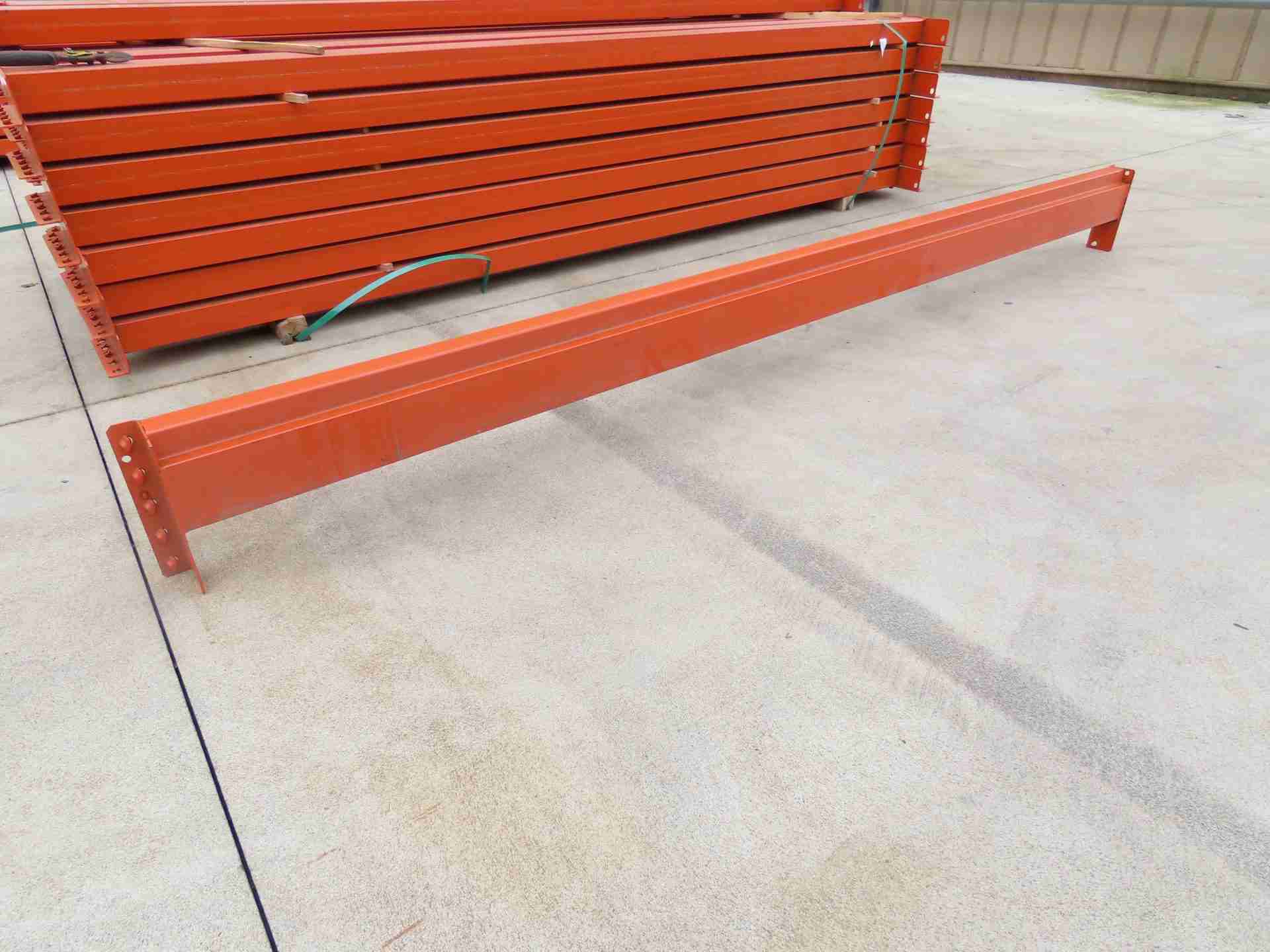
What Emotions Drive Your Current Warehouse Layout Decisions?
What Emotions Drive Your Current Warehouse Layout Decisions?
- Walking through a warehouse can evoke feelings of pride in organization or anxiety about inefficiencies.
- Emotional connections to layout decisions can enhance the functional efficiency of a warehouse.
- A well-designed warehouse reflects the values of service and productivity, boosting employee morale.
- Thoughtful layouts improve efficiency by analyzing the flow of goods, saving time and resources.
- Ethical considerations must be taken into account; an intuitive design fosters a safe and respectful environment.
- A structured layout encourages team dynamics, promoting collaboration and camaraderie among employees.
- Designing a warehouse space should resonate emotionally, integrating considerations of heart, head, and gut.
What Emotions Drive Your Current Warehouse Layout Decisions?
Conclusion
In a world that refuses to stand still, future-proofing your warehouse layout isn’t just smart; it’s essential. Imagine walking into a space that breathes and adapts as easily as you do—this isn’t just wishful thinking; it’s the very essence of modular racking, where flexibility meets functionality. Each aisle and shelf isn’t just storage; it’s a response to the unique rhythm of your business, dancing harmoniously with changing demands. This adaptability transforms your warehouse from a stagnant facility into a thriving hub of activity, allowing you to navigate disruptions or spikes in inventory with ease, empowering your team rather than overwhelming them.
Now, let’s get practical. A well-designed modular system maximizes efficiency, ensuring every inch of your warehouse works for you, not against you. These aren’t just racks; they’re investments—units that offer measurable returns by slashing wasted space and operational costs. Think about it: A flexible layout translates into more productivity and less time wasted. It’s common sense that pays you back, allowing your business to flourish even in uncertain times.
But it goes beyond numbers. Ethical considerations play a crucial role in this transformation. A workspace that promotes organization does wonders for morale. When your team can easily access what they need without frustration, you foster a culture of collaboration. And let’s not forget about the impact on community and sustainability. By investing in modern racking, you’re leading the charge in innovation and inspiring others to follow suit, creating a collective movement toward better practices.
Engaging the heart is just as vital, as a well-structured warehouse cultivates pride among employees, who see their contributions align with a greater mission. This isn’t merely about logistics; it’s about forging connections, nurturing relationships, and sculpting an environment where every function contributes to a shared vision. When your layout complements and empowers each person, you create a dynamic culture that resonates within and beyond the workplace.
Ultimately, the call to action is clear. Embrace modular racking and cultivate a space that tells your story. When you design with adaptability, purpose, and community in mind, you’re not just improving operations; you’re building a legacy of resilience and empowerment. So step up, make the change, and watch your warehouse not only keep pace but thrive in the dance of business evolution.
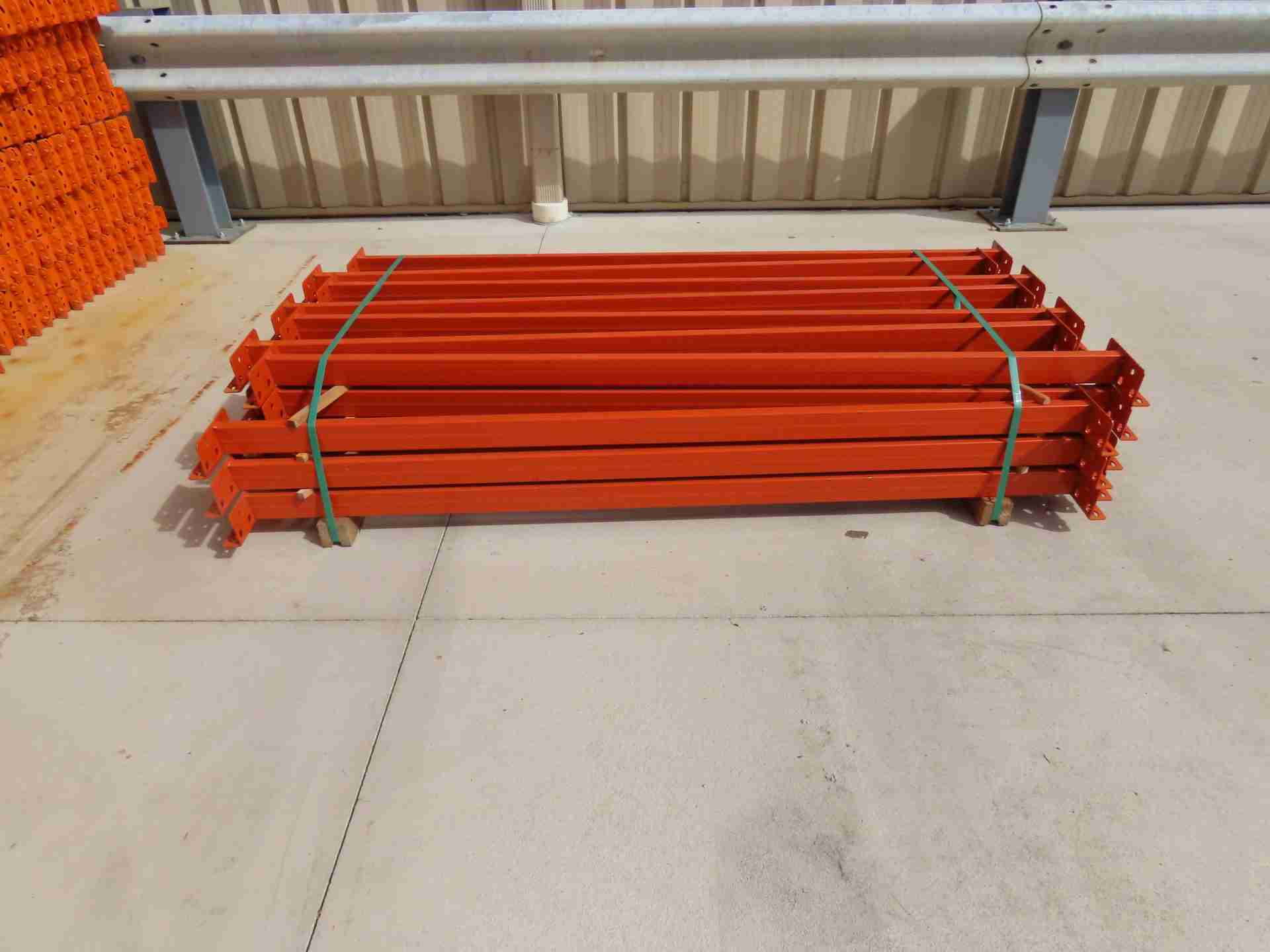
Conclusion
Conclusion:
- Future-proofing your warehouse layout is essential for adaptability and efficiency.
- Modular racking transforms warehouses into responsive and flexible environments.
- A well-designed modular system maximizes efficiency and reduces operational costs.
- Creating an organized workspace fosters a culture of collaboration and boosts morale.
- Investing in modern racking promotes sustainability and inspires better business practices.
- A structured warehouse cultivates employee pride and aligns individual contributions with a larger mission.
- Embracing modular racking builds a legacy of resilience and empowerment for your business.
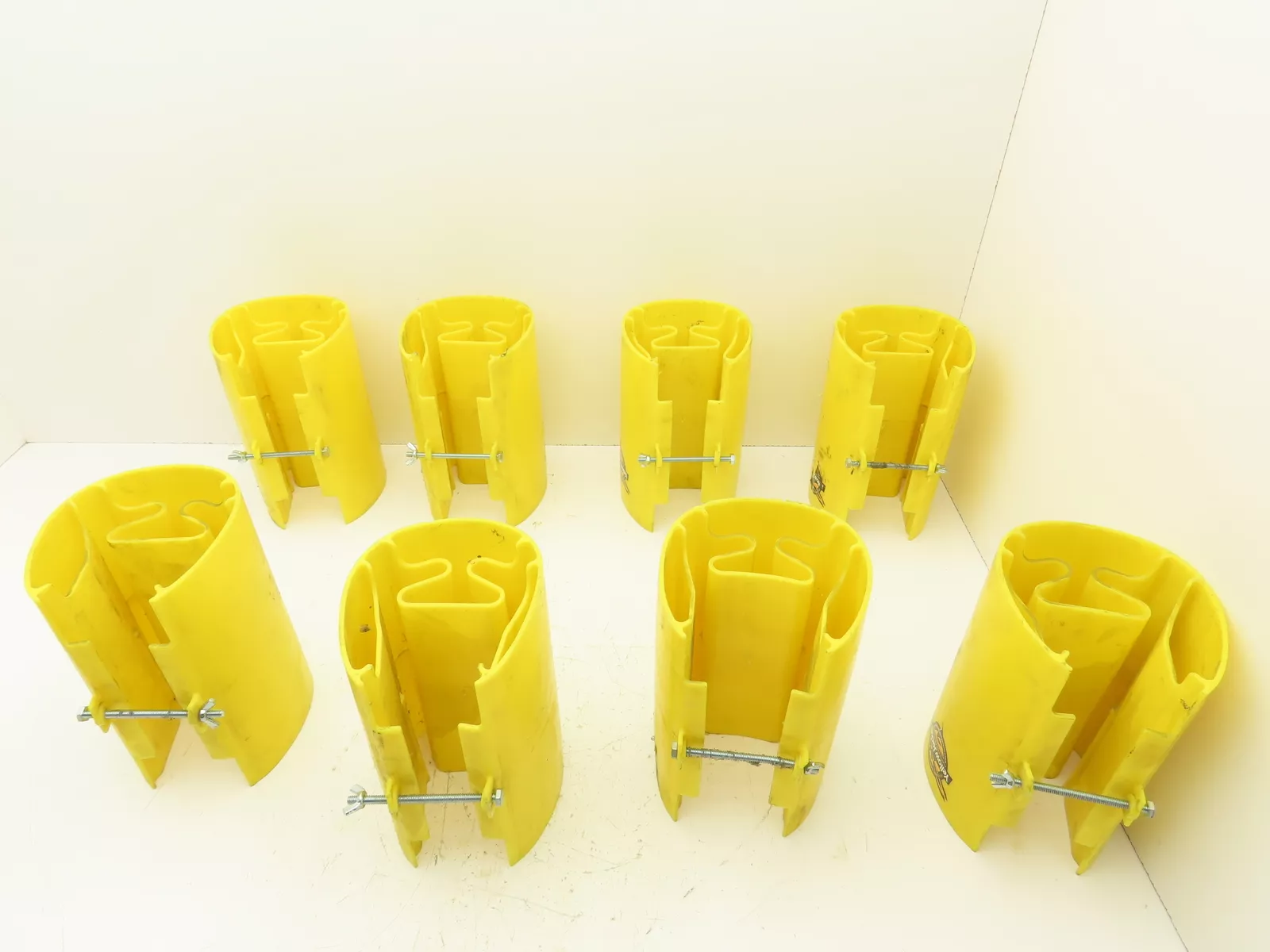
Conclusion
Other Resources
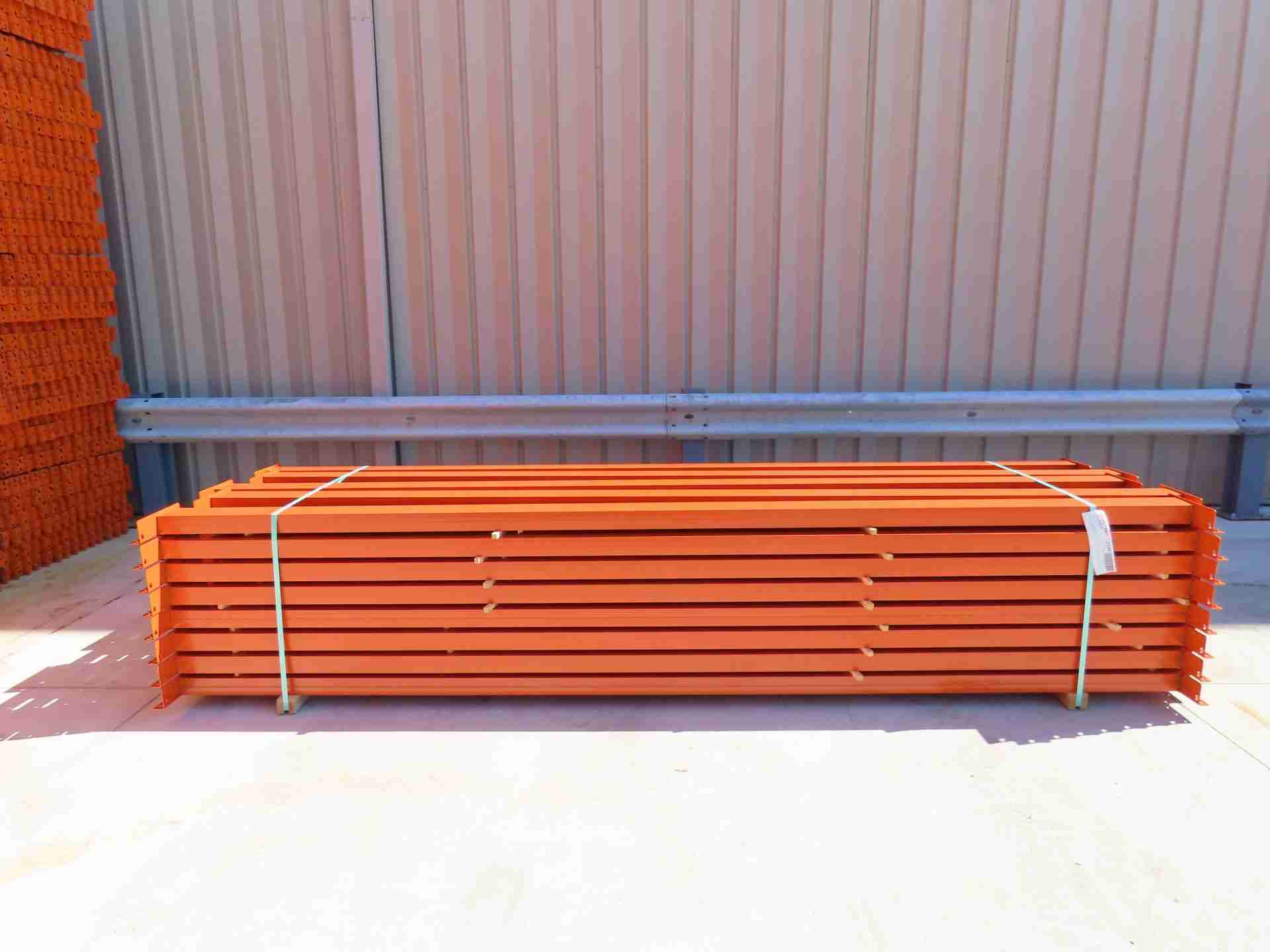
Other Resources
Here is a list of other resources you can review online to learn more:
- Teardrop Industrial Shelving Rack
- Teardrop Industrial Shelving Rack
- Storage Equipment Manufacturers Association
- RMI
- Teardrop Racks – Pallet Rack World
- What is Cantilever Racking? – AK Material Handling Systems
- IIWS Inc. Rack Installation Illinois & Rack Repairs Illinois
- Pallet Racks, Pallet Racking, Pallet Shelves in Stock – ULINE
- Shipping Boxes, Packaging Materials, Pallet Racking
- CA Wire
- Warehousing and Fulfillment
- NSC
- Iowa Illinois Warehouse Racking
- Warehouse Racking Chicago, IL
- Rack Manufacturers Institute
- Warehouse Racking Layout: The Ultimate Guide – Conger
- Material Handling Industry
- Warehouse Racking Systems: Beginner’s Guide to Rack Systems
- Chicago Pallet Racking
- Teardrop Pallet Rack – Ridg-U-Rak
Use This Prompt To Get More Resources With Your Favorite Online AI Tool: Please provide me with a list of online articles with their URLs in a bulleted list that I can read regarding How to Future-Proof Your Warehouse Layout with Modular Racks
Other Resources
Glossary Terms
How to Future-Proof Your Warehouse Layout with Modular Racks – Glossary Of Terms
1. Modular Racks: Adjustable shelving systems consisting of interchangeable components that can be easily reconfigured.
2. Warehouse Layout: The design and organization of different areas within a warehouse to optimize space and operations.
3. Future-Proofing: Designing or modifying processes and structures to withstand changes and remain relevant over time.
4. Scalability: The ability of a system to grow and adapt in response to increased demand or inventory.
5. Flexibility: The capability of a warehouse layout to accommodate changes in product types, sizes, or storage needs.
6. Inventory Management: The process of overseeing and controlling the ordering, storage, and use of products within a warehouse.
7. Ergonomics: The study of how to design a workspace to fit the physical needs of workers and improve safety and efficiency.
8. Vertical Space Utilization: The strategic use of high shelving and storage solutions to maximize available vertical storage within a warehouse.
9. Workflow Optimization: The process of improving operational efficiency by streamlining tasks and movement through the warehouse.
10. SKU (Stock Keeping Unit): A unique identifier for a product that helps track inventory levels and sales.
11. Lean Warehousing: A strategy that seeks to minimize waste and enhance efficiency by optimizing layout and processes.
12. Safety Standards: Regulatory requirements to ensure a safe working environment in warehouses, especially regarding storage equipment.
13. Access Aisles: Pathways between storage units that allow for the movement of personnel and machinery.
14. Load Capacity: The maximum weight that a storage system or rack can safely hold.
15. Pick Zones: Designated areas in a warehouse where items are stored specifically for order picking.
16. Cross-Docking: A logistics practice where products are directly transferred from inbound to outbound trucks, minimizing storage time.
17. Automation: The use of technology to streamline warehouse processes such as sorting, picking, and inventory tracking.
18. Just-in-Time (JIT): An inventory strategy that aims to reduce waste by receiving goods only as they are needed in the production process.
19. Lead Time: The time it takes from placing an order to receiving the goods, impacting inventory turnover.
20. Material Handling: The movement, protection, and control of materials throughout the manufacturing and warehousing process.
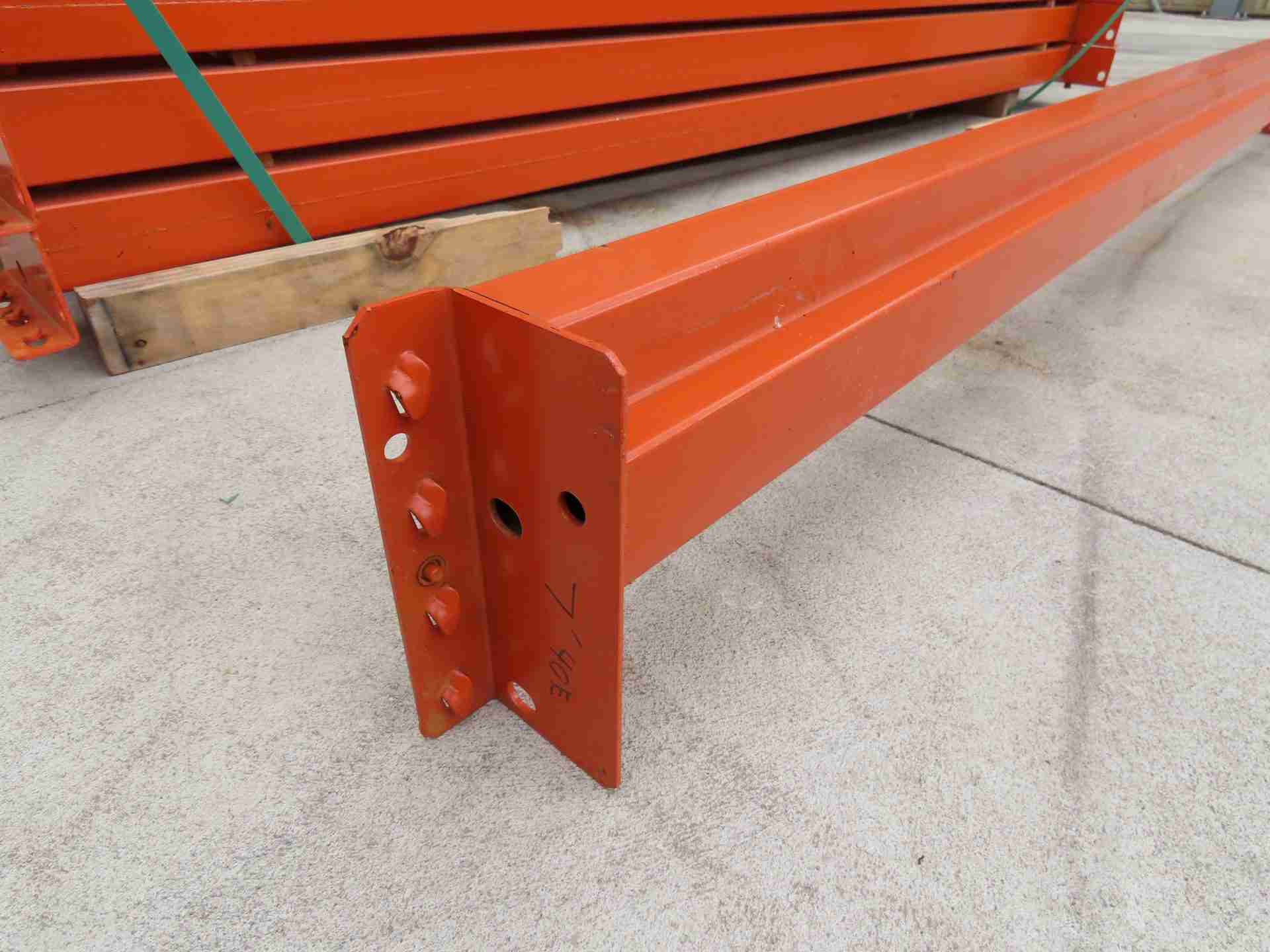
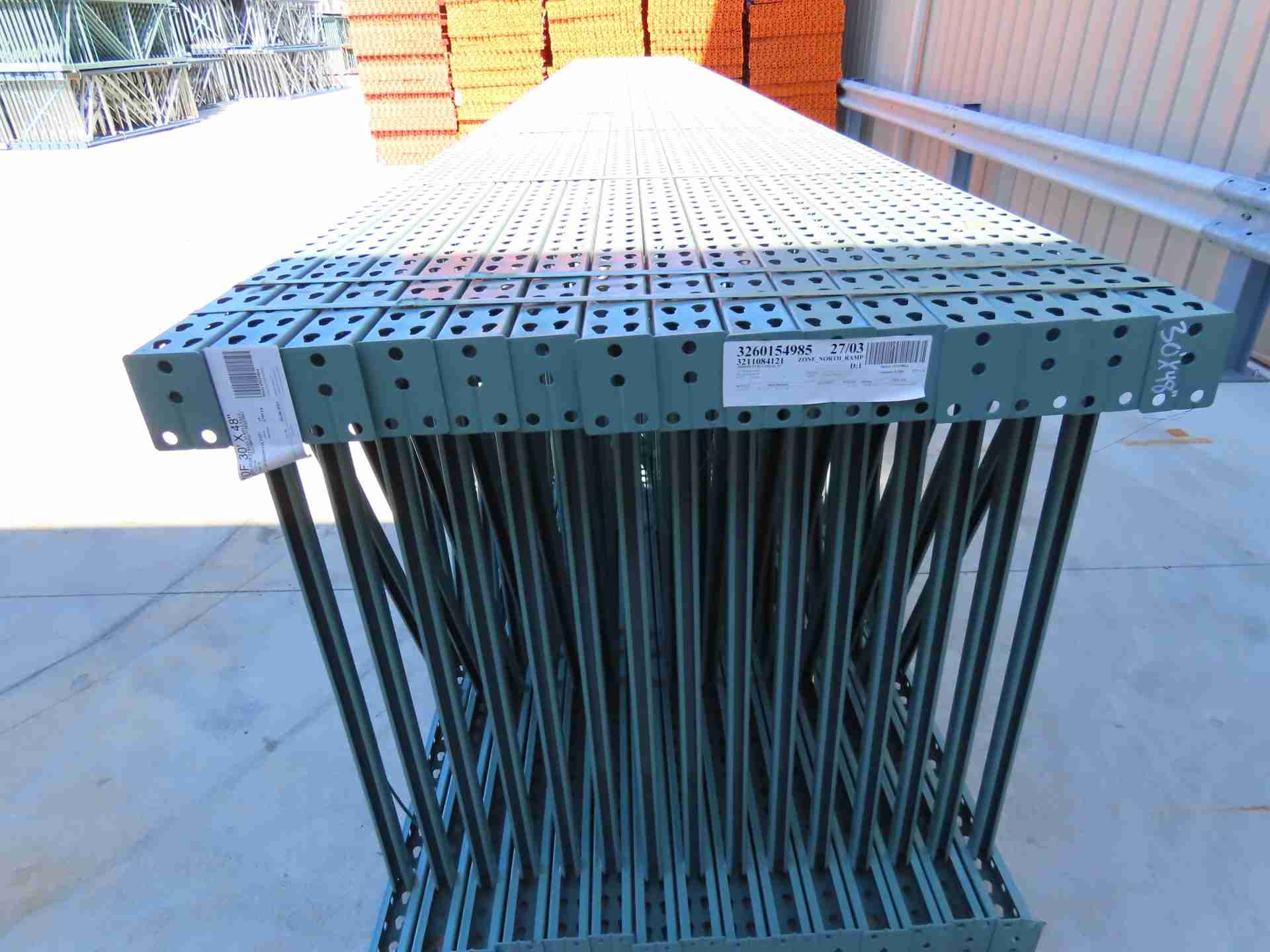
21. Pallet Racking: A type of storage system designed to hold palletized products, allowing for easy access and organization.
22. Shipping/Receiving Dock: Areas within a warehouse designated for the loading and unloading of goods.
23. Inventory Turnover: A metric that measures how often inventory is sold and replaced over a given period.
24. Barcoding: The use of barcode labels to track products and manage inventory more effectively.
25. Temperature-Controlled Storage: Storage environments regulated for temperature or humidity, essential for certain types of products.
26. Physical Inventory Count: The process of manually counting stock on hand to verify inventory records.
27. Warehouse Management System (WMS): Software that supports daily operations in a warehouse, assisting in inventory tracking and management.
28. Space Optimization: Strategies used to make the most efficient use of available warehouse space.
29. Buffer Stock: Extra inventory kept on hand to manage fluctuations in supply and demand.
30. Layout Planning: The strategic design of a warehouse layout to improve efficiency and accommodate future growth.
Glossary Of Terms
Other Questions
How to Future-Proof Your Warehouse Layout with Modular Racks – Other Questions
If you wish to explore and discover more, consider looking for answers to these questions:
- What are the specific benefits of using modular racks over traditional shelving systems?
- How can I assess the current layout of my warehouse to determine if it needs to be adapted?
- What factors should I consider when choosing a modular racking system?
- How can I train my employees to effectively use and adapt to a modular racking system?
- What are some common mistakes to avoid when designing a flexible warehouse layout?
- How do seasonal inventory changes affect the efficiency of warehouse layouts?
- What role does technology play in the optimization of warehouse layouts?
- How can modular racks contribute to sustainability in warehouse operations?
- What types of businesses benefit most from a modular racking system?
- How can effective warehouse layout design improve customer satisfaction?
- What are the costs associated with implementing a modular racking system?
- How does employee morale influence warehouse productivity?
- Can a flexible warehouse layout be integrated with existing infrastructure?

Other Questions
Checklist
How to Future-Proof Your Warehouse Layout with Modular Racks – A Checklist
Checklist: Future-Proofing Your Warehouse Layout with Modular Racks
Emotional Appeals (Heart)
_____ Reflect on the pride your team feels when they work in an organized environment.
_____ Incorporate elements that strengthen team connections and foster collaboration.
_____ Consider how your warehouse layout can relieve stress and frustration for your employees.
Rational Appeals (Head)
_____ Assess the return on investment (ROI) of modular racks in improving space efficiency.
_____ Analyze current inventory flow to identify areas for improvement in your layout.
_____ Calculate potential time savings and productivity increases from a flexible racking system.
Ethical Appeals
_____ Evaluate the ethical implications of your design choices regarding employee well-being.
_____ Prioritize sustainability by selecting eco-friendly materials for your racking system.
_____ Foster a culture of responsibility by considering how your design impacts the community.
Authority Appeals
_____ Research case studies from other companies that successfully implemented modular racks.
_____ Consult industry experts on best practices for warehouse layout optimization.
_____ Stay informed about new technologies and innovations in warehouse management.
Narrative Appeals
_____ Create a vision of a transformed warehouse that adapts to changing demands and fosters growth.
_____ Share stories of how modular racks have positively impacted other businesses and their communities.
_____ Document your own journey towards creating an efficient and collaborative workspace.
Social Appeals
_____ Engage your team in discussions about their needs and ideas for the warehouse layout.
_____ Encourage knowledge sharing and collaboration with peers in the industry.
_____ Highlight the importance of a supportive work environment in building a strong team identity.
Use this checklist to ensure every aspect of your warehouse layout supports not just efficiency, but the heart and spirit of your business.
Checklist
At RackingWorld, we help guide you through selecting warehouse storage systems and racking.
Be sure to read our other related stories at RackingWorld to learn more about warehouse storage systems.
0 Comments