
Secure Your Future: Smart Strategies For Lasting Rack Investments
By Tom Seest
At RackingWorld, we help guide you through selecting warehouse storage systems and racking.
Be sure to read our other related stories at RackingWorld to learn more about warehouse storage systems.
How to Future-Proof Your Rack Investment
Investing in racking systems is more than just buying equipment; it’s about ensuring your operations can adapt and thrive in a changing landscape. A smart rack investment isn’t just about storage; it’s about setting the foundation for scalability, efficiency, and long-term success. When you think about it, each piece of racking you install is a promise to your future self and your team. It’s the backbone of your workflow, gripping tightly to your inventory and ensuring that every bolt, box, and pallet is just where it needs to be.
Let’s face it, innovation in the logistics sector moves faster than a freight train at midnight. You need racking systems that can keep pace. Look for adaptable designs that allow for easy reconfiguration. Invest in quality materials that stand the test of time, so you don’t find yourself knee-deep in repairs when business picks up. Remember, cutting corners now with flimsy racking might save a few bucks, but when disaster strikes or a sudden surge in demand comes knocking, those savings will turn into losses.
Think about how racking systems can boost morale. A tidy, well-organized workspace reduces stress and keeps your team focused. When employees can navigate their environment with ease, they feel a sense of pride in their work. You’re not just buying racks; you’re investing in a culture of efficiency and respect for the craft. By actively choosing quality, you’re fostering trust among your crew—an unbreakable bond framed by shared goals and mutual respect.
Embracing future-proof solutions means being part of a community that values craftsmanship and reliability. Share stories with fellow business owners about what’s worked for you. Gather insights and learn from their trials and triumphs, and be transparent about your own experiences. When you engage with your peers, you solidify your position as a leader invested not just in profit margins but in building a resilient industry.
Ultimately, it’s about making decisions that safeguard your business’s future. Racking systems are not merely functional; they symbolize commitment and foresight. They reflect a mindset that values preparation over panic, ensuring you’re ready for whatever comes down the line, turning challenges into opportunities. So, gear up, keep it simple, and let your racks support the dreams you’re building, one sturdy shelf at a time.

How to Future-Proof Your Rack Investment
How to Future-Proof Your Rack Investment
- Investing in racking systems enhances adaptability and operational success.
- Smart racking choices establish a foundation for scalability and efficiency.
- Quality materials are essential to avoid costly repairs during high demand.
- Effective racking systems contribute to improved team morale and focus.
- Choosing quality fosters trust and respect within the workforce.
- Engaging with peers allows for shared insights and strengthens industry resilience.
- Racking systems symbolize a commitment to preparation and future readiness.

How to Future-Proof Your Rack Investment
Table Of Contents
- How to Future-Proof Your Rack Investment
- What If Your Rack Investment Could Last a Lifetime?
- How Do You Measure the Success Of Your Rack Investment?
- Are You Aware Of the Hidden Costs Associated with Racks?
- What Innovations Are Shaping the Future Of Rack Technology?
- How Can Sustainability Impact Your Rack Choices?
- What Are the Top Trends Affecting Rack Investments Today?
- Conclusion
- Other Resources
- Glossary Of Terms
- Other Questions
- Checklist
What If Your Rack Investment Could Last a Lifetime?
Imagine stepping into your workspace, where everything is in its right place, and your racking systems stand tall, steadfast as the day you installed them. Investing in quality racking isn’t just about storage; it’s about creating an environment where you can thrive. The right systems make every tool and piece of material accessible, streamlining your day-to-day operations. It’s akin to having a well-oiled machine, where every part works in harmony, leaving you free to focus on the tasks that truly matter.
Think about the hard work that goes into making your business run smoothly. Every dollar you spend needs to pull its weight. Quality racking systems pay back that investment manifold—not just through longevity but also in the efficiency they bring. They withstand the wear and tear of daily use, reducing the need for replacements and repairs. This isn’t just a good business decision; it’s a commitment to sustainability and responsibility. When you choose racking systems built to last, you’re not just using resources wisely; you’re setting up a system that treats your employees, your products, and the environment with respect.
Picture yourself ten years down the line, glancing over at those racking systems still doing their job, standing firm against the test of time. They represent not just a financial choice but a promise kept. Your team can navigate their workspace with ease and confidence, knowing that what they rely on is rock-solid. There’s nothing quite like the pride of working with equipment that reflects your values—durability, reliability, and hard work.
You know what it means to sweat for every inch of progress. Investing in racking systems that last a lifetime isn’t just a practical choice; it’s a badge of honor. It connects everyone in your business, fostering a sense of unity and purpose. Each shelf filled, each tool organized, is a shared victory. This isn’t just about your workspace; it’s about creating a legacy. The gains are not just in productivity but in reinforcing a culture where dedication and quality are front and center.
It’s about trust—not just in the systems you choose but in yourself and the team you lead. Choosing racking systems that endure is a choice to stand for something stronger, something enduring. So ask yourself, isn’t it time to set down roots in something that can truly make a difference?

What If Your Rack Investment Could Last a Lifetime?
What If Your Rack Investment Could Last a Lifetime?
- Quality racking systems enhance workspace organization and efficiency.
- They provide accessibility to tools and materials, streamlining operations.
- Investing in durable racking reduces replacement and repair needs.
- Such systems reflect a commitment to sustainability and responsible resource use.
- Reliable racking supports employee confidence and productivity over time.
- Investing in lasting systems fosters a culture of unity and dedication.
- Choosing enduring racking is a decision that strengthens both business and values.

What If Your Rack Investment Could Last a Lifetime?
How Do You Measure the Success Of Your Rack Investment?
When it comes to measuring the success of your rack investment, the first thing you want to consider is how well your racking systems are performing. Think about it: you’ve put your hard-earned money into these setups, and you deserve to see that cash flow back into your pocket. Is your inventory moving smoothly? Are you able to access items with ease? If you’re constantly wrestling with your stock just to find that one crucial part, you know you’re not hitting the mark.
Now, let’s get into the numbers. Success isn’t just about how the racking systems look; it’s about how they function. Are you noticing a drop in retrieval times? Are you minimizing wastage? Assessing turnover rates and the overall efficiency of your warehouse or storage facility will paint a clear picture. If your racks help save time and boost productivity, that’s a win right there. When your team spends less time searching for supplies, they can focus on what really matters—getting the job done right.
On a deeper level, think about how these investments impact your team’s morale. A well-organized workspace means less chaos and more confidence. Employees appreciate a layout that keeps them safe and enables them to perform efficiently. Foster that pride in their workspace; it’s a direct reflection of your leadership. When you’re investing in racking systems, you’re not just investing in materials—you’re investing in your people, giving them the tools to succeed.
Don’t overlook the environmental angle, either. In today’s world, businesses are more accountable than ever. Choosing sustainable racking materials can elevate your operation’s ethical standing while also attracting customers who prefer to do business with responsible companies. You’re not just adding racks; you’re making a statement.
And let’s not forget the importance of social proof. Customers like to see solid systems backing their products. If they know you’ve got a reliable setup, they’re more likely to trust you and come back for more. Share stories of how your racking systems have transformed your business; that’s what resonates.
Ultimately, measuring success comes down to the bottom line but doesn’t forget about the heart and spirit that keeps your operation alive. Racking systems can offer tangible benefits, but it’s the way they elevate your entire operation that truly marks success.

How Do You Measure the Success Of Your Rack Investment?
How Do You Measure the Success Of Your Rack Investment?
- Evaluate the performance of racking systems to ensure profitability.
- Assess retrieval times and efficiency to boost productivity.
- Maintaining an organized workspace improves team morale and confidence.
- Investing in racking systems benefits both employees and operations.
- Sustainable racking materials can enhance a business’s ethical standing.
- Social proof, through reliable systems, builds customer trust and loyalty.
- Success encompasses both tangible benefits and overall operational elevation.

How Do You Measure the Success Of Your Rack Investment?
Are You Aware Of the Hidden Costs Associated with Racks?
When you think about racking systems, what usually comes to mind? Maybe it’s the visual of a well-organized warehouse, everything in its place, materials stacked high and safely. But beneath that neat and tidy exterior lies a network of hidden costs that can sneak up on even the most seasoned operators. It’s not just about the upfront investment in those racking systems; it’s about what you might be overlooking as you set up shop.
Imagine this: you’ve invested thousands on a shiny new racking system, but what happens when it comes to maintenance? Over time, those racks endure a beating—heavy loads, accidental bumps from forklifts, and the wear and tear of daily operations. Neglecting to account for potential repairs or replacements can turn your initial savings into a stark reminder of how quickly costs can spiral. This isn’t just a money issue; it’s about the safety of your team. An unstable rack could lead to injuries, a risk no one should take lightly.
Then there’s the matter of efficiency. A well-designed racking system can streamline your operations, but if you skimp on quality or miscalculate your needs, you might find yourself facing costly downtime. It’s like bringing home a fancy toolset but realizing you don’t have all the pieces to get the job done. Time is money, and wasted time translates directly into lost revenue.
Moreover, consider the environmental impact. Are you choosing sustainable materials for your racks? There’s growing pressure for businesses to lessen their carbon footprints, and investing in eco-friendly racking systems not only aligns with ethical practices but it can also enhance your business reputation. Customers today appreciate companies that prioritize the planet, and that moral choice can resonate well beyond your bottom line.
The stakes are high—investing in reliable, durable racking isn’t just an option; it’s a necessity. Choosing wisely means engaging with experts, seeking advice, and not rushing the process. It reflects on your credibility as a business owner, showcasing a commitment to your employees and your customers.
As you assess your options, think beyond the budget. It’s about the long-game health of your facility, the safety of your crew, and your standing in the community. Hidden costs are like leaks in a pipe—small at first, but they can break the bank if left unattended. Stay vigilant, make informed choices, and invest wisely in your racking systems, ensuring you’re ready for whatever the future throws your way.

Are You Aware Of the Hidden Costs Associated with Racks?
Are You Aware Of the Hidden Costs Associated with Racks?
- Well-organized warehouses with racking systems can conceal hidden costs.
- Maintenance costs, such as repairs or replacements, can increase over time.
- Unstable racking systems pose safety risks to employees.
- Quality racking design is crucial for operational efficiency; poor choices can lead to costly downtime.
- Choosing sustainable materials for racking can improve business reputation and align with ethical practices.
- Investing in durable racking reflects a commitment to employees and overall business credibility.
- Hidden costs must be carefully monitored to maintain financial stability in the long run.

Are You Aware Of the Hidden Costs Associated with Racks?
What Innovations Are Shaping the Future Of Rack Technology?
In the heart of every warehouse, factory, or data center, you’ll find the unsung heroes of modern logistics: racking systems. These structures don’t just hold up goods; they’re the backbone of efficiency, keeping everything organized and accessible. As we look to the future, several innovations are emerging that transform how we think about and utilize racking systems.
First off, let’s talk about smart technology. Imagine a racking system that communicates with your inventory software, providing real-time data about stock levels and locations. These aren’t just back-end buzzwords; they’re practical solutions that make day-to-day operations smoother and more precise. When employees can trust that a smart system can help locate a part or a product without wasting precious time, it boosts morale and keeps the workflow steady, fostering a team environment that values ingenuity and reliability.
Then there’s the move toward sustainable materials in racking systems. With climate consciousness growing, companies are starting to prioritize eco-friendly materials. This isn’t just a trend; it’s a shift that speaks volumes about responsibility. When businesses make the choice to invest in greener solutions, they set an example for others in the industry, showing that innovation doesn’t have to compromise the planet. People want to work for companies that care, and sustainability speaks to the heart of that trust.
Accessibility and versatility have also taken center stage. Modular designs are making racking systems adaptable to various needs and environments. Whether it’s a growing business expanding its inventory or a tech firm shifting its focus, these systems can be adjusted without starting from scratch. It’s all about flexibility – a quality that reflects the real challenges workers face every day. Having gear that can shift from one task to another with ease brings a sense of empowerment. It’s like having the right tool in your hand when you’re deep in a project; it just feels right.
Lastly, let’s touch on safety advancements. Modern racking systems are designed with enhanced safety features that protect both goods and workers. From load sensors that alert teams to potential hazards to better ergonomic designs that reduce strain during use, these innovations reflect a commitment to the well-being of everyone involved. Workers who feel safe are more productive, adding another layer of connection and trust in the workplace culture.
These innovations in racking systems don’t just represent technological advancements; they tell a story of progress, responsibility, and community. As these systems evolve, so do the people that rely on them, creating a future where efficiency goes hand-in-hand with safety and sustainability.

What Innovations Are Shaping the Future Of Rack Technology?
What Innovations Are Shaping the Future Of Rack Technology?
- Racking systems are essential for organization and efficiency in warehouses, factories, and data centers.
- Smart technology enables real-time communication with inventory software, enhancing operational precision.
- Sustainable materials are becoming a priority, reflecting a commitment to environmental responsibility.
- Modular designs enhance accessibility and versatility, allowing for adaptability to various business needs.
- Safety advancements include load sensors and ergonomic designs to protect goods and improve worker safety.
- These innovations signify progress, responsibility, and a strong community ethos in logistics.
- The evolution of racking systems promotes a future that balances efficiency with safety and sustainability.

What Innovations Are Shaping the Future Of Rack Technology?
How Can Sustainability Impact Your Rack Choices?
When it comes to racking systems, most folks think about storage capacity or how easy it is to access the goods. But what if we told you that your choice in racking systems could also make a real difference in sustainability? It’s about more than just efficiency; it’s about making choices that connect you, your community, and the environment.
Think of the last time you struggled with an overloaded shelf or a flimsy setup. Frustrating, right? That’s where reliable, sustainable racking systems come into play. Investing in sturdy, eco-friendly options not only means fewer breakdowns and maintenance calls; it means you’ll save time and money in the long run. Picture this: you’re running a warehouse, and you decided to splurge a little on steel over wood. That solid steel lasts longer, uses less energy in production, and when it finally serves its time, it’s fully recyclable. There’s a satisfying logic in knowing that every shelf, every crossbeam is built to last and doesn’t contribute to the cycle of waste.
Now, let’s talk about values. People are increasingly drawn to businesses that reflect their belief in ethical practices. When you choose racking systems made with sustainable materials, you’re not just making a purchase; you’re making a statement about who you are as a company. You’re opening the door for customers who care about the planet and appreciate a business that walks the talk. It’s this direct action—small as it may seem—that can build loyalty and turn casual buyers into lifelong customers who share your values.
Remember, your choice impacts others. Supporting manufacturers who prioritize sustainability helps lift the whole industry. It fosters a culture where everyone feels a little more accountable—like a good neighbor lending a hand. It’s not just about what goes into your warehouse; it’s about fostering a community that wants to do right by the earth and future generations.
Racking systems may seem like a mundane part of the job, but when you choose wisely, you’re crafting a legacy of responsibility. It’s a simple nod to quality and conscientious living that translates to solid business practices. Invest a little thought in sustainability, and watch as it resonates with your team, your customers, and beyond. You’ll sleep a bit easier knowing you made choices that just feel right.

How Can Sustainability Impact Your Rack Choices?
How Can Sustainability Impact Your Rack Choices?
- Racking systems impact storage capacity and accessibility, but also sustainability.
- Choosing eco-friendly racking systems can reduce breakdowns and maintenance costs.
- Steel racking lasts longer, uses less energy in production, and is fully recyclable.
- Using sustainable materials reflects a company’s ethical values and attracts environmentally-conscious customers.
- Support for sustainable manufacturers enhances industry accountability and community responsibility.
- Wise racking system choices contribute to a legacy of responsibility and conscientious living.
- Sustainability investments resonate with teams and customers, fostering loyalty and trust.

How Can Sustainability Impact Your Rack Choices?
What Are the Top Trends Affecting Rack Investments Today?
When folks think about investing in racking systems, it’s not just about metal and bolts; it’s about decisions that shape the future of their operations. The trends today are a blend of practicality and innovation that cater to the heart, head, and gut of any business owner or manager.
First off, the demand for efficiency is driving investments like never before. Warehouses are getting a workout, and every inch of space counts. Investing in smart racking systems can make a significant difference, optimizing storage to ensure that every pallet has a place. For those on the ground, it’s a game-changer. Picture walking into an organized warehouse, where items are easy to find, reducing stress for workers who know their jobs will be easier and more productive. That’s not just about saving time; it’s about empowering employees in their daily routines.
Sustainability is another crucial trend. Companies are increasingly aware that their choices impact the planet. By investing in eco-friendly racking systems, businesses not only meet ethical standards but also attract customers who prioritize green practices. There’s a strong narrative here: supporting environments while running a profitable operation can instill pride in what it means to be part of a team that cares. Customers and employees alike want to connect with brands that reflect their values, and eco-conscious investments can resonate deeply with both.
Let’s not forget the technology evolution. The integration of automation and data analytics into racking systems allows for real-time inventory management. This not only makes operations smoother but speaks to the rational side of investing. Businesses can reduce costs, minimize waste, and streamline workflows. It’s hard to argue against a system that brings deeper insights and operational improvements. The authority lies in these advancements; they’ve proven to make gaps in processes narrower and returns on investment clearer.
Social dynamics are shifting too. As the workforce evolves, younger employees value workplaces that embrace innovation and efficiency. Adopting cutting-edge racking systems sends a message that the company is forward-thinking and values its staff’s time and effort. It’s about creating environments that foster teamwork and productivity.
Investing in racking systems today isn’t just a financial decision; it’s a strategic move that reflects a commitment to efficiency, sustainability, and progress. It’s about building a warehouse that not only stores products but also nurtures a thriving business culture where everyone’s involved, engaged, and ready to take the next step forward together.

What Are the Top Trends Affecting Rack Investments Today?
What Are the Top Trends Affecting Rack Investments Today?
- Investing in racking systems shapes future operations beyond just metal and bolts.
- Demand for efficiency drives investments, optimizing storage space for better productivity.
- Sustainability is crucial, with eco-friendly systems attracting value-driven customers.
- Integration of automation and data analytics improves real-time inventory management.
- Technology advancements reduce costs and streamline workflows, enhancing ROI.
- Younger employees prefer innovative workplaces that value efficiency and teamwork.
- Investing in racking systems reflects a commitment to efficiency, sustainability, and progress.
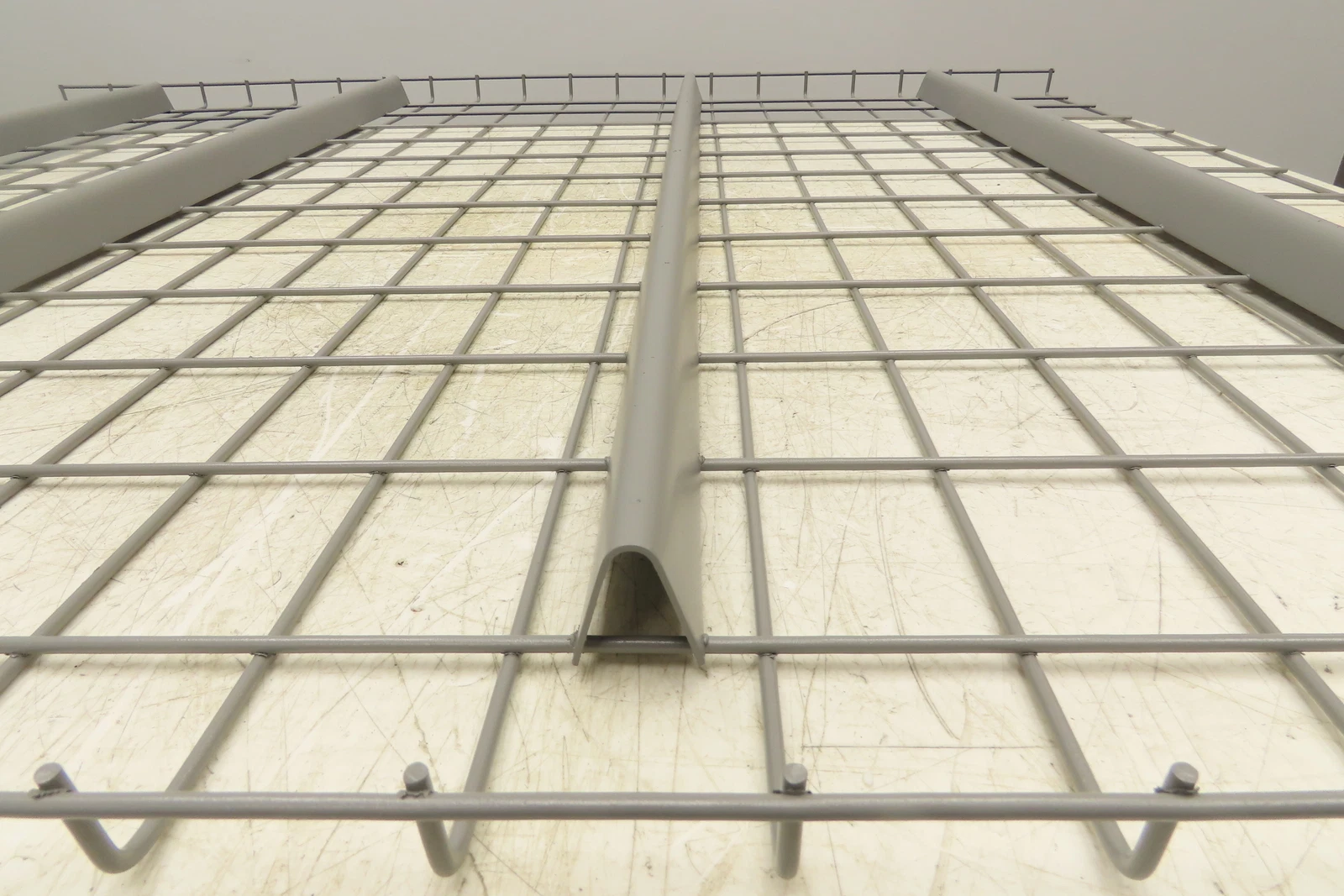
What Are the Top Trends Affecting Rack Investments Today?
Conclusion
Investing in racking systems isn’t just about the physical structures; it’s a commitment to the future of your business and the people within it. As you think about your operations, consider that each rack represents a foundational element, contributing to efficiency and adaptability in an ever-evolving landscape. Quality racking systems foster a productive environment, enabling seamless operations, reducing stress, and cultivating pride among employees. A well-organized workspace isn’t just beneficial; it reflects the values of care and responsibility you have toward your team and your craft.
Moreover, embracing innovations in racking technology can set you ahead of the curve. Smart systems that integrate with inventory software transform daily tasks, making workflows smoother and enhancing morale. This technological commitment mirrors a broader trend: the growing emphasis on sustainability. By choosing eco-friendly materials, you’re not just making a wise financial decision; you’re reinforcing your brand’s integrity. Regulations and consumer expectations prioritize environmental consciousness, which can build customer loyalty and trust in your operations.
Assessing the success of your racking investments goes beyond numbers. It’s about the flow of operations, the spirit of your team, and the community you create. When racking systems are functional and safe, they offer peace of mind and boost productivity, allowing employees to focus on their core tasks. Investing wisely in durable racking systems is a proactive choice, one that ensures safety and efficiency, while simultaneously engaging with the community by making choices that resonate on ethical and environmental levels.
Lastly, be aware of the hidden costs associated with inadequate racking. Short-sighted choices can lead to maintenance nightmares and safety hazards. Prioritizing quality now saves you money and stress down the line. In a world where logistics dynamics shift rapidly, investing in adaptable, modular designs ensures your operations can grow without substantial upheaval. Ultimately, every decision you make in your racking investment signifies a broader narrative of responsibility—one that values the future, honors your craft, and respects the interconnectedness of your business community. Setting down roots in resilient infrastructure may just be the most sensible and impactful choice you make.
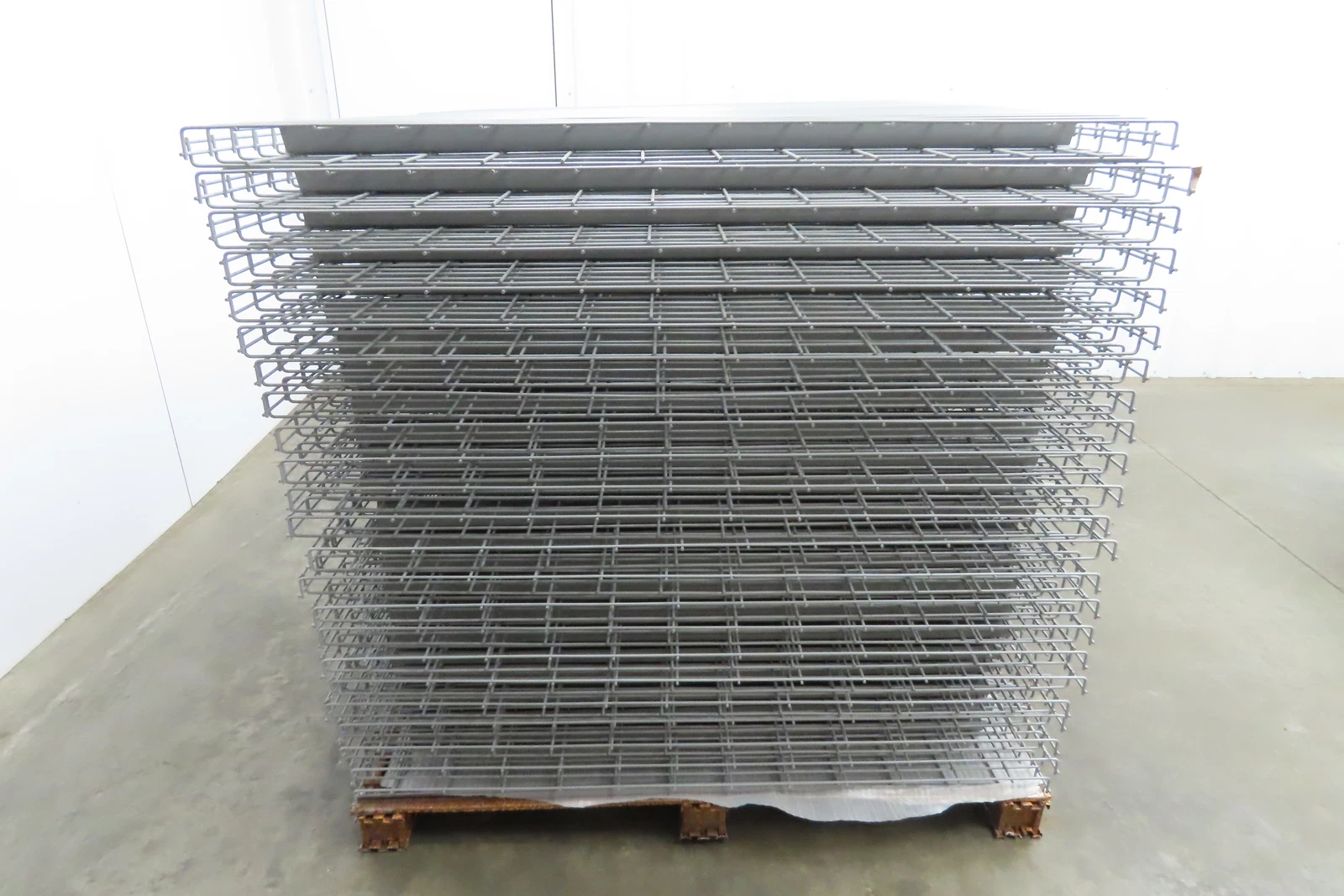
Conclusion
Conclusion:
- Investing in racking systems reflects a commitment to the future of your business and its employees.
- Quality racking systems enhance efficiency, adaptability, and employee pride in a well-organized workspace.
- Innovative racking technology improves workflows and boosts team morale.
- Choosing eco-friendly materials reinforces brand integrity and aligns with sustainability trends.
- Successful racking investments are assessed by operational flow, team spirit, and community impact.
- Inadequate racking systems can lead to hidden costs, maintenance issues, and safety hazards.
- Investing in durable, modular designs enables future growth and reflects a narrative of responsibility.

Conclusion
Other Resources

Other Resources
Here is a list of other resources you can review online to learn more:
- RMI
- Pallet Racking systems in Illinois and Great Lakes
- Crane Manufacturers Association Of America Inc.
- NSC
- CA Wire
- Pallet Racking 101: A Comprehensive Guide & Options Explained
- Warehouse Storage Racks
- What is Selective Pallet Racking
- American Society of Safety Professionals
- Warehouse Storage Racking in Illinois
- IIWS Inc. Rack Installation Illinois & Rack Repairs Illinois
- Warehouse Racking Systems: Beginner’s Guide to Rack Systems
- The Complete Pallet Rack Guide – Simply Rack
- Warehouse Racking System: Powerful Guide to Optimise, 2024
- Selective Racking
- Cantilever Rack Guide: Ordering Cantilever Racking
- Teardrop Pallet Rack – Ridg-U-Rak
- Teardrop Industrial Shelving Rack
- Intro to Warehouse Racks & Warehouse Racking Systems – ShipBob
- Storage Equipment Manufacturers Association
Use This Prompt To Get More Resources With Your Favorite Online AI Tool: Please provide me with a list of online articles with their URLs in a bulleted list that I can read regarding How to Future-Proof Your Rack Investment

Other Resources
Glossary Terms
How to Future-Proof Your Rack Investment – Glossary Of Terms
1. Asset Allocation: The strategic distribution of funds among various investment categories to mitigate risk and enhance returns.
2. Diversification: A risk management strategy that involves spreading investments across different asset classes to reduce exposure to any single asset.
3. Capital Expenditure: The funds used by a company to acquire, upgrade, and maintain physical assets such as equipment and property.
4. Depreciation: The reduction in value of an asset over time due to wear and tear, obsolescence, or market conditions.
5. Return on Investment (ROI): A performance measure used to evaluate the efficiency or profitability of an investment relative to its cost.
6. Total Cost of Ownership (TCO): A financial estimate intended to help buyers and owners determine the direct and indirect costs of a product or system.
7. Rack Density: The amount of computing power, storage, or networking capacity per unit of physical space in a server rack.
8. Scalability: The capability of a system or component to handle a growing amount of work or its potential to be enlarged to accommodate that growth.
9. Cloud Computing: The delivery of computing services over the internet, allowing for on-demand access to resources such as servers, storage, and applications.
10. Virtualization: The process of creating a virtual version of something, such as hardware platforms, storage devices, and network resources.
11. Energy Efficiency: The goal of reducing energy consumption while maintaining the same level of performance and service.
12. Lifecycle Management: The process of managing a product’s lifecycle from inception through engineering design and manufacturing to service and disposal.
13. Risk Assessment: The identification and evaluation of risks associated with an investment or business strategy.
14. Compliance: The adherence to laws, regulations, guidelines, and specifications relevant to business processes.
15. Demand Forecasting: The process of predicting future customer demand for a product or service based on historical data and market analysis.
16. Business Continuity Planning: A strategy that outlines how a business will continue operating during and after a disaster or disruption.
17. Hardware Upgrades: The replacement or enhancement of physical components within a computer system to improve performance.
18. Warranty: A written guarantee that a product will perform as promised for a specified period of time.
19. Supplier Evaluation: The process of determining the capability and reliability of vendors and suppliers.
20. Infrastructure as a Service (IaaS): A cloud computing model that provides virtualized computing resources over the internet.
21. Data Migration: The process of transferring data between storage types, formats, or systems.
22. Disaster Recovery: A set of policies and procedures to enable the recovery of IT infrastructure and operations after a disaster.
23. Performance Metrics: Standards that measure the efficiency and effectiveness of an investment or operational process.
24. Technological Obsolescence: The process by which a product or service becomes outdated and no longer relevant due to advancements in technology.
25. Compliance Audit: An independent assessment to evaluate adherence to regulatory guidelines and internal policies.
26. Managed Services: A proactive approach to managing and supporting IT infrastructure and end-user systems.
27. Capacity Planning: The process of determining the production capacity needed by an organization to meet changing demands for its products.
28. Network Performance: A measure of the speed and reliability of a network system, often evaluated by latency, throughput, and error rates.
29. Industry Standards: Established guidelines and specifications that define best practices in an industry to ensure quality and safety.
30. Long-Term Strategy: A comprehensive plan that outlines an organization’s direction and goals over an extended time frame, typically three to five years or more.

Glossary Of Terms
Other Questions
How to Future-Proof Your Rack Investment – Other Questions
If you wish to explore and discover more, consider looking for answers to these questions:
- How do I calculate the return on investment (ROI) for a racking system?
- What key performance indicators (KPIs) should I track to measure racking success?
- What is the typical payback period for quality racking vs budget racking?
- Which racking type (selective, drive-in, push-back, flow, cantilever, mezzanine) best fits my inventory and workflow?
- How do I determine the correct load capacity and safety factor for my racks?
- What are the floor and anchoring requirements for different rack systems?
- How do local building codes, fire codes, and seismic regulations affect rack selection and installation?
- What inspection and maintenance schedule is recommended to ensure rack safety and longevity?
- What are the most common failure modes or damage points for racking systems?
- How much should I budget for ongoing maintenance, repairs, and replacement parts?
- Are there warranties and service contracts available, and what do they typically cover?
- How disruptive is installation, and what is a realistic lead time from order to operational use?
- Can existing racking be retrofitted or reconfigured to meet changing needs, or is replacement usually required?
- What hidden costs should I expect beyond purchase price (installation, downtime, permits, training, disposal, insurance)?
- How do racks impact insurance premiums and liability exposure?
- What sustainability certifications or eco-labels should I look for in racking materials and manufacturers?
- How do I perform a lifecycle assessment or calculate the environmental impact of a racking system?
- Which materials (steel, aluminum, recycled content) offer the best balance of durability and sustainability?
- How recyclable are rack components at end of life, and what disposal options exist?
- How can racking systems be designed to integrate with automation (ASRS), robotics, and conveyor systems?
- What sensors, IoT devices, or RFID solutions are compatible with racking to enable real-time inventory tracking?
- How do I ensure compatibility between racks and my warehouse management system (WMS) or ERP?
- What cybersecurity or data-integration risks come with smart racking solutions?
- How do modular or reconfigurable designs compare in cost and flexibility to fixed systems?
- When is it better to repair or reinforce existing racks versus replacing them entirely?
- What training programs or certifications should staff have for safe rack use and maintenance?
- How should I design rack layout to optimize space utilization, picking efficiency, and ergonomics?
- What trade-offs exist between storage density and accessibility/picking speed?
- How do temperature-controlled or corrosive environments change rack material and coating choices?
- What seismic bracing, anchoring, or specialized components are required in high-risk regions?
- How do I evaluate and compare rack suppliers—what questions and references should I request?
- What financing, leasing, or tax-depreciation options are available for racking investments?
- Are there case studies or benchmark examples showing measurable improvements after racking upgrades?
- What metrics should I include in a pre- and post-installation audit to prove the investment’s value?

Other Questions
Checklist
How to Future-Proof Your Rack Investment – A Checklist
Strategic Fit & Scalability
✅______ Map 3–5-year growth, SKU mix, and peak demand scenarios
✅______ Choose modular, reconfigurable rack types (e.g., adjustable beams, teardrop)
✅______ Verify cross-compatibility of components between vendors
✅______ Plan vertical expansion (clear heights, mezzanines, platforms)
✅______ Reserve 15–20% capacity buffer for surges and seasonality
✅______ Confirm equipment reach and lift limits align with rack heights
Design & Layout
✅______ Define a slotting strategy (ABC velocity, golden-zone picks)
✅______ Set aisle widths to equipment specs and turning radii
✅______ Optimize flow paths to reduce travel and congestion
✅______ Standardize labeling and location schemas (aisle-bay-level-position)
✅______ Provide pick/put ergonomics (waist-to-shoulder priority)
✅______ Preserve clearances for future automation (AMRs, conveyors)
Materials & Durability
✅______ Select appropriate steel gauge, coatings, and corrosion protection
✅______ Match specification to environment (freezer, wet, corrosive, outdoor)
✅______ Install post protectors, end-of-aisle guards, and rack backs/stops
✅______ Post load ratings per level and bay; verify by engineering calculations
✅______ Confirm anchoring pattern and floor capacity (slab, flatness)
✅______ Stock critical spares (uprights, beams, hardware)
Safety & Compliance
✅______ Obtain engineered drawings sealed and compliant with RMI, ANSI, CSA, and local codes
✅______ Verify seismic and fire code compliance and sprinkler clearances
✅______ Establish inspection cadence (daily visual; monthly; annual third-party)
✅______ Define damage criteria, tag-out, and repair workflow
✅______ Set traffic rules, speeds, and pedestrian zones
✅______ Document emergency egress and signage
Operations & Productivity
✅______ Baseline and target pick/retrieval times and travel distance
✅______ Track cube and bay utilization; set minimum/maximum thresholds
✅______ Standardize replenishment, returns, and staging processes
✅______ Implement 5S with posted audit schedule and scores
✅______ Align reorder/Kanban triggers to rack locations
✅______ Use color-coding for zones, SKUs, and handling rules
Technology & Data Readiness
✅______ Integrate rack locations with WMS/ERP
✅______ Standardize barcode/RFID labels and verification steps
✅______ Ensure robust Wi‑Fi/RTLS coverage for handhelds/AMRs
✅______ Deploy sensors and load monitoring where critical
✅______ Set cycle count cadence and exception handling
✅______ Maintain ≥99% location accuracy with data governance
Sustainability
✅______ Prefer recycled/recyclable steel; obtain material certificates
✅______ Specify low‑VOC finishes and reusable packaging for delivery
✅______ Plan end‑of‑life recycling, take-back, or resale
✅______ Optimize lighting (LED plus motion) aligned to aisles
✅______ Track embodied carbon in vendor comparisons
✅______ Document waste and damage reduction from layout changes
Financials & TCO
✅______ Build TCO model (CapEx, installation, permits, preventive maintenance (PM), repairs, downtime)
✅______ Calculate ROI/payback with growth and demand sensitivity
✅______ Review warranty terms, parts availability, and service SLAs
✅______ Budget preventive maintenance and inspections
✅______ Confirm insurance requirements and premium impacts
✅______ Hold 10% contingency for reconfiguration and surprises
Vendor & Implementation
✅______ Check references, case studies, and quality certifications
✅______ Validate field measurements; approve stamped shop drawings
✅______ Sequence phased installation to minimize downtime
✅______ Complete acceptance testing and punch list
✅______ Receive as-builts, manuals, and training materials
✅______ Assign an owner for documentation and change control
Hidden Costs & Risk Controls
✅______ Include permits, engineering, and inspections in estimates
✅______ Plan downtime windows and backup workflows
✅______ Track forklift impacts and damage incidents; run root-cause reviews
✅______ Verify seismic and wind loading and anchor design where applicable
✅______ Maintain an emergency repair kit and vendor on-call support
✅______ Prepare a surge capacity plan for peak seasons and disruptions
Culture & Morale
✅______ Involve operators in layout, heights, and slotting decisions
✅______ Set ergonomic limits for primary picks and lift frequency
✅______ Recognize teams for 5S and damage-free handling
✅______ Maintain clear, clean, well-lit aisles and work zones
✅______ Run a safety suggestion program specific to rack areas
Success Metrics
✅______ Retrieval time reduction target (e.g., −25% vs. baseline)
✅______ Order accuracy target (≥99.5%) and mispick rate
✅______ Cube utilization target (≥85%) without overstuffing bays
✅______ Injury/near-miss reduction tied to rack areas
✅______ Inventory turns and dwell time improvement
✅______ Customer OTIF improvement attributed to storage upgrades
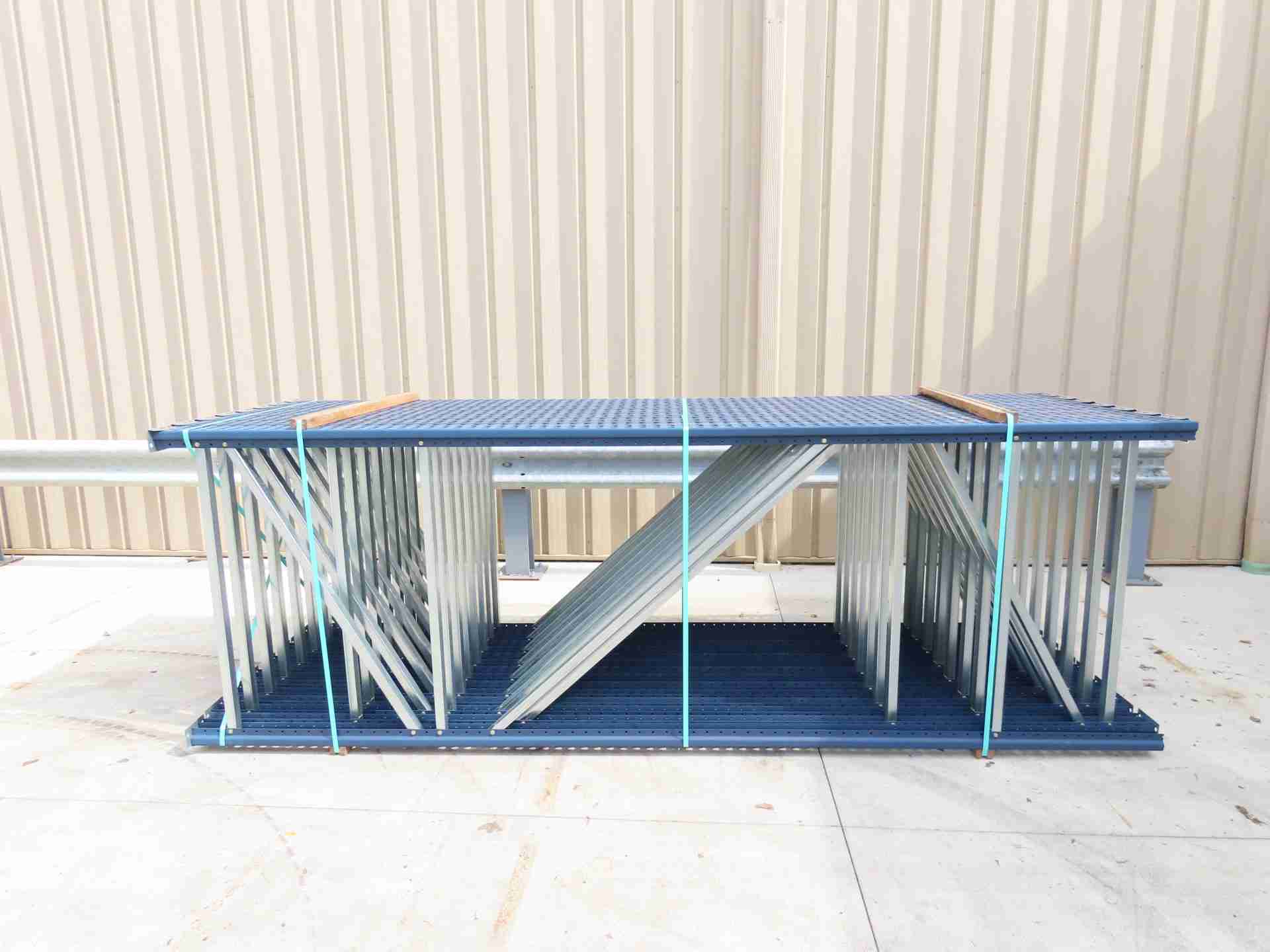
Checklist
At RackingWorld, we help guide you through selecting warehouse storage systems and racking.
Be sure to read our other related stories at RackingWorld to learn more about warehouse storage systems.
0 Comments