
The Complete Guide To Choosing Reliable Rack Vendors
By Tom Seest
At RackingWorld, we help guide you through selecting warehouse storage systems and racking.
Be sure to read our other related stories at RackingWorld to learn more about warehouse storage systems.
How to Evaluate Rack Vendors and Installers
When it comes to choosing rack vendors and installers, you’re not just making a transaction; you’re entering into a partnership that can make or break your operation. It’s about finding those who understand that racking is more than just a storage solution—it’s the backbone of your business. So let’s talk about how to evaluate these critical players.
Start with the heart. Look for vendors who genuinely care about your needs. They should listen to your concerns, understand your objectives, and respect your budget. Ask yourself, does this vendor want to build a long-term relationship or are they just pushing for a quick sale? Trust your instincts here. You want someone who gets you and your business—not just in terms of products, but as a partner who will have your back when the going gets tough.
Next, engage your head. Dig into their credentials and experience. Are they established in the industry? Do they have a history of successful
racking
installations, complete with testimonials and case studies? Be diligent. Look into their reputation in the community. A reliable vendor should have a track record that’s transparent and commendable, not shrouded in vague promises.
Let’s not ignore the ethical component. Certifications, safety protocols, and adherence to industry standards speak volumes. You’re not simply procuring materials here; you’re investing in the safety and productivity of your operations. Ensure that your chosen partner takes these matters seriously and enforces quality control.
Now, to engage your gut. Trust how you feel when discussing projects with potential vendors. Genuine excitement is infectious, and when you meet someone who loves what they do, it shows. How confident do they sound? What’s the vibe like when you walk through their facility or have a chat? Remember, the right installer won’t just meet your expectations; they’ll exceed them through their passion and dedication.
Finally, think about the narrative. Join communities or forums where industry professionals share their experiences. Real-world stories from people like you can highlight what to look for and help steer you toward the right decision. Choosing a rack vendor and installer is about more than products. It’s about forging a relationship built on trust, expertise, and a shared commitment to elevating your operations. Take the time to find that right fit, and you’ll reap the benefits for years to come.
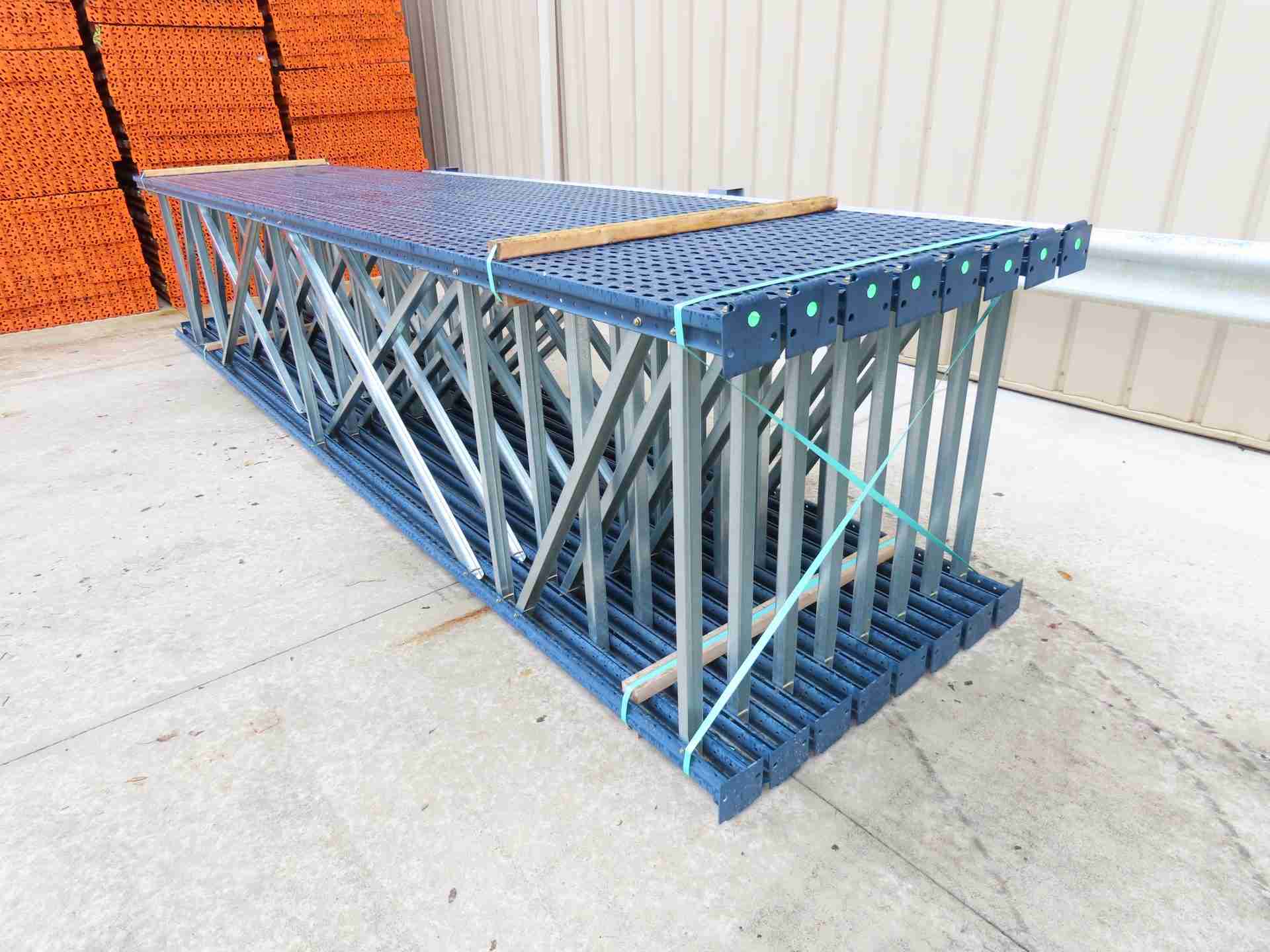
How to Evaluate Rack Vendors and Installers
How to Evaluate Rack Vendors and Installers
- Choosing rack vendors and installers is about forming a partnership rather than a mere transaction.
- Look for vendors who care about your needs, listen to concerns, and respect your budget.
- Evaluate the vendor’s credentials and experience, including testimonials and case studies.
- Check the vendor’s reputation in the community for transparency and reliability.
- Ensure the vendor adheres to industry standards, safety protocols, and quality control.
- Trust your instincts and gauge the vendor’s enthusiasm and confidence during discussions.
- Engage with industry communities for real-world experiences to inform your decision-making.

How to Evaluate Rack Vendors and Installers
Table Of Contents
- How to Evaluate Rack Vendors and Installers
- What Emotional Triggers Should I Consider When Choosing a Vendor?
- How Can I Assess the Technical Expertise Of Rack Installers?
- What Ethical Standards Should I Prioritize In Vendor Selection?
- How Do Successful Businesses Evaluate Their Rack Vendors?
- What Red Flags Should I Watch for In Vendor Proposals?
- Conclusion
- Other Resources
- Glossary Of Terms
- Other Questions
- Checklist
What Emotional Triggers Should I Consider When Choosing a Vendor?
Choosing a vendor is more than just checking boxes on a list; it’s about uniting values and vision. As a decision-maker, you’re not just working with a vendor; you’re forging a partnership that reflects your mission and ethics. Before you commit, consider the emotional triggers that can guide you to the right choice.
First, let’s talk about trust—it’s the cornerstone of any relationship. You want a vendor who resonates with you, someone whose principles align with your values. When a vendor prioritizes integrity as much as you do, it fosters a collaborative spirit that’ll get you through the tough times. Ask yourself: How do they treat their employees? Do they give back to their community? These questions can unlock vital stories about their authenticity.
Then there’s the narrative—in every interaction, there’s a story being told, and the best vendors know how to share theirs. When a vendor can weave their journey with passion and purpose, it’s not just business; it’s a compelling reason to engage. Think about what inspires you. Is it their innovative solutions? Their commitment to sustainability? As you gauge their narrative, look for shared experiences that make you feel connected.
Now, let’s dig into the head. Beyond emotional resonance, scrutiny is key. Analyze their track record—were they reliable in past projects? Do they have testimonials from past clients that echo your concerns? Racking up endorsements from reputable sources enhances their authority in the field and builds your confidence in choosing them.
Don’t forget the gut—sometimes it’s not all about the numbers. Trust your instincts when you meet them. A handshake, a friendly smile, or even a genuine tone in conversation can make all the difference. If it feels right down to your core, there’s a good chance it is.
Finally, reflect on social appeal. Who else is partnering with this vendor? Their client base, their collaborations—it all speaks volumes. Relationships matter in business; look for those that spark camaraderie and mutual respect.
At the end of the day, making the right vendor choice isn’t just about the bottom line; it’s a relational journey where heart, head, and gut interweave a tapestry of success built on trust, shared values, and inspiration.
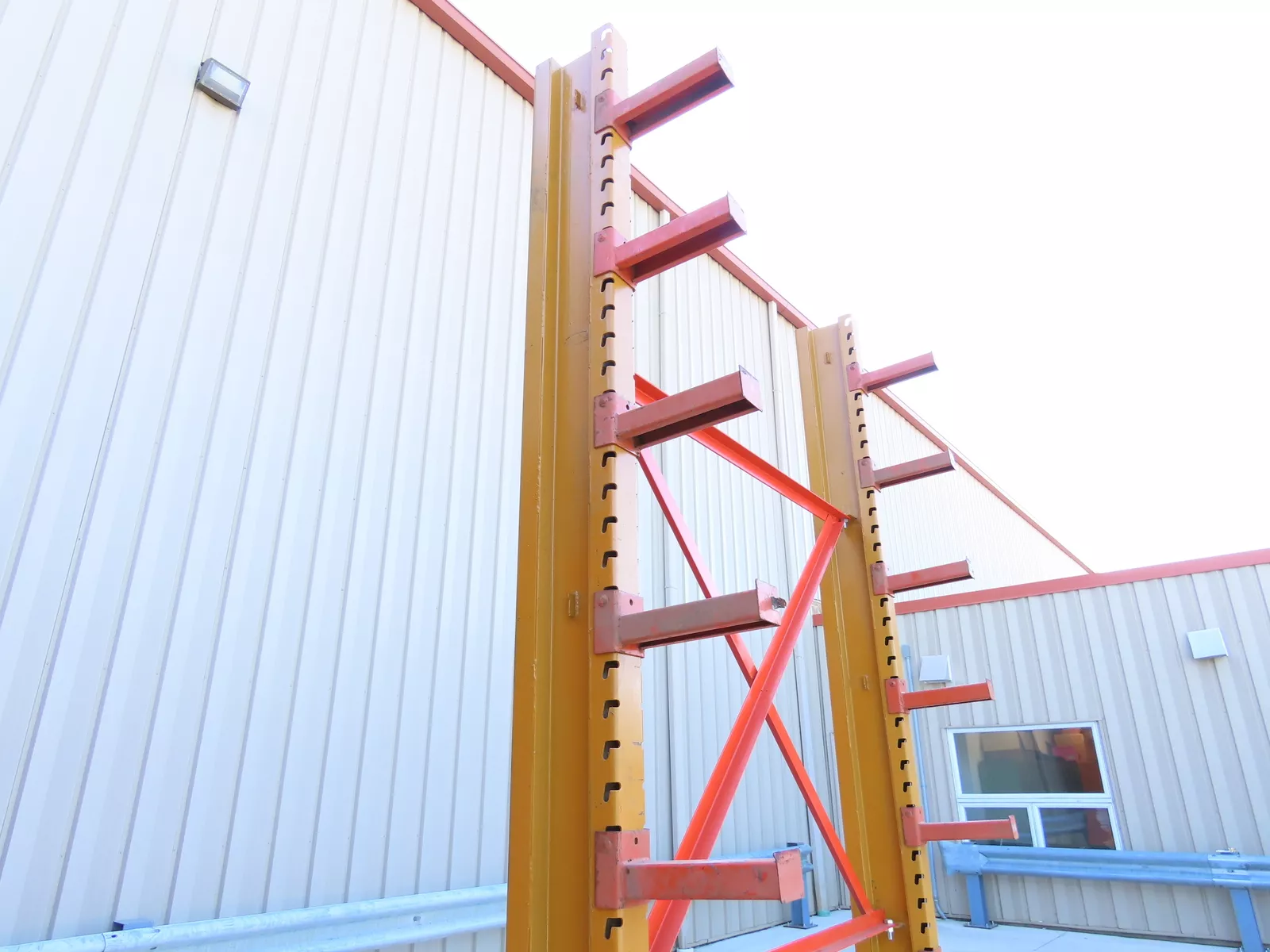
What Emotional Triggers Should I Consider When Choosing a Vendor?
What Emotional Triggers Should I Consider When Choosing a Vendor?
- Choosing a vendor involves aligning values and vision, creating a partnership that reflects your mission and ethics.
- Trust is essential; look for vendors whose principles resonate with your values and demonstrate integrity.
- Investigate how vendors treat employees and contribute to their communities to gauge their authenticity.
- Vendors should tell compelling stories about their journey to foster engagement and connection.
- Scrutinize the vendor’s track record and seek testimonials for reliability and authority in their field.
- Trust your instincts during interactions; personal connections can significantly influence your decision.
- Consider the vendor’s social appeal; their client base and collaborations reflect their reputation and values.
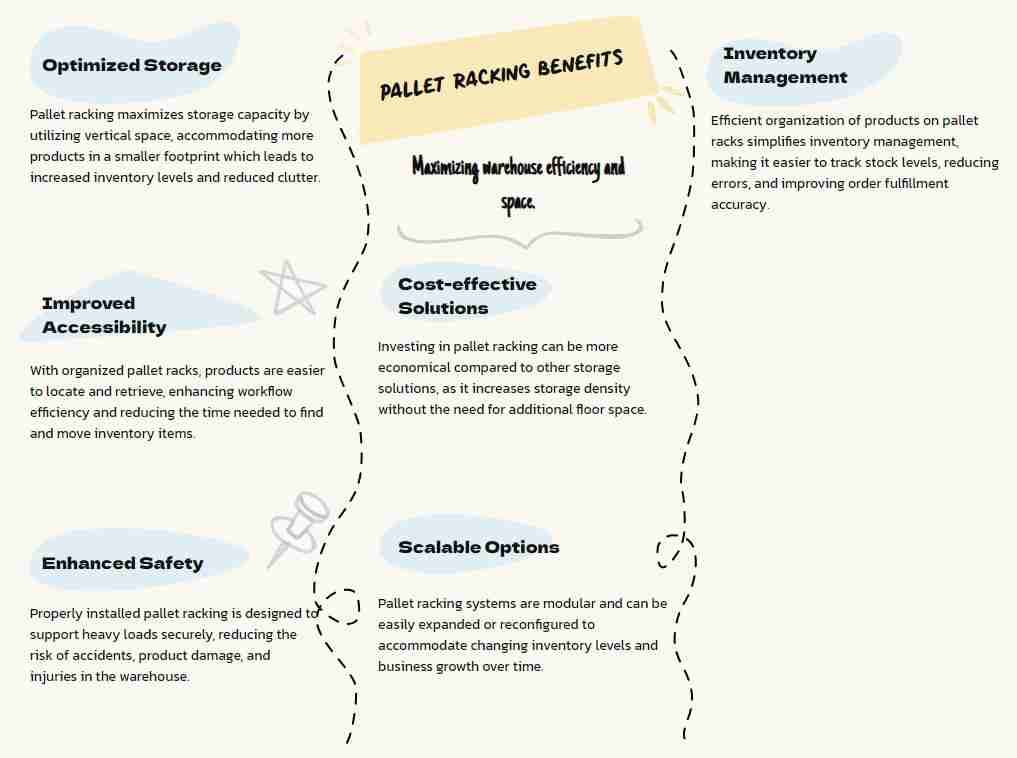
What Emotional Triggers Should I Consider When Choosing a Vendor?
How Can I Assess the Technical Expertise Of Rack Installers?
When it comes to racking installers, the stakes are high. You’re not just looking for someone who can pop a few bolts and call it a day. You want a craftsman—a person who understands that every angle, every connection, and every weld matters. Start by assessing their technical expertise through a few key avenues.
First, look for credentials. Certifications from recognized organizations are a good starting point, but don’t stop there. Ask about their hands-on experience. A seasoned installer has seen it all, and they’ll bring a wealth of knowledge to the job. The more complex the racking system, the more you want an installer who views challenges as an opportunity rather than a hurdle.
Don’t shy away from the emotional aspect of this decision, either. Imagine that your racking isn’t just lines and structures; it’s the backbone of your operation. The last thing you want is to compromise on quality due to a lack of expertise. Ask potential installers for stories—specific experiences where they faced a tricky installation but managed to overcome it. These narratives provide deeper insights into their problem-solving abilities and work ethic, allowing you to connect with their journey.
Next, assess their communication skills. A true professional will explain technical concepts in a way that makes sense to you. They should speak confidently yet not condescendingly, showing that they respect your knowledge and care about your understanding. If they can’t articulate their approach or make you feel heard, it may be a red flag.
Ethics also play a crucial role. Ensure that their values align with yours. Do they prioritize safety, quality, and compliance with standards? A reputable installer will be transparent in their pricing and won’t cut corners for profit. They understand that their work doesn’t just reflect on them but also on you, your business, and the trust that you’ve placed in them.
Lastly, tap into your social networks. Ask for recommendations and reviews from fellow professionals who have walked the path you’re on. Their shared experiences can guide your decision, helping you foster a sense of community even before the installation begins.
Trust your gut; quality work isn’t just a transaction—it’s a relationship built on mutual respect and commitment to excellence. By nurturing this connection, you ensure that your racking system is in the hands of someone who treats it like their own work of art.
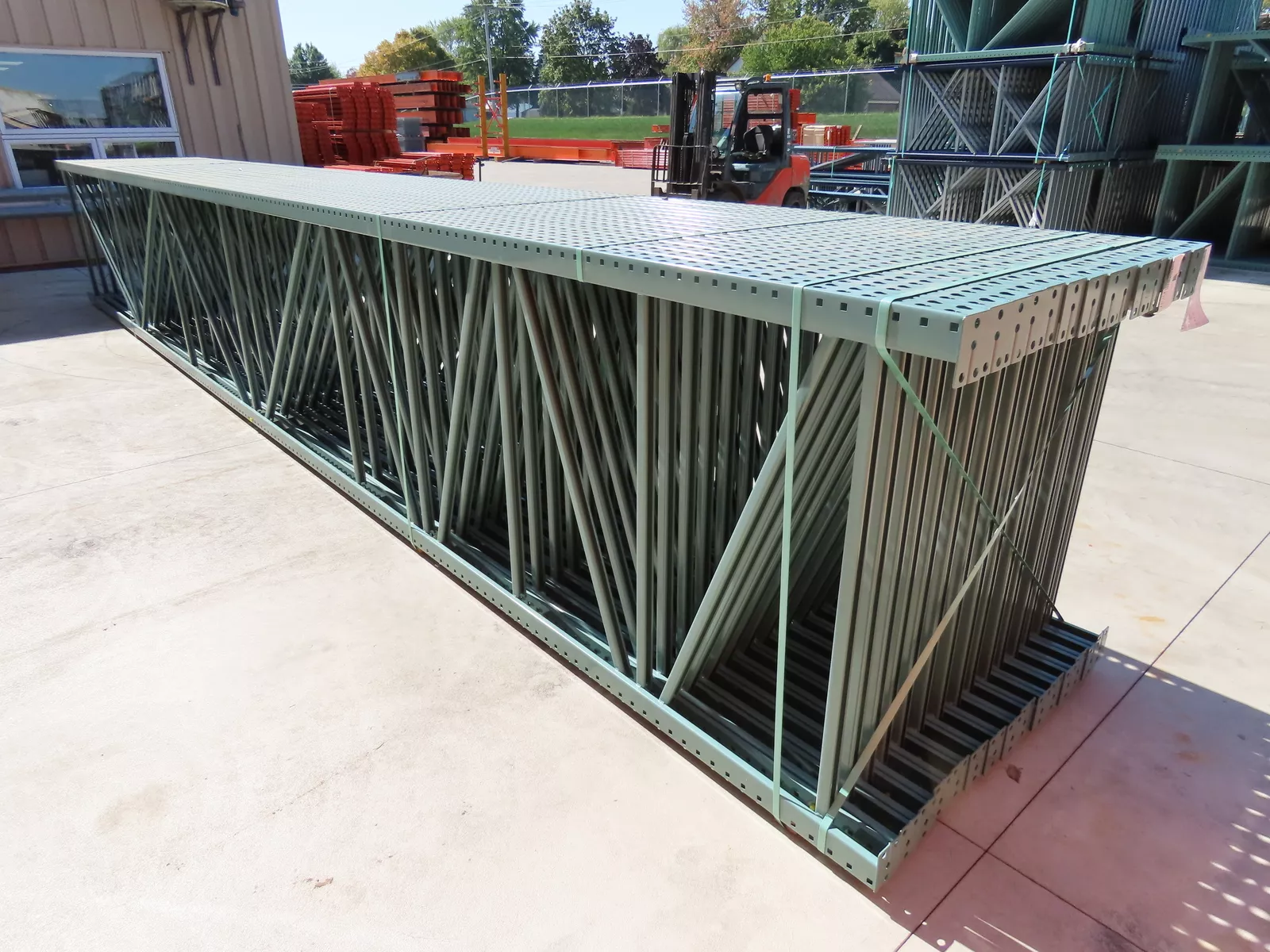
How Can I Assess the Technical Expertise Of Rack Installers?
How Can I Assess the Technical Expertise Of Rack Installers?
- Seek installers who exhibit craftsmanship and attention to detail, understanding the significance of every aspect of the racking system.
- Assess technical expertise by checking for relevant credentials and hands-on experience; seasoned installers offer valuable knowledge.
- Look for installers who view challenges as opportunities rather than obstacles, especially with complex systems.
- Consider the emotional investment; quality installations are essential for the backbone of your operation and overall success.
- Evaluate their communication skills; they should explain technical concepts clearly without being condescending.
- Ensure ethical alignment regarding safety, quality, and pricing transparency; reputable installers prioritize these values.
- Utilize social networks for recommendations and reviews, fostering a sense of community in your decision-making process.
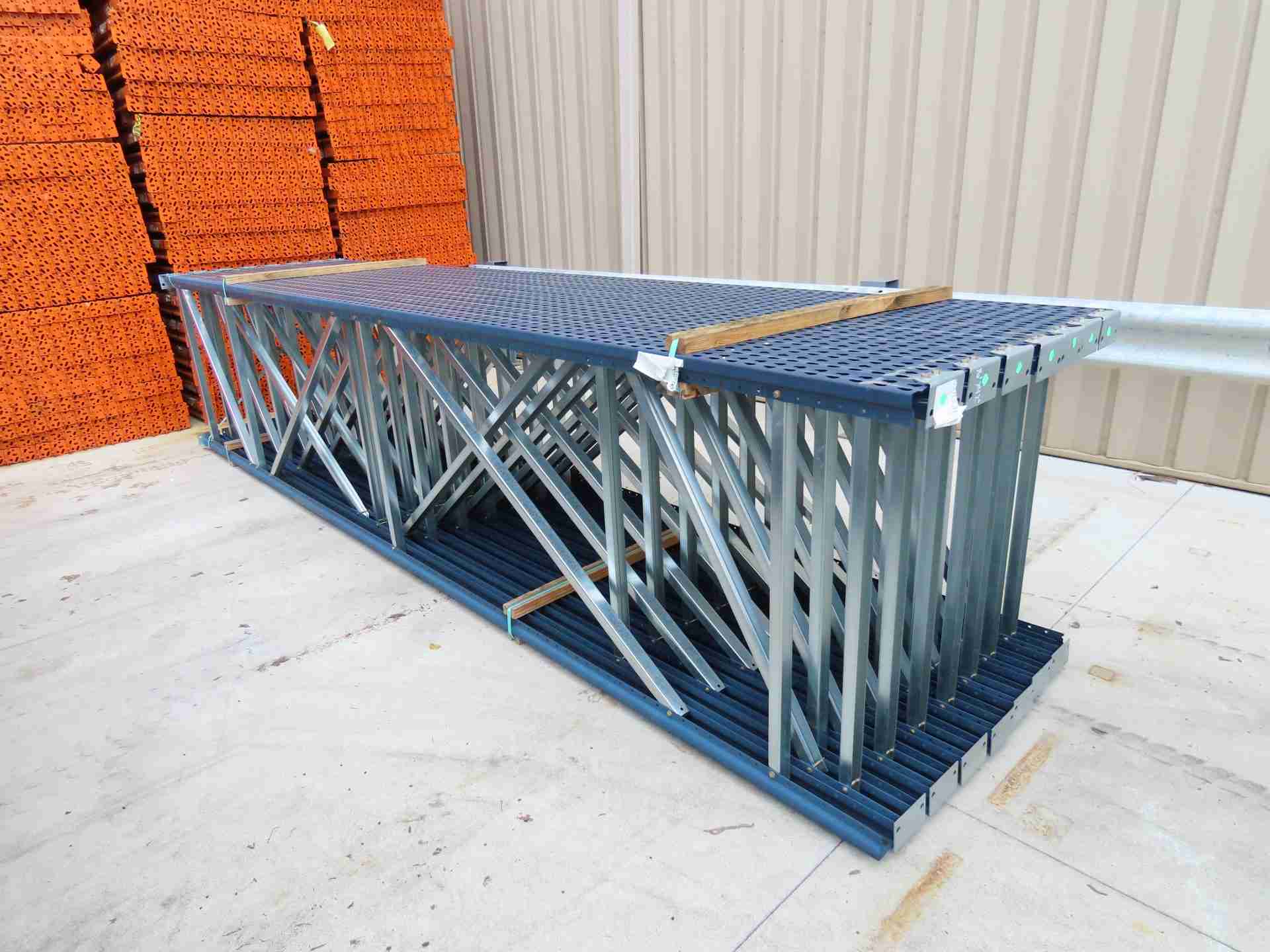
How Can I Assess the Technical Expertise Of Rack Installers?
What Ethical Standards Should I Prioritize In Vendor Selection?
When selecting a vendor, the ethical standards you prioritize can shape not just your company’s standing, but also its soul. Think about it: the businesses you engage with become an extension of your values. If you want to build something that lasts, you need to consider more than just the bottom line.
First, let’s talk about transparency. You deserve to know, just as much as your customers do, that the people behind the curtain are doing things right. A vendor that practices openness fosters trust. We’re talking about those who readily provide information about their supply chain, labor practices, and environmental impact. When you know a vendor is transparent, it feels good to partner with them; you’re not just a cog in the machine, you’re part of a community that values integrity.
Next, there’s respect for workers. This is a gut-level issue. You shouldn’t be selling products made by people who are treated poorly or forced into unsafe conditions. When you prioritize vendors that uphold fair labor practices, you send a message to the world: “We care about people.” You’re not just in it for the profit; you’re in it for the people who make your products possible. That connection ripples through your brand and resonates with customers who want to support businesses that share their values.
Environmental responsibility is another vital facet. The planet doesn’t just belong to the privileged few; it’s our shared home, and every vendor choice has a consequence. By working with partners committed to sustainable practices, you’re taking a stance that can inspire others to do the same. When customers see your commitment to ethical practices, their loyalty will deepen. They trust you to look out for their futures while you’re at it.
Moreover, think about accountability. A vendor that stands behind its commitments is someone worth forming a relationship with. Look for those who are willing to admit mistakes, learn, and grow. This kind of flexibility is crucial for fostering long-term collaboration.
Finally, consider your community’s values. Vendors are not just business links; they are part of a wider social fabric. By prioritizing ethical standards like fairness, transparency, and sustainability, you create a network of like-minded individuals and organizations. And in the end, it’s not just about what you provide; it’s about what you stand for together.
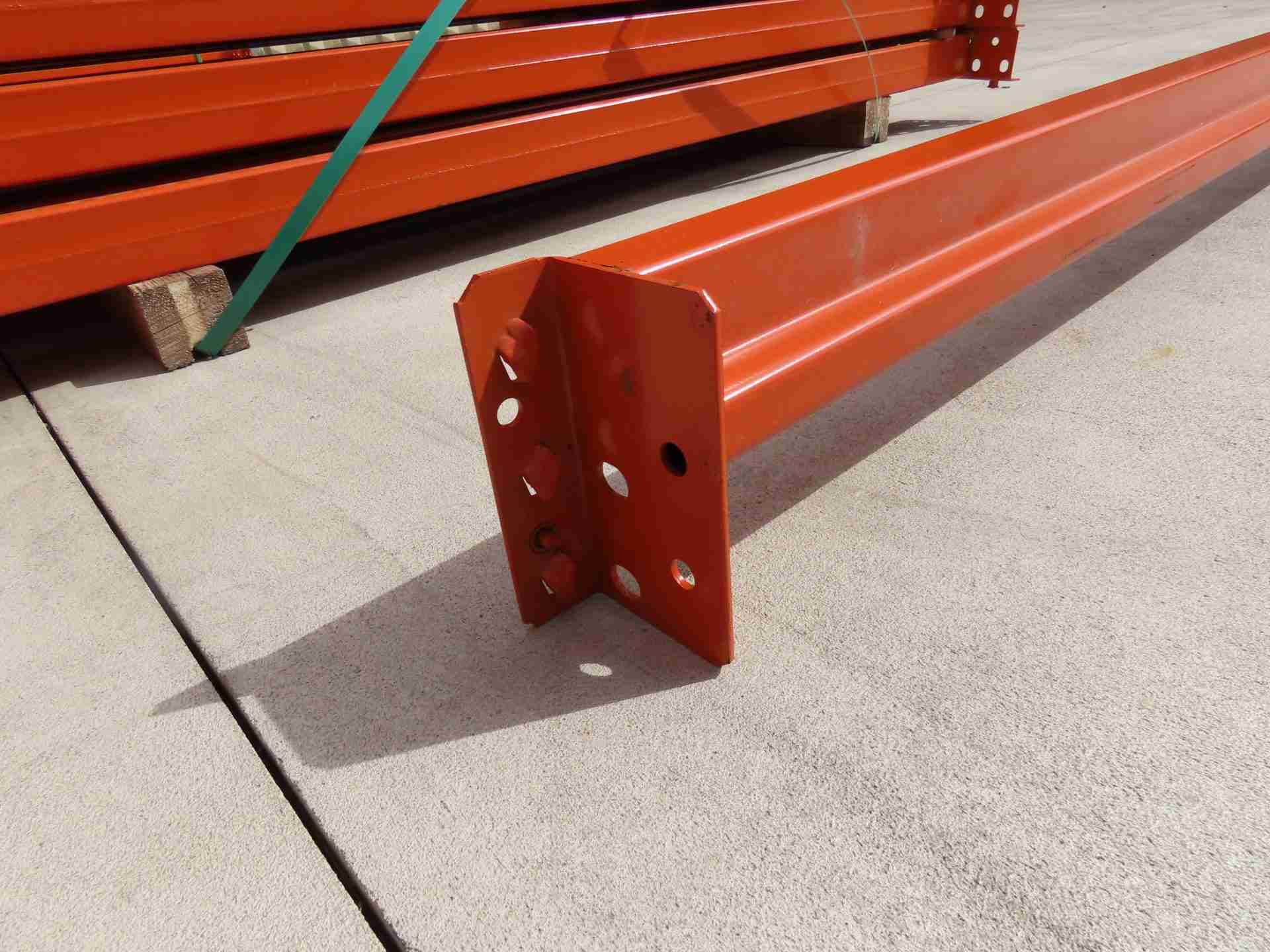
What Ethical Standards Should I Prioritize In Vendor Selection?
What Ethical Standards Should I Prioritize In Vendor Selection?
- Choosing vendors based on ethical standards influences both your company’s reputation and its core values.
- Transparency is key; vendors should openly share information about their supply chain, labor practices, and environmental impact.
- Supporting vendors with fair labor practices sends a strong message about valuing people over profit.
- Environmental responsibility is crucial; partnering with sustainable vendors shows a commitment to shared global stewardship.
- Accountability in vendors fosters trust; seek those willing to admit mistakes and learn from them.
- Consider the broader community’s values; ethical standards create a network of aligned organizations and individuals.
- Building strong vendor relationships is about shared principles and what your company stands for in the marketplace.
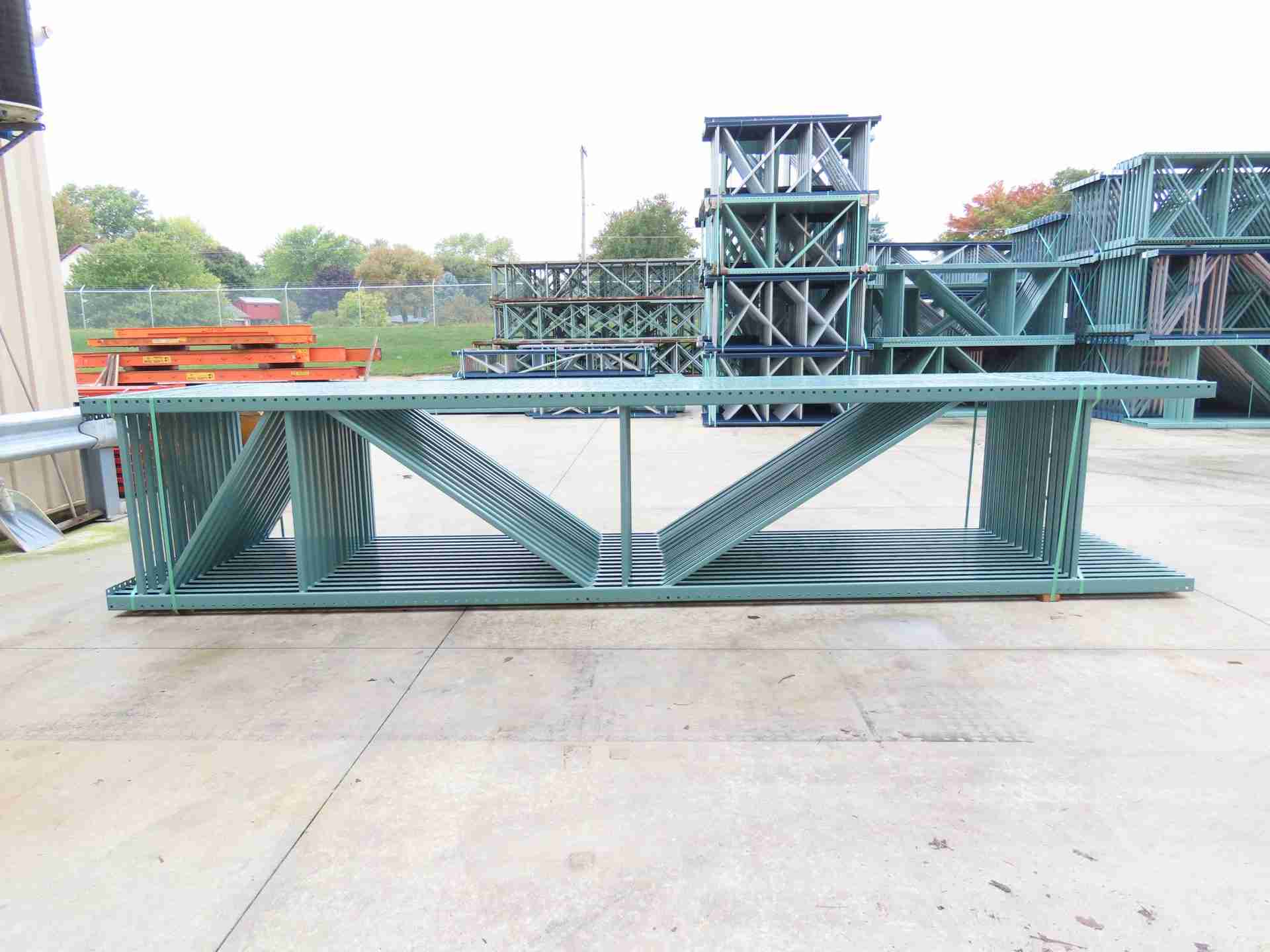
What Ethical Standards Should I Prioritize In Vendor Selection?
How Do Successful Businesses Evaluate Their Rack Vendors?
When it comes to racking systems, the decision-makers in successful businesses understand that they’re not just choosing a vendor—they’re forging a partnership that can determine the fate of their operation. It’s a choice that weighs heavily on the heart, head, and gut.
Imagine a warehouse bustling with activity. Palettes being moved, products stacked high, and orders flying out the door like clockwork. Now picture a racking system that’s managed to integrate seamlessly into this vision, sturdy enough to hold the weight of not only physical goods but also the livelihood of the people who ensure it runs smoothly. It’s a thoughtful evaluation that transcends mere numbers; it’s about trust. The ones who prosper know they must dig deeper than specs and prices. They seek vendors whose values align with their own, whose commitment to quality shines through their work.
To truly evaluate rack vendors, businesses have to engage their heads too. This means examining the vendor’s history, their track record, and their ability to adapt to industry changes. Just because a vendor offers competitive pricing doesn’t mean they’re deserving of your business. A vendor who prioritizes quality, safety, and innovation speaks volumes about their expertise. Seek certifications, request case studies, and gather testimonials. If they’ve supported other businesses through tough times, they can probably handle a challenge on your end too.
But let’s not forget the gut—your intuition is a powerful tool. Meet face to face with potential vendors. Walk their facilities. If you can’t trust your instincts, how can you expect to withstand the ups and downs of business? Is there an immediate sense of respect and mutual understanding? Or do they see you as just another number? How they treat you from the get-go can be revealing.
Lastly, consider the social aspect of your choice. Engage with industry peers and communities. Word of mouth travels fast, and the stories you hear will illuminate the reputations of various rack vendors. Their loyalty to past clients and their willingness to go the extra mile can be telling signs.
In a world fueled by competition, your racking decisions shouldn’t just be about today’s needs; they should reflect a broader vision of sustainable success. A trusted rack vendor doesn’t merely supply materials—they supply confidence, commitment, and a promise to partner in your journey. Choose wisely, and watch those stacks of opportunity grow.
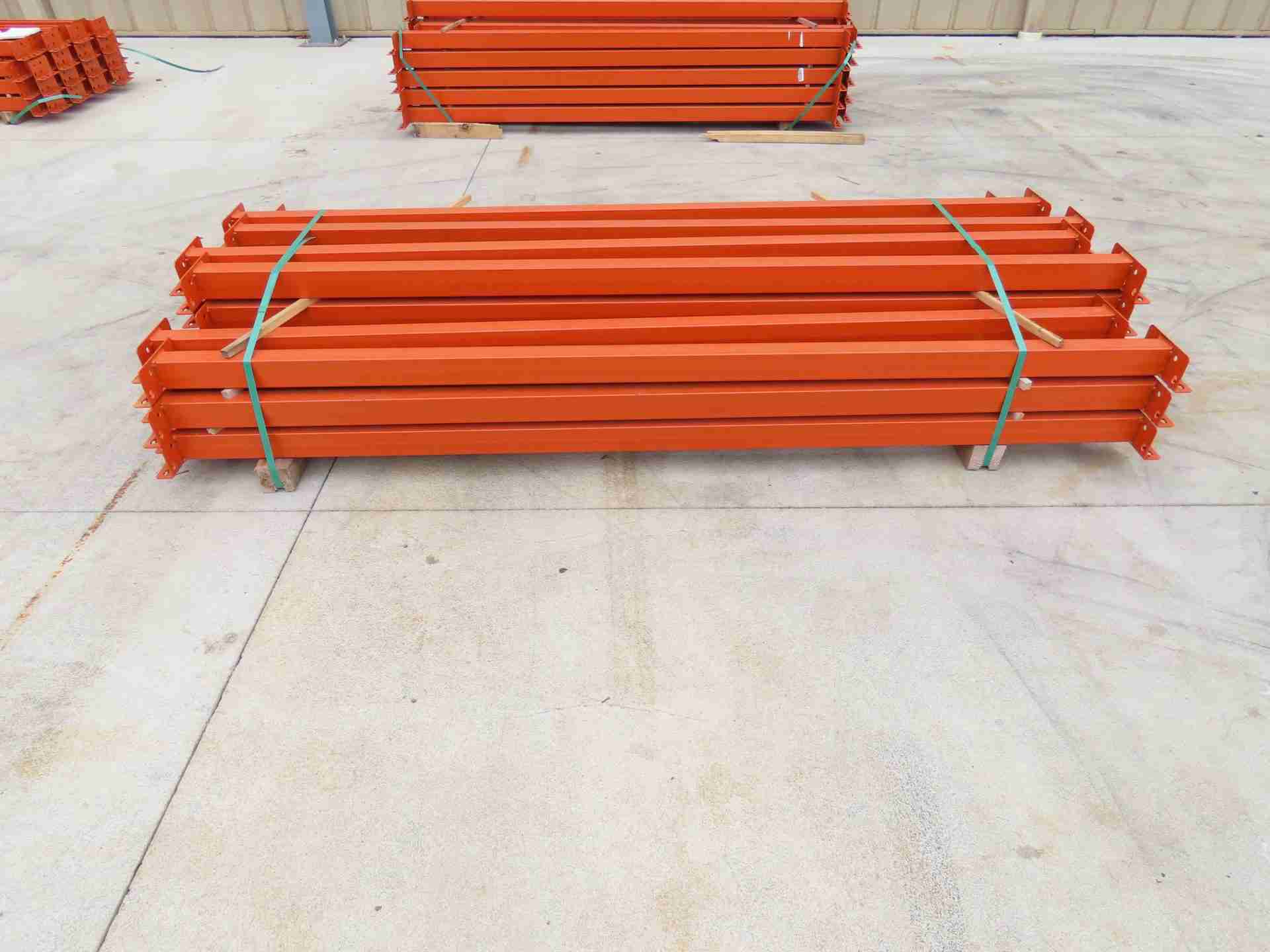
How Do Successful Businesses Evaluate Their Rack Vendors?
How Do Successful Businesses Evaluate Their Rack Vendors?
- Choosing a racking system vendor is about forming a partnership that impacts business success.
- A successful racking system integrates seamlessly into warehouse operations, supporting productivity and livelihoods.
- Evaluating vendors requires looking beyond specifications and prices; trust and aligned values are crucial.
- Examine the vendor’s history, track record, and adaptability to industry changes to ensure quality and safety.
- Use your intuition when meeting potential vendors; face-to-face interactions reveal mutual respect and understanding.
- Engage with industry peers for insights; word of mouth can uncover vendor reputations and client loyalty.
- Racking decisions should reflect a vision for sustainable success, emphasizing trust and partnership.
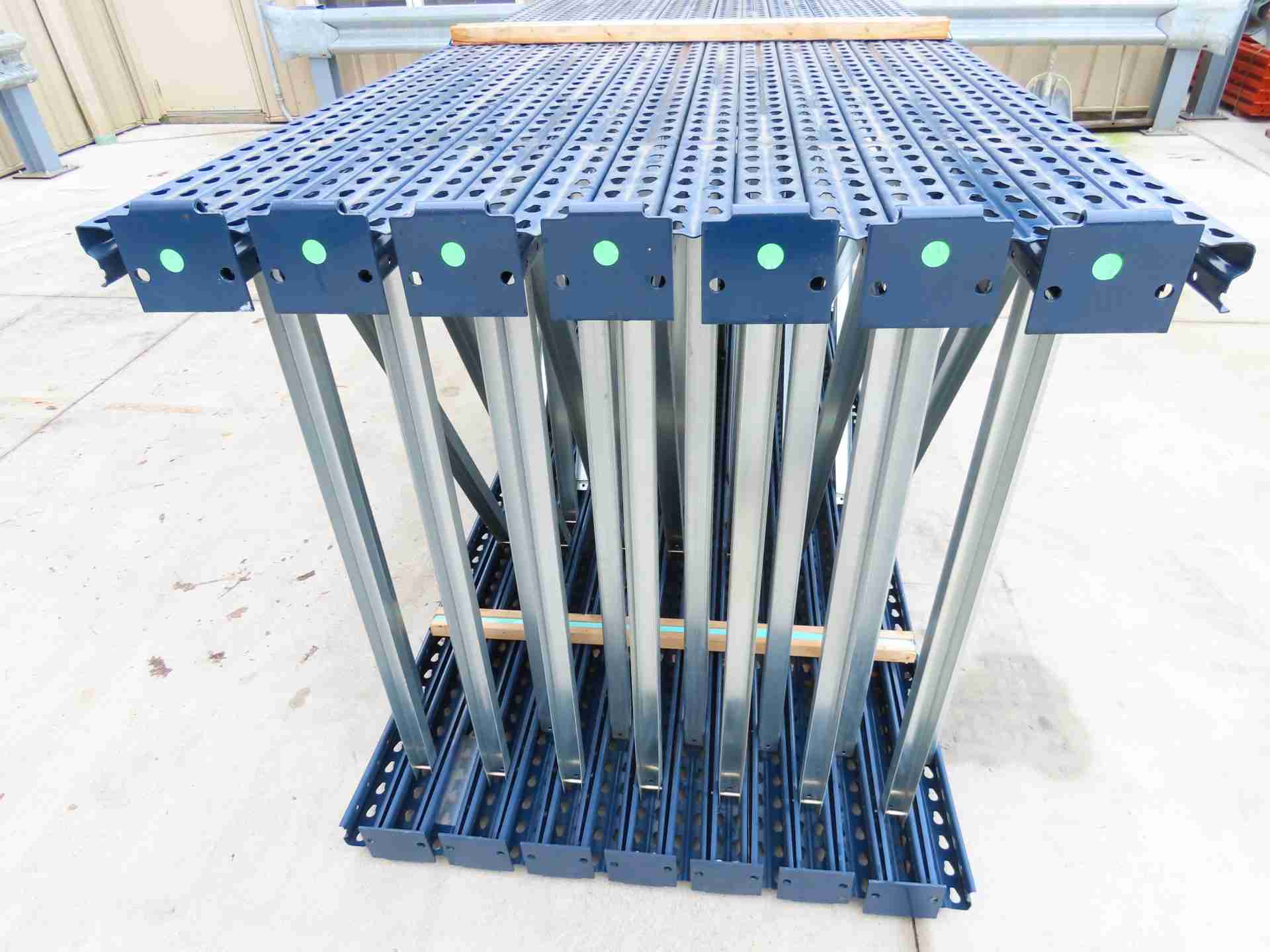
How Do Successful Businesses Evaluate Their Rack Vendors?
What Red Flags Should I Watch for In Vendor Proposals?
When sifting through vendor proposals, your gut instinct is often your best ally. You want to feel confident as you navigate the sea of options. But how do you know when to trust your instincts? There are a few red flags that you shouldn’t ignore—this is your business and, ultimately, your reputation at stake.
First, let’s talk about the clarity of communication. If proposals come in like a jigsaw puzzle, full of jargon, ambiguity, and fine print that feels more like a legal trap than a business deal, keep your guard up. A vendor that can’t break down their offerings in straightforward terms is likely hiding something. Think about it: if they can’t explain their value clearly, how can you expect them to execute their services? Embrace proposals that lay everything out on the table, like a well-structured racking system in a warehouse—organized, straightforward, and accessible.
Next, analyze their past performance. A vendor with gaps in their portfolio or testimonials that feel a bit too polished might be trying to sweep something under the rug. Look for evidence of success, not just the flashy pitches. Ask for case studies that showcase real-time challenges and transparent outcomes—this will reveal their capacity to adapt, innovate, and deliver, not just in the best of times but when the going gets tough.
Also, consider their pricing structure. If the numbers look like they were thrown together on a napkin, that’s concerning. A credible vendor should have an understandable and justified pricing model. This doesn’t mean the lowest bid wins the day; it’s about value. If a proposal feels like a gamble, and the stakes are your budget, it’s time to reassess. You shouldn’t have to squint at a spreadsheet just to feel like you’re getting a fair deal.
Social proof matters, too. Connect with peers who have partnered with these vendors. A little due diligence goes a long way—some unethical behaviors can slip through the cracks if you don’t ask the right questions. Their past partnerships can tell you what you need to know about reliability and integrity.
In this digital age, where narratives are spun at light speed, discerning fact from fiction is crucial. Trust your intuition, but back it up with rational thought and ethical considerations. After all, when it comes to selecting the right vendor, the choices you make echo throughout your business for years to come. Stand tall, keep your eyes wide, and don’t be afraid to ask the tough questions. Your well-being—and the success of your endeavor—is worth it.
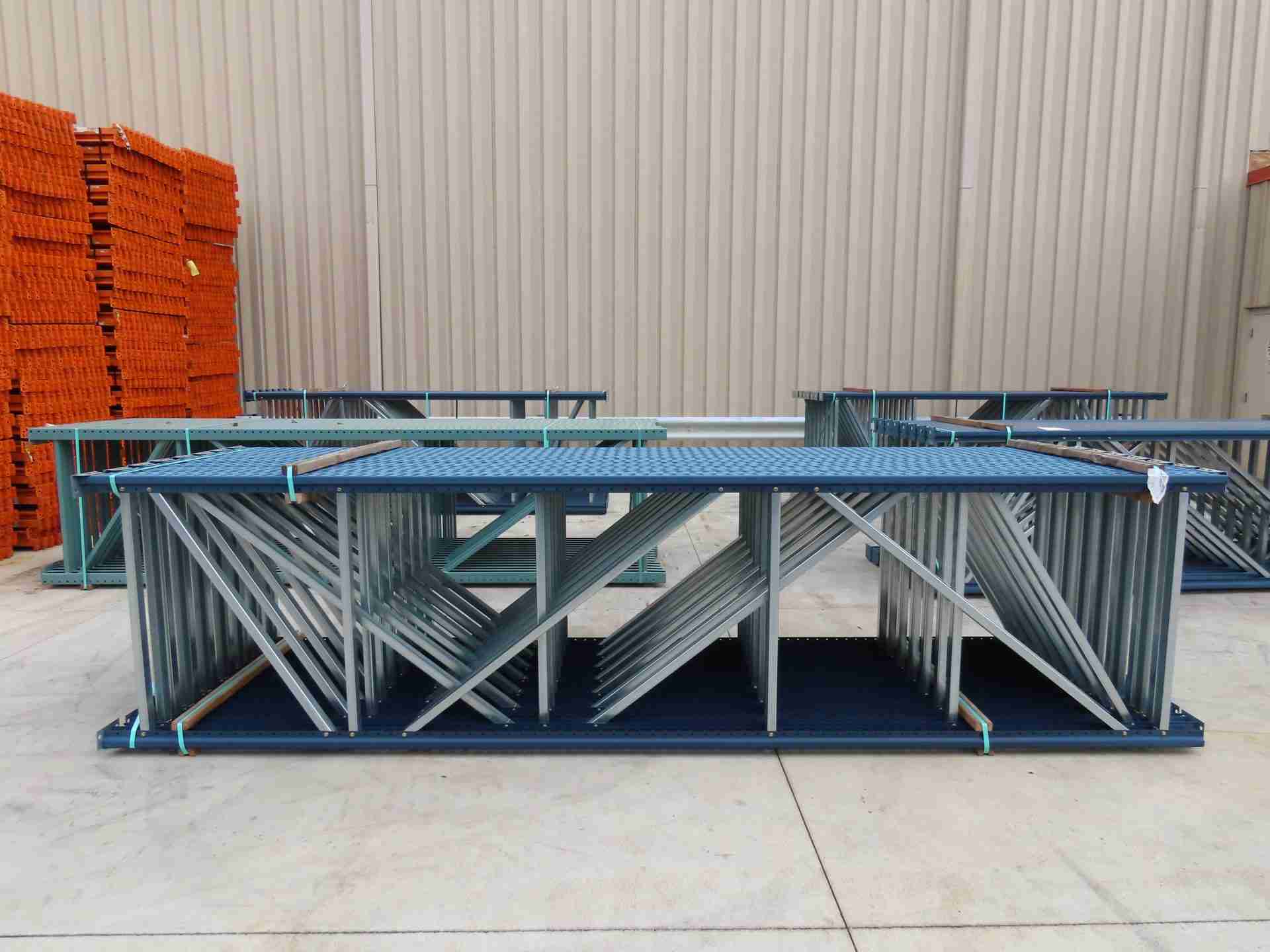
What Red Flags Should I Watch for In Vendor Proposals?
What Red Flags Should I Watch for In Vendor Proposals?
- Trust your gut instinct when reviewing vendor proposals, but look for red flags.
- Clarity of communication is essential; avoid vendors who use jargon and ambiguity.
- Evaluate past performance; seek out genuine testimonials and case studies.
- Analyze pricing structures; ensure they are clear and justified, not pieced together randomly.
- Seek social proof through connections with peers who have worked with the vendor.
- Discern between fact and fiction, using rational thought alongside intuition in decision-making.
- Don’t hesitate to ask tough questions; your business reputation and success depend on it.
What Red Flags Should I Watch for In Vendor Proposals?
Conclusion
Choosing the right rack vendor and installer is about more than just making a selection; it’s about building a relationship with partners who will play a crucial role in your operational success. At its core, this process demands a balance of heart, head, and gut instincts. It starts with emotional intelligence—find vendors who truly care about your needs, rather than those simply pushing products. Look for a vendor ready to invest in your success, willing to listen, and committed to forging a long-term partnership. Trust your instincts; you deserve a relationship that respects both your objectives and your budget.
Next, engage your intellect. Assess the vendors’ credentials, experience, and reputation within the industry. Successful businesses dig deep, looking for tangible proof of reliability through testimonials and case studies. A vendor’s history can reveal much, especially if backed by transparent performance metrics. Stick to industry standards and ethical practices as non-negotiables when vetting potential partners—quality and safety should never be compromised.
However, let’s not overlook the importance of the emotional narrative that vendors bring to the table. Their journey, values, and commitment to sustainability or community can resonate with you on a deeply personal level. This shared vision strengthens the partnership and fosters a community that extends beyond the walls of your warehouse.
Now, trust your gut; it’s a powerful tool in decision-making. Take time to meet potential vendors face-to-face, walk their facilities, and gauge the vibe. Are they excited about what they do? Do they treat you with respect and understanding? Their demeanor can tell you a lot about how they operate.
Lastly, tap into the collective wisdom of your professional community. Engage in conversations, seek recommendations, and listen to the stories of your peers. Their firsthand accounts of vendor experiences can inform your choices, spotlighting partnerships built on trust, commitment, and shared success.
Ultimately, evaluating rack vendors and installers is a journey toward mutual growth and satisfaction. It’s a blend of emotional resonance, rational assessment, ethical considerations, and instinctual trust. When you find that right fit, you’re not just selecting a vendor but forging a lasting alliance that supports your business aspirations. Make these choices with clarity, intention, and an eye toward thriving together through challenges and triumphs alike. In doing so, you lay the groundwork for resilience and success that’s built to last.
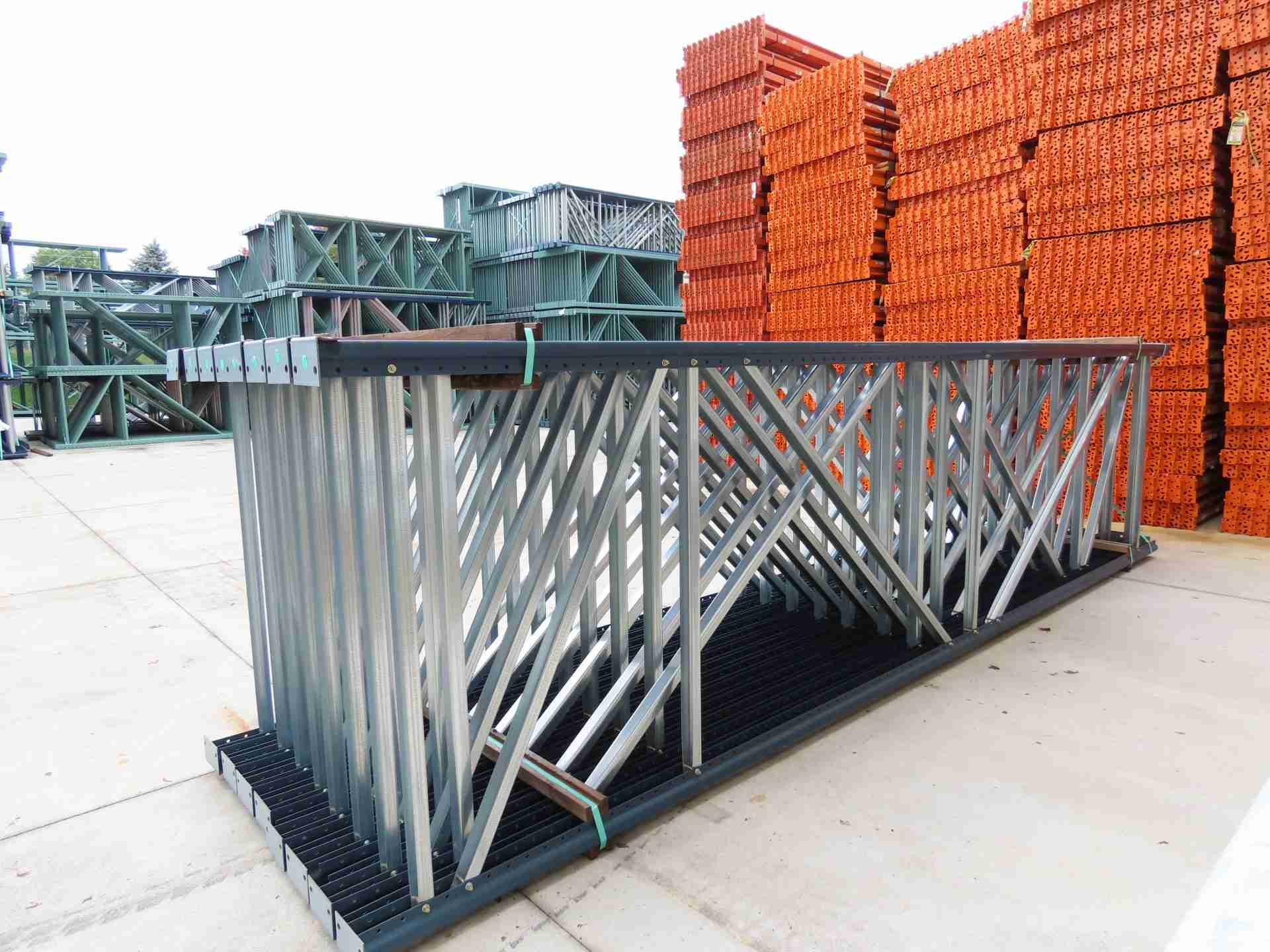
Conclusion
Conclusion:
- Building a relationship with rack vendors and installers is essential for operational success.
- Prioritize emotional intelligence by choosing vendors who genuinely care about your needs.
- Assess vendors based on their credentials, experience, and industry reputation, supported by testimonials.
- Consider the emotional narrative of vendors, including their values and commitment to sustainability.
- Trust your instincts by meeting potential vendors face-to-face and evaluating their demeanor.
- Seek recommendations and insights from your professional community to inform your choices.
- Choosing the right partner ensures mutual growth and resilience in business aspirations.
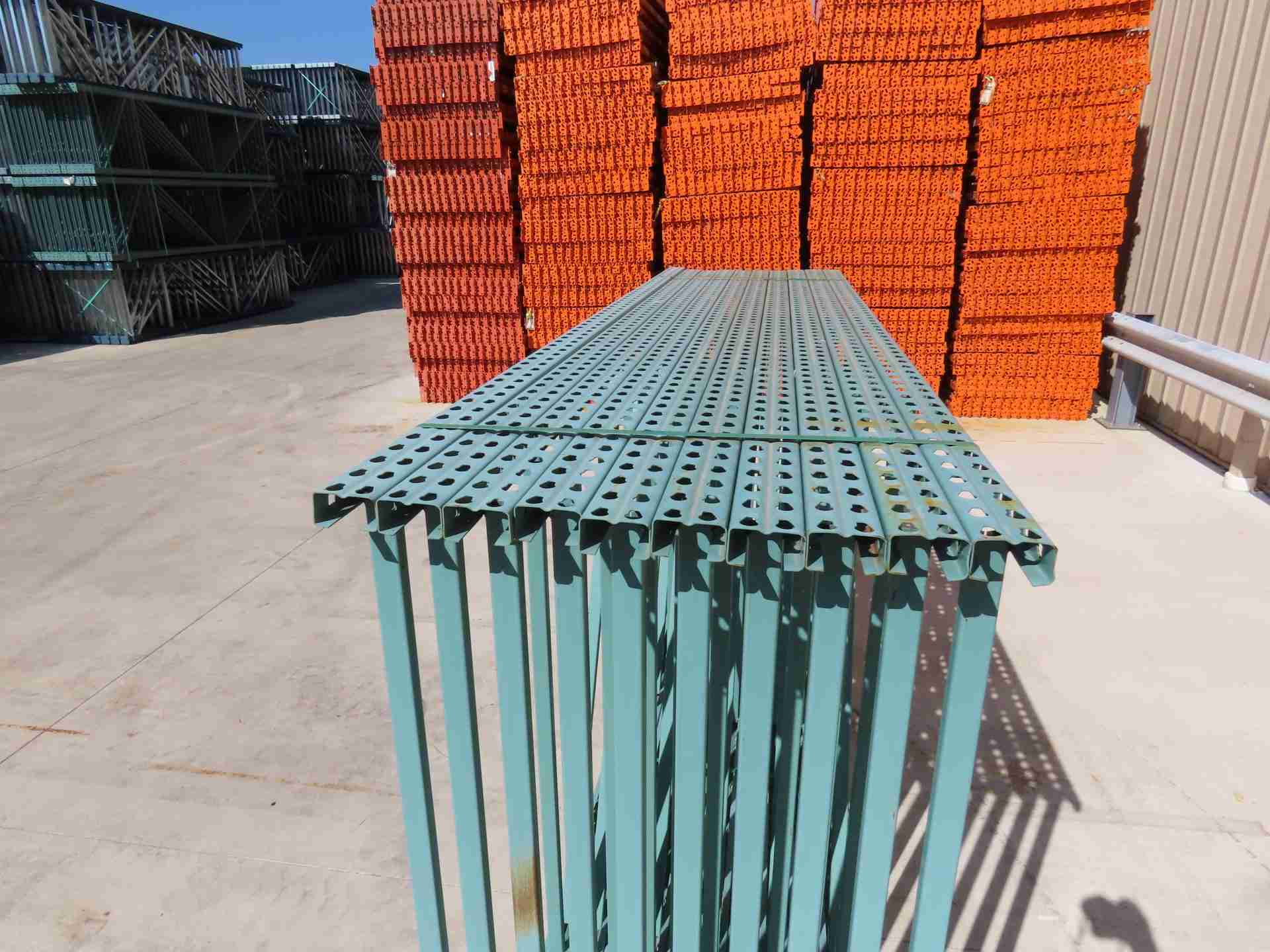
Conclusion
Other Resources
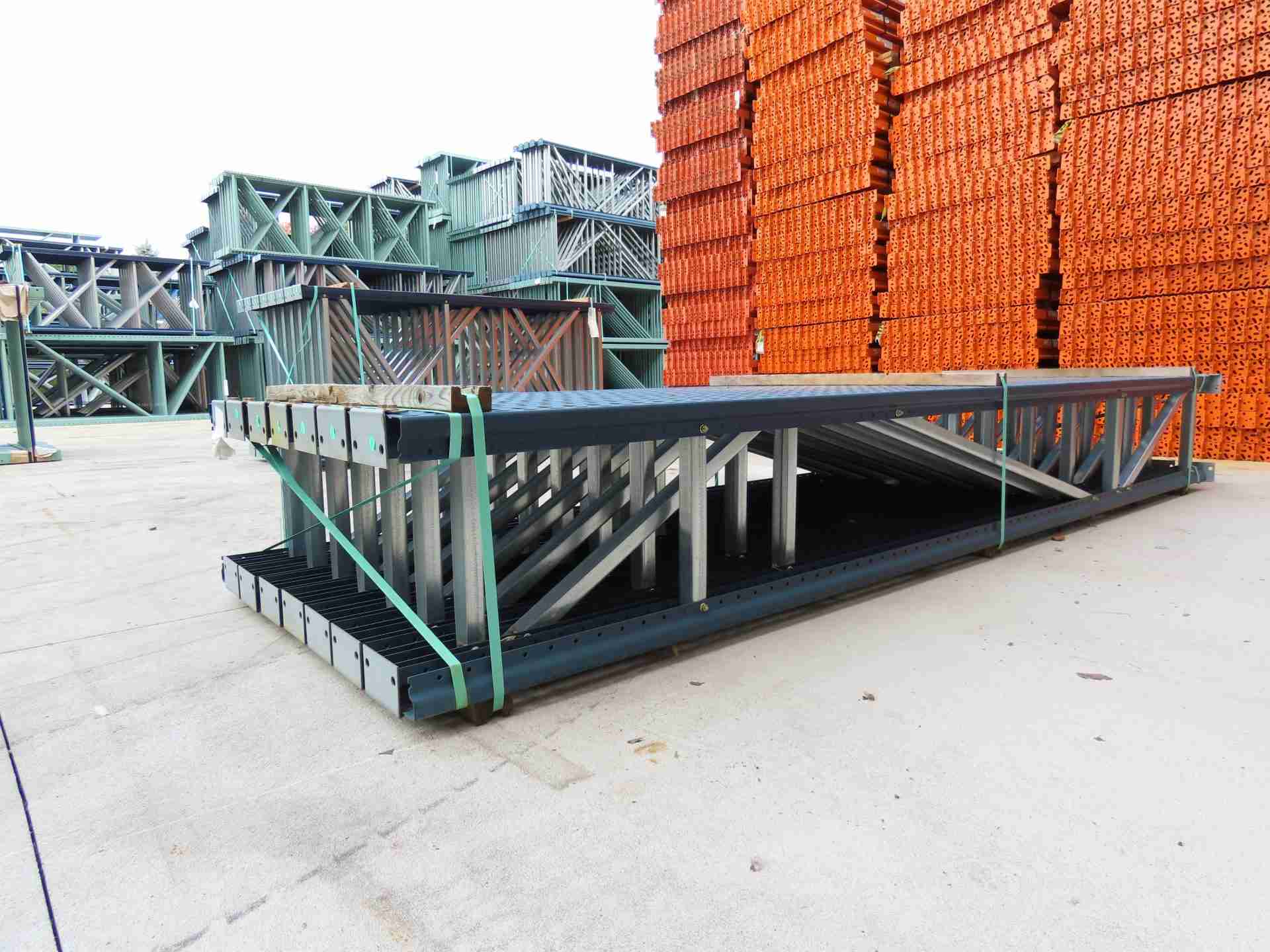
Other Resources
Here is a list of other resources you can review online to learn more:
- Warehouse Racks, Warehouse Racking in Stock – ULINE
- RMI
- WERC
- Used Teardrop Pallet Rack – American Surplus
- Chicago Pallet Racking
- Pallet Racking systems in Illinois, Great Lakes
- Selective Racking
- Racking World
- CA Wire
- Cantilever Rack Guide: Ordering Cantilever Racking
- Intro to Warehouse Racks & Warehouse Racking Systems – ShipBob
- Teardrop Industrial Shelving Rack
- Interlake Mecalux
- Selective Pallet Racking Systems – Container Systems
- Teardrop Industrial Shelving Rack
- Pallet Racking systems in Illinois and Great Lakes
- ASSP
- What is Selective Racking: Understanding Benefits & Options
- What is Cantilever Racking? – AK Material Handling Systems
- Storage Equipment Manufacturers’ Association
Use This Prompt To Get More Resources With Your Favorite Online AI Tool: Please provide me with a list of online articles with their URLs in a bulleted list that I can read regarding How to Evaluate Rack Vendors and Installers
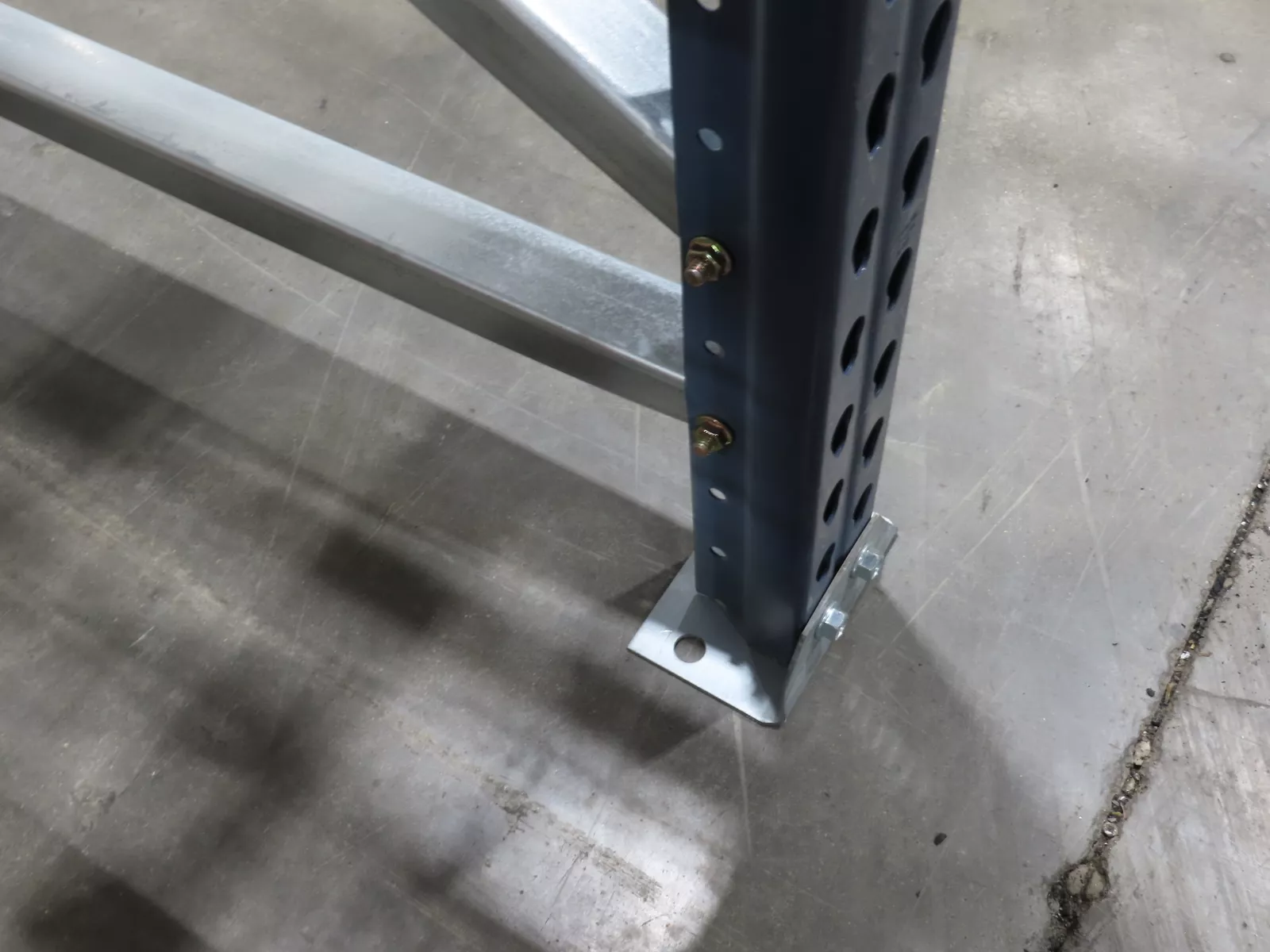
Other Resources
Glossary Terms
How to Evaluate Rack Vendors and Installers – Glossary Of Terms
1. Rack System: A framework for organizing and storing equipment, often used in data centers or server rooms.
2. Vendor: A company or individual that sells products or services, especially in the context of rack systems for IT infrastructure.
3. Installer: A professional or service responsible for setting up and configuring rack systems and associated hardware.
4. Load Capacity: The maximum weight a rack can support, essential for ensuring it can safely hold equipment.
5. Rack Unit (RU or U): A unit of measurement indicating the vertical space occupied by equipment in a rack, where one unit equals 1. 75 inches.
6. Cooling Efficiency: The effectiveness of a rack setup in allowing proper air circulation to prevent overheating of electronic components.
7. Cable Management: Techniques and tools used to organize and secure cables within a rack to enhance airflow and accessibility.
8. Modularity: The design approach that allows for components of a rack system to be easily added, removed, or changed.
9. Compliance Standards: Regulations or guidelines that rack vendors and equipment must adhere to for safety, environmental, and operational effectiveness.
10. Customization: The ability to tailor rack specifications to meet the unique needs of a particular installation or environment.
11. Integration: The process of combining the rack system with existing equipment, software, and infrastructure for seamless operation.
12. Warranty: A guarantee provided by the vendor or manufacturer that covers repairs or replacements of the rack or equipment for a certain period.
13. Physical Dimensionality: The physical size and layout of the rack, which can influence space utilization within a facility.
14. Energy Efficiency: The ability of a rack system to minimize power consumption while maintaining optimal performance.
15. Access Control: Security measures implemented to restrict or monitor who can access the physical rack and its contents.
16. Durability: The ability of a rack system to withstand physical stress, environmental conditions, and long-term use without degradation.
17. Aisle Space: The area between racks that allows for safe movement of personnel and equipment for maintenance and access.
18. Vendor Reputation: The overall standing and trustworthiness of a vendor, often based on past customer experiences and product quality.
19. Installation Timeline: The estimated duration required to successfully complete the installation of a rack system.
20. Technical Support: Assistance provided by the vendor or manufacturer for troubleshooting and resolving issues post-installation.
21. Scalability: The capacity of a rack system to grow or adapt to increased demands without requiring a complete overhaul.
22. Installation Cost: The total expense associated with the professional setup of the rack system, including labor and materials.
23. Use Case: The specific scenarios in which the rack system will be utilized, influencing design and capacity requirements.
24. Lead Time: The period between placing an order for a rack system and its delivery, which can impact project timelines.
25. Quality Assurance: Processes and measures a vendor takes to ensure that the rack systems meet specified standards and performance criteria.
26. Safety Features: Design elements of racks intended to protect users and equipment, such as grounding, load limits, and anti-tip mechanisms.
27. Ergonomics: The study of how the rack design affects user comfort and efficiency during installation, maintenance, and operation.
28. Inventory Management: Strategies used to track and manage the components and equipment installed within a rack system.
29. Review Process: The evaluation methodology employed to assess different rack vendors and installers based on various criteria.
30. Contract Terms: The specific agreements established between the customer and vendor, detailing responsibilities, costs, and delivery expectations.
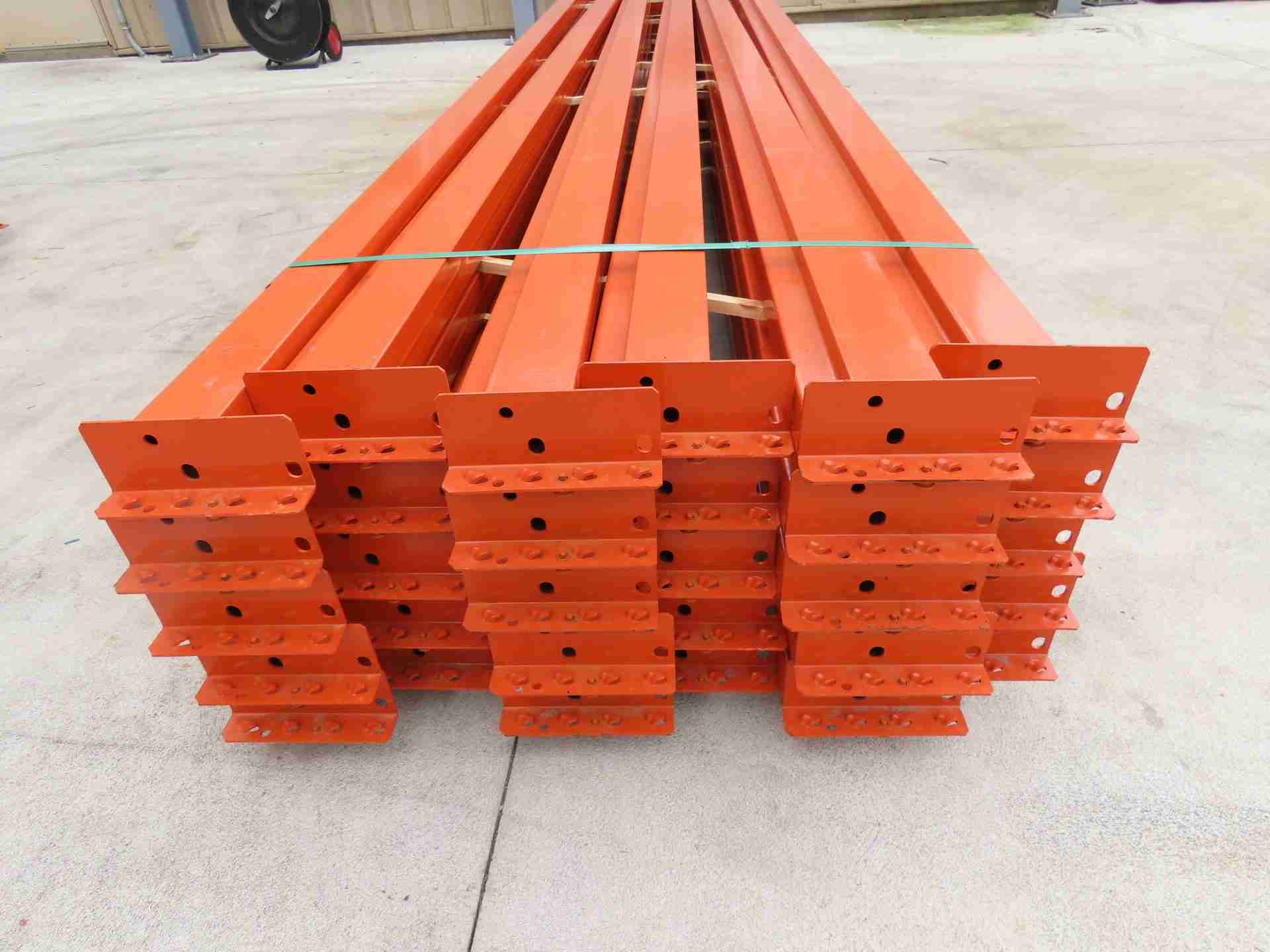
Glossary Of Terms
Other Questions
How to Evaluate Rack Vendors and Installers – Other Questions
If you wish to explore and discover more, consider looking for answers to these questions:
- What specific certifications should I look for in rack vendors and installers?
- How can I verify the reputation of a rack vendor in the industry?
- What are the key questions to ask potential rack installers during an interview?
- What are some examples of successful partnerships between businesses and rack vendors?
- How do I determine if a vendor’s pricing is fair and transparent?
- What kind of warranties or guarantees should I expect from rack vendors?
- How can I assess the vendor’s commitment to sustainability and ethical practices?
- What types of support should I expect after the installation is complete?
- How do I know if a vendor is using high-quality materials for racking systems?
- What role do community and social responsibility play in vendor selection?
- How do I handle disagreements or issues with a vendor or installer?
- What are the latest trends in racking systems and how do they affect vendor selection?
- What impact does poor vendor selection have on operations and safety?
- How often should I reassess my relationship with a vendor once chosen?

Other Questions
Checklist
How to Evaluate Rack Vendors and Installers – A Checklist
Checklist for Evaluating Rack Vendors and Installers
Emotional Appeals (Heart)
_____ Does the vendor demonstrate genuine concern for your business needs?
_____ Are they willing to invest time in building a long-term relationship?
_____ How do they relate to their employees and the community?
_____ Do their values align with yours?
Rational Appeals (Head)
_____ What are the vendor’s credentials and industry experience?
_____ Can you verify their track record with testimonials or case studies?
_____ Do they provide clear and transparent proposals without ambiguity?
_____ What certifications do they hold related to safety and quality?
Ethical Appeals
_____ Does the vendor uphold fair labor practices and respect worker rights?
_____ Are they transparent regarding their supply chain and environmental impact?
_____ How accountable do they appear in their commitments and promises?
Authority Appeals
_____ Are they recognized leaders in the industry with endorsements from reputable sources?
_____ Have you reviewed examples of their previous work, particularly in challenging situations?
Narrative Appeals
_____ What compelling stories do they share about their journey and commitment to quality?
_____ Are there community or industry narratives that highlight their successes or failures?
_____ Are their solutions innovative and aligned with industry trends?
Social Appeals (Gut)
_____ Who else in your network has partnered with this vendor, and what feedback have they shared?
_____ Do you feel an immediate sense of trust and respect when interacting with potential vendors?
_____ How do they communicate their expertise and approach to your concerns?
Red Flags to Watch For
_____ Is there clarity in their communication, or do their proposals seem overly complicated or vague?
_____ Can you find evidence of their past performance, or do their testimonials feel too polished?
_____ Is their pricing structure clear, reasonable, and justifiable?
_____ Are they responsive to inquiries and transparent in their dealings, or do they exhibit evasiveness?
Use this checklist to ensure you make a well-rounded, informed decision about your rack vendor and installer, ensuring a partnership built on trust, quality, and alignment with your values.

Checklist
At RackingWorld, we help guide you through selecting warehouse storage systems and racking.
Be sure to read our other related stories at RackingWorld to learn more about warehouse storage systems.
0 Comments