
Protecting What Matters: Expert Tips For Sturdy And Stable Racks
By Tom Seest
At RackingWorld, we help guide you through selecting warehouse storage systems and racking.
Be sure to read our other related stories at RackingWorld to learn more about warehouse storage systems.
How to Ensure Racks Are Level and Secure
When it comes to racking, the stakes are higher than you might think. Think about it: every time you step into a warehouse, you’re entering a world governed by the unseen forces of gravity and balance. Level and secure racks are not just about keeping things in place; they’re about ensuring safety, efficiency, and ultimately, the well-being of everyone who walks through that door. The emotional weight of that responsibility is profound.
To achieve that perfect alignment, you have to start from the ground up. Literally. Begin with the floor—an often-overlooked hero in this story. Inspect it meticulously. Cracks or uneven surfaces can play havoc with your racking, leading to catastrophic failures. Imagine the fear of a heavy load toppling over or, worse yet, someone getting hurt. This isn’t just an ethical consideration; it’s a moral obligation to protect those who work within that space.
Once you’ve ensured a solid foundation, it’s time to focus on the racks themselves. Use a level—yes, it’s a simple tool, but in this case, it’s your best friend. Place it across the beams and adjust until you achieve that elusive true level. It might seem trivial, but trust me, you’ll thank yourself later. Be methodical. A small adjustment may seem inconsequential, but compounded over time with the weight of inventory, it can lead to disaster.
Next, secure your racks properly. Utilize quality bolts and brackets that meet industry standards. Think of them as the safety belt in a car—absolutely essential for a safe journey. It’s not just about compliance; it’s about a social contract you uphold with your team. By ensuring that every piece of equipment is fastened correctly, you foster an environment of trust. Your colleagues will feel valued, knowing that their safety is a priority.
And don’t forget about regular inspections. Make it a routine. Checking levels and tightness shouldn’t be a chore; think of it as a ritual of respect for the workspace and the people who inhabit it. When you take these steps, you aren’t just maintaining hardware; you’re building a culture of safety and reliability. It’s a promise that says, “We care about you.” And in the end, that’s what makes all the difference. So grab that level, rally your team, and let’s get to work. Together, we have the power to keep everyone safe, steady, and secure.

How to Ensure Racks Are Level and Secure
How to Ensure Racks Are Level and Secure
- Racking in warehouses involves critical considerations of gravity and balance for safety and efficiency.
- The floor’s condition is paramount; inspect for cracks and unevenness to prevent catastrophic failures.
- Using a level is essential for achieving perfect rack alignment and preventing future disasters.
- Small adjustments can lead to significant issues over time with heavy inventory load.
- Secure racks using quality bolts and brackets to ensure safety and maintain trust among team members.
- Regular inspections are vital; they build a culture of safety and reliability in the workplace.
- Prioritizing safety fosters a supportive work environment, reinforcing the value placed on employee well-being.

How to Ensure Racks Are Level and Secure
Table Of Contents
- How to Ensure Racks Are Level and Secure
- What If an Unlevel Rack Jeopardizes Your Safety and Equipment?
- How Can You Measure Rack Stability Without Costly Tools?
- What Are the Ethical Implications Of Ignoring Rack Safety?
- Who Can You Trust to Provide Reliable Advice on Rack Installation?
- Can a Well-Secured Rack Enhance Productivity In Your Workspace?
- Conclusion
- Other Resources
- Glossary Of Terms
- Other Questions
- Checklist
What If an Unlevel Rack Jeopardizes Your Safety and Equipment?
When you step into a workspace, it’s not just about the equipment you see; it’s about the environment you feel. Imagine this: you’ve spent hours meticulously organizing your racking systems, part of a delicate dance of efficiency and safety. But then, you notice a slight tilt, a whisper of an unlevel rack. What starts as a minor inconvenience can quickly morph into a ticking time bomb of jeopardized safety and equipment.
It doesn’t take much to imagine the fallout. One misplaced item on that slanted shelf, one wrong move, and suddenly your day goes from productive to perilous. Picture the chaos as tools tumble down, or worse, a colleague gets caught in the crossfire. Not only can unlevel racking endanger lives, but it can also result in costly damage to equipment and a disruption in workflow that echoes through the entire organization.
From a rational standpoint, ensuring your racking is level is simply good business. OSHA guidelines and industry standards are in place for a reason. They remind us that every aspect of our safety protocols has an impact on our bottom line. Investing time in maintaining your storage systems is not just checking a box; it’s about fostering an environment where every individual feels secure and valued. Your workers deserve that peace of mind every time they reach for a tool or store materials.
From an ethical perspective, we have a duty of care—to ourselves, to our colleagues, and to our employers. A failure to address an unlevel rack isn’t just negligence; it’s a risk we know we should avoid. Let’s hold ourselves accountable. When we prioritize safety, we foster a culture where everyone watches out for one another, reinforcing a sense of community in the workplace.
Authority comes from experience. Haphazard storage systems and overlooked racking conditions can lead to accidents that don’t need to happen. For every injury report that makes headlines, countless stories go untold, lives disrupted over something as avoidable as a simple level.
So, rally the team. Have those crucial conversations about safety and take action. Whether it means investing in equipment to regularly check the level or building a culture that prioritizes safety, every step makes a difference. Let’s gear up and work together to create a safer space, for our sakes and for those who rely on us. Our workspace is a shared responsibility—let’s keep it steady.

What If an Unlevel Rack Jeopardizes Your Safety and Equipment?
What If an Unlevel Rack Jeopardizes Your Safety and Equipment?
- Workspaces are defined by both visible equipment and the overall environment.
- Unlevel racking systems pose serious safety risks, potentially leading to accidents and injuries.
- Minor issues, like a tilted rack, can escalate into significant workplace hazards.
- Maintaining level storage systems is crucial for safety protocols and can impact business outcomes.
- There is an ethical duty to ensure safety in the workplace for ourselves and our colleagues.
- Promoting a culture of safety encourages accountability and community in the workplace.
- Taking proactive steps to address safety, such as regular checks or enhanced equipment, contributes to a safer working environment.

What If an Unlevel Rack Jeopardizes Your Safety and Equipment?
How Can You Measure Rack Stability Without Costly Tools?
When it comes to racking systems, stability is the unsung hero – a foundational element that can mean the difference between seamless operations and a catastrophic failure. But how can you measure that stability without breaking the bank on fancy tools? You can take a practical, down-to-earth approach that requires little more than your own hands and keen observations.
Start by using a simple level to assess the racking structure. Place it against various surfaces to check for any irregularities. Take a moment to engage with your surroundings; listen to the sounds around you. An unstable rack might groan or creak, sending you warning signals that something isn’t right. This is about more than just the measurements; it’s about trusting your instincts.
Next, you can perform a straightforward load test. Begin by loading the racks with weights, evenly distributed across the beams. Watch as the structure responds. If the racking sways or bows under minimal load, you’re dealing with a problem that could escalate quickly. This isn’t just physics—it’s also about safety. The lives of your coworkers depend on it. Imagine the feeling of seeing someone struggle to catch a falling load. It’s gut-wrenching.
Use your ethical compass here. When you put in the effort to maintain a stable racking system, you’re sending a message: that you care about your team and the integrity of your workspace. Share your findings with your team; foster a culture where everyone is involved in safety. This is about creating a community that values diligence and vigilance.
Engage your team in a conversation about racking conditions. Encourage them to share their experiences and insights. Stories from the floor can reveal hidden hazards that an expert might overlook. By tapping into the collective wisdom of those who work closely with the racks, you build a knowledgeable team that feels empowered.
Finally, take a moment to evaluate. As you assess the racking systems, consider the long-term implications of your findings. Ensuring that they remain stable will improve not just productivity, but morale. A safe workplace is a productive one. Your dedication to measuring rack stability in these cost-effective ways could be the catalyst for a safer, more focused work environment. And remember, trust yourself; if something feels off, it’s worth investigating. After all, stability is not just about measurements – it’s about fostering a sense of security for the entire team.

How Can You Measure Rack Stability Without Costly Tools?
How Can You Measure Rack Stability Without Costly Tools?
- Stability is crucial for racking systems, impacting operations and safety.
- Assess stability using a simple level to detect irregularities in the structure.
- Listen for warning sounds like groans or creaks that indicate instability.
- Conduct a load test by evenly distributing weights; observe the structure’s response.
- Maintaining a stable racking system demonstrates care for team safety and workspace integrity.
- Engage your team in discussions about racking conditions to uncover hidden hazards.
- Evaluate long-term implications of stability on productivity and morale; trust your instincts.

How Can You Measure Rack Stability Without Costly Tools?
What Are the Ethical Implications Of Ignoring Rack Safety?
In the realm of warehouse management and logistics, the unseen complications of rack safety can feel like a distant concern, often overshadowed by the immediacy of daily operations. Yet, the ethical implications of ignoring the perils tied to racking systems reach far deeper, touching the very core of our responsibility to ourselves and one another. Each piece of equipment holds more than just the weight of the goods it supports; it carries the burden of human lives.
Imagine walking through a bustling warehouse, where workers engage in a rhythmic dance of productivity. Every shelf brims with products, poised precariously. Now picture what happens when integrity in racking is compromised—a sudden collapse, a preventable injury, a fractured family. The gut punch of recognizing that such accidents are not mere statistics, but rather poignant reminders that accountability matters. When we neglect safety measures, we gamble with our most precious resources: our people.
From a rational standpoint, maintaining rack safety isn’t just about compliance with regulations; it’s a testament to our values. Businesses thrive on trust—trust nurtured in environments where safety is prioritized. When racks are properly inspected, maintained, and utilized, employees can work with confidence, knowing they’re shielded from unnecessary risks. This is where ethical responsibility intertwines with practical business sense; a safe workplace fosters productivity and boosts morale, leading to greater profits and a sustainable practice.
And let’s not overlook the narrative that we craft through our choices. Every decision we make in the name of safety ripples out, impacting not just workplace culture but community perception. Companies that lead with integrity inspire others. They shine a light on the brighter path, emphasizing that safety is non-negotiable—an ethos that can transform the industry landscape.
We owe it to ourselves and one another to cultivate environments where safety reigns supreme. Ignoring rack safety is not just a failure in duty; it’s a disregard for human dignity and value. So, let’s stand together, promoting practices that protect lives and honor the incredible dedication of those who keep our world moving. Choosing rack safety isn’t just smart; it’s a pledge to create a legacy of care, one that resounds far beyond the walls of any warehouse.

What Are the Ethical Implications Of Ignoring Rack Safety?
What Are the Ethical Implications Of Ignoring Rack Safety?
- Rack safety is often overlooked in daily warehouse operations, yet ignoring it can have serious ethical implications.
- Each piece of racking equipment supports the weight of both goods and human lives.
- Compromised rack integrity can lead to accidents, injuries, and emotional turmoil for affected families.
- Maintaining rack safety demonstrates a commitment to values and builds trust within the workplace.
- A safe work environment enhances employee confidence, boosts morale, and ultimately increases profitability.
- Companies prioritized on safety can influence industry standards and foster positive community perceptions.
- Promoting rack safety is a responsibility that reflects human dignity and a commitment to protect valuable lives.

What Are the Ethical Implications Of Ignoring Rack Safety?
Who Can You Trust to Provide Reliable Advice on Rack Installation?
When it comes to racking installation, figuring out who to trust can be as tricky as navigating a labyrinth at midnight. The stakes are high, and you want to ensure your precious equipment or inventory is secure. To help you make the right choice, let’s break this down into three key pillars: heart, head, and gut.
Start with the heart—this is the emotional connection. Think about the last time you hired someone. You didn’t just want a professional; you wanted someone who genuinely cared about your needs. A reliable racking installer should not only possess technical skills but a sincere commitment to your success. Look for testimonials from previous clients that showcase not just the work done, but the journey you would embark on together. Stories of challenges faced and overcame can create a bond, assuring you that this installer won’t just vanish once the job is done.
Next, turn on your head—this is where the rational assessment comes into play. Research is your ally. Dive deep into qualifications, certifications, and years of experience. Make a list of potential installers and scrutinize their references. Ask probing questions about their understanding of racking systems and their approach to safety. A reputable installer should be eager to share their processes and offer insights into why certain solutions work better than others. This focus on transparency is not just reassuring; it’s a sign of authority.
Finally, tune into your gut—this primal instinct is often overlooked but can guide your decision. When meeting with installers, pay attention to your feelings. Are they condescending, or do they welcome your input? A good racking installer will make you feel informed and empowered, not overwhelmed. Listen closely to the language they use; jargon can often mask insecurity. You want someone who simplifies complexity rather than complicates it.
Trust is built on more than credentials. It’s rooted in authenticity, expertise, and the bond you form through open communication. The right racking installation expert is out there, ready to roll up their sleeves and be in your corner, ensuring everything you hold dear is both safe and efficiently organized. Go ahead—trust your instincts, lean on your support network, and make that call. Your space deserves it.

Who Can You Trust to Provide Reliable Advice on Rack Installation?
Who Can You Trust to Provide Reliable Advice on Rack Installation?
- Choosing a racking installer requires trust, akin to navigating a complex labyrinth.
- The decision is built on three pillars: heart, head, and gut.
- Heart: Look for emotional connection and genuine care through client testimonials and shared challenges.
- Head: Conduct thorough research on qualifications, certifications, and safety practices of potential installers.
- Gut: Pay attention to your instincts and how installers interact with you during meetings.
- Trust in an installer encompasses authenticity, expertise, and effective communication.
- Your space deserves the right racking installation expert to secure and organize your equipment.

Who Can You Trust to Provide Reliable Advice on Rack Installation?
Can a Well-Secured Rack Enhance Productivity In Your Workspace?
When you step into your workspace, what do you see? Clutter? Chaos? Or perhaps the promise of potential waiting to be unlocked? The truth is, a well-designed racking system can mean the difference between stagnation and stimulation, confusion and clarity. It’s not just about storage; it’s about creating an environment that fosters productivity and inspires creativity.
Picture this: you’re knee-deep in a project, trying to find that vital component, but instead of a clear path, all you see is a warren of disarray. Frustration creeps in, and suddenly, your focus slips away like grains of sand through your fingers. A well-secured racking system changes that. By providing a designated spot for everything, it transforms your workspace into a well-oiled machine. You know exactly where to go and what to grab, allowing your mind to stay sharp and your creativity to flow.
The rational side of you recognizes that effectiveness isn’t just about doing more; it’s about doing more with purpose. The right racking solution can help streamline your workflow, minimizing wasted time and reducing stress. Think of it as a framework supporting your ambitions— an authority guiding your work life toward efficiency and success. When your environment is organized, clarity reigns, and decisions become easier, empowering you to tackle challenges head-on with confidence.
But let’s not forget the emotional aspect. We thrive in spaces that reflect our values. A tidy, well-secured rack speaks to a commitment to excellence and integrity in our work. It demonstrates respect for our craft and our colleagues, creating a culture of accountability. When everyone in a shared workspace contributes to this order, it fosters a sense of teamwork and belonging, transforming collaboration into camaraderie.
Moreover, consider the narrative you project. Your workspace tells a story— one that speaks of diligence and pride. A well-secured rack invites others to invest their trust in both you and the environment you’ve curated. It becomes a social symbol, a subtle reinforcement of the standards you uphold.
In a world that often feels chaotic, we all crave stability. A well-organized racking system offers that stability—not just for your tools and materials, but for your mind and spirit. Let it be your steadfast ally, empowering you to bring out the best in yourself and in those around you. Embrace the potential of a well-secured rack, and watch as your workspace transforms, enhancing productivity from the ground up.

Can a Well-Secured Rack Enhance Productivity In Your Workspace?
Can a Well-Secured Rack Enhance Productivity In Your Workspace?
- A well-designed racking system enhances workspace clarity and productivity.
- Organization minimizes frustration and allows for better focus on projects.
- Effective racking streamlines workflow and reduces stress, guiding efforts toward success.
- Organized environments foster teamwork, accountability, and a culture of excellence.
- A tidy workspace reflects commitment, inviting trust and respect from colleagues.
- A well-secured racking system provides stability for both tools and mental clarity.
- Embracing organization can transform your workspace and enhance overall productivity.

Can a Well-Secured Rack Enhance Productivity In Your Workspace?
Conclusion
In the realm of warehousing and logistics, the importance of level and secure racks extends far beyond mere functionality; it touches on fundamental principles of safety, responsibility, and community. Stepping into a warehouse is not just about navigating the aisles of goods but entering a space where lives and livelihoods are at stake. These racks aren’t just storage units; they are integral to the very fabric of a work environment that values its people.
First, think about the unseen hazards lurking in unlevel racking systems. A minor tilt may seem insignificant, but it can transform a well-organized workspace into a chaotic, unsafe zone where equipment and lives are jeopardized. It’s a gut-wrenching thought—seeing a colleague injured by something that could have been easily prevented with a level, a few bolts, and a commitment to safety. Every tilt taken lightly can lead to disastrous consequences, impacting not only productivity but the well-being of your team.
This commitment to safety should be rooted deeply in ethics: a moral obligation to ensure that every worker feels valued and secure. To truly foster a culture of safety means turning every action—checking levels, securing bolts, conducting inspections—into a ritual of respect for those who stand shoulder-to-shoulder with us in our daily grind. It’s a collective responsibility that, when shared, creates an unbreakable bond of trust and accountability.
Moreover, engaging your team in discussions about rack stability is vital. Harnessing their insights not only empowers them but transforms safety into a collective goal. As stories are shared from the floor, a narrative emerges that reflects a community standing together, safeguarding each other through vigilance and care. Good practices should resonate through the organization, elevating morale, productivity, and ultimately, profitability.
The authority to lead with safety comes from transparency and open communication. It’s not just about compliance with OSHA regulations; it’s a declaration that we care about our workspace and everyone in it. The legacy we choose to cultivate today—one that prioritizes safety and meticulousness—will echo well beyond the walls of our warehouses.
So, let’s rally around this essential truth: ensuring our racks are level and secure is more than a checklist; it’s a promise to ourselves and to each other. Let’s embrace this challenge, take pride in our spaces, and work together to create environments where safety reigns supreme, fostering productivity, trust, and a shared vision of success. Together, we have the power to elevate our workspaces into sanctuaries of stability and growth.
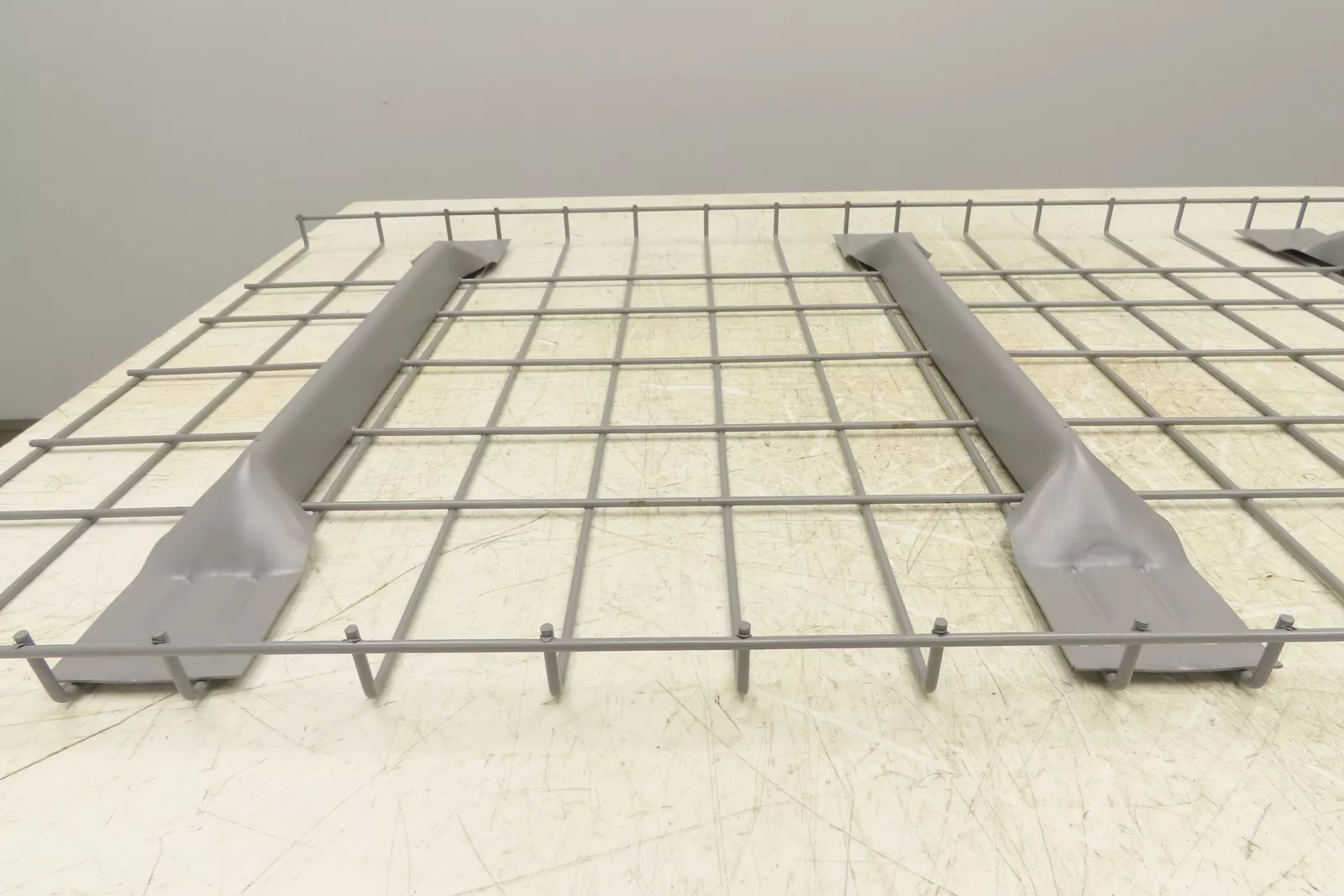
Conclusion
Conclusion:
- Level and secure racks are critical for safety and community in warehousing and logistics.
- Unlevel racking systems pose unseen hazards that can endanger equipment and lives.
- Commitment to safety is rooted in ethics and shows respect for all workers.
- Transforming safety practices into rituals fosters trust and accountability among team members.
- Engaging the team in discussions about rack stability empowers them and promotes collective responsibility.
- Transparency and open communication are essential for cultivating a safe and compliant work environment.
- Ensuring racks are level and secure is a promise that enhances productivity, trust, and a shared vision of success.

Conclusion
Other Resources

Other Resources
Here is a list of other resources you can review online to learn more:
- Teardrop Pallet Rack – Ridg-U-Rak
- Pallet Racking systems in Illinois, Great Lakes
- Used Pallet Rack for Sale in Illinois – American Surplus
- Selective Racking
- Logic Material Handling
- Crane Manufacturers Association Of America Inc.
- Chicago Pallet Racking
- Racking World
- Selective Racking
- Teardrop Industrial Shelving Rack
- BMH Equipment LLC
- Pallet Racking systems in Illinois and Great Lakes
- Rack Manufacturers Institute
- CMMA
- Pallet Racking systems in Illinois and Great Lakes
- Warehouse Racking Systems: Beginner’s Guide to Rack Systems
- Cantilever Racking Specialists – Get the Right Racks
- Warehouse Racking Chicago, IL
- Teardrop Pallet Rack – Ridg-U-Rak
- SEMA
Use This Prompt To Get More Resources With Your Favorite Online AI Tool: Please provide me with a list of online articles with their URLs in a bulleted list that I can read regarding How to Ensure Racks Are Level and Secure

Other Resources
Glossary Terms
How to Ensure Racks Are Level and Secure – Glossary Of Terms
1. Leveling: The process of adjusting a rack to achieve a horizontal alignment, ensuring stability.
2. Rack: A framework or structure designed to hold items or equipment, typically consisting of horizontal shelves.
3. Foundation: The base or ground surface on which a rack is placed, essential for stability and support.
4. Stability: The ability of a rack to maintain its position without wobbling or tipping over.
5. Alignment: The arrangement of a rack in line with other racks or structures, crucial for proper operation and safety.
6. Anchor: A device used to secure a rack to the floor or walls, preventing movement.
7. Leveling Feet: Adjustable components at the base of a rack that can be screwed in or out to level the structure.
8. Plumb: The vertical alignment of a rack, ensuring it stands upright.
9. Load Rating: The maximum weight a rack can safely support without risk of failure.
10. Bracket: A support piece used to stabilize a rack or to connect it to another structure.
11. Cross-bracing: Diagonal supports added to a rack to enhance its strength and prevent swaying.
12. Survey Level: A tool used to determine the level of surfaces in construction and installation processes.
13. Shims: Small, thin pieces of material placed under a rack’s feet to adjust for uneven surfaces.
14. Torque: The measure of turning force applied to secure bolts or fasteners in a rack assembly.
15. Maintenance: Regular checks and repairs performed to ensure a rack remains stable and secure.
16. Safety Factor: The ratio of a structure’s load capacity to the maximum expected load, accounting for unforeseen stresses.
17. Inspection: The process of examining a rack for any signs of wear, damage, or instability.
18. Securing: The act of fastening or anchoring a rack to prevent movement or tipping.
19. Weight Distribution: The even spreading of load across a rack to prevent overload on specific areas.
20. Footprint: The ground area occupied by a rack, important for spatial planning.
21. Vibration Dampening: Techniques used to minimize movements caused by external forces, enhancing rack stability.
22. Framing: The structural support provided by the components of a rack, crucial for overall integrity.
23. Protective Coating: A layer applied to a rack to enhance durability and resistance to corrosion.
24. Caution Signs: Warnings posted near racks to alert users of potential hazards or weight limits.
25. Temporary Support: Assistance structures used during the installation or adjustment of racks.
26. Overloading: Placing weight on a rack that exceeds its load rating, risking failure.
27. Vertical Load: The weight that acts downward on a rack from the items stored above.
28. Horizontal Load: Weight exerted sideways on a rack, which can affect stability, especially during movement or vibrations.
29. Foot Level Sensor: A device used to measure and indicate the level of the rack’s feet relative to the ground.
30. Rack Spacing: The distance between racks, which affects airflow, accessibility, and overall stability.

Glossary Of Terms
Other Questions
How to Ensure Racks Are Level and Secure – Other Questions
If you wish to explore and discover more, consider looking for answers to these questions:
- What are the consequences of using unlevel racks in a workspace?
- How often should racks be inspected for level and security?
- What types of tools are essential for checking rack stability?
- What specific safety regulations apply to racking systems?
- How can employees contribute to maintaining rack safety?
- What training should be provided to staff regarding rack safety?
- What are the signs of an unstable rack?
- How do industry standards for rack safety differ across sectors?
- What are best practices for loading racks safely?
- What should you do if you discover an unlevel rack?
- How can a company create a culture of safety in the workplace?
- What ethical considerations should be taken into account regarding rack safety?

Other Questions
Checklist
How to Ensure Racks Are Level and Secure – A Checklist
Safety and Stability Checklist for Racking Systems
Emotional Appeal
_____ Reflect on the well-being of your team: Is everyone safe in the workspace?
_____ Consider the impact of accidents: What would it feel like to know you could have prevented an injury?
_____ Celebrate your commitment to safety: Share stories of positive outcomes from safety practices.
Rational Appeal
_____ Regularly inspect the foundation: Check for cracks or uneven surfaces.
_____ Use a level on racks: Ensure beams are true to avoid future issues.
_____ Conduct load tests: Distribute weight evenly and monitor the rack’s response.
Ethical Appeal
_____ Remember your duty of care: Prioritize safety for everyone in the workspace.
_____ Conduct thorough inspections: Hold yourself accountable for safety practices.
_____ Foster a culture of vigilance: Encourage team discussions about safety concerns.
Authority Appeal
_____ Seek qualified installers: Research credentials and industry standards.
_____ Review testimonials: Look for experiences from other clients regarding installer reliability.
_____ Stay informed: Follow OSHA guidelines and best practices in your industry.
Narrative Appeal
_____ Share success stories: Highlight past incidents where maintaining safety made a difference.
_____ Document a journey: Keep a record of your safety practices and their outcomes.
_____ Create a collective safety narrative: Encourage team members to contribute their experiences.
Social Appeal
_____ Engage the team: Involve everyone in discussions about racking safety.
_____ Build trust: Create an environment where team members feel valued and protected.
_____ Celebrate collective achievements: Recognize team efforts in maintaining a safe workspace.

Checklist
At RackingWorld, we help guide you through selecting warehouse storage systems and racking.
Be sure to read our other related stories at RackingWorld to learn more about warehouse storage systems.
0 Comments