
Unlock Seamless Growth: Enhance Capacity While Maintaining Harmony
By Tom Seest
At RackingWorld, we help guide you through selecting warehouse storage systems and racking.
Be sure to read our other related stories at RackingWorld to learn more about warehouse storage systems.
How to Add Capacity Without Interrupting Operations
When it comes to adding capacity to your operations, the last thing you want is a disruption that sends everything crashing down. You’ve spent years building your business, day by day, and the last thing on your mind is a hiccup that could dampen your hard-earned reputation. Thankfully, it’s possible to expand your capabilities while keeping the wheels turning smoothly.
Think of your warehouse like a well-oiled machine. Every piece plays its part, from the employees on the floor to the racking systems that hold everything up. A smart approach to increasing capacity is to analyze your current setup. Do those racking systems still meet your needs? Can they be adjusted or optimized without tearing everything apart? This isn’t just about fitting more in; it’s about making sure that every square foot is utilized effectively and that your employees can still work comfortably and efficiently.
Start by engaging with your team. Who knows the operation better than those who are there day in and day out? They’ll have insights that can save you time and headaches. A few brainstorming sessions can spark creative solutions that may involve simple tweaks rather than a full overhaul.
Then look at your inventory flow. Sometimes, the bottleneck isn’t where you think it is. Is stock piling up in a certain area? A quick layout adjustment could improve movement and access, allowing everything to flow more freely. This approach not only increases efficiency but helps build a sense of camaraderie among the staff, as everyone plays a part in this collaborative effort.
Investment in additional racking systems might be necessary as well, but consider second-hand options or modular designs that allow you more flexibility for the future. This way, you’re making a wise financial choice while still meeting the demands of your clientele.
It’s vital to maintain clear lines of communication during this process. Keep everyone in the loop, and don’t shy away from asking for feedback as changes are implemented. When employees feel involved, they’ll adapt better to new systems and improve their work processes.
Ultimately, adding capacity is not just an operational decision; it’s about building trust within your team and with your customers. When everything runs seamlessly, it reassures clients that they can count on you, and that’s worth its weight in gold. As you look to expand, remember that it’s possible to do so with integrity and care, ensuring you solidify your foundation rather than shake it up.

How to Add Capacity Without Interrupting Operations
How to Add Capacity Without Interrupting Operations
- Expand operations without disrupting existing workflows.
- Analyze warehouse setup for optimal use of space and efficiency.
- Engage employees for insights and potential improvements.
- Identify and address bottlenecks in inventory flow through layout adjustments.
- Consider flexible, cost-effective racking solutions, including second-hand options.
- Maintain clear communication and seek feedback throughout the process.
- Building trust with employees and customers is essential for successful expansion.

How to Add Capacity Without Interrupting Operations
Table Of Contents
- How to Add Capacity Without Interrupting Operations
- How Can We Enhance Productivity While Maintaining Current Workflows?
- What Strategies Exist to Minimize Downtime During Capacity Expansion?
- How Do We Balance Quality and Quantity In Operational Growth?
- What Are the Risks Of Adding Capacity Without Disruption?
- How Can Employee Morale Be Preserved During Expansions?
- What Role Does Technology Play In Seamless Capacity Addition?
- Conclusion
- Other Resources
- Glossary Of Terms
- Other Questions
- Checklist
How Can We Enhance Productivity While Maintaining Current Workflows?
In the hustle and bustle of daily work life, productivity often feels like a fleeting goal, especially for those of us who have spent years developing a rhythm that works. But there’s a way to boost our output without shaking up the entire system we’ve built. Embracing the tools and methods we have, like Racking Systems, can set the stage for change that resonates deeply in our day-to-day operations.
Picture this: your workspace is cluttered. You know where everything is, but others don’t. A simple realignment using efficient racking systems clears up space, making it easier for teams to find what they need without frustration. This small shift not only saves time but nurtures a sense of ownership and pride among the crew. When everyone knows where their tools are, they can focus on what really matters—the work at hand.
On the surface, optimizing workflows may look like just rearranging boxes and shelves, but there’s something deeper at play. This process builds trust. It shows that leadership cares about the nuts and bolts of daily tasks and respects the hard work that’s already being done. When employees feel valued, they’re more likely to take initiative, finding new ways to improve processes, share ideas, and engage in their roles with heart.
Bringing the crew into decision-making enhances the emotional connection to their work. When they help to decide how to implement these systems, it fosters a sense of belonging and collaboration. It’s not about merely shifting workload; it’s about creating a culture where everyone feels they have a hand in shaping their environment. Such engagement isn’t just good for morale; it’s smart business. It drives accountability and innovation, encouraging a workforce that doesn’t just show up but actively contributes.
Consider also the ethical side of keeping systems smooth and efficient. When employees aren’t bogged down by outdated processes, they can focus on quality output rather than wrestling with inefficiencies. Together, the workforce creates a supportive atmosphere where ideas flow freely, and everyone feels empowered to offer their insights.
Each small change creates ripples that extend beyond mere productivity. It’s about crafting an engaged team that drives results through shared efforts, grounded in trust and transparency. Enhancing productivity while maintaining workflow isn’t just a tactical shift—it’s a collective journey, binding us together as we improve our workspace, our output, and ultimately, our lives.

How Can We Enhance Productivity While Maintaining Current Workflows?
How Can We Enhance Productivity While Maintaining Current Workflows?
- Productivity can feel elusive in daily work life, but small changes can enhance output without overhauling existing systems.
- Implementing efficient racking systems helps clear clutter, making it easier for teams to access tools and fostering a sense of ownership.
- Optimizing workflows goes beyond organization; it builds trust and shows employees that leadership values their efforts.
- Involving employees in decision-making strengthens their emotional connection to work and promotes a collaborative culture.
- Engaged employees are more likely to take initiative, contributing to process improvements and innovation.
- Efficient systems allow employees to focus on quality work rather than outdated processes, creating a supportive environment for idea sharing.
- Small changes in the workplace contribute to a collective journey, enhancing productivity and strengthening team bonds.

How Can We Enhance Productivity While Maintaining Current Workflows?
What Strategies Exist to Minimize Downtime During Capacity Expansion?
When it comes to expanding capacity, equipment downtime can feel like a punch in the gut. It’s those lost hours that hit hard—wasted time and money that could be invested in growth. But, let’s face it, we’ve all been there. There’s no one-size-fits-all solution, but there are strategies that resonate with folks who’ve turned the wrench and made the gears turn.
First, consider investing in robust Racking Systems. These aren’t just pieces of metal; they’re the backbone of your workspace, helping you manage inventory efficiently. By reorganizing and optimizing your storage layout, you free up space and reduce the time workers spend searching for materials. A well-structured racking system streamlines processes, turning chaos into order, and cuts downtime significantly.
Planning is another beast entirely. You wouldn’t head out on a long trip without checking your route, right? The same goes for expansion. Engage your team early in the planning phase. Workers who feel heard and valued are more likely to pitch in ideas that could save time. Their hands-on experience in daily operations brings valuable insights, and rallying around this shared vision fosters a sense of camaraderie. Thinking through every phase of the project can help identify potential bottlenecks before they rear their ugly heads.
Next, look to technology. Upgrading systems to include real-time monitoring can save you from surprises. When you understand how machines are performing, you can preemptively address issues. This isn’t just about spending money; it’s about making smart investments to create a reliable workflow. Each machine and worker plays a part like a cog in a well-oiled machine, and keeping them in sync is crucial.
Training staff is another point not to overlook. Invest time in thorough training sessions. When employees understand the nuances of new systems or procedures, they work more fluidly. A well-trained team reduces errors and unproductive downtime. This isn’t just ethical; it’s practical. Workers deserve the tools and knowledge to thrive, and when they feel empowered, they push the whole operation forward.
Finally, embrace a mindset of continuous improvement. Regularly revisiting processes, seeking team feedback, and adapting to new challenges are ways to foster an environment that minimizes downtime. When the whole crew knows they’re on board with making things better, it builds trust and boosts morale.
Minimizing downtime isn’t just about keeping the lights on; it’s about fueling growth. By honing in on these strategies, businesses can ensure their operations run smoothly, allowing teams to focus on what really matters—delivering results and building a future.
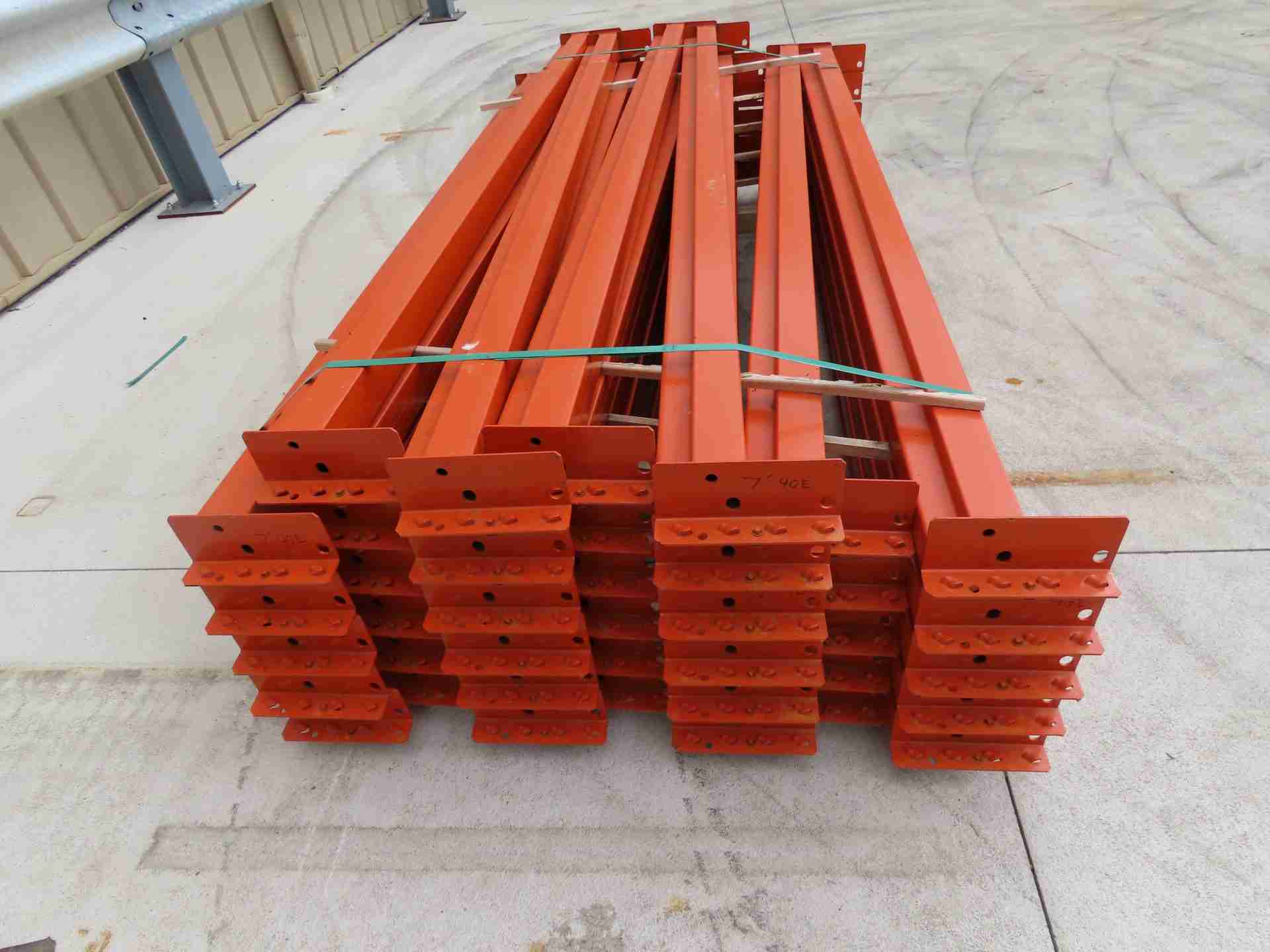
What Strategies Exist to Minimize Downtime During Capacity Expansion?
What Strategies Exist to Minimize Downtime During Capacity Expansion?
- Equipment downtime leads to lost hours and resources, impacting growth.
- Investing in robust racking systems optimizes inventory management and reduces downtime.
- Engaging team members in the planning phase enhances idea generation and camaraderie.
- Implementing real-time monitoring technology helps prevent unexpected machine issues.
- Thorough training for staff improves efficiency and reduces errors.
- Adopting a mindset of continuous improvement fosters trust and morale among the team.
- Minimizing downtime is essential for maintaining smooth operations and driving growth.
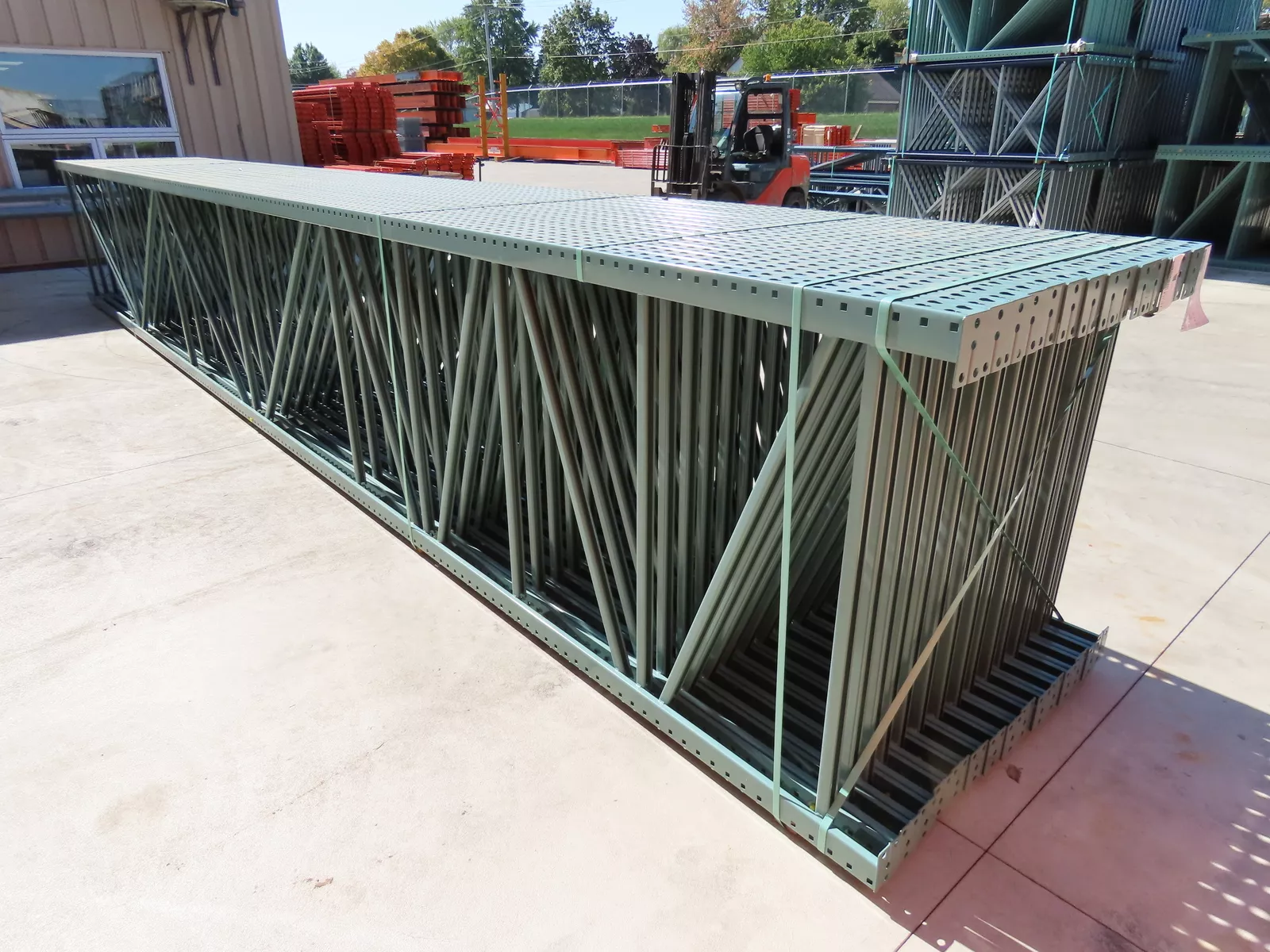
What Strategies Exist to Minimize Downtime During Capacity Expansion?
How Do We Balance Quality and Quantity In Operational Growth?
Balancing quality and quantity in operational growth isn’t just a numbers game; it’s about recognizing the stories behind every product and every team member. Think about it: when you invest in racking systems in a warehouse, you’re setting the stage for what’s to come. A high-quality racking system means not just storing more efficiently, but also protecting the hard work and sweat that went into every product. It’s a matter of pride. You want your team to feel that the environment they’ve built supports their efforts.
On one hand, chasing growth often leads to a push for quantity—to hit those targets, to expand faster. It’s easy to get caught up in the hustle, the thrill of rapid expansion, yet often at what cost? Sacrificing quality for the quick win might seem like a smart move at first, but those shortcuts can jeopardize trust with customers and employees alike. It’s a precarious tightrope that can quickly tip businesses into chaos if not navigated carefully.
Employing quality measures in every aspect of operational growth fosters a culture that prioritizes integrity. This isn’t just good business sense; it’s the ethical choice. When customers know they can rely on you for consistent quality, they’re more likely to stick around. Employees take note, too. When a company genuinely values quality, it nurtures pride in their work. That pride translates into action, leading to even better outcomes.
The narrative of growth is not merely about numbers or charts; it’s about the community built around your brand. Every racking system assembled, every product shipped, tells a story of teamwork and shared goals. That connection lies in the heart of a business. Customers aren’t just buying a product; they’re investing in the journey, the commitment to do things right.
Ultimately, to inspire trust and loyalty, it’s crucial to find that sweet spot where quality meets quantity. A well-thought-out strategy can lead to operational efficiency without sacrificing the values that made the business what it is. This balance invites further action—whether that’s expanding a workforce or innovating new products—while staying grounded in the common sense that genuine quality will always resonate louder than mere numbers. Embrace the journey of balancing these two elements, and watch as the stories of your brand unfold in a way that feels both authentic and inspiring.
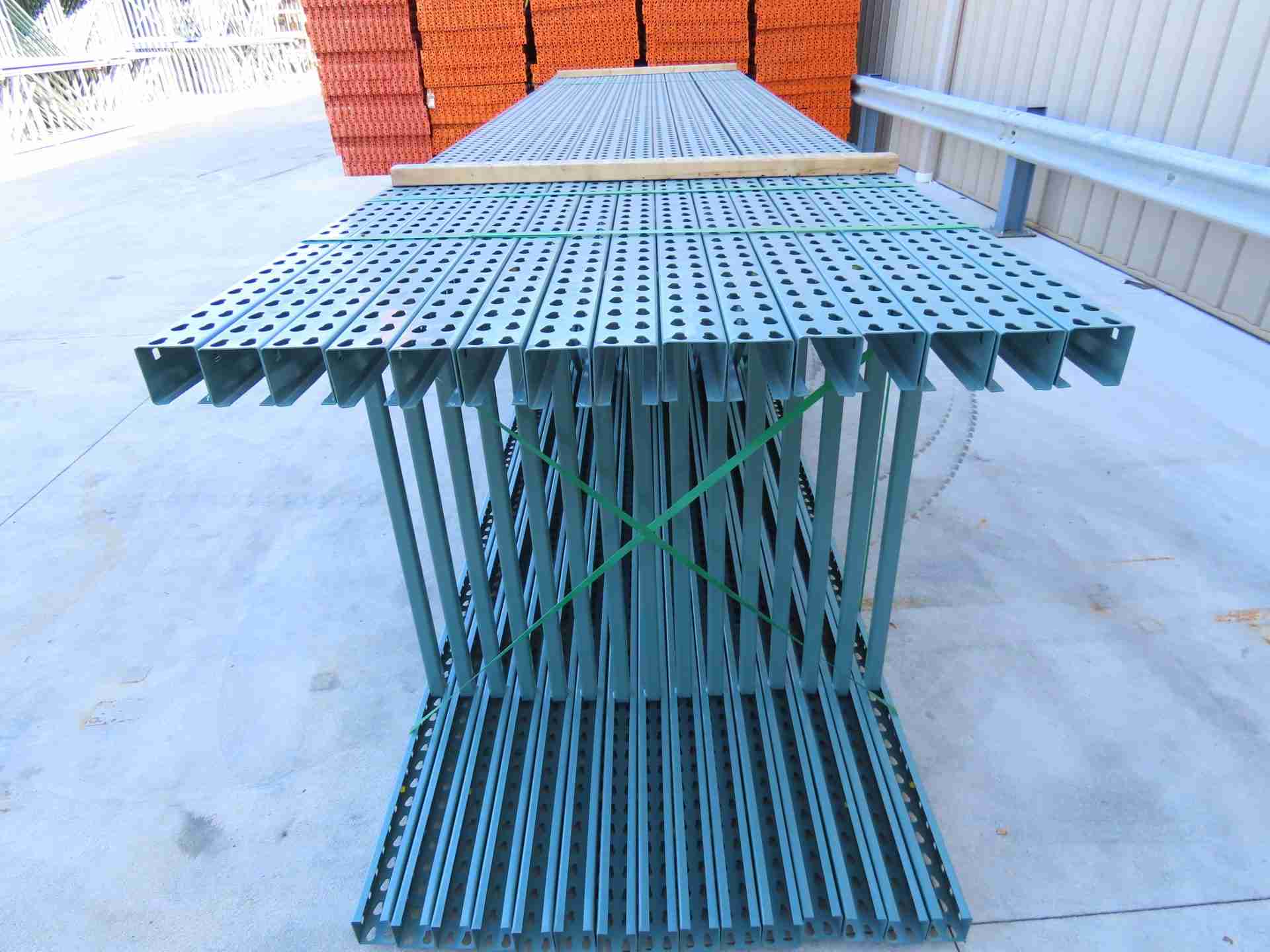
How Do We Balance Quality and Quantity In Operational Growth?
How Do We Balance Quality and Quantity In Operational Growth?
- Balancing quality and quantity in growth involves recognizing the underlying stories of products and team members.
- Investing in high-quality racking systems enhances efficiency and demonstrates pride in the team’s work.
- Rapid expansion often prioritizes quantity over quality, risking trust with customers and employees.
- Implementing quality measures fosters a culture of integrity and ethical practices within the organization.
- Strong commitment to quality cultivates employee pride, leading to improved outcomes.
- The growth narrative is centered around community and shared goals, beyond just numbers and charts.
- Finding a balance between quality and quantity can drive operational efficiency while upholding core values.
How Do We Balance Quality and Quantity In Operational Growth?
What Are the Risks Of Adding Capacity Without Disruption?
Adding capacity without disruption can bring a host of risks that demand our attention, yet many overlook the consequences. Think about it this way: if you’re in a bustling workshop, trying to add another layer of racking systems for your inventory, you might be imagining all the extra space and efficiency. But every decision has a ripple effect. If you rush in and throw up new racking systems without proper planning, you risk throwing your entire operation into chaos. Nobody wants to be that person who accidentally trips over a misplaced pallet or has the supply chain come to a grinding halt because new systems aren’t integrated smoothly.
Now, let’s talk about costs. Sure, capacity expansion sounds sexy on paper, but if it lands your team in overtime or causes equipment damage due to carelessness, you’ll soon realize that savings can become losses quicker than you can blink. The ethical responsibility lies in ensuring the folks on the floor aren’t working in unsafe conditions or facing unnecessary stress just to accommodate a shiny new system. We owe it to ourselves and our coworkers to prioritize their well-being while striving for efficiency.
Consider the narrative of a small business that ventured into expansion without a solid game plan. They invested heavily in new racking systems, only to find their workers frustrated and overextended. The once tight-knit crew began to lose morale, each member silently battling the constant pressure. The ripple effect of poor planning didn’t just impact productivity; it eroded trust among the team. They felt like cogs in a machine rather than valued contributors.
Let’s not forget the social aspect of the workplace. Relationships matter, and a team that feels strained over disorganized changes will quickly lose that camaraderie that drives successful collaboration. Engaging your crew in capacity planning fosters ownership. When they see their input valued, they’re more likely to commit to making the changes work.
Ultimately, the heart of adding capacity without disruption lies in the balance of ambition and practicality. Inspire confidence in your decisions by inviting your team into the conversation, and watch as shared responsibility transforms challenges into collective victories. After all, we’re all in this together, busting our tails to build something worthwhile, and we owe it to ourselves to do it right.

What Are the Risks Of Adding Capacity Without Disruption?
What Are the Risks Of Adding Capacity Without Disruption?
- Adding capacity without proper planning can lead to significant operational risks.
- Rapid implementation of new systems may cause chaos and safety hazards in the workplace.
- Cost implications of expansion can lead to overtime and equipment damage, negating potential savings.
- Ethical responsibility involves ensuring employee safety and well-being during transitions.
- Poor planning can erode team morale and trust, impacting productivity and collaboration.
- Engaging employees in capacity planning enhances their sense of ownership and commitment.
- Successful capacity expansion requires balancing ambition with practicality and fostering team involvement.

What Are the Risks Of Adding Capacity Without Disruption?
How Can Employee Morale Be Preserved During Expansions?
When a company begins to expand, it’s like watching a tree grow before your eyes. The roots are the employees, and that growth can shake the very ground they stand on. Racking systems inside a warehouse might seem like just metal and bolts, but they represent the sturdy framework of the business, just like your staff forms the backbone of any organization. It’s crucial to remember that as we add more shelves to our operations, we must also ensure that the people who keep things running smoothly are supported.
Firstly, communication is the lifeblood of trust during any transition. Employees need to hear the plan straight from the source – clear, honest, and straightforward. No one likes surprises, especially when they impact their daily lives. Regular updates, even if it feels like repeating the same information, can ease jitters and reinforce that everyone is in this together. When you gather everyone for a meeting, make it a two-way street. Encourage feedback and be attentive to their concerns, because nothing builds morale like knowing that their voices matter.
Next up, show them the bigger picture. Let the team see how their work, whether it’s moving boxes or handling customer accounts, fits into the company’s journey. Share success stories from previous expansions, drawing a parallel to the challenges your employees face now. By framing these hurdles as stepping stones rather than roadblocks, you can inspire a collective sense of purpose. When folks realize they’re part of something greater than themselves, it adds fuel to their fire.
Then there’s the ethical side of things. People want to work for a company that values them. Acknowledge the hard work that got the organization to this point. Recognition doesn’t have to be extravagant – a simple “thank you” or public acknowledgment during a meeting can go a long way. When employees feel valued, their commitment to the company can grow, much like those sturdy racking systems that hold everything in place.
As the expansion continues, invest in training and resources. Equip your team with the tools they need to thrive amidst change. Whether it’s safety workshops in the warehouse or management training for leaders, providing growth opportunities shows that you’re committed to their success as much as the company’s.
It all boils down to connection. Share laughs, celebrate small victories, and maintain an atmosphere of camaraderie. When everyone pulls together, the expansion won’t just be a period of growth; it becomes a shared journey that everyone can be proud to be a part of.
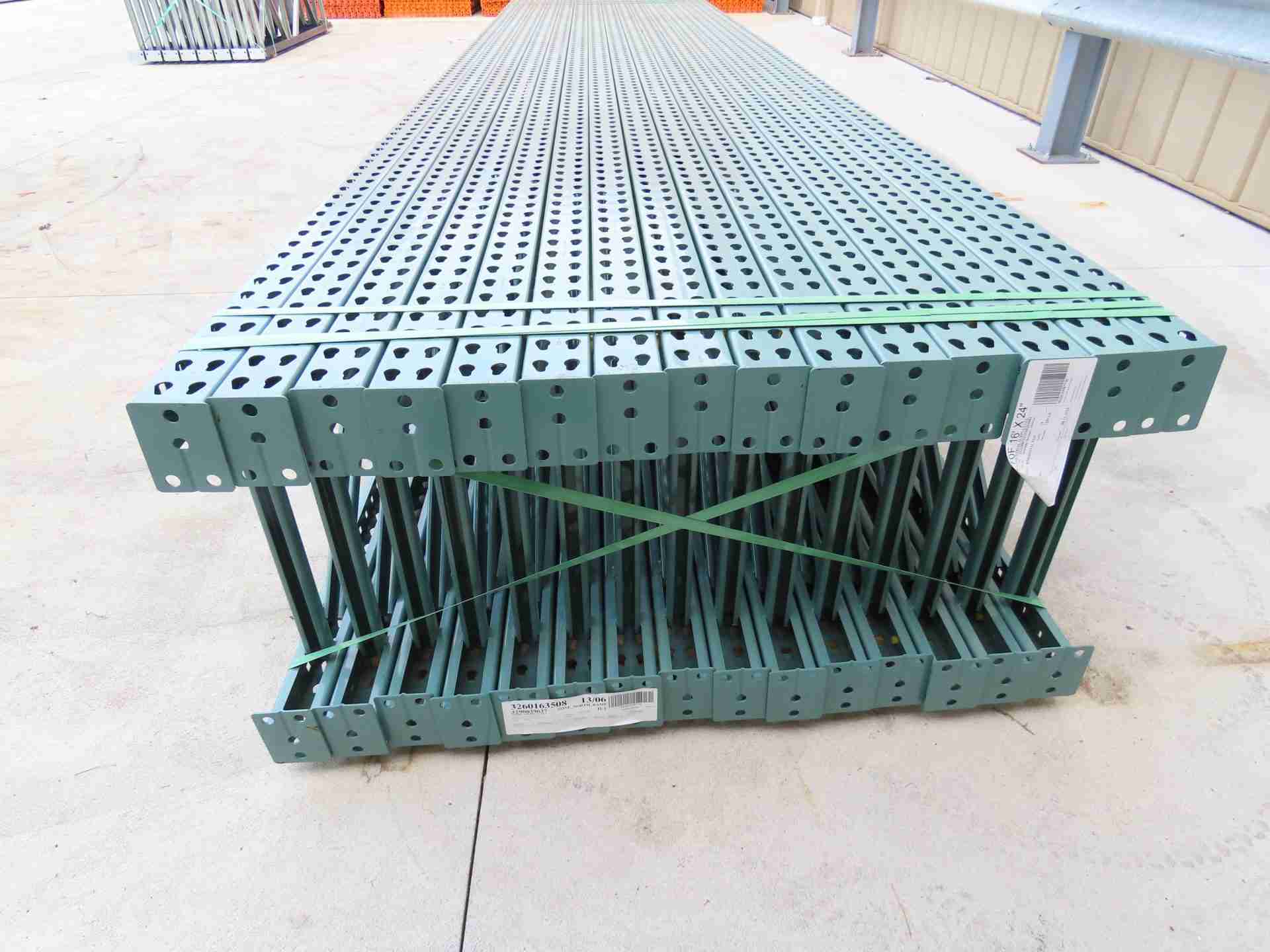
How Can Employee Morale Be Preserved During Expansions?
How Can Employee Morale Be Preserved During Expansions?
- Company expansion resembles a tree growing, with employees as its roots.
- Communication is vital for building trust; clear updates prevent surprises.
- Show employees how their roles contribute to the larger company goals.
- Frame challenges as opportunities for growth using success stories from past expansions.
- Acknowledge and value employee contributions to enhance commitment.
- Invest in training and resources to support employee development during changes.
- Foster a team atmosphere through celebration and camaraderie during the expansion journey.

How Can Employee Morale Be Preserved During Expansions?
What Role Does Technology Play In Seamless Capacity Addition?
When you think about seamless capacity addition, technology isn’t just a fancy tool—it’s the backbone that keeps everything running smoothly. Imagine a warehouse filled with goods, racks of inventory reaching from floor to ceiling. Without the right racking systems, that space can quickly turn chaotic. Technology steps in here, transforming that chaos into harmony, allowing us to maximize every square foot, keeping things organized and easy to access.
But it’s not just about fitting more into a space; it’s about doing it in a way that speaks to our gut instincts. Think about the time when a simple upgrade in racking technology meant the difference between a frustrated worker searching for a box for hours and a smooth-running operation where every item found its home efficiently. Technology, whether it’s advanced inventory management systems or automated guided vehicles, means fewer headaches and more time to focus on what really matters: serving the customer and getting the job done right.
Rationally, investing in modern technology is a no-brainer. Higher capacity isn’t just about storage; it’s about maximizing productivity and minimizing costs. Those cutting-edge racking systems can withstand heavier loads and reduce floor space, allowing you to improve your bottom line. Every dollar spent on the right technology can translate to significant savings and profitability down the line. We’ve all worked hard; it’s our duty to make sure that effort pays off.
There’s also an ethical dimension to consider. With growing concern over sustainability, advanced technology can foster more efficient operations that reduce waste. Racking systems designed for flexibility allow businesses to adapt quickly to changes in demand without wasting resources. This speaks not only to our responsibility as business owners but also to a shared commitment to our communities and environment.
From a social aspect, technology fosters connection and collaboration. When teams have access to intuitive systems, they work together seamlessly. Everyone feels engaged and valued, as their input helps optimize processes. In a world that often feels disconnected, this tangible teamwork can make a significant difference.
At the end of the day, embracing technology in seamless capacity addition is about trust and action. Trusting the tools that can streamline processes and trusting the teams that use those tools to deliver. By investing wisely and leaning into advancements, businesses not only grow but also uplift everyone involved, creating a culture that values efficiency, collaboration, and success.

What Role Does Technology Play In Seamless Capacity Addition?
What Role Does Technology Play In Seamless Capacity Addition?
- Technology is essential for seamless capacity addition in warehouses, transforming chaos into organization.
- Investing in modern racking systems reduces frustration for workers and improves operational efficiency.
- Higher capacity and advanced technology enhance productivity while minimizing costs and maximizing profitability.
- Modern racking systems accommodate heavier loads and optimize floor space usage.
- Advanced technology promotes sustainability by reducing waste and allowing quick adaptation to demand changes.
- Technology fosters teamwork and collaboration, making employees feel engaged and valued.
- Embracing technology is about trust in tools and teams, leading to a culture that values efficiency and success.
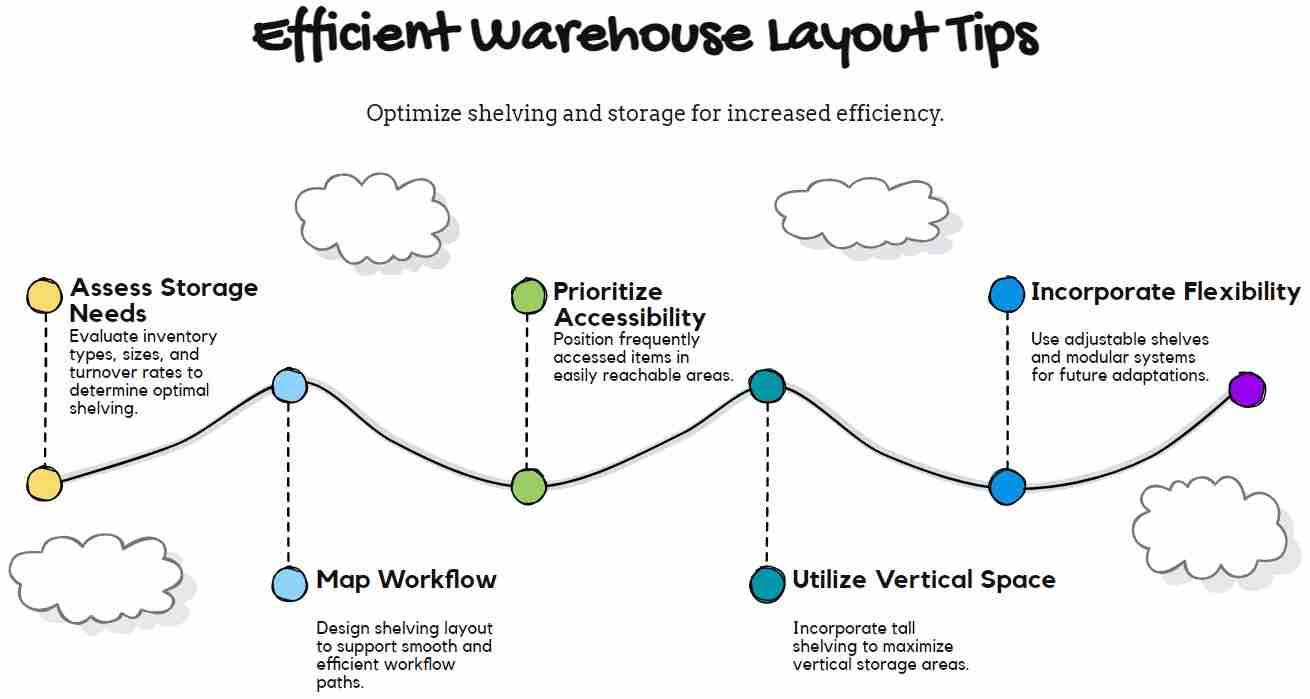
What Role Does Technology Play In Seamless Capacity Addition?
Conclusion
Adding capacity without disrupting operations isn’t just a goal; it’s a necessity for sustaining growth while maintaining trust within your team and with customers. As businesses look to expand, the heart of this effort lies in careful planning, actionable insights, and robust communication. Every inch of your workspace should be utilized effectively, creating an environment that fosters efficiency without shoving employees aside. Engaging with your team is paramount; those who navigate daily challenges bring invaluable perspectives that lead to practical solutions.
Understanding your current layout is essential. Optimizing racking systems, for instance, isn’t merely about fitting more goods, but about improving workflow so each employee can perform without bottlenecks. A little brainpower and teamwork go a long way in identifying simple tweaks that can maximize output. Moreover, investing in flexible storage solutions can ensure that as your operation grows, it does so without unnecessary cost or disruption.
Technology plays a pivotal role as well. Integrating advanced systems enhances inventory management and maximizes productivity, allowing companies to run like well-oiled machines without sacrificing quality or employee well-being. Training your staff on these systems further empowers them, nurturing a culture of ownership and pride in their work. When workers feel competent and valued, they’re more inclined to contribute positively to the collective goals.
Morale during expansions is critical. Maintaining communication fosters trust; regular updates and inclusive discussions about changes help keep employees informed and valued. It’s not just about telling them what’s happening but engaging them in the process, making them feel part of a larger narrative. Recognizing individual contributions solidifies their commitment to the organization, leading to a more cohesive work environment.
The balance between quality and quantity cannot be overstated. Focusing on maintaining high standards while increasing output establishes a foundation of integrity that customers and employees alike respect. Every product shipped and every project completed should embody the hard work and dedication put forth by the team. Ultimately, the real secret to successful capacity expansion lies in weaving together the threads of careful planning, technology, team engagement, and unwavering quality—not just reaching new heights, but doing so in a way that honors the roots of the business and the people who make it thrive.
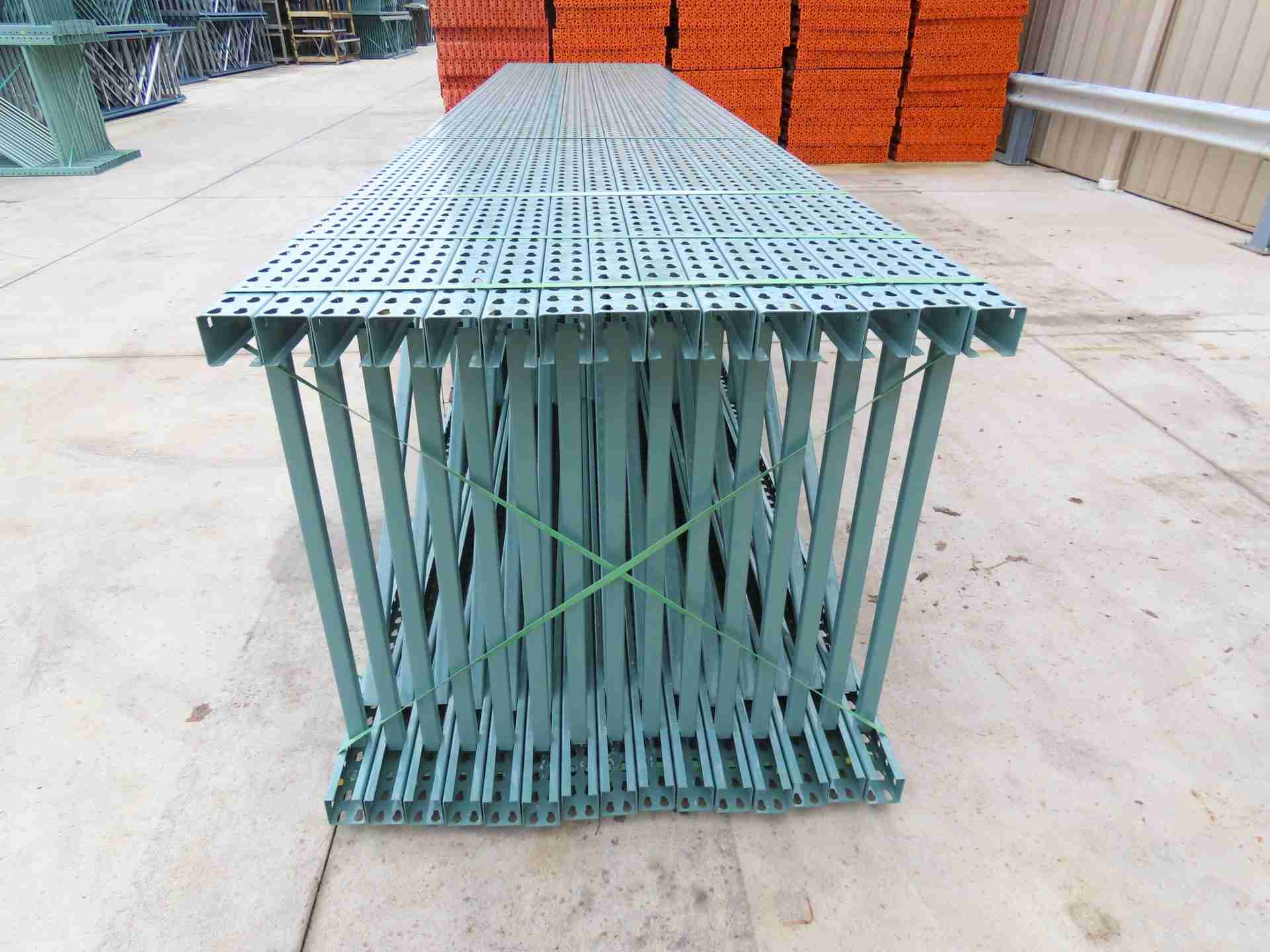
Conclusion
Conclusion:
- Adding capacity requires careful planning, actionable insights, and robust communication.
- Maximizing workspace efficiency fosters productivity without sacrificing employee comfort.
- Engaging with team members provides valuable perspectives and practical solutions.
- Optimizing layouts and racking systems improves workflow and minimizes bottlenecks.
- Investing in flexible storage solutions helps manage growth without disruption or excessive costs.
- Incorporating advanced technology enhances inventory management and productivity.
- Maintaining communication during expansions fosters trust and engagement among employees.

Conclusion
Other Resources

Other Resources
Here is a list of other resources you can review online to learn more:
- BMH Equipment LLC
- American Society of Safety Professionals
- Heavy-Duty Cantilever Storage Racks
- Cantilever Rack Guide: Ordering Cantilever Racking
- Interlake Mecalux
- RMI
- Warehouse Racking Layout: The Ultimate Guide – Conger
- Warehouse Racks, Warehouse Racking in Stock – ULINE
- Warehousing Education and Research Council: https://www.werc.org/
- The Complete Pallet Rack Guide – Simply Rack
- Illinois Pallet Racking – WPRP
- Pallet Racking systems in Illinois, Great Lakes
- WERC
- Warehouse Racking System: Powerful Guide to Optimise, 2024
- IWLA
- Pallet Racking systems in Illinois and Great Lakes
- New Cantilever Racks and Racking Kits
- NSC
- Teardrop Pallet Rack – Ridg-U-Rak
- Illinois
Use This Prompt To Get More Resources With Your Favorite Online AI Tool: Please provide me with a list of online articles with their URLs in a bulleted list that I can read regarding How to Add Capacity Without Interrupting Operations

Other Resources
Glossary Terms
How to Add Capacity Without Interrupting Operations – Glossary Of Terms
1. Capacity: The maximum amount of work that can be completed in a given period.
2. Operations: The day-to-day activities and processes involved in producing goods or services.
3. Scalability: The ability to increase capacity without compromising performance or efficiency.
4. Workflow: The sequence of processes through which a piece of work passes from initiation to completion.
5. Efficiency: The ability to achieve maximum productivity with minimum wasted effort or expense.
6. Automation: The use of technology to perform tasks without human intervention, improving speed and consistency.
7. Lean Management: A methodology focused on minimizing waste without sacrificing productivity.
8. Bottleneck: A point of congestion or obstruction in a workflow that slows down overall processing.
9. Optimization: The process of making a system as effective or functional as possible.
10. Workload: The amount of work assigned to or expected from an individual or team.
11. Resource Allocation: The distribution of resources among various projects or business units to maximize effectiveness.
12. Redundancy: The inclusion of extra components not strictly necessary to functioning, used for backup or support.
13. Continuous Improvement: Ongoing efforts to enhance products, services, or processes over time.
14. Flexibility: The ability to adapt to changes in circumstances or conditions without losing performance.
15. Capacity Planning: The process of determining the production capacity needed to meet changing demands.
16. Infrastructure: The underlying framework and facilities that support operations.
17. Parallel Processing: A method of processing data in which multiple processes are conducted simultaneously.
18. Shift Scheduling: The planning of work hours for employees to optimize productivity while covering necessary operations.
19. Outsourcing: The practice of hiring third-party services to handle functions outside company capabilities.
20. Incremental Change: Small, gradual adjustments made to improve processes or systems.
21. Workstation: A designated area equipped for specific tasks, often with technology to enhance productivity.
22. Task Management: The handling of tasks within a workflow to ensure timely completion.
23. Cross-Training: Teaching employees to perform multiple roles, increasing operational flexibility.
24. Business Continuity: Planning and preparation to ensure the ongoing operation of essential business functions.
25. Demand Forecasting: The process of estimating future customer demand to guide capacity decisions.
26. Inventory Management: The supervision of non-capitalized assets, or inventory, to ensure supply meets demand.
27. Collaborative Tools: Technologies that facilitate teamwork and communication among employees.
28. Cycle Time: The total time from the beginning to the end of a process, including all stages.
29. Performance Metrics: Measurements used to evaluate how effectively a business operates and meets its goals.
30. Agility: The ability to move quickly and easily, adapting processes and operations in response to changing needs.
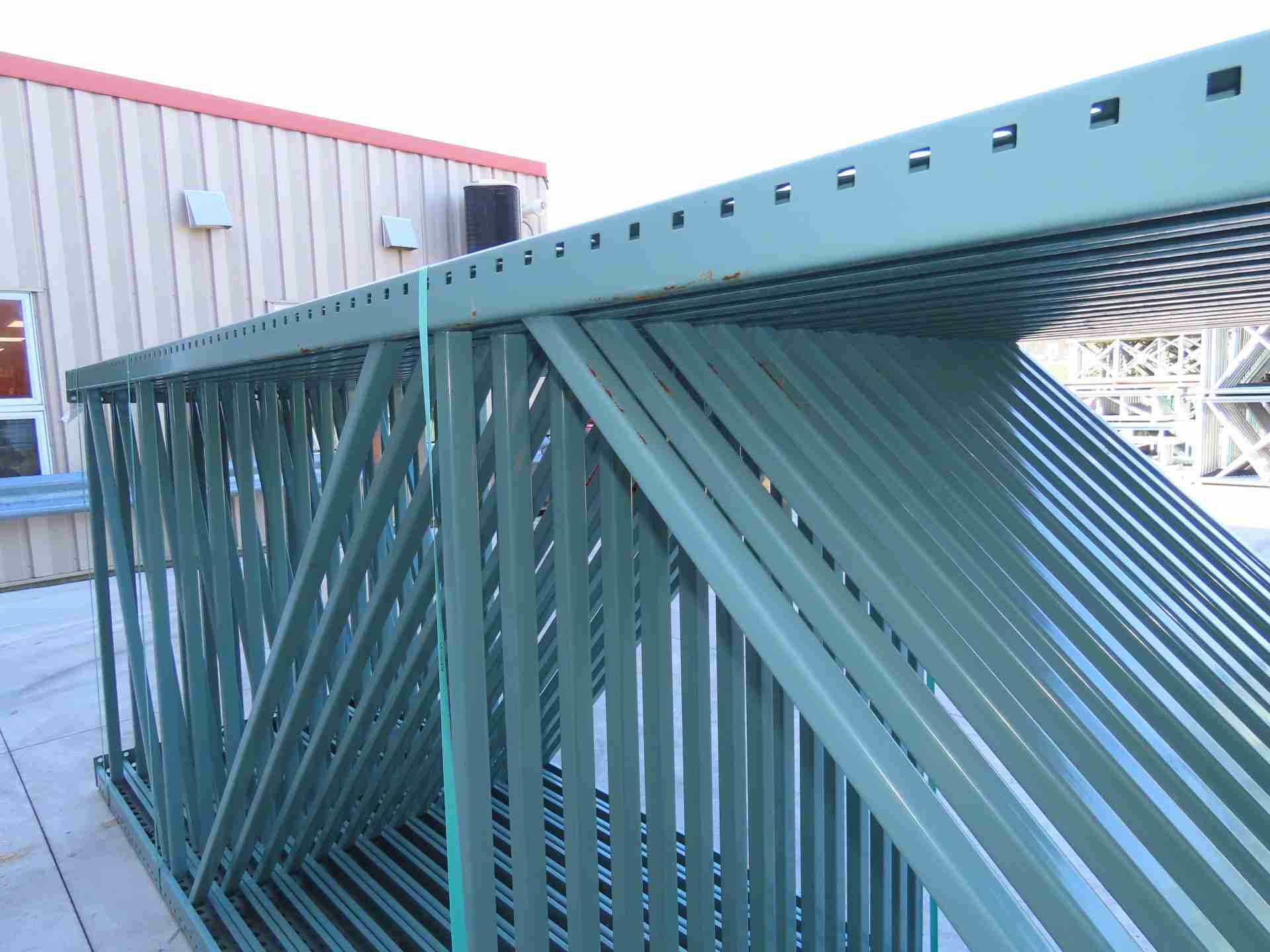
Glossary Of Terms
Other Questions
How to Add Capacity Without Interrupting Operations – Other Questions
If you wish to explore and discover more, consider looking for answers to these questions:
- What is the typical cost range for adding capacity without interrupting operations?
- How long does a capacity expansion usually take from planning to full implementation?
- What are the most common causes of unexpected downtime during expansions?
- How can I accurately estimate the ROI for a capacity increase project?
- Which types of racking systems are best for minimizing disruption during installation?
- What are the pros and cons of buying new vs. second‑hand racking systems?
- How do modular racking systems compare to fixed systems in flexibility and cost?
- What safety standards and regulations must be considered when adding racking or capacity?
- How should I phase installation to avoid blocking aisles or impeding workflow?
- What staffing adjustments are needed during expansion, and when should they occur?
- How do I create an effective communication plan to keep employees informed and engaged?
- What training should be provided and how long will it take for staff to adapt?
- How can I pilot changes or run a small test to validate a new layout before full rollout?
- Which key performance indicators (KPIs) should I monitor before, during, and after expansion?
- How can technology (WMS, automation, real‑time monitoring) be integrated without causing delays?
- What software features are essential for managing increased capacity efficiently?
- How do I redesign inventory flow and slotting to reduce bottlenecks?
- What contingency plans should be in place if expansion activities cause unexpected issues?
- How will expansion impact service levels and customer lead times during the transition?
- Are there financing or leasing options that reduce upfront costs for racking and equipment?
- How do expansion decisions affect insurance, liability, and warranty coverage?
- What maintenance and inspection routines should be added after new racking is installed?
- How can employee morale and engagement be measured and preserved throughout the project?
- When should I involve external consultants, installers, or safety inspectors?
- What environmental or sustainability impacts should be considered with capacity changes?
- How do I decide between expanding in‑house capacity versus outsourcing to third‑party logistics?
- What documentation, permits, or approvals are typically required for physical expansions?
- How can I sequence work (e.g., nights, shifts) to minimize operational disruption?

Other Questions
Checklist
How to Add Capacity Without Interrupting Operations – A Checklist
Planning and Goals
✅______ Define clear capacity targets (storage slots, throughput, service levels, timeframe).
✅______ Identify constraints and non-negotiables (no shutdowns, safety standards, budget limits).
✅______ Set success metrics and establish baselines (space utilization, pick rate, order cycle time, error rate, downtime).
Team Engagement and Communication
✅______ Involve frontline employees early; run structured listening sessions and floor walks.
✅______ Appoint cross-functional champions from operations, safety, maintenance, IT, and finance.
✅______ Establish a clear communication cadence (updates, feedback loops, change logs).
Current State Assessment
✅______ Map end-to-end material flow; locate bottlenecks and dead zones.
✅______ Time key tasks (receiving, putaway, picking, packing) to expose hidden delays.
✅______ Audit space usage by zone; document fast and slow movers and access frequency.
Layout and Flow Optimization
✅______ Re-zone for velocity (ABC placement) to shorten travel and reduce congestion.
✅______ Create clear aisles, staging areas, and one-way flows where feasible.
✅______ Standardize labeling and locations for quick visual identification.
Racking Systems and Storage
✅______ Inspect existing racking for condition, capacity ratings, and reconfiguration options.
✅______ Model alternatives (selective, double-deep, push-back, pallet flow, mezzanines) against SKU profiles.
✅______ Prioritize modular and adjustable systems for future flexibility.
✅______ Evaluate quality second-hand racking with verified load ratings and compliance.
✅______ Validate clearances for lift equipment, sprinklers, and egress routes.
Technology and Data
✅______ Validate WMS/IMS location logic, slotting rules, and real-time visibility.
✅______ Add real-time monitoring for equipment health and workflow status.
✅______ Ensure scanners, labeling, and Wi‑Fi coverage support any new layout.
✅______ Define simple dashboards for live KPIs (throughput, backlog, dwell times).
Scheduling and Downtime Minimization
✅______ Phase changes by zone; pilot in a low-risk area first.
✅______ Schedule installs during off-peak shifts or weekends.
✅______ Pre-stage materials, tools, and permits to avoid delays.
✅______ Create a contingency and rollback plan for each change step.
Training and SOPs
✅______ Update SOPs and work instructions to reflect the new setup.
✅______ Train all affected roles before go-live; certify on new equipment.
✅______ Assign floor support during the transition for rapid issue resolution.
Quality and Accuracy Safeguards
✅______ Add checks for inventory accuracy during re-slotting and moves.
✅______ Protect high-value and fragile items with appropriate storage and handling.
✅______ Monitor error rates daily post-change; correct root causes quickly.
Risk, Safety, and Compliance
✅______ Complete a safety risk assessment for new layouts and racking.
✅______ Verify seismic, fire, and load compliance; obtain necessary inspections.
✅______ Maintain clear egress, signage, and PPE requirements.
✅______ Prevent overtime spikes; ensure adequate staffing and breaks.
Supplier and Customer Coordination
✅______ Inform carriers and vendors of dock or schedule changes.
✅______ Communicate service expectations to customers; set realistic timelines.
✅______ Build temporary buffers for critical SKUs during the transition.
Budget and ROI
✅______ Compare total cost of ownership across racking and technology options.
✅______ Favor solutions that scale (modular, reconfigurable, lease options).
✅______ Track actual vs. planned spend and realized savings.
Morale and Culture
✅______ Recognize contributions publicly; celebrate milestones.
✅______ Share the “why” behind changes and connect to team pride and customer value.
✅______ Offer growth opportunities (upskilling, lead roles) tied to the expansion.
Sustainability and Ethics
✅______ Reuse or recycle materials where possible; choose durable systems.
✅______ Design for energy-efficient operations and reduced waste.
✅______ Ensure changes reduce strain and support well-being.
Go-Live and Stabilization
✅______ Ramp up in stages; verify KPIs at each gate before proceeding.
✅______ Hold daily huddles for the first 2–4 weeks to capture and act on feedback.
✅______ Lock in successful practices; retire temporary workarounds.
Continuous Improvement
✅______ Schedule periodic audits of layout, slotting, and KPIs.
✅______ Maintain an open feedback channel for frontline ideas.
✅______ Revisit capacity models quarterly; adjust as demand shifts.
Checklist
At RackingWorld, we help guide you through selecting warehouse storage systems and racking.
Be sure to read our other related stories at RackingWorld to learn more about warehouse storage systems.
0 Comments