
Unlocking Efficiency: The Emotional And Ethical Stakes Of Storage On Otif
By Tom Seest
At RackingWorld, we help guide you through selecting warehouse storage systems and racking.
Be sure to read our other related stories at RackingWorld to learn more about warehouse storage systems.
How Storage Impacts Otif Metrics
When you think about storage, you might picture shelves piled high with boxes or a warehouse brimming with goods. But there’s more to it than just stacking things away. Racking systems play a crucial role in determining how efficiently products flow in and out, ultimately affecting On-Time In-Full (OTIF) metrics. When a company misses its mark on these metrics, it’s not just about numbers on a report; it’s about the trust that customers place in a business.
Imagine a small business relying on a delivery that’s supposed to arrive on Tuesday. The owner has planned everything around that date, and they’re counting on the supply to keep their promise to customers. If the shipment is delayed due to poor storage practices, it can ripple through the business, creating chaos and frustration. This scene isn’t just an isolated incident; it resonates with anyone who has ever depended on something arriving right on time. The emotional weight of their disappointment draws an undeniable connection to the importance of solid storage solutions.
From a rational standpoint, efficient storage systems, especially well-designed racking systems, can significantly boost operational productivity. Proper organization means quicker access to items, reducing time lost in searching for supplies. It’s simple: streamlined storage directly translates to better OTIF metrics. Everyone knows that a smoother operation leads to happier customers and, ultimately, healthier profits. And who doesn’t want to see a little more green in the bank?
Ethically speaking, businesses owe it to their employees and customers to provide reliable service. Ineffective storage doesn’t just hurt profits; it can lead to stress for workers who are under pressure to meet targets. Investing in proper racking systems isn’t just good business sense; it’s a moral choice that fosters a work environment of reliability and respect.
On a social level, consider the shared responsibility of every team member. When management prioritizes effective storage solutions, it creates a culture of accountability. Workers feel empowered, knowing that their roles are crucial in creating a seamless experience for customers. They take pride in knowing their hard work directly impacts the success of the company.
Effective storage practices and well-planned racking systems are the backbone of operational success. They inspire trust and confidence in those who depend on timely deliveries. When businesses handle storage well, everyone wins. It’s a circle of reliability that builds lasting connections with customers, encouraging them to return time and again.

How Storage Impacts Otif Metrics
How Storage Impacts Otif Metrics
- Racking systems are essential for efficient product flow and impact On-Time In-Full (OTIF) metrics.
- Delayed shipments due to poor storage can disrupt business operations and damage customer trust.
- Efficient storage systems enhance operational productivity and lead to quicker access to items.
- Well-organized storage contributes to better OTIF metrics, resulting in improved customer satisfaction and profits.
- Businesses have an ethical obligation to provide reliable service, which includes effective storage solutions.
- Promoting effective storage creates a culture of accountability among employees, fostering a sense of pride in their work.
- Implementing good storage practices strengthens customer relations and encourages repeat business.

How Storage Impacts Otif Metrics
Table Of Contents
- How Storage Impacts Otif Metrics
- What Role Does Efficient Storage Play In Meeting Delivery Deadlines?
- How Can Poor Storage Increase Costs and Impact Profits?
- Is Your Inventory Management System Hindering Your Otif Performance?
- How Does Storage Layout Affect Product Accessibility and Retrieval?
- What Risks Come From Overstocking Or Understocking Inventory?
- Are There Hidden Costs Associated with Inadequate Storage Solutions?
- Conclusion
- Other Resources
- Glossary Of Terms
- Other Questions
- Checklist
What Role Does Efficient Storage Play In Meeting Delivery Deadlines?
Efficient storage is at the heart of any operation that values punctuality and reliability. When you consider the daily hustle of moving products from point A to B, the last thing you want is to be held up by cluttered aisles or disorganized inventory. Racking systems come into play here, acting as the backbone of a smooth workflow. They not only maximize space but also streamline processes, allowing workers to find what they need quickly and keep the wheels turning.
Imagine a busy warehouse, buzzing with activity. Orders come pouring in, and every minute counts. If a worker has to waste time searching for items stuffed in an overflowing shelf, deadlines slip away faster than you can blink. A well-thought-out racking system makes it easy to find, store, and retrieve products, creating a seamless flow of goods that’s essential for meeting delivery timelines. Rationally, it makes sense: more efficiency translates into faster deliveries, satisfied customers, and ultimately, greater profits.
But there’s an emotional side to this, too. Think of the pride that comes with nailing a big delivery on time. There’s camaraderie in the team that pulls together when every second counts. It’s not just about getting the job done; it’s about creating trust with clients, knowing they can rely on you. A solid storage strategy fosters that connection and enhances the feeling of accomplishment within a team.
Ethically, businesses have a responsibility to optimize their operations. Inefficient storage systems can lead to errors, misplaced items, or even wasted resources. By investing in proper racking systems and creating a more organized environment, companies respect their workforce and customers, ensuring that everyone benefits from a system that runs like a well-oiled machine.
Success stories abound. Consider a small distributor that revamped their storage to include tailored racking solutions. They saw order fulfillment times cut in half, leading to happier clients and increased referrals. Their story is a testament to the power of efficient storage in not just hitting deadlines but fostering growth.
In this age of competition, you can’t afford to fall behind. Effective racking systems are not just a logistical tool; they are a foundation for success, supporting timely deliveries and nurturing the very relationships that fuel your business. Embrace the grind, get organized, and watch your delivery deadlines transform from a point of stress into a badge of honor.
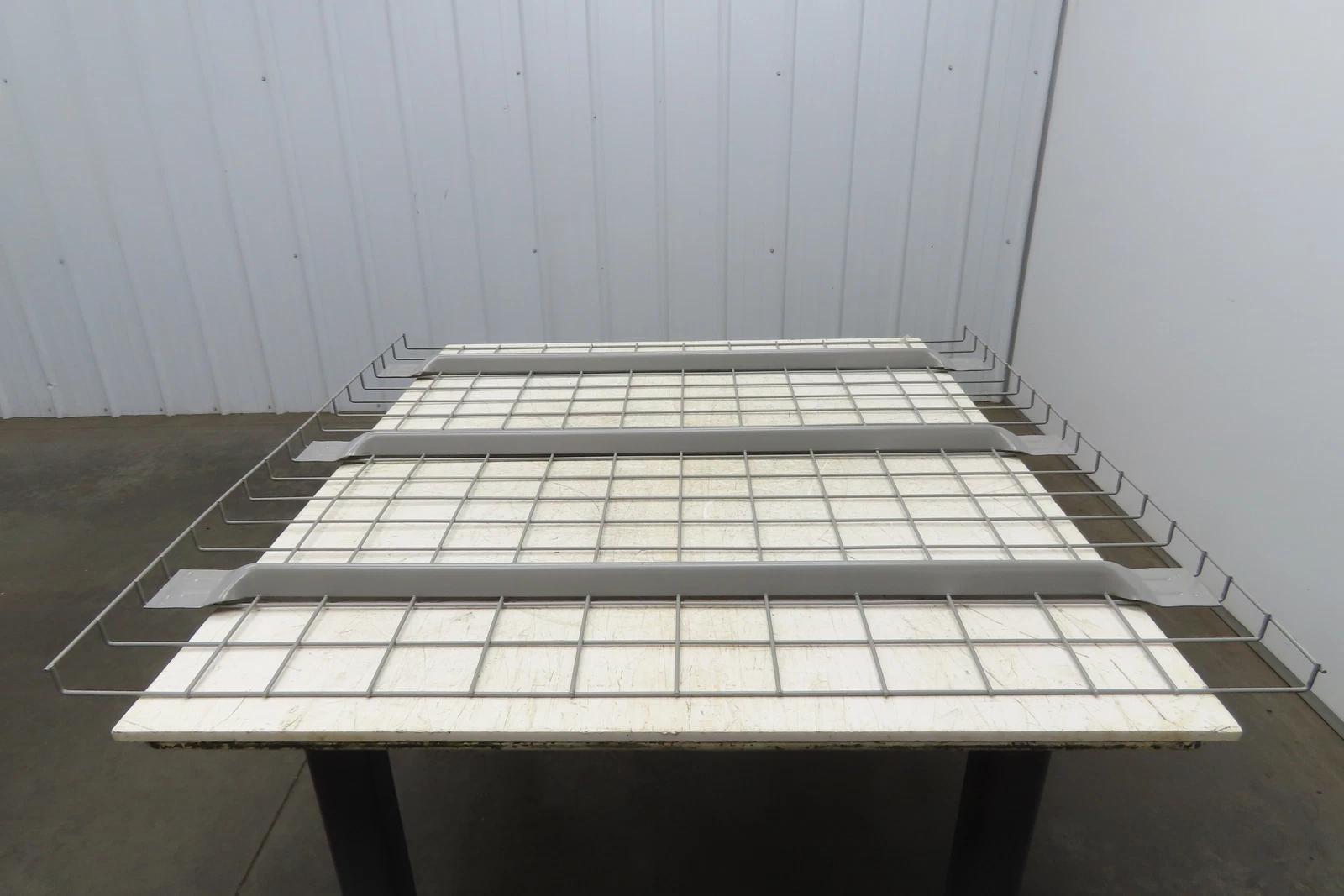
What Role Does Efficient Storage Play In Meeting Delivery Deadlines?
What Role Does Efficient Storage Play In Meeting Delivery Deadlines?
- Efficient storage is essential for punctuality and reliability in operations.
- Racking systems maximize space and streamline workflows, facilitating quick access to inventory.
- A well-organized storage system helps meet delivery timelines and enhances efficiency.
- Timely deliveries foster customer satisfaction, trust, and team camaraderie.
- Businesses have an ethical responsibility to optimize storage to avoid errors and resource waste.
- Success stories show that tailored racking solutions can significantly improve order fulfillment times.
- Effective racking systems support business growth and create positive relationships with clients.

What Role Does Efficient Storage Play In Meeting Delivery Deadlines?
How Can Poor Storage Increase Costs and Impact Profits?
Poor storage can silently drain your profits while causing headaches for anyone involved in logistics. When products aren’t stored properly, you risk damage, loss, and additional costs. Think about it. An improperly designed warehouse with the wrong racking systems can lead to inefficient space usage, forcing you to rent extra space or even lose capacity. That’s money out the door, and nobody wants that.
Every dent, scratch, or spill on your products tells a story of carelessness and costs—money spent on replacements, customer dissatisfaction, and the tarnishing of your reputation. You may not see it immediately, but poor storage leads to wasted time and resources. Employees struggle to find items, despairing at the clutter that surrounds them. A chaotic workspace doesn’t just slow down operations; it grinds morale to a halt. The gut feeling of frustration among your team members matters. It eats away at productivity and drives up turnover rates, not to mention the training costs of new hires who must navigate the mess.
Let’s be honest: Ethical considerations come into play, too. How many clients trust you with their products, or how many are hesitant because you have a reputation for mishandling their goods? A well-organized storage system creates a relationship built on reliability. When customers know you care about quality, they’re more likely to stick around and recommend you to others. That loyalty is what keeps the wheels turning in our businesses.
Consider the authority and experience behind efficient storage. Companies that invest in robust racking systems aren’t just tossing money around; they’re making sound decisions based on long-term vision. It’s not just about storing goods; it’s about creating a system that makes your operations run like a well-oiled machine. Each time you optimize your storage, you set yourself up for success—a narrative of growth that inspires confidence in both your employees and your clients.
Social connections matter, too. Your storage solutions are part of a larger network of relationships. When you streamline storage processes, you show your commitment to teamwork, both within your business and with your partners. It’s about more than profit margins; it’s about building a community that thrives on shared values of efficiency and excellence. Ultimately, when you see storage as a foundational element of your business, you’re investing not just in goods but in your future.

How Can Poor Storage Increase Costs and Impact Profits?
How Can Poor Storage Increase Costs and Impact Profits?
- Poor storage can lead to damage, loss, and additional costs in logistics.
- Improperly designed warehouses can result in inefficient space usage, increasing rental costs.
- Product damages reflect carelessness, leading to customer dissatisfaction and reputational harm.
- Cluttered workspaces waste time and decrease employee morale, impacting productivity and increasing turnover.
- Reliable storage systems build customer trust and promote long-term loyalty.
- Investing in efficient storage solutions is a strategic decision that enhances operational effectiveness.
- Streamlined storage fosters teamwork and community, emphasizing shared values of efficiency and excellence.

How Can Poor Storage Increase Costs and Impact Profits?
Is Your Inventory Management System Hindering Your Otif Performance?
Is Your Inventory Management System Hindering Your OTIF Performance?
When it comes to managing your inventory, it’s easy to overlook how the tools you use may be holding you back. A poorly designed inventory management system can create a tangled web that impacts your on-time, in-full (OTIF) performance—something every warehouse worker knows is paramount. Imagine standing in front of your racking systems, ready to fulfill orders, but discovering that inventory records don’t match what’s physically on the shelves. Frustration sets in, and time slips away, costing both money and your team’s morale.
Think about how it feels when everything clicks—when orders flow seamlessly, and products are where they’re supposed to be. That’s not just about having the right software; it’s about having a system that is reliable and connected with your everyday operations. If your inventory system is outdated, or if you’re still relying on spreadsheets to manage complex processes, you’re inviting chaos into a world where efficiency is key. This isn’t just an inconvenience; it’s a threat to your business’s success.
The reality is that opting for a robust inventory management solution can transform your workflow. You’ll spend less time fumbling through misplaced items and more time focusing on your customers’ needs. And that builds trust—not just with your customers but within your own team. When employees feel equipped and supported, they rise to the occasion and contribute more effectively to meeting OTIF targets.
From an ethical standpoint, consider the clear responsibility businesses have to deliver on their promises. A well-oiled inventory management system empowers you to honor commitments to your customers. Validating their trust through reliability sends a ripple effect across your reputation, attracting new clients and retaining loyal ones.
Stories abound in the industry of companies that turned around their fortunes simply by implementing smarter inventory solutions. They discovered hidden efficiencies, reclaimed lost time, and engaged their workforce in ways that bolstered productivity. It’s not just about technology; it’s about fostering an environment where your team thrives.
Take a moment to evaluate your current processes. Are you clinging to methods that just don’t cut it anymore? Upgrade your systems, streamline your operations, and watch how your OTIF performance improves. It’s time to trust in a system that’s built for reliability—because every moment counts in the pursuit of excellence. Don’t let an outdated inventory system weigh you down; instead, let it lift your business to new heights.

Is Your Inventory Management System Hindering Your Otif Performance?
Is Your Inventory Management System Hindering Your Otif Performance?
- Poorly designed inventory management systems can significantly impact on-time, in-full (OTIF) performance.
- Inaccurate inventory records lead to frustration and lost time, affecting morale and costs.
- A reliable and connected inventory system is crucial for seamless order fulfillment.
- Upgrading from outdated systems or spreadsheets can enhance efficiency and reduce chaos.
- A robust inventory solution fosters customer trust and supports employee effectiveness.
- Implementing smarter inventory practices can reveal hidden efficiencies and boost productivity.
- Evaluating and upgrading current processes is essential for improving OTIF performance.
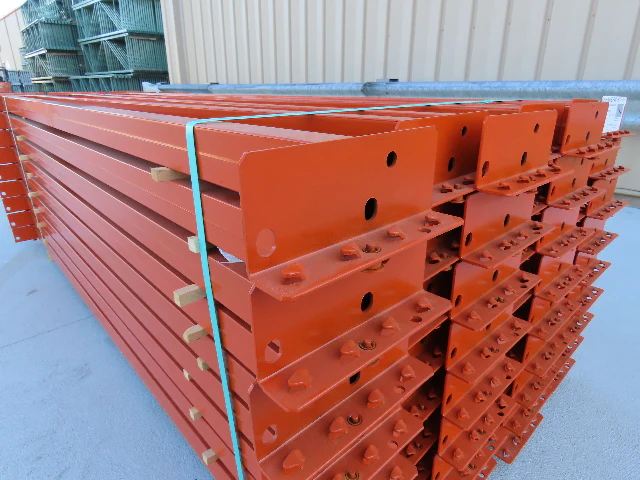
Is Your Inventory Management System Hindering Your Otif Performance?
How Does Storage Layout Affect Product Accessibility and Retrieval?
When we think about storage layout, it’s easy to overlook how deeply it impacts our day-to-day work. Imagine a warehouse with racking systems that are poorly designed—aisles too narrow, products piled high, and everything feeling like a game of hide-and-seek. This chaos not only frustrates workers but can also lead to costly errors and delays. It’s about more than just space; it’s about the mental load we carry every day. A well-planned storage layout makes it easier to find what you need quickly, reducing the stress that comes when you’re pressed for time.
Consider the feeling of retrieving that last part you desperately need for a job. If your racking systems are organized, you can walk straight to it, saving precious minutes. Every second counts, and with a streamlined process, less time is wasted. On the flip side, inefficiency breeds frustration and can sour an otherwise good day on the job. Workers who feel that their time is respected and their tasks are achievable lead to better morale and productivity.
Racking systems, when designed with thought, create an environment where everyone from the warehouse worker to the manager can thrive. It’s about fostering a sense of community; when the layout promotes teamwork and collaboration, it builds trust among employees. In an industry that thrives on reliability, knowing that team members can count on one another to execute efficiently is invaluable.
Ethically, investing in a good storage layout reflects a commitment to your workforce. It shows you care about their well-being. A functional design means fewer accidents and a clearer path for mobility. These aren’t just lines on a blueprint; these are people’s lives and livelihoods. Enabling them to do their jobs safely and effectively is a matter of ethical responsibility and shared respect.
From a practical standpoint, the right racking system doesn’t just hold products; it holds potential. It’s the framework of your workflow and the spine of your operation. With a solid layout, you’re making a promise to your customers that you can deliver on time and with precision. That trust is hard-earned and invaluable. So, let’s get down to brass tacks: a well-thought-out storage design is not just an operational necessity; it’s the backbone of success, paving the way for smoother processes, happier employees, and satisfied customers.

How Does Storage Layout Affect Product Accessibility and Retrieval?
How Does Storage Layout Affect Product Accessibility and Retrieval?
- Poorly designed storage layouts create chaos, leading to frustration, errors, and delays.
- A well-planned layout reduces stress and makes retrieving items easier, saving valuable time.
- Inefficiency in storage systems negatively impacts worker morale and productivity.
- Thoughtful racking systems foster teamwork and trust among employees.
- Investing in effective storage reflects a commitment to employee well-being and safety.
- Proper storage systems support operational efficiency, enhancing workflow and reliability.
- A well-designed storage layout is essential for achieving business success and customer satisfaction.

How Does Storage Layout Affect Product Accessibility and Retrieval?
What Risks Come From Overstocking Or Understocking Inventory?
Imagine stepping into a warehouse filled to the brim with products, the shelves teetering under the weight of excess inventory. You glance over at the racking systems, marveling at how they struggle to hold up the load. Overstocking can feel like a safety net, but it’s one that often sags. It ties up cash flow that could be better spent elsewhere: buying the next big thing or meeting unexpected demands. Even the best racking systems can’t prevent the reality that each unsold item is a dollar lost, sitting idle instead of actively contributing to growth.
Now, let’s flip the coin. Picture a bare-bones operation where the shelves are practically empty, and your customers are eagerly waiting for the next shipment. Understocking leads to missed opportunities and disgruntled patrons. When folks can’t find what they need, they don’t just look elsewhere; they remember the disappointment. That’s where trust starts to slip away. You reputation hangs by a thread when you can’t deliver; you become just another business that lets them down when it matters.
There’s a rhythm to inventory management, a careful dance between too much and too little. Each misstep resonates beyond the balance sheet. When you overstock, you might face steep markdowns, or worse, write-offs. Understocking could leave you with an angry customer base. It’s the sort of catch-22 that keeps business owners awake at night, watching their hard-earned investments turn into a burden or, equivalently, watching potential customers walk out the door.
From an ethical stance, there’s a responsibility to those employees who depend on steady operations. Overloaded warehouses can lead to confusion and dissatisfaction among staff. When everything is in disarray because the racking systems can’t handle the pressure, it breeds inefficiency and frustration. On the flip side, understocking might mean forcing your team to rush critical orders. Isn’t it better to foster an environment where employees know they’ve got the right tools at the right time?
Balancing inventory isn’t just about numbers or statistics. It’s about connection—between your team and the business’s goals, and between you and your clients. It’s a constant process that requires attention and adaptability. Each decision has weight, influencing trust, confidence, and ultimately shaping the path of your business. Choosing to take control of inventory levels is more than a practical move; it’s a pledge to your community and your brand. The stakes are high, but so are the rewards for those willing to navigate through it with wisdom and care.

What Risks Come From Overstocking Or Understocking Inventory?
What Risks Come From Overstocking Or Understocking Inventory?
- Overstocking can strain cash flow, tying up resources that could be better utilized.
- Each unsold item represents lost revenue, which hinders growth.
- Understocking leads to missed sales opportunities and customer dissatisfaction.
- Inventory management requires a balance to avoid financial repercussions and customer loss.
- Overloaded warehouses create inefficiencies and frustration for employees.
- Effective inventory management fosters connections between teams, business goals, and customers.
- Maintaining proper inventory levels is vital for building trust and ensuring long-term success.

What Risks Come From Overstocking Or Understocking Inventory?
Are There Hidden Costs Associated with Inadequate Storage Solutions?
Every warehouse, garage, or distribution center has a story to tell, one often etched in stacks of boxes and a maze of clutter. When it comes to storage solutions, many folks think a simple shelving unit or a few racking systems will do the trick. But let’s face it—storing your stuff isn’t just about throwing things onto a shelf and calling it a day. The reality is that inadequate storage can lead to a pile of hidden costs that often go unnoticed until it’s too late.
Imagine this: you’re searching frantically for that crucial part you need to complete a project, only to discover it’s buried under a mountain of disorganized inventory. Your heart races as you realize that your wasted time is not only frustrating but costing you money. Labor hours lost in searching can stack up quickly, eroding the profit margins you’ve worked so hard to build. The emotional toll of that chaos can wear you down, turning straightforward tasks into a daily grind of anxiety.
Now, let’s talk about safety. A cluttered storage area isn’t just inconvenient; it’s downright dangerous. Improperly stored items can lead to accidents, which carry not only the risk of injury but also liability issues that can drain your finances and reputation. When you think about it, a proper racking system isn’t merely a way to organize items; it’s a commitment to ensuring a safe work environment for everyone involved. Choosing quality systems speaks volumes about your ethical responsibility to your employees and to yourself.
From a rational standpoint, consider the long-term implications. Investing in a robust storage solution today—like advanced racking systems—can save you the headache of costly reorganizations or legal troubles down the line. It’s about investing in efficiency rather than just solving a temporary problem. This foresight reflects wisdom gained from experience; a well-planned space not only looks good but operates effectively.
And don’t overlook the social aspect. Run a successful operation, and you gain respect in your community. Being known for having your act together with impeccable inventory management creates trust with customers and suppliers alike, fostering long-lasting relationships.
Adequate storage solutions are about more than just holding items. They are an investment in the health of your business and peace of mind. So let’s take a hard look at those racking systems and recognize that the true cost of neglect can far outweigh the upfront savings. Every moment wasted in disorder is a moment stolen from progress.

Are There Hidden Costs Associated with Inadequate Storage Solutions?
Are There Hidden Costs Associated with Inadequate Storage Solutions?
- Every storage facility tells a story, often revealed through disorganized clutter.
- Inadequate storage can lead to hidden costs, including lost labor hours and lower profit margins.
- A cluttered area poses safety risks, potentially resulting in accidents and liability issues.
- Investing in quality racking systems promotes a safer work environment and shows ethical responsibility.
- Long-term investments in efficient storage solutions prevent costly reorganizations and legal troubles.
- Effective inventory management fosters trust and respect with customers and suppliers.
- Adequate storage solutions enhance business health, overall efficiency, and peace of mind.

Are There Hidden Costs Associated with Inadequate Storage Solutions?
Conclusion
Effective storage in warehouses isn’t merely about keeping shelves organized; it’s the cornerstone of operational success that reverberates throughout the business. The impact on On-Time In-Full (OTIF) metrics ties emotional, rational, and ethical dimensions together, emphasizing the profound stake involved in how products are managed. Imagine a small business owner who meticulously plans around expected deliveries, only to face chaos when poor storage disrupts everything. The emotional anguish is palpable—trust hangs in the balance, and the ripple effects can be disastrous, affecting relationships with customers and team morale.
From a rational standpoint, effective storage boosts productivity by minimizing time wasted in searching for items, directly elevating OTIF performance. Streamlined inventory leads to quicker deliveries and happier customers, which translates to healthier profits. Businesses thrive on satisfying promises made to customers, and neglecting storage can create a burdensome cycle of mistakes and stress.
Ethically, the responsibility to employees and customers is paramount. Investing in effective racking systems fosters an environment of reliability and respect. A well-ordered space not only alleviates stress for workers but cultivates a culture of accountability—every employee plays a role in delivering on promises to clients. This shared commitment enhances the sense of pride among team members, reinforcing their importance in the organization’s success.
Socially, efficient storage nurtures teamwork and collaboration. When management prioritizes optimal storage solutions, it cultivates shared values and mutual respect. Everyone feels the significance of their contribution toward timely deliveries. The community developed within a well-run operation enhances loyalty among customers, fostering an atmosphere where repeat business flourishes.
On the flip side, improper storage can lead to financial drain, waste, and tension. Overstocking and understocking create a precarious dance that affects cash flow and customer relationships. A poorly maintained storage system breeds inefficiency, leading employees to disengage and complicating workflow, increasing turnover rates. Safety is another critical aspect; disorganized spaces risk accidents and legal consequences, underscoring the ethical duty of business leaders to safeguard their workers.
Ultimately, recognizing the hidden costs associated with inadequate storage brings clarity. It’s about more than aesthetics—it’s an investment in efficiency, safety, and operational integrity. Companies that embrace robust storage solutions build a reputation for reliability, forming lasting bonds with customers and setting the stage for sustained growth. The path to success lies in the commitment to nurturing not just products, but the very foundation of trust built with each delivery.

Conclusion
Conclusion:
- Effective storage is fundamental to operational success in warehouses, impacting On-Time In-Full (OTIF) metrics.
- Poor storage can lead to chaos, emotional distress, and strained customer relationships for business owners.
- Efficient storage enhances productivity, reducing search time and improving delivery speed, thus increasing profits.
- Ethically, investing in effective storage shows responsibility towards employees and customers, fostering reliability.
- Organized storage creates a culture of accountability among employees, enhancing pride in their contributions.
- Improper storage can result in financial losses, inefficiencies, and increased turnover rates, along with safety risks.
- Investing in robust storage solutions cultivates customer loyalty and supports sustained business growth.

Conclusion
Other Resources
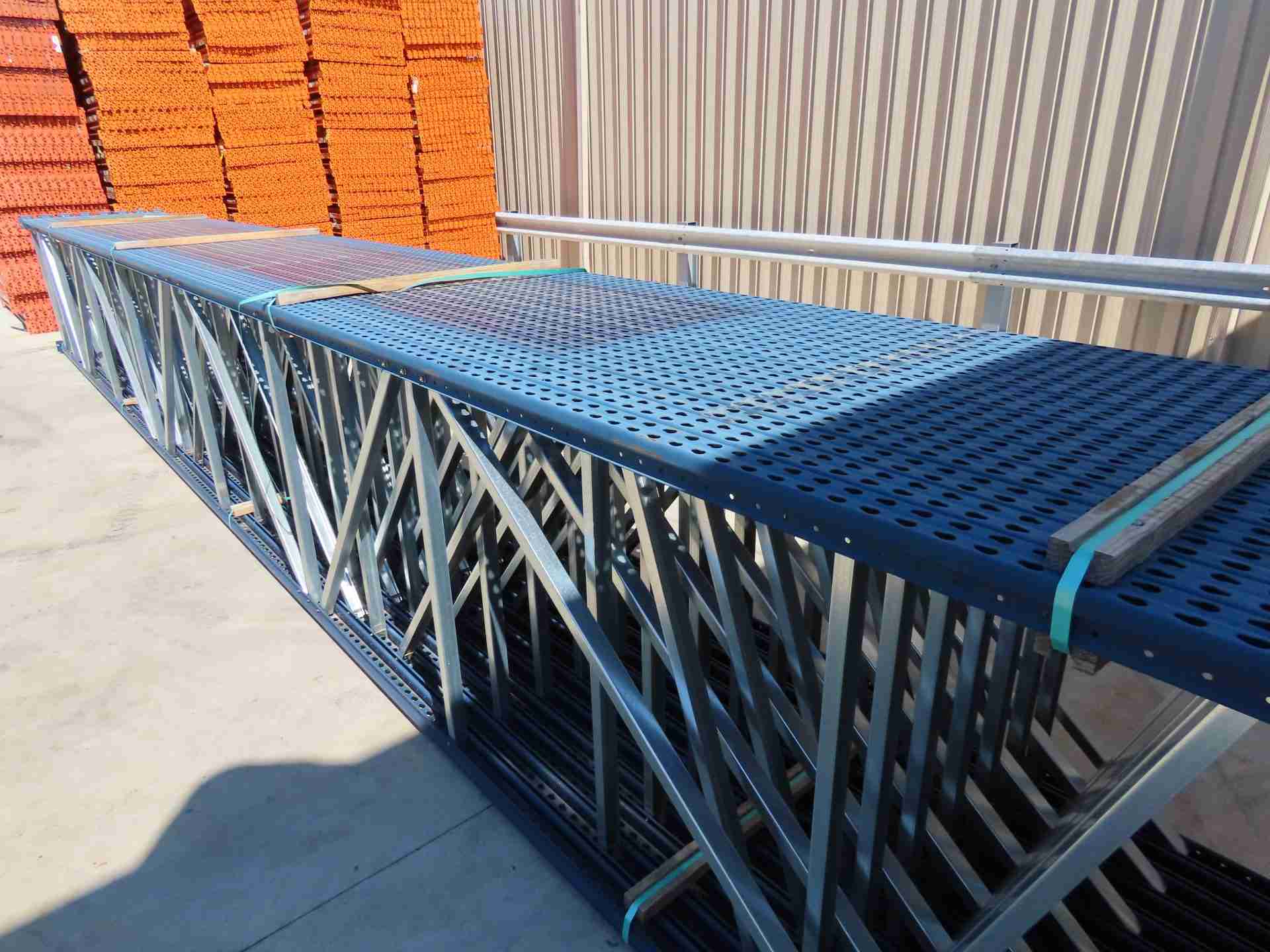
Other Resources
Here is a list of other resources you can review online to learn more:
- BMH
- The Ultimate Pallet Racking Guide – Speedrack West
- NSC
- Intro to Warehouse Racks & Warehouse Racking Systems – ShipBob
- The Complete Pallet Rack Guide – Simply Rack
- Selective Pallet Racking Systems
- Pallet Racking systems in Illinois, Great Lakes
- Warehouse Storage Racking in Illinois
- New Cantilever Racks and Racking Kits
- Warehousing and Fulfillment
- Overhead Lifting
- Material Handling Industry
- Pallet Racking 101: A Comprehensive Guide & Options Explained
- Teardrop Racks – Pallet Rack World
- Cantilever Rack Guide: Ordering Cantilever Racking
- BMH Equipment LLC
- Illinois Pallet Racking – Storage Solutions
- Heavy-Duty Cantilever Storage Racks
- CA Wire
- American Society of Safety Professionals
Use This Prompt To Get More Resources With Your Favorite Online AI Tool: Please provide me with a list of online articles with their URLs in a bulleted list that I can read regarding How Storage Impacts Otif Metrics

Other Resources
Glossary Terms
How Storage Impacts Otif Metrics – Glossary Of Terms
1. Inventory: The raw materials, work-in-progress goods, and finished products stored by a business.
2. OTIF: Acronym for “On Time In Full,” a performance metric measuring the delivery of orders as scheduled and complete.
3. Lead Time: The total time taken from ordering a product to its delivery to the customer.
4. Warehouse Management: The process of efficiently controlling the storage and movement of goods in a warehouse.
5. Stockout: A situation where the inventory is exhausted, leading to inability to fulfill orders.
6. Order Fulfillment: The process of receiving, processing, and delivering customer orders.
7. Safety Stock: Extra inventory kept on hand to prevent stockouts from unexpected demand or supply chain disruptions.
8. Just-In-Time (JIT): An inventory strategy that aligns raw-material orders with production schedules to minimize holding costs.
9. Backorder: An order that cannot be filled at the current time due to stockout but will be fulfilled later.
10. Inventory Turnover: A ratio showing how many times inventory is sold and replaced over a period.
11. Cycle Counting: A method of inventory auditing by counting a subset of inventory in rotation to ensure accuracy.
12. SKU: Stock Keeping Unit, a unique identifier for each distinct product and service that can be purchased.
13. Distribution Center: A specialized warehouse designed for the rapid distribution of goods to customers.
14. Case Pack: The quantity of individual items packed in a single shipping case.
15. Forecasting: The process of predicting future demand for products based on historical data and market trends.
16. Transportation Management: The planning and execution of moving goods from one location to another.
17. Supply Chain: The entire system of production, processing, and distribution of goods and services from origin to consumer.
18. Picking: The process of selecting and collecting products from inventory to fulfill an order.
19. Packing: The process of preparing goods for shipment to ensure they arrive safely and intact.
20. Reorder Point: The inventory level at which a new order should be placed to replenish stock before it runs out.
21. Lead Time Variability: The fluctuation in lead times that can affect order fulfillment consistency.
22. Stock Keeping Period: The amount of time inventory is held in storage before being sold or used.
23. Capacity Planning: The process of determining production capacity needed to meet changing demands for products.
24. Fulfillment Center: A type of warehouse that specializes in storing and shipping products directly to consumers.
25. Quality Control: The process of ensuring that products meet certain standards and specifications before being shipped.
26. E-commerce: The buying and selling of goods and services over the internet, significantly impacting storage and fulfillment processes.
27. Supplier Collaboration: Work and communication between a business and its suppliers to improve inventory management and order fulfillment.
28. Transportation Costs: Expenses incurred in the movement of goods, which can affect overall profitability and supply chain performance.
29. Business Intelligence: Analyzing data to make informed decisions regarding inventory management and order fulfillment strategies.
30. Cross-Docking: A logistics practice where incoming shipments are directly loaded onto outbound trucks with minimal storage time.

Glossary Of Terms
Other Questions
How Storage Impacts Otif Metrics – Other Questions
If you wish to explore and discover more, consider looking for answers to these questions:
- What exactly is OTIF and how is it calculated in practice?
- Which specific racking systems most improve OTIF for different warehouse sizes?
- How do I measure the ROI of investing in new racking or storage solutions?
- What are the typical upfront and ongoing costs of modern racking systems?
- How long does it take to recoup the cost of a storage system through improved OTIF?
- How do different storage layouts (e.g., narrow aisle, pallet flow) affect pick times and OTIF?
- What inventory management software features directly impact OTIF?
- How do I determine whether my current inventory management system is the bottleneck?
- What KPIs besides OTIF should I track to assess storage effectiveness?
- How often should inventory audits or cycle counts be performed to maintain OTIF?
- What are best practices for slotting and product placement to speed retrieval?
- How can automation (conveyors, AS/RS, pick-to-light) be integrated to improve OTIF?
- What are the hidden costs of inadequate storage I should include in a business case?
- How does overstocking or understocking specifically influence carrying costs and OTIF?
- What forecasting and replenishment strategies reduce stockouts while avoiding overstock?
- How should seasonal demand variance be handled in storage planning to protect OTIF?
- What safety and regulatory considerations apply when redesigning racking systems?
- How do storage design and ergonomics affect worker productivity and error rates?
- What training or change management is required when implementing new storage systems?
- How do returns, damaged goods, and quality issues factor into OTIF calculations?
- What maintenance schedule is recommended for racking systems to prevent downtime?
- How do I select suppliers or integrators for racking and warehouse optimization projects?
- What data should I collect to prove that storage changes improved OTIF?
- How do multi-channel order profiles (B2B vs B2C) change storage and picking strategies?
- What are the risks and mitigation strategies when migrating to a new inventory system?
- How can smaller businesses affordably improve storage without a full refit?
- What role does packaging and palletization play in storage efficiency and OTIF?
- How do sustainability goals (waste reduction, energy use) interact with storage choices?
- What are common mistakes companies make when redesigning warehouse layouts?
- How can I model different storage and layout scenarios before committing to changes?
- Which industries have the most to gain from storage-driven OTIF improvements and why?
- How do supplier lead times and reliability affect internal storage strategies for OTIF?

Other Questions
Checklist
How Storage Impacts Otif Metrics – A Checklist
Define OTIF and Targets
✅______ OTIF formula defined (time window, in-full rules, exclusions)
✅______ Targets set by customer/channel and published
✅______ Root-cause codes include storage-related errors (stockout, mispick, location error, damage, late pick start)
✅______ OTIF reported daily with storage-linked Pareto analysis
Storage Layout and Slotting
✅______ Aisle widths match equipment specifications with safe passing clearances
✅______ Fast movers slotted closest to packing/shipping
✅______ Golden-zone picking applied to reduce reaches and lifts
✅______ Forward-pick and reserve areas defined with clear replenishment rules
✅______ One-way travel paths and minimal cross-traffic
✅______ Dead zones eliminated; congestion points mapped and addressed
Racking and Equipment
✅______ Rack load ratings posted; damage audits performed and logged
✅______ Pallet standards enforced (type, condition, overhang limits)
✅______ Rack guards, end-of-aisle protection, and row spacers installed
✅______ Vertical space utilization target set and monitored
✅______ Putaway rules consider weight, hazard class, temperature, and compatibility
✅______ Preventive maintenance schedule for MHE and scanners
Location Labeling and Visibility
✅______ Standardized location schema (zone-aisle-bay-level-position)
✅______ Scannable labels or RFID at all locations; signage readable at distance
✅______ Up-to-date digital and posted facility maps
✅______ Adequate lighting at pick faces and docks
Inventory Accuracy and Control
✅______ Cycle counting program active (A: daily/weekly, B: weekly, C: monthly)
✅______ Accuracy targets met (≥99% A, ≥98% B, ≥97% C)
✅______ Real-time, scan-validated moves for all transactions
✅______ Dock-to-stock time standard met (e.g., under 8 hours)
✅______ Discrepancy investigations completed within 24 hours
Picking, Packing, and Retrieval
✅______ Standard pick paths, batching and wave rules documented
✅______ Mispick rate tracked with corrective actions
✅______ Weight, dimension, or photo verification at pack-out
✅______ Dedicated exception lane for shorts and damages with rapid resolution
✅______ Clear staging areas with first-expiring, first-out where applicable
Replenishment
✅______ Min-max levels set for forward-pick locations
✅______ Auto-triggered replenishment tasks with scan confirmation
✅______ Replenishment scheduled outside peak picking hours
Overstock and Understock Controls
✅______ Forecasting incorporates seasonality and promotions
✅______ Safety stock set by service level and lead-time variability
✅______ Reorder points reviewed monthly; MOQs balanced against space
✅______ Obsolescence policy active (age thresholds, markdown triggers)
Safety and Ergonomics
✅______ 5S standards sustained in aisles, docks, and workstations
✅______ Load securement and stacking rules enforced
✅______ Pedestrian and forklift separation lines and mirrors in place
✅______ PPE compliance and task-specific training current
✅______ Near-miss and incident reviews conducted weekly
Cost and Hidden Waste
✅______ Damages, rework, expedites, returns, and chargebacks tracked to root cause
✅______ Labor time lost to searching measured and reduced
✅______ Space utilization benchmarked versus occupancy cost
✅______ Energy-efficient lighting and equipment in use
Systems and Data
✅______ WMS and ERP fully integrated with handheld scanning
✅______ Master data (SKU dimensions and weights) accurate and maintained
✅______ ASNs used for pre-receipt; carrier status integrated
✅______ Customer label and compliance requirements embedded in workflows
People, Training, and Culture
✅______ Role-based certifications and refreshers completed
✅______ Visual SOPs posted at point of use
✅______ Daily huddles display safety, quality, and OTIF metrics
✅______ Recognition tied to on-time and error-free performance
Supplier and Carrier Alignment
✅______ Inbound appointment scheduling adhered to
✅______ Vendor pack and label compliance audited with scorecards
✅______ Carrier pickup windows aligned to order cutoffs and pack completion
✅______ Fair chargeback and escalation process communicated
Continuous Improvement and Governance
✅______ Weekly OTIF review includes storage layout and process actions
✅______ Monthly kaizen on top bottleneck; before-and-after time studies logged
✅______ Quarterly layout and slotting review based on demand shifts
✅______ Change control for layout and system updates with pilot and rollback plan
Rapid Diagnostic Checks
✅______ New hire can locate the top SKU within 60 seconds using labels and a map
✅______ Top 10 movers within 100 feet of pack-out
✅______ No blocked aisles; no double-handled pallets
✅______ Average location occupancy ≤85% to allow growth and flexibility
✅______ Two or fewer touches from receiving to shipping for standard orders

Checklist
At RackingWorld, we help guide you through selecting warehouse storage systems and racking.
Be sure to read our other related stories at RackingWorld to learn more about warehouse storage systems.
0 Comments