
The Human Factor: Understanding The Multi-Dimensional Impact Of Racking On Warehouse Efficiency
By Tom Seest
At RackingWorld, we help guide you through selecting warehouse storage systems and racking.
Be sure to read our other related stories at RackingWorld to learn more about warehouse storage systems.
How Racking Impacts Warehouse Throughput
In the world of warehousing, the unsung hero—like a sturdy spine holding a body upright—is the racking. It’s easy to overlook when considering the operational dance of receiving, storing, and shipping. But racking impacts warehouse throughput in ways that can make or break a business. Imagine the hustle and bustle of a well-oiled machine, where every product has its place. That’s the beauty of effective racking; it orchestrates a seamless flow, allowing workers to access inventory quickly and safely.
Think of the warehouse workers, those diligent folks hustling day in and day out, navigating narrow aisles and towering shelves, tasked with moving goods that fuel the economy. When racking systems are strategically designed, workers can perform their jobs with less frustration and more efficiency, reducing stress and fatigue. Every time a team member retrieves an item in mere minutes instead of hours, it’s a small victory—a moment to celebrate in the daily grind. This is the emotional heartbeat of a warehouse, where human effort meets steel and wood, creating an environment where success is tangible.
From a logical standpoint, consider the numbers: improved racking means improved throughput. When items are organized logically—whether it’s via a FIFO system or an ABC analysis—the likelihood of gaining those critical seconds on each pick increases exponentially. It’s not just about saving time; it’s about maximizing space and resources. This efficiency translates to greater profitability. A well-configured racking system contributes to lower operational costs, which means more money to reinvest in the workforce, the lifeblood of any company.
Ethically, investing in top-notch racking isn’t just good business; it reflects a commitment to worker safety and well-being. A well-implemented racking system reduces the risk of accidents, showing that you value not only productivity but also the lives behind those numbers. Beyond that, building an effective warehouse structure fosters a sense of pride and unity among the team. They know they’re part of something bigger, a crucial cog in a machine that serves countless families every day.
Racking is more than just an arrangement of shelves. It’s the backbone of efficiency and safety, impacting everyone from the warehouse manager to the end consumer. When we prioritize this vital component, we’re not just improving throughput; we’re nurturing a thriving community of hard workers, all striving for excellence, together.
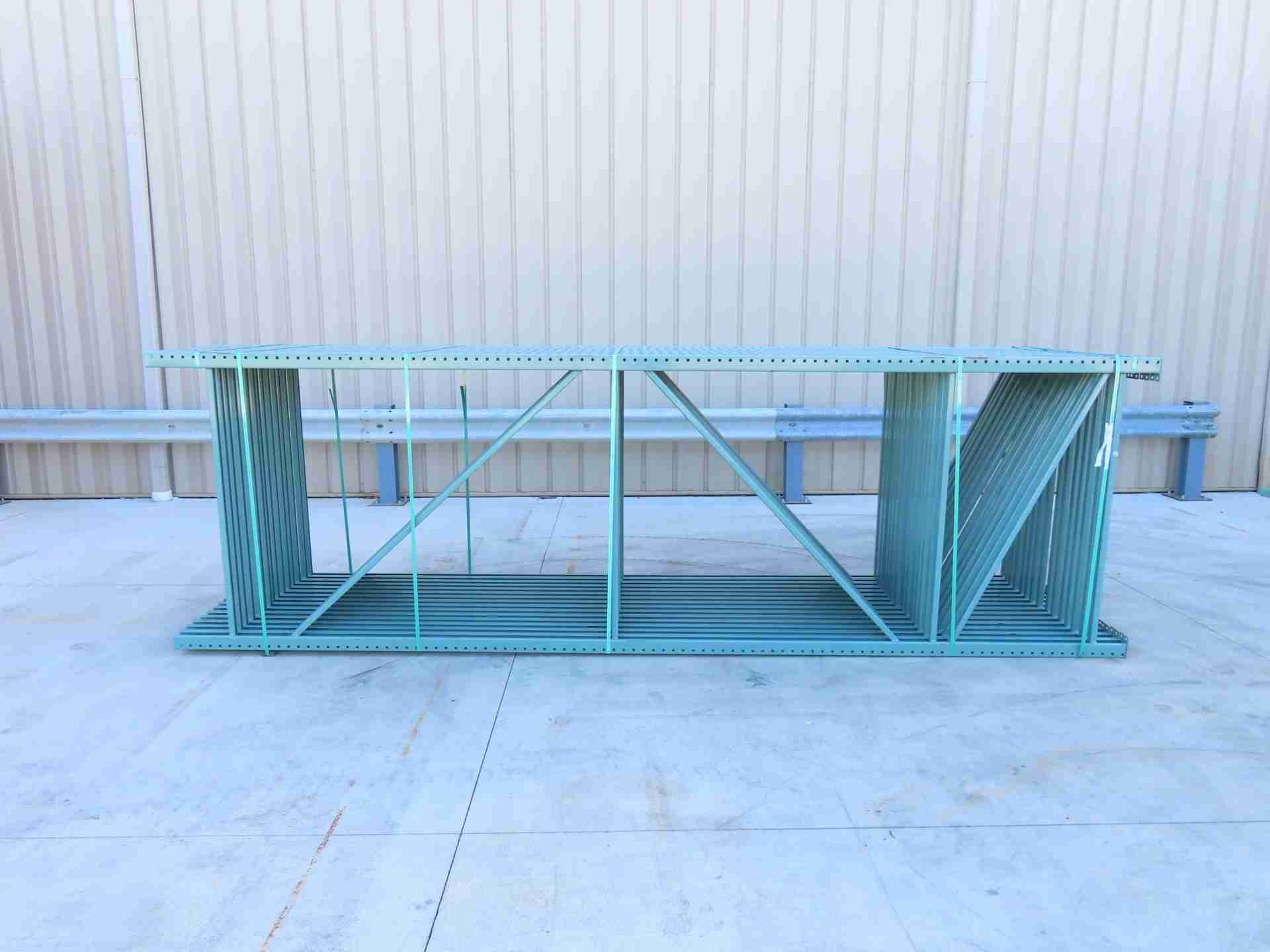
How Racking Impacts Warehouse Throughput
How Racking Impacts Warehouse Throughput
- Racking is the essential backbone of warehouse operations, crucial for receiving, storing, and shipping.
- Effective racking systems enhance warehouse throughput, facilitating fast and safe inventory access.
- Strategically designed racking reduces worker frustration, stress, and fatigue, promoting efficiency.
- Organized racking systems can save critical seconds on each inventory pick, maximizing space and resources.
- Improved racking translates to lower operational costs, allowing reinvestment in the workforce.
- Investing in quality racking reflects a commitment to worker safety and creates a sense of pride among employees.
- Prioritizing racking enhances not just productivity, but also fosters a thriving community of dedicated workers.
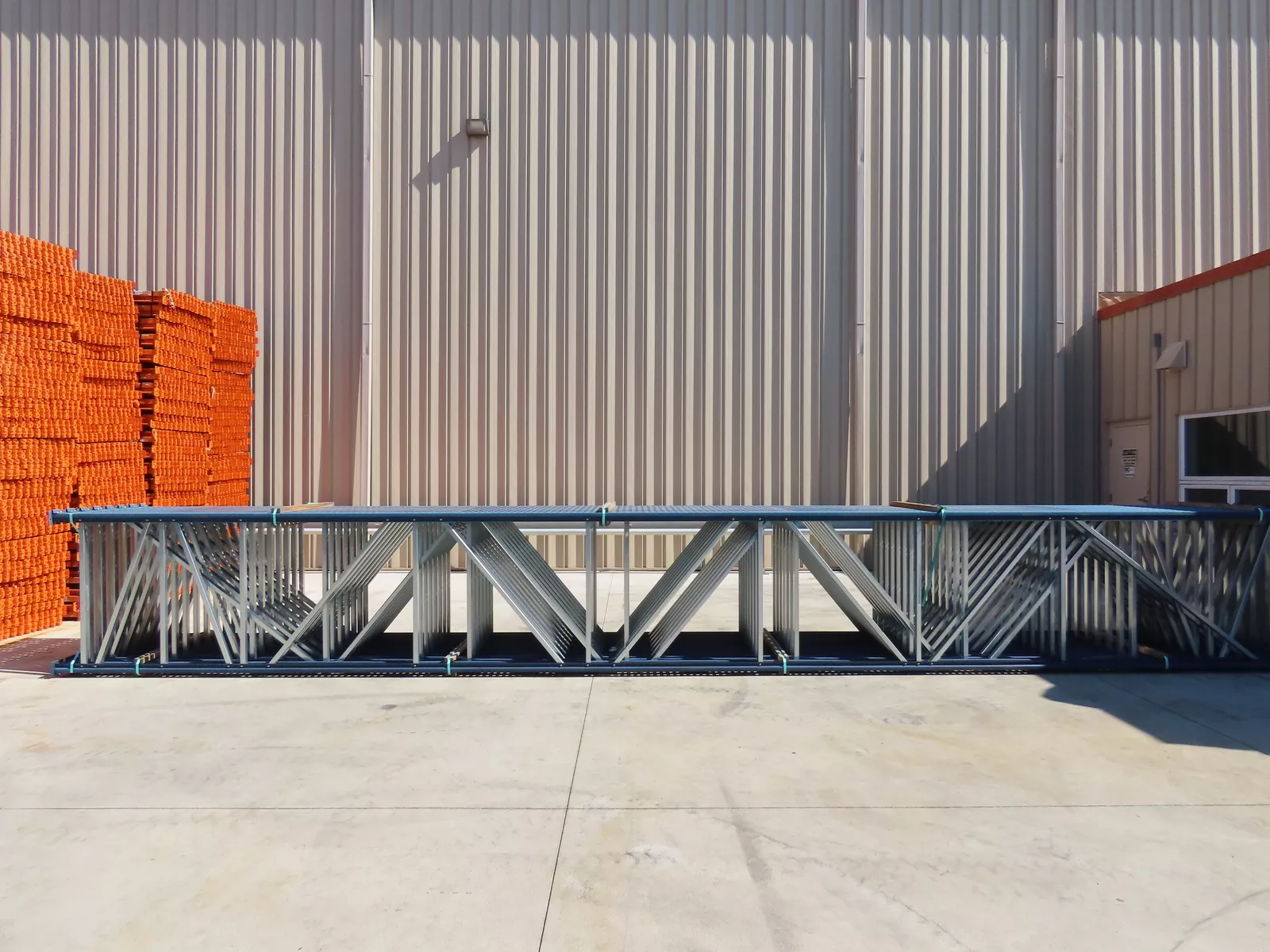
How Racking Impacts Warehouse Throughput
Table Of Contents
- How Racking Impacts Warehouse Throughput
- What Emotional Toll Does Inefficient Racking Take on Warehouse Staff?
- How Does Racking Design Influence Your Operational Costs and Profits?
- What Role Does Authority Play In Choosing the Right Racking Solutions?
- What Ethical Considerations Arise When Selecting Racking Suppliers?
- How Do Employee Frustrations with Racking Affect Your Company Culture?
- Conclusion
- Other Resources
- Glossary Of Terms
- Other Questions
- Checklist
What Emotional Toll Does Inefficient Racking Take on Warehouse Staff?
In the humming heart of every warehouse, the racking systems form the backbone of operations. But when these structures are inefficient—when they become disorganized and cumbersome—it’s not just inventory at stake; it’s the emotional well-being of the people working tirelessly among them.
Picture a team member, let’s call her Emma. She arrives at dawn, a cup of coffee in hand, ready to tackle the day’s challenges. But as she steps onto the warehouse floor, the first thing that greets her is the chaos of poorly arranged racking. It’s not just a logistical headache; it’s a daily grind that weighs on her spirit. Emma finds herself hunting for items that should be quick to fetch, her brow furrowing and patience thin. Each moment spent wrestling with inefficiencies chips away at her motivation, leaving her feeling like a cog in a machine that’s just not firing on all cylinders.
The emotional toll doesn’t stop there. A sense of defeat takes root when she sees colleagues experiencing the same frustration. It isn’t just disorganization; it’s a shared struggle—a silent battle against the relentless tide of inefficiency that drains morale. The atmosphere shifts from teamwork to resignation, as laughter is replaced with sighs and grumbled complaints. You can almost see the camaraderie fraying at the edges; the social connections that once thrived begin to wither in the face of chaos.
From a rational standpoint, consider the repercussions. Time wasted wading through a labyrinth of racking translates directly into lost productivity, which affects not only individual performance but the entire company’s bottom line. There’s an ethical obligation for employers to provide a workspace that’s not just efficient, but empowering.
Investing in proper racking systems isn’t just a good business decision; it’s a commitment to the workforce. It shows employees that they matter, that their time is valued, and that their hard work deserves an environment that fosters, rather than hinders, success.
When Emma and her colleagues can navigate an organized racking system, not only will their efficiency soar, but their spirits will lift as well. They will be inspired to come to work, connect with one another, and lead their company to greater heights. The simple act of improving racking can bring about a profound transformation—not just of the warehouse, but of everyone who walks its aisles. It’s time to prioritize the heart of the workforce and make the changes that resonate well beyond the warehouse walls.
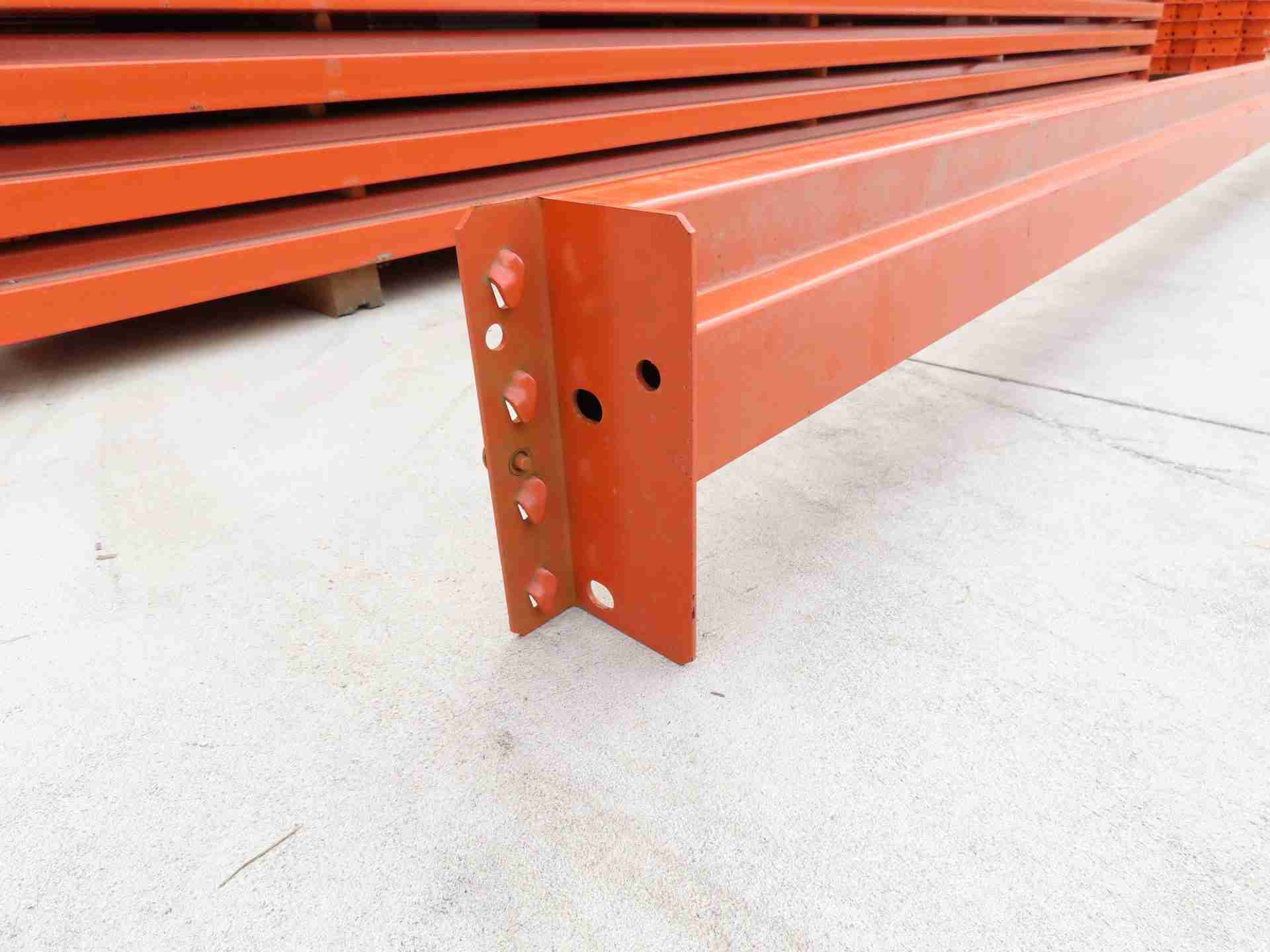
What Emotional Toll Does Inefficient Racking Take on Warehouse Staff?
What Emotional Toll Does Inefficient Racking Take on Warehouse Staff?
- Racking systems are essential to warehouse operations and worker well-being.
- Disorganization in racking leads to frustration and decreased motivation among employees.
- Team members like Emma experience emotional toll and stress due to chaotic environments.
- Colleagues share a silent struggle that affects morale and teamwork.
- Time lost searching for items in disorganized racking negatively impacts productivity and company performance.
- Investing in efficient racking systems shows commitment to employee well-being and productivity.
- Improved organization fosters a positive work atmosphere, boosting employee morale and company success.
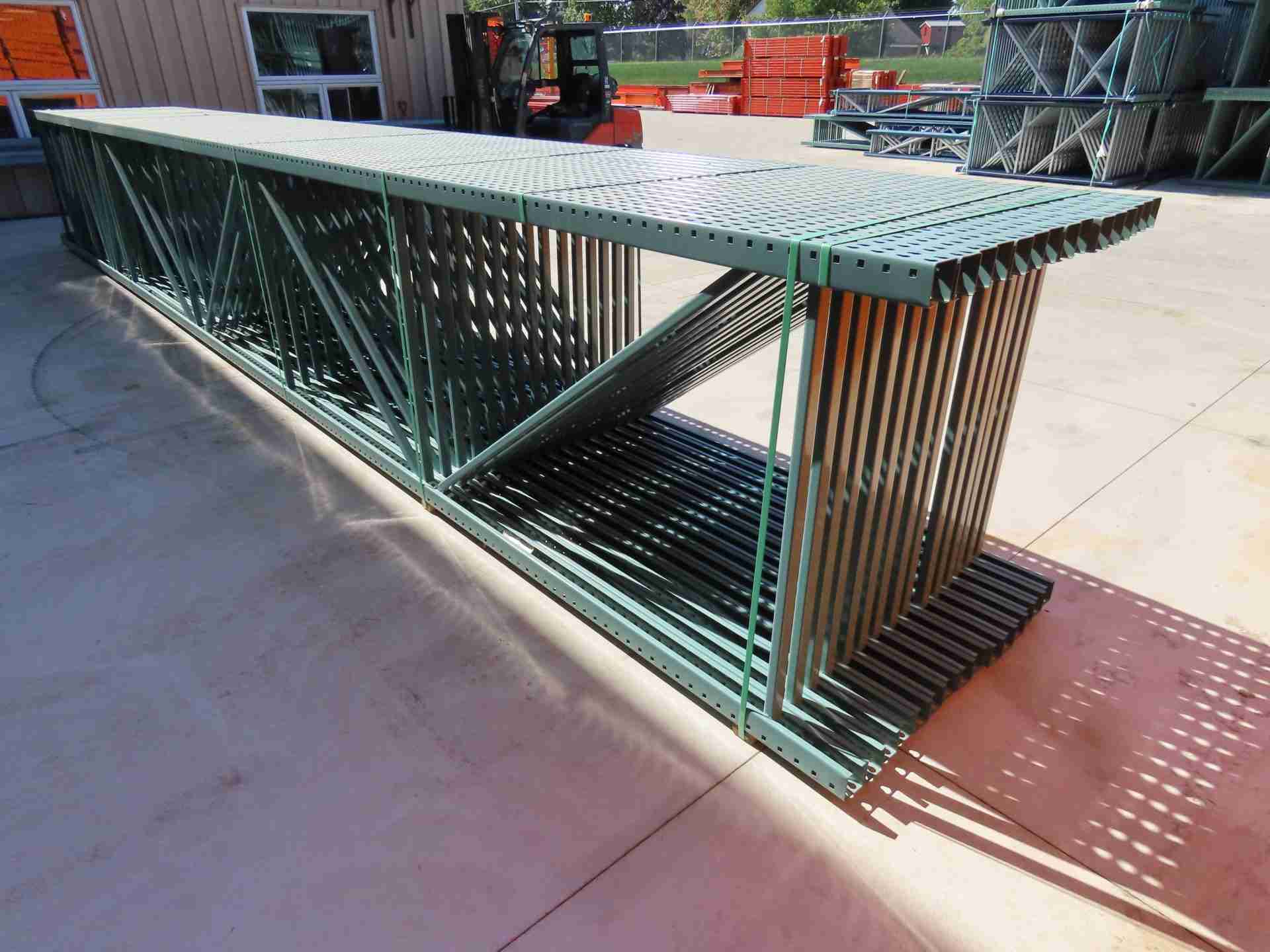
What Emotional Toll Does Inefficient Racking Take on Warehouse Staff?
How Does Racking Design Influence Your Operational Costs and Profits?
When it comes to optimizing your warehouse operations, think of racking as the backbone of your storage system. It’s more than just steel and bolts; it’s your silent partner in the quest for efficiency, productivity, and profit. A well-designed racking system doesn’t just hold your products – it holds the keys to your financial future.
Imagine walking into a warehouse where every inch of space is utilized, every product is accessible, and every employee knows exactly where to find what they’re looking for. This kind of operational fluidity doesn’t happen by accident. It’s the result of thoughtful racking design that considers flow, accessibility, and the unique needs of your inventory. Invest in a racking system that suits your operational needs, and witness the transformation as chaos gives way to order, leading to faster picking times and fewer errors.
From a numbers perspective, let’s get real. Inefficient racking can eat into your profits faster than a hungry competitor. Think about higher labor costs from lengthy search times or the hit on customer satisfaction due to delayed shipments. Embracing a smart racking design not only optimizes space but also reduces overhead, allowing you to increase margins and reinvest in growth. It’s a no-brainer when you consider that each square foot of your warehouse has the potential to generate revenue.
Ethically speaking, you owe it to your employees to create a workplace that promotes safety and efficiency. A chaotic racking setup can lead to injuries, high turnover, and a workforce that feels unsupported. By choosing an effective racking design, you’re not just making a smart financial decision; you’re also fostering an environment of trust and well-being. Your team is more likely to engage, thrive, and contribute to the company’s success when they feel confident in their surroundings.
Take a moment to visualize success. Picture your warehouse running smoothly, your profits climbing, and your team firing on all cylinders. This isn’t just a dream; it’s achievable with a strategic approach to racking. Join the countless organizations that have transformed their operations through intentional design, and don’t miss the chance to stand out in a competitive marketplace. Remember, every second counts, so why not make those seconds work for your bottom line? Your future self—and your profit margins—will thank you.
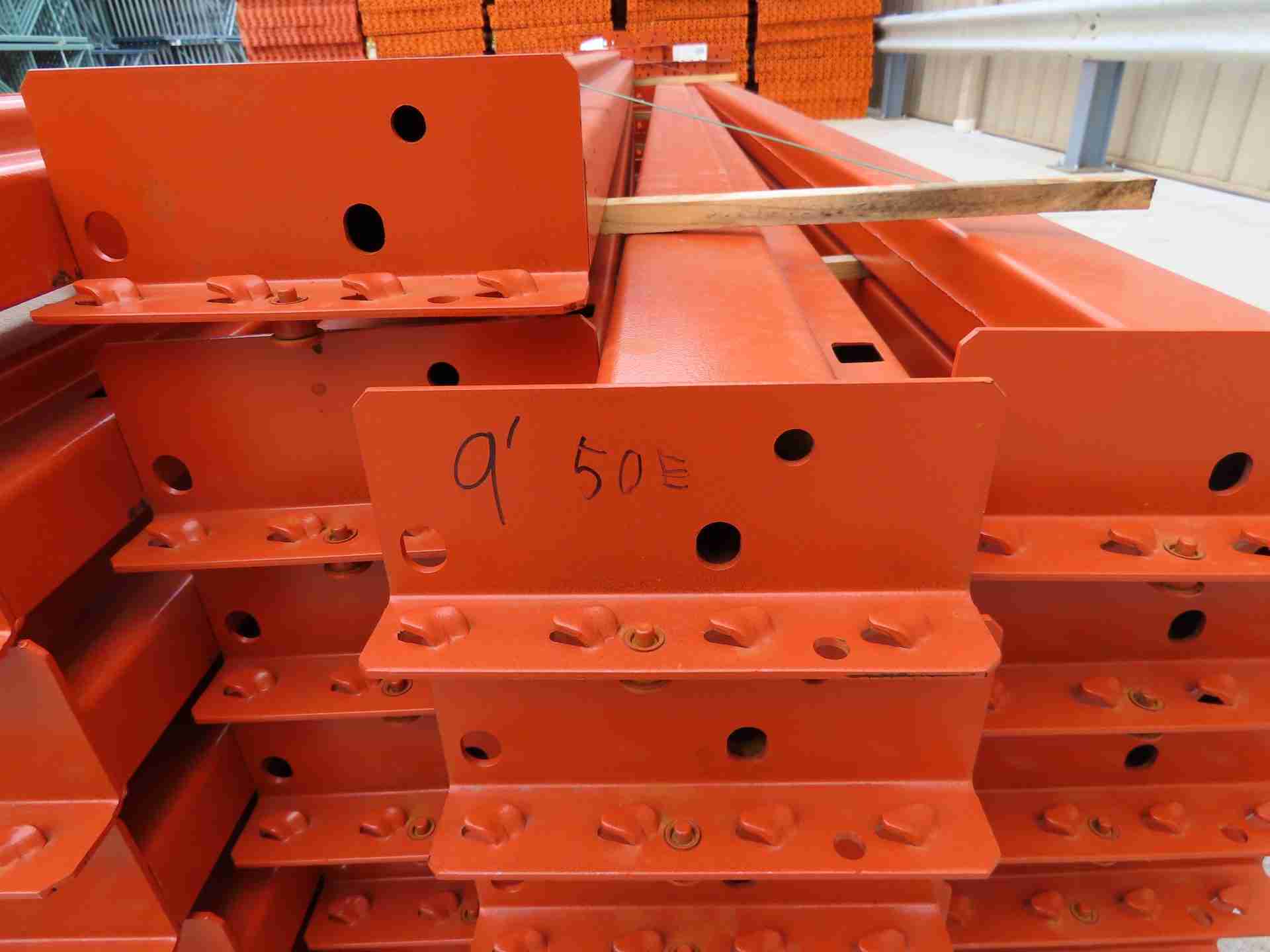
How Does Racking Design Influence Your Operational Costs and Profits?
How Does Racking Design Influence Your Operational Costs and Profits?
- Racking is essential for optimizing warehouse operations, serving as the backbone of the storage system.
- A well-designed racking system enhances efficiency, productivity, and profit by maximizing space utilization and accessibility.
- Thoughtful racking design leads to operational fluidity, reducing search times and errors for faster picking.
- Inefficient racking can increase labor costs and negatively impact customer satisfaction, harming profits.
- Effective racking reduces overhead costs, allowing for increased margins and reinvestment in growth.
- Choosing the right racking promotes employee safety and fosters a supportive workplace environment, reducing turnover.
- A strategic approach to racking can transform operations, enhance profitability, and improve team engagement.

How Does Racking Design Influence Your Operational Costs and Profits?
What Role Does Authority Play In Choosing the Right Racking Solutions?
In the world of logistics and warehousing, authority is more than just a badge you wear. It’s the compass that guides you through the intricate maze of choosing the right racking solutions. Imagine walking into a warehouse that feels more like a chaotic jungle than a well-oiled machine. Boxes piled high, equipment scattered, and chaos reigning supreme. That’s what happens when you ignore the weight of authority in your decision-making process.
Authority provides the backbone of sound decision-making—it tells you who’s been in the trenches and knows what it takes to optimize space and efficiency. When experts weigh in, their voices bring not just knowledge but experience that resonates deeply. They’ve sweated through the trials of improper racking systems, learning hard lessons that no amount of reading can teach. When they talk about maximizing vertical space or the importance of weight distribution, listen closely. This is not just theory; it’s steeped in real-life experiences that will shape your success.
But let’s move beyond the technicalities for a moment. Choosing the right racking solution is about the people it affects—your employees, your team, your community. When authority speaks, it carries a sense of ethical responsibility. A well-chosen racking system keeps people safe and empowers them. Imagine your workers having easy access to their tools and materials. They feel valued, their morale lifts, and productivity soars. That’s what an informed choice can do—transform lives.
And let’s face it: we all want to belong to something bigger than ourselves. When you consult authority figures who have built their reputations on trust and integrity, you’re participating in a community of shared goals and values. This collaboration not only fosters connection but also drives innovation. People talk, ideas inspire, and before you know it, you’re on the path to creating an operation that isn’t just functional but also exemplary.
So, as you stand at the crossroads of racking solutions, consider the voices that rise above the noise. Let authority guide your choices, not as a rule, but as a partner in progress. Because in the end, it’s not just about racking efficiently; it’s about building a future where your operation stands tall and proud, driven by trust, confidence, and an unwavering commitment to what’s right.

What Role Does Authority Play In Choosing the Right Racking Solutions?
What Role Does Authority Play In Choosing the Right Racking Solutions?
- Authority in logistics and warehousing is crucial for making informed decisions about racking solutions.
- Expertise brings valuable experience that can prevent the chaos of poor racking choices.
- Listening to experienced voices helps in understanding the importance of vertical space and weight distribution.
- The choice of racking systems impacts not only operations but also employee morale and safety.
- Consulting trusted authority figures fosters a sense of community and shared goals.
- Collaboration with knowledgeable peers drives innovation and operational excellence.
- Letting authority guide decisions creates a future where operations thrive on trust and commitment.
What Role Does Authority Play In Choosing the Right Racking Solutions?
What Ethical Considerations Arise When Selecting Racking Suppliers?
When it comes to selecting racking suppliers, the choice extends far beyond the dimensions of steel and the price tag on a quote. It taps into deeper ethical considerations that resonate with our values, our communities, and our environment. Imagine a bustling warehouse, not just as a hub of activity, but as an ecosystem where innovation meets integrity. Here’s the thing: while the shiny allure of cost-effective solutions might tempt you, the real challenge is choosing a supplier whose principles align with yours.
First, let’s engage your heart. Every racking supplier has a story—a journey shaped by their values and commitment to sustainability. By opting for a provider that prioritizes ethically sourced materials and fair labor practices, you’re not just investing in quality; you’re investing in a brighter future. Think of the workers who fabricate that racking system. They deserve fair wages and safe working conditions. When you choose suppliers who uphold these principles, you’re sending a powerful message: we care about people.
Now, let’s address the head. It’s logical to partner with suppliers who demonstrate transparency and reliability. Did they pass rigorous safety standards? Do they have a reputation built on trust? The reality is, selecting suppliers with strong ethical foundations can save you time and money in the long run. Avoiding the pitfalls of unethical sourcing not only shields you from potential legal issues but also enhances your brand’s reputation. In the world of commerce today, integrity isn’t just a nice-to-have; it’s a competitive advantage.
And let’s not forget the gut instinct. Trust your intuition when examining potential partners. Listen to the stories of others in the industry. Seek out testimonials that speak volumes about a supplier’s practices—whether they are engaging in community support or environmental stewardship. Social responsibility is no longer an afterthought; it’s a crucial element of modern business.
Ultimately, choosing a racking supplier isn’t just about getting the job done. It’s about forming a partnership rooted in shared values. This choice speaks volumes—not just about who you are as a business, but also about what kind of world you want to help create. By prioritizing ethical considerations, you’ll not only enhance your operations but also inspire those around you—turning far-reaching decisions into the very fabric of your organization’s identity.
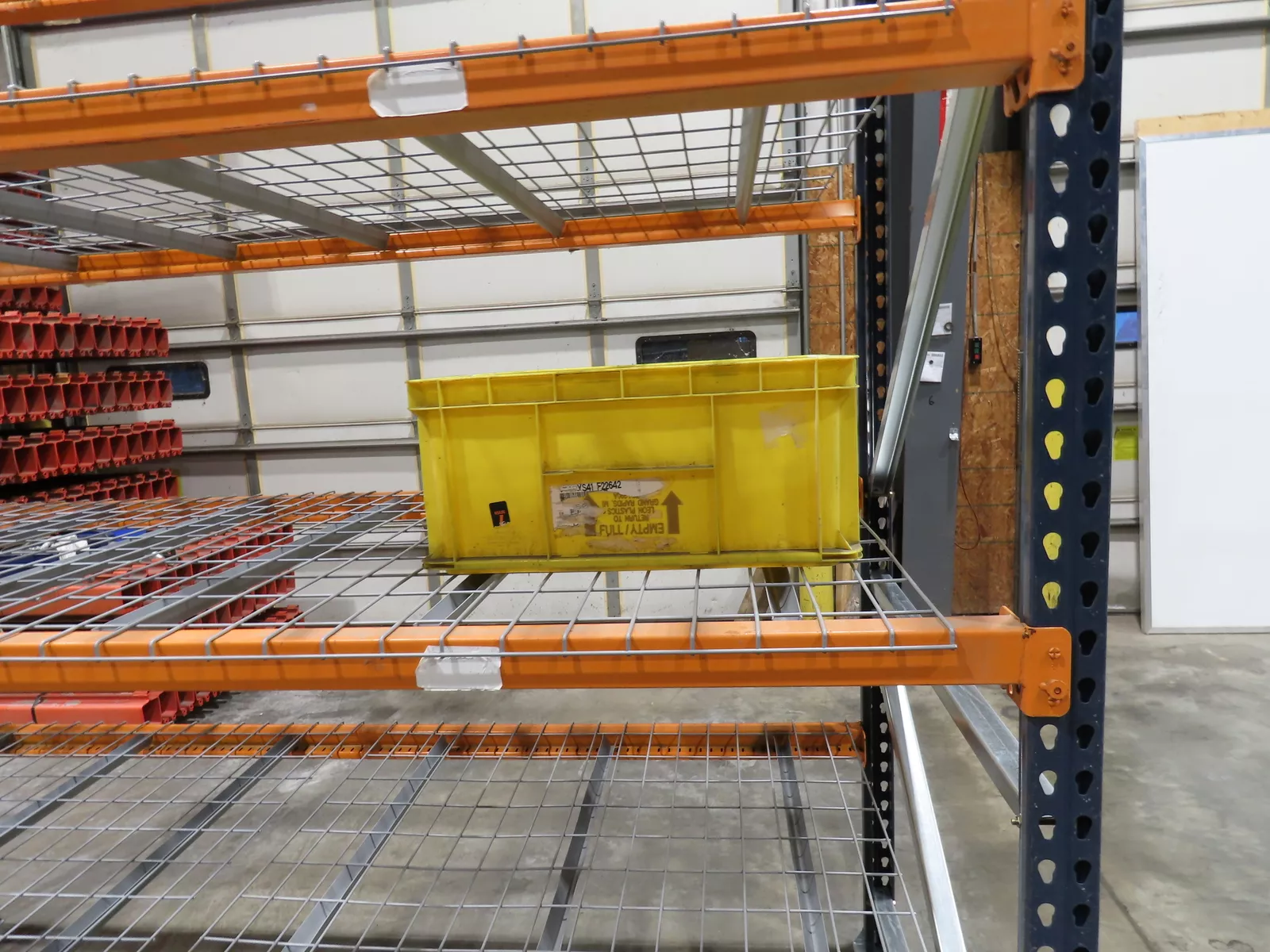
What Ethical Considerations Arise When Selecting Racking Suppliers?
What Ethical Considerations Arise When Selecting Racking Suppliers?
- Selecting racking suppliers involves ethical considerations beyond mere dimensions and price.
- Choosing a supplier should align with your values, emphasizing sustainability and integrity.
- Investing in ethically sourced materials and fair labor practices supports workers and promotes a brighter future.
- Partnering with transparent, reliable suppliers can save time and money in the long run, enhancing your brand’s reputation.
- Trust your intuition and seek testimonials about potential suppliers’ community support and environmental responsibility.
- Forming partnerships with shared values is essential for building a responsible business identity.
- Prioritizing ethical considerations enriches operations and inspires a positive organizational culture.
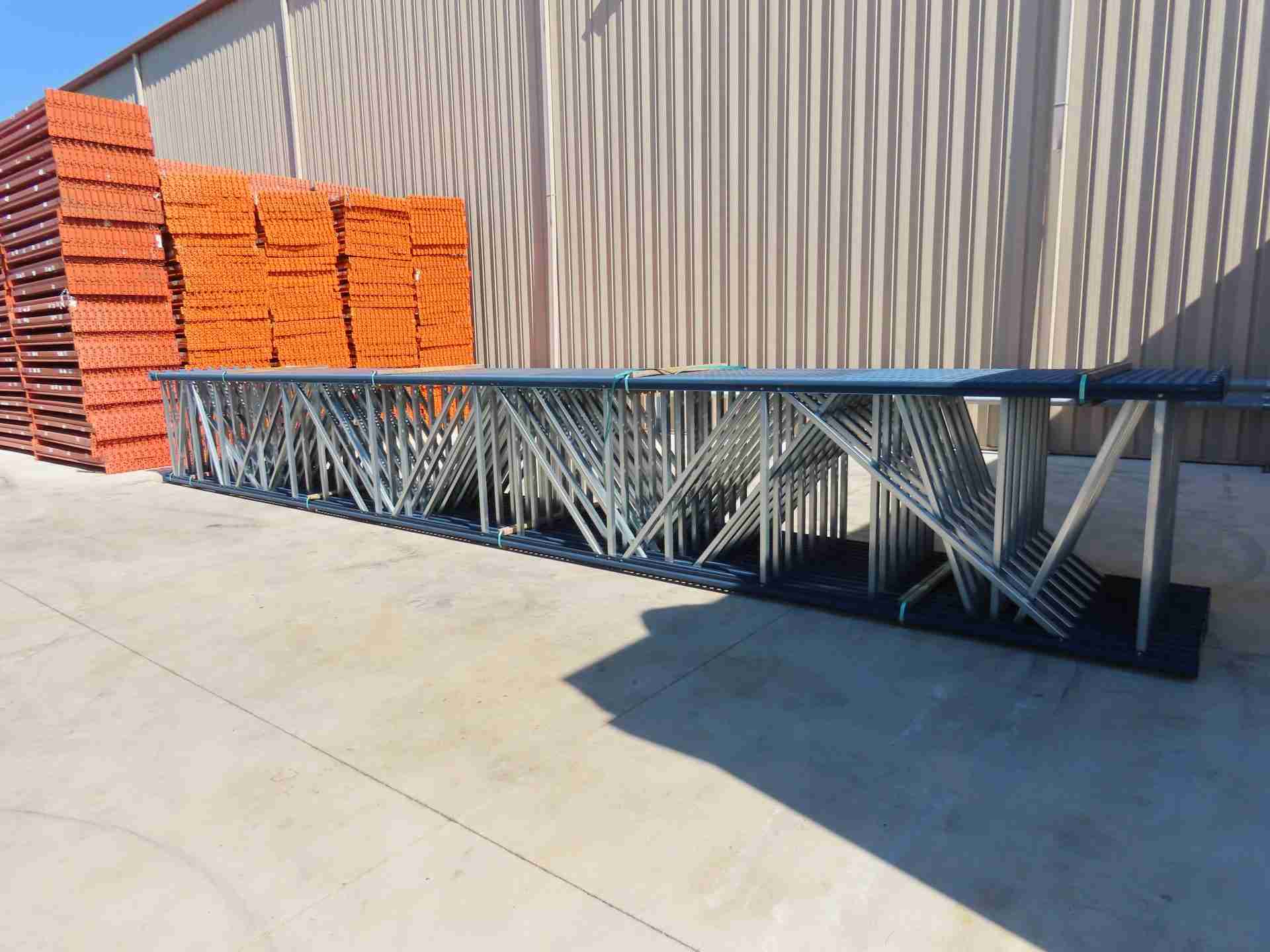
What Ethical Considerations Arise When Selecting Racking Suppliers?
How Do Employee Frustrations with Racking Affect Your Company Culture?
In the bustling world of business, where productivity often reigns supreme, there lies an unseen yet profoundly impactful element: employee frustration. It can stem from a myriad of sources, but one particularly insidious culprit is the notorious issue of racking. Now, before you dismiss it as trivial, consider this: the environment we cultivate within our workplaces—how goods are stored and how employees interact with their tools—shapes the culture of our company in ways that are both subtle and striking.
Imagine a warehouse worker grappling daily with poorly designed racking systems—inefficiently placed shelves that make retrieving materials a chore rather than a task. This isn’t just about physical inconvenience; it seeps into the very fabric of morale. When employees feel hindered by their environment, that feeling echoes in their attitudes. Frustration breeds disengagement, leading to a workforce that views tasks as mere obligations rather than opportunities for contribution. Therein lies the heart of the matter: when employees aren’t satisfied with their setup, they are less likely to take pride in their work. Company culture suffers, and ultimately, productivity takes a nosedive.
Consider the ethical implications of this system. Are we genuinely valuing the hard work of our team if we let them navigate a labyrinth of bewildering racking? Employees are more than cogs in the machine; they are individuals with dreams, aspirations, and a desire for a workplace that respects their efforts. When leadership responds with empathy and takes action to optimize their environment, it fosters trust and signals that the company stands behind its people.
Moreover, let’s not overlook the narrative at play. Picture a leader who rallies their team, listening and acting on their frustrations. This leader isn’t just some distant figure; they become a champion for change. By investing in improved infrastructure, they elevate the workplace culture, inspiring employees to speak up, to contribute, and to innovate. They are no longer just workers shifting boxes under the weight of inadequately designed racking; they’re collaborators in a mission.
So, when considering how racking impacts your company culture, think of it as a mirror reflecting the values you uphold. Investing in a well-organized, efficient system isn’t merely a logistical decision—it’s a recognition of the individuals who comprise your workforce. When you address their frustrations, you are inviting a deeper connection, fostering loyalty, and ultimately creating a thriving culture. Let’s create a workplace where leaders don’t just hear complaints but inspire action. Because when employees are supported, everyone rises together.
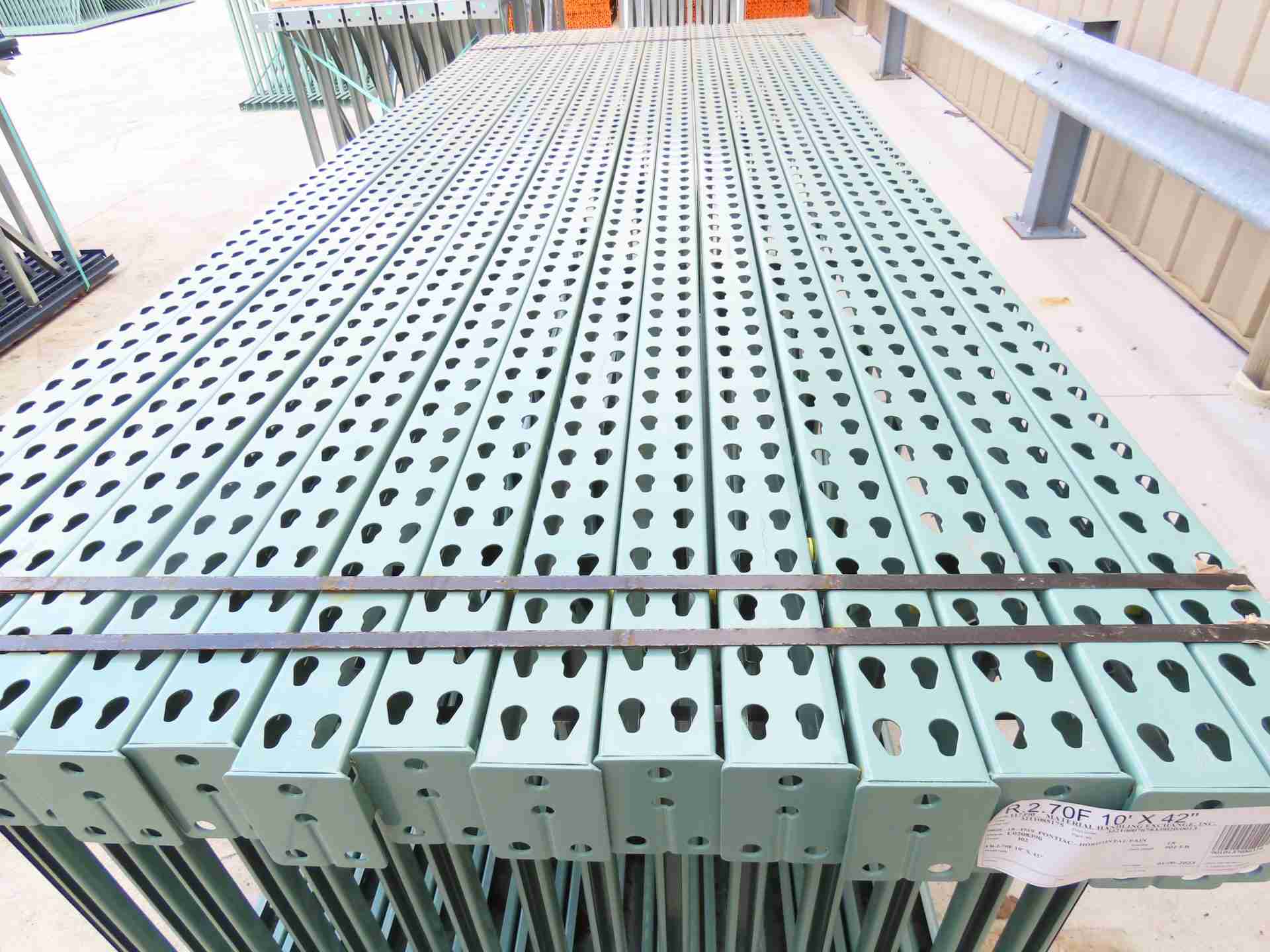
How Do Employee Frustrations with Racking Affect Your Company Culture?
How Do Employee Frustrations with Racking Affect Your Company Culture?
- Employee frustration significantly impacts workplace productivity and morale.
- Poorly designed racking systems can lead to inefficiencies and frustration among workers.
- Frustration breeds disengagement, causing employees to view tasks as mere obligations.
- A negative work environment undermines company culture and overall productivity.
- Empathetic leadership that addresses employee frustrations fosters trust and collaboration.
- Investing in improved infrastructure elevates workplace culture and inspires employees to contribute.
- Addressing employee frustrations encourages loyalty and creates a thriving workplace culture.
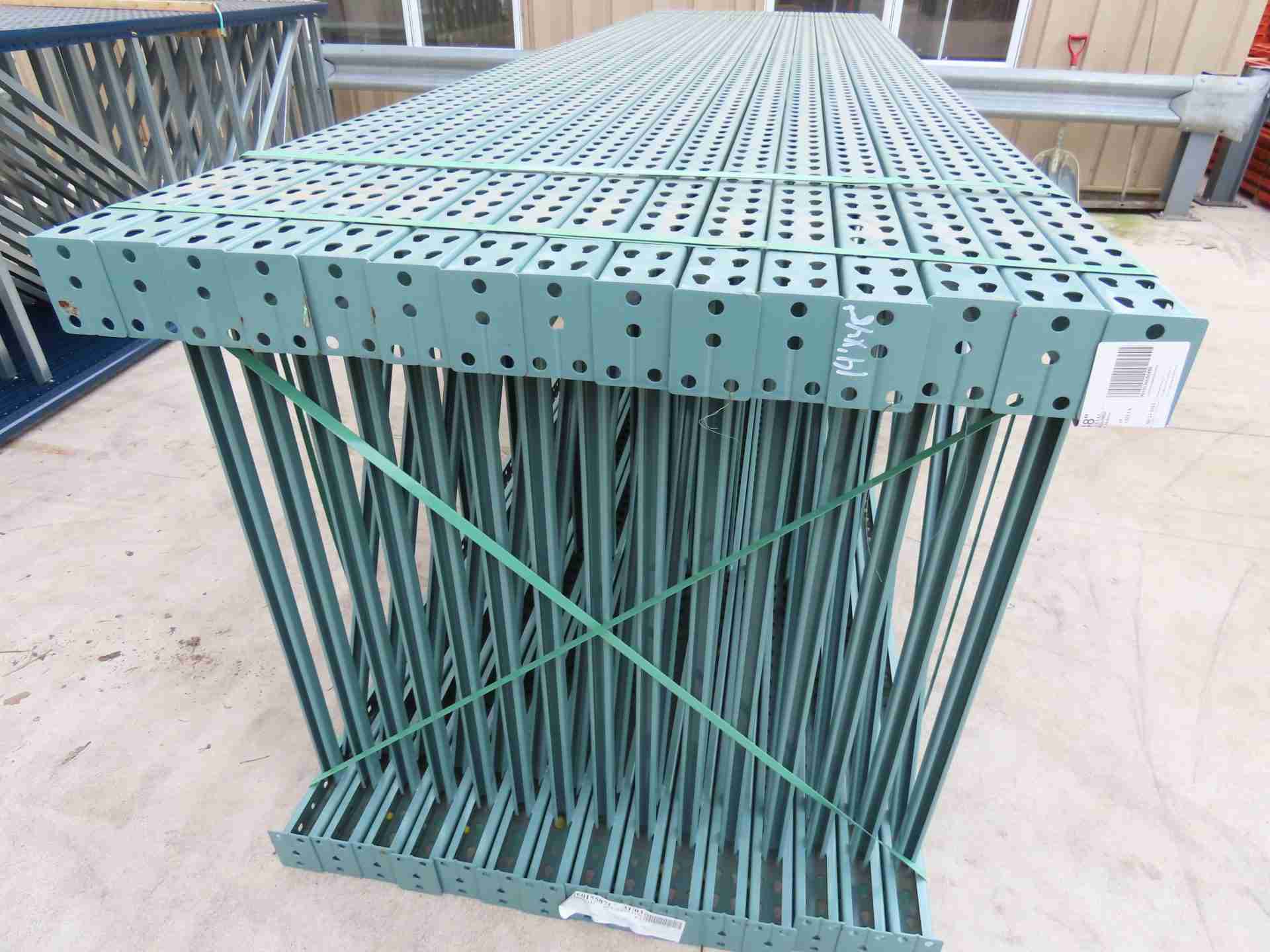
How Do Employee Frustrations with Racking Affect Your Company Culture?
Conclusion
Racking systems in warehouses may not share the spotlight in the conversation about efficiency, but they are the unsung champions, intricately intertwined with the success and productivity of operations. Think about the hustle of a dedicated team like Emma’s, where frustration can spiral from chaos amidst poorly arranged shelves. Every trip down those aisle inevitably becomes a hurdle—one that not only drains morale but also damages a company’s bottom line.
The jagged edges of inefficient racking cause delays, confound productivity, and erode workplace culture. Workers lose their drive, shifting from motivated team players to weary cogs in a mismanaged machine. Each moment wasted in a tangle of disorder chips away at their spirit, leading to a pervasive sense of resignation. But when a well-designed racking system takes its rightful place, it becomes a beacon of hope, transforming the workplace. Imagine Emma and her colleagues swiftly locating items, their efficiency surging as their spirits lift. This is the hidden power of racking—turning a mundane task into a small victory, skimming invaluable seconds off daily operations.
Beyond emotional and rational implications, there’s a profound ethical dimension to these decisions. Investing in effective racking isn’t just a nod to safety; it’s a declaration that employee well-being matters. Thoughtful racking choices show the workforce that their contributions are valued, fostering an environment where hard work and dedication are met with respect and support.
On a broader scale, selecting the right racking suppliers taps into the heartbeat of community values, sustainability, and trust. Choosing a supplier with a strong ethical foundation sends ripples through the industry, illustrating a commitment to safe practices and responsible sourcing. Employees feel the pride of being part of a reputable operation, enhancing overall morale and productivity.
Consulting authority figures—those seasoned experts—gives companies a roadmap through the complexities of storage solutions. Their insights are drawn from experience in the trenches, saving businesses from expensive, time-consuming mistakes. This collaborative approach infuses innovation into operations, creating a sense of shared purpose among employees and leaders alike.
Ultimately, racking is not merely about maximizing space; it’s about shaping a culture built on efficiency, safety, and pride. When the decision-makers choose wisely, everyone wins—cultivating a thriving, resilient workplace where each member feels empowered, engaged, and ready to rise to the occasion. Prioritizing racking is more than just logistics; it’s about nurturing a vibrant community of dedicated individuals working together towards excellence. It’s time to embrace this truth and let the heart of the workforce flourish.
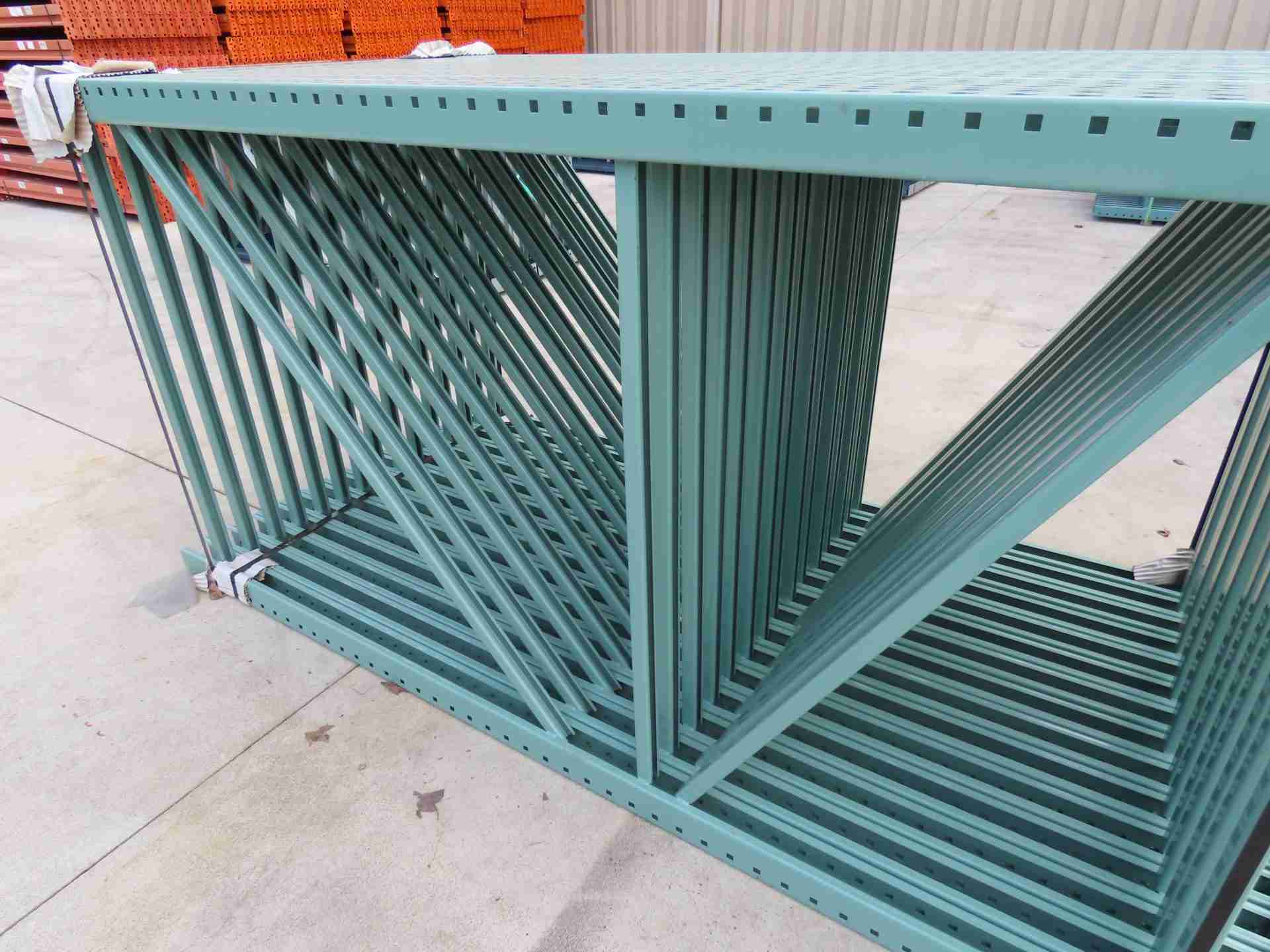
Conclusion
Conclusion:
- Racking systems are vital for warehouse efficiency but often overlooked in discussions on productivity.
- Poorly organized racking can lead to frustration, decreased morale, and negative impacts on the company’s bottom line.
- Inefficient racking causes delays and erodes workplace culture, turning motivated employees into weary participants.
- A well-designed racking system boosts efficiency and lifts employee spirits, transforming mundane tasks into small victories.
- Investing in effective racking demonstrates a commitment to employee well-being and fosters respect within the workforce.
- Choosing ethical racking suppliers can enhance community values and create a sense of pride among employees.
- Consulting with experts on storage solutions can prevent costly mistakes and promote innovation, benefiting both employees and leaders.
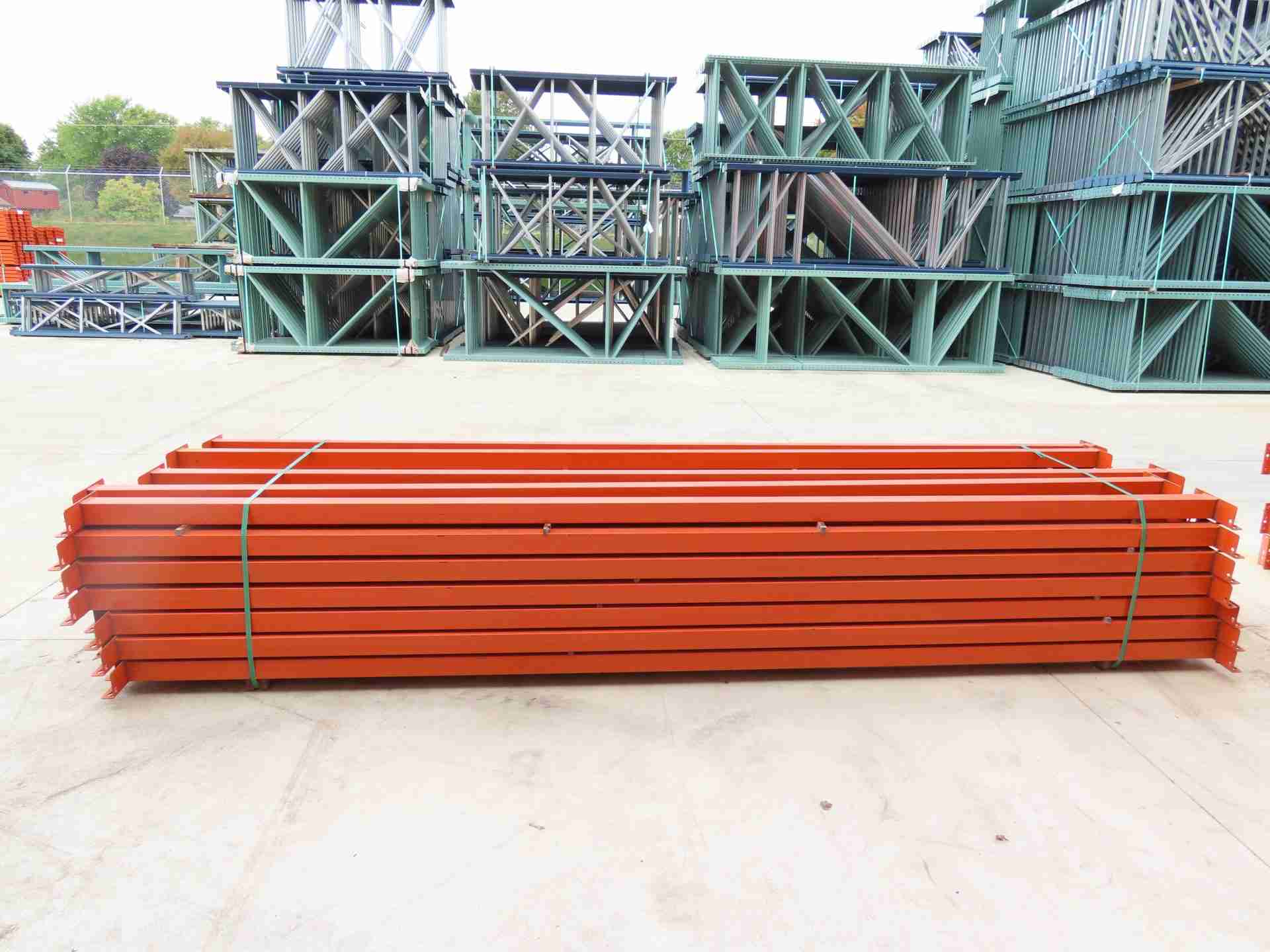
Conclusion
Other Resources
Other Resources
Here is a list of other resources you can review online to learn more:
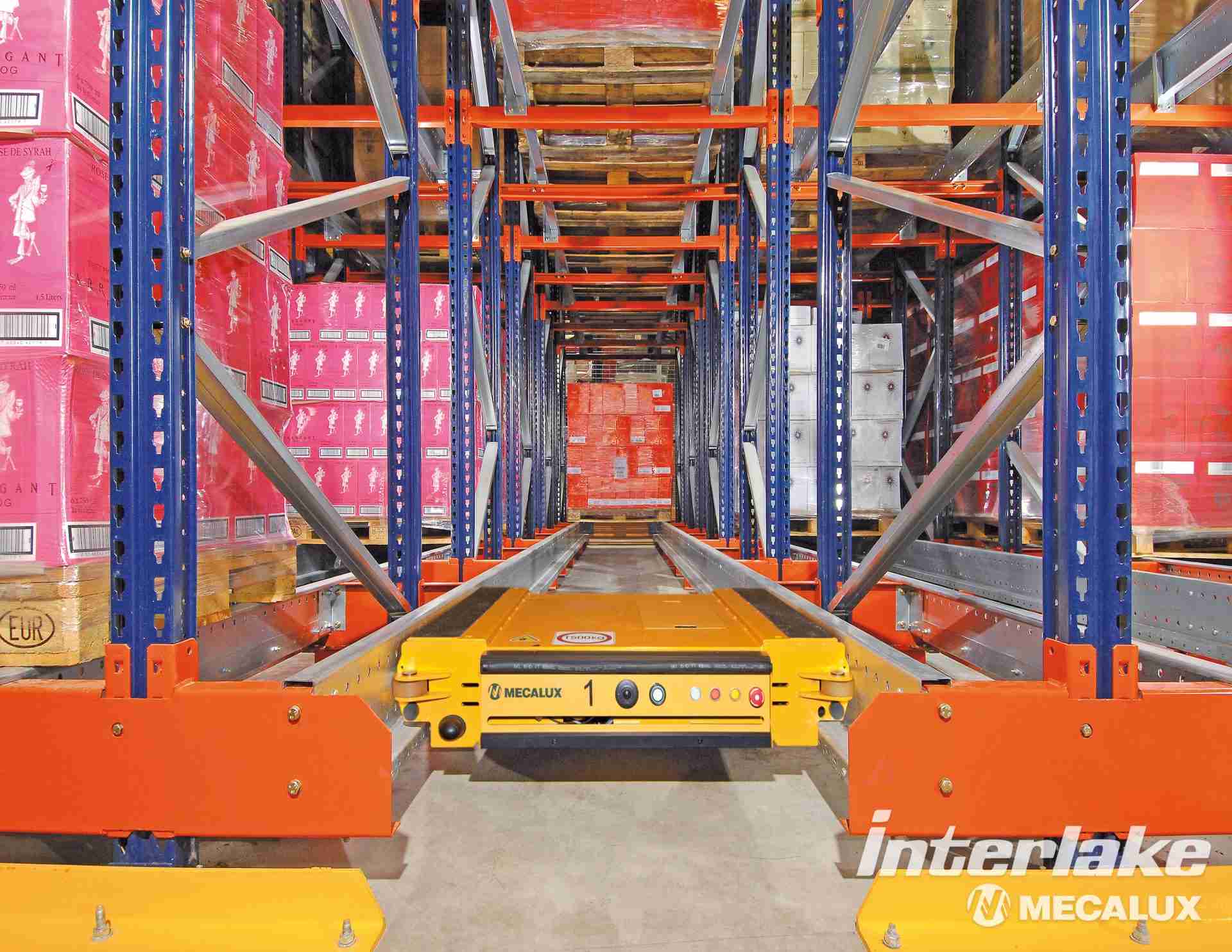
- Interlake Mecalux
- Warehouse Racks, Warehouse Racking in Stock – ULINE
- American Surplus
- Cantilever Racking Specialists – Get the Right Racks
- Illinois Pallet Racking – Storage Solutions
- Selective Pallet Racking Systems
- Chicago Pallet Racking
- BMH
- What is Selective Pallet Racking
- Warehousing and Fulfillment
- Racking World
- ASSP
- Wolter
- WERC
- Selective Rack – Raymond West
- Illinois
- Material Handling Industry
- Logic Material Handling
- Selective Racking
- What is Selective Racking: Understanding Benefits & Options
Use This Prompt To Get More Resources With Your Favorite Online AI Tool: Please provide me with a list of online articles with their URLs in a bulleted list that I can read regarding How Racking Impacts Warehouse Throughput
Other Resources
Glossary Terms
How Racking Impacts Warehouse Throughput – Glossary Of Terms
1. Racking: Storage systems designed to hold products or materials in warehouses, facilitating organization and access.
2. Throughput: The rate at which goods are processed and moved through a warehouse, reflecting efficiency.
3. Warehouse Layout: The design and arrangement of storage, workstations, and pathways within a warehouse, influencing operational flow.
4. Capacity: The maximum amount of stock a warehouse can hold, often determined by the type and configuration of racking used.
5. Pallet Racking: A type of racking system that holds palletized products, allowing for easy access and storage.
6. Selective Racking: A racking system that permits direct access to all pallets, offering flexibility and high throughput.
7. Drive-In Racking: A storage solution that allows forklifts to drive into the racking system, maximizing space but reducing access to individual pallets.
8. Flow Racking: A system utilizing gravity to move products from loading to picking areas, enhancing picking efficiency.
9. Mezzanine: An intermediate floor built into a warehouse to increase storage capacity without expanding the building’s footprint.
10. Inventory Management: The process of overseeing and controlling stock levels and movement to optimize throughput.
11. Stock Keeping Unit (SKU): A unique identifier for a specific product, crucial for inventory management and tracking.
12. Picking Efficiency: The effectiveness of retrieving items from storage, impacting overall warehouse throughput.
13. Order Fulfillment: The process of receiving, processing, and delivering orders to customers, influenced by racking systems.
14. Storage Density: The amount of product stored per unit of space, affected by racking type and layout.
15. Cycle Counting: An inventory audit technique where a portion of stock is counted on a scheduled basis, aiding in accurate inventory levels.
16. Lead Time: The time taken from order placement to delivery, which can be minimized with efficient racking systems.
17. Cross-Docking: A logistics practice where incoming shipments are directly transferred to outbound vehicles without storage, often supported by efficient racking.
18. Conveyor System: An automated transportation system used within warehouses to move goods efficiently from one point to another.
19. Warehouse Management System (WMS): Software used to manage warehouse operations, including inventory control and order fulfillment.
20. Work-in-Progress (WIP): Goods that are in various stages of production or processing, requiring strategic storage solutions.
21. Last-In, First-Out (LIFO): An inventory valuation method where the most recently produced items are sold first, influencing storage strategies.
22. First-In, First-Out (FIFO): An inventory method ensuring that the oldest stock is sold or used first, often requiring specific racking configurations.
23. Safety Stock: Extra inventory held to prevent stockouts, influencing how much space is allocated in racking systems.
24. Dynamic Racking: Racking systems that adjust based on inventory levels or demand, optimizing space and throughput.
25. Bulk Storage: A method of storing large volumes of similar products, typically requiring specific racking configurations.
26. Carton Flow Racking: A type of racking that enables easy access to products via sloped shelves that move items forward as stock is picked.
27. Ergonomics: The study of how to design workspaces to improve efficiency and comfort, relevant in racking systems to minimize labor strain.
28. Return on Investment (ROI): A financial metric used to evaluate the profitability of warehouse investments, including racking improvements.
29. Shelf Life: The length of time products can be stored before they become unfit for use, which can influence warehousing strategies.
30. Space Utilization: The effective use of storage area within a warehouse, often evaluated through racking efficiency and layout.

Glossary Of Terms
Other Questions
How Racking Impacts Warehouse Throughput – Other Questions
If you wish to explore and discover more, consider looking for answers to these questions:
- What are different types of racking systems available for warehouses?
- How can I assess the effectiveness of my current racking system?
- What are the best practices for maintaining racking systems?
- What are the regulations or safety standards related to warehouse racking?
- How does the layout of a warehouse influence racking decisions?
- What are the long-term cost benefits of investing in high-quality racking systems?
- How can technology improve racking systems and warehouse efficiency?
- What training do warehouse staff need to effectively use racking systems?
- How do seasonal changes impact racking systems and warehouse operations?
- What role do suppliers play in the sustainability of racking materials?
- How can employee input influence racking system design?
- What steps can be taken to redesign an inefficient racking system?
- How are advancements in automation affecting racking solutions?
- What are the consequences of neglecting racking maintenance?
- How can you ensure racking systems are adaptable to future needs?
Other Questions
Checklist
How Racking Impacts Warehouse Throughput – A Checklist
Checklist for Optimizing Warehouse Racking Systems
Emotional Appeal:
_____ Reflect on how your current racking system affects employee morale. Are employees feeling frustrated or energized by their workspace?
_____ Consider how efficient racking can lead to pride in their work and boost team camaraderie.
Rational Appeal:
_____ Evaluate the current racking system’s impact on throughput: Are employees able to access items quickly?
_____ Analyze productivity metrics before and after racking changes. How much time can be saved?
Ethical Appeal:
_____ Ask how your racking system contributes to employee safety and well-being. Are there risks associated with the current setup?
_____ Investigate suppliers for ethical practices, including labor standards and material sourcing.
Authority Appeal:
_____ Consult with industry experts about optimal racking solutions and best practices. Are you leveraging experience from trusted sources?
_____ Follow guidelines from recognized industry standards on safety and efficiency.
Narrative Appeal:
_____ Share stories or testimonials from employees about their experiences with the current racking system. What struggles or successes have they encountered?
_____ Craft a vision of an improved warehouse environment and how it can transform daily operations.
Social Appeal:
_____ Foster a culture of teamwork: Encourage employees to share their ideas for improving racking systems. Are their voices heard?
_____ Promote collaboration among teams to innovate solutions for better racking design. Have you created a platform for sharing feedback?
Use this checklist as a guide to critically assess and enhance your warehouse racking systems, fostering not only efficiency but also a thriving workplace culture.
Checklist
At RackingWorld, we help guide you through selecting warehouse storage systems and racking.
Be sure to read our other related stories at RackingWorld to learn more about warehouse storage systems.
0 Comments