
Optimizing Rack Layout For Peak Warehouse Performance
By Tom Seest
At RackingWorld, we help guide you through selecting warehouse storage systems and racking.
Be sure to read our other related stories at RackingWorld to learn more about warehouse storage systems.
How Rack Orientation Affects Warehouse Flow
When you step into a warehouse, the rhythmic hum of activity surrounds you. Each movement plays a crucial part in a larger symphony of efficiency, and racking, believe it or not, is at the heart of this performance. The layout of those steel frames—how they stand tall, lean, or stretch—serves not just to hold products, but to dictate the flow of the entire operation.
Imagine a bustling warehouse where every aisle, like a well-rehearsed dancer, moves in harmony. Goods glide in and out, with every turn and twist meticulously orchestrated. This is the result of thoughtful rack orientation—a decision that, while seemingly straightforward, holds monumental sway over how quickly items move in and out. A shift in angle can dictate whether a worker spends precious seconds or minutes finding that one item that makes or breaks the day’s output.
Financially, the implications are clear. Efficiency translates to profit. When racking is optimized, your ability to fulfill orders quickly not only delights customers but also fortifies your bottom line. It’s a win-win: fewer delays mean happier employees and satisfied customers, creating a sense of pride in the work being done. This isn’t just about moving boxes; it’s about creating a culture of excellence and accountability. Your team needs to know that their labor contributes to a larger purpose—serving both the customer and the company.
Ethically, there’s an obligation to create a safe working environment. Proper racking orientation reduces the risk of injury. Think of the peace of mind that comes when workers know their surroundings are designed with their safety in mind. It fosters a stronger connection to the mission of the company; they’re not just clocking hours, they’re part of a team where everyone values well-being.
Beyond the warehouse doors, racking influences how your brand is perceived. An efficient operation speaks volumes about reliability and commitment to quality. As word-of-mouth travels, so does your reputation, laying the groundwork for partnerships and growth.
In an interconnected world, each choice we make in our operations resonates across the industry. Investing in the right rack orientation isn’t just a technical decision; it’s a commitment to excellence that ripples through the fabric of your warehouse, workers, and wider community. Making it right starts with understanding the pivotal role of racking—and its profound impact on the flow of both goods and people.
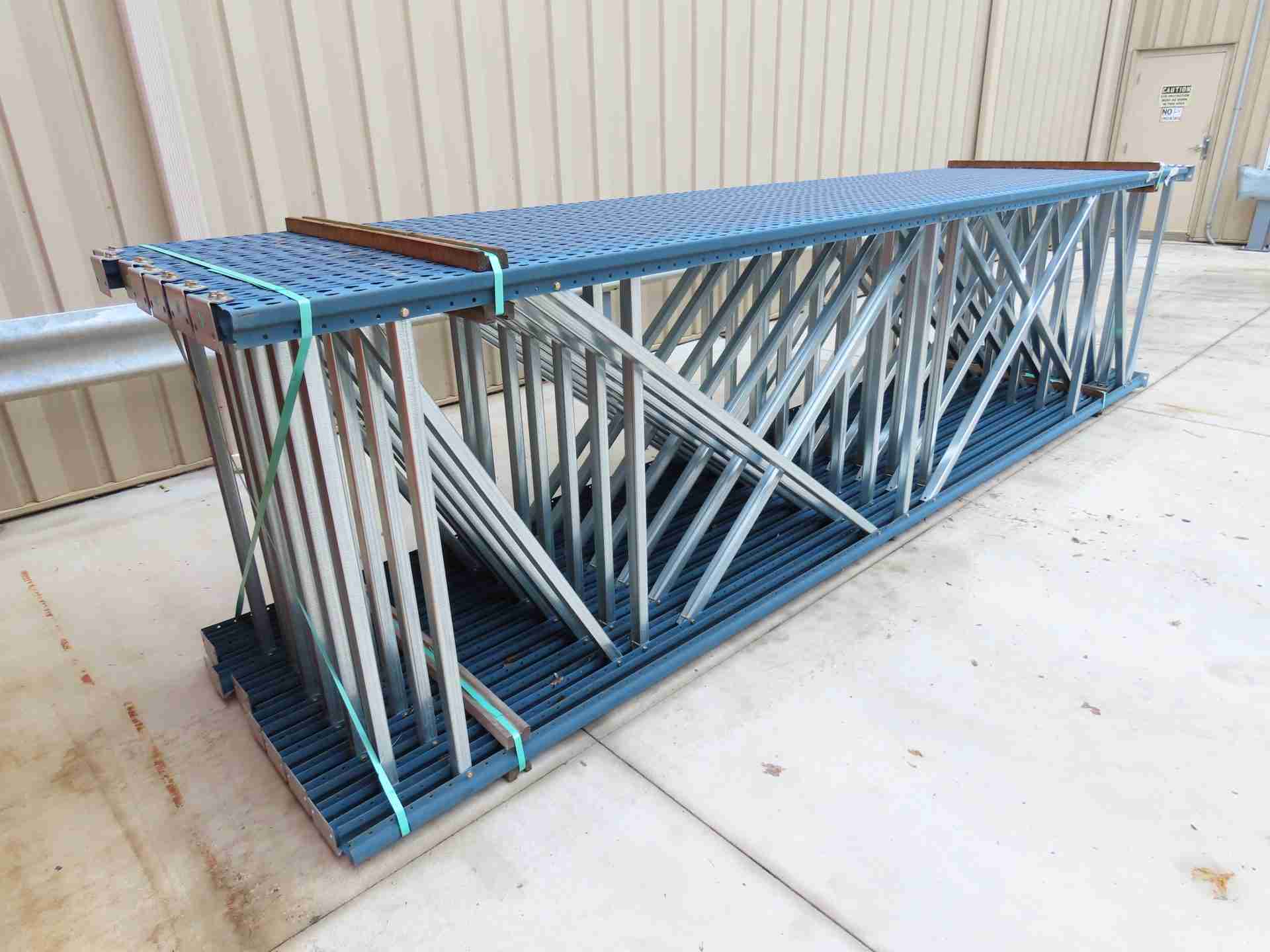
How Rack Orientation Affects Warehouse Flow
How Rack Orientation Affects Warehouse Flow
- The layout of racking in a warehouse is crucial for operational efficiency.
- Racking design affects the flow of goods, influencing the speed of item retrieval.
- Optimized racking leads to quicker order fulfillment, increasing company profits.
- Efficient racking creates a culture of excellence, improving employee morale and customer satisfaction.
- Proper racking orientation enhances workplace safety, reducing the risk of injury.
- A well-organized warehouse boosts brand perception and fosters partnerships.
- Investing in effective racking demonstrates a commitment to excellence in the industry.
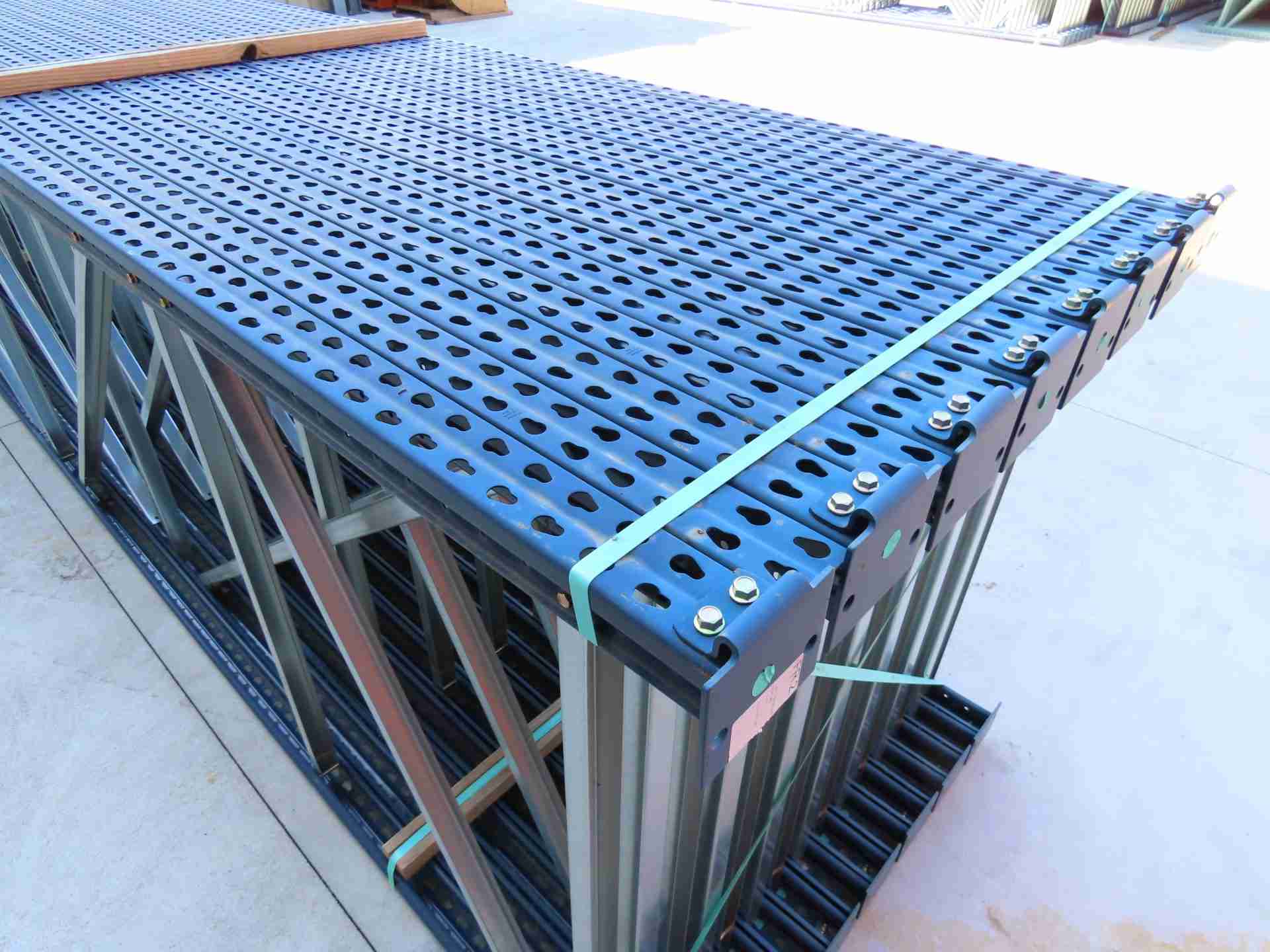
How Rack Orientation Affects Warehouse Flow
Table Of Contents
- How Rack Orientation Affects Warehouse Flow
- What Emotional Impact Does Rack Orientation Have on Worker Morale?
- How Does the Layout Of Racks Influence Efficiency In Operations?
- What Ethical Considerations Arise From Optimizing Warehouse Flow?
- How Does Rack Orientation Affect Safety In the Warehouse Environment?
- How Can We Measure the Impact Of Rack Orientation on Productivity?
- Conclusion
- Other Resources
- Glossary Of Terms
- Other Questions
- Checklist
What Emotional Impact Does Rack Orientation Have on Worker Morale?
When it comes to the design of a warehouse or storage facility, the seemingly mundane task of Racking can speak volumes about how a worker feels about their environment—and their work. Picture the warehouse: rows of neatly aligned shelves, products organized with precision. How does this landscape affect the hearts and minds of those who toil within those walls?
Emotions play a pivotal role in morale. When racks are poorly oriented or haphazardly arranged, it creates an atmosphere of chaos. Think about it: workers shuffling through tight aisles, dodging obstacles, and hunting for misplaced items. The frustration mounts, leading to feelings of inefficiency and discontent. This constant battle can chip away at a person’s passion and drive, shaking their confidence day by day. On the flip side, a thoughtfully designed racking system can foster a sense of pride, community, and camaraderie among workers, as they cooperate seamlessly to get the job done.
From a rational standpoint, it’s clear that an organized environment improves productivity. When workers can quickly locate materials or products, they spend less time in search mode and more time contributing to their team’s success. That’s not just a win for the business bottom line; it’s a moral victory for individuals who take pride in their work and appreciate the time saved. Each efficiently oriented shelf reflects an investment in the wellbeing of the employees, showing that their time and effort are respected.
Ethically, it’s crucial to recognize that well-structured environments don’t just promote efficiency. They cultivate trust. When employees see leaders who care about their workspaces, it demonstrates a commitment to ensuring a positive culture. This speaks volumes about the overarching values of the organization—values that resonate with individuals seeking to feel connected to their workplace.
Imagine a story in this environment. A new worker, overwhelmed on their first day, takes a deep breath and navigates a clean, organized space. Because of effective racking design, he finds his footing quickly and soon joins an energetic team, creating bonds that will carry them through the grind. That’s the beauty of good organization; it generates stories of collaboration and resilience, nurturing a sense of belonging.
So next time you think about Racking, remember it’s not just about shelves and organization—it’s about hearts, minds, and the very fabric of workplace morale. Because at the end of the day, every situated shelf has the potential to elevate not just productivity but the human experience itself.

What Emotional Impact Does Rack Orientation Have on Worker Morale?
What Emotional Impact Does Rack Orientation Have on Worker Morale?
- The design of warehouse racking significantly influences workers’ feelings about their environment and work.
- Poorly arranged racks create chaos, leading to frustration and decreased morale among employees.
- An organized racking system fosters pride and teamwork, enhancing cooperation and job satisfaction.
- Efficient racking improves productivity, allowing workers to focus on their tasks rather than searching for items.
- Well-structured environments promote trust and demonstrate leadership’s commitment to a positive workplace culture.
- Good organization cultivates stories of collaboration and resilience, helping new employees acclimate and bond with their team.
- Racking is not just about organization; it impacts workplace morale and the overall employee experience.
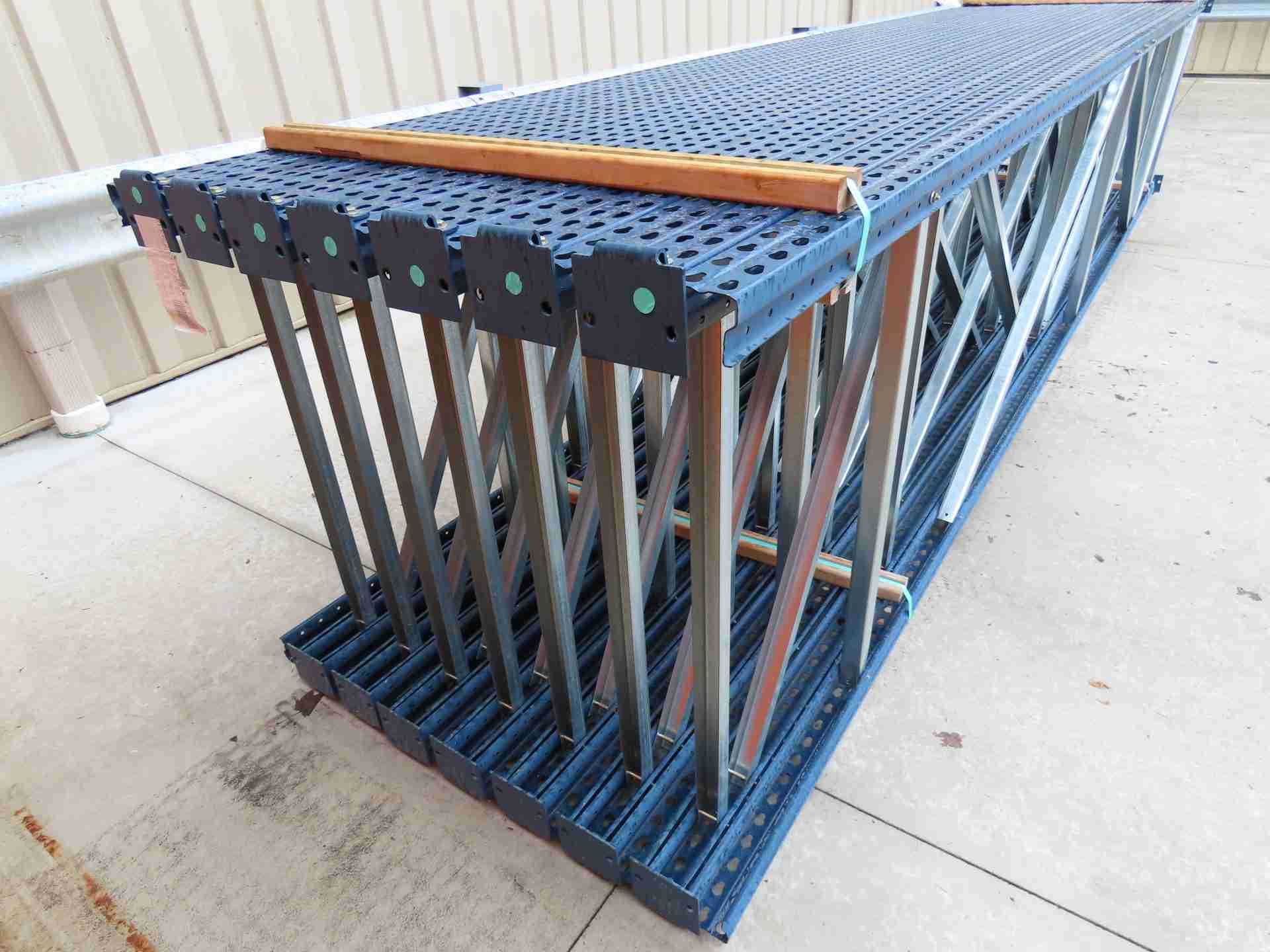
What Emotional Impact Does Rack Orientation Have on Worker Morale?
How Does the Layout Of Racks Influence Efficiency In Operations?
In the bustling heart of any warehouse, the layout of racking can make or break efficiency. Picture this: a worker, day after day, navigating a maze of poorly placed shelves, fumbling boxes, and sacrificing precious minutes on each trip. Now, imagine a different scenario, where everything is arranged intuitively, with racking systems designed for smooth access and seamless flow. That’s not just a convenience; it’s a lifeline.
The arrangement of racking isn’t just about aesthetics or tidiness; it impacts the soul of operations. When a worker can efficiently grab a product without breaking stride, there’s a palpable difference in morale. Those small victories — the seamless find of a high-demand item or the swift restocking of shelves — spark a sense of accomplishment. It elevates not just productivity but also the spirit of teamwork, fostering an environment where everyone contributes to a shared goal. It’s like a well-orchestrated dance, where every person and item has its place, moving as one cohesive unit, and that rhythm boosts job satisfaction.
On a rational level, consider this: an organized racking system can slash operational costs. When items are easy to locate and return, labor hours decrease, and efficiency soars. The data speaks volumes — countless studies reveal a direct correlation between thoughtful racking layouts and improved inventory management. This isn’t hocus-pocus; it’s grounded in good old-fashioned logic. Effective racking minimizes errors, reduces waste, and streamlines processes, leading to healthier profit margins.
Ethically, there’s a profound responsibility to design spaces that prioritize safety and ease of access. A thoughtfully structured racking system reduces the risk of accidents. Workers return home to their families unscathed, and that’s worth its weight in gold. By investing time and resources into racking layouts, companies not only adhere to safety standards but foster a culture of care.
As we engage with this topic, it’s essential to recognize the community behind these operations. Everyone — from the warehouse floor to the boardroom — has a stake in how functionality meets design. So, let’s make every inch of rack count. When racking is done right, efficiency becomes second nature, and the entire operation thrives. In a world that often prioritizes speed over quality, we owe it to ourselves to create spaces that empower every worker, nurture pride in their craftsmanship, and build connections that last. That’s not just smart; it’s the right thing to do.
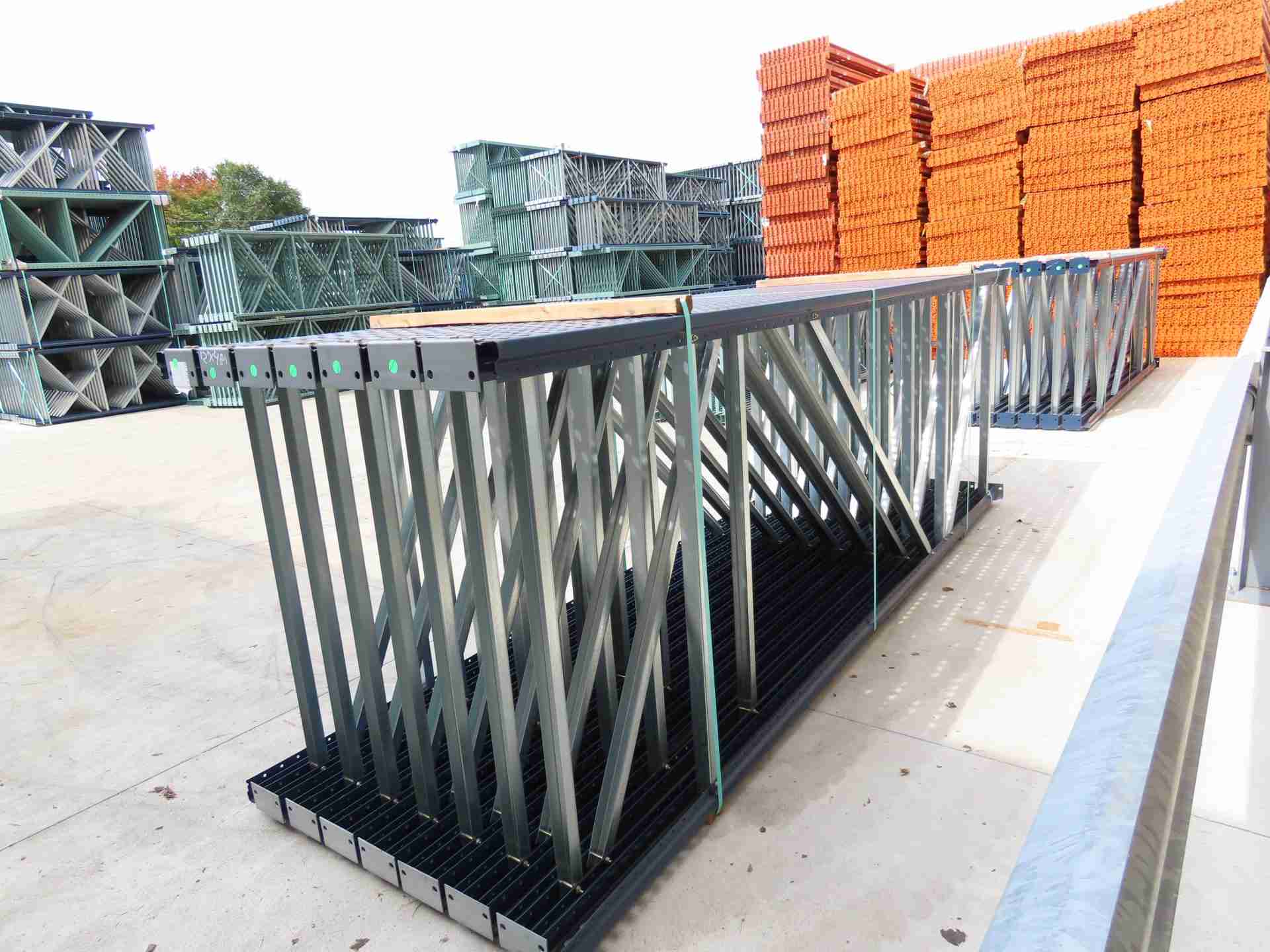
How Does the Layout Of Racks Influence Efficiency In Operations?
How Does the Layout Of Racks Influence Efficiency In Operations?
- The layout of racking in warehouses significantly impacts efficiency and operational effectiveness.
- An intuitive racking arrangement improves worker morale and fosters a sense of accomplishment.
- Efficient racking enhances teamwork and contributes to a cohesive, productive work environment.
- Organized racking systems reduce operational costs by decreasing labor hours and improving inventory management.
- Thoughtful racking layouts minimize errors, waste, and streamline processes, leading to better profit margins.
- A well-structured racking system prioritizes safety, reducing workplace accidents and promoting worker well-being.
- Every stakeholder in the operation plays a role in creating effective racking that balances functionality and design.
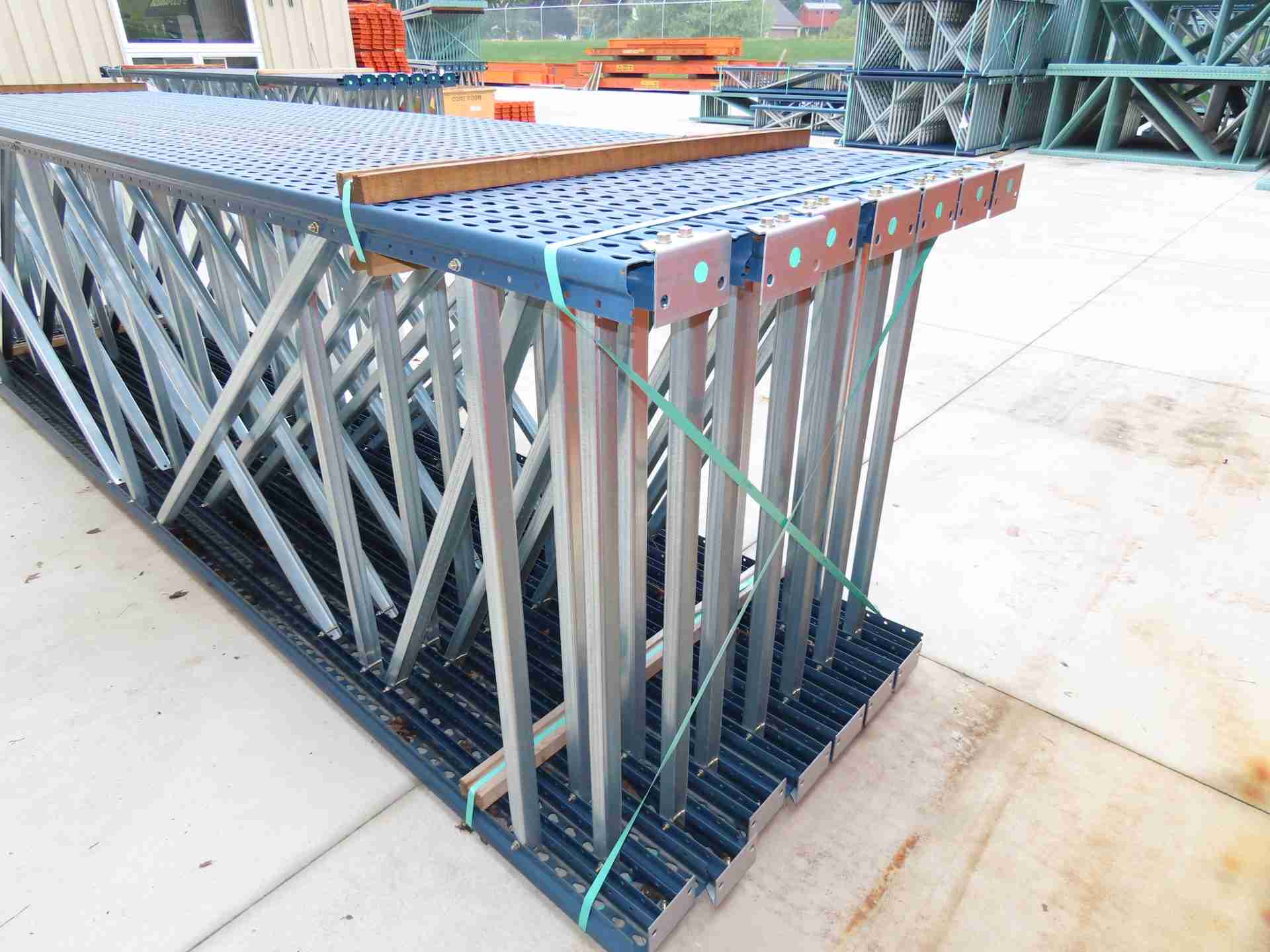
How Does the Layout Of Racks Influence Efficiency In Operations?
What Ethical Considerations Arise From Optimizing Warehouse Flow?
When we dive into the world of optimizing warehouse flow, it’s easy to get caught up in the numbers—efficiency ratings, inventory turnover, and profit margins. But let’s take a moment to peel back those layers and peel away the steel and concrete. Beneath the racking systems and conveyor belts lies something much more profound: the people and communities entwined in this operation.
Imagine a warehouse bustling with workers, each with a story—a single mom juggling shifts to support her children, a veteran finding purpose after service, or a recent immigrant looking for a stable future. When you think about optimizing flow, it’s essential to consider how our choices impact their lives. Are they being treated as mere cogs in a machine, or are we fostering an environment that values their humanity?
Rationally speaking, an optimized warehouse can lead to greater productivity and reduced costs. But, if this relentless pursuit of efficiency comes at the expense of worker well-being, we must ask ourselves: at what cost are we achieving these gains? Research shows that poor working conditions or excessive pressure can lead to burnout and even safety hazards.
Here’s the ethical crux: the faster we move products, the faster we expect our workers to go, often leading to compromised safety and welfare. It’s a slippery slope. We have a responsibility to create a culture of care, where people feel safe and valued. Ethical optimization doesn’t just mean trimming the fat; it means lifting others up.
Picture a thriving warehouse where employees are engaged and packed with purpose, their hands guided by training rather than fear. This isn’t just a business philosophy; it’s a narrative of empowerment. When workers know their voices matter, productivity naturally follows. Encourage dialogue, seek feedback, and build trust—it’s a recipe for success that benefits everyone.
And let’s not overlook the social fabric woven through every warehouse. Decisions made within those walls ripple through families, communities, and economies. Responsible stewardship encourages sustainable practices that benefit the environment too. When we take a holistic approach to optimizing warehouse flow, we nurture a community that thrives, where efficiency and ethics can exist hand in hand.
Let’s inspire an industry shift toward more humane practices, reminding ourselves that progress isn’t solely measured in profits but in the dignity we uphold for each individual who contributes to the world of work.
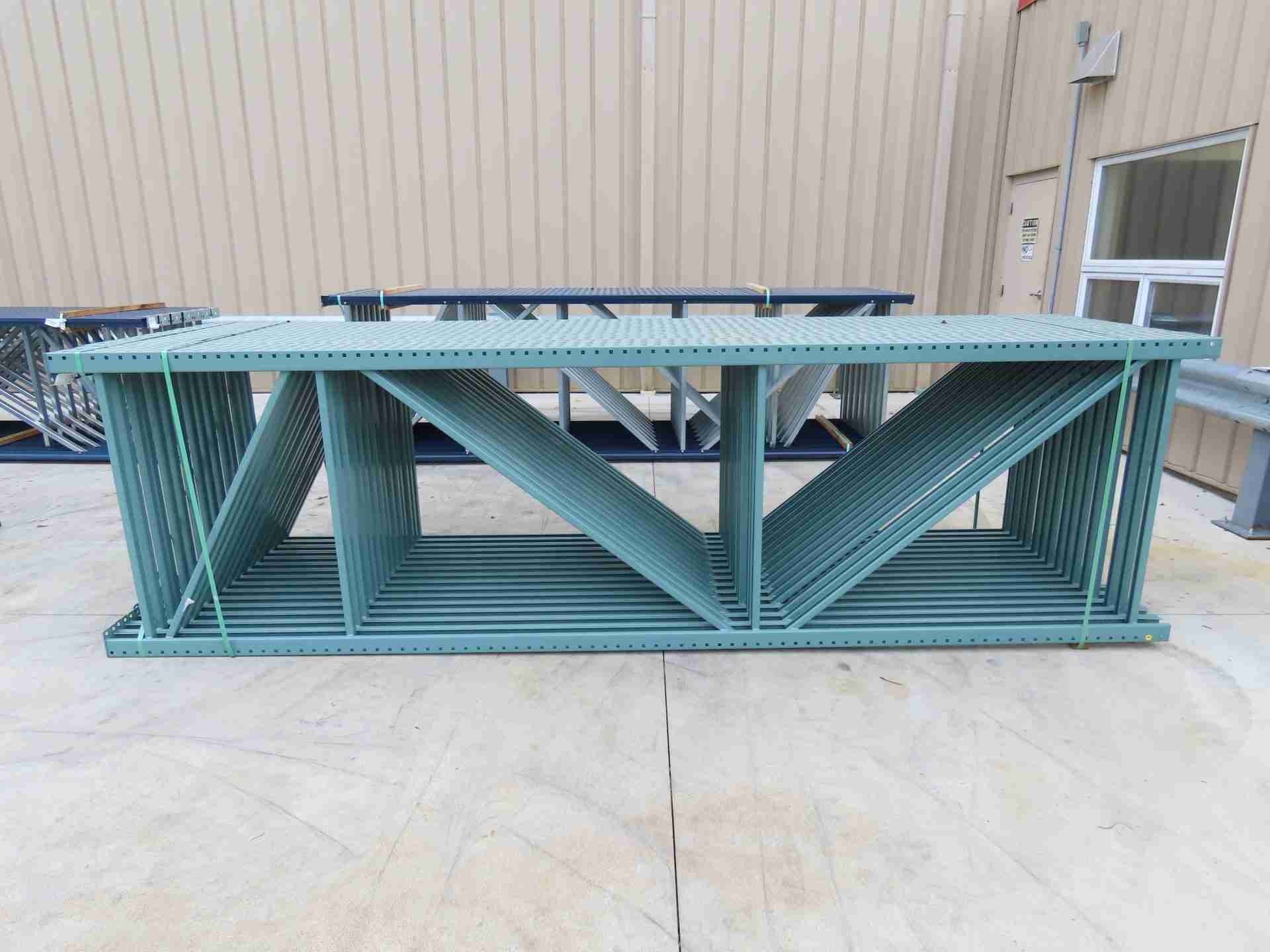
What Ethical Considerations Arise From Optimizing Warehouse Flow?
What Ethical Considerations Arise From Optimizing Warehouse Flow?
- Optimizing warehouse flow goes beyond efficiency ratings and profit margins, focusing on the people involved.
- Workers have individual stories, such as single parents, veterans, and immigrants, who are affected by warehouse operations.
- While productivity and reduced costs are important, worker well-being should not be compromised for efficiency gains.
- Poor working conditions can lead to burnout, safety hazards, and negative impacts on workers’ lives.
- Creating a culture of care and valuing workers’ humanity is essential for ethical optimization.
- Engagement, dialogue, and trust among workers can enhance productivity and foster a positive environment.
- Responsible practices not only benefit individuals but also strengthen communities and promote environmental sustainability.

What Ethical Considerations Arise From Optimizing Warehouse Flow?
How Does Rack Orientation Affect Safety In the Warehouse Environment?
When you step into a warehouse, the sheer scale of the operation can be overwhelming. Towering racks stacked high with goods create a maze of potential hazards. Yet, one often overlooked aspect of safety lies not just in safety gear or training but in the very orientation of those racks. Yes, rack orientation matters—and not just for efficiency.
Picture this: a warehouse where racking systems are haphazardly placed, towering in every direction, inviting chaos. Here, a simple task like retrieving an item can become a precarious balancing act, fraught with risks. The wrong orientation can lead to falls and accidents, where a misplaced load sends an entire aisle into a dangerous tumble. It’s not merely about positioning goods; it’s about protecting your team, your livelihood, and your piece of mind.
From a rational standpoint, optimal rack orientation aligns with the flow of operations. It creates a seamless movement of people and product, reducing the chances of collisions and creating a safe space for workers to maneuver. Reconfiguring racks may take time and thought, but the payoff is significant—lower accident rates, healthier employees, and a more productive environment. When each worker can navigate confidently, it fosters an atmosphere of trust.
Ethically, the responsibility to ensure a safe working environment isn’t just a compliance issue; it’s a moral obligation. Workers put in long hours, often sacrificing their well-being for the sake of productivity. By prioritizing rack orientation, employers demonstrate respect for their workforce, showing that human safety is valued over mere numbers on a chart. These decisions resonate, building stronger relationships and a culture rooted in care.
And let’s not forget the social aspect. A safe warehouse environment cultivates a sense of community. When safety becomes a collective goal, solidarity forms. Employees look out for one another, creating a bond that extends beyond the walls of the warehouse. They share their knowledge and experiences, crafting a storytelling tradition of safety that future generations carry on.
Think about it: better rack orientation is more than just a strategy; it’s a commitment to safety that can elevate an entire organization. When you align your racking effectively, you create a haven for your workers—a place where they can feel safe, valued, and empowered. So let’s not overlook the details; let’s prioritize safety through thoughtful design and arrangement, creating a culture where everyone can thrive.
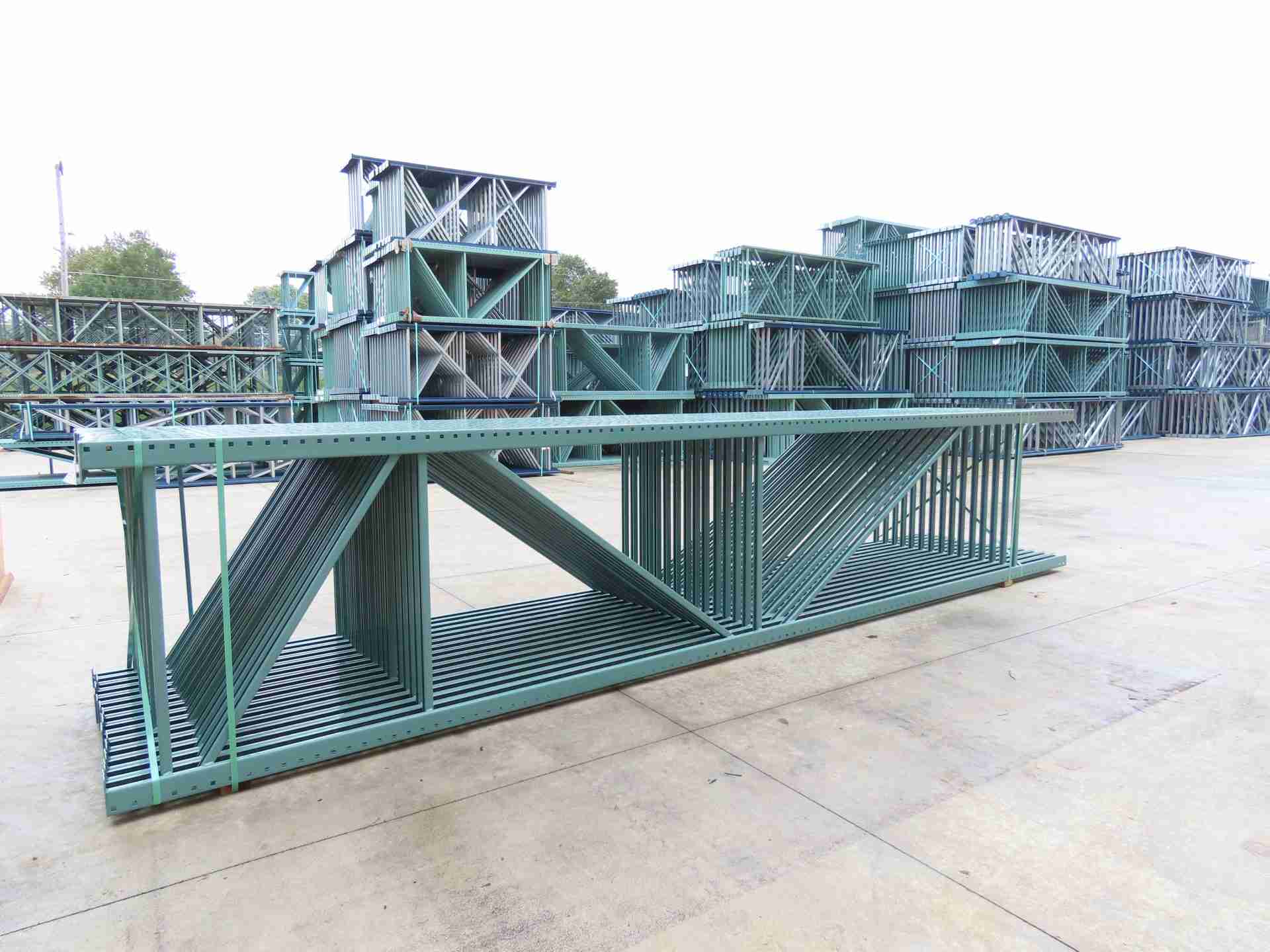
How Does Rack Orientation Affect Safety In the Warehouse Environment?
How Does Rack Orientation Affect Safety In the Warehouse Environment?
- Warehouse operations can be overwhelming due to the scale and potential hazards of towering racks.
- Improper rack orientation increases risks of accidents during tasks like retrieving items.
- Optimal rack orientation enhances the flow of operations, reducing collision chances and ensuring worker safety.
- Reconfiguring racks may require effort but leads to lower accident rates and a more productive environment.
- Employers have a moral obligation to prioritize safety, demonstrating respect for worker well-being over mere productivity numbers.
- A safe workplace fosters a sense of community and encourages employees to look out for one another.
- Prioritizing thoughtful rack design and arrangement enhances safety, creating a culture where everyone can thrive.
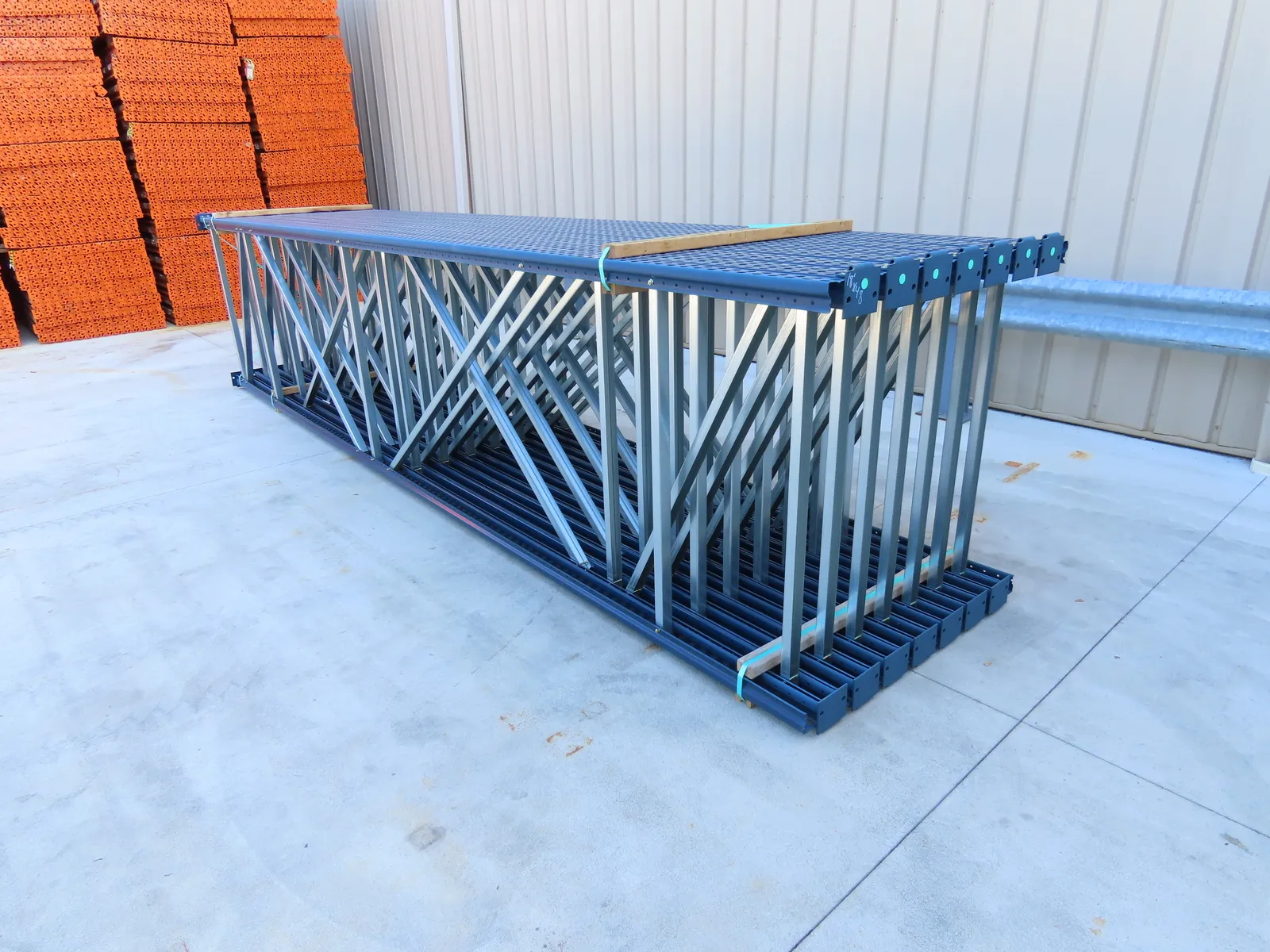
How Does Rack Orientation Affect Safety In the Warehouse Environment?
How Can We Measure the Impact Of Rack Orientation on Productivity?
When we look at the world of warehousing, it’s easy to overlook the intricacies of something as simple as rack orientation. Yet, this unassuming element can profoundly influence productivity. Imagine a worker—a dedicated soul—navigating a maze of aisles, each turn dictated by how efficiently those racks are arranged. It’s an everyday scene, but one that bears a remarkable weight on the livelihoods and well-being of those involved.
At the heart of this issue is the workforce. Each day, they lace up their boots, ready to tackle the demands of the job, but what if their path is cluttered by poor racking? Poor orientation can lead to unnecessary fatigue, decreased morale, and even injuries. It’s not just about moving boxes; it’s about ensuring that every hour spent in that space is a productive one. When we measure the impact of rack orientation on productivity, we’re essentially evaluating the respect we show to the people who drive the machine. It’s an ethical consideration that ought to keep us all awake at night—how can we better the situation for them?
Rationally, it’s a numbers game. Studies indicate that warehouses with optimized racking systems can see productivity boosts of up to 30%. What’s that mean? It means faster pick rates, reduced errors, and, ultimately, higher profits. But it’s also about clarity. When racks are arranged thoughtfully, employees can focus on their tasks rather than wasting precious time figuring out where the next item lies. We’re inviting workers into a system that recognizes their needs and values their time—a tangible show of respect that pays dividends.
And let’s not forget the broader community’s role. A well-organized warehouse benefits not only the individuals who work there but also families who rely on these jobs. When businesses thrive, communities flourish. This is a narrative worth telling, one grounded in real lives and real stakes. We can garner trust by proving that we’re willing to invest in systems that prioritize human efficiency alongside financial stability.
So let’s get to work. Let’s dig deep into how rack orientation affects production, not just as a statistic but as a human concern. If we can make this connection, we can inspire action that brings about true change. And in doing so, we can honor the hard work of those who stand on the front lines, ensuring that our supply chains keep moving with purpose and pride.
How Can We Measure the Impact Of Rack Orientation on Productivity?
How Can We Measure the Impact Of Rack Orientation on Productivity?
- Rack orientation in warehousing is often overlooked but is crucial for productivity.
- Poor racking can lead to worker fatigue, decreased morale, and injuries, affecting overall efficiency.
- Optimized racking systems can increase productivity by up to 30%, improving pick rates and reducing errors.
- Thoughtful rack arrangement allows employees to focus on tasks rather than navigating cluttered aisles.
- A well-organized warehouse benefits not only employees but also the communities that rely on these jobs.
- Investing in better rack systems is an ethical obligation that respects and values the workforce.
- Understanding the human impact of rack orientation can drive meaningful change in warehouse operations.
How Can We Measure the Impact Of Rack Orientation on Productivity?
Conclusion
Rack orientation in a warehouse might seem like a mere detail, but its impact reaches far beyond the steel and concrete. Picture this setting: a vast expanse filled with towering racks that are pivotal not just for storage but for the very heartbeat of an operation. These arrangements dictate the rhythm of productivity, influencing how swiftly goods glide in and out. Each angle, every configuration plays a role in determining whether workers swiftly fetch items or struggle through chaos. When thoughtfully oriented, racks create an environment that inspires pride, camaraderie, and efficiency. They reinforce a culture of excellence, where every member feels part of a larger mission—serving customers and enhancing the company’s bottom line.
The emotional pulse within these walls is palpable. Misaligned or poorly organized racks can lead to frustration and discontent, transforming a workspace into a labyrinth of inefficiency. Conversely, an optimized layout boosts morale, fostering team spirit and transforming mundane tasks into shared victories. When workers navigate smooth, welcoming aisles instead of battling clutter, they feel respected and valued, their efforts meaningfully recognized. This isn’t just about profit margins but about nurturing a community where individuals thrive—both as employees and as integral parts of a collective narrative.
Safety is another paramount consideration intertwined with rack orientation. A well-designed racking system minimizes risks, ensuring workers can move freely without fear of accidents. This commitment to safety isn’t merely a compliance tactic; it’s a moral obligation. When employers prioritize a secure environment, they foster trust, solidarity, and a sense of belonging among their teams. Each thoughtful decision made regarding layout translates into peace of mind for everyone involved, reinforcing the idea that every worker matters.
The implications of rack orientation extend to external perception as well. Efficient operations convey reliability and a commitment to quality that resonates beyond warehouse walls, enhancing brand reputation. As this word spreads, it opens doors to partnerships, growth, and community connections, underscoring a shared belief that ethical decisions boost productivity without sacrificing worker welfare.
In the end, optimizing rack layouts isn’t just a technical exercise. It’s a heartfelt commitment to the well-being of every individual who walks through those aisles. By recognizing the profound impact of thoughtful design, we make a dedicated choice to inspire, protect, and elevate human experience within the workplace. This isn’t just good business—it’s the right thing to do.
Conclusion
Conclusion:
- Rack orientation significantly impacts warehouse productivity and efficiency.
- Thoughtfully oriented racks create a positive work environment that fosters pride and camaraderie.
- An optimized layout can enhance team spirit and turn mundane tasks into shared victories.
- Safety is crucial; a well-designed racking system minimizes risks and fosters trust among teams.
- Effective rack orientation enhances external perceptions of reliability and quality, benefiting brand reputation.
- Optimizing layouts demonstrates a commitment to employee well-being and community connection.
- This approach goes beyond business efficiency; it reflects a moral obligation to value every worker.
Conclusion
Other Resources

Other Resources
Here is a list of other resources you can review online to learn more:
- Teardrop Industrial Shelving Rack
- Illinois Pallet Racking – Storage Solutions
- New Cantilever Racks and Racking Kits
- Selective Racking
- Warehouse Racks, Warehouse Racking in Stock – ULINE
- SEMA
- Selective Rack – Raymond West
- Wolter
- Heavy-Duty Cantilever Storage Racks
- Selective Pallet Racking Systems
- Overhead Lifting
- Interlake Mecalux
- Rack Manufacturers Institute
- Cantilever Racking Specialists – Get the Right Racks
- Pallet Racking systems in Illinois and Great Lakes
- Teardrop Uprights
- Used Teardrop Pallet Rack – American Surplus
- Warehouse Automation
- Material Handling Industry
Use This Prompt To Get More Resources With Your Favorite Online AI Tool: Please provide me with a list of online articles with their URLs in a bulleted list that I can read regarding How Rack Orientation Affects Warehouse Flow
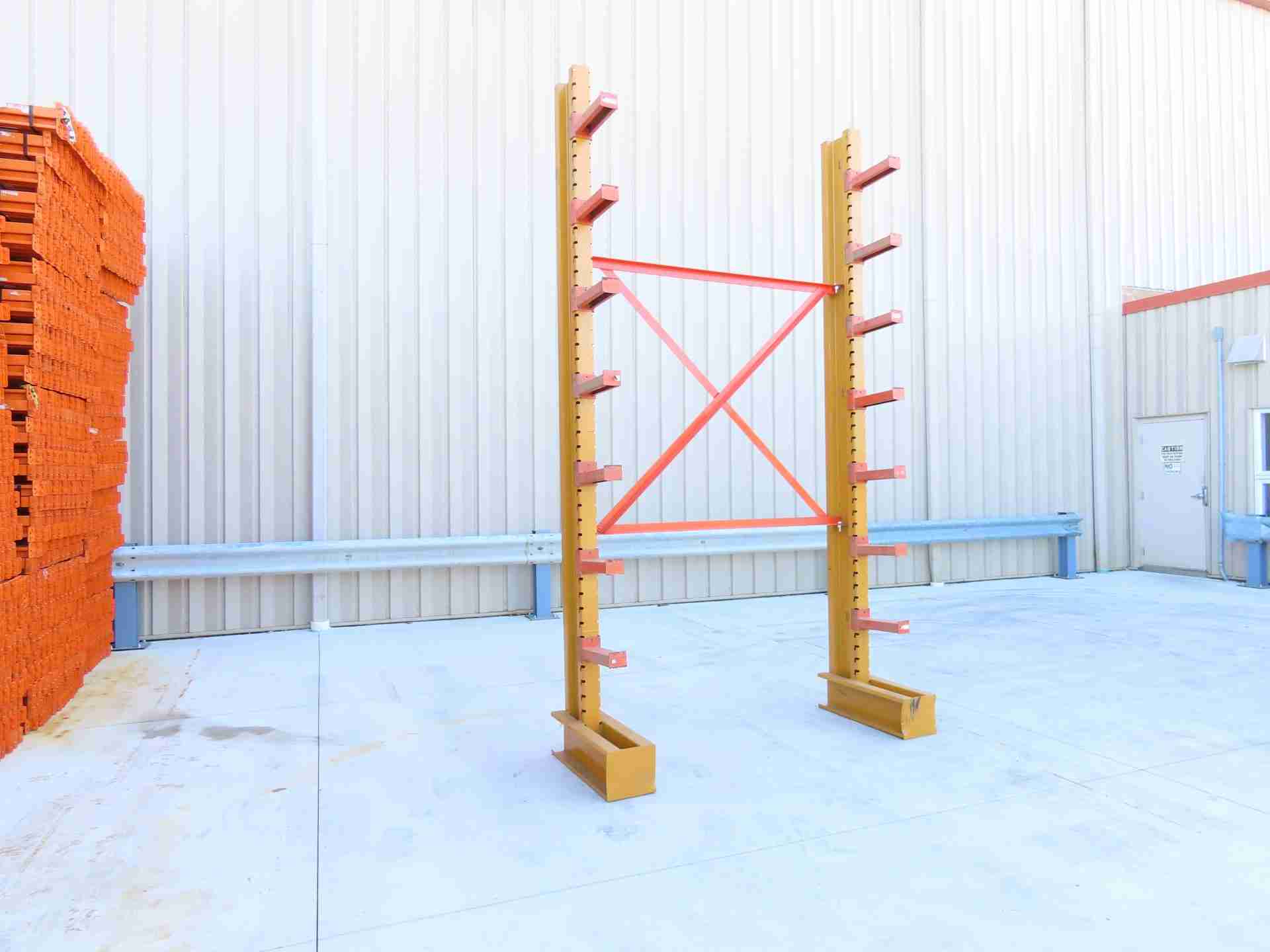
Other Resources
Glossary Terms
How Rack Orientation Affects Warehouse Flow – Glossary Of Terms
1. Rack Orientation: The arrangement and direction of storage racks in a warehouse that influence the efficiency of storage and retrieval operations.
2. Warehouse Flow: The movement of goods and materials through various stages within a warehouse, including receiving, storing, and shipping.
3. Aisles: Passageways between racks that allow access to stored goods, designed for ease of movement and safety.
4. Slotting: The process of determining the most efficient layout for storing products based on demand and accessibility.
5. Gravity Flow Racks: Racks designed with inclined levels that utilize gravity to move products toward the front for easy access.
6. Shelf Life: The length of time products can be stored before they degrade or expire, crucial for determining rack orientation.
7. Throughput: The rate at which goods are processed and moved through a warehouse, influenced by rack layout and flow efficiency.
8. Pick Path: The most efficient route a picker takes to collect products for orders, heavily impacted by rack orientation.
9. FIFO: First In, First Out; an inventory management method that prioritizes older stock being moved before newer stock.
10. LIFO: Last In, First Out; a method where the newest stock is picked before older stock, often used in certain industries.
11. Cross-Docking: The practice of unloading products from incoming transportation and immediately loading them onto outbound transport with minimal storage.
12. Vertical Space Utilization: The effective use of height in warehousing to maximize storage capacity, often influenced by rack orientation.
13. SKU: Stock Keeping Unit; a unique identifier for each product to manage and track inventory efficiently.
14. Ergonomics: The study of people’s efficiency in their working environment, significant in designing warehouse layouts for worker safety and productivity.
15. Order Fulfillment: The entire process of receiving, processing, and delivering customer orders, which can be streamlined through effective rack orientation.
16. Lead Time: The amount of time from order placement to delivery, affected by warehouse layout and flow.
17. Batch Picking: A method where multiple orders are picked in a single trip to maximize efficiency, influenced by rack design.
18. Storage Density: The amount of product that can be stored in a given area, which can be optimized through strategic rack orientation.
19. Inventory Turnover: A measure of how often inventory is sold and replaced over a period, related to effective rack organization.
20. Dynamic Storage: A flexible storage system that adapts based on inventory levels and flow requirements.
21. Pallet Racking: Frameworks designed specifically to store pallets of goods in organized rows, essential for space optimization.
22. Maintenance Access: The ability to easily access and maintain storage systems, crucial for safety and operational efficiency.
23. Warehouse Management System (WMS): Software used to manage inventory and improve warehouse operations, often requiring insights from rack orientation.
24. Lead-Acid Battery Handling: Safe and efficient storage of lead-acid batteries that may dictate specific rack configurations for compliance.
25. Last-Mile Delivery: The final step of the supply chain where goods are delivered from a warehouse to the end customer, affected by warehouse layout.
26. Flow Rack Systems: A type of racking that uses gravity to allow for automatic stock rotation and effective order picking.
27. Stock Rotation: The practice of organizing inventory to ensure that older stock is moved before newer stock, crucial for perishable goods.
28. Performance Metrics: Measurements used to evaluate warehouse efficiency, often influenced by layout and rack orientation.
29. LED Lighting: Efficient lighting used in warehouses that can enhance visibility and productivity, especially in multi-tiered racking systems.
30. Safety Regulations: Standards and guidelines that dictate warehouse operations, including rack orientation to ensure worker safety and compliance.
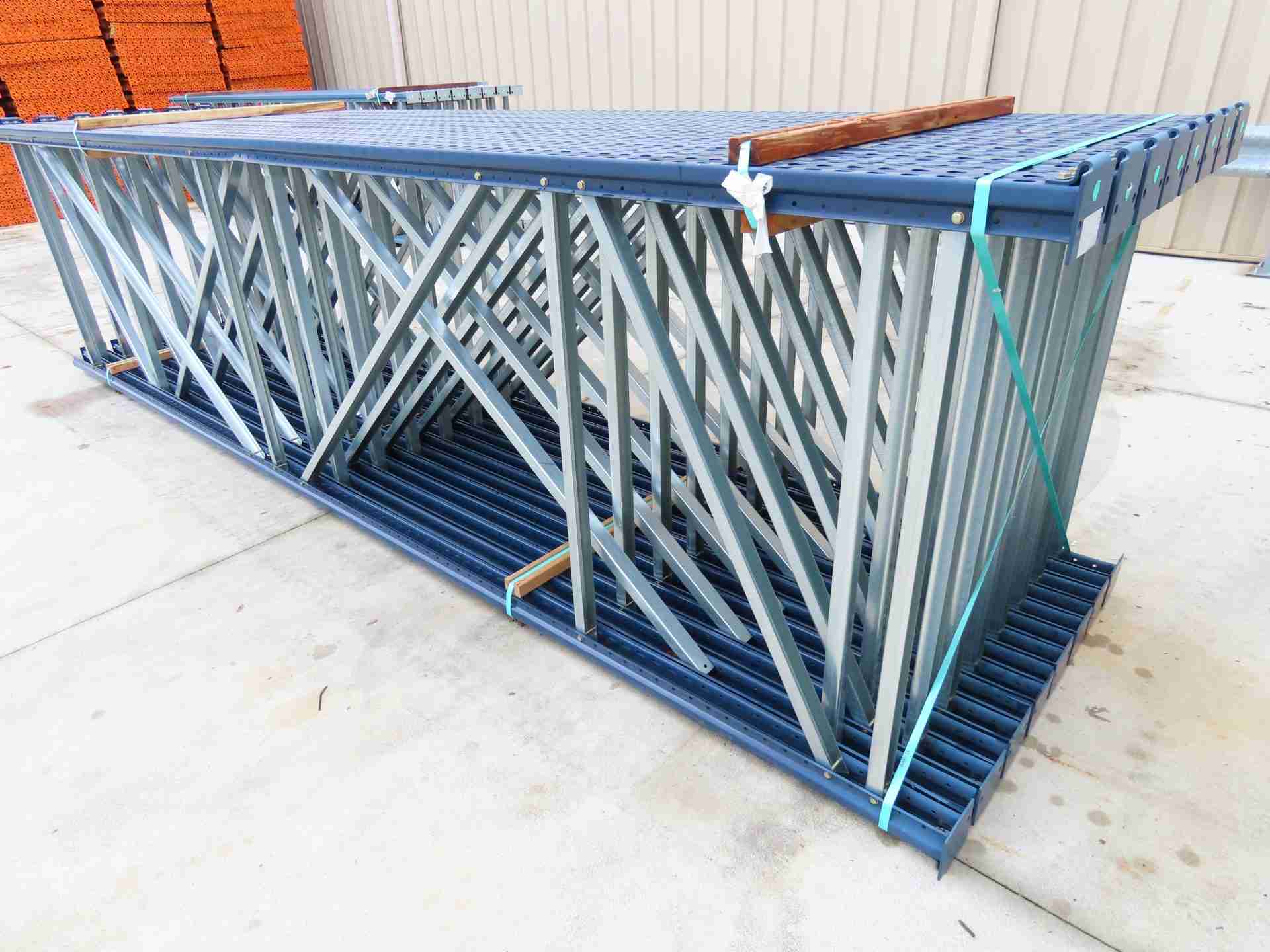
Glossary Of Terms
Other Questions
How Rack Orientation Affects Warehouse Flow – Other Questions
If you wish to explore and discover more, consider looking for answers to these questions:
- What are the different types of rack orientations and their specific advantages?
- How can we assess the current effectiveness of a warehouse’s rack layout?
- What best practices should be followed when designing rack layouts?
- How does rack orientation impact inventory management?
- What technologies can be used to optimize rack layouts?
- How can employee feedback be incorporated into the design of rack systems?
- What are the long-term benefits of investing in proper rack orientation?
- How can rack orientation contribute to sustainability in warehouse operations?
- What training is necessary for employees to adapt to new rack systems?
- Are there industry standards or regulations governing rack design and safety?
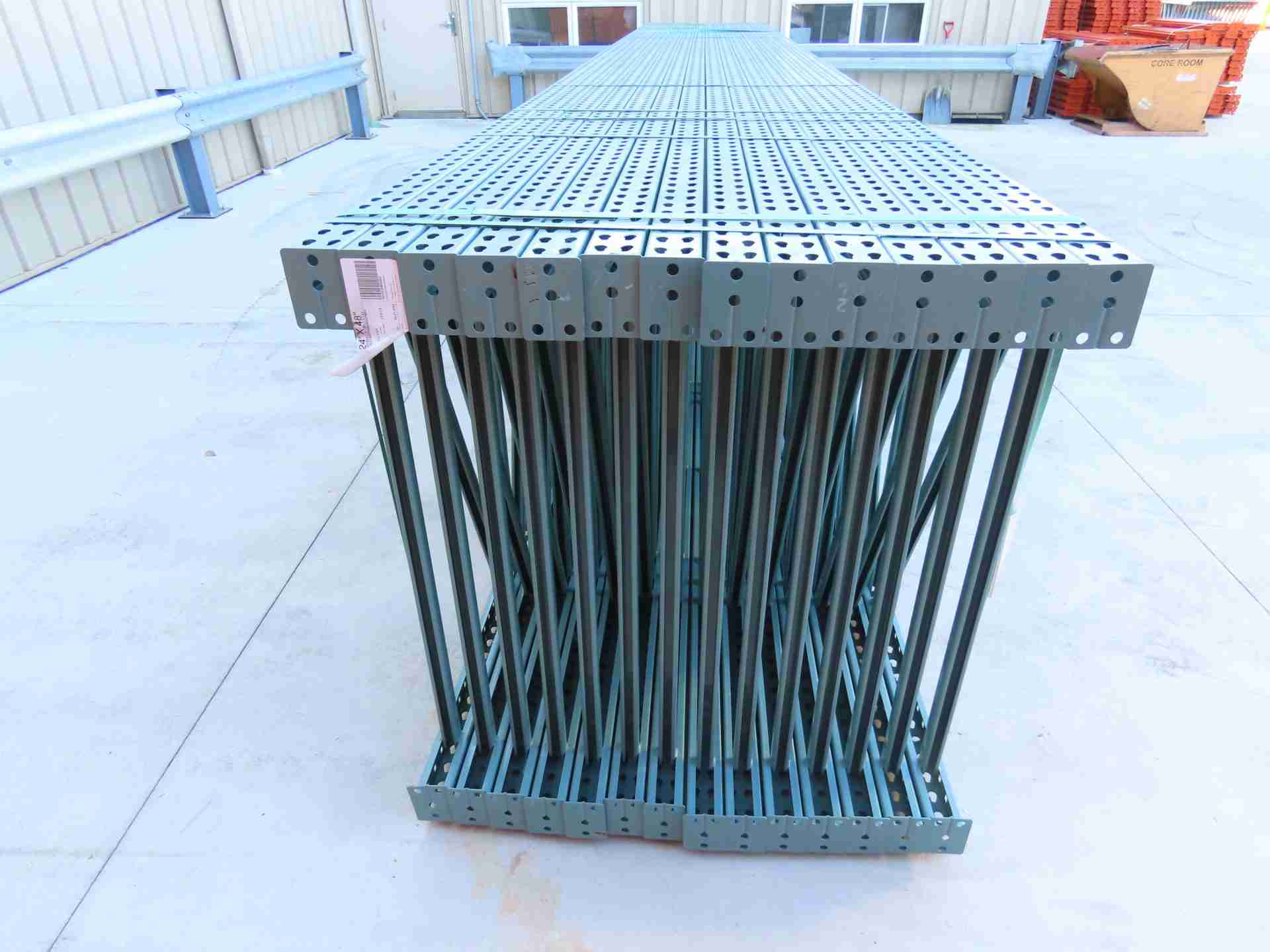
Other Questions
Checklist
How Rack Orientation Affects Warehouse Flow – A Checklist
Warehouse Rack Optimization Checklist
Emotional Appeals
_____ Create a sense of pride among workers by maintaining a clean, organized racking system.
_____ Foster camaraderie through team collaboration in well-structured environments.
_____ Celebrate small victories daily, such as efficient item retrievals.
Rational Appeals
_____ Implement optimized rack layouts to streamline inventory management and reduce search times.
_____ Analyze performance data to identify productivity boosts linked to organized racking systems.
_____ Encourage continuous improvement by regularly reassessing rack orientations.
Ethical Appeals
_____ Prioritize worker safety by ensuring proper rack orientation reduces hazards.
_____ Foster a positive workplace culture by involving employees in layout planning.
_____ Establish accountability for creating an environment that values employee welfare.
Authority Appeals
_____ Consult with warehouse design experts to create effective racking solutions.
_____ Include leadership in discussions about optimizing rack orientation for maximum efficiency.
_____ Ensure compliance with safety standards and regulations in rack setup.
Narrative Appeals
_____ Share success stories of improved morale and productivity due to rack orientation changes.
_____ Document experiences of new workers adapting well in organized environments.
_____ Encourage storytelling among employees about their experiences navigating the warehouse.
Social Appeals
_____ Create a culture of teamwork by promoting collective goals regarding warehouse safety and efficiency.
_____ Recognize and reward teams that successfully implement efficient rack layouts.
_____ Build relationships within the community by highlighting your commitment to employee welfare and safety.
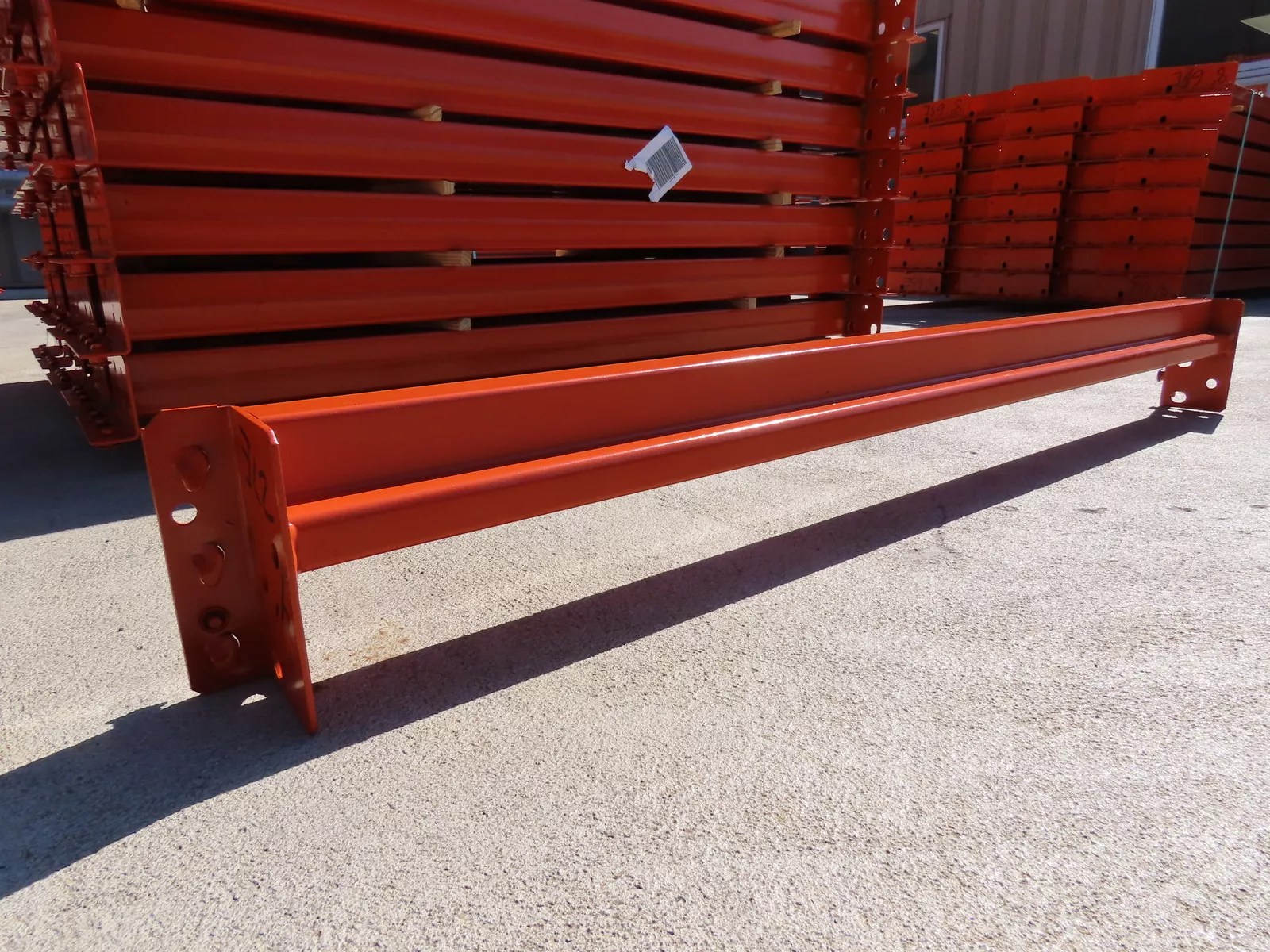
Checklist
At RackingWorld, we help guide you through selecting warehouse storage systems and racking.
Be sure to read our other related stories at RackingWorld to learn more about warehouse storage systems.
0 Comments