
The Crucial Impact Of Rack Height On Efficiency And Savings
By Tom Seest
At RackingWorld, we help guide you through selecting warehouse storage systems and racking.
Be sure to read our other related stories at RackingWorld to learn more about warehouse storage systems.
How Rack Height Impacts Cost and Design
When it comes to racking in any warehouse or storage space, the seemingly simple decision of height can have a profound impact on cost and design. Picture the bustling environment of a warehouse, where every inch matters like a precious commodity in a high-stakes game of chess. Choosing the right rack height isn’t just about fitting more items; it’s about maximizing efficiency while minimizing costs in ways that resonate with both the heart and the mind.
Imagine the thrill of entering a well-organized, vertically optimized space—the racks towering just high enough to showcase the meticulously arranged inventory, yet accessible enough for the workers who rely on them day in and day out. Racking at the right height creates an atmosphere of empowerment, boosting morale among employees who feel confident navigating their environment without unnecessary hardship. When workers aren’t strained or frustrated by incompatible design, productivity flourishes, and that’s how everyone—from the laborer to the business owner—benefits.
Now, let’s peel back the layers. From a rational standpoint, higher racking systems can drive down costs by utilizing square footage that would otherwise sit idle. But they come with a caveat: the need for specialized equipment and training. These are decisions laden with ethical responsibilities. Are we investing in our teams, ensuring their safety and comfort, while still aiming for operational efficiency? Or are we chasing a bottom line that sacrifices human experience for a few extra pallets? The answer shapes our workspace culture and impacts our collective conscience.
Consider the larger narrative here. We live in a world where businesses thrive on trust and confidence. Trust your team to handle the tools and equipment that come with greater heights and complex designs, and they’ll rise to the occasion. But don’t forget the broader social implications: how every decision made in that warehouse reflects the core values of the organization. A well-thought-out racking system can be a symbol of respect for the people behind the operation—a silent nod to their hard work, recognizing that an ergonomic space is essential for collaboration and success.
In this dance of height, cost, and design, the choices made are not just about maximizing space; they are a testament to the spirit of teamwork and a celebration of those who toil behind the scenes. When you invest thoughtfulness into racking, you’re crafting a foundation for growth and stability that everyone can rally around.
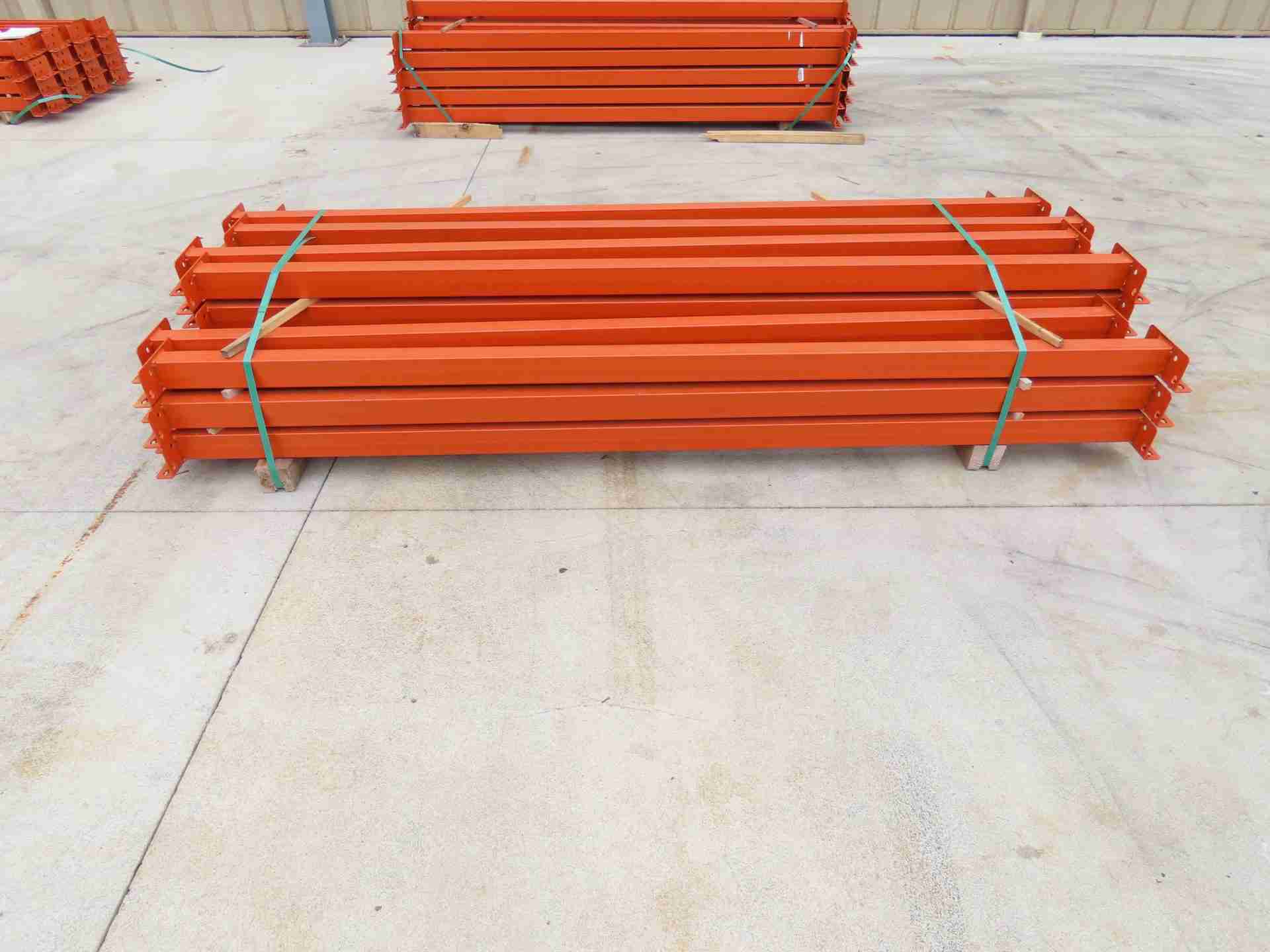
How Rack Height Impacts Cost and Design
How Rack Height Impacts Cost and Design
- The choice of racking height in warehouses significantly affects cost and design.
- Optimal rack height maximizes efficiency while minimizing costs, creating a well-organized space.
- Proper racking boosts employee morale and productivity by reducing frustration and strain.
- Higher racking systems can lower costs through better utilization of space but require specialized training and equipment.
- Workplace decisions should balance operational efficiency with employee safety and comfort.
- A good racking system reflects the organization’s core values and fosters trust and collaboration.
- Investing in thoughtful racking design lays a foundation for growth and stability within the team.
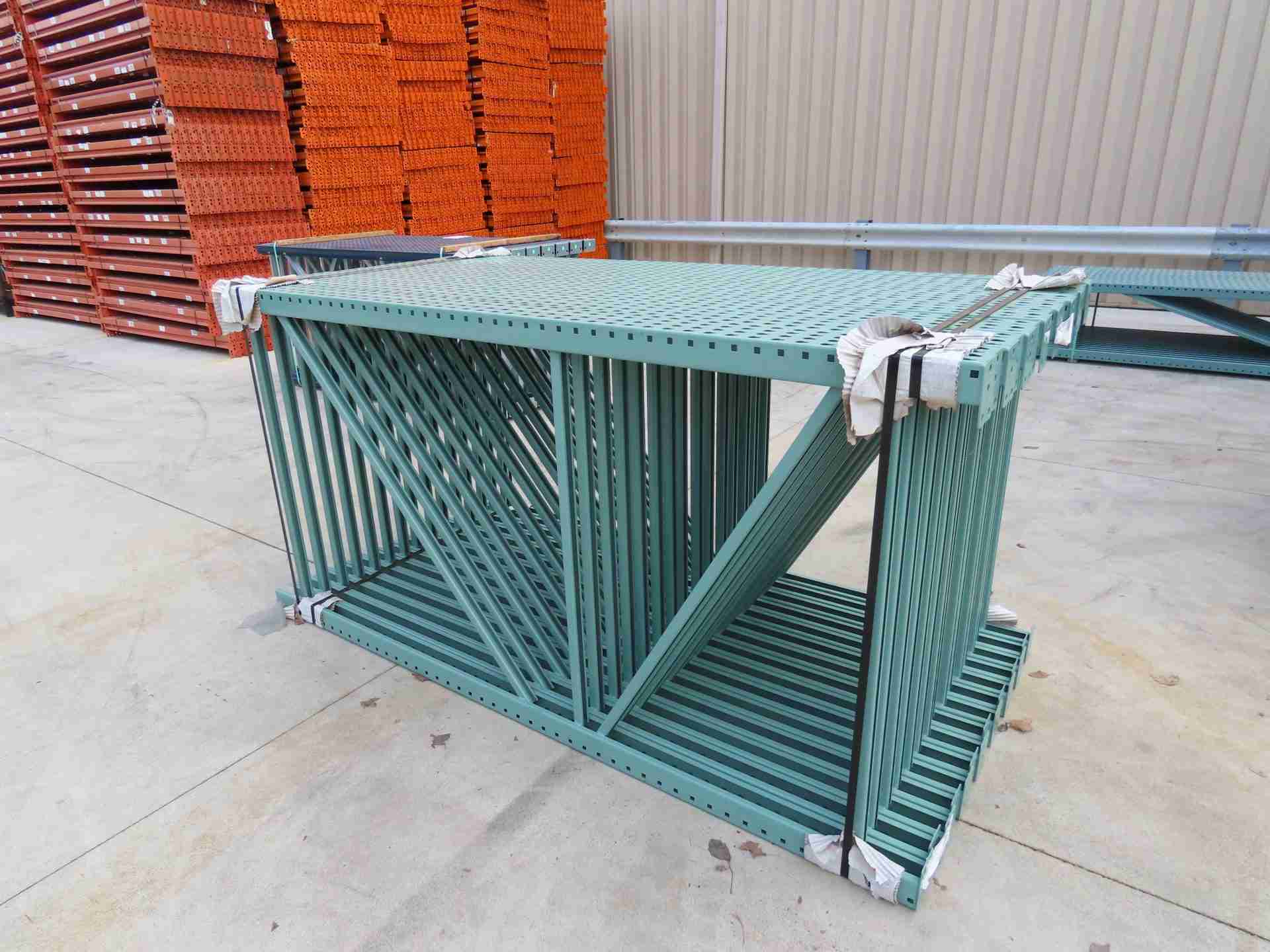
How Rack Height Impacts Cost and Design
Table Of Contents
- How Rack Height Impacts Cost and Design
- What Emotions Do You Associate with Your Current Rack Design Choices?
- How Does Rack Height Influence Your Overall Project Budget?
- Are You Considering the Long-Term Costs Of Different Rack Heights?
- How Can Optimal Rack Height Enhance Your Workspace Efficiency?
- What Ethical Considerations Arise From Choosing Various Rack Heights?
- Conclusion
- Other Resources
- Glossary Of Terms
- Other Questions
- Checklist
What Emotions Do You Associate with Your Current Rack Design Choices?
What emotions do you associate with your current rack design choices? It’s a question that strikes at the core of how we organize our lives, both at home and in the workplace. The act of choosing a racking system isn’t merely a matter of aesthetics; it’s a reflection of our values, our priorities, and sometimes even our dreams.
Imagine standing in your garage, surrounded by disarray. Mismatched tools scattered amid boxes that haven’t been touched in years. Now visualize a robust, well-organized racking system transforming that chaos into a harmonious space. Each shelf serves a purpose, each container marked with intention. This isn’t just about storage; it’s about reclaiming your mental clarity. A well-designed racking system empowers you, offering the satisfaction of seeing your space reflect the order you desire in your life.
From a rational perspective, think about efficiency. When you can easily find that spare part, or quickly access your favorite hobby supplies, you’re freed from frustration and equipped to focus on what truly matters. Every time you walk into the room and see that organized rack, you feel a sense of accomplishment—a tangible reminder that with a little planning, you can conquer the clutter both physically and mentally.
Ethically, investing in quality racking systems means embracing sustainability. It’s a nod to responsible consumerism, choosing durable materials that stand the test of time rather than contributing to a landfill that’s already overflowing. Your rack becomes a commitment to a better future, echoing your values in every piece you choose.
Consider the social impact as well. A well-organized space becomes a gathering point, a space where friends and family feel welcome. It becomes a canvas for shared experiences, where laughter and creativity can flourish amidst the meaningful order you’ve cultivated.
And let’s not forget the authority of experience. When you invest in thoughtful, effective racking designs, you’re tapping into a wealth of knowledge cultivated over years. Experts have honed these designs through trial and error, ultimately saving you from possible pitfalls. By trusting in their guidance, you’re aligning yourself with proven wisdom—a powerful source of confidence as you embark on this journey.
So, what emotions rise to the surface as you stand before your current rack design choices? Whether it’s peace, excitement, or even determination, embrace those feelings. Allow them to guide you toward making choices that resonate with your heart, mind, and spirit, fostering a space that truly reflects who you are.
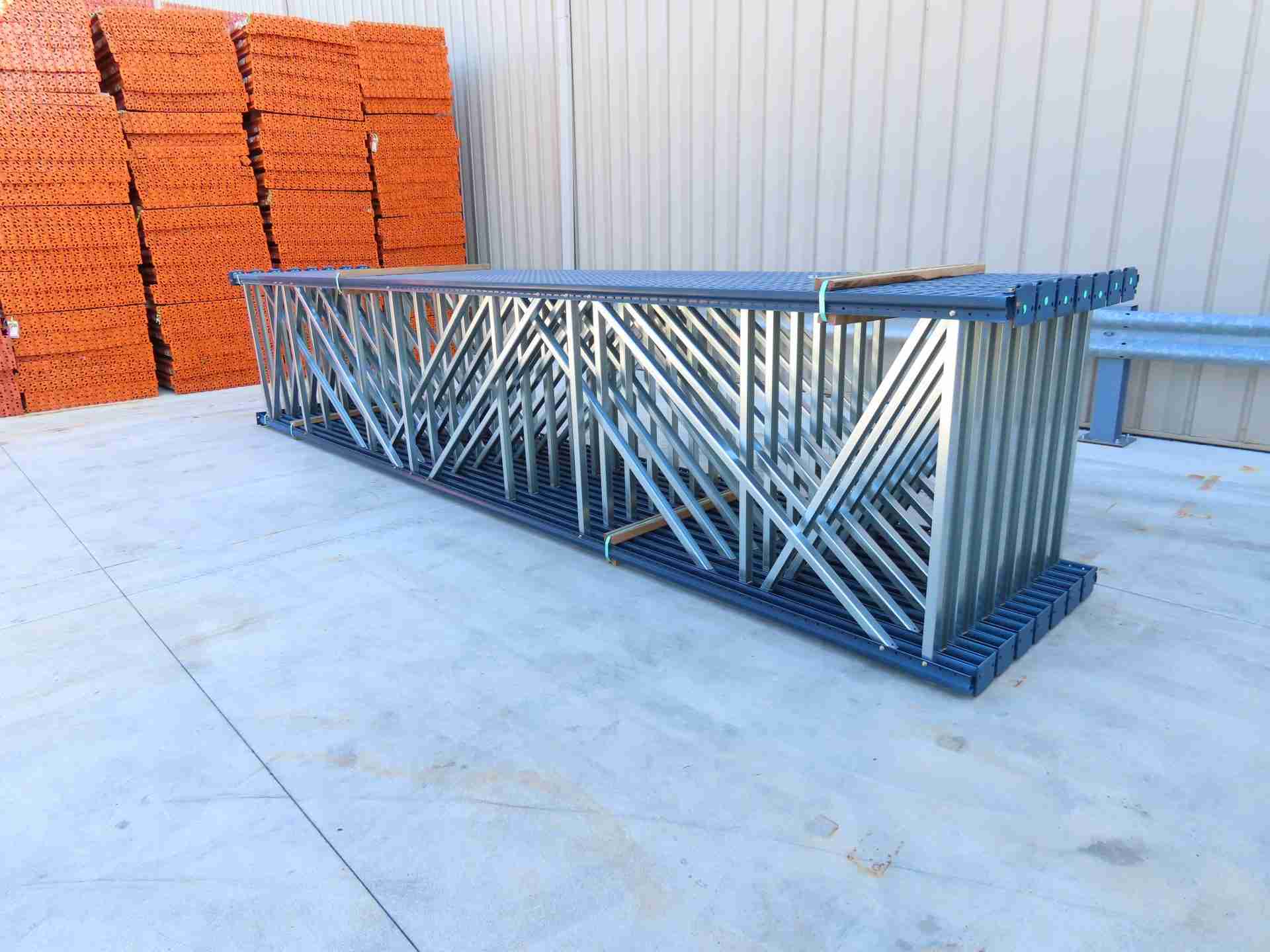
What Emotions Do You Associate with Your Current Rack Design Choices?
What Emotions Do You Associate with Your Current Rack Design Choices?
- Choosing a rack design reflects personal values, priorities, and dreams.
- A well-organized racking system transforms chaos into a harmonious space, enhancing mental clarity.
- Efficiency in accessing items reduces frustration and increases focus on what truly matters.
- Investing in quality racking systems promotes sustainability and responsible consumerism.
- Ane organized space fosters social gatherings and encourages shared experiences.
- Relying on expert-designed racking systems provides knowledge that saves time and potential pitfalls.
- Embrace emotions related to your rack design choices to foster a space that reflects your true self.
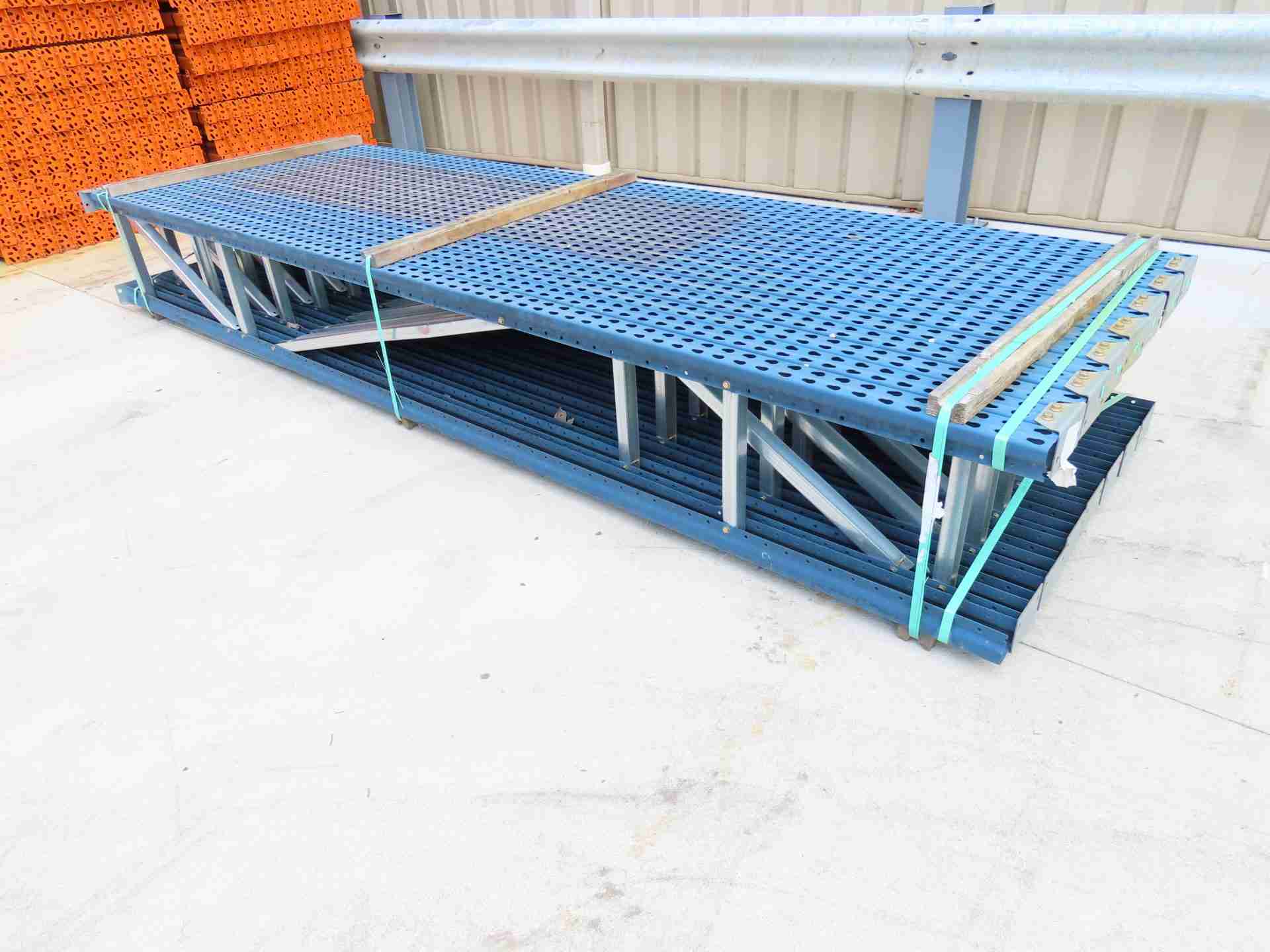
What Emotions Do You Associate with Your Current Rack Design Choices?
How Does Rack Height Influence Your Overall Project Budget?
When it comes to racking, the height of your system isn’t just a number on a blueprint—it’s a decision that ripples through your entire project budget, touching every corner from materials to labor, and ultimately your bottom line. Imagine standing in a warehouse, surrounded by towering shelves loaded with inventory. They’re not just racks; they represent opportunities, efficiency, and the lifeblood of your operation. But as enticing as that vertical space may seem, there’s a cost to reach for the sky.
Let’s break it down. Taller racks can offer greater storage capacity, which in theory saves you money on floor space. Yet, the sheer act of going vertically requires meticulous planning and a careful eye on cost. Higher racking means additional structural supports, specialized equipment for access, and perhaps even increased insurance premiums since the stakes are higher when folks are navigating those towering heights. It’s essential to think with a holistic mindset here; the allure of space comes at a price.
Consider the ethics of efficiency. You want your warehouse to be a safe place where employees don’t feel overwhelmed or at risk scaling higher than necessary. Cutting corners on height without addressing safety adds stress—not just to your project budget but to the well-being of everyone involved. So, how do you balance these crucial elements? It’s a tightrope walk between aspiration and practicality.
Now let’s get personal. Picture your operational team: workers hustling around a warehouse, climbing ladders, maneuvering forklifts. Their time is money—time spent fumbling with stock at awkward heights translates to frustration and wasted hours. If those racks are designed for ease of access, that’s not just a financial boon; it’s a morale booster. Happy workers are productive workers, and you want a team that takes pride in their environment.
The social impact is equally profound. A well-organized, efficient warehouse enhances your reputation, builds trust within your industry, and fosters confidence among clients. Investors notice productivity; they sense the grit and passion of a company that doesn’t shy away from a challenge, but instead embraces it with a thoughtful, calculated approach.
Ultimately, when you contemplate rack height, you’re not just pondering physics; you’re weaving a narrative of ambition, safety, and community. Racking might seem like a technical decision, but its ramifications on your project budget—and beyond—echo far louder than simple dollars and cents. So, as you sketch out those plans, remember: every inch matters.

How Does Rack Height Influence Your Overall Project Budget?
How Does Rack Height Influence Your Overall Project Budget?
- The height of racking systems impacts project budgets, affecting materials, labor, and overall costs.
- Taller racks can increase storage capacity, but require careful planning and additional resources.
- Higher racking necessitates structural supports, specialized equipment, and may lead to increased insurance costs.
- Warehouse safety and employee well-being must be prioritized over simply maximizing height to avoid added stress.
- Ease of access in rack design can enhance worker morale and reduce time lost during operations.
- A well-organized warehouse boosts company reputation, builds industry trust, and attracts investor interest.
- Consideration of rack height weaves a narrative that includes ambition, safety, and community impact.
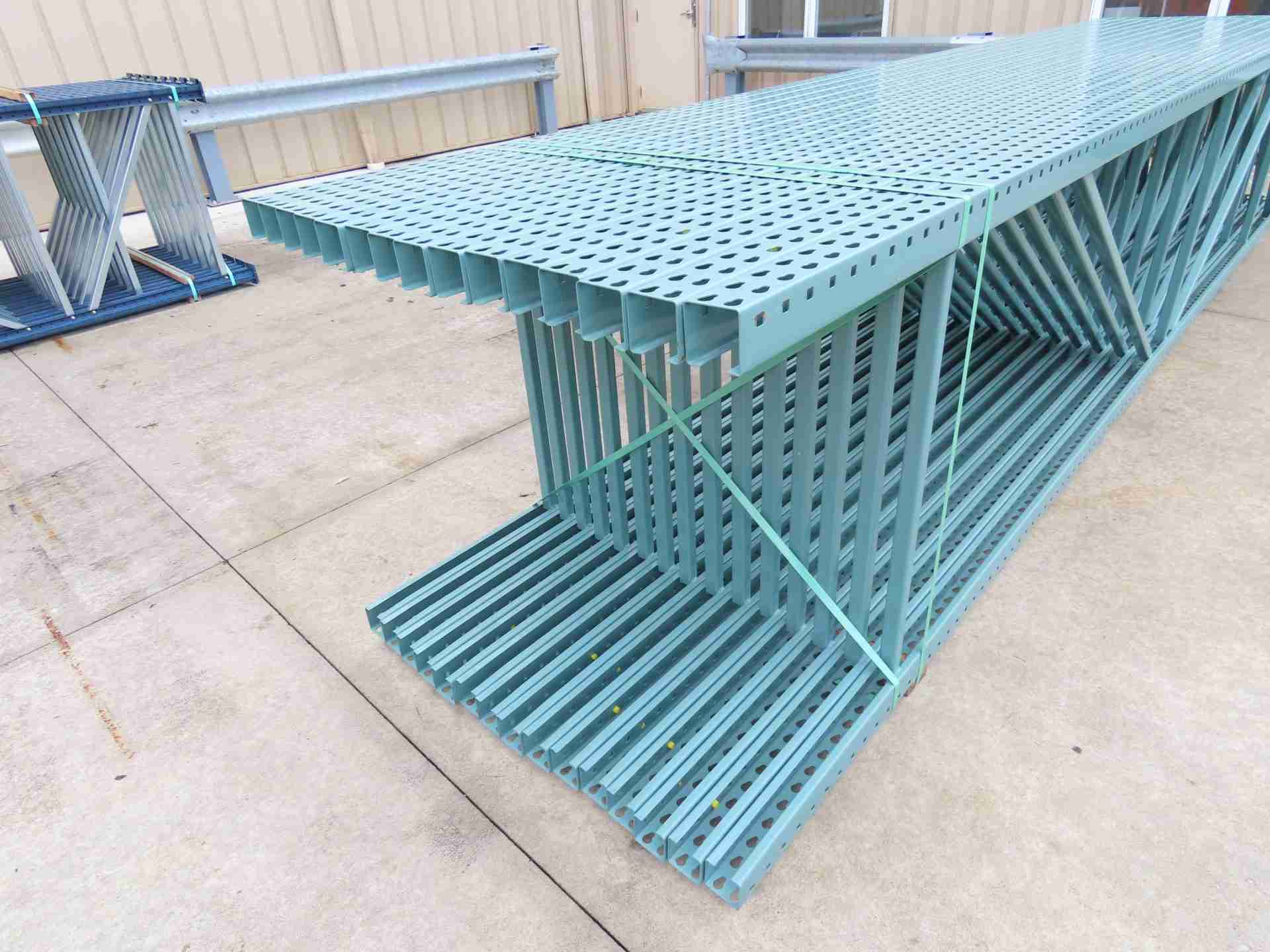
How Does Rack Height Influence Your Overall Project Budget?
Are You Considering the Long-Term Costs Of Different Rack Heights?
When contemplating the long-term costs of different rack heights, we often forget to look beyond the dollar signs. Let’s delve into the emotional and practical aspects of racking that can influence your operation.
Picture this: You’re in the warehouse, surrounded by towering shelves filled with inventory that represents countless hours of hard work and planning. Each time you choose a rack height, you orchestrate a balance between accessibility, storage capacity, and safety. It’s not just about stacking boxes; it’s about the lives those boxes impact. Think of the employees navigating those aisles day after day. Choosing the right height ensures they can easily retrieve items without risking injury or wasting precious time. That’s an appeal to your gut, reminding us that behind every product is a person.
From a rational standpoint, the decision on rack height influences long-term efficiency and costs. Higher racks may promise added storage potential, but consider the intricacies of retrieval. Extra machinery might be needed, or you may face potential damage as products are shuffled about in tight spaces. The question isn’t just how much can you store but how effectively you can do so. Evaluating these factors sparks a powerful narrative—one that draws you into a dialogue on the fine balance between maximizing space and ensuring operational fluidity.
Now, let’s touch on the ethical responsibility we carry as business leaders. When you’re making decisions on racking, remember that those choices ripple out beyond the bottom line. Safety protocols, employee welfare, and efficiency shape the workplace culture. A commitment to best practices builds trust not just within your team but also among your clients who ultimately benefit from a well-oiled operation.
Not to be overlooked is the authority established through informed choices. Seeking expert input, whether from industry reports or seasoned colleagues, transforms your decision-making process into a knowledge-based endeavor. Surrounding yourself with voices who understand the nuances of racking lays a solid groundwork for your facility’s future.
As you contemplate the long-term implications of rack height, remember: this isn’t just about costs; it’s about creating a safe, productive environment where people can thrive. Elevate your decision-making beyond the spreadsheets, and foster a space where employees feel valued, respected, and equipped to succeed. It’s a choice that resonates, with benefits extending far beyond the stacks of boxes.

Are You Considering the Long-Term Costs Of Different Rack Heights?
Are You Considering the Long-Term Costs Of Different Rack Heights?
- Consider both emotional and practical factors when selecting rack heights in warehouses.
- Rack height impacts accessibility, storage capacity, and the safety of employees.
- Choosing the right rack height can prevent injuries and enhance efficiency in item retrieval.
- Higher racks may increase storage potential, but may lead to retrieval complications and potential product damage.
- Racking decisions have ethical implications, influencing workplace culture and employee welfare.
- Informed decision-making, backed by expert input, enhances the effectiveness of rack height choices.
- Focus on creating a safe and productive environment, valuing employees beyond mere cost considerations.
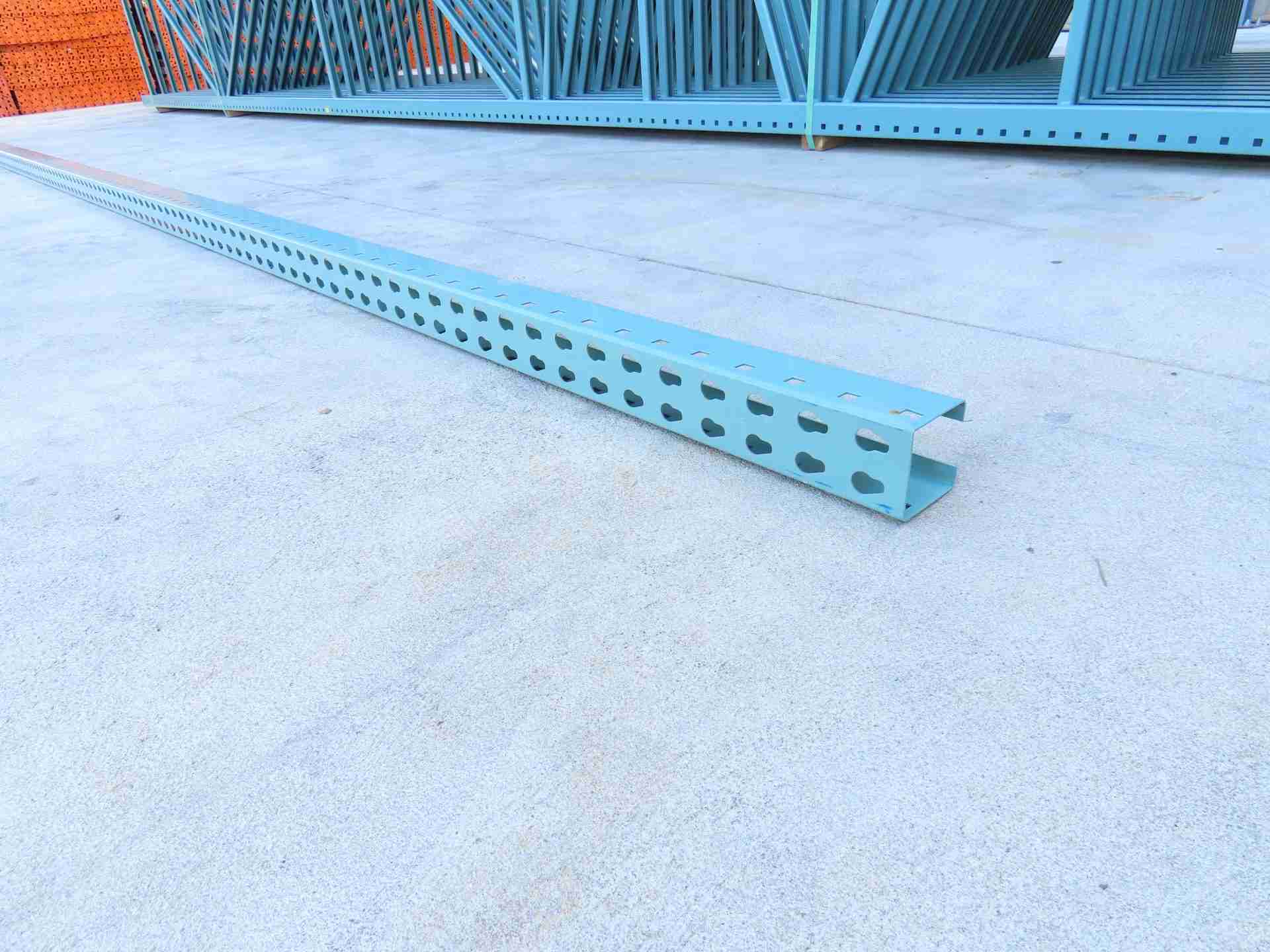
Are You Considering the Long-Term Costs Of Different Rack Heights?
How Can Optimal Rack Height Enhance Your Workspace Efficiency?
When you step into a workspace, what do you see? A well-organized environment that flows seamlessly, or a chaotic jumble of tools and materials? The difference often comes down to one key element: optimal rack height. This may seem like a small detail, but trust me, how you rack your tools can trim the fat off inefficiencies and make your job a whole lot easier.
Imagine you’re reaching for that piece of equipment just out of arm’s length. Frustrating, right? It yanks at your patience and saps precious time. This is where a thoughtfully designed racking system becomes a game-changer. If your racks are set at heights tailored to your specific needs, every item becomes instantly accessible. This moves you from cumbersome to streamlined—transforming not just how you work, but how you feel about what you do. A workspace that promotes ease creates a culture of productivity and pride, and that’s powerful.
Think of racking systems as the backbone of your operation. They’re not just shelves; they’re the frameworks that house your craft, whether it’s tools, materials, or products. When you invest in racks that fit you and your tasks, you’re telling your team that their comfort and efficiency matter. That touches the heart of what it means to be part of a community. After all, we’re in this together. When one part runs smoothly, everyone wins.
Now, consider the ethical implications of a well-organized workspace. Safety matters. Suboptimal rack heights can lead to dangerous situations—overreaching, falls, and accidents. By prioritizing proper racking, you’re not just boosting output but also showing a commitment to well-being on the job. It’s a responsibility we all share.
And let’s not forget the narrative woven into this conversation about racks. Every business has its story—its culture shaped by the small decisions made daily. The choice to adopt thoughtful design principles can showcase your commitment to efficiency and effectiveness.
This isn’t just about fitting in some steel and plywood; it’s building trust in your environment. Trust that you can find what you need, when you need it. So, invest in optimal rack height. It’s the unsung hero that can make your workspace a fortress of efficiency—one that stands the test of time. Let’s get to work!
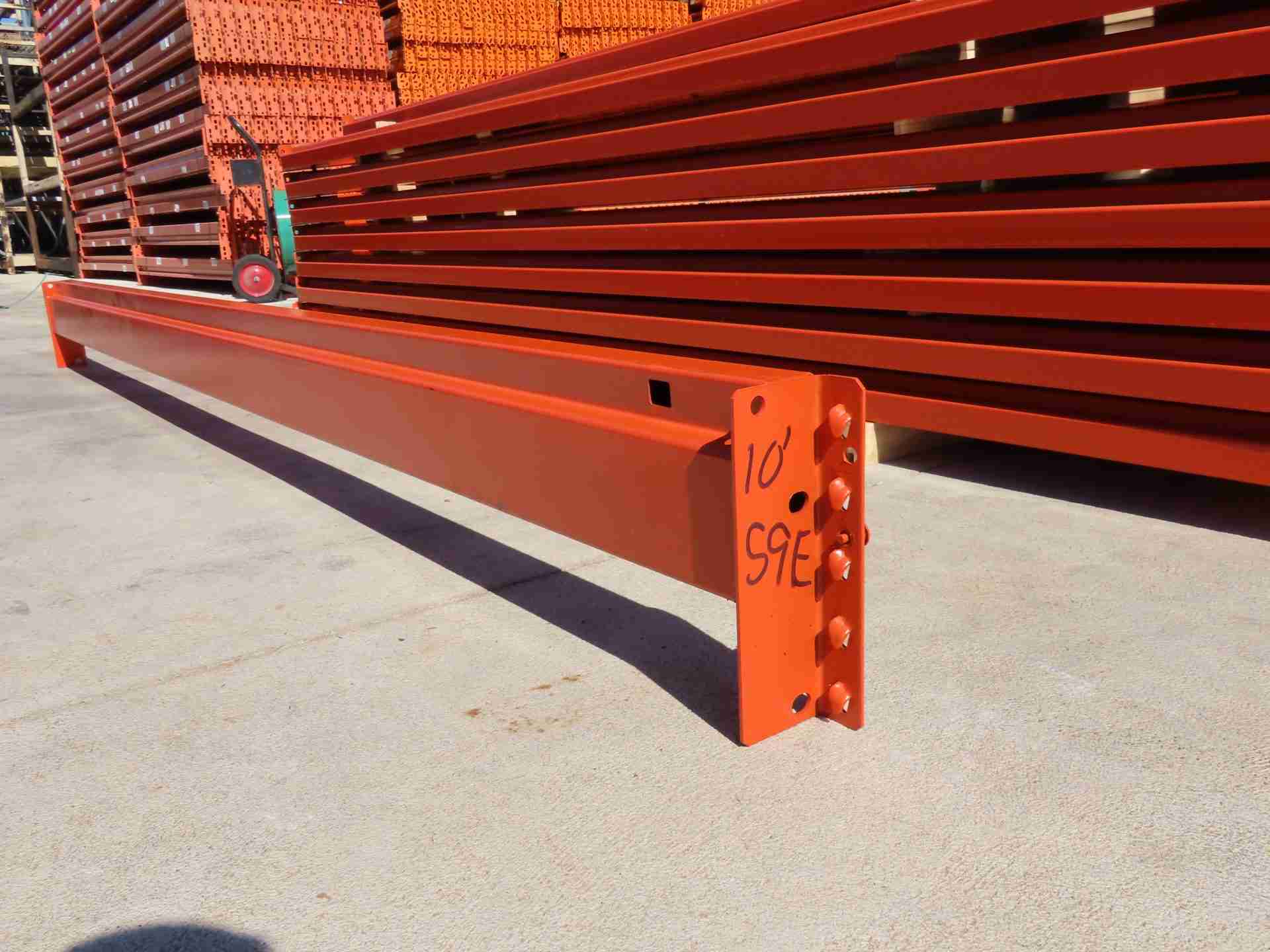
How Can Optimal Rack Height Enhance Your Workspace Efficiency?
How Can Optimal Rack Height Enhance Your Workspace Efficiency?
- Optimal rack height significantly enhances workspace organization and efficiency.
- Accessible racks reduce frustration and save time, streamlining workflow.
- A well-designed racking system promotes a culture of productivity and pride.
- Investing in suitable racks shows a commitment to team comfort and efficiency.
- Proper racking contributes to workplace safety by preventing accidents and overreaching.
- Thoughtful design choices reflect a business’s commitment to efficiency and effectiveness.
- Optimal rack height builds trust in the workspace, ensuring easy access to tools and materials.
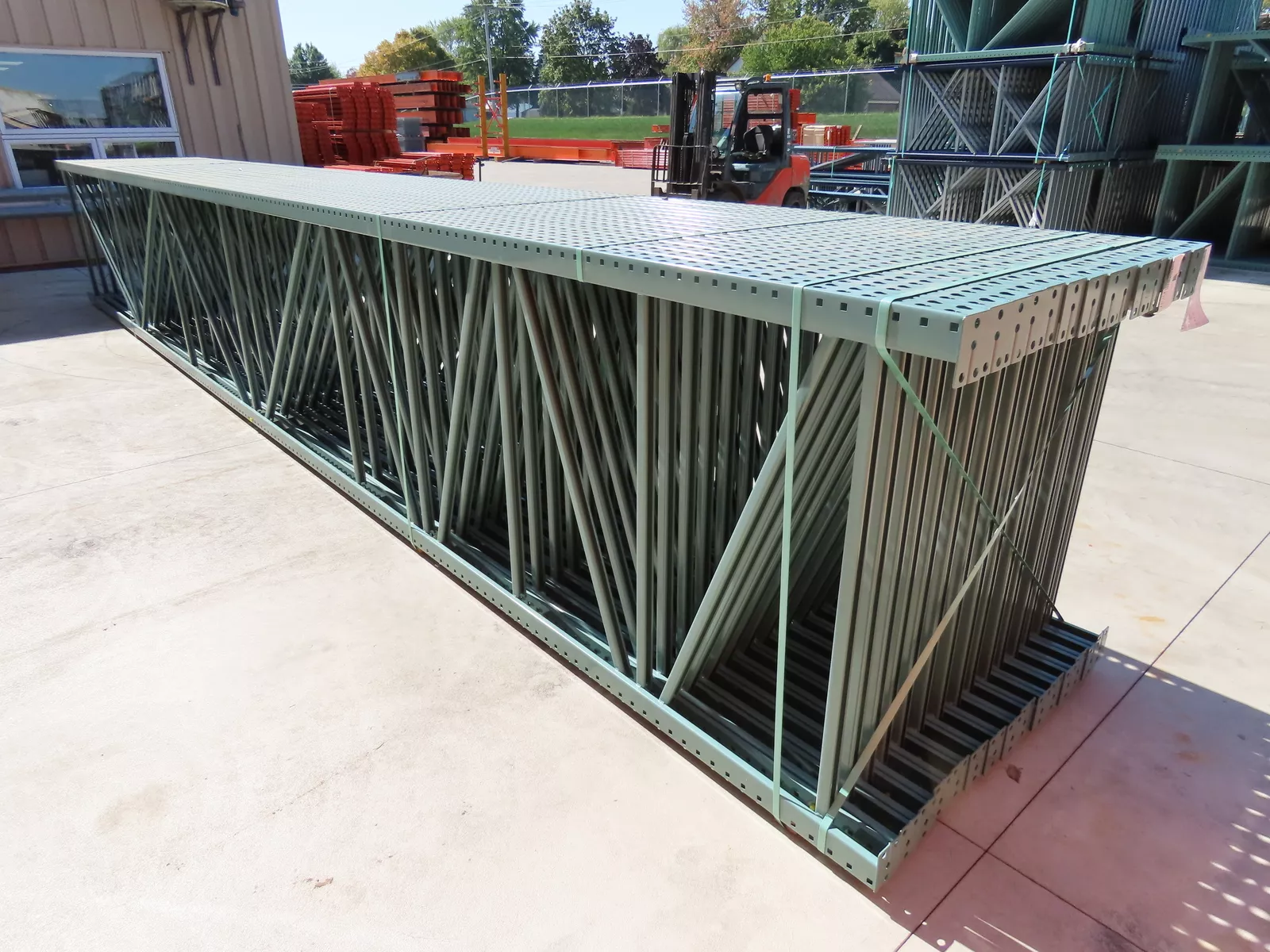
How Can Optimal Rack Height Enhance Your Workspace Efficiency?
What Ethical Considerations Arise From Choosing Various Rack Heights?
When we talk about choosing the right rack heights in any facility, it’s easy to get lost in the numbers, the specs, and the size of the operations. But let’s take a moment to consider the deeper implications of our choices. The decision about racking isn’t just a logistical challenge; it’s a question tethered to the very heart of ethics, safety, and respect for those who interact with that environment every day.
Imagine a warehouse bustling with workers, each maneuvering around towering racks filled with products. When we choose heights without considering human factors, we overlook the very people who keep these operations running smoothly. Think about it: can a warehouse worker easily access what they need from a towering rack, or are they forced into precarious positions, straining their bodies and risking injury? This isn’t just a question of efficiency; it’s about the dignity and well-being of individuals who give their all, day in and day out.
Racking considerations extend beyond practicality; they tap into the emotional and ethical responsibility that we have to our workforce. By making informed choices about rack heights, we’re signaling to our teams that their safety matters, that their comfort in their work environment is a priority. When leadership shows they value these elements, trust flourishes, fostering a culture where workers feel empowered rather than disposable.
Furthermore, as communities grow more conscious of corporate ethics, our decisions about racking reflect our commitment to social responsibility. Companies seen as prioritizing safety over mere profit are more likely to attract skilled workers who align with those values. It’s not just smart business; it’s a narrative of integrity that draws people in, fostering a sense of belonging that resonates on a human level.
Let’s not forget the authority we have in this decision-making process. When we take the time to consult safety experts, ergonomists, and the workers themselves, we create a collaborative environment that empowers all voices. Embracing a multi-faceted approach to racking not only makes sense but paints a portrait of a company that cares, thereby inspiring confidence to take action—be it adjusting the height of a rack or implementing new safety protocols.
So, as we consider rack heights, let’s remember that our influence shapes more than just workflows; it shapes lives. Let’s approach the racking dilemma with a spirit of responsibility, one that honors the people behind the pallets. After all, in this business, it’s not just about what’s on the racks; it’s about who’s working beneath them.
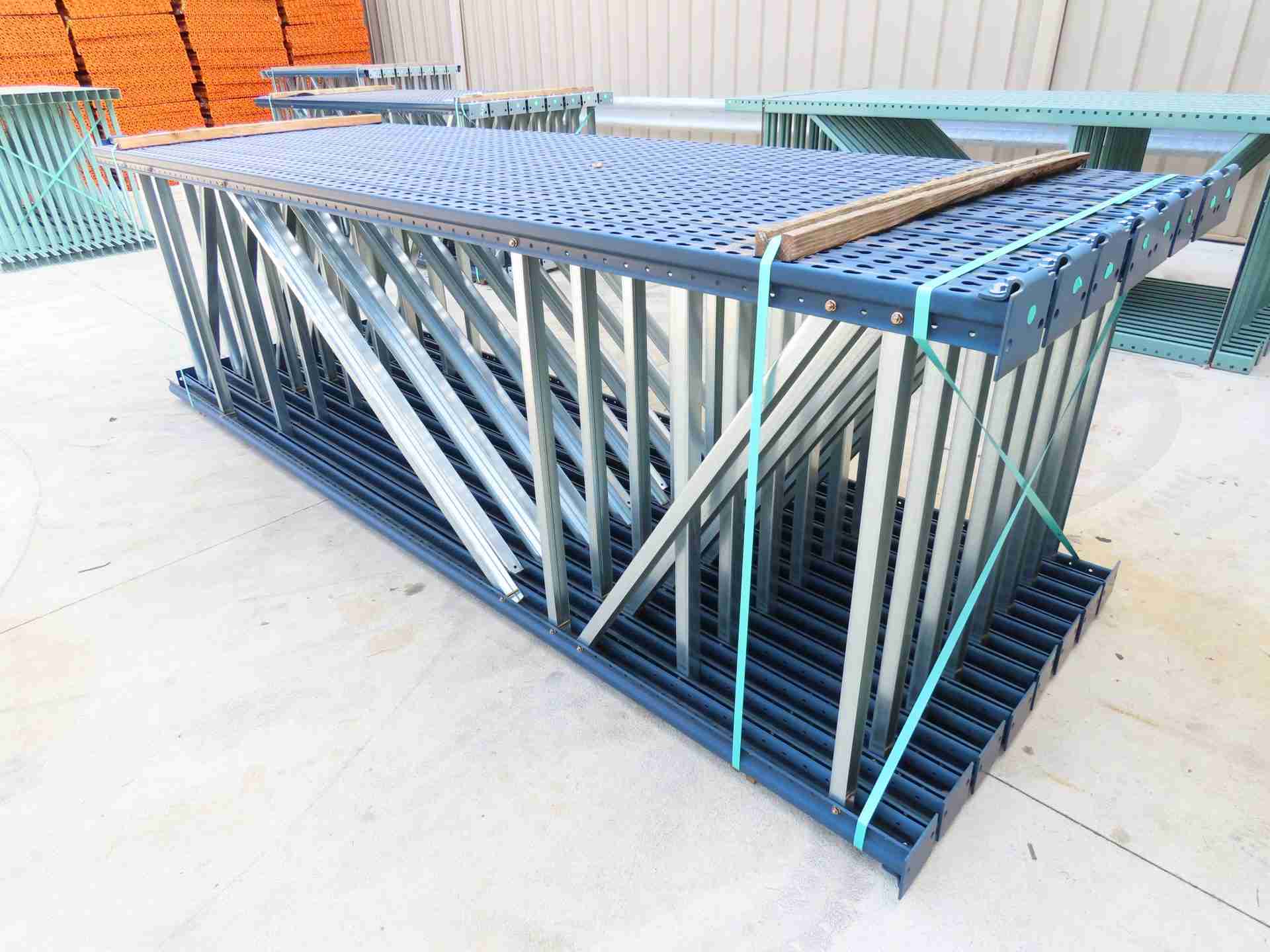
What Ethical Considerations Arise From Choosing Various Rack Heights?
What Ethical Considerations Arise From Choosing Various Rack Heights?
- Selecting the right rack heights involves consideration beyond numbers and specs; it’s linked to ethics, safety, and respect for workers.
- Ignoring human factors when choosing rack heights can lead to unsafe working conditions for employees.
- Prioritizing worker comfort and safety fosters trust and a positive workplace culture.
- Companies that prioritize safety are more likely to attract skilled workers who align with ethical values.
- Consulting safety experts, ergonomists, and employees creates a collaborative approach to decision-making in racking.
- Addressing rack heights responsibly influences not just workflows, but the well-being of workers.
- The focus should be on the individuals working in these environments, not just the operational efficiency.

What Ethical Considerations Arise From Choosing Various Rack Heights?
Conclusion
Rack height in warehouses and storage facilities is a pivotal consideration, transcending mere practicality to reflect deeper values. It’s like the game of chess—every move matters, and every inch counts. The right height does more than store goods; it shapes an environment where efficiency flourishes and workers thrive. Imagine a warehouse where racks are perfectly optimized, not only maximizing storage but also enhancing accessibility. Employees empowered by ergonomic designs navigate their tasks with confidence, leading to a culture of productivity that benefits everyone—from the frontline workers to the business leadership.
On the rational front, higher racks promise savings by maximizing floor space. Yet, we must also weigh the costs: specialized equipment, additional training, and increased safety protocols. This balance requires thoughtful decision-making that reflects our ethical responsibilities. Are we creating a workspace that prioritizes employee safety over bottom-line benefits? Choosing to invest in ergonomic solutions fosters trust and respect, showing that we value our teams’ well-being as much as operational efficiency.
This broader narrative connects us to the heart of business—trust, community, and identity. Each decision on rack height reverberates through the company’s culture and reputation. A well-organized warehouse isn’t just an efficient operation; it symbolizes a commitment to those who labor within it. It sends a powerful message that we recognize and appreciate their efforts. When employees feel supported and safe, they engage more fully, cultivating a shared sense of purpose.
Now consider the social implications. A workspace that prioritizes design and safety becomes more than just a functional area; it becomes a training ground for collaboration and growth. The choice to invest in proper racking reflects our commitment to a sustainable and thriving community—one that attracts talent and builds loyalty.
Finally, let’s not forget the wisdom embedded in expert insights. Collaborating with industry specialists guides us toward informed rack decisions that align with best practices. When we listen to the voices that understand these intricacies, we’re not just making choices; we’re crafting a responsible legacy.
In the end, choosing the right rack height isn’t just a physical alignment; it’s an ethical commitment that honors the people behind every product. By making thoughtful decisions about racking, we’re not just stacking boxes—we’re building a culture of respect, efficiency, and shared success. Every inch you invest in thoughtful design echoes far beyond the warehouse walls, reverberating in the lives of those who matter most.

Conclusion
Conclusion:
- Rack height in warehouses impacts both practicality and deeper values, emphasizing the importance of each decision.
- Properly optimized rack height enhances storage, accessibility, and employee confidence, fostering a productive work environment.
- Higher racks can maximize floor space, but come with costs such as specialized equipment and additional training.
- Investing in ergonomic solutions shows a prioritization of employee safety and well-being over mere operational efficiency.
- The decision on rack height affects company culture and reputation, signifying commitment to employee support and recognition.
- A workspace that emphasizes design and safety fosters collaboration, growth, and attracts talent to build a loyal community.
- Engaging with industry specialists for rack decisions aligns with best practices, creating a responsible legacy for the business.
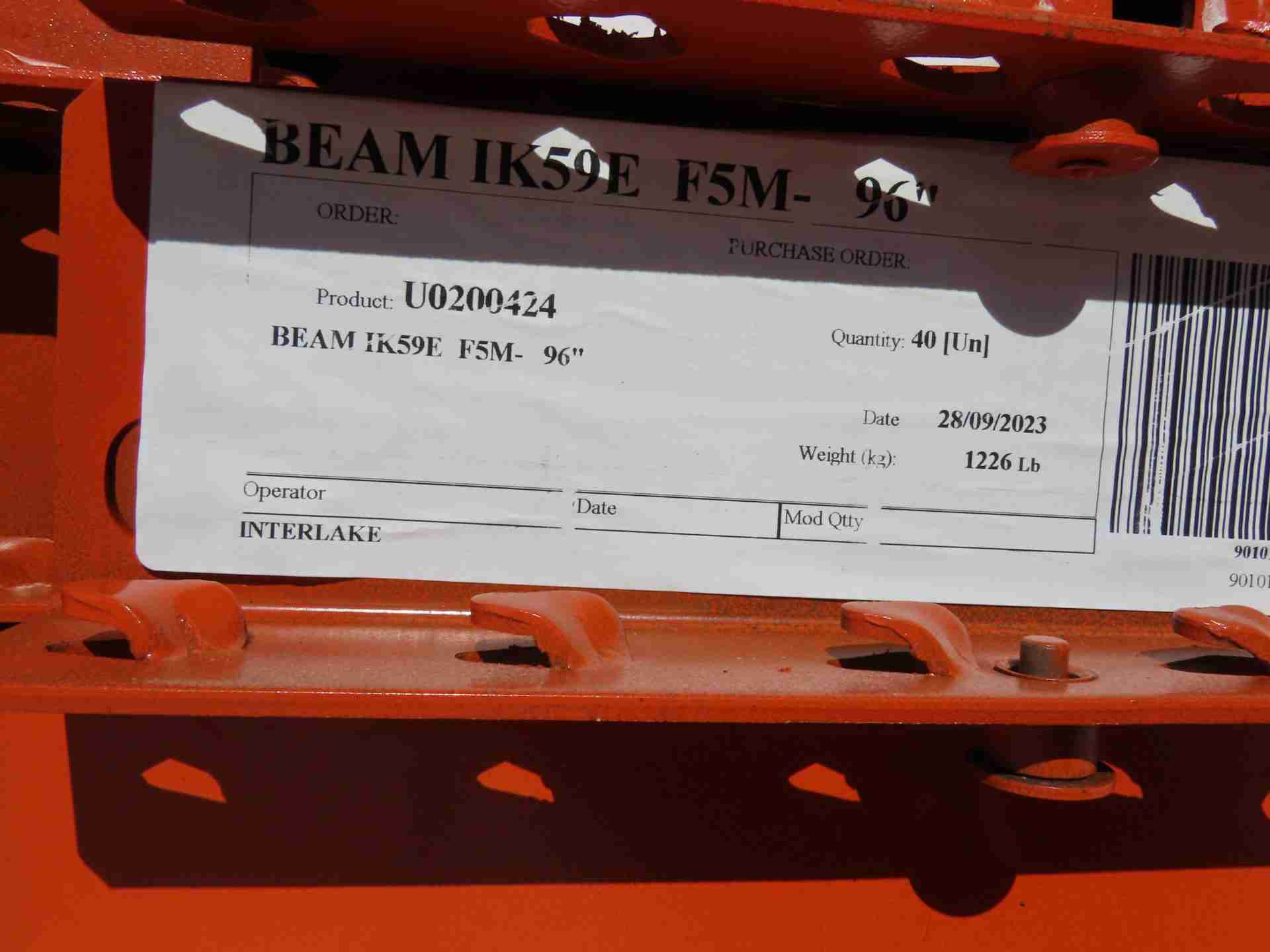
Conclusion
Other Resources
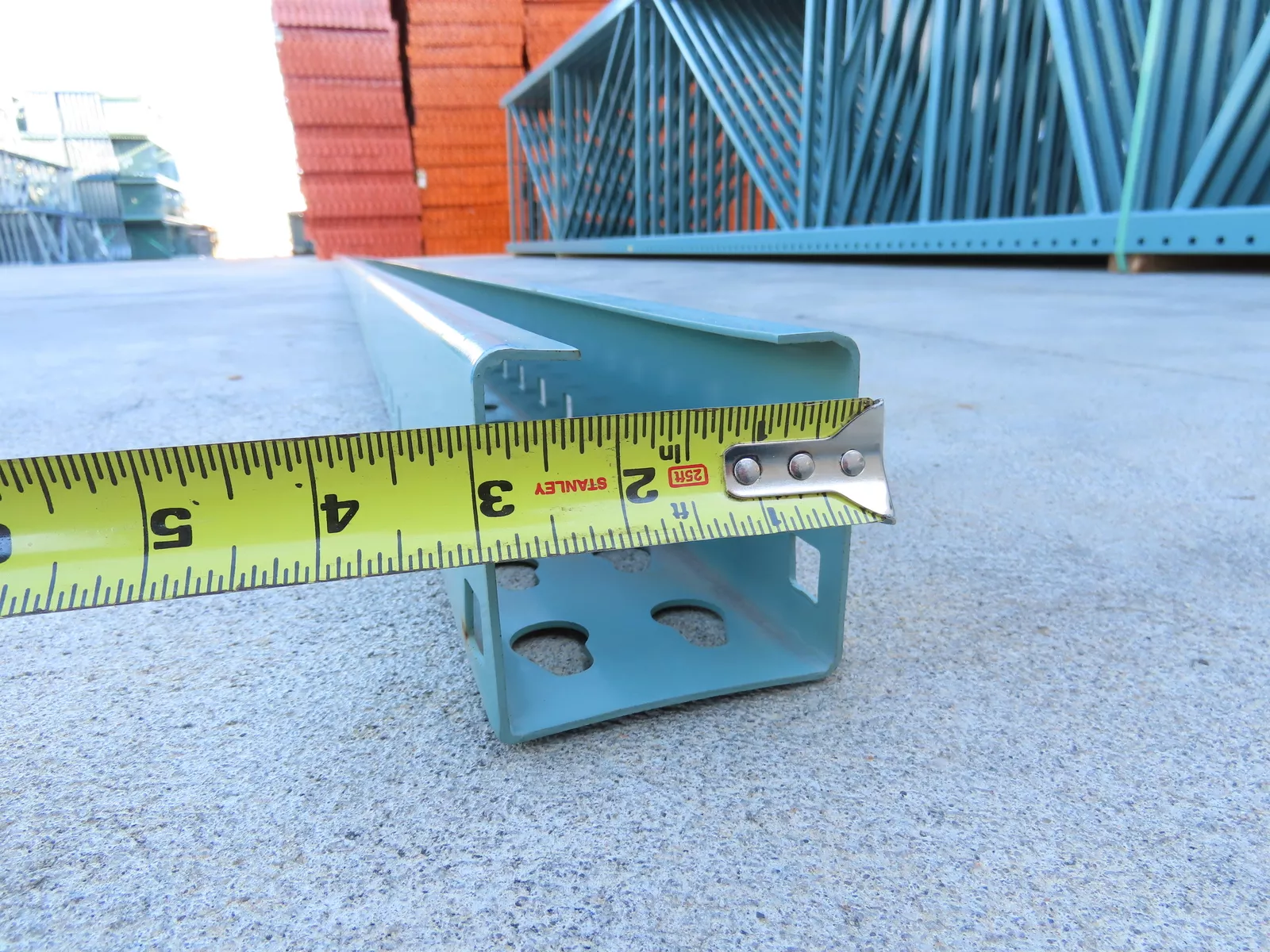
Other Resources
Here is a list of other resources you can review online to learn more:
- Illinois Pallet Racking – Storage Solutions
- Cantilever Rack Configuration & Installation: A Comprehensive Guide – BMH
- Pallet Racking systems in Illinois and Great Lakes
- Illinois Pallet Racking – WPRP
- Intro to Warehouse Racks & Warehouse Racking Systems – ShipBob
- IIWS Inc. Rack Installation Illinois & Rack Repairs Illinois
- BMH
- Interlake
- ASSP
- Teardrop Racks – Pallet Rack World
- Total Warehouse
- What is Selective Racking: Understanding Benefits & Options
- Warehouse Automation
- RMI
- Bradford Systems
- Warehouse Racking Systems: Beginner’s Guide to Rack Systems
- Teardrop Uprights
- What is Selective Pallet Racking
- Chicago Pallet Racking
- Cantilever Racks Chicago
Use This Prompt To Get More Resources With Your Favorite Online AI Tool: Please provide me with a list of online articles with their URLs in a bulleted list that I can read regarding How Rack Height Impacts Cost and Design
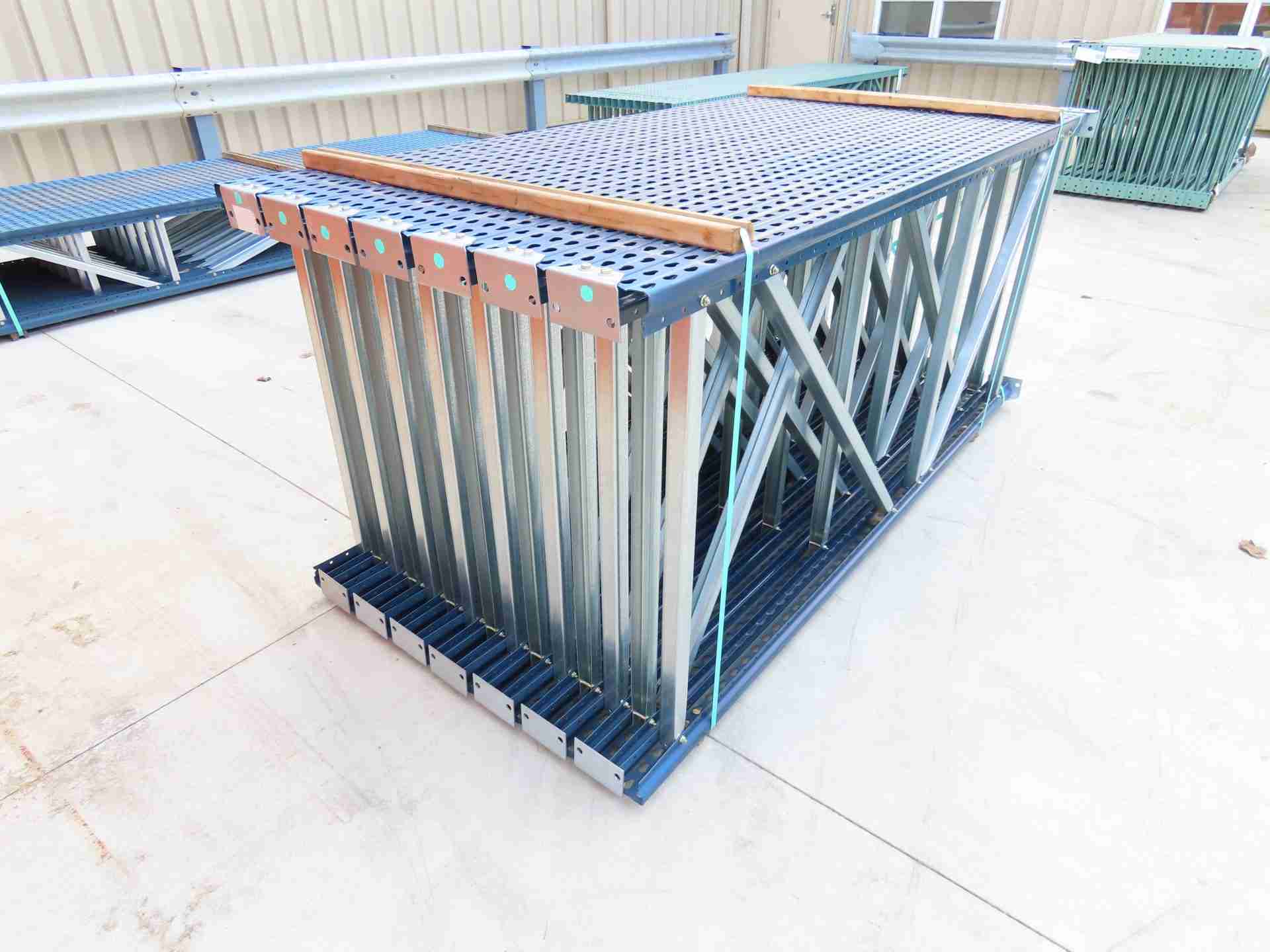
Other Resources
Glossary Terms
How Rack Height Impacts Cost and Design – Glossary Of Terms
1. Rack Height: The vertical measurement of a storage rack, influencing capacity and accessibility.
2. Cost Efficiency: The ratio of cost incurred versus the storage capacity provided by a rack design.
3. Storage Density: The amount of storage space utilized per unit of area, affected by rack height.
4. Material Handling: The movement, protection, storage, and control of materials throughout the manufacturing process.
5. Loading Capacity: The maximum weight a rack can safely support, impacted by its height and design.
6. Vertical Space Utilization: The effective use of space above the floor level in a storage facility, increased by taller racks.
7. Ergonomics: The design of storage solutions taking human dimensions and capabilities into account for user-friendly interaction.
8. Accessibility: The ease with which users can reach stored items, often compromised by excessive rack height.
9. Safety Standards: Regulations designed to ensure safe operation of storage systems, often related to rack height limitations.
10. Investment Return: The financial benefit received from the money invested in storage solutions, influenced by design choices.
11. Forklift Compatibility: The suitability of forklifts for accessing items at various rack heights, affecting choice of rack systems.
12. Pallet Configuration: The arrangement of pallets within a rack, impacting space requirements and overall design.
13. Design Flexibility: The ability to adapt a storage system to changes in inventory levels or sizes, often linked to rack height.
14. Infrastructure Costs: Expenses associated with maintaining or upgrading a facility to accommodate taller racks.
15. Loading Aisles: Space between racks that must be wide enough for safe access, influenced by rack height.
16. SKU Management: Systematic handling of stock-keeping units, which can require different rack heights for efficiency.
17. Site Layout: The arrangement of storage and operational areas within a facility, guiding optimal rack height choices.
18. Warehouse Automation: Technology to automate storage and retrieval processes, often necessitating specific rack heights.
19. Climate Control: The regulation of environmental conditions within a storage facility, affecting design and rack choices.
20. Obsolescence: The decreasing value or usability of a rack system over time, influenced by trends towards higher storage solutions.
21. Inventory Turnover: The frequency at which inventory is sold and replaced, impacting rack design based on height and accessibility.
22. Fire Safety Regulations: Compliance standards to prevent and mitigate fire hazards, which can dictate maximum rack heights.
23. Cost-Benefit Analysis: A method of evaluating the financial viability of investing in specific rack heights versus the benefits provided.
24. Modular Racking: A flexible racking solution that can be customized in height and design for specific needs.
25. Bulk Storage: Storing large quantities of items, often requiring specialized racks that can be tall and robust.
26. Regulatory Compliance: Adhering to specific laws and guidelines that may dictate rack design and height limitations.
27. Space Optimization: Efficient use of available area for storage, often achieved by increasing rack height.
28. Maintenance Costs: Expenses incurred for upkeep of racks, which can rise with height due to accessibility challenges.
29. Height Adjustment: The capacity to modify rack height post-installation, allowing adaptation to changing storage needs.
30. Load Distribution: The manner in which weight is spread across a rack, critical for maintaining stability as height increases.
Glossary Of Terms
Other Questions
How Rack Height Impacts Cost and Design – Other Questions
If you wish to explore and discover more, consider looking for answers to these questions:
- What specific factors should be considered when choosing rack height?
- How can businesses balance cost and safety when selecting rack heights?
- What types of specialized equipment are needed for taller racking systems?
- What training is necessary for employees working with high racks?
- How does the choice of rack height affect employee morale and productivity?
- What are the safety implications of different rack heights?
- How can companies evaluate the long-term costs associated with various rack heights?
- What are the best practices for designing an ergonomic racking system?
- How can effective racking systems improve overall warehouse workflow?
- What role does expert consultation play in making racking decisions?
- How do rack height decisions reflect a company’s values and culture?
- What are the potential risks of insufficient planning for rack heights?
- How can optimal rack height lead to sustainability in warehouse operations?
- What are the common misconceptions about racking height and efficiency?
Other Questions
Checklist
How Rack Height Impacts Cost and Design – A Checklist
Rack Height Decision-Making Checklist
Heart Appeals
_____ Reflect on the emotional atmosphere of your workspace. Is it empowering and organized?
_____ Consider how rack height impacts employee morale and job satisfaction.
_____ Visualize the transformation of your workspace into a harmonious, efficient environment.
Head Appeals
_____ Analyze the rational implications of rack height choices on storage capacity and overall budget.
_____ Evaluate potential long-term costs associated with higher racks (equipment, training, insurance).
_____ Assess the efficiency and accessibility of racks for routine tasks to minimize employee frustration.
Gut Appeals
_____ Review the safety implications of your rack height decisions on employee well-being.
_____ Consider any instinctive discomfort you or your team feel when accessing higher shelves.
_____ Trust your intuition; if something feels off about the current setup, it likely requires reevaluation.
Ethical Appeals
_____ Contemplate how your rack height choices affect the comfort and safety of the workforce.
_____ Assess whether your decisions prioritize employee welfare alongside cost-efficiency.
_____ Ensure your racking system design reflects your organization’s commitment to social responsibility.
Authority Appeals
_____ Consult with industry experts or ergonomists to inform your rack height decisions.
_____ Review case studies or best practices from successful organizations regarding racking systems.
_____ Leverage insights from knowledgeable colleagues to make informed choices about heights.
Narrative Appeals
_____ Craft a narrative around your racking system that emphasizes teamwork and respect for employee contributions.
_____ Share success stories or testimonials highlighting how optimal rack height has enhanced productivity.
_____ Highlight the role of rack design in shaping your organization’s culture and operational success.
Social Appeals
_____ Engage your team in discussions about rack height decisions and encourage their input.
_____ Foster a culture of collaboration and inclusivity through shared decision-making regarding workspace design.
_____ Promote the values of trust and respect within your organization by prioritizing employee feedback on racking systems.
Checklist
At RackingWorld, we help guide you through selecting warehouse storage systems and racking.
Be sure to read our other related stories at RackingWorld to learn more about warehouse storage systems.
0 Comments