
Transform Your Space: Prevent Inventory Chaos With Smart Design
By Tom Seest
At RackingWorld, we help guide you through selecting warehouse storage systems and racking.
Be sure to read our other related stories at RackingWorld to learn more about warehouse storage systems.
How Poor Layout Creates Inventory Errors
In countless warehouses across the country, the daily hustle often hides a silent culprit of chaos: poor layout. A disorganized layout doesn’t just create headaches; it fuels frustration among workers who are trying their best in a challenging environment. Picture this: a pair of tired eyes scanning long aisles filled with mismatched racking systems, searching for that one elusive box. With every wrong turn, there’s a sinking feeling—not just in the gut but in the heart. Employees know these errors can mean late shipments and unhappy customers.
Emotion plays a big role here. You want your team to feel proud of their work, to know that when they clock in, they’re part of something bigger. But with a layout that doesn’t make sense, that pride can quickly turn to disillusionment. It’s a shared struggle; a common experience that brings everyone down. When the racking systems are chaotic, even the best in the business can find themselves making mistakes. Erroneous counts, lost items, and misplaced stock can snowball into a mountain of problems. Money goes down the drain, and trust in the system erodes.
Rationally speaking, a well-thought-out layout is essential. It saves time and prevents costly errors. When racking systems are designed with logical flow in mind, workers can find what they need quickly, and that translates into efficiency. Confidence builds when employees can rely on their environment to support them—each trip down the aisle feels less like a gamble and more like a well-worn pathway.
Ethically, it’s about respect for labor. The time wasted in a poorly designed space isn’t just wasted; it’s a disservice to those putting in the hard hours. Investing in a practical layout shows that management cares about their team’s well-being.
The authority of experience can’t be overlooked. Plenty of us have seen the difference a proper layout makes, and it’s not just theory. It’s about sharing stories of success in organized spaces versus the endless frustrations of haphazard designs. Those narratives resonate—they create a collective understanding of what works and what doesn’t.
A good layout isn’t just an expense; it’s an investment. It fosters a culture of efficiency, respect, and pride, while poor design fosters chaos and errors. Making change isn’t just smart business; it’s the right thing to do—for the team and the customers who depend on them.

How Poor Layout Creates Inventory Errors
How Poor Layout Creates Inventory Errors
- Poor warehouse layout contributes to chaos and worker frustration.
- Disorganized spaces lead to errors, late shipments, and unhappy customers.
- Layout impacts employee pride and can cause disillusionment.
- A well-thought-out layout saves time and reduces costly mistakes.
- Efficient design fosters confidence among workers, creating a supportive environment.
- Investing in practical layouts shows management’s respect for their team’s efforts.
- A good layout is an investment that enhances efficiency and team morale.

How Poor Layout Creates Inventory Errors
Table Of Contents
- How Poor Layout Creates Inventory Errors
- What Impact Does Poor Layout Have on Inventory Accuracy?
- How Can Better Layout Reduce Errors?
- Are Employees Frustrated By Current Inventory Placement?
- What Ethical Concerns Arise From Inventory Mishaps?
- How Does Layout Influence Employee Efficiency?
- Can a Better Layout Enhance Customer Satisfaction?
- Conclusion
- Other Resources
- Glossary Of Terms
- Other Questions
- Checklist
What Impact Does Poor Layout Have on Inventory Accuracy?
In any warehouse or store, the layout isn’t just a matter of convenience; it’s the backbone of efficient operations. Poor layout can hamper inventory accuracy and create a domino effect of chaos that ripples through the entire supply chain. Let’s get real—when you don’t have a well-thought-out design, it’s like trying to find a needle in a haystack. You think you’ve got a handle on where things are, but when you look closely, confusion sets in.
Picture your racking systems stacked high with products, but without a logical system in place. Items may be crammed into corners, shelves might not be labeled properly, and pathways could be obstructed. It’s frustrating and tiring. Workers spend valuable time searching for items rather than ensuring their accuracy—time that could have been spent fulfilling orders or improving service. When employees scramble to find inventory in a disorganized mess, mistakes happen. Items get misplaced, counts get off, and the ripple effects can lead to customers receiving the wrong products. Nothing fuels a customer’s ire more than an order gone wrong.
Emotional toll aside, let’s talk money. Returns from customers unhappy about missing or incorrect items pile up, inventory write-offs shoot through the roof, and your bottom line suffers. A layout that doesn’t lend itself to easy access and clarity can decimate profit margins and erode customer trust. Each error not only disappoints customers but also sows the seeds of doubt in their minds: Can this company deliver?
But it’s not just about the dollars and cents; there’s an ethical responsibility to get it right. Your employees deserve a work environment where they can thrive and do their jobs efficiently. A poor layout puts undue stress on them, elevating frustration and reducing morale. When workers aren’t happy, productivity takes a hit, and that’s a slippery slope.
You want to build a trustworthy brand? Start with a solid layout. A well-organized inventory reflects a company that values accuracy and customer experience. It sends a clear message that you care about getting it right. Investing in effective racking systems and an intuitive layout not only enhances inventory accuracy but also fosters a culture of respect and trust within your team. A little forethought in your spatial design can lead to a smooth-running operation that everybody—from the workers to the customers—can be proud of.

What Impact Does Poor Layout Have on Inventory Accuracy?
What Impact Does Poor Layout Have on Inventory Accuracy?
- A well-organized warehouse layout is crucial for efficient operations.
- Poor layout can lead to inventory inaccuracies and chaos throughout the supply chain.
- Disorganized storage causes frustration, wasted time, and mistakes in fulfilling orders.
- Inaccurate inventory management can result in customer dissatisfaction and returns.
- A confusing layout negatively impacts profits and erodes customer trust.
- Employees require a conducive work environment to maintain morale and productivity.
- Investing in a solid layout promotes accuracy and fosters a respectful company culture.

What Impact Does Poor Layout Have on Inventory Accuracy?
How Can Better Layout Reduce Errors?
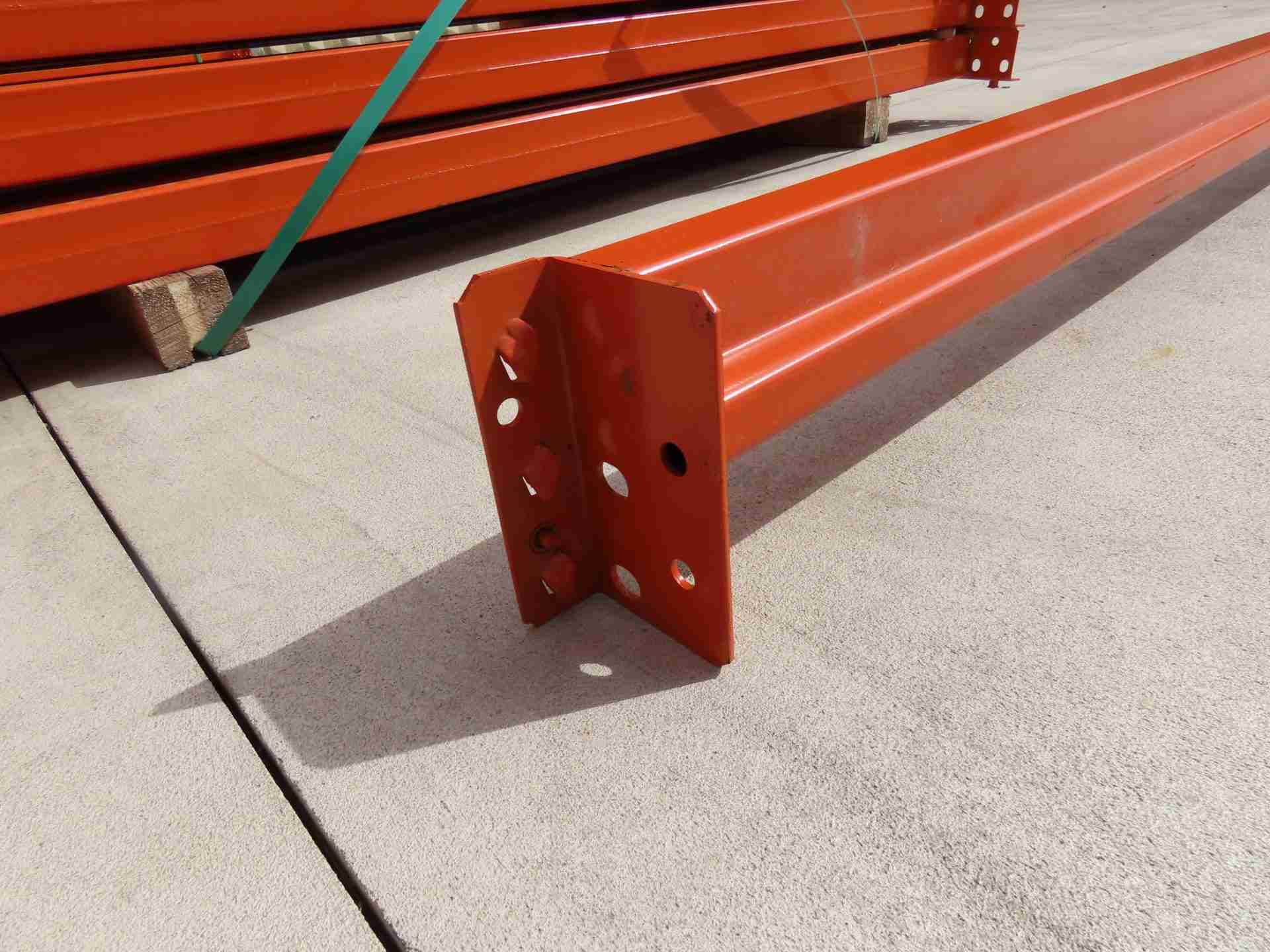
In any workspace, whether it’s a bustling factory floor or a quiet office, the layout of tools and materials matters more than most realize. Think about it: when everything is laid out logically, it’s like a smoothly running machine where each part knows its job. But when things are cluttered or misplaced, errors can multiply faster than a pile of unfinished tasks. Racking systems, for instance, are more than just vertical storage—they are the backbone of efficiency. When designed right, they can prevent the chaos that leads to mistakes.
Imagine a setup where heavy equipment sits on makeshift shelves, teetering over the edge, or where crucial documents are stuffed into the back of a drawer, gathering dust. These haphazard arrangements don’t just frustrate; they can compromise safety and cause costly errors. That’s where a thoughtfully designed layout comes into play. Racking systems optimize space and usability, ensuring that everything has its place, reducing the risk of mishaps.
From the perspective of hands-on workers, a better layout means less time hunting down materials or correcting wrong orders. It means confidence when reaching for a part, knowing exactly where it lives. When employees feel empowered in their environment, they’re less likely to cut corners or skip steps out of frustration. The heart of a solid layout beats in the rhythm of common sense—if you can see it, touch it, and find it easily, you can work better and faster.
Racking systems also tell a story of respect for the people doing the job. It’s recognizing that every worker deserves a space that supports their efforts, making it easier to do their best. This straightforward, practical approach not only fosters trust but builds a sense of pride among team members; they become part of a cohesive unit aimed at a common goal.
Yet it’s not just the practical side at play. There’s an ethical duty to create environments where safety and precision reign supreme. In a world where mistakes can lead to serious consequences, a layout that minimizes errors isn’t just a nice-to-have; it’s essential.
Ultimately, a better layout is an invitation to everyone involved. It creates an open dialogue about how workspaces can evolve, leading to improvements that benefit all. With the right racking systems in place, not only does productivity soar, but so does morale. When the layout is right, everyone wins—less stress, fewer errors, and a genuine buzz of camaraderie that makes every day a little brighter.
How Can Better Layout Reduce Errors?
How Can Better Layout Reduce Errors?
- The layout of tools and materials in a workspace significantly impacts efficiency.
- Organized environments reduce errors and enhance productivity.
- Racking systems optimize space, ensuring safety and usability.
- A well-designed layout empowers employees, reducing frustration and mistakes.
- Respecting workers’ needs fosters trust and pride within teams.
- Creating a safe and precise environment is an ethical responsibility.
- Effective layouts promote open dialogue and continuous improvement in workspaces.

How Can Better Layout Reduce Errors?
Are Employees Frustrated By Current Inventory Placement?
When folks come into work each day, they expect to roll up their sleeves and get things done. But what happens when the racking systems are a tangled mess or simply outdated? Employees aren’t just dealing with boxes; they’re wrestling with inefficiencies that can lead to frustration and decreased morale. Imagine a warehouse floor where workers constantly search for misplaced items, wasting precious time. That’s not just bad for productivity; it wears on the spirit.
Rationally, we know that efficient inventory placement is crucial. Properly organized racking systems lead to quicker retrieval times, reducing the time spent searching for products. It’s simple math: the more streamlined the process, the better the output. Yet, when workers can’t rely on the system designed to assist them, it becomes a source of irritation that echoes through the entire operation. This isn’t just a minor inconvenience; it’s a roadblock to doing one’s job effectively, and it can spiral into larger issues, such as delays in orders or unhappy customers.
But it’s not just about numbers and efficiencies. There’s an ethical component too. Employees deserve a workspace that supports their efforts, acknowledges their hard work, and allows them to thrive. Treating staff with respect means providing the tools they need to succeed—straightening out those racking systems and making sure inventory is easily accessible. When employees feel valued and understand that their workplace is invested in their well-being, it fosters a sense of loyalty and commitment.
Consider the stories of those who have been stuck in the crosshairs of an inefficient system. They tell tales of frustration, missing deadlines, and the burden of stress that follows. Yet, when given the right tools, those same individuals transform into champions of efficiency, bringing their own ideas and improvements to the table. This narrative isn’t just significant; it’s what creates a unified team with a common goal.
Ultimately, promoting a culture of improvement in how inventory is placed isn’t just beneficial for the business; it connects the workforce to a larger mission. Engaging employees in this conversation opens the door to innovation and fosters camaraderie. When workers see the company making strides to enhance their environment, they feel a deep-rooted trust that boosts overall morale and productivity. It’s a straightforward cycle: better racking systems and improved inventory placement lead to happier employees, and in turn, happy employees create better outcomes for everyone involved.

Are Employees Frustrated By Current Inventory Placement?
Are Employees Frustrated By Current Inventory Placement?
- Employees expect a functional workspace but often face disorganized or outdated racking systems.
- Inefficiencies lead to frustration and decreased morale, wasting time on misplaced items.
- Efficient inventory placement is essential for quicker retrieval times and productivity.
- An ineffective system can create roadblocks, causing delays in orders and unhappy customers.
- Employees deserve a supportive workspace, which includes proper tools and organization.
- Providing the right tools fosters loyalty and commitment among staff.
- Promoting improvement in inventory systems cultivates innovation and enhances overall morale and productivity.

Are Employees Frustrated By Current Inventory Placement?
What Ethical Concerns Arise From Inventory Mishaps?
Inventory mishaps don’t just shake up numbers on a ledger; they strike at the very heart of a business’s integrity. Picture a warehouse filled with Racking Systems overflowing with promises—each shelf, a testament to hard work and dedication. When something goes wrong, the ripples spread far and wide, affecting not just the bottom line but also the people behind those products.
Imagine a hardworking employee who’s spent their entire shift meticulously organizing stock, only to find that inventory was inaccurately logged due to poor management practices. This isn’t just a simple mistake; it’s a fracture in trust. Employees start questioning their roles, and when morale dips, productivity takes a nosedive. That can lead to a toxic work environment, where teamwork falters and cynicism grows.
From a rational standpoint, the financial implications of mishandled inventory can be staggering. Overselling products that aren’t available drains resources and alienates loyal customers. Missed opportunities turn into lost revenue, and all that hard work can feel for nothing. Ethically, businesses have a responsibility to ensure that their operations run like a well-oiled machine. That’s a commitment to customers, employees, and the community.
Think about the narrative here; when an organization continually mismanages inventory, it sends a signal that they care more about profits than people. This disregard can lead to poor treatment of suppliers and customers alike, breeding resentment and mistrust. A business built on shaky foundations is one that will crumble under pressure.
Socially, the implications of poor inventory management echo louder than you think. When word gets out about a company’s internal chaos, it affects relationships. Suppliers may hesitate to partner with a disorganized business. Customers can easily turn to competitors, choosing reliability over uncertainty.
Let’s face it: in today’s world, with so many options at our fingertips, transparency and accountability can turn one-time customers into lifelong advocates. Fostering an environment where mishaps are addressed openly and improvements are made can restore faith among employees, partners, and customers. This isn’t just about fixing a problem; it’s about securing a future built on honesty and respect. For anyone involved with Racking Systems or any part of inventory management, understanding these ethical dimensions can steer a business towards resilient growth and unwavering trust.

What Ethical Concerns Arise From Inventory Mishaps?
What Ethical Concerns Arise From Inventory Mishaps?
- Inventory mishaps undermine a business’s integrity and impact employee morale.
- Inaccurate inventory logging leads to distrust among employees and decreases productivity.
- The financial consequences of mishandled inventory include overselling and loss of customer loyalty.
- Ethical responsibilities require businesses to maintain efficient operations for customers, employees, and the community.
- Continued inventory mismanagement signals prioritization of profits over people, damaging relationships with suppliers and customers.
- Poor inventory management can deter potential partnerships and drive customers to competitors.
- Addressing mishaps and fostering transparency can transform one-time customers into loyal advocates for the business.

What Ethical Concerns Arise From Inventory Mishaps?
How Does Layout Influence Employee Efficiency?
In the daily grind, the way a workspace is laid out can be the unsung hero or the silent killer of productivity. When you walk into a workplace, what do you see? Cluttered desks, winding pathways, and outdated Racking Systems can all translate into frustration. A layout that encourages efficiency isn’t just a fancy design—it’s a vital part of creating an environment where employees can thrive.
Consider the stories of those who have worked in cramped, chaotic spaces. Time slips away as employees search desperately for tools buried under piles of paperwork. Imagine their disheartened faces when they realize they’ve wasted precious minutes just trying to locate a simple file. Conversely, picture a workspace designed with purpose, one where everything has its place, and the flow feels natural. Here, workers can dive straight into tasks without the distraction of disorder. It’s not just about layout; it’s about respect for their time and effort.
Rationally speaking, efficient layouts support workflows, reducing unnecessary movements and allowing employees to focus on what truly matters. When desks are positioned for collaboration yet provide personal space, teams can brainstorm and innovate without stepping on each other’s toes. Each desk and each pathway should be a logical extension of the tasks at hand. After all, when workers spend less time navigating their environment, they can spend more time generating ideas and solutions.
The ethics of layout go deeper than aesthetics. A thoughtfully organized workspace speaks volumes about how much a company values its employees. It fosters a sense of belonging and purpose. With workers feeling comfortable and respected, they’re more likely to put in that extra effort, knowing their contributions are appreciated. A supportive environment echoes trust. Trust builds confidence, and that combination drives a workforce to excel.
The power of a well-considered layout isn’t just about making things look pretty; it’s about creating a culture of efficiency, respect, and camaraderie. The stories we share in the breakroom over our morning coffee often revolve around our day-to-day environments. When layouts align with the needs of the people who inhabit them, those shared moments become more positive, inspiring collaboration and connectivity among team members.
A workspace designed with the employees in mind reflects a company’s commitment to its people. It shows that every detail matters, right down to the functional layout and the effective use of Racking Systems. Trust that fostering such a space will yield a workforce that is motivated, engaged, and ultimately more efficient.

How Does Layout Influence Employee Efficiency?
How Does Layout Influence Employee Efficiency?
- The layout of a workspace significantly impacts productivity, either enhancing it or causing frustration.
- Cluttered environments can lead to wasted time as employees struggle to find necessary tools and files.
- A well-organized layout fosters efficiency, allowing workers to focus on their tasks without distractions.
- Efficient designs support collaboration while providing personal space for effective teamwork.
- A thoughtful workspace layout reflects a company’s values and contributes to employees’ sense of belonging.
- Trust and respect cultivated by a good layout can drive workforce motivation and engagement.
- A workspace designed for employees enhances collaboration, connectivity, and overall workplace culture.

How Does Layout Influence Employee Efficiency?
Can a Better Layout Enhance Customer Satisfaction?
A well-thought-out layout can do wonders for a business, not just in terms of how it looks but in how it feels for customers. Picture this: you’re walking into a warehouse filled with Racking Systems. The aisles are wide enough to maneuver without bumping into things, and the signs clearly direct you to whatever you need. You might not realize it, but that layout puts a spring in your step. That’s how a solid layout enhances customer satisfaction – it creates an experience that feels easy and welcoming.
When customers walk into a space that makes sense, it builds trust. You see, a layout isn’t just about placing racks and shelves; it’s about the story it tells. It shows that the business cares about its customers. Imagine trying to find a specific tool in a maze of disorganized shelves; frustration builds, and soon enough, you’re ready to turn around and leave. But a thoughtful arrangement invites exploration and makes the pursuit enjoyable.
There’s an emotional connection formed when a layout caters to people’s needs. When a store is thoughtfully arranged, it feels respectful of customers’ time and energy, fostering a sense of belonging. This is where the gut comes into play; customers feel valued when businesses prioritize their convenience. You can’t help but trust a place that considers what works best for you.
Using clear paths and logical placements for Racking Systems can respond to the rational side of a shopper’s mind. It shows efficiency that translates into better service. When customers can quickly navigate to what they need, that’s not just good business; it’s common courtesy. They want to believe that you understand their needs, and a well-planned layout reinforces that.
There’s also a communal aspect to a well-designed space. When people see another customer enjoying their shopping experience, it swells that feeling of community. Conversations start about products, recommendations flow, and suddenly, your layout isn’t just a physical arrangement but a catalyst for social interaction.
A better layout isn’t just a perk; it’s a cornerstone of customer satisfaction. It’s about creating an experience that resonates deeply with the heart, engages the mind, and feels right to the gut. It irresistibly invites customers in, keeps them coming back, and showcases the commitment of a business to serve its community well.

Can a Better Layout Enhance Customer Satisfaction?
Can a Better Layout Enhance Customer Satisfaction?
- A well-thought-out layout enhances both the appearance and customer experience of a business.
- Clear navigation and organization build trust and encourage exploration among customers.
- A thoughtful layout respects customers’ time and fosters a sense of belonging.
- Efficiency in layout translates into better service and reinforces customer trust.
- A well-designed space encourages social interaction and a sense of community.
- A better layout is essential for customer satisfaction and business success.
- Overall, a solid layout reflects a business’s commitment to serving its customers effectively.

Can a Better Layout Enhance Customer Satisfaction?
Conclusion
In the world of warehousing and inventory management, the layout of a space is often underestimated yet profoundly impacts both employee morale and customer satisfaction. When a workspace is disorganized, chaos reigns, leading to a drop in efficiency and a rise in frustration. Employees forced to navigate a tangled mess of mismatched racking systems and cluttered aisles often feel overwhelmed and disheartened. Their daily struggles can turn into a collective disillusionment, resulting in costly errors like misplaced stock and order mix-ups that tarnish a company’s reputation.
At its core, an effective layout embodies respect for the workforce. Workers deserve an environment that empowers them, where each item has a logical place, and every movement feels purposeful. This not only enhances productivity but nurtures a sense of pride in one’s work. A well-thought-out design fosters confidence, allowing employees to focus on their tasks rather than wasting time searching for misplaced items. It’s about streamlining processes so that each trip down the aisle feels like navigating a familiar path. This simple adjustment can transform a stressful shift into an efficient operation where morale flourishes.
Furthermore, a clear and sensible layout signals to customers that a business values their time. When customers can seamlessly locate products without frustration, it builds trust and enhances their overall experience. A welcoming, intuitive environment resonates with customers on an emotional level, making them feel appreciated and respected. This connection encourages loyalty and can be pivotal in an era where competition is fierce. Happy customers are likely to return, spreading positive word-of-mouth and solidifying the company’s standing within the community.
On a broader level, investing in a well-designed workspace isn’t merely an operational choice; it’s a moral one. It showcases a commitment to ethical management practices, where every employee can thrive in a balanced environment. A commitment to continual improvement in the layout sends a powerful message to employees, cultivating loyalty and turning them into advocates for efficiency and innovation. The ripple effects of such investment pave the way for a culture rooted in respect, collaboration, and accountability, ultimately leading to improved inventory accuracy and customer satisfaction.
In conclusion, prioritizing thoughtful design in physical spaces is not only smart business; it’s an ethical responsibility. By actively working to enhance the layout, companies can create a positive cycle where employees feel valued, productivity is optimized, and customers leave with a sense of satisfaction, eager to return.
Conclusion
Conclusion:
- The layout of warehousing and inventory spaces significantly impacts employee morale and customer satisfaction.
- Disorganized workspaces lead to inefficiency, frustration, and costly errors.
- An effective layout empowers employees by ensuring every item has a logical place, enhancing productivity and pride in work.
- A clear layout improves customer experience, signaling that a business values their time and builds trust.
- A welcoming environment fosters customer loyalty and positive word-of-mouth in a competitive market.
- Investing in workspace design reflects a commitment to ethical management and a balanced work environment.
- Prioritizing thoughtful design creates a cycle of valuing employees, optimizing productivity, and ensuring customer satisfaction.

Conclusion
Other Resources

Other Resources
Here is a list of other resources you can review online to learn more:
- Selective Racking
- Teardrop Racks – Pallet Rack World
- BMH Equipment LLC
- Teardrop Industrial Shelving Rack
- International Warehouse Logistics Association
- Logic Material Handling
- NSC
- Warehouse Racking Systems: Beginner’s Guide to Rack Systems
- Interlake Mecalux
- Pallet Racking systems in Illinois, Great Lakes
- Total Warehouse
- Shipping Boxes, Packaging Materials, Pallet Racking
- Crane Manufacturers Association Of America Inc.
- Warehousing and Fulfillment
- Teardrop Pallet Rack – Ridg-U-Rak
- Storage Equipment Manufacturers Association
- ASSP
- SEMA
- Used Pallet Rack for Sale in Illinois – American Surplus
- The Complete Pallet Rack Guide – Simply Rack
Use This Prompt To Get More Resources With Your Favorite Online AI Tool: Please provide me with a list of online articles with their URLs in a bulleted list that I can read regarding How Poor Layout Creates Inventory Errors

Other Resources
Glossary Terms
How Poor Layout Creates Inventory Errors – Glossary Of Terms
1. Inventory: The goods and materials a business holds for the purpose of resale or production.
2. Layout: The arrangement of physical space in a warehouse or store, affecting workflow and efficiency.
3. Stockout: A situation where inventory is depleted, leading to lost sales and dissatisfied customers.
4. Overstock: Excess inventory that exceeds the storage capacity or expected demand, leading to inefficiencies.
5. SKU: Stock Keeping Unit, a unique identifier for each distinct product and service that can be purchased.
6. Picking: The process of selecting items from inventory to fulfill customer orders.
7. Replenishment: The act of restocking inventory to ensure sufficient supply for demand.
8. WMS: Warehouse Management System, software for managing inventory levels, orders, and warehouse operations.
9. FIFO: First In, First Out, an inventory management method where older stock is sold before newer stock.
10. LIFO: Last In, First Out, an inventory management method where newer stock is sold before older stock.
11. Audit: A systematic examination of inventory records and physical counts to ensure accuracy.
12. Handling: The physical movement of goods within a storage facility, affecting inventory accuracy.
13. Lead Time: The time taken between ordering and receiving inventory, impacting stock levels.
14. Shrinkage: The loss of inventory due to theft, damage, or administrative error.
15. Cycle Counting: A method of inventory auditing where a small subset of items is counted on a specific schedule.
16. Distribution: The process of delivering products from the supplier to the end customer or retail locations.
17. Demand Forecasting: Predicting future inventory needs based on sales data and market trends.
18. Layout Optimization: The process of arranging inventory and equipment to improve workflow and reduce errors.
19. Pick Path: The route taken by workers to retrieve items from shelves, impacting efficiency and accuracy.
20. Bin Location: The designated place in a warehouse where specific items are stored, crucial for quick retrieval.
21. Serialization: Assigning unique identifiers to individual items for tracking and management purposes.
22. Stock Keeping: The process of managing and organizing inventory levels to meet demand.
23. Consignment: A sales arrangement where goods are sent to a retailer, but ownership remains with the supplier until sold.
24. Inventory Turnover: A measure of how often inventory is sold and replaced over a period.
25. Perpetual Inventory: A method of tracking inventory levels in real-time, allowing for immediate adjustments.
26. Variance: The difference between recorded inventory levels and actual counts, indicating errors.
27. Batch Tracking: Monitoring groups of products produced or received at the same time for better inventory control.
28. Slotting: The process of determining the optimal placement of products within a storage facility to improve accessibility.
29. Inventory Control: The process of overseeing and managing inventory levels to minimize costs and maximize efficiency.
30. Obsolescence: The reduction in the value of inventory due to changes in trends, technology, or market preferences.

Glossary Of Terms
Other Questions
How Poor Layout Creates Inventory Errors – Other Questions
If you wish to explore and discover more, consider looking for answers to these questions:
- How do I assess whether my current layout is causing inventory errors?
- What specific layout features most commonly lead to miscounts and misplaced stock?
- Which metrics and KPIs should I track to measure inventory accuracy and layout effectiveness?
- What are best practices for designing racking systems to minimize errors?
- How do aisle width and traffic flow affect picking accuracy and speed?
- What are the most effective slotting strategies for different product types?
- How can I prioritize which areas to redesign first for the biggest impact?
- What is the typical ROI and payback period for a layout redesign or racking upgrade?
- How much does it cost to retrofit existing racking systems versus installing new ones?
- What role do labeling, signage, and visual management play in reducing inventory errors?
- Which technologies (WMS, barcode scanners, RFID) best complement a smart layout?
- How do I integrate layout improvements with our inventory management software and ERP?
- What are common human factors (fatigue, ergonomics) that layout changes should address?
- How should layouts differ for bulk storage versus pick-and-pack operations?
- What picking methods (zone, wave, batch, discrete) work best with specific layouts?
- How do safety regulations and load capacities influence racking and layout choices?
- How can I involve employees in redesign to ensure practical, usable solutions?
- What training is required after making layout or racking changes?
- How do I test or simulate a new layout before committing to expensive changes?
- What are the most common implementation pitfalls and how can I avoid them?
- How can layout changes help reduce shrinkage, theft, and inventory loss?
- How do inbound, outbound, and returns processes need to be reconfigured after a layout change?
- How does layout impact order lead time, throughput, and overall customer satisfaction?
- What maintenance and inspection practices are required for long-term racking reliability?
- How do I balance storage density against accessibility and error reduction?
- Which racking types (pallet, selective, drive-in, push-back) are best for different use cases?
- How should seasonal peaks and demand variability influence layout planning?
- How can automation (conveyors, AS/RS, pick-to-light) be integrated into an improved layout?
- What documentation and standard operating procedures should accompany a new layout?
- How can I measure and report the before-and-after impact of layout changes to stakeholders?
- Are there industry-specific layout guidelines for sectors like retail, cold storage, or pharmaceuticals?
- How do lighting, floor markings, and environmental factors affect accuracy and safety?
- How should I choose suppliers, contractors, or consultants for racking and layout projects?
- What legal, insurance, or compliance issues should I consider when modifying racking systems?

Other Questions
Checklist
How Poor Layout Creates Inventory Errors – A Checklist
Checklist Information
✅______ Facility
✅______ Date
✅______ Prepared by
✅______ Next audit date
Strategy and Zoning
✅______ Storage zones defined by product family, velocity (A/B/C), size, and handling needs
✅______ Clear separation of receiving, put-away, storage, picking, packing, and shipping
✅______ Fast movers positioned closest to packing/shipping; slow movers farther away
✅______ Temperature, Hazmat, and security-sensitive items zoned appropriately
✅______ Seasonal and promotional areas planned with temporary, well-marked locations
Flow and Aisles
✅______ One-way travel paths where possible to reduce congestion and errors
✅______ Aisle widths match equipment turning and passing requirements
✅______ Cross-aisles placed at logical intervals to shorten travel and searching
✅______ High-traffic intersections kept clear; no dead-end aisles for primary picks
✅______ Visual floor markings define lanes, staging, and no-parking zones
Racking Systems
✅______ Rack types match load, SKU size, and access needs (e.g., selective, flow, cantilever)
✅______ Racks inspected; no damage, missing bolts, or overloaded beams
✅______ Dedicated, labeled home locations for every SKU; no “floating” storage
✅______ Pallet and case positions consistent in height and depth to avoid mis-slots
✅______ Ergonomic pick levels prioritized (waist-to-shoulder zone for high-frequency items)
Location Naming, Labeling, and Signage
✅______ Location codes are unique, logical, and readable from working distance
✅______ Aisle, bay, level, and position labels consistent and scannable
✅______ Large directional signage at aisle ends; zone maps posted at key points
✅______ Labels oriented the same way across aisles; no handwritten or outdated tags
✅______ Empty locations clearly identified to prevent accidental use
Slotting and Accessibility
✅______ SKUs slotted to minimize travel and touches based on order history
✅______ Similar-looking items separated to prevent mis-picks
✅______ Hazardous, fragile, and heavy SKUs placed to reduce risk and strain
✅______ Replenishment paths do not interfere with active picking
✅______ Forward pick faces sized to demand to reduce frequent refills
Receiving and Put-away
✅______ Receiving staging clearly marked with FIFO lanes and inspection areas
✅______ All receipts verified and labeled before entering storage
✅______ Standard put-away paths defined; no ad hoc placement
✅______ Variances and overages isolated and resolved before put-away
✅______ Dock-to-stock time measured and improved
Picking and Replenishment
✅______ Standard pick paths defined by order type (single-line, multi-line, batch/zone)
✅______ Pick-to-light, voice, or scanning in place to confirm location and item
✅______ Replenishment triggered by min/max or system demand, not guesswork
✅______ Replenishment tasks scheduled outside peak pick windows
✅______ Exception handling defined for shorts, damages, and substitutes
Inventory Accuracy Controls
✅______ Cycle counting program targets high-risk and high-velocity locations
✅______ Root causes captured for every inventory discrepancy
✅______ Bin audits verify that every location matches the system of record
✅______ No mixed SKUs in a single unlabeled location
✅______ Physical counts reconcile before major promotions and quarter close
Safety and Ergonomics
✅______ Clear, unobstructed egress and emergency access at all times
✅______ Safe lifting heights and mechanical aids available where needed
✅______ Housekeeping standard (5S) applied to all zones daily
✅______ Lighting sufficient for label reading and scanning
✅______ Damaged packaging contained and reworked in a defined area
Employee Experience and Training
✅______ New-hire and refresher training covers layout, slotting, and location logic
✅______ Standard work posted at point of use for key tasks
✅______ Feedback loop for employees to suggest layout and process improvements
✅______ Adequate break and hydration access to reduce fatigue-related errors
✅______ Recognition for accuracy, cleanliness, and continuous improvement
Customer Impact
✅______ Order accuracy and on-time metrics reviewed daily
✅______ Returns analyzed for pick/pack/ship root causes tied to layout issues
✅______ Pack stations standardized to prevent item swaps and omissions
✅______ Peak-season layout adjustments planned and communicated
✅______ Service recovery playbook in place for inventory-caused errors
Metrics and Continuous Improvement
✅______ KPIs tracked: pick accuracy, inventory accuracy, travel time, dock-to-stock, lines per hour
✅______ Heat maps or time studies used to re-slot fast movers quarterly
✅______ Layout reviewed after major SKU changes or growth milestones
✅______ Obsolete and dead stock culled regularly to free prime locations
✅______ Visual management board shows trends and corrective actions
Ethics and Accountability
✅______ Transparent reporting of errors and corrective actions to the team
✅______ Clear ownership for zones and audits; roles documented
✅______ Layout decisions balance throughput with worker well-being
✅______ Policies prevent “make-do” storage that increases error risk
✅______ Post-incident reviews focus on system fixes, not blame
Technology and Data Hygiene
✅______ WMS/IMS location master reflects the physical layout exactly
✅______ Barcode standards enforced for products, pallets, and locations
✅______ Handhelds or terminals available where work happens; minimal manual entry
✅______ Real-time inventory movements captured; no delayed updates
✅______ Regular data cleanup for duplicates, inactive SKUs, and incorrect units of measure
Returns, Exceptions, and Quality
✅______ Dedicated, labeled area for returns and nonconforming goods
✅______ Standard inspection and disposition workflows
✅______ Quarantine locations blocked in system to prevent accidental picks
✅______ Rework tasks prioritized to return sellable stock quickly
✅______ Trends from returns feed back into slotting and training
Sign-Off
✅______ Layout owner
✅______ Operations lead
✅______ Safety lead
✅______ Next improvement actions (top 3): 1) 2) 3)

Checklist
At RackingWorld, we help guide you through selecting warehouse storage systems and racking.
Be sure to read our other related stories at RackingWorld to learn more about warehouse storage systems.
0 Comments