
The Hidden Costs Of Overplanning Rack Systems
By Tom Seest
At RackingWorld, we help guide you through selecting warehouse storage systems and racking.
Be sure to read our other related stories at RackingWorld to learn more about warehouse storage systems.
How Overplanning Rack Systems Can Backfire
Overplanning racking systems can lead to unintended complications that undermine productivity and morale. When teams spend countless hours meticulously detailing every inch of a racking design, they often overlook the fundamental principle of flexibility. It’s easy to become enamored with blueprints and specifications, convinced that precision is the path to success. But in the real world, overengineering a racking system can feel like trying to fit a square peg into a round hole.
Picture this: You walk into a warehouse where the racking system has been meticulously designed, but the reality of daily operations reveals a chaotic dance of employees trying to navigate the rigid structures. Morale takes a hit, and frustration mounts. Employees need to feel empowered and adaptable, not shackled by a convoluted racking plan that leaves them feeling like cogs in a machine. Flexibility matters; it supports a culture of collaboration and problem-solving, where the workforce feels engaged and invested.
Emotionally, we crave spaces where we can thrive—places where our creativity and resourcefulness are nurtured. A well-designed racking system should provide recovery time to regroup and reassess, not create a logjam of inefficiency. When the team struggles with a system that doesn’t adapt to changing needs, it can trigger a cascade of dissatisfaction that affects everyone in the operation. The psychic toll can be far greater than those initial hours spent overplanning.
Rationally, consider the costs associated with a rigid racking solution. Equipment and labor costs can skyrocket due to inefficiency. Unplanned downtime can cost a business more than the initial savings gained from meticulous planning. When it’s all said and done, a racking system that lacks flexibility and adaptability can drain resources and inflate frustration.
Ethically, it’s our responsibility to create environments that foster innovation and resilience. We have to prioritize the well-being of our teams, and that includes giving them the tools they need to succeed, which often means abandoning the perfectionism of overplanning. Just remember: sometimes the best way to plan is to leave a little room for spontaneity and adjustment. A racking system should be a facilitator of productivity—a partner in success, not a prison of precision. Let’s design with hearts, minds, and guts—building racking systems that are as dynamic as the people who use them.
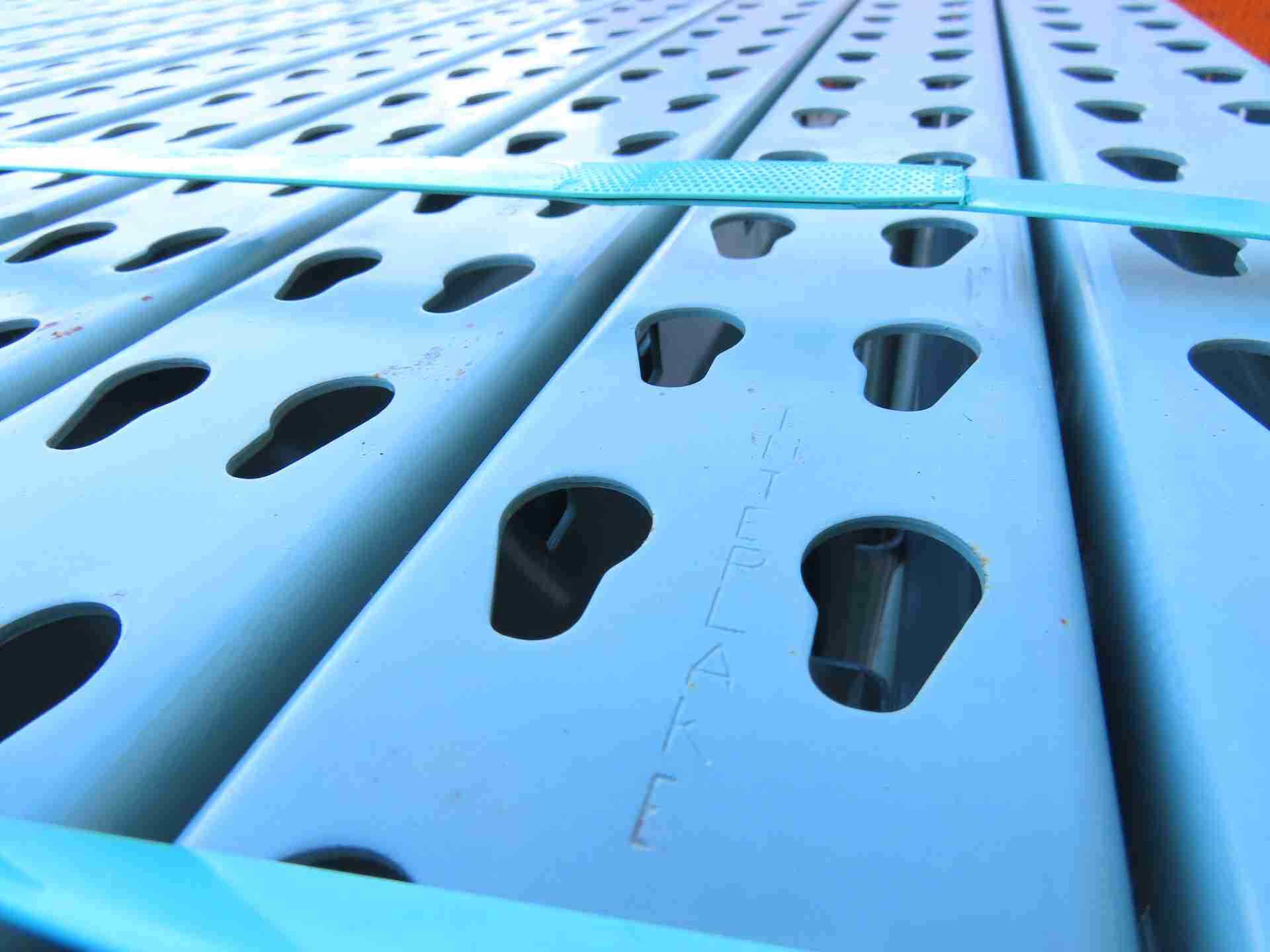
How Overplanning Rack Systems Can Backfire
How Overplanning Rack Systems Can Backfire
- Overplanning racking systems can undermine productivity and morale.
- Focus on flexibility rather than strict blueprints to enhance efficiency.
- Rigid racking designs can frustrate employees and hinder collaboration.
- A well-designed system should allow for recovery time and adaptability.
- Rigid systems can lead to increased costs from inefficiency and unplanned downtime.
- It’s ethically important to create environments that support innovation and resilience.
- Designing racking systems should prioritize flexibility and foster a thriving workforce.

How Overplanning Rack Systems Can Backfire
Table Of Contents
- How Overplanning Rack Systems Can Backfire
- What Emotions Drive Your Decisions About Rack System Design?
- Are You Considering Long-Term Usability Over Immediate Solutions?
- How Does Overplanning Affect Team Morale and Collaboration?
- How Can We Balance Efficiency and Creativity In System Planning?
- What Lessons Have Others Learned From Their Rack System Mishaps?
- Conclusion
- Other Resources
- Glossary Of Terms
- Other Questions
- Checklist
What Emotions Drive Your Decisions About Rack System Design?
When it comes to designing a rack system, the emotions driving your decisions can be as complex as the structures themselves. Imagine the feeling of satisfaction when everything fits perfectly, just like Tetris blocks clicking into place. That sense of accomplishment stems not just from functionality, but from a deeper understanding of what it means to create something valuable. Your racks aren’t just metal and wood; they symbolize order, efficiency, and precision, each piece telling a story about the work that happens around them.
Let’s be real; we often lie awake in the middle of the night, our minds buzzing with questions about the best design. Will it hold up over time? Will it make the workflow smoother for our team? This is where rationality plays a part. You want to ensure that your choices stand on a solid foundation of knowledge and industry standards. Every clip, beam, and support needs to earn its place in that design, justified not only by performance metrics but also by careful research and expert recommendations. There’s trust in the numbers, but don’t forget the heart.
On a deeper level, every decision you make about your racking reflects an ethical stance towards your team, your clients, and the environment. Are you choosing sustainable materials? Prioritizing safety over shortcuts? The connection to your values will resonate through every facet of your design. Beyond mere compliance, your choices can empower those who work within that space, allowing them to thrive in an organized and safe environment.
We’re social creatures, and our experiences shape our decision-making. Conversations with colleagues, learning from industry leaders, and hearing stories from those who’ve faced challenges can inspire your approach. When you share those narratives and tap into the collective wisdom, you’re building a community of trust and accountability.
So, as you embark on your rack system design journey, remember that every decision is a reflection of who you are. Your racks will not only bear your products but embody the spirit of teamwork and innovation. Channel that emotion—let your head, heart, and gut work in harmony. When you do, the outcome isn’t just a rack; it’s a testament to what you believe in. Start this process with confidence, and take the next step because every choice matters.
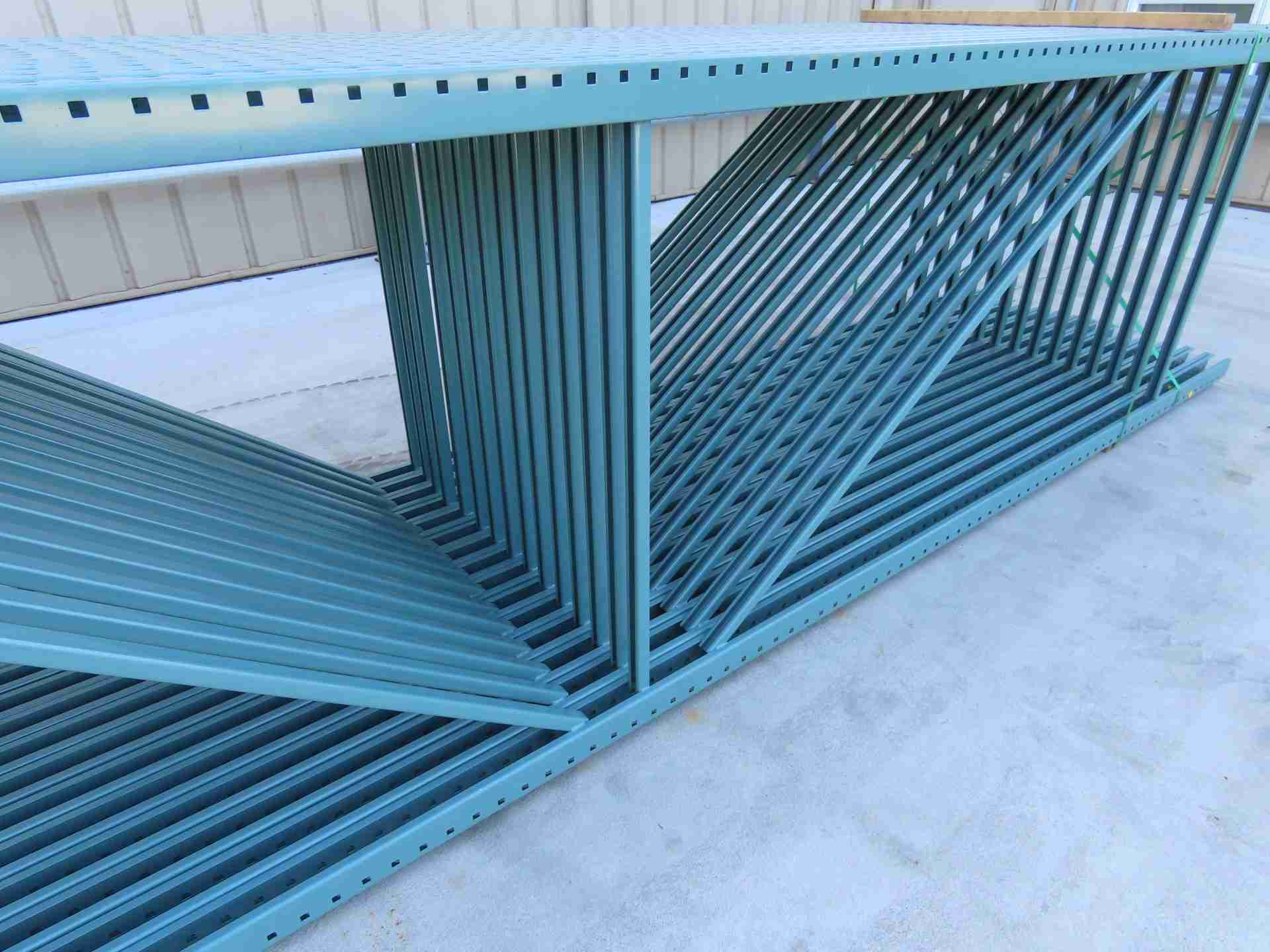
What Emotions Drive Your Decisions About Rack System Design?
What Emotions Drive Your Decisions About Rack System Design?
- Designing a rack system involves complex emotions, akin to Tetris blocks fitting perfectly.
- A sense of accomplishment arises from functionality and understanding the value of creation.
- Design decisions must be backed by knowledge, industry standards, and careful research.
- Choosing sustainable materials and prioritizing safety reflect ethical stances in design.
- Experiences and narratives from colleagues can inspire and shape design decisions.
- Every design choice reflects personal and professional values, embodying teamwork and innovation.
- Approach the design process with confidence, remembering that each choice has significance.
What Emotions Drive Your Decisions About Rack System Design?
Are You Considering Long-Term Usability Over Immediate Solutions?
When we find ourselves at a crossroads, torn between long-term usability and the allure of immediate solutions, it’s crucial to pause and consider what truly deserves our investment. Picture this: you’re racking your brain trying to tackle a problem. Maybe it’s a leaky pipe, a nagging software glitch, or even a nagging situation at work. Whoever you are, chances are you’ve been tempted to reach for the quick fix, the shiny object that promises ease and urgency. But have you ever stopped to consider what happens when the band-aid wears off?
Choosing to chase quick solutions can feel like driving a sports car down a dead-end street. You might feel exhilarated in the moment, roaring ahead, but you’ll quickly find yourself hitting a brick wall. Imagine the frustration, the time wasted, and the resources drained when the problem resurfaces. In contrast, investing in long-term usability is like building a sturdy bridge; it’s about laying the groundwork for a future where your efforts pay dividends. It’s about crafting solutions that are built to last, ones that nourish resilience rather than just patch up problems temporarily.
Let’s examine the emotional aspect of this. Remember a time when you felt genuinely satisfied with your hard work? That moment of pride when you knew your efforts would yield returns for years to come? That’s the feeling you get when you prioritize long-term solutions. It’s about taking ownership, and although it might require an initial investment of time and effort, it ultimately fosters a sense of accomplishment that quick fixes can never touch.
From a rational standpoint, think of long-term usability as an investment in your peace of mind. Sure, you might spend a little more now—whether that’s time, money, or resources—but the savings down the road are indisputable. You’re not just solving a problem; you’re preventing future headaches.
Ethically, there’s a responsibility to ourselves and to others to think beyond our immediate needs. As we gather around the proverbial water cooler, our decisions impact not just us but our colleagues, our families, and our communities. The legacy we build through thoughtful solutions can echo for years, fostering a culture of integrity and diligence.
So, the next time you’re faced with a dilemma and a dizzying array of options, consider the impact of your choices not just today, but for tomorrow. Invest in solutions that stand the test of time, and watch how that commitment transforms not just your workflow, but your entire landscape.
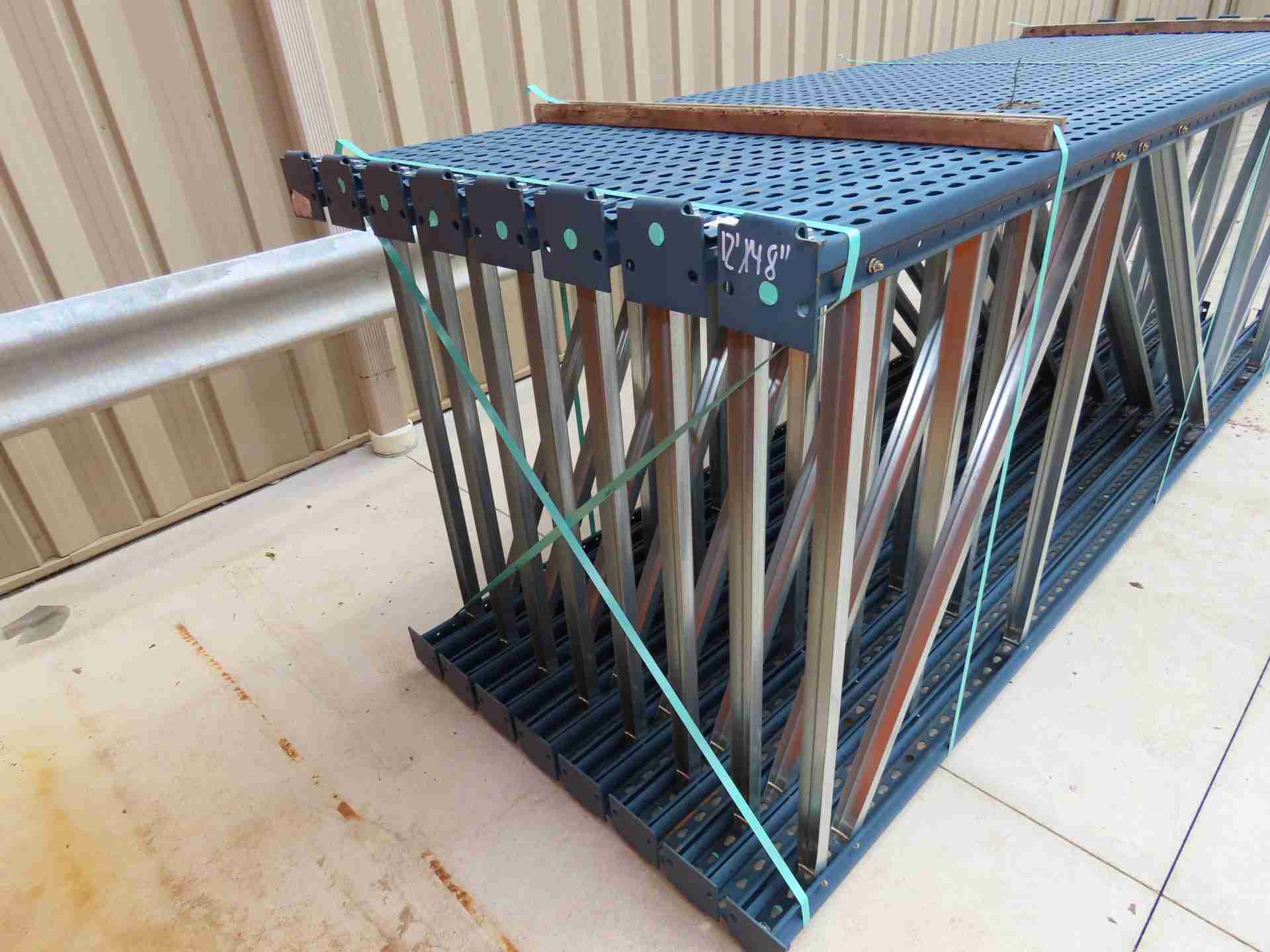
Are You Considering Long-Term Usability Over Immediate Solutions?
Are You Considering Long-Term Usability Over Immediate Solutions?
- Pause at crossroads between immediate fixes and long-term usability.
- Quick solutions may provide temporary satisfaction but lead to greater frustration later.
- Investing in long-term usability is akin to building a sturdy bridge for future benefits.
- Long-term solutions foster a deeper sense of pride and accomplishment.
- Consider the rational benefits of long-term investments, as they save time and resources later.
- Ethical responsibility extends beyond personal needs, affecting colleagues, families, and communities.
- Make choices today that positively impact the future, transforming workflows and overall outcomes.
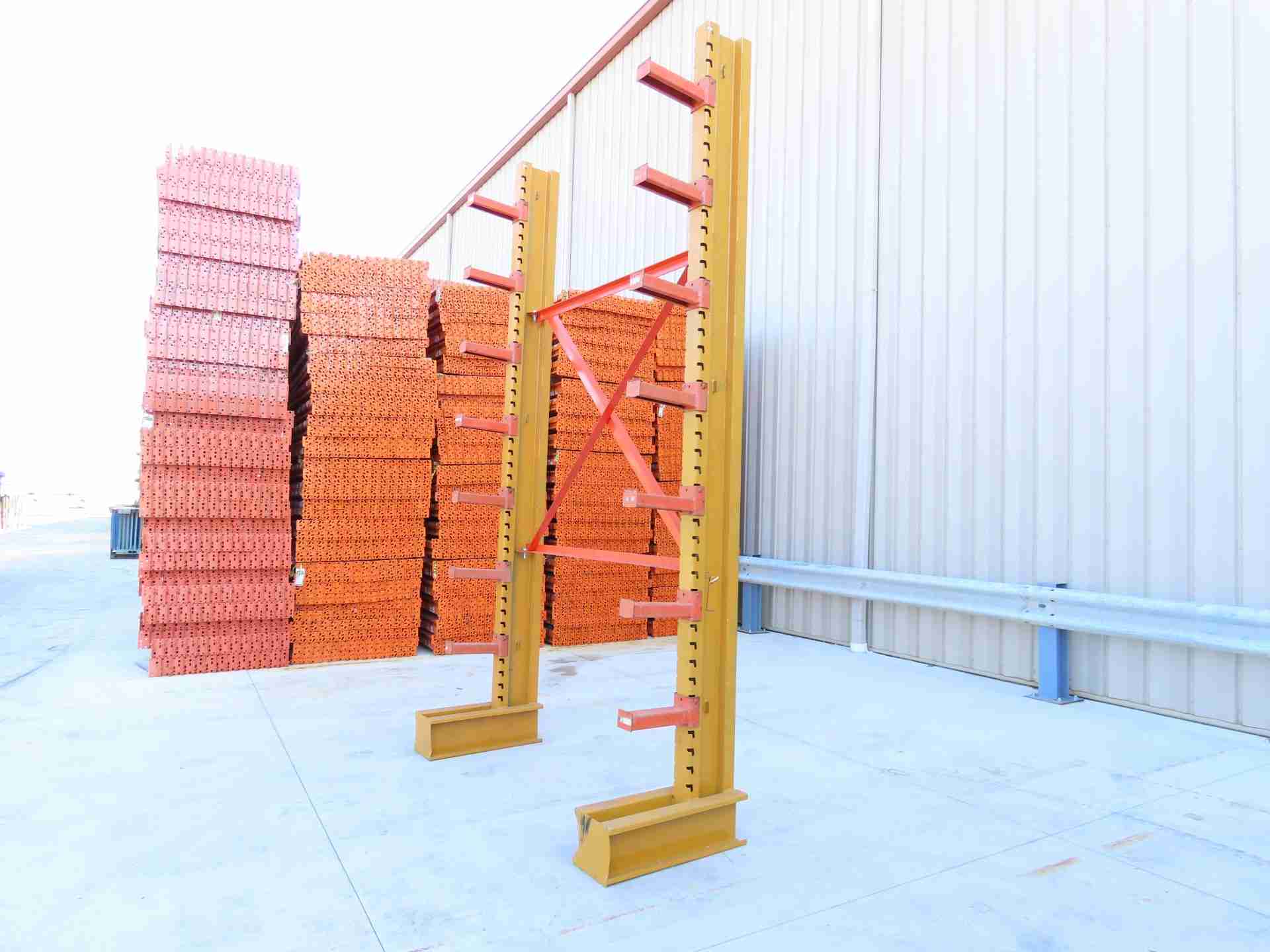
Are You Considering Long-Term Usability Over Immediate Solutions?
How Does Overplanning Affect Team Morale and Collaboration?
Overplanning can be like trying to reach the finish line with a bag full of bricks—heavy, cumbersome, and ultimately pointless. It’s not just about filling every second of a meeting with bullet points and scheduled tasks; it’s about the human element that gets lost amid the sea of planning. Imagine a team that feels more like a collection of individuals than a cohesive unit, each one racking their brains around stringent timelines and meticulously crafted agendas. It doesn’t take long for the excitement to fade and for innovation to take a back seat.
When you micromanage every detail, you’re not just overloading your team with tasks; you’re stifling creativity and collaboration. Think about it: when was the last time you felt inspired when someone handed you a rigid blueprint instead of inviting you into the process? Real collaboration blossoms in spaces where trust is established, where every member believes their voice is not only heard but valued. When every decision is pre-planned, team members start to feel like cogs in a machine instead of the driving forces of change.
On a rational level, consider the resources wasted on excessive planning. Hours spent drafting exhaustive agendas could go toward meaningful discussions and brainstorming sessions that ignite new ideas. Ethically speaking, it’s important to provide an environment where employees feel empowered to contribute rather than just comply with someone else’s vision. By fostering open dialogue, you create a culture that encourages risk-taking and exploration of innovative solutions.
The effects of overplanning can extend beyond mere productivity, affecting morale deeply. Have you ever watched a team that once thrived on fresh ideas grow weary and disheartened? The spark that made them excited about their work slowly fizzles out, leaving a stale atmosphere where motivation wanes and discontent brews. Remember, every effective team is a collection of unique perspectives, each bringing something essential to the table. Let’s honor that diversity!
So, reevaluate your approach. Instead of filling every minute with meticulous plans, carve out space for improvisation and candid conversations. Allow your team to lead sometimes, to feel the weight of their contributions, and to share in the joy of collective success. It’s in these moments of genuine connection and shared purpose that true collaboration flourishes. Embrace the messiness of teamwork, and watch as energy and creativity surge back into your projects. Trust that less can become more, igniting a renewed passion within your team.
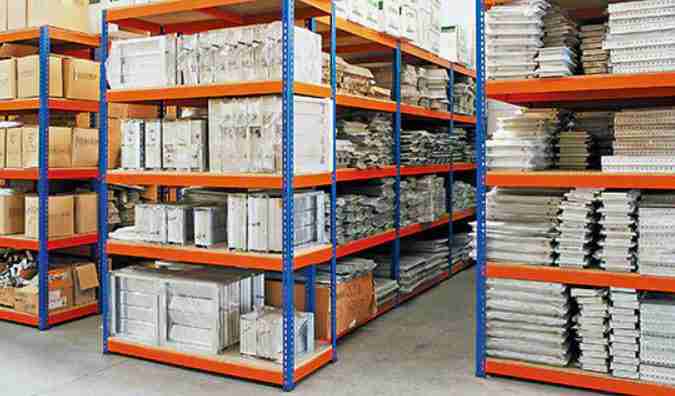
How Does Overplanning Affect Team Morale and Collaboration?
How Does Overplanning Affect Team Morale and Collaboration?
- Overplanning can feel burdensome and stifles creativity and collaboration.
- Micromanaging details can lead to team members feeling like cogs in a machine rather than valued contributors.
- Excessive planning wastes resources that could be better spent on meaningful discussions and brainstorming.
- Creating an environment of open dialogue encourages risk-taking and innovation.
- Overplanning can negatively impact team morale, causing enthusiasm to fade and discontent to grow.
- Every effective team thrives on diverse perspectives that should be honored and encouraged.
- Embracing improvisation and candid conversations enhances team collaboration and reignites passion for projects.
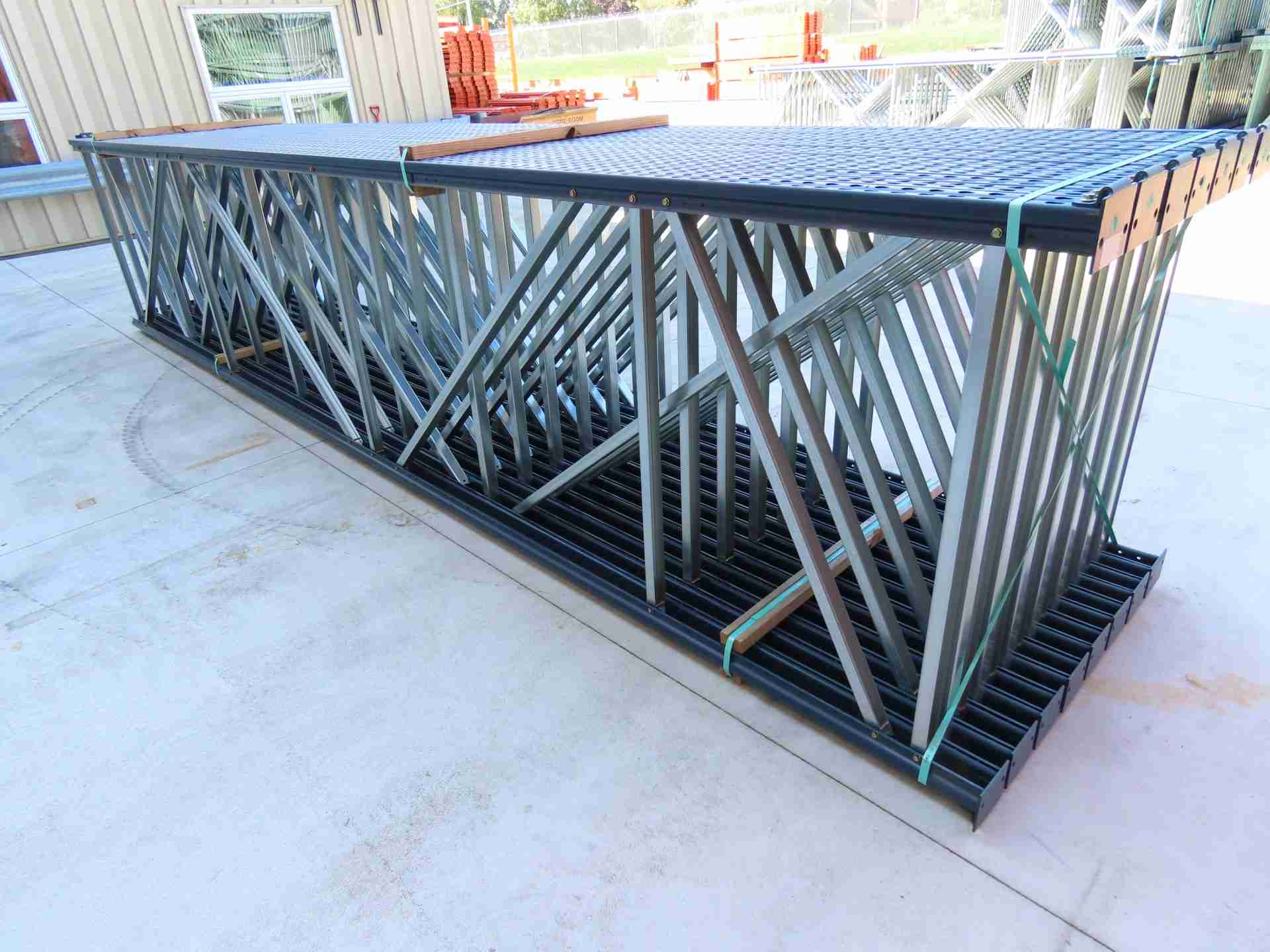
How Does Overplanning Affect Team Morale and Collaboration?
How Can We Balance Efficiency and Creativity In System Planning?
In the world of system planning, the battle between efficiency and creativity is akin to racking an old, rusted machine into pristine action. We all know the feeling: the hum of productivity buzzing in the background while simultaneously yearning for something fresh and invigorating. It’s a delicate dance that requires not just intellect, but also an emotional awakening to what truly drives our teams and communities.
Consider this: our systems are not merely structures of processes and protocols. They are living, breathing entities that reflect our values, dreams, and aspirations. When we focus solely on efficiency—churning out results through well-oiled gears—we risk losing the creative spark that inspires innovation. It’s similar to polishing a surface to such an extent that it loses its character. But what if we could find a way to intertwine the two? Imagine a system where the rigid lines of efficiency embrace the fluid strokes of creativity. This isn’t just a nice idea; it’s essential if we want our projects to resonate on a deeper level.
Now, think about the impact our decisions have on those around us—our teams, stakeholders, and communities. Their trust is derived not from the speed at which we deliver results but from the authenticity of our creation. When we engage creatively, fostering an environment where every voice is heard, we lay the foundation for ethical decision-making. This isn’t just good practice; it’s a fundamental way to respect the diverse perspectives that contribute to our success.
By exploring stories of those who have beautifully intertwined these aspects, we can acknowledge the authority of experience. There are countless examples of businesses that thrived not just through efficiency but by taking calculated risks that sparked revolutionary ideas. We can draw from these narratives to highlight that we won’t just fix a problem — we can transform the landscape itself.
In balancing efficiency and creativity, let’s create systems that don’t just function but inspire. Let’s invite a culture where innovation flourishes amongst standardized processes, where shaking up the routine is celebrated. It’s in nurturing this synergy that we will ultimately instigate trust and confidence in our endeavor, building a community that thrives not just on what we accomplish, but on how we get there. Join in the journey of shaping something extraordinary—together, we can rack up both efficiency and creativity, redefining what it means to plan.
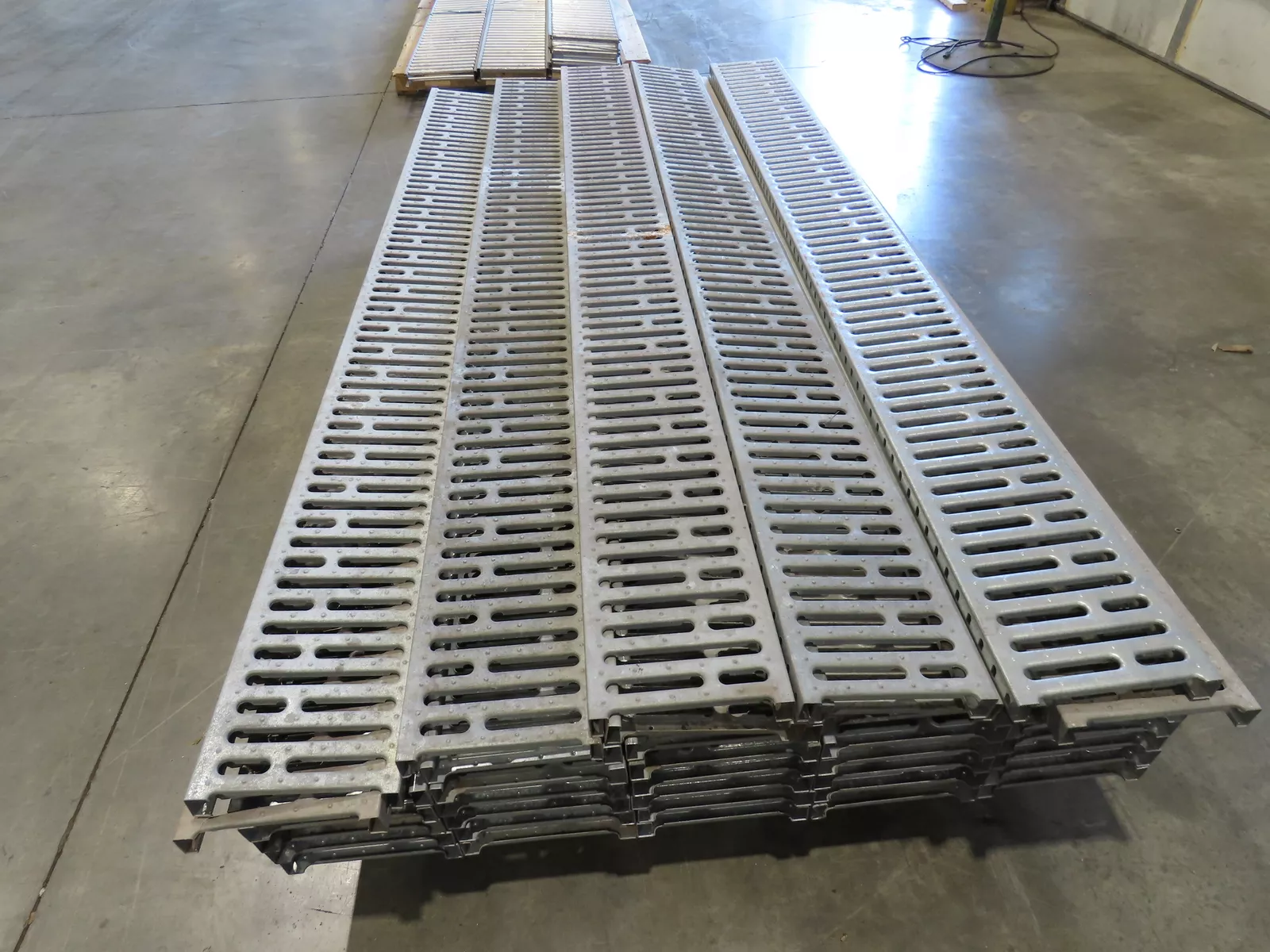
How Can We Balance Efficiency and Creativity In System Planning?
How Can We Balance Efficiency and Creativity In System Planning?
- The challenge of system planning lies in balancing efficiency with creativity.
- Systems reflect our values and aspirations, not just processes and protocols.
- Focusing solely on efficiency can stifle innovation and diminish character.
- Combining efficiency with creativity is essential for deeper project resonance.
- Authentic creation builds trust among teams, stakeholders, and communities.
- Examples of businesses thriving through balanced efficiency and creativity showcase the power of calculated risks.
- Encouraging a culture of innovation within standardized processes fosters trust and community growth.
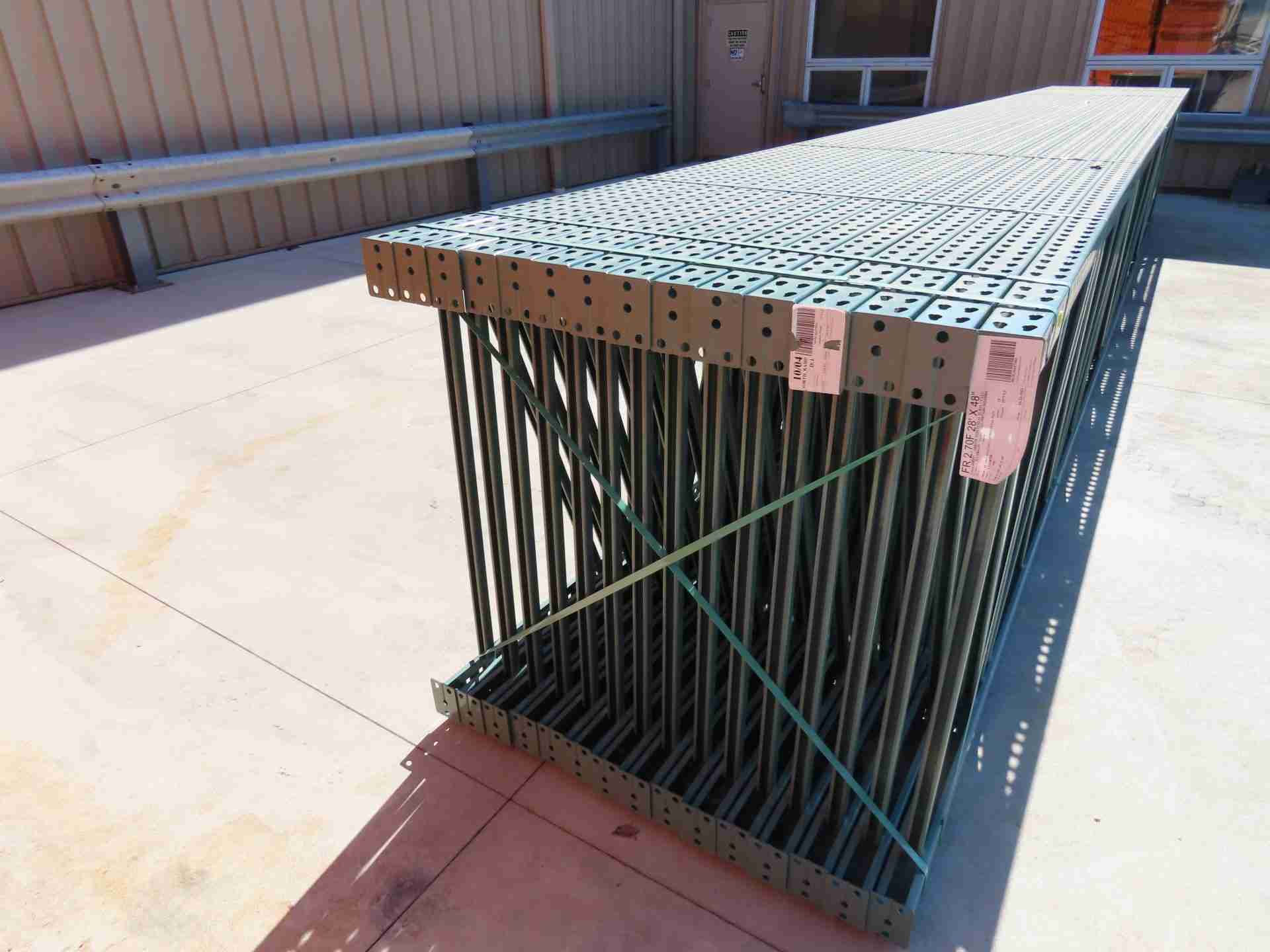
How Can We Balance Efficiency and Creativity In System Planning?
What Lessons Have Others Learned From Their Rack System Mishaps?
In the heart of every warehouse, manufacturing floor, or storage facility, there lies a racking system—a seemingly straightforward series of shelves designed to keep our lives organized. Yet, as many have learned the hard way, racking is not just about stacking boxes; it’s about safeguarding livelihoods, morale, and sometimes even lives.
Imagine a busy afternoon when a slight miscalculation tips the balance of a fragile arrangement. The next thing you know, what seemed like an innocuous tower of inventory becomes a cascading nightmare. The memories of crushed equipment and startled workers leave lasting impressions that we can’t simply chalk up to bad luck. These incidents serve as stern reminders that racking isn’t just a simple task; it’s a commitment to safety and efficiency.
Once, a large distribution center faced a major disruption after a racking system failure. Employees had always trusted their management to keep them safe, but that trust was shaken. In the wake of that incident, leaders sat down with their team members—those on the ground who felt the tremors of that disaster—and realized that racking was never solely an operational concern; it was an ethical obligation. Workers shouldn’t just be cogs in the machine but vital contributors to the conversation about safety.
In other facilities, audacious trials led to system revamps and innovative designs, prompting staff to think critically about their layouts and capacity. They instituted regular training and inspections, transforming a culture of mere compliance into an ethos of proactive safety. When people feel valued and empowered, they engage in their tasks with a sense of purpose. Suddenly, it wasn’t just about preventing accidents; it was about cultivating a community that fostered shared accountability.
The greatest takeaway from these sagas? We’re all interconnected within these dynamic spaces—each of us plays a role in the robustness of our environments. The heads that take notice of poor practices can make changes that affect bodies and hearts alike. Racking is about more than inventory management; it’s a reflection of the commitment to care for one another.
So, let’s move forward, learning from the slips and stumbles of the past. With every rack installed and every inspection performed, we weave a safer tapestry of responsibility. Let’s invite safety into our daily routines and transform mishaps into lessons that bolster our community—a place where we leave no one behind, and every shelf tells a story of resilience.
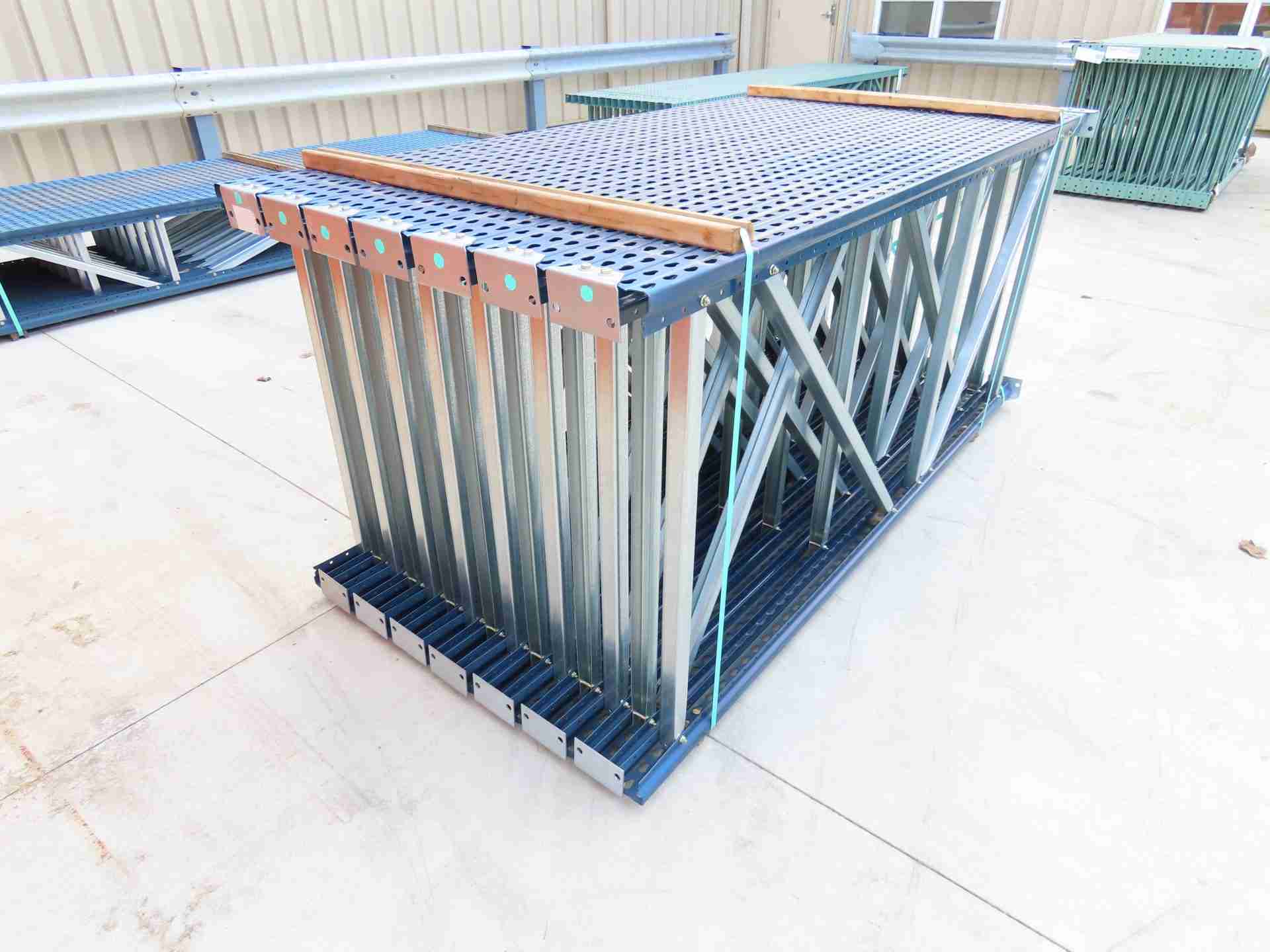
What Lessons Have Others Learned From Their Rack System Mishaps?
What Lessons Have Others Learned From Their Rack System Mishaps?
- Racking systems are crucial for organization in warehouses and storage facilities, impacting safety and livelihoods.
- A small miscalculation can lead to disastrous incidents, emphasizing the importance of careful racking.
- Racking issues can disrupt trust between management and employees, highlighting an ethical obligation to safety.
- Transformative changes in racking practices can lead to a proactive safety culture through regular training and inspections.
- Empowered workers contribute to a sense of community and shared accountability regarding safety.
- Everyone in a workspace is interconnected, and addressing poor practices can improve safety for all.
- Learning from past mishaps helps develop a culture of resilience and responsibility in safety practices.
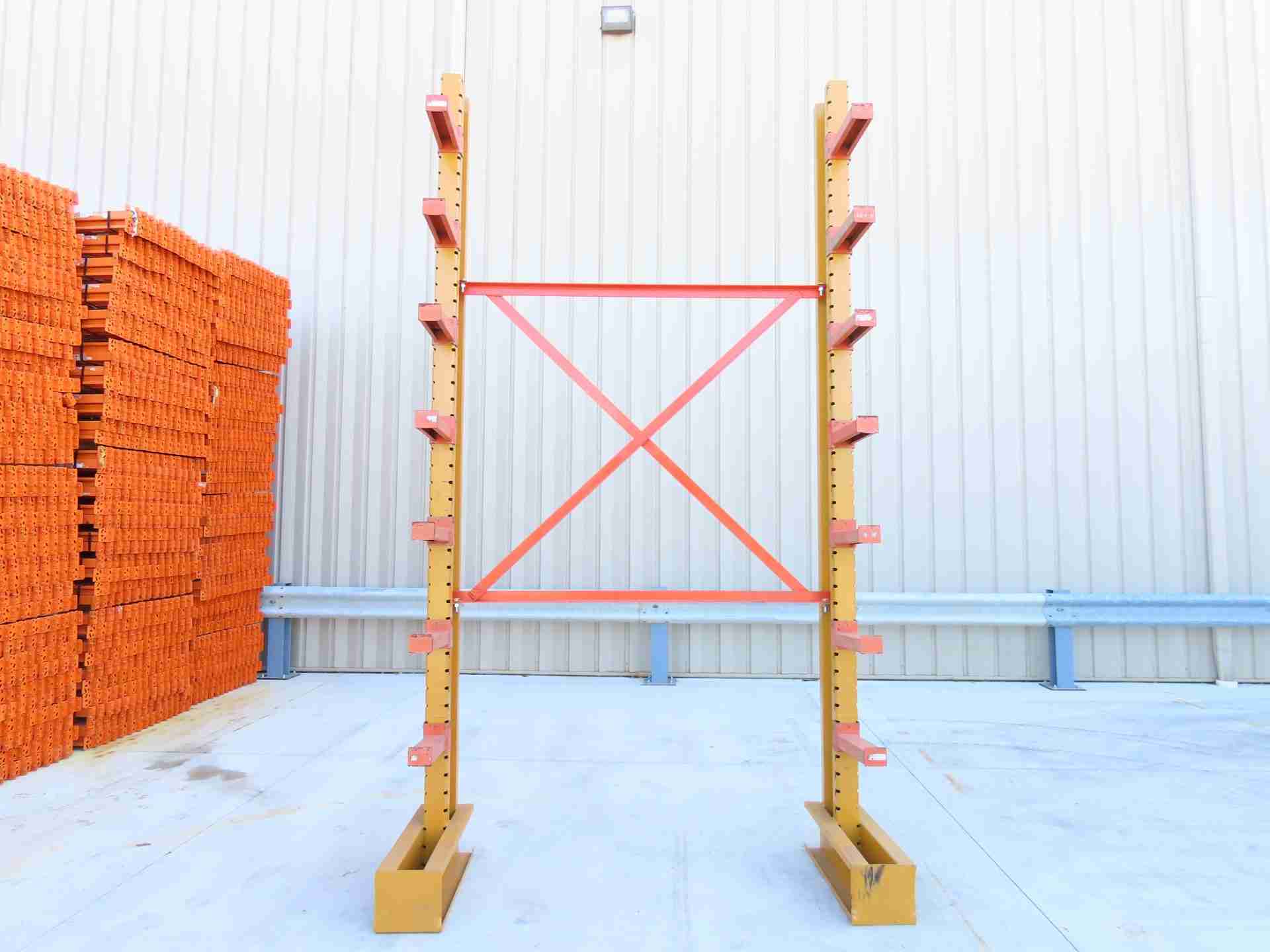
What Lessons Have Others Learned From Their Rack System Mishaps?
Conclusion
When it comes to designing rack systems, there’s no doubt that precision and planning can be critical factors for success. But as with all things in life, striking the right balance is paramount. Overplanning, while often well-intentioned, can frequently lead to rigid structures that stifle creativity, hamper collaboration, and diminish morale among teams. You can picture it: engineers huddled around blueprints, obsessively detailing every last inch, oblivious to the reality of daily operations. What might start as an ambitious endeavor morphs into a bureaucratic challenge where employees feel trapped by constraints, rather than empowered to adapt and innovate.
The truth is, our work environments should nurture our innate human desires for creativity and flexibility. Each racking system isn’t just metal and wood; it’s a canvas reflecting the dreams and aspirations of the hardworking individuals who navigate the aisles. When we over-engineer these solutions, we inadvertently foster frustration rather than enthusiasm, transforming potential productivity into a sluggish grind. The emotional toll is often overlooked, creating a pattern of dissatisfaction that reverberates throughout the workplace.
Rationally deciphering this dilemma reveals additional layers. Excessive planning can inflate labor and equipment costs, with unanticipated downtimes causing detriment far greater than any fleeting savings. It’s an ethical responsibility for leaders to cultivate spaces that encourage adaptability, innovation, and a sense of community among team members. After all, it is not merely about efficiency but about creating environments where collaboration thrives, empowering every individual.
There’s also the narrative of experience: industries have wrestled with these challenges, learning that the best layouts often emerge from a willingness to embrace the unexpected. Such narratives build authority in the context of planning; we learn from those who have experienced mishaps, adjusting strategies to reflect community needs and values. By recognizing the collective wisdom born from these experiences, we encourage ourselves to move away from perfectionism and embrace solutions that resonate with authenticity.
In the end, creating a racking system is a holistic endeavor, one demanding we align our hearts, heads, and guts. By championing collaboration and flexibility, we ignite the very spirit of teamwork. Let’s take a step back and dedicate ourselves to crafting dynamic rack systems—ones that aren’t just functional but also human-centered, allowing our teams to thrive. In doing so, we transform our environments into thriving ecosystems rather than cold infrastructures, showcasing the very best of what we can accomplish together.
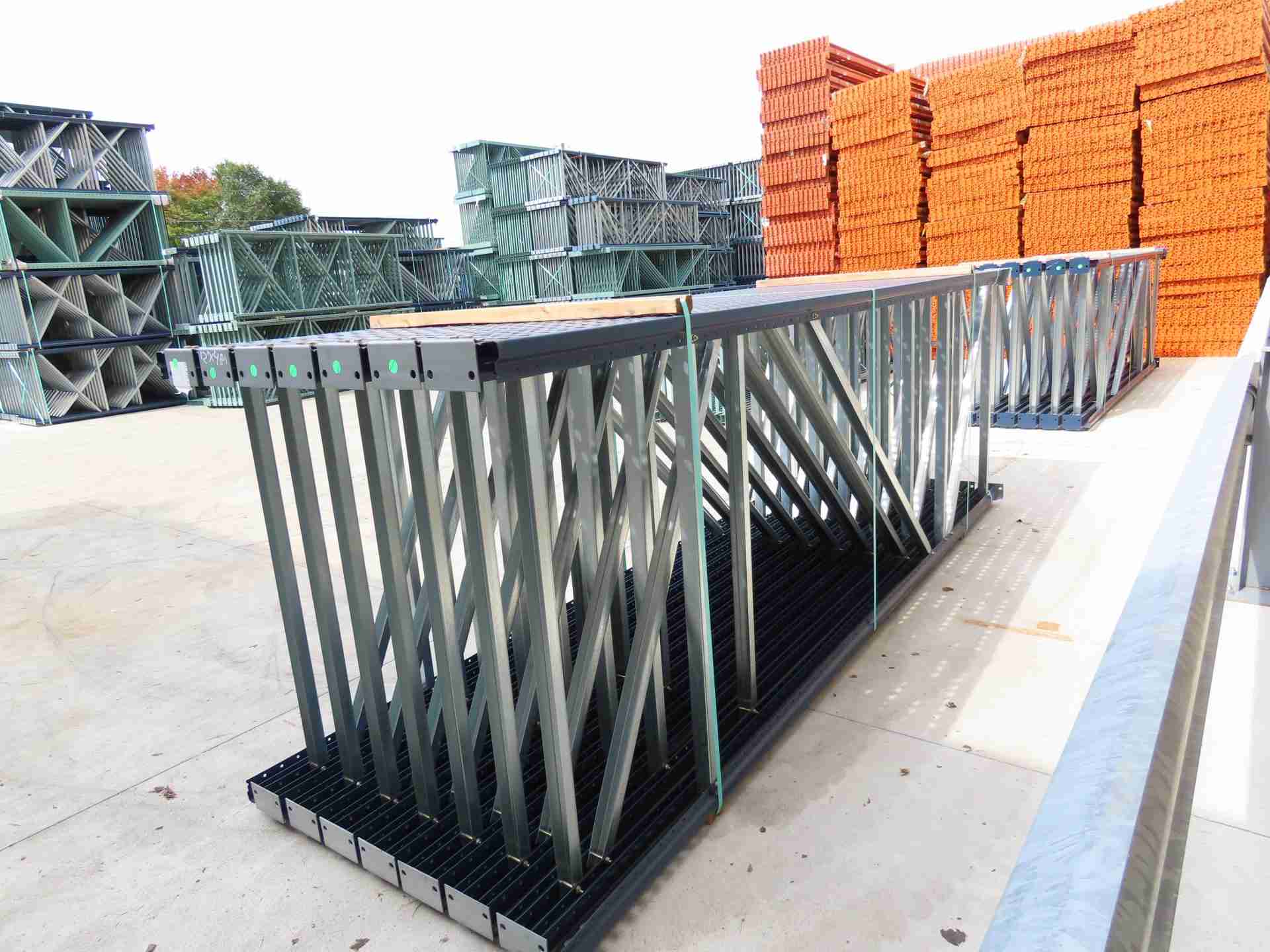
Conclusion
Conclusion:
- Precision and planning are critical for successful rack system design, but balance is essential.
- Overplanning can stifle creativity, hinder collaboration, and lower team morale.
- Work environments should nurture creativity and flexibility rather than create rigid constraints.
- Over-engineering can lead to frustration and reduced productivity among employees.
- Excessive planning can increase labor and equipment costs while causing downtime.
- Learning from industry experiences emphasizes the value of adaptability and community input in planning.
- Creating racking systems requires a holistic approach that promotes collaboration and human-centered design.
Conclusion
Other Resources
Other Resources
Here is a list of other resources you can review online to learn more:
- Warehouse Storage Racking in Illinois
- NSC
- Cantilever Racks Chicago
- Illinois Pallet Racking – Storage Solutions
- The Complete Pallet Rack Guide – Simply Rack
- What is Selective Pallet Racking
- Chicago Pallet Racking
- WERC
- Material Handling Industry
- IIWS Inc. Rack Installation Illinois & Rack Repairs Illinois
- Selective Rack – Raymond West
- Warehousing Education and Research Council: https://www.werc.org/
- IIWS Inc. Rack Installation Illinois & Rack Repairs Illinois
- International Warehouse Logistics Association
- Mustang Material Handling
- Warehouse Racking Chicago, IL
- Wolter
- Pallet Racking 101: A Comprehensive Guide & Options Explained
- Interlake
- Bradford Systems
Use This Prompt To Get More Resources With Your Favorite Online AI Tool: Please provide me with a list of online articles with their URLs in a bulleted list that I can read regarding How Overplanning Rack Systems Can Backfire
Other Resources
Glossary Terms
How Overplanning Rack Systems Can Backfire – Glossary Of Terms
1. Rack System: A framework used for storing items and organizing equipment, commonly seen in warehouses and data centers.
2. Overplanning: Excessively detailing plans or designs, potentially leading to complications or inefficiencies.
3. Flexibility: The ability to adapt to changes in demand or usage without significant alterations to the existing setup.
4. Scalability: The capability of a system to increase in size or performance to meet growing demands.
5. Inventory Management: The process of overseeing and controlling the ordering, storage, and use of goods.
6. Efficiency: The ability to achieve maximum productivity with minimum wasted effort or expense.
7. Complexity: The state of having intricate or complicated components that can lead to confusion or difficulty in management.
8. Cost-Benefit Analysis: A financial assessment comparing the costs of a decision against the expected benefits.
9. Space Utilization: Analyzing how effectively the physical space is being used within a rack system.
10. Integration: The process of combining various components or systems to work together cohesively.
11. Redundancy: The inclusion of extra components that are not strictly necessary, often to ensure reliability.
12. Technical Debt: The implied cost of additional work required in the future due to chosen solutions in the present.
13. User Experience: The overall experience a user has when interacting with a system or product, including ease of use and accessibility.
14. Workflow: The sequence of processes through which a piece of work passes from initiation to completion.
15. Visibility: The clarity and access to information regarding inventory status, workflows, and operations.
16. Maintenance: The process of preserving or restoring a system to ensure it operates correctly and efficiently.
17. Obsolescence: The state of becoming outdated or no longer useful, particularly in response to technological advancements.
18. Stakeholder: An individual or group that has an interest in the outcome of a project or system.
19. Risk Management: The identification, assessment, and prioritization of risks followed by coordinated efforts to minimize, monitor, and control the probability of unfortunate events.
20. Lead Time: The amount of time taken from the initiation of a process until its completion.
21. Just-In-Time (JIT): An inventory strategy that aligns raw-material orders from suppliers directly with production schedules.
22. Resource Allocation: The process of distributing available resources in a way that meets operational objectives.
23. Change Management: The methodologies and processes that organizations use to manage transitions or transformations.
24. Backup Systems: Secondary systems or processes that are implemented to support the primary tools in case of failure.
25. Workflow Automation: The use of technology to automate complex business processes and functions.
26. Lean Principles: A systematic method for waste minimization within a manufacturing system without sacrificing productivity.
27. Data Integrity: The accuracy and consistency of data over its lifecycle ensuring its reliability.
28. Benchmarking: Measuring an organization’s processes and performance metrics to industry standards or best practices.
29. Agility: The capability of a system or organization to quickly respond to change.
30. Stakeholder Engagement: The process of involving those who have a vested interest in a project or system to ensure their needs are met.

Glossary Of Terms
Other Questions
How Overplanning Rack Systems Can Backfire – Other Questions
If you wish to explore and discover more, consider looking for answers to these questions:
- What are the specific risks associated with overplanning rack systems?
- How can flexibility be incorporated into racking system designs?
- What are some practical examples of successful racking system designs that balance efficiency and adaptability?
- How does employee feedback influence the design of racking systems?
- What are common mistakes made during the planning phase of racking systems?
- What strategies can be employed to foster collaboration among team members during planning?
- How can businesses measure the impact of their racking systems on overall productivity?
- What sustainable practices can be integrated into the design and planning of rack systems?
- How can companies avoid the pitfalls of quick fixes in system planning?
- What role does leadership play in shaping effective racking solutions?
- Are there tools or software recommendations for designing flexible racking systems?
- What lessons can industries outside of warehousing learn from rack system design?
- How can racking systems be adapted for specific industries or unique workflows?
- What ethical considerations should guide the design of racking systems?
- What are the long-term benefits of investing in quality racking systems versus cheaper alternatives?
Other Questions
Checklist
How Overplanning Rack Systems Can Backfire – A Checklist
Checklist for Creating Effective Rack Systems: Balancing Heart, Head, and Gut
Emotional Appeals
_____ Empower Your Team: Create an adaptable environment that encourages creativity and resourcefulness.
_____ Foster a Positive Atmosphere: Design spaces that nurture morale and collaboration among workers.
_____ Celebrate Achievements: Recognize team contributions to instill a sense of ownership and pride.
Rational Appeals
_____ Prioritize Flexibility: Consider how easily the rack system can adapt to changing needs and workflows.
_____ Calculate Costs: Assess potential inefficiencies and downtime associated with rigidity versus flexibility.
_____ Focus on Long-Term Solutions: Invest in systems that are built to last, providing returns on investment over time.
Ethical Appeals
_____ Consider Worker Safety: Ensure that racking systems protect employees and contribute to their well-being.
_____ Adopt Sustainable Practices: Use environmentally responsible materials and methods in design.
_____ Cultivate Open Dialogue: Encourage team members to contribute their insights and feel valued in decision-making.
Authority Appeals
_____ Consult Industry Standards: Base design decisions on expert recommendations and tried-and-true best practices.
_____ Learn from Past Mistakes: Study case studies and experiences of others to avoid common rack system mishaps.
_____ Engage with Thought Leaders: Stay connected with industry leaders to gather insights and improve planning models.
Narrative Appeals
_____ Incorporate Team Stories: Share experiences and lessons learned from previous challenges related to rack systems.
_____ Create Visionary Scenarios: Paint a picture of a well-designed racking system and its positive impact on operations.
_____ Encourage Collective Wisdom: Foster discussions that highlight diverse perspectives and experiences.
Social Appeals
_____ Build Community Trust: Foster a culture of accountability where everyone feels responsible for safety and performance.
_____ Encourage Collaborative Planning: Involve team members in the planning process to generate buy-in and engagement.
_____ Share Successes: Highlight successful implementations and improvements to motivate and inspire ongoing efforts.
Utilizing this checklist will help develop a racking system that not only functions efficiently but also enhances team dynamics and fosters a culture of collaboration and continuous improvement.
Checklist
At RackingWorld, we help guide you through selecting warehouse storage systems and racking.
Be sure to read our other related stories at RackingWorld to learn more about warehouse storage systems.
0 Comments