
Unveiling The Frequency Of Local Suppliers’ Inventory Updates
By Tom Seest
At RackingWorld, we help guide you through selecting warehouse storage systems and racking.
Be sure to read our other related stories at RackingWorld to learn more about warehouse storage systems.
How Often Do Local Suppliers Refresh Their Inventory?
In the dynamic world of local suppliers, keeping inventory fresh is not just an option; it’s a necessity. With consumers constantly seeking the latest trends and products, the frequency at which suppliers refresh their inventory can significantly impact customer retention and sales. You might be surprised to learn that the answer varies widely across different types of suppliers.
Local suppliers, particularly those specializing in niche markets such as artisanal food or handmade crafts, tend to refresh their inventory frequently—often weekly or biweekly. For example, a local artisan cheese shop might bring in new cheeses every week, influenced by seasonal availability and customer feedback. This not only keeps the offerings exciting but also encourages repeat visits, as customers know there’s always something new to discover.
On the other hand, larger retail suppliers, particularly those with extensive product lines, may opt for a more structured approach, refreshing their inventory on a monthly or quarterly basis. Consider a local hardware store that utilizes pallet racking systems to maximize storage and display efficiency. The strategic layout allows them to rotate seasonal items, such as gardening supplies in the spring and holiday decorations in the winter, while maintaining a core selection that remains the same year-round. This rhythmic inventory refresh keeps the store looking organized and inviting without overwhelming customers.
Recent trends have shown that local suppliers are increasingly turning to technology to streamline their inventory management. With the rise of e-commerce and the need for in-store pickup options, suppliers are using sophisticated inventory systems that allow real-time tracking. This means they can rotate stock based on demand more swiftly and ensure that customers find what they are looking for consistently.
Take, for example, the current surge in demand for sustainable products. Local suppliers committed to eco-friendly practices may find themselves updating their inventory more frequently to cater to the growing consumer base seeking organic and sustainable goods. This can lead to a strategic partnership with local farms for fresh, seasonal produce, which could refresh inventory on a daily basis.
Ultimately, how often local suppliers refresh their inventory is influenced by their product type, customer demand, and operational efficiency. As we see shifts in consumer behavior, particularly in light of current events such as economic fluctuations and sustainability movements, suppliers must remain agile and responsive. This agility not only enhances customer satisfaction but also strengthens their competitive position in the marketplace.

How Often Do Local Suppliers Refresh Their Inventory?
How Often Do Local Suppliers Refresh Their Inventory?
- Keeping inventory fresh is crucial for local suppliers to retain customers and boost sales.
- Niche market suppliers (e.g., artisanal food, handmade crafts) often refresh inventory weekly or biweekly.
- Larger retail suppliers typically refresh inventory on a monthly or quarterly basis to maintain organization.
- Utilizing technology, local suppliers can streamline inventory management and enhance real-time tracking.
- Growing demand for sustainable products drives local suppliers to frequently update their inventory.
- Supplier agility in inventory management is influenced by product type, customer demand, and operational efficiency.
- Responsive supply strategies enhance customer satisfaction and strengthen competitive positions in the marketplace.

How Often Do Local Suppliers Refresh Their Inventory?
Table Of Contents
- How Often Do Local Suppliers Refresh Their Inventory?
- How Do Seasonal Trends Affect Inventory Changes In Local Suppliers?
- Are There Specific Industries Where Inventory Refresh Rates Vary?
- How Can Customers Find Out About New Inventory From Suppliers?
- What Role Does Technology Play In Inventory Management For Suppliers?
- How Do Local Suppliers Handle Slow-Moving Or Unsold Inventory?
- What Is The Impact Of Consumer Demand On Inventory Refresh Frequency?
- Conclusion
- Other Resources
- Glossary Of Terms
- Other Questions
- Checklist
How Do Seasonal Trends Affect Inventory Changes In Local Suppliers?
Understanding the pulse of market demand is crucial for local suppliers, and few factors play a more significant role than seasonal trends. As seasons shift, so do consumer preferences, which directly impacts inventory management strategies. For instance, think about the back-to-school season; local suppliers stocking educational materials and school supplies must plan ahead to avoid being left with empty shelves—or worse, excess stock that gathers dust.
One area where this becomes particularly relevant is in the management of storage solutions like pallet racking. When the influx of seasonal products arrives, suppliers must ensure they make effective use of pallet racking systems to optimize their warehouse space. During peak seasons, such as the winter holidays, retail suppliers often see a dramatic spike in demand for various goods, necessitating a more rigorous approach to inventory organization and management.
Consider a local garden supply store in early spring, buzzing with customers eager to take advantage of the thawing ground. As plants, seeds, and gardening tools flood the market, savvy suppliers will ensure that their pallet racking can accommodate these items efficiently. They’ll introduce new products while efficiently rotating stock to minimize waste. Those without a well-thought-out inventory strategy run the risk of being caught off guard, leading to stockouts and lost sales.
In recent years, we’ve witnessed how unexpected events, like the pandemic, drastically altered traditional seasonal trends. Local suppliers had to pivot rapidly to adapt to increased demand for home improvement supplies, gardening tools, and personal protective equipment. For example, a small hardware store may have seen its sales skyrocket for DIY equipment, necessitating a reconfiguration of their pallet racking systems to accommodate bulkier items that were previously a lower priority.
Moreover, utilizing data analytics can empower suppliers to anticipate these shifts with precision. Recognizing that summer often sees an uptick in outdoor living products and grill accessories allows suppliers to adjust inventory levels in advance. By tracking past sales data and correlating it with seasonal trends, they can preemptively make room on their pallet racking for the goods that will fly off the shelves.
Starting with a robust understanding of seasonal trends and leveraging effective storage systems like pallet racking can mean the difference between thriving and merely surviving in the local supplier landscape. By aligning inventory practices with consumer behavior, suppliers can not only enhance their bottom line but also create a smoother shopping experience that keeps customers coming back year after year.

How Do Seasonal Trends Affect Inventory Changes In Local Suppliers?
How Do Seasonal Trends Affect Inventory Changes In Local Suppliers?
- Understanding market demand is vital for local suppliers, with seasonal trends being a key factor.
- Inventory management strategies must adapt to consumer preferences during seasonal shifts, such as the back-to-school season.
- Effective use of pallet racking systems is essential for optimizing warehouse space during the influx of seasonal products.
- Peak seasons, like winter holidays, require rigorous inventory organization due to dramatic spikes in demand.
- Local suppliers should efficiently manage inventory, especially during busy seasons like spring for gardening supplies, to avoid stockouts and waste.
- Unexpected events, such as the pandemic, have forced suppliers to adapt quickly to changing demand and adjust their storage solutions.
- Utilizing data analytics helps suppliers anticipate seasonal shifts and adjust inventory levels proactively, enhancing their competitive edge.
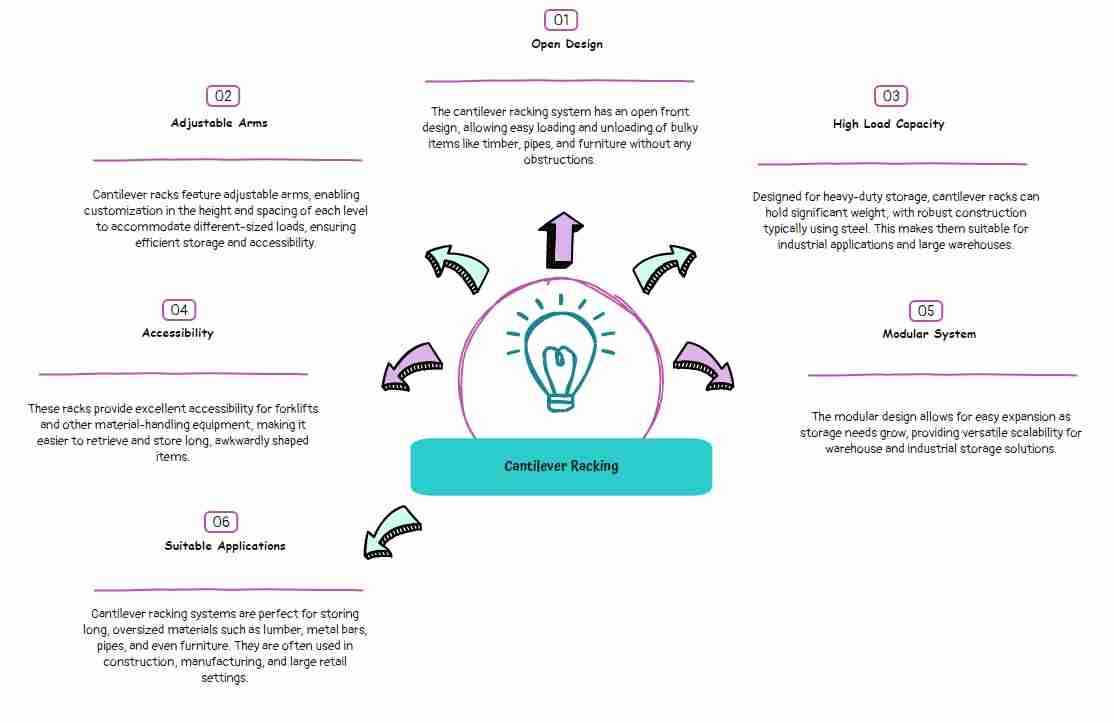
How Do Seasonal Trends Affect Inventory Changes In Local Suppliers?
Are There Specific Industries Where Inventory Refresh Rates Vary?
When it comes to managing inventory, it’s essential to recognize that refresh rates fluctuate significantly across different industries. An understanding of these variations can provide companies with a competitive edge and the ability to optimize their supply chains effectively.
Take the retail sector, for instance. Retailers, especially in fast fashion and electronics, operate on rapid inventory turnover. New trends emerge almost overnight, prompting brands to cycle through their inventory frequently. This is why major clothing retailers invest in sophisticated pallet racking systems; they allow for quick access to stock and facilitate efficient space utilization in their warehouses. Given the ever-changing consumer preferences, these companies must refresh their inventory to keep up, often aiming for a three to four-week refresh cycle.
Contrastingly, in the pharmaceutical industry, the refresh rate is less about trend and more about regulatory compliance and shelf life. Pharmaceutical companies must be meticulous, maintaining a slower inventory turnover. With stringent regulations governing expiration dates and temperature controls, inventory refresh rates may extend beyond six months. The industry focuses on maintaining quality and safety, which outshines the need for rapid turnover. Current events surrounding various global health crises have only underscored the importance of robust inventory management in this sector.
Next, consider the automotive industry, where the automotive supply chain sees a hybrid approach. Vehicles are expensive long-term investments, and their parts are produced on an as-needed basis. However, automakers must adapt to fluctuations in consumer demand, as seen during the chips shortage in 2021. Refresh rates can vary drastically based on market conditions; for instance, the refresh cycle on vehicle models may stretch to several years, but the inventory of spare parts might need more frequent management.
Lastly, in the food and beverage sector, freshness is paramount. Grocery stores and restaurants typically refresh inventory based on seasonality and consumer preferences. During peak seasons, such as summer barbecues or holiday feasts, the turnover rates can spike dramatically, requiring efficient logistical systems. Retailers often utilize pallet racking in their warehouses to manage the influx of products, ensuring stock is rotated efficiently to maintain quality for consumers.
In summary, understanding inventory refresh rates is vital for any business, especially when considering industry-specific demands. By aligning inventory management strategies with the unique nuances of their sector, companies can not only survive but thrive in an ever-changing marketplace.

Are There Specific Industries Where Inventory Refresh Rates Vary?
Are There Specific Industries Where Inventory Refresh Rates Vary?
- Recognizing that inventory refresh rates vary significantly across industries is crucial for effective management.
- In the retail sector, especially fast fashion and electronics, rapid inventory turnover is essential, often targeting a three to four-week refresh cycle.
- Retailers utilize sophisticated pallet racking systems for quick access to stock and efficient use of warehouse space.
- Pharmaceutical companies prioritize regulatory compliance and product safety, maintaining slower inventory turnover with refresh rates extending over six months.
- The automotive industry employs a hybrid approach, where vehicle models have longer refresh cycles, while spare parts require more frequent inventory management.
- In the food and beverage sector, freshness is critical, with inventory turnover influenced by seasonality and consumer preferences.
- Aligning inventory management strategies with industry-specific demands enables companies to thrive in a dynamic marketplace.
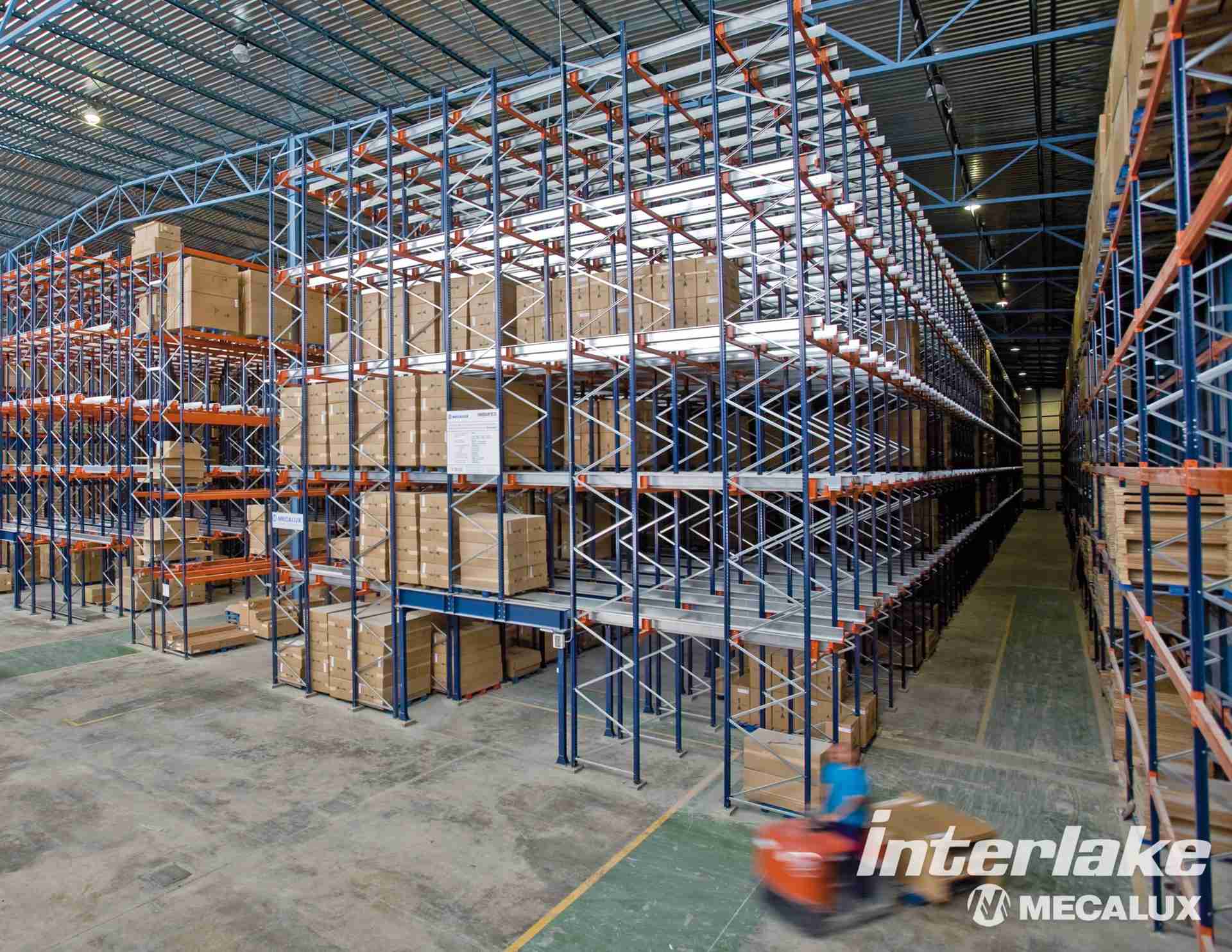
Are There Specific Industries Where Inventory Refresh Rates Vary?
How Can Customers Find Out About New Inventory From Suppliers?
In the fast-paced world of retail and logistics, staying ahead means knowing when to pounce on new inventory. It’s crucial for businesses to have an efficient system in place to stay informed about what suppliers have to offer. Here’s how savvy customers can uncover new treasures lurking behind the curtain of their suppliers’ latest offerings.
First and foremost, consider subscribing to newsletters or alert systems from suppliers. Many wholesalers and manufacturers today have adapted their communication strategies to include regular updates on new arrivals. For instance, a company that specializes in pallet racking solutions may release a weekly email detailing the latest designs and products that optimize warehouse storage. By signing up for these communications, customers gain the luxury of first-access information, allowing them to make timely purchasing decisions.
Next, leverage social media platforms. Suppliers are increasingly using social channels like Instagram and LinkedIn to showcase new products, such as specialized pallet racking systems designed to maximize warehouse efficiency. Engaging with suppliers online ensures customers are privy to visual updates, exclusive launches, and promotional events. Following suppliers’ accounts can also lead to immediate notifications about inventory updates or flash sales, creating a sense of urgency that can help you secure the best deals.
Additionally, trade shows and industry events are golden opportunities to discover the latest offerings. Attending these events not only allows customers to see new inventory firsthand but also offers a chance to network directly with suppliers and industry experts. Consider taking part in upcoming logistics and warehousing trade shows, where innovations in pallet racking will undoubtedly be highlighted, enabling customers to gauge firsthand which new items might suit their current needs.
Moreover, keeping an eye on supplier catalogs is indispensable. Many suppliers have transitioned to digital catalogs, making it easier than ever for customers to browse through new inventory from the comfort of their office. Regular visits to these catalogs can reveal hidden gems, such as upgraded pallet racking designs that you hadn’t previously considered.
Lastly, engage directly with supplier representatives. A simple phone call or an email inquiry can yield surprising results. Don’t hesitate to ask them about upcoming products or inventory changes. Suppliers appreciate engaged customers and often reward proactive inquiries with insider information.
In summary, whether through newsletters, social media, trade shows, digital catalogs, or personal interactions, customers have several powerful tools at their disposal to stay informed about new inventory from suppliers. These steps don’t just keep you knowledgeable; they empower your business to make strategic decisions that could lead to remarkable growth and efficiency.
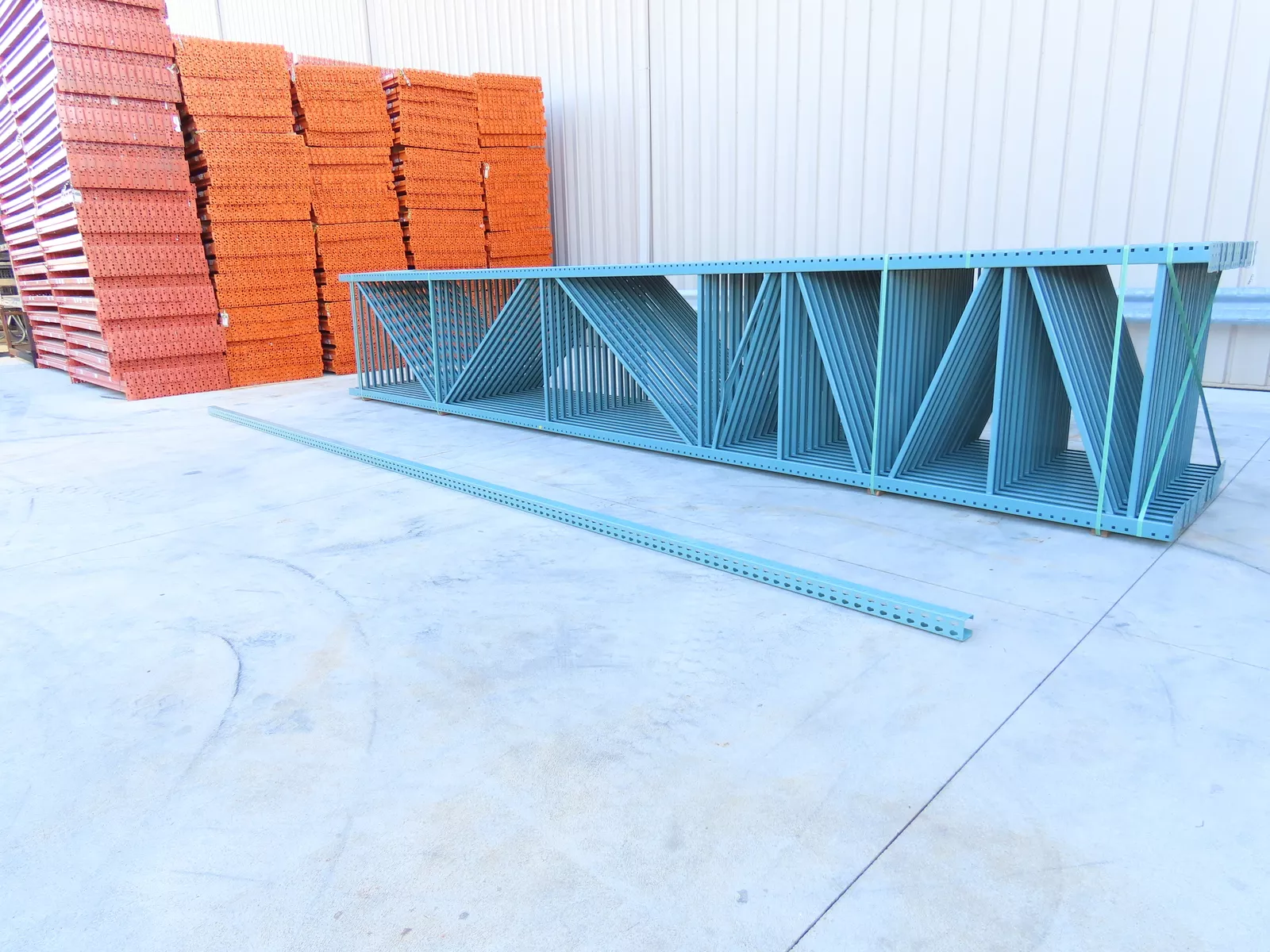
How Can Customers Find Out About New Inventory From Suppliers?
How Can Customers Find Out About New Inventory From Suppliers?
- Stay informed about suppliers’ new inventory to gain a competitive edge in retail and logistics.
- Subscribe to newsletters or alert systems from suppliers for regular updates on new arrivals.
- Use social media platforms like Instagram and LinkedIn to receive visual updates and notifications about new products.
- Attend trade shows and industry events to discover new offerings and network with suppliers.
- Regularly check digital catalogs from suppliers to uncover upgraded inventory options.
- Engage directly with supplier representatives for insider information on upcoming products.
- Utilize these strategies to empower your business to make informed decisions and drive growth.
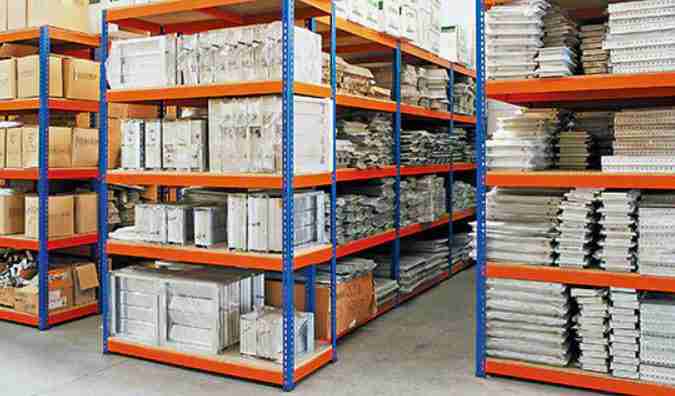
How Can Customers Find Out About New Inventory From Suppliers?
What Role Does Technology Play In Inventory Management For Suppliers?
In today’s fast-paced market, the role of technology in inventory management can no longer be understated. Suppliers who leverage cutting-edge inventory systems can not only streamline their operations but also significantly improve their bottom line. Gone are the days of manual tracking with spreadsheets; now, advanced technology is paving the way for more efficient strategies that can be implemented across every aspect of the supply chain.
Take a close look at pallet racking systems, for instance. Traditional pallet racking offered a physical structure for inventory storage. However, integrating technology into these systems transforms them into intelligent storage solutions that can monitor inventory levels in real-time. By incorporating RFID solutions, suppliers can automatically track the movement of goods in and out of their pallet racks, drastically reducing the time spent on manual counts. As a result, they can avoid overstocking or stockouts, which is crucial for maintaining good relationships with retailers and customers.
Consider recent events, like the disruption caused by global supply chain fluctuations. Suppliers faced challenges that highlighted the fragility of traditional inventory management systems. Forward-thinking businesses have responded by embracing tools such as cloud-based inventory management software, allowing them to visualize their supply chain from a global perspective. These systems provide valuable insights, enabling suppliers to make data-driven decisions that help them maintain steady stock levels—even during unforeseen disruptions. For example, during the COVID-19 pandemic, many suppliers turned to software systems that allowed rapid pivoting of inventory based on changing consumer demands, illustrating the importance of agile inventory management.
Moreover, technologies such as artificial intelligence (AI) and machine learning are revolutionizing demand forecasting. Suppliers can analyze historical data and market trends to better predict future demands, thus optimizing their inventory turnover rates. Imagine a supplier needing to stock their pallet racking based on anticipated demand; with predictive analytics, they can ensure the right product is available at the right time, minimizing waste and maximizing profitability.
Technology is an indispensable ally for suppliers in the quest for effective inventory management. By investing in advanced solutions—ranging from real-time tracking systems for pallet racking to AI-driven forecasting—suppliers can significantly enhance their operational efficiency. In a world where consumer expectations are constantly shifting, those who harness technology effectively will not only survive but thrive in the marketplace. So, if you’re not utilizing the power of technology in your inventory processes, you may well be setting yourself up for failure in an ever-evolving business landscape.

What Role Does Technology Play In Inventory Management For Suppliers?
What Role Does Technology Play In Inventory Management For Suppliers?
- The role of technology in inventory management is crucial in today’s fast-paced market.
- Advanced inventory systems streamline operations and improve the bottom line for suppliers.
- Integration of technology, such as RFID solutions, enhances traditional pallet racking systems for real-time inventory monitoring.
- Cloud-based inventory management software provides global visibility and data-driven insights for decision-making.
- AI and machine learning revolutionize demand forecasting, helping suppliers optimize inventory turnover rates.
- Investing in advanced inventory solutions enhances operational efficiency amidst shifting consumer expectations.
- Failure to utilize technology in inventory management may lead to operational setbacks in a changing business landscape.
What Role Does Technology Play In Inventory Management For Suppliers?
How Do Local Suppliers Handle Slow-Moving Or Unsold Inventory?
How Do Local Suppliers Handle Slow-Moving or Unsold Inventory?
In the fast-paced world of retail and wholesale, slow-moving or unsold inventory can be an ongoing headache for local suppliers. However, savvy businesses have found innovative strategies to transform potential losses into opportunities. By adopting smart inventory management practices and leveraging current market trends, suppliers can make inventory work for them rather than against them.
One approach is the optimization of pallet racking systems. Supporting efficient inventory management, local suppliers can reorganize their stock to maximize visibility and accessibility. For instance, some furniture retailers, facing a surge of unsold items due to shifting consumer preferences toward minimalist designs, have upgraded their pallet racking setups. This allows them to reconfigure their storage to spotlight high-turnover items while relegating slow movers to less prime locations. This kind of spatial optimization not only saves space but can also create a more appealing shopping experience that encourages sales.
Another effective strategy involves discounts and promotions. Local suppliers can run targeted clearance sales, creating urgency through limited-time offers. For example, as part of a response to current economic challenges, a local electronics supplier might implement a “bundle and save” program—where customers get discounts on accessories when purchasing slow-moving gadgets. This not only clears space on shelves but also drives additional traffic, allowing the business to maintain momentum amid less-than-ideal inventory conditions.
Utilizing alternative sales channels is also critical. E-commerce has exploded recently, particularly in response to the ongoing effects of the pandemic. By marketing unsold products online through platforms like Facebook Marketplace or local e-commerce sites, suppliers can reach a wider audience. This flexibility can be especially effective for seasonal inventory. A holiday decoration supplier, for instance, might repackage leftover stock and market it as “year-round home decor,” appealing to a broader range of customers.
Partnerships and community involvement can be game-changers as well. Local suppliers can collaborate with charities or local events, donating unsold inventory and simultaneously enhancing their brand image. A local bakery may find themselves with surplus bread at the end of the day; donating to a homeless shelter doesn’t just solve inventory woes—it builds goodwill in the community.
Understanding that slow-moving inventory is not the end but a turning point can empower local suppliers. Well-executed strategies rooted in inventory management, promotions, and community partnerships can turn inventory challenges into success stories. Adaptability and creativity are key; by responding nimbly to both inventory levels and the market’s pulse, local suppliers can thrive where others falter.
How Do Local Suppliers Handle Slow-Moving Or Unsold Inventory?
How Do Local Suppliers Handle Slow-Moving Or Unsold Inventory?
- Slow-moving or unsold inventory presents a challenge for local suppliers in retail and wholesale.
- Optimizing pallet racking systems helps to maximize visibility and accessibility, showcasing high-demand items.
- Discounts and promotions, like limited-time clearance sales, create urgency and encourage purchases of slow-moving stock.
- E-commerce provides an opportunity for suppliers to market unsold products online, reaching a broader audience.
- Repurposing seasonal items for year-round appeal can help clear inventory, as seen with holiday decorations marketed as home decor.
- Partnerships with charities allow local suppliers to donate unsold inventory, improving community relations and brand image.
- Effective inventory management, promotional strategies, and community engagement can turn slow-moving inventory into success stories.

How Do Local Suppliers Handle Slow-Moving Or Unsold Inventory?
What Is The Impact Of Consumer Demand On Inventory Refresh Frequency?
In today’s fast-paced market, understanding how consumer demand affects inventory refresh frequency is essential for thriving businesses. The modern consumer, driven by convenience and ever-changing preferences, demands swift responses from retailers. This is not merely about stocking more goods but rather about aligning inventory practices with the rhythms of consumer behavior.
Consider the rise of e-commerce giants like Amazon, which have set the bar high for inventory turnover. Their sophisticated use of technology allows them to refresh stock at lightning speed—often within hours—meeting the insatiable hunger of consumers for quick deliveries and availability. In stark contrast, businesses that cling to traditional inventory practices can find themselves caught in a cycle of overstock and markdowns.
One practical example is in the fashion industry, where trends can shift overnight. Brands that rely on static inventory management find themselves saddled with outdated palettes and styles. Conversely, those that implement a more dynamic approach—utilizing methods such as just-in-time replenishment—can pivot rapidly to what consumers are craving, cutting back on the need for excessive pallet racking in favor of streamlined operations.
Recently, brands have embraced agile inventory systems, utilizing predictive analytics to anticipate spikes in demand. For instance, in response to the surge in stay-at-home orders during the pandemic, companies swiftly adapted their inventory refresh strategies to prioritize home goods and essentials. Retailers that managed to pivot promptly not only preserved cash flow but also captured market share that others lost while drowning in their stock.
However, excessive demand can also create inventory challenges. For example, the chip shortage has forced electronics manufacturers to reassess their supply chain strategies. By enhancing their refresh frequency, companies like Ford have recalibrated their inventory systems to ensure essential components are always on hand, thus minimizing production downtime—a critical factor for any business looking to maintain relevance.
The key takeaway is that consumer demand profoundly impacts how often businesses refresh their inventory. Those who grasp the importance of agile inventory practices are better suited to thrive in a climate rife with unpredictability. By effectively balancing the scales of supply and demand through intelligent inventory management, businesses can leverage consumer behavior to drive sales while maintaining efficient operations. Simply put, in the inventory game, being reactive isn’t enough; businesses must anticipate, adapt, and react in real-time to stay competitive.

What Is The Impact Of Consumer Demand On Inventory Refresh Frequency?
What Is The Impact Of Consumer Demand On Inventory Refresh Frequency?
- Understanding consumer demand is crucial for inventory refresh frequency in fast-paced markets.
- Modern consumers expect swift responses from retailers, necessitating alignment with consumer behavior rhythms.
- E-commerce giants like Amazon excel at rapid inventory turnover, setting high standards for the industry.
- The fashion industry illustrates the need for dynamic inventory management to adapt to shifting trends.
- Agile inventory systems and predictive analytics help brands anticipate demand spikes and adjust strategies accordingly.
- Excessive demand, like during the chip shortage, forces companies to reassess and enhance their inventory strategies.
- Businesses that prioritize agile inventory practices are better equipped to thrive amid unpredictability and drive sales.

What Is The Impact Of Consumer Demand On Inventory Refresh Frequency?
Conclusion
Conclusion: Navigating the Landscape of Local Supplier Inventory Refresh Rates
In today’s competitive marketplace, the frequency with which local suppliers refresh their inventory is not merely a matter of preference; it’s a strategic imperative. For businesses, understanding the nuanced landscape of inventory management can mean the difference between stagnation and dynamic growth. As highlighted throughout this discussion, local suppliers, particularly those in niche markets, often refresh their offerings on a weekly or biweekly basis to retain customer interest and engagement. Conversely, larger retailers typically employ a more regimented approach aimed at optimizing operational efficiency.
The key drivers of inventory refresh rates include product type, consumer demand, and seasonal trends. For instance, a carefully planned inventory strategy can seamlessly adapt to consumer behaviors that fluctuate with the seasons. Suppliers must be proactive, leveraging technology to streamline their inventory management. Tools like RFID systems and cloud-based software can automate tracking, allowing suppliers to maintain optimal stock levels while anticipating market shifts. This adaptability is further crucial in times of economic uncertainty, whereby suppliers are faced with a tumultuous landscape that necessitates not only agility but also keen insight.
Moreover, understanding industry-specific inventory dynamics equips suppliers with the competitive edge needed to thrive. For instance, fashion retailers must act swiftly to incorporate the latest trends, while industries with slower turnover, like pharmaceuticals, require meticulous inventory management to adhere to compliance and safety standards.
As we oscillate through economic seasons and respond to the complexities of consumer demand, suppliers are urged to take actionable steps. Engage with your inventory actively: stay informed through newsletters, utilize social media for real-time updates, and embrace technological innovations that enhance operational capabilities. And remember, your relationship with suppliers is key—personal outreach to representatives can yield valuable insights and fortuitous opportunities.
Urgency is your ally here. Customers who proactively adapt to the whims of the market not only survive but thrive. To empower your business and navigate these challenges effectively, reach out to Arrow Industrial Sales at (574) 349-6575. Understand that the clock is ticking; the marketplace waits for no one. Set your strategies in motion today—don’t just react to inventory challenges, master them. By implementing these insights, you can not only boost sales and consumer loyalty but also position yourself as a leader in your sector, ready to seize the opportunities that come with a well-optimized inventory strategy.
Conclusion
Conclusion:
- The frequency of local supplier inventory refresh rates is a strategic imperative for businesses.
- Local suppliers in niche markets often refresh inventory weekly or biweekly, while larger retailers focus on operational efficiency.
- Key drivers of inventory refresh rates include product type, consumer demand, and seasonal trends.
- Leveraging technology, such as RFID systems and cloud-based software, is essential for effective inventory management.
- Different industries require tailored inventory strategies—fashion retailers need to quickly adapt to trends, while pharmaceuticals demand meticulous management for compliance.
- Suppliers should actively engage with inventory through newsletters, social media, and personal outreach to stay informed and capitalize on opportunities.
- Adapting proactively to market changes can help businesses not only survive but thrive, positioning them as leaders in their sector.
Conclusion
Other Resources

Other Resources
Here is a list of other resources you can review online to learn more:
- Used Pallet Rack for Sale in Illinois – American Surplus
- Warehouse Storage Racking in Illinois
- Warehouse Automation
- International Warehouse Logistics Association
- What is Cantilever Racking? – AK Material Handling Systems
- Warehouse Storage Racks
- BMH
- Teardrop Uprights
- ASSP
- Heavy-Duty Cantilever Storage Racks
Use This Prompt To Get More Resources With Your Favorite Online AI Tool: Please provide me with a list of online articles with their URLs in a bulleted list that I can read regarding How Often Do Local Suppliers Refresh Their Inventory?
Other Resources
Glossary Terms
How Often Do Local Suppliers Refresh Their Inventory? – Glossary Of Terms
1. Inventory Turnover: A metric that indicates how often inventory is sold and replaced over a specific period.
2. Replenishment Cycle: The period or frequency at which inventory is restocked to maintain adequate supply levels.
3. Lead Time: The time it takes from placing an order with a supplier until the inventory is received and ready for use.
4. Stock Keeping Unit (SKU): A unique identifier for each product or item in inventory, used for tracking stock levels.
5. Inventory Audit: A systematic examination of inventory levels to ensure accuracy and identify discrepancies.
6. Just-In-Time (JIT): An inventory strategy that aims to reduce holding costs by receiving goods only as they are needed.
7. Supply Chain Management: The oversight of materials, information, and finances involved in the production and delivery of products.
8. Backorder: A situation where customer orders are not fulfilled because the item is out of stock but is expected to be replenished.
9. Minimum Order Quantity (MOQ): The smallest amount of product a supplier allows to be purchased, which can affect inventory refresh frequency.
10. Seasonality: Variations in inventory demand that occur at different times of the year, influencing how frequently inventory is refreshed.
11. Forecasting: The process of estimating future demand for products, which helps suppliers determine how often to replenish stock.
12. Warehouse Management System (WMS): A software application that helps manage and control warehouse operations, including inventory tracking and replenishment.
13. Shelf Life: The length of time a product can be stored before it is considered unsellable, affecting the timing of inventory refresh.
14. Bulk Purchasing: Buying large quantities of inventory to reduce costs, which can alter refresh rates and storage needs.
15. Cross-Docking: A logistics practice that involves unloading materials from an incoming vehicle and loading them onto outbound vehicles, accelerating inventory turnover.
16. Consignment Stock: Inventory that is owned by a supplier but stored at the buyer’s location, with replenishment driven by the buyer’s sales.
17. E-commerce Inventory: Products held for sale online, which may require more frequent refreshing due to fast-paced consumer demand.
18. Demand Variability: Fluctuations in customer demand that can impact how often suppliers need to refresh inventory.
19. Product Lifecycle: The stages a product goes through from introduction to decline, influencing inventory refresh strategies.
20. Order Fulfillment: The process of receiving, processing, and delivering customer orders, which can be affected by inventory levels.
21. Supply Constraints: Limitations that affect the quantity of products a supplier can provide, impacting inventory refresh rates.
22. Inventory Management: The supervision of non-capitalized assets and stock items to ensure optimal inventory levels and minimize costs.
23. Stockpile: A reserve of inventory held to mitigate risks associated with supply chain disruptions or unexpected demand surges.
24. Vendor Managed Inventory (VMI): A supply chain process where the supplier is responsible for managing and replenishing the inventory at the customer’s location.
25. Drop Shipping: A retail fulfillment method where a store doesn’t keep the products it sells in stock but transfers customer orders directly to the supplier.
26. Perpetual Inventory System: An inventory management method that maintains ongoing records of inventory balances and updates them with each transaction.
27. Category Management: A retail and purchasing concept where products are grouped and managed as strategic business units to optimize inventory and sales.
28. Emergency Restock: A rapid inventory replenishment process initiated in response to unexpected low stock levels.
29. Shrinkage: The loss of inventory due to theft, error, or fraud, impacting how often and how much inventory needs to be refreshed.
30. Sales Velocity: A measure of how quickly products are sold over a given time, influencing the frequency of inventory refreshes.
Glossary Of Terms
Other Questions
How Often Do Local Suppliers Refresh Their Inventory? – Other Questions
If you wish to explore and discover more, consider looking for answers to these questions:
- What specific factors influence how often local suppliers refresh their inventory?
- How can local suppliers determine the optimal frequency for inventory updates?
- What are the best practices for managing seasonal inventory changes?
- How do local suppliers assess customer demand for inventory planning?
- What technology options are available to assist local suppliers in inventory management?
- How do local suppliers balance between fast-moving and slow-moving inventory?
- What role does customer feedback play in the inventory refresh process?
- Are there case studies on local suppliers effectively managing inventory refresh rates?
- What are the consequences of failing to refresh inventory timely?
- How do competing suppliers influence each other’s inventory strategies?
- What impact do economic factors have on inventory refresh rates among local suppliers?
- How can suppliers leverage data analytics for better inventory management?
- Are there regulatory considerations that affect how suppliers manage inventory refresh rates?
- How do consumer trends in sustainability impact inventory decisions for local suppliers?

Other Questions
Checklist
How Often Do Local Suppliers Refresh Their Inventory? – A Checklist
1. Assess Inventory Frequency
_____ Determine current inventory refresh rates based on product type (e. g. , weekly, biweekly, monthly).
_____ Analyze customer feedback to identify products that require more frequent updates.
2. Incorporate Technology
_____ Implement real-time inventory tracking systems to monitor stock levels and turnover.
_____ Adopt data analytics tools for demand forecasting and historical sales trend analysis.
_____ Explore RFID solutions to enhance inventory visibility and reduce manual counting.
3. Optimize Storage Solutions
_____ Reevaluate pallet racking systems for better organization and efficiency.
_____ Ensure high-demand items are easily accessible while designating less visible space for slow-moving products.
4. Monitor Seasonal Trends
_____ Stay informed about seasonal changes and associated consumer preferences.
_____ Plan ahead for peak shopping times (e. g. , back-to-school, holidays) by adjusting inventory accordingly.
_____ Anticipate fluctuations in demand for seasonal goods and adjust inventory levels preemptively.
5. Engage with Customers
_____ Encourage customer feedback on product preferences to guide inventory decisions.
_____ Utilize newsletters and social media to inform customers about new arrivals and promotions.
_____ Consider implementing loyalty programs to reward repeat visits for fresh inventory.
6. Adapt Marketing Strategies
_____ Use promotional strategies like discounts and bundle offers for slow-moving inventory.
_____ Leverage e-commerce platforms for broader marketing of unsold inventory.
7. Explore Community Partnerships
_____ Collaborate with local charities to donate excess unsold inventory, turning a potential loss into community goodwill.
_____ Participate in local events to connect with customers and showcase inventory.
8. Educate Your Team
_____ Train staff on effective inventory management and the importance of maintaining stock freshness.
_____ Encourage a culture of flexibility and responsiveness to inventory changes based on consumer behavior.
9. Review and Adjust Practices Regularly
_____ Conduct regular reviews of inventory management strategies to ensure they align with current market dynamics.
_____ Engage in continuous improvement by analyzing what works and what does not in terms of inventory refresh rates.
10. Stay Agile
_____ Be prepared to adapt inventory strategies swiftly in response to sudden changes in consumer demand or market conditions.
_____ Embrace innovation and emerging trends in inventory management to stay competitive.
By following this checklist, local suppliers can enhance their inventory management practices, leading to improved customer satisfaction and increased sales.

Checklist
At RackingWorld, we help guide you through selecting warehouse storage systems and racking.
Be sure to read our other related stories at RackingWorld to learn more about warehouse storage systems.
0 Comments