
Maximizing The Lifespan Of Locally Purchased Pallet Racks
By Tom Seest
At RackingWorld, we help guide you through selecting warehouse storage systems and racking.
Be sure to read our other related stories at RackingWorld to learn more about warehouse storage systems.
How Long Will Locally Bought Pallet Racks Last?
In today’s fast-paced commercial landscape, businesses are constantly seeking efficient solutions to manage their inventory. One of the cornerstones of effective warehouse management is pallet racking. But the question on everyone’s mind is: how long can these locally bought pallet racks truly last?
First, let’s highlight the undeniable quality inherent in locally sourced pallet racking. When you invest in pallet racks made by nearby manufacturers, you’re not just purchasing a product; you’re buying peace of mind. Local manufacturers often employ stringent quality control measures to ensure that their racks can withstand the rigors of daily use. However, while quality is essential, longevity ultimately hinges on several critical factors.
One major factor influencing the lifespan of pallet racking is material quality. For example, racks constructed from heavy-duty steel are likely to outlast those made from lighter materials. A treacherous economy exacerbated by supply chain disruptions has led many businesses to reconsider their investment strategies. Companies like Home Depot have made headlines with their record sales in home improvement supplies, including high-quality materials for warehouses. By following this trend and choosing local racks made from superior materials, businesses can significantly extend the life of their equipment.
Another consideration is maintenance. Just like a vehicle, pallet racks require periodic checks and maintenance to ensure that they’re in good working order. For instance, a regional warehouse operator shared a case where consistent inspections and rapid repairs added five additional years to the life of their pallet racking systems. Neglect, on the other hand, can lead to catastrophic failures. The recent surge in eCommerce, where Amazon and other players are expanding their logistics capacities, underscores the importance of investing in robust and well-maintained storage solutions.
Moreover, it’s essential to consider the load and usage patterns your racks will experience. If you’re operating in an environment where racks are subject to constant strain from heavy loads or frequent rearrangements, you might want to select racks specifically designed to handle such demands. This deliberate choice can dramatically affect their longevity and, by extension, the overall effectiveness of your warehousing operations.
While locally bought pallet racks can provide many years of reliable service, their ultimate lifespan depends on material quality, maintenance practices, and operational demands. By opting for locally sourced, durable options and adhering to best practices, savvy business owners can turn a simple storage solution into a long-term investment that pays dividends for years to come. Don’t leave your equipment’s longevity to chance—choose wisely, and watch your efficiency soar.
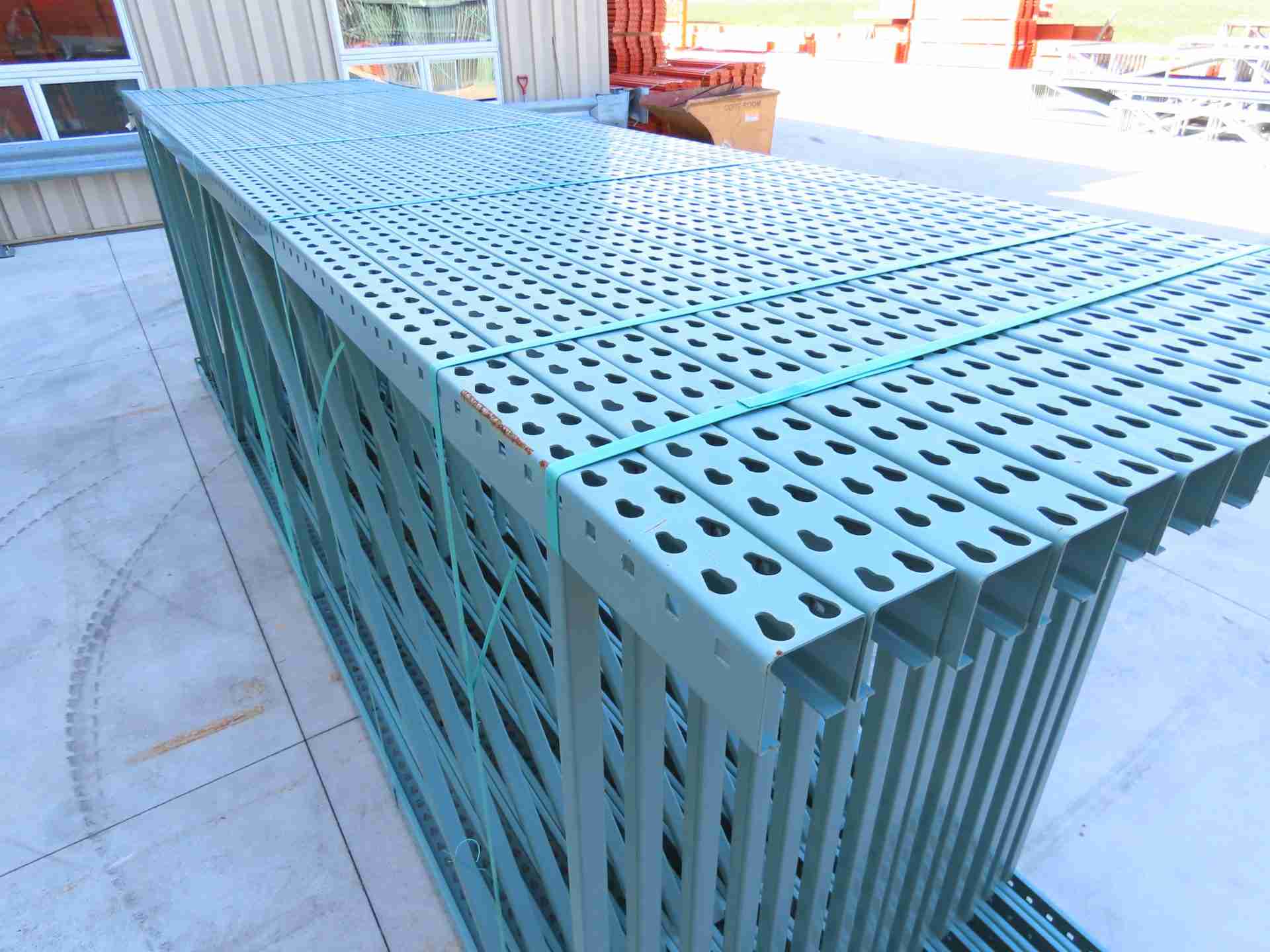
How Long Will Locally Bought Pallet Racks Last?
How Long Will Locally Bought Pallet Racks Last?
- Businesses are seeking efficient inventory management solutions, with pallet racking being a cornerstone of effective warehouse management.
- Locally sourced pallet racks provide quality assurance due to stringent manufacturing standards, enhancing peace of mind for buyers.
- Material quality, particularly heavy-duty steel vs. lighter materials, significantly affects the lifespan of pallet racks.
- Economic challenges and supply chain disruptions are prompting businesses to reconsider their investment strategies, often favoring high-quality local materials.
- Regular maintenance and inspections are crucial for extending the lifespan of pallet racks, with neglected systems prone to catastrophic failures.
- Operational demands and load bearing are key factors in selecting appropriate pallet racks, directly impacting their longevity and warehouse efficiency.
- Investing in durable local options and following best maintenance practices can enhance operational reliability and efficiency.
How Long Will Locally Bought Pallet Racks Last?
Table Of Contents
- How Long Will Locally Bought Pallet Racks Last?
- How Durable Are Locally Bought Pallet Racks?
- What Factors Affect Rack Lifespan?
- How Can I Maintain My Pallet Racks For Longevity?
- Are There Different Materials In Pallet Racks?
- What Weight Capacities Do Pallet Racks Have?
- How Do Environmental Conditions Impact Rack Durability?
- Conclusion
- Other Resources
- Glossary Of Terms
- Other Questions
- Checklist
How Durable Are Locally Bought Pallet Racks?
When it comes to maximizing warehouse efficiency, pallet racking systems are the backbone of your operations. But if you’re like most business owners, you might find yourself asking, “How durable are locally bought pallet racks?” It’s a crucial concern, especially at a time when supply chain disruptions have made reliability more important than ever.
Local suppliers often pride themselves on their customer relationships and knowledge of regional needs. When you buy pallet racking locally, you’re not just investing in metal structures; you’re investing in the expertise and services that come with them. For instance, suppliers can offer personalized consultations to assess your specific storage requirements. Need a heavy-duty pallet racking system for bulk supplies? They’ll lay out the best options for efficient space utilization.
Durability in pallet racking is paramount. Look at the recent decline in shipping costs and the increase in domestic production—this creates a surge in local warehousing, emphasizing the need for sturdy, reliable racking systems. A high-quality, locally sourced pallet rack will withstand the rigors of everyday use, from harsh warehouse conditions to heavy loads. Many local manufacturers construct their racks from high-grade steel, which not only provides strength but also ensures a longer lifespan. For example, a local Michigan supplier’s pallet racking has shown resilience even under the strain of high-volume distribution during the pandemic.
But durability goes beyond just the material. It involves the proper installation and regular maintenance. A local supplier understands the nuances of your geographic area, ensuring that your pallet racks are perfectly suited to local climate conditions, such as humidity or temperature extremes that can compromise structural integrity. You can also build a lasting relationship with them, receiving periodic evaluations and adjustments to keep your systems operating at peak efficiency.
Moreover, being locally sourced allows you to support your community and contribute to the local economy—a persuasive factor for many modern consumers. As companies today are increasingly committed to sustainability, choosing local suppliers who follow responsible manufacturing practices and uphold quality standards will not only give you durable pallet racks but also align with your values.
Locally bought pallet racks don’t just stand tall in your warehouse—they stand the test of time. By investing in local expertise, you’re choosing durability, reliability, and supporting a thriving local economy. After all, the longer your pallet racking lasts, the more you save in the long run. So, consider your options wisely—your warehouse deserves the best!
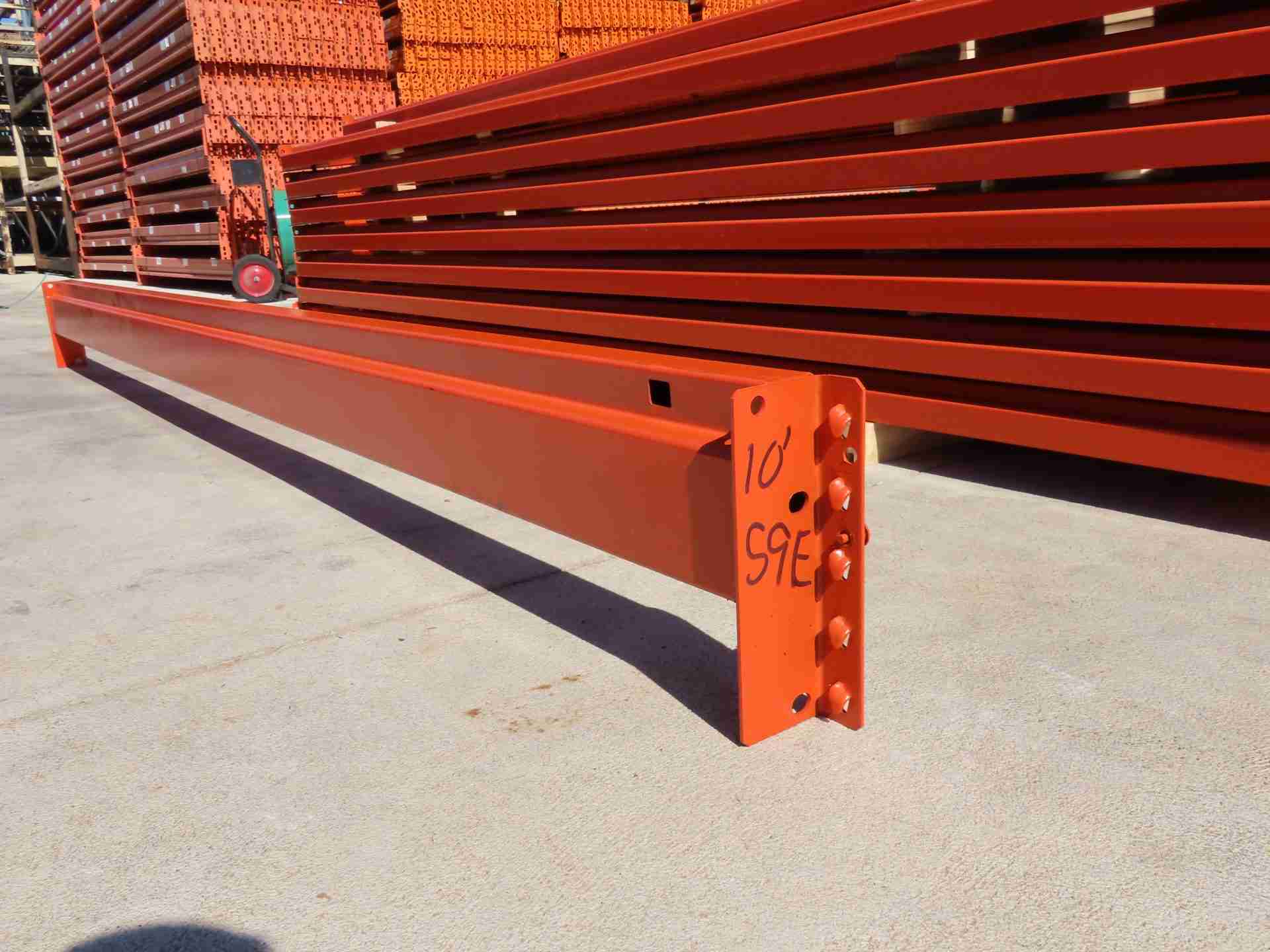
How Durable Are Locally Bought Pallet Racks?
How Durable Are Locally Bought Pallet Racks?
- Pallet racking systems are essential for maximizing warehouse efficiency.
- Local suppliers provide expertise and services tailored to regional needs.
- Durability is crucial; high-quality, locally sourced racks often made from high-grade steel withstand heavy loads.
- Proper installation and maintenance are key for longevity; local suppliers know regional conditions.
- Supporting local suppliers contributes to the community and local economy.
- Choosing local aligns with sustainability goals and responsible manufacturing practices.
- Investing in local expertise leads to durable and reliable pallet racking systems, saving costs in the long run.
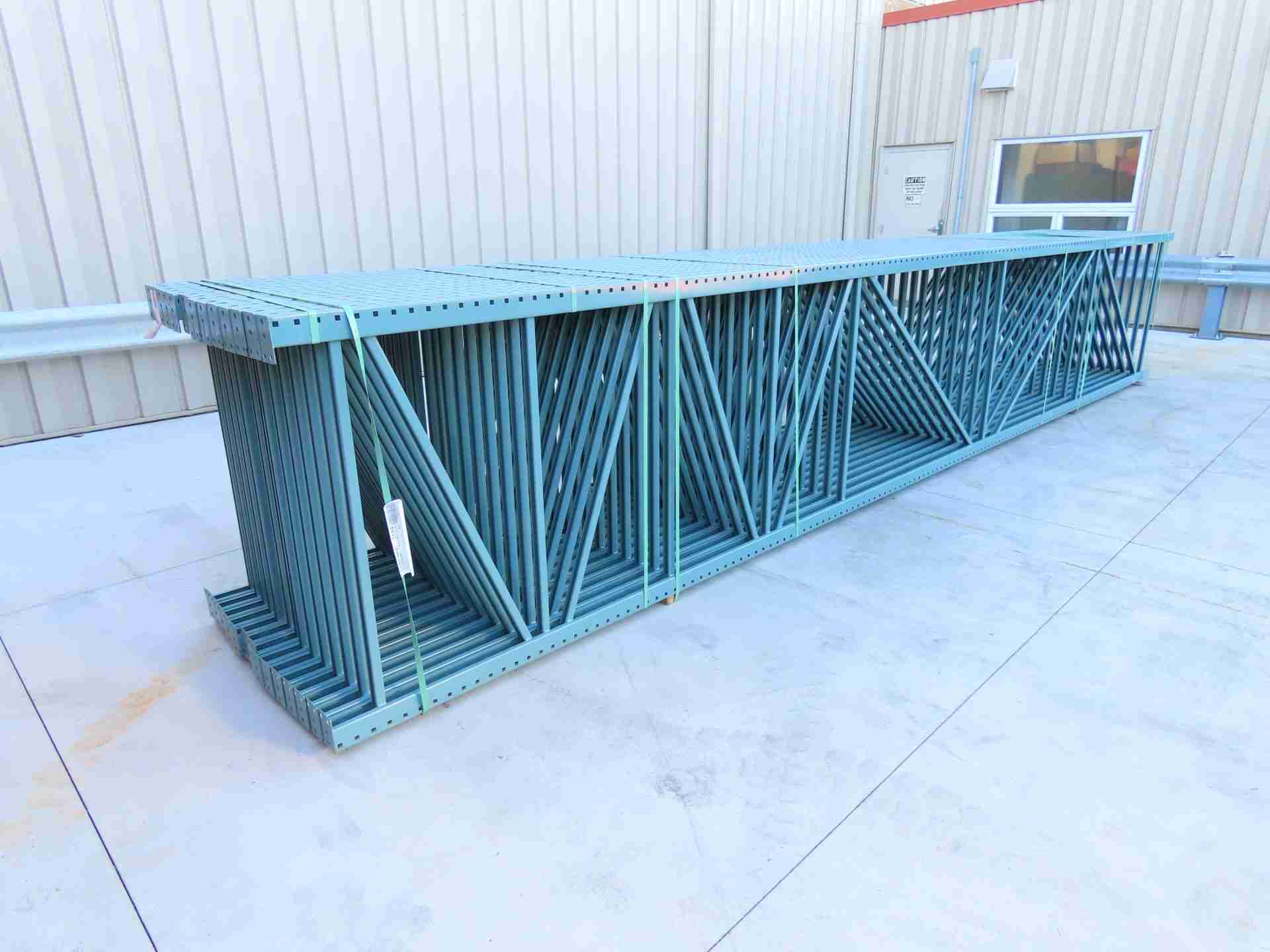
How Durable Are Locally Bought Pallet Racks?
What Factors Affect Rack Lifespan?
When it comes to warehouse efficiency, one cannot overlook the importance of pallet racking. They’re the backbone of storage solutions, holding everything from inventory to equipment. Knowing how to maximize the lifespan of these crucial structures is not just smart; it’s essential for your bottom line. Here are some key factors that can significantly influence the longevity of your pallet racking systems.
1. Quality of Materials:
The initial investment in high-grade materials pays dividends over time. For instance, pallet racking made from robust steel will far outlast cheaper alternatives. Companies like Rite-Hite, which recently announced advancements in their racking solutions, emphasize the significance of high-quality manufacturing processes. Not only do superior materials resist wear and tear, but they also stand firm against the elements, effectively preventing rust and degradation over time.
2. Proper Installation:
Even the best pallet racking systems are only as good as their installation. Misalignment or improper anchoring can lead to catastrophic failures, not to mention shorten lifespan dramatically. For businesses looking to set up new warehouses or retrofit existing ones—like those seen in the surge of e-commerce—ensuring professional installation is vital. Recent accidents in poorly installed facilities have underscored this necessity, reminding us that a secure racking system is a safe racking system.
3. Load Capacity Management:
Understanding the load capacity of your pallet racking is critical. Exceeding recommended weight limits can lead to structural weaknesses and premature failure. A recent study highlighted how many warehouse mishaps stem from overcrowding racking systems based on misguided assumptions about their capacity. Regular audits of your load management practices—and educating staff about safe loading procedures—can extend the lifespan of your pallet racking considerably.
4. Environmental Factors:
Warehouse environments can be unforgiving—temperature fluctuations, humidity, and corrosive substances can all take a toll on your pallet racking. In areas affected by climate change, warehouses are grappling with new challenges. Consider investing in protective coatings or rust-resistant materials for plants located in high-humidity regions. This proactive measure enhances durability while ensuring compliance with increasingly stringent safety regulations.
5. Regular Maintenance:
Finally, just like any other part of your operation, regular maintenance is non-negotiable. A simple inspection every few months can catch minor issues before they become major problems. Companies that have adopted proactive maintenance schedules report significantly longer rack lifespans and fewer accidents, promoting a safer working environment.
In today’s fast-paced landscape of logistics and warehousing, understanding these factors ensures that your pallet racking not only meets today’s demands but also stands the test of time. Investing wisely in your racking solution now can save you significant costs down the line.
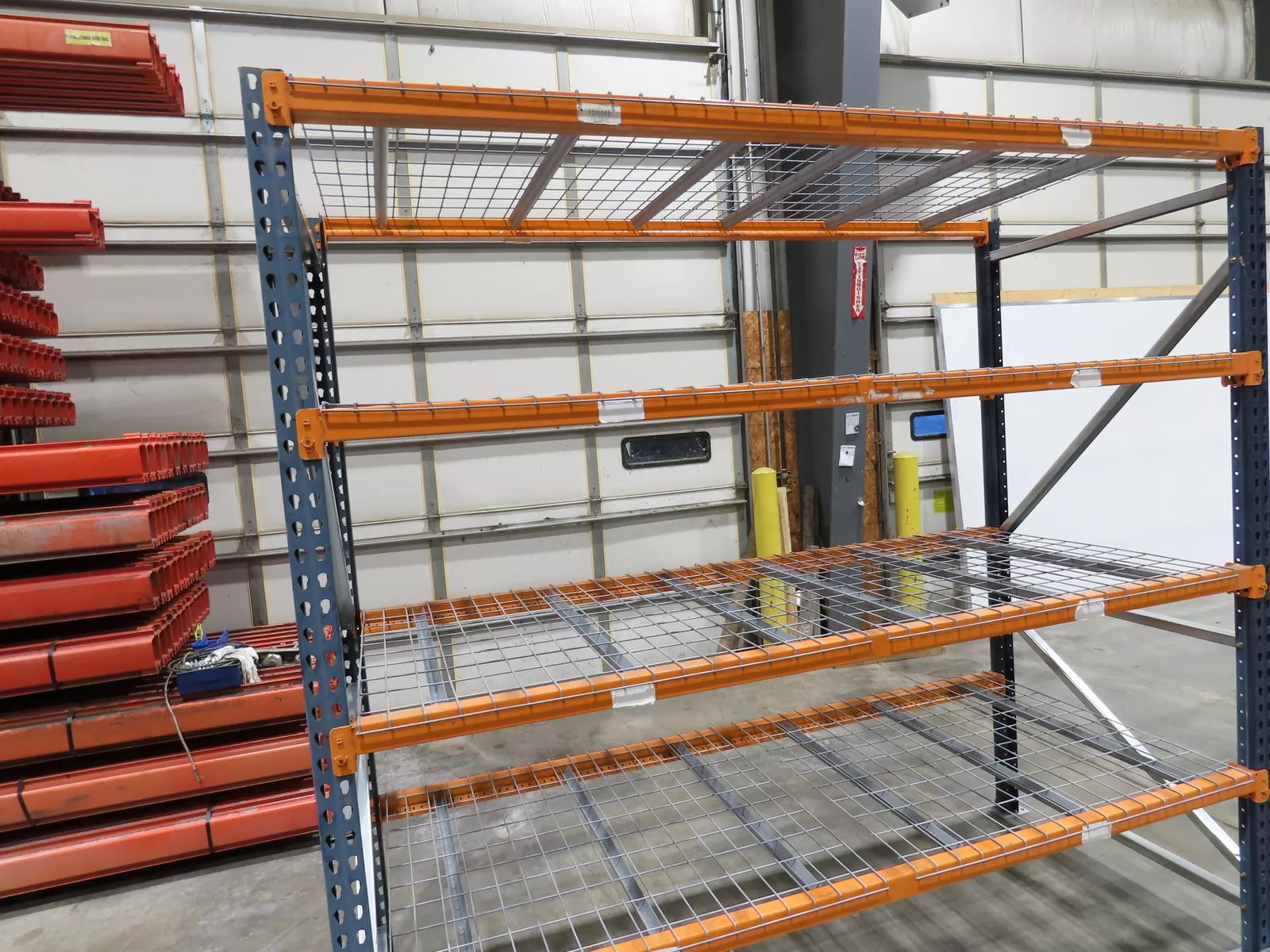
What Factors Affect Rack Lifespan?
What Factors Affect Rack Lifespan?
- Pallet racking is crucial for warehouse efficiency: It serves as the backbone of storage solutions for inventory and equipment.
- Quality of materials: Investing in high-grade materials like robust steel enhances longevity and resistance to wear, rust, and degradation.
- Proper installation: Professional installation is vital; misalignment or improper anchoring can lead to failures and shorten rack lifespan.
- Load capacity management: Adhering to recommended weight limits and conducting regular audits can prevent structural weaknesses.
- Environmental factors: Addressing challenges such as temperature fluctuations and humidity with protective coatings can enhance durability.
- Regular maintenance: Periodic inspections help catch minor issues early, significantly extending rack lifespan and promoting safety.
- Long-term investment: Understanding these factors helps ensure that pallet racking systems are efficient and cost-effective over time.
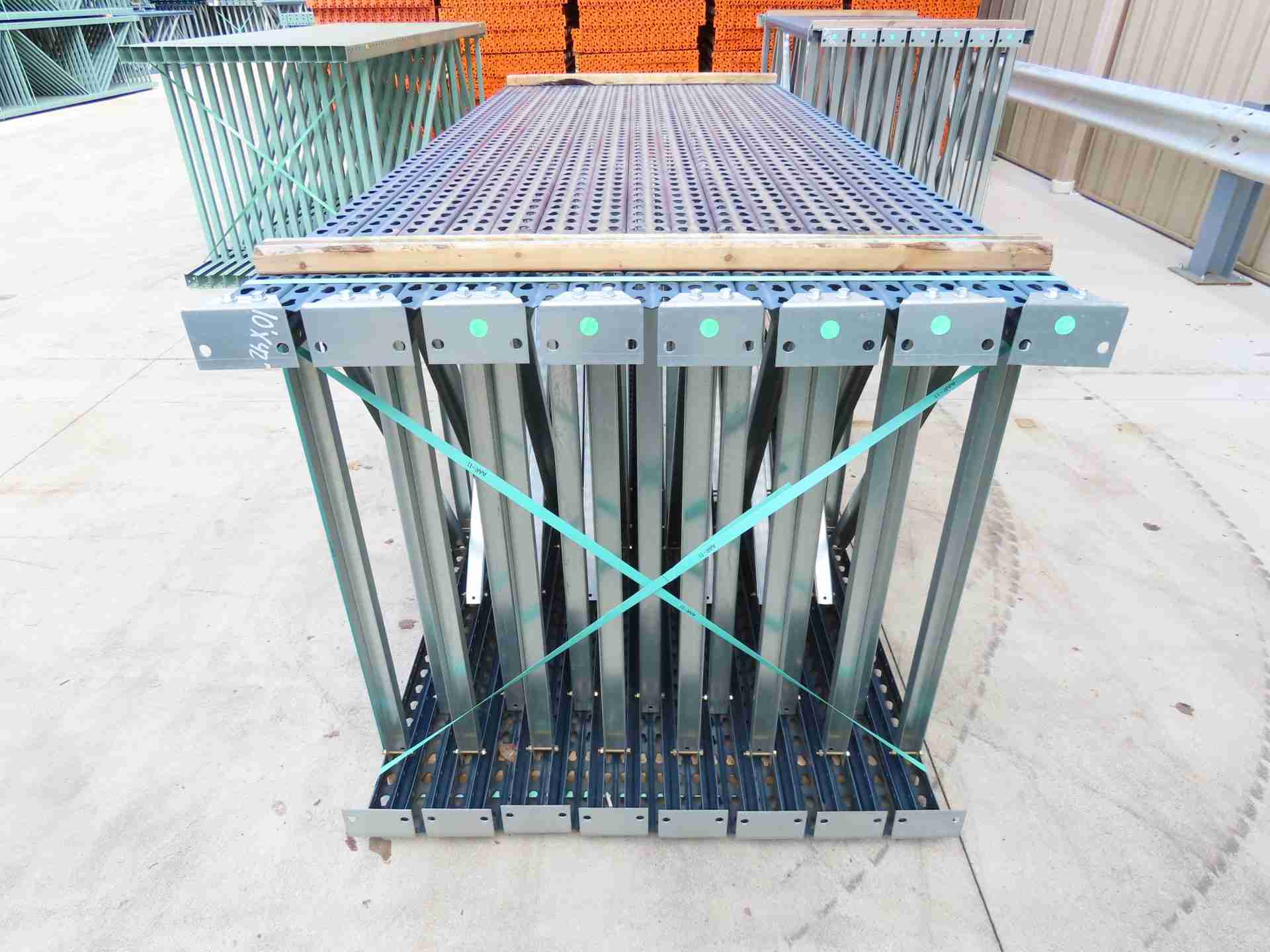
What Factors Affect Rack Lifespan?
How Can I Maintain My Pallet Racks For Longevity?
In the fast-paced world of warehousing and logistics, maintaining your pallet racking system is not just an option; it’s a necessity. Ensuring your pallet racking remains in top condition enhances safety, optimizes space, and significantly lowers replacement costs. Here are some key strategies you can employ to ensure your system’s longevity.
First and foremost, regular inspections are vital. Schedule inspections on a monthly basis to identify any signs of wear and tear, such as bent beams or rusting. For example, during your inspection, you might notice a slightly damaged support beam that, if left unattended, could lead to structural failure and costly downtime. A proactive approach acts as a risk management strategy, safeguarding both your investment and personnel.
Implementing a preventive maintenance plan can yield immense dividends. This plan could include routine cleaning to eliminate any debris or obstructions that can accumulate on your pallet racks. Dust and grime not only contribute to a disorganized workplace but can also hide potential issues that may lead to accidents. Consider using mobile cleaning equipment as part of your routine maintenance. Not only does it enhance the visual appeal of your warehouse, but it positions your operations as a clean and efficient facility, inspiring confidence among clients and stakeholders.
Another crucial aspect is correct load positioning. Familiarize yourself with the load capacities of your pallet racks. If current events have taught us anything, such as during recent supply chain crises, it’s that overburdening your pallet racking can halt productivity. Be precise in your loading strategies; ensure your pallets are properly centered and evenly distributed to avoid undue stress on the racks.
Training your staff on the best practices regarding pallet racking is equally essential. Host workshops focused on safe loading techniques and the importance of adhering to weight limits. Equipping your team to handle your equipment efficiently helps prevent accidental damage. As seen in industries grappling with high turnover rates, investing in staff training reduces costly mistakes.
Lastly, always consider your investment in technology. With the rise of smart warehousing solutions, integrating sensors and monitoring systems can provide real-time feedback on your pallet racking. For instance, consider adding load sensors that alert you before any structural compromise occurs.
By diligently applying these maintenance strategies, you can extend the longevity of your pallet racking, ensuring a safer, more efficient workplace environment that stands resilient against the challenges of the ever-evolving logistics landscape. Remember, the health of your pallet racking system is a reflection of your overall operational success. Don’t let neglect be the reason for your downfall. Act now, and reap the rewards for years to come!
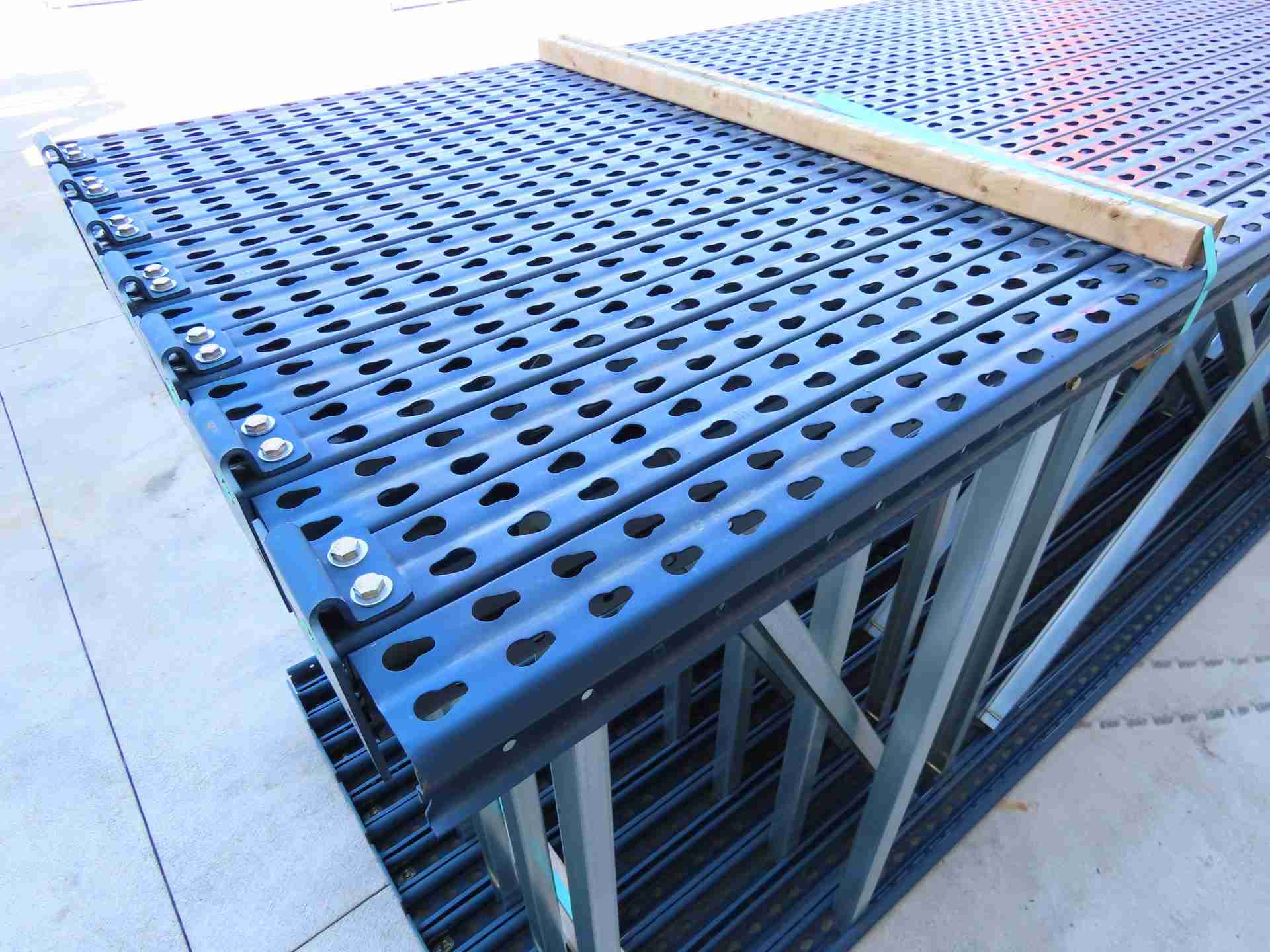
How Can I Maintain My Pallet Racks For Longevity?
How Can I Maintain My Pallet Racks For Longevity?
- Regular inspections are essential; schedule them monthly to identify wear and tear.
- Implement a preventive maintenance plan, including routine cleaning to avoid obstructions.
- Correct load positioning is crucial; understand the load capacities and distribute loads evenly.
- Train staff on best practices and safe loading techniques to prevent accidental damage.
- Invest in technology, such as sensors and monitoring systems, for real-time feedback on pallet racking.
- Maintaining your pallet racking system enhances safety, optimizes space, and reduces replacement costs.
- Proper maintenance reflects overall operational success and ensures resilience in logistics challenges.
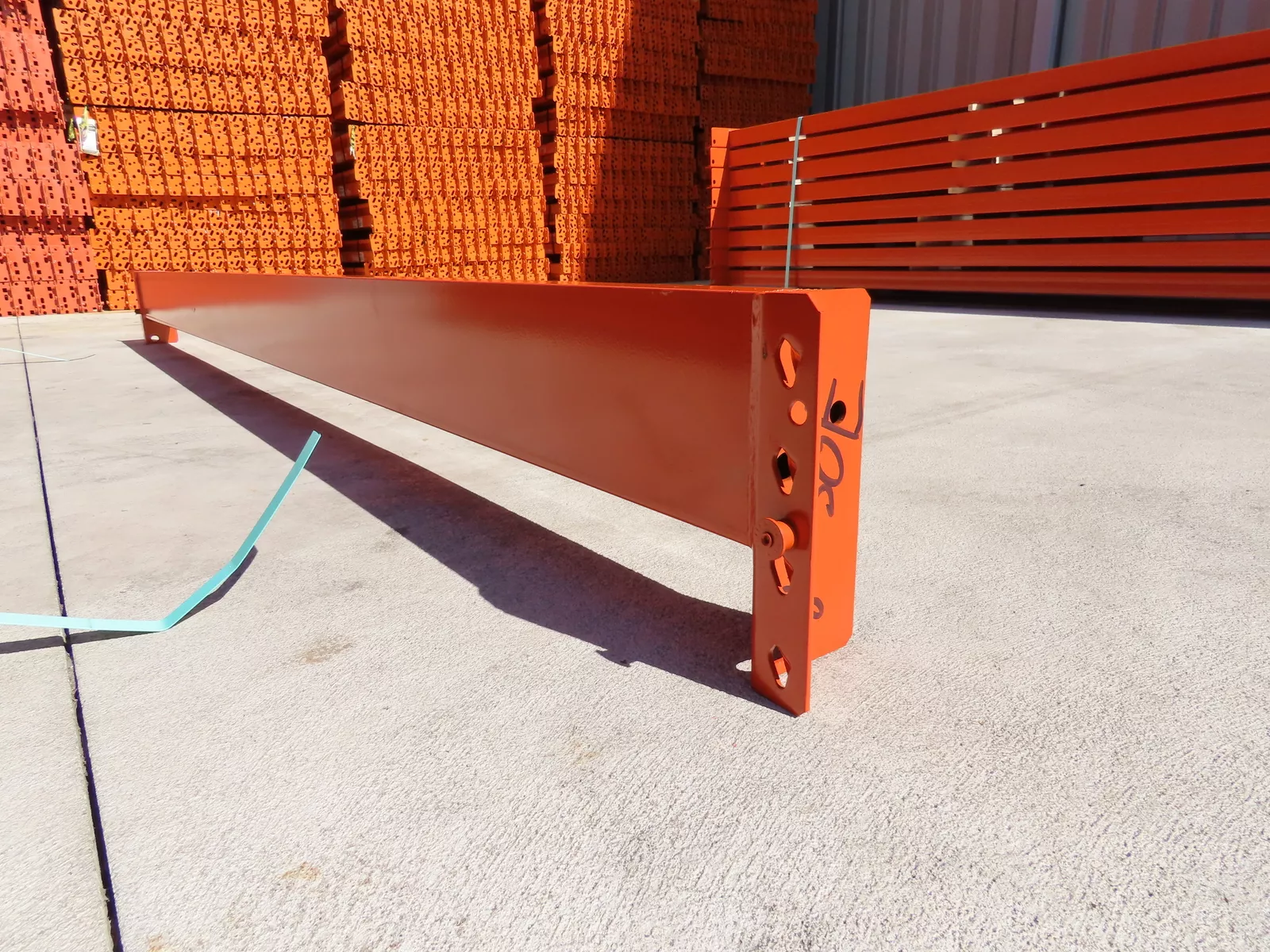
How Can I Maintain My Pallet Racks For Longevity?
Are There Different Materials In Pallet Racks?
When you think about optimizing your warehouse space, one of the first considerations should be the type of pallet racking system you invest in. It might surprise you to learn that pallet racking can be made from various materials, each designed to meet different needs and circumstances. Understanding these options is crucial for maximizing efficiency and enhancing the safety of your operations.
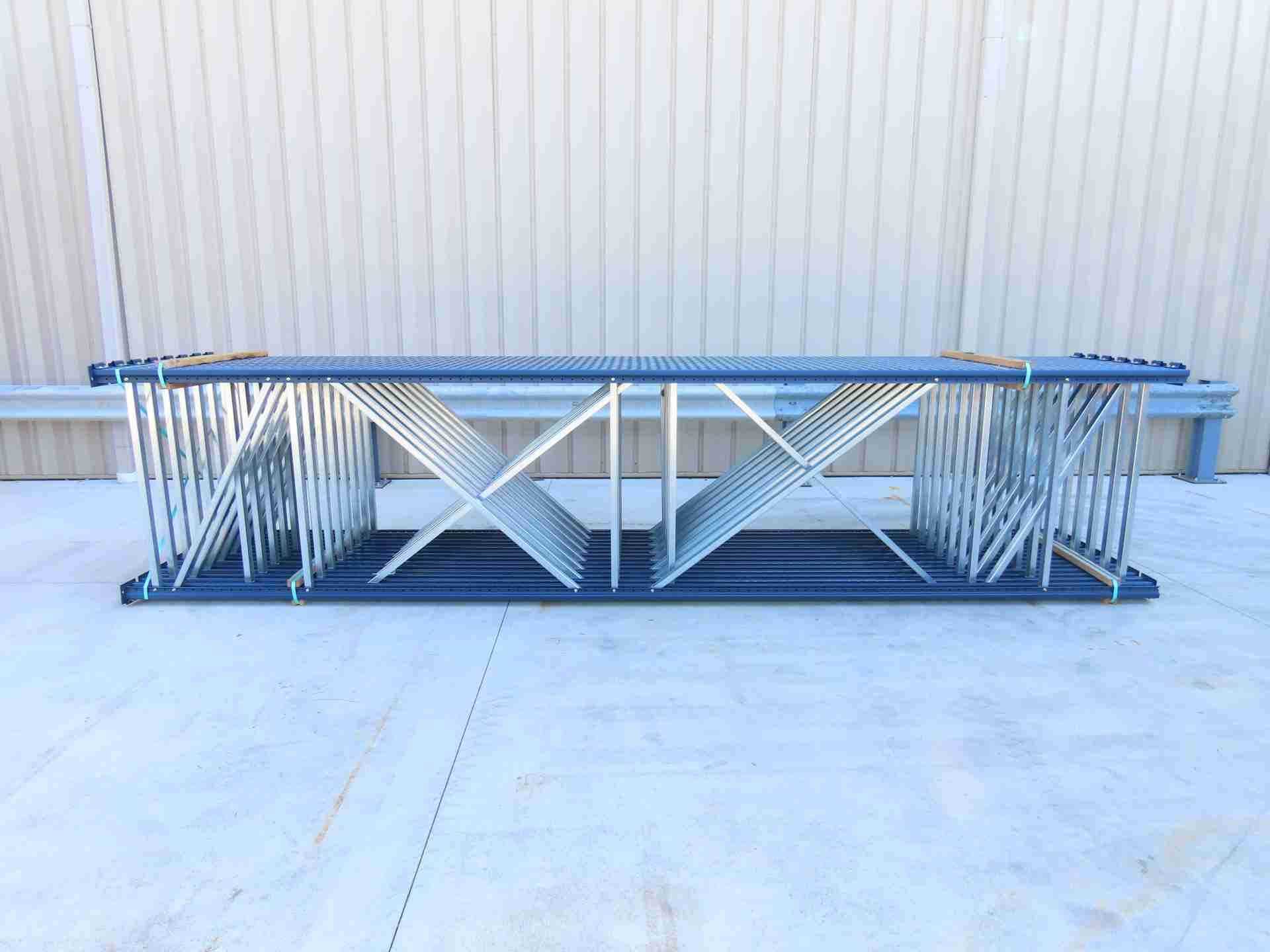
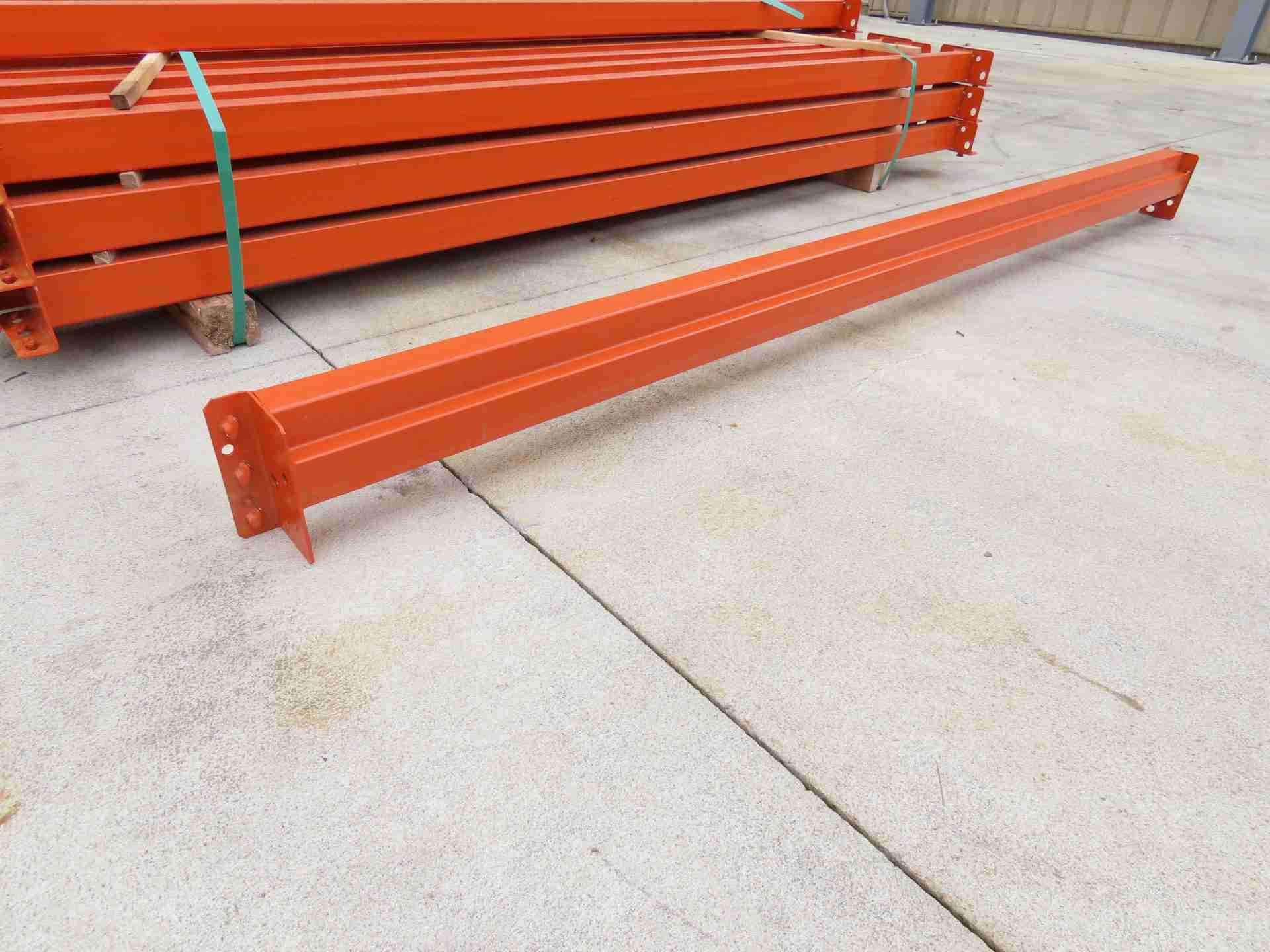
First up is steel, the heavyweight champion of pallet racking materials. Not only is it robust and durable, but it can hold substantial loads, making it the go-to choice for most industrial applications. Steel pallet racks are particularly advantageous in environments where heavy-duty storage is a must. Recent supply chain disruptions have made companies rethink their inventory management strategies, emphasizing the need for reliable and sturdy storage solutions. Steel racks provide peace of mind in these uncertain times, ensuring that the products stored within can withstand the test of time and pressure.
Next, we have plastic pallet racks, which are becoming increasingly popular, especially in the food and pharmaceutical industries. Their lightweight nature and resistance to corrosion and chemicals make them ideal for sanitary environments. As seen in the aftermath of the COVID-19 pandemic, businesses are more focused than ever on cleanliness and hygiene. Plastic pallet racking systems can be an attractive solution because they can be easily cleaned and maintained, reducing the risk of contamination. With their colorful appeal, they also enhance visual merchandising in retail settings, drawing attention to products stored within.
Another option worth considering is wood pallet racking. While not as common in heavy-duty warehouses, wooden racks can be a cost-effective solution for smaller operations or those with lighter storage needs. They provide an aesthetic appeal and can easily blend into retail environments. However, it’s important to note that wood is less durable and more sensitive to moisture compared to metal or plastic counterparts.
Lastly, composite materials, which combine the best of both worlds, are gradually gaining traction. These engineered solutions are designed for specific weight capacities and offer an excellent balance of weight and strength. In a world where sustainability is increasingly gaining attention, composite racks can be made from recycled materials, appealing to environmentally-conscious businesses.
The material you choose for your pallet racking system can significantly impact your operations. As the landscape of supply chain management evolves, staying informed about these alternatives can help streamline your processes and enhance efficiency. Whether you’re prioritizing durability, hygiene, or aesthetic appeal, understanding the different materials in pallet racks will empower you to make the right choice for your business’s unique needs.
Are There Different Materials In Pallet Racks?
Are There Different Materials In Pallet Racks?
- Choosing the right pallet racking system is crucial for optimizing warehouse space and enhancing operational safety.
- Steel is the most robust and durable material, suitable for heavy-duty storage in industrial applications.
- Recent supply chain disruptions have emphasized the need for reliable storage solutions, with steel racks offering peace of mind.
- Plastic pallet racks are gaining popularity, particularly in the food and pharmaceutical industries, due to their lightweight and corrosion-resistant properties.
- Plastic racks are easy to clean, which is essential for maintaining hygiene standards, especially post-COVID-19.
- Wood pallet racks are a cost-effective solution for lighter storage needs but are less durable and more moisture-sensitive than metal or plastic options.
- Composite materials are emerging as a balanced option that combines strength and weight, appealing to environmentally-conscious businesses.
Are There Different Materials In Pallet Racks?
What Weight Capacities Do Pallet Racks Have?
When it comes to optimizing your warehouse space and efficiency, understanding the weight capacities of pallet racking is crucial. The ability to strategically store products without compromising safety or accessibility directly influences your bottom line. But what exactly does that mean for your business?
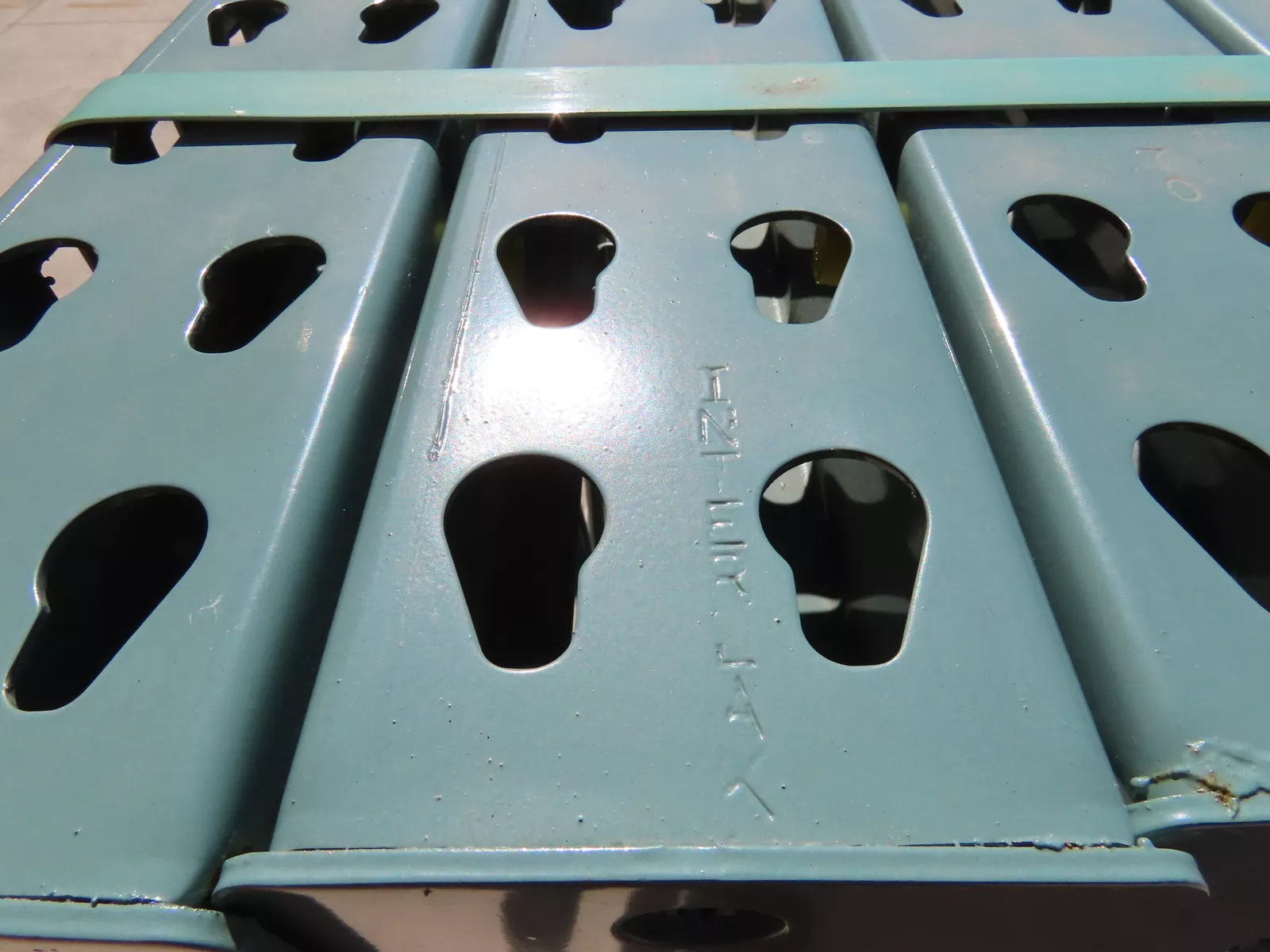
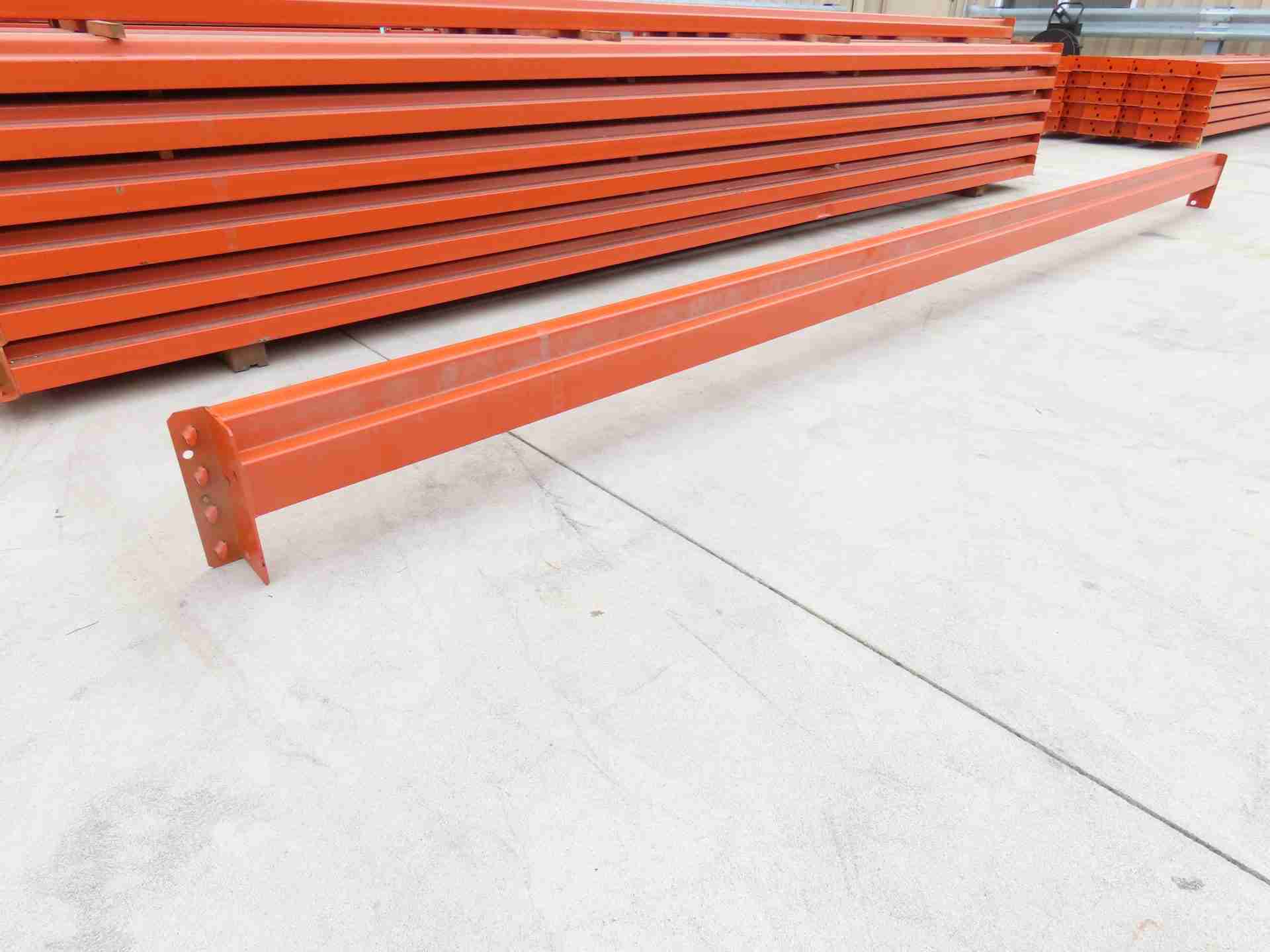
Pallet racking systems are designed with different configurations and weight limits to cater to varying storage needs. The typical industrial pallet rack can support anywhere between 1,500 to 3,000 pounds per shelf. This remarkable capacity enables businesses to store a range of products efficiently. For example, a standard selective racking system might comfortably hold heavy items like steel coils or large boxes of consumer goods, making it a favorite among retailers.
Let’s consider a real-world scenario: imagine a distribution center ready to implement new pallet racking during the current economic upswing. Companies are facing challenges in maintaining stock levels amidst global supply chain fluctuations. By leveraging high-capacity pallet racking, they can store greater quantities of essential goods while maximizing vertical space. With an average height capacity of 30 feet, these racks allow for impressive storage capabilities, accommodating a diverse inventory.
However, it’s essential to choose the right type of pallet racking based on your operational demands. For example, if you’re dealing with lighter, bulkier items, such as packaged foods, you’ll want a system like drive-in or push-back racks, which are engineered to enhance density and maximize efficiency, even with weight limits that hover around 1,500 pounds.
In contrast, if your focus is on heavy products like machinery or automotive parts, then structural pallet racks are the ideal choice, as they can handle significantly higher weight capacities—some even exceeding 5,000 pounds per unit. As we navigate these uncertain times, ensuring that your storage systems can handle fluctuating inventory levels and types is paramount for a resilient operation.
Moreover, advancements in technology and materials mean it’s possible to increase the weight capacities of existing racks by reinforcing or retrofitting them. This adaptability is particularly pertinent when businesses address trends such as e-commerce and rapid order fulfillment. Organizations aiming to respond dynamically to market changes can rely on sturdy pallet racking systems to support innovative warehousing strategies.
Investing in the right pallet racking is more than just a logistical consideration; it’s a strategic imperative to withstand market fluctuations and drive profitability. With the right understanding of their weight capacities, you can ensure that your business scales efficiently and effectively. After all, in this fast-paced world, agility is key to survival.
What Weight Capacities Do Pallet Racks Have?
What Weight Capacities Do Pallet Racks Have?
- Understanding pallet racking weight capacities is crucial for optimizing warehouse space and efficiency.
- Industrial pallet racks typically support 1,500 to 3,000 pounds per shelf, aiding in efficient product storage.
- High-capacity pallet racking allows distribution centers to store more essential goods while maximizing vertical space, with average heights of 30 feet.
- Choosing the right pallet racking system is essential based on product weight and size, e.g., drive-in racks for lighter items.
- Structural pallet racks are ideal for heavy products, capable of handling over 5,000 pounds per unit.
- Advancements in technology enable the reinforcement or retrofitting of existing racks to increase weight capacities.
- Investing in suitable pallet racking is a strategic imperative for profitability and agility in a dynamic market.
What Weight Capacities Do Pallet Racks Have?
How Do Environmental Conditions Impact Rack Durability?
When it comes to optimizing the functionality of your warehouse, the last thing you want to overlook is your pallet racking systems. While they might seem like mere steel frames to house your inventory, environmental conditions play a crucial role in determining their overall durability and longevity.
Picture this: A bustling warehouse in the Midwest experiences extreme temperature fluctuations, with freezing winters and sweltering summers. Over time, these dramatic changes can stress your pallet racking. The metal may expand and contract, resulting in warping or structural failure. According to a recent report from the Warehousing Association, warehouses operating in volatile climates face a staggering 30% reduction in rack lifespan without proper mitigation strategies.
Now let’s not forget humidity, a silent enemy of pallet racking. In coastal areas or damp regions, excessive moisture can lead to rust and corrosion. One ill-fated decision made by a firm in Florida involved neglecting to invest in galvanized racking systems, which are designed to withstand humid environments. They quickly found themselves facing expensive repairs and replacements when their standard racking systems began to deteriorate. The lesson here? Choose your materials wisely based on your location’s environmental conditions.
Furthermore, consider the impact of dust and debris. A warehouse located near industrial sites may face particulate accumulation, compromising the integrity of the pallet racking over time. Maintenance becomes paramount, but many operators overlook this necessity until it’s too late, leading to costly downtime and even accidents. Stay ahead of the game by implementing a routine cleaning schedule and using covers to protect vulnerable areas.
Recent events, such as the supply chain disruptions caused by climate-related disasters, have made it clear that warehouses must adapt. Investing in durable, environment-specific pallet racking systems isn’t just a matter of operational efficiency; it’s a strategically vital move to safeguard your bottom line.
In summary, environmental conditions significantly impact the durability of your pallet racking. By conducting a thorough environmental analysis and investing accordingly, you not only protect your assets but also enhance efficiency. The choice is clear: don’t let your pallet racking become a casualty of neglect. Take proactive action, consider your environment, and extend the life and performance of your racking systems today!
How Do Environmental Conditions Impact Rack Durability?
How Do Environmental Conditions Impact Rack Durability?
- Pallet racking systems are essential for warehouse functionality but are affected by environmental conditions.
- Extreme temperature fluctuations can stress pallet racking, leading to warping and structural failure, reducing lifespan by 30% in volatile climates.
- Humidity can cause rust and corrosion; neglecting to choose galvanized racking can result in costly repairs in damp regions.
- Dust and debris accumulation can compromise pallet racking integrity; routine maintenance is essential to prevent downtime and accidents.
- Recent climate-related supply chain disruptions emphasize the need for durable, environment-specific pallet racking systems.
- Conducting environmental analysis and investing accordingly can enhance efficiency and protect warehouse assets.
- Proactive actions are necessary to extend the life and performance of pallet racking systems.
How Do Environmental Conditions Impact Rack Durability?
Conclusion
Navigating the dynamic world of warehouse management requires a strategic approach to investing in pallet racks—an essential backbone of your operations. Understanding how long locally bought pallet racks will last and what factors influence their lifespan is crucial for any business aiming to optimize efficiency and reduce costs.
There’s no denying the quality associated with locally sourced pallet racks. These products come from manufacturers who prioritize rigorous quality control, so you not only get a robust solution but also the peace of mind that accompanies it. However, longevity is not solely contingent on the purchasing decision; it thrives on the material’s quality, effective installation, and ongoing maintenance practices.
Regular inspections, trained staff, and preventive maintenance schedules are vital in maximizing your racking systems’ lifespan. A hands-on approach, reminiscent of your vehicle’s maintenance routine, involves consistently checking for wear and tear, ensuring correct load management, and addressing any issues before they snowball into costly repairs or operational halts. Furthermore, being acutely aware of your environmental conditions—such as humidity and temperature—can significantly extend rack durability while ensuring compliance with safety regulations.
But as you consider your options for pallet racking, don’t overlook the importance of working with a trusted local supplier. The expertise they bring can tailor a solution perfectly suited to your specific requirements, ultimately defining the effectiveness of your warehouse management.
Now, it’s time for action. The market is ever-evolving, and delays can cost you in efficiency and excess spending. Call Arrow Industrial Sales today at (574) 349-6575 for personalized advice on how to maximize the lifespan of your pallet racks and pioneer warehouse efficiency.
Don’t just leave your investment in the hands of fate; act decisively. Now is the moment to secure your facilities with robust, high-quality solutions that stand the test of time. By investing wisely today, you can save not just dollars but also valuable operational hours well into the future. Make the call—your warehouse and bottom line will thank you!
Conclusion
Conclusion:
- Strategic investment in pallet racks is essential for efficient warehouse management.
- Locally sourced pallet racks offer proven quality due to rigorous manufacturing standards.
- Longevity of pallet racks depends on material quality, installation, and ongoing maintenance.
- Regular inspections and preventive maintenance are vital for maximizing rack lifespan.
- Environmental conditions, like humidity and temperature, impact rack durability and safety compliance.
- Working with a trusted local supplier can provide tailored solutions for specific warehouse needs.
- Contact Arrow Industrial Sales for advice on enhancing pallet rack durability and warehouse efficiency.
Conclusion
Other Resources
Other Resources
Here is a list of other resources you can review online to learn more:
- Selective Pallet Racking Systems
- Material Handling Industry
- Cantilever Rack Configuration & Installation: A Comprehensive Guide – BMH
- Storage Equipment Manufacturers’ Association
- The Complete Pallet Rack Guide – Simply Rack
- ASSP
- Warehouse Racking Layout: The Ultimate Guide – Conger
- Illinois Pallet Racking – WPRP
- CA Wire
- Selective Rack – Raymond West
Use This Prompt To Get More Resources With Your Favorite Online AI Tool: Please provide me with a list of online articles with their URLs in a bulleted list that I can read regarding How Long Will Locally Bought Pallet Racks Last?
Other Resources
Glossary Terms
How Long Will Locally Bought Pallet Racks Last? – Glossary Of Terms
1. Pallet Rack: A storage system designed to hold palletized loads in horizontal rows with multiple levels.
2. Durability: The ability of pallet racks to withstand wear, pressure, or damage over time, often influenced by materials and construction quality.
3. Material Quality: Refers to the type of steel or other materials used in constructing pallet racks, affecting their strength and longevity.
4. Load Capacity: The maximum weight that a pallet rack can safely hold, determined by its design and materials.
5. Shelf Life: The estimated duration a pallet rack can be safely used before maintenance or replacement is needed.
6. Installation: The process of assembling and securing pallet racks in a warehouse or storage facility to ensure they are safe and functional.
7. Maintenance: Regular inspection and upkeep practices that prolong the life of pallet racks, including checking for structural integrity and damage.
8. Environmental Factors: Conditions such as humidity, temperature, and exposure to chemicals that can affect the lifespan of pallet racks.
9. Rust Resistance: Treatment or coating applied to metal pallet racks to prevent corrosion and extend durability.
10. Weight Distribution: How weight is spread across the pallet rack, which can impact its stability and longevity.
11. Design Standards: Guidelines and regulations that dictate how pallet racks should be designed and built for safety and effectiveness.
12. Safety Factor: A calculation used to determine how much extra load a pallet rack can handle beyond its rated capacity to ensure safety.
13. Forklift Compatibility: The extent to which a pallet rack design accommodates the use of forklifts for loading and unloading, impacting usability.
14. Adjustability: The ability to modify the height and configuration of pallet racks to suit various storage needs.
15. Structural Integrity: The overall strength and stability of a pallet rack system, ensuring it can support intended loads over time.
16. Boltless Design: A type of pallet rack assembly that doesn’t require nuts and bolts, allowing for easy reconfiguration and assembly.
17. Tipping Risk: The potential for pallet racks to become unstable and fall over, often mitigated through proper installation and weight limits.
18. Warranty: A guarantee from the manufacturer regarding the lifespan and performance of the pallet rack, detailing what damages or issues are covered.
19. Compliance: Adherence to safety regulations and industry standards for pallet rack usage and installation.
20. Vertical Storage: Utilizing height in a storage area, achieved through the use of pallet racks, to maximize space efficiency.
21. Horizontal Storage: Storage layout that spreads out horizontally rather than vertically, often less efficient than vertical storage solutions.
22. Pallet Type: The kind of pallets (wood, plastic, metal) being used, which affects how they interact with the racks and their overall durability.
23. Heavy Duty: Refers to pallet racks designed specifically to support heavier loads, usually constructed with thicker materials.
24. End-of-Life: The point at which pallet racks can no longer be safely used and need to be replaced or decommissioned.
25. Visual Inspection: A process of checking for obvious damage or wear on pallet racks, critical for maintenance and safety.
26. Impact Resistance: The ability of a pallet rack to withstand impacts from machinery or pallets without sustaining significant damage.
27. Flexural Strength: The capacity of pallet rack materials to resist bending under weight, impacting durability.
28. Sustainability: The consideration for using eco-friendly materials and practices in the manufacturing and disposal of pallet racks.
29. Reconfiguration: The process of changing the layout or arrangement of pallet racks to meet new storage demands.
30. Replacement Parts: Components like beams, braces, or shelves that can be swapped out to extend the life of pallet racks instead of replacing the entire system.
Glossary Of Terms
Other Questions
How Long Will Locally Bought Pallet Racks Last? – Other Questions
If you wish to explore and discover more, consider looking for answers to these questions:
- How often should I inspect my pallet racks for maintenance?
- What are the common signs of wear and tear on pallet racks?
- What is the cost of replacing pallet racks compared to maintaining them?
- Can I reinforce my existing pallet racks to increase their weight capacity?
- What are the advantages of using locally sourced pallet racks over imported ones?
- How can I determine the right type of pallet rack for my specific needs?
- Are there any warranties or guarantees offered by local manufacturers for pallet racks?
- What safety regulations should I adhere to when using pallet racks?
- How do I choose the best material for my pallet racks based on my operations?
- What are the potential risks of exceeding the weight limits of pallet racks?
- Can pallet racks be customized to fit unique storage requirements?
- How does the design of a pallet rack affect its durability and functionality?
- What environmental factors should I consider when selecting pallet racks?
- Are there smart technology options available for monitoring pallet rack conditions?
- What role does staff training play in maintaining pallet rack systems?
Other Questions
Checklist
How Long Will Locally Bought Pallet Racks Last? – A Checklist
Checklist for Maximizing the Lifespan of Locally Purchased Pallet Racks
Material Quality
_____ Choose heavy-duty materials: Ensure racks are made from high-grade steel for maximum durability.
_____ Check supplier reputation: Verify that local manufacturers have a good track record for quality control.
Maintenance Practices
_____ Schedule regular inspections: Conduct inspections monthly for signs of wear and tear (e. g. , bent beams, rust).
_____ Implement a preventive maintenance plan: Include routine cleaning and debris removal from racks.
_____ Educate staff on load positioning: Train employees on proper loading techniques and weight limits.
Installation
_____ Ensure professional installation: Consult with local suppliers to guarantee correct alignment and anchoring.
_____ Review rack configurations: Match the type of rack to specific operational demands (e. g. , heavy-duty vs. lighter loads).
Load Management
_____ Know weight capacities: Understand the load limits for each type of racking system in use.
_____ Regularly audit load practices: Check against company policies to prevent overloading racks.
Environmental Considerations
_____ Assess warehouse conditions: Analyze the impact of temperature fluctuations, humidity, and dust on racking durability.
_____ Invest in environmental enhancements: Consider using galvanized racks or protective coatings in humid environments.
_____ Implement cleaning schedules: Establish routine cleaning protocols to reduce dust and debris accumulation.
Support Local Economy
_____ Choose local suppliers: Opt for locally-sourced racks to support community businesses while enjoying personalized service.
_____ Build relationships with suppliers: Engage in regular evaluations and adjustments with local experts.
Use of Technology
_____ Integrate smart solutions: Consider load sensors and monitoring systems for real-time feedback on rack conditions.
_____ Stay informed on new technologies: Regularly update your knowledge about advancements in pallet racking materials and systems.
By following this checklist, you can maximize the longevity and effectiveness of your locally purchased pallet racks and ensure a safer, more efficient warehouse environment.

Checklist
At RackingWorld, we help guide you through selecting warehouse storage systems and racking.
Be sure to read our other related stories at RackingWorld to learn more about warehouse storage systems.
0 Comments