
Optimizing Efficiency And Safety In Food Warehouses
By Tom Seest
At RackingWorld, we help guide you through selecting warehouse storage systems and racking.
Be sure to read our other related stories at RackingWorld to learn more about warehouse storage systems.
How Food Warehouses Use Selective Pallet Racks
In the bustling realm of food warehouses, one might not think that a maze of steel and timber could hold the key to nourishing our communities. Yet, selective pallet racks act as the unsung heroes, ensuring that shelves are stocked with everything from delicate produce to hearty canned goods. Each time we pull a cold drink from a store shelf or savor a hot meal, a carefully orchestrated symphony of logistics—anchored by these racks—makes it all possible.
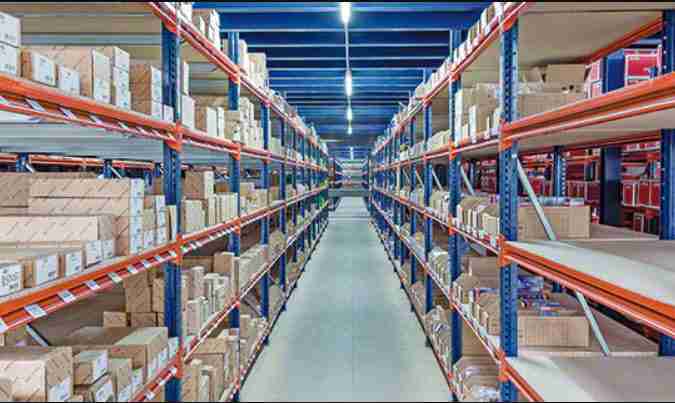
Imagine the bustling scene inside a food warehouse: workers busily ferrying goods as they navigate through rows of selective pallet racks. These sturdy structures are designed to hold a variety of products, facilitating easy access and organization. It’s a sight that stirs a sense of admiration—these racks are more than mere storage; they embody efficiency and purpose, guiding the flow of food throughout the supply chain.
From the perspective of a warehouse manager, the benefit is not just rational; it’s a pivotal piece of a much larger puzzle. Investing in selective racking isn’t just about maximizing storage space—it’s about fostering trust with consumers. Each item grabbed from a rack for restocking or delivery represents a promise kept: that families will find what they need when they need it. Moving through these aisles, one can feel the weight of responsibility. Every choice made, every rack optimized, is an ethical commitment to reducing waste and ensuring access to nutritious food.
The stories behind the meals many of us share are rich with diversity. For a single mom rushing to prepare dinner after a long day, the efficiency offered by selective pallet racks means that fresh ingredients are just a short walk away. For a farmer, it signifies that their hard work doesn’t go unrewarded—that their produce will find its way to eager consumers in a timely manner. This connection underscores a collective movement: warehouses aren’t just storage spaces; they are lifelines infused with purpose.
In a world disenchanted by inefficiency, investing in selective pallet racks isn’t merely a smart logistical choice—it’s a commitment to the communities that rely on them. We can trust in their strength. These racks support more than just food; they support lives, dreams, and the very fabric of society itself. So next time you take a moment to appreciate the variety on your grocery store’s shelves, remember the silent guardians—those racks full of potential, standing ready to serve.
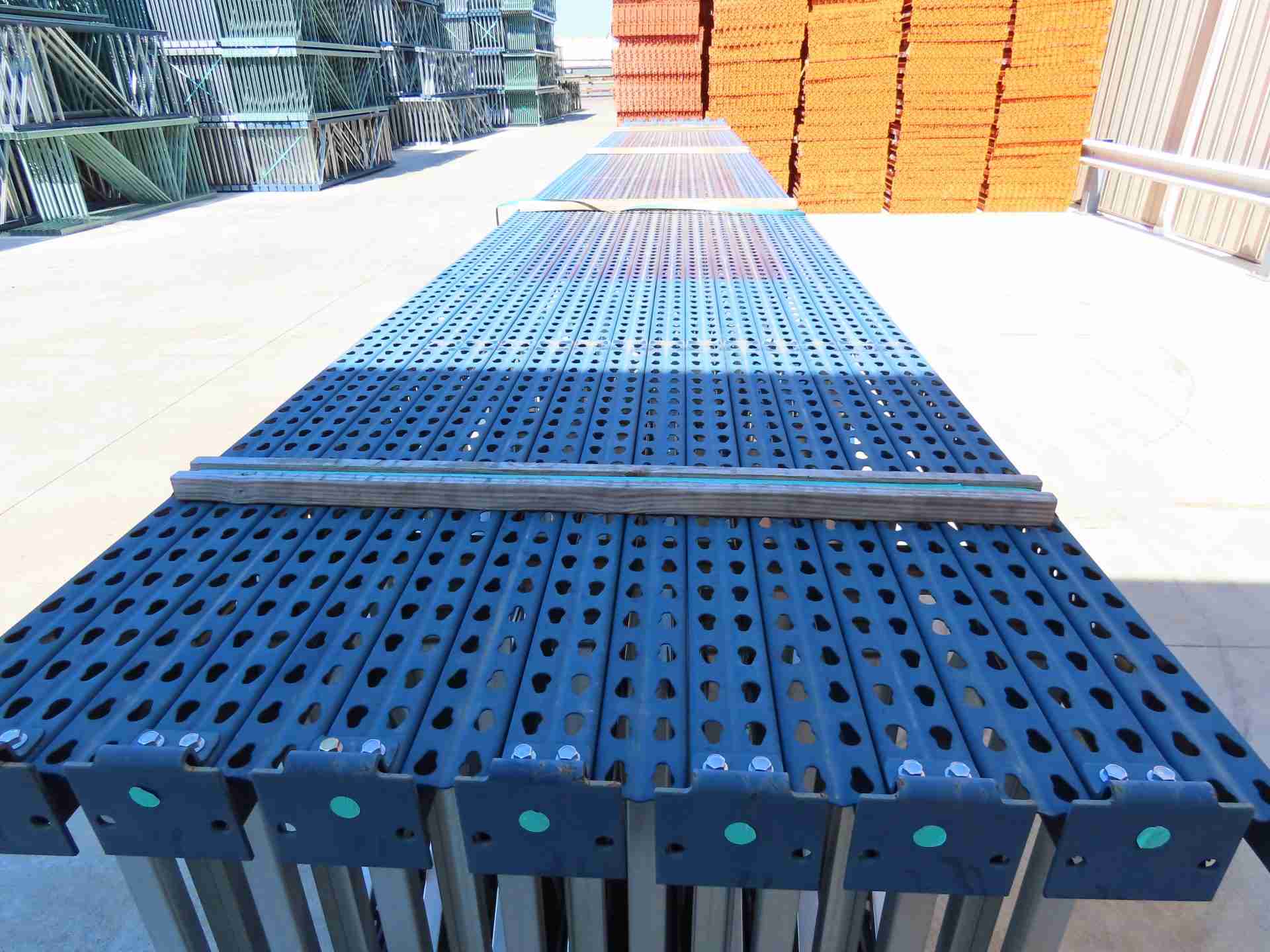
How Food Warehouses Use Selective Pallet Racks
How Food Warehouses Use Selective Pallet Racks
- Selective pallet racks are essential for keeping food warehouses organized and stocked.
- These racks facilitate easy access to a variety of products, enhancing efficiency in logistics.
- For warehouse managers, selective racking is crucial for maximizing storage space and building consumer trust.
- Each item retrieved from these racks symbolizes a commitment to timely access to food for families.
- Selective pallet racks also help reduce waste and promote access to nutritious food.
- They connect farmers with consumers, ensuring that products reach the market efficiently.
- Investing in these racks reflects a broader commitment to community support and societal well-being.
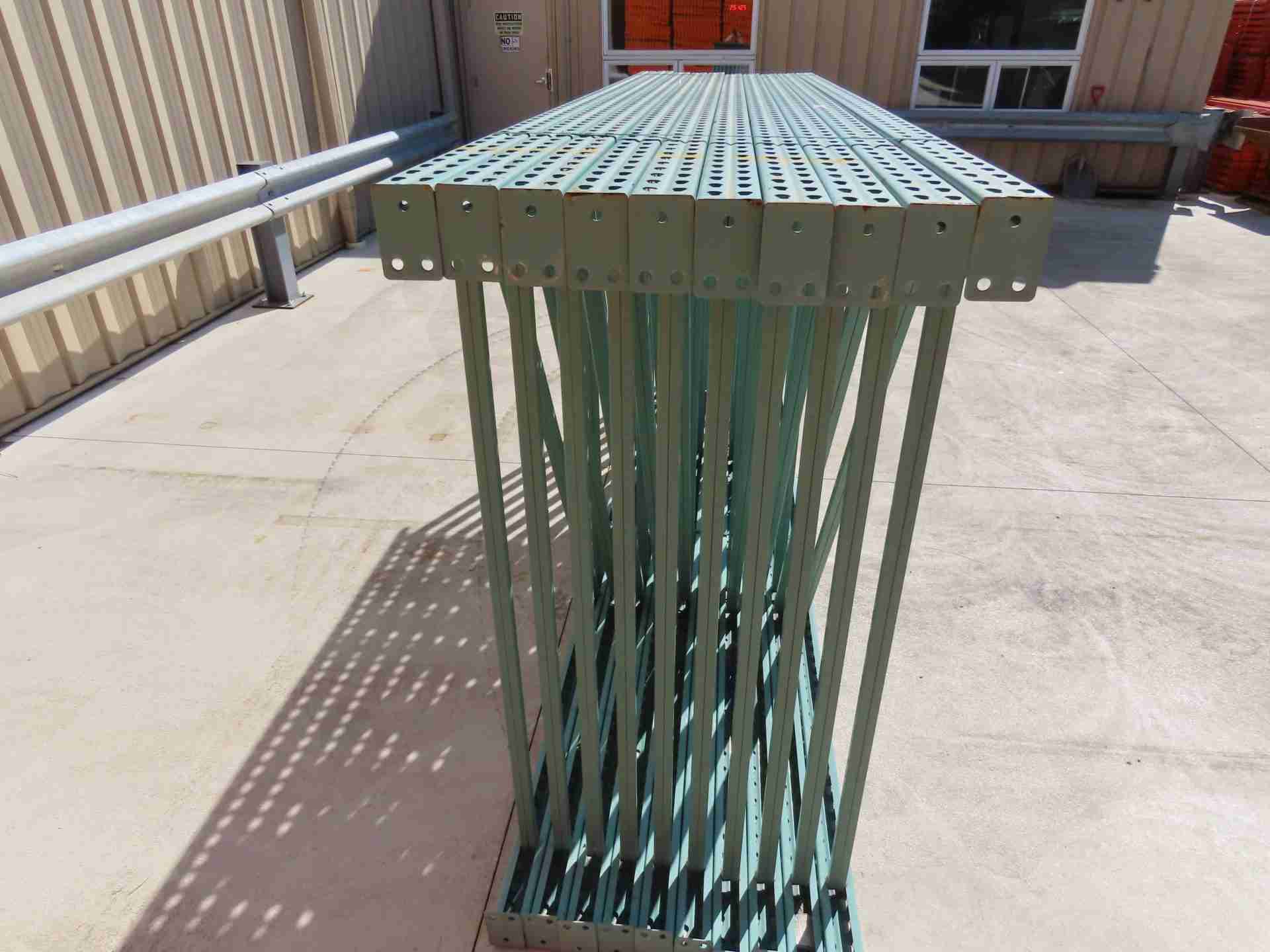
How Food Warehouses Use Selective Pallet Racks
Table Of Contents
- How Food Warehouses Use Selective Pallet Racks
- What Emotional Connections Do We Have with the Food We Store?
- How Do Selective Pallet Racks Optimize Storage Efficiency?
- What Ethical Considerations Arise From Food Storage Practices?
- How Does the Right Shelving Impact Food Safety and Quality?
- What Narratives Can We Share About Food Accessibility Through Storage?
- Conclusion
- Other Resources
- Glossary Of Terms
- Other Questions
- Checklist
What Emotional Connections Do We Have with the Food We Store?
When we think about food, we often underestimate the intricate web of emotional connections that come with what we choose to store in our pantries and freezers. Picture a racking system stuffed with jars of homemade jam—each vibrant color a snapshot of summer, each lid sealed with whispers of laughter shared over family gatherings. The act of preserving food transcends mere sustenance; it’s an emotional archive, storing not only flavors but memories too.
Consider the familiar scents that linger in the air as we crack open a container of frozen chili tricked out in our favorite spices. These tastes invoke nostalgia, transporting us back to chilly evenings spent around an old kitchen table. In those moments, food becomes the bearer of tradition, reminding us of the recipes passed down through generations, each one a testament to resilience and love. It’s not just about filling our bellies; it is about the stories that are served alongside our meals, the deep-seated connections that bind us to family and friends.
From a rational perspective, the choices we make about food storage can reflect our values and priorities—environmentally conscious decisions, financial savings, or even health consciousness. The act of thoughtfully storing food speaks volumes about who we are and what we stand for. It’s a commitment to reducing waste, to sustainability, and to honoring the hard work that goes into bringing food from farm to table.
Ethically, the responsibility of preserving food can resonate even deeper. By choosing to store food responsibly, we connect to the larger fabric of community and stewardship. We support local farmers, reduce our carbon footprint, and engage in practices that promote not just our well-being but that of the entire planet.
There’s a power in shared meals that echoes through time and space. When we gather around a table laden with the fruits of our labor—foods we’ve canned, frozen, or dried—the act of sharing becomes both intimate and inclusive. Conversations flow, laughter erupts, and we’re reminded that amidst the chaos of life, these connections are what truly nourish us.
So, the next time you stock your pantry or fill a freezer, pause to reflect on what lies within those jars and containers. They are more than just food—they are links to our past, symbols of our values, and tools for forging bonds with those we love. Embrace that emotional connection and let it inspire your future endeavors in the kitchen.
What Emotional Connections Do We Have with the Food We Store?
What Emotional Connections Do We Have with the Food We Store?
- Food storage is deeply intertwined with emotional connections and memories.
- Homemade preserves serve as vibrant reminders of family gatherings and shared laughter.
- Food evokes nostalgia, recalling moments spent with loved ones and traditions passed down.
- Choices in food storage reflect personal values, including sustainability, financial savings, and health consciousness.
- Ethically preserving food fosters community connections and supports local farmers.
- Shared meals create intimate experiences that strengthen bonds among family and friends.
- Food stored in pantries and freezers represent links to our past and symbols of our values.
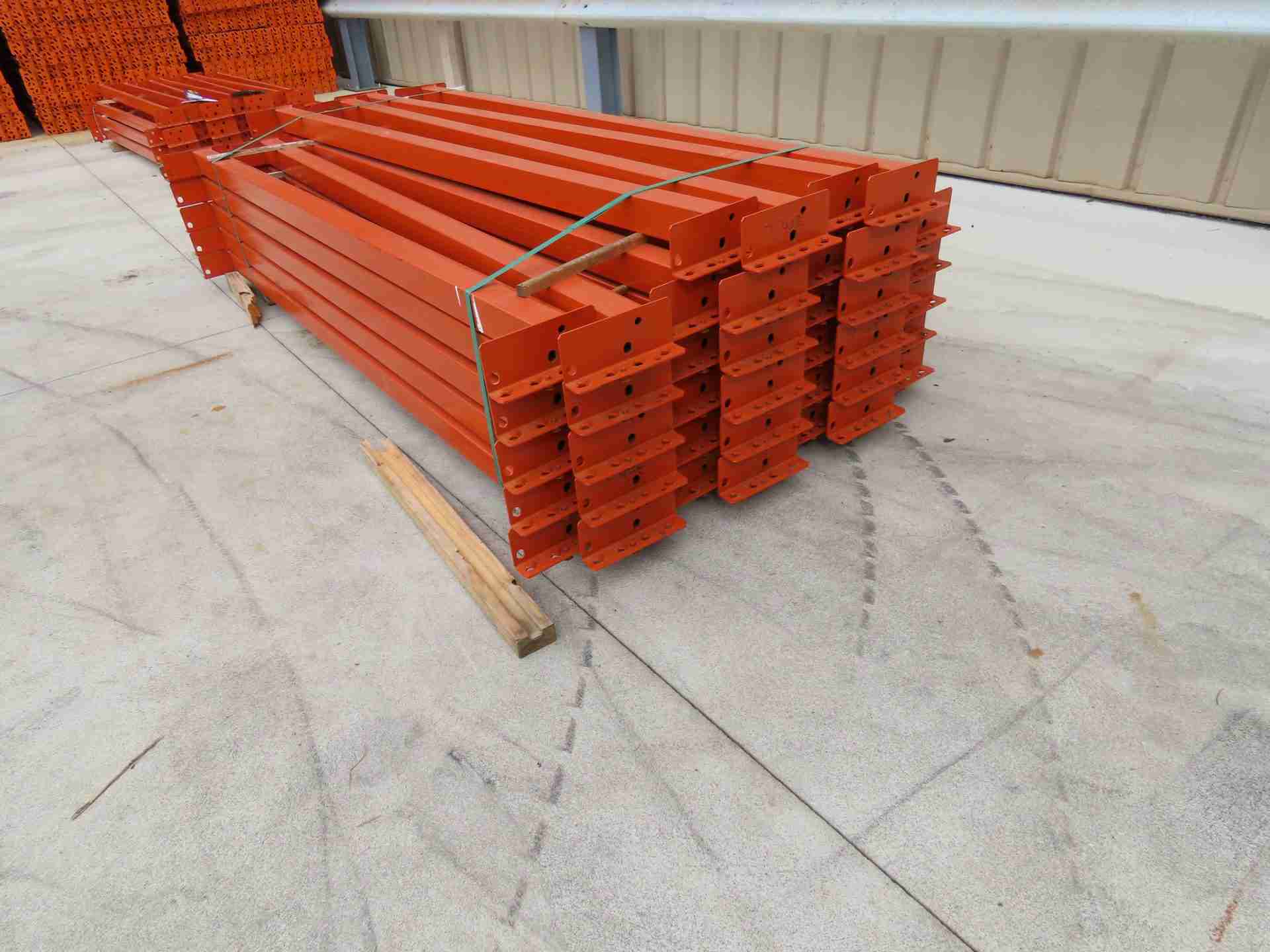
What Emotional Connections Do We Have with the Food We Store?
How Do Selective Pallet Racks Optimize Storage Efficiency?
In the world of warehousing and storage, there’s an unsung hero that often goes unnoticed: selective pallet racking. Imagine walking into a vast warehouse filled with towering shelves, each one brimming with potential. That’s where selective racking comes in—it’s more than just a structure; it’s a lifeline for businesses eager to maximize their space and efficiency.
When you think about storage, consider the repercussions of wasted space. Each square foot left untouched is not just empty; it’s money lost, resources squandered, and opportunities missed. Selective racking is designed to optimize storage efficiency by giving you quick access to your products. This means less time spent searching and more time sealing deals, fostering relationships, and building your brand. The rational mind understands the math: less handling and quicker retrieval lead to greater productivity and lower operational costs. You get systems that work smarter, not harder.
But there’s an emotional component too. Picture a hardworking team, grappling with disorganized chaos where items are hard to find and orders fall through the cracks. The frustration can be palpable. When you implement selective pallet racking, it’s like clearing the fog. You can see your inventory, and your team can focus on what really matters—their jobs. They feel empowered, efficient, and most importantly, valued. A well-organized space speaks to the heart, making a company more than just a business; it transforms it into a well-oiled machine driven by purpose.
Ethically, consider the environmental impact. In a time where sustainability is paramount, efficient storage solutions help minimize waste. With selective racking, you can utilize vertical space, reducing your footprint and conserving resources. This commitment to responsible practices strengthens your brand, making customers proud to partner with a company that values ethics as much as profits.
In this landscape of storage, selective pallet racking stands as an authority, shaping how businesses thrive. It’s a story of transformation, where a simple racking system revolutionizes operations. It’s about connections—between workers, their tasks, and the goals they’re striving to achieve.
Ultimately, every decision impacts your bottom line, but a decision to invest in selective pallet racking is an investment in efficiency, empowerment, and the ethics of modern business. Don’t just fill space; optimize it.

How Do Selective Pallet Racks Optimize Storage Efficiency?
How Do Selective Pallet Racks Optimize Storage Efficiency?
- Selectively pallet racking optimizes storage efficiency and helps businesses maximize space.
- Unutilized space leads to lost money and missed opportunities.
- Quick access to products reduces search time, increasing productivity and lowering costs.
- Organized storage empowers teams, reducing frustration and enhancing job performance.
- Efficient storage solutions contribute to environmental sustainability by minimizing waste.
- Selective pallet racking enhances brand reputation, aligning business practices with ethical values.
- Investing in selective pallet racking transforms operations and strengthens worker connections to goals.
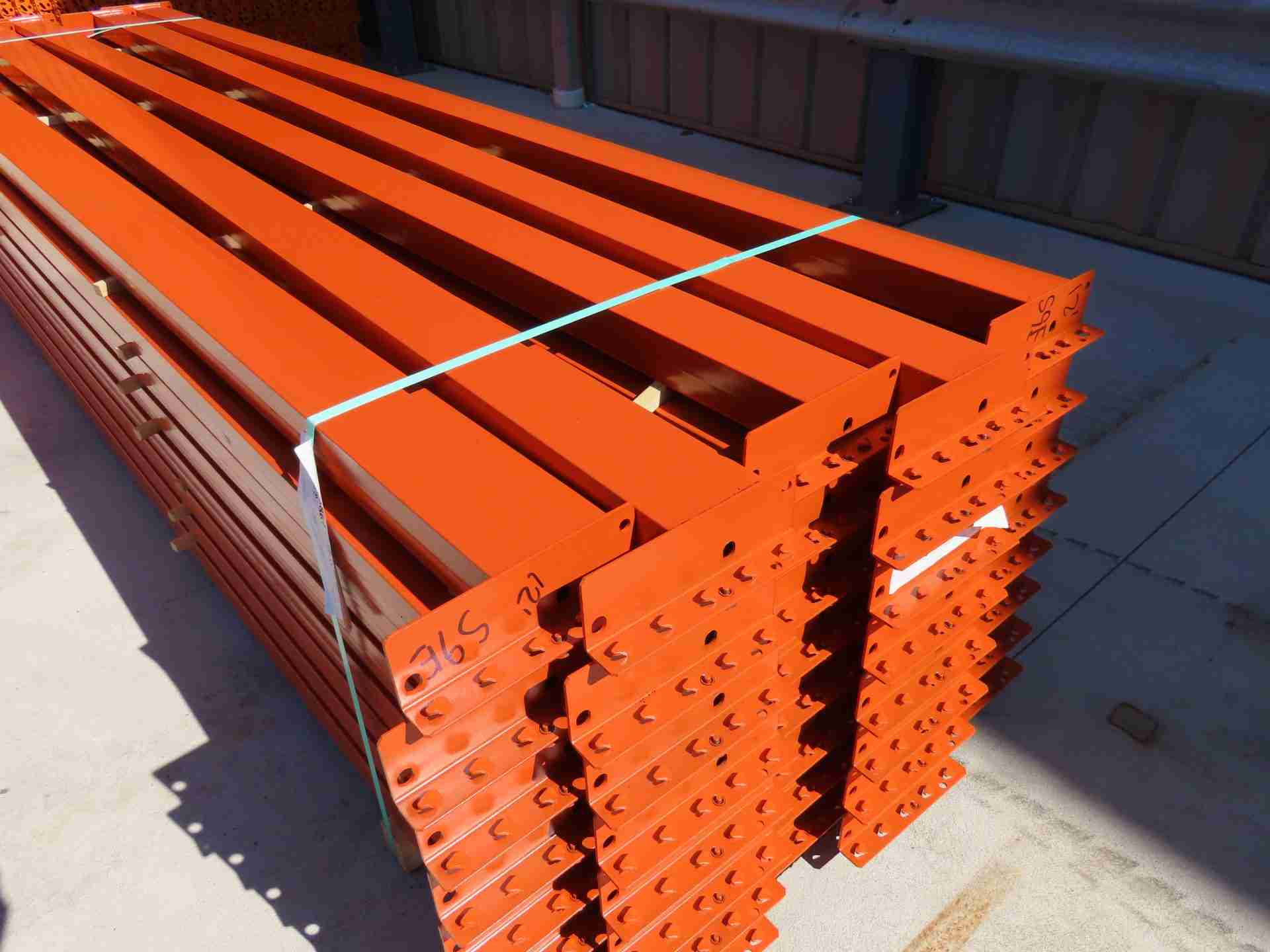
How Do Selective Pallet Racks Optimize Storage Efficiency?
What Ethical Considerations Arise From Food Storage Practices?
When we think about food storage, we often focus on practicality—keeping our leftovers fresh or organizing our cans on a racking system. But peel back that surface, and you’ll uncover a complex tapestry of ethical considerations that can tug at our heartstrings, challenge our intellect, and ignite our conscience.
Every time we store food, we’re making choices that ripple outwards, influencing not just our families but the environment and society at large. Consider the heartbreaking reality of food waste: nearly one-third of all food produced globally is wasted. Now, imagine the hunger that could be alleviated if we were more conscientious about storage practices. Each container we seal, each shelf we load, carries a moral weight. Are we doing our part to prevent fresh produce from ending up in the landfill, or are we turning a blind eye to the ethics of abundance?
From the rational standpoint, proper food storage—as simple as labeling a jar with the date—can significantly extend the life of our meals, allowing us to enjoy the fruits of our labor without the unnecessary tossing of good food. It’s a no-brainer, really. But what if we looked at that labeling as a commitment? A promise to not only ourselves but to the farmers who worked the land and the ecosystems that provided the ingredients. Through this lens, we must acknowledge that food storage is not just about keeping things fresh; it’s about nurturing respect for the resources we consume.
Let’s not forget the social responsibilities we bear. In a world where food distribution is unequal, how can we, as individuals, foster a sense of community? Imagine sharing a meal saved through smart storage with a neighbor, or teaching a child the importance of using what we have. These are the stories that bind us, bridging gaps through kindness and practicality.
Ultimately, ethical food storage isn’t just a method; it’s a movement. It’s about taking ownership of our choices and understanding that each action has a consequence. By embracing responsible storage practices, we can inspire others to do the same and contribute to a ripple effect that benefits our communities and the planet. So, next time you face the fridge or pantry, remember the power you hold—not just over your food, but over the impact it can have on the world. Let’s make that power count.

What Ethical Considerations Arise From Food Storage Practices?
What Ethical Considerations Arise From Food Storage Practices?
- Food storage often prioritizes practicality but involves complex ethical considerations.
- Nearly one-third of all food produced globally is wasted, highlighting the need for conscientious storage practices.
- Effective food storage can extend the life of meals, reducing unnecessary food waste.
- Labeling food can be viewed as a commitment to responsible consumption and respect for resources.
- Proper storage practices can foster community bonds by enabling sharing and teaching about sustainability.
- Ethical food storage represents a movement towards ownership of choices and awareness of their consequences.
- Individuals have the power to influence food practices, impacting communities and the environment positively.
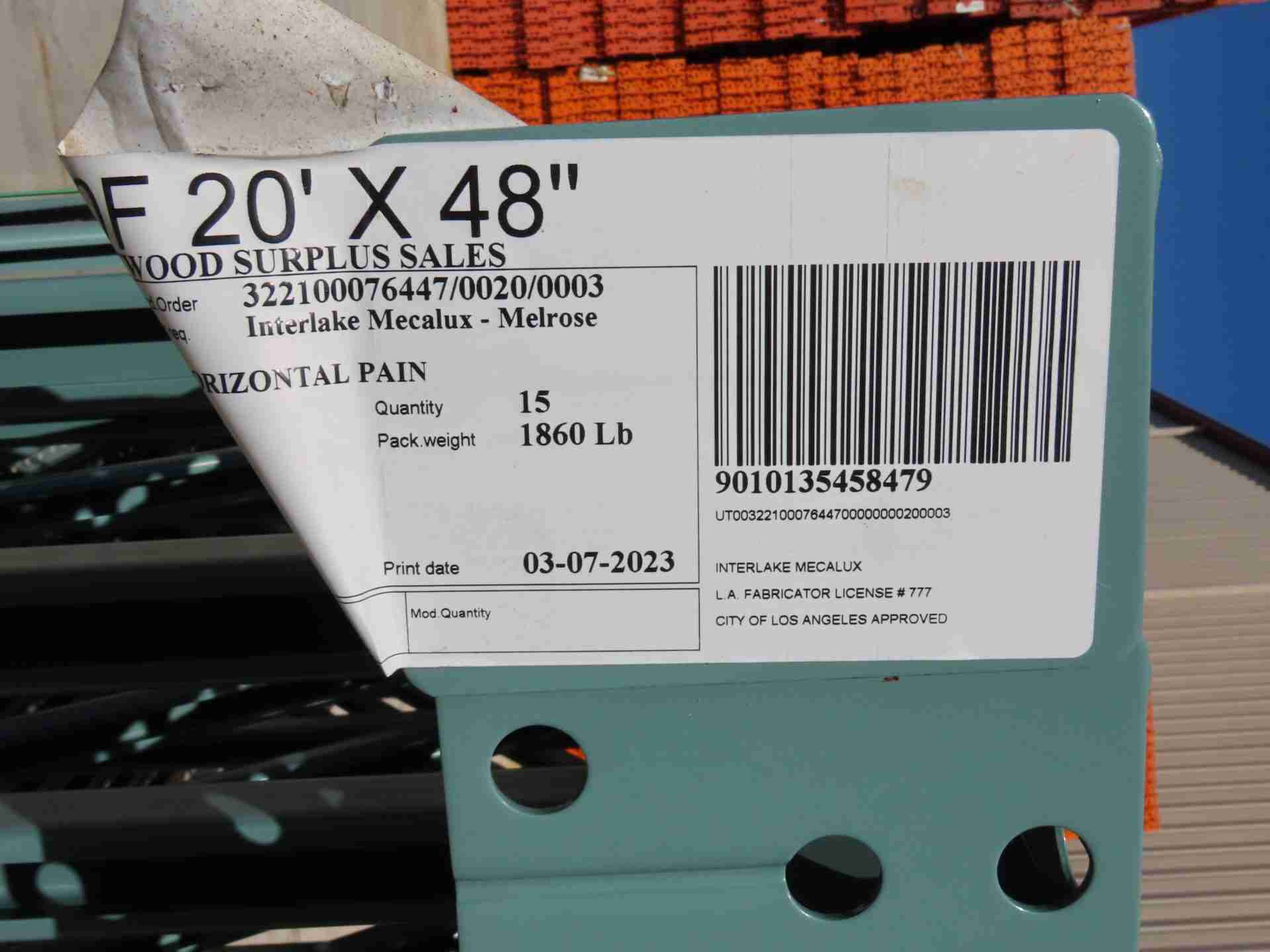
What Ethical Considerations Arise From Food Storage Practices?
How Does the Right Shelving Impact Food Safety and Quality?
When we think of racking, it’s easy to let our minds drift to the practicalities—the way shelves hug the walls of a kitchen, meticulously organized to hold everything from spices to produce. Yet, the heart of proper food safety and quality radiates from this simple element. Imagine a bustling restaurant kitchen, with chefs harmonizing their choreography around thoughtfully placed shelving. Here, racking isn’t just an afterthought; it’s a silent guardian of quality. How many times have we reached for a can of tomatoes only to find it compromised by neglect? The difference between culinary triumph and disaster often lies in how we store our food.
Let’s dive deeper into the mechanics of it. The right shelving impacts temperature control, airflow, and accessibility—all crucial components to keeping our food safe for consumption. Think about it: shelves that are too close together can block air circulation, creating a breeding ground for bacteria. And that’s not just a statistic; it’s a food safety issue that could affect your health and happiness. You wouldn’t invite friends over for a home-cooked meal, only to serve them something that could have been stored improperly. The integrity of food isn’t just about taste; it’s about trust. You’re not just feeding your family; you’re nurturing them.
From an ethical standpoint, proper racking prevents food waste. When products are easy to see and access, they tend to be used before they spoil. It’s a small change that reverberates through the whole supply chain, allowing us to respect our ingredients and minimize our environmental footprint. This is where personal responsibility meets collective action. By ensuring that our food is stored correctly, we’re not only preserving its flavor but also honoring the hard work of farmers, vendors, and everyone in between who made it possible for that meal to reach our table.
So, let’s elevate our food storage game. Create a home where every shelf tells a story of care and diligence. The next time you find yourself perusing the aisles or rearranging your kitchen, remember that the right racking transforms mere storage into a vigilant partner for food safety and quality. It’s a decision that compels us to take pride in what we bring to our tables, ensuring every bite is as safe and delightful as it should be. Your shelves are more than wood and metal; they are the unsung heroes of your kitchen. Treat them as such.
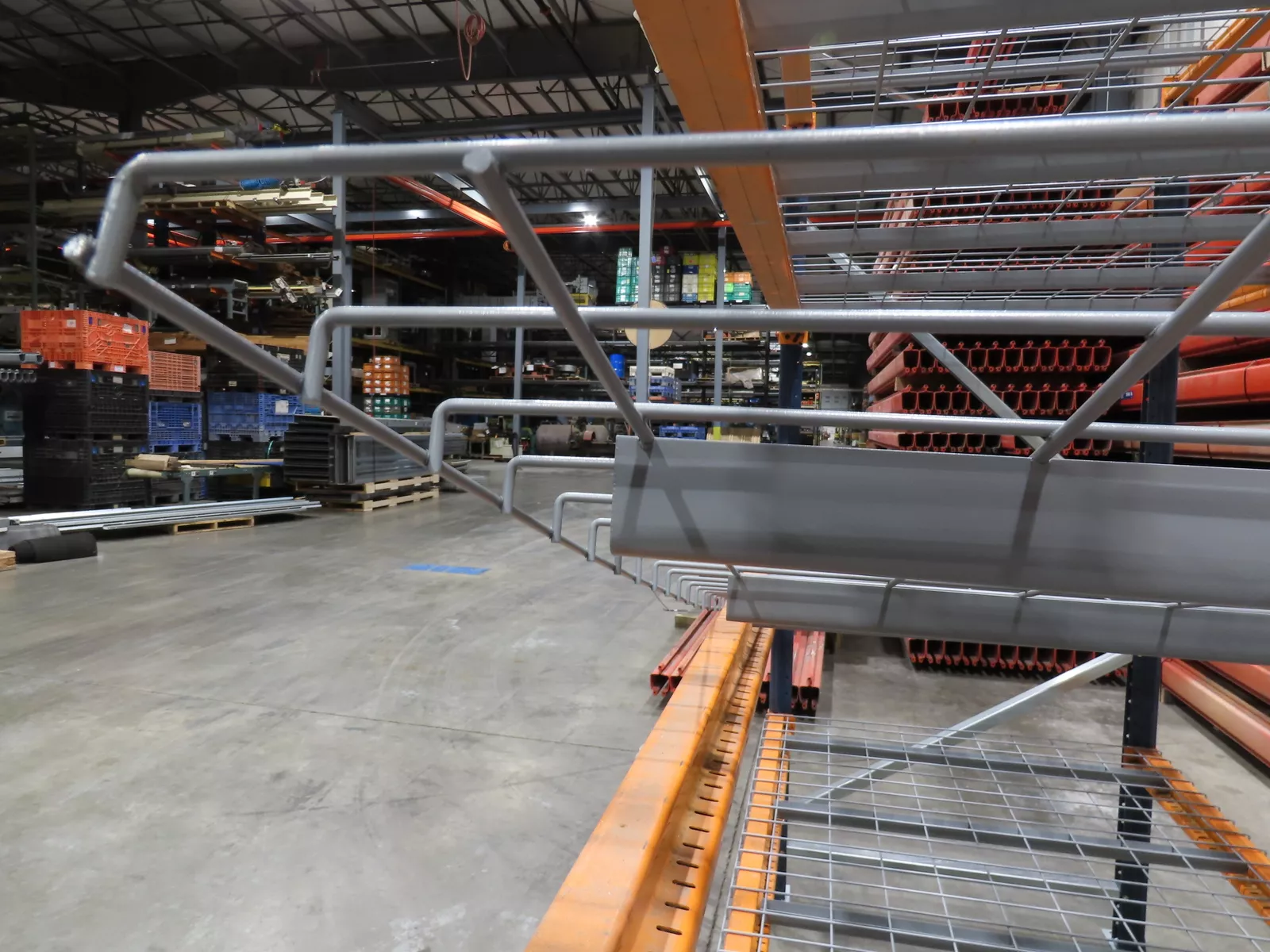
How Does the Right Shelving Impact Food Safety and Quality?
How Does the Right Shelving Impact Food Safety and Quality?
- Racking plays a crucial role in food safety and quality beyond just storage.
- Proper shelving impacts temperature control, airflow, and accessibility, all vital for food safety.
- Blocked airflow from improperly spaced shelves can create bacteria growth, posing health risks.
- Proper racking helps avoid food waste by making items easier to see and access.
- Efficient food storage practices respect ingredients and minimize environmental impact.
- Well-organized shelves contribute to a sense of trust and care in food preparation for family and guests.
- Treat your kitchen shelving as important tools in maintaining food quality and safety.

How Does the Right Shelving Impact Food Safety and Quality?
What Narratives Can We Share About Food Accessibility Through Storage?
When we think about food accessibility, we often picture fresh produce or well-stocked grocery aisles. But what about the hidden side of the equation? Let’s consider storage—specifically, how racking systems transform not just physical spaces, but whole communities. Imagine a world where families struggling to make ends meet have access to the food they need, neatly organized and easy to reach. It’s not just about having food; it’s about dignity, hope, and possibility.
Racking isn’t just a logistical solution; it’s a lifeline. Picture a local food pantry that’s transformed its storage area into an inviting space with well-designed racking. Families come in to see fresh fruits stacked high, grains in bins labeled with what’s available, and canned goods neatly organized. This isn’t just the work of a few volunteers; it’s a community effort, showcasing pride and care. The racking becomes symbolic—each shelf representing a commitment to combatting hunger and making good food more accessible. When families see that effort, it touches their hearts. They know that they’re not alone in the struggle.
Rationally speaking, effective storage solutions reduce food waste significantly. When food is organized and accessible, it doesn’t get lost in a forgotten corner or spoil before it can be used. Communities save money while improving health outcomes. That’s a win-win! Ethical considerations come into play here too. We’re talking about the responsibility to ensure that no one goes hungry in a world of plenty. Efficient racking systems not only address physical storage needs; they embody our collective responsibility to care for all individuals.
Sharing narratives tied to food storage also fosters connection. Every shelf organized in a community pantry tells a story—one of collaboration and generosity. Mothers, parents, and neighbors come together, exchanging recipes, techniques, and even laughter. Racking systems become more than just structures; they help build social cohesion, offering a place where the town gathers to unite against the common challenge of hunger.
Let’s not forget the call to action. We can get involved, donate time, resources, or skills to improve the accessibility of food in our neighborhoods. Whether you’re a local business owner, an activist, or simply a concerned citizen, you can play a role in creating an environment where everyone has access to the food they need, stored in a way that reflects the value of each individual life. Together, let’s make sure that every community rack is filled not just with food, but with possibility and hope.
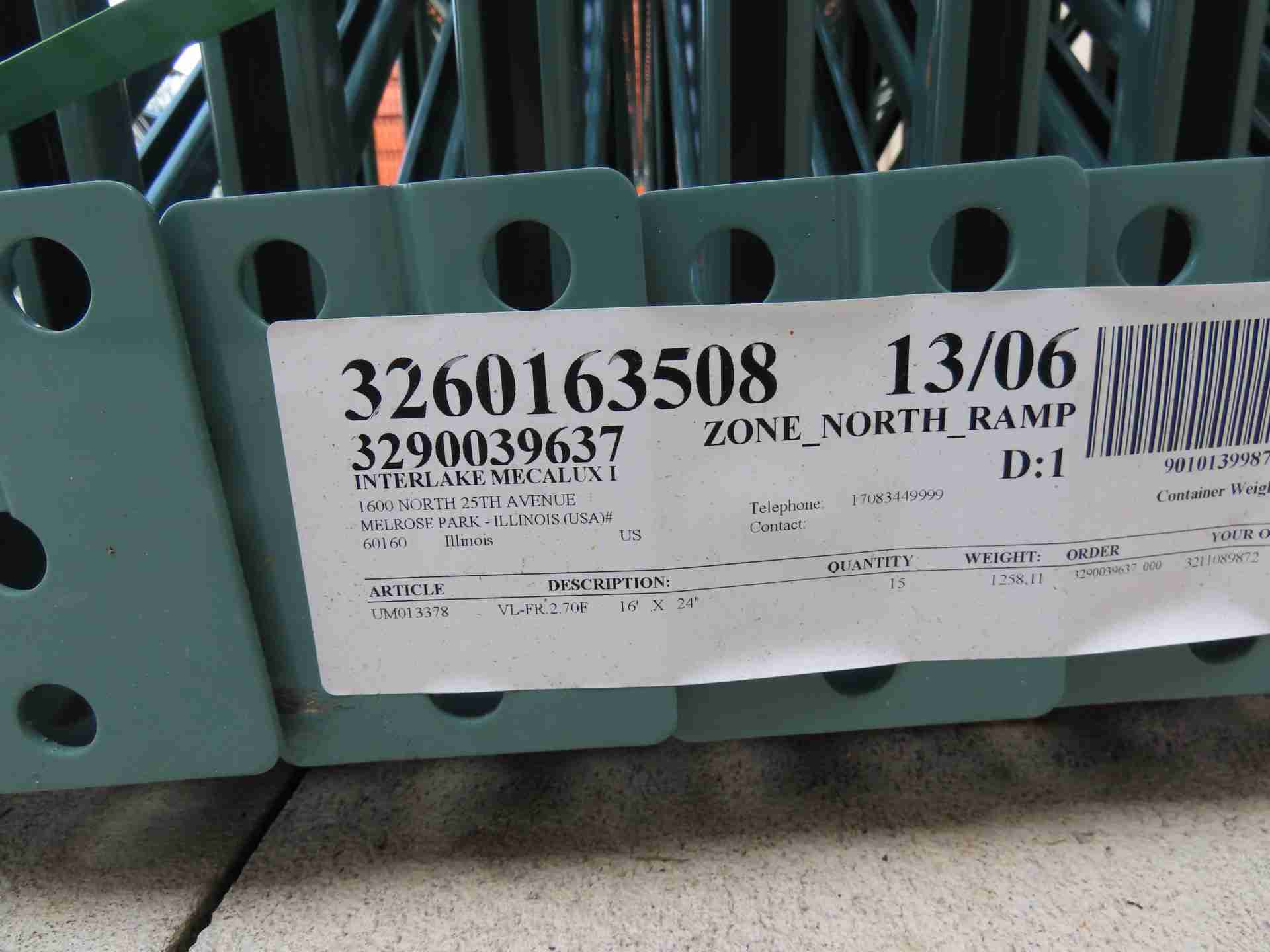
What Narratives Can We Share About Food Accessibility Through Storage?
What Narratives Can We Share About Food Accessibility Through Storage?
- Food accessibility encompasses not just fresh produce but also effective storage solutions like racking systems.
- Well-designed racking in food pantries creates inviting spaces that help families access food easily.
- Racking symbolizes community pride and a commitment to combating hunger, providing dignity and hope.
- Effective storage solutions significantly reduce food waste, saving money and improving health outcomes.
- Racking systems reflect our collective responsibility to ensure no one goes hungry in a world with abundant resources.
- Organized food storage fosters community connection through shared stories, recipes, and collaboration.
- Everyone can contribute to enhancing food accessibility through volunteering, donations, or community involvement.
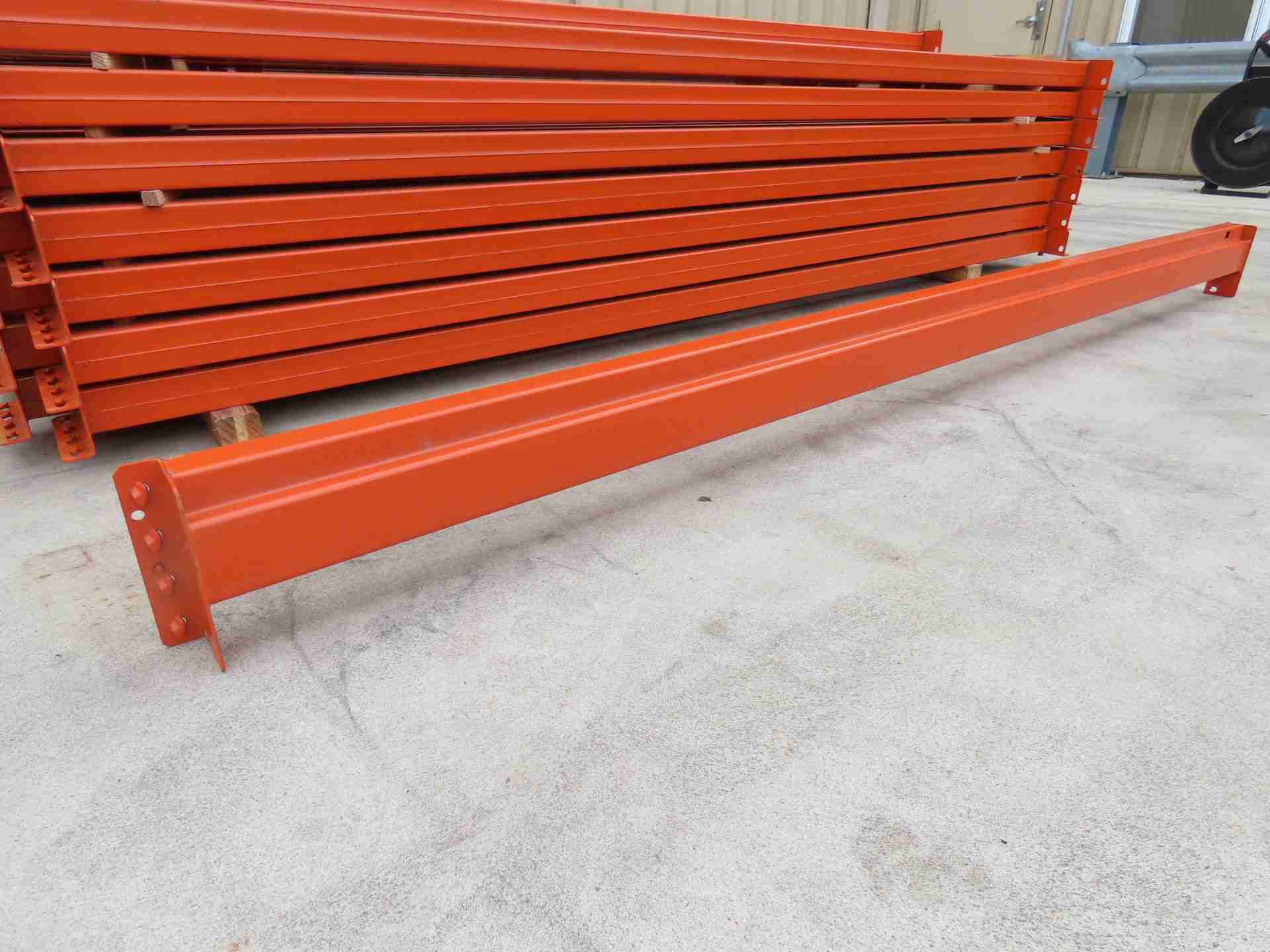
What Narratives Can We Share About Food Accessibility Through Storage?
Conclusion
In the intricate dance of food warehousing, selective pallet racks emerge as unsung champions, transforming the ordinary into something extraordinary. They’re not just metal and timber; they’re the backbone of a system that connects farms to families, ensuring that the food we rely on flows smoothly from the field to our tables. Picture, if you will, the rhythm of hard work within the aisles of bustling warehouses where these racks stand tall, advocating for efficiency and organization. This is where logistics seamlessly intertwine with trust, as each product taken from a shelf signifies a promise kept—families being nourished with what they need, precisely when they need it.
Consider the emotional weight each product holds: from the fresh fruits that symbolize care and nutrition to the canned goods that speak of convenience and sustenance. The choices made in the warehouse resonate beyond dollars and cents; they embody a moral obligation to reduce waste and ensure access to healthy food options. Investing in selective pallet racks is not merely a business decision—it’s an ethical commitment to uplift communities. For every single mother preparing dinner after a long day, these systems embody the ease of access that can make life just a little simpler.
Reflect on the stories woven into our food: a jar of homemade jam evokes laughter shared over family gatherings, while a neatly organized pantry houses the memories of meals shared with loved ones. What begins as a mere act of food storage expands into a larger narrative about our values, our connections, and the legacies we forge through meals. Each shelf robustly holds potential, a promise of dignity, health, and community.
The rational mind knows that proper food storage impacts not only expenses but also waste and environmental responsibility. Focusing on efficient storage practices presents a win-win scenario—reducing waste while cultivating a culture of conscientious eating. We have the power to foster change, to create systems that reflect our values not just as consumers, but as stewards of the environment.
As we walk through our own kitchens or navigate grocery aisles, remember that every organization, every decision made around food storage is an opportunity to honor our connections. Let’s strive for systems that don’t just support our needs but also inspire us to connect, care, and cultivate a better future—where every rack, every shelf is filled with potential, hope, and the promise of a nourished community. So let’s optimize, organize, and, most importantly, appreciate the silent yet potent heroes that stand ready to serve, making a meaningful impact in our lives and beyond.
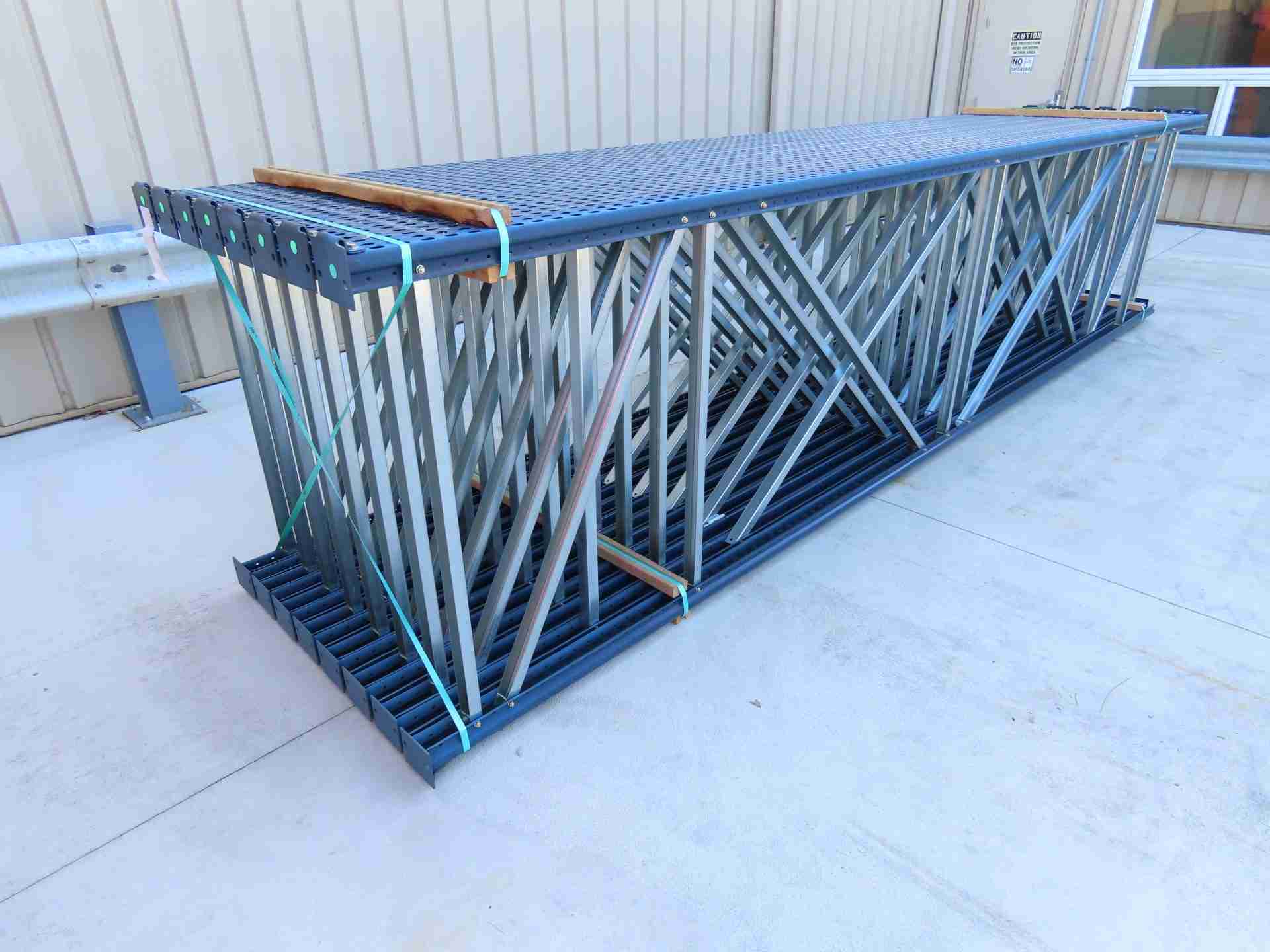
Conclusion
Conclusion:
- Selective pallet racks play a crucial role in food warehousing, connecting farms to families.
- They promote efficiency and organization in bustling warehouses.
- Each product taken from a shelf represents a promise of nourishment.
- Investing in these systems reflects a moral obligation to reduce waste and ensure access to healthy food.
- Pallet racks are symbolic of the emotional connections and memories tied to food.
- Efficient storage practices not only save costs but also promote environmental responsibility.
- Every decision in food storage offers an opportunity to foster connections and cultivate a better future.
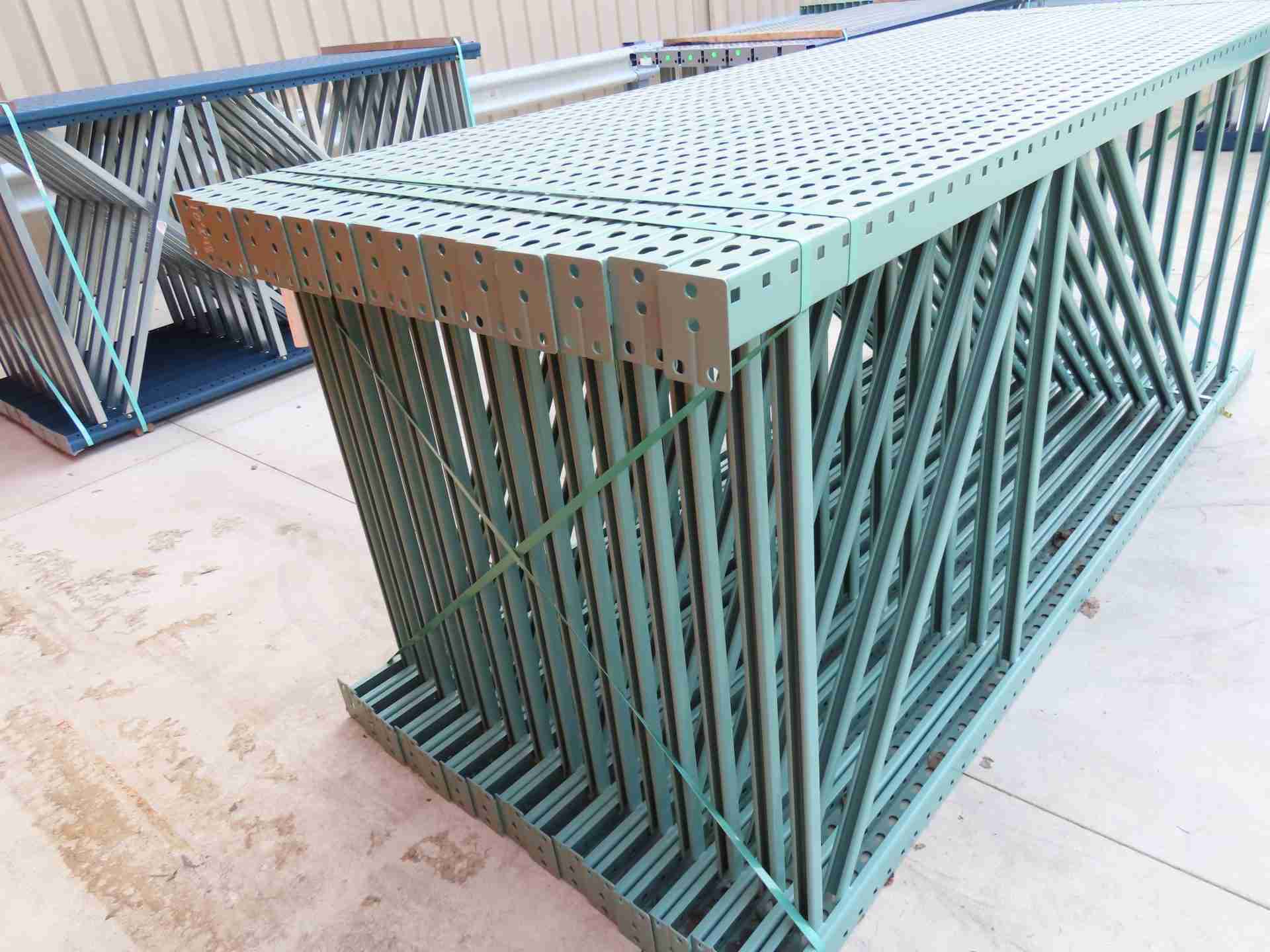
Conclusion
Other Resources

Other Resources
Here is a list of other resources you can review online to learn more:
- Teardrop Pallet Rack – Ridg-U-Rak
- National Safety Council
- Rack Manufacturers Institute
- Crane Manufacturers Association Of America Inc.
- Total Warehouse
- Racking World
- Logic Material Handling
- ASSP
- American Society of Safety Professionals
- SEMA
- IWLA
- Heavy-Duty Cantilever Storage Racks
- MHI
- Overhead Lifting
- Warehouse Storage Racking in Illinois
- Teardrop Industrial Shelving Rack
- American Surplus
- What is Selective Pallet Racking
- Shipping Boxes, Packaging Materials, Pallet Racking
- Teardrop Racks – Pallet Rack World
Use This Prompt To Get More Resources With Your Favorite Online AI Tool: Please provide me with a list of online articles with their URLs in a bulleted list that I can read regarding How Food Warehouses Use Selective Pallet Racks
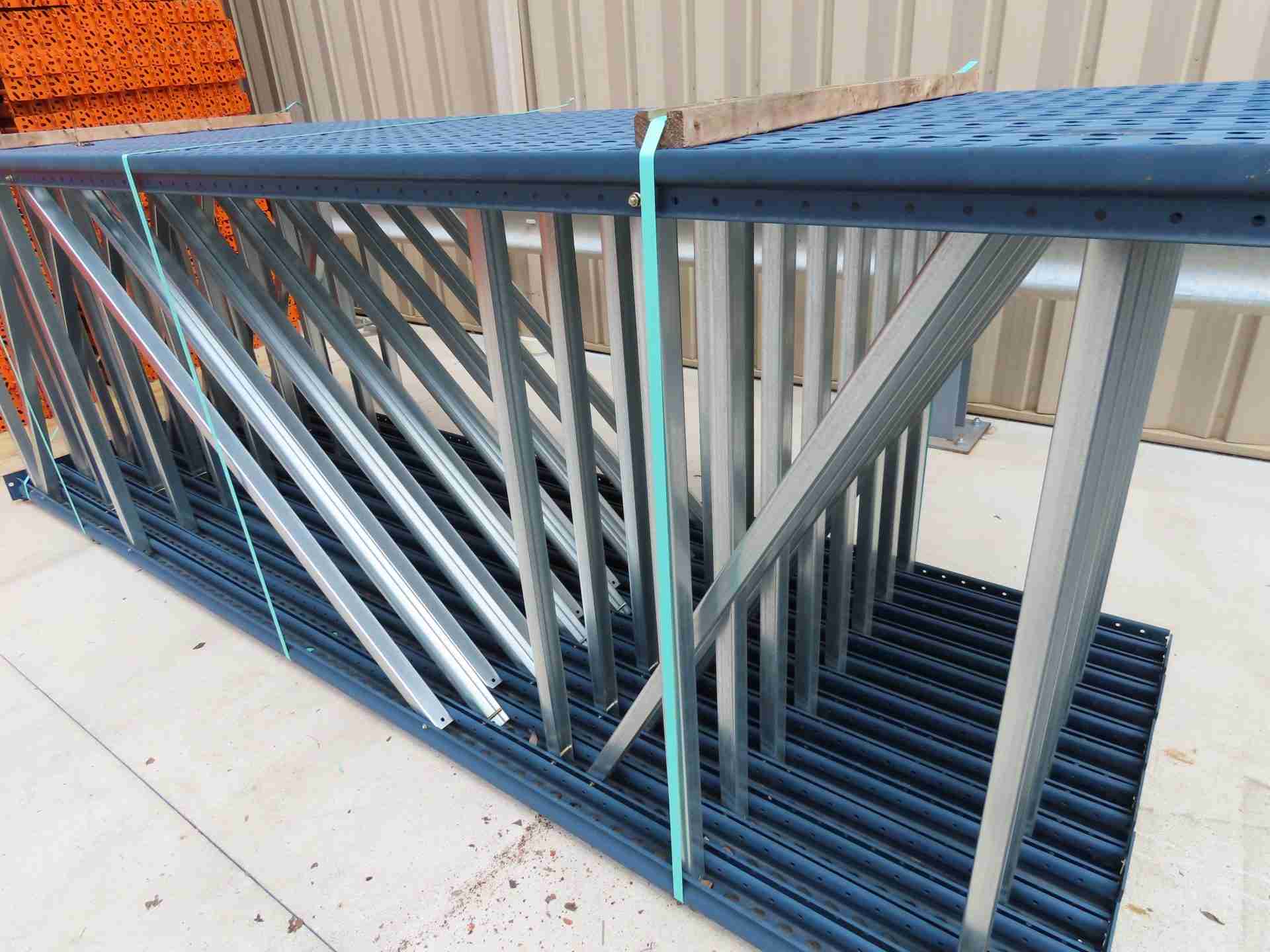
Other Resources
Glossary Terms
How Food Warehouses Use Selective Pallet Racks – Glossary Of Terms
1. Selective Pallet Rack: A storage system that allows easy access to individual pallets by placing them on racks, facilitating quick retrieval.
2. Pallet: A flat structure used for transporting goods; typically made of wood or plastic, allowing easy movement with forklifts.
3. Warehouse: A large building where goods are stored before distribution or sale.
4. Forklift: A powered industrial vehicle used to lift and move materials short distances within warehouses.
5. Load Capacity: The maximum weight or volume a pallet rack can safely support.
6. Aisle Width: The space between racks that allows for the movement of forklifts and personnel.
7. Order Picking: The process of selecting specific items from storage for fulfillment of customer orders.
8. Inventory Management: The supervision of non-capitalized assets, or inventory items, to ensure optimal stock levels and turnover.
9. Safety Guidelines: Established protocols to ensure the safety of workers and the proper use of equipment in warehouse operations.
10. FIFO (First In, First Out): An inventory management method where the oldest stock is sold or used first.
11. LIFO (Last In, First Out): An inventory management strategy where the most recently acquired stock is used first.
12. SKU (Stock Keeping Unit): A unique identifier for each distinct product and service that can be purchased.
13. Racking System: A framework designed to hold pallets or items in a warehouse, typically arranged vertically.
14. Vertical Space Utilization: The practice of maximizing storage capacity by using the height of a warehouse effectively.
15. Pallet Positioning: The strategic placement of pallets on racks to optimize space and accessibility.
16. Back-to-Back Racking: A configuration where two rows of racks are placed opposite each other, maximizing storage density.
17. Material Handling: The process of moving, protecting, and controlling materials throughout the manufacturing, warehousing, and distribution stages.
18. Load Beam: A horizontal support in a pallet rack that holds the pallets in place.
19. Rack Height: The vertical measurement of storage racks, which can affect storage capacity and ease of access.
20. Beam Leveling: The adjustment of horizontal beams to ensure they are level, enhancing safety and product stability.
21. Safety Pallet: A reinforced pallet designed to support heavy loads while maintaining structural integrity.
22. Inventory Turnover: The rate at which inventory is sold and replaced over a specific period.
23. Warehouse Management System (WMS): Software that helps manage warehouse operations, including inventory control, order fulfillment, and shipping.
24. Cross-docking: A logistics practice where incoming goods are directly transferred to outgoing transport without long-term storage.
25. Tilted Racking: A pallet rack design that leans back to facilitate the easy slide of pallets in and out.
26. Dynamic Storage: A system that allows for the automatic movement of pallets using conveyors or automated tools.
27. Staging Area: A designated space within a warehouse where items are temporarily held before being moved to storage or shipment.
28. Load Distribution: The even allocation of weight across the pallet rack to maintain stability and safety.
29. Pallet Flow Rack: A specialized racking system that uses gravity to move pallets along a track, ensuring efficient stock rotation.
30. Inventory Audits: Regular checks and evaluations of stock levels to ensure accuracy and identify discrepancies in inventory management.
Glossary Of Terms
Other Questions
How Food Warehouses Use Selective Pallet Racks – Other Questions
If you wish to explore and discover more, consider looking for answers to these questions:
- What are the key benefits of using selective pallet racks in food warehouses?
- How do selective pallet racks compare to other types of racking systems in terms of efficiency?
- What specific safety measures should be taken when implementing selective pallet racks in food storage?
- How does the design of selective pallet racks influence product accessibility?
- What training do warehouse staff need to effectively use selective pallet racks?
- How can businesses determine the right type and size of selective pallet racks for their needs?
- What role do selective pallet racks play in minimizing food waste within warehouses?
- Are there specific industries or types of food that particularly benefit from selective pallet racking systems?
- What innovations are emerging in the field of racking systems for food storage?
- How can consumers influence the use of sustainable food storage practices through their purchasing decisions?
- How can communities come together to improve food accessibility through better storage solutions?
- What are some case studies showcasing the effective use of selective pallet racks in food warehouses?
- How do emotional connections to food influence storage practices and decisions?
- What measures can be taken to ensure food safety when using selective pallet racks?
- How can storytelling around food storage inspire community action and involvement?
Other Questions
Checklist
How Food Warehouses Use Selective Pallet Racks – A Checklist
Checklist for Optimizing Efficiency and Safety in Food Warehouses
Emotional Appeals
_____ Reflect on the emotional stories associated with food stored in your warehouse. How can these stories shape practices?
_____ Consider how improvements in efficiency can uplift the morale of your workforce. What changes can foster a sense of pride?
_____ Create a culture of care where every team member feels valued in their role. How can your warehouse environment enhance this sentiment?
Rational Appeals
_____ Analyze current storage systems for their efficiency. Are they maximizing use of vertical space and minimizing waste?
_____ Evaluate inventory management practices. How can technology or better organization improve retrieval times?
_____ Conduct a cost-benefit analysis of implementing selective pallet racks. What financial savings might you expect in the long run?
Ethical Appeals
_____ Assess your food storage practices for environmental impact. Are you minimizing waste and promoting sustainability?
_____ Ensure that food safety protocols are prioritized to prevent waste and ensure quality. Are you setting the highest standards of care?
_____ Foster community relationships by sourcing food from local suppliers. How can these partnerships enhance ethical practices within your operations?
Authority Appeals
_____ Research leading practices in food warehousing and storage from industry authorities. Which insights can you integrate into your operation?
_____ Seek certifications or endorsements related to food safety and storage from recognized organizations. How can these enhance your credibility?
_____ Stay informed on regulatory requirements surrounding food storage. Are you compliant with local and national guidelines?
Narrative Appeals
_____ Share success stories of how organized storage has improved operations and access to food. What narratives can inspire your team and customers?
_____ Highlight the impact of food storage on community well-being. Can these stories motivate action from others?
_____ Document the journey of food from farm to table in your operation. How can these narratives connect customers to the importance of proper storage?
Social Appeals
_____ Engage your team in discussions about food storage methods and their impacts. How can collaborative efforts enhance practices?
_____ Create opportunities for community involvement through food drives or educational workshops on food storage. How can this foster a sense of belonging?
_____ Encourage transparency about storage practices with customers. How can building trust strengthen relationships within the community?
Keep this checklist as a guide to enhance the efficiency and safety of your food warehouse while nurturing emotional, rational, ethical, and social connections.

Checklist
At RackingWorld, we help guide you through selecting warehouse storage systems and racking.
Be sure to read our other related stories at RackingWorld to learn more about warehouse storage systems.
0 Comments