
Maximizing Efficiency And Safety: The Impact Of Shelving On Employee Productivity
By Tom Seest
At RackingWorld, we help guide you through selecting warehouse storage systems and racking.
Be sure to read our other related stories at RackingWorld to learn more about warehouse storage systems.
How Does Your Shelving Impact Employee Productivity and Safety?
When it comes to optimizing a workplace, one of the most overlooked elements is shelving. You might be thinking that pallet racking systems or utilitarian shelves are merely functional. However, they can be the linchpin for enhancing employee productivity and safety in your operations.
Consider the case of a manufacturing facility that recently overhauled its shelving layout. By switching to robust pallet racking, they were able to maximize vertical space, allowing for a greater volume of inventory without expanding the physical footprint. This strategic move not only streamlined the flow of materials but also minimized the time employees spent searching for items. When your employees can rapidly access the tools and products they need, productivity skyrockets. In fact, companies that have optimized their shelving report a remarkable increase in output—up to 20% on average.
Now, let’s address the safety aspect. Poorly organized shelving can lead to accidents, and a single workplace mishap can spell disaster—not just for your employees but also for your bottom line. A study conducted last year found that companies with ineffective storage solutions experienced a 30% higher rate of workplace injuries. By implementing sturdy pallet racking systems that allow for easy access and orderly storage, you significantly reduce the risk of accidents caused by cluttered workspaces. The bottom line? Safety is not just about regulations; it’s a smart business strategy.
Furthermore, the rise in warehouse automation technologies and e-commerce trends necessitates efficient shelving solutions. As companies like Amazon and Walmart continue to push the envelope with logistics innovations, smaller businesses can’t afford to play catch-up. Investing in high-quality, practical shelving that complements technologies like automated picking systems isn’t merely a trend—it’s a necessity. This is an investment that pays dividends in both employee morale and efficiency.
In today’s fast-paced environment, where every minute counts, it’s essential to evaluate the unsung hero: your shelving system. By making thoughtful decisions regarding pallet racking and organizational layouts, you’re not just enhancing workflow; you’re fostering a culture of safety and support, propelling your business forward. Remember, in the race for productivity and safety, your shelving could be the unsung champion that gives you the edge over competitors. Are you ready to give your workforce the tools they need to thrive?

How Does Your Shelving Impact Employee Productivity and Safety?
How Does Your Shelving Impact Employee Productivity and Safety?
- Optimizing workplace shelving can significantly enhance employee productivity and safety.
- Manufacturing facilities benefit from robust pallet racking that maximizes vertical space and inventory volume.
- Streamlined material flow reduces time spent searching for items, potentially increasing productivity by up to 20%.
- Poorly organized shelving contributes to a 30% higher rate of workplace injuries.
- Implementing sturdy pallet racking can minimize workplace accidents through better organization and accessibility.
- With rising warehouse automation and e-commerce demands, efficient shelving solutions are crucial for competitiveness.
- Investing in quality shelving fosters a culture of safety and support, benefiting both employee morale and business efficiency.
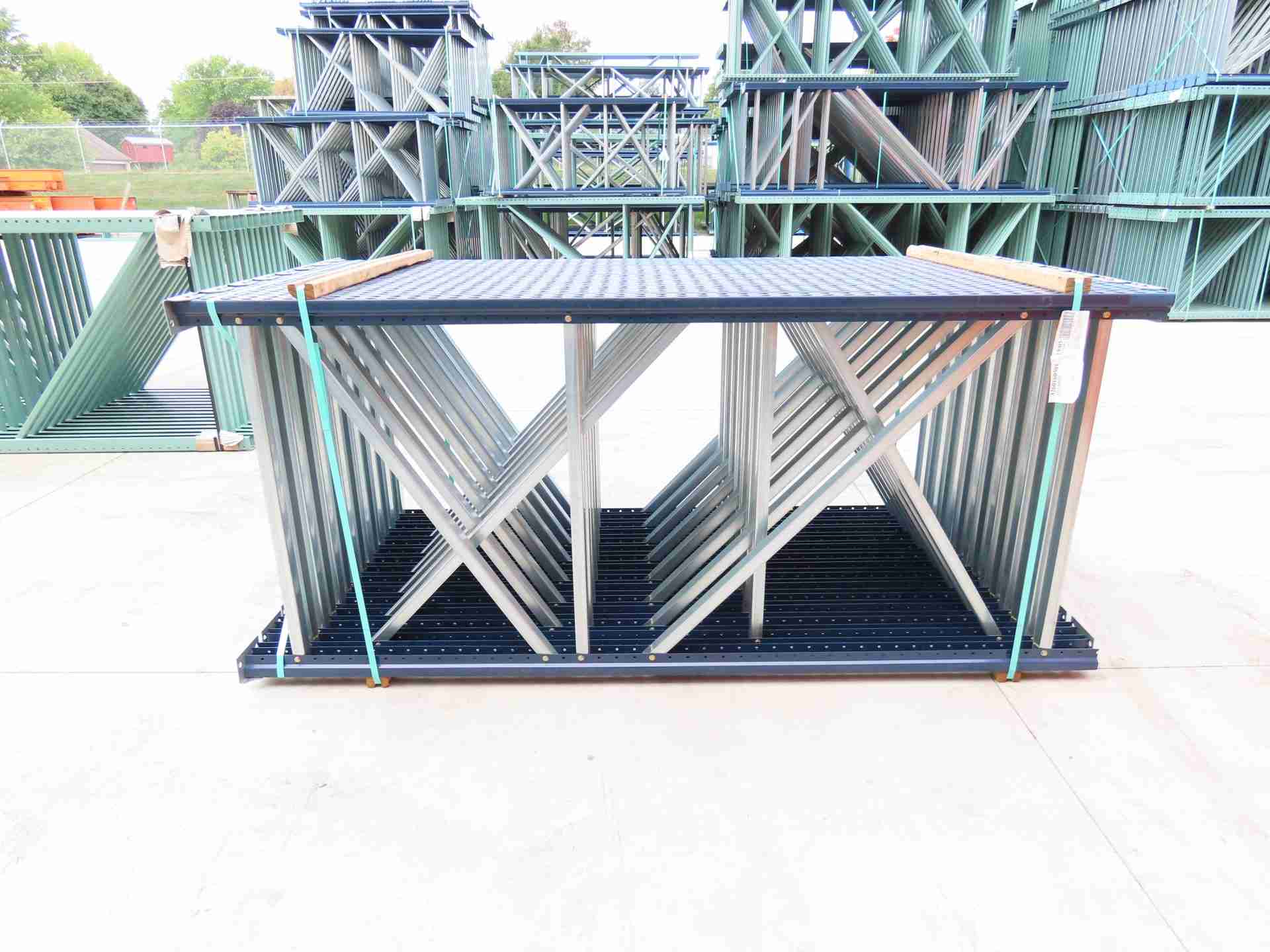
How Does Your Shelving Impact Employee Productivity and Safety?
Table Of Contents
- How Does Your Shelving Impact Employee Productivity and Safety?
- How Does Shelving Organization Influence Employee Workflow?
- What Types Of Shelving Are Most Effective For Safety?
- Can Proper Shelving Reduce Workplace Accidents?
- How Does Shelving Height Affect Employee Ergonomics?
- What Role Does Shelving Design Play In Maximizing Storage Efficiency?
- How Can Shelving Contribute To A Clutter-Free Workspace?
- Conclusion
- Other Resources
- Glossary Of Terms
- Other Questions
- Checklist
How Does Shelving Organization Influence Employee Workflow?
In today’s fast-paced business environment, companies are realizing that the structure of their storage systems—specifically shelving organization—plays a crucial role in employee workflow. Effective shelving, especially in warehouses and distribution centers, can significantly streamline operations and enhance productivity. Let’s delve into how well-structured shelving, including essentials like pallet racking, dictates the rhythm of daily work.
Picture a bustling warehouse with thousands of products moving in and out each day. If employees are met with a chaotic jumble of items on overcrowded shelves, the result is clear: frustration, inefficiency, and lost time. Conversely, a well-organized system, featuring clearly labeled shelves and structured pallet racking, ensures that employees can locate items swiftly, maximizing their productivity. In fact, research shows that organized shelving can reduce search times by up to 30%. This not only accelerates workflow but also boosts employee morale.
Consider the current shift in many industries toward sustainability. Companies are optimizing their warehouse space with pallet racking systems designed not only for storage efficiency but also to reduce their carbon footprint. Shelving that is modular and adjustable allows for better space management, which aligns with sustainability goals. For example, a retail organization recently redesigned its warehouse layout using innovative pallet racking methods, leading to a 25% increase in storage capacity while minimizing energy usage. Such strategies not only support operational excellence but also enhance a company’s reputation in the eco-conscious market.
Moreover, it’s essential to contemplate how technology integrates with shelving organization, influencing workflow. Automated shelving systems, such as those utilizing AI-driven inventory management, can revolutionize how employees interact with physical storage. Imagine a system that not only tracks inventory levels but also guides employees to the best route for retrieval, reducing walking distances and downtime. For instance, some major logistics firms are investing heavily in these technologies, proving that shelving organization is not merely about physical space—it’s also about leveraging data to enhance efficiency.
The organization of shelving systems directly impacts employee workflow. The appropriate use of pallet racking and innovative storage solutions minimizes chaos and fosters a productive environment. As businesses adapt to new norms and demands, those that prioritize efficient shelving organization will undoubtedly excel, turning operational challenges into opportunities for growth and efficiency. Investing in such strategies is not just a tactical decision; it’s a strategic imperative for long-term success.
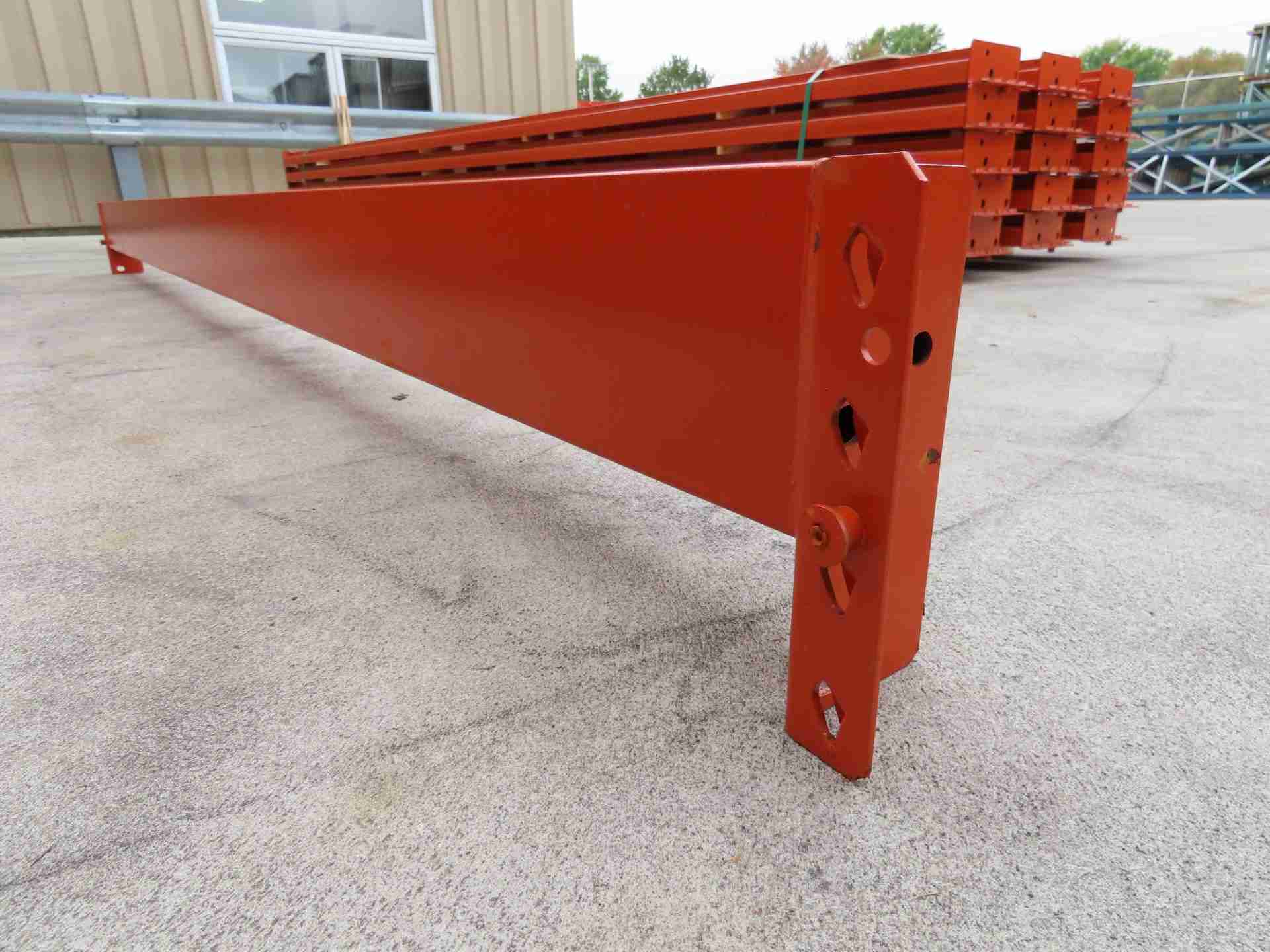
How Does Shelving Organization Influence Employee Workflow?
How Does Shelving Organization Influence Employee Workflow?
- Shelving organization is crucial for employee workflow in fast-paced business environments.
- Effective shelving in warehouses can streamline operations and enhance productivity.
- Chaotic shelving can lead to inefficiency and frustration, while organized systems boost productivity and morale.
- Research indicates organized shelving can reduce search times by up to 30%.
- Sustainability trends encourage companies to adopt modular and adjustable pallet racking systems for better space management.
- Technology like AI-driven inventory management is revolutionizing shelving organization and employee interaction.
- Prioritizing efficient shelving organization is a strategic imperative for long-term success and operational excellence.
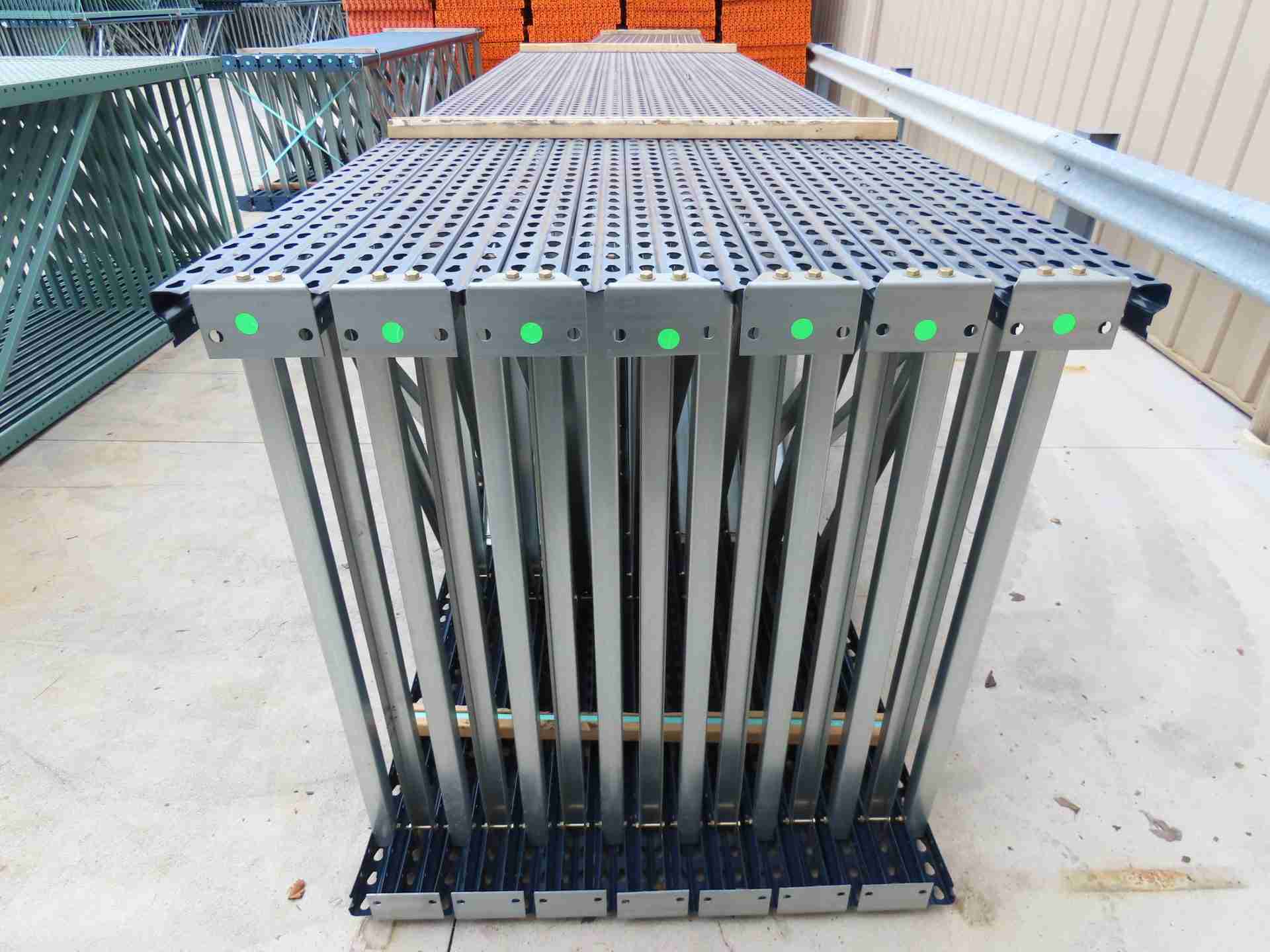
How Does Shelving Organization Influence Employee Workflow?
What Types Of Shelving Are Most Effective For Safety?
When it comes to maximizing safety in your warehouse or retail environment, the right shelving system is more than just an organization tool—it’s essential to protecting your assets and your team. In today’s fast-paced world, where supply chains are increasingly complex and work environments must adapt rapidly, choosing the right shelving type can make all the difference. Let’s delve into some of the most effective shelving solutions, especially focusing on pallet racking, which has become a staple in many industries.
Pallet Racking: The Backbone of Safety in Storage Solutions
Pallet racking is often hailed as the gold standard in safe storage practices. These systems allow for high-density storage while ensuring that goods are easily accessible. Modular and adjustable to fit various needs, pallet racking helps you optimize vertical space in your warehouse, reducing the risk of accidents associated with cluttered floors. For instance, during the ongoing disruptions in global supply chains due to various economic factors, businesses have emphasized the need for efficient storage solutions. A well-implemented pallet racking system not only enhances accessibility but also minimizes the chances of obstructions that could lead to hazardous situations.
Solid Shelving for Balance and Stability
Another effective option is solid shelving, particularly in environments with smaller, heavier items. Unlike wire shelving, which can sometimes lead to items tipping or falling through, solid shelves provide a stable surface for products. This is particularly crucial in industries such as food service or pharmaceuticals, where product integrity is critical and accidents can be costly—not just in terms of products lost, but also in regard to legal liabilities. In an age where consumer safety and transparency are paramount, investing in solid shelving aids in ensuring that your inventory is stored safely.
Wire Racks: Ventilation with Care
Wire racks are excellent for areas where airflow is important, like in food storage or stock environments that require humidity control. However, while these racks can prevent moisture accumulation, they must be used judiciously, keeping in mind the type and weight of items stored. A recent case study of a retail chain that faced inventory spoilage due to improper ventilation highlighted how the right shelving choice is essential for operational efficiency and safety.
The effectiveness of your shelving system lies not just in optimizing space but, more importantly, in enhancing safety. By choosing the right type—whether it’s pallet racking, solid shelving, or wire racks—you’ll not only improve operational efficiency but also mitigate risks that could impact your workforce and your bottom line. Now is the time to reassess your shelving strategy and put safety first!

What Types Of Shelving Are Most Effective For Safety?
What Types Of Shelving Are Most Effective For Safety?
- Choosing the right shelving system is vital for maximizing safety in warehouses and retail environments.
- Pallet racking is considered a gold standard for safe storage, enabling high-density storage and easy access to goods.
- Modular and adjustable pallet racking optimizes vertical space and reduces clutter-related accident risks.
- Solid shelving is preferable for smaller, heavier items, providing stability and preventing accidents.
- Investing in solid shelving helps ensure product integrity, crucial in industries like food service and pharmaceuticals.
- Wire racks promote ventilation but must be chosen carefully according to item type and weight to avoid risks.
- Effective shelving systems enhance safety and operational efficiency, making it essential to reassess shelving strategies now.

What Types Of Shelving Are Most Effective For Safety?
Can Proper Shelving Reduce Workplace Accidents?
In the realm of workplace safety, the difference between a well-organized facility and a chaotic one can literally be life or death. One often overlooked aspect of this safety landscape is proper shelving, particularly when it comes to pallet racking. In recent years, there have been critical discussions around workplace needs, pointing to the fact that ineffective storage solutions can lead to significant accidents, injuries, and lost productivity.
Consider this: In a busy warehouse, improperly stacked pallets can lead to dangerous collapses. In October 2023, a renowned logistics company faced scrutiny after a series of incidents linked to poor pallet racking practices resulted in injuries among workers. Their haphazard approach to shelving led to not just legal repercussions, but a tarnished reputation that cost them thousands of dollars in lost business. This serves as a wake-up call for organizations to prioritize the integrity of their shelving solutions.
So how can proper shelving actually reduce workplace accidents? The answer lies in the meticulous design and organization of your storage systems. Implementing high-quality pallet racking systems allows for optimal space utilization while ensuring loads are stabilized and accessible. When items are stored in a predictable and sensible manner, the risk of accidents diminishes significantly. For instance, a recent study by a safety analytics firm indicated that companies deploying efficient storage solutions saw a 30% decrease in injury reports attributed to equipment misuse.
Moreover, consider how your team interacts with these shelves. Proper shelving not only improves organization but also enhances morale. An orderly workspace can minimize confusion and help employees mentally check out of high-stress environments, which is crucial in busy sectors like manufacturing and logistics.
Furthermore, investing in sophisticated material handling solutions, such as adjustable pallet rack systems, can deliver long-term benefits for your bottom line. Not only do they contribute to injury reduction, but they can also decrease product damage and streamline operations. Think about the efficiency that can arise when your workspace is decluttered and easy to navigate—time saved translates into profitability.
The benefits of investing in proper shelving cannot be overstated. These systems not only improve workplace safety but may also save your organization from costly accidents, legal issues, and reputational damage. When you prioritize pallet racking and shelving solutions, you’re not just safeguarding your employees; you’re securing the future of your business itself.

Can Proper Shelving Reduce Workplace Accidents?
Can Proper Shelving Reduce Workplace Accidents?
- The organization of a workplace, including proper shelving, is critical for safety and can impact life and death situations.
- Pallet racking is a crucial aspect that, if poorly managed, can lead to accidents, injuries, and lost productivity.
- A recent incident in October 2023 highlighted the risks of ineffective pallet racking, linking it to worker injuries and legal issues for a logistics company.
- Proper shelving design and organization not only stabilize loads but also reduce the risk of accidents in the workplace.
- Research shows that efficient storage solutions can lead to a 30% decrease in injury reports associated with equipment misuse.
- Well-organized shelving improves team morale by minimizing confusion and mental strain in high-stress environments.
- Investing in effective shelving systems can boost profitability by reducing injuries, product damage, and enhancing operational efficiency.

Can Proper Shelving Reduce Workplace Accidents?
How Does Shelving Height Affect Employee Ergonomics?
In the hustling world of warehousing and retail, the impact of shelving height on employee ergonomics can no longer be ignored. Picture this: Your team is operating under a maze of pallet racking, reaching high for products or bending low for stock, day in and day out. If that sounds familiar, it’s time to evaluate how the height of your shelving affects not only productivity but also the well-being of your workforce.
First, let’s address the elephant in the room: injuries. According to the Occupational Safety and Health Administration (OSHA), musculoskeletal disorders account for nearly one-third of all workplace injuries. In settings where pallet racking towers overhead, employees often find themselves stretching or twisting in awkward positions to access inventory. This doesn’t just hamper efficiency; it also leads to fatigue, decreased morale, and increased turnover. Imagine a warehouse where workers don’t have to compromise their comfort. The benefits are immediate: higher productivity, lower injury rates, and a happier, more engaged staff.
Conversely, consider the initiative by large retailers like Amazon, which recently capitalized on technology to optimize pallet racking systems. They utilize robotic systems that take the strain off employees, allowing them to focus on what truly matters—serving customers. By simply adjusting the height at which products are stored, they not only protect their employees but also create an operation that is smoother and faster.
Real-world examples speak volumes. Take Costco, renowned for adapting its shelving to accommodate employees effectively. Their shelves are designed with ergonomics in mind, keeping frequently purchased items at or below chest height. This simple adjustment allows employees to work efficiently without the risk of strain or injury. Companies must look at these best practices and adapt accordingly.
Additionally, in light of the recent surge in e-commerce triggered by the pandemic, businesses must rethink their storage strategies. With e-commerce projected to dominate retail, warehouses need to be agile and employee-friendly. Restructuring pallet racking for optimal height not only provides immediate benefits but ensures long-term sustainability as workforce dynamics continue to shift.
The height of your shelves matters. Investing in ergonomic shelving solutions isn’t merely a compliance issue; it’s a strategic choice that directly affects productivity, employee satisfaction, and the bottom line. When employees thrive, your business thrives. So, rethink those heights—your team will thank you for it!

How Does Shelving Height Affect Employee Ergonomics?
How Does Shelving Height Affect Employee Ergonomics?
- The height of shelving in warehousing and retail significantly impacts employee ergonomics and productivity.
- Musculoskeletal disorders constitute nearly one-third of workplace injuries, often due to awkward stretching or twisting to reach products.
- Improving shelving height can enhance employee comfort, resulting in higher productivity, lower injury rates, and better morale.
- Companies like Amazon have started using robotic systems to optimize pallet racking and reduce employee strain.
- Costco exemplifies effective shelving design by placing frequently purchased items at or below chest height to minimize strain.
- As e-commerce expands, businesses must adapt storage strategies to be both agile and employee-friendly.
- Investing in ergonomic shelving is not just compliance-driven; it’s a strategic decision that benefits productivity and employee satisfaction.
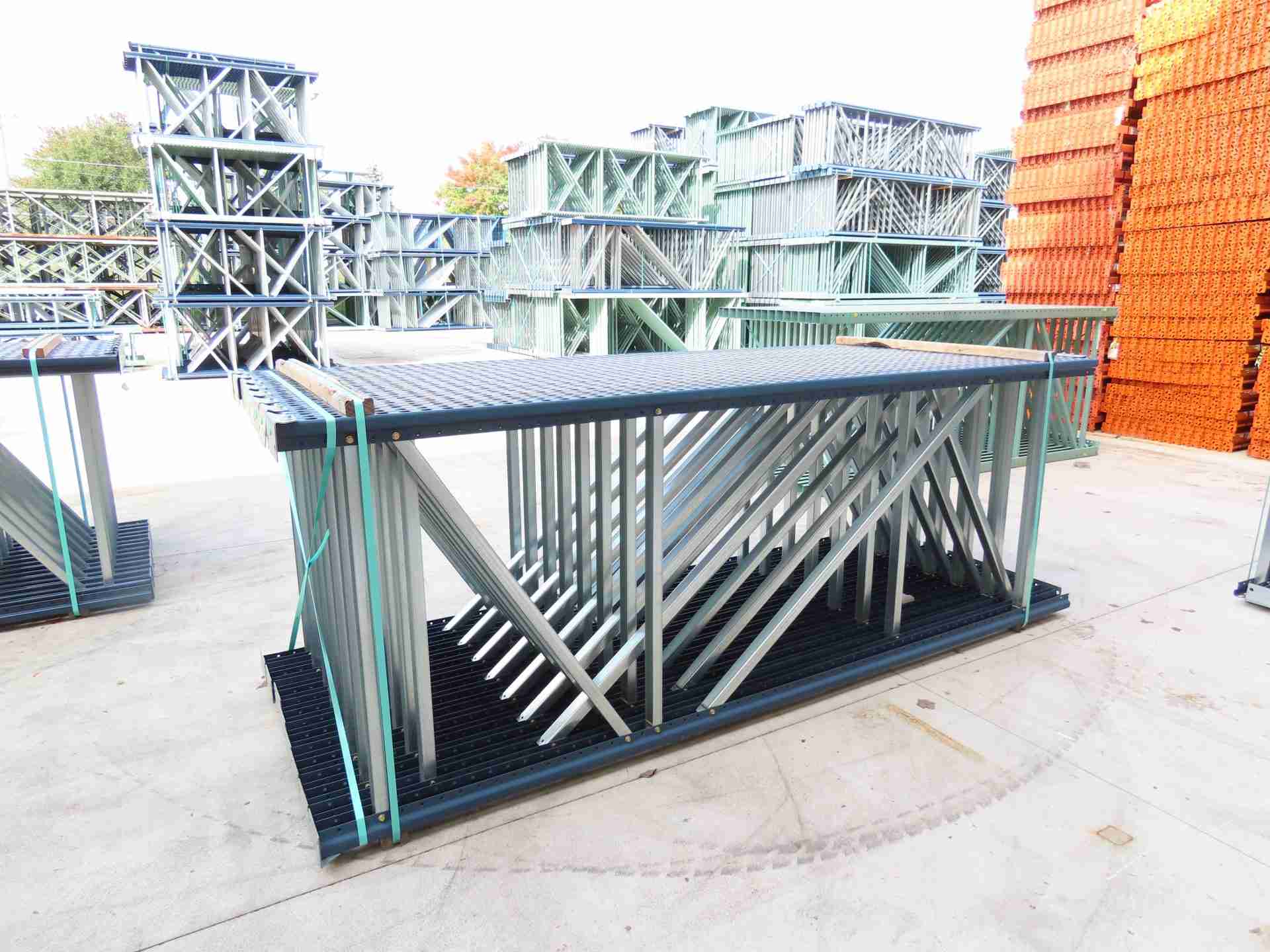
How Does Shelving Height Affect Employee Ergonomics?
What Role Does Shelving Design Play In Maximizing Storage Efficiency?
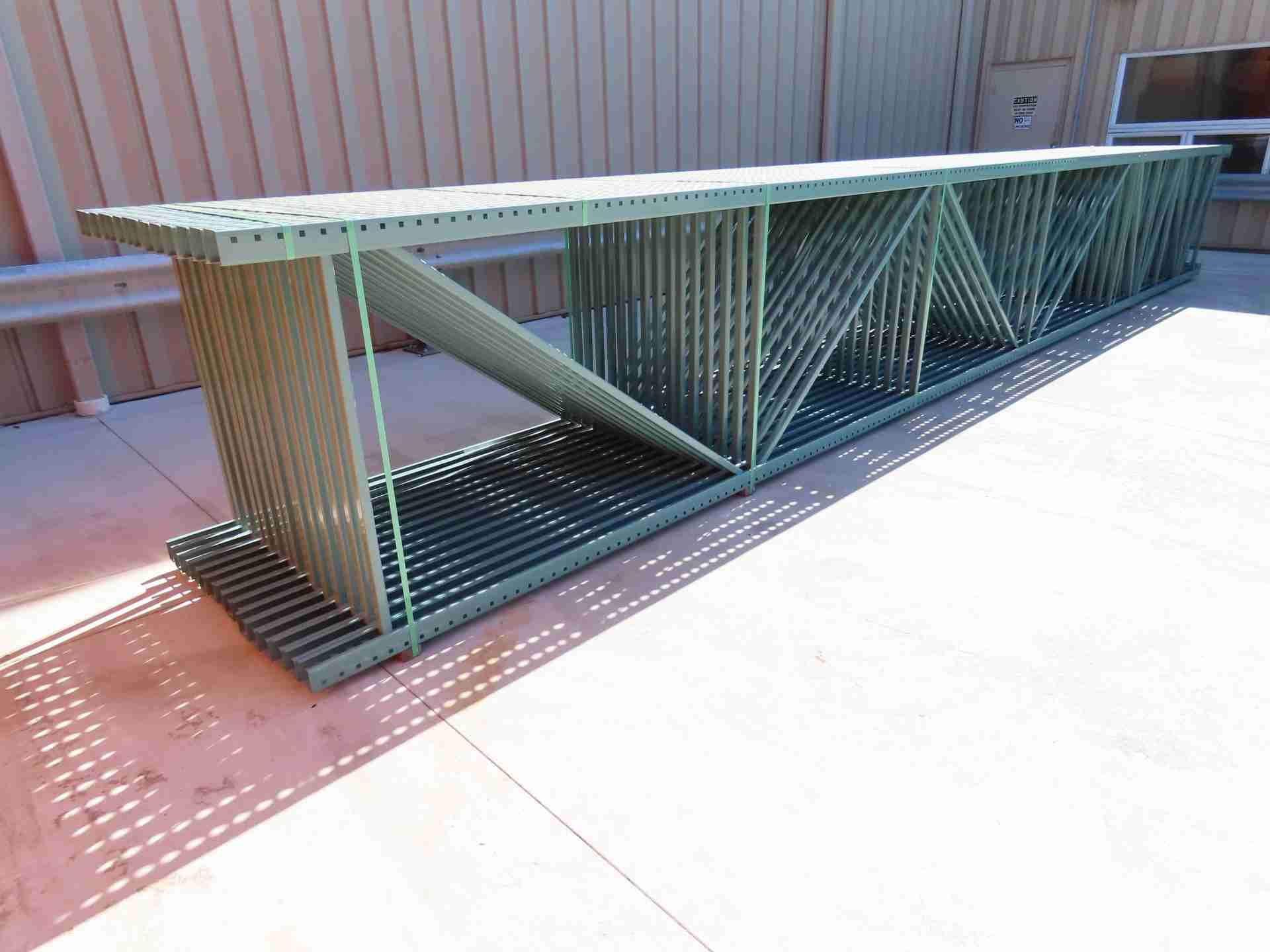
When it comes to maximizing storage efficiency, shelving design is not just an afterthought; it’s a strategic asset that can transform operations. In today’s fast-paced business environment, companies cannot afford to waste precious space. Smart shelving solutions are essential, and sophisticated systems like pallet racking stand out for their ability to optimize both vertical and horizontal storage capacity.
Consider a recent surge in e-commerce, where retailers have been inundated with the challenge of storing a diverse range of products. With the rise of online shopping, a well-designed shelving system can mean the difference between a streamlined operation and a chaotic warehouse. For instance, pallet racking enables businesses to stack products vertically, utilizing high ceilings that would otherwise go neglected. When implemented effectively, this means more goods stored in less floor space, thereby reducing overhead costs and increasing product accessibility.
Take, for example, the recent boom in sustainable practices across industries. Companies like IKEA are not just focusing on stylish designs; they’re also embracing innovative shelving options that reduce waste and improve inventory management. By utilizing adjustable pallet racking systems, businesses are able to adapt quickly to fluctuating inventory levels, ensuring that products are rotated efficiently while minimizing excess. The ability to modify shelf heights and layouts according to inventory size helps companies respond agilely to changing consumer demands.
Moreover, efficient shelving designs can also enhance safety within a workspace. By allowing for a clear organization of goods, pallet racking systems reduce the likelihood of accidents caused by clutter. Current events, like the increasing number of workplace safety regulations, mean that a well-designed shelving system is not only a way to boost efficiency but also a strategy to mitigate risk.
Furthermore, effective shelving designs facilitate better inventory tracking and faster picking processes. By implementing systems with clear signage and layering techniques, employees can quickly locate items, leading to shorter lead times. Companies aware of this trend will find themselves at a competitive advantage, improving customer satisfaction through faster service.
Ultimately, it’s clear: the role of shelving design in maximizing storage efficiency cannot be overstated. The choice between basic shelving and advanced solutions like pallet racking can vastly influence a warehouse’s operational flow. Modern businesses looking to thrive in this competitive landscape must embrace innovative shelving strategies that not only maximize space but also improve safety, efficiency, and customer service. Don’t just store your products—strategically design your space to unleash the full potential of your operations!
What Role Does Shelving Design Play In Maximizing Storage Efficiency?
What Role Does Shelving Design Play In Maximizing Storage Efficiency?
- Shelving design is a strategic asset for maximizing storage efficiency in operations.
- Smart shelving solutions like pallet racking optimize vertical and horizontal storage capacity, crucial in today’s fast-paced business environment.
- A well-designed shelving system is essential for e-commerce retailers managing diverse product ranges, improving operations and reducing chaos.
- Adjustable pallet racking systems allow businesses to adapt to fluctuating inventory levels, enhancing sustainability and inventory management.
- Efficient shelving designs improve safety by organizing goods and reducing clutter, aligning with workplace safety regulations.
- Clear signage and layering techniques in shelving systems enhance inventory tracking and speed up picking processes, leading to improved customer satisfaction.
- Modern businesses must embrace innovative shelving strategies to maximize space while enhancing safety, efficiency, and customer service.

What Role Does Shelving Design Play In Maximizing Storage Efficiency?
How Can Shelving Contribute To A Clutter-Free Workspace?
In today’s fast-paced world, a clutter-free workspace is more than just a luxury; it’s a necessity for enhanced productivity and focus. One powerful yet often overlooked solution to achieving this goal lies in the strategic use of shelving. By optimizing vertical space with smart shelving solutions, businesses can transform their work environment efficiently, allowing employees to dedicate their time to creativity and innovation rather than waste it sifting through chaos.
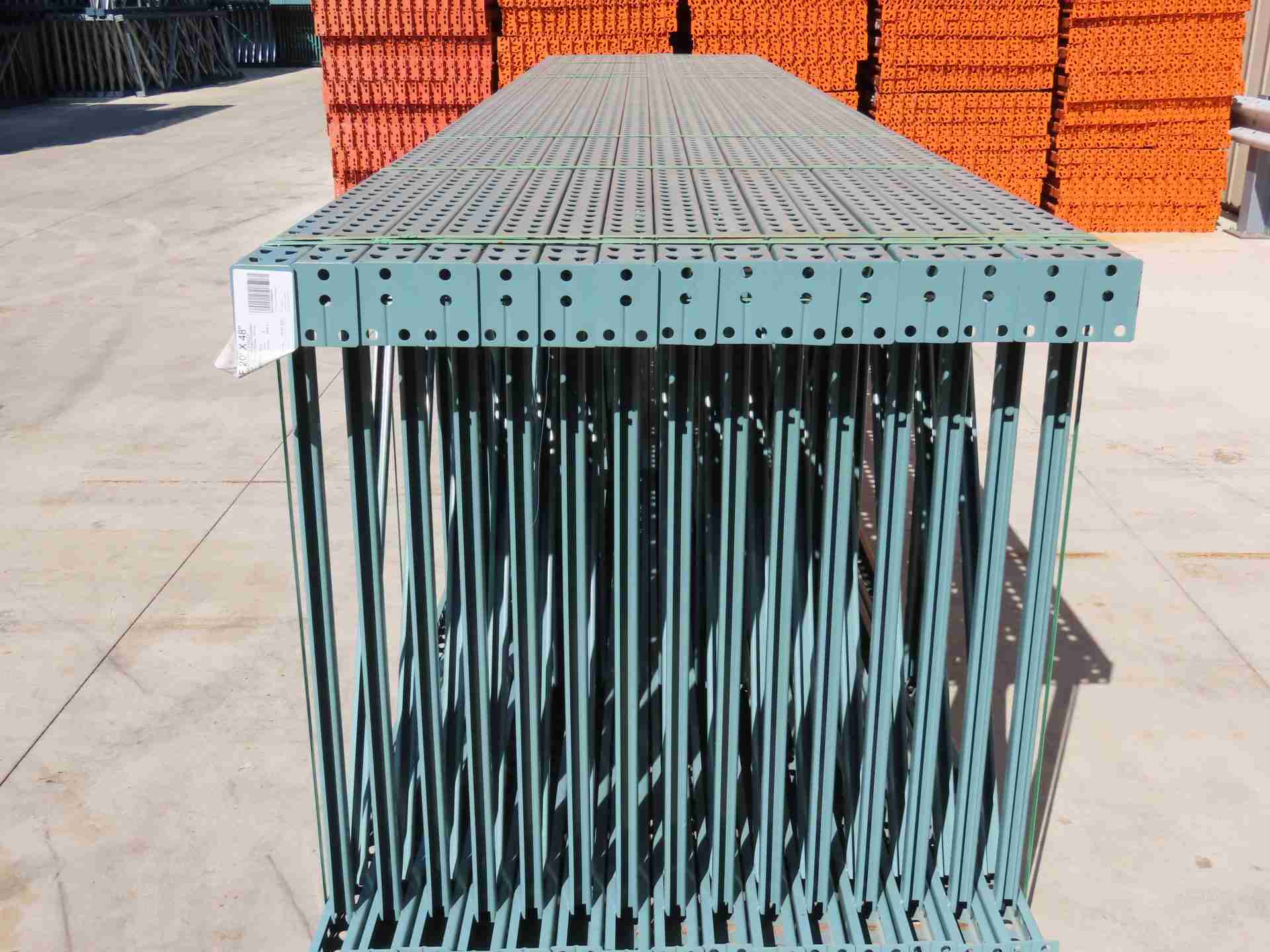
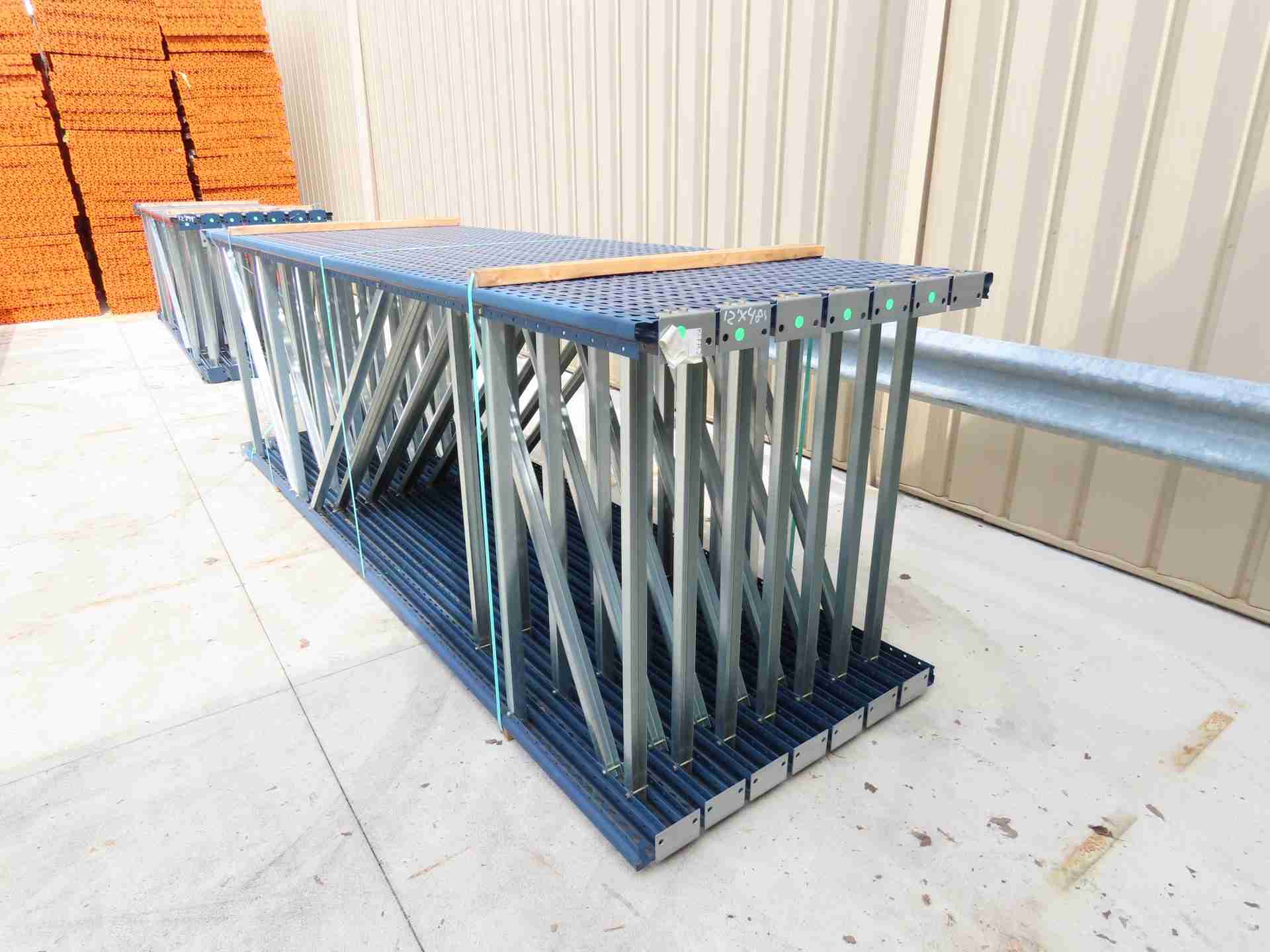
Consider pallet racking, an industrious choice for warehouses and distribution centers. This type of shelving not only maximizes storage capacity but also enhances access to materials. With pallet racking, you can effectively organize inventory, keeping items clearly displayed and easy to find. When employees can quickly locate what they need, they’re less likely to face interruptions in their workflow, ultimately supporting a more productive atmosphere.
Let’s not forget the importance of aesthetics. A well-organized workspace that utilizes shelving to its full potential exudes professionalism. In particular, forward-thinking companies have adopted modern shelving designs that offer both functionality and visual appeal. For instance, open shelving units allow for products and branding materials to be showcased enticingly, creating a harmonious balance between practicality and style.
Additionally, consider current events where remote work is no longer just a trend but a long-term operational strategy for many organizations. As employees carve out home office spaces, the need for efficient storage solutions rises. By implementing modular shelving units, individuals can customize their work environments to fit their unique needs, sparking creativity while maintaining order. These systems can accommodate everything from files and supplies to personal touches that make the workspace truly feel like home.
The benefits of shelving extend beyond just the aesthetic and functional; they also cultivate a culture of organization. When team members observe a clean, orderly environment, they feel motivated to contribute to the upkeep of their own spaces, fostering an atmosphere of respect and professionalism.
Shelving is not merely a functional element of office design; it is a cornerstone to achieving a clutter-free workspace. Whether you opt for pallet racking in a warehouse or sleek units that bring flair to your office, the key lies in making conscious choices that enhance your work environment. If you haven’t yet embraced the powerful role of shelving, now is the perfect time to organize, enhance productivity, and set the stage for success in the ever-evolving market landscape.
How Can Shelving Contribute To A Clutter-Free Workspace?
How Can Shelving Contribute To A Clutter-Free Workspace?
- A clutter-free workspace is essential for enhanced productivity and focus.
- Strategic use of shelving optimizes vertical space, transforming work environments.
- Pallet racking is effective for warehouses, maximizing storage and enhancing access to materials.
- Organized inventory reduces interruptions, supporting a more productive atmosphere.
- Modern shelving designs balance functionality and aesthetics, showcasing products elegantly.
- Modular shelving units provide customizable storage solutions for remote workspaces.
- Shelving cultivates a culture of organization, motivating team members to maintain order.
How Can Shelving Contribute To A Clutter-Free Workspace?
Conclusion
In a world where efficiency is king and safety is paramount, one vital piece of the puzzle often gets overlooked: shelving. As outlined throughout this article, improperly utilized shelving solutions can be costing your business not only productivity but also safety.
Take a moment to consider your current shelving systems. Are they merely functional? Or are they strategically enhancing your operations? The evidence is clear: businesses that invest in the right shelving—particularly robust pallet racking systems—experience up to a staggering 20% increase in employee productivity. This is not just a statistic; it’s a reflection of real-world success stories, where companies have transformed chaotic warehouses into streamlined operations. A well-structured shelving layout, such as pallet racking, maximizes vertical space, reduces search times by up to 30%, and minimizes workplace accidents, which studies show can occur at a 30% higher rate in companies with ineffective storage solutions.
The benefits extend far beyond mere storage. Well-designed shelving impacts employee morale and overall workplace culture. Imagine your team working in a clutter-free environment where they can easily find tools and materials without the stress of disorganization. These small adjustments to your shelving strategy not only foster safety but also elevate productivity, encouraging a workforce that is not just engaged, but thriving.
And the urgency to adapt to these changes has never been greater. With rapid shifts in consumer demand, especially in the realm of e-commerce and warehouse automation, those who hesitate risk becoming obsolete. Implementing modern shelving solutions, such as adjustable and ergonomic systems, is not just a recommendation; it’s a necessity for companies looking to stay competitive in today’s fast-paced market.
So, why wait? Your shelving systems hold the key to unlocking new levels of efficiency and safety within your operations. Get ahead of the curve—assess your shelving solutions today. Your workforce deserves an environment that supports their productivity and well-being.
Contact Arrow Industrial Sales at (574) 349-6575 to learn how you can optimize your shelving today. Don’t miss the opportunity to transform your workspace and take your first step toward operational excellence. The time for action is now—make your shelving solutions a strategic priority and watch your business thrive!

Conclusion
Conclusion:
- Proper shelving solutions are essential for enhancing efficiency and safety in the workplace.
- Investing in robust pallet racking systems can lead to up to a 20% increase in employee productivity.
- A well-structured shelving layout maximizes vertical space, reduces search times by 30%, and minimizes workplace accidents.
- Effective shelving impacts employee morale, creating a clutter-free environment that fosters engagement and safety.
- With rapid changes in consumer demand, modern shelving solutions are necessary to remain competitive, especially in e-commerce.
- Assessing shelving systems can unlock new levels of operational efficiency and support employee well-being.
- Contact Arrow Industrial Sales to optimize your shelving and transform your workspace for operational excellence.
Conclusion
Other Resources
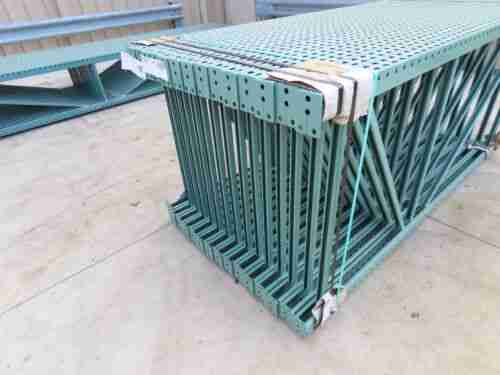
Other Resources
Here is a list of other resources you can review online to learn more:
- Illinois Pallet Racking – Storage Solutions
- Interlake Mecalux
- Iowa Illinois Warehouse Racking
- NSC
- IWLA
- Storage Equipment Manufacturers’ Association
- Teardrop Pallet Rack – Ridg-U-Rak
- Warehouse Racking System: Powerful Guide to Optimise, 2024
- Overhead Lifting
- Teardrop Industrial Shelving Rack
Use This Prompt To Get More Resources With Your Favorite Online AI Tool: Please provide me with a list of online articles with their URLs in a bulleted list that I can read regarding How Does Your Shelving Impact Employee Productivity and Safety?
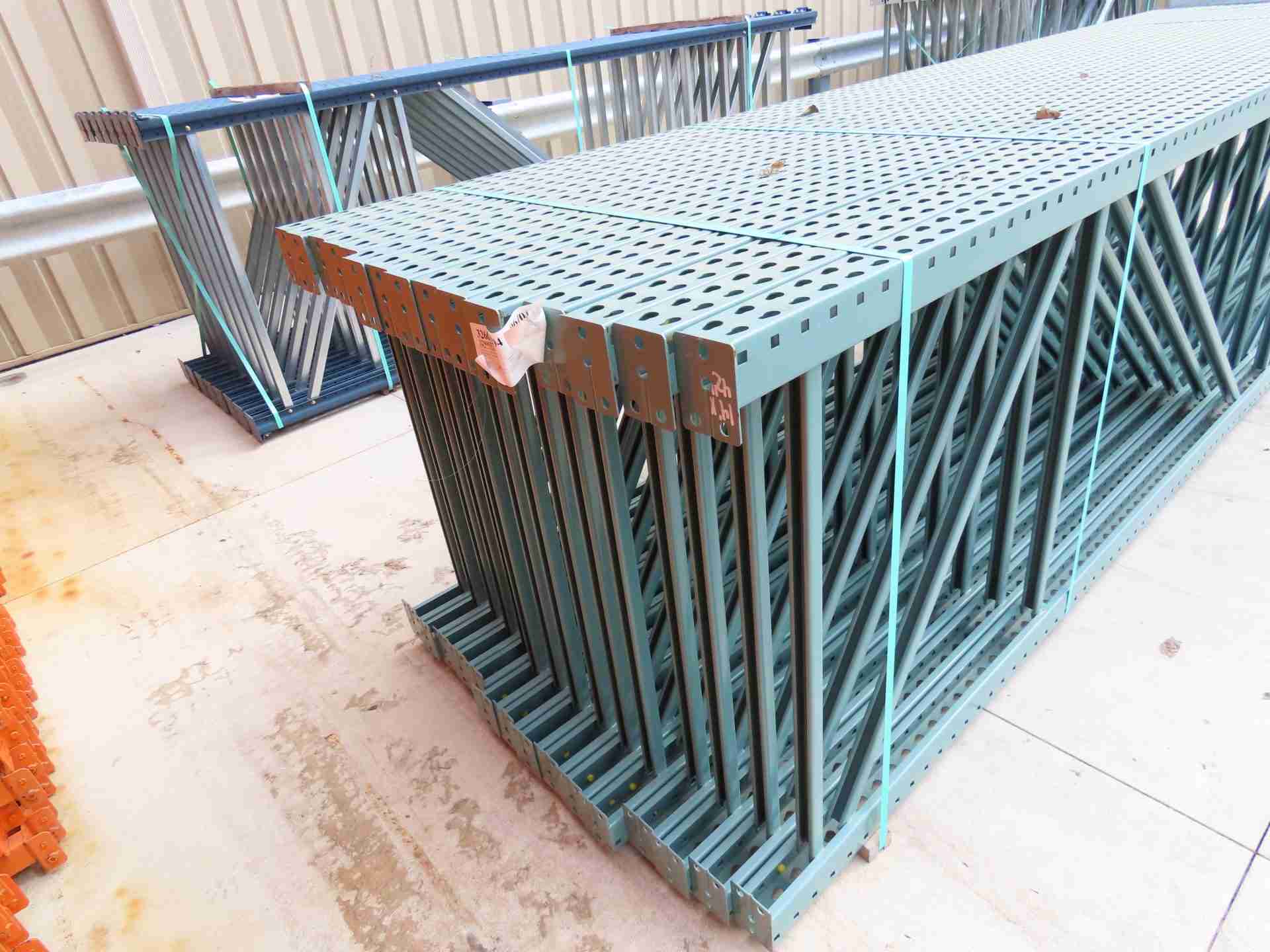
Other Resources
Glossary Terms
How Does Your Shelving Impact Employee Productivity and Safety? – Glossary Of Terms
1. Shelving: The arrangement and placement of shelves for storing or displaying items in a workplace.
2. Productivity: The efficiency with which an employee can perform tasks, often influenced by their working environment.
3. Safety: Measures and practices that protect employees from hazards and ensure a safe working environment.
4. Ergonomics: The science of designing the workplace, keeping in mind the capabilities and limitations of the worker, to improve comfort and efficiency.
5. Accessibility: The ease with which employees can reach and retrieve stored items, impacting workflow and safety.
6. Organization: The systematic arrangement of materials and resources, promoting efficiency and reducing time spent searching for items.
7. Space Utilization: The effective use of available space to maximize storage and productivity while minimizing clutter.
8. Aisle Width: The measurement of the space between shelves, which affects employee movement and safety in handling materials.
9. Shelving Materials: The types of materials used for shelves (e. g. , wood, metal, plastic), influencing durability, load capacity, and safety.
10. Load Capacity: The maximum weight a shelf can safely support, crucial for preventing accidents and ensuring safe storage.
11. Vertical Storage: The practice of using vertical space for shelving to maximize storage while maintaining safe access for employees.
12. Inventory Management: The tracking and organization of stored items to ensure availability and minimize excess, impacting productivity and safety.
13. Clear Pathways: Unobstructed routes in the workspace that ensure safe navigation and quick access to shelves.
14. Hazard Identification: The process of recognizing potential risks associated with shelving and storage that can affect employee safety.
15. Emergency Exits: Designated escape routes that must remain clear of obstructions, including shelving, to ensure employee safety during emergencies.
16. Workplace Layout: The physical arrangement of the workspace, including shelving setups, influencing employee movement and productivity.
17. Pallet Racking: A specific type of shelving designed for holding palletized loads, often seen in warehouses to optimize storage space.
18. Manual Handling: The process of lifting, carrying, or pushing items, which can be impacted by shelving height and arrangement.
19. Safety Training: Programs designed to educate employees on safe practices regarding shelving use and handling materials.
20. Visual Management: Techniques used to provide clear visual cues about storage locations, enhancing workflow efficiency and employee safety.
21. Load Distribution: The practice of evenly spreading items on shelves to maintain stability and prevent tipping or collapsing.
22. Regular Maintenance: Routine checks and repairs of shelving units to ensure safety and operational efficiency.
23. Personal Protective Equipment (PPE): Safety gear such as gloves or helmets that may be required for certain shelving tasks to protect employees.
24. Standard Operating Procedures (SOPs): Official guidelines that outline proper shelving practices for safety and efficiency.
25. Workflow Optimization: Designing shelving layouts that enhance the flow of work and reduce unnecessary movements for employees.
26. Employee Feedback: Insights and suggestions from employees regarding shelving arrangements that influence productivity and safety.
27. Workstation Design: The overall layout of work areas, including shelving, tailored to support employee tasks and ensure safety.
28. Cleaning Protocols: Established procedures for keeping shelving areas organized and free of hazards that could cause accidents.
29. Technology Integration: The use of automated systems or tools for tracking inventory and managing shelving to streamline processes.
30. Risk Assessment: The evaluation of potential safety hazards associated with shelving and how they can be mitigated to protect employees.

Glossary Of Terms
Other Questions
How Does Your Shelving Impact Employee Productivity and Safety? – Other Questions
If you wish to explore and discover more, consider looking for answers to these questions:
- What are the different types of shelving systems available for workplace use?
- How does the design of shelving affect employee safety?
- What are the best practices for organizing shelving to maximize efficiency?
- Can investing in shelving improve employee morale?
- How does shelving height impact employee ergonomics?
- What technology can be integrated with shelving systems for better inventory management?
- How often should shelving systems be evaluated or updated?
- What are the cost implications of different shelving options?
- How can companies measure the impact of shelving on productivity and safety?
- What role does shelving play in sustainability efforts within a business?
- Are there specific regulations regarding shelving in certain industries?
- How can shelving contribute to a company’s branding and aesthetics?
- What training should employees receive regarding safe shelving practices?
- How do different storage solutions affect business operations during peak seasons?
- What are the consequences of neglecting an effective shelving system?
Other Questions
Checklist
How Does Your Shelving Impact Employee Productivity and Safety? – A Checklist
Assess Your Current Shelving Setup
1. Evaluate shelving organization: Is your shelving system organized and clearly labeled?
2. Check for clutter: Are shelves overcrowded or cluttered?
3. Analyze accessibility: Can employees easily access tools and products without unnecessary searching?
4. Review height: Are items stored within easy reach to prevent awkward stretching or bending?
5. Observe workflow: Are employees frequently interrupted by disorganization or inefficiencies in accessing items?
Choose the Right Shelving System
6. Select appropriate shelving types: Is your shelving system designed for specific needs (e. g. , pallet racking, solid shelving, wire racks)?
7. Consider modular solutions: Can your shelving be easily adjusted for varying inventory sizes and types?
8. Implement smart shelving technologies: Are you using automated systems or inventory management solutions?
Prioritize Safety Standards
9. Conduct safety audits: Have you assessed how shelving design affects workplace safety?
10. Mitigate risks: Are measures in place to prevent accidents caused by improper stacking or clutter?
11. Integrate ergonomic practices: Have you adjusted shelving heights based on ergonomic principles to reduce strain on employees?
12. Train employees: Are staff trained in best safety practices for shelving use?
Foster a Culture of Organization
13. Promote orderly workspaces: Encourage a culture where employees maintain tidy shelves and organized work areas.
14. Dedicate time for organization: Set aside regular intervals for teams to re-evaluate and tidy up shelving areas.
15. Recognize and reward: Acknowledge employees who maintain organized and efficient shelving systems.
Monitor and Improve
16. Gather employee feedback: Solicit input from team members about the shelving system’s impact on their workflow and safety.
17. Track productivity metrics: Monitor productivity levels before and after shelving changes to gauge effectiveness.
18. Review and adapt: Regularly revisit and adapt shelving strategies based on evolving business needs and trends.
Promote Sustainability
19. Opt for eco-friendly materials: Consider shelving options that support sustainability initiatives in your organization.
20. Minimize energy consumption: Use adjustable shelving systems to optimize space while reducing environmental impact.
By following this checklist, you can ensure that your shelving system not only maximizes efficiency but also prioritizes the safety and well-being of your employees.
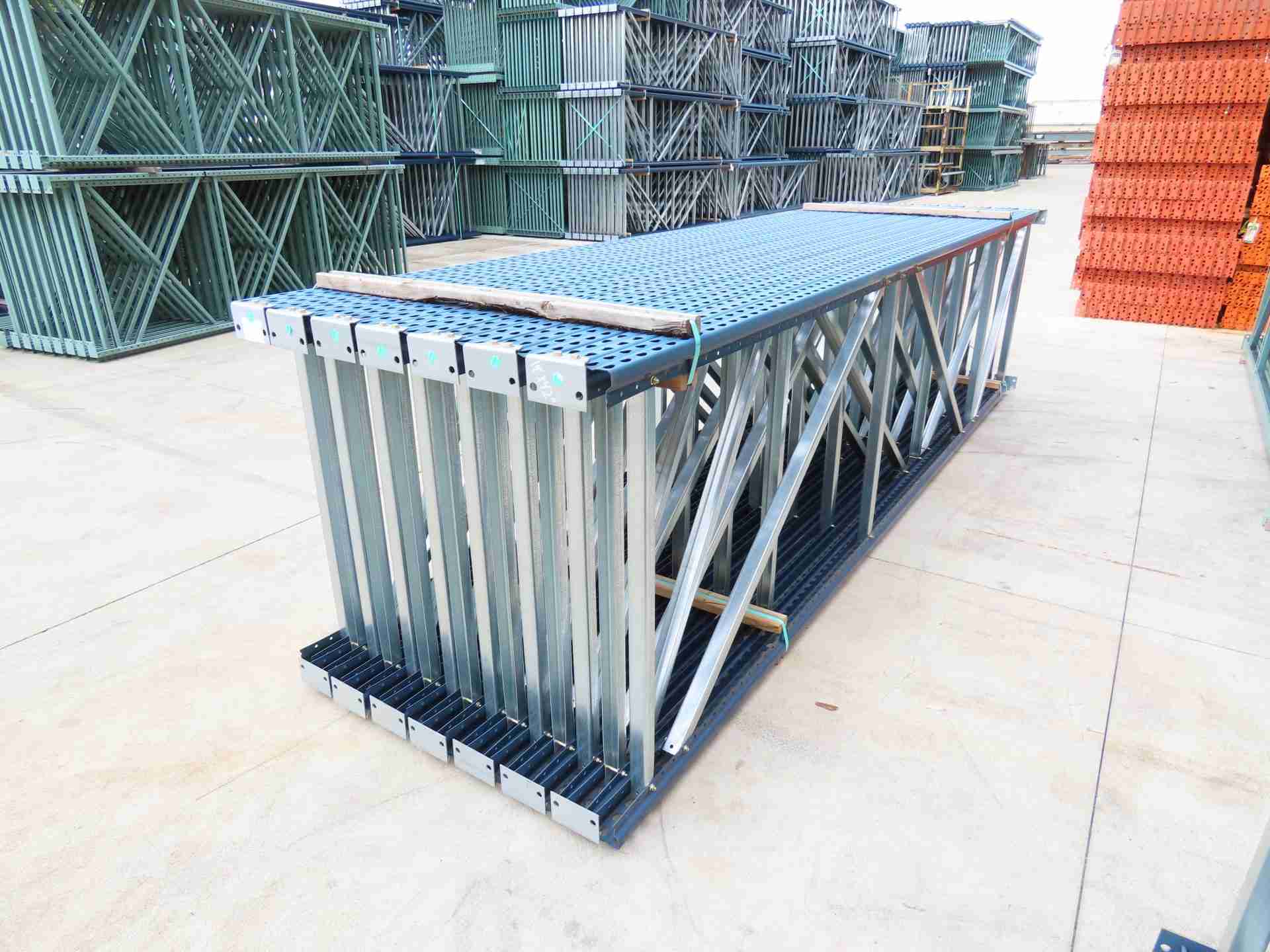
Checklist
At RackingWorld, we help guide you through selecting warehouse storage systems and racking.
Be sure to read our other related stories at RackingWorld to learn more about warehouse storage systems.
0 Comments