
Making The Right Choice For Your Business
By Tom Seest
At RackingWorld, we help guide you through selecting warehouse storage systems and racking.
Be sure to read our other related stories at RackingWorld to learn more about warehouse storage systems.
How Do You Choose Between Local Rack Suppliers?
When it comes to choosing between local rack suppliers, the decision often extends beyond mere price comparisons; it’s about aligning your business needs with a supplier that understands your unique requirements. Navigating the complexities of pallet racking systems can be overwhelming, but with a strategic approach, you can make the best choice for your operation.
First and foremost, consider the supplier’s experience in the industry. Experience translates into expertise. If your business requires heavy-duty pallet racking for high-density storage, seek suppliers who specialize in that segment. For instance, a supplier that has been active in the market for over a decade will likely have valuable insights into the latest compliance regulations and safety standards. Taking this into account ensures your investment is backed by a supplier who knows what they’re doing, not just a salesperson looking to make a quick sale.
Next, assess the quality of the pallet racking systems on offer. In recent months, industry reports have highlighted a rising trend in the production of eco-friendly racking solutions. A supplier that capitalizes on this trend by offering sustainable products can not only enhance your brand’s image but also help contribute to a healthier planet. For example, a local supplier that utilizes recycled materials or energy-efficient manufacturing processes should be considered a front-runner.
It’s also vital to explore after-sales service and support. An excellent pallet racking system is only as good as the support network behind it. Look for suppliers that offer comprehensive assistance, including installation services, maintenance, and easy access to replacement parts. If you run into issues, do you want to be left in the lurch? Consider the case where a local supplier stepped up during the recent pandemic by providing outstanding customer service and expedited delivery of essential racks to local businesses. Reliability in a supplier can set you apart in times of need.
Lastly, trust your instincts—often, it’s about relationships. Visit the suppliers in person, if possible. Get a feel for their operation, ask questions, and gauge their passion for what they’re selling. Are they genuinely interested in helping you find the right solution, or are they just focused on closing the sale? The right partner in your pallet racking needs should feel like an extension of your own team, ready to support your growth and success.
When selecting between local rack suppliers, consider experience, quality, support, and relationships. This comprehensive approach will ensure you make an informed decision that drives your business forward.

How Do You Choose Between Local Rack Suppliers?
How Do You Choose Between Local Rack Suppliers?
- Choosing a local rack supplier involves aligning business needs with a supplier’s understanding of unique requirements, beyond just price comparisons.
- Supplier experience is crucial; a decade of active presence in the market equates to valuable insights into compliance regulations and safety standards.
- Assess the quality of pallet racking systems; consider suppliers offering eco-friendly solutions to enhance brand image and contribute to a healthier planet.
- Examine after-sales service and support; reliable suppliers provide installation, maintenance, and access to replacement parts.
- Trust your instincts and build relationships; visit suppliers to gauge their passion and commitment to helping you find the right solution.
- A supplier should feel like an extension of your team, dedicated to supporting your growth and success.
- A comprehensive approach—considering experience, quality, support, and relationships—ensures informed decision-making that advances your business.
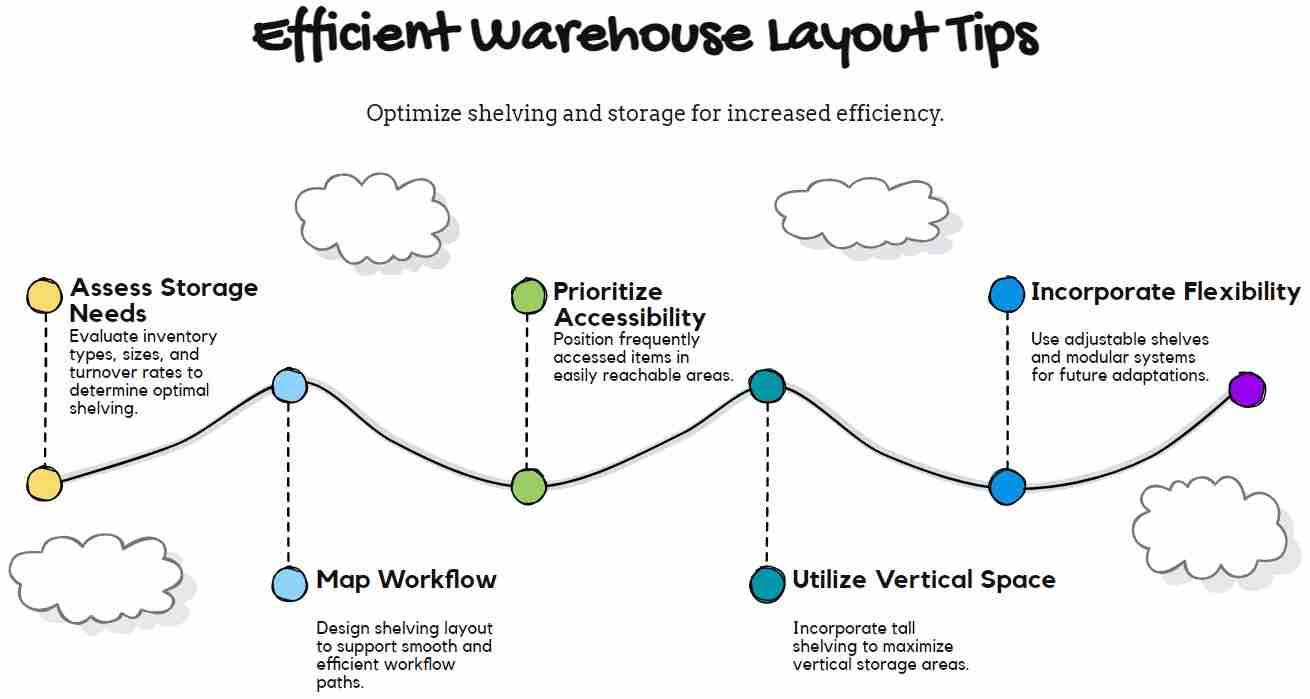
How Do You Choose Between Local Rack Suppliers?
Table Of Contents
- How Do You Choose Between Local Rack Suppliers?
- How Do I Find Reliable Local Rack Suppliers?
- What Criteria Should I Use To Evaluate Rack Suppliers?
- What Types Of Racks Are Available From Local Suppliers?
- How Do Pricing And Transparency Affect Decision-Making?
- What Is The Significance Of Customer Service In Choosing A Supplier?
- Should I Prioritize Quality Over Cost When Selecting A Supplier?
- Conclusion
- Other Resources
- Glossary Of Terms
- Other Questions
- Checklist
How Do I Find Reliable Local Rack Suppliers?
In today’s increasingly competitive market, finding reliable local rack suppliers can be the difference between success and stagnation for your business. Whether you’re looking for pallet racking for your warehouse or retail space, the search should not be taken lightly. The right supplier can provide you with the quality, service, and support that will keep your operations running smoothly, while the wrong one can lead to headaches, delays, and wasted resources.
To start your quest, tap into the power of local business networks. Attend industry expos, trade shows, or local chambers of commerce events. Not only will you gain insights into the latest trends, but you’ll also get the chance to speak directly with suppliers. For example, if a new company emerges that’s leveraging eco-friendly materials for pallet racking systems—this is valuable information that can set you apart from your competitors.
Next, leverage the power of digital reviews and testimonials. Sites like Yelp or Google Reviews can provide a wealth of information, but remember that one or two negative reviews among hundreds of positive ones shouldn’t be a deal-breaker. Look for patterns. For instance, if multiple customers mention rapid delivery and exceptional service, take that as a good sign.
However, don’t stop at online reviews. Reach out to peers or business associates in your industry. Ask them who they’ve worked with, and what their experiences were. Word-of-mouth recommendations can often guide you to suppliers that may not have crossed your radar.
When you’ve narrowed down your options, schedule appointments with those suppliers to discuss your needs. Ask about their range of products and whether they offer pallet racking that suits your specific requirements. For instance, if you specialize in handling larger inventory items, inquire specifically about their heavy-duty options.
Lastly, don’t forget to review their compliance with industry standards and regulations. In light of recent events, such as increased scrutiny on safety protocols in the supply chain, ensuring that your chosen supplier adheres to the latest guidelines is paramount.
By following these steps, you can confidently select reliable local rack suppliers that provide quality pallet racking solutions, enabling you to streamline your operations and ultimately achieve your business goals. Remember, when it comes to your supply chain, trust goes a long way. Don’t settle for less. Seek suppliers who are committed not just to sales, but to your overall success.
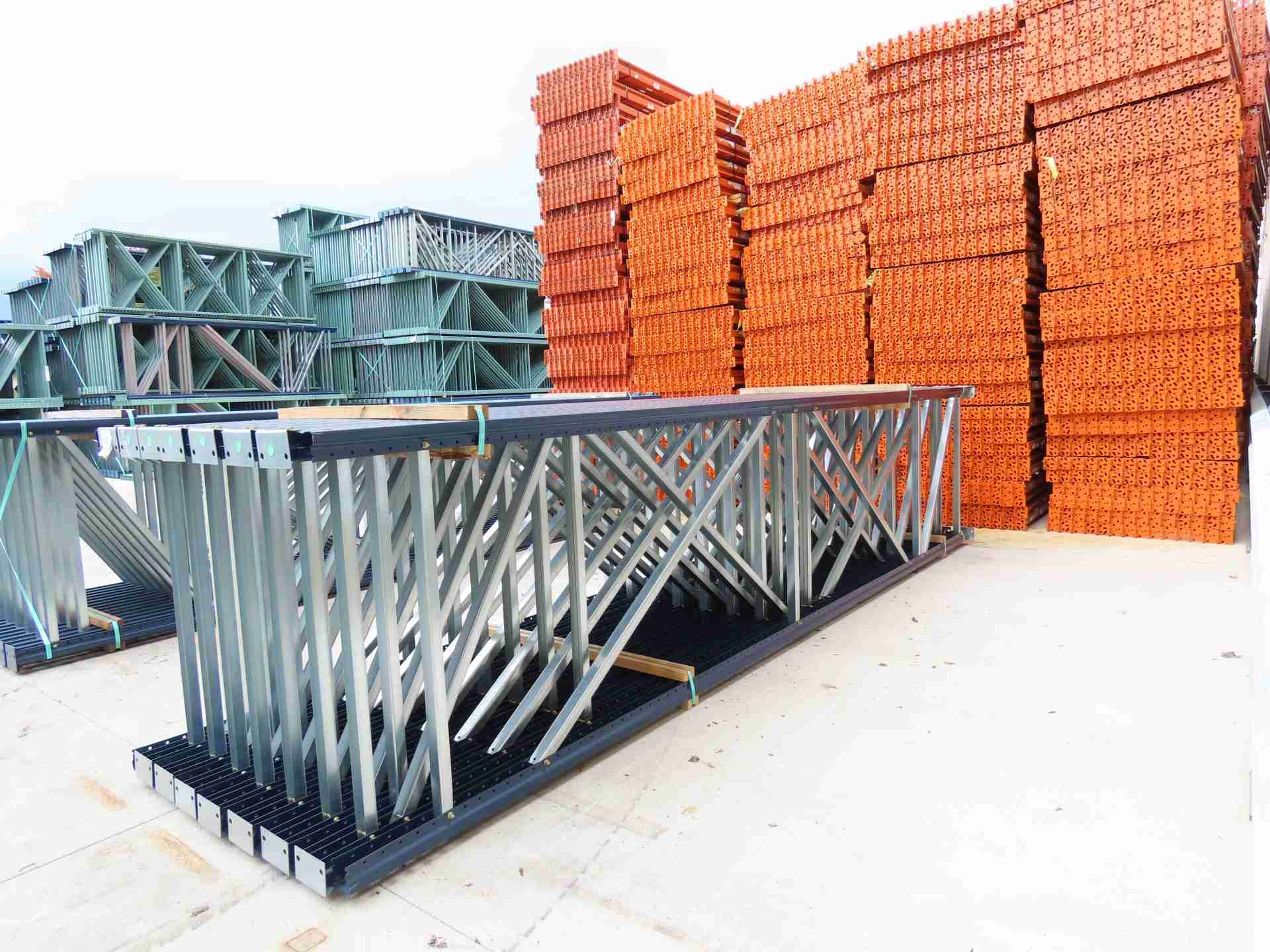
How Do I Find Reliable Local Rack Suppliers?
How Do I Find Reliable Local Rack Suppliers?
- Reliable local rack suppliers are crucial for business success, especially in competitive markets.
- Attend industry expos, trade shows, and local commerce events to connect with potential suppliers.
- Utilize digital reviews on platforms like Yelp or Google to assess supplier quality, focusing on patterns in feedback.
- Seek recommendations from peers and business associates for trusted suppliers not on your radar.
- Schedule appointments with shortlisted suppliers to discuss specific product needs and options.
- Review suppliers’ compliance with industry standards and regulations, particularly regarding safety protocols.
- Choose suppliers who prioritize your overall success and offer quality pallet racking solutions.
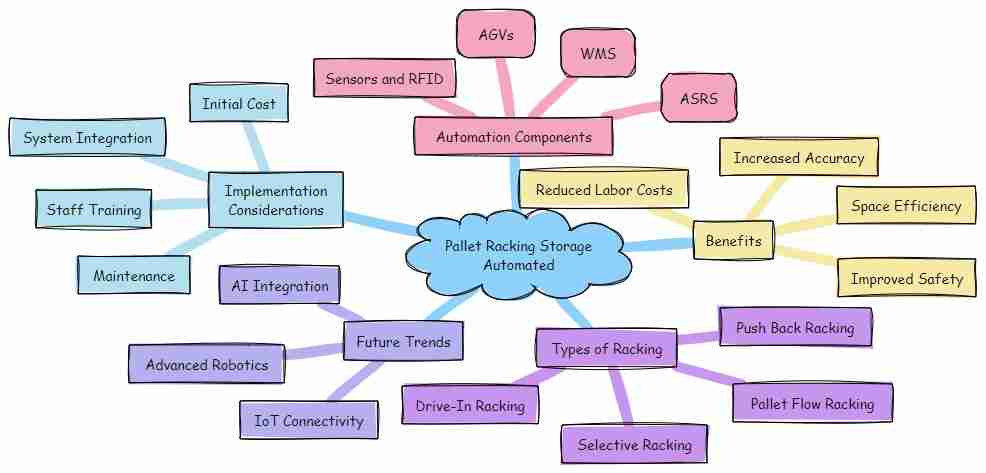
How Do I Find Reliable Local Rack Suppliers?
What Criteria Should I Use To Evaluate Rack Suppliers?
When it comes to selecting a rack supplier, especially in the realm of pallet racking, the stakes are higher than ever. Your choice not only affects your storage efficiency but also impacts your bottom line. Here’s a comprehensive breakdown of critical criteria to consider when evaluating rack suppliers.
1. Quality of Materials: The first criterion should always be the quality of the materials used in the manufacturing of the pallet racking systems. Inferior quality can lead to structural failures and, ultimately, costly downtime. Look for suppliers who adhere to international standards, such as those provided by ANSI or RMI. A current example is the increased demand for high-quality racking solutions in response to supply chain disruptions caused by the pandemic. Suppliers that can demonstrate their commitment to quality through certifications will stand out.
2. Range of Products: Evaluate the diversity in their pallet racking offerings. A supplier that provides a mix of standard and customized solutions can cater to your unique needs. For instance, if you’re in a fast-paced industry like e-commerce, adjustable and modular pallet racking systems may be essential to adapt to fluctuating inventory levels. Suppliers like Interlake Mecalux and Steel King offer a broad spectrum of options—from selective racking to drive-in racking—tailored to optimize space and efficiency.
3. Customer Support: Exceptional customer support can save you from unnecessary headaches and costs. Investigate whether suppliers provide ongoing support, including installation, training, and maintenance services. A good supplier like Aceally not only sells the racks but also ensures you understand how to maximize their efficiency in your warehouse setup.
4. Lead Times and Delivery: In today’s fast-paced market, speed matters. It’s crucial to ask potential suppliers about their lead times. A supplier that can promise quick delivery will help you avoid delays that could hinder your operations. For instance, as many businesses rush to recover from supply chain challenges, suppliers who can promise reliable timelines will be invaluable.
5. Reputation and Reviews: Last but certainly not least, look into the supplier’s reputation. Client testimonials and case studies can provide insight into their reliability and customer service. For example, if a supplier has consistently served big names in your industry, it’s a strong indicator they can handle your needs.
Evaluating rack suppliers requires a thoughtful approach focused on quality, diversity, support, timeliness, and reputation. Prioritize these criteria, and you will position your business to maximize storage efficiency and reduce costs effectively. The right partner in the realm of pallet racking can make all the difference between a smooth operation and an operational disaster.

What Criteria Should I Use To Evaluate Rack Suppliers?
What Criteria Should I Use To Evaluate Rack Suppliers?
- Quality of Materials: Choose suppliers that comply with international standards (ANSI, RMI) to avoid structural failures and costly downtime.
- Range of Products: Evaluate suppliers offering a mix of standard and customized solutions, especially in fast-paced industries like e-commerce.
- Customer Support: Look for suppliers providing ongoing support, including installation, training, and maintenance services.
- Lead Times and Delivery: Assess suppliers on their ability to deliver quickly to prevent operational delays.
- Reputation and Reviews: Investigate client testimonials and case studies to gauge reliability and customer service.
- Strategic Focus: Prioritize criteria such as quality, diversity, support, timeliness, and reputation for effective evaluation.
- Operational Impact: Choosing the right rack supplier can significantly enhance storage efficiency and reduce costs.
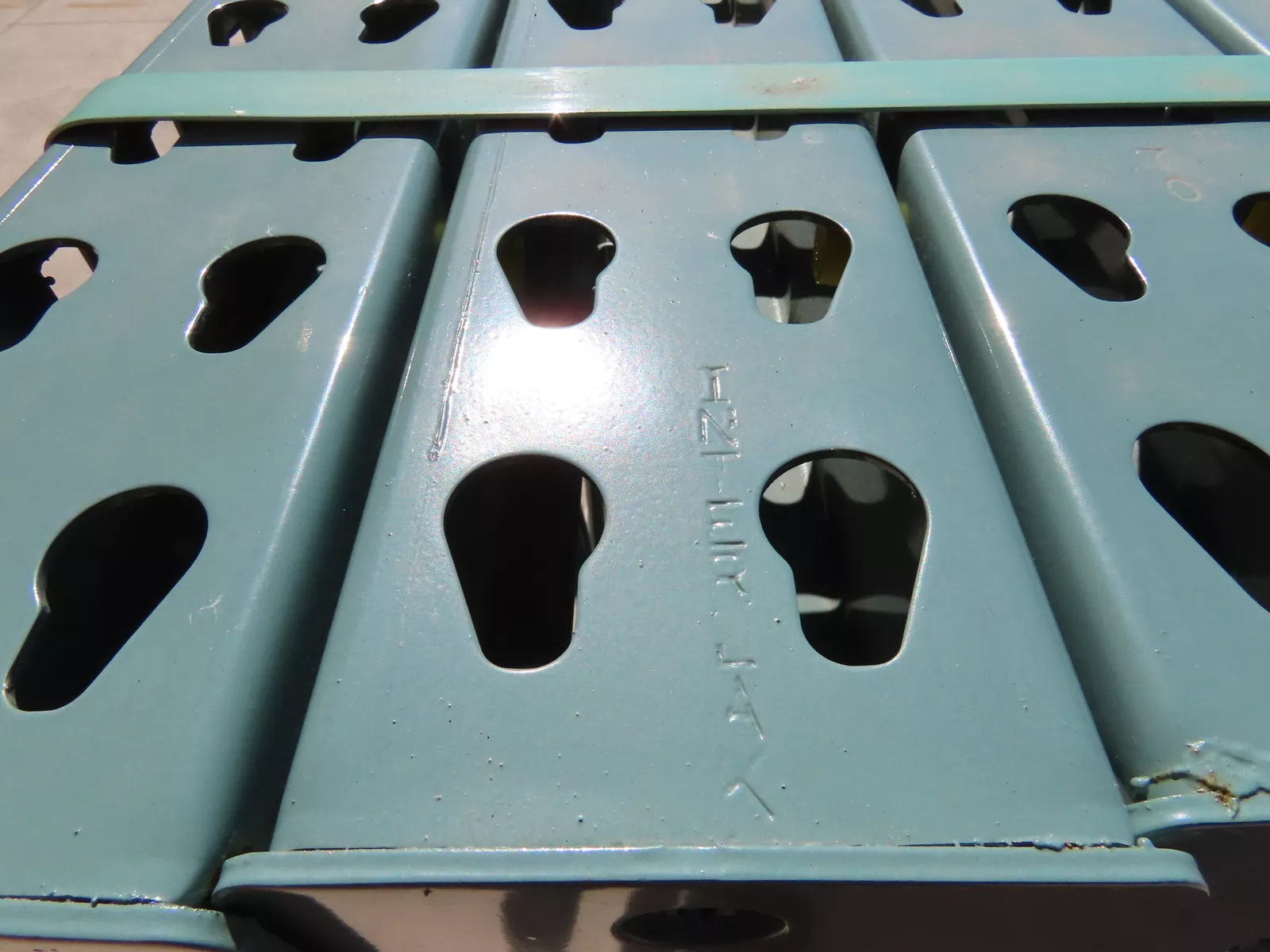
What Criteria Should I Use To Evaluate Rack Suppliers?
What Types Of Racks Are Available From Local Suppliers?
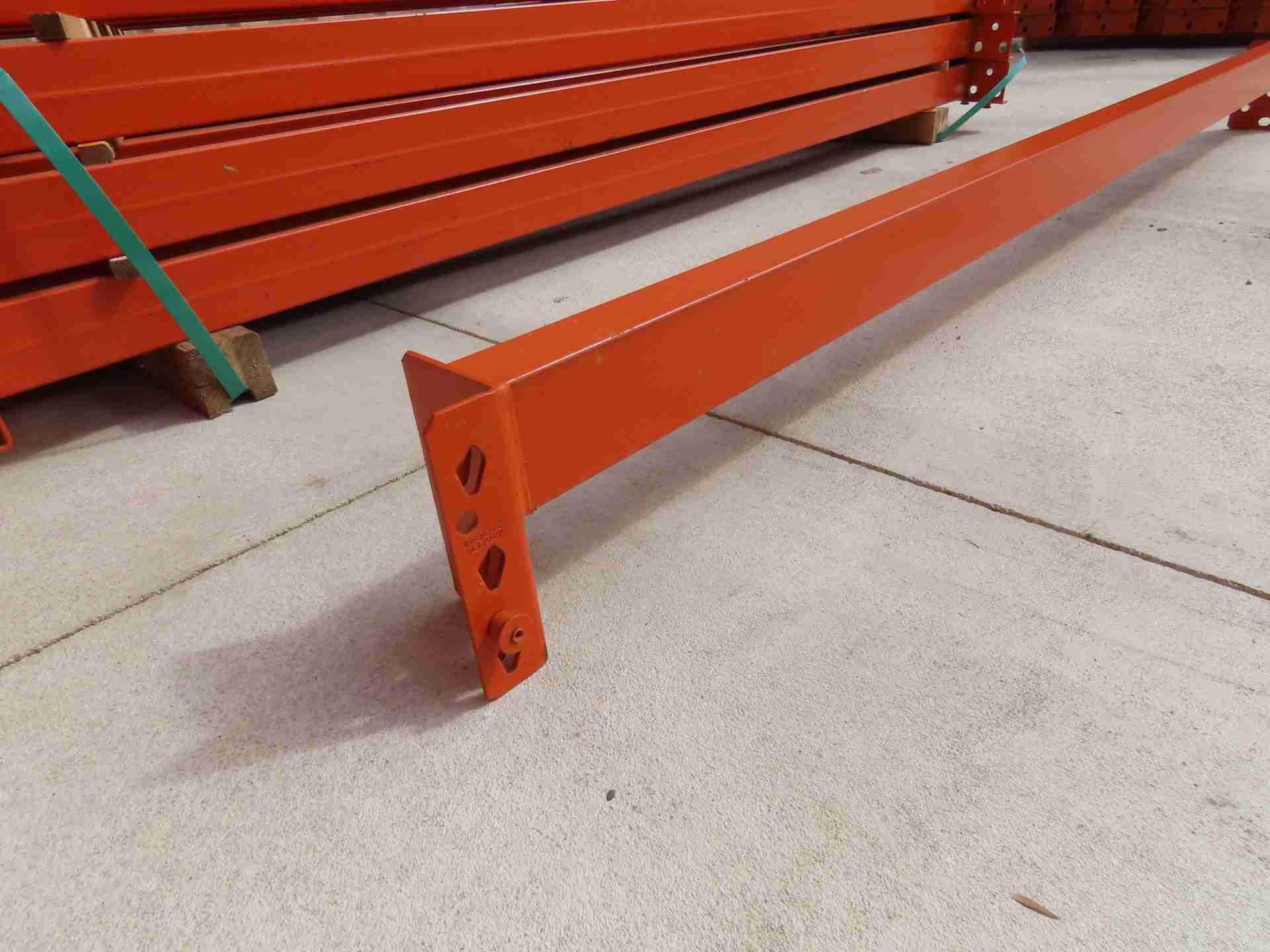
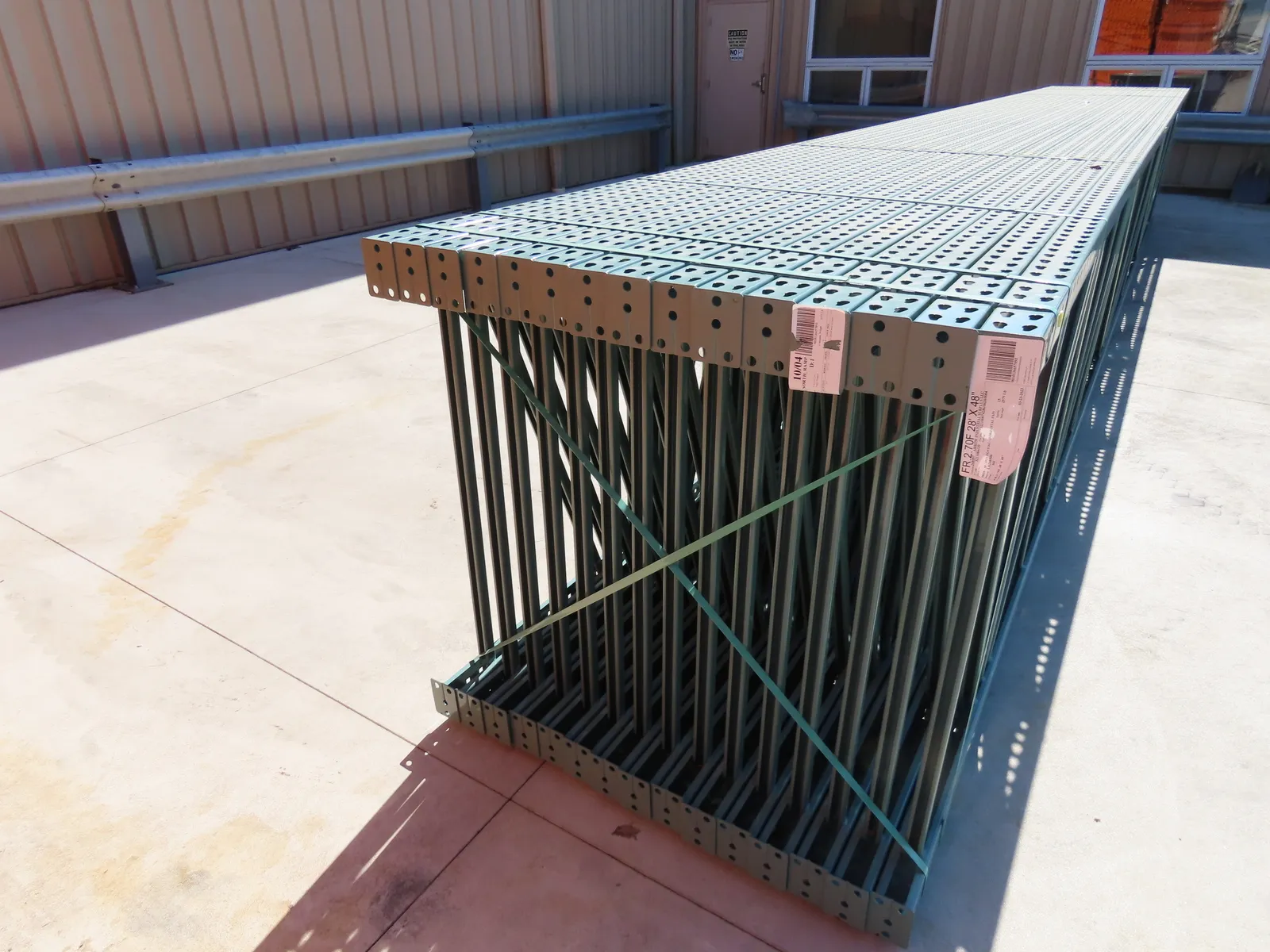
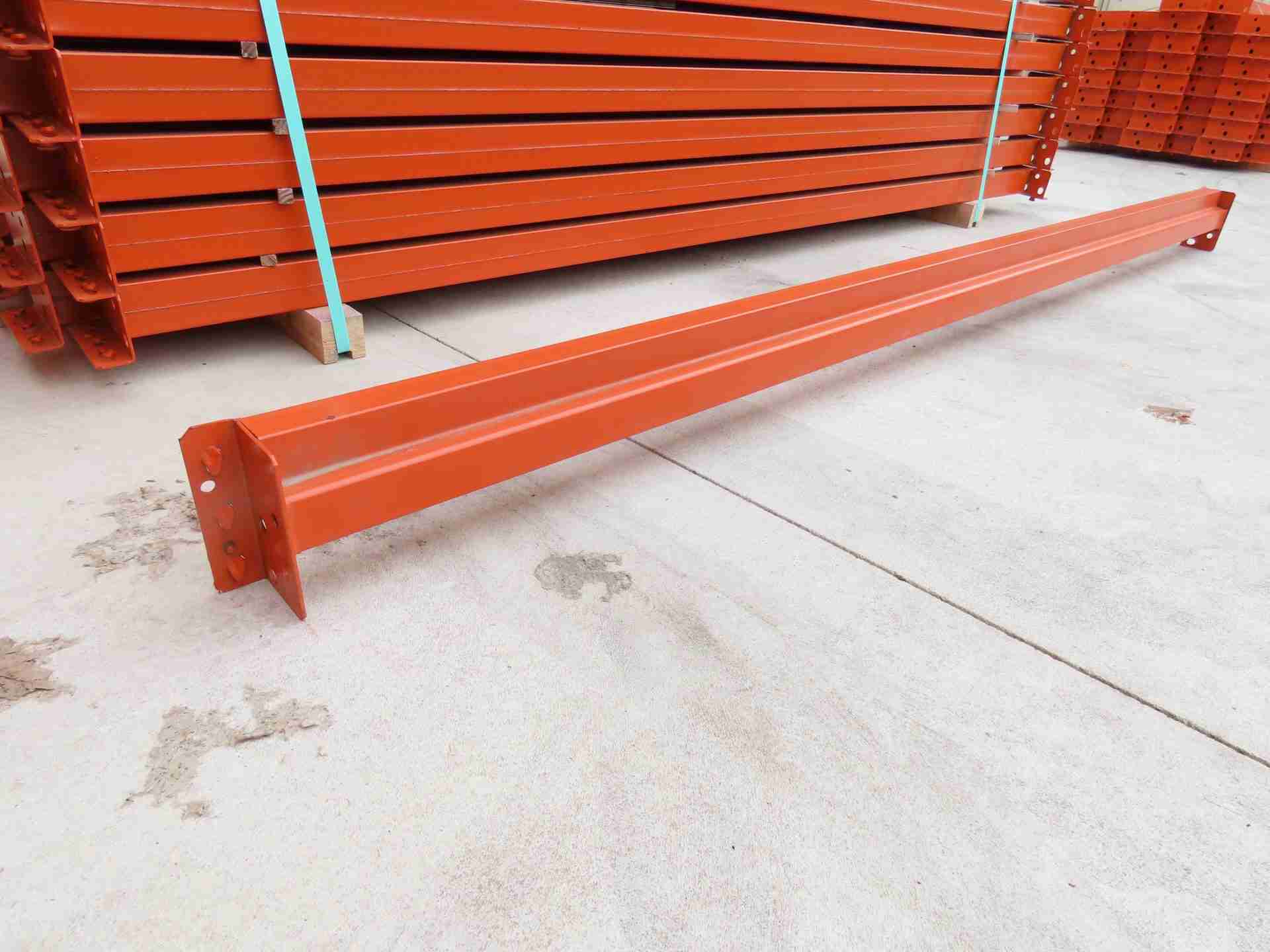
When it comes to optimizing your warehouse or retail space, understanding the different types of racks available from local suppliers can make a world of difference. Among the most popular options is Pallet Racking, a versatile and efficient solution designed to maximize vertical storage and streamline inventory management.
Pallet Racking is widely favored because of its ability to store large quantities of goods efficiently. This system is primarily used in warehouses and distribution centers, where pallets of merchandise are stacked vertically. It allows for easy access and organization, making inventory management a breeze. With options like selective racks, drive-in racks, and cantilever racks, your local suppliers can tailor a solution that fits your specific needs. For instance, a recent surge in e-commerce demand has led many businesses to adopt selective pallet racking to improve site accessibility and streamline order fulfillment processes.
Another option to consider is Shelving Units, which are essential for smaller items and can serve various functions in retail settings, warehouses, or offices. Local suppliers often provide adjustable shelving, enabling businesses to customize their storage according to different product sizes. Think of the enormous impact that optimized shelving can have on a retail store; it not only improves presentation but also significantly enhances the shopping experience for your customers!
Don’t overlook Cantilever Racks if your business deals with long materials like lumber or steel pipes. These racks offer the advantage of open storage that accommodates various shapes and sizes, ensuring that you can store items efficiently without wasting space. Local suppliers often equip these racks with accessories like arms and braces to ensure stability and safety as you maximize storage potential.
Modular Racking Systems are another innovation gaining traction. These allow for flexible configurations that adapt to evolving business needs. Perfect for businesses that anticipate growth or frequent inventory changes, modular systems can be easily adjusted or expanded. Recent supply chain disruptions have highlighted the importance of adaptability—ensure your local supplier offers modular options to keep pace with changing market demands.
Lastly, don’t forget about Mobile Racking units, which can save valuable floor space by allowing racks to collapse together when not in use. Ideal for smaller warehouses or retail spaces, these systems maximize storage while keeping access protocols efficient.
In an era of rapid change and innovation, choosing the right type of rack is crucial. Partnering with local suppliers not only supports your community but also provides you with invaluable expertise to customize a storage solution tailored to your business’s unique challenges. Make the investment today and watch your efficiency—and profits—soar!
What Types Of Racks Are Available From Local Suppliers?
What Types Of Racks Are Available From Local Suppliers?
- Understanding various rack types can optimize warehouse and retail space.
- Pallet Racking is popular for efficient vertical storage and inventory management.
- Local suppliers offer different pallet racking options like selective, drive-in, and cantilever racks.
- Shelving Units are essential for smaller items and can enhance retail presentation and customer experience.
- Cantilever Racks are ideal for storing long materials efficiently without wasted space.
- Modular Racking Systems provide flexible configurations for evolving business needs and adaptability.
- Mobile Racking units maximize floor space by collapsing racks when not in use, perfect for smaller areas.
What Types Of Racks Are Available From Local Suppliers?
How Do Pricing And Transparency Affect Decision-Making?
In the fast-paced world of modern business, the interplay of pricing and transparency emerges as a deciding factor in consumer behavior. This is especially evident in industries where clarity is paramount, like retail and logistics. When it comes to crucial purchases—such as pallet racking systems—the stakes are high. Business owners must weigh not only cost but also the value proposition conveyed through transparent pricing structures.
Take, for instance, the rising trend of companies showcasing their pricing models online. A logistics firm that offers pallet racking solutions might publish detailed pricing breakdowns for their various systems. This transparency helps potential clients gauge whether the investment aligns with their budget, enhancing trust. A recent study found that over 70% of consumers prefer brands that are upfront about pricing, leading to a higher likelihood of purchasing decisions being made in the positive. This principle is not only valid for consumer products but extends deeply into B2B transactions.
In today’s digital landscape, where every interaction leaves a footprint, the demand for transparency is amplified. During the COVID-19 pandemic, we witnessed how supply chains were disrupted, leading to sudden price hikes across multiple markets. Businesses that chose to communicate openly about these changes—explaining the reasons behind increased costs—gained customer loyalty, while those that remained vague saw a decline in business. This disruption highlighted the importance of clear communication about pricing, especially in high-stakes industries such as warehousing and inventory management.
Moreover, transparency influences buyer confidence. Consider a company evaluating multiple suppliers for pallet racking. If one offers clear pricing with no hidden fees versus another that keeps costs ambiguous, the first company holds a significant advantage. Customers appreciate knowing the total cost upfront, including factors like installation, warranty, and any potential maintenance fees.
Furthermore, social media platforms have transformed how consumers perceive brands. Negative experiences can go viral in moments; hence, companies must emphasize pricing transparency to keep their reputations intact. Reputable brands that utilize strategic communication about pricing establish a rapport that translates directly into sales.
The combined effects of pricing and transparency shape how businesses make decisions. The age-old adage “you get what you pay for” resonates louder than ever. When companies convey their pricing clearly and honestly, they don’t just facilitate purchasing; they foster a relationship that nurtures long-term loyalty. Transparently priced products, like pallet racking solutions, not only fulfill immediate needs but also lay the groundwork for ongoing trust and partnership.

How Do Pricing And Transparency Affect Decision-Making?
How Do Pricing And Transparency Affect Decision-Making?
- The interplay of pricing and transparency significantly influences consumer behavior in modern business.
- Transparent pricing models, especially in retail and logistics, enhance trust and align with customer budgets.
- Over 70% of consumers prefer brands that are upfront about pricing, positively affecting purchasing decisions.
- Clear communication during disruptions, such as during COVID-19, fosters customer loyalty while vagueness can lead to declines.
- Transparency in pricing increases buyer confidence, especially when comparing multiple suppliers.
- Social media amplifies the need for pricing transparency due to the rapid spread of negative consumer experiences.
- Honest and clear pricing not only facilitates purchases but also builds long-term customer loyalty and partnerships.
How Do Pricing And Transparency Affect Decision-Making?
What Is The Significance Of Customer Service In Choosing A Supplier?
When businesses set out to choose a supplier, particularly for vital operations like pallet racking, the decision often hinges more on customer service than mere price or product quality. Why? Because the right supplier often serves as a partner in success, and their level of customer service can significantly impact your operation’s efficiency and bottom line.
Consider the current landscape: companies are grappling with supply chain disruptions, fluctuating demand, and the need for adaptable storage solutions. Pallet racking needs, whether for a bustling warehouse or a retail environment, require suppliers with responsive and proactive customer service. A supplier who prioritizes communication can quickly address questions or issues regarding installation or inventory—this agility is crucial in a fast-paced market.
Let’s take, for example, a hypothetical scenario with two suppliers of pallet racking systems. Supplier A has high-quality products but is notorious for delayed response times and inadequate post-purchase support. In contrast, Supplier B offers competitive pricing, but their real differentiator is their customer service. They provide immediate consultations, offer installation support, and conduct regular check-ins to ensure your racking system is functioning at its best. When faced with a sudden surge in inventory, it’s Supplier B who steps in with quick adjustments or additional stock, keeping your operations running smoothly.
In today’s business ecosystem, companies that dismiss the significance of customer service do so at their peril. Take note of the automotive sector recently experiencing unprecedented supply chain issues. Many businesses in that space found that suppliers who maintained their customer service commitments were better able to navigate challenges, providing timely resolutions to potential disruptions. The ability to adapt and provide support made all the difference.
Furthermore, the importance of customer service extends beyond the initial purchase cycle. Suppliers who exceed expectations tend to foster long-term relationships. For businesses utilizing pallet racking systems, this means having partners who can offer ongoing support, maintenance advice, and even upgrades as needs evolve.
In summary, when selecting a supplier, especially for integral components like pallet racking, consider not just the products they provide but the quality of their customer service. This critical aspect can transform a transactional relationship into a strategic alliance, driving efficiency and profitability in your business endeavors. As the market continues to shift, those who prioritize support and communication will undoubtedly rise above the competition.
What Is The Significance Of Customer Service In Choosing A Supplier?
What Is The Significance Of Customer Service In Choosing A Supplier?
- Choosing a supplier for pallet racking often depends more on customer service than on price or product quality.
- Suppliers that act as partners can significantly impact operational efficiency and financial performance.
- Modern businesses face supply chain disruptions and need adaptable storage, requiring responsive suppliers.
- A supplier with strong communication can address installation or inventory issues quickly in a fast-paced market.
- Supplier A offers high-quality products but lacks customer service; Supplier B provides competitive pricing and excellent support.
- Companies that overlook customer service risk facing challenges, as seen in the automotive sector’s supply chain issues.
- Long-term relationships with suppliers lead to ongoing support, maintenance advice, and system upgrades as needs change.
What Is The Significance Of Customer Service In Choosing A Supplier?
Should I Prioritize Quality Over Cost When Selecting A Supplier?
When it comes to selecting a supplier, the age-old debate of quality versus cost looms large. The question is not merely about pennies saved but about the long-term value that impacts your bottom line. In the competitive landscape of today’s marketplace, particularly in industries like warehousing and logistics, the choice can make or break your operation.
Take, for instance, the recent surge in e-commerce; businesses are scrambling to optimize their warehouses to meet the soaring demand for quick deliveries. If you’re looking to install pallet racking systems, you might be tempted to go for the least expensive option available. However, consider this: low-cost pallet racking may save you money upfront, but it could lead to costly safety issues, frequent breakdowns, or premature replacement down the line. A discount racking system might not hold up under the strain of high volumes, resulting in lost inventory or even potential injuries.
In contrast, investing in high-quality pallet racking from a reputable supplier can dramatically enhance your operational efficiency. Quality systems designed for durability and performance not only save you from unexpected costs but also contribute to smoother operations and heightened employee morale. In light of recent supply chain disruptions, having a reliable supplier can offer peace of mind and ensure that your business adapts quickly and effectively during crises.
Let’s not forget recent events affecting global supply chains. From chip shortages to shipping delays, many companies realize the costs of prioritizing low price over reliable quality as they navigate through these challenges. Businesses with quality-focused suppliers have fared better during these tumultuous times, having built relationships that yield both trust and responsiveness, rather than just transactional interactions.
Additionally, consider the branding you want to cultivate. A supplier that upholds high standards embodies your brand’s ethos. Customers today are savvy; they differentiate between companies that cut corners to save a buck and those that invest in quality products. By associating with reputable suppliers, you enhance your brand image, which can lead to increased customer loyalty and brand advocates.
While the allure of lower costs may tempt you initially, prioritizing quality when selecting a supplier is a strategy that pays dividends. Your operational efficiency, brand reputation, and ultimately, your long-term profitability, hinge on the choices you make today. When it comes to pallet racking and beyond, quality isn’t just an option; it’s a necessity. Choose wisely.
Should I Prioritize Quality Over Cost When Selecting A Supplier?
Should I Prioritize Quality Over Cost When Selecting A Supplier?
- The quality versus cost debate is crucial when selecting a supplier, impacting long-term value and profitability.
- Rapid growth in e-commerce demands optimized warehousing for quick deliveries, making supplier choices critical.
- Low-cost pallet racking may save money initially but can result in safety issues and costly breakdowns over time.
- Investing in high-quality pallet racking enhances operational efficiency and contributes to employee morale.
- Recent global supply chain disruptions highlight the risks of choosing low price over reliable quality.
- Partnering with quality-focused suppliers strengthens brand image and fosters customer loyalty.
- Prioritizing quality in supplier selection is essential for operational efficiency, brand reputation, and long-term profitability.
Should I Prioritize Quality Over Cost When Selecting A Supplier?
Conclusion
In navigating the world of local rack suppliers, businesses must recognize that the right choice transcends mere pricing; it’s about forming a partnership that aligns with your unique operational requirements. The process involves assessing suppliers not only for their aesthetic offerings but for the tangible value they bring to your enterprise. The facts are clear—experience matters. A supplier with robust industry tenure doesn’t just sell products; they share invaluable insights into compliance and safety, allowing you to make informed decisions that safeguard both your investment and your workforce.
Quality is another cornerstone of your evaluation. As trends veer towards eco-friendliness, a supplier’s commitment to sustainable practices can set them apart, enhancing your company’s marketability and ethical stance. Whether they utilize recycled materials or employ energy-efficient production methods, such choices reflect a supplier who’s in tune with contemporary values.
Customer support cannot be overlooked. Picture this: a surge in demand puts immense pressure on your operations. Without a supplier who stands behind their product with solid support—be it through installation, maintenance, or emergency response during crises—you’ll find your business at risk. Highlighted by recent supply chain challenges, those who nurture client relationships emerge more resilient and reliable.
Additionally, leveraging local business networks offers a significant advantage. Engaging with the community through trade shows and networking can uncover hidden gems among local suppliers, while digital reviews provide a modern lens into past customer experiences. Prioritize reputation and transparency in pricing. Trust is invaluable in today’s market; suppliers who openly communicate costs build customer loyalty that transcends transactions.
As you dive deeper into your search, multi-faceted evaluation criteria emerge—quality of materials, product variety, lead times, and stellar customer service all play vital roles in your decision-making matrix. Investing in a strong supplier means securing not just the best product to optimize your space, but a steadfast partner in your growth.
Ultimately, the urgency to choose wisely is paramount. In this rapidly evolving marketplace, the right partner can enhance efficiency and profitability, while the wrong choice could lead to operational chaos. Don’t hesitate—call Arrow Industrial Sales at (574) 349-6575 today to discover how their comprehensive services and quality offerings can elevate your business. The decisions you make now will echo through your company’s future—act decisively and ensure your success starts with the right supply chain partner.
Conclusion
Conclusion:
- Choosing a local rack supplier is about forming a strategic partnership beyond just pricing.
- Experience is crucial; suppliers with industry tenure provide insights into compliance and safety.
- Quality and commitment to sustainable practices enhance a supplier’s value and your company’s ethical stance.
- Robust customer support is essential, especially during times of increased demand and potential crises.
- Engaging with local business networks and leveraging digital reviews can uncover reliable suppliers.
- Focus on supplier reputation, transparency in pricing, and quality of materials in decision-making.
- Choosing the right partner is vital for enhancing efficiency and profitability in a rapidly evolving marketplace.

Conclusion
Other Resources
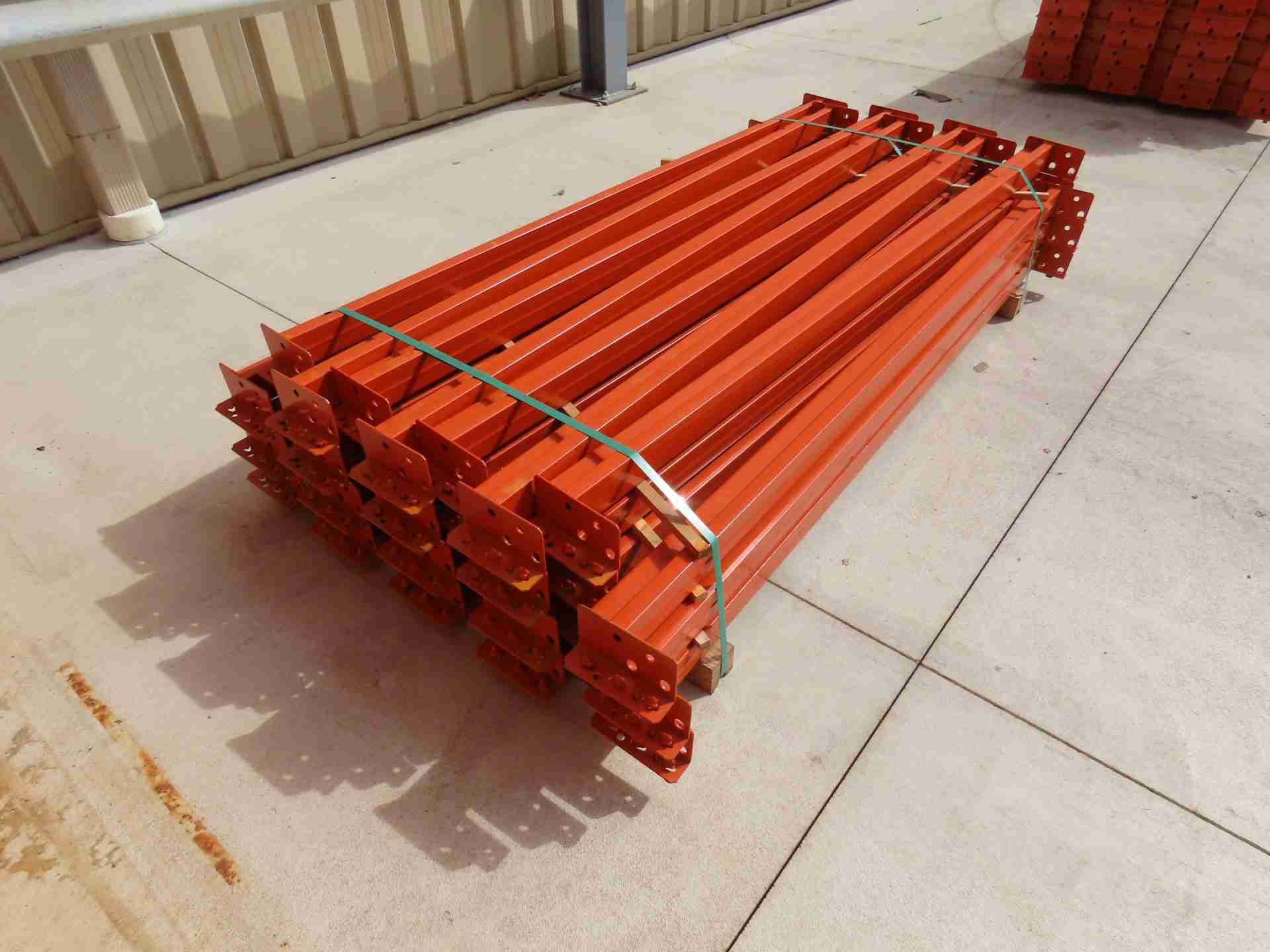
Other Resources
Here is a list of other resources you can review online to learn more:
- Warehouse Automation
- Rack Manufacturers Institute
- Total Warehouse
- Used Teardrop Pallet Rack – American Surplus
- IIWS Inc. Rack Installation Illinois & Rack Repairs Illinois
- CMMA
- Teardrop Industrial Shelving Rack
- Warehouse Racking Systems: Beginner’s Guide to Rack Systems
- Teardrop Industrial Shelving Rack
- Iowa Illinois Warehouse Racking
Use This Prompt To Get More Resources With Your Favorite Online AI Tool: Please provide me with a list of online articles with their URLs in a bulleted list that I can read regarding How Do You Choose Between Local Rack Suppliers?
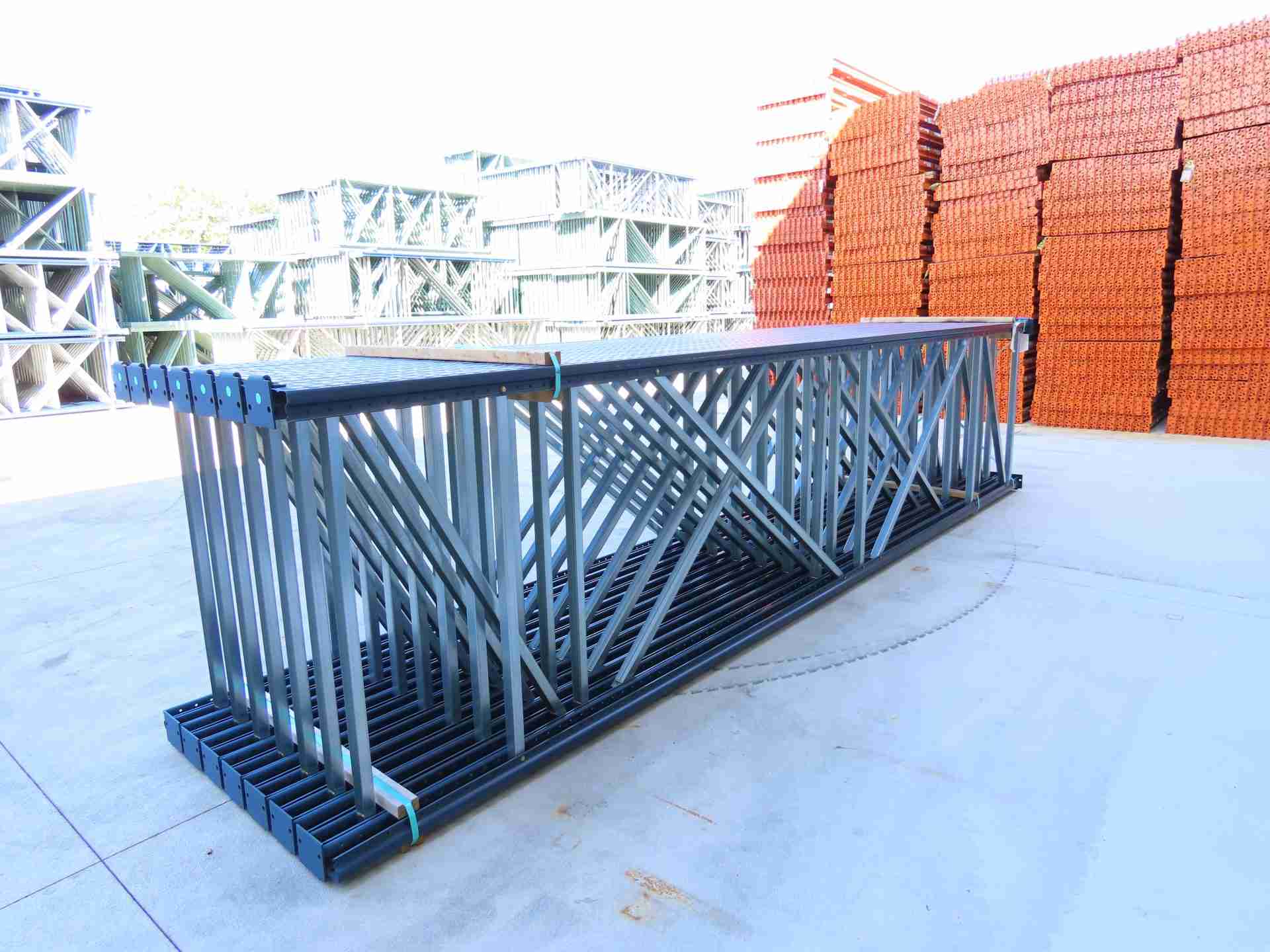
Other Resources
Glossary Terms
How Do You Choose Between Local Rack Suppliers? – Glossary Of Terms
1. Rack Types: Different categories of shelving systems, such as pallet racks, cantilever racks, and wire racks, each serving specific storage needs.
2. Load Capacity: The maximum weight a rack can safely support, crucial for determining the suitability of a rack for specific items.
3. Durability: The ability of a rack to withstand wear, pressure, or damage, important for long-term investment.
4. Material: The substance from which the rack is made, affecting its strength, maintenance, and cost (e. g. , steel, wood, plastic).
5. Custom Design: Tailored rack solutions designed to meet specific storage requirements and optimize space.
6. Local Supplier: A provider of racks and shelving systems located within the same geographical region, offering convenience and faster service.
7. Delivery Time: The duration from placing an order to receiving the rack, influencing the overall efficiency of warehouse operations.
8. Cost: The total expense involved in purchasing racks, including the price of the product and any additional charges for delivery or installation.
9. Installation Services: Professional assistance provided by suppliers for setting up racks, crucial for ensuring safety and efficiency.
10. Compliance: Adherence to safety and industry regulations, ensuring that the racks meet legal standards.
11. Warranty: A guarantee provided by manufacturers covering defects and issues for a specified period, indicating quality assurance.
12. Reputation: The overall perception and trustworthiness of a supplier in the market, influenced by customer reviews and service history.
13. Customer Support: Services provided to assist customers post-purchase, essential for addressing issues or concerns.
14. Space Optimization: Strategies to maximize storage efficiency within a given area, often facilitated by appropriate rack selection.
15. Safety Features: Built-in design elements that enhance the safety of rack systems, such as locking mechanisms and guard rails.
16. Accessibility: The ease with which stored items can be reached, affecting workflow and efficiency.
17. Scalability: The ability of a rack system to expand or adapt as storage needs grow or change.
18. Versatility: The capability of racks to accommodate various types of products or storage methods.
19. Inventory Management: The process of overseeing stock levels and organization within a warehouse, informed by rack selection.
20. Lead Time: The time required from placing an order until it is fulfilled, impacting how quickly rack solutions can be implemented.
21. Ergonomics: The design principle focused on optimizing user comfort and safety while accessing storage.
22. Testing Standards: Protocols used to evaluate the performance and safety of racks before they are sold.
23. Portable Racks: Mobile shelving options that can be moved easily, suitable for temporary storage needs.
24. Configuration: The arrangement of racks and shelves within a space, which can greatly influence storage efficiency.
25. Technology Integration: Incorporating tools such as barcode scanners or inventory software to streamline warehouse operations.
26. Eco-Friendly Options: Sustainable rack materials or designs aimed at reducing environmental impact.
27. Refurbished Racks: Previously used rack systems that have been restored for reuse, offering cost-effective storage solutions.
28. Display Racks: Specialized racks designed to showcase products in retail settings, distinct from traditional warehouse racks.
29. Consultation Services: Expert advice offered by suppliers to help businesses choose the right racks based on their specific needs.
30. After-Sales Service: Support provided to customers after the purchase, including maintenance, part replacement, and repairs.
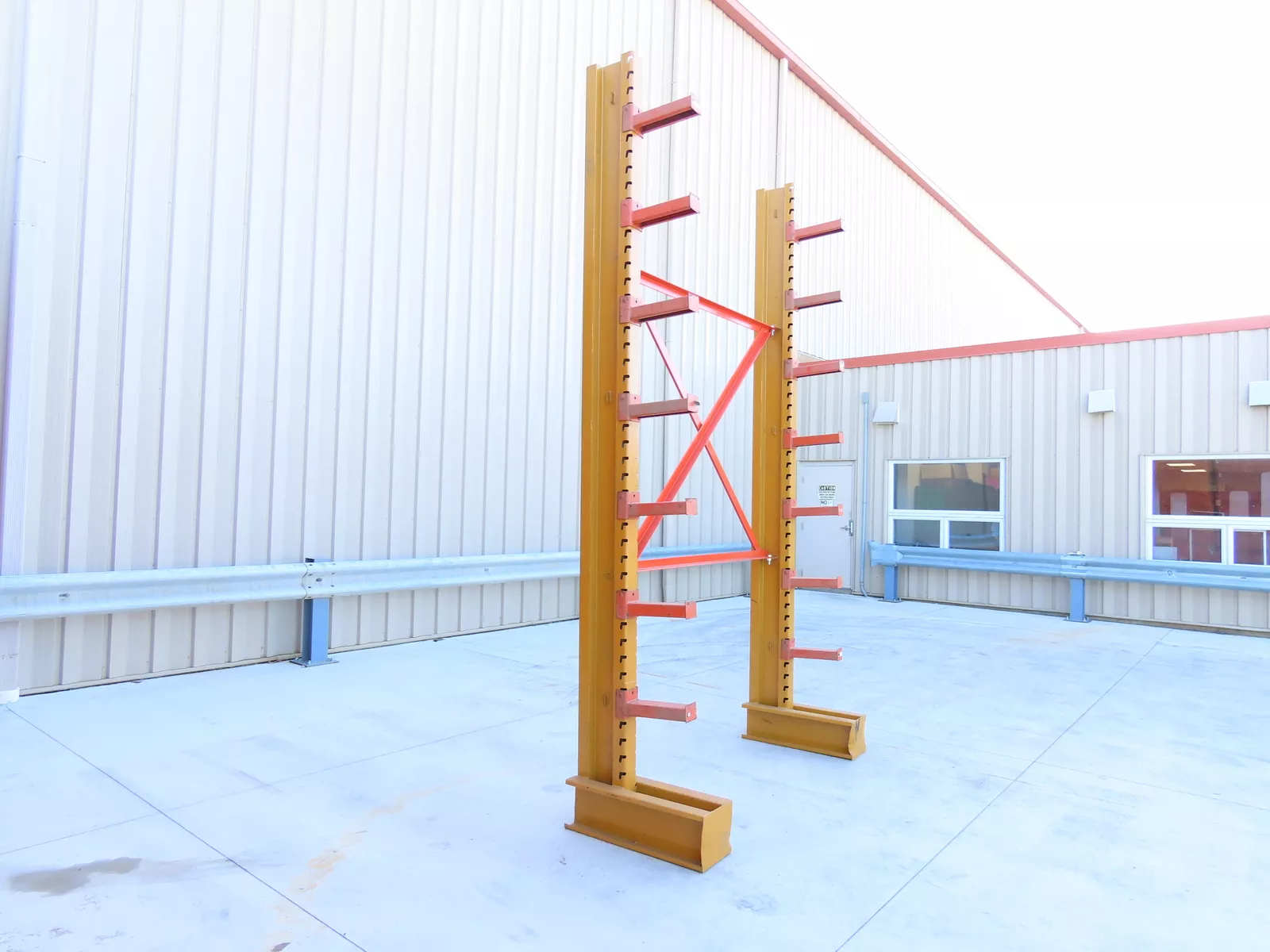
Glossary Of Terms
Other Questions
How Do You Choose Between Local Rack Suppliers? – Other Questions
If you wish to explore and discover more, consider looking for answers to these questions:
- What are the key factors to consider when evaluating potential rack suppliers?
- How can I effectively assess the quality of pallet racks before purchasing?
- What kind of after-sales support should I expect from rack suppliers?
- Are there specific regulations or standards for pallet racking that I should be aware of?
- What are the advantages of choosing local suppliers over national chains?
- How do delivery times vary between different rack suppliers?
- What are the most common issues businesses face with rack suppliers?
- How can I leverage industry connections to find trustworthy rack suppliers?
- What eco-friendly options are available in pallet racking systems?
- What should I do if I encounter problems with my pallet racking system post-installation?
- How can I negotiate better terms or pricing with rack suppliers?
- What role does customer feedback play in selecting a rack supplier?
- How frequently should I reassess my warehouse racking needs?
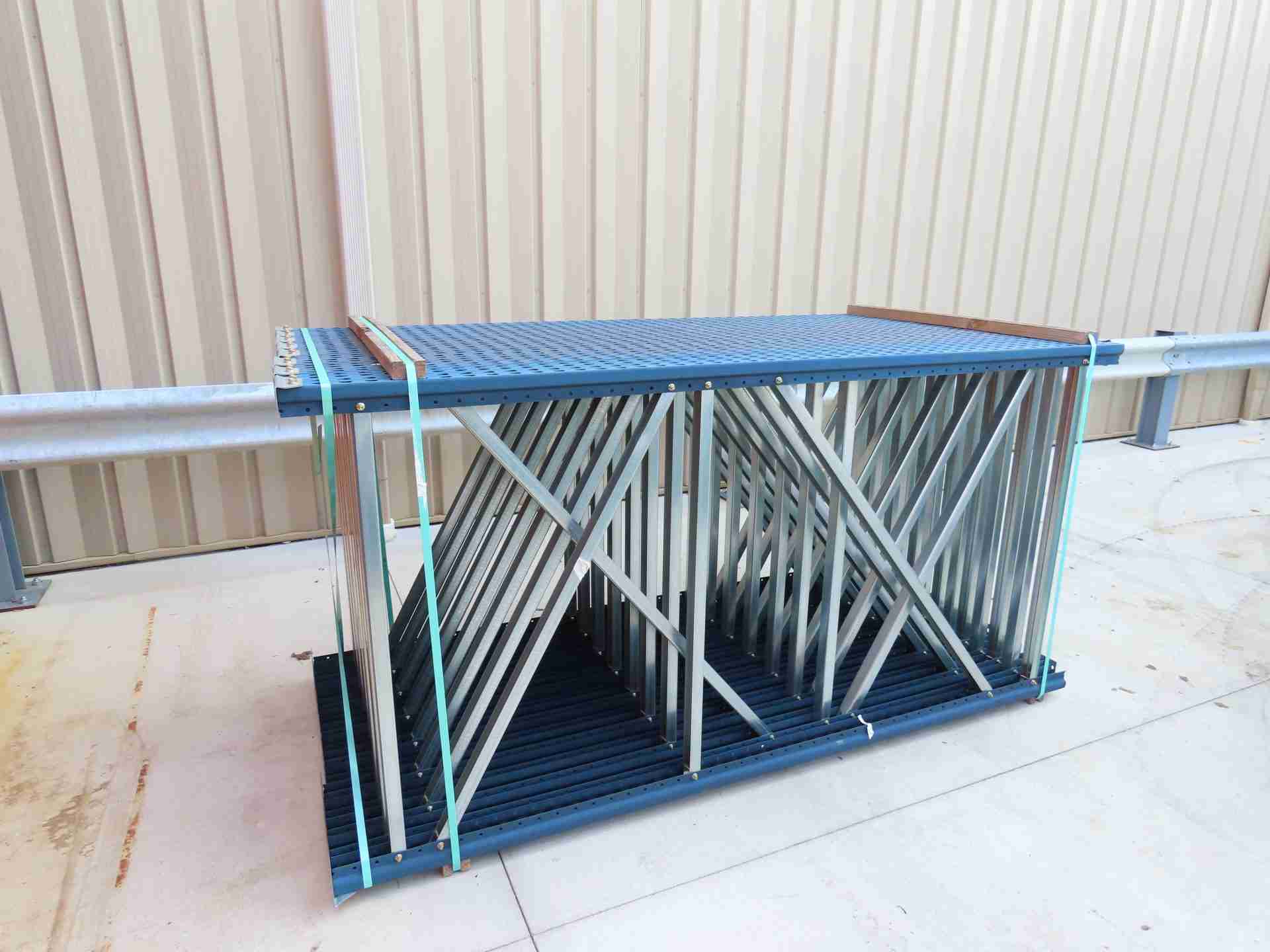
Other Questions
Checklist
How Do You Choose Between Local Rack Suppliers? – A Checklist
Checklist for Choosing the Right Local Rack Supplier
1. Supplier Experience
_____ Verify the supplier’s years in business.
_____ Check for specialization in your required racking systems (e. g. , heavy-duty, eco-friendly).
_____ Assess knowledge of compliance regulations and safety standards.
2. Quality of Products
_____ Evaluate the materials used in the pallet racking systems.
_____ Look for certifications (ANSI, RMI, etc. ).
_____ Consider the supplier’s offerings of eco-friendly or sustainable options.
3. Range of Products
_____ Assess the variety of racking solutions (selective, drive-in, cantilever, shelving units, modular systems).
_____ Determine if standard or customized options are available.
_____ Check if the supplier provides flexible configurations for future needs.
4. After-Sales Support and Customer Service
_____ Inquire about installation services.
_____ Confirm the availability of maintenance support and replacement parts.
_____ Evaluate responsiveness and communication during the purchase process.
5. Lead Times and Delivery
_____ Ask potential suppliers about their typical lead times for orders.
_____ Inquire about expedited delivery options if needed.
_____ Review their history of meeting deadlines and delivering as promised.
6. Reputation and Reviews
_____ Research online reviews (Yelp, Google) for insights into supplier performance.
_____ Seek recommendations from peers within your industry.
_____ Look for testimonials or case studies from previous clients.
7. Transparency in Pricing
_____ Ensure the supplier provides detailed pricing breakdowns, including installation and maintenance fees.
_____ Inquire about any hidden costs to avoid surprises.
_____ Assess how they communicate pricing changes (especially during crises like supply chain disruptions).
8. Relationship and Trust
_____ Meet suppliers in person, if possible, to build rapport.
_____ Assess their willingness to understand your unique business needs.
_____ Trust your instincts regarding the supplier’s level of interest in a joint partnership.
9. Compliance with Industry Standards
_____ Verify that the supplier adheres to the latest safety protocols and guidelines.
_____ Ask about their procedures for ensuring compliance within their products.
10. Personal Priorities
_____ Determine whether quality or cost is prioritized in your decision-making.
_____ Consider how the supplier’s values and approach align with your business goals.
_____ Reflect on the significance of ongoing support versus upfront savings.
This checklist is designed to guide you through the evaluation of local rack suppliers, ensuring you make an informed and strategic decision that aligns with your business needs.
Checklist
At RackingWorld, we help guide you through selecting warehouse storage systems and racking.
Be sure to read our other related stories at RackingWorld to learn more about warehouse storage systems.
0 Comments