
Maximizing Space, Efficiency, And Trust: Cantilever Racking Transformed
By Tom Seest
At RackingWorld, we help guide you through selecting warehouse storage systems and racking.
Be sure to read our other related stories at RackingWorld to learn more about warehouse storage systems.
How Do Window and Door Frame Suppliers Leverage Cantilever Racking?
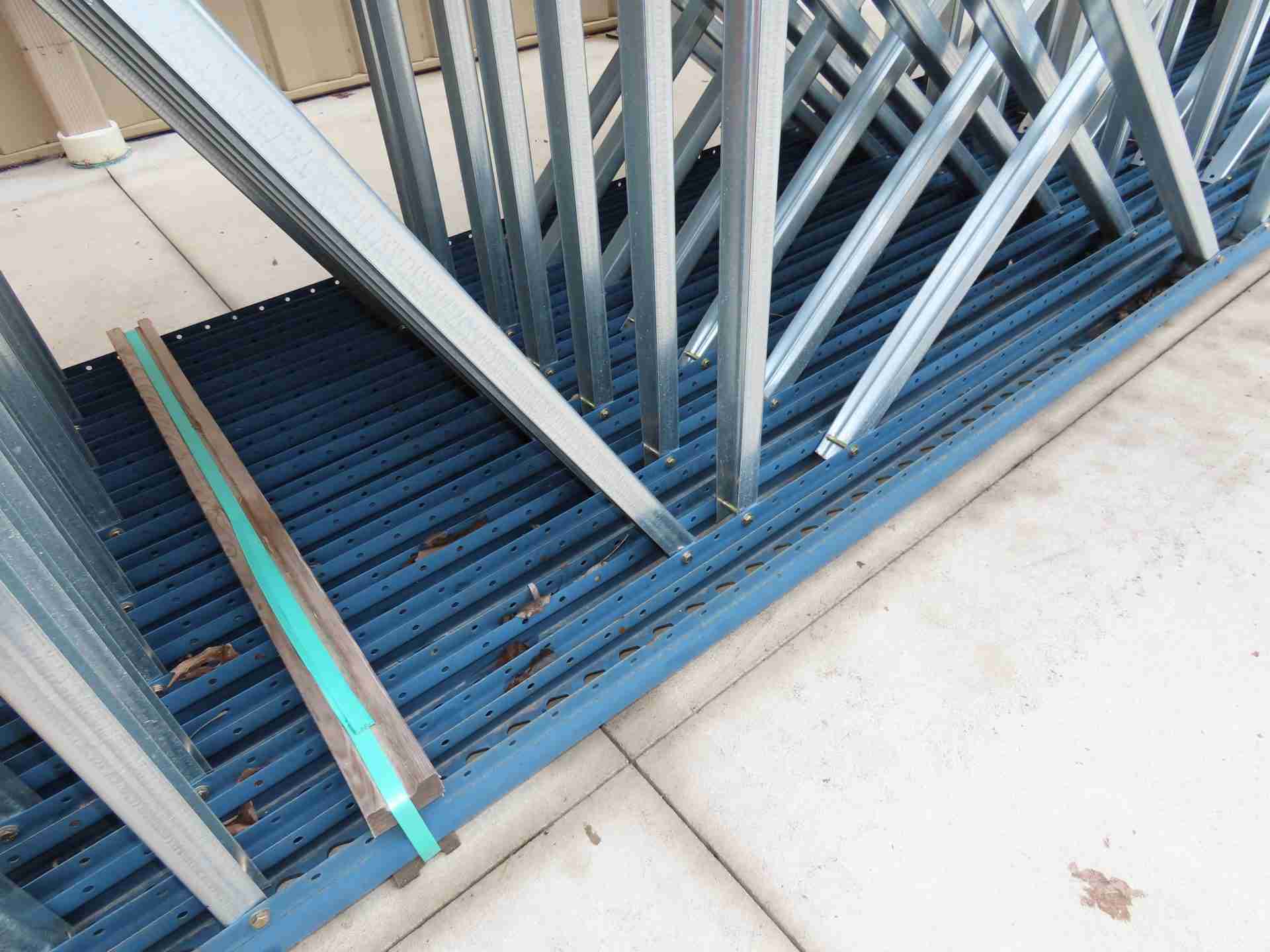
In the world of window and door frame suppliers, making the most of every square foot of space isn’t just a nice-to-have—it’s a necessity that can make or break the day’s work. Cantilever racking steps up here like a trusted workhorse, handling the long, bulky lumber and metal frames that don’t fit the neat boxes pallet racking was built for. These racks swing open on one side, giving workers clear, easy access to materials without wrestling with clumsy pallets or awkward stacking.
Think about it: frames and beams arriving in all sorts of lengths and weights, sometimes stacked haphazardly in the back of a warehouse. Cantilever racks bring order, lifting those heavy pieces off the floor and putting them exactly where they’re easy to grab and load. That means fewer back strains, less fumbling, and more steady progress. It’s solid common sense that keeps workers safer and productivity ticking.
There’s something gritty and honest about handling wood and metal day in and day out. Suppliers who invest in cantilever racking aren’t just fussing over fancy storage—they’re betting on their team’s hard work and well-being. It’s ethical in a way: providing a safer, smarter workspace that respects the sweat and skill it takes to get jobs done.
This system isn’t just about stacking materials higher; it’s about smartly managing inventory so the right frames are at hand when the phone rings or the delivery truck pulls up. That reliability builds trust with customers and the crews out on the job, knowing they’ll get what they need, when they need it. It’s a quiet kind of authority earned through practical thinking and grounded experience.
Suppliers leveraging cantilever racks tell a story of grit and sense. They know the value of a well-organized yard, where every beam and frame has its place—no wasted steps, no guessing games. It’s a little piece of order in a rough-and-tumble business, and it shows that behind every window and door, there’s a solid foundation of effort and care.
Making the switch to cantilever racking isn’t just a change in storage; it’s a move that shapes the whole operation. It invites pride in workmanship, respect for the hands that build, and confidence that when materials flow smoothly, the whole job flows better. In that honest, straightforward way, it connects everyone involved—from the supplier’s shop floor to the customer’s front door.
How Do Window and Door Frame Suppliers Leverage Cantilever Racking?
How Do Window and Door Frame Suppliers Leverage Cantilever Racking?
- Cantilever racking maximizes space for long, bulky lumber and metal frames that pallet racking can’t accommodate.
- These racks provide easy, one-sided access, reducing the need for pallets and awkward stacking.
- Cantilever racks organize varied-length materials, lifting heavy pieces off the floor to reduce strain and improve workflow.
- Investing in cantilever racking promotes a safer, smarter workspace that values workers’ well-being and effort.
- The system enhances inventory management, ensuring materials are readily available to meet customer and job site demands.
- Well-organized yards with cantilever racks eliminate wasted steps and confusion, reflecting professionalism and care.
- Switching to cantilever racking improves overall operations, fostering pride in workmanship and smoother material flow from supplier to customer.
How Do Window and Door Frame Suppliers Leverage Cantilever Racking?
Table Of Contents
- How Do Window and Door Frame Suppliers Leverage Cantilever Racking?
- How Does Cantilever Racking Improve Storage Efficiency?
- What Are the Cost Benefits Of Using Cantilever Racking?
- How Can Cantilever Racking Protect Fragile Window Frames?
- Why Is Space Optimization Vital for Window Suppliers?
- How Does Cantilever Racking Enhance Workplace Safety?
- What Makes Cantilever Racks Ideal for Long Window Frames?
- Conclusion
- Other Resources
- Glossary Of Terms
- Other Questions
- Checklist
How Does Cantilever Racking Improve Storage Efficiency?
When you’ve been in the trenches of warehouse work, you know that every inch of space counts. Cantilever racking isn’t some fancy, complicated setup—it’s down-to-earth, practical, and gets the job done in places where traditional pallet racking just can’t keep up. Think about those long, bulky items like pipes, lumber, or steel bars that don’t fit neatly on standard pallets. Trying to shoehorn them onto regular pallet racking is like forcing a square peg into a round hole. Cantilever racks give you open arms—literally—so you can store these awkward loads without fussing over constraints.
This kind of storage makes a real difference. The wide, unobstructed arms let workers slide materials on and off easily, cutting down time and effort. When labor moves smoother, day to day feels less like wrestling with your gear and more like moving steady forward. That’s a gut-level gain: less strain on the body and a clearer head to focus on the tasks at hand. You want your team feeling sharp and your operation humming, not bogged down chasing down hard-to-handle stock.
The efficiency boost isn’t just about saving space; it’s about making order out of chaos. Knowing exactly where each piece sits means fewer headaches hunting through a messy pile—no more guessing games or wasted trips. That’s good for the folks running the show and great for the customers waiting on their orders. Reliability builds trust faster than fancy promises. When you show up with what you said you would, when you said you would, you’re building ethical muscle that holds your entire business together.
Cantilever racking stands tall because it’s proven. It’s been the backbone for industries that move serious, heavy stuff every day. That authority isn’t handed out lightly — it’s earned through hard knocks and steady performance. There’s something satisfying about using a system that’s both time-tested and straightforward, the kind that respects the sweat on your brow and doesn’t ask for more than it can give.
And here’s the kicker for those who know the value of a good community: businesses that lean on cantilever racking aren’t operating in isolation. They’re part of a network of trades and industries relying on smart, reliable storage solutions. Upgrading your storage isn’t just fixing a problem—it’s joining a bunch of folks who get the grind, who appreciate hands-on solutions that just make sense. That connection turns storage from a chore into a shared win.
Cantilever rack systems prove that sometimes, the best way forward is to keep things simple, solid, and built around real-world needs—not just shiny tech. Putting stock where it belongs, ready to roll at a moment’s notice, builds a foundation you can trust. And that feels good in the gut, clears the head, and settles the heart. It’s storage done right, and it’s worth every inch of space you save over old pallet racking methods.
How Does Cantilever Racking Improve Storage Efficiency?
How Does Cantilever Racking Improve Storage Efficiency?
- Cantilever racking offers a practical, space-efficient solution for storing long, bulky items that don’t fit on traditional pallet racks.
- Its open, unobstructed arms enable faster, easier handling of materials, reducing physical strain and improving worker efficiency.
- Organized storage with cantilever racks minimizes time spent searching for items, enhancing operational flow and customer satisfaction.
- The system’s reliability builds trust by ensuring orders are fulfilled accurately and on time.
- Cantilever racking is a proven, durable solution trusted by industries handling heavy, awkward loads daily.
- Users of cantilever racks are part of a broader community that values straightforward, effective storage methods.
- Simplicity and real-world functionality make cantilever racking a solid foundation for efficient warehouse operations.
How Does Cantilever Racking Improve Storage Efficiency?
What Are the Cost Benefits Of Using Cantilever Racking?
When you run a warehouse or a yard full of long, awkward stuff—think pipes, lumber, metal bars—settling for standard pallet racking feels like trying to fit square pegs in round holes. Cantilever racking steps in as the no-nonsense, practical solution that’s tailor-made for these tricky loads. The cost benefits aren’t just about dollars and cents; they hit you right in the gut, make sense to the head, and even feel right to the heart when you think about what it means day in and day out.
First off, cantilever racking saves space like a champ. It’s designed with open arms—arms that don’t crowd out irregular goods but cradle them safely without fuss. Unlike pallet racking that boxes in your inventory and forces awkward stacking, cantilever arms let you organize lengthier items efficiently, squeezing maximum storage out of every square foot. Less wasted space means less need for bigger warehouses, cutting down rent and utility bills which hits the wallet just where it matters most.
Now, let’s talk durability—cantilever racks are built tough. They can handle heavy, bulky items without bending under pressure the way some pallet racking systems try to stretch beyond their limits. This means fewer repairs, less downtime, and more reliable operation. When your workers feel confident that their gear will hold steady without collapse, safety concerns take a backseat. Fewer accidents mean less risk of costly insurance claims and a workforce that comes home in one piece every day. That’s a bottom-line win no accountant can argue with.
And here’s the ethical side of it: choosing cantilever racking shows you’re not cutting corners on safety or efficiency. It’s a straightforward, honest way of outfitting your space that respects both your crew and your customer’s needs. When you equip your team with the right tools—solid, dependable, and suited for the job—you build a culture of care and craftsmanship. That’s a kind of value you can’t slap a price tag on but see in everyday trust and teamwork.
From a social angle, cantilever racking integrates seamlessly into workflows without adding complexity, so the crew adapts quickly. Familiarity breeds productivity, and productivity means meeting deadlines, pleasing clients, and keeping your reputation rock solid. That social proof—word of mouth, recommendations, and a steady stream of business—may just be your secret weapon in a crowded market.
Looking at the whole picture, cantilever racking doesn’t just hold your stock; it holds your business together by cutting costs, boosting safety, and making life plain and simple for everyone involved. It’s a practical investment, built for the grit and grind of real-world work, turning storage headaches into smooth operations without fuss or fancy talk. That’s where the real cost benefits lie.
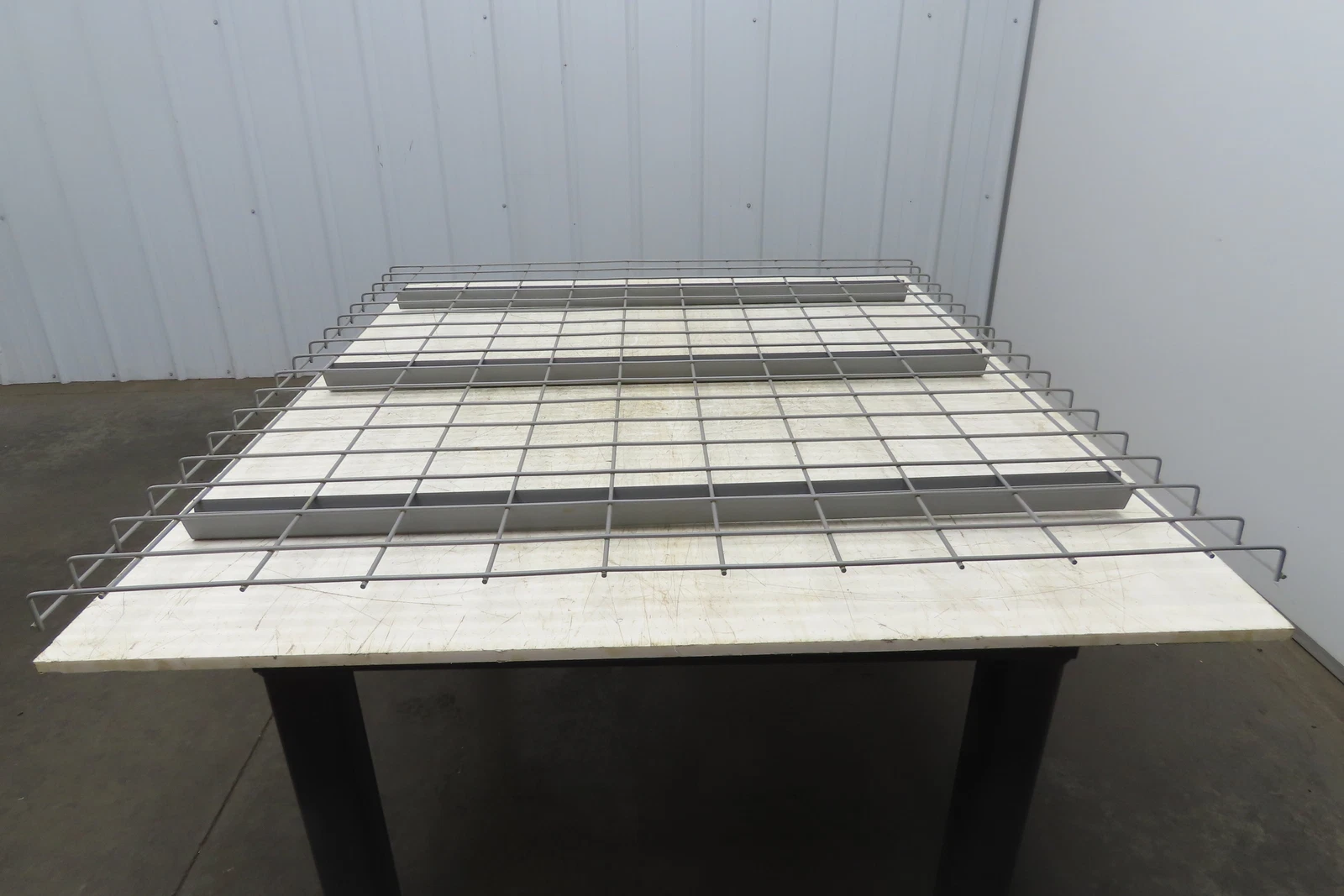
What Are the Cost Benefits Of Using Cantilever Racking?
What Are the Cost Benefits Of Using Cantilever Racking?
- Cantilever racking is a practical solution for storing long, awkward items like pipes, lumber, and metal bars, outperforming standard pallet racking.
- It maximizes space efficiency by providing open arms that safely cradle irregular goods, reducing the need for larger warehouses and lowering rent and utility costs.
- Cantilever racks are highly durable, capable of handling heavy, bulky items without bending, which results in fewer repairs, less downtime, and increased safety.
- The system enhances workplace safety, reducing accidents and costly insurance claims, while ensuring workers’ confidence in storage stability.
- Choosing cantilever racking reflects ethical business practice, respecting both employees and customers by prioritizing safety and efficiency.
- It integrates smoothly into existing workflows, fostering productivity, meeting deadlines, maintaining client satisfaction, and strengthening reputation through social proof.
- Cantilever racking supports overall business success by cutting costs, improving safety, and simplifying operations, making it a valuable and reliable investment.
What Are the Cost Benefits Of Using Cantilever Racking?
How Can Cantilever Racking Protect Fragile Window Frames?
When it comes to keeping fragile window frames safe, you need more than just good intentions—you need a solution that works as hard as you do. Cantilever racking steps up where regular pallet racking often falls short. It’s the kind of no-nonsense storage that understands those delicate frames aren’t just pieces of glass and wood—they’re the heart of a home, the promise of a clear view, and the craftsmanship you don’t want smashed or scratched.
Think about it: pallet racking stacks stuff like boxes and pallets, sure, but those bulky beams and tight rows don’t leave much wiggle room for fragile window frames. Cantilever racking, on the other hand, offers open arms. Its arms extend out, giving window frames plenty of space to rest flat and safe, without leaning or crowding that could cause chips or cracks. This isn’t just smart storage; it’s respect for the work and materials you deal with every day.
This system isn’t a fancy contraption made for show. It’s built tough, designed by folks who know what it means to protect fragile goods amid the chaos of a busy warehouse or workshop. It lets you stack—or better yet, store—those windows the right way: carefully, visibly, and in reach, so your crew won’t be guessing or risking damage when they grab a frame.
Here’s the thing: protecting these frames isn’t just about reducing waste or saving money, though that’s part of it. It’s about pride in your work and ethics too. You owe it to your customers to deliver windows that look perfect, arrive intact, and do the job they’re meant to do. Cantilever racking helps you keep that promise by lowering the chances of damage and loss, turning storage into a place where quality isn’t compromised by clutter or careless stacking.
There’s a habit in trades and warehouses of thinking storage is just storage—but it can be so much more. Cantilever racking is the quiet hero that keeps fragile frames from getting dinged, cracked, or broken, and that means fewer headaches, less waste, and a stronger reputation among your crew and clients alike. It’s an honest, simple way to protect what matters, and that kind of smart storage shouldn’t be an afterthought—it should be the rule.
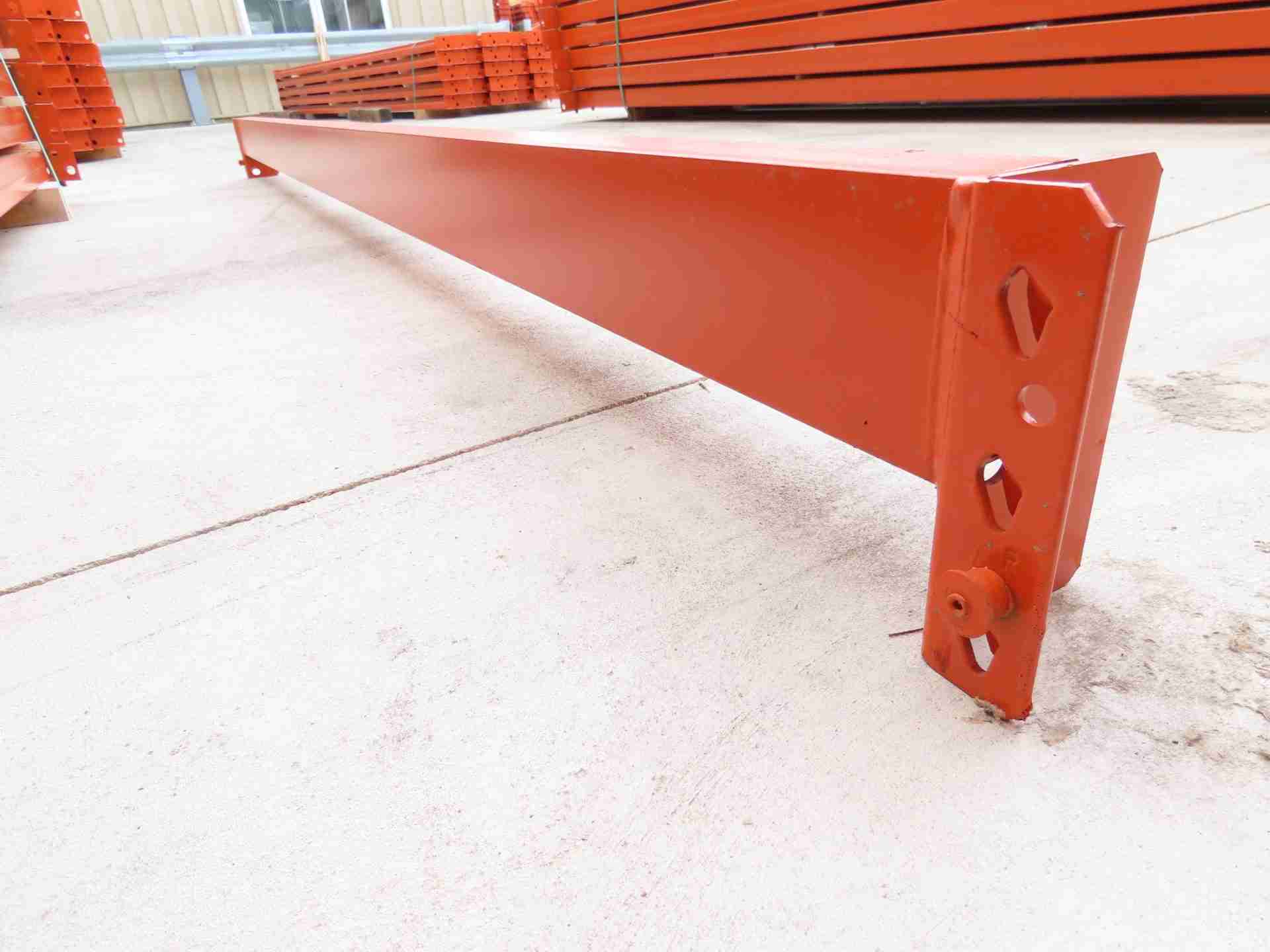
How Can Cantilever Racking Protect Fragile Window Frames?
How Can Cantilever Racking Protect Fragile Window Frames?
- Cantilever racking provides superior protection for fragile window frames compared to regular pallet racking.
- Its extended arms allow window frames to rest flat and spaciously, preventing damage from leaning or crowding.
- Designed for durability, it suits busy warehouses by enabling careful, visible, and accessible storage.
- Protecting window frames reduces waste, saves money, and reflects pride and ethics in workmanship.
- Cantilever racking helps ensure windows arrive in perfect condition, fulfilling customer expectations.
- It prevents damage by avoiding clutter and careless stacking, maintaining quality throughout storage.
- Smart storage with cantilever racking enhances reputation by minimizing damage and operational headaches.
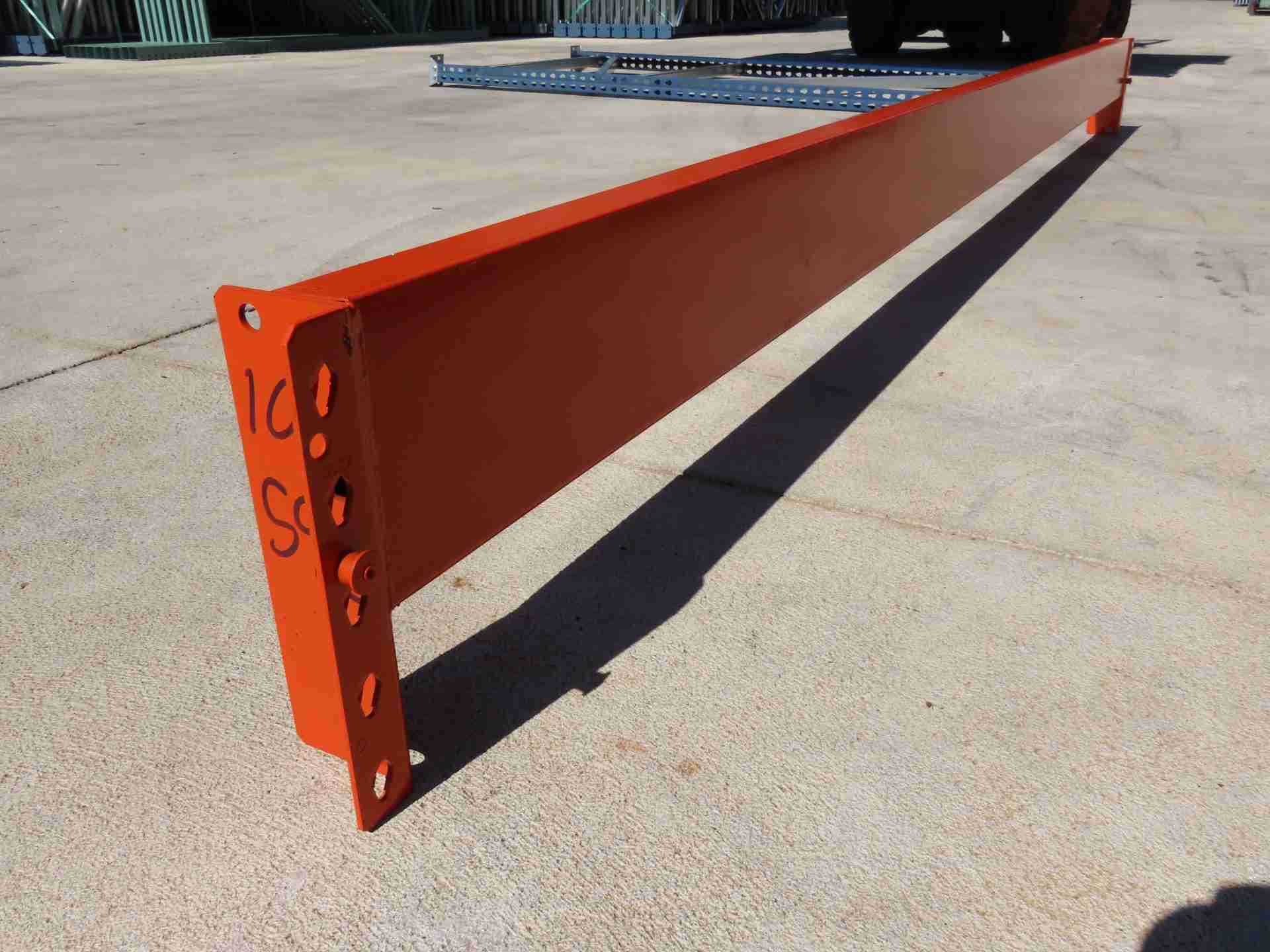
How Can Cantilever Racking Protect Fragile Window Frames?
Why Is Space Optimization Vital for Window Suppliers?
Look, when you’re running a window supply business, every inch of your warehouse counts. You’re not just stacking boxes willy-nilly; you’re managing a puzzle where each piece—and pallet—has to fit just right. Pallet racking isn’t some fancy add-on; it’s the backbone that turns cramped, chaotic storage into smooth, effortless flow. When your space is tight and your delivery times tight, having a solid system for holding and organizing your stock isn’t optional—it’s survival.
Here’s the thing: windows aren’t like cans you toss on a shelf. They’re fragile, awkward, and valuable. You can’t afford to waste space by piling stuff up like it’s a bargain bin. Optimizing your space with smart pallet racking setups means fewer breakages, faster access, and less time wandering the warehouse like a lost tourist. That’s money saved and customers kept happy because you delivered on time, every time.
It’s not just about dollars and cents, though. There’s something honest and reliable about a well-run storage system. It says you know your business, respect your materials, and care about your team’s safety. No one wants to lean on a rickety pile of inventory hoping it won’t topple over. When you invest in space optimization, you’re investing in trust—trust from your crew, your clients, and your own peace of mind.
And think about how that trust plays out day-to-day. When the morning rush hits and orders start pouring in, it’s a relief to know everything’s in its place. No head-scratching, no frantic phone calls. Just smooth operations propelled by a setup that works like a well-oiled machine. Pallet racking designed for your specific needs turns your warehouse from a headache into a powerhouse.
At the end of the day, optimizing space isn’t some luxury or afterthought for window suppliers—it’s the sensible, hard-working choice. It’s about respecting your products, your people, and your bottom line. If you want your business to stand tall and steady, making the most of every square foot isn’t just smart; it’s essential.
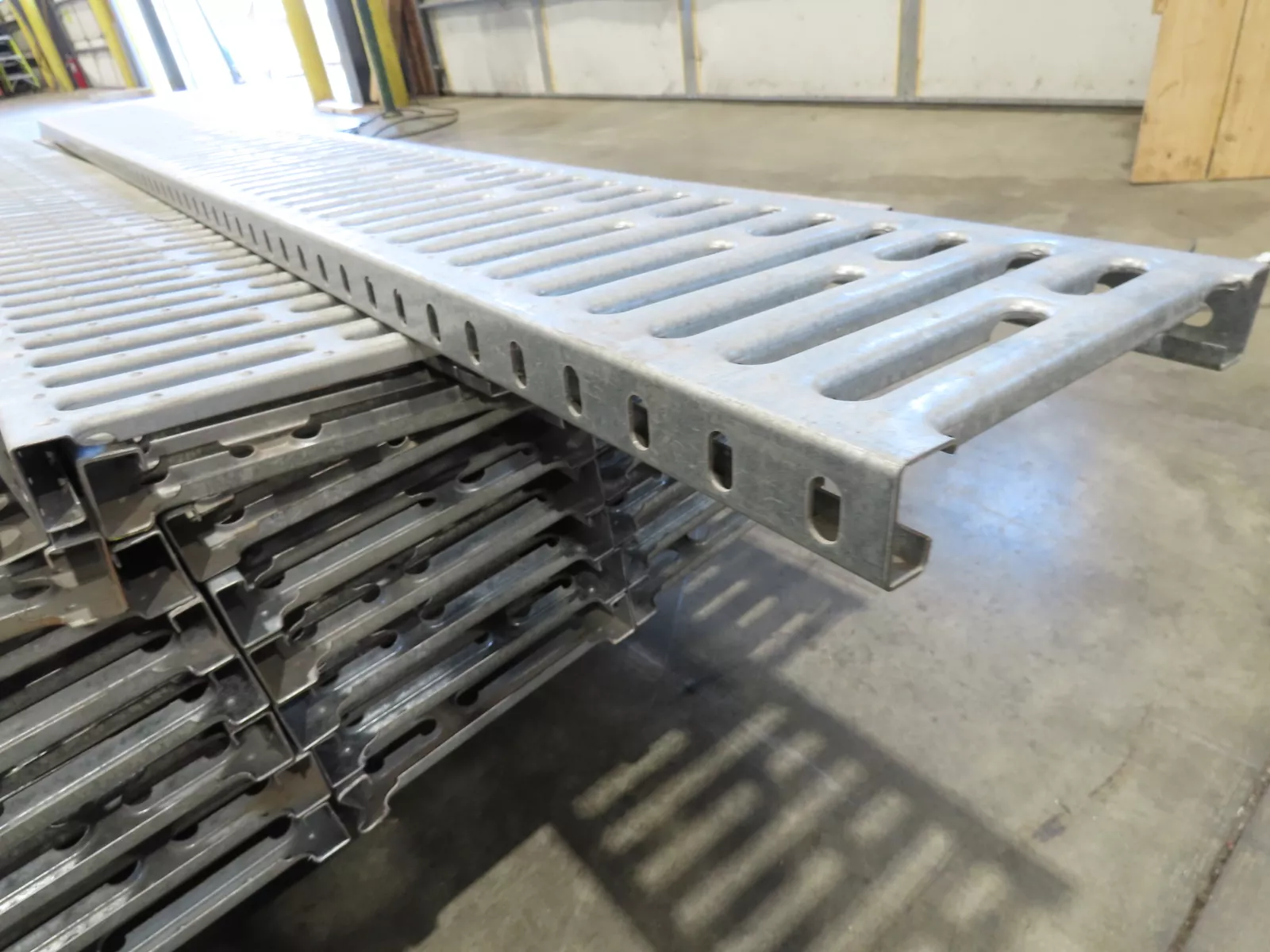
Why Is Space Optimization Vital for Window Suppliers?
Why Is Space Optimization Vital for Window Suppliers?
- Every inch of warehouse space is critical in a window supply business, requiring precise pallet placement.
- Pallet racking is essential for transforming cramped storage into an efficient, organized system.
- Windows are fragile and valuable, demanding optimized, careful storage to reduce breakages and speed access.
- Optimized pallet racking saves money and ensures timely deliveries, keeping customers satisfied.
- A well-managed storage system demonstrates business knowledge, material respect, and team safety.
- Trusted, organized storage enables smooth daily operations without confusion or delays during busy periods.
- Space optimization is a necessary investment for respecting products, people, and maintaining a stable business.
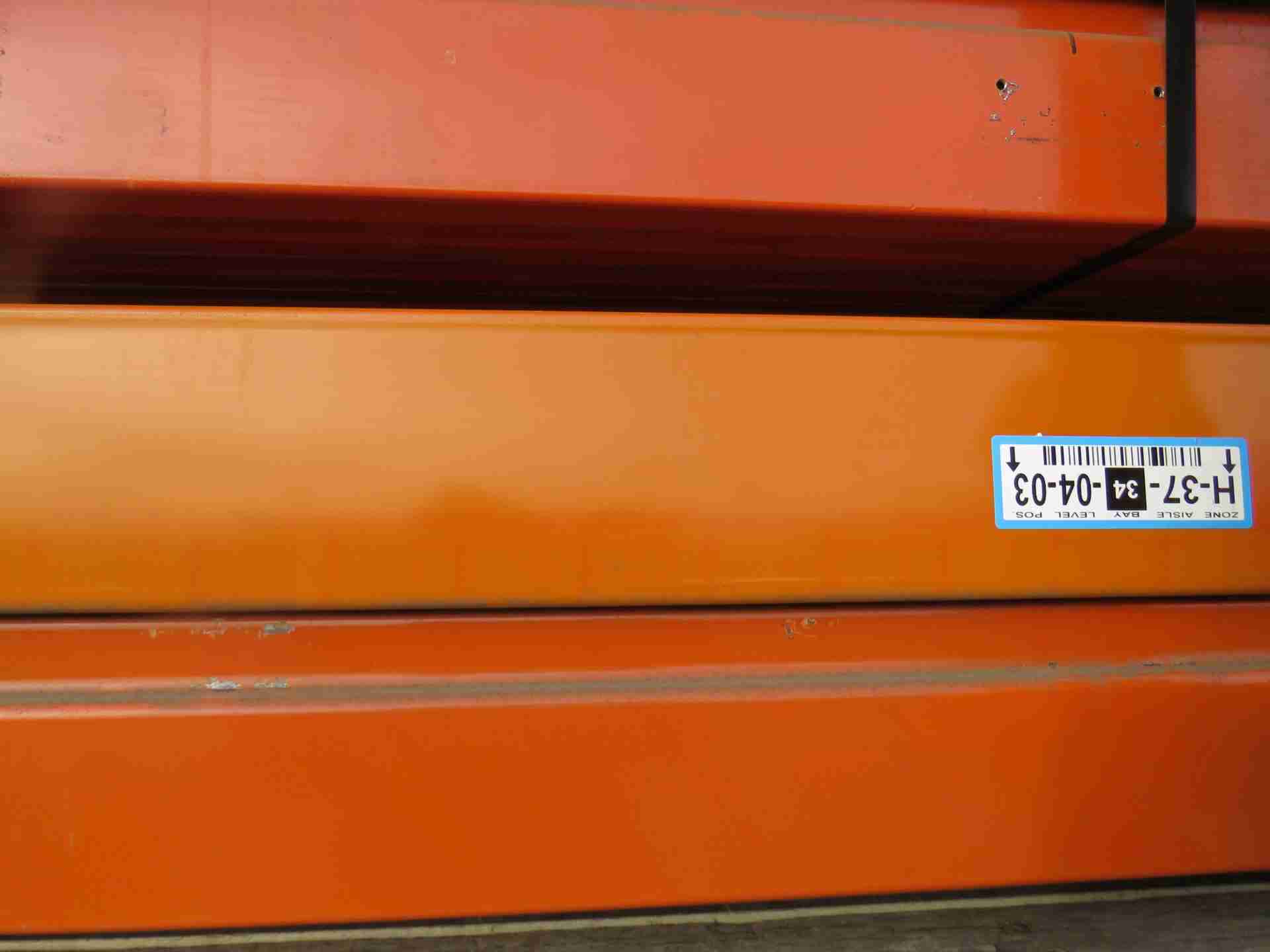
Why Is Space Optimization Vital for Window Suppliers?
How Does Cantilever Racking Enhance Workplace Safety?
You walk into any busy warehouse or workshop, and the first thing that hits you is the hum of activity. Forklifts humming, forklifts bumping, workers hustling to get the job done. In this chaos, safety isn’t just a rule on a sign—it’s the lifeline that keeps every family breadwinner coming home whole. That’s where cantilever racking steps in like a reliable old workhorse.
Unlike traditional pallet racking systems, which can sometimes box you in or force awkward stacking, cantilever racking offers open arms—literally. No front posts to get in the way means you can slide heavy, long, or oddly shaped materials on and off with fewer trips and less strain. Fewer trips and less strain mean fewer chances something—or someone—gets knocked loose or knocked down. When heavy steel pipes or lumber are stored safely and accessibly, you’re not just avoiding damage to your gear; you’re protecting the people who handle it day in and day out.
Now, think about the chain reaction. Every time a warehouse worker dodges a falling load or avoids an awkward lift, that’s a near-miss that didn’t turn into a hospital visit. It’s a paycheck that stays steady, families that keep just a little less worry on their plates. This isn’t just a safety feature; it’s a commitment to the folks sweating in the trenches, doing the hard, vital work. Ethically, choosing solutions like cantilever racking shows you care—that safety isn’t a checkbox but a value; that no job is so urgent it’s worth risking a broken back or worse.
And if you want the cold, hard facts, cantilever racking isn’t some warehouse whimsy—it’s proven tech. Its sturdy design stands up to heavy loads without tipping or bending. It’s built to last, reducing accidents born from weak or unstable shelving. Social proof comes from countless shops that’ve swapped out pallet racking for cantilever and seen not just smoother workflow, but fewer injuries and tighter team morale.
On the floor, it’s easy to see: better organization, clear aisles, and materials laid out logically cut down on accidents. That’s common sense wearing work boots. When everyone knows exactly where to reach for what they need, and it’s stored so nothing’s leaning or ready to fall, the shop feels safer. Safer feels better. Safer helps you live to tell the tale.
If you’re responsible for a warehouse or job site, choosing cantilever isn’t just about storage—it’s about building a culture where safety is woven into every rack, every interaction. That’s how you protect your team, your work, and your peace of mind. After all, no pallet racking setup is worth a scraped knuckle or worse—cantilever racking helps make sure it never comes to that.

How Does Cantilever Racking Enhance Workplace Safety?
How Does Cantilever Racking Enhance Workplace Safety?
- Cantilever racking enhances safety in busy warehouses by reducing obstacles and preventing accidents.
- Its design lacks front posts, allowing easier handling of heavy, long, or oddly shaped materials with less strain.
- Fewer trips and reduced strain lower the risk of materials falling and causing injuries to workers.
- Using cantilever racking supports worker well-being and steady employment by preventing near-miss incidents.
- The system is durable, resisting tipping or bending under heavy loads, which reduces shelving failures and accidents.
- Improved organization and clear aisles from cantilever racking contribute to a safer, more efficient work environment.
- Choosing cantilever racking fosters a workplace culture where safety is prioritized, protecting teams and maintaining peace of mind.
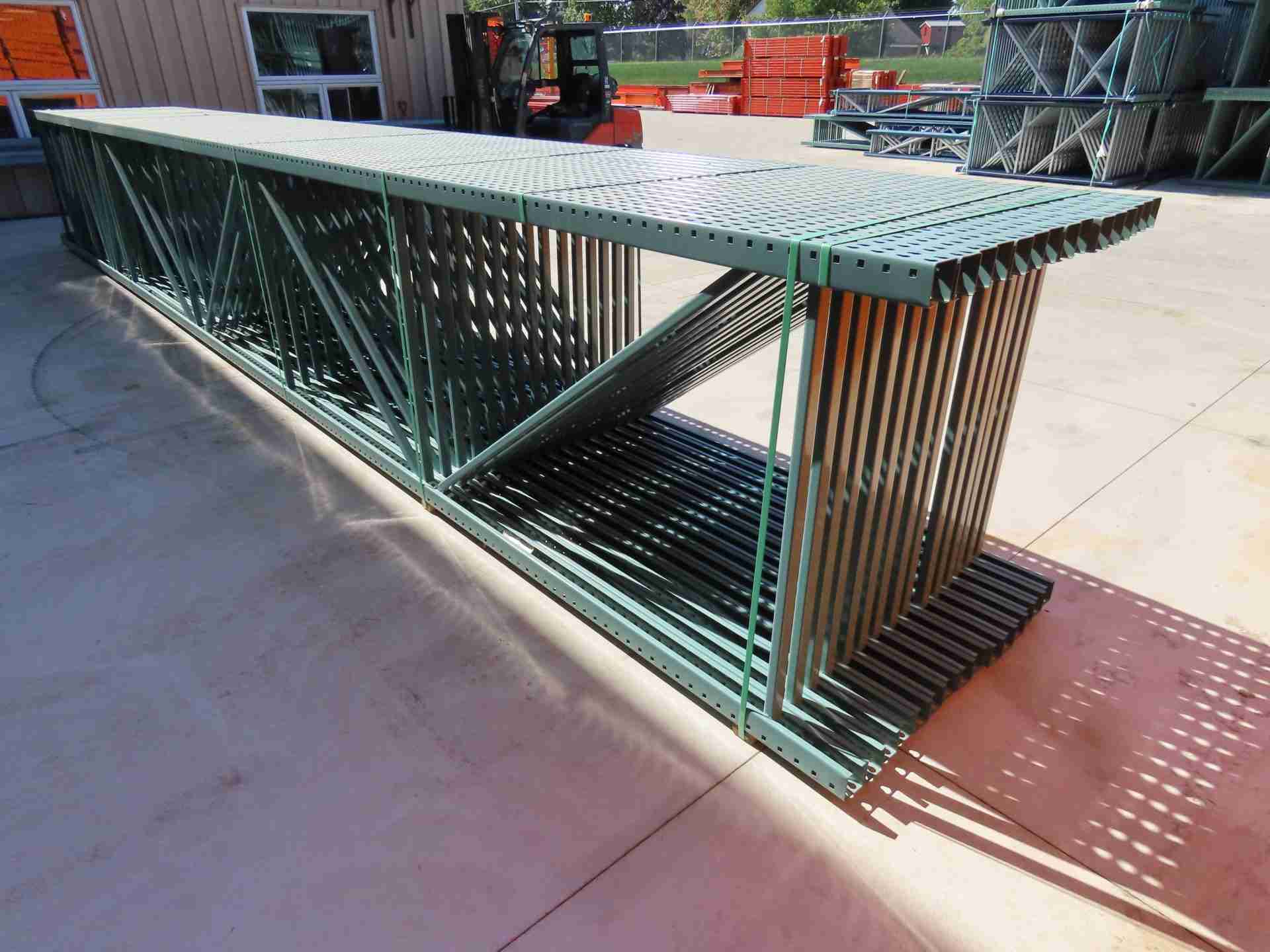
How Does Cantilever Racking Enhance Workplace Safety?
What Makes Cantilever Racks Ideal for Long Window Frames?
When you’re dealing with long window frames, you quickly realize the usual pallet racking setups just don’t cut it. Those bulky, boxy shelves were designed for stacking boxes and pallets, not awkward, elongated pieces that need a bit of extra respect. Cantilever racks, though? They get it. These racks are like that trusted workhorse who knows exactly how to carry the load without making a fuss. No cramped spaces, no wrestling with heavy boards leaning over, just open arms—literally—ready to hold your stuff steady and safe.
Think about the frustration of hauling in long frames day after day. You want a rack that’s straightforward, no extra fiddling, no splinters or scratches, no wasted space that just ends up as a tripping hazard. Cantilever racks give you a clean-sweep solution: open fronts, arms extending out free and clear so those long pieces lie flat, easy to grab and set down without strain. It’s not just convenience; it’s about saving your back and time, letting you focus on the job, not the storage hassle.
From the ethical side—handling materials with care isn’t just smart; it’s respectful. These window frames aren’t just timber and glass; they’re part of a home someone will cherish, a window to memories and lives being built. Using cantilever racks shows pride in your craft. You’re not just tossing things on any old shelf; you’re protecting the integrity of your work. That’s a quiet promise you make—to your tools, your worksite, and your customer.
Authority comes in the design. With heavy-duty steel arms and a base built for balance and strength, cantilever racks stand their ground where pallet racking often falls short. They’re engineered for what we actually use on jobsites: oversized, heavy, and unwieldy. No guesswork, no awkward fixes. Just solid, reliable support that says, “I’ve got this,” every time the long window frames come in.
And socially? You notice the way your crew works smoother with the right equipment. It cuts down on the “Can someone help me?” calls and the little injuries from bending over wrong or reaching too far. It’s teamwork made easier, safer, and more efficient. When everyone’s got the right tools, morale goes up, productivity follows, and the whole job site runs better. That’s the value of a cantilever rack—it’s more than storage; it’s part of a smarter way to work, the kind that makes you proud at the end of the day.

What Makes Cantilever Racks Ideal for Long Window Frames?
What Makes Cantilever Racks Ideal for Long Window Frames?
- Standard pallet racks are inadequate for storing long, awkward window frames due to their bulky design meant for boxes and pallets.
- Cantilever racks provide open, unobstructed storage with arms that hold long pieces steady, reducing strain and space issues.
- They prevent damage like splinters and scratches, making handling safer and more efficient while minimizing wasted space and tripping hazards.
- Using cantilever racks reflects respect and pride in craftsmanship by protecting the integrity of valuable window frames.
- Constructed with heavy-duty steel arms and balanced bases, cantilever racks offer reliable support for oversized, heavy materials.
- They improve workplace safety and efficiency by reducing injuries, easing teamwork, and cutting down on assistance requests.
- Cantilever racks enhance job-site morale and productivity, serving as more than storage by contributing to a smarter, safer work environment.
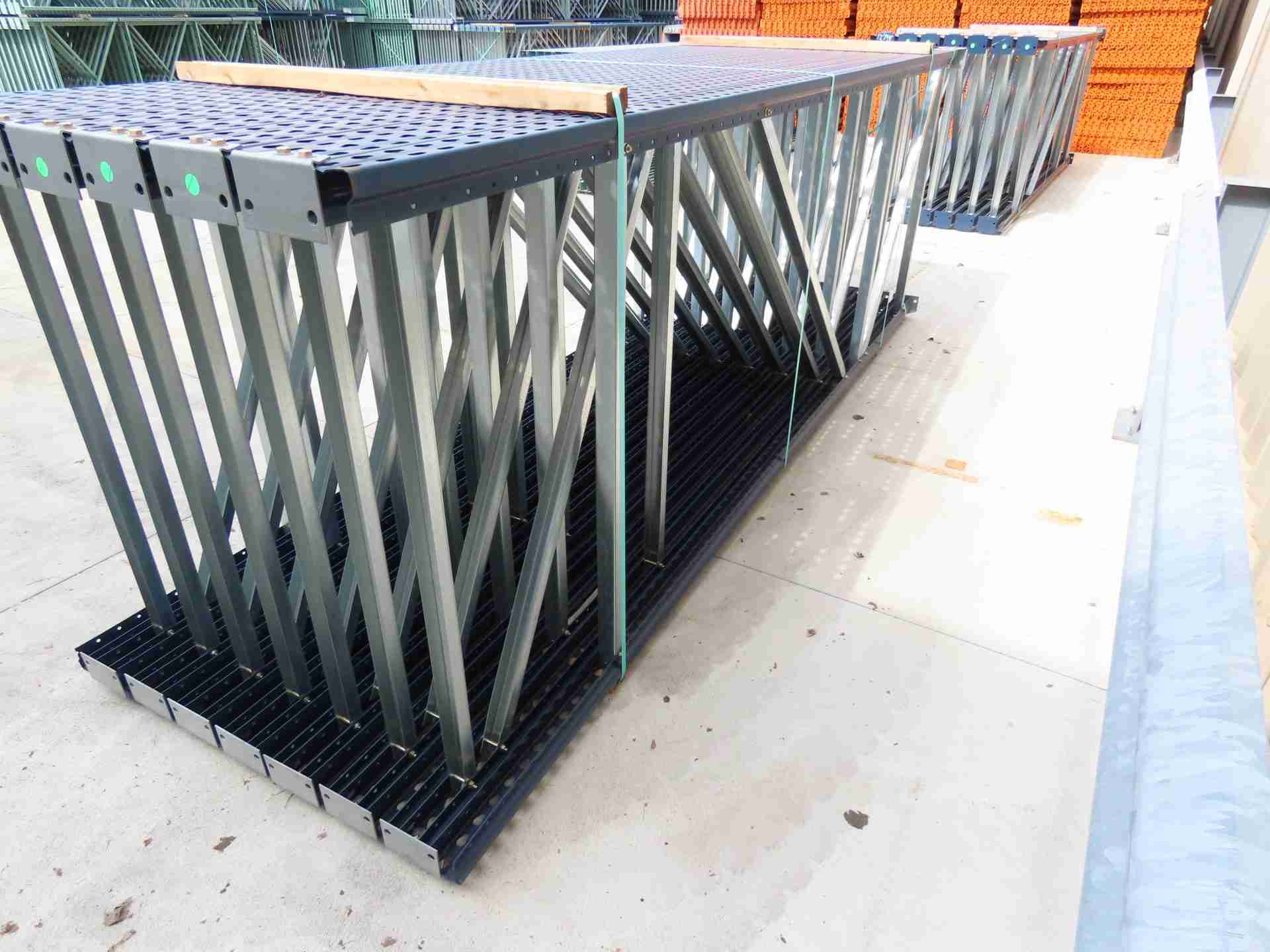
What Makes Cantilever Racks Ideal for Long Window Frames?
Conclusion
In the gritty world of window and door frame supply, cantilever racking isn’t just another piece of equipment—it’s the backbone that keeps the whole operation running smooth and steady. When you’re dealing with long, bulky pieces of wood, steel, and glass that don’t fit the usual boxes or pallets, this system steps in like a steady hand, making sure every beam, frame, and fragile panel has its rightful place. It cuts through the chaos of stacked-up clutter, lifting heavy loads off the floor and setting them where workers can grab them without a fuss or strain. It’s the difference between a day spent wrestling inventory and a day moving with purpose and pride.
This isn’t just about storing stuff; it’s about respect—respect for the work, the gear, and the people who sweat it out day in, day out. Cantilever racking protects fragile window frames from damage by giving them the space they need to rest flat and safe, far from the crush and tumble of standard shelving. That careful handling isn’t just good business sense; it’s an ethical move, showing you care about quality and the promise you make to your customers. When what you deliver is intact and ready to go, you build trust that money can’t buy.
On the practical side, it saves serious space and cuts costs. With open arms instead of boxed-in shelves, these racks maximize every inch, meaning less warehouse space and lower bills from rent and utilities. Durable and tough, they stand up to heavy loads without bending or breaking, reducing downtime and repairs, and keeping safety front and center. Fewer accidents and injuries mean workers go home whole, families keep their peace, and businesses avoid costly claims—an outcome that’s as good for the bottom line as it is for the soul.
Beyond the numbers and the nitty-gritty, cantilever racking fosters smoother workflows—the kind that turn mornings from chaos into calm. When everything’s laid out clearly, workers move faster and safer, orders get out on time, and the whole crew feels the boost of having the right tools for the job. That sense of pride and teamwork runs deep, making the rack a quiet hero in a tough trade.
At its core, cantilever racking is a no-nonsense, battle-tested solution. It’s about working smarter, not harder: putting stock where it belongs, protecting what matters, and running a business built on trust, respect, and common sense. It doesn’t just hold your inventory—it holds your workforce together, your customers’ confidence, and your company’s future.

Conclusion
Conclusion:
- Cantilever racking is essential for efficiently handling long, bulky materials like wood, steel, and glass that don’t fit standard boxes or pallets.
- It organizes inventory by providing designated spaces, reducing clutter and making heavy loads easier to access without strain.
- The system protects fragile window frames by allowing them to rest flat and safe, minimizing damage and demonstrating quality care.
- Cantilever racking maximizes warehouse space, cutting costs on rent and utilities by using open designs instead of enclosed shelves.
- Its durability supports heavy loads without damage, reducing downtime, repairs, and workplace accidents.
- The rack promotes smoother workflows, improving speed, safety, and teamwork, which enhances overall productivity and morale.
- It represents a practical, reliable solution that strengthens inventory management, workforce well-being, customer trust, and business sustainability.
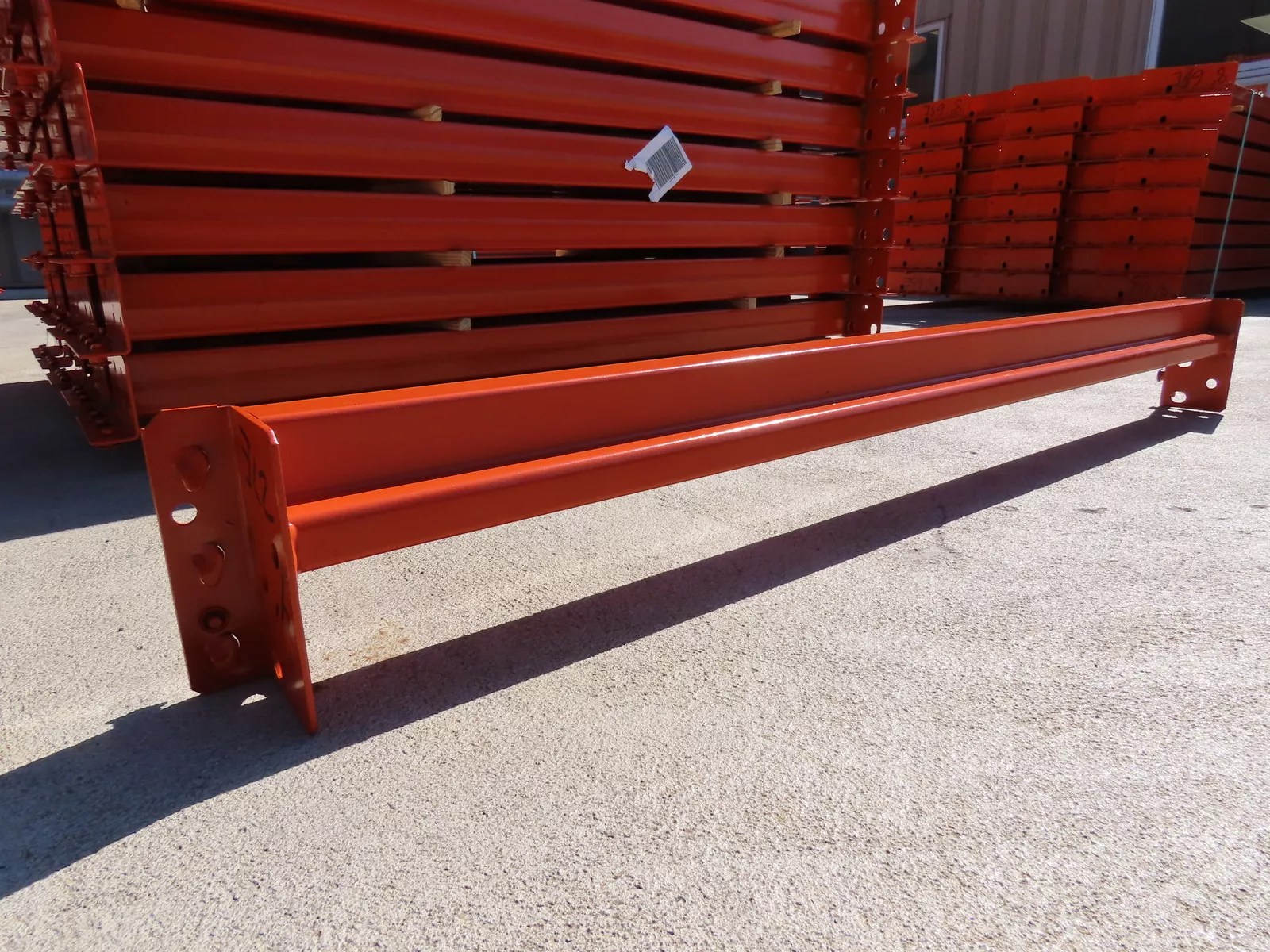
Conclusion
Other Resources
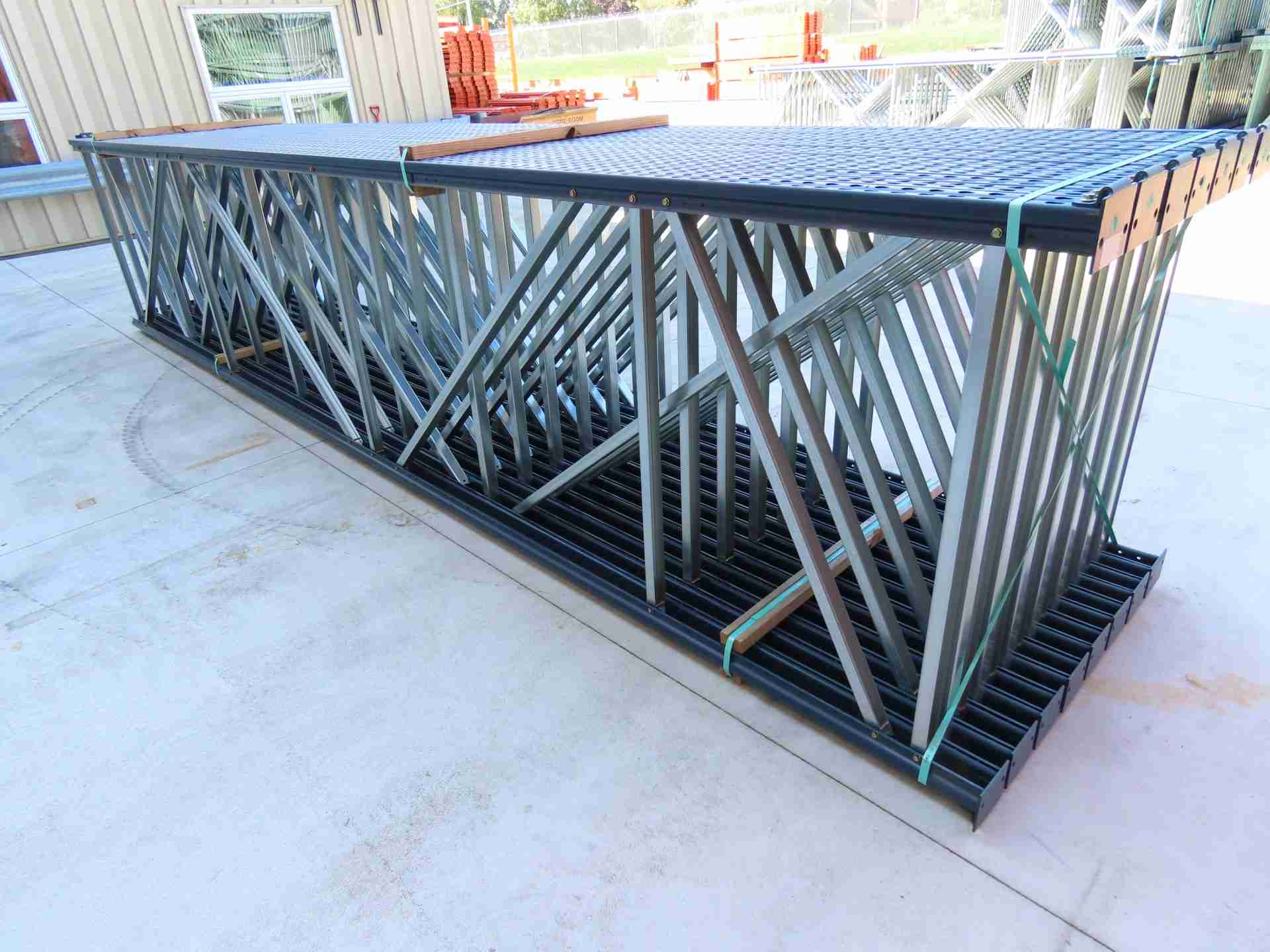
Other Resources
Here is a list of other resources you can review online to learn more:
- Selective Pallet Racking Systems
- Heavy-Duty Cantilever Storage Racks
- CA Wire
- IIWS Inc. Rack Installation Illinois & Rack Repairs Illinois
- Warehouse Racks, Warehouse Racking in Stock – ULINE
- Teardrop Industrial Shelving Rack
- Shipping Boxes, Packaging Materials, Pallet Racking
- Pallet Rack Systems – New and Used Pallet Racking and Shelving Experts
- Illinois Pallet Racking – WPRP
- The Complete Pallet Rack Guide – Simply Rack
- Warehouse Racking Systems: Beginner’s Guide to Rack Systems
- Storage Equipment Manufacturers Association
- Pallet Racking systems in Illinois and Great Lakes
- Used Pallet Rack for Sale in Illinois – American Surplus
- NSC
- Interlake Mecalux
- Warehouse Racking Chicago, IL
- Interlake
- Teardrop Industrial Shelving Rack
- Used Teardrop Pallet Rack – American Surplus
Use This Prompt To Get More Resources With Your Favorite Online AI Tool: Please provide me with a list of online articles with their URLs in a bulleted list that I can read regarding How Do Window and Door Frame Suppliers Leverage Cantilever Racking?

Other Resources
Glossary Terms
How Do Window and Door Frame Suppliers Leverage Cantilever Racking? – Glossary Of Terms
1. Cantilever Racking: A storage system with arms extending from a central column, designed to hold long or bulky items like window and door frames.
2. Window Frame: The structural frame that holds the glass in a window, typically made from wood, aluminum, or PVC.
3. Door Frame: The framework around a door, providing support and housing for the door panels and hardware.
4. Load Capacity: The maximum weight that cantilever racking can safely support.
5. Upright Column: The vertical component of cantilever racking that supports the arms holding stored items.
6. Arms: Horizontal extensions from the upright column that hold products in cantilever racking.
7. Adjustable Arms: Arms whose position can be modified to accommodate different sized items.
8. Bulk Storage: Storing large, heavy, or bulky materials such as window and door frames.
9. Space Optimization: Efficient use of storage area to maximize capacity.
10. Accessibility: Ease of retrieving or placing items in storage.
11. Inventory Management: The process of tracking and controlling stock levels.
12. Heavy-Duty Storage: Storage systems designed to hold heavy loads.
13. Long Item Storage: Storage specifically designed for lengthy products like door and window frames.
14. Warehouse Efficiency: Improving operations in warehouse storage and retrieval.
15. Material Handling: The movement, protection, storage, and control of materials.
16. Vertical Storage: Utilizing vertical space by stacking or shelving.
17. Safety Features: Elements incorporated to prevent accidents in storage systems.
18. Load Distribution: How weight is spread across racking components.
19. Forklift Compatibility: The design aspect that allows forklifts to load/unload items.
20. Customization: Adapting racking to specific supplier needs.
21. Durability: The ability of racking systems to withstand wear and tear.
22. Modular Design: Racking systems built with interchangeable parts.
23. Supplier Efficiency: Supplier’s ability to provide products quickly and accurately.
24. Delivery Preparation: Staging of window and door frames for shipping.
25. Protective Storage: Safeguarding frames from damage during storage.
26. Loading Ergonomics: Designing storage to minimize worker strain.
27. Space Savings: Reducing the footprint of stored items using cantilever racking.
28. Quick Retrieval: Ability to access stored items rapidly.
29. Cost-Effectiveness: Balancing storage cost with operational benefits.
30. Inventory Turnover: How often stock is cycled through storage.
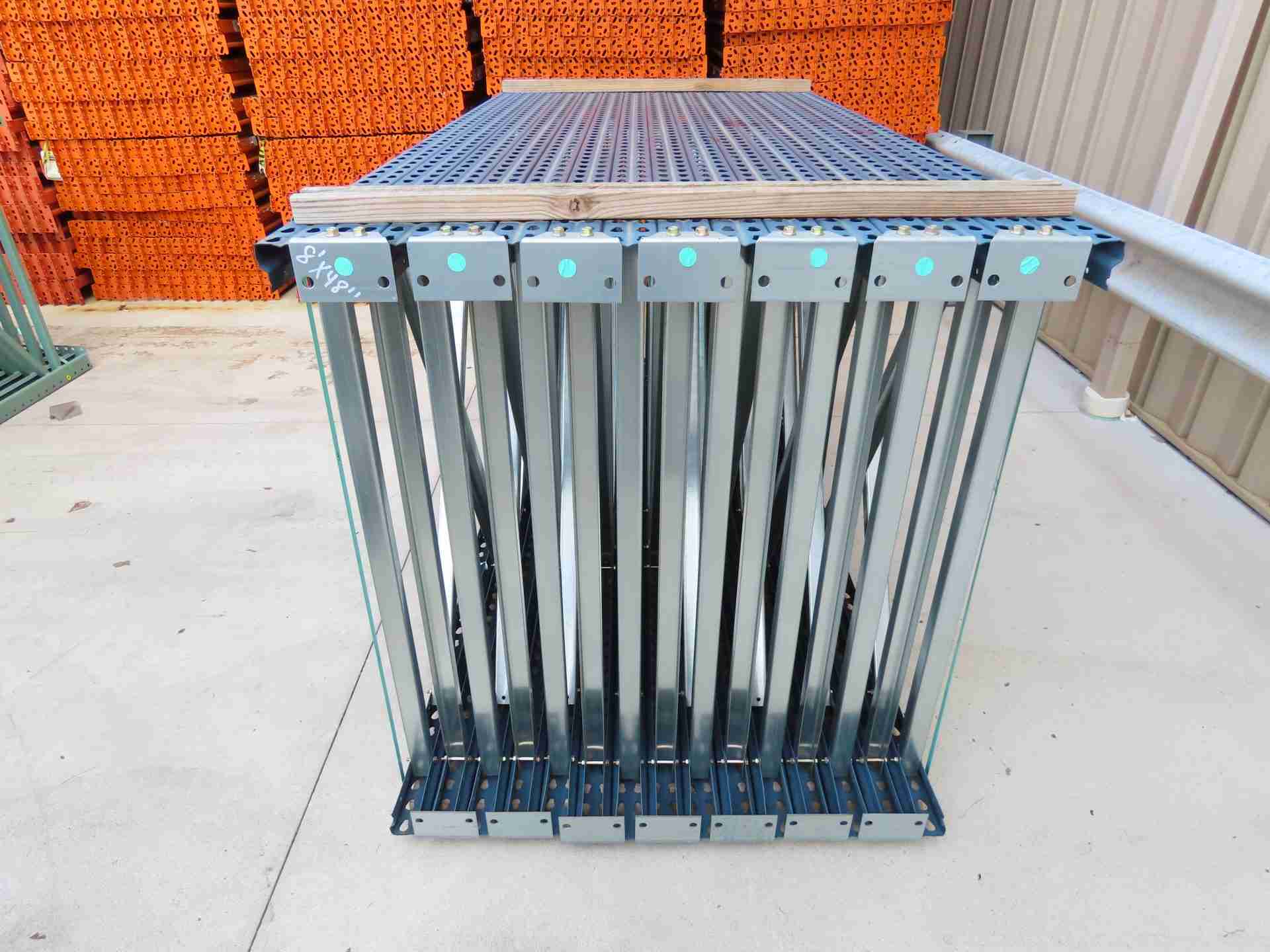
Glossary Of Terms
Other Questions
How Do Window and Door Frame Suppliers Leverage Cantilever Racking? – Other Questions
If you wish to explore and discover more, consider looking for answers to these questions:
- What are the upfront purchase and installation costs for cantilever racking?
- How do you calculate ROI and the expected payback period after installing cantilever racks?
- What are typical load capacities and weight ratings per arm and per column?
- How do you choose between single-sided and double-sided cantilever systems?
- What customization options are available (arm length, height, coatings, finishes)?
- How should cantilever racks be anchored for seismic zones or high-wind areas?
- Can cantilever racking be used outdoors, and what weatherproofing is needed?
- What maintenance schedule and inspections are required to keep racks safe and operational?
- How do you detect and repair common damage or wear on cantilever systems?
- How do cantilever racks integrate with forklifts, cranes, and other material‑handling equipment?
- What training and safe work procedures should staff receive when using cantilever racking?
- How do you optimize warehouse layout and aisle widths when deploying cantilever racks?
- How can cantilever systems be combined with pallet racking, mezzanines, or other storage solutions?
- How do you store different materials (wood, aluminum, glass, steel) on the same cantilever system safely?
- What protective accessories exist for fragile frames (padding, dividers, end stops, covers)?
- Are there industry standards, codes, or regulations that govern cantilever racking design and use?
- What warranties, certifications, and load-test documentation should reputable suppliers provide?
- What is the typical lifespan of a cantilever racking system under normal use?
- How easy is it to relocate, reconfigure, or expand cantilever racking as needs change?
- What are common implementation mistakes and how can they be avoided?
- How does installing cantilever racking affect insurance, liability, and workplace claims?
- Are there case studies or real-world examples of window and door suppliers improving metrics with cantilever racks?
- How should inventory labeling, tracking, and picking procedures be adapted for cantilever storage?
- What are the load distribution and stacking limits for very long or uneven-length frames?
- How do you handle odd-shaped, curved, or custom-sized frames on cantilever systems?
- Can automation or semi-automation (lift assists, conveyors, ASRS) be integrated with cantilever racking?
- What environmental or sustainability considerations apply to cantilever rack materials and coatings?
- How do you evaluate and select a reliable cantilever rack manufacturer or installer?
- What are typical lead times for manufacturing, delivery, and installation of custom cantilever systems?
- How much usable floor space and minimum aisle clearance should be planned for safe operation?
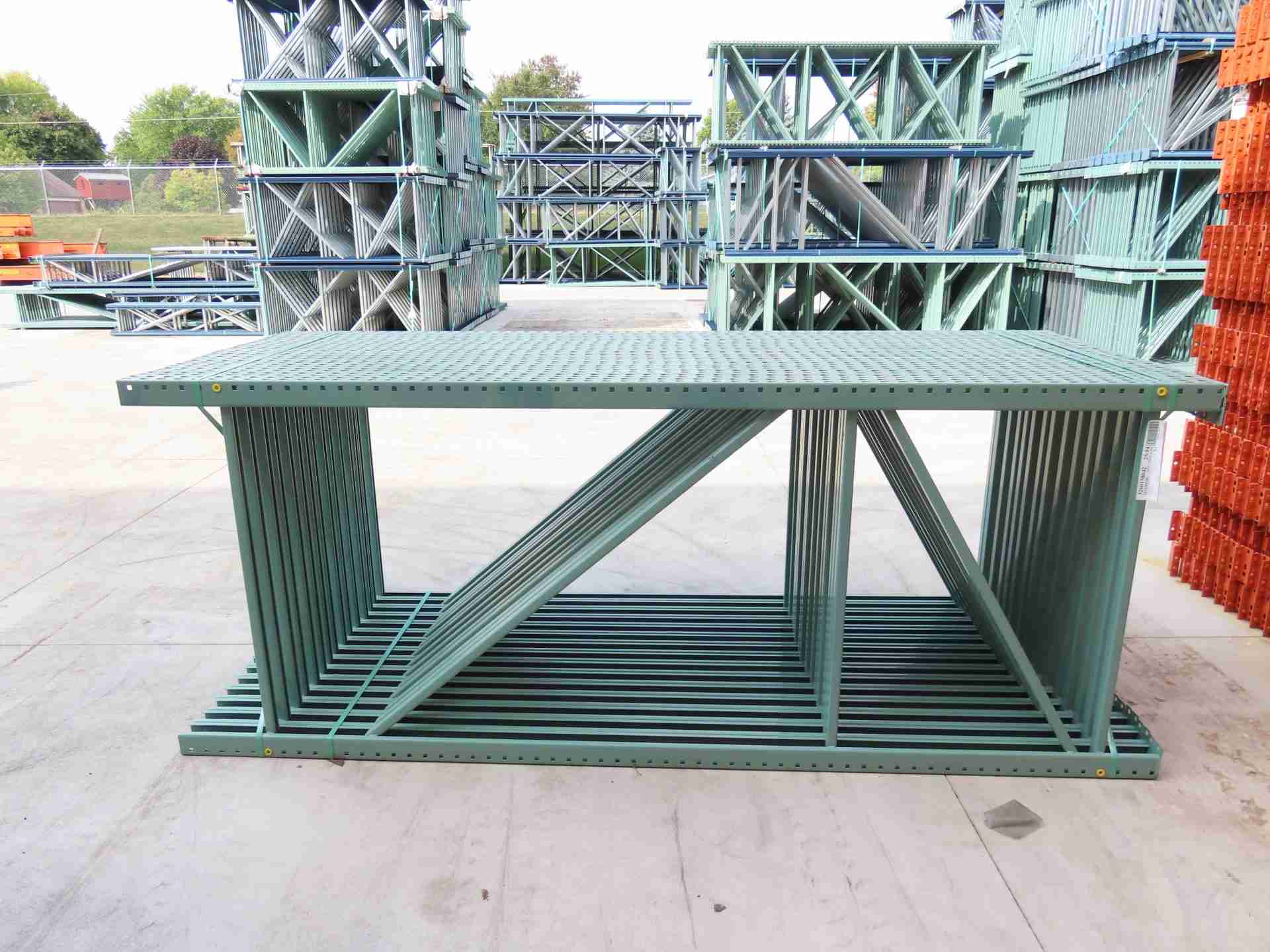
Other Questions
Checklist
How Do Window and Door Frame Suppliers Leverage Cantilever Racking? – A Checklist
Readiness & Fit for Purpose
✅______ Confirm primary inventory includes long and bulky items (frames, mullions, sashes, jambs, extrusions, pipes, lumber, metal bars).
✅______ Document typical lengths, weights, and maximum bundle sizes for each product family.
✅______ Identify fragility factors (glass, finished surfaces, painted or laminated profiles).
✅______ Map inbound and outbound flows to see where cantilever access reduces handling steps.
✅______ Verify forklifts, side-loaders, and handlers fit the load profile and rack access needs.
✅______ Establish target outcomes: space gained, pick time reduced, damage reduction, and safety improvements.
Layout & Space Optimization
✅______ Measure ceiling height, slab thickness, and note obstructions (sprinklers, lights, doors).
✅______ Plan aisle widths based on the longest load, equipment turning radius, and safe clearances.
✅______ Allocate dedicated inbound staging, outbound staging, and returns and repairs areas.
✅______ Group bays by product family and length to minimize cross-traffic.
✅______ Design first-touch access for fast-movers and jobsite kits.
✅______ Provide clear travel paths and protected pedestrian walkways.
Rack Specification
✅______ Select single- or double-sided uprights based on placement and access.
✅______ Size arm length to exceed the deepest load; prevent overhang that risks deflection or strikes.
✅______ Specify arm capacities to exceed the heaviest expected bundle with a safety margin.
✅______ Choose column and base capacities to support total arm loads per level and per bay.
✅______ Include end stops or lips on arms to prevent roll-off.
✅______ Add dividers or separators for mixed SKUs or fragile items.
✅______ Choose finishes for the environment (e.g., galvanized for outdoor or humid areas).
✅______ Confirm compatibility with accessories (decking trays, mesh, signage holders).
Protection for Fragile Window Frames
✅______ Use rubber-lined or UHMW-protected arms and saddles to prevent scuffs and chips.
✅______ Place soft dunnage between frames; avoid point loads on glass or finished edges.
✅______ Use vertical separators to prevent contact between units.
✅______ Store frames flat or upright per manufacturer guidance with adequate support spacing.
✅______ Apply edge guards or film where rub risk exists.
✅______ Label handling orientation (This Side Up, Do Not Stack) at pick points.
Safety & Compliance
✅______ Obtain engineer-stamped drawings where required (including seismic or wind if applicable).
✅______ Verify slab capacity and anchor requirements; install per manufacturer specifications.
✅______ Post load ratings visibly on each bay and arm.
✅______ Install row-end guards, column protectors, and rack-end barriers.
✅______ Maintain clear floor lines and no-storage safety zones.
✅______ Implement lockout/tagout and traffic rules in racking areas.
✅______ Train operators on correct load placement, arm usage, and clearance checks.
Operations & Workflow
✅______ Create SKUs and locations by length, material, and finish for quick visual ID.
✅______ Standardize dunnage types and lengths and return loops for reuse.
✅______ Define pick paths to minimize backtracking and double handling.
✅______ Set SOPs for the loading and unloading sequence to avoid reshuffling.
✅______ Use color coding for bays and arms to match product families.
✅______ Implement scan-and-store location capture to support real-time inventory.
Training & Culture
✅______ Train all handlers on safe approach angles, mast tilt, and speed limits.
✅______ Coach on spotting, hand signals, and team lifts for oversized frames.
✅______ Reinforce rack inspection habits during daily startup checks.
✅______ Share near-miss learnings and update SOPs promptly.
✅______ Recognize teams for zero-damage streaks and on-time, in-full performance.
Maintenance & Inspection
✅______ Schedule weekly visual checks for bent arms, loose bolts, and chipped coatings.
✅______ Torque check anchors and arm connections per manufacturer intervals.
✅______ Replace damaged arms or uprights immediately; tag out unsafe bays.
✅______ Touch up coatings to prevent corrosion; clear debris from bases.
✅______ Re-verify capacities after any reconfiguration or relocation.
✅______ Keep a log of inspections, repairs, and component replacements.
Performance Tracking
✅______ Track space utilization (sq ft/cu ft gained vs. baseline).
✅______ Measure average pick time for long items before and after implementation.
✅______ Monitor damage rate per 1,000 units and the cost of scrap and returns.
✅______ Track safety metrics: incidents, near misses, and strains related to handling.
✅______ Measure OTIF (on time, in full) and backorder reductions.
✅______ Review ROI quarterly, including labor hours saved and avoided expansion costs.
Implementation Plan
✅______ Pilot with one bay or zone and validate flows before full rollout.
✅______ Phase installation to keep operations running with minimal disruption.
✅______ Update floor markings, signage, and WMS locations upon go-live.
✅______ Archive as-built drawings and SOPs; brief all shifts.
✅______ Schedule 30/60/90-day audits to fine-tune layout, labeling, and stocking rules.
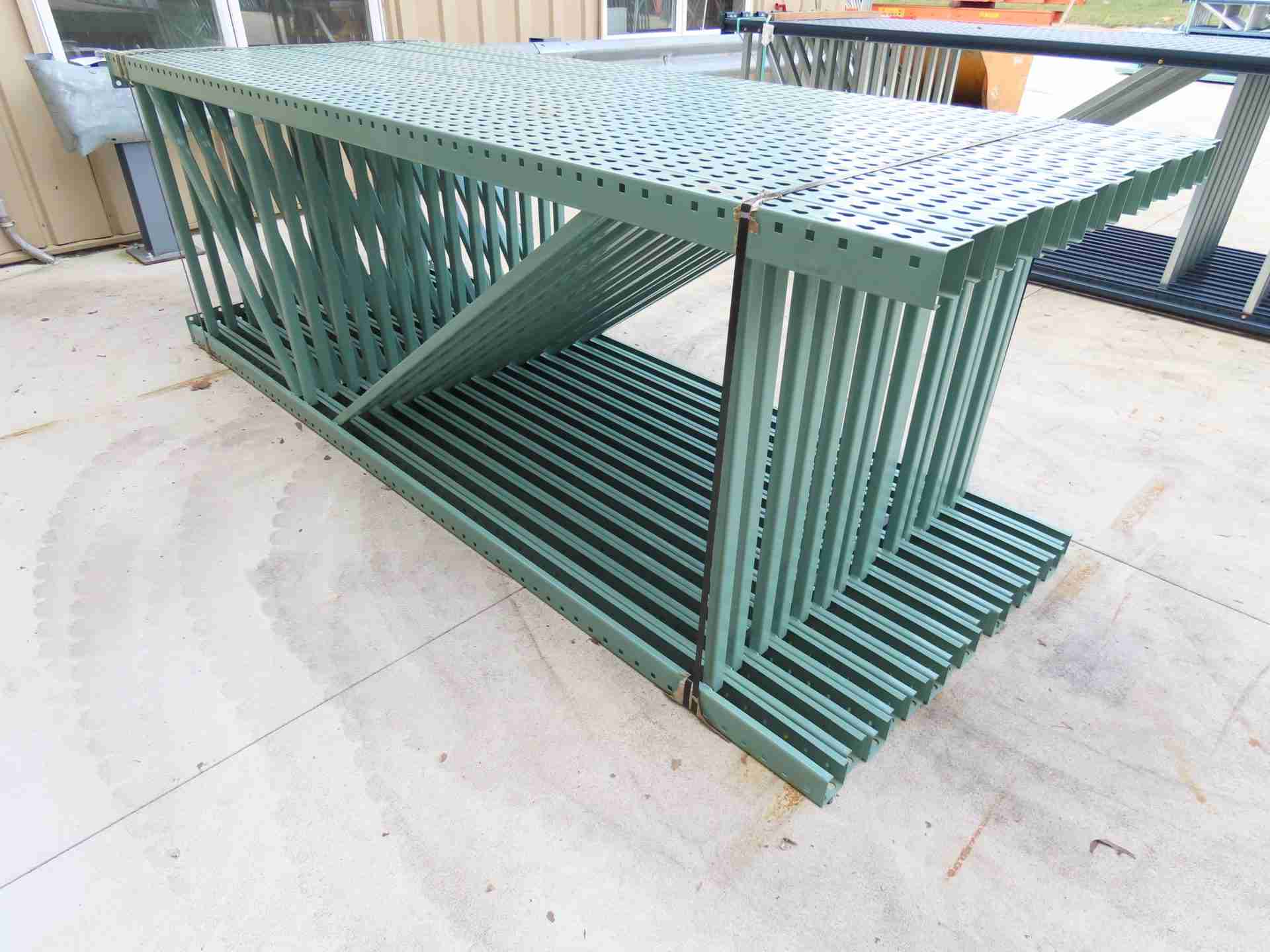
Checklist
At RackingWorld, we help guide you through selecting warehouse storage systems and racking.
Be sure to read our other related stories at RackingWorld to learn more about warehouse storage systems.
0 Comments