
Unlock Efficiency, Safety, And Growth: The Power Of Cantilever Racking
By Tom Seest
At RackingWorld, we help guide you through selecting warehouse storage systems and racking.
Be sure to read our other related stories at RackingWorld to learn more about warehouse storage systems.
How Do Welding Supply Companies Leverage Cantilever Racking?
When you step into a welding supply company, what you see behind the scenes often tells the story of grit, sweat, and smart decisions. Cantilever racking isn’t just some fancy gadget—it’s the backbone that keeps everything running smooth, especially when you’re dealing with long, bulky steel pipes or oversized metal stock that won’t fit on regular pallet racking systems. Welding supply folks know this because they’ve been there, lifting heavy loads, dodging cluttered aisles, and praying the right piece shows up when the deadline’s ticking.
Think about it: the head of the operation needs a system that maximizes space but doesn’t throw safety out the window. Cantilever racking answers that call by providing open-fronted storage, making it easier to grab and store items without wrestling with pallets stacked like a game of Jenga. It’s an honest workhorse—holding heavy loads steadily, minimizing damage to expensive materials, and keeping the floor clear for forklift traffic. That sense of order isn’t just about neatness; it’s about respect for the tools and trust in the team that handles them.
On the heart level, there’s pride in knowing the jobsite will get exactly what it needs because the warehouse isn’t a mess of tangled metal but a well-oiled system ready to roll. For those who’ve worked long days around welding supplies, the last thing they want is wasted time hunting down a pipe or juggling complicated storage solutions. Cantilever racking gives them that peace of mind—straightforward, reliable, no nonsense.
Ethically, it’s about doing right by the crew and the materials. Damaged supplies mean delayed projects and lost money, which nobody can afford. By investing in cantilever racking, companies show they’re serious about responsibility—not just cutting corners but building a workspace that’s both safe and productive. It’s a tangible sign that care goes all the way from the storage area to the welding torch.
From a social standpoint, using cantilever racking is like joining a no-frills community of welders and suppliers who value practical solutions over flashy gimmicks. It’s a nod to tradition and experience, with each rack telling a story of sweat and savvy. When you choose this system, you’re stepping into a legacy of folks who know that getting the job done right beats any fancy setup.
The success of a welding supply company depends on more than just products—it’s the smart choices behind the scenes, like cantilever racking, that keep business moving and people working safe. It’s simple, sure, but that simplicity is worth its weight in steel.
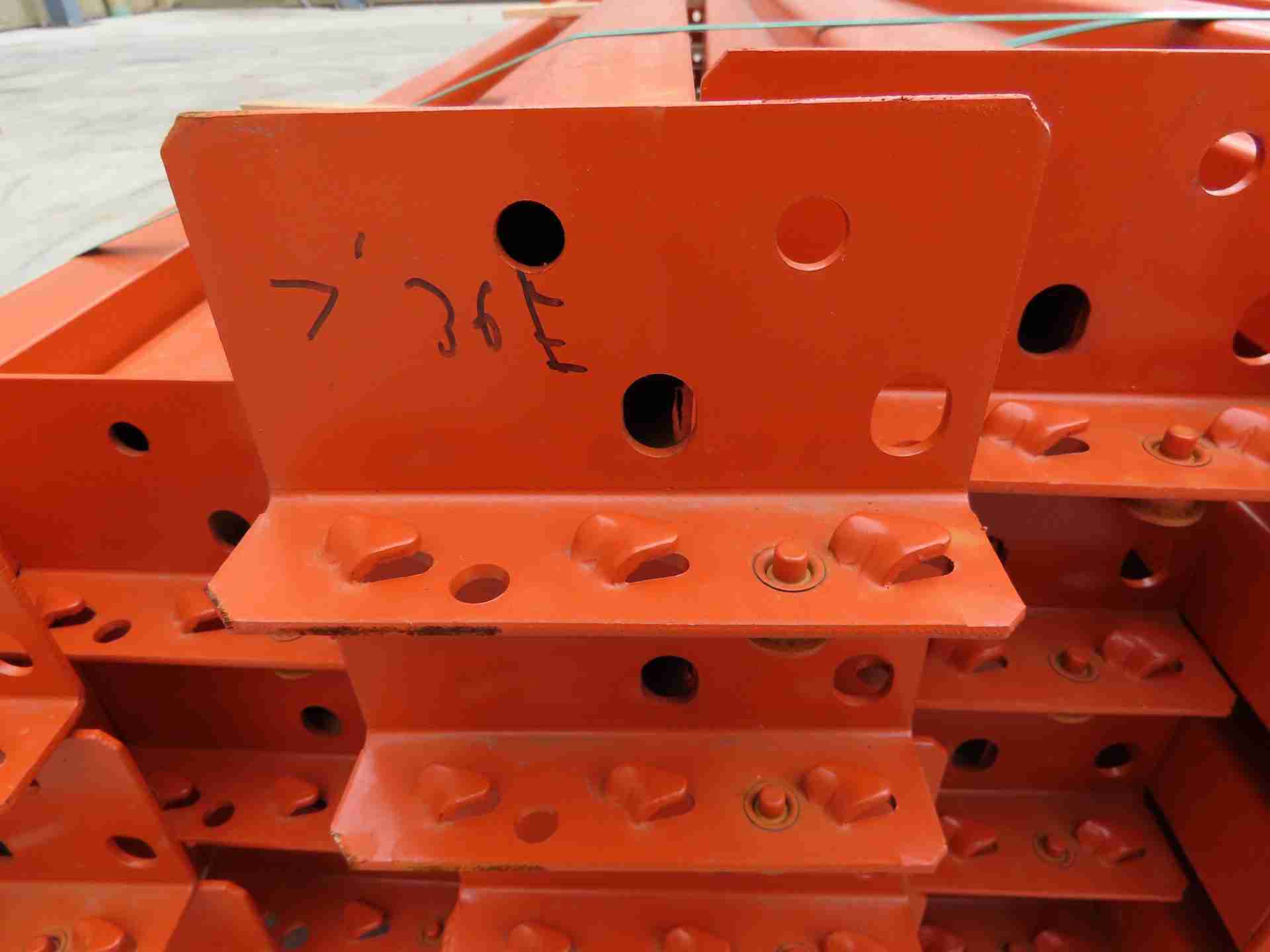
How Do Welding Supply Companies Leverage Cantilever Racking?
How Do Welding Supply Companies Leverage Cantilever Racking?
- Cantilever racking is essential for storing long, bulky steel pipes and oversized metal stock that do not fit on regular pallet racks.
- It maximizes space while maintaining safety by providing open-fronted storage, allowing easy access without unstable pallet stacking.
- Designed to hold heavy loads steadily, it minimizes damage to materials and keeps aisles clear for forklift traffic.
- This system fosters pride and efficiency, ensuring job sites get the right materials quickly and without wasted time.
- Investing in cantilever racking reflects ethical responsibility by protecting crew safety and preventing costly material damage.
- It embodies a practical, no-frills approach valued by the welding community, emphasizing tradition and functional reliability over gimmicks.
- The success of welding supply companies depends on smart, simple storage solutions like cantilever racking to maintain smooth operations and safety.
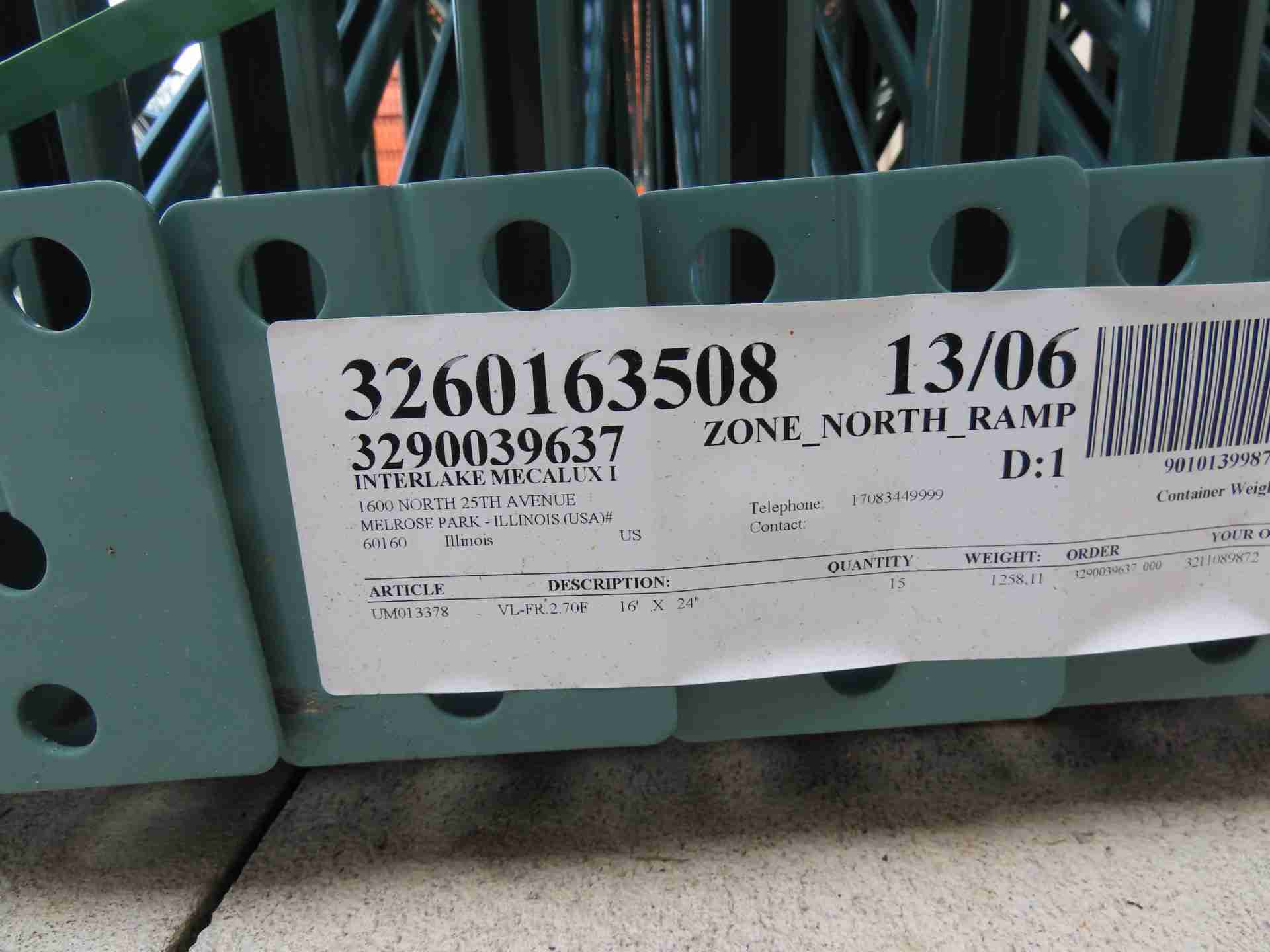
How Do Welding Supply Companies Leverage Cantilever Racking?
Table Of Contents
- How Do Welding Supply Companies Leverage Cantilever Racking?
- How Does Cantilever Racking Improve Welding Supply Storage?
- What Cost Savings Result From Using Cantilever Racks?
- How Does Cantilever Racking Optimize Floor Space?
- Can Cantilever Racks Handle Heavy Welding Materials Safely?
- How Does Better Organization Affect Employee Productivity?
- What Are the Installation Challenges Of Cantilever Racking?
- Conclusion
- Other Resources
- Glossary Of Terms
- Other Questions
- Checklist
How Does Cantilever Racking Improve Welding Supply Storage?
When you’ve been around shop floors and warehouses as long as most of us have, you learn that storage isn’t just about shoving stuff in a corner and hoping you find it later. Welding supplies—pipes, rods, metal bars—are awkward, heavy, and sometimes downright dangerous if stored wrong. That’s where cantilever racking steps up, and why it outshines the usual pallet racking setups for this kind of gear.
First off, cantilever racking speaks directly to the hands-on worker who’s tired of twisting, bending, and wrestling with bulky materials. Its open-arm design means no crate corners or pallet boards get in the way when you pull out that long steel tube or bundle of rods. You’re not playing a circus act trying to unload or reload, and that saves time and backaches. It’s a simple change that makes your day run smoother and your crew less grumpy.
Looking at it from a common-sense angle, this system makes the best use of vertical space without cluttering the floor. Welding shops don’t always have the luxury of sprawling warehouses; space is money, plain and simple. Cantilever racks stack tall and deep, putting everything in easy reach and keeping the mess to a minimum. It’s smarter storage that respects the realities of a busy, no-nonsense work environment.
On the ethical side, keeping welding supplies safe and orderly isn’t just good housekeeping—it’s about care and responsibility for the people on the floor. When materials are stable and stored properly, accidents drop, and the whole shop breathes easier. That kind of respect for workers and tools builds trust from the ground up, showing you value more than just profit margins.
Authority comes from tried-and-true results. Plenty of weld shops and metal fabricators swear by cantilever racking because it delivers durability and reliability day in and day out. Unlike pallet racking, which often falls short with oddly sized items, this system flexes to meet the challenge, grounding your operation in practical expertise instead of guesswork.
Storytelling-wise, picture a welder finishing up a tough job and not having to hunt down the right rod or weapon-size pipe. Everything’s right there, neat and ready, thanks to a storage setup that feels like it was made by folks who understand the actual work, not office planners scratching heads. That connection to real-world experience turns a simple storage solution into a daily lifesaver.
If you’re done juggling pallet racking that doesn’t fit the bill and want a setup that honors your craft, your crew, and your safety, cantilever racking answers the call. It’s straightforward, effective, and built for the kind of work that builds America’s backbone.

How Does Cantilever Racking Improve Welding Supply Storage?
How Does Cantilever Racking Improve Welding Supply Storage?
- Cantilever racking offers superior storage for bulky, heavy, and awkward welding supplies compared to traditional pallet racking.
- Its open-arm design eliminates obstructions, making loading and unloading easier, reducing strain and saving time.
- The system efficiently uses vertical space, crucial for shops with limited floor area, keeping materials accessible and organized.
- Proper storage with cantilever racks enhances workplace safety by stabilizing materials and reducing accidents.
- Widely trusted by weld shops and metal fabricators for its durability and adaptability to irregularly sized items.
- Designed with practical, hands-on worker needs in mind, improving daily workflow and reducing frustration.
- Cantilever racking supports a work environment that values craftsmanship, crew welfare, and operational efficiency.
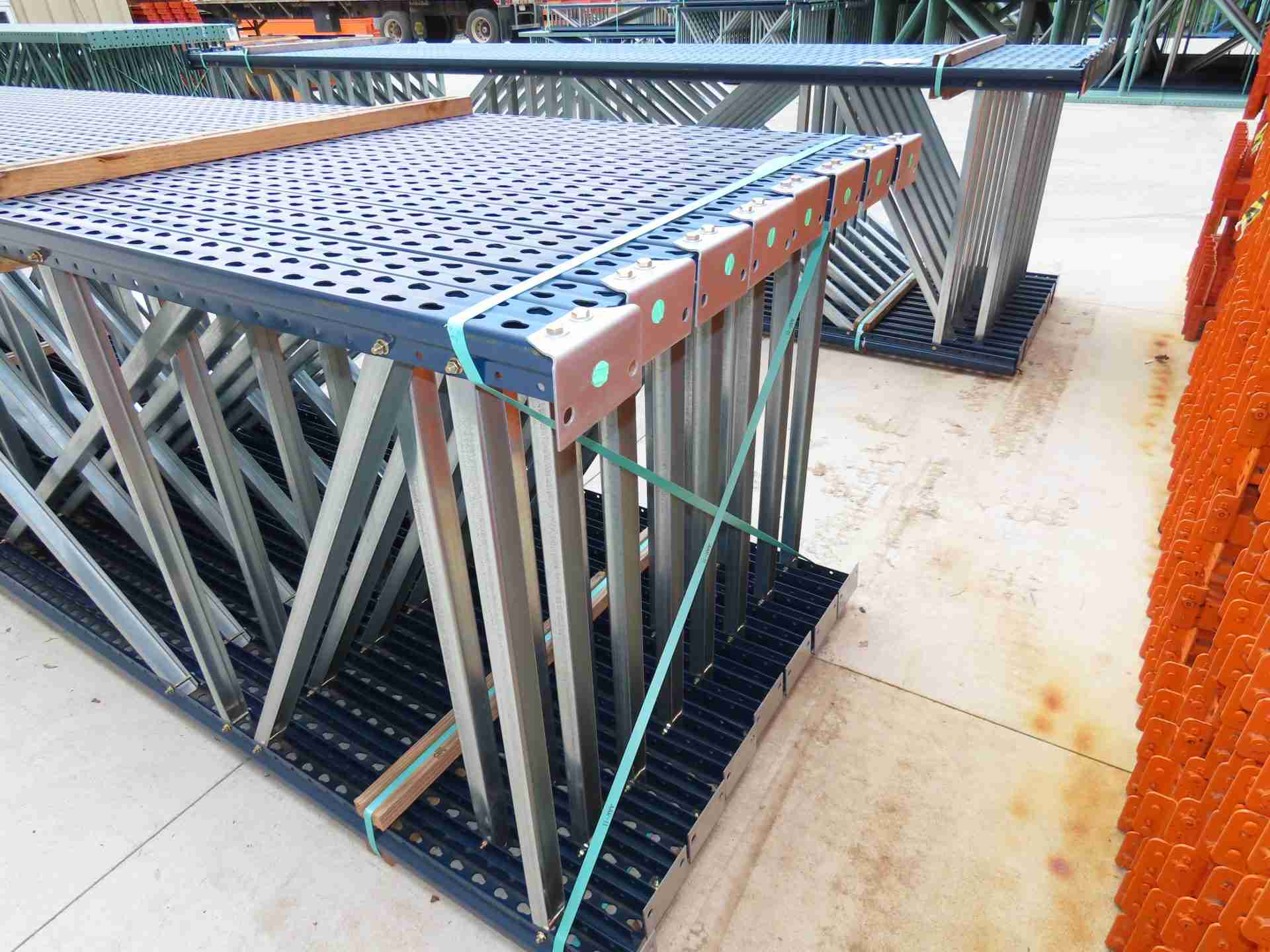
How Does Cantilever Racking Improve Welding Supply Storage?
What Cost Savings Result From Using Cantilever Racks?
You ever stand in a warehouse, surrounded by piles of lumber, pipes, or oddly shaped gear, and wonder how the heck you’re gonna keep all that stuff straight? That’s where cantilever racks come in, and if you’re smart about it, they don’t just save space—they save you hard cash.
Pallet racking has been around forever, and it’s great for boxes stacked tight and tidy. But when your inventory looks like a mix of long boards, metal tubing, or awkward crates, trying to force them onto pallets feels like hammering square pegs into round holes. Cantilever racks are tailor-made to handle those awkward loads, letting you load from the front with zero fuss. That means no more wrestling forklifts sideways or wasting hours trying to balance things precariously.
Here’s where the wallet gets happy. When your stuff fits right, you aren’t wasting space. You pack more into less—using every inch of vertical and horizontal room like a well-oiled machine. That downsizes your warehouse footprint or lets you squeeze extras into the same space, cutting rent or storage fees. Bigger payoff: less time hunting for stuff or moving piles around. Operations speed up, your crew’s less worn out, and you knock out orders faster. That efficiency translates to fewer overtime hours, less damage from accidents, and a happier bottom line.
And let’s not gloss over the ethical angle—doing more with less reduces waste. You minimize scrap by storing materials safely and accessibly, protecting them from damage and deterioration. That keeps your inventory lean, trims replacement costs, and supports a cleaner, greener workplace. It’s just plain right to cut down on needless waste.
You can trust cantilever racks because they stand up under rugged conditions. Built tough, they hold weight without bowing, and their straightforward design means less fixing and fiddling—no surprises when you need a fast turnaround in the middle of a busy day.
At the end of the day, cantilever racks help you cut costs not by skimping but by doing things smarter. They respect your hard work, your budget, and your sanity. If you want a storage solution that feels like it’s got your back—safe, efficient, and built for the real world—cantilever is where the smart money goes. When your system works, your whole crew can breathe easier, get their jobs done right, and keep the business running smooth without breaking the bank.
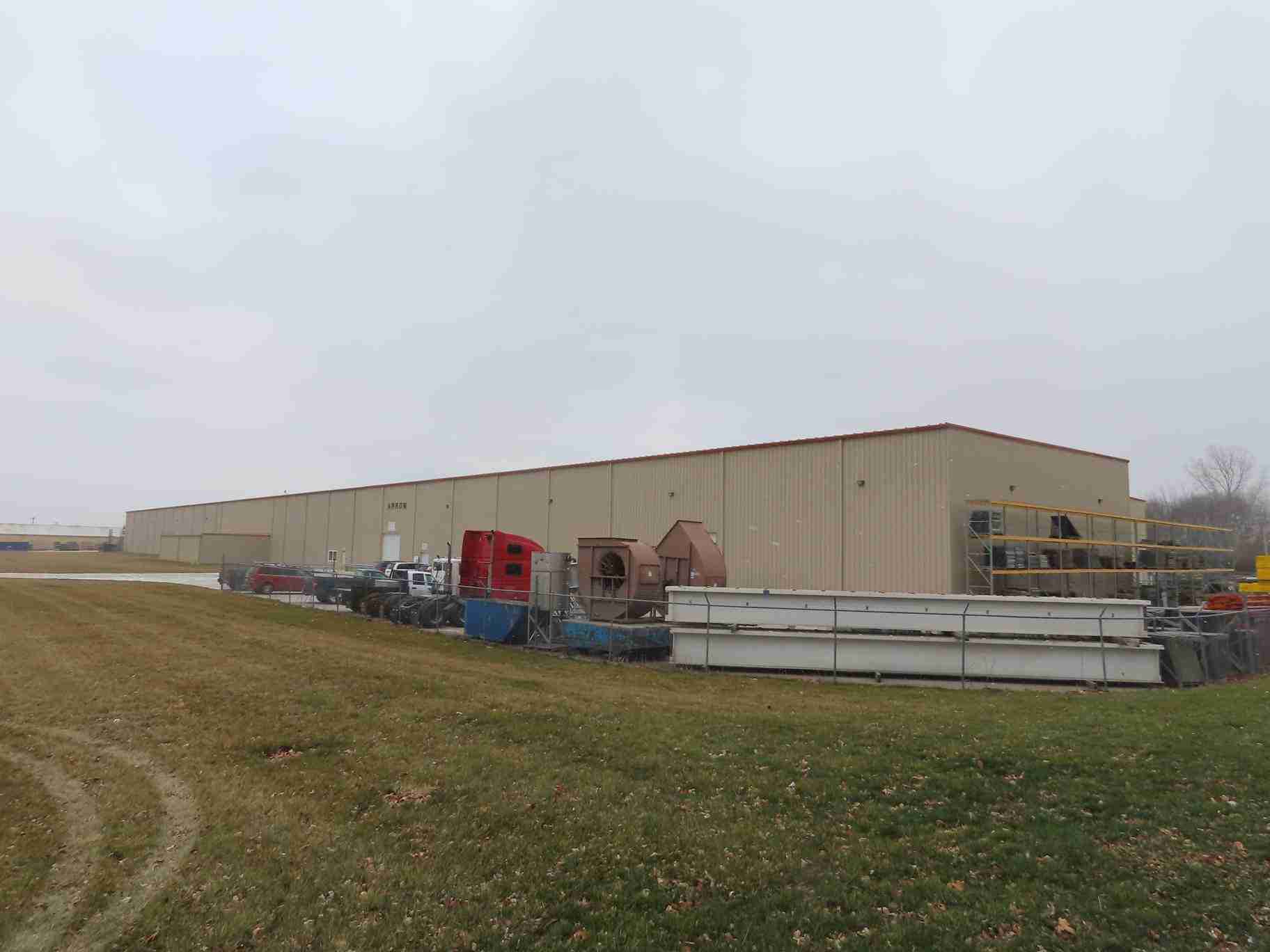
What Cost Savings Result From Using Cantilever Racks?
What Cost Savings Result From Using Cantilever Racks?
- Cantilever racks are designed to organize awkwardly shaped items like lumber, pipes, and bulky gear that don’t fit well on traditional pallet racks.
- Unlike pallet racking, cantilever racks allow front loading, eliminating the need to maneuver forklifts sideways or balance items precariously.
- They optimize space by efficiently utilizing vertical and horizontal storage, reducing warehouse footprint and cutting storage costs.
- Improved organization speeds up operations, reduces worker fatigue, minimizes accidents, and decreases overtime expenses.
- By protecting inventory and storing materials safely, cantilever racks reduce waste, lower replacement costs, and support a greener workplace.
- Built for durability, cantilever racks withstand rugged use without bending or frequent maintenance, ensuring reliability during busy operations.
- The system offers a cost-effective, efficient, and practical storage solution that enhances workflow, protects investment, and supports business continuity.
What Cost Savings Result From Using Cantilever Racks?
How Does Cantilever Racking Optimize Floor Space?
When you’re running a warehouse or workshop, every square foot counts. You know that sinking feeling when clutter starts eating your floor space, turning your operation into a maze instead of a well-oiled machine? Cantilever racking steps in like the practical, no-nonsense partner you didn’t know you needed. Unlike traditional pallet racking that boxes you in with arms and beams, cantilever racks throw those bulky uprights out the window on one side—giving you open, accessible space that feels less like storage and more like room to breathe.
This isn’t just about shuffling boxes around; it’s about reclaiming your floor space to work smarter, not harder. When you stack bulky, awkward items—think lumber, pipes, or steel bars—on pallet racking, you end up wasting room trying to fit them neatly. Cantilever racking’s straightforward, arm-based design holds those long or unusually shaped goods securely, all while keeping your aisles wide and clear. That means less time fiddling with forklifts and more time getting the job done. It’s a setup born from hard-won experience on the floor, where every inch you save translates into less strain on workers and smoother workflows.
The real beauty in cantilever racking is that it respects space as a resource worth protecting. You’re not molding your goods to fit awkward shelves; instead, you’re setting up a system built around the stuff you actually deal with every day. That’s practical thinking rooted in ethics—a way to run your business with integrity, honoring the effort that goes into your inventory without forcing compromises. Plus, invested hands-on crews immediately see the difference. It frees eyes and bodies from the tight squeezes that slow productivity and cause frustration.
And let’s be honest, pallet racking is great for many jobs, but can’t handle every situation with grace. Cantilever racking fills in those gaps like a trusty old wrench in the toolbox. It’s proven, reliable, standing up to the rough-and-tumble reality of heavy loads and irregular shapes without fuss.
Using cantilever racking to optimize floor space means more than just order—it’s about giving your operation the breathing room to grow, adapt, and keep going without the headache of cramped quarters. It’s an investment in efficiency that’s visible every day, a sensible solution any worker or manager can get behind because it just makes sense. When your floor space starts working like it’s meant to, you feel it in the workflow, in the air, and right down to the gut.
How Does Cantilever Racking Optimize Floor Space?
How Does Cantilever Racking Optimize Floor Space?
- Cantilever racking maximizes floor space by eliminating bulky uprights on one side, creating open and accessible storage areas.
- Designed for bulky, irregular items like lumber, pipes, and steel bars, it securely holds these while keeping aisles wide and clear.
- This system reduces time spent maneuvering forklifts and eases worker strain, leading to smoother workflows.
- Cantilever racking respects space as a valuable resource, adapting storage to fit inventory rather than forcing inventory into unsuitable shelves.
- It enhances productivity by removing cramped conditions that cause frustration and slow down operations.
- While pallet racking suits many tasks, cantilever racking reliably handles heavy and irregular loads where pallet systems fall short.
- Optimizing floor space with cantilever racking supports business growth, adaptability, and operational efficiency daily.

How Does Cantilever Racking Optimize Floor Space?
Can Cantilever Racks Handle Heavy Welding Materials Safely?
When you’re eyeballing a pile of thick steel pipes, metal plates, and hefty welding rods, the last thing you want is a storage system that’s gonna buckle under the load. Cantilever racks might look like they’re built for the job—with their arm-like extensions ready to hold long, bulky items—but can they really handle heavy welding materials safely? The short answer: yes, but only if you respect the rules of weight and balance like you respect a good tool chest.
I’ve seen shops where the old pallet racking just wasn’t cutting it anymore. Welding materials don’t fit neatly into boxes; they’re awkward and dense, and they need support without the risk of slipping or crushing. Cantilever racks offer a purpose-built solution with open arms, letting you stack pipes, beams, and plates without chopping up your workspace with clunky crossbars. But here’s the kicker—they’re only as safe as the way they’re installed and loaded. When weight’s involved, proper anchoring to the floor and selecting arms rated for the specific load matter just as much as the steel in your plates.
The hands-on truth is, cantilever racks handle heavy welding materials well when you give them the respect they deserve. Load limits aren’t just numbers on a sticker; they’re lifelines. Overloading or tossing heavy loads onto a rack designed for lighter gear isn’t just careless—that’s a shortcut that can lead to accidents, injuries, and costly downtime. Ethically, anyone managing a workspace should prioritize safety over shortcuts. It’s about taking responsibility for your crew and your tools, knowing that a secure stacking system preserves both lives and livelihoods.
There’s a quiet authority in steel that’s built right. A good cantilever rack, engineered with proper steel thickness, strong arms, and solid pallet racking foundations, doesn’t just hold weight—it commands confidence. It says you’ve done your homework. You know what you’re stacking, how much it weighs, and how to store it right. When your crew can grab piping or metal sheets without second-guessing the rack’s strength, that’s trust earned over grease-stained hours and common-sense planning.
If you’re still debating whether cantilever racks suit your welding operation, picture this: a tidy, efficient shop free from the chaos of collapsed stacks or the stress of scrambling for space. That’s the kind of order that drives better work and keeps everyone coming home at the end of the day. Pallet racking might be the default in many spots, but when your materials push beyond the standard square box, cantilever racks give you that stretch—and strength—you need. It’s good gear, handled right, helping you get the job done without the worry.
Can Cantilever Racks Handle Heavy Welding Materials Safely?
Can Cantilever Racks Handle Heavy Welding Materials Safely?
- Cantilever racks are suitable for storing heavy welding materials if weight and balance rules are strictly followed.
- Welding materials are awkward and dense, requiring support without slipping or crushing, which cantilever racks provide with open arms.
- Safety depends on proper installation, including floor anchoring and selecting arms rated for the load.
- Load limits must be respected to prevent accidents, injuries, and downtime; safety should be prioritized over shortcuts.
- Well-engineered cantilever racks with proper steel thickness and strong arms inspire confidence and trust among workers.
- A secure and organized storage system improves workplace efficiency and reduces risks associated with collapsing stacks.
- Cantilever racks offer more flexibility and strength than traditional pallet racking for bulky, irregular welding materials.
Can Cantilever Racks Handle Heavy Welding Materials Safely?
How Does Better Organization Affect Employee Productivity?
Picture a cluttered workshop where tools are scattered, and job orders pile up like a runaway freight train. Now imagine that same place with every hammer, wrench, and bolt sitting exactly where it should, labeled and easy to grab. That’s the kind of order that turns a daily grind into smooth sailing. Better organization isn’t just about neatness—it’s about respect for the folks on the floor who make things happen. When an employee knows where their next job is, where to find the right parts on a pallet racking system, and can trust everything is laid out clearly, it cuts down the frustration and wasted time. That respect breeds pride, and pride in your work pushes productivity through the roof.
From a practical angle, organized spaces let folks focus on the job without mental clutter holding them back. Studies, not just dusty reports on a shelf, back this up: when the workspace is clean and systems are clear, errors drop and efficiency climbs. It’s common sense, rooted in real-world experience. When you don’t have to hunt for materials or double-check if you grabbed the right part, the workday flows better. A well-organized space with pallet racking that’s thoughtfully arranged minimizes the time spent walking back and forth, searching or fixing avoidable mistakes. That saves money for the company and gives employees a sense of accomplishment every shift.
But it’s not just about speed or cost. There’s an ethical side here that’s easy to overlook. Creating an organized environment shows care for the people who show up day in and day out, daydreaming of finishing their shift on time and going home to their families. When management invests in clear processes and proper storage, like pallet racking that keeps things safe and accessible, it sends a message: you matter here. It’s about fairness. Everyone deserves a workspace that doesn’t work against them but invites them to do their best.
On any floor, the folks who’ve seen a change from chaos to order speak the loudest. Their stories share a kind of tough-earned wisdom—how being able to find what you need reduces stress, how smoother workflows ease the daily slog, how a little respect in the setup sparks bigger teamwork. Better organization isn’t a fancy idea dreamed up in a boardroom; it’s hands-on, down-to-earth, and proven in the sweat and stories of those who live it. Taking control of the workspace with things like well-planned pallet racking doesn’t just help the bottom line—it helps the people who carry it.
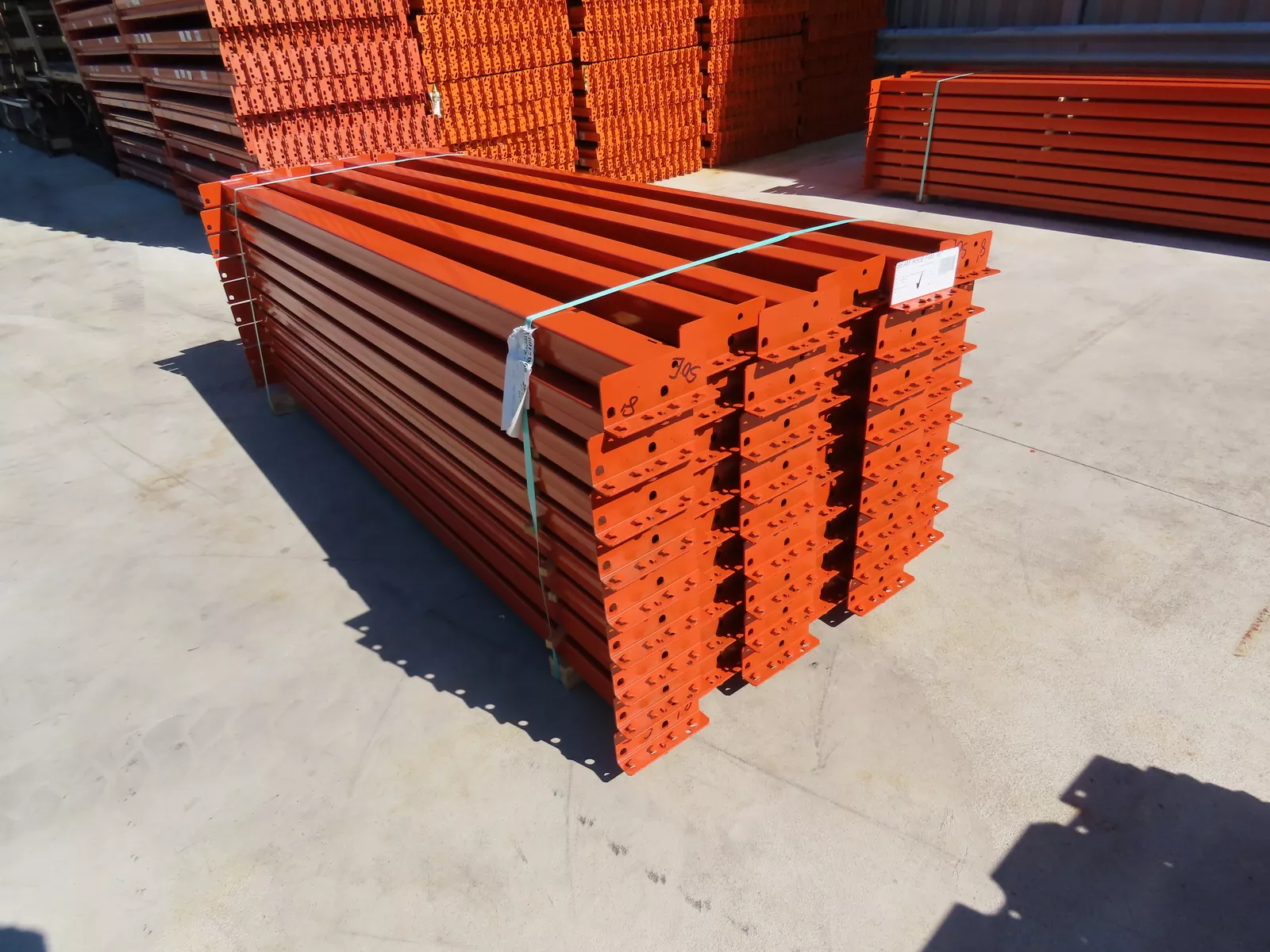
How Does Better Organization Affect Employee Productivity?
How Does Better Organization Affect Employee Productivity?
- Organized workspaces transform chaotic environments into efficient, smooth-running operations, improving daily workflows.
- Clear labeling and proper placement of tools and parts reduce frustration and save time for employees.
- Better organization fosters respect and pride among workers, boosting overall productivity.
- Studies confirm that clean, organized work areas lower errors and increase efficiency.
- Thoughtfully arranged pallet racking minimizes unnecessary movement and prevents mistakes, saving company money.
- Creating organized environments demonstrates ethical care and fairness, showing employees they are valued.
- Workers who experience improved organization report reduced stress, enhanced teamwork, and a greater sense of accomplishment.
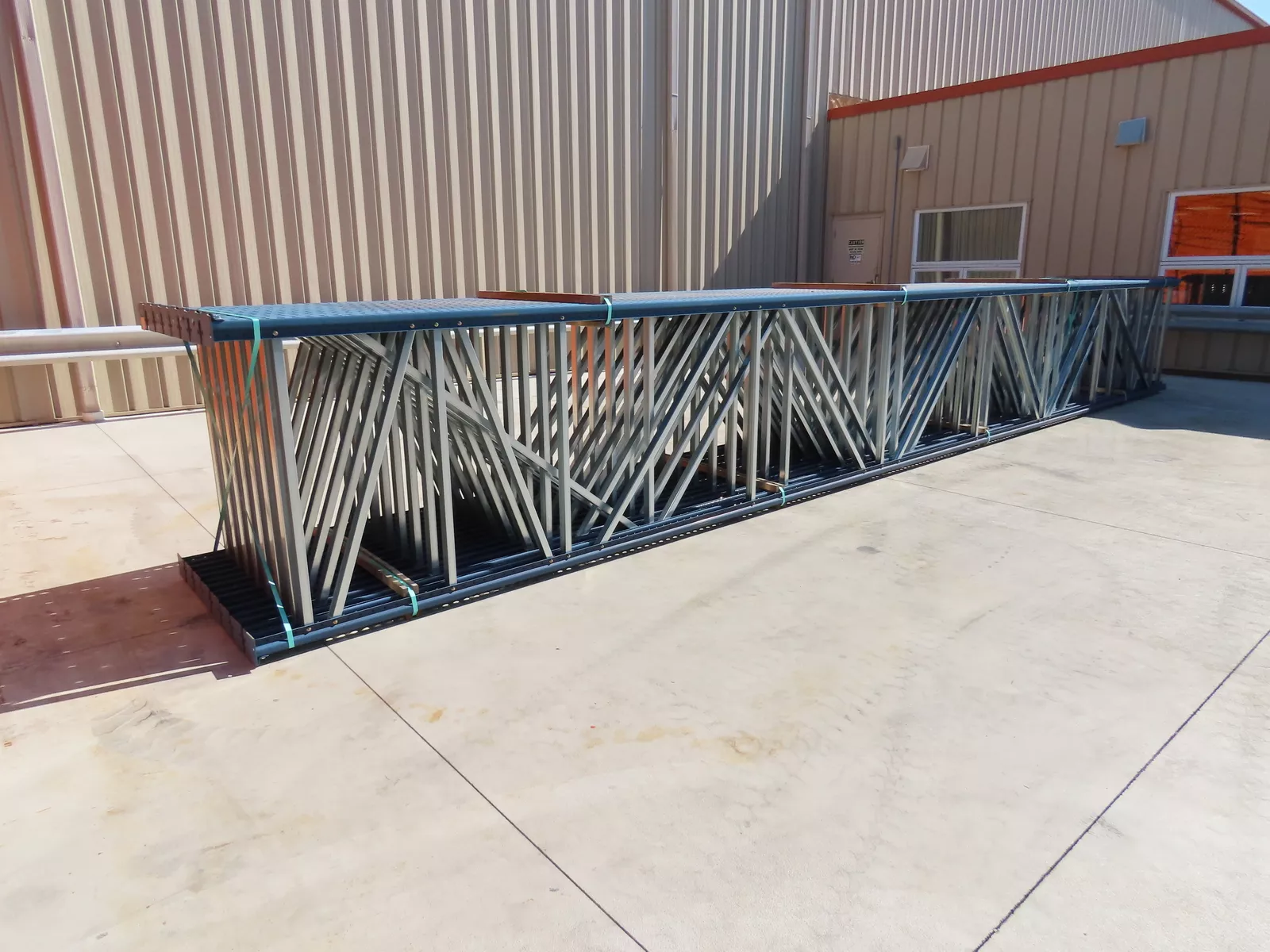
How Does Better Organization Affect Employee Productivity?
What Are the Installation Challenges Of Cantilever Racking?
Installing cantilever racking isn’t some walk in the park — it’s a hands-on grind that tests your patience, smarts, and gut instincts. Unlike pallet racking setups where loads sit neatly on forks, cantilever arms carry bulky, awkward items like pipes, lumber, or steel bars. That means everything has to be lined up just right or you risk a lean, a wobble, or worse—a mess that can shut down a whole operation. When you’re elbow-deep in the install, you quickly realize this isn’t just about slapping parts together; it’s about precision, respect for weight, and knowing that every bolt keeps your team and inventory safe.
The first snag is the foundation. Cantilever racking demands solid, level floors, because if the base is off even a hair, those arms won’t sit true. A shaky start here means trouble down the line. This challenge hits home for anyone who’s wrestled with uneven concrete or a site that wasn’t prepped right. It’s more than a building problem—it’s about protecting people, the product, and the day’s hard work from preventable accidents. No shortcuts. No ignoring the groundwork.
Then there’s the weight capacity. Pallet racking is somewhat forgiving—loads stack in neat boxes—but cantilever arms haul heavy, long materials that shift and lean differently. Choosing the wrong beam size or miscalculating load limits isn’t just a math headache; it’s a real danger. Experience teaches you that burn—seeing a rack bend or give way—that sticks with you. It’s a sobering lesson in respecting both the gear and the workers who rely on it every day.
Installation also calls for teamwork, a plain fact that often gets overlooked. Handling long steel beams or awkward lumber calls for hands on deck, clear communication, and a shared focus. One distracted move or misheard instruction can send everything sideways. There’s a humbling, honest satisfaction in pulling together to get it right, knowing you’ve laid down not just metal, but trust, safety, and reliability.
So yeah, cantilever racking installation tests every inch of your skills, your judgment, and your work ethic. It’s about more than gear or specs—it’s a commitment to doing it well, every time. When done right, it’s a backbone solution that stands tall for years, ready to bear the load and back the business.
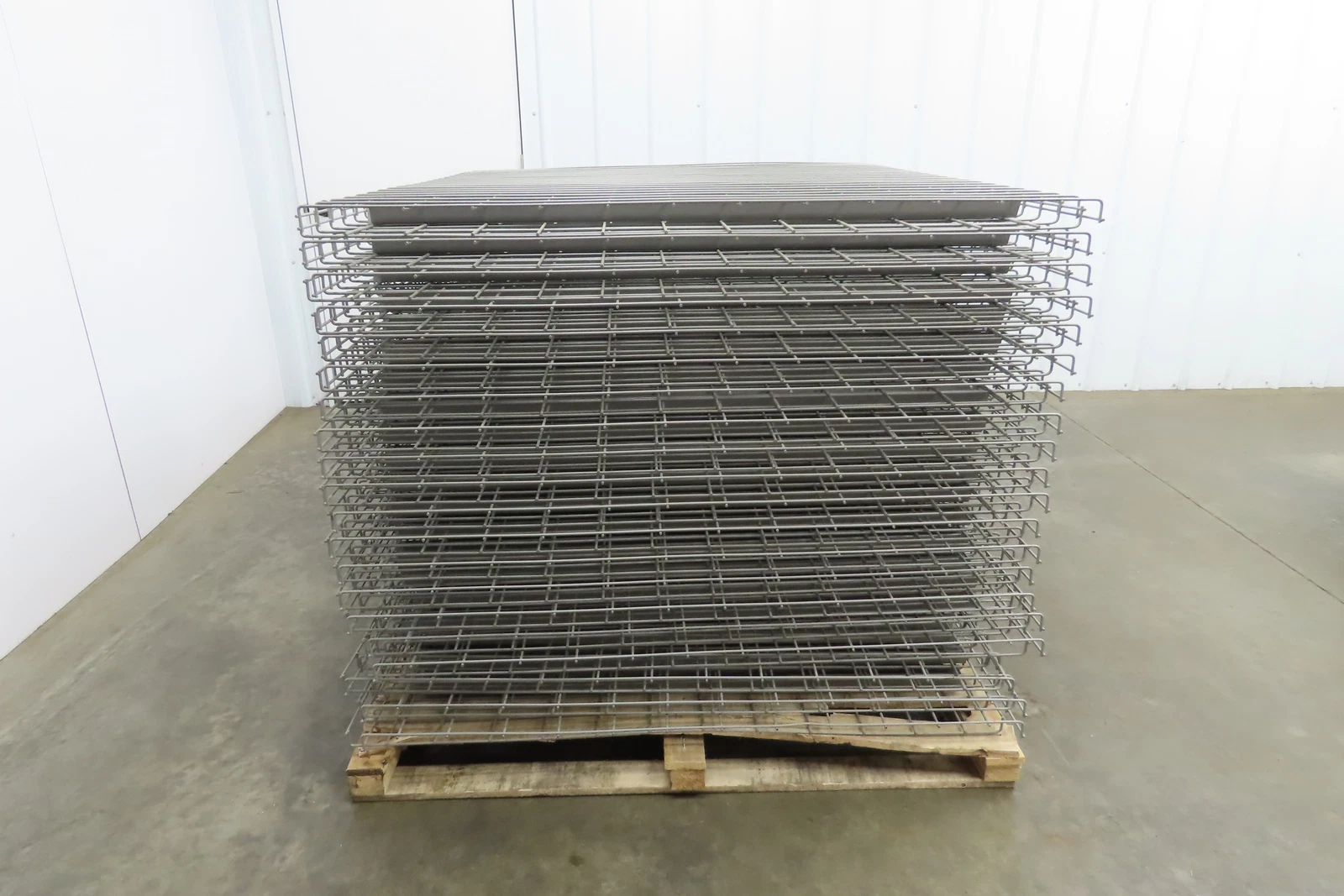
What Are the Installation Challenges Of Cantilever Racking?
What Are the Installation Challenges Of Cantilever Racking?
- Installing cantilever racking requires precision, patience, and skill due to handling bulky, awkward items unlike standard pallet racking.
- A solid, level foundation is crucial; even slight unevenness can cause instability and operational risks.
- Weight capacity is critical since cantilever arms support heavy, shifting materials, demanding correct beam sizing and load calculations.
- Improper installation can lead to dangerous failures, emphasizing the need for respect of equipment and worker safety.
- Teamwork, clear communication, and focused coordination are essential during installation to handle long and awkward materials safely.
- The process tests skills, judgment, and work ethic, requiring commitment to high standards every time.
- Properly installed cantilever racking provides durable, reliable support that benefits operations long-term.
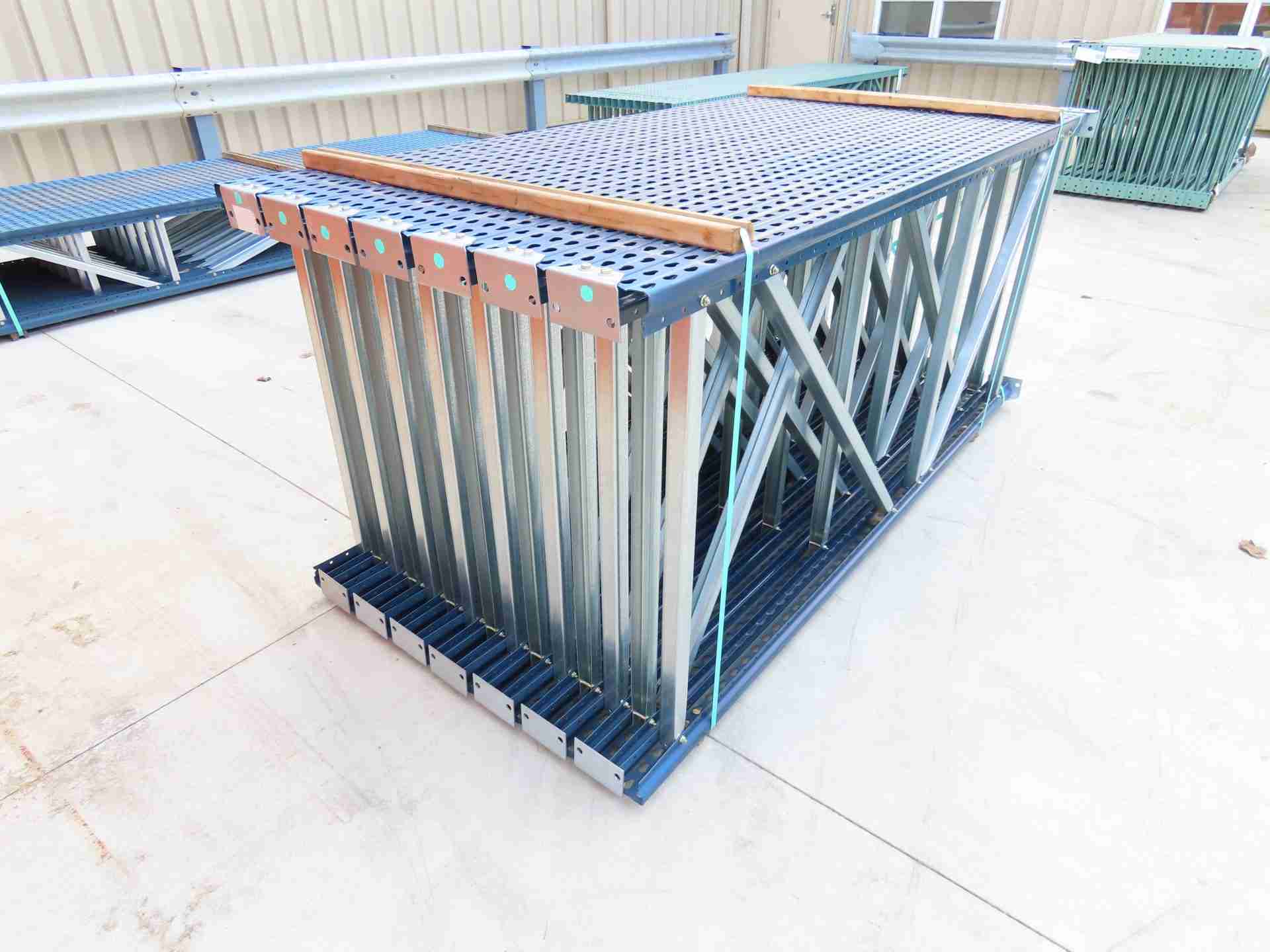
What Are the Installation Challenges Of Cantilever Racking?
Conclusion
In the rough-and-tumble world of welding supply, cantilever racking isn’t just a storage choice—it’s the unsung hero that keeps the whole show running smooth. When you’re dealing with long steel pipes, bulky metal bars, and gear that laughs at the idea of fitting neatly on a pallet, this system steps up like a dependable workhorse. It clears cluttered aisles, keeps heavy loads steady, and saves folks from the arthritis-inducing dance of twisting and wrestling to grab the right piece. That’s no small thing when the clock’s ticking and the job can’t wait.
From the heart of the shop floor to the head in the office, cantilever racking answers a simple, stubborn need: space made useful without cutting corners on safety. It respects the sweat in every weld and the care that goes into each job by protecting expensive materials from damage and keeping walkways clear. There’s pride in knowing your crew won’t spend half their day hunting down supplies and that the workflow won’t get snarled in some jumbled mess. It’s an honest, no-nonsense solution that honors both the tools and the people who use them.
Beyond just making life easier, cantilever racks help save money—real money. By fitting awkward shapes properly and stacking tall without gobbling up floor space, they shrink your warehouse footprint or let you squeeze more in where you already pay the rent. That means fewer overtime hours, less damage from careless storage, and a tighter grip on scrap and replacement costs. Doing more with less isn’t just practical; it’s the right call when every dollar counts and waste is the enemy.
Safety isn’t left to chance, either. This stuff can be heavy, mean, and unforgiving, and a rack that’s not built or installed right invites trouble. But when you follow the rules—proper anchoring, correct load limits, solid steel construction—you’re not just stacking metal; you’re stacking trust. A strong cantilever rack tells your crew, “We’ve got your back.” It spares them the stress of second-guessing their equipment and keeps everyone heading home safe.
The real magic shows up in how better organization improves every part of the operation—from cutting frustration and wasted time to boosting pride and productivity. Workers who don’t have to play scavenger hunt with their tools can focus on the job, and that respect for the crew shines through in every weld and every handoff. It’s a simple truth borne out on sweaty floors and noisy shops everywhere: order isn’t just neat—it’s powerful.
Installing cantilever racking ain’t easy. It takes a steady hand, a level floor, and a team that knows what they’re doing. One slip or crooked bolt can turn a tough job into a dangerous mess. But getting it right is a badge of honor, a commitment to safety, reliability, and respect for everyone who relies on it. When it stands tall and steady, that rack isn’t just metal—it’s the backbone of a shop that knows what real work feels like, and that’s a weight worth carrying.

Conclusion
Conclusion:
- Cantilever racking efficiently stores long, bulky materials like steel pipes and metal bars, clearing clutter and stabilizing heavy loads.
- It maximizes space utilization and maintains safety by protecting materials and keeping walkways clear.
- This racking system reduces time wasted searching for supplies and prevents workflow disruptions.
- Cantilever racks save money by optimizing storage, reducing overtime, minimizing damage, and limiting scrap and replacement costs.
- Proper installation and sturdy construction ensure safety and reliability, supporting the crew’s confidence in their equipment.
- Improved organization from cantilever racking enhances productivity, reduces frustration, and promotes pride in workmanship.
- Installing cantilever racking requires skill and precision, but once done right, it becomes a vital support system for the shop’s operations.
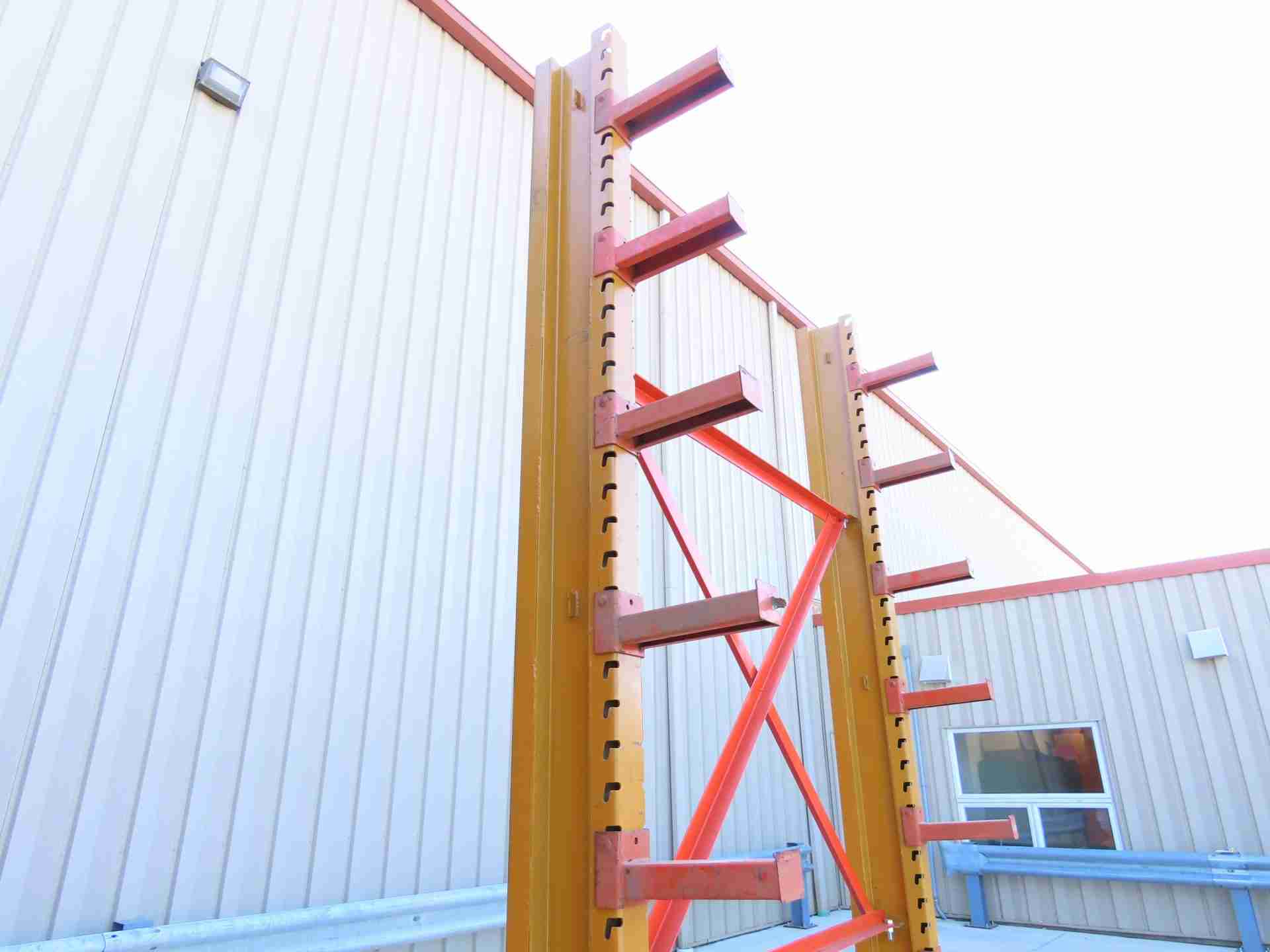
Conclusion
Other Resources

Other Resources
Here is a list of other resources you can review online to learn more:
- RMI
- Interlake Mecalux
- Teardrop Pallet Rack – Ridg-U-Rak
- Intro to Warehouse Racks & Warehouse Racking Systems – ShipBob
- CA Wire
- Selective Racking
- Teardrop Industrial Shelving Rack
- Pallet Rack Systems – New and Used Pallet Racking and Shelving Experts
- Storage Equipment Manufacturers’ Association
- Warehouse Racking Systems: Beginner’s Guide to Rack Systems
- CMMA
- Illinois Pallet Racking – Storage Solutions
- Total Warehouse
- BMH Equipment LLC
- Illinois
- Racking World
- International Warehouse Logistics Association
- Material Handling Industry
- Teardrop Uprights
- Chicago Pallet Racking
Use This Prompt To Get More Resources With Your Favorite Online AI Tool: Please provide me with a list of online articles with their URLs in a bulleted list that I can read regarding How Do Welding Supply Companies Leverage Cantilever Racking?
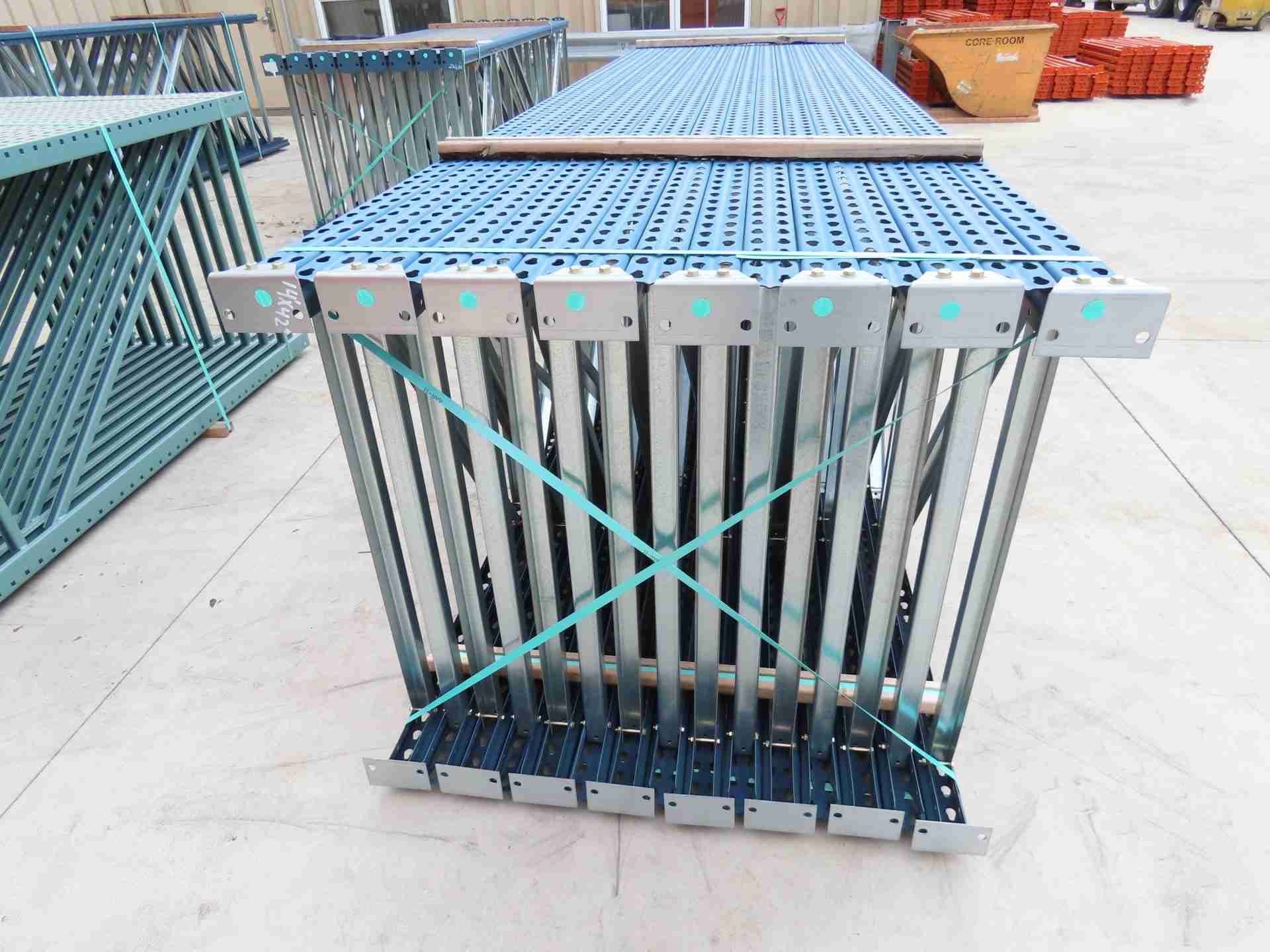
Other Resources
Glossary Terms
How Do Welding Supply Companies Leverage Cantilever Racking? – Glossary Of Terms
1. Cantilever Racking: A storage system featuring arms that extend from a central column to hold long or bulky items like pipes or metal sheets.
2. Welding Supplies: Materials and equipment used in welding, such as rods, wires, gases, and safety gear.
3. Storage Efficiency: The optimization of space usage in a warehouse or storage area.
4. Inventory Management: The process of ordering, storing, and using a company’s inventory.
5. Accessibility: Ease of reaching and retrieving stored items.
6. Load Capacity: The maximum weight a cantilever rack can safely support.
7. Adjustable Arms: Components of cantilever racks that can be repositioned to accommodate various item sizes.
8. Space Optimization: Maximizing available storage area to hold more products.
9. Long Materials: Items like pipes, tubes, or steel bars that require specialized storage.
10. Bulk Storage: Holding large quantities or oversized items in a warehouse.
11. Modular Design: A racking system designed for easy reconfiguration.
12. Material Handling: The movement, protection, storage, and control of materials throughout manufacturing and distribution.
13. Safety Standards: Guidelines and regulations to ensure safe storage and handling.
14. Warehouse Organization: The arrangement of storage systems to improve workflow.
15. Structural Integrity: The strength and durability of racking components.
16. Vertical Storage: Using height to increase storage density.
17. Pick Efficiency: The speed and ease with which workers retrieve items from storage.
18. Customization: Modifying racks to meet specific storage needs.
19. Heavy-Duty Racking: Racks designed to support very heavy loads.
20. Steel Fabrication: The process of constructing racks from steel materials.
21. Stock Rotation: Managing inventory so older stock is used first.
22. Space-Saving: Reducing storage footprint while maintaining capacity.
23. Load Distribution: Evenly spreading weight across a rack to prevent damage.
24. Durability: The ability of racks to withstand wear and heavy use.
25. Order Fulfillment: The process of preparing and delivering stock to customers.
26. Maintenance: Regular inspections and repairs of racking systems.
27. Ergonomics: Designing storage to minimize worker strain and injury.
28. Cost Efficiency: Reducing storage and handling expenses.
29. Accessibility Aisles: Pathways designed to allow equipment and workers access to racks.
30. Inventory Visibility: Clear, organized storage that facilitates inventory tracking.
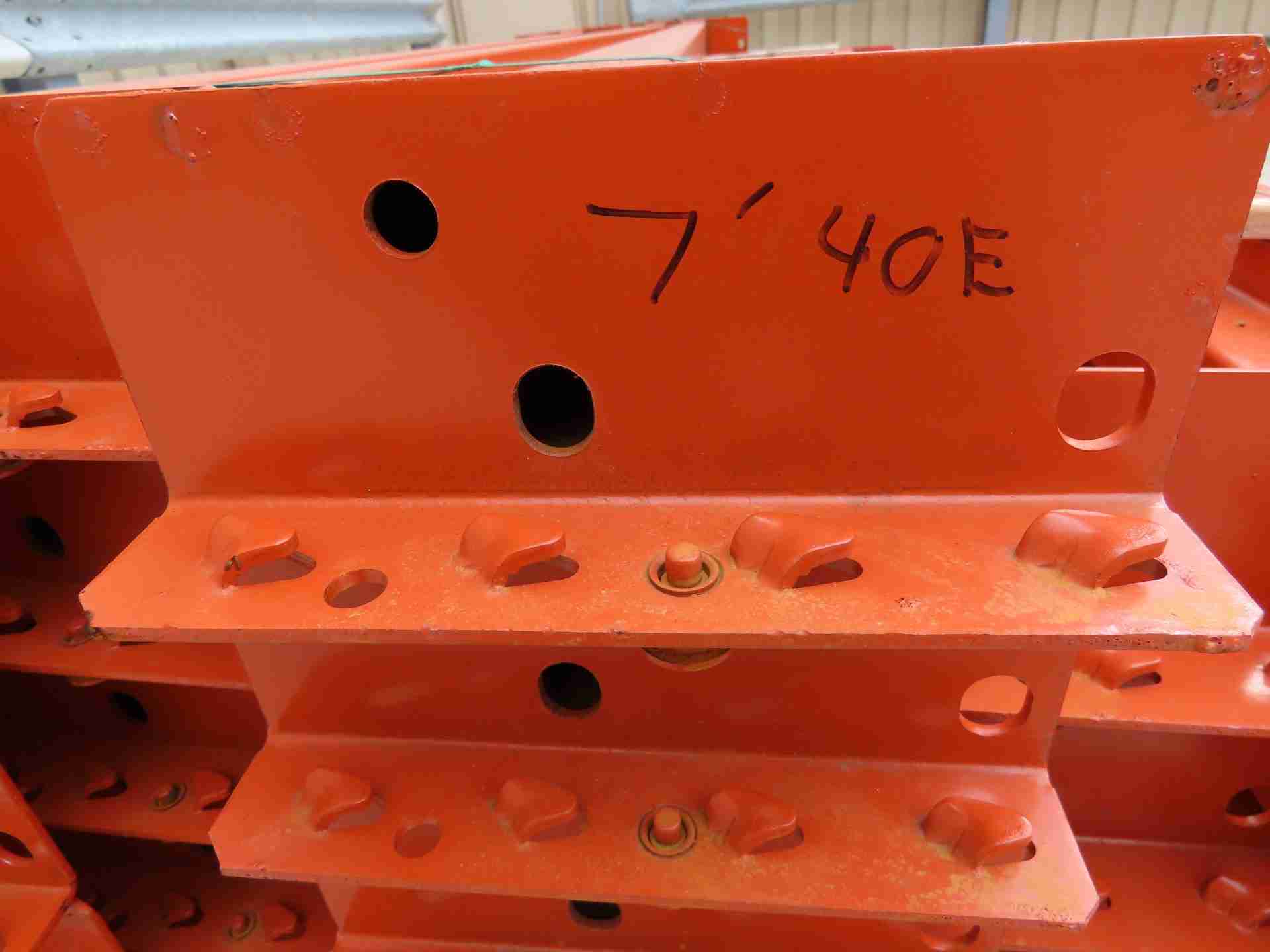
Glossary Of Terms
Other Questions
How Do Welding Supply Companies Leverage Cantilever Racking? – Other Questions
If you wish to explore and discover more, consider looking for answers to these questions:
- What are the weight capacities per arm and per column for typical cantilever racks?
- How do I calculate load capacity for different material lengths, diameters, and weights?
- What floor requirements and anchoring methods are needed for safe installation?
- Are there special considerations for seismic zones or high-wind areas?
- How do cantilever racks compare to pallet racking in upfront cost and long-term ROI?
- What is the typical lifespan and what warranties do manufacturers offer?
- What regular maintenance and inspection schedule is recommended?
- Which safety codes and industry standards apply (OSHA, RMI, local building codes)?
- How should racks be protected against corrosion, moisture, or chemical exposure?
- Can cantilever racks be customized for specific pipe, rod, or plate dimensions?
- What accessories are available (dividers, end stops, lips, protective padding)?
- How do cantilever racks integrate with forklifts, cranes, or manual handling equipment?
- How long does installation take and what crew/equipment is required?
- Can existing warehouse layouts be retrofitted with cantilever systems?
- What are the most common installation errors and how can they be avoided?
- What employee training is required for safe loading, unloading, and stacking?
- How should inventory be labeled and organized on cantilever racks for fast picking?
- What are best practices for stacking, bundling, and securing long or heavy loads?
- How do you store mixed inventory types (pipes, sheets, bars) on the same system?
- What are the typical upfront and ongoing costs (installation, maintenance, repairs)?
- What ROI timeline can a welding supply company realistically expect?
- Which metrics should be tracked to measure productivity gains after installation?
- Are financing, leasing, or rental options available for cantilever systems?
- How do you choose a reputable manufacturer or certified installer?
- Is professional load testing or certification required before putting racks into service?
- How are damaged rack components repaired and when is full replacement necessary?
- How do cantilever racks perform in extreme temperatures or corrosive environments?
- What fire-safety, sprinkler, or egress compatibility issues should be considered?
- Can cantilever systems be modular or mobile for changing storage needs?
- How can you ensure rack installation meets insurance company requirements?
- What are recommended aisle widths and space-planning guidelines for safe forklift access?
- Are there case studies or benchmarks showing performance improvements in welding supply operations?
- How should racks be designed to allow for future growth and increased inventory?
- When are hybrid systems (cantilever + pallet racking) more effective than cantilever alone?
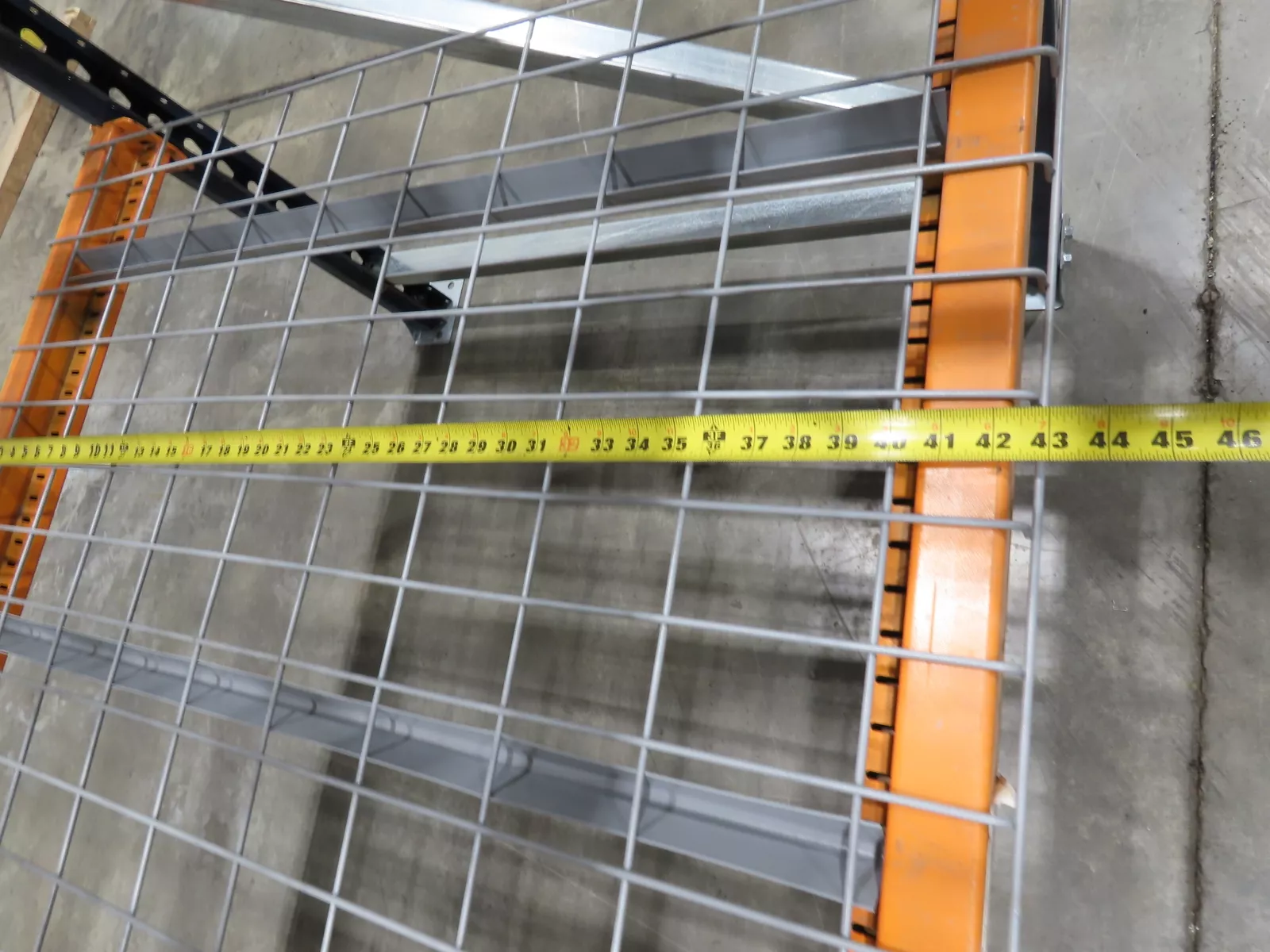
Other Questions
Checklist
How Do Welding Supply Companies Leverage Cantilever Racking? – A Checklist
Assessment and Fit
✅______ Inventory profiled by length, diameter, weight, and bundle size
✅______ Items unsuitable for pallets identified for cantilever storage
✅______ Demand and picking frequency mapped (fast vs. slow movers)
✅______ Environment assessed (indoor or outdoor; temperature, corrosion, dust)
✅______ 12–36-month growth forecast incorporated
Space Planning and Layout
✅______ Building constraints verified (ceiling height, columns, doors, sprinklers)
✅______ Aisle widths matched to handling equipment and load lengths
✅______ Single vs. double-sided racks selected by flow and footprint
✅______ Vertical space utilization planned (arm levels and clearances)
✅______ Receiving, staging, storage, picking, and shipping paths defined
✅______ Emergency egress and fire code clearances maintained
Engineering and Specification
✅______ Load calculations completed (per arm, per level, per bay, and total)
✅______ Longest/heaviest item sets required arm length, spacing, and capacity
✅______ Deflection limits and arm pitch specified for product stability
✅______ Upright and base sizing verified for moment and overturn resistance
✅______ End stops, stop pins, and dividers specified to prevent roll-off
✅______ Protective finish chosen (galvanized or powder coat) per environment
✅______ Seismic and wind requirements and local codes addressed
✅______ Manufacturer drawings reviewed and approved; stamped if required
Floor and Anchoring
✅______ Slab thickness, compressive strength, and reinforcement verified
✅______ Flatness and levelness tolerances checked; remediation planned if needed
✅______ Anchor type, size, embedment, and edge distances specified
✅______ Shimming plan established to achieve plumb and level
Installation
✅______ Qualified install crew scheduled; lift and rigging plan prepared
✅______ Hardware torque specs applied and documented
✅______ Uprights plumb and level; arm elevations consistent across bays
✅______ Row spacers, bracing, and base bolts installed per drawings
✅______ Load rating signs posted per arm and per bay
✅______ Commissioning inspection completed with punch-list closeout
Safety and Compliance
✅______ Overload prevention policy in place (no mixed, unknown loads)
✅______ Rack protection installed (end-of-row guards, bollards, aisle guards)
✅______ Housekeeping standard set to keep aisles and bases clear
✅______ Fire protection reviewed (sprinkler obstructions and flue spaces)
✅______ OSHA and local code compliance verified and documented
✅______ Damage reporting and tag-out procedure implemented
✅______ Periodic safety audits scheduled
Operations and Organization
✅______ Location labeling system set (aisle, bay, level, side)
✅______ Product labels show length, grade, heat/lot, and weight
✅______ FIFO/LIFO rules defined by product type
✅______ Pick paths optimized to minimize travel and touches
✅______ Kitting and staging zones designated and marked
✅______ Accessories specified (V-saddles, cradles, dunnage, separators)
Equipment and Training
✅______ Handling equipment matched to loads (standard, long-load, or side-loader)
✅______ Fork-extension policy defined and controlled
✅______ SOPs for loading/unloading and load restraint established
✅______ Operator and spotter training completed; refreshers scheduled
✅______ Lift capacities and attachment de-rates posted on trucks
Cost and ROI
✅______ Baselines captured (space utilization, retrieval time, damage rate, overtime)
✅______ Total cost estimated (racks, installation, anchors, permits, equipment)
✅______ Savings modeled (footprint reduction, time, damage, labor)
✅______ Payback period and ROI calculated
✅______ KPIs defined and dashboard set for post-implementation tracking
Maintenance and Continuous Improvement
✅______ Inspection cadence set (monthly visual, annual detailed)
✅______ Hardware re-torque and alignment checks scheduled
✅______ Corrosion touch-up and cleaning plan established
✅______ Repair/replace criteria for damaged arms and uprights defined
✅______ Operator feedback loop and re-slotting reviews implemented
Expansion and Scalability
✅______ Modular growth plan with spare-capacity margin
✅______ Compatibility of future bays and components confirmed
✅______ Vendor support, parts availability, and lead times verified
Documentation
✅______ As-built drawings and load tables on file
✅______ Certifications, warranties, and permits archived
✅______ Training records and SOPs maintained
✅______ Inspection and maintenance logs up to date
Checklist
At RackingWorld, we help guide you through selecting warehouse storage systems and racking.
Be sure to read our other related stories at RackingWorld to learn more about warehouse storage systems.
0 Comments