
Maximizing Care And Efficiency: The Backbone Of Vet Pharma Logistics
By Tom Seest
At RackingWorld, we help guide you through selecting warehouse storage systems and racking.
Be sure to read our other related stories at RackingWorld to learn more about warehouse storage systems.
How Do Veterinary Pharmaceutical Distributors Leverage Pallet Racking?
In a warehouse where lives depend on every shipment, veterinary pharmaceutical distributors know that pallet racking isn’t just metal shelves—it’s the backbone of keeping animals healthy and communities safe. Picture a cold morning, trucks rolling in with crates of vital meds destined for clinics and farms. Without a well-organized pallet racking system, chaos would reign. Stacks of boxes packed haphazardly mean delays, damaged goods, and worst of all, broken trust in a supply chain where every minute counts.
Pallet racking gives these distributors the kind of reliable order that turns stocked shelves into a lifeline. It’s like having a well-oiled engine under the hood of a big rig—quiet, steady, and dependable. The racks make space fly, turning cramped warehouses into efficient hubs where inventory isn’t just stored but ready to move at a moment’s notice. When a vet orders a batch of vaccines or a farm needs antibiotics before dawn, the ability to locate and dispatch products quickly isn’t just about speed, it’s about responsibility.
There’s an ethics to this, too. Veterinary pharmaceuticals aren’t consumer knickknacks; they require careful storage, precise inventory control, and a system that respects the fragility of what’s inside each box. Pallet racking helps keep items off the floor, protected from damage and contamination—which means safer products every time. Distributors are not just storing medicine; they’re safeguarding the health and wellbeing of animals, families, and food supplies.
Trust comes from consistency and care. Distributors lean on pallet racking because it’s familiar, proven, and honest. It’s the kind of solution that doesn’t promise the moon but delivers every day with grit and good sense. It stands tall so vets can stand strong, and that’s something worth putting real faith in.
When you walk into one of these warehouses, you’re stepping into the quiet heart of veterinary care. The racks, loaded and ready, tell a story of hands-on work, early mornings, and commitment to a cause bigger than just business. It’s about making a difference, one pallet at a time, with a system that respects the value of every product, every life. That’s how veterinary pharmaceutical distributors leverage pallet racking—by turning cold steel into trust, reliability, and lifelines.

How Do Veterinary Pharmaceutical Distributors Leverage Pallet Racking?
How Do Veterinary Pharmaceutical Distributors Leverage Pallet Racking?
- Pallet racking is essential for veterinary pharmaceutical distributors, ensuring efficient and reliable storage critical to animal health and community safety.
- Without organized pallet racking, warehouses face delays, damaged goods, and lost trust due to chaotic and unsafe storage practices.
- The system maximizes space and transforms warehouses into efficient hubs where inventory is easily accessible and ready for quick dispatch.
- Pallet racking supports careful storage and precise inventory control, protecting sensitive pharmaceuticals from damage and contamination.
- Distributors rely on pallet racking for consistent, dependable operation that safeguards animals, families, and food supplies.
- The system embodies ethics and responsibility, emphasizing the importance of reliability over flashy promises.
- Warehouse racks represent commitment and trust, reflecting the dedication to veterinary care and the critical role of each shipment.
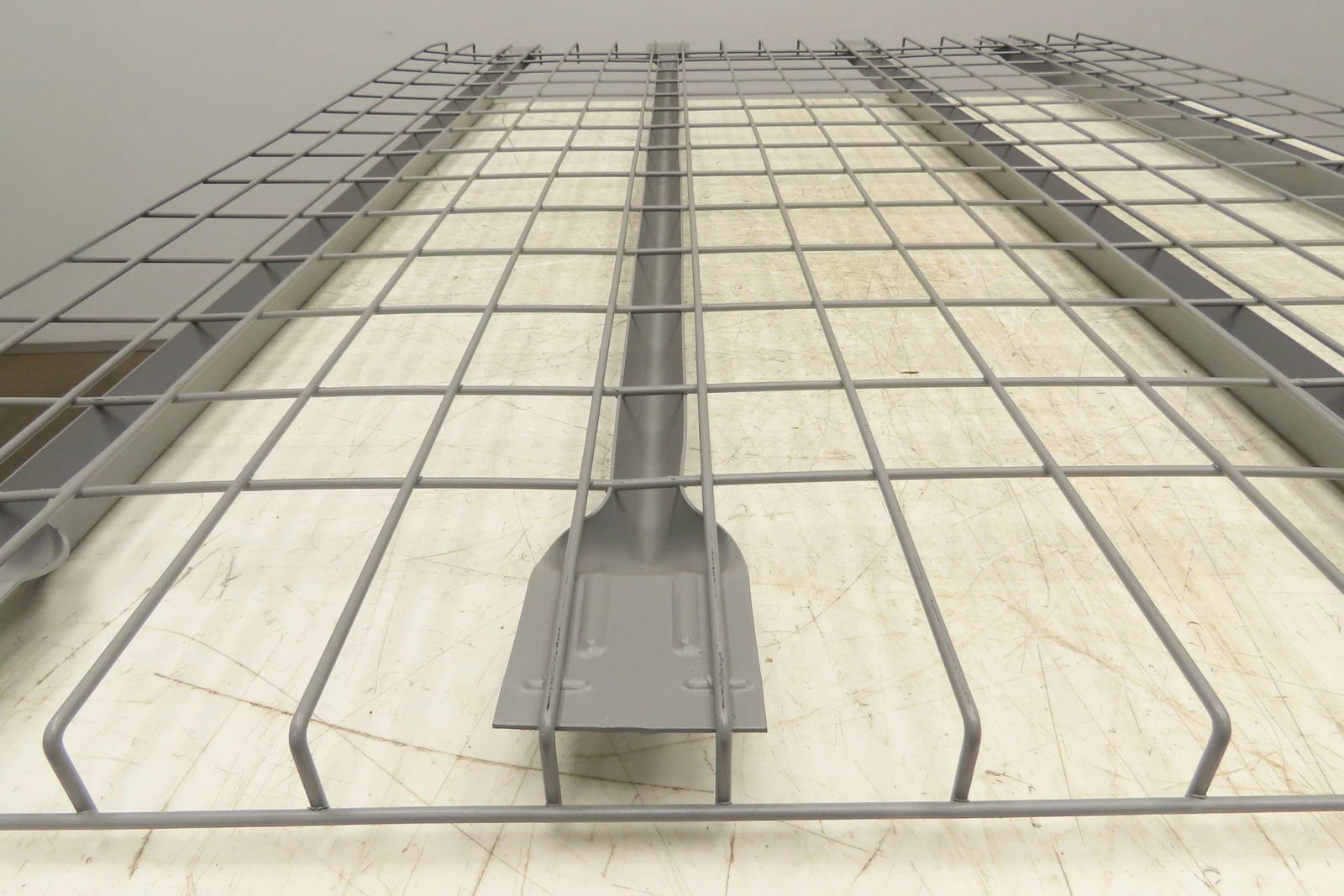
How Do Veterinary Pharmaceutical Distributors Leverage Pallet Racking?
Table Of Contents
- How Do Veterinary Pharmaceutical Distributors Leverage Pallet Racking?
- How Does Pallet Racking Improve Warehouse Efficiency?
- Can Pallet Racking Reduce Product Damage Risks?
- What Ethical Standards Guide Pharmaceutical Storage?
- How Does Pallet Racking Support Inventory Accuracy?
- Why Is Pallet Racking Critical for Veterinary Pharma Safety?
- How Do Experts Recommend Organizing Veterinary Drugs?
- Conclusion
- Other Resources
- Glossary Of Terms
- Other Questions
- Checklist
How Does Pallet Racking Improve Warehouse Efficiency?
Look, running a warehouse isn’t about fancy tricks or fluff—it’s about getting the job done right, day in and day out. That’s where pallet racking comes in. It’s the backbone of any well-oiled warehouse operation, the unsung hero quietly turning chaos into order. When you install pallet racking, you’re not just stacking stuff—you’re building a system that respects your time, your effort, and your bottom line.
From the get-go, pallet racking hooks into basic human nature: we like things neat and easy to reach. No one enjoys digging through piles or bumping elbows in a jam-packed aisle. Pallet racking gives everything a home, a spot that’s clear-cut and easy to access. That means folks spend less time wandering and more time moving. It’s a simple trade, but it adds up fast when you’re talking hundreds or thousands of pallets. You see the difference in how smoothly things flow—less hassle, fewer mistakes, and no more headaches over lost inventory.
But it’s not just about saving time—it’s about doing right by your crew and your customers. A well-organized warehouse means safer walkways and less chance of accidents. When people feel safe and respected on the job, it changes how they show up every day. Confidence builds, performance improves, and pride in craftsmanship follows. Customers, in turn, notice the difference too. On-time deliveries and accurate orders aren’t just a courtesy—they’re the lifeblood of trust between you and the folks counting on you.
And yeah, pallet racking is proven technology. These aren’t flimsy shelves but solid, tested systems designed to hold up under pressure—literally and figuratively. They withstand the daily grind, the bumps, the pulls, and the weight without flinching. They are designed for practicality, durability, and common sense, standing as a solid foundation so your operation doesn’t wobble.
At the end of the day, pallet racking translates work into results. It’s about turning a tough, cluttered warehouse into a place that runs like clockwork. It respects the people on the floor, ensures the goods reach their destination without delay, and makes sure the whole operation stays honest and reliable. If you want to boost your warehouse’s efficiency—no fancy gimmicks, no shortcuts—pallet racking is the straight talk solution that gets it done.

How Does Pallet Racking Improve Warehouse Efficiency?
How Does Pallet Racking Improve Warehouse Efficiency?
- Pallet racking is essential for efficient warehouse operations, turning chaos into organized systems that save time and effort.
- It provides clear, accessible storage spaces, reducing wasted time spent searching and minimizing mistakes with inventory.
- A well-organized warehouse improves safety, reducing accidents and fostering a respectful, confident workforce.
- Safe and efficient operations enhance customer trust through on-time deliveries and accurate orders.
- Pallet racking is durable, practical technology designed to withstand heavy use and maintain stability in daily operations.
- It creates a reliable foundation for warehouses, contributing to smooth workflows without shortcuts or gimmicks.
- By respecting workers and processes, pallet racking boosts overall warehouse efficiency and dependable results.

How Does Pallet Racking Improve Warehouse Efficiency?
Can Pallet Racking Reduce Product Damage Risks?
Look, anyone who’s spent time in a warehouse knows the sting of seeing good product get banged up, dented, or worse—ruined before it ever hits the customer. It’s not just about money flying out the door; it’s about pride in the job and respect for the hard work that brought those goods to the shelf. That’s where pallet racking steps into the spotlight like a reliable old workhorse. It’s not flashy, but it gets the job done, steady and true.
At its core, pallet racking is about organization and protection. When pallets sit on the floor, they’re vulnerable. Forklifts buzzing by, drops, kicks, or even spills can turn solid goods into scrap in no time. Putting pallets up on secure racks lifts them out of harm’s way, cutting down those incidental scrapes and collisions. You’re not guessing where stuff is; it’s lined up neat and accessible, making it less likely for someone to grab the wrong pallet or bump into a stack that’s unstable. That’s practical thinking that saves time and product.
But there’s more to it than just keeping things off the floor. Good pallet racking respects the weight limits and sizes it was built for, which means your stock sits stable and secure. You avoid those scary moments when a shelf gives way or pallet stacks topple like dominoes. That’s not just safety for the workers; it’s protecting what you’ve invested countless hours and dollars in.
It’s the kind of solution that’s stood the test of time because it works—plain and simple. It’s not singing or dancing; it’s doing the job right, every day. When your product stays intact, your team feels that steady sense of pride because you’re not firefighting damaged goods or customer complaints. You’re running a tight ship that’s reliable and respectable.
So yeah, pallet racking does more than just hold goods—it guards your bottom line, backs your crew, and shows you care about the quality you deliver. It’s the quiet hero in your warehouse, keeping your products safe and your business solid. And when the day’s done, that’s something worth building on.

Can Pallet Racking Reduce Product Damage Risks?
Can Pallet Racking Reduce Product Damage Risks?
- Pallet racking protects products from damage during storage, preventing loss and preserving pride in the work.
- Elevating pallets off the floor reduces risk from forklifts, spills, and collisions, improving safety and product integrity.
- Organized pallet placement on racks makes inventory accessible and stable, minimizing errors and accidents.
- Adhering to weight limits ensures stock remains secure, preventing dangerous shelf failures and product loss.
- Pallet racking is a durable, no-nonsense solution that has proven effective over time.
- Maintaining intact products boosts team morale by reducing damage-related issues and complaints.
- More than storage, pallet racking safeguards investments, supports employees, and enhances overall warehouse quality.

Can Pallet Racking Reduce Product Damage Risks?
What Ethical Standards Guide Pharmaceutical Storage?
Look, when it comes to storing pharmaceuticals, we’re not just stacking boxes on some shelf and calling it a day. This is serious business because behind every bottle, vial, and box of medicine, there’s a person—maybe your neighbor, your kid, or even you—depending on that stuff to work right when it counts. That’s why the ethical standards around pharmaceutical storage aren’t just rules on paper; they’re commitments that affect real lives.
At its core, ethical pharmaceutical storage means doing things by the book, yes, but more importantly, doing right by the people who rely on those medications. It’s about knowing that a slip-up in temperature, humidity, or handling could make a medicine worthless or worse, harmful. It’s a no-nonsense approach to care, where corners don’t exist, because the margin for error is zero.
Picture a sprawling warehouse where pallet racking isn’t just metal bars but the backbone of a trust network. Each pallet holds products that have traveled from production floors, crossed borders, and now rest on those racks, waiting to be shipped to local pharmacies and hospitals. The workers stacking those pallets aren’t simply moving goods—they’re safeguarding hope, health, and healing. The way pallet racking is maintained, organized, and inspected reflects a company’s respect for its responsibility. If the racks buckle, shelves sag, or items are misplaced, that’s a risk no one should take lightly.
Ethically, it means clear, continuous training for everyone handling these products. No shortcut. No guesswork. Staff equipped with knowledge about temperature controls, FIFO (first-in, first-out) practices, and strict cleanliness. Trust grows when every person on the floor understands the stakes—because no training means no trust, and no trust means no safe meds on shelves.
More than compliance, this is about honor. Honor in preserving the efficacy of a medication so that when a nurse or family member reaches for it, they’re not rolling dice—they’re administering guaranteed care. Ethical storage practices build confidence in brands and businesses as partners in health. They foster community faith that, even behind the scenes, someone’s got your back.
At the end of the day, the ethical standards guiding pharmaceutical storage boil down to simple truths: respect the product, respect the patient, respect the promise. Keep those pallet racking sturdy, the environment sound, and the people skilled—and you’re not just managing inventory; you’re holding lives steady on every shelf.

What Ethical Standards Guide Pharmaceutical Storage?
What Ethical Standards Guide Pharmaceutical Storage?
- Pharmaceutical storage is a critical responsibility as medications directly impact people’s health and lives.
- Ethical storage means strict adherence to protocols, ensuring no errors in temperature, humidity, or handling that could harm or degrade medicines.
- Pallet racking in warehouses represents a trust network; proper maintenance and organization are essential to safeguard products.
- Continuous, clear training for staff on temperature control, FIFO methods, and cleanliness is mandatory for maintaining trust and safety.
- Ethical storage goes beyond compliance, embodying honor in preserving medication efficacy for reliable patient care.
- Proper storage practices build confidence in pharmaceutical brands and foster community trust in healthcare supply chains.
- Fundamentally, ethical standards demand respect for the product, the patient, and the promise to deliver safe, effective medicines.

What Ethical Standards Guide Pharmaceutical Storage?
How Does Pallet Racking Support Inventory Accuracy?
Look, anyone who’s spent a day in a warehouse knows keeping track of stock isn’t just about counting boxes. It’s about having a system that works like a well-oiled machine, steady, reliable, and built to handle the real world. Pallet racking does exactly that—it’s the backbone that holds not just your pallets, but your whole inventory operation together. When everything’s lined up neat and square in those racks, it’s easier to see, count, and verify what’s on hand. No more hunting around like you’re on a treasure hunt, no accidental mix-ups because you can’t tell one pile from another.
There’s something satisfying about walking down a row of pallet racking and knowing each bay has a purpose, each spot filled with precision. It’s a practical approach that keeps chaos from creeping in. When inventory sits neatly and is easy to access, mistakes drop. Folks in the warehouse actually feel more confident. They’re not second-guessing if this pallet matches the order or if that item’s been misplaced. That confidence isn’t just good for the workers—it ripples through the whole business, smoothing operations and trimming costs. Because let’s be real, rechecking stock or correcting errors wastes hours and money nobody’s got lying around.
Pallet racking supports accuracy not by some fancy software trick or high-tech gadget, but by offering a solid, honest framework everyone can trust. When the hardware’s set up right, inventory tracking becomes second nature. It’s a bit like organizing your tools before a job—once everything’s in its place, you spend less time searching and more time doing. Ethically, that means fewer mistakes, less waste, and a clearer picture of the actual stock, which everyone from the floor crew to the folks signing the checks appreciate. It’s an honest way to work, grounded in the reality of what’s on hand, not just what’s supposed to be there.
Storytime: Imagine a warehouse where every pallet was just tossed wherever there was room. Confusion reigns. But swap in solid pallet racking and suddenly, it’s like turning a messy garage into a neat workshop. The order you create doesn’t just help the numbers—it helps people feel capable and trusted because they’re not fighting the system. That connection, that straightforward dependability, is why pallet racking is more than just shelving—it’s a partner in keeping your inventory truthful and on point.

How Does Pallet Racking Support Inventory Accuracy?
How Does Pallet Racking Support Inventory Accuracy?
- Pallet racking is essential for efficient, reliable inventory management, acting as the backbone of warehouse operations.
- Organized pallet racking simplifies stock visibility, counting, and verification, eliminating confusion and mix-ups.
- Having a precise, purposeful layout reduces mistakes and increases worker confidence in handling inventory.
- Improved confidence and organization in the warehouse streamline operations and reduce costs related to errors and rechecking stock.
- Pallet racking ensures accuracy through a solid, trustworthy physical framework rather than relying on advanced technology.
- Properly set up pallet racking makes inventory tracking intuitive, cutting down on wasted time and effort.
- By maintaining order and dependability, pallet racking fosters trust and efficiency, making it an indispensable partner in inventory management.

How Does Pallet Racking Support Inventory Accuracy?
Why Is Pallet Racking Critical for Veterinary Pharma Safety?
When it comes to veterinary pharma safety, pallet racking isn’t just another piece of warehouse furniture—it’s the backbone holding everything together, plain and simple. You see, medicines for animals aren’t just products on a shelf; they’re lifelines. From the smallest pup to the biggest herd, these drugs keep them healthy, ease their pain, and sometimes even save their lives. So, storing them right matters more than most folks realize. Pallet racking steps in here like a trusty workhorse, making sure those vital supplies are organized, secure, and where they’re supposed to be.
Think about the last time you walked into a cluttered, haphazard storage space. Maybe you tripped over boxes or strained to reach something buried in a corner. Now, multiply that by hundreds of pounds of crates filled with sensitive veterinary drugs. Without pallet racking, chaos creeps in, mistakes happen, and the risk of contamination, damage, or misplacement spikes. When the clock is ticking and a vet tech needs a specific medication, the last thing they should be doing is digging through piles of stock. Good pallet racking makes every item visible, accessible, and protected. It’s common sense—organized storage leads to faster service, fewer errors, and ultimately better care for animals that depend on it.
There’s an ethical side to this that doesn’t get said enough. Veterinary medicine is about trust—trust that the medicines dispensed are safe, effective, and handled with care every step of the way. Pallet racking plays a quiet but critical role in honoring that trust. It creates a system where accountability is built in, where every box has its place and every product can be tracked properly. When a pharmacy invests in solid pallet racking, it’s telling customers and the community, “We mean business. Your animals’ health isn’t just a job, it’s a responsibility we take seriously.”
From where I stand, it’s about more than just shelving; it’s about respect for the work and those served. Pallet racking invites you to imagine a warehouse that works like a well-oiled machine, cutting down on mishaps, waste, and headaches. It’s the kind of setup that gives everyone—from the warehouse hand stacking boxes to the vet giving that critical injection—the confidence that everything is done right. So next time you hear “pallet racking,” don’t tune it out as just industrial jargon. See it for what it is: the unsung hero keeping veterinary pharma safe, sound, and reliable.

Why Is Pallet Racking Critical for Veterinary Pharma Safety?
Why Is Pallet Racking Critical for Veterinary Pharma Safety?
- Pallet racking is essential in veterinary pharma, serving as the backbone that keeps medicines organized, secure, and accessible.
- Veterinary medicines are lifelines for animals, requiring proper storage to maintain their safety, effectiveness, and reliability.
- Disorganized storage leads to increased risk of contamination, damage, misplacement, and delays in accessing critical medications.
- Good pallet racking ensures visibility, accessibility, and protection of items, enabling faster service and fewer errors.
- It supports ethical responsibility by fostering trust, accountability, and proper tracking of veterinary medicines.
- Investing in solid pallet racking signals a serious commitment to animal health and community trust.
- Pallet racking improves warehouse efficiency, reduces mishaps and waste, and provides confidence across all roles involved in veterinary care.

Why Is Pallet Racking Critical for Veterinary Pharma Safety?
How Do Experts Recommend Organizing Veterinary Drugs?
When it comes to organizing veterinary drugs, experts don’t just toss bottles on any old shelf and call it a day. They know it’s about respect—respect for the animals depending on those meds, respect for the folks administering them, and respect for the job itself. It’s a matter of trust. You walk into a clinic expecting everything to be in its right place, no fumbling around, no mix-ups, because lives hang in the balance, plain and simple.
The first thing vets and pharmacy pros will tell you is: get serious about your storage system. Pallet racking isn’t just for warehouses; it’s a game changer in vet clinics, too. Strong, stable, and modular, it keeps boxes and bottles off the floor, easy to find and easier to inventory. This isn’t fancy fluff—it’s common sense that saves time and headaches. When you can spot what you need at a glance, you’re not second-guessing dosages or scrambling when time’s tight. That’s how mistakes sneak in, and nobody wants that.
Picture this: a barn with meds all over the place, bottles bumped and labels smeared, staff chasing down drugs in a tangle. It’s the kind of chaos that wears people down and risks the animals they care for. Now imagine instead a neat row of pallet racks, everything labeled, separated by type, ready to grab and go. That’s the kind of system that builds confidence—not just in yourself but in the whole team. It shows you mean business about safety and efficiency. And it feels good, too, knowing you’re not fumbling through a mess.
Ethically, it’s the right thing to do. Organizing drugs isn’t just about logistics; it’s about accountability. Proper organization means fewer errors, better compliance with regulations, and essentially, better care for every patient that walks through the door. That’s the kind of responsibility nobody takes lightly, because at the end of the day, it’s about kindness and trust—showing up fully prepared to treat whoever or whatever needs you.
This is also a shared journey. When veterinary staff commit to solid organization, it doesn’t only help themselves; it lifts up the entire clinic. Cooperation, clear roles, and a culture of attentiveness all grow from having a spot for every drug and every drug in its spot. It’s a simple thing that breeds respect, teamwork, and a quiet confidence that the job will get done right.
So, take those recommendations to heart. Treat your veterinary drug storage like you’re holding a lifeline—because you are. Pallet racking and a well-thought-out setup aren’t just extras; they’re the backbone of sound, reliable care, showing up for every animal and every team member that depends on it.

How Do Experts Recommend Organizing Veterinary Drugs?
How Do Experts Recommend Organizing Veterinary Drugs?
- Organizing veterinary drugs is critical for respecting animals, staff, and the profession, ensuring trust and safety in clinics.
- Using pallet racking in clinics provides a strong, stable, and modular storage system that keeps drugs off the floor and easy to find and inventory.
- Proper storage prevents mistakes by allowing quick access and clear labeling, reducing risks associated with disorganization.
- Chaos in drug storage wears down staff and endangers animals; a neat, labeled system boosts confidence and efficiency.
- Effective drug organization reflects ethical responsibility, reducing errors and improving regulatory compliance and patient care.
- Commitment to organization fosters teamwork, clear roles, and a culture of attentiveness across the entire clinic staff.
- Pallet racking and thoughtful storage setups are essential backbones of reliable veterinary care, benefiting both animals and teams.

How Do Experts Recommend Organizing Veterinary Drugs?
Conclusion
When you strip it down, pallet racking in veterinary pharmaceutical distribution isn’t just about stacking boxes—it’s the quiet backbone holding the whole operation together. It’s steel and sweat combined, turning cluttered chaos into a lean, mean machine that gets vital meds where they need to go, fast and safe. These aren’t just goods on shelves; they’re lifelines for animals and communities, carrying trust forged through steady hands and good sense.
From the cold warehouse floors to the vet clinics counting on timely deliveries, pallet racking keeps everything orderly and accessible. It respects the fragility of the products inside, protecting them from damage and contamination by keeping them off the floor and lined up neat. This organization isn’t some highfalutin idea—it’s commonsense care. When every pallet has its place, mistakes drop, injuries drop, and confident workers get their job done without second-guessing or wasted steps.
There’s an ethical muscle behind these racks, too. Storing veterinary pharmaceuticals isn’t a game; it’s a promise. A promise that the medicine will be safe, effective, and ready at the moment it’s needed. When storage runs sloppy, that promise falters. But pallet racking stands firm, supporting workers trained to handle products with respect and rigor, enforcing practices that keep temperature, contamination, and expiration in check. It’s a behind-the-scenes vow of honor—to animals, vets, and families relying on those treatments.
Beyond order and ethics, pallet racking makes for solid business sense. It fuels accuracy by making stock easy to count and control, cutting down on lost inventory and costly errors. It’s reliable technology that’s lasted for generations because it simply works—no gimmicks, just honest strength and practicality. This sturdy setup lifts warehouses from disorganized piles to efficient hubs, boosting morale on the floor and trust from customers. When deliveries hit on time and orders are right, you’re not just making a sale—you’re upholding your word.
At the end of the day, pallet racking is much more than metal frames; it’s the unsung hero standing silent in the background of veterinary care. It makes sure the right medicines get to the right hands at the right time, protecting investments and lives alike. It’s about respect for the work, the people, and above all, the animals counting on it. One pallet at a time, it keeps those lifelines steady, solid, and ready to roll.

Conclusion
Conclusion:
- Pallet racking in veterinary pharmaceutical distribution is essential for organizing and efficiently moving vital medications.
- It protects fragile products from damage and contamination by keeping them off the floor and neatly arranged.
- Proper pallet racking reduces mistakes, injuries, and wasted effort by giving every pallet a designated place.
- It upholds an ethical commitment to ensure medicines remain safe, effective, and ready when needed.
- Pallet racking supports trained workers in maintaining proper handling, temperature control, and expiry checks.
- The system improves business accuracy by making stock easier to count and control, reducing lost inventory and errors.
- Overall, pallet racking is a reliable, practical backbone of veterinary care that safeguards investments, workers, and animals alike.
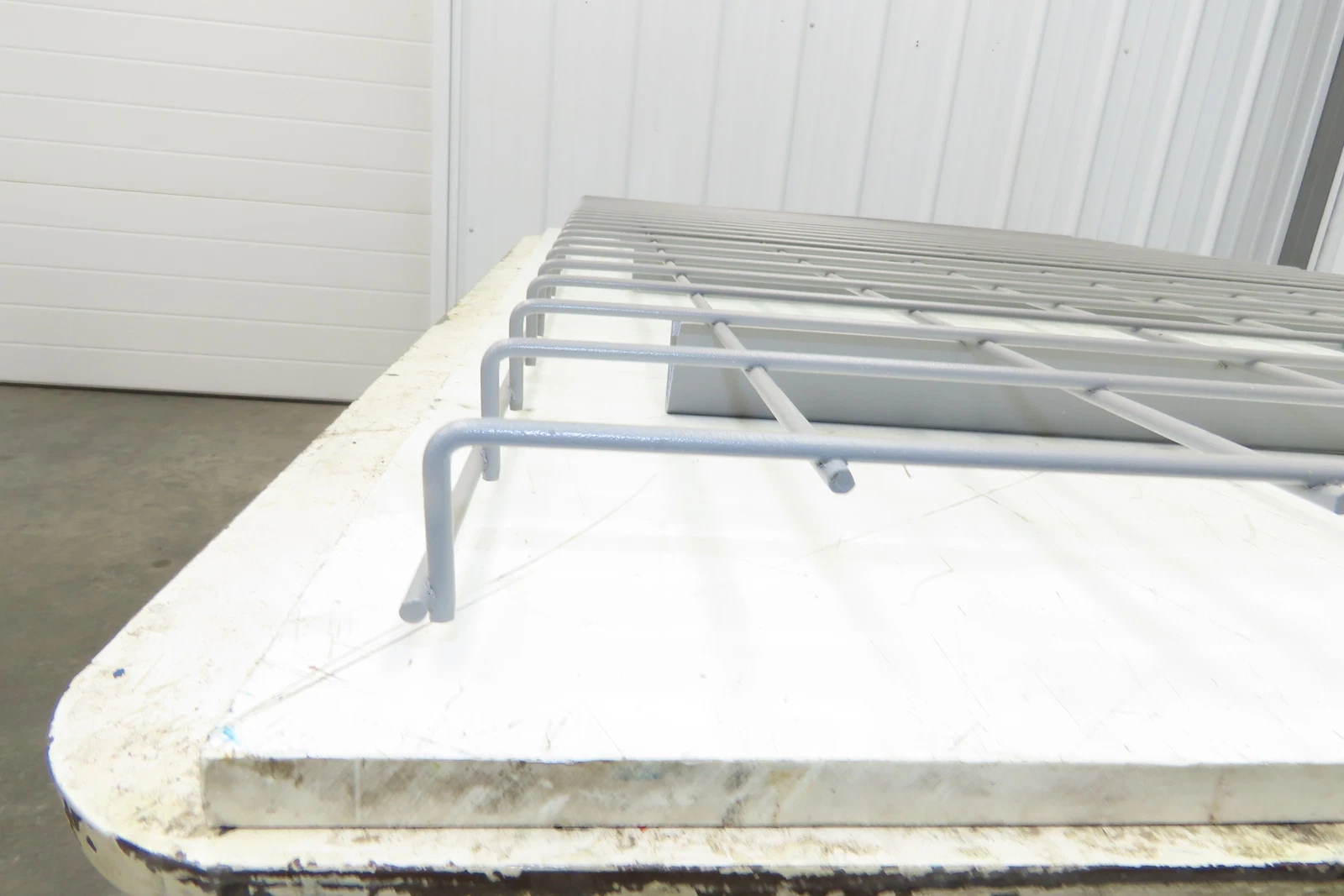
Conclusion
Other Resources

Other Resources
Here is a list of other resources you can review online to learn more:
- Selective Racking
- CMMA
- Pallet Racking systems in Illinois and Great Lakes
- Cantilever Racks Chicago
- Pallet Racking systems in Illinois and Great Lakes
- NSC
- Total Warehouse
- Racking World
- Material Handling Industry
- Teardrop Pallet Rack – Ridg-U-Rak
- What is Selective Racking: Understanding Benefits & Options
- Interlake
- The Ultimate Pallet Racking Guide – Speedrack West
- Selective Pallet Racking Systems – Container Systems
- Warehouse Racking Chicago, IL
- Warehousing and Fulfillment
- Rack Manufacturers Institute
- MHI
- Selective Rack – Raymond West
- IIWS Inc. Rack Installation Illinois & Rack Repairs Illinois
Use This Prompt To Get More Resources With Your Favorite Online AI Tool: Please provide me with a list of online articles with their URLs in a bulleted list that I can read regarding How Do Veterinary Pharmaceutical Distributors Leverage Pallet Racking?

Other Resources
Glossary Terms
How Do Veterinary Pharmaceutical Distributors Leverage Pallet Racking? – Glossary Of Terms
1. Pallet Racking: A storage system designed to hold pallets in horizontal rows with multiple levels for efficient warehouse organization.
2. Veterinary Pharmaceuticals: Medicinal products specifically formulated and manufactured for animal health care.
3. Distributor: An entity or company responsible for supplying veterinary pharmaceuticals from manufacturers to end users or retailers.
4. Inventory Management: The process of overseeing the ordering, storage, and use of products to maintain optimal stock levels.
5. Warehouse Efficiency: The effective utilization of space and resources within a storage facility to optimize operations.
6. Space Optimization: The strategic use of physical storage areas to maximize capacity and accessibility.
7. Load Capacity: The maximum weight a pallet rack can safely support.
8. Accessibility: The ease with which products can be retrieved from storage racks.
9. Storage Density: The amount of inventory stored within a given space.
10. Supply Chain: The network involved in producing, handling, and distributing products from manufacturers to consumers.
11. Order Fulfillment: The complete process from receiving an order to delivering the product to the customer.
12. Traceability: The ability to track a product’s origin and handling throughout the supply chain.
13. FIFO (First In, First Out): Inventory management method where the oldest stock is used or sold first.
14. Pallet: A portable platform used to stack, store, and transport goods efficiently.
15. Load Stability: The security and balance of goods stacked on a pallet to prevent shifting or damage.
16. Rack Configuration: The specific design and arrangement of pallet racks in a warehouse.
17. Material Handling Equipment: Tools and machines like forklifts used to move products within warehouses.
18. Aisle Width: The space between pallet racks that allows movement of equipment and personnel.
19. Safety Standards: Regulations and guidelines to ensure safe warehouse operations.
20. Inventory Turnover: The rate at which stock is sold and replaced over a period.
21. Cold Storage Compatibility: The suitability of pallet racking systems for environments with controlled low temperatures.
22. Bulk Storage: The storage of larger quantities of products with minimal handling requirements.
23. Picking Efficiency: The speed and accuracy with which items are picked from storage for orders.
24. Load Distribution: Even allocation of weight across a pallet rack to prevent collapse or damage.
25. Expansion Capability: The potential to increase storage capacity by adding more pallet racks.
26. Structural Integrity: The strength and durability of pallet racks under load conditions.
27. Cross-Docking: A distribution process where incoming products are directly transferred to outbound shipments with minimal storage.
28. Compliance: Adhering to industry regulations related to pharmaceutical storage and distribution.
29. Return on Investment (ROI): The financial benefit gained from investing in pallet racking systems.
30. Inventory Accuracy: The degree to which recorded stock levels match actual physical inventory.
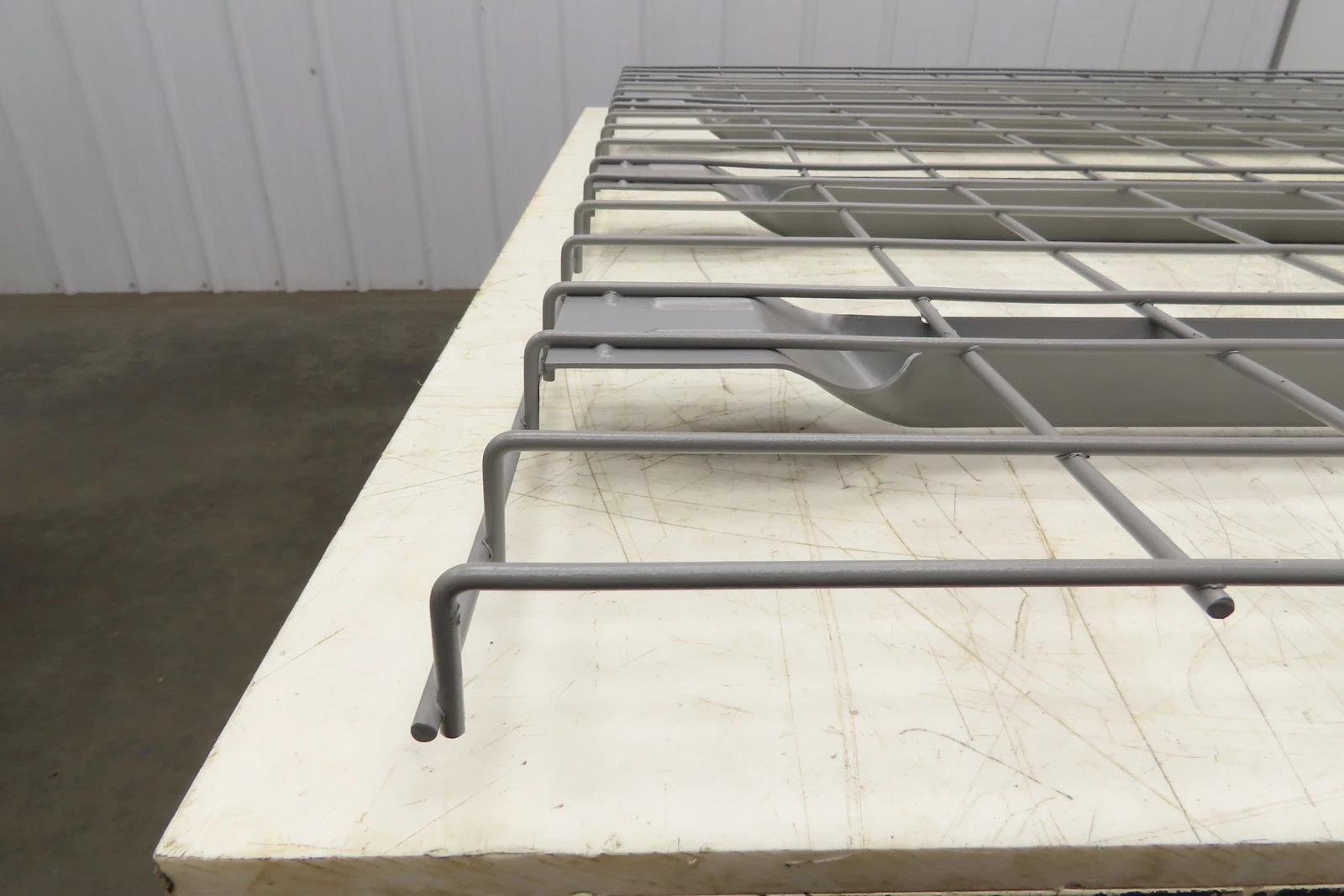
Glossary Of Terms
Other Questions
How Do Veterinary Pharmaceutical Distributors Leverage Pallet Racking? – Other Questions
If you wish to explore and discover more, consider looking for answers to these questions:
- What specific types of pallet racking systems are best suited for veterinary pharmaceuticals (selective, drive-in, push-back, pallet flow)?
- How are temperature-sensitive veterinary drugs stored on pallet racks to maintain cold-chain integrity?
- What monitoring and alarm systems are recommended for ensuring continuous temperature and humidity control?
- How do distributors manage first-expiry-first-out (FEFO) versus first-in-first-out (FIFO) in pallet racking?
- What labeling and identification practices improve fast, error-free picking from pallet racks?
- How do distributors integrate warehouse management systems (WMS), barcodes, and RFID with pallet racking layouts?
- What are the load-bearing and weight-distribution considerations when storing heavy or bulky pharmaceutical pallets?
- How often should pallet racking be inspected and maintained to ensure safety and product protection?
- What training and certification do warehouse staff need for safely handling veterinary pharmaceuticals on pallet racks?
- How are controlled substances and restricted drugs segregated and secured within racked storage?
- What cleaning and sanitation protocols apply to pallet racking areas storing pharmaceuticals?
- How do pallet racking configurations affect picking speed and order fulfillment metrics?
- What mitigation measures reduce the risk of cross-contamination between different drug types stored on racks?
- How do distributors handle product recalls and traceability when items are stored on pallet racks?
- What regulatory standards and guidelines (GDP, GMP, FDA, EMA, USDA) apply to pallet racking and pharmaceutical storage?
- How is inventory accuracy audited and reconciled when using pallet racking systems?
- What are the costs and expected ROI of installing different pallet racking solutions for veterinary pharma?
- How do racking choices support scalability as a distributor grows or shifts product mix?
- What fire protection and sprinkler-system considerations are needed with pallet racking in pharma warehouses?
- How do distributors ensure seismic or structural safety of racking in earthquake-prone regions?
- What security measures (access control, CCTV, locks) are used to prevent theft or tampering of pharmaceuticals on racks?
- How do distributors manage returns, expired stock, and quarantine areas within racked storage?
- What packaging and palletizing standards optimize safety and space utilization on racks?
- How are emergency power backups and contingency plans integrated to protect refrigerated racked inventory?
- What metrics (KPIs) should distributors track to measure the effectiveness of pallet racking on operations?
- How do lighting, aisle width, and forklift traffic patterns influence rack layout and safety?
- What environmental controls beyond temperature—such as humidity and light exposure—matter for veterinary meds on racks?
- How are hazardous or bioactive veterinary products handled differently on pallet racking?
- What documentation and recordkeeping practices are required for compliance related to racked pharmaceutical storage?
- How do distributors decide between single-deep versus double-deep rack systems for pharmaceutical SKUs?
- What role do pallet supports, slats, or decking play in preventing leaks, spills, or pallet collapse?
- How do distributors coordinate inbound receiving and outbound shipping workflows with pallet racking layouts?
- What best practices exist for retrofitting older warehouses with modern pallet racking for pharma use?
- Are there case studies or benchmarks showing efficiency and safety improvements after installing pallet racking?
- How do seasonal demand spikes or emergency animal-health events affect racking strategy and inventory staging?

Other Questions
Checklist
How Do Veterinary Pharmaceutical Distributors Leverage Pallet Racking? – A Checklist
Planning and Rack Design
✅______ Document load ratings for uprights, beams, and decking; post load plaques at aisle ends
✅______ Verify aisle widths for lift equipment and emergency egress
✅______ Confirm pallet dimensions, overhang limits, and maximum pallet weight
✅______ Provide row spacers, backstops, and flue spaces for airflow and sprinklers
✅______ Use wire mesh decking or solid surfaces as required by product and fire code
✅______ Install end-of-aisle, column, and corner guards in high-traffic areas
✅______ Validate seismic anchoring and floor slab capacity
✅______ Separate ambient, cool, and frozen storage zones in the layout
Environment and Cold Chain
✅______ Temperature map storage areas; set validated ranges per product label
✅______ Continuous temperature and humidity monitoring with calibrated devices
✅______ Alarm thresholds with tested notification and response procedures
✅______ Backup power or passive holdover plans for cold zones
✅______ Controlled airflows; maintain flue spaces and avoid blocked vents
✅______ Documented temperature excursion SOPs with decision trees
✅______ Clean, dry, pest-controlled environment; no product on the floor
Receiving and Putaway
✅______ Verify quantities, lot numbers, and expiry dates against ASN/PO
✅______ Record arrival temperatures for temperature-sensitive shipments
✅______ Inspect pallets for damage, contamination, and integrity
✅______ Quarantine and label discrepancies, damages, or unknown lots
✅______ Apply location labels and barcodes before stowing
✅______ Putaway by FEFO and hazard class; segregate returns and recalls
Inventory Organization and Accuracy
✅______ Logical location naming and visible rack/bay/level labels
✅______ FEFO enforced for all dated inventory; FIFO where applicable
✅______ Barcode/RFID scanning for all moves, picks, and adjustments
✅______ Lot, batch, and expiry captured at receipt and tracked through dispatch
✅______ Cycle count schedule based on ABC criticality; investigate variances
✅______ Replenishment min/max and dedicated pick faces to reduce errors
✅______ Clear separation of look-alike/sound-alike items
Product Protection and Damage Prevention
✅______ Standard for pallet quality (no broken boards, protruding nails)
✅______ Stretch wrap or containment to rack specifications; no unsafe overhangs
✅______ Spill kits and absorbents staged; spill SOP training completed
✅______ Segregation for hazardous, flammable, or corrosive items as required
✅______ No mixed-lot pallets unless labeled and system-tracked
✅______ Prohibit double-stacking unless engineered and approved
Safety and Compliance
✅______ Safety pins/locks installed on all beams; no missing hardware
✅______ Aisles, fire extinguishers, and exits kept clear and marked
✅______ SDS accessible; PPE available and used where required
✅______ Controlled substances secured per policy; access logged
✅______ Forklift and pedestrian traffic plans with marked walkways
✅______ Housekeeping schedule for dust, debris, and slip hazards
Maintenance and Inspections
✅______ Daily walk-through to tag and isolate damaged components
✅______ Monthly documented rack inspections for plumbness, rust, and impact
✅______ Annual competent-person inspection with corrective actions tracked
✅______ Torque checks and anchor verification after impacts or layout changes
✅______ “Do not use” tagging and prompt repairs for compromised racks
✅______ Calibration schedule for thermometers, data loggers, and scanners
Picking, Packing, and Dispatch
✅______ Standard pick paths; one-way aisle rules where needed
✅______ Scan-based verification of item, lot, and expiry at pick and pack
✅______ Staging lanes labeled by carrier, route, and temperature class
✅______ Tamper-evident seals and temperature control materials as required
✅______ Load checks before truck departure; documentation complete
✅______ Clean vehicles verified for temperature capability and hygiene
Cleanliness and Contamination Control
✅______ Scheduled cleaning for racks, floors, and high-touch surfaces
✅______ No food or drink in storage areas; waste removed daily
✅______ Pest monitoring with documented corrective actions
✅______ Separate, labeled zones for damaged, expired, and returned goods
✅______ Tools and carts cleaned; no wood debris or loose packaging near product
Training and SOPs
✅______ Role-based training for racking safety, FEFO, cold chain, and scanning
✅______ Annual refreshers and post-incident retraining recorded
✅______ SOPs current, accessible, and aligned with daily practice
✅______ New-hire onboarding includes ethics, quality, and safety standards
Quality, Ethics, and Traceability
✅______ Lot-level traceability from receipt to customer
✅______ Documented deviation and CAPA process for errors or excursions
✅______ Mock recall drills completed and timed; results reviewed
✅______ Metrics posted: order accuracy, damages, OTIF, cycle count accuracy
✅______ Decisions prioritize product integrity and patient (animal) safety
Emergency Preparedness
✅______ Power outage, fire, and evacuation procedures posted and drilled
✅______ Temperature excursion response kits and instructions available
✅______ Contact lists for after-hours alarms and carriers up to date
✅______ Alternate storage or transfer plans for cold-chain continuity
Clinics and Field Sites Adaptation
✅______ Scaled racking or shelving with labeled sections by drug class
✅______ Lockable storage for controlled and high-risk medications
✅______ FEFO bin system with visible expiry flags
✅______ Compact temperature monitoring in fridges and coolers with alarms
✅______ Dedicated area for returns, expired, and quarantine stock
Continuous Improvement
✅______ Regular Gemba walks to identify waste, risks, and bottlenecks
✅______ Feedback loop from warehouse, veterinary staff, and customers
✅______ Action plans reviewed in ops meetings with owners and due dates

Checklist
At RackingWorld, we help guide you through selecting warehouse storage systems and racking.
Be sure to read our other related stories at RackingWorld to learn more about warehouse storage systems.
0 Comments