
Securing Vaccines Efficiently: The Backbone Of Safe, Reliable Delivery
By Tom Seest
At RackingWorld, we help guide you through selecting warehouse storage systems and racking.
Be sure to read our other related stories at RackingWorld to learn more about warehouse storage systems.
How Do Vaccine Storage and Distribution Leverage Pallet Racking?
When it comes to getting vaccines where they need to go, pallet racking quietly does the heavy lifting. Think about it: vaccines aren’t just boxes sitting on shelves; they’re lifesavers, handed down from warehouse to clinic with every minute counting. Pallet racking steps in as the backbone, organizing these precious cargos so nothing gets lost in the shuffle. It’s like having a tough, reliable coworker who knows exactly where everything belongs and keeps it all within easy reach.
From a practical standpoint, pallet racking maximizes space. Warehouses often deal with tight quarters and a mountain of supplies. Without a solid system, shipments get buried, slowed, or worse—damaged. That’s not just frustrating; it’s dangerous. Pallet racking’s sturdy frames keep vaccines secure, upright, and perfectly climate-controlled. Not just tossed in a pile—stacked smart, spaced right, and ready to roll at a moment’s notice.
There’s something honest about the way pallet racking works. You don’t see it making fancy promises. It just holds its weight, day in and day out, so those vaccines stay fresh and trackable. That dependability echoes the ethical duty behind vaccine distribution — treating every dose like it’s a lifeline, not just inventory. When people are waiting—parents, grandparents, neighbors—it’s this root-level organization that ensures vaccines get handed over safely and swiftly.
In the bigger picture, pallet racking helps keep the whole system honest and efficient. You can track shipments better, prevent waste, and move stock faster. That builds trust not just between supply chain workers, but with every doctor and nurse relying on timely delivery, and every patient placing faith in the shots that guard their health. It’s logistics with a conscience, grounded in the kind of order that respects life and time equally.
At the end of the day, pallet racking isn’t just metal beams in a warehouse. It’s a silent partner in fighting disease, a straightforward solution that keeps hope stocked and ready. It’s the kind of work that gets overlooked, but without it, the whole vaccine effort would grind to a halt. That’s why every pallet sits proud, knowing it’s holding more than goods — it’s holding the promise of a healthier tomorrow.
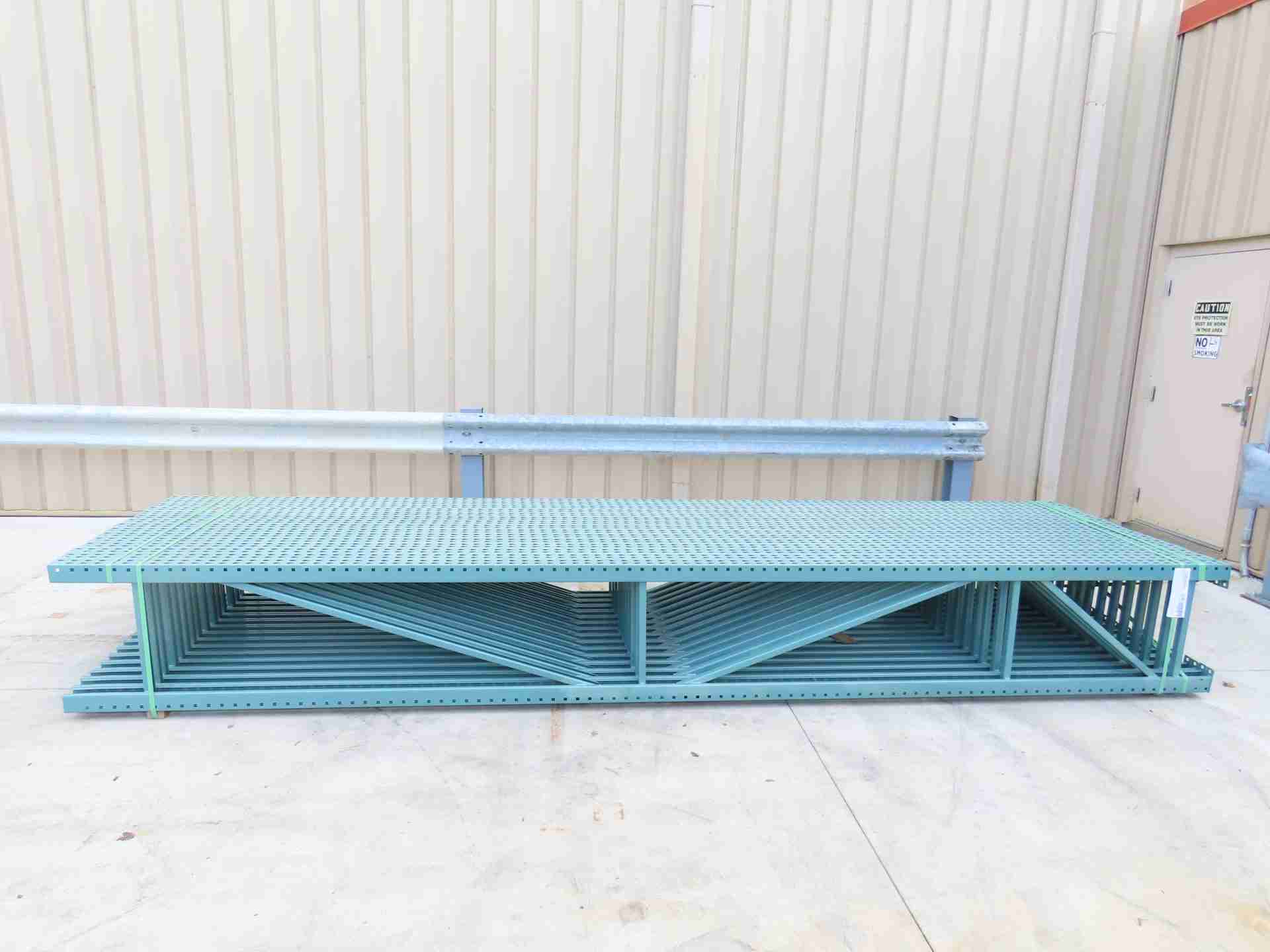
How Do Vaccine Storage and Distribution Leverage Pallet Racking?
How Do Vaccine Storage and Distribution Leverage Pallet Racking?
- Pallet racking plays a crucial role in organizing and transporting vaccines efficiently from warehouse to clinic.
- It maximizes warehouse space, preventing shipments from being buried, slowed, or damaged.
- Sturdy pallet racking ensures vaccines remain secure, upright, and climate-controlled.
- Its reliable structure supports vaccine freshness and traceability, reflecting the ethical duty of vaccine distribution.
- Pallet racking enhances system efficiency by improving shipment tracking, reducing waste, and speeding stock movement.
- This system builds trust among supply chain workers, healthcare providers, and patients through dependable delivery.
- Pallet racking is a vital, often overlooked partner in the global effort to distribute vaccines and protect public health.
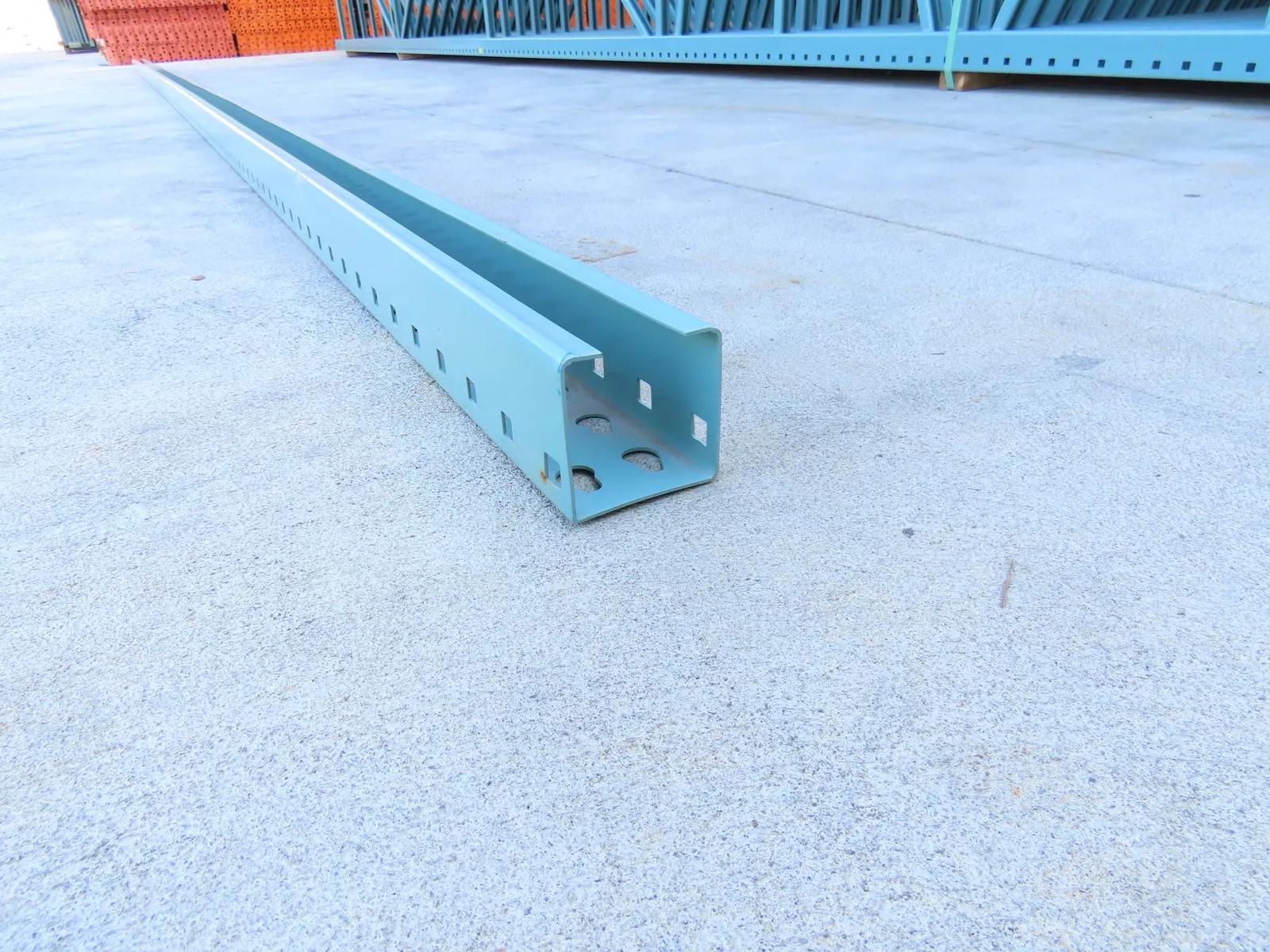
How Do Vaccine Storage and Distribution Leverage Pallet Racking?
Table Of Contents
- How Do Vaccine Storage and Distribution Leverage Pallet Racking?
- How Does Pallet Racking Improve Vaccine Storage Efficiency?
- Can Pallet Racking Reduce Vaccine Spoilage Risks?
- How Secure Is Pallet Racking for Sensitive Vaccine Batches?
- What Ethical Concerns Arise In Vaccine Storage and Handling?
- How Does Pallet Racking Support Cold Chain Integrity?
- Can Proper Racking Systems Speed Up Vaccine Distribution?
- Conclusion
- Other Resources
- Glossary Of Terms
- Other Questions
- Checklist
How Does Pallet Racking Improve Vaccine Storage Efficiency?
When you’re dealing with something as critical as vaccine storage, every inch of space and every second counts. Pallet Racking isn’t just some fancy setup—it’s the backbone keeping vaccines organized, safe, and ready when they need to be. Think about the people relying on those vaccines, from folks just trying to stay healthy to entire communities counting on swift protection. That’s what makes efficient storage not just smart, but downright necessary. It’s about respect for the lives these vaccines protect and the hard work that goes into making sure nothing gets wasted or misplaced.
From a practical standpoint, Pallet Racking systems get the most out of your storage area. Instead of piling crates on the floor or scrambling to find what you need, these racks stack it all neatly and accessibly. It’s built for efficiency—easy to load, simple to spot the right batch, and tough enough to stand up to constant use. That means healthcare workers can grab what they need without delay, cutting down on errors or spoilage. It’s a small change with a big impact, turning chaos into order at a critical moment.
There’s also something to be said about knowing your stuff is where it should be. Pallet Racking offers a solid, reliable structure. You can trust it won’t let your supplies down, physically or organizationally. It’s built on common-sense engineering that’s stood the test of time, proving that sometimes the simplest solutions are the best. No fuss, no frills—just good, honest organization making a real difference when it matters most.
On the ethical side, using Pallet Racking for vaccine storage respects the time, effort, and resources poured into producing these life-saving doses. It’s a nod to the countless hands involved in the process, from researchers to delivery drivers, all working toward one goal: health and safety. Having a dependable storage method means fewer wasted vaccines and more people protected, which is about as straight-up right as it gets in this line of work.
PPallet Racking isn’t just metal shelves or storage space—it’s a quiet hero behind the scenes. It helps keep things moving, helps save lives, and shows that a little smart planning and tough gear can make all the difference. For anyone tasked with vaccine storage, choosing Pallet Racking is more than a smart call—it’s a commitment to doing the job right.
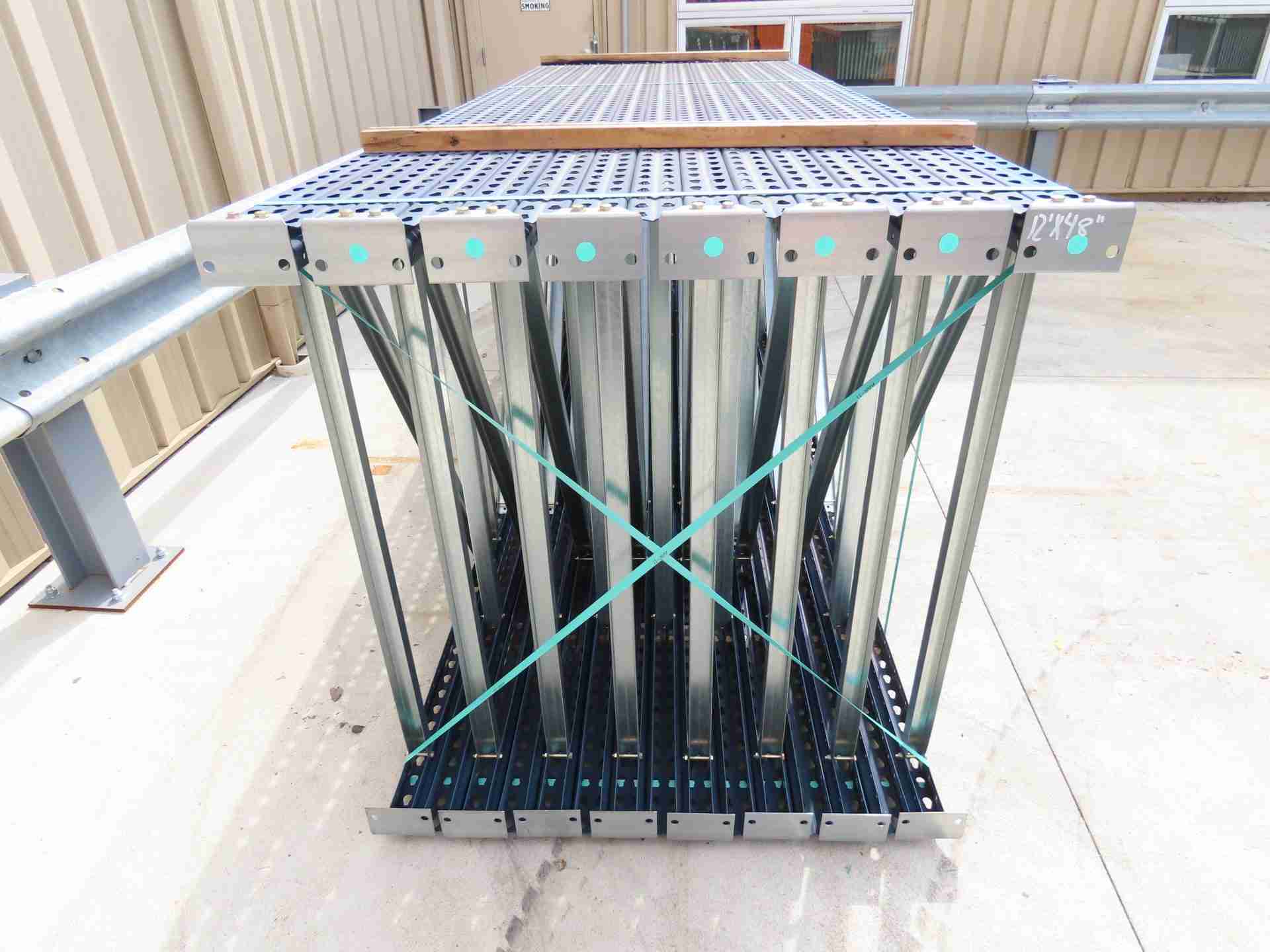
How Does Pallet Racking Improve Vaccine Storage Efficiency?
How Does Pallet Racking Improve Vaccine Storage Efficiency?
- Pallet Racking is essential for efficient vaccine storage, maximizing space and saving critical time.
- It keeps vaccines organized, safe, and accessible, supporting individuals and communities relying on timely protection.
- These systems enhance storage efficiency by neatly stacking crates for easy loading, identification, and durability.
- Reliable Pallet Racking reduces errors and spoilage, enabling healthcare workers to quickly find needed supplies.
- Its straightforward, proven design ensures supplies remain physically and organizationally secure.
- Using Pallet Racking honors the effort and resources invested in vaccine production by minimizing waste and increasing protection.
- Choosing Pallet Racking reflects a commitment to proper vaccine storage, helping save lives through smart planning and robust equipment.
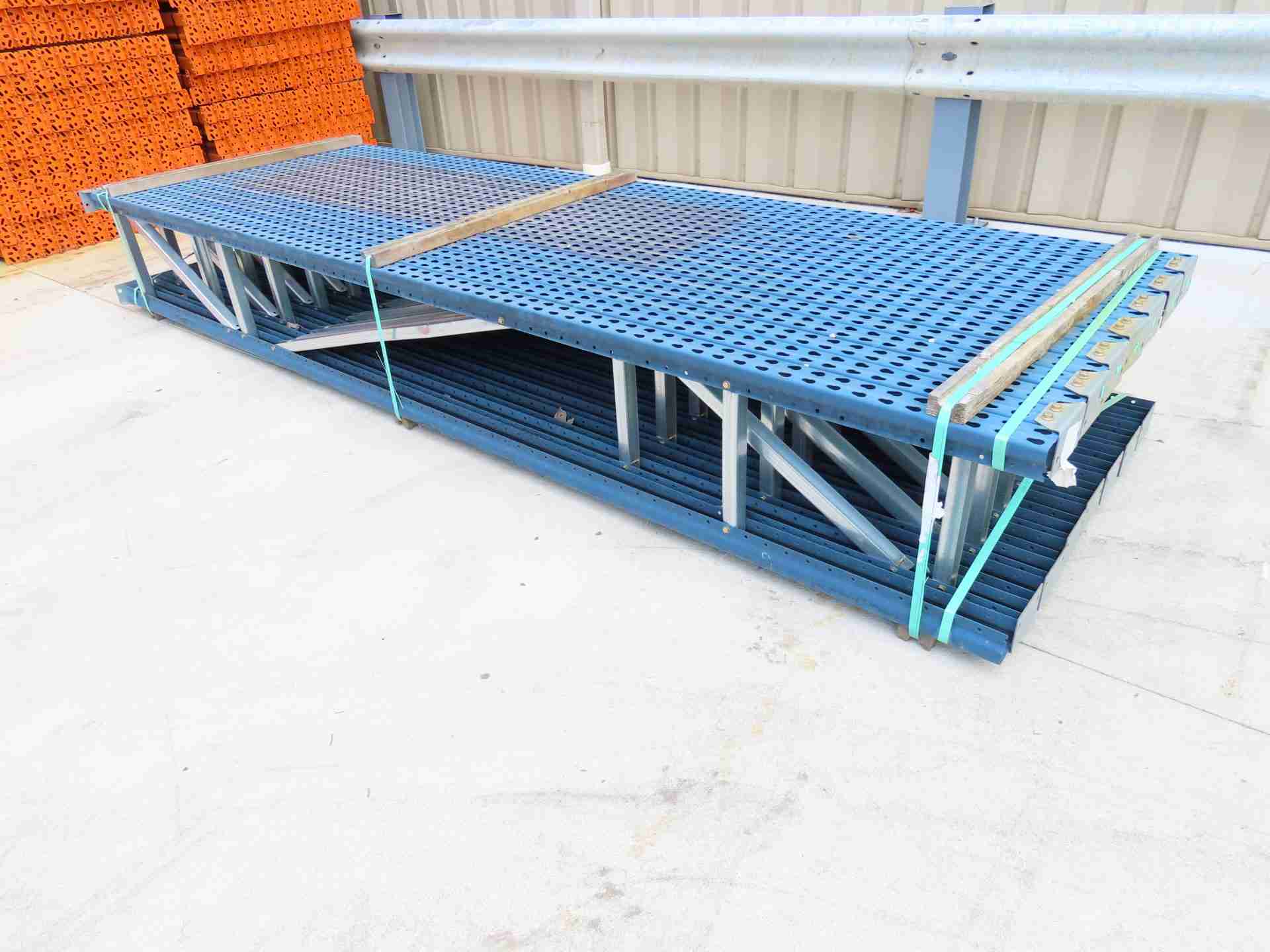
How Does Pallet Racking Improve Vaccine Storage Efficiency?
Can Pallet Racking Reduce Vaccine Spoilage Risks?
When it comes to handling something as precious and life-saving as vaccines, you can’t afford to cut corners. We’ve all heard the stories—vaccines going bad, wasted because they sat in the wrong spot or temperatures swung out of control. It’s not just a loss of product; it’s a loss of trust, a delay in protection, and sometimes, lives on the line. That’s where good old Pallet Racking steps in like a reliable workhorse on a tough job site.
Pallet Racking isn’t just about stacking stuff neatly. It’s about creating order in chaos. Properly designed and implemented, it helps keep vaccines in their sweet spot—stored safely, accessible, organized. Think of it as the backbone of storage, holding everything steady so nothing gets bumped, forgotten, or exposed to damage. It’s a simple solution grounded in common sense: you want what’s most important front and center, easy to check, rotate, and ship without the fuss.
This isn’t just gut feeling; it’s backed by cold, hard logic. With Pallet Racking, you can implement FIFO (First In, First Out) systems smoother than butter, making sure older stock moves out before newer shipments pile up. That kind of organization cuts down spoilage risks drastically. You cut the guesswork. Less spoilage means more vaccines get used for what they’re meant for—protecting people.
Beyond just efficiency, there’s an ethical muscle here. Every vaccine wasted is a missed chance for someone to stay healthy, for a family to breathe easier. Using smart Pallet Racking isn’t just good business—it’s the right thing to do. It’s about respecting the work that goes into producing these life-saving medicines, and respecting the people who depend on them.
From folks loading pallets to warehouse managers keeping inventory tight, it’s a shared responsibility. When everyone trusts the system—the racks, the process—it builds confidence. It sparks teamwork. It’s a small piece with a big role, quietly ensuring vaccines don’t spoil on watch. So yeah, Pallet Racking may sound plain, but it carries a heavy load, making sure those tiny vials get where they’re needed, safe and sound.

Can Pallet Racking Reduce Vaccine Spoilage Risks?
Can Pallet Racking Reduce Vaccine Spoilage Risks?
- Vaccines require careful handling to prevent loss, spoilage, and delays in protection, where Pallet Racking plays a crucial role.
- Pallet Racking organizes vaccine storage by keeping items safe, accessible, stable, and easy to manage.
- It supports efficient inventory management, particularly implementing FIFO (First In, First Out) to reduce spoilage and waste.
- Effective use of Pallet Racking maximizes vaccine usage, ensuring more doses protect people as intended.
- Beyond efficiency, proper storage respects the value of vaccines and the lives depending on them, carrying ethical importance.
- Everyone involved, from loaders to managers, shares responsibility for maintaining trust and system reliability.
- Pallet Racking is a foundational yet often overlooked element that safeguards vaccines and their life-saving missions.
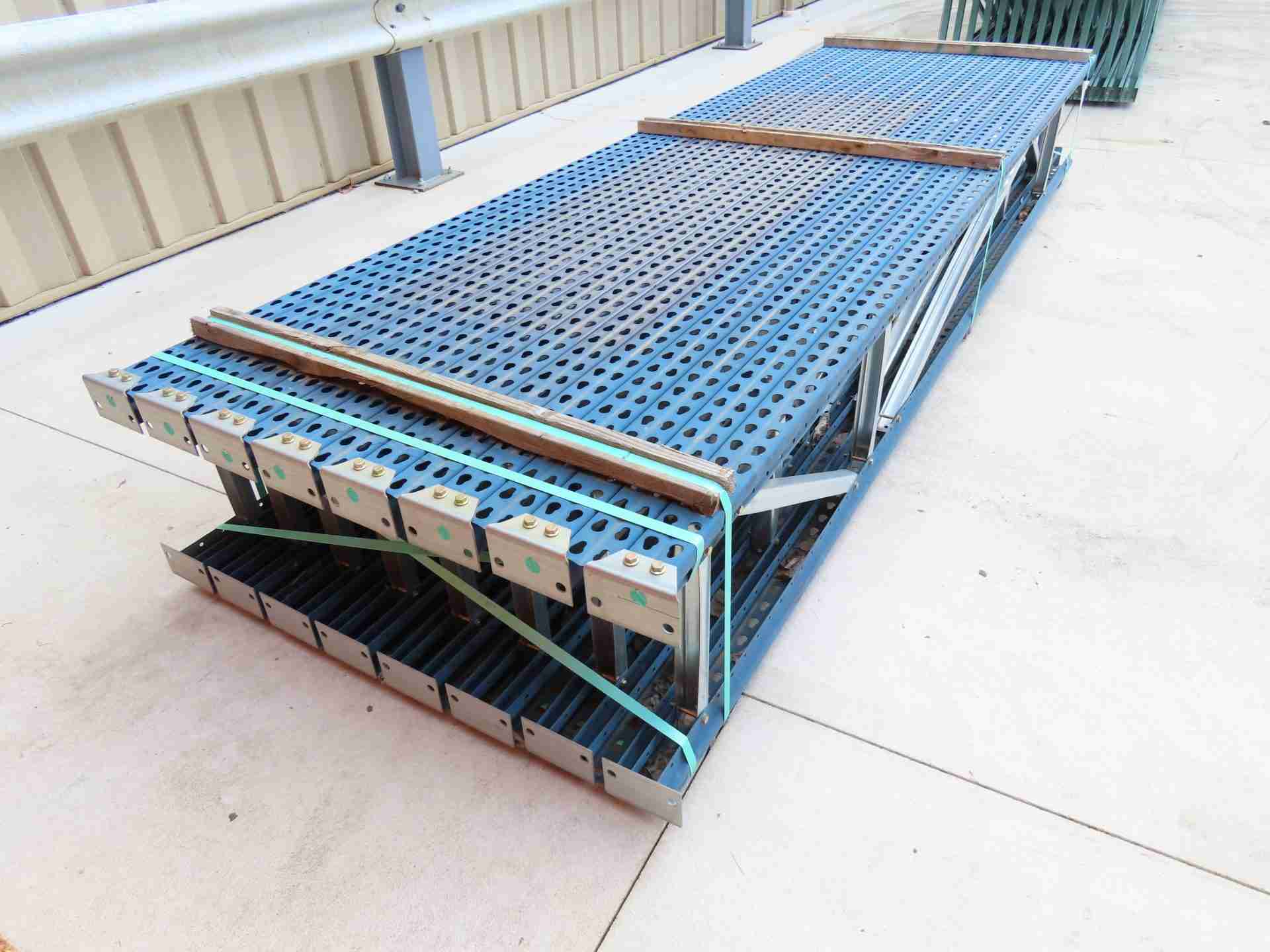
Can Pallet Racking Reduce Vaccine Spoilage Risks?
How Secure Is Pallet Racking for Sensitive Vaccine Batches?
When it comes to handling sensitive vaccine batches, Pallet Racking isn’t just some storage system—it’s the backbone holding up the promise of health and hope. Think about it: every pallet stacked means lives waiting on those organized shelves, waiting on something far bigger than boxes and beams. It’s easy to overlook the quiet strength of Pallet Racking when you’re focused on the science behind vaccines, but the reality is, without a secure place to keep them, all that work means little.
From the ground up, Pallet Racking is designed for safety and reliability. It’s made tough, built to handle weight and time, day in and day out. These racks aren’t just metal and welds; they’re a commitment. A commitment to protect what’s precious. Sure, accidents happen, but with well-installed and maintained Pallet Racking, the odds tilt heavily toward safety. Workers who know their stuff inspect every beam, every bolt, because they understand what’s riding on those shelves—people’s well-being.
There’s a gut feeling you get when walking into a warehouse where vaccines are stored right. It’s a mix of respect and responsibility. You see organized rows, clear pathways, and heavy-duty racks standing firm, and you trust that the chain of care hasn’t broken off. That’s no accident—it comes from proven engineering backed by standards crafted through experience and necessity. It’s a system that takes the chaos out of storage, turning it into order so vaccines don’t just sit—they’re preserved.
Ethically, the stakes couldn’t be higher. Pallet Racking supports the solemn duty to save lives, to do right by every single vial that could make the difference between sickness and health. Knowing this, those who handle and maintain the racks carry a quiet pride—the kind that comes from being part of a bigger picture and understanding your role in it. It’s about trust: trust in your equipment, trust in your team, and trust in the process that delivers hope across communities.
In the trenches of vaccine logistics, common sense reigns. Pallet Racking is dependable because it’s straightforward: if it’s soundly installed, routinely checked, and treated with respect, it delivers. It’s not flashy. It doesn’t demand the spotlight. But it holds up under pressure, literally and figuratively. That’s the kind of dependable grit that makes all the difference when you’re talking about preserving life-saving vaccines.
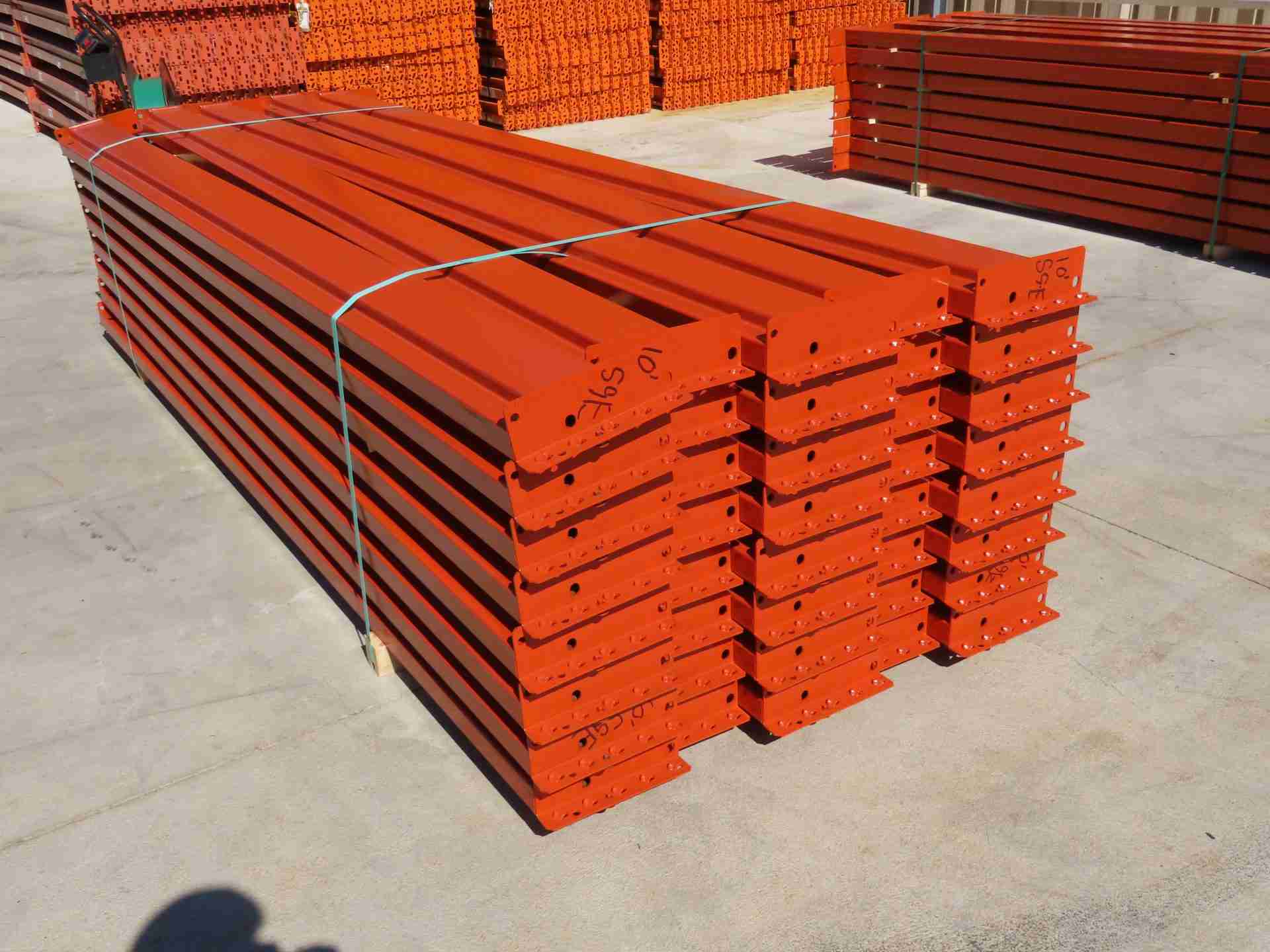
How Secure Is Pallet Racking for Sensitive Vaccine Batches?
How Secure Is Pallet Racking for Sensitive Vaccine Batches?
- Pallet Racking is essential for safely storing sensitive vaccine batches, supporting the promise of health and hope.
- Designed for safety and reliability, these racks are built to handle weight and time continuously.
- Proper installation and maintenance significantly reduce risks, with skilled workers inspecting every component.
- Well-organized storage environments inspire trust that the vaccine supply chain remains intact and effective.
- Ethically, Pallet Racking upholds the responsibility to protect every vaccine vial, crucial to saving lives.
- Those managing the racks take pride in their role, relying on trust in equipment, teams, and processes.
- Dependable and straightforward, Pallet Racking performs reliably under pressure when respected and maintained.
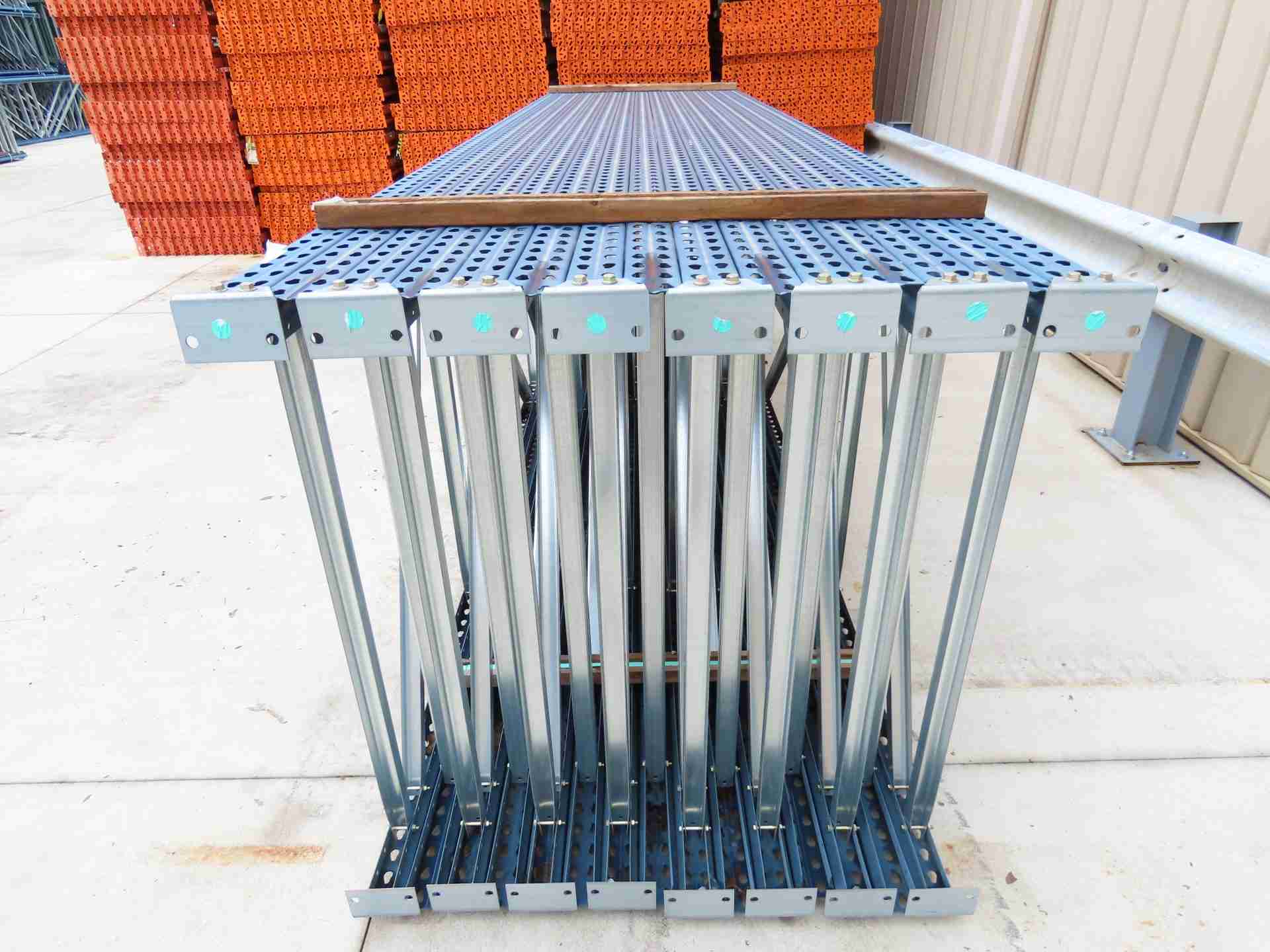
How Secure Is Pallet Racking for Sensitive Vaccine Batches?
What Ethical Concerns Arise In Vaccine Storage and Handling?
Handling vaccines isn’t just about cold rooms and checklists—it’s about real lives trusting in something fragile and vital. Imagine a pallet racking system, stacked high with boxes of vaccines that could save a child’s life or protect a loved elder from a deadly illness. Every step from storage to delivery bears a heavy ethical weight because one mistake could unravel months of effort, leading to sickness or worse.
The heart of the matter is simple: vaccines must be kept at precise temperatures and conditions to remain effective. When those pallets aren’t stored properly—shifted off racks, exposed to fluctuating heat, or left unattended—it’s not just a shelf that’s compromised. Those vaccines become a broken promise to the people depending on them. It stings because the technology and procedures are sound, but human error or cutting corners under busy, stressful conditions can break that chain of trust.
Rationally, this means there’s a clear responsibility: trained hands must handle every pallet racking system correctly, double-checking storage environments and timing. Organizations have the duty to equip their teams with the right tools and procedures, not to mention a culture that doesn’t tolerate shortcuts. When logistics squeeze tight and deadlines loom large, the ethical imperative—to keep every dose safe—must never slacken.
From an authority standpoint, regulations and guidelines exist for a reason. They’re the product of hard-won lessons from past errors and tragedies. Facts tell us that vaccines wasted or ruined through improper storage mean more than lost dollars; they represent lost lives and extended suffering. The knowledge wrapped in those standards calls on everyone involved to act not just with skill, but with integrity.
Socially, every warehouse worker, delivery driver, and healthcare provider becomes a guardian of community health. The stakes feel heavier when you think about the neighbor relying on that pallet, the parent trusting you to do right. It’s a shared responsibility, a bond built on reliability and respect. When people know their vaccines arrived unblemished, handled with care and respect, it strengthens community faith in the system. And that faith can move mountains—getting shots in arms and keeping outbreaks at bay.
Every time vaccines are stored and handled properly, that pallet racking isn’t just steel and wood—it’s the backbone of a promise: to protect, to preserve, and to care. Ethically, that means showing up ready, steady, and with the humility to know the real mission isn’t just business—it’s saving lives.

What Ethical Concerns Arise In Vaccine Storage and Handling?
What Ethical Concerns Arise In Vaccine Storage and Handling?
- Handling vaccines involves ethical responsibility as mistakes can lead to illness or death.
- Vaccines must be stored at precise temperatures; improper storage breaks trust with those relying on them.
- Trained personnel and proper procedures are essential to ensure safe handling and storage of vaccines.
- Organizations must foster a culture that avoids shortcuts, even under logistical pressure.
- Regulations and guidelines exist to prevent past errors, emphasizing integrity alongside skill.
- Warehouse workers, drivers, and healthcare providers share a social duty to protect community health.
- Proper vaccine handling strengthens public trust and fulfills a promise to protect and save lives.

What Ethical Concerns Arise In Vaccine Storage and Handling?
How Does Pallet Racking Support Cold Chain Integrity?
You don’t have to dig deep to understand why pallet racking plays a starring role in keeping the cold chain solid. Think about it: when you’re dealing with goods that need to stay cold — from fresh produce to lifesaving medicines — every minute, every degree, counts. Pallet racking isn’t just a set of metal shelves; it’s the backbone that holds the whole process together, steady and reliable like the best crew you’ve worked with.
The first thing that hits you about pallet racking is its straightforward, no-nonsense design. It’s built tough, crafted to handle heavy loads without flinching—no wobbling, no bending. That means pallets stack up neatly without crushing each other, maintaining airflow around every box and crate. This isn’t just a convenience; it’s cold chain integrity in action. When air moves freely, temperatures stay steady, reducing risk and waste. No one wants spoiled goods, and pallet racking knows how to keep that from happening.
From a practical standpoint, pallet racking speeds up the entire flow. Workers don’t have to play a guessing game trying to find an item buried in a pile; they can pull what’s needed quickly and securely, keeping the cold chain intact. This hands-on efficiency means fewer mistakes, less opening and closing of refrigerated doors, and fewer temperature spikes that threaten the whole shipment. It’s a simple truth: good pallet racking saves time, money, and lives.
There’s an ethical layer here, too. Cold chain failure isn’t just a business inconvenience — it can affect health and safety on a very real level. We’re talking about vaccines, fresh food that feeds families, and products that uphold community well-being. Knowing pallet racking supports these vital needs builds trust. It’s a tool that quietly contributes to a bigger mission: delivering quality and safety when it matters most.
Look around any successful cold storage facility and you’ll see pallet racking standing firm like a silent partner. It’s not flashy, but its role is absolutely critical. Those racks help warehouses run smoother, workers feel confident in their tasks, and customers receive products in the condition they expect. It’s a down-to-earth setup that breeds reliability — the kind you can count on day in and day out.
Pallet racking is more than metal beams. It’s a cornerstone of cold chain integrity, a humble hero that safeguards the cold, supports those who work hard every shift, and connects the warehouse to the wider world with purpose. When you trust your cold goods to the rack, you’re backing a system that’s been proven time and again to deliver on its promise.

How Does Pallet Racking Support Cold Chain Integrity?
How Does Pallet Racking Support Cold Chain Integrity?
- Pallet racking is essential for maintaining cold chain integrity by supporting goods that must stay cold, such as fresh produce and medicines.
- Its sturdy, no-nonsense design handles heavy loads without bending, allowing pallets to stack neatly and preserving airflow to keep temperatures steady.
- Proper airflow through pallet racking reduces spoilage risk and waste by maintaining consistent temperatures.
- Pallet racking improves operational efficiency by enabling quick, secure access to items, minimizing temperature fluctuations and errors.
- Cold chain failure impacts health and safety, so reliable pallet racking supports critical products like vaccines and fresh food, building trust in the system.
- It acts as a silent but vital partner in cold storage facilities, enhancing workflow reliability and ensuring product quality for customers.
- Pallet racking serves as a cornerstone of cold chain processes, safeguarding goods, supporting workers, and connecting warehouses to broader distribution networks.
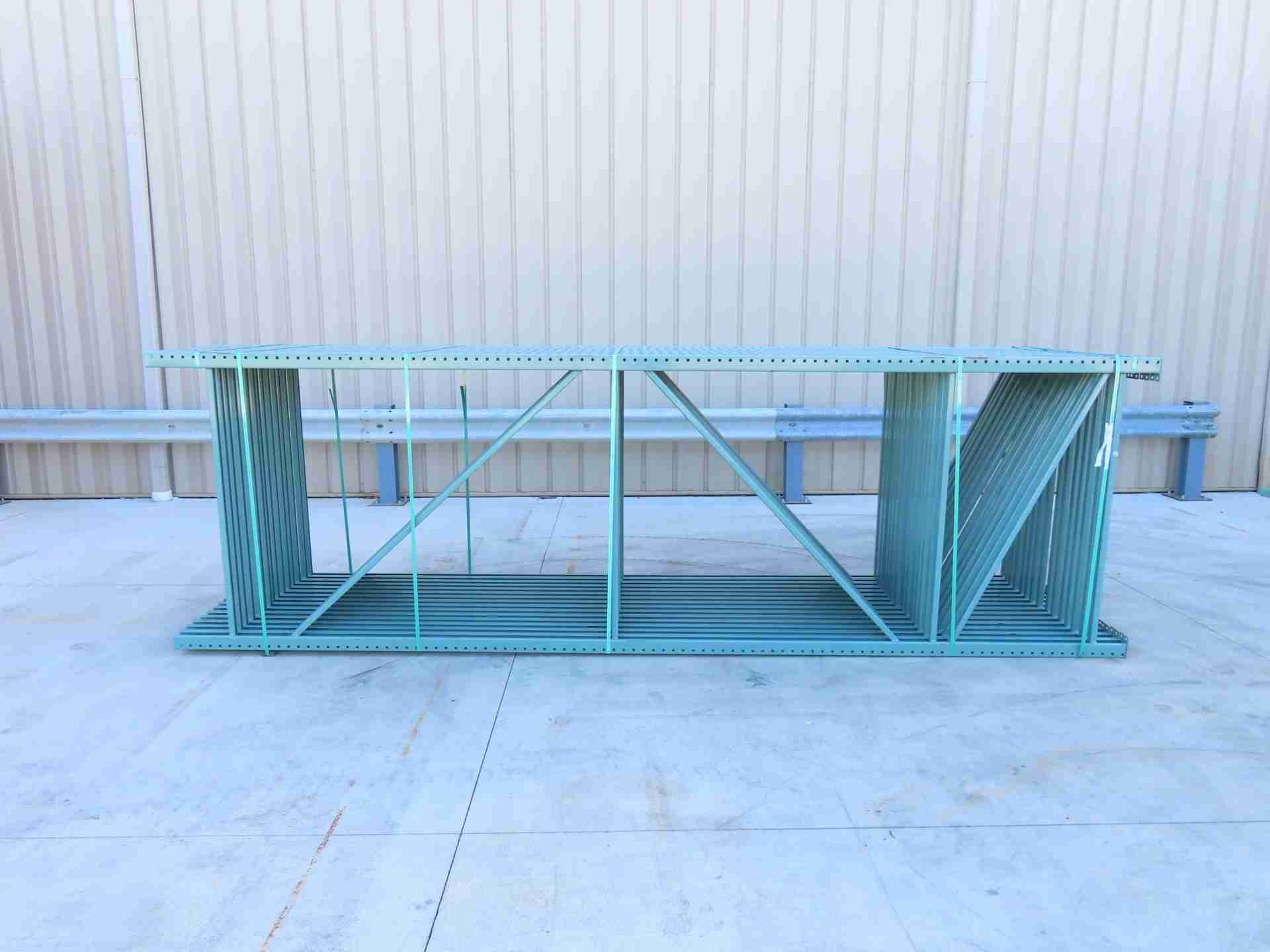
How Does Pallet Racking Support Cold Chain Integrity?
Can Proper Racking Systems Speed Up Vaccine Distribution?
You know, when it comes down to it, the difference between a delayed shipment and a timely delivery often boils down to something as straightforward as how you stack things in a warehouse. Pallet racking isn’t some flashy tech gadget—it’s the dusty backbone of logistics, the unsung hero that keeps vaccines moving before they lose their shelf life. If those pallets aren’t organized right, you’re looking at wasted time, confused workers scrambling for supplies, and maybe even vaccines that sit too long and go bad. That’s not just a headache—it’s lives on the line.
Think about the folks on the frontlines waiting for those doses—the nurses, the families, the communities counting on quick access. Every minute wasted wrestling with inventory systems or hunting for the right batch is one more minute any one of them waits for protection. Proper pallet racking systems don’t just store vaccines, they give order to chaos. They speed up retrieval, reduce errors, and ensure cold chain integrity. When the racks are well planned and sturdy, you can handle more stock with less hassle and keep the vaccines fresher, longer.
From a practical standpoint, good pallet racking means better use of space and manpower. Instead of workers weaving through a mess of boxes piled high and uneven, they glide down clear aisles, grab exactly what they need, and get it on the truck faster. It’s simple math: cuts man-hours, cuts margin for error, and boosts throughput. That’s cold, hard efficiency that’s easy to see and hard to argue with. It’s not fancy, but it hits the mark where it counts.
There’s something ethical, too, about doing this right. When you invest time and care into organizing storage properly, you’re showing respect—not just to the product but to the people depending on it. You’re saying, “We got your back.” In a world full of rushed and botched deliveries, that’s a quiet promise of reliability. It’s about community, shared responsibility, and stepping up with common sense solutions.
Good pallet racking doesn’t just speed up vaccine distribution—it keeps the whole process honest, efficient, and humane. You don’t need to reinvent the wheel; you just need to stack it right. It’s a solid, practical way to do big good with no nonsense—just like the heroes making sure those shots get to where they need to go, right on time.

Can Proper Racking Systems Speed Up Vaccine Distribution?
Can Proper Racking Systems Speed Up Vaccine Distribution?
- Pallet racking is essential for timely vaccine deliveries, preventing wasted time and spoiled vaccines.
- Proper organization speeds up retrieval, reduces errors, and maintains cold chain integrity.
- Efficient pallet racking optimizes space and manpower, enabling faster and more accurate shipments.
- Well-planned racks reduce man-hours, minimize mistakes, and increase throughput.
- Investing in proper storage shows respect for both the product and the people relying on it.
- Effective pallet management fosters reliability, community responsibility, and common sense solutions.
- Good pallet racking sustains an honest, efficient, and humane distribution process without complexity.

Can Proper Racking Systems Speed Up Vaccine Distribution?
Conclusion
Pallet racking may not get a spotlight, but it’s the steady backbone that keeps vaccines safe, organized, and moving through the supply chain without a hitch. These metal shelves aren’t just about stacking boxes—they’re about respect for every dose that could save a life. You don’t just toss vaccines in a pile and hope for the best; you rely on a system that treats those precious vials like the lifelines they are. Pallet racking maximizes space, keeps shipments secure, and helps maintain the all-important cold chain so nothing spoils or gets misplaced. It’s like a workhorse on the warehouse floor—quiet, dependable, and built tough to hold its weight day in, day out.
Efficiency is more than a buzzword here. When you have a solid racking system, you turn chaos into order. Workers don’t have to hunt through piles or mess with unstable stacks; they know exactly where to find what they need, making vaccine retrieval faster and less error-prone. That saves time, cuts waste, and most importantly, gets doses into arms sooner. The system supports FIFO management, meaning the oldest stock moves first—common sense that also preserves the vaccines’ integrity and trust in the process.
The ethical side runs deep. Every wasted vaccine isn’t just a lost product but a missed chance to protect someone’s mom, kid, or neighbor. Handling these doses responsibly is a shared commitment—from warehouse workers double-checking every bolt and batch, to managers following strict standards. Pallet racking’s reliable design and routine care are part of that trust, a quiet promise that nobody’s cutting corners when lives hang in the balance.
Cold chain integrity depends on airflow and stability, and pallet racking delivers both. It keeps trays spaced just right so the cool air circulates evenly, avoiding temperature swings that break the chain and doom vaccines. That’s more than good logistics; it’s safeguarding community health with straightforward solutions, day in and day out. When the racks stand firm, so does the promise of safe, effective vaccines.
In short, pallet racking isn’t fancy or flashy, but it wields serious power. It holds steady under pressure, speeds up distribution, and keeps the system honest. This unassuming gear is the quiet partner in a complex fight against disease, proving time and again that sometimes, the best solutions are simple, tough, and built with care. When those racks hold vaccines, they’re holding hope—steady, organized, and ready to save lives.

Conclusion
Conclusion:
- Pallet racking is essential for safely storing, organizing, and managing vaccines within the supply chain.
- It maximizes space, secures shipments, and helps maintain the cold chain integrity to prevent spoilage or misplacement.
- Efficient racking systems reduce retrieval time, minimize errors, and support FIFO management to preserve vaccine quality.
- The system represents an ethical commitment to handling vaccines responsibly, ensuring no doses are wasted.
- Pallet racking promotes proper airflow and stability, crucial for maintaining consistent cold chain temperatures.
- Its durable and reliable design contributes to seamless vaccine distribution and system integrity.
- Overall, pallet racking is a vital yet unassuming component that supports health efforts by keeping vaccines safe and accessible.

Conclusion
Other Resources
Other Resources
Here is a list of other resources you can review online to learn more:
- Rack Manufacturers Institute
- The Complete Pallet Rack Guide – Simply Rack
- Selective Racking
- SEMA
- Warehouse Storage Racking in Illinois
- Arrow Industrial Sales
- New Cantilever Racks and Racking Kits
- Used Teardrop Pallet Rack – American Surplus
- Total Warehouse
- RMI
- Teardrop Industrial Shelving Rack
- Warehouse Racking System: Powerful Guide to Optimise, 2024
- Iowa Illinois Warehouse Racking
- Pallet Racking systems in Illinois and Great Lakes
- CA Wire
- NSC
- International Warehouse Logistics Association
- National Safety Council
- Chicago Pallet Racking
- Teardrop Racks – Pallet Rack World
Use This Prompt To Get More Resources With Your Favorite Online AI Tool: Please provide me with a list of online articles with their URLs in a bulleted list that I can read regarding How Do Vaccine Storage and Distribution Leverage Pallet Racking?

Other Resources
Glossary Terms
How Do Vaccine Storage and Distribution Leverage Pallet Racking? – Glossary Of Terms
1. Pallet Racking: A storage system designed to hold materials on pallets in horizontal rows with multiple levels.
2. Vaccine Storage: The process of keeping vaccines at controlled temperatures to maintain efficacy.
3. Cold Chain: A temperature-controlled supply chain necessary for vaccine preservation.
4. Refrigeration Unit: Equipment used to maintain low temperatures for vaccine storage.
5. Temperature Monitoring: The continuous tracking of storage temperatures to ensure vaccine integrity.
6. Humidity Control: Measures to regulate moisture levels in storage environments to prevent vaccine degradation.
7. FIFO (First In, First Out): Inventory management method ensuring older vaccines are distributed before newer stock.
8. Inventory Management: The supervision and control of vaccine stock levels within storage facilities.
9. Load Capacity: The maximum weight a pallet racking system can safely hold.
10. Pallet Jack: A manual or powered tool used to lift and move pallets.
11. Warehouse Management System (WMS): Software that manages inventory, storage, and distribution logistics.
12. Cold Storage Warehouse: A facility equipped with refrigeration technology for storing temperature-sensitive vaccines.
13. Cross-Docking: Direct transfer of products from inbound to outbound transport with minimal storage.
14. Slotting: Organizing storage locations in pallet racks to optimize space and accessibility.
15. Accessibility: The ease of reaching pallets within the racking system.
16. Load Stability: Ensuring pallets are securely placed and stable on racks to prevent accidents.
17. Modular Racking: Adjustable pallet racks that can be reconfigured to fit changing storage needs.
18. Mezzanine Floor: An intermediate floor in warehouses to increase usable storage space.
19. Distribution Center: A specialized warehouse for storing and dispatching vaccines to healthcare providers.
20. Automated Storage and Retrieval System (ASRS): A mechanized system that automates pallet storage and retrieval.
21. Handling Equipment: Tools and machinery used for moving palletized vaccines safely.
22. Palletization: The process of placing goods onto pallets for easier handling and storage.
23. Batch Tracking: Recording and monitoring vaccine batches to ensure proper distribution and recall if needed.
24. Stock Rotation: Systematic replacement of older stock with new stock to prevent expiration.
25. Dock Door: Loading/unloading points in the warehouse for transport vehicles.
26. Thermal Insulation: Materials used in storage areas to maintain consistent temperatures.
27. Compliance Standards: Regulatory requirements for safe vaccine storage and distribution.
28. Load Height: The vertical space taken by stacked pallets in racking systems.
29. Supply Chain Logistics: Planning and implementation of efficient vaccine storage and delivery.
30. Safety Protocols: Procedures to prevent damage and ensure personnel safety in vaccine storage operations.

Glossary Of Terms
Other Questions
How Do Vaccine Storage and Distribution Leverage Pallet Racking? – Other Questions
If you wish to explore and discover more, consider looking for answers to these questions:
- What specific temperature ranges must different vaccine types be stored at on pallet racks?
- How are pallet racking designs adapted for ultra-cold chain vaccines like some mRNA vaccines?
- What are the load-bearing limits and safety factors for pallet racks used in vaccine storage?
- How is airflow managed around pallets to maintain uniform temperatures and prevent hotspots?
- What monitoring systems (sensors, data loggers, IoT) are commonly integrated with pallet racking?
- How are temperature excursions detected, logged, and escalated in an automated way?
- What regulatory standards and guidelines apply to pallet racking in vaccine cold storage (local and international)?
- How is FIFO (First In, First Out) implemented and enforced with pallet racking layouts?
- What procedures and documentation are required to validate racking systems for vaccine storage?
- How often should pallet racking be inspected and what are the key inspection checkpoints?
- What training do warehouse staff need for safely loading, unloading, and handling vaccine pallets?
- How do racking systems prevent cross-contamination between different vaccine lots or products?
- What are best practices for labeling, lot-tracking, and barcode/RFID placement on pallets?
- How is chain of custody maintained and audited from warehouse to clinic using pallet racking?
- How are emergency scenarios handled (power outages, refrigeration failure, natural disasters)?
- What backup power, alarms, and contingency plans should be integrated with racking-backed cold rooms?
- How do pallet racking choices affect picking speed and throughput for vaccine distribution?
- What are the costs, lifetime, and ROI comparisons between different racking systems optimized for vaccines?
- How can existing warehouses be retrofitted with pallet racking to meet cold-chain requirements?
- What flooring, seismic anchoring, or structural considerations are needed for high-density racks?
- How does racking layout impact cleaning, sanitation, and pest control in vaccine storage areas?
- What packaging and pallet types work best with racking to preserve vaccine stability?
- How are returns, recalls, and expired vaccine removals handled within a racked storage system?
- How do racking systems interact with Warehouse Management Systems (WMS) and temperature data platforms?
- What certifications or supplier qualifications should be required when purchasing pallet racking for vaccines?
- How are loading dock procedures and cold-transfer protocols coordinated with pallet racking placement?
- What measures prevent damage from forklifts, pallet jacks, or human error near racked vaccine inventory?
- How is humidity and condensation managed around racked pallets to avoid moisture-related vaccine damage?
- What are the implications of stacking height and density on cold room stratification and cooling efficiency?
- How do pallet racking strategies differ between central warehouses, regional hubs, and last-mile clinics?
- What data retention and audit trails are recommended for temperature logs associated with racked storage?
- How should vaccine vial monitors (VVMs) and lot numbers be integrated into racking-based inventory checks?
- What are industry case studies that demonstrate improved vaccine uptime and reduced spoilage through racking?
- How are security and access control implemented to protect high-value or sensitive vaccine batches on racks?
- What insurance, liability, and compliance risks are tied to improper racking or cold-chain failures?
- How scalable and modular are modern racking solutions for surges in vaccine supply during mass campaigns?
- What environmental and sustainability considerations apply to racking materials and lifecycle management?

Other Questions
Checklist
How Do Vaccine Storage and Distribution Leverage Pallet Racking? – A Checklist
Racking Design and Layout
✅______ Storage zones defined by temperature class (ambient, refrigerated, frozen, ultra-cold)
✅______ Rack configuration supports required airflow and cold circulation
✅______ Aisle widths sized for material-handling equipment and safe egress
✅______ Flue spaces maintained per fire code and sprinkler design
✅______ Slotting plan minimizes door openings and travel in cold rooms
✅______ Load types (pallets or containers) standardized and compatible with racking
✅______ Decking type (wire, mesh, or solid) selected to support airflow and product safety
✅______ Clear labeling for aisles, bays, levels, and locations (human- and machine-readable)
Structural Safety and Protection
✅______ Load ratings posted for each rack bay and level
✅______ Uprights anchored and torqued to spec; seismic requirements met where applicable
✅______ Beam locks and safety pins installed at every connection
✅______ End-of-aisle and column guards installed
✅______ Back-of-rack mesh or anti-fall protection where pathways or personnel are present
✅______ Pallet stops or rack netting used where needed to prevent push-through
✅______ Routine rack inspections scheduled and documented
✅______ Damaged components tagged out and repaired or replaced promptly
Cold Chain Integrity
✅______ Equipment (cold rooms, freezers, and ultra-low freezers [ULF]) validated and commissioned
✅______ Temperature mapping completed for all storage zones and racking heights
✅______ Continuous temperature monitoring with calibrated probes at product level
✅______ Alarm setpoints and alert escalation paths defined and tested
✅______ Door discipline practices in place (limit openings; strip curtains or air barriers)
✅______ Backup power and capacity verified for the entire cold chain (racks fully loaded)
✅______ Contingency storage identified for product transfer during outages
✅______ Preventive maintenance plan for refrigeration and sensors
Inventory Control and Traceability
✅______ WMS/ERP supports lot, batch, and expiry tracking
✅______ FEFO/FIFO rules configured and enforced at pick locations
✅______ Location barcodes and GS1 labels in place and scanned at putaway, pick, and ship
✅______ Quarantine or hold locations segregated and access-controlled
✅______ Cycle counting schedule maintains location and quantity accuracy
✅______ Real-time visibility to stock, expiries, and temperature status
✅______ Return and recall procedures defined with traceability to dose level where applicable
Operations and Picking
✅______ Standard pallet build and stacking patterns defined
✅______ Pallet quality checks (condition, overhang, wrap, weight) at receipt
✅______ Putaway rules align with temperature class, FEFO, and workload balancing
✅______ Pick paths optimized to minimize time out of refrigeration
✅______ Kitting and staging areas temperature controlled as needed
✅______ Time out of refrigeration tracked for every touchpoint
✅______ Cross-dock and surge playbooks ready for high-volume campaigns
Security and Access Control
✅______ Restricted access to vaccine zones with role-based permissions
✅______ Surveillance and door logs retained per policy
✅______ Chain-of-custody maintained at each transfer
✅______ Tamper-evident seals and seal verification for shipments
✅______ Visitor and contractor controls in sensitive areas
Training and SOPs
✅______ SOPs cover rack safety, cold chain, FEFO, handling, and excursions
✅______ Staff trained and competency checked before independent work
✅______ Refresher training scheduled and recorded
✅______ Clear job aids posted at points of use
✅______ Incident reporting and debrief process in place
Monitoring, Calibration, and QA
✅______ Temperature sensors and data loggers calibrated on schedule
✅______ Min/max and excursion reports reviewed daily
✅______ Alarm tests conducted and documented at defined intervals
✅______ Quality audits of racking, labeling, and inventory accuracy performed
✅______ Deviations investigated with corrective and preventive actions (CAPA)
Maintenance and Housekeeping
✅______ Routine cleaning schedule for racks, floors, and cold room coils
✅______ Ice/frost management plan in freezers and ultra-low freezer (ULF) rooms
✅______ Spill kits and procedures available; personnel trained
✅______ Obstructions removed; aisles and egress routes kept clear
✅______ Pallet exchange or repair program active to prevent rack damage
Compliance and Standards
✅______ Practices align with applicable guidelines (e.g., GDP, manufacturer instructions)
✅______ Equipment meets relevant performance qualifications
✅______ Document control system in place for SOPs, records, and logs
✅______ Waste and disposal of expired product handled per regulation
✅______ Internal compliance reviews scheduled
Transportation and Handoff
✅______ Pre-chilled vehicles and containers validated for route conditions
✅______ Shipment packs qualified; coolant and load diagrams standardized
✅______ In-transit temperature monitoring with data sharing at receipt
✅______ Handoff checklist verifies lot, quantity, temperature status, and seals
✅______ Reverse logistics defined for returns under control
Contingency and Risk Management
✅______ Power outage and equipment failure plans tested
✅______ Emergency relocation partners and routes preapproved
✅______ Temperature excursion decision tree and disposition criteria defined
✅______ Insurance and liability coverage verified for cold chain risks
✅______ Business continuity plan includes staffing, MHE, and spare parts
Performance Metrics and Improvement
✅______ Pick accuracy and order cycle time tracked
✅______ Temperature excursion rate and spoilage and write-off rates monitored
✅______ Space utilization and throughput measured by zone
✅______ Dock-to-stock time and putaway accuracy monitored
✅______ Regular review of near-misses, damages, and rack incidents
✅______ Continuous improvement backlog prioritized and executed

Checklist
At RackingWorld, we help guide you through selecting warehouse storage systems and racking.
Be sure to read our other related stories at RackingWorld to learn more about warehouse storage systems.
0 Comments