
Maximizing Space, Efficiency, And Growth In Toy And Game Wholesale Storage
By Tom Seest
At RackingWorld, we help guide you through selecting warehouse storage systems and racking.
Be sure to read our other related stories at RackingWorld to learn more about warehouse storage systems.
How Do Toy and Game Wholesalers Leverage Pallet Racking?
When you step into the world of toy and game wholesaling, you quickly learn one thing: it’s a battlefield of space, speed, and smarts. Pallet racking is the unsung hero holding it all together. It’s not fancy, does not sing or dance, but it’s the kind of partner that keeps your warehouse from turning into a chaotic mess where orders get lost and customers get grumpy.
Think about the boxes stacked floor to ceiling—full of colorful toys and games that bring joy to kids everywhere. Without pallet racking, you’d be stuck piling things up like a game of Jenga gone wrong, risking a domino effect of crashes, lost inventory, and wasted time. Pallet racking steps in like a well-oiled backbone, giving every pallet a proper spot, making sure everything is neat, reachable, and trackable. That order you ship out? It’s there because someone trusted a sturdy rack to hold it safely until it’s time to roll.
There’s an ethics angle here too that often flies under the radar. When a wholesaler uses pallet racking well, they’re not just protecting products—they’re protecting people. A well-organized warehouse is a safer place, reducing the risk of accidents that can seriously hurt hardworking folks on those shifts. It’s about responsibility and respect—respect for your team and the customers counting on you.
On the rational side, pallet racking is pure common sense. It maximizes vertical space, meaning you get more out of the same building without spending extra on square footage. That saves money that goes straight into growing your business or keeping prices competitive. It means faster picking, packing, and shipping. It means less time chasing down misplaced pallets and more time meeting deadlines. Those slow days and costly errors? Pallet racking helps keep them at bay.
From the warehouse floor to the office, everyone feels the impact. When inventory flows right, it’s easier to focus on what really matters—delivering smiles, making connections, and keeping the kids playing. It’s not just about storing toys; it’s about enabling play and imagination to reach homes everywhere.
Pallet racking isn’t glamorous. It doesn’t get talked about at dinner parties. But for toy and game wholesalers, it’s the quiet force that makes everything else possible. You can’t build a trusted brand or a smooth operation without it, and that’s the bottom line the folks in this business know well.
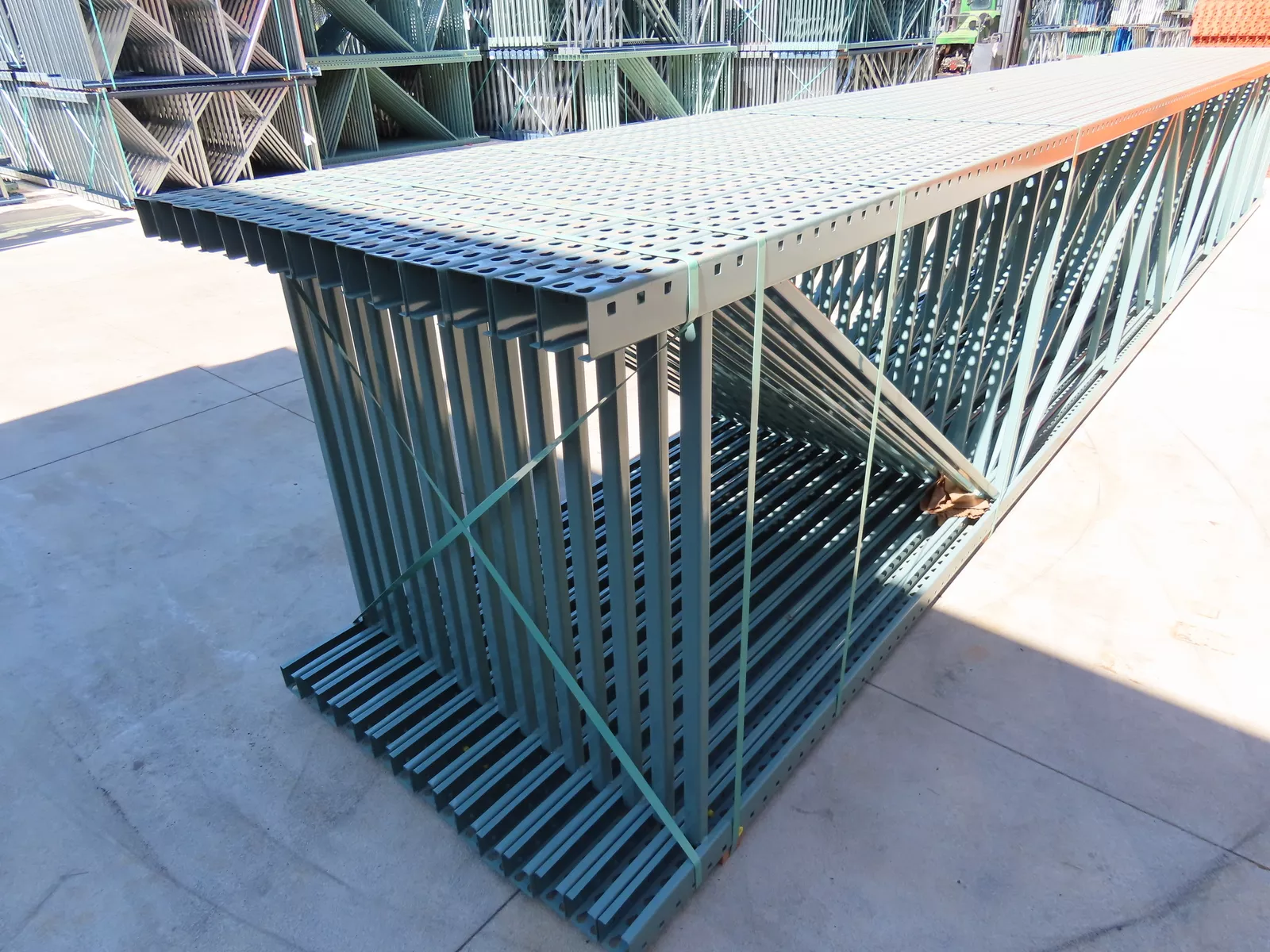
How Do Toy and Game Wholesalers Leverage Pallet Racking?
How Do Toy and Game Wholesalers Leverage Pallet Racking?
- Pallet racking is essential in toy and game wholesaling for organizing space, speed, and efficiency in warehouses.
- It prevents chaotic stacking of boxes, ensuring products are neatly stored, easily accessible, and trackable.
- Proper pallet racking enhances safety by reducing the risk of accidents, demonstrating responsibility toward workers and customers.
- It maximizes vertical storage space, saving costs on building size and supporting business growth and competitive pricing.
- Pallet racking speeds up picking, packing, and shipping processes, minimizing errors and delays.
- Effective inventory flow improves operations from warehouse to office, enabling focus on customer satisfaction and product delivery.
- Though unglamorous, pallet racking is a crucial, trusted foundation for smooth operations and brand reliability in wholesaling.

How Do Toy and Game Wholesalers Leverage Pallet Racking?
Table Of Contents
- How Do Toy and Game Wholesalers Leverage Pallet Racking?
- How Does Pallet Racking Improve Toy and Game Storage Efficiency?
- Can Pallet Racking Reduce Damage to Toys During Warehousing?
- How Do Wholesalers Balance Cost and Space Using Pallet Racks?
- What Safety Standards Must Pallet Racking Meet In Toy Warehouses?
- How Does Pallet Racking Support Faster Order Fulfillment Times?
- Can Pallet Racking Systems Adapt to Seasonal Inventory Changes?
- Conclusion
- Other Resources
- Glossary Of Terms
- Other Questions
- Checklist
How Does Pallet Racking Improve Toy and Game Storage Efficiency?
When you’re knee-deep in boxes of toys and games, trying to find that one elusive item, frustration sets in fast. It’s not just about saving time—it’s about making your day smoother, your work easier, and your customers happier. Pallet racking steps in like the reliable buddy who knows exactly where everything belongs. It’s a game changer—not fancy, just solid, straightforward efficiency.
You see, pallets stacked on the floor can turn into a jumbled mess faster than you can say “board game night.” Pallet racking takes that chaos and tames it, giving every box and crate a place to call home. This system doesn’t just keep things neat; it frees up floor space, turning cluttered warehouses into well-oiled machines. When shelves are organized by pallet racking, workers waste less energy and fewer steps hunting down inventory. That means faster restocking, quicker shipping, and fewer headaches all around.
From a practical standpoint, pallet racking is about making smart use of vertical space. Warehouses aren’t expanding upward; they’re stacking smarter. By using pallet racking, you store more without squeezing tighter or risking damage. It’s a financially sound move—better storage means fewer lost items, less breakage, and more accurate inventory counts. You’re not just investing in racks; you’re investing in trust—trust that orders will ship right, on time, every time.
There’s something ethical, too, about treating toys and games—the stuff that sparks joy in kids and grown-ups alike—with respect. Proper storage through pallet racking means inventory isn’t just tossed around but cared for. That care reflects your commitment to quality and service, showing you value the products and the people who receive them.
Picture the warehouse as a bustling community. When pallet racking is in place, it’s like everyone knows their role. The pickers, packers, and drivers work in sync, confidence in the system’s reliability. Stories circulate of fewer mistakes, less stress, and teams breathing easier because they trust where the stock lives. That kind of order builds pride in the job done right.
Pallet racking isn’t just metal beams holding boxes. It’s a foundation for better service, smarter workdays, and satisfied customers who get their favorite games to the table without delay. It’s common sense and commitment rolled into one—worth every penny and every bit of trust it earns.

How Does Pallet Racking Improve Toy and Game Storage Efficiency?
How Does Pallet Racking Improve Toy and Game Storage Efficiency?
- Pallet racking simplifies organization by giving every box and crate a designated place, reducing frustration and saving time.
- It transforms cluttered floor-stacked pallets into neat, space-efficient storage, freeing up warehouse floor space.
- Using vertical space smartly, pallet racking allows warehouses to store more without damage or overcrowding.
- Improved storage leads to fewer lost items, less breakage, more accurate inventory, and faster order fulfillment.
- Proper storage shows respect for the products, reflecting a commitment to quality and customer service.
- Pallet racking enhances team efficiency by enabling coordinated work among pickers, packers, and drivers with fewer errors.
- It supports better service and smoother operations, resulting in satisfied customers and a trustworthy system.

How Does Pallet Racking Improve Toy and Game Storage Efficiency?
Can Pallet Racking Reduce Damage to Toys During Warehousing?
When you’re dealing with toys, it’s not just about storing boxes on a shelf—it’s about keeping little moments of joy safe until they reach a child’s hands. Pallet racking is one of those simple, no-nonsense tools that can make a genuine difference on the warehouse floor. It might not sound glamorous, but this sturdy steel setup is built for one thing: protecting your products from the everyday bumps, scrapes, and chaos that come with stacking and moving pallets in a busy warehouse.
Here’s the straight talk: toys get damaged because they’re left flopping around on the floor or stacked haphazardly, and that’s a problem. Pallet racking organizes inventory vertically and keeps everything off the ground, reducing the chances of water damage, crushing, or accidental drops. You’re not just stacking boxes; you’re creating a system that gives each pallet its own spot, a little respect. It’s like giving your toys a home where they can rest easy until it’s their turn to make a kid smile.
There’s also an ethical side to it. Every damaged toy means more waste, more money down the drain, and frustration for everyone—warehouse workers, retailers, and ultimately, the families waiting for those toys. Using pallet racking properly isn’t just smart business; it’s taking care of the whole supply chain. It shows you respect the hard work behind getting those toys made and shipped, and the kids who’ll be waiting to unwrap them.
From experience, you learn that a well-organized warehouse flows better. Pallet racking lets workers find what they need without chaos, saving time and reducing mistakes that lead to damage. It’s practical, sure, but also kind of respectful to the people who do the heavy lifting. Keeping toys safe isn’t rocket science; it’s common sense—give things a proper place, handle them carefully, and keep the workspace neat.
So, when you’re thinking about cutting down damage and boosting efficiency, pallet racking isn’t just a piece of warehouse furniture. It’s a smart, grounded investment in quality, care, and reliability. Your toys, your team, and your bottom line all benefit. It’s a straightforward fix that makes a world of difference, one shelf at a time.
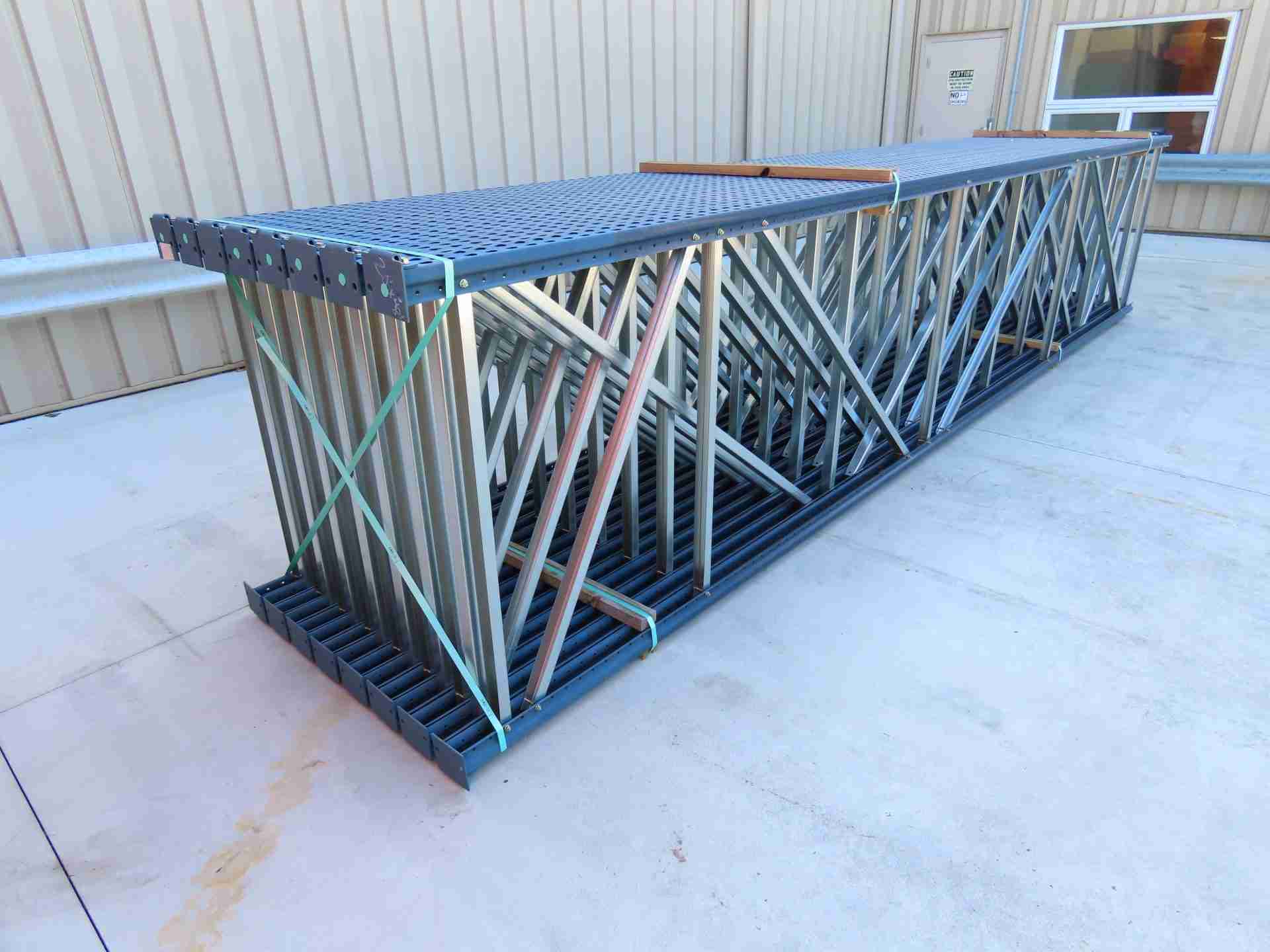
Can Pallet Racking Reduce Damage to Toys During Warehousing?
Can Pallet Racking Reduce Damage to Toys During Warehousing?
- Pallet racking protects toys from damage caused by the chaos of stacking and moving pallets in busy warehouses.
- It organizes inventory vertically, keeping products off the ground to reduce water damage, crushing, and accidental drops.
- Each pallet has a designated spot, preventing haphazard stacking and providing a safer “home” for toys.
- Proper use of pallet racking reduces waste, financial loss, and frustration across the supply chain, benefiting workers, retailers, and families.
- A well-organized warehouse with pallet racking improves workflow, saves time, and decreases mistakes that cause damage.
- Handling and storage with care shows respect for the products, the workers, and the children receiving the toys.
- Pallet racking is a practical, cost-effective investment that enhances quality, efficiency, and reliability in warehousing.

Can Pallet Racking Reduce Damage to Toys During Warehousing?
How Do Wholesalers Balance Cost and Space Using Pallet Racks?
When it comes to running a wholesale operation, every inch of space and every dollar spent counts. Pallet racking isn’t just some fancy storage setup—it’s the backbone of how wholesalers keep the wheels turning without breaking the bank or turning the warehouse into a maze. Balancing cost and space feels like walking a tightrope, but getting it right means smoother days, fewer headaches, and a bottom line that doesn’t make you scream into your lunch.
Let’s face it, space costs money. The bigger your warehouse, the bigger your rent, utilities, and upkeep. Pallet racking squeezes every bit of usable space out of those warehouse walls. Instead of piling boxes on the floor or stacking them into dangerous-looking towers, pallet racking lifts your stock up and organizes it neatly. That’s rational business sense—it saves floor room, reduces the risk of accidents, and keeps everything within easy reach. When you’re dealing with thousands of dollars worth of goods, that kind of efficiency isn’t just a nice-to-have; it’s a must-have.
But cost isn’t only about the space you rent—it’s about how wisely you invest in your pallet racking system. Cheaping out might mean racks that aren’t sturdy or adaptable, leading to damage, downtime, or worse. Spending more upfront for quality racks pays off in the long run through durability, safety, and flexibility as your inventory changes. That ethical choice to prioritize worker safety and product protection should feel like common sense, but it takes guts and commitment. It’s not just the right call—it’s the smart call.
Most wholesalers know that pallet racking isn’t a one-size-fits-all deal. The real pros assess their product types, turnover rates, and layout before pulling the trigger. It’s a bit like building a tailored tool rather than buying something off the shelf. You want racks built for your style of business—whether that’s fast-moving perishables or bulky hardware. Getting this right connects the dots between what you’ve got, what you need, and how you move it.
The pride in a well-run warehouse reflects a kind of no-nonsense craftsmanship. There’s a quiet confidence that comes from knowing your storage system works so goods can flow out the door without a hitch. When pallet racking balances cost and space well, it’s not just about dollars and feet—it’s about respect for your work, your team, and the business you’re building one box at a time.

How Do Wholesalers Balance Cost and Space Using Pallet Racks?
How Do Wholesalers Balance Cost and Space Using Pallet Racks?
- Pallet racking is essential for efficient wholesale operations, optimizing space and controlling costs.
- Maximizing warehouse space saves on rent, utilities, and upkeep while improving organization and safety.
- Investing in high-quality, durable pallet racks prevents damage, downtime, and enhances worker safety.
- Effective pallet racking systems are tailored to specific product types, turnover rates, and warehouse layouts.
- Customized racks improve inventory management and streamline the movement of goods.
- A well-designed storage system reflects professionalism and ensures smooth warehouse operations.
- Balancing cost and space with pallet racking demonstrates respect for the business, employees, and inventory.
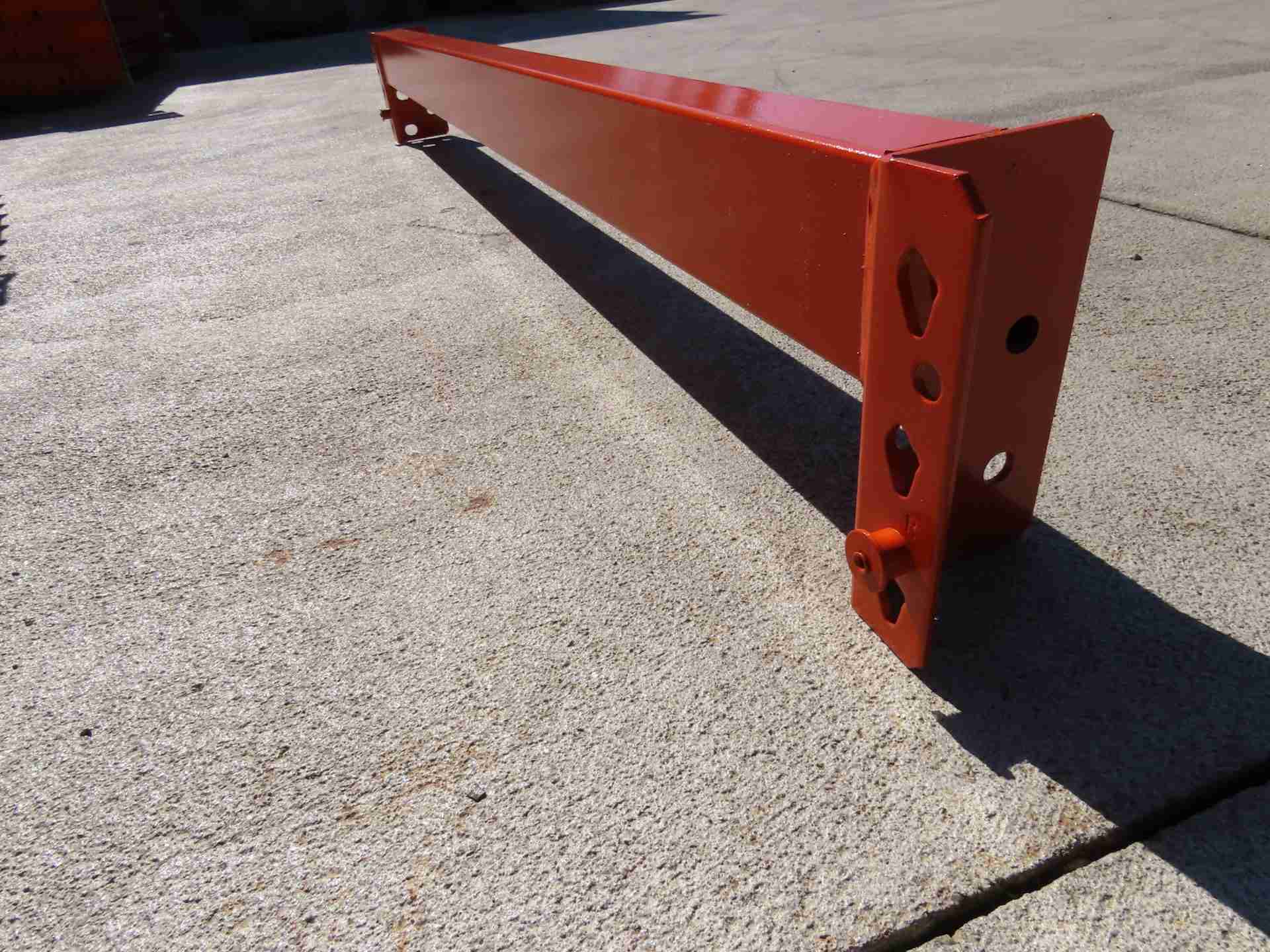
How Do Wholesalers Balance Cost and Space Using Pallet Racks?
What Safety Standards Must Pallet Racking Meet In Toy Warehouses?
When you walk into a toy warehouse, it’s not just shelves full of fun and laughter waiting to be shipped out—it’s a place where safety isn’t optional, it’s the backbone of every day’s work. Pallet racking might sound like dry warehouse talk, but what it really means is keeping everyone from the forklift driver to the loading dock crew safe and sound. You don’t want a single wobble or a rogue shelf crashing down where kids’ toys are stored, because behind every box is someone’s peace of mind—knowing their gear arrives intact, and no one is getting hurt along the way.
Pallet racking systems have to meet some serious standards to handle the weight and volume of goods while standing tall without faltering. The racks must be built strong enough to hold heavy pallets loaded with everything from tiny action figures to giant boxes of board games. These aren’t just guidelines on paper; they’re tested, regulated rules designed to prevent accidents that can throw a wrench in business and put livelihoods at risk. Remember, when a rack fails, it’s not just merchandise damage—it’s about people getting hurt, and that’s a cost no one can afford.
There’s a real ethical duty in making sure pallet racking meets standards like proper weight limits, secure anchoring to the floor, and regular inspection routines. These aren’t just red tape; they’re the silent guardians that keep working spaces humane and accountable. It’s like keeping a promise to every worker that their safety is taken seriously, day in and day out. And when that promise is kept, you build trust—not just between management and staff, but with customers who rely on your warehouse to deliver without issues.
If you’ve been around warehouses long enough, you know the stories: racks overloaded, corners bumped by hurried forklifts, or shelving left unchecked until it’s too late. Those stories stick with you, reminding you why the standards exist. Pallet racking standards may seem boring or tedious, but they’re the sweat and grit of making sure the warehouse isn’t a danger zone. Meeting those standards isn’t just ticking boxes; it’s about respect for the people behind the scenes and the products heading out the door.
Keeping pallet racking safe isn’t just good practice—it’s the foundation for a smooth-running warehouse that everyone can depend on. When the racks are solid, the toys stay safe, the workers stay safe, and the whole operation runs like a well-oiled machine. That’s the kind of peace of mind worth working for.
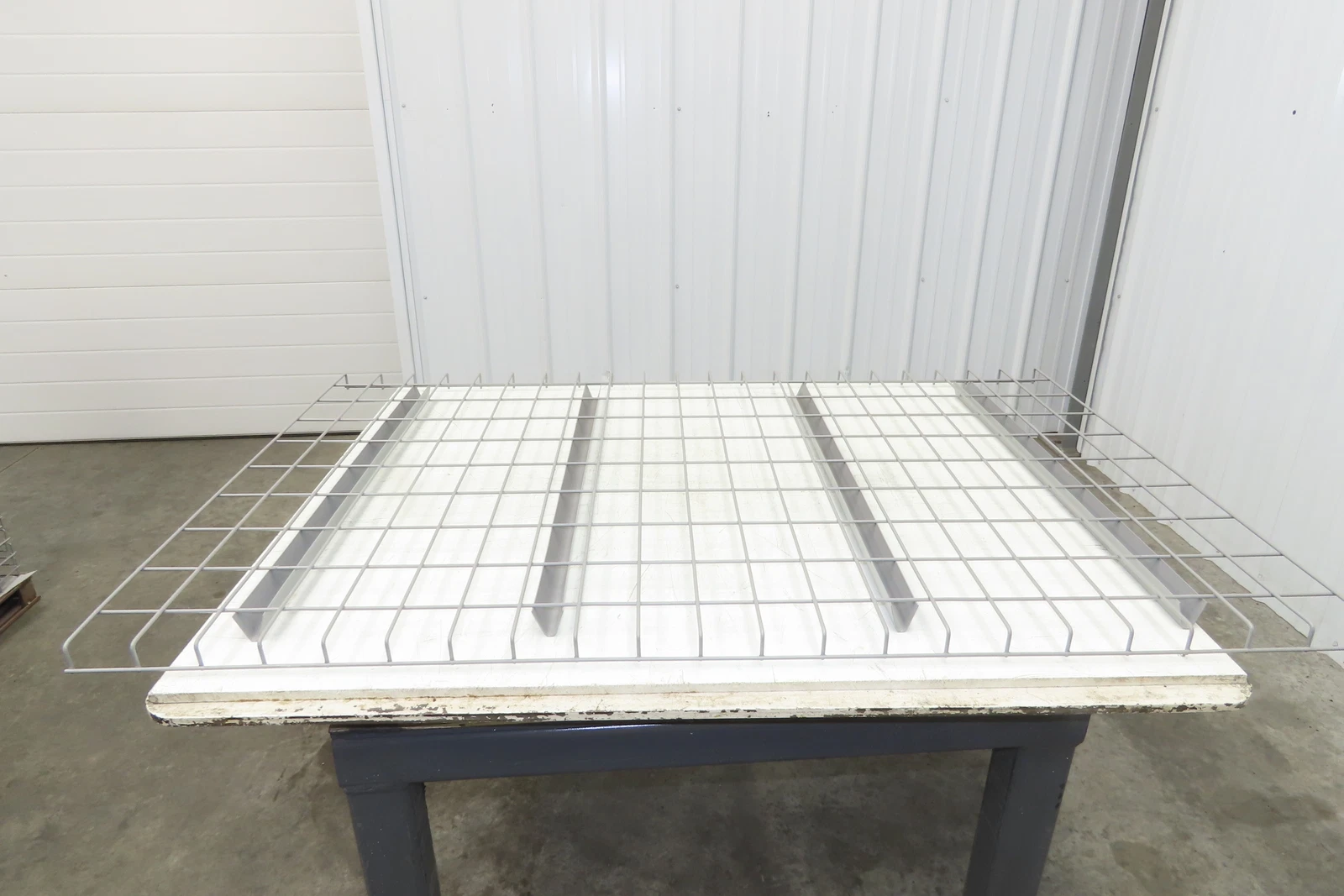
What Safety Standards Must Pallet Racking Meet In Toy Warehouses?
What Safety Standards Must Pallet Racking Meet In Toy Warehouses?
- Safety is fundamental in toy warehouses, ensuring protection for all workers and the integrity of stored products.
- Pallet racking systems must meet strict standards to safely hold heavy loads and prevent accidents.
- Regulations include weight limits, secure floor anchoring, and regular inspections to maintain safety.
- Adhering to these standards is an ethical responsibility that protects employees and fosters trust between staff and management.
- Past incidents of overloaded or damaged racks highlight the importance of compliance with safety protocols.
- Maintaining pallet racking standards prevents workplace hazards and supports smooth warehouse operations.
- Reliable pallet racking contributes to overall peace of mind by keeping workers safe and ensuring product delivery integrity.

What Safety Standards Must Pallet Racking Meet In Toy Warehouses?
How Does Pallet Racking Support Faster Order Fulfillment Times?
You ever been stuck waiting on a shipment because the warehouse was a mess? Pallet racking is the kind of straightforward fix that changes the game and saves you from that headache. It’s not some fancy gadget; it’s steel frames and shelves put together to get your stuff off the floor and into neat rows where you can actually find what you need—fast. When everything’s lined up right, you’re not wasting time crawling around, digging through piles, or knocking over boxes just to grab one item. That’s how pallet racking pulls its weight: by clearing the chaos and giving every pallet a proper spot.
Think about the clock ticking when orders roll in. Every minute counts because delays don’t just slow down shipments—they hit your customers, employees—and your bottom line. Pallet racking lets you slice through those hold-ups because it amps up accessibility. Forklifts and workers can get to pallets with ease, saving time and muscle. It’s common sense made real: less clutter, quicker moves. You’re not having to rearrange the place or play a guessing game trying to find what goes where.
There’s an ethical angle here, too. When a warehouse is organized, it’s not just faster—it’s safer. Nobody likes dealing with accidents, and pallet racking helps keep stuff stable and secure. That’s respect for your people, making sure the jobsite isn’t a deathtrap. And when your crew feels safe and valued, they work smarter, turning orders around quicker with fewer mistakes.
That kind of thoughtful setup doesn’t happen by accident. Pallet racking is a tried-and-true solution that’s been the backbone of warehouses for decades because it just works. When you put your trust in a system built on common-sense engineering and practical use, you’re standing on solid ground. It feels good knowing your operation runs smooth and reliable, day in, day out.
At the end of the day, faster order fulfillment isn’t just about speed—it’s about confidence and pride in knowing you’re running a ship that moves with purpose. When the racks are organized right, your entire team can breathe easier, move quicker, and get orders out the door without breaking their backs or losing their minds. That’s pallet racking doing its honest job: making the workday simpler, smarter, and a whole lot faster.
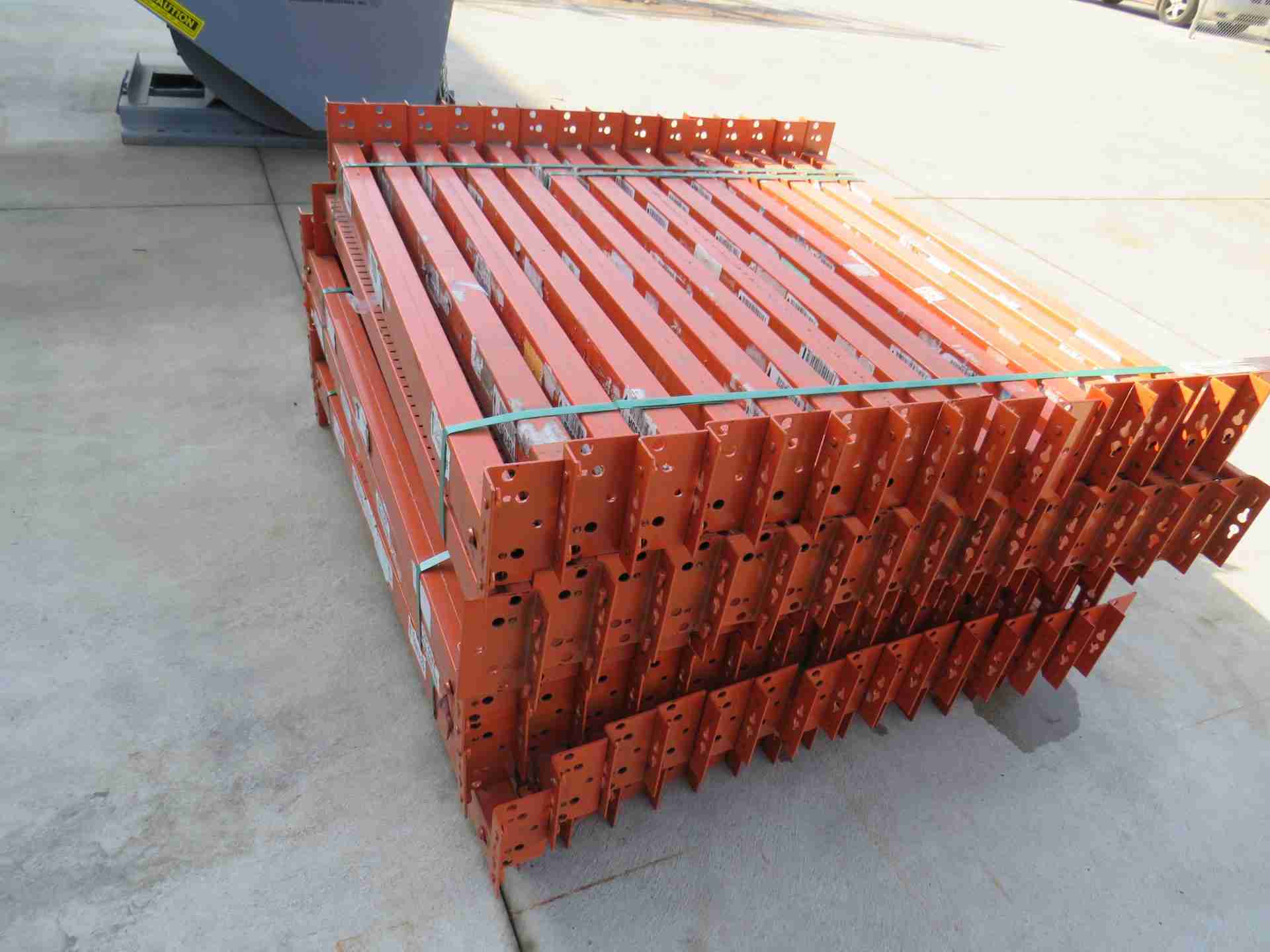
How Does Pallet Racking Support Faster Order Fulfillment Times?
How Does Pallet Racking Support Faster Order Fulfillment Times?
- Pallet racking organizes warehouse inventory by keeping pallets off the floor in neat rows, reducing time wasted searching for items.
- Improved organization enhances accessibility, allowing forklifts and workers to retrieve pallets quickly and efficiently.
- Faster order fulfillment minimizes delays that negatively impact customers, employees, and profits.
- Properly installed pallet racking increases safety by stabilizing loads and reducing accidents in the workplace.
- A safer environment fosters smarter work and fewer errors by making employees feel valued and secure.
- Pallet racking is a proven, reliable warehouse solution built on practical engineering and decades of use.
- Overall, pallet racking simplifies warehouse operations, boosting speed, confidence, and team productivity.

How Does Pallet Racking Support Faster Order Fulfillment Times?
Can Pallet Racking Systems Adapt to Seasonal Inventory Changes?
When the seasons shift, so does the dance of inventory in any warehouse worth its salt. You don’t need a fancy degree to know that what you’re storing in January ain’t the same as in July. Pallet racking systems are the quiet workhorses that can keep up with this changing rhythm if you set them up right. They’re not just metal shelves; they’re the backbone that keeps your stock organized without turning your space into chaos.
From hands-on experience, the beauty of pallet racking is its adaptability. You can rearrange beams, adjust shelf heights, or add levels with a few turns of bolts and a little muscle. This flexibility isn’t just convenient—it’s essential. When the holiday season rolls in, a warehouse might suddenly need space for more boxes or heavier items. Come the slower months, you might want to spread those pallets out, giving breathing room to workers and equipment. It’s like having a toolbox that changes shape based on the job at hand.
On an ethical and practical level, investing in pallet racking that bends with your seasonal needs is smart stewardship. It saves money, reduces waste, and keeps the workplace safer because clutter and confusion don’t have to pile up. No one wants to claw through a messy lot in the dead of winter just to find a single item. Pallet racking systems designed for quick adjustments let everyone breathe easier and work smarter.
There’s also a social side to it—employees notice when a workplace stays orderly despite the seasonal swings. It builds trust that management cares about making life easier on the floor, not just shaving costs or cutting corners. That kind of respect doesn’t just boost morale; it currents through the whole operation, improving efficiency and loyalty like an unseen engine running smooth.
At the end of the day, pallet racking systems that can adapt aren’t a luxury—they’re a necessity. When the seasons change and the stock shifts, having a system ready to shift along prevents headaches and lost time. It’s the kind of common-sense, no-nonsense solution that gets the job done and keeps the whole operation rolling. If you want to keep the warehouse humming through every season, pallet racking that moves with your inventory isn’t just a convenience—it’s the way to make sure nothing ever falls through the cracks.
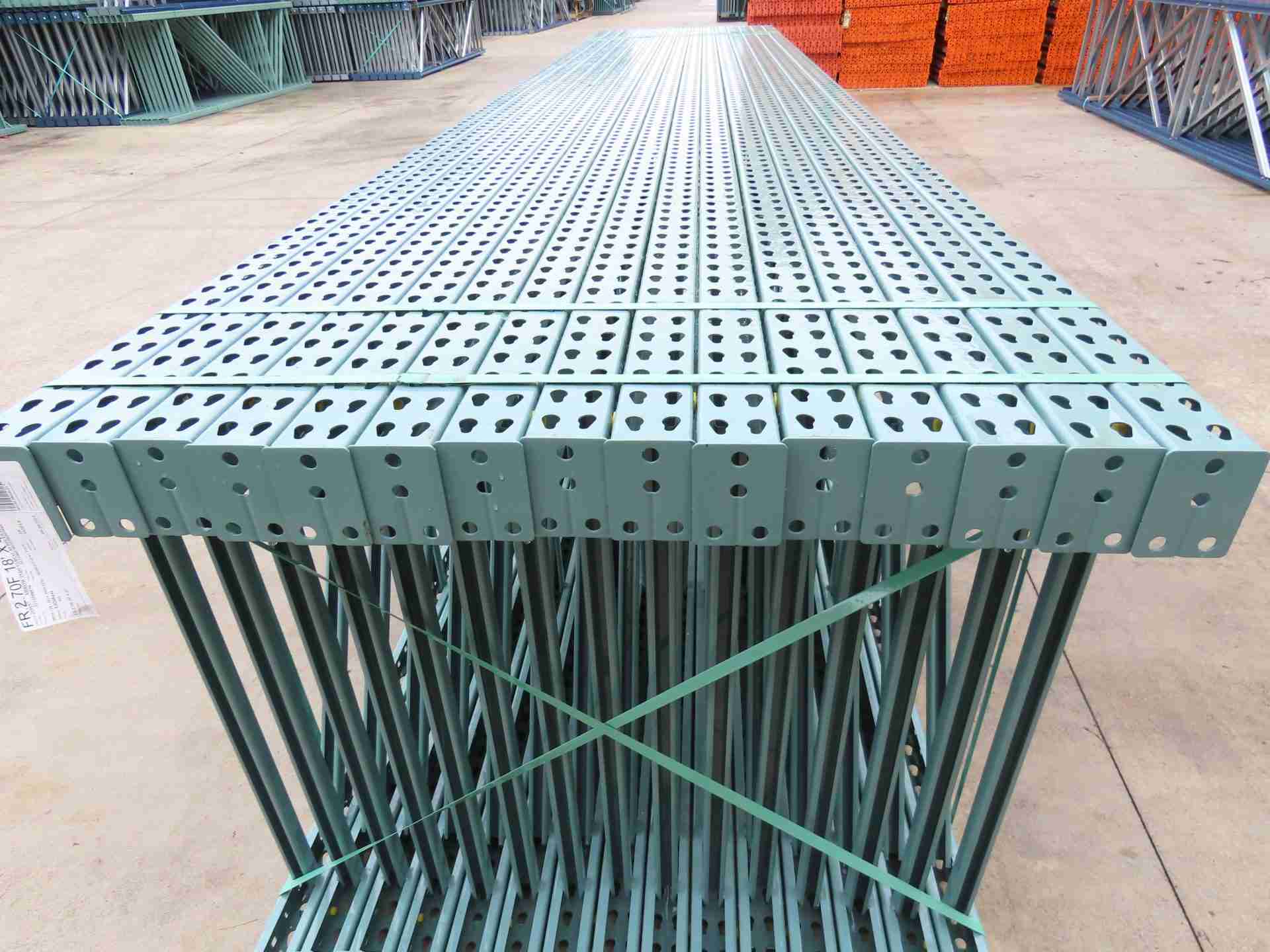
Can Pallet Racking Systems Adapt to Seasonal Inventory Changes?
Can Pallet Racking Systems Adapt to Seasonal Inventory Changes?
- Inventory changes with the seasons, requiring adaptable storage solutions in warehouses.
- Pallet racking systems serve as the essential, flexible backbone for organized stock management.
- The adaptability of pallet racking allows easy adjustments in shelf height, beam placement, and levels to meet seasonal demands.
- Flexible pallet racking saves money, reduces waste, and enhances workplace safety by preventing clutter.
- Maintaining an orderly warehouse through seasonal shifts builds employee trust and boosts morale.
- Efficient pallet racking contributes to overall operational efficiency and staff loyalty.
- Adaptive pallet racking systems are a necessity for smooth, continuous warehouse operation across all seasons.
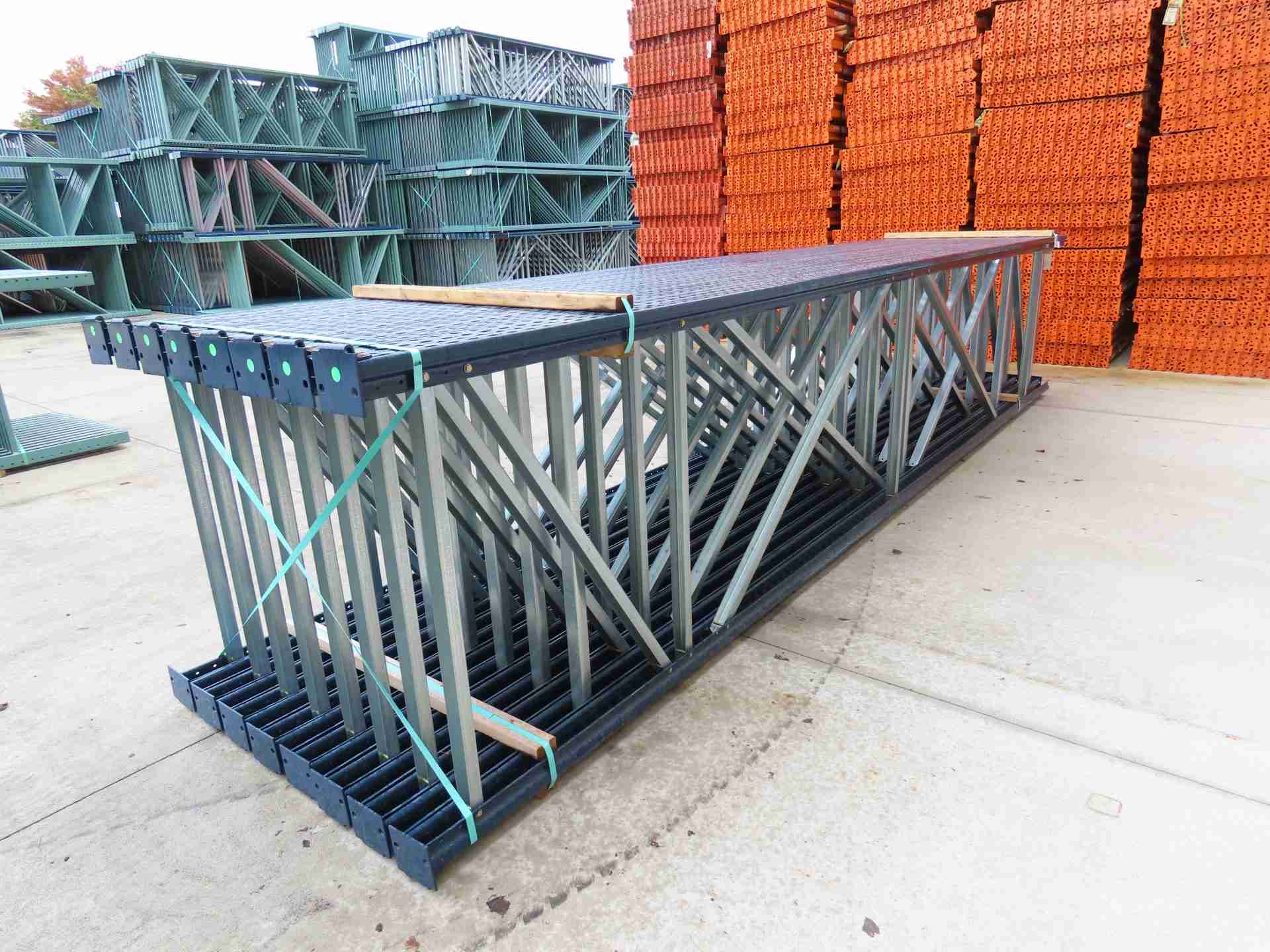
Can Pallet Racking Systems Adapt to Seasonal Inventory Changes?
Conclusion
In the tough, gritty world of toy and game wholesaling, pallet racking is the quiet workhorse keeping the whole show from falling apart. It’s not flashy, but it’s the backbone that turns chaos into order, stacking boxes up right so nothing topples, nothing gets lost, and no one’s wasting time hunting down a misplaced pallet. When a shipment leaves the dock on time and whole, that’s pallet racking doing its honest job—holding everything steady till it’s ready to roll.
It’s more than just neatness; it’s about respect—respect for the people lugging those pallets, for the toys that spark joy in kids, and for the families waiting on the other end. A well-organized warehouse means fewer accidents, less damage to goods, and a safer, more trusting workplace. That’s ethical business, plain and simple. Taking care of your products and your team isn’t just smart—it’s the right thing to do.
From the dollars-and-cents side, pallet racking is pure common sense. It squeezes every inch out of your space without the crazy cost of renting or building bigger facilities. More room to stack means smoother, faster operations. When your crew can grab what they need without stepping on each other’s toes or digging through piles, productivity climbs and headaches fade. It’s not rocket science — it’s solid, practical efficiency that keeps business humming and prices competitive.
But here’s the thing: pallet racking also bends with the times. When the seasons change, and your inventory shifts like weather, a good racking system adapts. Beams get moved, shelves reset, and suddenly your warehouse is ready for whatever the calendar throws at it. That flexibility saves money, cuts down clutter, and keeps the whole floor safe and sane through the busiest holidays and the slowest weeks alike.
Safety standards aren’t just boxes to tick—they’re the sweat equity behind every day’s operation. Strong racks mean no collapsing shelves, no surprise spills, and no injuries. Respecting those rules is respecting your folks’ well-being and your customers’ trust. Running a warehouse that meets those standards builds pride and confidence all around.
At the end of the day, pallet racking isn’t glamorous, but it’s the unheralded champ in the game. It’s the common-sense engine behind faster orders, safer workdays, and a business that runs clean and smooth. For those in this line of work, it’s clear as a bell: without solid pallet racking, everything else just falls flat. The racks hold the promise of reliability—from warehouse floor to game room table—and that’s worth every bolt and beam.
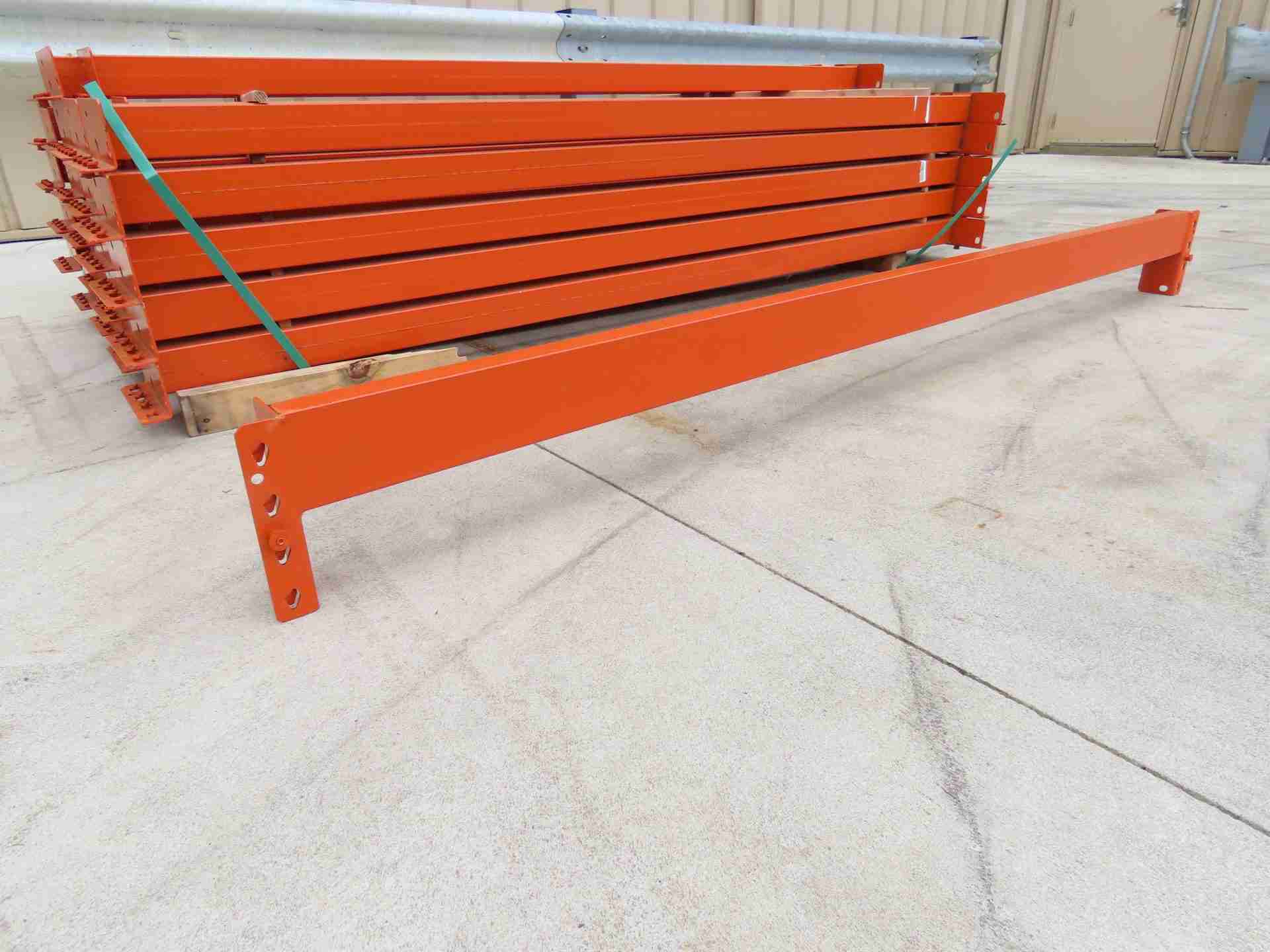
Conclusion
Conclusion:
- Pallet racking is essential in toy and game wholesaling, providing order and stability to prevent loss and delays.
- It reflects respect for workers, products, and customers by ensuring safety, reducing accidents, and protecting goods.
- Efficient pallet racking maximizes warehouse space, improving productivity and lowering operational costs.
- Flexible racking systems adapt to changing inventory demands, maintaining organization throughout seasonal shifts.
- Maintaining strong, safe racks upholds safety standards, preventing accidents and fostering trust.
- Pallet racking supports smooth business operations by enabling faster order fulfillment and safer work environments.
- It is a reliable backbone of the warehouse, crucial for consistent performance from storage to delivery.
Conclusion
Other Resources

Other Resources
Here is a list of other resources you can review online to learn more:
- Used Teardrop Pallet Rack – American Surplus
- Overhead Lifting
- Illinois Pallet Racking – WPRP
- Pallet Racking 101: A Comprehensive Guide & Options Explained
- Illinois Pallet Racking – Storage Solutions
- Used Pallet Rack for Sale in Illinois – American Surplus
- Cantilever Rack Guide: Ordering Cantilever Racking
- Crane Manufacturers Association Of America Inc.
- IIWS Inc. Rack Installation Illinois & Rack Repairs Illinois
- Chicago Pallet Racking
- Selective Racking
- Interlake Mecalux
- Pallet Racks, Pallet Racking, Pallet Shelves in Stock – ULINE
- Warehouse Storage Racks
- Wolter
- Iowa Illinois Warehouse Racking
- ASSP
- SEMA
- CA Wire
- Pallet Racking systems in Illinois and Great Lakes
Use This Prompt To Get More Resources With Your Favorite Online AI Tool: Please provide me with a list of online articles with their URLs in a bulleted list that I can read regarding How Do Toy and Game Wholesalers Leverage Pallet Racking?

Other Resources
Glossary Terms
How Do Toy and Game Wholesalers Leverage Pallet Racking? – Glossary Of Terms
1. Pallet Racking: A storage system designed to hold materials on pallets in horizontal rows with multiple levels.
2. Toy Wholesaler: A business entity that purchases toys in bulk from manufacturers to sell to retailers.
3. Game Wholesaler: A distributor that buys games in large quantities for resale to retail stores.
4. Inventory Management: The process of efficiently overseeing the ordering, storage, and use of products.
5. Space Optimization: The practice of maximizing available storage area for better organization and capacity.
6. Load Capacity: The maximum weight that a pallet rack or shelf can safely support.
7. Pick Efficiency: The speed and accuracy with which items are retrieved from storage for order fulfillment.
8. Forklift Access: The ability of forklifts to navigate warehouse aisles and retrieve goods from racks.
9. Vertical Storage: Utilizing height to store products on multiple levels rather than spreading horizontally.
10. SKU (Stock Keeping Unit): A unique identifier for each distinct item sold or stored.
11. Bulk Storage: Holding large quantities of identical products together to simplify handling.
12. Order Fulfillment: The complete process from receiving an order to delivering the product.
13. Just-in-Time Inventory: Minimizing stock on hand to reduce storage costs while meeting demand.
14. Warehouse Layout: The physical arrangement of storage areas within a distribution center or warehouse.
15. Slotting: The strategic placement of products in storage for optimal picking efficiency.
16. Load Distribution: The even spread of weight across a pallet or racking structure to prevent damage.
17. Cross-Docking: A logistics practice where incoming goods are directly transferred to outbound shipments.
18. Safety Compliance: Adhering to regulations and guidelines to prevent accidents in storage environments.
19. Pallet Jack: A manual or powered tool used to lift and move pallets within a warehouse.
20. Conveyor Integration: The use of conveyor systems in tandem with racking for automated product flow.
21. Aisle Width: The space between pallet racks allowing movement of personnel and equipment.
22. Modular Racking: A storage system that can be reconfigured to adapt to changing inventory needs.
23. FIFO (First In, First Out): Inventory management where older stock is used before newer stock.
24. LIFO (Last In, First Out): Inventory management where the newest stock is accessed before older stock.
25. Load Restraint: Methods to secure pallets and prevent shifting during storage.
26. Mezzanine Floor: An intermediate floor installed above ground level to add storage space.
27. Inventory Turnover: The rate at which inventory is sold and replaced over a period.
28. Pallet Dimensions: The standardized measurements of pallets used for storing goods.
29. Rack Protection: Devices or barriers that safeguard racking from forklift or equipment damage.
30. Warehouse Automation: The use of technology and machinery to streamline storage and retrieval processes.

Glossary Of Terms
Other Questions
How Do Toy and Game Wholesalers Leverage Pallet Racking? – Other Questions
If you wish to explore and discover more, consider looking for answers to these questions:
- What types of pallet racking systems are best for toy and game wholesalers (selective, drive-in, push-back, pallet flow, etc.)?
- How much does pallet racking typically cost to purchase and install per pallet position or per square foot?
- What is the expected ROI and payback period for investing in pallet racking?
- How do I calculate the right rack height, bay length, and beam capacities for my inventory?
- What weight limits and load ratings should I consider for different types of toy pallets?
- Which safety standards and certifications apply (e.g., RMI, ANSI, OSHA) and how do they affect rack selection?
- How often should pallet racking be inspected and who is qualified to perform inspections?
- What are common signs of rack damage or instability and how should they be repaired?
- What floor anchoring and seismic considerations are required in my region?
- How do sprinkler systems, fire codes, and clearance requirements affect racking layouts?
- What rack protection accessories are recommended (column guards, wire decking, row spacers, safety pins)?
- How can pallet racking be configured to support FIFO vs LIFO inventory strategies?
- How does pallet racking integrate with warehouse management systems (WMS), barcode scanning, or RFID?
- What aisle widths and forklift types (counterbalance, reach truck, narrow-aisle) work best with different racking systems?
- Can pallet racking be used with automated storage and retrieval systems (AS/RS) or pick-to-light systems?
- How can racking be adapted seasonally without major downtime or cost?
- What layout and slotting strategies maximize picking efficiency for varied toy SKUs?
- How should delicate or electronic toys be stored on racks to avoid damage from vibration, moisture, or stacking?
- What packaging or palletizing best practices reduce damage when using pallet racking?
- Should I buy new racks or consider used/refurbished racking—what are the trade-offs?
- How do warranties, supplier certifications, and maintenance agreements typically work?
- What training programs are required or recommended for forklift operators and rack inspectors?
- How do insurance companies view pallet racking systems and what coverage implications exist?
- What permitting or local code approvals are needed before installing or modifying racking?
- How much lead time is typical for ordering and installing a pallet racking system?
- What are best practices for labeling, signage, and visual management on pallet racks?
- How do you plan for future growth and make racking scalable or modular?
- What are common layout mistakes that reduce storage efficiency or increase risk?
- How can racking help improve KPIs like picks per hour, order cycle time, and inventory accuracy?
- What maintenance schedule and spare-part inventories should wholesalers maintain for racks?
- How do drive-in or high-density systems compare to selective racking for SKU variety vs storage density?
- What environmental considerations (temperature, humidity, pest control) impact racking choices?
- How should pallet racking be integrated with cross-docking, staging, and packing areas?
- What financing or leasing options exist to spread the capital cost of racking?
- How long do pallet racking systems typically last and what factors shorten or extend lifespan?
- What are the legal liabilities and employer responsibilities if a racking failure causes injury or damage?
- Are there case studies or benchmarks showing efficiency improvements for toy wholesalers after installing pallet racking?
- How can racking be recycled, repurposed, or responsibly disposed of at end of life?

Other Questions
Checklist
How Do Toy and Game Wholesalers Leverage Pallet Racking? – A Checklist
Objectives and Inventory Profile
✅______ Define product mix, SKU dimensions, weights, and pallet configurations
✅______ Classify SKUs by velocity (A/B/C) and handling method (full pallet, case, each)
✅______ Standardize pallet types and quality criteria (GMA spec, 4-way entry, no broken boards)
✅______ Identify fragile, crushable, or moisture-sensitive items and storage requirements
✅______ Determine FIFO/LIFO needs and lot/expiry controls if applicable
Layout and System Selection
✅______ Measure clear heights, building columns, dock positions, and sprinkler obstructions
✅______ Select rack types: selective, double-deep, drive-in, push-back, pallet flow, carton flow
✅______ Set aisle widths to match equipment (counterbalance, reach truck, VNA, AMRs)
✅______ Plan pick faces for cases and eaches; reserve upper bays for bulk pallets
✅______ Place fast-movers near shipping; define buffer, staging, and returns zones
✅______ Provide adequate inbound and outbound staging and cross-dock lanes
✅______ Ensure required flue spaces (transverse and longitudinal) in design
Safety and Compliance
✅______ Obtain load calculations and stamped drawings from a qualified engineer
✅______ Install anchors, base plates, and beam locking pins per manufacturer specifications
✅______ Add rack protection (end-of-aisle guards, column protectors, row spacers)
✅______ Post capacity and height-to-depth ratio signage on each bay
✅______ Verify local code, seismic, and insurance requirements
✅______ Confirm fire code compliance (flue spaces, sprinkler type, decking—wire mesh vs. solid, commodity class)
✅______ Implement daily and weekly operator inspections and documented monthly audits
✅______ Establish incident reporting and rack damage quarantine procedures
Damage Prevention
✅______ Set pallet overhang and load containment standards (stretch wrap, corner boards)
✅______ Use wire decking or support bars for small cartons and toys to prevent fall-through
✅______ Define safe loading patterns and beam level limits for mixed SKUs
✅______ Create P&D (pick and drop) stations to reduce forklift travel within rack aisles
✅______ Enforce speed limits, horn use, and traffic rules; mark pedestrian walkways
✅______ Separate returns and QA lanes to protect good inventory
Efficiency and Order Fulfillment
✅______ Map WMS locations to rack addresses (aisle-bay-level-position)
✅______ Label bays, levels, and positions with scannable barcodes and RFID
✅______ Optimize pick paths and slot high-velocity SKUs at ergonomic heights
✅______ Define replenishment min/max and triggers from reserve to pick faces
✅______ Choose picking method (batch, wave, zone, or hybrid); document SOPs
✅______ Enable cross-docking for hot SKUs and pre-packs
✅______ Track KPIs (lines/hour, pick accuracy, order cycle time, dock-to-stock, space utilization)
✅______ Apply 5S (sort, set in order, shine, standardize, sustain)
Cost and ROI
✅______ Calculate total cost of ownership (racks, installation, permits, protection, training, maintenance)
✅______ Compare new vs. used, lease vs. buy, and modular expansion options
✅______ Model labor savings from improved pick rates and reduced travel
✅______ Plan capacity headroom (20–30%) for growth without rework
✅______ Assess insurance premiums and energy impacts of layout changes
Seasonal Scalability
✅______ Use adjustable beam levels and add or remove pick faces for peak periods
✅______ Pre-plan seasonal re-slotting and overflow and forward staging areas
✅______ Schedule temporary equipment (extra lifts, carts) and labor ramp-up
✅______ Implement peak-specific SOPs and safety briefings
✅______ Freeze nonessential layout changes during peak to reduce risk
Operations and Training
✅______ Create SOPs for loading and unloading, putaway, replenishment, and picking
✅______ Certify operators on equipment types; maintain training records
✅______ Provide refresher training after incidents or configuration changes
✅______ Use visual management (floor lines, rack ID signs, safety boards)
✅______ Set housekeeping standards and daily checklists
Maintenance and Inspections
✅______ Perform documented daily operator checks and monthly supervisor audits
✅______ Schedule annual third-party rack inspections
✅______ Stock spare components (clips, beams, anchors) and maintain vendor contacts
✅______ Establish repair or replace criteria and torque checks for anchors and bolts
✅______ Keep as-built drawings and maintenance logs current
Technology and Data
✅______ Integrate WMS and ERP with location control and real-time inventory accuracy
✅______ Use handhelds or wearables for scanning; validate scan compliance
✅______ Set up exception reporting for mis-scans, short picks, and location errors
✅______ Maintain master data accuracy (dimensions, weights, stacking limits)
Sustainability and Responsibility
✅______ Reuse or repair pallets and recycle damaged packaging
✅______ Use ergonomic aids (lift tables, conveyors) to reduce strain
✅______ Control noise and dust; provide adequate lighting in aisles
✅______ Minimize product damage to reduce waste and returns
Go-Live and Change Control
✅______ Validate load tests and conduct a pilot in one aisle before full rollout
✅______ Confirm emergency egress and extinguisher access are clear and marked
✅______ Update risk assessments, JSAs, and insurance documentation
✅______ Capture vendor warranties, manuals, and training materials
✅______ Establish change control for future reconfiguration with approval steps
Checklist
At RackingWorld, we help guide you through selecting warehouse storage systems and racking.
Be sure to read our other related stories at RackingWorld to learn more about warehouse storage systems.
0 Comments