
Maximizing Efficiency And Safety: The Smart Storage Choice For Toys
By Tom Seest
At RackingWorld, we help guide you through selecting warehouse storage systems and racking.
Be sure to read our other related stories at RackingWorld to learn more about warehouse storage systems.
How Do Toy and Game Manufacturers Leverage Pallet Racking?
When you think about a toy or game landing in a kid’s hands just in time for a birthday or holiday, don’t overlook what’s happening behind the scenes. Pallet racking is the unsung hero, the sturdy backbone quietly keeping everything organized, accessible, and moving right along. For manufacturers, it’s more than just metal shelves—it’s the pulse of efficiency, a way to make sure every batch of puzzles, board games, or action figures gets packed and shipped without a hiccup.
Here’s the down-to-earth truth: toy and game manufacturers deal with a crazy variety of products, shapes, and sizes. Pallet racking lets them stack and store these items neatly, maximizing space without turning the warehouse into a maze. Instead of tripping over boxes or digging through piles, workers find what they need fast, which means fewer errors and happier hands packaging orders correctly. There’s a real sense of pride knowing the system works so well that it sustains the flow from factory floor to store shelf—no wasted time, no wasted motion.
From a practical standpoint, pallet racking isn’t just about stacking; it’s about stability and safety. Manufacturers have a responsibility to protect their products, the workers who handle them, and the countless kids eagerly waiting for their toys. Using pallet racking properly shows respect for that responsibility. It’s ethical in the truest sense—doing things right because it’s the right thing to do, not just because rules say so.
There’s an element of experience and know-how baked into those rows of racks. Industry veterans recognize that investing time and effort into an orderly rack system pays off over and over. It signals strength, reliability, and a commitment to quality. It’s a little like passing down good advice from one shift to the next; the racking system is a tangible, daily reminder that good work matters.
Pallet racking is a silent partner in every toy’s journey—helping hand in a process that’s part heart, part brains, and all grit. It’s simple, dependable, and unpretentious. Yet without it, those joyful moments of a child tearing open a box wouldn’t come as smoothly or as often. The racks hold way more than just products—they hold the trust of families counting on a little happiness delivered on time.

How Do Toy and Game Manufacturers Leverage Pallet Racking?
How Do Toy and Game Manufacturers Leverage Pallet Racking?
- Pallet racking is essential behind the scenes, organizing and enabling smooth movement of toys from manufacturing to delivery.
- It maximizes warehouse space and handles a wide variety of product shapes and sizes efficiently.
- Proper pallet racking reduces errors and speeds up order packaging, ensuring timely delivery of products.
- It provides stability and safety, protecting both products and workers throughout the handling process.
- Using pallet racking properly reflects an ethical commitment to doing things right beyond mere compliance.
- Experienced manufacturers view well-maintained racking systems as symbols of reliability, quality, and operational wisdom.
- Pallet racking supports the entire supply chain, helping deliver trust and happiness to families through timely toy arrival.

How Do Toy and Game Manufacturers Leverage Pallet Racking?
Table Of Contents
- How Do Toy and Game Manufacturers Leverage Pallet Racking?
- How Does Pallet Racking Improve Toy Inventory Management?
- Can Pallet Racking Reduce Warehouse Costs for Manufacturers?
- What Safety Standards Govern Pallet Racking In Toy Factories?
- How Does Pallet Racking Support Faster Order Fulfillment?
- Are There Ethical Benefits In Using Efficient Storage Systems?
- How Can Pallet Racking Maximize Limited Warehouse Space?
- Conclusion
- Other Resources
- Glossary Of Terms
- Other Questions
- Checklist
How Does Pallet Racking Improve Toy Inventory Management?
When you’re knee-deep in boxes, tired and trying to make sense of a tangled mess of toys, pallet racking is the unsung hero that steps up. It’s not just some fancy shelf system—it’s the backbone that keeps everything organized so the workday doesn’t turn into a wild goose chase. You see, toys come in all shapes and sizes, and without pallet racking, you’d be stacking and restacking crates, wasting time and energy. This setup gives you a solid, reliable way to store a ton of inventory while keeping it easy to find. That saves your crew from headaches and keeps your customers happy, which, let’s face it, is what this whole business is about.
On a practical level, pallet racking transforms a cluttered warehouse into a smooth-running operation. Clear aisles, visible inventory, and accessible stock mean you’re not just guessing what you have or scrambling to find that one missing box. It’s all about efficiency—less forklift time, quicker picks, better flow. This system helps to cut down on errors, which means fewer mix-ups and returns. When orders are right the first time, it builds trust not only with your customers but inside your team, too. Everyone feels like they’re working toward the same goal. There’s an ethical side here, too; treating your team with the respect of giving them effective tools and a safe workspace goes a long way. Pallet racking supports that by clearing clutter and reducing accidents.
Put yourself in the shoes of the person who has handled inventory for years—knowing what works and what just adds to the grind. Pallet racking isn’t flash-in-the-pan; it’s a tested, sturdy solution that stands up to the daily wear and tear of a busy warehouse. It’s the kind of straightforward, no-nonsense fix that appeals to anyone who’s spent more time than they care to count searching for the right set of toys, only to find them buried under a pile of cardboard. This system lets you breathe easier, turning inventory from a source of stress into a source of pride.
Pallet racking does more than store toys—it brings peace of mind, cuts down chaos, and creates a workplace you can trust. When inventory is managed well, the toys get where they need to go, kids get what they want, and that feels pretty good. It’s the smart, honest choice that gets the job done day after day.

How Does Pallet Racking Improve Toy Inventory Management?
How Does Pallet Racking Improve Toy Inventory Management?
- Pallet racking organizes diverse inventory, preventing wasted time and energy from stacking crates.
- It transforms cluttered warehouses into efficient, smooth-running operations with clear aisles and accessible stock.
- The system reduces forklift time, speeds up picking, improves workflow, and minimizes errors and returns.
- Accurate orders build trust within teams and with customers, fostering a shared goal.
- Pallet racking creates a safer, less cluttered workspace, respecting employees by providing effective tools.
- It is a durable, proven solution that withstands daily warehouse demands and reduces stress in inventory management.
- Pallet racking ensures timely delivery of products, enhancing customer satisfaction and workplace reliability.
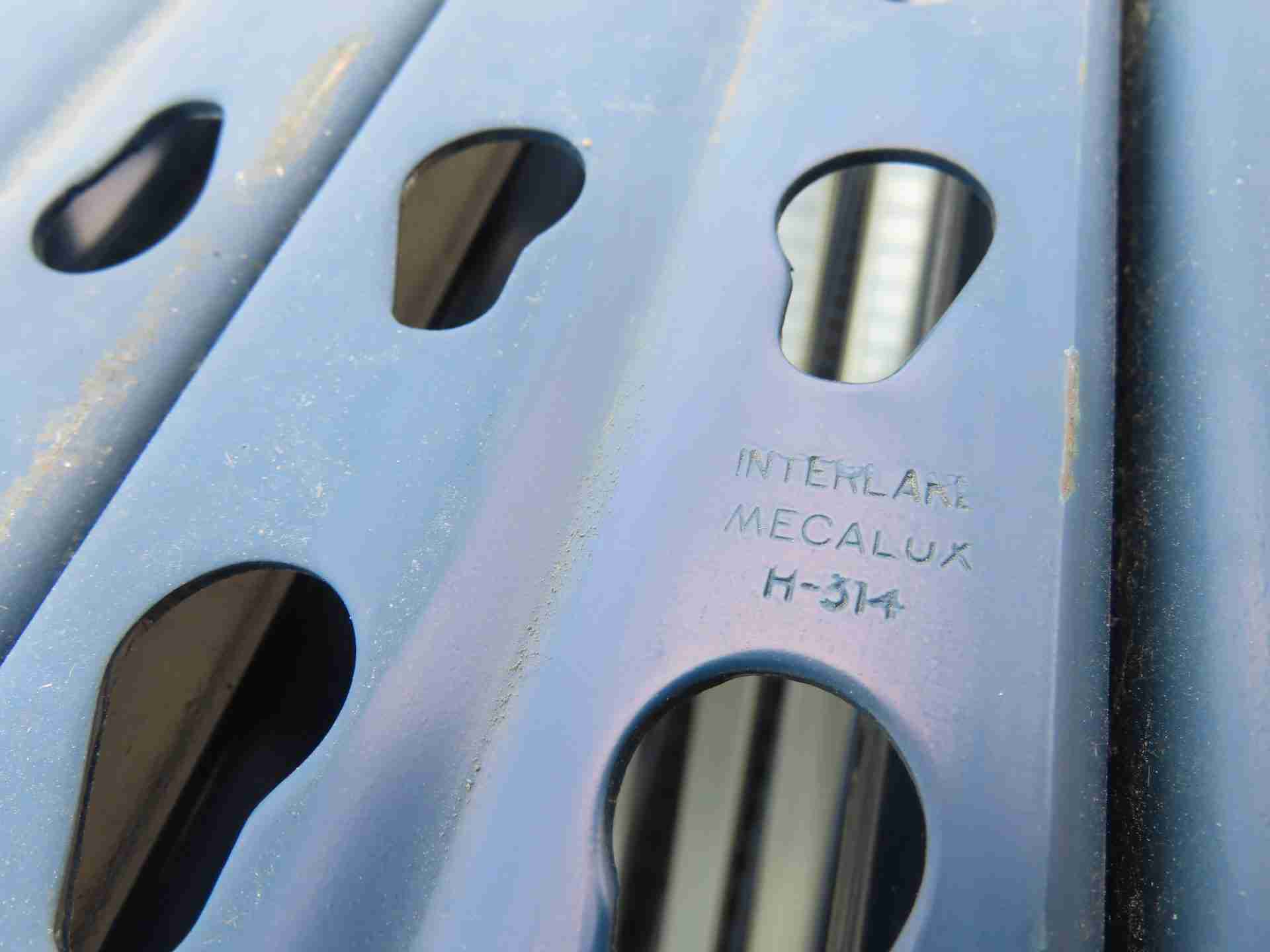
How Does Pallet Racking Improve Toy Inventory Management?
Can Pallet Racking Reduce Warehouse Costs for Manufacturers?
Look, running a warehouse ain’t about flashy gadgets or fancy setups; it’s about making every square foot and every minute count. That’s where pallet racking comes in—a simple, no-nonsense tool that feels like the workhorse of any manufacturer’s storage game. When you stack right with pallet racking, you’re not just shoving boxes around; you’re reshaping how the whole operation flows.
Here’s the deal: clutter in a warehouse is a silent money pit. When product piles up haphazardly, it slows down picking, loading, and shipping. That’s time and money slipping through your fingers. Pallet racking, done right, turns chaos into order. It wrangles inventory into neat, accessible rows and levels, letting folks find what they need without playing hide-and-seek. Less wasted motion means faster turnaround, and when you’re faster, you’re more competitive.
Now, let’s get practical. Think about how much it costs to expand a facility or lease extra space. Pallet racking helps you stack up vertically, squeezing more storage out of your existing footprint. That’s cold, hard cash saved—not to mention less time spent managing sprawling inventory sprawls that nobody wants to deal with. It’s honest efficiency, grounded in straightforward problem-solving.
But there’s more than just money. There’s pride in a clean, organized workspace where the crew knows what’s where. It’s a confidence you can feel when you walk the floor, knowing the system supports the work, not hinders it. A well-racked warehouse isn’t just about numbers—it’s about treating your people right, respecting their time and effort, and building a workplace that runs like a well-oiled machine.
Manufacturers who swear by pallet racking know it’s not a magic bullet, but it is a trusted, proven step toward smarter operations. It’s a no-frills upgrade that pays its way every day. If your warehouse floors could talk, they’d tell you about the sweat saved, the headaches avoided, and the bottom line that looks better thanks to thoughtful storage.
Pallet racking isn’t just racks and beams—it’s about taking control, respecting your craft, and doing right by the work that keeps the wheels turning. For any manufacturer looking to cut costs without cutting corners, it’s a solid, dependable way to get there.

Can Pallet Racking Reduce Warehouse Costs for Manufacturers?
Can Pallet Racking Reduce Warehouse Costs for Manufacturers?
- Pallet racking maximizes warehouse space and time, serving as a fundamental storage tool that improves overall operations.
- Clutter causes inefficiencies and lost time; pallet racking organizes inventory into accessible, orderly rows, speeding up processes and increasing competitiveness.
- Using pallet racking vertically expands storage capacity within the existing footprint, reducing costs associated with facility expansion or leasing.
- It promotes a clean, organized workspace, enhancing worker confidence and respect for their time and effort.
- Pallet racking is a reliable, practical upgrade that consistently improves efficiency and operational flow.
- Manufacturers value pallet racking as a proven solution that saves labor, reduces headaches, and improves financial results.
- Beyond storage, pallet racking reflects taking control, respecting craftsmanship, and supporting sustainable cost-cutting without compromising quality.

Can Pallet Racking Reduce Warehouse Costs for Manufacturers?
What Safety Standards Govern Pallet Racking In Toy Factories?
When you’re dealing with pallet racking in a toy factory, it’s easy to overlook just how much is riding on those steel shelves. It’s not just about storing boxes and parts; it’s about protecting the people who build the toys kids will cherish. Safety standards aren’t some fancy piece of paper—they’re the backbone of every shift, a quiet promise that whoever shows up to work will come home whole.
At its core, pallet racking safety is about common sense backed by hard-earned rules. The industry leans heavily on standards set by organizations like OSHA and ANSI, which lay out clear guidelines for design, installation, and upkeep. These aren’t arbitrary rules—they come from plenty of real-world mistakes and close calls. Breaking those standards isn’t just bad for business; it’s risking lives and livelihoods. It means a collapsed rack could send a pile of heavy boxes crashing down where someone’s working or walking. In a toy factory, where every shift counts and every hand matters, that’s simply unacceptable.
But it’s more than just avoiding disaster. Proper pallet racking means efficiency, too. When racks are set up right, everyone knows where tools and parts belong. That’s less time hunting for what you need, and more time getting the job done right. It’s a teamwork thing. When every worker sees that safety comes first, morale lifts, and trust builds. You want a workplace where folks look out for each other, not just clock out and go home.
There’s a real ethical pull behind these standards—especially in toy factories. These are spaces where care and craftsmanship meet innocence and imagination. Knowing the pallets and racks won’t buckle under pressure means you’re standing behind something bigger than just the product. You’re standing behind the safety of the people who make those toys, the kids who will play with them, and the parents who trust you.
So, in that rumble and clatter of daily work, don’t take pallet racking for granted. Those racks carry more than inventory—they carry responsibility. They’re the unsung heroes of safety, silent but vital, holding everything together. Respecting the standards isn’t just a rule; it’s a solid, practical way to honor every worker’s trust and keep the wheels turning day after day.

What Safety Standards Govern Pallet Racking In Toy Factories?
What Safety Standards Govern Pallet Racking In Toy Factories?
- Pallet racking in toy factories is crucial not only for storage but for protecting workers..
- Safety standards from OSHA and ANSI guide the proper design, installation, and maintenance of racks based on past incidents.
- Ignoring these standards risks severe accidents, including rack collapses that endanger lives.
- Properly set up racks improve efficiency by organizing tools and parts, reducing downtime.
- Emphasizing safety boosts worker morale and fosters a culture of teamwork and mutual care.
- There is an ethical responsibility to ensure racks are secure, reflecting care for workers and the children who use the toys.
- Pallet racks symbolize a vital, often unrecognized safety commitment essential to ongoing factory operations.

What Safety Standards Govern Pallet Racking In Toy Factories?
How Does Pallet Racking Support Faster Order Fulfillment?
When you’ve spent years in a warehouse or on a shop floor, you learn fast that time isn’t just money—it’s everything. Pallet racking ain’t just about stacking boxes neatly; it’s the unsung hero that keeps the whole operation humming and the orders moving out the door faster than you can say “shift’s over.” You see, when pallets are jumbled on the floor or tossed wherever they fit, it’s like searching for a needle in a haystack every time an order comes in. That wastes precious minutes, maybe hours, that pile up when deadlines aren’t just suggestions but lifelines.
Pallet racking steps in as the straightforward, no-nonsense solution—it organizes your stock, turning chaos into order. With everything stacked in clear rows and easily reachable spots, workers don’t have to guess where the next item is. This cuts down on wasted steps and headaches, letting folks get the right pallet and get it out quick. It’s the kind of system that respects the sweat and grit of the people on the floor, saving their backs and time.
On the rational side, pallet racking optimizes space like a Tetris champ, squeezing more inventory into less room. That means less clutter, safer walkways, and a smoother workflow. The faster you can find and pick products, the faster you can pack and ship them. The whole supply chain plugs into this rhythm, and suddenly what seemed like a daily scramble turns into a dependable flow. That’s real efficiency, built on simple principles you can touch and see.
Ethically, when a warehouse runs smoothly because of smart pallet racking, it sends a message that you value your team’s time and effort—you’re not throwing them into a pit of disorganization. It shows a commitment to doing right by the folks who keep the business running. Trust builds when order fulfillment happens consistently and on time, and customers notice. Socially, this creates a ripple effect—good experiences bring repeat business and word-of-mouth that no fancy ad can buy.
The authority of pallet racking lies in decades of proven reliability. It’s a tried-and-true backbone, trusted by warehouses big and small around the globe. It’s not fancy or flashy, but it gets the job done, day in and day out, quietly making sure your orders don’t just sit there gathering dust.
Pallet racking isn’t just about storing items—it’s the heartbeat of faster order fulfillment, turning everyday grit into dependable results. It’s the kind of solid, down-to-earth solution that anyone who’s rolled up their sleeves can respect, and anyone who’s waiting on that order can count on.

How Does Pallet Racking Support Faster Order Fulfillment?
How Does Pallet Racking Support Faster Order Fulfillment?
- Time in warehouses is crucial; disorganized pallets cause delays and wasted effort.
- Pallet racking organizes stock efficiently, reducing wasted steps and worker strain.
- Optimizes space use, enhances safety, and creates a smoother workflow for faster order processing.
- Shows ethical commitment by respecting workers’ time and effort, fostering trust and reliability.
- Encourages customer loyalty through consistent, timely order fulfillment and positive experiences.
- Proven system trusted globally for its dependable, day-to-day performance.
- Acts as the foundational element for efficient, reliable order fulfillment in warehouses.

How Does Pallet Racking Support Faster Order Fulfillment?
Are There Ethical Benefits In Using Efficient Storage Systems?
Think about a cluttered warehouse where every box is a puzzle piece tossed in a shuffle. Now, picture that same space transformed with smart Pallet Racking—rows of sturdy, organized shelves lifting goods off the floor and stacking them like a neat stack of firewood. It’s not just about squeezing more stuff into tighter spots; there’s something decent and honest about respecting space and effort. When you use efficient storage, you’re showing care—for the workers hauling heavy loads, for the products that deserve a clean, safe place, and for the environment that’s footing the bill for wasted materials and energy.
On the practical side, efficient storage systems mean less time lost hunting for parts or ingredients hidden in a chaotic pile. That adds up to fewer mistakes, less damage, and a smoother flow of work. It’s a practical win that also cuts back on waste—nobody needs to toss out spoiled inventory because it got buried on some dusty floor. Running a tighter ship keeps costs down, sure, but it’s also the honest thing to do. Waste is a nothing-good-for-anyone kind of problem, and fixing that with smart Pallet Racking pays off on the moral ledger, too.
Ethically, there’s weight in how businesses treat their teams. Heavy lifting without the right gear or setup is a slow grind wearing people down. Efficient storage isn’t just about boxes; it’s about respect. It means fewer injuries, less strain, and a workplace that says you matter enough to get the job done the right way. That kind of care breeds loyalty and pride, a form of quiet dignity you don’t see on a paycheck but feel in the bones.
On a bigger scale, scrimping on organization means energy wasted in overproducing to cover lost or damaged goods. That’s a strain on resources, ecosystems, and communities—things none of us can afford to ignore. Efficient storage helps stretch resources without stretching the planet too thin, making it a choice that’s morally sound and smart for the future.
So, putting in the elbow grease to set up solid, efficient Pallet Racking isn’t just a business move—it’s a choice that shoulders responsibility, honors workers, and keeps the planet in mind. It’s the kind of common-sense action that quietly improves lives, every box and beam at a time.

Are There Ethical Benefits In Using Efficient Storage Systems?
Are There Ethical Benefits In Using Efficient Storage Systems?
- Smart Pallet Racking transforms cluttered warehouses into organized spaces, respecting space and effort.
- Efficient storage shows care for workers, products, and the environment by reducing wasted materials and energy.
- It saves time by minimizing the search for parts, reduces mistakes and damage, and improves workflow.
- Proper storage cuts waste by preventing inventory spoilage and lowers operational costs.
- Efficient systems reduce physical strain and injuries, fostering respect, loyalty, and pride among workers.
- Poor organization leads to resource waste and environmental strain from overproduction, which efficient storage mitigates.
- Investing in solid Pallet Racking is a responsible business choice that benefits workers, the environment, and overall efficiency.

Are There Ethical Benefits In Using Efficient Storage Systems?
How Can Pallet Racking Maximize Limited Warehouse Space?
When you’re staring down the walls of a cramped warehouse, every inch feels like a battle. You know that space is money, and wasting it is like watching cash slip through your fingers. That’s where pallet racking steps in—not just as a storage system, but as the unsung hero turning tight quarters into a well-organized powerhouse. It’s the kind of solid, straightforward solution that makes you wonder why you didn’t get on board sooner.
Pallet racking takes what’s often just empty vertical space and turns it into tangible value. Think about stacking your inventory up instead of out, squeezing in more stock without the headache of cluttered aisles or cramped work zones. More than just adding shelves, it creates clear sightlines and easy access, so everyone—from the forklift driver to the warehouse manager—knows exactly where things live. That kind of order saves time, reduces mistakes, and makes your day run smoother. It’s respect for the folks who work hard in that space, and respect for the product you’re protecting.
There’s something satisfying in the sturdy, industrial simplicity of pallet racking. No fluff—just steel and straightforward design that gets the job done. It’s an ethical choice too, making sure your inventory isn’t tossed around or damaged. This keeps costs down and keeps trust built with customers who expect their goods to arrive intact. When you invest in a system that protects your stock and your workers, you’re saying you mean business—safety matters, quality matters, and so does efficiency.
Most importantly, pallet racking speaks to the no-nonsense, roll-up-your-sleeves side of logistics. Everyone in the warehouse has stories of wasted space, manual labor doubled over from hunting down products, or nearly tripping over shipments tucked in awkward spots. Installing pallet racking rewrites that story, turning chaos into controlled flow. That’s not just better for business; it’s better for the people who keep things moving day after day.
Choosing pallet racking means you’re backing a proven way to maximize your limited warehouse space through solid engineering and practical know-how. It’s a simple tool that proves big results don’t need to be complicated—just well thought out, built tough, and put to work.

How Can Pallet Racking Maximize Limited Warehouse Space?
How Can Pallet Racking Maximize Limited Warehouse Space?
- Pallet racking transforms cramped warehouse spaces by maximizing vertical storage and turning tight quarters into organized, efficient areas.
- It increases inventory capacity without cluttering aisles, improving accessibility and visibility for all warehouse staff.
- The system saves time, reduces errors, and enhances workflow by clearly designating storage locations.
- Constructed from durable steel, pallet racking protects inventory from damage, lowering costs and maintaining customer trust.
- Pallet racking emphasizes safety, quality, and efficiency, reflecting a serious commitment to warehouse operations.
- It replaces chaotic, inefficient storage with controlled flow, improving conditions for workers and overall business performance.
- Pallet racking is a proven, practical solution combining solid engineering with simplicity to maximize limited warehouse space.

How Can Pallet Racking Maximize Limited Warehouse Space?
Conclusion
Behind every toy that finds its way into a kid’s hands lies a story of grit, sweat, and a no-nonsense approach to getting things right. Pallet racking is that quiet workhorse—metal shelves that might not turn heads but sure keep the whole show running. It’s the backbone of toy and game manufacturing, tackling the chaos of countless shapes and sizes with solid order and straightforward design. This is about more than just space—it’s about respect. Respect for the workers who handle the goods, for the fragile treasures stacked on those racks, and for the families counting on those toys arriving on time and in one piece.
Pallet racking cuts through warehouse chaos like a sharp knife through a Gordian knot. It takes a warehouse packed to the brim and turns it into a well-mapped battlefield where every item has its place. That means fewer head-scratching moments, faster picks, and fewer slip-ups. Efficiency here isn’t some flashy gadget; it’s about getting the job done right, with less wasted effort and more predictable results. When the team can trust the system, morale gets a lift—safe, clear aisles and accessible stock don’t just speed up work; they save backs and lower headaches. There’s a quiet dignity in that, the kind that only comes from well-used hands getting their job done without unnecessary hassle.
And it doesn’t stop at making things run smoother. Pallet racking is a smart business move, squeezing more storage out of limited warehouse real estate and shaving off costs tied to wasted space or over-expansion. It’s cold, hard common sense—stack up instead of out, save the lease money, and avoid the needless scramble for space. That kind of efficiency speaks to the gut of every blue-collar worker who knows that time lost is money gone. Plus, it’s an ethical choice, offering a safer workspace and protecting products from damage. Mistakes mean returns, returns mean waste, and waste means a heavier toll on the planet. So running a tight ship with solid storage isn’t just good business—it’s the decent thing to do.
Safety isn’t an afterthought here; it’s the bedrock. Those steel racks hold more than inventory—they hold the responsibility of keeping workers safe. Every guideline followed is a promise kept, a shield against disaster in a world where a collapsing rack isn’t just a mess but a potential tragedy. Taking safety seriously builds trust and respect on the floor. It’s standing behind your people the way they stand behind your work.
At the end of the day, pallet racking is the quiet partner you might not notice but absolutely can’t do without. It’s the stable frame holding the whole operation steady, the reason toys get from factory to festive hands on time. It brings order to disorder, safety to risk, and pride to the daily grind. When you break it down, that’s about honoring the craft, doing right by the team, and making sure the simple joy of a kid unwrapping a toy never gets lost in the shuffle. It’s the real backbone of the business, built on straightforward solutions and the kind of work ethic that knows no shortcuts.

Conclusion
Conclusion:
- Pallet racking serves as an essential backbone in toy and game manufacturing, organizing diverse products with straightforward design and respect for workers, goods, and families.
- It transforms chaotic warehouses into well-ordered spaces, improving efficiency by enabling faster picking, reducing errors, and enhancing worker morale through safer and clearer environments.
- Pallet racking maximizes storage capacity in limited spaces, cutting costs associated with wasted space or unnecessary expansion, reflecting practical and ethical business choices.
- Efficient storage systems reduce product damage, returns, and waste, positively impacting both business operations and environmental sustainability.
- Safety is a fundamental aspect of pallet racking, with strict guidelines ensuring worker protection and building trust on the warehouse floor.
- Pallet racking is an indispensable, often unnoticed support system that maintains steady operations and timely delivery of toys from factory to consumer.
- Its presence embodies respect for craftsmanship, commitment to the team, and dedication to preserving the joy experienced by children receiving toys.

Conclusion
Other Resources

Other Resources
Here is a list of other resources you can review online to learn more:
- Warehouse Storage Racks
- Cantilever Rack Guide: Ordering Cantilever Racking
- Pallet Racking systems in Illinois and Great Lakes
- CMMA
- Warehouse Racking Chicago, IL
- Illinois Pallet Racking – Storage Solutions
- Wolter
- Interlake Mecalux
- Selective Racking
- Racking World
- Cantilever Racks Chicago
- Warehouse Racking Systems: Beginner’s Guide to Rack Systems
- Storage Equipment Manufacturers Association
- Pallet Racking systems in Illinois, Great Lakes
- Teardrop Industrial Shelving Rack
- Rack Manufacturers Institute
- Cantilever Rack Configuration & Installation: A Comprehensive Guide – BMH
- What is Cantilever Racking? – AK Material Handling Systems
- The Complete Pallet Rack Guide – Simply Rack
- NSC
Use This Prompt To Get More Resources With Your Favorite Online AI Tool: Please provide me with a list of online articles with their URLs in a bulleted list that I can read regarding How Do Toy and Game Manufacturers Leverage Pallet Racking?

Other Resources
Glossary Terms
How Do Toy and Game Manufacturers Leverage Pallet Racking? – Glossary Of Terms
1. Pallet Racking: A storage system designed to hold materials on pallets in horizontal rows with multiple levels.
2. Inventory Management: The process of overseeing and controlling stock levels using systems like pallet racking.
3. Load Capacity: The maximum weight that a pallet rack can safely support.
4. SKU (Stock Keeping Unit): A unique identifier for each product, often organized within pallet racks.
5. FIFO (First In, First Out): An inventory method ensuring older stock is used before newer stock, facilitated by pallet racking layouts.
6. LIFO (Last In, First Out): An inventory method where the most recent stock is accessed first; pallet racking designs can accommodate this.
7. Warehouse Optimization: The arrangement of goods and storage systems to maximize space and efficiency.
8. Space Utilization: The effective use of available warehouse space through systems like pallet racking.
9. Accessibility: The ease with which stored items can be reached, enhanced by pallet racking design.
10. Forklift Compatibility: The design consideration of pallet racks to allow forklift access for loading and unloading.
11. Load Beam: Horizontal support beam on a pallet rack that holds the pallets.
12. Upright Frame: Vertical structural components of pallet racking that support the load beams.
13. Selective Racking: A pallet rack type allowing direct access to each pallet without moving others.
14. Drive-In Racking: A dense storage method where forklifts enter the racking system to store pallets.
15. Push Back Racking: A system where pallets are stored on carts that move backward as new pallets are added.
16. Pallet Flow Racking: A gravity-based system that pushes pallets forward for first-in, first-out inventory.
17. Cross Docking: The rapid process of transferring products from inbound to outbound shipments, supported by pallet racking zones.
18. Order Fulfillment: The process of picking and packing products, improved by organized pallet racking.
19. Just-in-Time Inventory: Reducing in-stock inventory levels, facilitated by efficient pallet racking systems.
20. Safety Compliance: Adhering to regulations concerning the safe use of pallet racks in warehouses.
21. Load Stability: Ensuring pallets remain secure on racks to prevent accidents.
22. Material Handling Equipment: Tools like forklifts and conveyors used in conjunction with pallet racking.
23. Automation Integration: Using automated systems with pallet racking for improved efficiency.
24. Rack Protection: Measures to prevent damage to pallet racks from equipment or impacts.
25. Modular Design: Pallet racking systems that can be adjusted or expanded according to storage needs.
26. Weight Distribution: Even spreading of pallet weight across racks to maintain structural integrity.
27. Clutter Reduction: Minimizing disorganization in the warehouse through structured pallet racking.
28. Supply Chain Efficiency: Enhancing the movement of goods through better storage and retrieval systems.
29. Throughput: The rate at which goods pass through a warehouse, increased by pallet racking.
30. Cost Reduction: Lowering expenses related to storage, labor, and operations by using pallet racking effectively.

Glossary Of Terms
Other Questions
How Do Toy and Game Manufacturers Leverage Pallet Racking? – Other Questions
If you wish to explore and discover more, consider looking for answers to these questions:
- What specific types of pallet racking are best for toy and game manufacturers (selective, drive‑in, push‑back, pallet flow, cantilever, etc.)?
- How do manufacturers choose the right racking configuration for mixed product sizes and irregular shapes?
- How is load capacity calculated for beams, uprights, and a full rack system?
- What floor‑anchoring and seismic considerations apply to pallet racking in different regions?
- Which national and international standards and codes govern pallet racking (OSHA, ANSI/RMI, EN standards, local building codes)?
- What are the recommended inspection frequencies and checklists for rack safety and maintenance?
- What common failure modes occur in pallet racking and how are they prevented or repaired?
- What safety accessories and protections should be installed (post protectors, column guards, beam locks, netting, signage)?
- How do pallet racking choices affect fire protection and sprinkler system design?
- How should pallet racking be integrated with forklifts and other material‑handling equipment for safe operation?
- What operator training and certification practices are needed to reduce rack damage and injuries?
- How can pallet racking be configured to support FIFO, LIFO, or lot‑controlled picking strategies?
- How do racking systems integrate with warehouse management systems (WMS), barcoding, RFID, and inventory control?
- What design features support faster order picking and reduced travel time (narrow aisles, pick faces, mezzanines, pick modules)?
- How can racking be optimized for seasonal surges and holiday demand spikes?
- What are the upfront costs and typical per‑pallet‑position price ranges for different racking systems?
- How do you calculate ROI and payback period from installing or upgrading pallet racking?
- What are the lifecycle costs of pallet racking, including maintenance, inspection, repairs, and replacement?
- Are there leasing or financing options for racking installations, and when do they make sense?
- How can existing warehouses be retrofitted or reconfigured for new racking without major downtime?
- What racking solutions exist for oversized, fragile, or unusually shaped toy inventory?
- How is damaged inventory handled within racked storage, and how are quarantine/returns zones designed?
- What role can automation and AS/RS (automated storage and retrieval systems) play with pallet racking in toy manufacturing?
- How do you balance density (vertical stacking) with accessibility and picking speed?
- What labeling, signage, and load‑capacity marking best practices improve accuracy and safety?
- How do racking systems affect insurance premiums and liability exposure?
- Which vendors, certifications, and warranties should manufacturers look for when buying racking?
- Are there sustainable or recyclable racking materials and eco‑friendly design practices?
- How do manufacturers plan for future scalability and modular expansion of racking systems?
- What KPIs should be tracked to measure the impact of pallet racking on efficiency (picks per hour, order lead time, damage rates, space utilization)?
- How do racking designs support product traceability, lot tracking, and rapid recalls?
- What permits or local inspections are typically required for new racking installations?
- How are walkways, emergency egress, and OSHA clearances maintained around high‑density racking?
- Can pallet racking be combined with mezzanine systems or multi‑tier picking to increase usable floor space?
- What are real‑world case studies or benchmarks showing cost savings and safety improvements from racking upgrades?

Other Questions
Checklist
How Do Toy and Game Manufacturers Leverage Pallet Racking? – A Checklist
Strategy and Throughput
✅______ Forecast SKUs, volumes, and seasonality (holiday and birthday peaks)
✅______ Define service-level targets (pick speed, order accuracy, OTIF)
✅______ Choose flow strategy by SKU: pallet-in/pallet-out, case pick, each pick
✅______ Decide FIFO or LIFO per product and compliance needs
✅______ Map inbound → storage → picking → packing → shipping paths
✅______ Align rack design with forklift and MHE capabilities
Space and Layout
✅______ Measure clear height, column grid, dock placement, and obstructions
✅______ Set aisle widths for chosen trucks (counterbalance, reach, turret)
✅______ Preserve longitudinal and transverse flue spaces and sprinkler clearances
✅______ Use vertical space; define maximum rack elevation per fire code
✅______ Place high-velocity SKUs closest to shipping and at ergonomic heights
✅______ Separate small parts and fragile items from bulk pallets
Rack Specification
✅______ Verify rack type by use case: selective, double-deep, drive-in/through, push-back, pallet flow, carton flow
✅______ Confirm load ratings (upright, beam, deck) exceed worst-case loads
✅______ Specify decking (wire or solid) and pallet support for varied box sizes
✅______ Add row spacers, wall ties, anchors, and seismic bracing where required
✅______ Install end-of-aisle guards and column protectors at impact zones
✅______ Use beam safety pins or locks on every connection
Safety and Compliance
✅______ Comply with OSHA, ANSI/RMI MH16.1, and local building and fire codes
✅______ Post load plaques with maximum capacity per bay and level
✅______ Maintain clear egress, marked pedestrian aisles, and bollards
✅______ Keep flue spaces, sprinkler heads, and extinguishers unobstructed
✅______ Implement lockout/tagout for rack repairs and modifications
✅______ Document engineered drawings, permits, and sign-offs
Inventory Management
✅______ Label locations (aisle–bay–level) with scannable IDs
✅______ Slot by velocity, size, fragility, and pick method
✅______ Enable WMS/WES bin control and lot, batch, and age tracking
✅______ Use cycle counting; reconcile variances weekly
✅______ Define replenishment triggers from reserve to pick faces
✅______ Segregate small parts and accessories with bins and dividers
Order Fulfillment Speed
✅______ Establish dedicated pick faces (cases and eaches) near pack-out
✅______ Optimize pick paths; cluster or wave picks for peak SKUs
✅______ Pre-stage hot orders and carrier-specific lanes
✅______ Provide fast-access zones for promotional and seasonal items
✅______ Use visual cues (color zones) for quick item location
✅______ Minimize touches: direct put-away to the final pick level when possible
Cost Control
✅______ Maximize vertical cube before leasing or expanding footprint
✅______ Track cost per pick and cost per order monthly
✅______ Reduce travel with smart slotting; review quarterly
✅______ Repair, not replace, when safe and compliant
✅______ Standardize pallets; remove damaged pallets from circulation
✅______ Monitor damage rates; address root causes (impact, overhang)
People and Training
✅______ Train operators on load placement, capacities, and safe travel
✅______ Prohibit climbing on racks; provide approved access equipment
✅______ Refresh training after incidents or layout changes
✅______ Post rack safety rules at every aisle entry
✅______ Provide PPE and enforce housekeeping (5S) standards
✅______ Create a simple damage reporting and tagging process
Inspection and Maintenance
✅______ Conduct daily walk-throughs for obvious damage and obstructions
✅______ Perform monthly level checks: beams, anchors, guards, decking
✅______ Schedule annual professional rack inspections
✅______ Tag and quarantine damaged bays immediately
✅______ Keep spare components (beams, pins, and guards) on hand
✅______ Log all repairs with date, location, and part replaced
Product Protection and Quality
✅______ Use corner boards, stretch wrap, and strapping for stability
✅______ Prevent pallet overhang; match pallet size to beam spacing
✅______ Separate high-value and collector items in secure zones
✅______ Control temperature and humidity where materials require it
✅______ Designate clean zones for packaging to avoid contamination
✅______ Implement recall-ready location history for every SKU
Sustainability and Ethics
✅______ Reduce damage and waste with proper decking and load support
✅______ Reuse and repair racking where structurally sound
✅______ Right-size packaging to minimize materials
✅______ Optimize routes and staging to reduce idle time and energy
✅______ Provide ergonomically sensible pick heights for workers
✅______ Track waste and recycling metrics monthly
Peak Season Readiness
✅______ Add temporary pick faces for top seasonal SKUs
✅______ Prebuild shippers and displays and stage near docks
✅______ Extend receiving hours and cross-dock fast movers
✅______ Lock the slotting plan two weeks before peak
✅______ Staff and train flex teams on critical aisles
✅______ Confirm carrier capacity and staging space
Key Metrics to Monitor
✅______ Space utilization (% of cube used)
✅______ Pick rate (lines per hour) and travel time per pick
✅______ Order accuracy and OTIF
✅______ Damage rate (per 1,000 units) and rack incident count
✅______ Cost per order and labor hours per order
✅______ Inventory accuracy (%) and days on hand
Change Control
✅______ Require engineer review for any rack reconfiguration
✅______ Update WMS locations and labels before physical moves
✅______ Revalidate capacities after any change
✅______ Retrain affected staff and update SOPs
✅______ Run a safety audit post change before go-live
✅______ Communicate the change summary to all shifts

Checklist
At RackingWorld, we help guide you through selecting warehouse storage systems and racking.
Be sure to read our other related stories at RackingWorld to learn more about warehouse storage systems.
0 Comments