
Maximizing Efficiency, Safety, And Growth With Cantilever Racking Solutions
By Tom Seest
At RackingWorld, we help guide you through selecting warehouse storage systems and racking.
Be sure to read our other related stories at RackingWorld to learn more about warehouse storage systems.
How Do Tool Steel and Specialty Alloy Distributors Leverage Cantilever Racking?
When you’re running a tool steel or specialty alloy distributorship, every inch of space counts like gold. Cantilever racking becomes more than just metal beams and uprights—it’s the backbone holding your operation together. Unlike traditional pallet racking that’s built for boxes and pallets, cantilever racks handle those long, heavy, and awkward pieces—bars, rods, sheets—that don’t fit the usual mold. It’s the difference between wrestling with material every day and having an organized, safe system that respects the grit and muscle you put into this business.
Think about it: steel and alloy distributors live in the real world where downtime costs money and mistakes can be pricey. Cantilever racking offers open accessibility, meaning forklifts don’t have to navigate tight spots or risk damaging expensive stock. The design keeps your stock visible and reachable, cutting down the time spent hunting parts and letting you turn orders faster. That efficiency doesn’t just lighten the load—it frees up your team to work smarter, not just harder. And in this business, smarter means staying competitive.
There’s trust built into that steel framework, too. When a customer orders a specialty alloy for a critical project—whether it’s aerospace, automotive, or heavy industry—they’re depending on you for exact specs and timely delivery. A well-organized cantilever racking system helps you honor that promise without missing a beat. It sends a clear message: you respect what you’re selling and the people who count on it. Reliability isn’t just a buzzword; it’s the lifeline between your warehouse and their success.
Maybe it’s not just about the bottom line or the smooth workflows—it’s about pride in craftsmanship. When your team sees the yard or warehouse neat, safe, and honest, it boosts morale. That’s no small thing in a tough industry where people bust their chops day in and day out. Good racking reflects the kind of business you run: straightforward, dependable, built to last.
In short, cantilever racking turns clutter into clarity and chaos into control. For tool steel and specialty alloy distributors, it’s the unsung workhorse that keeps the whole operation humming. It’s not flashy, but it works. And in this line of work, that’s exactly what you need. Pallet racking has its place, but cantilever brings the right kind of muscle when you need to bend space—and expectations—to your will.
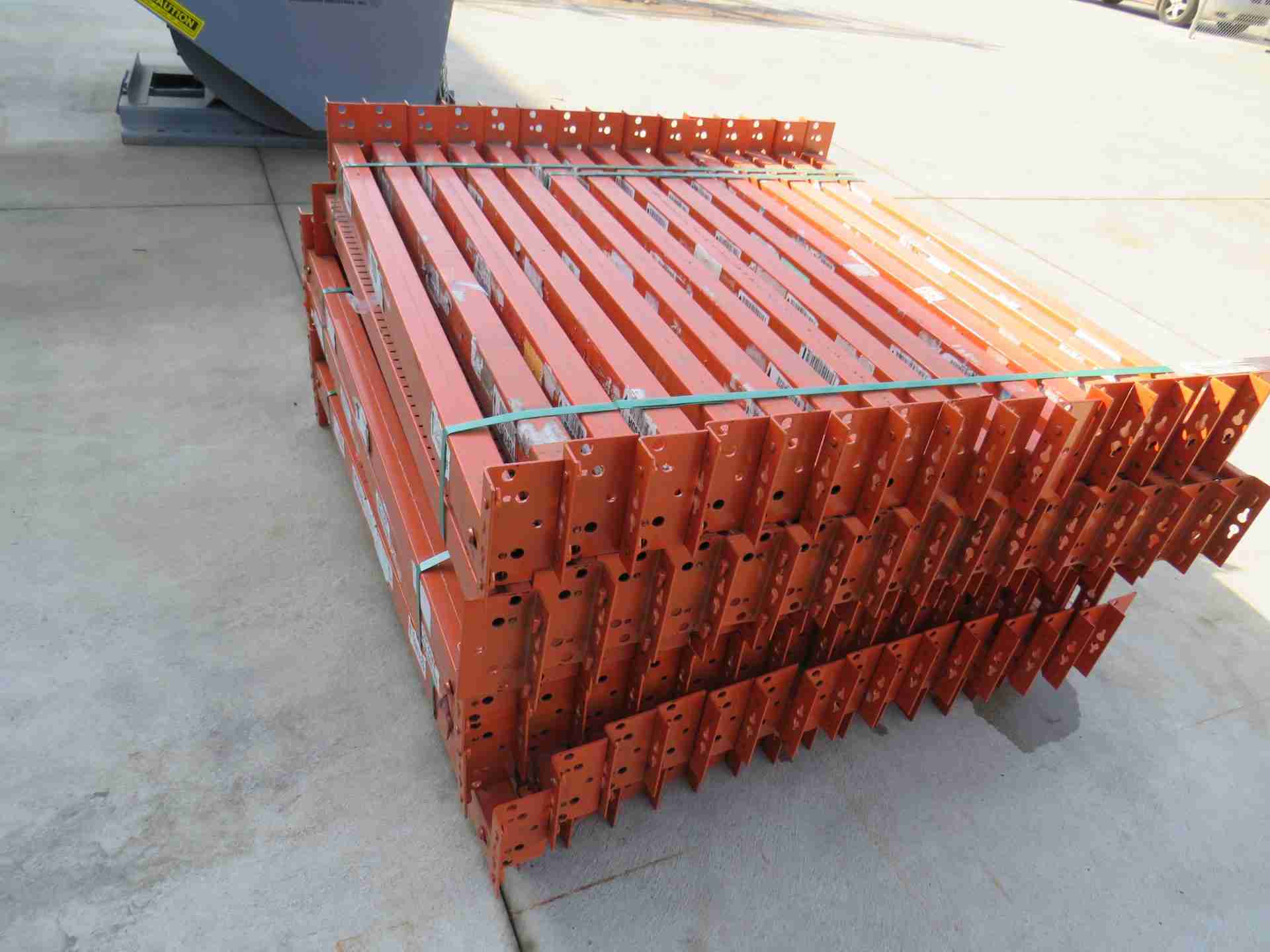
How Do Tool Steel and Specialty Alloy Distributors Leverage Cantilever Racking?
How Do Tool Steel and Specialty Alloy Distributors Leverage Cantilever Racking?
- Cantilever racking maximizes space and supports long, heavy, and awkward materials unlike traditional pallet racking.
- It provides open accessibility, reducing forklift navigation issues and minimizing risk of stock damage.
- Improves efficiency by keeping stock visible and reachable, speeding up order fulfillment.
- Supports reliable delivery and exact specifications critical in industries like aerospace, automotive, and heavy industry.
- Reflects respect for the product and customers, reinforcing trust and reliability in operations.
- Enhances workplace morale by maintaining a neat, safe, and organized environment.
- Transforms clutter into clarity and chaos into control, serving as a dependable backbone for steel and specialty alloy distributors.
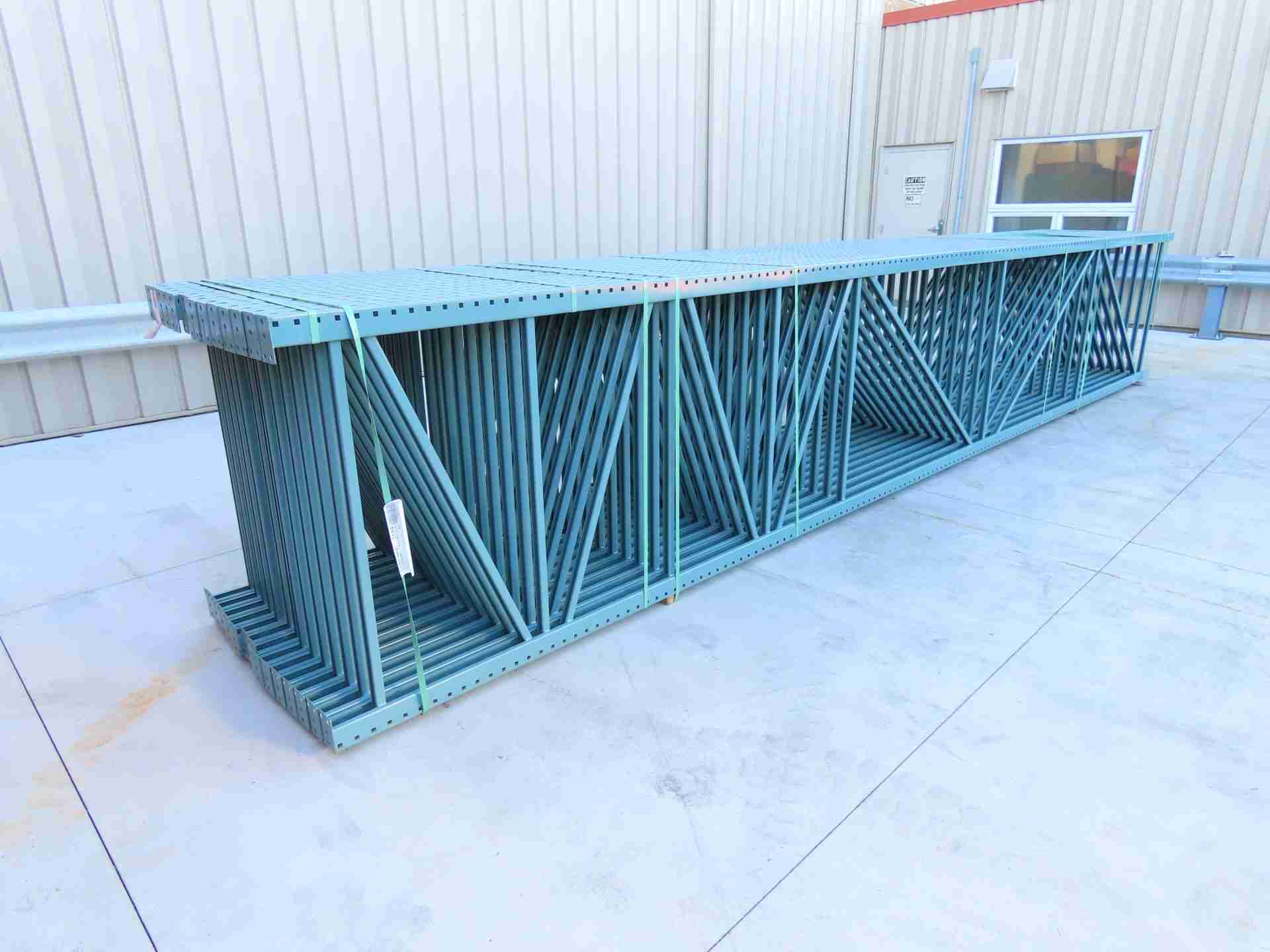
How Do Tool Steel and Specialty Alloy Distributors Leverage Cantilever Racking?
Table Of Contents
- How Do Tool Steel and Specialty Alloy Distributors Leverage Cantilever Racking?
- How Does Cantilever Racking Improve Warehouse Space?
- What Cost Benefits Does Cantilever Racking Offer Distributors?
- How Does Cantilever Racking Protect Heavy Tool Steel From Damage?
- Can Cantilever Racking Increase Picking and Loading Efficiency?
- What Safety Advantages Come with Using Cantilever Racking?
- What Is the Environmental Impact Of Choosing Cantilever Racking?
- Conclusion
- Other Resources
- Glossary Of Terms
- Other Questions
- Checklist
How Does Cantilever Racking Improve Warehouse Space?
Look, when you’re wrestling with warehouse space, every inch counts. Cantilever racking isn’t just another fancy setup; it’s the kind of tool that changes how you think about storing big, awkward stuff—those long pipes, lumber, or steel bars that don’t fit nice and neat on standard pallet racking. It’s like trading in a clunky old pickup for a pickup that actually fits all your gear without wasting a scrap of room. That’s the gut feeling you get when you see the floor open up, free of clutter and chaos.
Here’s the head part: cantilever racking arms reach out like a strong, steady hand holding your bulky materials. No front columns mean you can slide things in and out with ease. No twisting your back or squeezing sideways, just smooth, straightforward access. You’re using your space vertically and horizontally in the smartest way possible, stacking tall and deep without boxing yourself in. Warehouse workflow gets sharper, faster—saving time and cutting down mistakes that pile up when space is tight. It’s a boost to your bottom line, plain and simple.
But it’s not just about the nuts and bolts. There’s something ethical about doing the job right—creating a workspace that treats your crew well and respects the materials they’re handling. When storage solutions cut down on strain and hazards, you’re looking out for the people who make things run day after day. Cantilever racking offers a safer, more organized environment, and that’s a kind of responsibility you wear like a badge. It shows you care about quality and efficiency, not just speed.
From experience, once you fit cantilever racks in, it’s like watching the old warehouse blues fade away. Neighbors and new clients notice the tidy aisles and precise layout. It builds your reputation as someone who’s not just winging it, but who’s got a system that works. There’s pride in that because it means you respect your craft and your customers. Pallet racking might grab the spotlight for boxed goods, but when it comes to long and bulky, cantilever’s the unsung hero freeing up your toughest spots and making your space smarter.
Switching over isn’t just a tweak; it’s an investment in knowing your warehouse won’t be the bottleneck. It’s about working smarter with what you’ve got and setting the stage for smoother days ahead. Because at the end of the day, clean, efficient space isn’t just better—it’s peace of mind, plain and simple.

How Does Cantilever Racking Improve Warehouse Space?
How Does Cantilever Racking Improve Warehouse Space?
- Cantilever racking maximizes warehouse space by efficiently storing long, bulky items like pipes, lumber, and steel bars that don’t fit on standard pallet racks.
- Its design lacks front columns, allowing easy sliding of materials in and out for smooth and straightforward access.
- Optimizes both vertical and horizontal space, enabling tall and deep stacking without restricting movement, improving workflow speed and accuracy.
- Enhances workplace safety and reduces strain, demonstrating care for employees and materials through better organization and hazard reduction.
- Improves warehouse appearance and reputation by creating tidy aisles and precise layouts visible to clients and neighbors.
- Acts as a strategic investment to prevent warehouse bottlenecks and increase operational efficiency by working smarter with existing space.
- Provides peace of mind by transforming cluttered storage into a clean, efficient environment that supports quality, efficiency, and responsibility.

How Does Cantilever Racking Improve Warehouse Space?
What Cost Benefits Does Cantilever Racking Offer Distributors?
When a distributor looks at their warehouse, the bottom line is clear: every inch of space and every dollar spent counts. Cantilever racking steps into that picture like the reliable workhorse you didn’t know you needed. Unlike traditional pallet racking, which stacks bulky pallets in rigid rows, cantilever racks open up your storage game by handling long, awkward, or unwieldy items with ease. This means fewer headaches when it comes to storing lumber, pipes, or even those oddly shaped products that just don’t fit the usual mold.
The cost benefits start with efficiency—that sweet spot where saving space meets saving money. Less wasted square footage means more product on the floor, which translates directly into more sales without the pain of a costly warehouse expansion. That’s real money saved, plain and simple. Plus, cantilever racking reduces the time and labor it takes to load and unload, which adds up to fewer man-hours clocked for the same work. Over weeks and months, that’s a noticeable drop in operational expenses.
Then there’s durability. Built tough, cantilever racking resists wear and tear far better than some of those flimsy solutions out there. When your storage gear lasts longer, you don’t get stuck paying for repairs or replacements every other year. For distributors who sweat every cent, that kind of reliability doesn’t just make sense—it earns your trust, and trust is worth a lot when juggling razor-thin margins.
Here’s where the ethical angle sneaks in—not just saving money, but helping create safer workplaces. Storing heavy or awkward goods on systems designed for the job reduces risks of accidents that come with makeshift setups. Keeping the crew safe isn’t just common sense; it’s the right thing to do, laying down a foundation of responsibility distributors can stand behind.
Story time: imagine a warehouse where the floors aren’t cluttered with obstacles and crates stacked precariously. Instead, every item has its spot, easy to reach and easy to move. That peace of mind spills into everyday work, making operations smoother and teams happier. When everybody feels confident in their tools and environment, productivity climbs without forcing overtime or burnout.
Cantilever racking isn’t just another piece of gear; it’s an investment in smarter, safer, and more profitable distribution. For the folks on the ground, that’s the kind of no-nonsense solution that earns respect and keeps business moving—fast, steady, and sure. If you’re tired of fitting the warehouse to the product, why not fit the product to the warehouse? It just makes cents.

What Cost Benefits Does Cantilever Racking Offer Distributors?
What Cost Benefits Does Cantilever Racking Offer Distributors?
- Cantilever racking maximizes warehouse space by efficiently storing long, awkward, or unusually shaped items that traditional pallet racks cannot handle.
- It improves cost efficiency by reducing wasted space, allowing more products on the floor without expensive expansions, and lowering operational expenses through reduced labor time in loading and unloading.
- Durability is a key benefit, with cantilever racks resisting wear and tear better than flimsy alternatives, decreasing repair and replacement costs over time.
- Using cantilever racking enhances workplace safety by securely storing heavy or awkward goods, minimizing accident risks associated with makeshift storage.
- Organized storage leads to clutter-free floors and well-arranged items, improving workflow, employee morale, and overall productivity without increasing overtime.
- Investing in cantilever racking supports smarter, safer, and more profitable distribution operations, earning trust and respect within the warehouse environment.
- Adopting cantilever racking shifts the approach from adapting warehouses to products toward fitting products neatly within the existing warehouse space, optimizing efficiency and cost.

What Cost Benefits Does Cantilever Racking Offer Distributors?
How Does Cantilever Racking Protect Heavy Tool Steel From Damage?
When you’re dealing with heavy tool steel, you know it’s not just metal—it’s the backbone of your work, the silent partner in every weld, cut, and build. Treating it like anything less than the heavyweight champion it is invites trouble: dents, scratches, bends—stuff that chips away at your job’s quality and eats into your bottom line. That’s where cantilever racking steps in, like a trusty friend who’s got your back when the going gets tough.
Unlike traditional pallet racking that traps you in tight spaces and stacks, cantilever racking throws open the doors. The arms extend out wide, free and clear, keeping those long, hefty pieces of steel safe up off the floor and out of harm’s way. When steel rests easy on a cantilever, it isn’t banging into awkward shelves or piled-up pallets, where careless shuffles or fast forks could cause damage. It’s cradled with care, which means less wreckage and fewer headaches.
Think of it as respect for your steel that pays off—less wasted hours figuring out straightening or replacing dodgy pieces, and more trust that what you’re pulling off the rack is ready to work, no surprises. There’s an honest, practical pride in knowing you’re using storage built with your tools’ toughness in mind. No cutting corners, no off-the-cuff fixes, just solid, thoughtful design protecting your investment.
And here’s the kicker: cantilever racking doesn’t just protect your steel; it protects the people who handle it. Heavy, awkward loads stored safely reduce the chances of accidents, lessening strain and boosting confidence on the floor. When your crew knows the gear is stable and secure, the whole shop works smoother—and safer—that’s a win everyone can get behind.
In a world crowded with options, cantilever racking stakes its claim by doing the simple things right. It respects the grit in your craft, the weight of your tools, and the hard-earned dollars that bought them. It’s not fancy, but it’s reliable—the kind of storage that stands strong like you do day in, day out, handling the hard stuff with steady hands and no nonsense.
So when it comes to guarding heavy tool steel, cantilever racking isn’t just storage—it’s peace of mind made real, built on common sense and tough as the steel it holds. That’s confidence worth reaching for every time you load up or pull out your gear. It’s a smart choice that works hard, so you don’t have to worry. And that’s something every shop deserves.
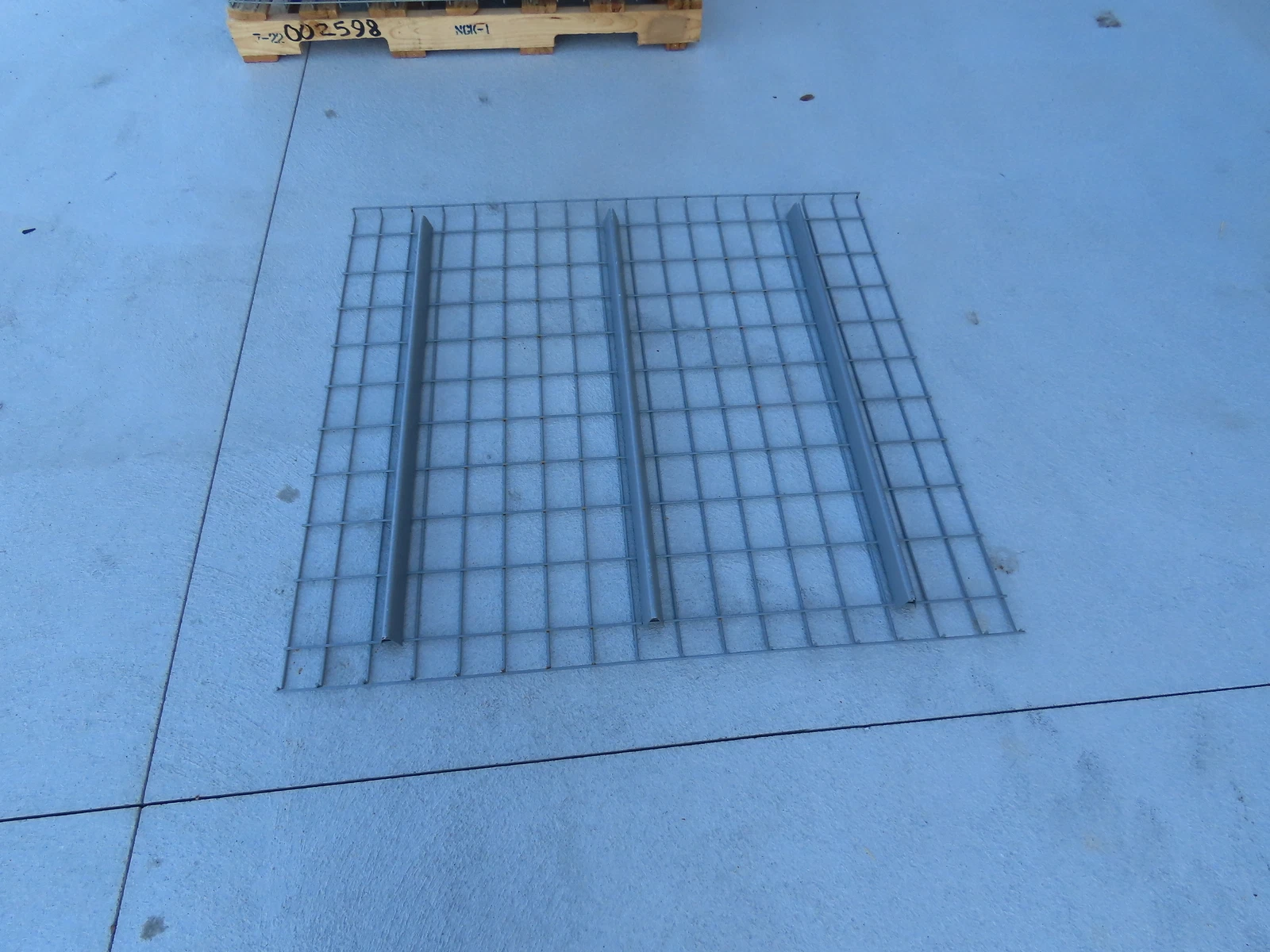
How Does Cantilever Racking Protect Heavy Tool Steel From Damage?
How Does Cantilever Racking Protect Heavy Tool Steel From Damage?
- Heavy tool steel is critical to work quality and requires careful handling to prevent damage such as dents, scratches, and bends.
- Cantilever racking offers open, extended arms that keep heavy steel safely off the floor and away from damaging contact with shelves or pallets.
- Using cantilever racking reduces repair time and replacement costs by protecting steel from damage and maintaining its readiness for use.
- The storage system is thoughtfully designed to match the toughness of the tools, avoiding shortcuts and providing reliable protection for investments.
- Cantilever racking enhances workplace safety by securely holding heavy loads, reducing strain and accident risks for employees.
- Its simple, dependable design respects the demands of heavy tool storage, providing practical and durable use in busy shops.
- Cantilever racking offers peace of mind, combining common sense and strength to ensure confidence every time tools are stored or retrieved.
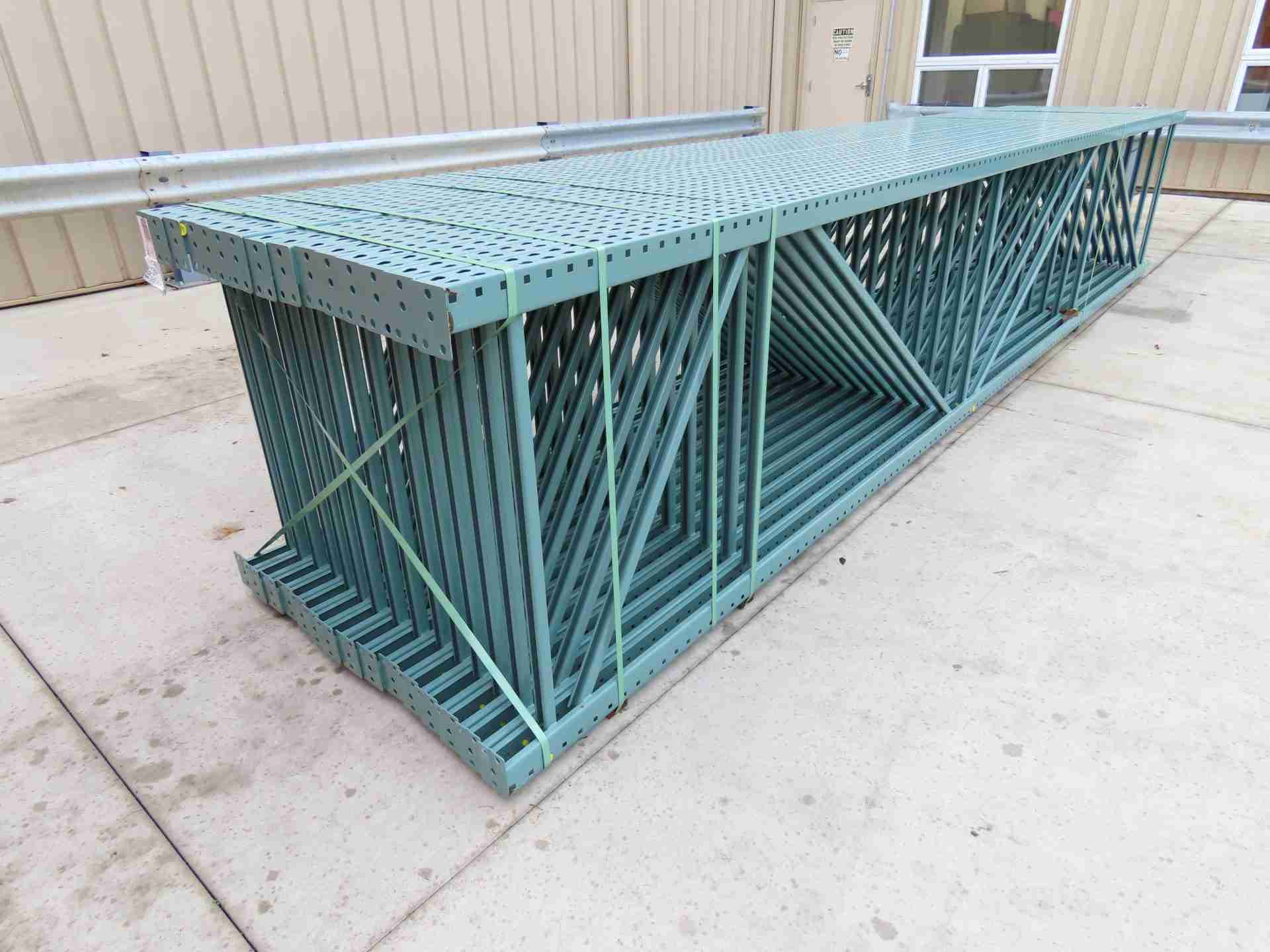
How Does Cantilever Racking Protect Heavy Tool Steel From Damage?
Can Cantilever Racking Increase Picking and Loading Efficiency?
When you’re elbow-deep in a busy warehouse, every minute counts. You stare down aisles of pallet racking stacked with everything from lumber to pipes, and if your setup is anything less than sharp, it’ll slow you down like an old truck on a muddy road. That’s where cantilever racking steps in—not just as some fancy gear, but as a straightforward, solid solution that can seriously speed up picking and loading.
At its core, cantilever racking tosses out the clutter of front supports, giving you wide-open access to bulky or oddly shaped items. Imagine trying to wrestle heavy steel bars or long pieces of wood between tight, boxy frames—frustrating and slow, right? Cantilever racking’s open design means workers can grab and load materials without playing a game of Tetris with forklift forks or wasting time maneuvering around pallet racking uprights. That’s efficiency crying uncle to wasted steps and unnecessary handling.
It’s not just about saving time; it’s about working smarter and safer. When your gear is arranged to make sense and move easily, you reduce strain and risk on the folks doing the heavy lifting. That’s ethical—taking care of your crew and doing right by the people whose backs and knees make your operation hum. You don’t have to tell anyone twice that a sore back is bad news for all involved.
Plus, there’s a practical, grounded confidence that comes with using cantilever racking. These setups have been field-tested and time-proven across thousands of warehouses, from scrapyards to lumber yards, earning a reputation that carries weight. If the community of warehouse operators trusts this method to simplify loading and picking, that’s a serious nod to its dependability and performance.
On the social side, adopting cantilever racking shows you’re tuned in to the realities your workers face day in and day out. It says you value their time, their sweat, and their safety—not just by lip service but with tools that back it up. People notice when management invests in solutions that make work easier and more efficient; it builds morale, trust, and a sense of shared purpose.
So, if you’re still wrestling with pallet racking layouts that slow you down and tire out your crew, putting cantilever racking into play isn’t just a tweak—it’s a game changer. It’s the kind of practical upgrade that hits all the right notes: cutting wasted time, easing physical drain, and earning respect from the folks who keep your operation rolling. That’s picking and loading done right.
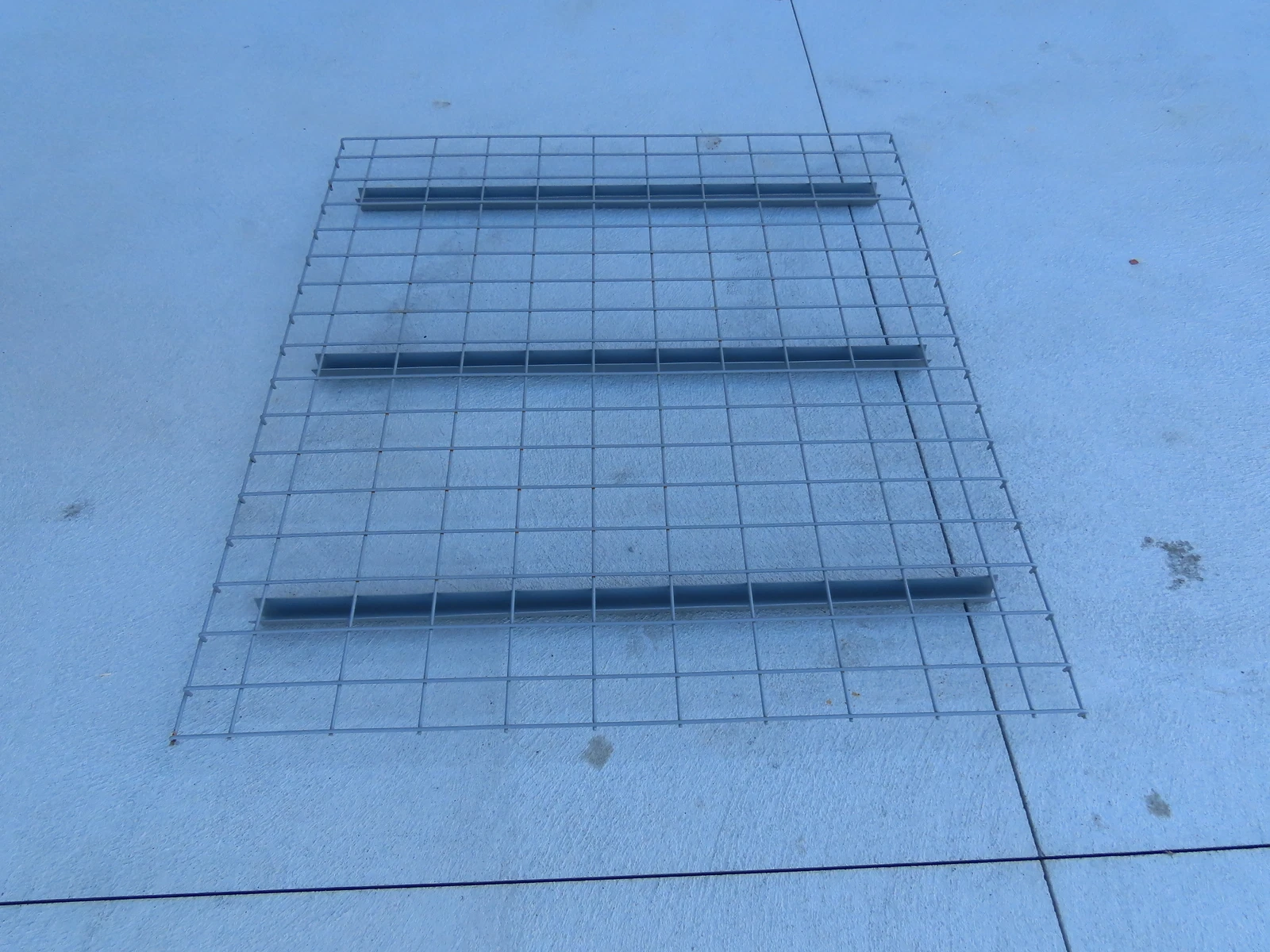
Can Cantilever Racking Increase Picking and Loading Efficiency?
Can Cantilever Racking Increase Picking and Loading Efficiency?
- Cantilever racking eliminates front supports, providing wide-open access to bulky or oddly shaped items, speeding up picking and loading.
- Its open design reduces wasted steps and unnecessary handling by allowing easier material access without maneuvering around uprights.
- Improves workplace safety by reducing physical strain and risk for workers handling heavy materials.
- Proven reliability, trusted across thousands of warehouses, including scrapyards and lumber yards.
- Demonstrates management’s commitment to valuing workers’ time, effort, and safety through practical solutions.
- Boosts morale, trust, and a shared sense of purpose among warehouse staff by improving efficiency and ease of work.
- Switching to cantilever racking is a significant practical upgrade that cuts wasted time, eases physical drain, and earns respect from workers.

Can Cantilever Racking Increase Picking and Loading Efficiency?
What Safety Advantages Come with Using Cantilever Racking?
When it comes to keeping your workplace safe, cantilever racking isn’t just another storage option—it’s a solid partner you can trust. Picture a busy warehouse floor where forklifts whiz around, workers hustle, and heavy gear stacks up. In that chaos, having a racking system that’s straightforward and sturdy can mean the difference between a close call and a clean, smooth day. Unlike traditional pallet racking that sometimes feels like a maze stacked with boxes ready to topple, cantilever arms give you open sightlines. You see what you’re handling without leaning into tight spots, reducing the chance of accidents by letting your team keep their eyes on what matters.
The real beauty of cantilever racking lies in its simple, no-nonsense design. No front columns to get in the way means less snagging or bumps during loading and unloading. It’s a system made to handle long, awkward items—think pipes, lumber, or steel—without forcing you to fight the structure just to get your job done. This practical toughness not only protects the stock but safeguards the people around it, cutting down on trips, falls, and those wrenching crane or forklift hits that make a workplace both scary and costly.
It stands up. These racks are built to take a beating, handle heavy loads, and hold steady in real-world conditions. That translates into fewer worries about weight limits being pushed too far or structural failures sneaking up on you after months of use. Safety isn’t just about avoiding accidents; it’s about knowing you’re using gear that’s been engineered to withstand the grind, backed by solid industry standards. When your storage system carries the weight without complaint, it gives your crew the confidence to move fast and work smart, not scared.
Ethically, choosing cantilever racking sends a message. You’re prioritizing your team’s welfare instead of squeezing out space at the expense of safety. You respect the hard work and effort everyone puts in daily by offering equipment that’s sensible, reliable, and built for the long haul. That’s a quiet kind of leadership, but it builds loyalty and trust, because people notice when their environment isn’t just about efficiency but about genuine care.
Cantilever racking fits into the social fabric of any warehouse or workshop by making the job less hazardous and more manageable. It’s the unsung hero that quietly keeps things organized, secure, and up to code, letting your workforce do their best without the constant nag of “what if.” All told, it’s a choice that protects your goods, your people, and your peace of mind, grounded in hard-earned experience and plain common sense, not just fancy sales pitches. Pallet racking has its place, but when safety counts and the job demands real grit, cantilever racking shines where it matters most.

What Safety Advantages Come with Using Cantilever Racking?
What Safety Advantages Come with Using Cantilever Racking?
- Cantilever racking offers a straightforward, sturdy storage solution that enhances workplace safety by providing open sightlines and reducing accident risks.
- Its design lacks front columns, minimizing snagging and bumps during loading and unloading, especially suited for long, awkward items like pipes, lumber, or steel.
- Built to withstand heavy loads and harsh conditions, cantilever racks reduce concerns about structural failures and weight limits over time.
- Using cantilever racking fosters a safer work environment, boosting worker confidence to operate efficiently without fear.
- Choosing cantilever racking reflects ethical leadership by prioritizing employee welfare over maximizing storage space.
- This system integrates smoothly into warehouse operations by improving organization and compliance, reducing hazards and workplace stress.
- Compared to traditional pallet racking, cantilever racking excels in safety and practicality, making it the preferred choice where durability and risk reduction matter most.

What Safety Advantages Come with Using Cantilever Racking?
What Is the Environmental Impact Of Choosing Cantilever Racking?
When you’re standing in a warehouse surrounded by stacks of wood, metal, and a whole lot of gear, thinking about the environment might not be the first thing on your mind. But it should be. Cantilever racking isn’t just some fancy solution for holding long, awkward items like pipes or lumber—it’s a choice that carries real weight for the planet. Unlike traditional pallet racking, which tends to eat up more space and materials, cantilever racking offers a smarter, leaner footprint. Less steel and less waste mean a smaller carbon footprint right off the bat.
From a practical standpoint, cantilever racks are built tough and built to last. That means fewer replacements, fewer shipments, and fewer resources drained over time. When you think about it, every time you replace or scrap out a part of your warehouse setup, that’s more pollution, more manufacturing, more energy burned. Investing in cantilever racks means you’re cutting down on that cycle. The sturdy design reduces the need to overbuild or add extra supports, so you’re using just what you need and nothing more. Efficiency like that isn’t just good for business—it’s good for the earth we’re all counting on.
Beyond that, there’s the story your business tells when you choose options that respect the world around us. Customers and partners notice when a company walks the walk, not just talks the talk. Choosing cantilever racking sends a message that you care about sustainability, that you’re thinking ahead, and that you want your operation to be part of a bigger solution, not part of the problem. It’s about cutting waste and embracing smarter storage that supports longer, leaner supply chains.
And here’s the thing—this isn’t just theory. Folks in warehouses, on loading docks, and in workshops have seen the difference firsthand. Cantilever racking adapts to their needs without excess, reduces clutter, and helps keep the place safer and cleaner. It’s a hands-on approach to doing right by the environment while keeping daily operations humming smoothly.
So when weighing pallet racking options, remember: one rack might hold your goods, but the right one can hold the future a little steadier. Choosing cantilever means choosing to use less, waste less, and stand a little taller knowing you did right by the earth and everyone who counts on it.
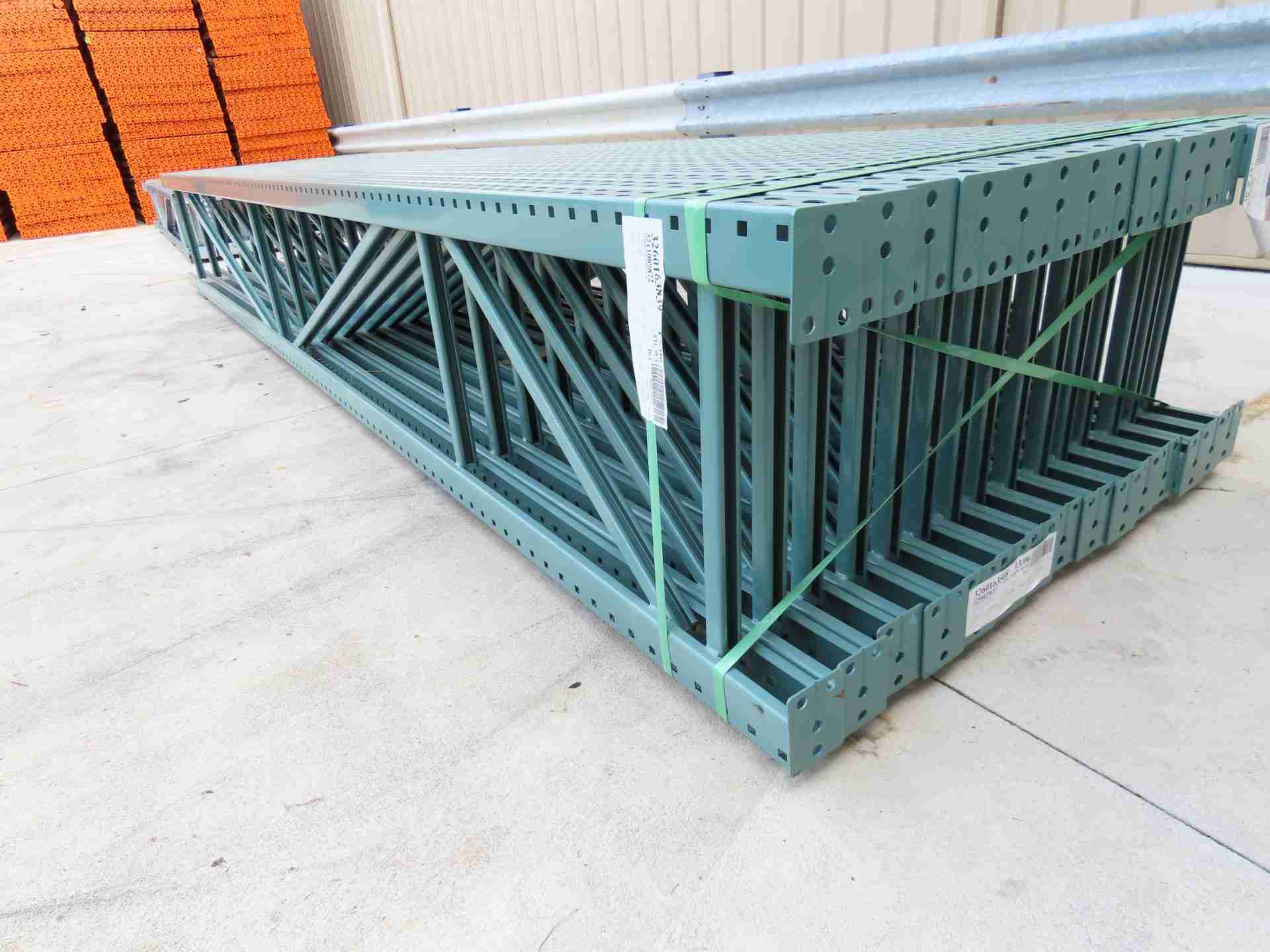
What Is the Environmental Impact Of Choosing Cantilever Racking?
What Is the Environmental Impact Of Choosing Cantilever Racking?
- Cantilever racking offers a smaller, smarter footprint compared to traditional pallet racking, using less steel and generating less waste, which reduces the carbon footprint.
- These racks are durable and long-lasting, leading to fewer replacements, shipments, and resource consumption over time.
- The sturdy design minimizes the need for overbuilding or extra supports, promoting efficiency and responsible material use.
- Choosing cantilever racking demonstrates a company’s commitment to sustainability and forward-thinking operations.
- It supports cutting waste and enables smarter storage solutions that enhance longer, leaner supply chains.
- Users report that cantilever racking reduces clutter, adapts to operational needs, and contributes to a safer, cleaner workspace.
- Selecting cantilever racking means using less and wasting less, aligning business practices with environmental responsibility.
What Is the Environmental Impact Of Choosing Cantilever Racking?
Conclusion
When you’re running a tool steel or specialty alloy distribution business, space isn’t just real estate—it’s lifeblood. Cantilever racking steps in as the no-nonsense solution that turns jammed-up chaos into organized, lean efficiency. This isn’t just about racks and beams; it’s about respect—for the heavy, awkward stock you haul, for the folks loading and picking every day, and for the promises you make to customers who count on you delivering the right steel, on time, every time.
Cantilever racks throw out the old pallet racking playbook, ditching front columns so you can slide those long bars, pipes, and sheets in and out without twisting yourself into a pretzel or risking damage. You don’t lose time fumbling through cramped aisles or hunting for parts buried behind pallets. Instead, you get clear sightlines that keep work moving fast and safe. Saving space means you stack smarter, not just taller, making your warehouse hum without adding square footage or breaking the bank.
This setup isn’t flashy or complicated—it’s built tough to last, cutting down repairs and replacements. That durability isn’t just a money-saver; it’s a badge of reliability that keeps your operation steady when every dollar and minute counts. And when it comes to safety, cantilever racking’s simplicity is its genius: fewer obstacles, better visibility, and solid support for those heavy loads mean fewer accidents and less strain on your crew. It’s a practical nod to looking after the people whose sweat and muscle keep your business running.
The real punch is how cantilever racking fits right into the gritty reality of the job. It lifts the weight off your team’s backs—literally and figuratively—turning a cluttered warehouse into a space that feels more like a well-oiled machine than a daily slog. That kind of order lifts morale, builds trust with customers, and earns respect from the folks who know what it takes to get steel moving.
On top of all that, choosing cantilever racking carries an environmental edge. Using less steel, cutting down waste, and investing in gear built to endure reduces your footprint and sends a clear message that your business isn’t just about the bottom line but about being part of a smarter, cleaner future. It’s the kind of choice that feels right in your gut—practical, responsible, and built on common sense.
In the end, cantilever racking is the workhorse that quietly holds your whole operation together. It’s the kind of straightforward, solid solution you need when the job demands tough, steady hands and clear heads. It protects your stock, your crew, and your margins—and in this line of work, that’s the kind of peace of mind that keeps you coming back every day.

Conclusion
Conclusion:
- Cantilever racking transforms crowded warehouses into organized, efficient spaces essential for tool steel and specialty alloy distribution businesses.
- It eliminates front columns, allowing easy loading and unloading of long bars, pipes, and sheets without damage or physical strain.
- This system provides clear sightlines, reduces time wasted searching for stock, and maximizes space by stacking smarter, not just taller.
- Built for durability, cantilever racks reduce repairs and replacements, offering reliable performance that saves money and downtime.
- The design enhances safety by minimizing obstacles and supporting heavy loads, reducing accidents and strain on workers.
- Cantilever racking improves workplace morale, operational trust, and customer satisfaction by creating an orderly, efficient environment.
- It offers environmental benefits by using less steel, minimizing waste, and promoting long-lasting equipment for a responsible business approach.
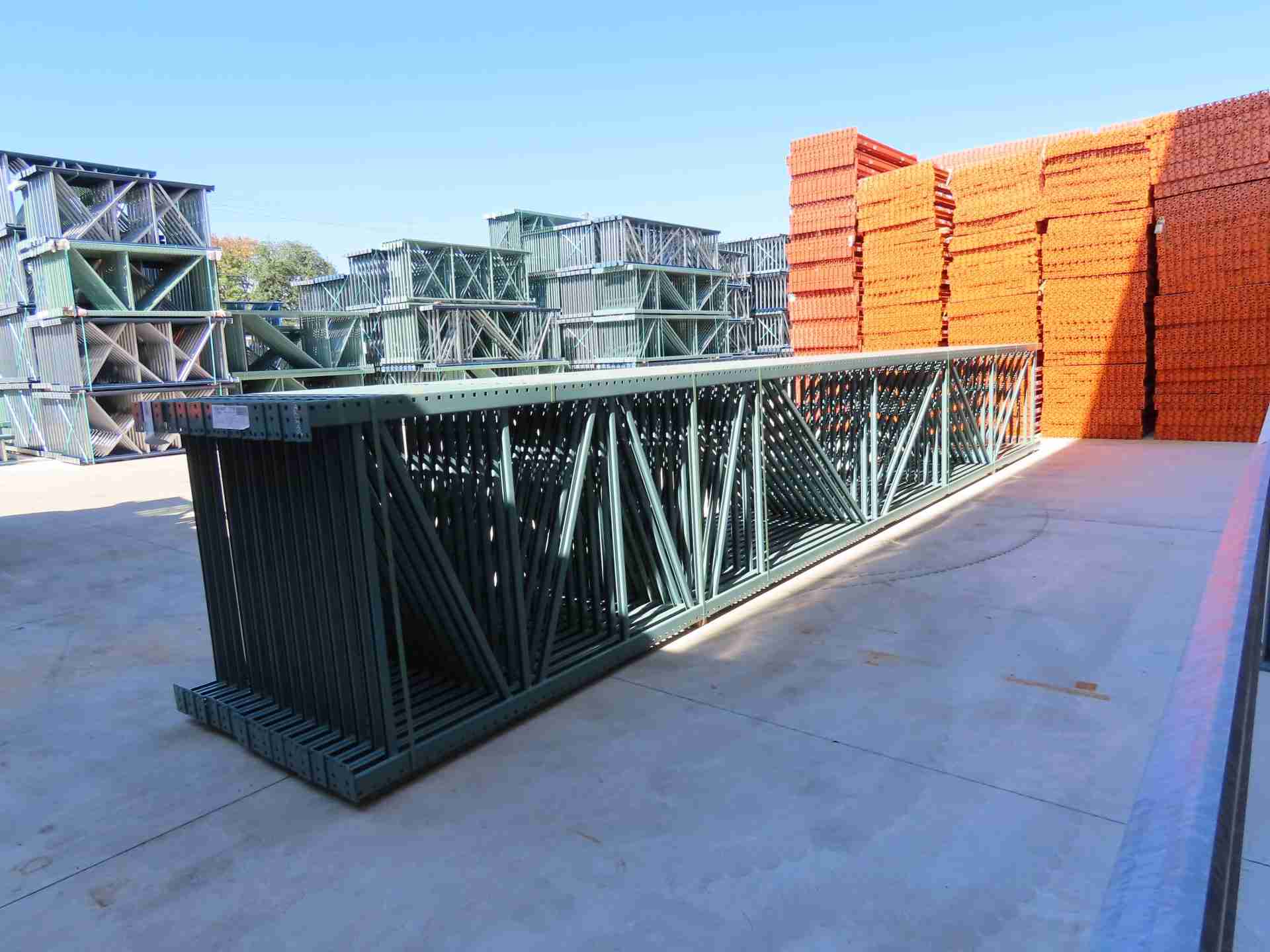
Conclusion
Other Resources
Other Resources
Here is a list of other resources you can review online to learn more:
- Warehouse Racking System: Powerful Guide to Optimise, 2024
- American Society of Safety Professionals
- The Complete Pallet Rack Guide – Simply Rack
- Selective Racking
- Warehouse Racking Systems: Beginner’s Guide to Rack Systems
- Mustang Material Handling
- Warehousing and Fulfillment
- Teardrop Pallet Rack – Ridg-U-Rak
- Pallet Rack Systems – New and Used Pallet Racking and Shelving Experts
- SEMA
- Teardrop Industrial Shelving Rack
- CA Wire
- RMI
- Material Handling Industry
- Heavy-Duty Cantilever Storage Racks
- Warehouse Automation
- Total Warehouse
- Warehouse Racking Chicago, IL
- Teardrop Racks – Pallet Rack World
- Cantilever Rack Guide: Ordering Cantilever Racking
Use This Prompt To Get More Resources With Your Favorite Online AI Tool: Please provide me with a list of online articles with their URLs in a bulleted list that I can read regarding How Do Tool Steel and Specialty Alloy Distributors Leverage Cantilever Racking?

Other Resources
Glossary Terms
How Do Tool Steel and Specialty Alloy Distributors Leverage Cantilever Racking? – Glossary Of Terms
1. Cantilever Racking: A storage system with horizontal arms extending from a vertical column, designed to hold long or bulky items like tubes, bars, and sheets.
2. Tool Steel: A variety of carbon and alloy steels specifically designed for manufacturing tools due to hardness and resistance to abrasion.
3. Specialty Alloys: Custom metal alloys engineered for specific properties such as corrosion resistance, strength, or heat resistance.
4. Distributor: A company or entity that buys, stores, and sells products like tool steel and specialty alloys to manufacturers or end users.
5. Storage Efficiency: The optimal use of space within a warehouse to store the maximum amount of materials safely and accessibly.
6. Inventory Management: The process of overseeing and controlling stock levels, ensuring materials are available when needed without overstocking.
7. Load Capacity: The maximum weight that a cantilever racking arm or system can safely support.
8. Material Handling: The movement, protection, storage, and control of materials throughout manufacturing, distribution, consumption, and disposal.
9. Accessibility: The ease with which stored items can be reached and removed from the racking system.
10. Space Optimization: Using warehouse or storage space efficiently to reduce unused or wasted areas.
11. Vertical Storage: Utilizing the height of a storage area by stacking materials on multiple levels or racks.
12. Warehouse Racking: Structural frameworks used to store products or materials in an organized manner.
13. Heavy-Duty Arms: Cantilever racking components designed to support heavy or bulky materials.
14. Long Item Storage: Storage solutions designed to accommodate long, unwieldy items such as metal bars, pipes, or sheets.
15. Bulk Storage: Storing large quantities of similar items compactly.
16. Load Distribution: The even spread of weight across racking arms to prevent overload or damage.
17. Structural Integrity: The strength and stability of the racking system under load conditions.
18. Modular Design: Racking systems built from interchangeable parts that can be configured or expanded easily.
19. Safety Compliance: Adherence to industry standards and regulations for safe storage practices.
20. Picking Efficiency: The speed and ease with which items can be retrieved from storage.
21. Adjustable Arms: Cantilever racking arms that can be repositioned to accommodate different sizes of materials.
22. Return on Investment (ROI): The financial benefit gained from investing in improved storage solutions like cantilever racking.
23. Supply Chain: The entire sequence of processes involved in the production and distribution of materials.
24. Custom Fabrication: Modifying or manufacturing storage solutions to meet specific requirements.
25. Lead Time Reduction: Decreasing the time between ordering and receiving materials by having efficient storage and distribution.
26. Load Safety: Measures taken to ensure materials are stored securely without risk of falling or damage.
27. Warehouse Layout: The physical arrangement of storage systems and pathways to maximize efficiency.
28. Stock Rotation: The practice of moving older inventory out first to prevent obsolescence.
29. Freight Handling: The processes involved in loading, unloading, and moving goods within the distribution facility.
30. Capital Equipment: Long-term assets such as racking systems used in storage and material handling operations.
Glossary Of Terms
Other Questions
How Do Tool Steel and Specialty Alloy Distributors Leverage Cantilever Racking? – Other Questions
If you wish to explore and discover more, consider looking for answers to these questions:
- What are the typical load capacities and arm ratings for cantilever racking used for tool steel and specialty alloys?
- How do you calculate required cantilever rack capacity based on material weight, length, and stacking configuration?
- What are the industry standards and codes (e.g., ANSI, OSHA) governing cantilever racking design, installation, and inspection?
- How should cantilever racks be anchored to different types of warehouse floors (concrete slab, mezzanine, uneven surfaces)?
- What are best practices for floor-loading and point-load considerations when installing cantilever racking?
- How do cantilever racks perform in seismic or high-wind zones, and what bracing or anchoring is required?
- What inspection and maintenance schedule is recommended to ensure cantilever racking remains safe and functional?
- What are common signs of wear or damage to look for during rack inspections?
- How are load deflection and arm bending addressed in cantilever racking design and selection?
- What protective accessories (end stops, straps, rub rails, column guards) are recommended for heavy steel storage?
- How do you choose between single-sided and double-sided cantilever racking for a specific layout?
- What are typical installation lead times and costs (materials, labor, permits) for a cantilever racking system?
- What is the expected lifetime of cantilever racking and what factors most influence it?
- How do cantilever racks compare to pallet racking and specialized solutions (mezzanines, crates) in cost-per-sq-ft and ROI?
- How do you effectively plan warehouse layout and aisle width for forklifts, reach trucks, and order pickers with cantilever racking?
- Which types of forklifts, attachments, or handling equipment work best with cantilever-stored materials?
- Can cantilever racking be integrated with automation (AGVs, conveyors, AS/RS) and what modifications are required?
- How does cantilever racking support faster picking methods and what KPIs should you track to measure improvements?
- What training do material handlers and forklift operators need when working with cantilever racking systems?
- What are best practices for labeling, signage, and load-rating displays on cantilever racks?
- How do you store coated, galvanized, or high-value specialty alloys to prevent surface damage or corrosion on cantilever racks?
- Are cantilever racks suitable for outdoor storage, and what corrosion protection or coatings are recommended?
- How customizable are cantilever systems for unusual lengths, tapered loads, or mixed-stock environments?
- What mounting or support solutions exist for very long materials that require intermediate supports or saddles?
- How do you manage inventory control (RFID, barcoding, location management) with cantilever racking?
- What are the insurance implications and liability considerations when switching to cantilever racking?
- What warranty, service, and spare-parts options should you expect from cantilever racking suppliers?
- How do you evaluate and select a reputable cantilever racking manufacturer or installer?
- What retrofit options exist to convert existing pallet racking areas into cantilever storage?
- How do you implement load testing and certification of cantilever racks after installation or repair?
- What are typical costs and financing options (lease, purchase, phased rollout) for cantilever systems?
- How does cantilever racking affect building fire protection, sprinkler coverage, and fire code compliance?
- What are the recommended clearances for aisles, eaves, and overhead lights when using cantilever racking?
- How should heavy tool steel be braced or chocked on cantilever arms to prevent rolling or shifting?
- What ergonomic practices reduce strain during manual handling of long materials stored on cantilever racks?
- How does cantilever racking impact warehouse throughput, picking accuracy, and order cycle time in measurable terms?
- What environmental benefits or lifecycle analyses support choosing cantilever racking over alternatives?
- How recyclable is cantilever racking at end of life, and what are the options for responsible disposal or resale?
- Are there case studies or benchmarks from similar distributors that quantify cost savings and efficiency gains?
- What legal permits or inspections are typically required for installing cantilever racking in commercial warehouses?
- How do you plan for future growth or reconfiguration when designing a cantilever racking system?
- What safety devices and operational rules reduce forklift impacts and damage to cantilever racks?
- How do seasonal or climate factors (humidity, salt air) affect cantilever rack material choices and maintenance?
- What are the pros and cons of buying pre-engineered vs. custom-engineered cantilever solutions for specialty alloys?
Other Questions
Checklist
How Do Tool Steel and Specialty Alloy Distributors Leverage Cantilever Racking? – A Checklist
Planning and Objectives
✅______ Define goals: space gained, throughput improvement, safety targets, and growth capacity.
✅______ Identify product families: bars, rods, tube, pipe, angles, sheet/plate, bundles, remnants.
✅______ Map current constraints: bottlenecks, congestion zones, damage hotspots, long-load routes.
Inventory and Load Data
✅______ Record maximum and minimum length, diameter/width, and bundle sizes for each SKU.
✅______ Verify unit weight, bundle weight, and point loads; set required arm and bay capacities.
✅______ Note surface sensitivity (polished, stainless, specialty alloys); plan protective dunnage.
✅______ Define handling frequency to prioritize slotting (fast, medium, slow movers).
Space and Layout
✅______ Measure clear height, column spacing, sprinkler obstructions, and door heights.
✅______ Set aisle widths based on equipment turning radius and long-load swing.
✅______ Allocate staging zones near docks; provide inbound quality control (QC) and cutting/processing space.
✅______ Reserve expansion capacity (empty bays or knock-down sections).
Rack Specification
✅______ Choose single- or double-sided layout per aisle plan.
✅______ Select column height, base depth, arm length, and arm pitch to suit the longest loads.
✅______ Specify arm type (straight or inclined), end stops or lips, and saddles or V-cradles for rounds.
✅______ Determine decking or shelf pans for sheet/plate and small bundle support.
✅______ Set rated capacity per arm, level, and bay with allowable deflection limits.
✅______ Choose finish/coating (galvanized or powder coat) and corrosion protection for indoor or outdoor use.
✅______ Confirm seismic and wind ratings and manufacturer engineering documentation.
Floor and Anchoring
✅______ Verify slab thickness, compressive strength, FF/FL flatness, and joint locations.
✅______ Confirm anchor type, size, edge distances, and base-plate dimensions.
✅______ Plan shimming and plumb tolerances; schedule anchor pull-out tests if required.
Equipment Compatibility
✅______ Match forklift class (mast height, side shift, fork length) to rack geometry.
✅______ Validate attachment needs (coil ram, boom, spreader bar, carpet pole).
✅______ Check mast clearance under utilities and sprinklers and at top load levels.
✅______ Confirm cantilever base depth aligns with truck wheelbase and load stability.
Safety and Protection
✅______ Install column and base guards, bollards, and row-end protection.
✅______ Add arm end stops, drop-in pins, and load containment as needed.
✅______ Post load plaques with arm and bay capacities and safe loading diagrams.
✅______ Define safe operating zones, pedestrian lanes, and visibility mirrors.
✅______ Provide edge protectors, non-marking dunnage, and banding standards for alloys.
Procedures and Training
✅______ Create standard operating procedures (SOPs) for loading/unloading, long-load travel, and staging.
✅______ Train operators on rack limits, proper fork positioning, and damage reporting.
✅______ Establish spotter policy for oversized loads and tight maneuvers.
✅______ Implement 5S housekeeping and debris control around bases and aisles.
✅______ Define personal protective equipment (PPE) requirements and hot work restrictions near racks.
Inspection and Maintenance
✅______ Daily: visual checks for impacts, bent arms, loose hardware, and floor debris.
✅______ Weekly: aisle clearance, signage intact, and dunnage condition.
✅______ Monthly: torque checks on anchors and bolts; verify plumb and level; inspect arm deflection.
✅______ Annual: qualified inspection with documented findings and corrective actions.
✅______ Quarantine and replace damaged components; maintain a spare parts kit.
Inventory Control and Traceability
✅______ Assign locations with clear labels; use barcodes or RFID (as applicable).
✅______ Color-code by length and diameter; mark cut-length bins and remnants.
✅______ Maintain heat/lot traceability and mill certificate storage at the location level.
✅______ Apply FIFO or FEFO rules for corrosion-prone materials and coatings.
Throughput and Efficiency
✅______ Slot high-velocity SKUs at ergonomic heights and closest to docks.
✅______ Define pick paths and batch-pick guidelines for long loads.
✅______ Create dedicated consolidation and staging lanes by carrier or route.
✅______ Track KPIs: pick time per order, load time per stop, touches per line, and damage rate.
Cost and ROI
✅______ Baseline current space utilization and labor time per pick or load.
✅______ Capture total project cost: racks, installation, floor work, and equipment changes.
✅______ Model payback from labor savings, damage reduction, and added capacity.
✅______ Budget for preventive maintenance and periodic reconfiguration.
Environmental and Sustainability
✅______ Specify recyclable materials and low-VOC coatings for racks.
✅______ Reuse existing components where safe; plan responsible disposal of old racking.
✅______ Add LED lighting and motion sensors to aisles; optimize energy use.
✅______ Standardize reusable dunnage to reduce packaging waste.
✅______ Protect outdoor racks with canopies and drainage to extend lifecycle.
Compliance and Documentation
✅______ Obtain engineered drawings, calculations, and stamped approvals as required.
✅______ Secure permits; verify NFPA clearance and egress compliance.
✅______ Maintain as-built drawings, load charts, inspection logs, and training records.
✅______ Complete commissioning checklist and sign-off by Safety and Operations.
Go-Live and Continuous Improvement
✅______ Pilot test a bay with proof loads and workflow validation.
✅______ Conduct operator walkthroughs and emergency drills.
✅______ Audit at 30 and 90 days for damage patterns, congestion, and re-slotting needs.
✅______ Review KPIs quarterly; adjust layout and SOPs for ongoing gains.
Checklist
At RackingWorld, we help guide you through selecting warehouse storage systems and racking.
Be sure to read our other related stories at RackingWorld to learn more about warehouse storage systems.
0 Comments