
Maximizing Space, Efficiency, And Safety: The Pallet Racking Advantage
By Tom Seest
At RackingWorld, we help guide you through selecting warehouse storage systems and racking.
Be sure to read our other related stories at RackingWorld to learn more about warehouse storage systems.
How Do Tool and Equipment Rental Warehouses Leverage Pallet Racking?
In the world of tool and equipment rental, every square foot of space counts, and every second wasted digging around means lost business. Pallet racking isn’t just some fancy storage idea—it’s the backbone that keeps these warehouses running like a well-oiled machine. It’s about making sense of chaos, turning a jumble of heavy gear into something you can find, grab, and move without breaking a sweat.
Think about it. You’ve got forklifts humming, customers waiting, and that pile of gear that looks like it belongs more in a junkyard than a warehouse. Pallet racking gives you a way to stack smart—heavy drills, generators, and scaffolding all lined up neat and easy to access. This isn’t just about saving space; it’s about respecting the tools and the folks who rely on them. When equipment sits on the floor, it gets damaged, or worse, makes the workspace dangerous. Pallet racking lifts all that off the ground, keeping things safe and sound.
There’s no room for guesswork here. When someone orders a jackhammer or a concrete mixer, you want the team to grab it fast and move it out the door. Pallet racking brings order and speed to the game. It’s like having a trusted buddy who’s kept things straight for years—no fuss, just results. This reliability builds confidence, showing customers that the warehouse knows its business and values their time. When the shelves are organized and the gear is easy to find, everyone feels the difference.
From the ethical side, pallet racking plays a part too. Storing equipment properly means fewer accidents, less waste, and a safer place for workers. That’s a no-brainer for any outfit that’s serious about doing right by its crew and customers. You can see the integrity in a warehouse that looks after its stuff and people. It’s a simple respect that translates into trust.
On the shop floor, the social side kicks in. Pallet racking isn’t just shelves; it’s a shared system that connects everyone—warehouse hands, drivers, and managers all working together. It’s an unspoken agreement that when things are organized, the day runs smoother, and everyone’s job gets that little bit easier. That keeps the crew proud, motivated, and ready for whatever the workday throws their way.
So pallet racking? It’s more than metal and bolts. It’s the silent partner in every rental warehouse’s story—quietly holding up the gear, supporting the people, and ensuring that when you need a tool, it’s there waiting, ready to go. That makes all the difference between a warehouse that’s just a place to store stuff and one that’s the heart of a community that builds, repairs, and gets the job done.
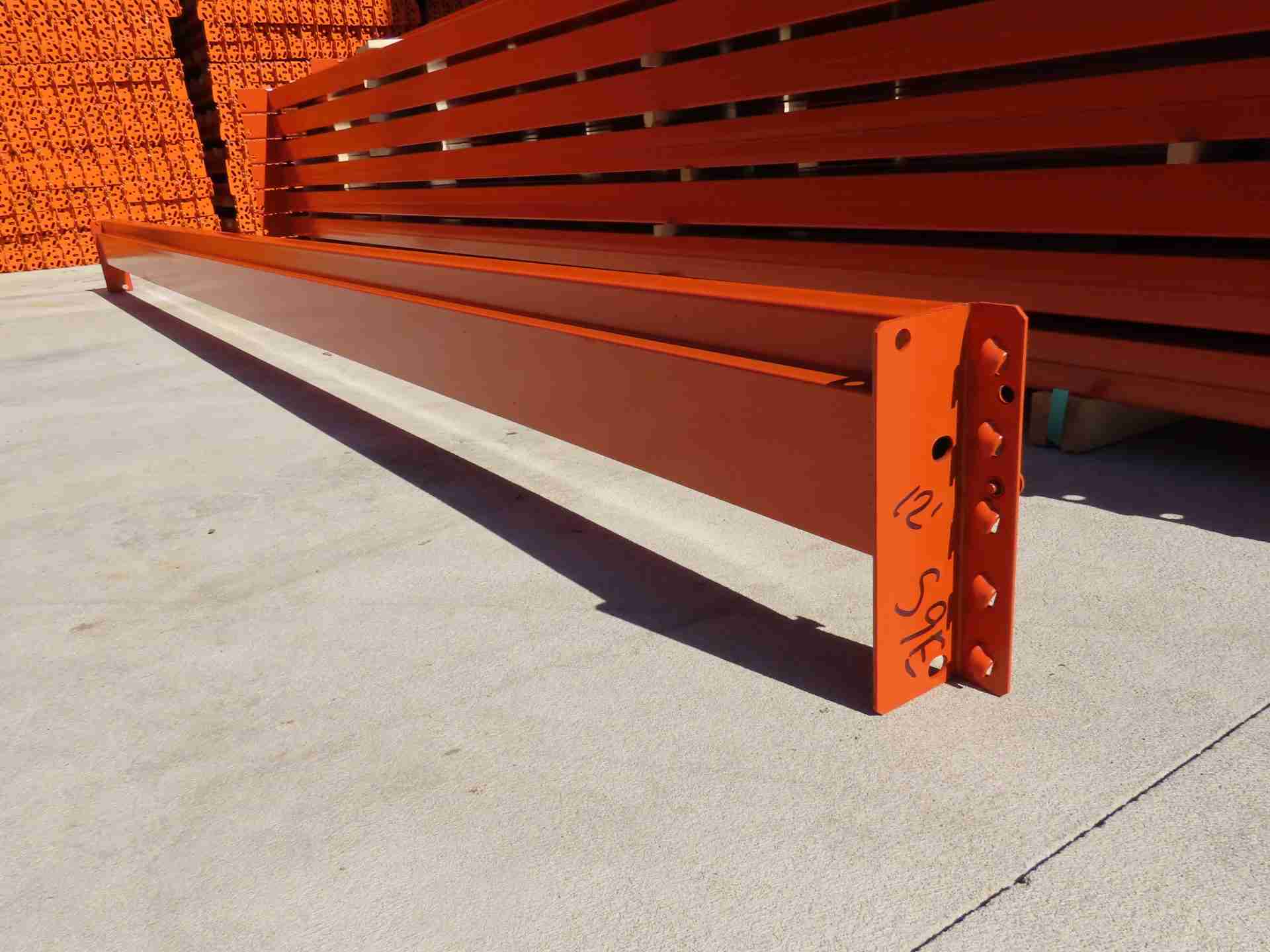
How Do Tool and Equipment Rental Warehouses Leverage Pallet Racking?
How Do Tool and Equipment Rental Warehouses Leverage Pallet Racking?
- Pallet racking maximizes space and efficiency in tool and equipment rental warehouses, turning chaos into organized, accessible storage.
- It enables smart stacking of heavy equipment, protecting tools from damage and maintaining a safe workspace.
- Facilitates quick retrieval and movement of gear, enhancing order, speed, and customer confidence.
- Proper storage reduces accidents and waste, reflecting ethical responsibility towards workers and customers.
- Acts as a shared system connecting warehouse staff, drivers, and managers, promoting teamwork and smoother operations.
- Supports worker pride and motivation by creating an organized and efficient work environment.
- Pallet racking serves as a critical, silent partner that sustains the warehouse’s role as a vibrant community hub for building and repair work.

How Do Tool and Equipment Rental Warehouses Leverage Pallet Racking?
Table Of Contents
- How Do Tool and Equipment Rental Warehouses Leverage Pallet Racking?
- How Can Pallet Racking Improve Warehouse Space Efficiency?
- What Emotional Impact Does Cluttered Storage Cause Staff?
- How Does Pallet Racking Reduce Equipment Damage Risks?
- Can Better Storage Boost Worker Productivity and Morale?
- What Are the Ethical Benefits Of Safe Warehouse Practices?
- How Do Pallet Racks Enhance Inventory Accuracy and Control?
- Conclusion
- Other Resources
- Glossary Of Terms
- Other Questions
- Checklist
How Can Pallet Racking Improve Warehouse Space Efficiency?
You walk into a warehouse packed to the brim—boxes stacked haphazardly, aisles barely wide enough to sneak through, and a frantic hum of folks trying to find what they need before the clock runs out. It’s chaotic because space wasn’t respected, and that’s where pallet racking comes in like a solid, no-nonsense solution. Think of pallet racking as the backbone holding your warehouse together, keeping everything orderly, accessible, and downright manageable.
From a practical standpoint, pallet racking lets you stack goods vertically instead of sprawling across every square inch of floor space. This isn’t rocket science—it’s common sense. When you utilize vertical space efficiently, you free up walking paths, forklift lanes, and emergency exits. More than that, it streamlines inventory management. When boxes sit neatly on racks labeled and spaced just right, you spend less time hunting and more time moving. Time is money, and pallet racking saves plenty of it.
But it’s not only about squishing more merchandise in. It’s about respect—for your workers, your processes, and the product itself. Proper pallet racking reduces damage by keeping stacks stable and secure. No one likes seeing broken stock because someone packed it like a jenga tower gone rogue. Safe storage isn’t just ethical—it shows your team you care about their well-being too. That respect fosters trust and a smoother workflow because everyone knows their environment supports the job rather than stresses it.
You’ve seen warehouses with haphazard piles that look like they could collapse any minute, and then the ones with pallet racking systems that scream solid reliability. Experienced warehouse hands swear by these racks because they’re proven to stand up to the grind day in and day out. They’re built tough, easily adjustable, and they adapt to the demands of any inventory mix you throw at them.
Downright, pallet racking connects the dots between chaos and order, waste and efficiency, stress and calm in the warehouse. It’s the unsung hero that transforms crowded spaces into organized, efficient workspaces where everyone—from the forklift driver to the warehouse manager—can breathe easy, focus, and get the job done right. When that happens, you’re not just saving space; you’re saving sanity. And in a world where every second counts, that’s a game changer.
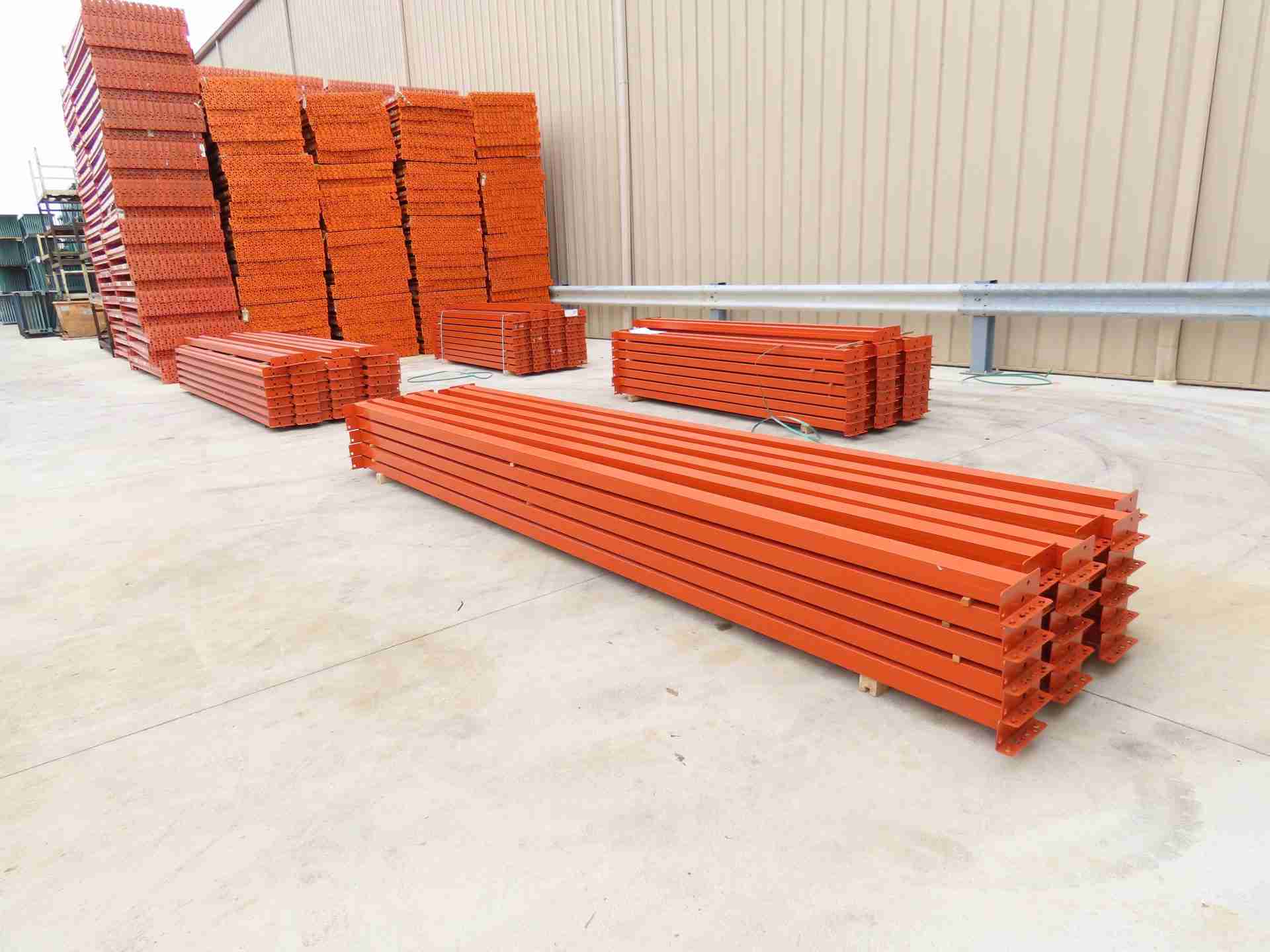
How Can Pallet Racking Improve Warehouse Space Efficiency?
How Can Pallet Racking Improve Warehouse Space Efficiency?
- Pallet racking organizes warehouses by utilizing vertical space, preventing clutter and maximizing floor area for aisles and equipment.
- It enhances inventory management by keeping items neatly stacked, labeled, and easier to locate, saving time and increasing efficiency.
- Proper pallet racking reduces product damage by maintaining stable, secure stacks, protecting both goods and workers.
- It demonstrates respect for workers, processes, and products, fostering trust and smoother workflow in the warehouse environment.
- These systems are durable, adjustable, and adaptable to various inventory types and operational demands.
- Pallet racking transforms chaotic, overcrowded warehouses into orderly, manageable spaces that support productivity.
- By creating safer, more efficient work conditions, pallet racking saves not only space but also operational sanity and time.
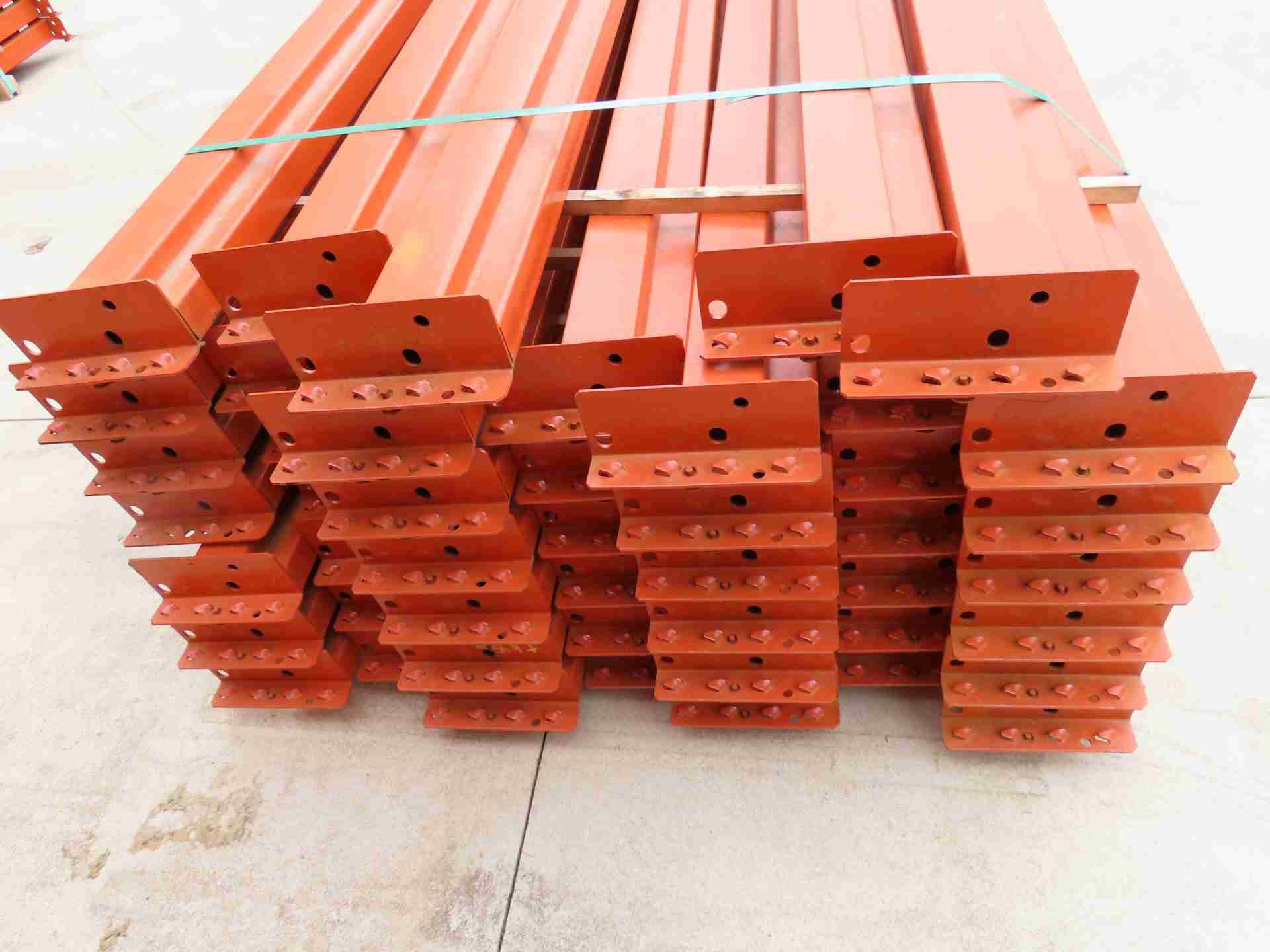
How Can Pallet Racking Improve Warehouse Space Efficiency?
What Emotional Impact Does Cluttered Storage Cause Staff?
You know that feeling when you walk into the storage room, and everything’s piled on top of everything else, boxes teetering like a bad game of Jenga, and you’re trying to find a single bolt or part? That’s cluttered storage for you. It’s not just a mess that slows you down; it’s a weight on the mind, a tug on the nerves, and a drain on morale. When staff face cluttered spaces—especially around critical gear like pallet racking—it’s like trying to do their job through a fog. It’s frustrating, demoralizing, and downright exhausting.
From the heart standpoint, clutter tells a story about how much respect the workplace has for its people. When workers see disorganization at the core of their workspace, it sends a signal: their time and effort might not be valued as much as they deserve. That’s a real gut punch to motivation. Emotionally, it breeds stress because there’s pressure to find things quickly without screwing up or wasting time. The mental load increases, and before long, that small aggravation turns into a daily grind gnawing at confidence and pride.
On the head side of things, the rational impact is clear as day. Cluttered storage means inefficiency, mistakes, and even safety hazards. When pallet racking is surrounded by disorder, the risk of accidents jumps up. People trip, tools get misplaced, and parts break or get lost in the shuffle. That’s bad news not just for productivity, but for the entire team’s well-being. Logically, organized storage offers smoother workflows, faster turnaround, and fewer headaches. It’s not rocket science—it’s just common sense.
Ethically and socially, there’s a responsibility to provide staff with workplaces that don’t compound stress or risk injury. Keeping storage neat is a basic respect for the people who keep operations running day after day. It fosters trust and signals that leadership cares—not just about profits, but about the folks on the floor. When clutter reigns, it fractures that trust, sending everyone into a defensive crouch.
From experience, the places that invest in straightening up their pallet racking and storage areas see a shift. People relax, they talk more openly, and even the toughest jobs feel less like a slog. Workers take ownership because their workspace feels like a place made for them, not a forgotten dump. That’s where confidence grows—quiet, steady, and real.
Cleaning up clutter isn’t just about having a nicer-looking room; it’s about restoring the dignity, safety, and efficiency every worker deserves. It’s the difference between feeling like a cog in a broken machine and being part of a smooth-running team. And that, right there, is the kind of change that sticks.
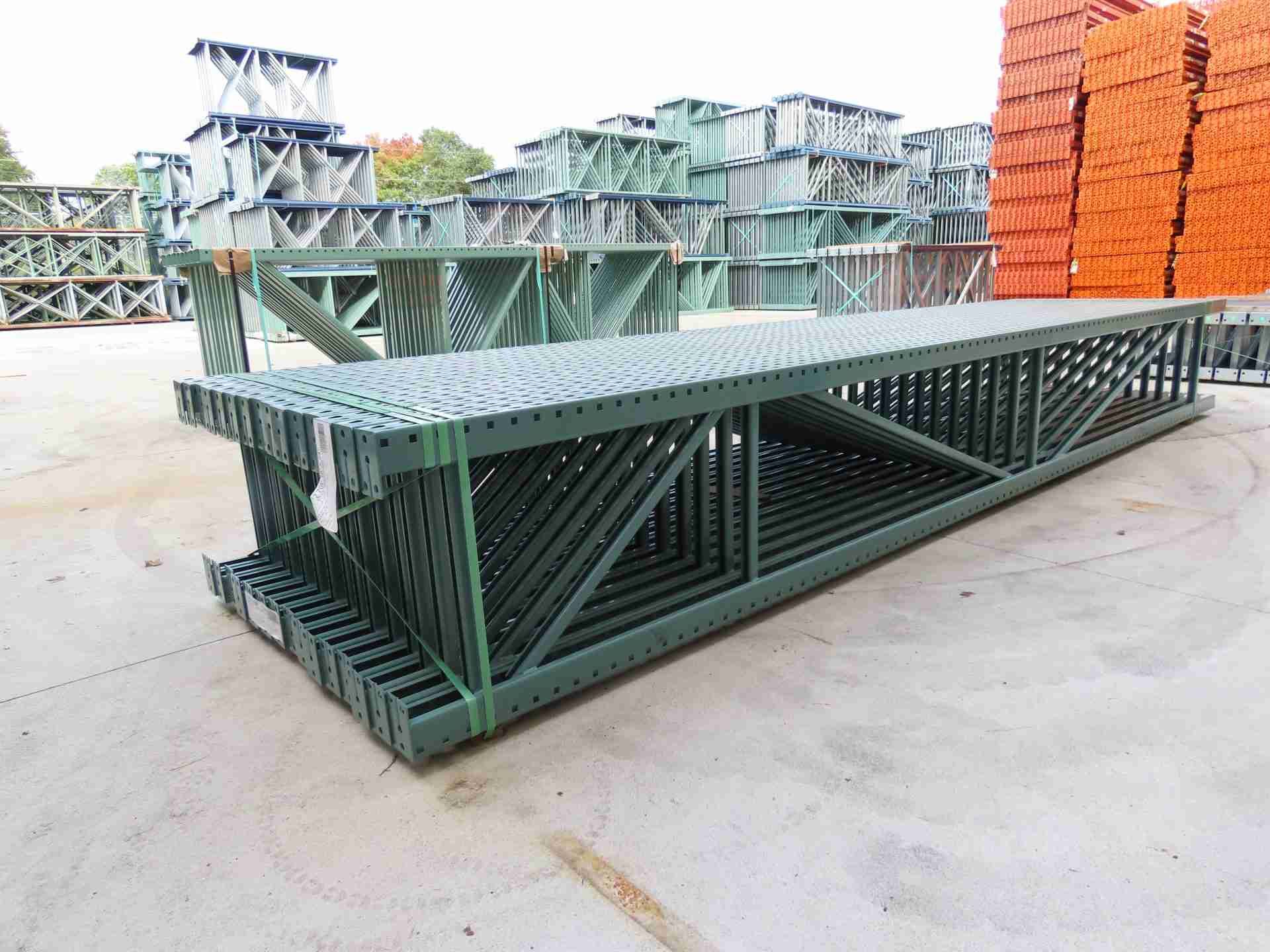
What Emotional Impact Does Cluttered Storage Cause Staff?
What Emotional Impact Does Cluttered Storage Cause Staff?
- Cluttered storage, especially around pallet racking, causes frustration, demoralization, and mental exhaustion for staff.
- Disorganization signals a lack of respect for workers, harming motivation and increasing stress due to time pressure and inefficiency.
- Clutter leads to inefficiency, mistakes, and safety hazards, increasing the risk of accidents and reducing overall team well-being.
- Organized storage supports smoother workflows, faster turnaround, and fewer problems, reflecting basic common sense.
- Maintaining neat storage is an ethical responsibility that builds trust and shows leadership’s care for employees beyond profits.
- Clean, organized spaces encourage communication, ownership, and confidence among workers, improving job satisfaction.
- Cleaning clutter restores dignity, safety, and efficiency, transforming the work environment from dysfunctional to smoothly functioning.
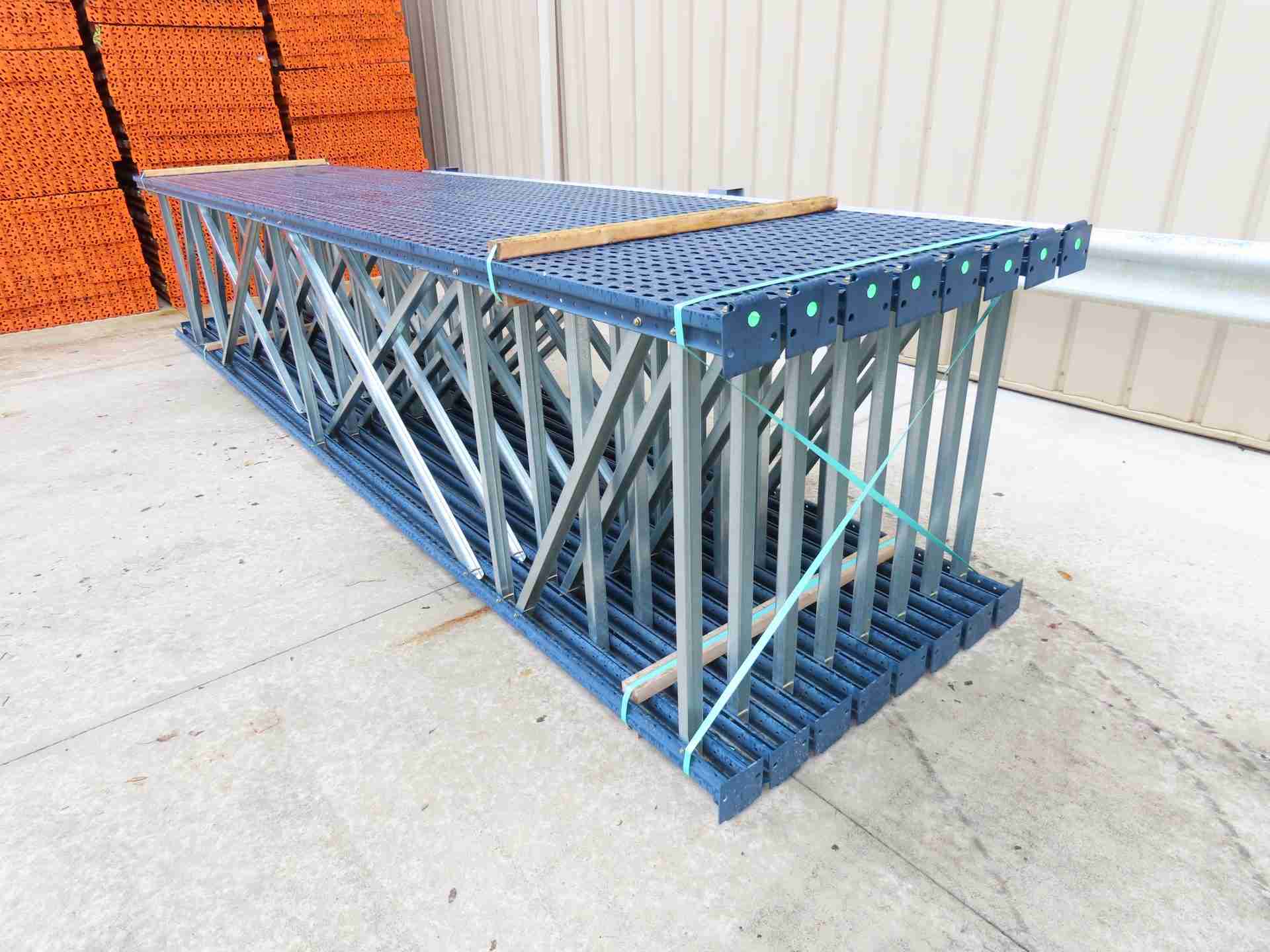
What Emotional Impact Does Cluttered Storage Cause Staff?
How Does Pallet Racking Reduce Equipment Damage Risks?
Look, anyone who’s spent time in a warehouse knows gear gets banged up just by moving stuff around. Forklifts, pallets, boxes – it’s a daily grind, and things get scratched, dented, or worse. That’s where pallet racking steps in like the unsung hero in your operation. It’s not just about stacking stuff high; it’s about creating a system that protects your gear and keeps your workflow running smooth. You don’t have to be fancy to understand this—it’s plain common sense.
When you use pallet racking, you’re putting everything in its rightful place. Think of it like a toolbox, but for your inventory and equipment. Instead of piles of stuff sitting haphazardly on the floor or leaning against walls, each pallet gets a specific spot. That means forklift drivers aren’t blindly reaching or squeezing into tight spaces, which cuts down on accidental collisions. This kind of order doesn’t just save equipment; it safeguards people and keeps your day from turning into a mess.
From the gut, you know how frustrating and costly it is when a forklift hits a steel beam or a pallet slips and crashes. That’s downtime, repairs, safety headaches, and headaches equal lost dollars and stress. Pallet racking reduces those hits because it channels movement in a controlled way. It’s built tough, designed with steel frames meant to absorb scrapes instead of your machinery doing the damage. Over time, that means less wear and tear on forklifts and fewer budget-breaking repairs. It’s an investment that respects the hard work you and your crew put in every day.
Beyond the nuts and bolts, there’s an ethical layer too. Running a tight, well-organized space with pallet racking shows you care—not just about equipment but about your team’s safety and well-being. Everyone can work confidently knowing the layout isn’t a minefield. Trust builds when folks see that the company values a safe, predictable environment. That makes for a workplace where pride and responsibility grow naturally, not because someone’s watching, but because folks want to do right by their gear and teammates.
Pallet racking isn’t some fancy add-on; it’s the backbone of smart, grounded warehouse management. It protects, organizes, and respects your operation. When the chips are down, it’s there—steady, reliable, and ready to take the knocks so your equipment doesn’t have to. That’s the kind of no-nonsense armor every business needs to keep moving forward without breaking down.

How Does Pallet Racking Reduce Equipment Damage Risks?
How Does Pallet Racking Reduce Equipment Damage Risks?
- Pallet racking protects warehouse gear from daily damage caused by forklifts, pallets, and boxes.
- It organizes inventory by assigning specific spots to pallets, reducing clutter and unsafe conditions.
- This system prevents forklift collisions and accidents by eliminating blind spots and tight squeezes.
- Pallet racking reduces wear and tear on equipment, lowering repair costs and downtime.
- Its sturdy steel frames absorb impacts, protecting both machinery and inventory.
- A well-organized warehouse with pallet racking promotes safety, trust, and responsibility among workers.
- Pallet racking serves as the reliable foundation of efficient, safe, and respectful warehouse management.
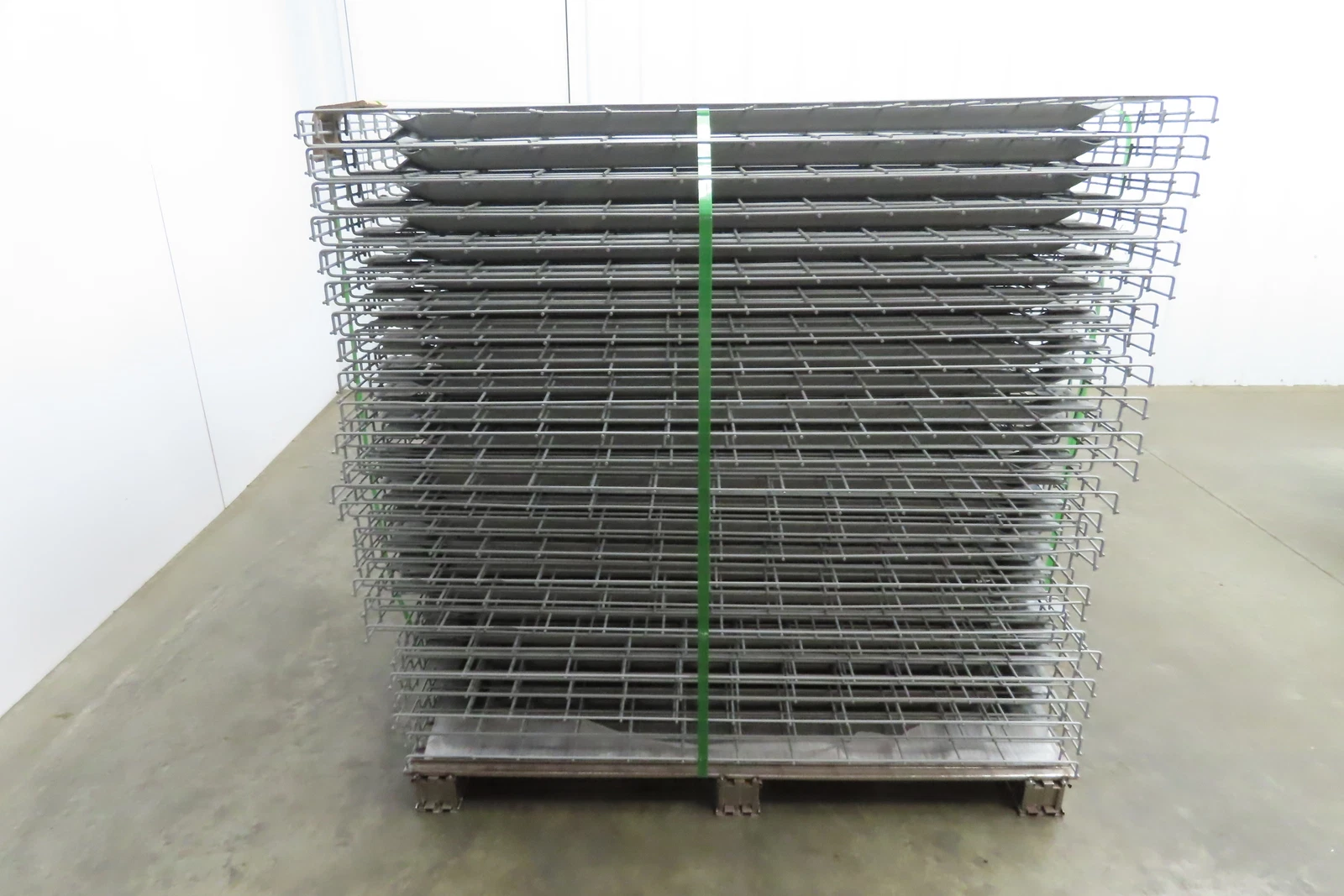
How Does Pallet Racking Reduce Equipment Damage Risks?
Can Better Storage Boost Worker Productivity and Morale?
Look, anyone who’s punched a clock in a warehouse or workshop knows the difference a tidy space makes. When your tools and materials are scattered like yesterday’s news and you’re digging through piles just to find one bolt, it ain’t just frustrating — it’s a real productivity killer. Pallet racking and other proper storage solutions don’t just clear out clutter; they give workers back time and peace of mind, and that counts for something.
Putting a system like pallet racking in place isn’t just about neat shelves. It’s about respect—respect for the workers who show up day after day, putting in the hard shifts. When you provide a place where everything has its spot, it tells folks they’re not just cogs in a machine; they’re valued team members. That kind of environment lifts morale, plain and simple. It’s no secret: people work better and stay longer when they feel that respect and care baked into their workspace.
The hard truth is no one likes wasting time looking for stuff. That’s time off the clock, and time that could otherwise be spent moving the needle, training, or even grabbing a well-earned break. Pallet racking streamlines the flow of work—making inventory easier to manage, reducing accidents, and cutting down the mental clutter that builds up when things are chaotic. It’s a practical fix with big returns that make the plant floor hum smoother than before.
From purely an ethical standpoint, investing in better storage shows a commitment to worker safety and dignity. Keeping aisles clear and materials organized doesn’t just prevent bruised shins; it shows that management cares about the people behind the tasks, not just the bottom line. Trust grows when workers see leadership thinking ahead to create a safer, more efficient workplace.
Folks in the trenches appreciate that kind of down-to-earth common sense. No fancy talk needed. Just good, solid solutions like pallet racking that make daily tasks less of a hassle and help the whole crew feel like they’re part of something running right. Better storage isn’t just about stuff on shelves—it’s about building pride, cutting frustration, and keeping the team moving strong. When the workplace feels like a place that works, morale climbs and productivity just tags right along.

Can Better Storage Boost Worker Productivity and Morale?
Can Better Storage Boost Worker Productivity and Morale?
- Tidy workspaces and proper storage like pallet racking significantly improve productivity by reducing frustration and saving time.
- Pallet racking systems show respect for workers by providing organized spaces where everything has a designated spot, boosting morale.
- Efficient storage cuts down wasted time searching for items, allowing more focus on productive tasks and well-deserved breaks.
- Streamlined storage improves workflow, makes inventory management easier, reduces accidents, and lessens mental clutter on the plant floor.
- Investing in better storage demonstrates a commitment to worker safety and dignity, fostering trust between management and employees.
- Practical storage solutions are valued by workers for making daily tasks simpler and helping teams feel part of a smoothly operating system.
- Organized workplaces build pride, reduce frustration, improve morale, and naturally increase overall productivity.
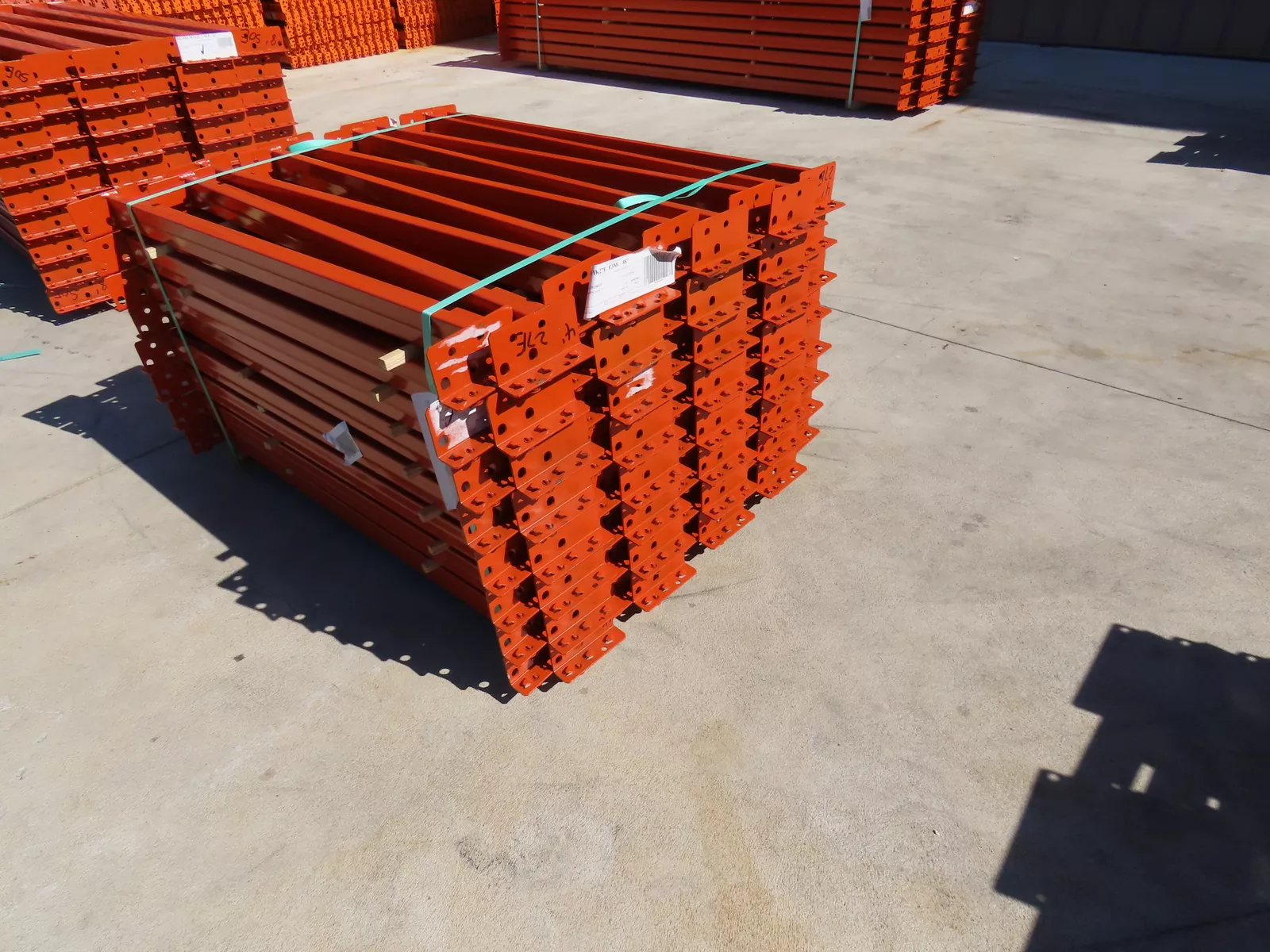
Can Better Storage Boost Worker Productivity and Morale?
What Are the Ethical Benefits Of Safe Warehouse Practices?
When you step into a warehouse, it’s easy to overlook what’s really going on behind the scenes. But for those who work there day in and day out, safety isn’t just a box to check—it’s a matter of respect, trust, and basic human decency. Think about the simple act of stacking goods on pallet racking. It might seem like just another job, but done right, it keeps heavy loads secure, prevents accidents, and most importantly, protects lives. When those racks are sturdy and properly maintained, everyone can go home in one piece. That’s not just good business, that’s doing right by the folks who show up every day and put in the sweat.
Safety in the warehouse isn’t about rules for rules’ sake—it’s about ethics in real life. There’s an invisible thread tying every worker together; the person loading a pallet, the one checking the shipment, and the manager overseeing the operation. Making sure each step respects the well-being of everyone isn’t just good sense, it’s the right thing to do. When equipment is maintained, hazards are spotted early, and training’s taken seriously, you’re building a culture where people matter. It says ‘we see you, we value you, and your safety is worth our effort.’
It’s also about trust. When a company commits to safe practices, it signals something powerful—not just to employees but to customers and the whole community. It says this place operates with integrity. It’s a story you want folks to tell about your workplace, the kind of story that builds confidence and pride. That confidence in safety comes from knowing pallet racking won’t collapse, that forklift operators aren’t cutting corners, and that the whole chain from loading dock to delivery truck is sound.
And here’s the thing: ethical safety isn’t a drain on resources. It’s investing in people so they can keep doing what they do best. Businesses that understand this don’t just avoid lawsuits or fines; they create environments where morale is higher, turnover is lower, and productivity follows naturally. It’s about standing up for the folks who carry the weight, literally and figuratively—handling those pallets, working the racks, risking muscle and bone every day. Doing right by safety means doing right by the people who make the work happen. That’s real common sense.
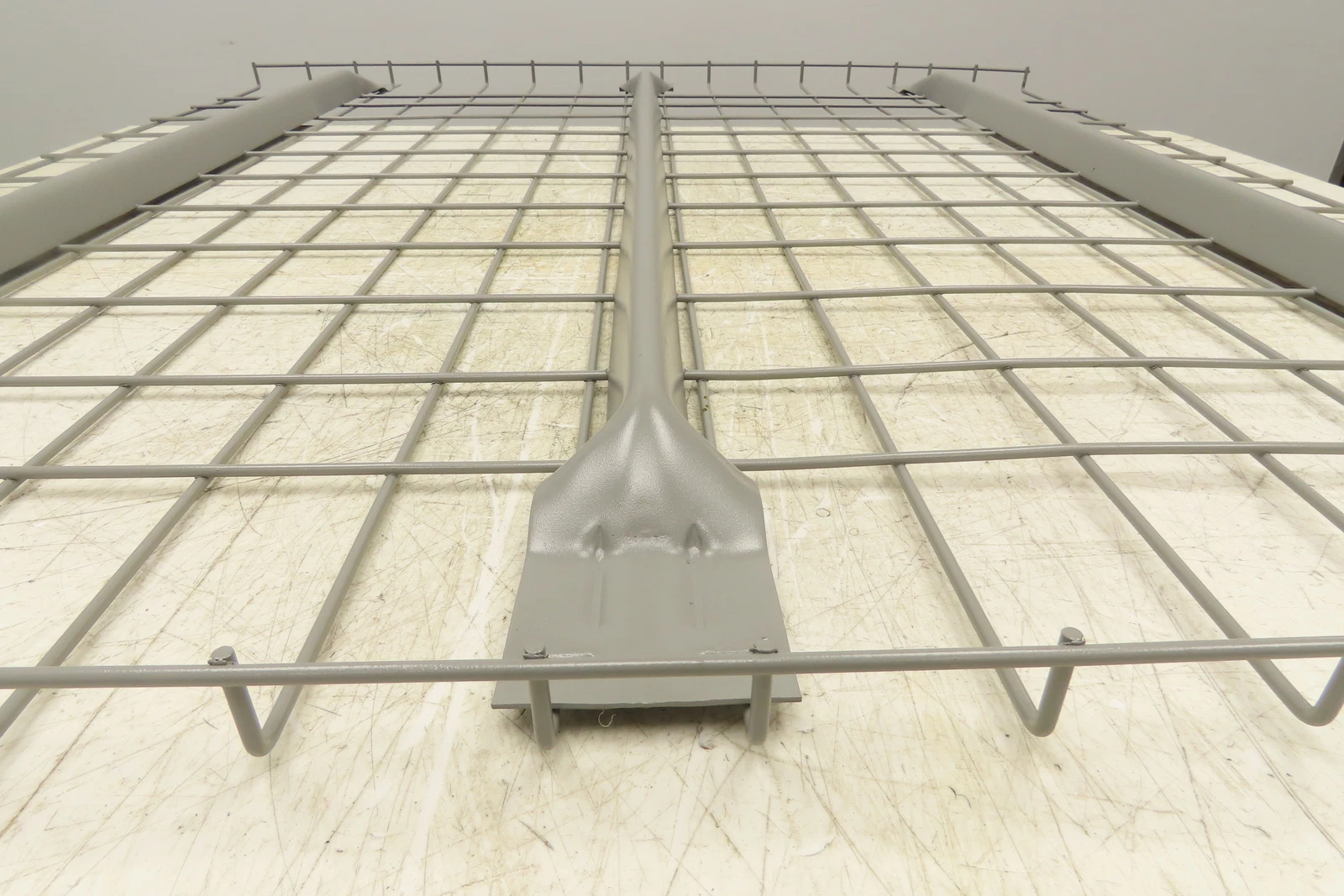
What Are the Ethical Benefits Of Safe Warehouse Practices?
What Are the Ethical Benefits Of Safe Warehouse Practices?
- Warehouse safety is a matter of respect, trust, and basic human decency, not just a procedural formality.
- Proper stacking and maintenance of pallet racking secure heavy loads, prevent accidents, and protect lives.
- Safety practices connect all workers, emphasizing the ethical responsibility to protect everyone’s well-being.
- Maintaining equipment, early hazard detection, and serious training build a culture that values people.
- A company’s commitment to safety fosters trust and integrity among employees, customers, and the community.
- Ethical safety practices boost morale, reduce turnover, enhance productivity, and are an investment in people.
- Prioritizing safety is common sense that supports those physically handling risks daily, ensuring they are valued and protected.

What Are the Ethical Benefits Of Safe Warehouse Practices?
How Do Pallet Racks Enhance Inventory Accuracy and Control?
When it comes to keeping track of everything in a warehouse, relying on memory or guesswork won’t cut it. Pallet racking isn’t just about stacking goods off the ground; it’s the backbone that keeps your inventory honest. Picture this: a cluttered warehouse where boxes are piled haphazardly, labels hidden, and counting becomes a nightmare. Now, swap that for neat rows of pallet racking, each pallet right where it’s supposed to be, accessible and visible. That straightens out the chaos, making inventory counts quicker and way more accurate.
From the gut, you know the frustration of losing track of important stock or getting orders wrong because things are misplaced. Pallet racking cuts down those headaches for good. When everything has its place, mistakes shrink. Workers spend less time hunting and more time moving—motion that’s efficient and reliable. The difference is like night and day: from endless searching to swift picking, from missing products to on-point deliveries.
Head-wise, pallet racking brings solid logic to warehouse control. It creates a systematic flow, where items can be organized by size, SKU, or turnover rate. This organization isn’t just neat—it makes technology and inventory software honest allies, allowing for real-time updates and fewer errors. Good pallet racking design supports barcodes or RFID scanning, so every movement is tracked, verified, and accounted for. That’s control you can calculate, not guess.
Ethically, this means you’re respecting your team’s time and effort, customers’ expectations, and your own business integrity. Imagine the pride in running a warehouse where inventory is trusted, where everyone knows exactly what’s on hand, ready to fulfill orders without last-minute stress or wasted resources. It’s not flashy, but it’s dependable—and in the tough world of logistics, dependable is golden.
Socially, pallet racking creates a workspace where cooperation and confidence thrive. When everyone can see what’s what, it fosters communication and fairness. Workers aren’t left wondering if someone else moved their pallet or messed up the count. It builds trust—not just in the system, but between people who rely on each other day in and day out.
Grounded in common sense and years of seeing warehouses pulled back from the brink of chaos, pallet racking stands as a quiet hero. It’s the tool that makes control achievable and accuracy a reality, inviting you to take charge of your inventory with confidence—one pallet at a time.

How Do Pallet Racks Enhance Inventory Accuracy and Control?
How Do Pallet Racks Enhance Inventory Accuracy and Control?
- Pallet racking organizes warehouses by providing accessible, visible storage, replacing chaotic piles and improving inventory accuracy.
- It reduces mistakes and inefficiencies by ensuring every item has a designated place, speeding up picking and order fulfillment.
- Systematic organization by size, SKU, or turnover rate supports technology integration with barcodes and RFID for real-time tracking and fewer errors.
- Using pallet racking respects the time and effort of workers, meets customer expectations, and upholds business integrity.
- The system fosters a cooperative and trusting workplace by enhancing visibility and communication among workers.
- Pallet racking is a practical, dependable solution grounded in experience that stabilizes warehouse operations and inventory control.
- It enables confident, precise inventory management by transforming guesswork into calculable control.
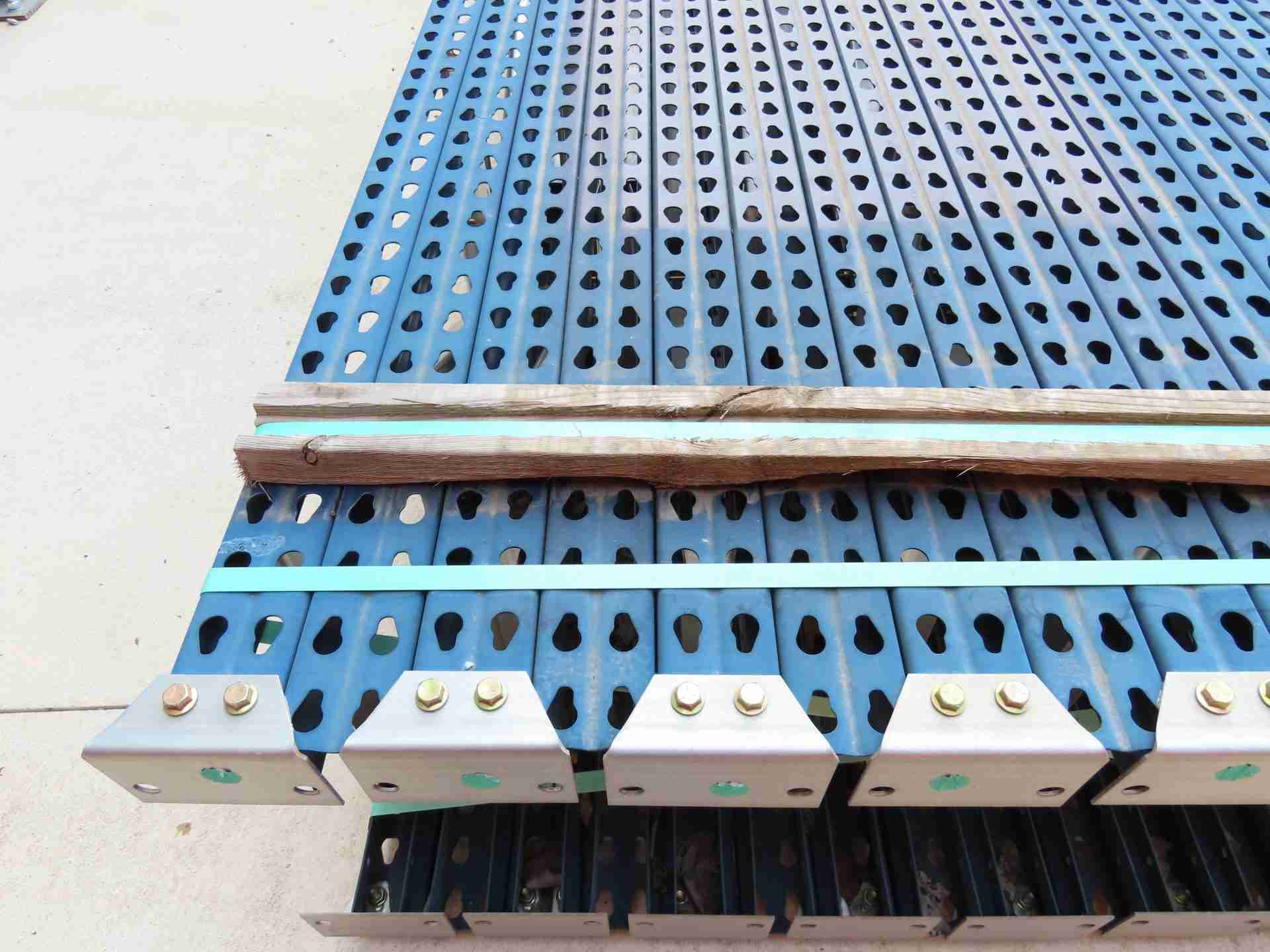
How Do Pallet Racks Enhance Inventory Accuracy and Control?
Conclusion
At the end of the day, pallet racking isn’t just some metal framework cluttering up the warehouse—it’s the unsung backbone holding everything together. For tool and equipment rental warehouses, where every minute counts and every inch of space is precious, it’s what turns disorder into order, chaos into calm. It lifts heavy equipment off the floor, keeping it safe from damage and the work crew safe from hazards. That’s respect in plain sight—respect for the gear, but more importantly, respect for the people handling it day in and day out.
You don’t need a fancy business plan to see the sense in it. Pallet racking makes the most of vertical space, freeing up lanes for forklifts and keeping aisles clear. It cuts down on time wasted hunting for tools or parts, smoothing the workflow so customers aren’t left waiting and workers aren’t left stressed. When things are where they belong, confidence grows—not just in the operation, but in the whole team.
Cluttered storage tells a story of neglect; neat, sturdy racks tell a story of care. When workers show up to an organized workspace, it tells them they matter—that their time, safety, and dignity aren’t afterthoughts. That’s a morale booster that no fancy speech can match. It’s about pride in the job and the equipment, a quiet understanding that the company’s got your back—not just for profits, but for people.
On the practical side, pallet racking cuts the risk of equipment getting knocked around or broken, saving real money and grief. It channels forklift traffic safely and makes each piece of gear easy to spot and pick, reducing accidents that slow everything down. That common-sense approach builds a culture of trust and responsibility. When everyone knows the space works with them—not against them—that’s where real teamwork kicks in.
Ethically, safe and organized storage goes beyond rules; it’s about doing right by the workforce and the community. It says the company values life and limb enough to invest in decent equipment and practices. That commitment shines through in the day-to-day, turning a warehouse from a cramped storage room into a place people can respect and be proud of.
And let’s not forget inventory—the lifeblood of any rental business. Pallet racking keeps stock honest and visible. No more wild guessing, no more last-minute scrambles. When everything has a home and gets logged properly, orders go out right, and customers keep coming back. That’s trust earned an inch at a time, pallet by pallet.
So, pallet racking? It’s no flashy fix, but it’s the steady, dependable heart of any rental warehouse worth its salt. It protects equipment, boosts worker morale, sharpens efficiency, and holds the whole operation together—day after long day. It’s the quiet hero that keeps the tools ready, the workers safe, and the business moving forward without missing a beat.
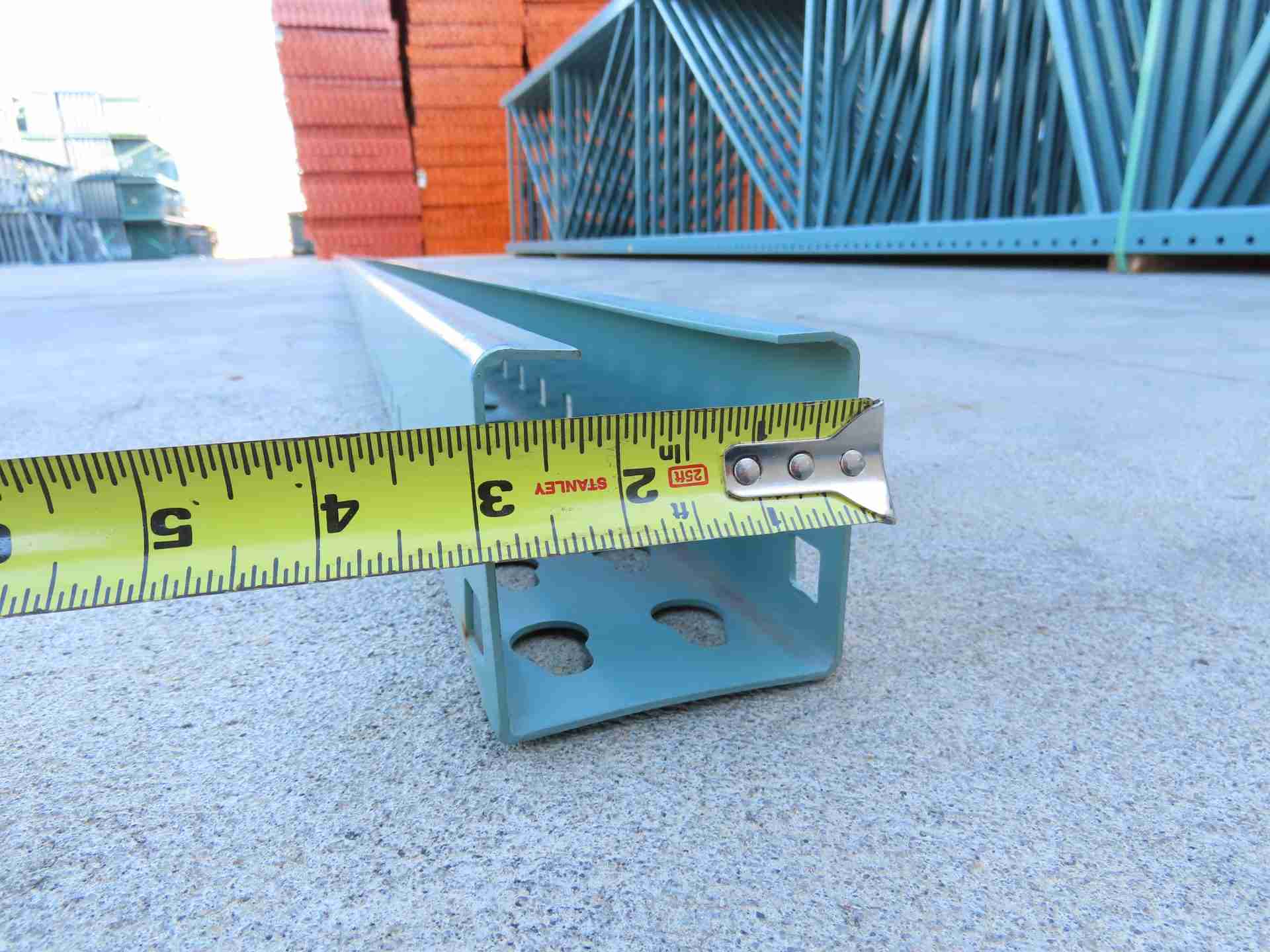
Conclusion
Conclusion:
- Pallet racking is essential for organizing tool and equipment rental warehouses, transforming disorder into order and ensuring safety.
- It maximizes vertical space, keeps aisles clear for forklifts, and reduces time wasted searching for tools or parts.
- Organized storage with sturdy racks boosts worker morale by showing respect for their time, safety, and dignity.
- Pallet racking protects equipment from damage, lowers accident risks, and promotes efficient forklift traffic flow.
- Safe and organized storage reflects a company’s ethical commitment to its workforce and community.
- It maintains accurate inventory visibility, preventing errors and ensuring timely order fulfillment for customers.
- Pallet racking reliably supports warehouse operations by protecting equipment, improving efficiency, and enhancing safety day after day.
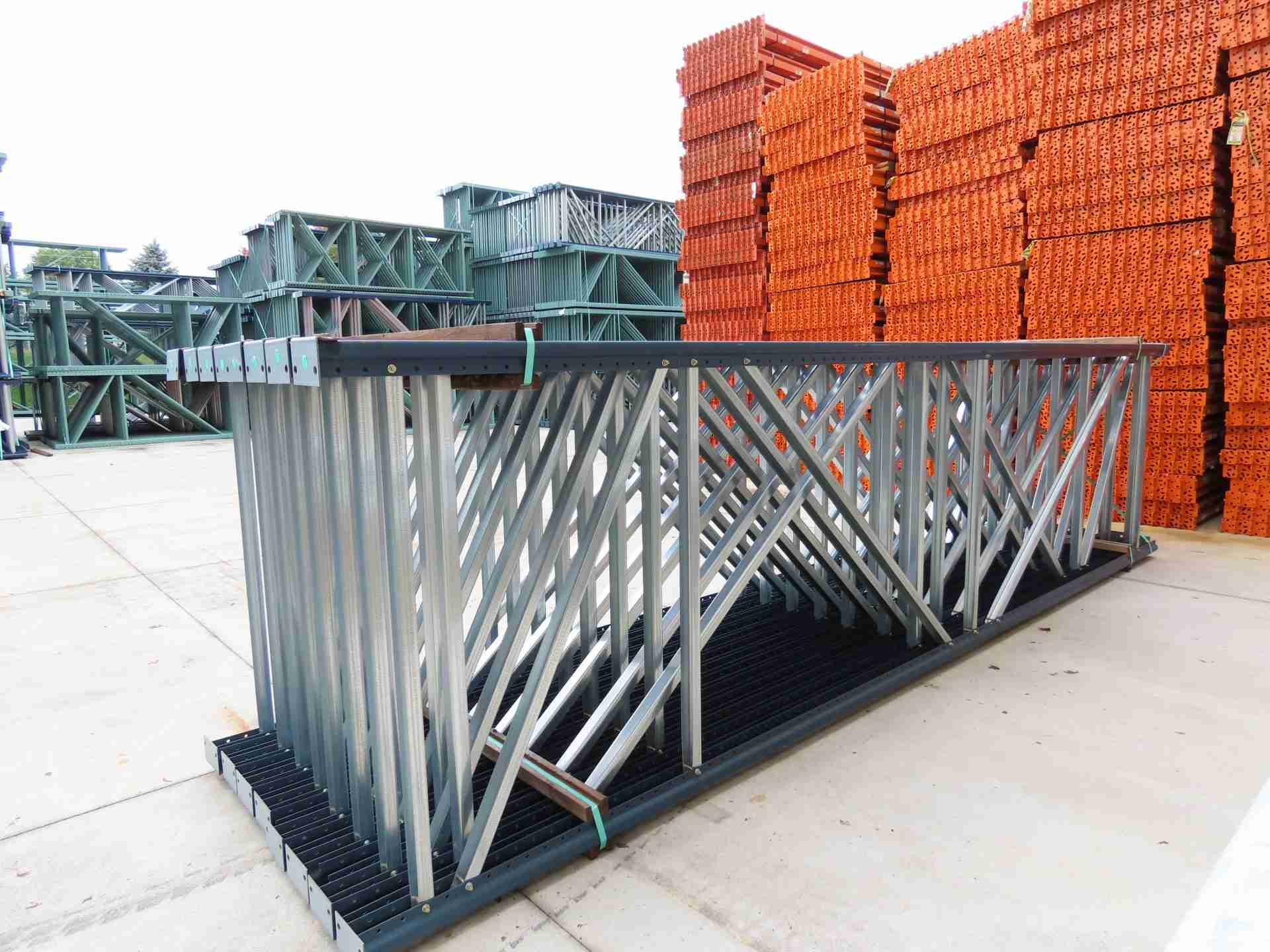
Conclusion
Other Resources

Other Resources
Here is a list of other resources you can review online to learn more:
- Iowa Illinois Warehouse Racking
- Chicago Pallet Racking
- Storage Equipment Manufacturers’ Association
- Pallet Racking systems in Illinois and Great Lakes
- What is Selective Pallet Racking
- American Society of Safety Professionals
- Wolter
- Pallet Racking 101: A Comprehensive Guide & Options Explained
- Used Pallet Rack for Sale in Illinois – American Surplus
- Cantilever Racking Specialists – Get the Right Racks
- Interlake Mecalux
- Warehouse Racking Systems: Beginner’s Guide to Rack Systems
- Pallet Racking systems in Illinois, Great Lakes
- RMI
- Selective Pallet Racking Systems
- ASSP
- Teardrop Pallet Rack – Ridg-U-Rak
- Illinois
- Interlake
- BMH
Use This Prompt To Get More Resources With Your Favorite Online AI Tool: Please provide me with a list of online articles with their URLs in a bulleted list that I can read regarding How Do Tool and Equipment Rental Warehouses Leverage Pallet Racking?
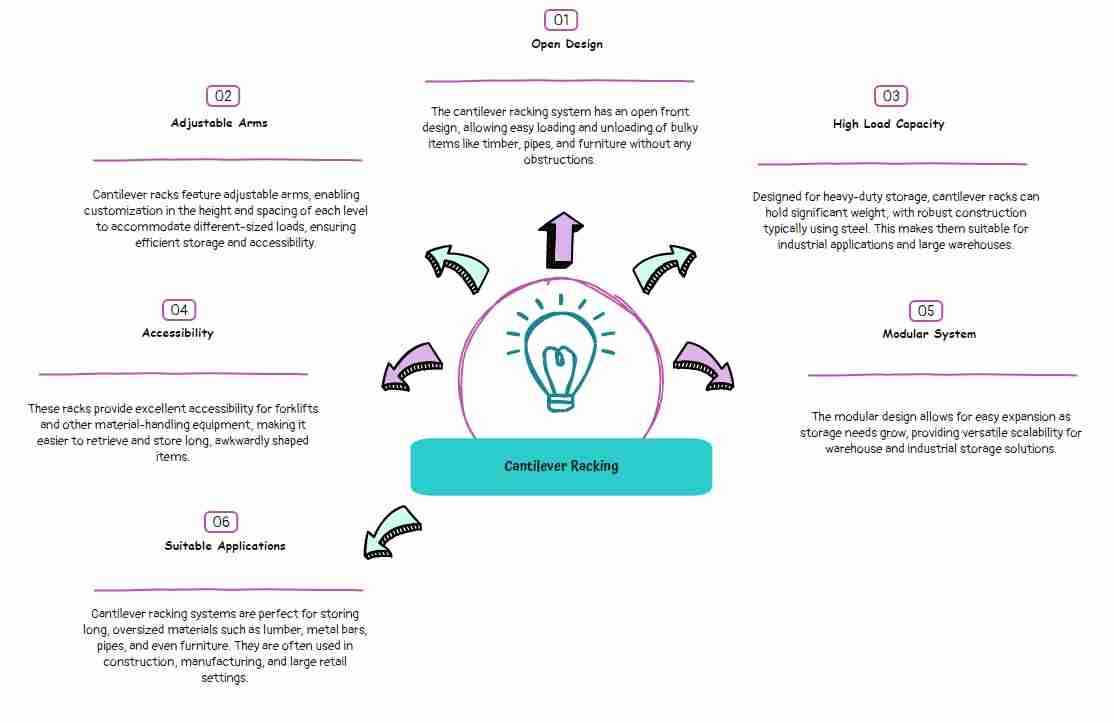
Other Resources
Glossary Terms
How Do Tool and Equipment Rental Warehouses Leverage Pallet Racking? – Glossary Of Terms
1. Pallet Racking: A storage system designed to hold materials on pallets or skids in warehouses.
2. Warehouse Efficiency: The optimization of space and workflow to improve operations within a warehouse.
3. Tool Rental: The leasing of tools and equipment to customers for temporary use.
4. Equipment Inventory: A catalog of tools and machinery available for rent or sale.
5. Load Capacity: The maximum weight that a pallet racking system can safely support.
6. Space Utilization: The effective use of available warehouse space to maximize storage.
7. SKU (Stock Keeping Unit): A unique identifier for each item stored or sold in the warehouse.
8. Forklift: A vehicle used to lift and move pallets within the warehouse.
9. Vertical Storage: Using height to store goods in pallet racking systems to save floor space.
10. Accessibility: The ease with which items can be reached and retrieved from the racking system.
11. Inventory Management: The process of ordering, storing, and using a company’s inventory.
12. Safety Standards: Regulations that ensure safe loading, handling, and storage in pallet racking systems.
13. Warehouse Layout: The design arrangement of storage systems and pathways within a warehouse.
14. Picking Process: The method used to select and collect rented tools and equipment from storage.
15. Pallet: A flat structure that supports goods in a stable manner for storage or transport.
16. Load Distribution: The way weight is spread across a pallet rack to prevent collapse.
17. Racking Configuration: The design and arrangement of pallet racks to fit specific warehouse needs.
18. Pallet Jack: A manual or electric tool used to lift and move pallets inside the warehouse.
19. Cross-aisle: Passageways between pallet racks allowing movement of forklifts and personnel.
20. Cycle Counting: A method of inventory auditing by frequently counting small batches of stock.
21. FIFO (First In First Out): An inventory method to ensure older stock is rented out before newer stock.
22. Back Stock: Inventory that is kept in reserve storage for future rental demand.
23. Load Beam: A horizontal component of pallet racking that supports pallets.
24. Upright Frame: The vertical frame in pallet racks that supports the load beams and pallets.
25. Damage Prevention: Measures taken to avoid harm to goods and racking systems during handling.
26. Inventory Turnover: The rate at which inventory is rented out and replenished.
27. Warehouse Automation: Use of technology to control and manage storage and retrieval processes.
28. Slotting: Assigning specific locations in pallet racks to optimize tool storage and retrieval.
29. Bulk Storage: Storing large quantities of inventory in pallet racks without individual separation.
30. Quick Access Storage: Pallet racking designed to allow fast and easy retrieval of frequently rented tools.

Glossary Of Terms
Other Questions
How Do Tool and Equipment Rental Warehouses Leverage Pallet Racking? – Other Questions
If you wish to explore and discover more, consider looking for answers to these questions:
- What types of pallet racking systems (selective, drive-in, push-back, cantilever, mezzanine) best suit tool and equipment rental warehouses?
- How do I choose pallet racking based on equipment size, weight, and shape?
- What are the load capacities and weight limits for different racking components, and how are they calculated?
- How should aisle widths be planned for forklifts, pallet jacks, and oversized equipment?
- What are best practices for storing irregularly shaped or awkward items like ladders, scaffolding, and long pipes?
- How can pallet racking be configured to safely store heavy generators, concrete mixers, and other bulky tools?
- What rack accessories (decking, pallet supports, beam guards, end-of-aisle protectors) are recommended for rentals operations?
- How do I secure tall stacks and prevent pallet or load shifts during handling?
- What inspection and maintenance schedule should be followed to keep pallet racking safe and compliant?
- What are the most common rack damage modes and how should damaged components be repaired or replaced?
- What safety standards and regulations (OSHA, local building and fire codes) apply to pallet racking in rental warehouses?
- How do fire sprinkler systems, clearances, and fire codes affect racking layouts?
- How should racking be designed for seismic zones or areas with high vibration risk?
- What training and certification do staff need for safe rack loading, unloading, and forklift operation?
- How can pallet racking improve inventory accuracy, and what labeling or slotting strategies work best?
- What technologies (barcodes, RFID, warehouse management systems) integrate effectively with pallet racking for rental inventory control?
- How do I track equipment condition, maintenance history, and availability using rack-based workflows?
- What are the best practices for cycle counting, stock rotation, and FIFO/LIFO in a rental environment?
- How does racking design affect picking speed, order turnaround, and customer pickup efficiency?
- What KPIs should I measure to evaluate the racking system’s impact (pick time, damage rate, space utilization, turnover)?
- What is the typical ROI and payback period for investing in pallet racking for a rental warehouse?
- How much does installation, testing, and ongoing maintenance typically cost?
- What financing, leasing, or phased implementation options are available for new racking installations?
- How do I select reliable rack vendors, installers, and inspectors—what questions should I ask them?
- Can existing warehouse layouts be retrofitted with new racking, and what are the constraints?
- What alternatives to traditional pallet racking (mobile racks, shelving, mezzanines) make sense for rental fleets?
- How should hazardous materials, fuels, batteries, or oil-soaked equipment be stored within a racked system?
- What spill containment, ventilation, or corrosion-protection measures are needed for certain equipment types?
- How can racks be protected from forklift impact and how do I reduce operator error in tight spaces?
- What labeling, signage, and visual management techniques help staff and customers find items quickly?
- How do I design racking to support seasonal demand spikes and temporary inventory surges?
- What are recommended procedures for loading/unloading customer returns and damaged rental equipment?
- How should pallet racking be documented for insurance purposes and what must be reported after an incident?
- How do I plan for future growth—scalability, modular expansion, or rearrangement of racking?
Other Questions
Checklist
How Do Tool and Equipment Rental Warehouses Leverage Pallet Racking? – A Checklist
Space Planning and Layout
✅______ Measure current cubic utilization and set a target for improvement
✅______ Define clear aisle widths based on forklift and equipment specifications
✅______ Map one-way travel paths and mark pedestrian walkways
✅______ Allocate zones for receiving, inspection and quarantine, staging, shipping, and returns
✅______ Slot fast-movers near dispatch; place the heaviest and bulkiest items in lower bays
✅______ Verify vertical clearances (sprinklers, lighting, signage)
Rack Specification and Compliance
✅______ Select rack types suited to the load mix (e.g., selective or double-deep; cantilever for long items)
✅______ Confirm floor slab capacity and anchor racks per manufacturer specifications
✅______ Post load ratings visibly on each bay
✅______ Install wire decking or pallet supports for non-full-pallet loads
✅______ Add row spacers, end-of-aisle guards, and column protectors
✅______ Ensure seismic, fire, and local code compliance; secure permits as required
✅______ Use beam-lock pins or clips on every beam level
Pallets, Unit Loads, and Equipment Protection
✅______ Standardize pallet sizes and inspect and reject damaged pallets
✅______ Secure irregular equipment (use straps, cradles, or cages) to prevent shifting
✅______ Use drip pans or containment for fuel-powered equipment and generators
✅______ Segregate hazardous materials and cylinders per code
✅______ Set overhang and load height limits; label and enforce
Safety and Risk Reduction
✅______ Keep aisles, egress routes, and fire equipment clear at all times
✅______ Install anti-collapse mesh or backstops where walkways and work areas are behind racks
✅______ Provide adequate lighting at all pick faces and upper levels
✅______ Mark and protect rack ends, intersections, and high-traffic zones
✅______ Establish a damaged-rack tagging and isolation process
✅______ Maintain compliant battery-charging and propane areas with ventilation and signage
Inventory Accuracy and Control
✅______ Label every location with aisle–bay–level identifiers
✅______ Map rack locations in WMS/ERP and validate during go-live
✅______ Apply barcodes or RFID to pallets and serialized equipment
✅______ Define receiving, put-away, and picking scan steps for real-time accuracy
✅______ Implement cycle counting by ABC and velocity
✅______ Create quarantine workflows for returns, repairs, and off-rent inspections
Workflow and Throughput
✅______ Standardize SOPs for put-away, picking, replenishment, and staging
✅______ Mark inbound and outbound staging lanes with capacity limits
✅______ Prioritize high-velocity SKUs in golden zones (waist to shoulder height)
✅______ Set retrieval time targets and measure (e.g., 2–5 minutes per pick)
✅______ Establish dedicated fast-lane and cross-dock paths for urgent orders
✅______ Define end-of-day reset: clear floors and return tools to home locations
People, Training, and Culture
✅______ Provide forklift certification and periodic refreshers
✅______ Train all staff on rack safety, load ratings, and the location system
✅______ Onboard new hires with 5S and visual management basics
✅______ Implement a no-blame near-miss and hazard reporting process
✅______ Recognize teams for accuracy, safety, and turnaround improvements
Housekeeping and 5S
✅______ Sort: remove obsolete or damaged items from storage areas
✅______ Set in order: label shelves, bays, and tool homes; use visual cues
✅______ Shine: daily sweep of aisles and pick faces; weekly deep clean
✅______ Standardize: shared SOPs, visual work aids, and audits
✅______ Sustain: schedule routine 5S audits with scorecards
Maintenance and Inspections
✅______ Conduct weekly rack condition walks; document and act on findings
✅______ Schedule annual third-party rack inspection
✅______ Verify anchors, bolts, and beam connections; torque-check as needed
✅______ Inspect pallets, straps, and containment devices regularly
✅______ Service forklifts and lifting gear per manufacturer intervals
Customer Readiness and Turnaround
✅______ Create a clear will-call and dispatch area with signage and queue control
✅______ Pre-stage reservations by time window to reduce wait times
✅______ Implement a returns triage station for fast check-in and damage assessment
✅______ Track order cycle times from request to load-out
KPIs to Track
✅______ Space utilization (% of cubic capacity)
✅______ Inventory accuracy (% match of WMS to physical)
✅______ Average pick time and put-away time
✅______ On-time ready-for-pickup rate
✅______ Damage rate (equipment and rack)
✅______ Safety: near-misses and recordables
✅______ Labor productivity (lines or pallets per labor hour)
Go-Live and Continuous Improvement
✅______ Pilot the layout in one aisle; capture feedback and adjust
✅______ Roll out in phases with clear timelines and owners
✅______ Communicate changes with floor maps and quick-reference guides
✅______ Review KPIs weekly for 90 days; run PDCA cycles on bottlenecks

Checklist
At RackingWorld, we help guide you through selecting warehouse storage systems and racking.
Be sure to read our other related stories at RackingWorld to learn more about warehouse storage systems.
0 Comments