
Maximizing Efficiency And Safety: Transforming Textile Material Handling
By Tom Seest
At RackingWorld, we help guide you through selecting warehouse storage systems and racking.
Be sure to read our other related stories at RackingWorld to learn more about warehouse storage systems.
How Do Textile Raw Material Handlers Leverage Pallet Racking?
In the thick of the daily grind, textile raw material handlers know that every minute counts and every inch of space matters. Pallet racking is more than just a fancy name for shelves—it’s the backbone that keeps the whole operation humming without missing a stitch. When bolts of fabric or bales of cotton show up, they don’t just get tossed anywhere. They’re organized, stacked, and made easy to reach thanks to pallet racking designed for the heavy, bulky, and sometimes awkward shapes these materials come in.
It’s not just about shoving stuff somewhere and hoping for the best. Pallet racking brings a sense of order to what could easily turn into chaos. It makes the warehouse feel less like a pile of stuff and more like a well-oiled machine. With the right setup, handlers can grab exactly what’s needed, when it’s needed—cutting down on wasted time and missed deadlines. That reliability doesn’t just save money; it reduces stress, keeps everyone safe, and boosts confidence that the job will get done right.
There’s a certain pride that comes with setting up and maintaining those racks. The folks on the floor know the value of sturdy, well-planned storage. It’s ethical work, done with an eye on preserving the raw materials from damage and contamination. Each pallet racking system is a silent partner in the craft, protecting the goods that will become garments, linens, and countless everyday essentials. That care and respect for the materials reflect a respect for the customer, the environment, and the workers themselves.
You can tell from the way a warehouse runs how well those racks are utilized. When everything’s lined up and easy to reach, it’s a sign that the team behind it respects both their craft and their coworkers. It’s a shared understanding—smart organization leads to less waste, safer work, and smoother shifts. No one wants to claw through a tangled mess to find what they need, and pallet racking cuts through that frustration like a hot knife through butter.
Pallet racking is more than metal beams and shelves—it’s a story of practical problem-solving, hard-earned experience, and respect for the work. It connects the folks on the floor with the big-picture goal: keeping the raw materials ready, safe, and accessible, so the textile business can run like clockwork. When handlers lean on pallet racking, they’re not just managing inventory—they’re building trust and laying down the groundwork for everyone who relies on those materials after them.

How Do Textile Raw Material Handlers Leverage Pallet Racking?
How Do Textile Raw Material Handlers Leverage Pallet Racking?
- Pallet racking is essential for organizing heavy, bulky textile raw materials like bolts of fabric and bales of cotton efficiently.
- It provides order in the warehouse, enabling handlers to quickly access materials, reducing wasted time and missed deadlines.
- Proper pallet racking reduces stress, enhances safety, saves money, and builds confidence in completing tasks correctly.
- Setting up and maintaining racks reflects pride and ethical care, protecting materials from damage and contamination.
- The system symbolizes respect for customers, the environment, and workers, linking material care to broader values.
- Well-utilized pallet racks indicate respect for craft and coworkers, promoting less waste, safer work, and smoother shifts.
- Pallet racking connects day-to-day handling with the larger goal of keeping the textile business efficient, building trust for future users.

How Do Textile Raw Material Handlers Leverage Pallet Racking?
Table Of Contents
- How Do Textile Raw Material Handlers Leverage Pallet Racking?
- How Does Pallet Racking Improve Textile Raw Material Storage?
- What Are the Safety Benefits Of Using Pallet Racking In Textiles?
- How Can Pallet Racking Optimize Space In Textile Warehouses?
- Why Is Efficiency Crucial In Handling Textile Raw Materials?
- How Does Pallet Racking Reduce Material Handling Time?
- What Cost Savings Come From Implementing Pallet Racking Systems?
- Conclusion
- Other Resources
- Glossary Of Terms
- Other Questions
- Checklist
How Does Pallet Racking Improve Textile Raw Material Storage?
You know that feeling when you walk into a warehouse and everything’s stacked just right—easy to find, easy to grab, no wild goose chases or forklift maze runs. Pallet racking does that for textile raw materials. It’s not just about putting wood or metal shelves in a building; it’s about giving your operation a backbone. When you rely on pallet racking, you’re turning chaos into order, turning wasted time into productivity, and turning frustration into a fluid workflow.
Textile materials aren’t just bulky; they’re delicate in their own way. Rolls of fabric, spools of yarn—they need to be stored so they stay in good shape and ready to roll when the next job calls. Pallet racking keeps everything off the floor and organized by category, batch, or supplier, making inventory easy to track and protect. The difference between pallets piling up on the ground and neatly racked rows up high can mean less damage, fewer mix-ups, and a whole lot less sweat when it’s time to fill an order.
From a practical standpoint, pallet racking maximizes vertical space like a champ. You’re not just spreading out on the floor; you’re stacking smart. That saves valuable warehouse real estate and keeps aisles clear for workers and machines alike. It’s simple math—more storage in less space means saving money, speeding up handling, and reducing injury risk by creating a safer environment. Your team can get the job done faster, cleaner, and with fewer headaches tossing rolls around.
On the ethical side, organizing raw materials properly shows respect for your product and the people who handle it day in, day out. When workers know their tools and supplies are looked after, it boosts morale and builds trust. They feel cared for because the company invests in good equipment and safety. That kind of work environment fosters pride and accountability—values worth their weight in gold in any operation.
There’s a bit of storytelling in every pallet racking system too. Each shelf is stacked with the stuff your business depends on, telling a tale of steady growth, careful planning, and dependable supply. It’s the backbone that holds the story of your craft together. When you set up pallet racking, you’re not just storing textile raw material; you’re setting the stage for smooth days ahead, for deadlines met and customers made happy.
Bottom line: pallet racking is a no-nonsense solution that makes hard work easier and smarter. It’s the kind of common-sense investment that earns respect because it just works—every day, every batch, every roll.
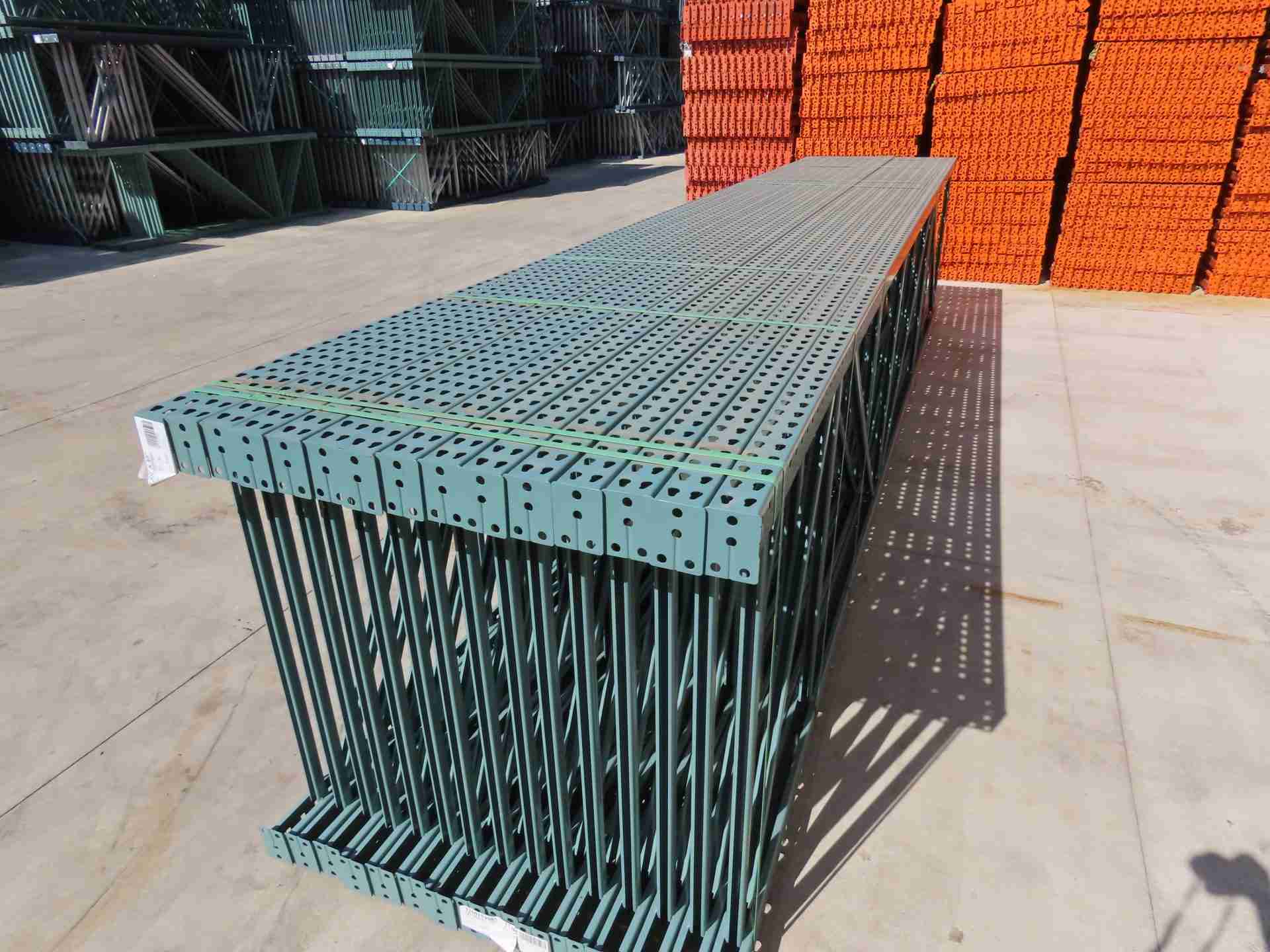
How Does Pallet Racking Improve Textile Raw Material Storage?
How Does Pallet Racking Improve Textile Raw Material Storage?
- Pallet racking organizes textile raw materials efficiently, transforming chaos into order and improving workflow.
- It protects delicate materials like fabric rolls and yarn spools by keeping them off the floor and sorted by category, batch, or supplier.
- Maximizes vertical space to save warehouse floor area, maintain clear aisles, and create a safer work environment.
- Increases productivity by enabling faster, cleaner handling and reducing damage, mix-ups, and physical strain on workers.
- Demonstrates respect for both products and employees, boosting morale, trust, and fostering pride and accountability.
- Represents a story of steady growth, careful planning, and reliable supply, forming the backbone of the business’s operations.
- Offers a practical, no-nonsense investment that consistently improves efficiency and earns ongoing respect.

How Does Pallet Racking Improve Textile Raw Material Storage?
What Are the Safety Benefits Of Using Pallet Racking In Textiles?
Working in textiles means dealing with heavy rolls, bulky boxes, and all sorts of gear that don’t exactly like being tossed around. That’s where Pallet Racking steps in—it’s not just some metal shelves; it’s the unsung hero keeping folks safe every day. You don’t have to be an engineer to see the difference it makes. When things are stacked right on sturdy Pallet Racking, nobody’s worried about a box falling off and landing where it shouldn’t. That calm knowing your workspace isn’t a hazard zone? It’s worth more than a paycheck.
The safety benefits of using Pallet Racking in textiles are plain as day. It organizes heavy loads so well that accidents from unstable stacking drop like a rock. When workers trust the racks to hold their weight without fail, they focus more on their craft and less on dodging flying bolts or tumbling bales. It shows respect for everyone’s wellbeing, earning trust on the floor and proving that safety doesn’t mean slowing down—it means working smarter.
There’s also a moral side to this. Treating workers right means giving them the best tools to avoid injury. Pallet Racking makes that possible by minimizing risk and creating a dependable setup. It’s a straightforward way for companies to say, “Your health matters.” That kind of responsibility builds loyalty because people aren’t just cogs—they’re the backbone of the whole operation. If someone walks through a warehouse and sees neatly arranged pallets on solid racks, it’s clear the business takes safety seriously and values their team.
From hands-on experience, the racks aren’t just about stopping accidents; they’re about creating a rhythm in the workspace. Everybody knows where things belong, how to stack them safely, and that the structure beneath will hold firm. That’s confidence you feel in your gut—the comfort of a well-built system that won’t give out under pressure. Pallet Racking is the quiet champion that keeps the textiles game running smooth, day after day. When safety’s nailed down like that, the whole crew moves forward, knowing their work and their wellbeing both count.

What Are the Safety Benefits Of Using Pallet Racking In Textiles?
What Are the Safety Benefits Of Using Pallet Racking In Textiles?
- Pallet Racking in textiles handles heavy rolls and bulky items, acting as essential, sturdy support that prevents accidents.
- Proper stacking on Pallet Racking eliminates hazards, ensuring a safer workspace free from falling boxes or unstable loads.
- Using Pallet Racking significantly reduces accidents, allowing workers to focus more on their tasks rather than safety concerns.
- Pallet Racking demonstrates respect for worker wellbeing, fostering trust and proving that safety enhances productivity.
- Providing Pallet Racking reflects a company’s moral responsibility to protect employees and minimize injury risks.
- Neatly arranged pallets on solid racks signal a company’s commitment to safety and valuing their workforce.
- Pallet Racking creates a reliable, organized workflow that builds confidence and keeps daily operations smooth and safe.
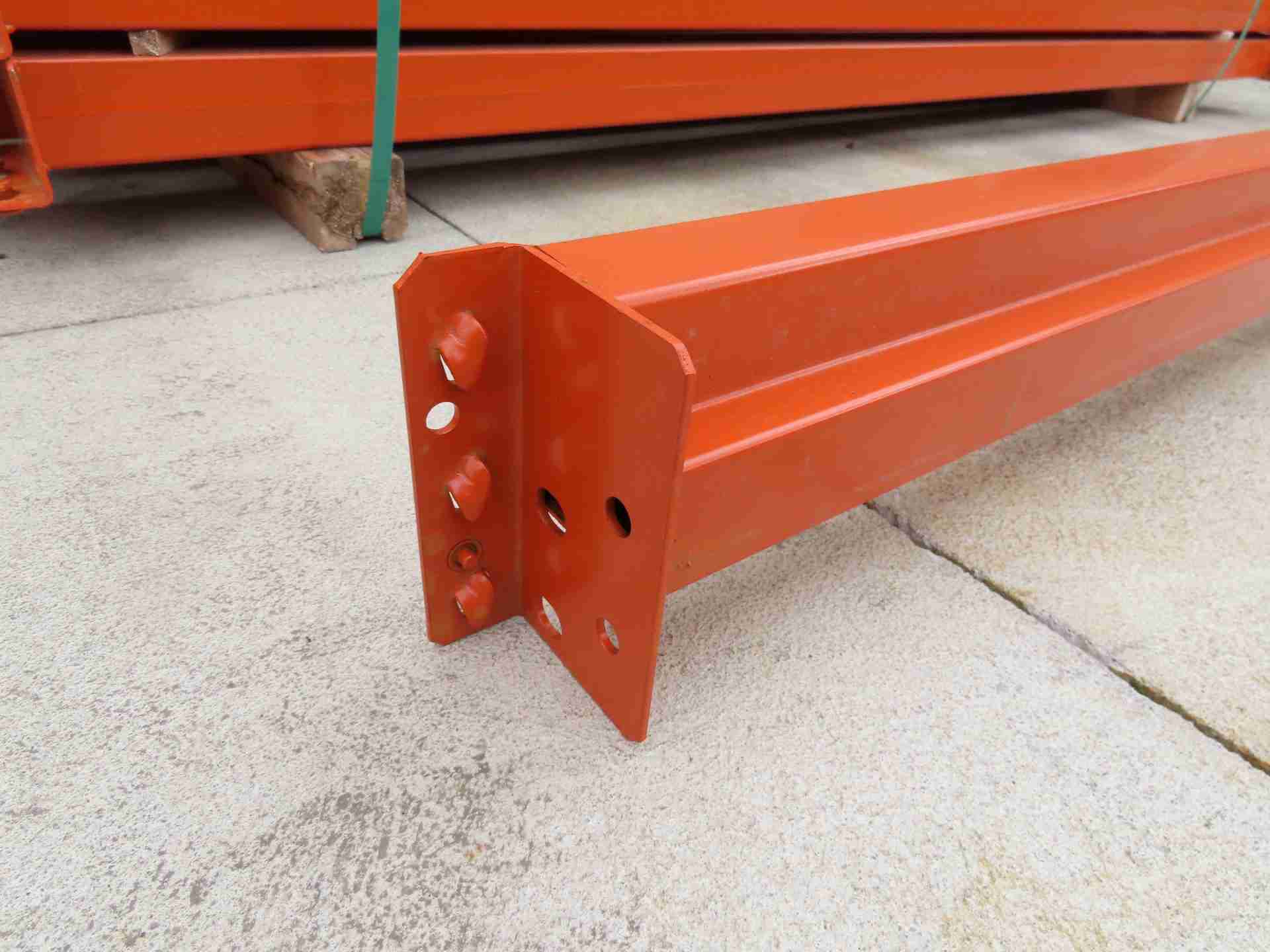
What Are the Safety Benefits Of Using Pallet Racking In Textiles?
How Can Pallet Racking Optimize Space In Textile Warehouses?
When you step into a textile warehouse cluttered with bolts of fabric stacked this way and that, it’s like walking into a maze with no clear path. It wears down your patience and chips away at your productivity. That’s where pallet racking comes in—a simple, no-nonsense solution that turns chaos into order and wasted space into working space. It’s like giving your warehouse a backbone, a sturdy structure that doesn’t just hold goods, but holds up the whole operation.
Pallet racking isn’t just about stacking stuff higher; it’s about squeezing more out of every square foot without turning the place into a jungle gym for forklifts. The idea is straightforward: vertical storage opens up the ceiling, letting you think three-dimensionally instead of just spreading out on the floor like a messy canvas. For textile warehouses, where bulk and delicacy collide, pallet racking keeps fabric rolls off the ground, clean, safe, and ready to move. It gets the job done with a clean, rugged efficiency that respects the workmen who touch those materials day in and day out.
There’s an honest appeal in knowing your product is stored with care, that the system keeping it safe isn’t some flimsy, half-baked setup but a tried-and-true method supported by years of warehouse grit and expertise. You can trust pallet racking because it aligns with the ethics of respect—for product, for people, and for productivity. It says, “We care enough to do this right,” and that sense of responsibility spreads like wildfire among teams who know their efforts won’t go to waste fumbling through disorganized piles.
Imagine the quiet confidence of walking through a warehouse where every item has a place, every aisle an open path, and every worker a straightforward job. That’s pallet racking creating flow and focus, inspiring crews to take pride rather than dread. In real terms, it slashes lost time, reduces accidents, and boosts the bottom line. It makes the warehouse feel less like a battlefield and more like a well-tuned machine. When everyone knows the ropes and the space works for them, that’s not just efficiency—it’s respect, connection, and pride rolled into one solid, rattlingly good setup.
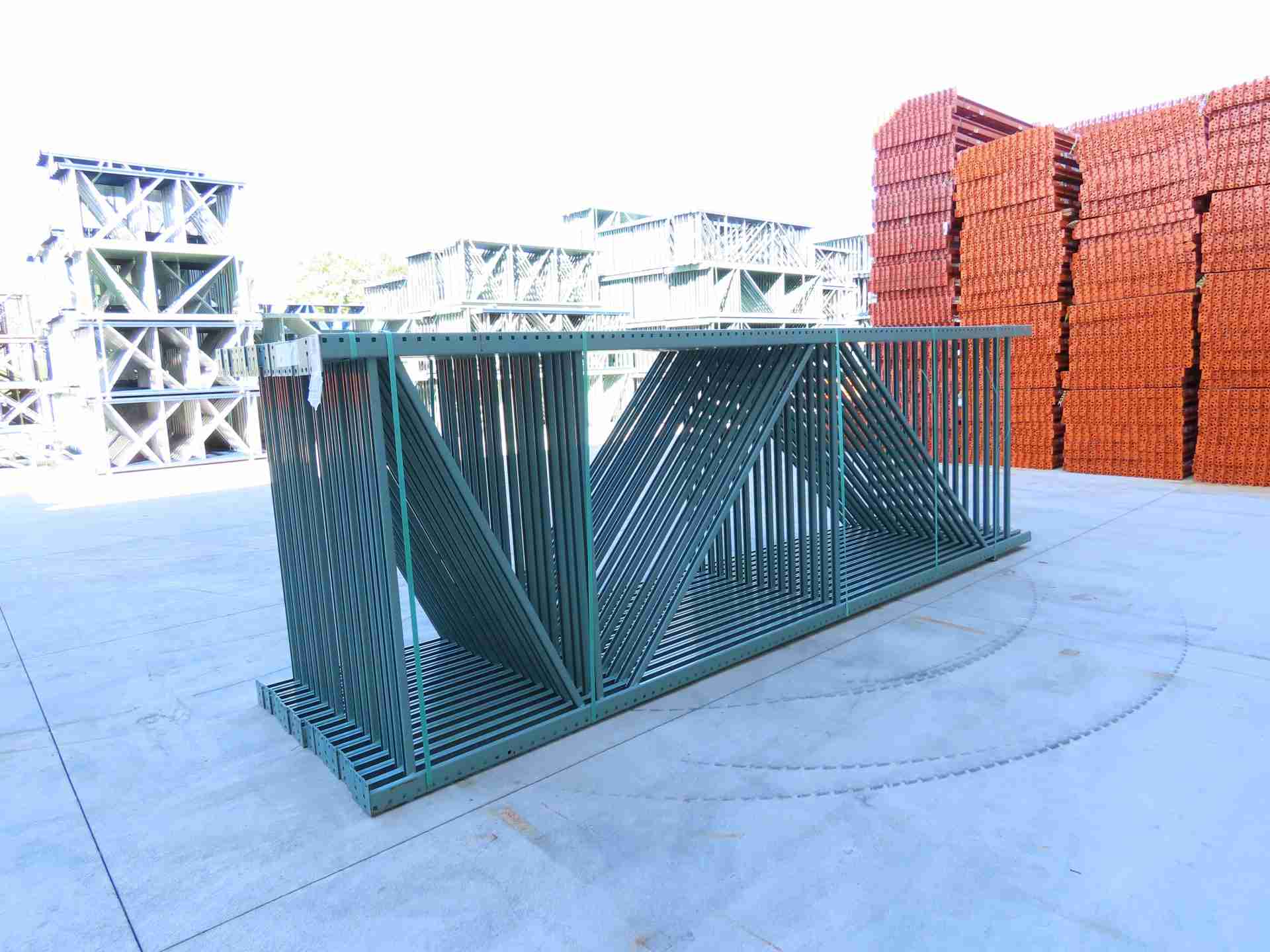
How Can Pallet Racking Optimize Space In Textile Warehouses?
How Can Pallet Racking Optimize Space In Textile Warehouses?
- Pallet racking transforms cluttered textile warehouses into organized, efficient spaces, boosting productivity.
- It maximizes vertical storage, utilizing overhead space without creating forklift hazards.
- Keeps fabric rolls off the ground, clean, safe, and easy to move, balancing bulk and delicacy.
- Provides a sturdy, reliable system backed by years of warehouse experience and grit.
- Reflects respect for products, people, and productivity, fostering team responsibility and care.
- Creates orderly warehouse flow, reducing lost time, accidents, and operational stress.
- Inspires worker pride and connection, turning the warehouse into a well-tuned, efficient machine.

How Can Pallet Racking Optimize Space In Textile Warehouses?
Why Is Efficiency Crucial In Handling Textile Raw Materials?
Look, handling textile raw materials isn’t just about moving stuff from point A to point B. It’s about respect—for the product, the people handling it, and the whole chain that depends on it. When you’re working with yards and tons of fibers, efficiency isn’t a fancy word from a boardroom; it’s the difference between smooth operation and a big, costly mess. Think about pallet racking systems—when those raw materials are stacked neat and easy to access, it saves time, backs, and frustrations. It’s not just good practice, it’s survival on the floor.
From a head perspective, efficient handling cuts waste, saves money, and improves output. Every minute wasted hunting down materials or struggling with clumsy storage translates into lost opportunities. With the right setup—crisp pallet racking, clear inventory, and smart workflow—what used to take hours can be done in half the time. That adds up in speed and reliability that customers notice and markets respect. It’s not rocket science; it’s straightforward, no-nonsense management that anyone who’s worked a long day on the floor knows pays off.
But there’s more than just dollars and cents. Handling textile raw materials with care and efficiency is an ethical commitment to the folks who make it possible—the workers lugging heavy loads, the craftsmen turning those fibers into finished goods, and the customers expecting quality. Wasting materials or bungling shipments isn’t just sloppy; it undermines the whole process and shows a lack of respect for all the sweat and skill behind each yard. The people in those warehouses and factories deserve systems that make their jobs safer and simpler, not harder.
When you step onto the floor and see pallet racking stacked neatly, materials flowing steadily, you’re witnessing the backbone of trust in action. It’s a signal that this operation values order and respect over chaos and shortcuts. That builds confidence not just in the product, but in the people behind it. Efficiency in handling textile raw materials isn’t just smart business—it’s the honest, hardworking way to keep the gears turning and the fabrics weaving stories everyone can be proud of.
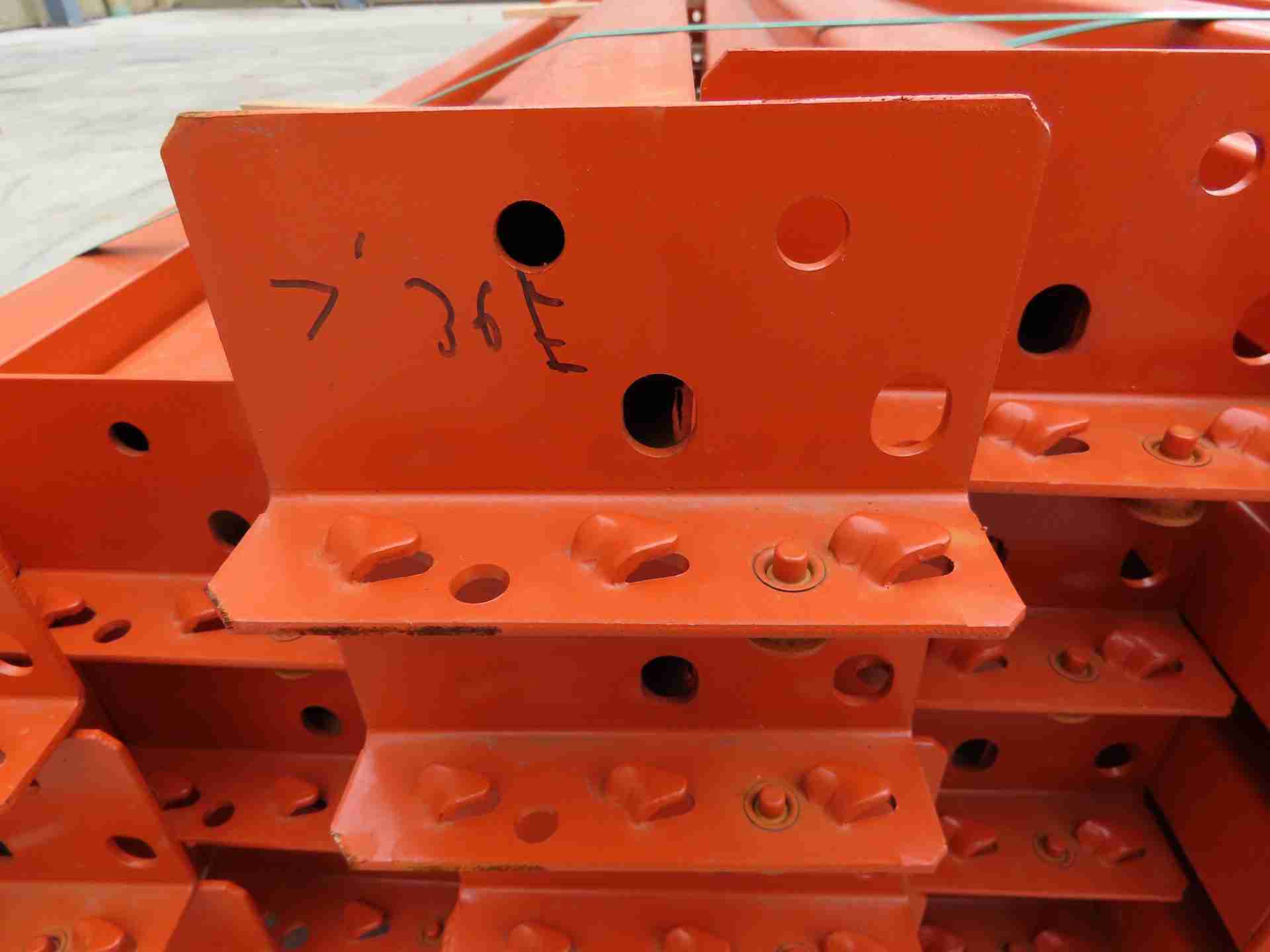
Why Is Efficiency Crucial In Handling Textile Raw Materials?
Why Is Efficiency Crucial In Handling Textile Raw Materials?
- Handling textile raw materials requires respect for the product, workers, and the entire supply chain.
- Efficiency in moving and storing materials is crucial to prevent costly delays and operational issues.
- Organized pallet racking systems save time, reduce physical strain, and minimize frustrations on the floor.
- Efficient handling reduces waste, saves money, and improves production output and reliability.
- Proper systems enable tasks to be completed faster, enhancing customer satisfaction and market reputation.
- Careful handling reflects an ethical commitment to workers, craftsmen, and customers by valuing their efforts.
- Neat, well-managed material flow builds trust and confidence in both the product and the people behind it.
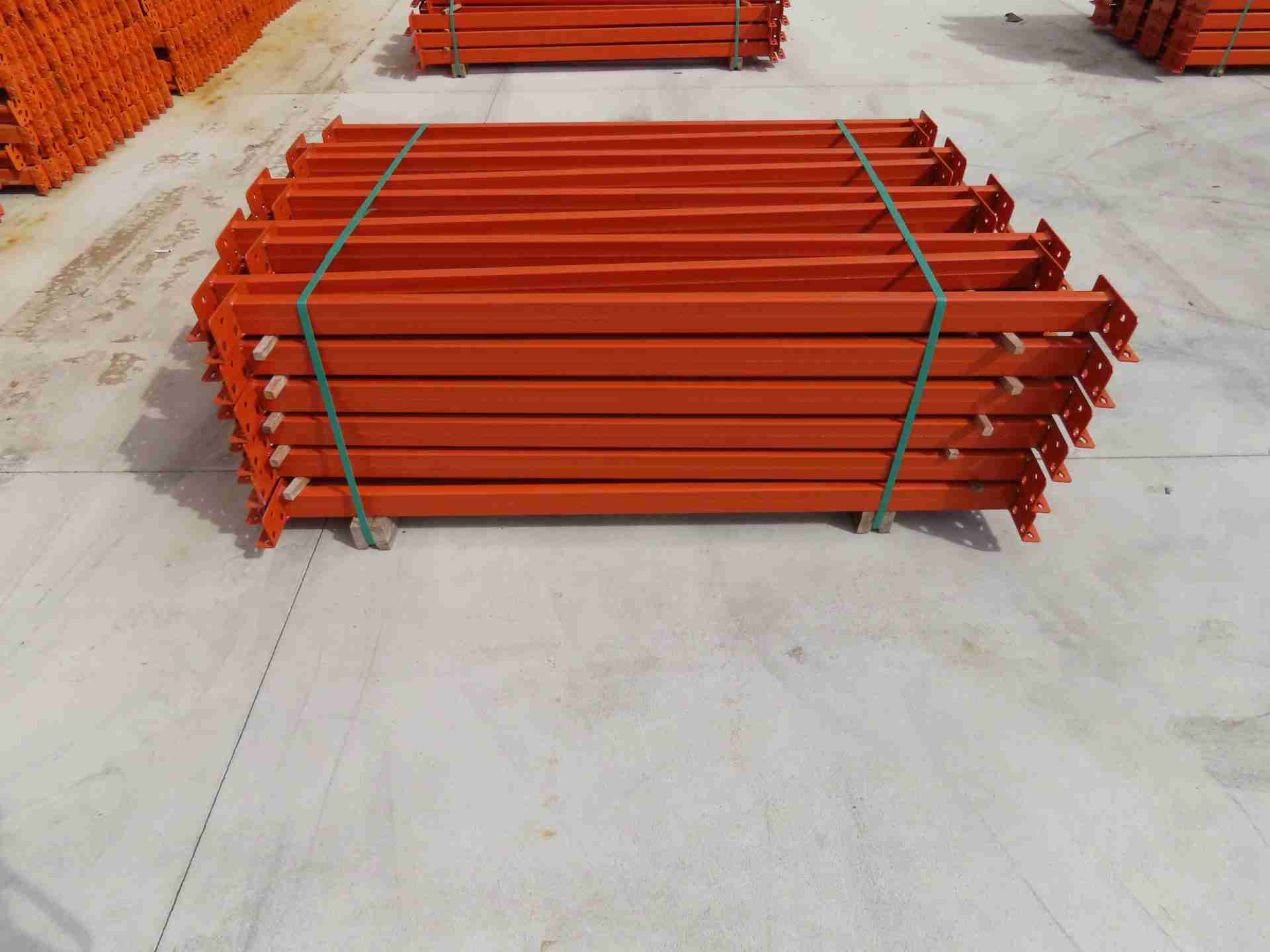
Why Is Efficiency Crucial In Handling Textile Raw Materials?
How Does Pallet Racking Reduce Material Handling Time?
You’ve been in a warehouse or a busy workshop before—stuff piled high, forklifts buzzing, people scrambling to find what they need. It’s a noisy, hectic dance, and every minute lost digging through a mess hits the bottom line hard. Pallet racking cuts through that chaos like a sharp knife through tough meat. It’s not just some fancy storage system; it’s the backbone that makes everything tick smoother, faster, and smarter.
First off, pallet racking brings order to the madness. When goods are stacked neat and easy to reach, it’s like giving workers a clear road map. No more wasted minutes eyeballing piles or shifting heaps to get at the right box. That clarity speeds up everything—from loading and unloading to counting inventory. It’s common-sense stuff: if things are where they should be, you spend less time moving around and more time moving product.
There’s an ethical side to this too. Nobody wants to work in a cluttered, unsafe environment. Pallet racking isn’t just about speed; it’s about respect for the people on the floor. By cutting down on defensive moves, awkward lifts, and dangerous climbing, it protects those who keep the wheels turning day in and day out. Building a secure workplace shows you value the folks holding it all together, which brings pride and trust into the daily grind.
Material handling time directly dents the bottom line. Management eyeballs every second wasted and sees green dollars flying out the door. Pallet racking saves those dollars by putting everything in its rightful spot—simple as that. The faster you move inventory, the quicker orders get out, customers stay happy, and cash flow keeps flowing. It’s a chain reaction powered by smart design and practical know-how.
Storytime: Imagine a place where pallet racking was ignored, and chaos ruled. Forklift drivers bumped into each other, workers grumbled as they searched heaps, and deadlines stretched like chewing gum. Then, with a few racks installed, the whole rhythm changed. Jobs got done faster. Smiles came back. The team worked better because the layout was finally working for them, not against them.
That’s the magic. Pallet racking doesn’t promise overnight miracles, but it delivers steady gains grounded in everyday reality. It’s simple, proven, and essential. When handled right, it reduces material handling time not just on paper, but in the sweat and effort of real workers who keep the engine running. If you want to cut down wasted time and build a workspace that respects both people and profits, pallet racking isn’t just an option—it’s the foundation.

How Does Pallet Racking Reduce Material Handling Time?
How Does Pallet Racking Reduce Material Handling Time?
- Pallet racking transforms chaotic warehouse environments into organized, efficient spaces, improving workflow and reducing lost time.
- It provides clear, accessible storage that accelerates loading, unloading, and inventory processes by keeping goods neatly arranged.
- Beyond efficiency, pallet racking enhances workplace safety by minimizing awkward movements and risky behaviors, showing respect for employees.
- Reducing material handling time directly benefits the bottom line by speeding order fulfillment, improving customer satisfaction, and maintaining cash flow.
- A poorly organized workspace without pallet racking causes delays, accidents, and frustration, while introducing racks improves productivity and morale.
- Pallet racking delivers consistent, practical improvements rather than instant fixes, supporting sustained operational success.
- Implementing pallet racking is fundamental for minimizing wasted time and creating a workspace that balances efficiency, safety, and employee well-being.
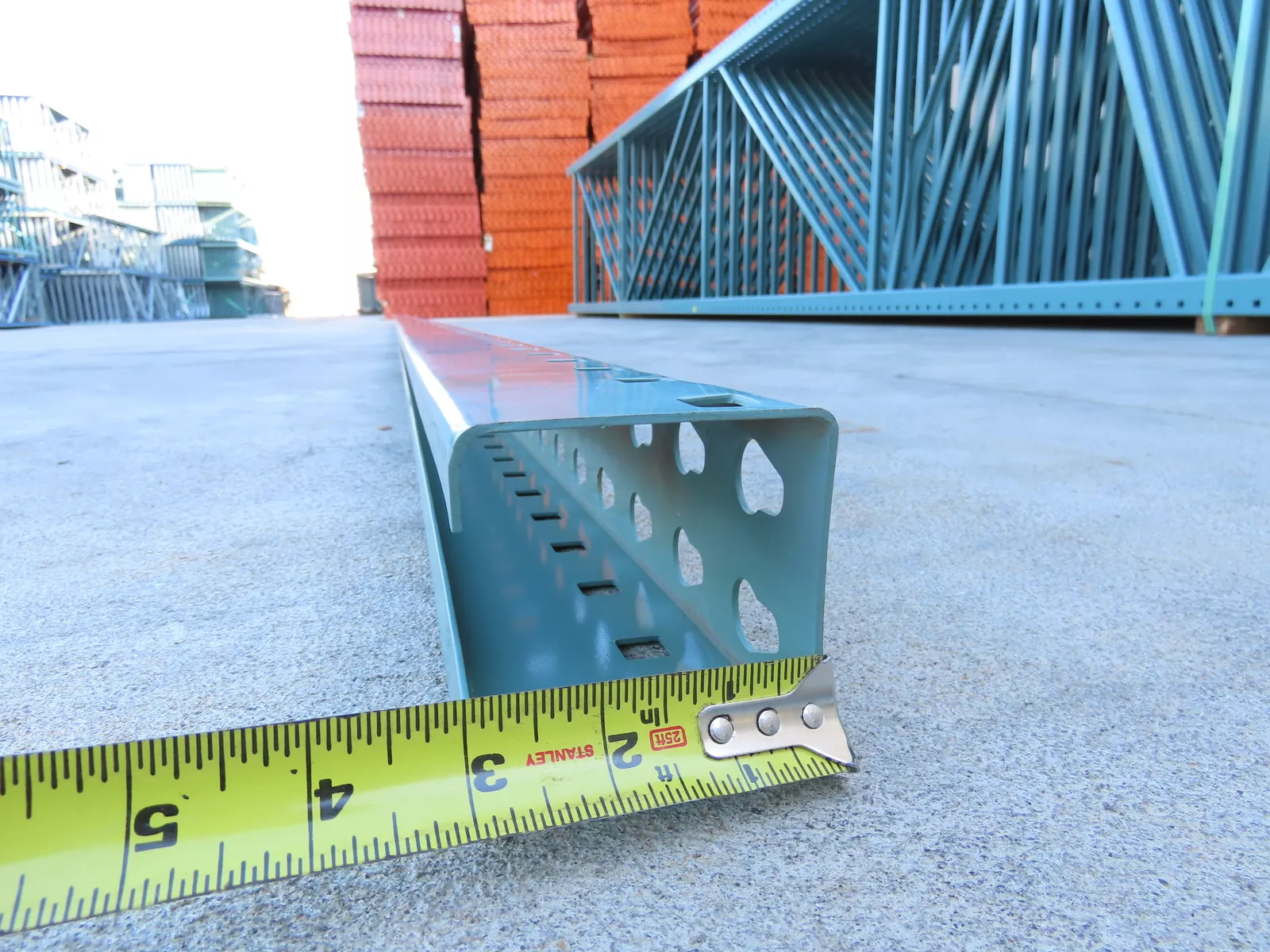
How Does Pallet Racking Reduce Material Handling Time?
What Cost Savings Come From Implementing Pallet Racking Systems?
You don’t save money just by pinching pennies; you save it by working smarter, not harder. That’s where pallet racking steps in—solid, simple, and built to make you rethink how you handle space and time. Imagine walking into a cluttered warehouse, stuff piled in every corner, forklifts idling because there’s no clear path, and workers wasting minutes—no, hours—digging around for pallets. It’s the kind of chaos that eats away at your bottom line without you even noticing until payroll hits.
Pallet racking systems cut through that mess like a well-oiled machine. By stacking and organizing goods vertically, you’re using space that was just hanging around, empty and useless. It’s not rocket science: more goods in less space means less square footage to rent or buy. When you cut down warehouse size or delay expanding, you’re saving hard cash every month—real money that adds up quicker than you think.
But it’s not just about squeezing more onto your floor. Efficiency swings hard in your favor. Forklifts spend less time cruising aimlessly, workers find what they need without grumbling or guesswork, and shipping orders roll out smoother. That’s fewer mistakes, fewer accidents, and fewer headaches. Time saved here is time earned, and every minute counts when you’re running a tight ship. Those improvements turn into labor savings, which is like finding unexpected green in the budget.
Then there’s the ethical side—taking care of the folks who keep the place running. A tidy, well-organized warehouse with safe pallet racking means fewer injuries. When your crew knows the setup is made to protect them, morale goes up, and turnover drops. You’re investing in more than just steel racks; you’re investing in people and their livelihoods. That’s a cost-saving that feels right in your gut.
From a practical standpoint, pallet racking systems are built to last. Durable, adaptable, and straightforward to maintain, they don’t eat through your budget with constant repairs or replacements. Once installed, they become a reliable backbone—less fuss, more trust.
All told, pallet racking offers a cost-saving trifecta: space gains, time efficiency, and worker safety. It’s the kind of smart move that doesn’t just look good on paper but translates into tangible savings, smoother operations, and a warehouse where things get done. When it comes down to it, that’s what every business is after: clear value you can see, feel, and rely on.

What Cost Savings Come From Implementing Pallet Racking Systems?
What Cost Savings Come From Implementing Pallet Racking Systems?
- Pallet racking transforms cluttered warehouses by optimizing space and reducing wasted time searching for pallets.
- Vertical stacking increases storage capacity, cutting down on required square footage and saving on rent or expansion costs.
- Improved efficiency reduces forklift idle time, speeds up order fulfillment, and lowers mistakes and accidents.
- Organized, safe work environments boost worker morale, reduce injuries, and decrease employee turnover.
- Pallet racking systems are durable, adaptable, and low-maintenance, minimizing repair expenses.
- Labor savings from increased efficiency represent significant and often unexpected budget relief.
- The combination of space optimization, time savings, and enhanced safety delivers measurable, practical value for businesses.

What Cost Savings Come From Implementing Pallet Racking Systems?
Conclusion
At its core, pallet racking in textile raw material handling isn’t just about metal shelves—it’s about making a tough, hands-on job a little less rough and a lot more reliable. When you’re wrestling with heavy rolls of fabric or big bales of cotton, every minute you save finding the right stuff is a minute that keeps the whole operation moving without a hitch. Pallet racking brings a solid backbone to the chaos, turning a pile of bulky materials into a system that’s organized, accessible, and built tough. It’s not just about efficiency—it’s respect. Respect for the product, the people handling it, and the customers waiting down the line.
This system keeps materials off the floor and out of harm’s way, which reduces damage and prevents accidents that could slow things down or cause real harm. Anyone who’s spent time in a warehouse knows that clutter slows you down and frays nerves. Pallet racking cuts through all that frustration, giving workers clear aisles, easy reach, and peace of mind that the goods stacked above won’t come crashing down when you least expect it.
The financial sense is just as clear. Using vertical space well means you don’t have to spread out into more warehouse square footage, saving rent or building costs. Less time spent hunting down materials or dealing with workplace injuries adds up fast on the bottom line. These racks are built to last, saving money on constant repairs or replacements, which means fewer headaches and less downtime.
There’s also a moral weight behind all this. When a company invests in sturdy, well-planned pallet racking, it shows a commitment to worker safety and dignity. It creates a workspace where people don’t have to risk their backs or their wellbeing just to get the job done. That kind of care builds trust and pride—two things money can’t buy but every business needs.
In the end, pallet racking is the quiet, unsung hero that keeps this complex textile machinery humming. It’s the practical, common-sense choice that turns a tough job into one where materials flow, deadlines get met, and folks can clock out knowing they did right by their work, their coworkers, and the product itself. It’s not flashy, but it works, day in and day out—earning respect by simply doing its job.
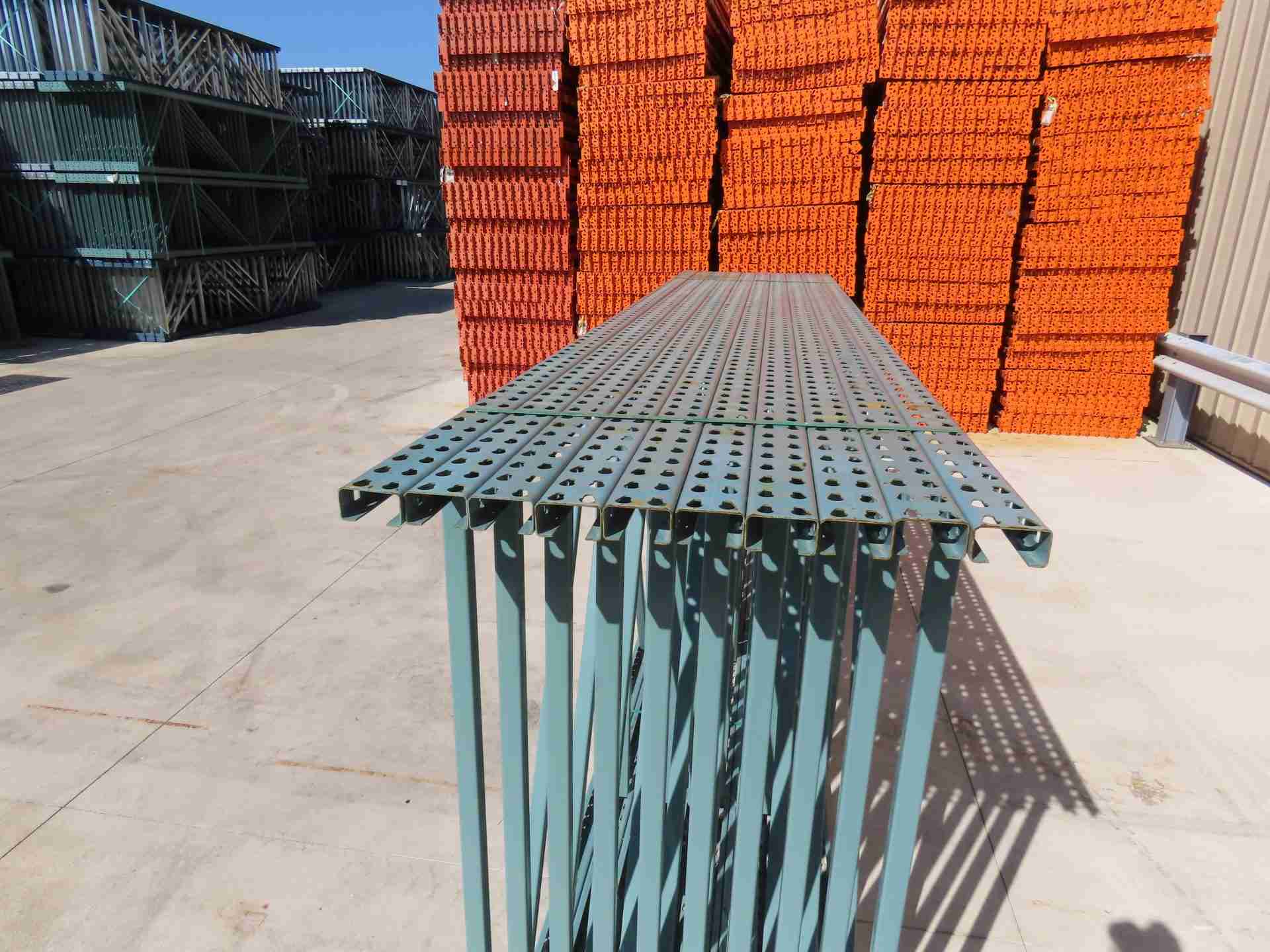
Conclusion
Conclusion:
- Pallet racking transforms handling heavy textile materials into a more organized, accessible, and reliable process.
- It increases efficiency by saving time in locating materials, keeping operations running smoothly.
- Keeps materials off the floor, reducing damage and preventing accidents in the workspace.
- Creates clear aisles and secure stacking, minimizing frustration and safety risks for workers.
- Maximizes vertical space, saving on warehouse costs and reducing downtime through durable construction.
- Demonstrates a company’s commitment to worker safety, dignity, and pride in their work environment.
- Acts as a consistent, practical solution that supports production flow, deadline adherence, and mutual respect among workers and the product.
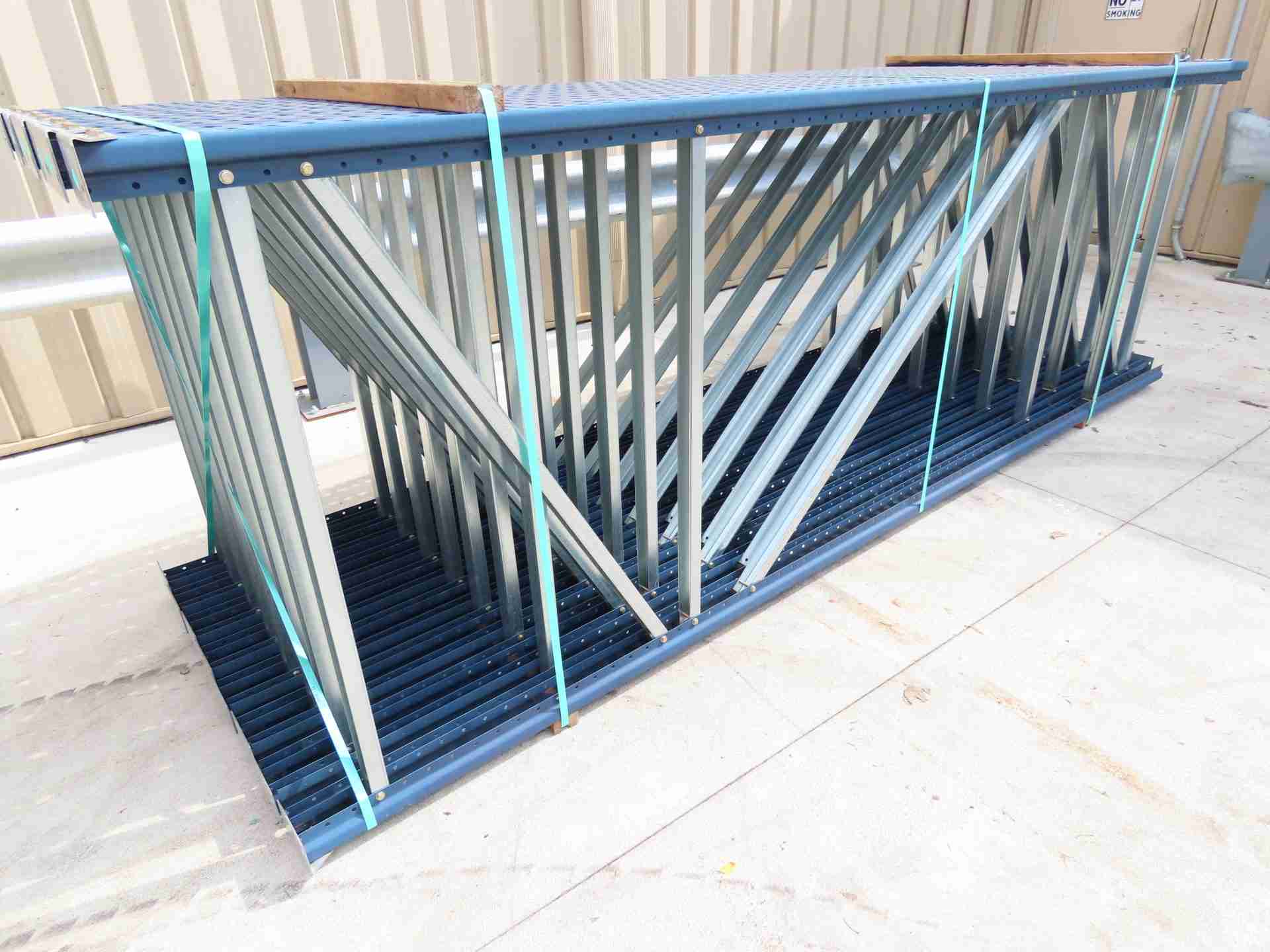
Conclusion
Other Resources
Other Resources
Here is a list of other resources you can review online to learn more:
- Warehouse Racking System: Powerful Guide to Optimise, 2024
- Storage Equipment Manufacturers Association
- International Warehouse Logistics Association
- Selective Pallet Racking Systems – Container Systems
- IIWS Inc. Rack Installation Illinois & Rack Repairs Illinois
- Teardrop Pallet Rack – Ridg-U-Rak
- Warehouse Racking Systems: Beginner’s Guide to Rack Systems
- NSC
- Racking World
- Cantilever Rack Configuration & Installation: A Comprehensive Guide – BMH
- What is Selective Racking: Understanding Benefits & Options
- Cantilever Racking Specialists – Get the Right Racks
- Intro to Warehouse Racks & Warehouse Racking Systems – ShipBob
- WERC
- Iowa Illinois Warehouse Racking
- RMI
- Warehouse Racks, Warehouse Racking in Stock – ULINE
- MHI
- Arrow Industrial Sales
- Selective Rack – Raymond West
Use This Prompt To Get More Resources With Your Favorite Online AI Tool: Please provide me with a list of online articles with their URLs in a bulleted list that I can read regarding How Do Textile Raw Material Handlers Leverage Pallet Racking?
Other Resources
Glossary Terms
How Do Textile Raw Material Handlers Leverage Pallet Racking? – Glossary Of Terms
1. Pallet Racking: A storage system designed to hold palletized goods in warehouses.
2. Textile Raw Materials: Basic fibers and fabrics used as inputs in textile manufacturing.
3. Material Handling: The movement, protection, storage, and control of materials throughout manufacturing and warehousing processes.
4. Forklift: A powered industrial truck used to lift and move materials on pallets.
5. Load Capacity: The maximum weight a pallet racking system can safely hold.
6. Pallet: A flat structural platform that supports goods in a stable manner for handling and storage.
7. Rack Beam: Horizontal components of pallet racks that support the pallets.
8. Upright Frame: Vertical structural elements of pallet racks.
9. Selective Racking: A common pallet racking system that allows direct access to each pallet.
10. Double-Deep Racking: A system where pallets are stored two deep, increasing storage density.
11. Picking Efficiency: The speed and accuracy with which items are retrieved from storage.
12. Inventory Management: Tracking and controlling stock levels within the warehouse.
13. Space Utilization: Optimizing storage capacity within a given warehouse area.
14. Load Stability: Securing palletized textile raw materials to prevent shifting during storage.
15. Safety Compliance: Adhering to regulations and standards for safe material storage and handling.
16. Pallet Positioning: The precise placement of pallets on racks to maximize efficiency and safety.
17. Warehouse Layout: The organizational design of storage systems and pathways in a warehouse.
18. Vertical Space: The height available in a warehouse utilized by pallet racking.
19. Accessibility: Easy reach and retrieval of stored materials.
20. Stock Rotation: Managing storage to ensure older stock is used before newer stock (FIFO).
21. Handling Equipment: Tools and machines used for transporting raw materials within the warehouse.
22. Damage Prevention: Measures to protect textile raw materials from harm during storage and handling.
23. Load Distribution: Even allocation of weight across pallet racking components.
24. Picking Order: The sequence in which raw materials are retrieved from storage for production.
25. Bulk Storage: Storing large quantities of raw materials in a dense, organized manner.
26. Load Securing: Techniques to ensure goods remain stable on pallets during storage.
27. Inventory Accuracy: Correct recording and tracking of materials in storage.
28. Rack Inspection: Regular checks for structural integrity and safety of pallet racking.
29. Ergonomics: Designing handling processes to reduce worker strain and increase safety.
30. Workflow Optimization: Organizing pallet racking to streamline handling and processing of textile raw materials.
Glossary Of Terms
Other Questions
How Do Textile Raw Material Handlers Leverage Pallet Racking? – Other Questions
If you wish to explore and discover more, consider looking for answers to these questions:
- What types of pallet racking are best suited for rolls, bolts, bales, and spools of textile raw materials?
- When should you use cantilever racking versus traditional pallet racking for textile materials?
- How do you determine the appropriate load capacity and beam levels for different textile products?
- What are the recommended rack dimensions and clearances for storing long fabric rolls safely?
- How does pallet racking integrate with forklifts, narrow-aisle trucks, and other handling equipment?
- What inventory rotation strategies (FIFO/LIFO) work best with pallet racking in textile operations?
- How can racking be configured to support fast picking and order fulfillment workflows?
- What are the fire safety and sprinkler compatibility considerations for pallet racking in textile warehouses?
- What seismic, wind, or structural bracing considerations apply in different regions?
- How should floor loading and column placement be evaluated before installing heavy racking systems?
- What protective accessories (column guards, rack protectors, netting) are recommended to reduce damage?
- How often should pallet racking be inspected and what are common signs of wear or damage?
- What training and safety procedures should workers follow when storing and retrieving textile raw materials?
- How do pallet racking systems impact ergonomics and worker fatigue on the warehouse floor?
- What are typical maintenance, repair, and replacement costs for pallet racking over its lifecycle?
- How do you calculate the ROI and payback period for installing pallet racking versus expanding floor space?
- What customization options exist for racking to accommodate nonstandard or awkward textile shapes?
- How can pallet racking be combined with automated storage/retrieval systems (ASRS) or conveyors?
- What labeling, barcode, or WMS integrations improve accuracy and efficiency with pallet racking?
- How should temperature, humidity, and contamination control be addressed when storing sensitive textiles?
- What pest control and cleanliness practices are necessary for racked textile storage?
- How do insurers and regulatory bodies view pallet racking installations in textile warehouses?
- What local codes, OSHA standards, or industry regulations affect rack installation and use?
- How do you select a reputable racking supplier or installer, and what questions should you ask them?
- What are common installation timelines and operational disruptions to expect during a racking retrofit?
- How do aisle width choices affect storage density, picking speed, and equipment requirements?
- When is it better to retrofit existing racks versus replace them entirely?
- What are the best practices for stacking and palletizing textile materials before racking?
- How can racking designs accommodate mixed inventories, seasonal surges, or fluctuating SKU sizes?
- What are common mistakes or pitfalls to avoid when implementing pallet racking in textile handling?
- How do pallet racking choices affect sustainability goals, material recyclability, or end-of-life disposal?
- What warranty, certification, and load-testing documentation should you obtain from vendors?
- How should racking be modified to store hazardous or chemically treated textile materials safely?
- Are there case studies or benchmarks showing productivity gains after installing pallet racking in textile facilities?

Other Questions
Checklist
How Do Textile Raw Material Handlers Leverage Pallet Racking? – A Checklist
Objectives and Scope
✅______ Define goals: space gain, time savings, damage reduction, safety improvements
✅______ Map current vs. future state (flows, SKUs, volumes, velocity)
✅______ Identify material types: rolls, bales, cartons, cones/spools, chemicals/dyes
✅______ Determine pallet types: standard, cradle/roll pallets, custom fixtures
✅______ Confirm handling equipment: forklifts, reach trucks, pallet jacks
Racking System Selection
✅______ Choose rack type(s): selective, double-deep, drive-in/through, push-back, pallet flow, cantilever (for long rolls)
✅______ Verify load capacities per level and per bay for heaviest SKUs
✅______ Specify decking: wire mesh, solid, or saddle/cradle supports for rolls
✅______ Define beam lengths/levels based on pallet and roll dimensions
✅______ Include dividers, stop bars, or containment for round loads
Space Planning & Layout
✅______ Use vertical space to safe clear height; respect sprinkler clearances
✅______ Set aisle widths for equipment (per OSHA/local code and manufacturer specifications)
✅______ Provide cross-aisles and staging zones to prevent congestion
✅______ Maintain longitudinal and transverse flue spaces
✅______ Allocate quarantine/hold and returns/rework locations
Safety & Compliance
✅______ Obtain engineering stamps, permits, and seismic/wind compliance as required
✅______ Install anchors, row spacers, and end-of-aisle protection
✅______ Post load plaques with bay/level capacities
✅______ Add anti-collapse mesh/netting where needed
✅______ Implement rack repair criteria and tagging for damaged components
✅______ Ensure fire code compliance (e.g., NFPA 13) and keep sprinklers unobstructed
Material Protection & Quality
✅______ Store rolls horizontally on cradles or vertically with restraints as specified
✅______ Use edge/corner protection and core plugs for fabric rolls
✅______ Control environment: humidity, temperature, dust, light exposure
✅______ Keep materials off the floor; use covers/bags where needed
✅______ Apply FIFO/FEFO by dye lot, batch, or treatment
Inventory Organization & Labeling
✅______ Define a location address system (aisle–bay–level–side)
✅______ Implement barcode/RFID for pallets and locations
✅______ Group by family: fabric type, width, weight, finish, supplier
✅______ Separate incompatible materials (e.g., chemicals vs. textiles)
✅______ Set maximum pallet height, overhang limits, and wrapping standards
Workflow & Efficiency
✅______ Slot fast movers in the golden zone (waist-to-shoulder height)
✅______ Designate inbound, inspection, and put-away lanes
✅______ Create dedicated pick faces; use replenishment triggers
✅______ Minimize travel with logical zone sequencing and one-way traffic
✅______ Provide clear signage for aisles, zones, and processes
Equipment & Access
✅______ Verify forklift mast height against top beam elevation
✅______ Install guide rails for drive-in/flow systems if used
✅______ Ensure adequate charging/parking areas for equipment
✅______ Provide safe pedestrian walkways and guardrails
✅______ Confirm lighting levels for reading labels at height
Training & SOPs
✅______ Train on rack loading patterns and weight distribution
✅______ Train operators on safe approach, placement, and clearances
✅______ Standardize put-away, picking, and replenishment procedures
✅______ Teach damage identification and reporting protocol
✅______ Conduct refresher training and track certifications
Housekeeping (5S)
✅______ Sort unnecessary items; remove damaged pallets/packaging
✅______ Set floor markings for aisles, staging, and emergency routes
✅______ Standardize wrap, strapping, and label placement
✅______ Establish daily walk-through and cleanup routines
✅______ Audit 5S adherence and correct deviations
Inspection & Maintenance
✅______ Schedule weekly visual checks and quarterly detailed inspections
✅______ Use a checklist for beams, uprights, anchors, decking, and protectors
✅______ Record damage with photos and location references
✅______ Tag and isolate unsafe bays; repair with certified components
✅______ Re-torque anchors and verify plumb/level annually
Ergonomics & Injury Prevention
✅______ Limit manual handling of heavy rolls; use roll handlers/attachments
✅______ Provide lifts, carts, and core handling tools
✅______ Enforce a no-climb policy; use approved access equipment
✅______ Keep pick heights within ergonomic range where possible
✅______ Set team-lift thresholds for bulky items
Data & KPIs
✅______ Track space utilization (%), pick rate, and put-away rate
✅______ Monitor damage rate and shrinkage
✅______ Measure order cycle time and on-time shipments
✅______ Track near misses, incidents, and corrective actions
✅______ Review inventory and location accuracy
Cost & ROI
✅______ Compare rent per square foot saved vs. rack investment
✅______ Quantify labor-hour reductions post-implementation
✅______ Calculate damage-reduction savings
✅______ Estimate avoided expansion or relocation costs
✅______ Plan lifecycle costs: maintenance, inspections, repairs
Go-Live & Continuous Improvement
✅______ Pilot a small zone; validate flows and safety
✅______ Phase implementation to minimize disruption
✅______ Balance load distribution after the first month of use
✅______ Collect operator feedback and refine slotting/layout
✅______ Schedule quarterly reviews for re-slotting and capacity updates
Documentation
✅______ Maintain as-built drawings, load calculations, and approvals
✅______ Keep SOPs, training records, and inspection logs accessible
✅______ Update emergency response plans and egress maps
✅______ Archive vendor manuals and warranty details
✅______ Record all modifications and ensure recertification when required
Checklist
At RackingWorld, we help guide you through selecting warehouse storage systems and racking.
Be sure to read our other related stories at RackingWorld to learn more about warehouse storage systems.
0 Comments