
Maximizing Efficiency And Safety: The Power Of Pallet Racking In Surgical Warehouses
By Tom Seest
At RackingWorld, we help guide you through selecting warehouse storage systems and racking.
Be sure to read our other related stories at RackingWorld to learn more about warehouse storage systems.
How Do Surgical Supply Warehouses Leverage Pallet Racking?
In the world of surgical supply warehouses, where every second counts and every piece of equipment can mean the difference between life and death, pallet racking isn’t just a storage choice—it’s a lifeline. Imagine a maze of shelves stacked high, each spot carefully loaded with sterile trays, sharp instruments, and life-saving devices. Without pallet racking systems, navigating this maze would be slow, clumsy, and downright dangerous. When you think about it, pallet racking turns chaos into order, making sure the right supplies are exactly where they need to be, right when they’re needed.
The beauty of pallet racking lies in its straightforward, no-nonsense design. It’s built tough, designed to hold heavy loads that don’t budge easily, and it works around the clock without complaint. This isn’t about flashy technology or fancy gadgets—it’s about solid, dependable infrastructure. The kind that warehouse workers, the folks who literally keep hospitals running, can rely on without second-guessing. When the pressure is on, the pallet racking stands steady, supporting the smooth flow of critical supplies.
But there’s more than just muscle to pallet racking’s value. It’s about responsibility—an ethical backbone for warehouses to honor. They aren’t just storing boxes; they’re stewarding trust. Healthcare facilities depend on warehouses to safeguard sterile equipment from damage or contamination. Pallet racking’s organized layout minimizes handling and exposure, keeping supplies pristine and ready for lifesaving use. This is where hard-nosed practicality meets a higher purpose: protecting the health and safety of patients indirectly but unmistakably.
Workers on the floor see pallet racking as the silent partner in their daily grind. It’s a system they know like the back of their hand, something they can lean on when hours stretch long and fatigue creeps in. When someone’s gotta pull the right part fast because an operation clock is ticking, pallet racking delivers. It’s a bit like a trusted old friend that doesn’t brag but gets the job done every time.
Surgical supply warehouses leverage pallet racking not just to stack supplies, but to stack faith—in their people, their mission, and their work. It’s a grounded, commonsense solution that ties the whole chain of care together. When that next shipment comes in or a critical order goes out, pallet racking is quietly there, holding steady, making sure nothing gets lost in the shuffle. And that’s something everyone, from the warehouse hand to the patient relying on those supplies, can count on.
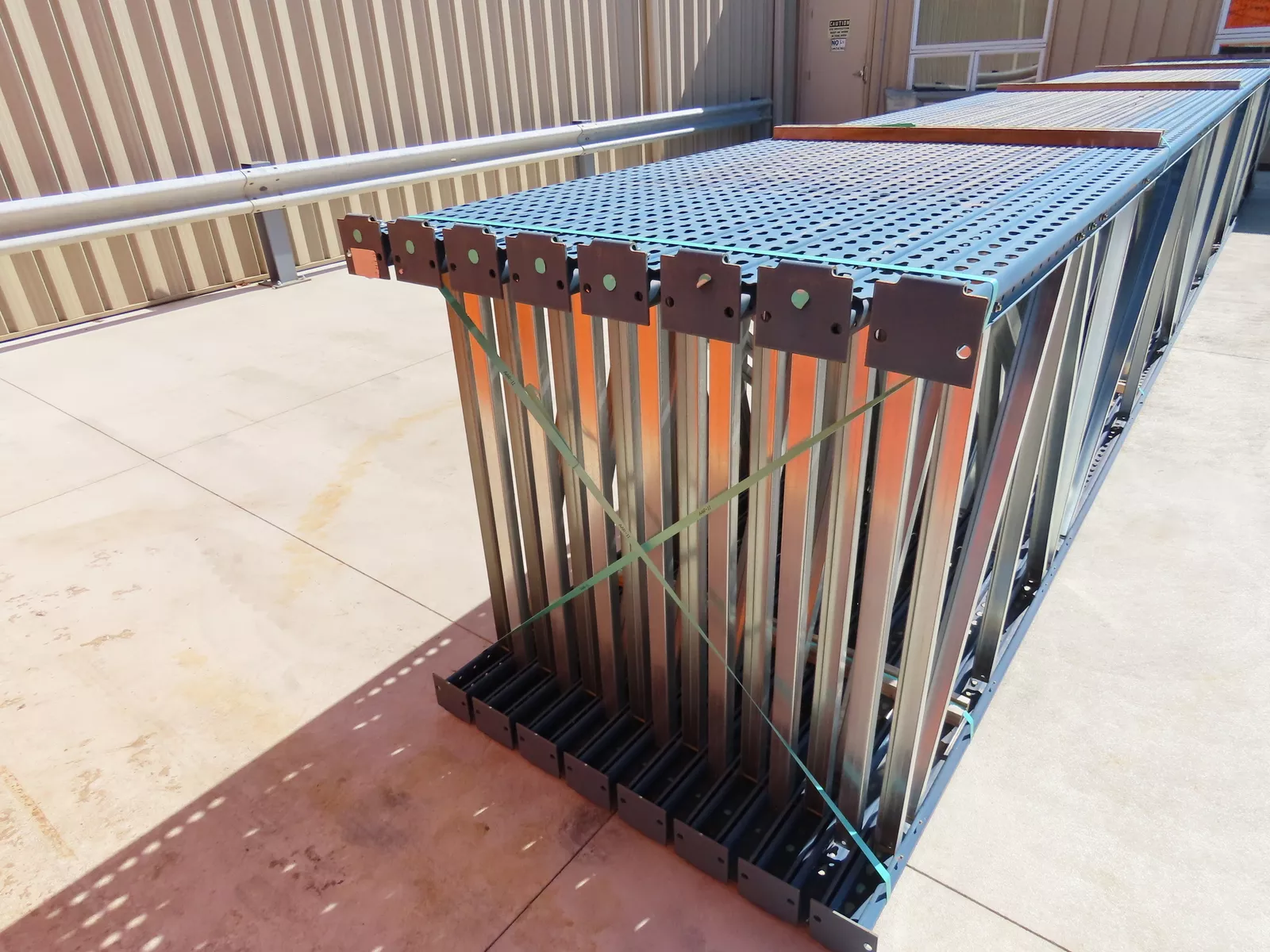
How Do Surgical Supply Warehouses Leverage Pallet Racking?
How Do Surgical Supply Warehouses Leverage Pallet Racking?
- Pallet racking in surgical supply warehouses is essential for quick, organized access to life-saving equipment and sterile supplies.
- Its simple, durable design supports heavy loads reliably and operates continuously without failure.
- Beyond functionality, pallet racking upholds an ethical responsibility to protect sterile medical supplies from damage and contamination.
- The organized layout reduces handling and exposure, ensuring supplies remain pristine and ready for use.
- Warehouse workers rely on pallet racking as a steady, trusted system during demanding, time-sensitive operations.
- Pallet racking fosters confidence in the warehouse team, mission, and overall healthcare supply chain.
- It ensures seamless handling of shipments and orders, supporting the entire chain of care from storage to patient use.

How Do Surgical Supply Warehouses Leverage Pallet Racking?
Table Of Contents
- How Do Surgical Supply Warehouses Leverage Pallet Racking?
- How Does Pallet Racking Improve Storage In Surgical Supply Warehouses?
- What Types Of Pallet Racking Systems Best Suit Surgical Supplies?
- How Does Pallet Racking Enhance Warehouse Safety?
- Can Pallet Racking Reduce Damage to Surgical Instruments?
- How Does Efficient Pallet Racking Impact Order Fulfillment Speed?
- What Cost Savings Come From Using Pallet Racking In Warehouses?
- Conclusion
- Other Resources
- Glossary Of Terms
- Other Questions
- Checklist
How Does Pallet Racking Improve Storage In Surgical Supply Warehouses?
When you’re running a surgical supply warehouse, the stakes aren’t just inventory levels or box counts—they’re about precision, timing, and lives depending on what you’ve got ready to hand. Pallet Racking steps into this world like a workhorse you can count on. It’s simple, sturdy, and smart storage that takes the chaos and turns it into order. You don’t just save space; you create a system that respects the urgency behind every item stashed away.
Think about those long days where someone’s searching high and low for a specific surgical kit or critical supply. Without proper organization, it’s a guessing game, slow-footed and stressful. Pallet Racking breaks that cycle. It’s all about maximizing vertical space, making the best use of every inch with strong, accessible racks that prevent overcrowding and confusion. You stack more, faster, safer—getting everything out of the shadows and into plain sight where it can be found in a heartbeat.
It’s not just convenience; this system supports a bigger mission. Surgical warehouses carry the weight of responsibility to deliver sterile, reliable gear without fail. Pallet Racking lets staff move efficiently, handle items carefully, and keep everything clean and unbroken. That kind of reliability isn’t just about meeting quotas — it’s an ethical backbone that honors the people on the other end, the ones whose wellbeing depends on prompt, pristine supplies.
From a practical standpoint, installing Pallet Racking streamlines workflows and slashes downtime. It’s about respect for the hands on the floor–people who deserve smarter tools and fewer headaches. Every pallet slotted away neatly reduces damage risk and inventory errors, locking in tighter controls that build trust throughout the chain. And trust here isn’t idle — it roots in repeatable processes and proven durability, qualities you can measure day-to-day.
The social proof comes from every warehouse that’s seen the difference this system makes. It’s a straightforward question: why settle for clutter and delays when Pallet Racking gives you space, speed, and sanity? It’s the kind of no-nonsense solution that keeps surgical supply warehouses humming smoothly—and that means better care, every single time.
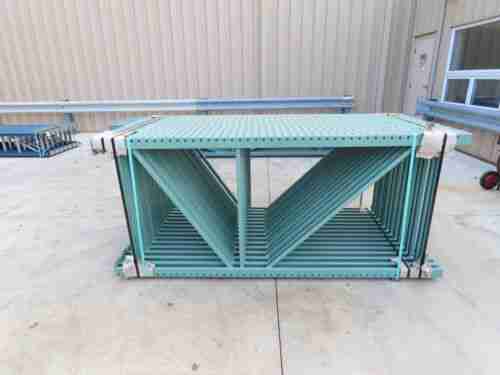
How Does Pallet Racking Improve Storage In Surgical Supply Warehouses?
How Does Pallet Racking Improve Storage In Surgical Supply Warehouses?
- Pallet Racking provides simple, sturdy, and efficient storage specifically designed for surgical supply warehouses where precision and timing are critical.
- It maximizes vertical space and improves organization, enabling faster and safer access to surgical kits and critical supplies.
- The system supports the core mission of delivering sterile, reliable supplies by helping staff work efficiently and maintain cleanliness and integrity of items.
- Installing Pallet Racking streamlines workflows, reduces downtime, and minimizes inventory errors and damage risks.
- It creates tighter inventory controls and builds trust throughout the supply chain through repeatable, durable processes.
- Many warehouses have demonstrated the system’s effectiveness in improving space, speed, and orderliness.
- Pallet Racking offers a practical, no-nonsense solution that ensures surgical supply warehouses operate smoothly, contributing to better patient care.
How Does Pallet Racking Improve Storage In Surgical Supply Warehouses?
What Types Of Pallet Racking Systems Best Suit Surgical Supplies?
When it comes to storing surgical supplies, you need pallet racking systems that don’t just hold stuff—they hold trust. These supplies aren’t your everyday boxes; they’re life-saving tools, sterile and precise, waiting for their moment in the spotlight. You want racks that respect that weight, both literally and figuratively.
Start with selective pallet racking. It’s the bread and butter of storage—easy to access, simple to put together, and flexible enough to handle everything from tiny trays to bulky machinery. It’s like having a trusted workbench in your shop: everything laid out where you can grab it quick without fumbling. For surgical supplies, this means faster turnaround, less chance of mix-ups, and a cleaner workflow. You can see and reach every item without fuss, which is critical when time is ticking and precision counts.
Then, consider drive-in pallet racking when you’re dealing with large quantities of the same item. It’s tight and space-saving, like stacking crates in the back of a pickup truck before a long haul. You’ll store more without wasting an inch, but with a system that demands a bit more care in loading and unloading. Surgical supplies stored here must be managed like gold on a ledger—first-in, last-out—so freshness and sterility aren’t compromised. It’s a bit old-school, but sometimes old-school is just smart-school when you’re playing this kind of game.
Push-back pallet racking offers the best of both worlds for surgical supplies that move quickly and need easy access without a maze of aisles. It’s a no-nonsense way to keep things orderly and within arm’s reach, cutting down on the hustle and bustle during busy shifts. The flow it creates helps staff focus on their skill, not on hunting down what they need.
At the end of the day, pallet racking for surgical supplies isn’t just about metal beams and shelves. It’s about supporting the hands that heal, the minds that plan, and the urgency that saves lives. Choosing the right system means you’re backing a mission that demands respect, reliability, and real-talk practicality. It’s about making sure every scalpel, every bandage, every sterile pack is exactly where it should be—ready for the job when it counts. That’s the kind of solid foundation no operating room can do without.
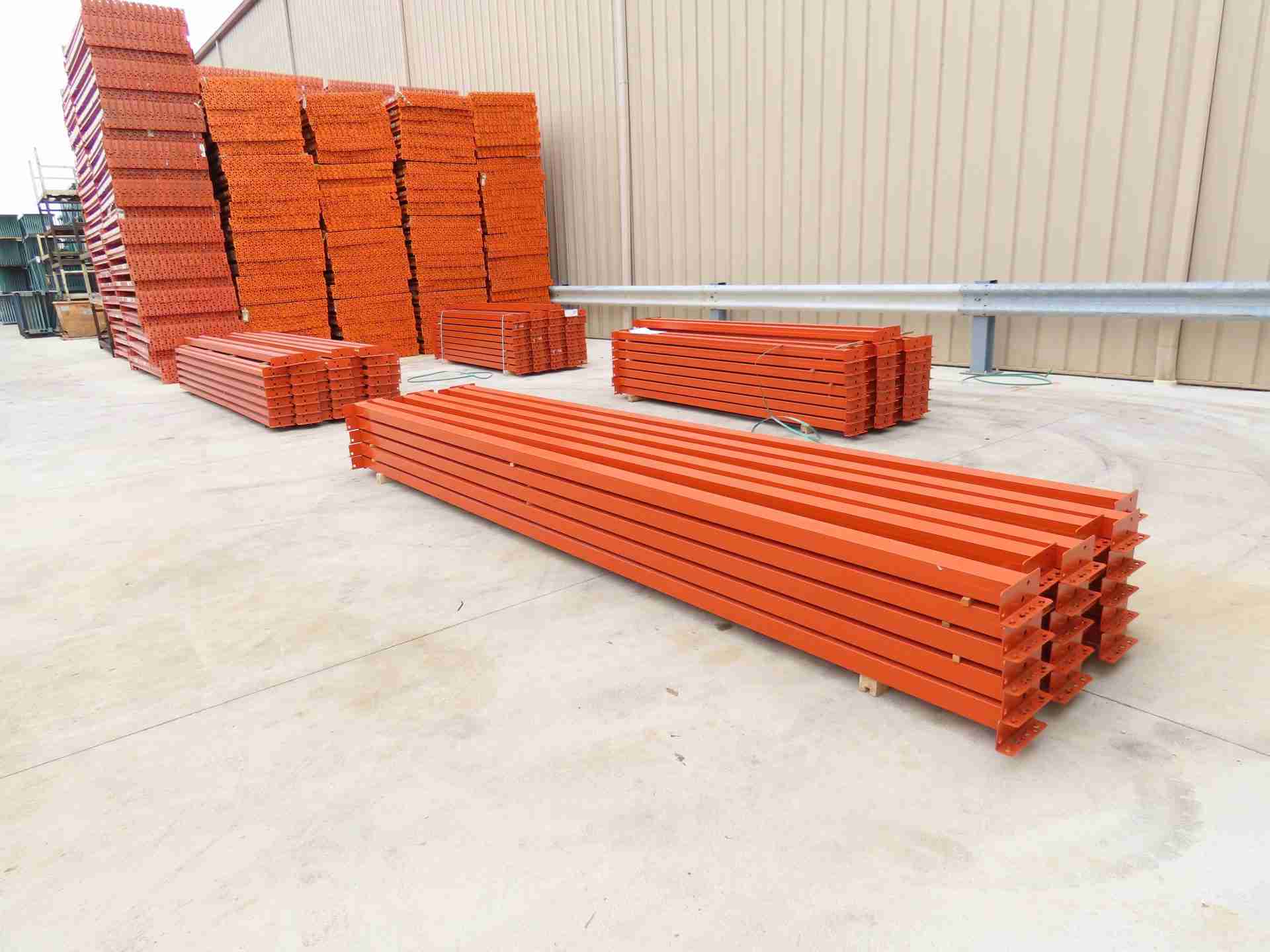
What Types Of Pallet Racking Systems Best Suit Surgical Supplies?
What Types Of Pallet Racking Systems Best Suit Surgical Supplies?
- Surgical supplies require pallet racking systems that ensure trust, sterility, and precision.
- Selective pallet racking offers easy access, flexibility, and organized storage for a range of supply sizes, enabling faster turnaround and reduced errors.
- Drive-in pallet racking maximizes space for large quantities of identical items but requires careful first-in, last-out management to maintain freshness and sterility.
- Push-back pallet racking combines quick access and space efficiency, reducing time spent searching for supplies during busy periods.
- Proper pallet racking supports healthcare staff by streamlining workflows and allowing focus on patient care instead of inventory management.
- Choosing the right storage system reflects a commitment to reliability, respect for the mission, and practical functionality.
- Effective storage ensures every surgical item is precisely where it needs to be, ready for use when critical moments arise.
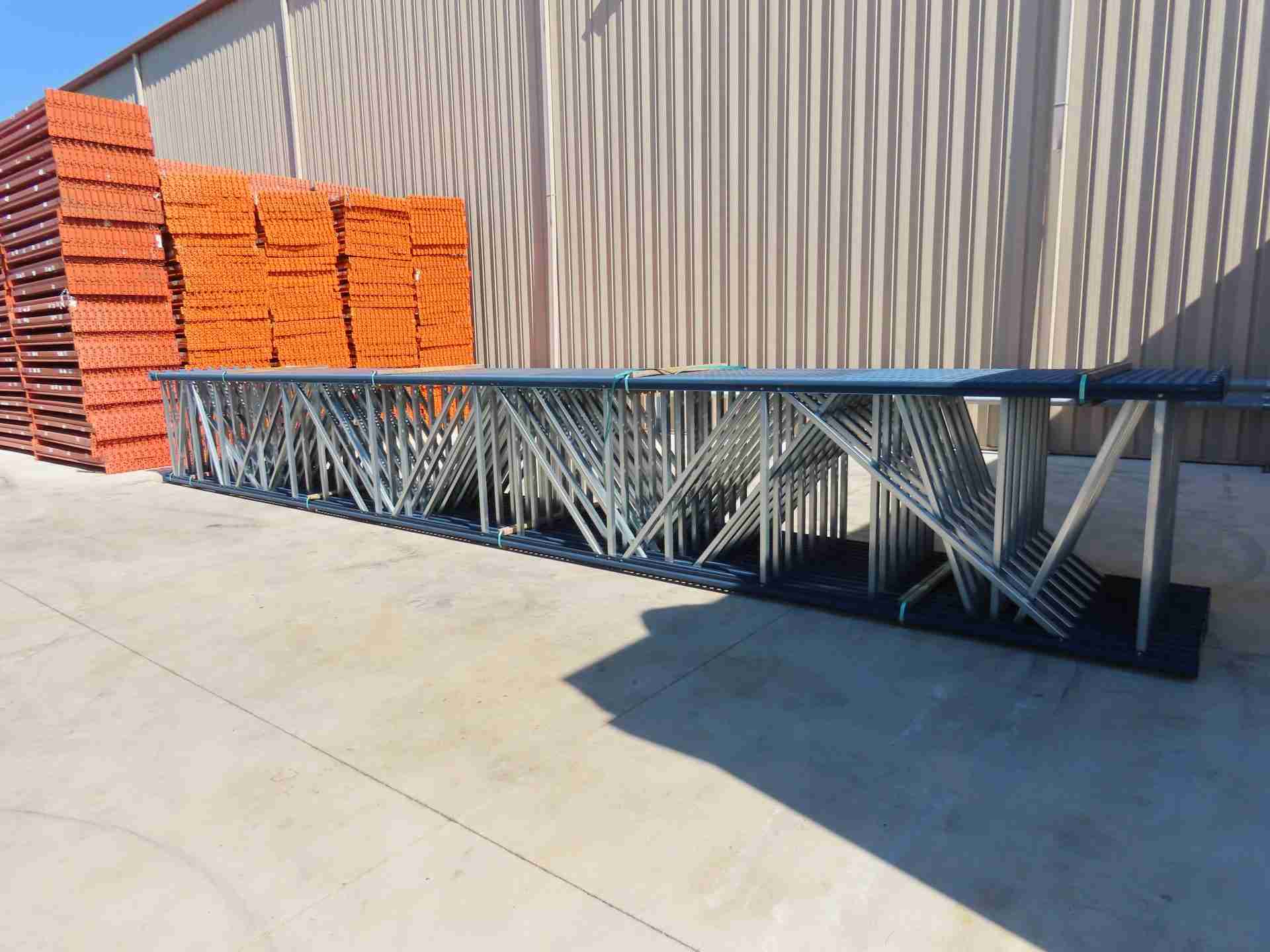
What Types Of Pallet Racking Systems Best Suit Surgical Supplies?
How Does Pallet Racking Enhance Warehouse Safety?
You don’t have to work long in a warehouse to know safety isn’t just a set of rules stuck on a wall—it’s about keeping folks whole at the end of the day. Pallet racking is one of those unsung heroes that quietly makes a tough job a bit safer and smarter. It’s easy to overlook unless you’ve seen a stack of boxes come crashing down or a forklift driver wrestling with piles of inventory in a tight space. When pallet racking is done right, it’s like the backbone holding up all that chaos, preventing accidents before they happen.
Think about it: without pallet racking, everything’s just piled up or scattered about, making it a nightmare to navigate and a hazard waiting to happen. Pallet racking organizes inventory vertically and securely, giving space for forklifts to do their work without fear of tipping loads or collisions. It’s not just about neatness; it’s about creating clear paths so workers can move fast, see what’s ahead, and avoid unnecessary risks. When shelves are stable and sturdy, it reduces the chance of goods falling and causing nasty injuries. That’s straightforward common sense turning into real protection.
Beyond the nuts and bolts, there’s something ethical about choosing to invest in pallet racking. It says, “People matter here.” When employers provide the right equipment to keep workers safe, it fosters trust. Workers know their company values them not only for the work they do but for their well-being. That builds loyalty and a culture where everyone looks out for each other. It’s the kind of environment where folks show up ready to do their best instead of worrying about avoidable accidents.
We’ve all heard the stories in warehouses: the close calls, the near misses, the silent dangers lurking in cluttered aisles. Pallet racking turns those stories around. It gives workers peace of mind, knowing their workspace is arranged to minimize hazards. It’s about respect—for the person, the job, and the company that keeps safety front and center. When your gear is organized, sturdy, and built tough, it tells you that someone’s thought through the risks, backed it up with quality, and meant business.
Pallet racking isn’t just a fancy shelf—it’s a promise. A promise that safety counts, that hard work deserves protection, and that common sense can prevent disaster. It’s the sort of practical, no-nonsense tool that builds confidence, keeps people connected on the job, and silently shoulders the burden of safety every day. That’s the kind of backbone every warehouse needs.

How Does Pallet Racking Enhance Warehouse Safety?
How Does Pallet Racking Enhance Warehouse Safety?
- Pallet racking is crucial for warehouse safety, preventing accidents by organizing inventory securely and vertically.
- It creates clear pathways for forklifts, reducing risks of tipping loads, collisions, and falling goods.
- Stable and sturdy shelving minimizes injuries and promotes a safer working environment.
- Investing in pallet racking shows employer commitment to worker well-being, fostering trust and loyalty.
- Organized workspaces reduce hazards and provide workers peace of mind, improving overall safety culture.
- Pallet racking reflects respect for employees, the job, and corporate responsibility toward safety.
- It serves as a reliable, practical foundation that supports daily operations and prioritizes accident prevention.
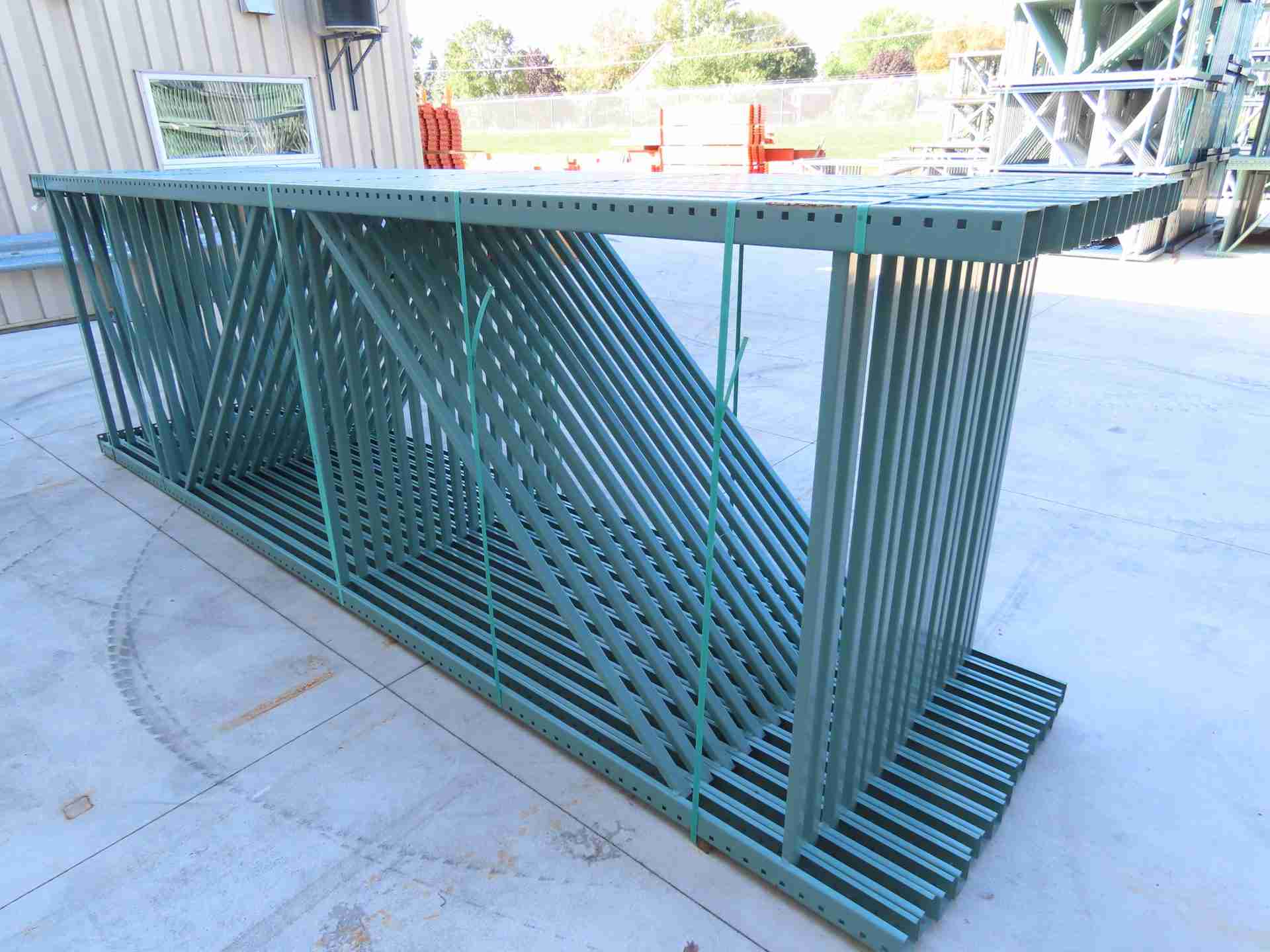
How Does Pallet Racking Enhance Warehouse Safety?
Can Pallet Racking Reduce Damage to Surgical Instruments?
When you’re dealing with surgical instruments, every single piece matters. These tools aren’t just metal and plastic; they’re lifelines in the operating room. One wrong nick, one scratch, or one dent can turn a finely tuned instrument into a liability. Now, here’s where pallet racking steps into the picture—not just as some glorified shelving but as a real game-changer in protecting these critical tools.
Think about the heart of it: folks working long shifts, often under pressure, needing quick access to sterile, flawless instruments. Nobody wants to hand over a damaged tool when lives are on the line. Pallet racking offers a straightforward, hands-on solution born from common sense: keep things organized, secure, and off the floor where chaos and accidents happen. It’s about respect—respect for the people wielding the instruments, respect for the work they do, and respect for the patients counting on that precision.
Now, from a head standpoint, pallet racking organizes inventory in a way that minimizes handling and turnover damage. Instead of tools piled up or tossed around in crates, they’re stored neatly on pallets, elevated, stable, and easy to grab without unnecessary shifting. This reduces wear and tear, cuts down on repair and replacement costs, and improves workflow efficiency. It’s smart economics and smart healthcare. If you can protect the instruments, you reduce downtime and keep the operation moving—saving time, money, and headaches.
Ethically, knowing you’ve done everything possible to safeguard surgical instruments speaks volumes. It’s about professionalism and integrity. Investing in pallet racking isn’t just about shelf space; it’s about upholding standards that recognize how critical these tools are for patient safety. You’re not cutting corners; you’re backing a system that supports surgical teams day in and day out.
The word spreads fast in tight-knit healthcare circles. When a facility implements practical solutions like pallet racking to reduce equipment damage, it builds trust—between staff, suppliers, and patients. It’s a simple change with ripple effects: better care, fewer breakdowns, and a smoother, safer operation.
So, if you’ve been wrestling with scrapped instruments or just feeling the pinch of constant replacements, maybe it’s time to rethink where and how you store them. Pallet racking isn’t just storage—it’s peace of mind in a place where every tool counts.
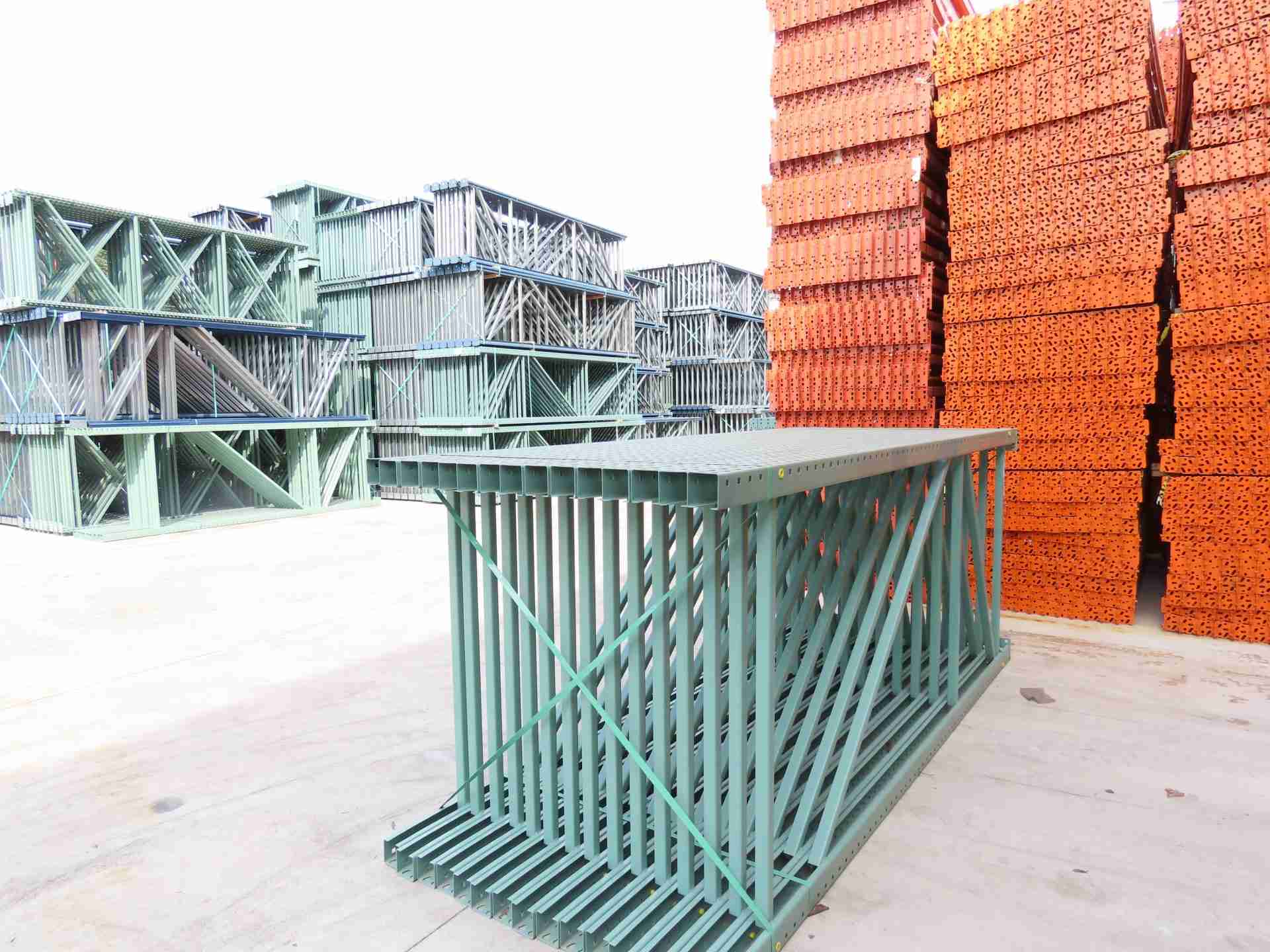
Can Pallet Racking Reduce Damage to Surgical Instruments?
Can Pallet Racking Reduce Damage to Surgical Instruments?
- Surgical instruments are vital lifelines in the operating room; any damage compromises their effectiveness and patient safety.
- Pallet racking protects these instruments by keeping them organized, secure, and off the floor, reducing accidents and damage.
- It provides quick, easy access to sterile tools for staff working long shifts under pressure.
- Organizing tools on pallets minimizes handling, wear and tear, repair costs, and improves workflow efficiency.
- Investing in pallet racking reflects professionalism, integrity, and a commitment to high standards in patient care.
- Implementing pallet racking builds trust among healthcare staff, suppliers, and patients by reducing equipment damage.
- Pallet racking offers a smart, practical solution that saves time, money, and ensures peace of mind in surgical environments.
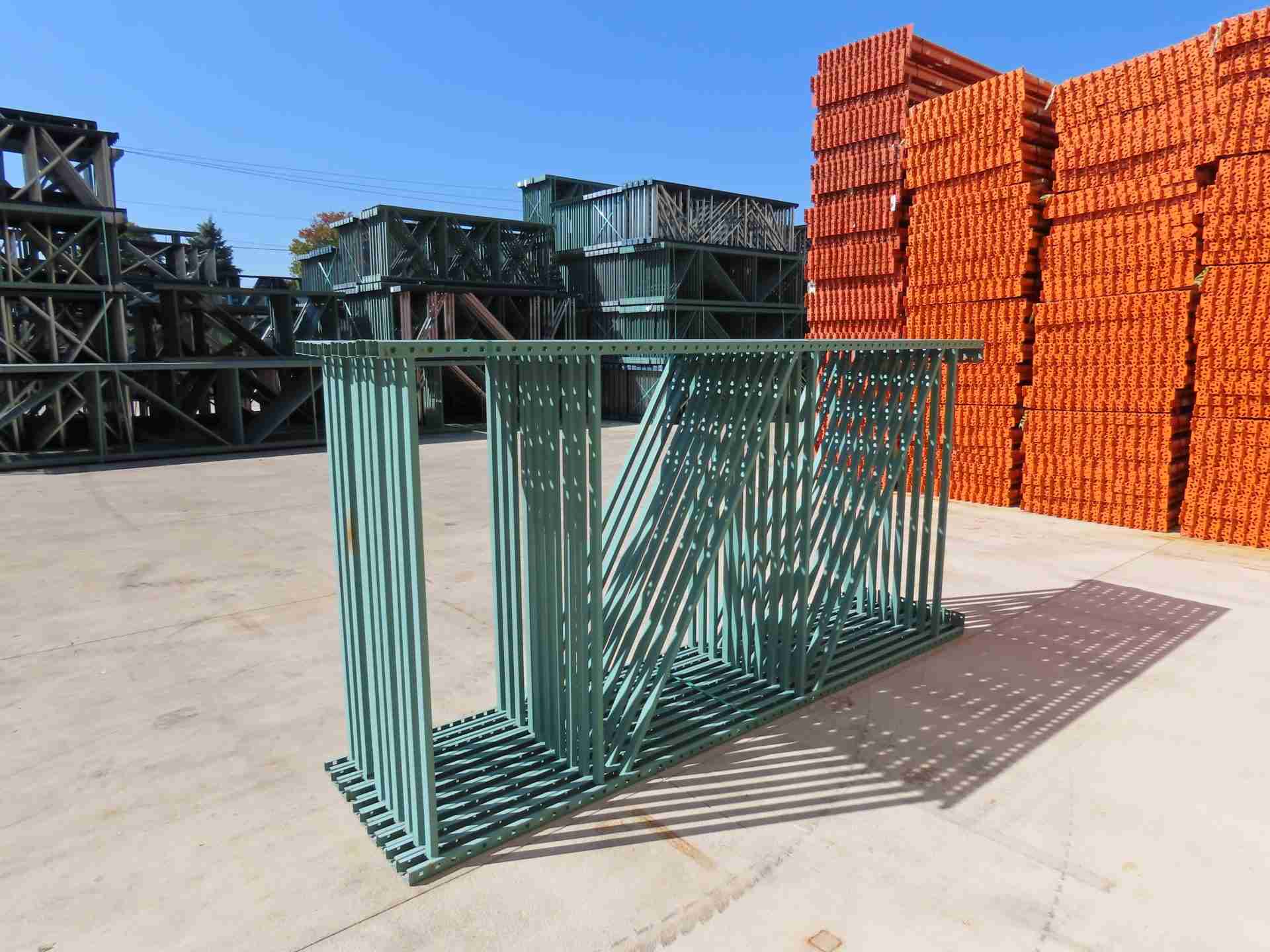
Can Pallet Racking Reduce Damage to Surgical Instruments?
How Does Efficient Pallet Racking Impact Order Fulfillment Speed?
When your warehouse runs like a well-oiled machine, it’s not just a testament to good planning—it’s a lifeline to your business. Efficient pallet racking isn’t some fancy add-on; it’s the backbone that keeps orders moving swiftly from storage to shipping docks. Imagine this: a cluttered, cramped space where workers waste precious minutes hunting down pallets or navigating tight aisles. Frustration builds, mistakes creep in, and orders slow down. Now swap that for a setup where every pallet racking system is strategically placed, designed to cut travel time and make every movement count. That’s not just efficiency; that’s respect for your team’s effort and your customers’ time.
Look, time isn’t just money in this game—it’s the promise you give your clients. When a customer orders something, they want it quick and right. Efficient pallet racking accelerates picking and packing by making every item easy to reach and identify. It’s common sense: the less your crew has to shuffle pallets around or play a guessing game, the faster they get the job done. That speed doesn’t just boost your reputation; it builds trust. Your customers feel it when their needs are met without delay, and that goodwill turns into loyalty.
There’s a moral thread woven here, too. A well-organized workspace reduces strain and injury risks, showing you care about your people’s well-being. Ethical responsibility isn’t just a corporate buzzword—it’s about treating your crew like human beings, not just cogs in a machine. Efficient pallet racking respects that, easing heavy lifting and repetitive motions, making long shifts less punishing.
Stories from the floor back this up every time. A team working with solid, accessible pallet racking feels the difference. Their hours become more productive, their frustration drops, and their pride grows. They know they’re part of something smooth and reliable, not a chaotic scramble. When your people trust their tools, they buy in. They become ambassadors for your brand through their commitment and care.
So, efficient pallet racking doesn’t just speed up order fulfillment; it transforms the whole operation. It’s a practical investment that pays off in faster deliveries, happier workers, and customers who keep coming back. In this business, where every second counts, getting your pallet racking right is one of the smartest moves you can make.

How Does Efficient Pallet Racking Impact Order Fulfillment Speed?
How Does Efficient Pallet Racking Impact Order Fulfillment Speed?
- Efficient pallet racking is essential for smooth warehouse operations, preventing clutter and reducing travel time.
- Strategic placement of pallet racks speeds up order picking and packing, enhancing overall efficiency.
- Fast and accurate order fulfillment builds customer trust and loyalty by meeting their expectations promptly.
- Well-organized pallet racking reduces physical strain and injury risks, demonstrating care for employees’ well-being.
- Ethical responsibility in warehouse design treats workers as valued individuals, not just machine parts.
- Accessible pallet racking increases worker productivity, reduces frustration, and fosters pride and commitment.
- Investing in efficient pallet racking leads to faster deliveries, happier employees, and repeat customers.
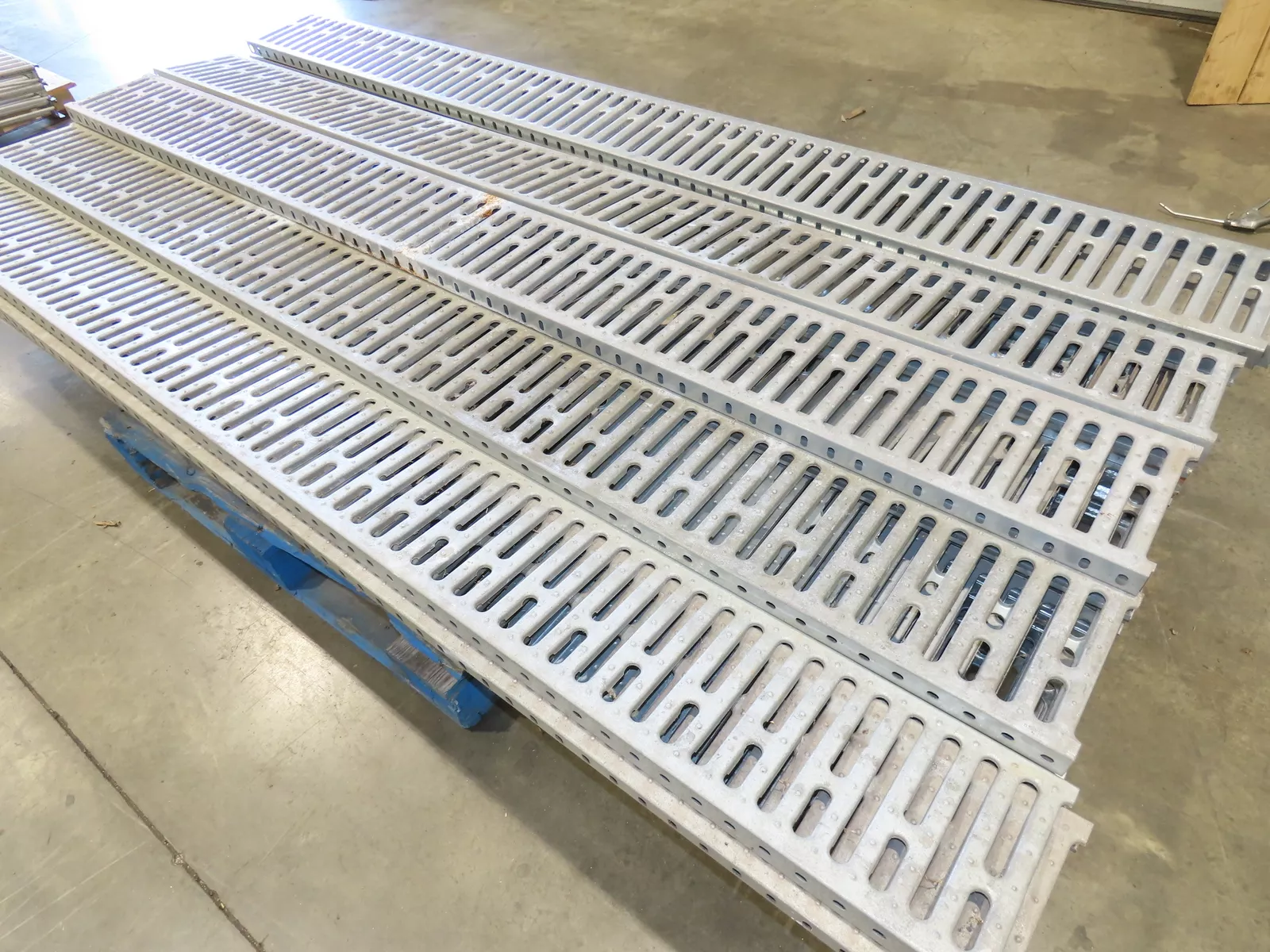
How Does Efficient Pallet Racking Impact Order Fulfillment Speed?
What Cost Savings Come From Using Pallet Racking In Warehouses?
You walk into any dusty warehouse, and the first thing that hits you is clutter—boxes stacked haphazardly, aisles so tight you’d better have a lean forklift driver. Pallet racking isn’t just about neatness; it’s about saving a damn good chunk of money while making day-to-day life easier for everyone working the floor. When you think about cost savings, pallet racking hits hard on a few fronts that matter as much to your gut as to your bottom line.
First off, space is money. If your goods are piled on the cement floor like some kind of chaotic block party, you’re wasting square footage faster than you realize. Pallet racking transforms vertical space into usable storage. Instead of sprawling your inventory across the warehouse, you’re stacking it smart. That means you can store more without needing to build on or move to a bigger spot. Fact is, renting or owning warehouse space doesn’t get cheaper just because you’re messy—so why toss away valuable real estate when pallet racking helps you pack it efficiently?
Then there’s the time factor—how long it takes to find, grab, and move things around. Without pallet racking, your workers are playing a losing game of hide and seek with inventory. Time wasted searching equals overtime, slowdowns, and frustrated crews. Pallet racking creates clear aisles and organized rows, cutting down the guesswork and muscle it takes to grab that exact item. The less time you spend fumbling, the more productive the operation, and productivity translates directly to saved dollars.
On a deeper level, using pallet racking shows you respect your folks’ safety and well-being. Sloppy stacks mean hazards—boxes can topple, or heavy items fall, risking injuries and costly downtime. A warehouse organized with pallet racking signals you care about more than just profits; it proves you’re in it for the long haul, upholding your frontline team’s well-being. That kind of care fosters loyalty, cuts turnover, and stabilizes your entire operation.
From an ethical and practical standpoint, pallet racking also reduces waste. Damaged goods from poor stacking mean losses nobody wants on their watch. When inventory sits locked and orderly on racks, it’s less likely to get dinged, crushed, or lost entirely. That saves replacement costs and reduces headaches with clients and suppliers.
Bottom line? Pallet racking isn’t just another expense—it’s an investment that pays off in saved space, saved time, safer work conditions, and less product waste. It’s the kind of plain vanilla common sense solution that any hands-on manager can see paying dividends before the month’s out. It’s built on real-world experience, and once you try it, you’ll wonder how you ever managed without.
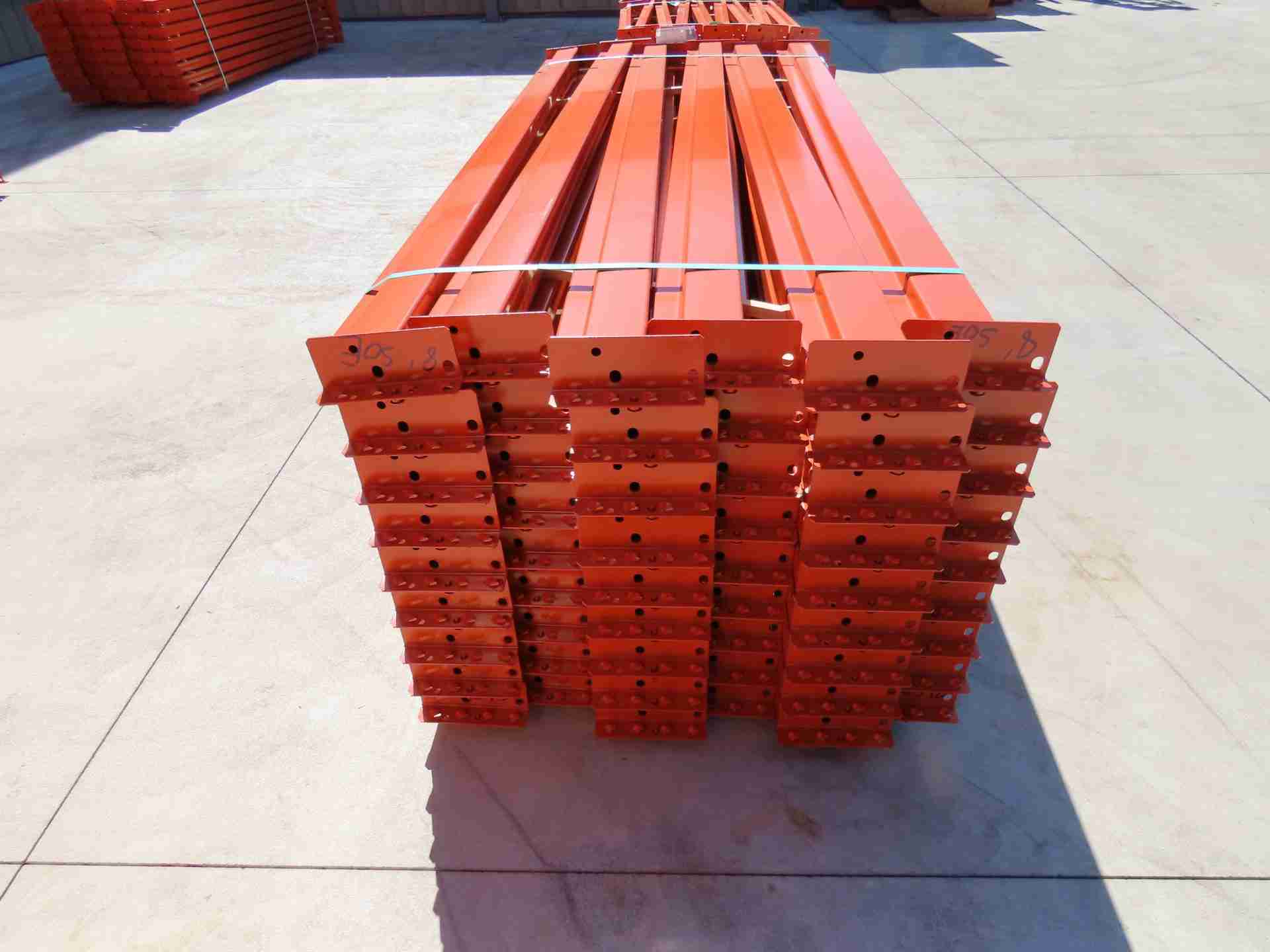
What Cost Savings Come From Using Pallet Racking In Warehouses?
What Cost Savings Come From Using Pallet Racking In Warehouses?
- Pallet racking maximizes vertical space, allowing more inventory storage without expanding warehouse size or costs.
- Organized racks reduce time spent searching for items, increasing productivity and lowering labor expenses.
- Proper pallet racking improves workplace safety by preventing hazardous clutter and reducing risk of injuries.
- Safer work environments foster employee loyalty, reduce turnover, and stabilize operations.
- Pallet racks help protect goods from damage, minimizing replacement costs and client disputes.
- The system reduces waste by keeping inventory orderly and less prone to loss or crushing.
- Investing in pallet racking provides significant financial and operational benefits, making it a practical, cost-saving solution.

What Cost Savings Come From Using Pallet Racking In Warehouses?
Conclusion
In surgical supply warehouses, pallet racking isn’t just a convenience—it’s the backbone holding everything together when time and precision are everything. It turns what could be a confusing jumble of critical equipment into a streamlined, dependable system where every scalpel, tray, and sterile pack has its place. This isn’t about bells and whistles but rock-solid, no-nonsense infrastructure designed to work hard and keep pace without breaking a sweat.
From the worker’s viewpoint, pallet racking is that reliable partner on the floor—the kind you don’t think much about until the pressure hits and you need to find the right item fast. It cuts through clutter, making sure supplies stay clean, organized, and damage-free. That’s not just practical; it’s an ethical commitment, a quiet promise that the health and safety of patients come first, even if the warehouse is a thousand miles away from the operating room. Protecting surgical instruments from scratches or dents isn’t just saving gear—it’s supporting lives, minimizing delays, and cutting replacement costs.
Safety is another major piece of the puzzle. Pallet racks keep aisles wide, shelves steady, and loads secure, preventing accidents before they happen. It’s about looking out for the folks doing the hard work, giving them a workspace where they’re less likely to get hurt or burnt out. That respect for workers builds loyalty and trust—two things you can’t buy but mean a hell of a lot in keeping things running.
Efficiency, too, gets a solid boost. The right pallet racking system trims wasted steps and wasted time, turning frantic scrambling into smooth, confident moves. When teams can find what they need in seconds, order fulfillment speeds up, customer trust grows, and the whole chain of care tightens up. This is simple common sense that pays off in productivity and pride—no chaos, no guesswork, just solid results.
Financially, pallet racking is a smart investment. It saves valuable space, reduces damage, lowers injury risks, and cuts down on overtime by streamlining work. Warehouses don’t need to grow bigger; they just need to get smarter with what they’ve got. This kind of rational approach shows respect for resources and people alike.
At the end of the day, pallet racking in surgical supply warehouses is more than just shelving—it’s a foundation of trust, safety, and efficiency. It’s the quiet hero that keeps the gear moving, the workers safe, and the patients getting the care they deserve. It’s a down-to-earth, proven solution that every hands-on manager knows is worth its weight in gold.
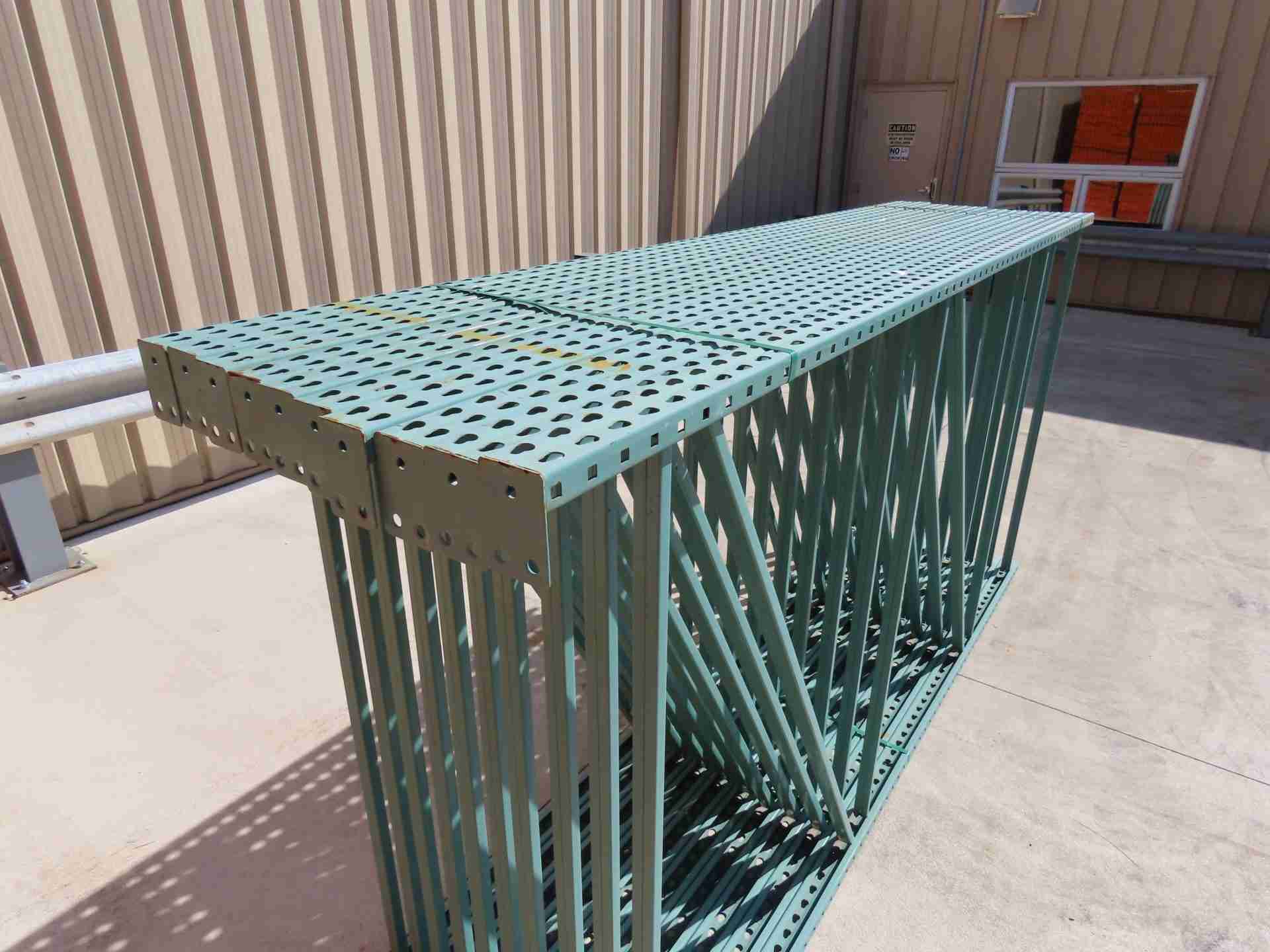
Conclusion
Conclusion:
- Pallet racking provides essential, organized storage in surgical supply warehouses, keeping critical equipment orderly and accessible.
- It ensures supplies remain clean, damage-free, and easy to locate, supporting patient health and safety indirectly.
- Safety benefits include wide aisles, stable shelves, and secure loads that reduce workplace accidents and protect employees.
- Efficiency improves as pallet racking minimizes wasted time and effort, speeding up order fulfillment and enhancing productivity.
- Financially, it maximizes space use, lowers damage and injury costs, and decreases overtime through streamlined operations.
- Pallet racking acts as a reliable infrastructural partner, especially under pressure, fostering worker trust and loyalty.
- Overall, pallet racking is a foundational element that maintains system reliability, worker safety, and patient care quality in surgical supply environments.

Conclusion
Other Resources

Other Resources
Here is a list of other resources you can review online to learn more:
- Mustang Material Handling
- Chicago Pallet Racking
- BMH
- American Society of Safety Professionals
- Storage Equipment Manufacturers Association
- Cantilever Rack Configuration & Installation: A Comprehensive Guide – BMH
- Illinois Pallet Racking – Storage Solutions
- Warehouse Racking Systems: Beginner’s Guide to Rack Systems
- Selective Racking
- Teardrop Uprights
- Warehouse Storage Racks
- Warehousing and Fulfillment
- Used Pallet Rack for Sale in Illinois – American Surplus
- Teardrop Industrial Shelving Rack
- Iowa Illinois Warehouse Racking
- Pallet Rack Systems – New and Used Pallet Racking and Shelving Experts
- Pallet Racking systems in Illinois, Great Lakes
- Warehouse Automation
- Intro to Warehouse Racks & Warehouse Racking Systems – ShipBob
- What is Cantilever Racking? – AK Material Handling Systems
Use This Prompt To Get More Resources With Your Favorite Online AI Tool: Please provide me with a list of online articles with their URLs in a bulleted list that I can read regarding How Do Surgical Supply Warehouses Leverage Pallet Racking?

Other Resources
Glossary Terms
How Do Surgical Supply Warehouses Leverage Pallet Racking? – Glossary Of Terms
1. Pallet Racking: A storage system designed to hold materials on pallets in horizontal rows with multiple levels.
2. Surgical Supplies: Medical instruments, devices, and consumables used in surgeries.
3. Warehouse Optimization: The process of improving warehouse layout and storage systems to maximize efficiency.
4. Inventory Management: Tracking and controlling stock levels within the warehouse.
5. Space Utilization: Effective use of available storage area to maximize capacity.
6. Load Capacity: The maximum weight a pallet rack can safely support.
7. Accessibility: The ease with which items can be retrieved from storage.
8. FIFO (First In, First Out): Inventory management method where oldest stock is used first.
9. LIFO (Last In, First Out): Inventory system where the most recent stock is used first.
10. Slotting: Strategically placing inventory in specific locations to improve picking efficiency.
11. Picking Process: Retrieving items from storage to fulfill orders.
12. Forklift Compatibility: Pallet racks designed for safe use with forklift equipment.
13. Aisle Width: The space between pallet racks allowing movement of forklifts and workers.
14. Load Verification: Confirming that pallets and racks can handle designated weights.
15. Racking Safety: Procedures and equipment features ensuring safe operation of pallet racks.
16. Mezzanine Floor: Elevated platform to increase warehouse storage capacity.
17. Bulk Storage: Keeping large quantities of similar items on pallets for easy access.
18. ASRS (Automated Storage and Retrieval System): Technology-enabled storage system for automated handling.
19. Cross-Stacking: Storing pallets in multiple rows to save space.
20. Shelving Density: Amount of storage space occupied relative to available area.
21. Climate Control: Temperature and humidity regulation important for surgical supply preservation.
22. Traceability: Ability to track the history and location of supplies throughout the warehouse.
23. Batch Picking: Collecting items for multiple orders simultaneously to increase efficiency.
24. Slot Optimization: Adjusting warehouse layout to reduce travel time and improve access.
25. Replenishment: Process of restocking pallet racks with inventory.
26. Load Stability: Ensuring pallets are securely placed and balanced on racks.
27. Labeling System: Organized tags for easy identification of stored materials.
28. Compliance Standards: Regulatory requirements related to storage and handling of medical supplies.
29. Lean Warehousing: Methods aimed at minimizing waste and improving workflow in storage.
30. Turnover Rate: Frequency at which inventory is sold and replaced in the warehouse.

Glossary Of Terms
Other Questions
How Do Surgical Supply Warehouses Leverage Pallet Racking? – Other Questions
If you wish to explore and discover more, consider looking for answers to these questions:
- What regulatory standards apply to storing surgical supplies on pallet racking (FDA, Joint Commission, OSHA, local codes)?
- How do you design pallet racking layouts to support sterile storage and contamination control?
- What materials and finishes are best for pallet racking in medical environments to resist corrosion and allow cleaning?
- How is pallet racking integrated with cleanroom or controlled-environment requirements?
- What load capacities and safety factors should be specified for racks holding surgical instruments and equipment?
- How are expiration dates and lot traceability managed with pallet racking systems?
- What are best practices for inventory rotation (FIFO/LIFO) in different racking types to protect sterility and shelf life?
- Which pallet racking systems are most compatible with automated storage and retrieval systems (AS/RS), conveyors, or robotics?
- How do you configure pallet racking to separate sterile items from non-sterile or hazardous materials?
- What cleaning and disinfecting procedures are recommended for pallet racking in surgical supply warehouses?
- How often should pallet racking be inspected and who should perform inspections?
- What training do staff need for safe picking, loading, and unloading from pallet racks?
- How does pallet racking affect forklift traffic patterns, aisle width, and equipment selection?
- What fire protection and sprinkler compatibility considerations apply to pallet racking installations?
- How do seismic or local structural requirements influence rack design and anchoring?
- What are the typical installation costs and ongoing maintenance expenses for different racking systems?
- How do you calculate ROI and payback period for investing in pallet racking?
- What labeling, signage, and barcode/RFID strategies work best with pallet racking for fast picking?
- How does pallet racking support order accuracy and reduce picking errors in high-pressure environments?
- What measures reduce damage during handling—pallet types, cushioning, rack accessories, or protective guards?
- How should high-value or fragile surgical instruments be stored differently on pallet racks?
- Can pallet racking be used for sterile trays that require horizontal orientation or special supports?
- What rack accessories (decking, pallet supports, dividers) are recommended for surgical supplies?
- How do you manage temperature- or humidity-sensitive medical supplies within racked storage?
- What documentation and records should be kept for compliance when using pallet racking?
- How do you handle product recalls and tracebacks when inventory is stored on pallet racks?
- What are best practices for retrofitting existing warehouses with pallet racking without disrupting operations?
- How do you choose between selective, drive-in, push-back, and other racking types for mixed SKUs?
- What security and access-control measures are recommended for racked storage of controlled or high-risk items?
- How should aisles and rack heights be planned for ergonomic picking and reduced worker strain?
- What insurance or liability considerations change after installing pallet racking?
- How does pallet racking interact with supplier packaging standards and pallet sizes?
- What are the lifecycle expectations for pallet racking and how is end-of-life handled sustainably?
- How do you test and validate that a racking system meets the facility’s operational and clinical needs?
- What performance metrics should be tracked after implementing pallet racking (fulfillment time, damage rates, space utilization)?
- How do you plan for future growth and reconfiguration when specifying racking systems?
- Which vendors or certifications should warehouses look for when purchasing pallet racking for medical supplies?
- How are sharps, biohazardous waste, and chemical supplies segregated when using pallet racking?
- What case studies or empirical evidence show improvements in patient outcomes or operational KPIs after racking upgrades?

Other Questions
Checklist
How Do Surgical Supply Warehouses Leverage Pallet Racking? – A Checklist
Objectives and Requirements
✅______ Define SKUs, volume, weight ranges, and turnover rates for surgical supplies
✅______ Document sterility, handling, and packaging requirements by item class
✅______ Set target KPIs for accuracy, cycle time, damage rate, and space utilization
Regulatory, Quality, and Sterility
✅______ Map applicable regulations and QMS requirements (e.g., lot traceability, FEFO/FIFO)
✅______ Define sterile, quarantine, and returns zones with controlled access
✅______ Validate environmental controls (cleanliness routines; temperature and humidity if required)
System Selection
✅______ Use selective rack for broad access to varied SKUs
✅______ Use drive-in for deep storage of homogeneous, slow-moving lots (validate LIFO fit)
✅______ Use push-back for medium-depth, faster movers with minimal aisles
✅______ Confirm pallet type, dimensions, and condition standards for chosen systems
Layout and Capacity Planning
✅______ Calculate bay, beam, and frame capacities with load charts posted
✅______ Design aisle widths for equipment turning radius and safe travel
✅______ Allocate high-velocity SKUs near docks in ergonomic “golden zone” heights
✅______ Provide staging lanes for receiving, kitting, and outbound
Rack Components and Protection
✅______ Specify seismic anchoring, row spacers, and pallet backstops as required
✅______ Install wire decking or mesh for small-package support and fall prevention
✅______ Add end-of-aisle guards, column protectors, and rack-end barriers
✅______ Verify beam locks, hardware torque, and upright plumb tolerances
Material Handling and Traffic
✅______ Match lift equipment to rack depth/height (mast type, reach, camera/laser guides)
✅______ Create one-way traffic flows and marked pedestrian walkways
✅______ Standardize pallet overhang and load containment to prevent snagging
Inventory Control and Access
✅______ Implement FEFO/FIFO rules by product risk and shelf life
✅______ Separate sterile and non-sterile storage; prevent mixed-pallet scenarios
✅______ Define maximum stack heights and weight per pallet; enforce pallet quality checks
Labeling and Traceability
✅______ Use rack, bay, and level labels compatible with scanners
✅______ Encode lot, batch, and expiry dates on pallet labels; verify at receiving
✅______ Maintain digital location control with real-time WMS updates
Receiving and Putaway
✅______ Inspect inbound pallets for damage, seal integrity, and documentation
✅______ Apply internal labels before storage; confirm location assignment
✅______ Route exceptions to quarantine with visible status tags
Order Picking and Fulfillment
✅______ Slot fast movers to minimize travel; group complementary items
✅______ Define picking methods (single, batch, wave) by demand profile
✅______ Provide clear pick-to-stage-to-ship lanes; minimize cross-traffic
✅______ Use check scanning to confirm lot and expiry during pick and pack
Instrument and Package Protection
✅______ Store delicate sets in protective totes or trays on wire decking
✅______ Prohibit floor storage; elevate all pallets
✅______ Limit re-handling with direct-to-location putaway and consolidated picks
Housekeeping and Contamination Control
✅______ Set a cleaning schedule for racks, decking, and aisles
✅______ Remove damaged packaging immediately; rewrap or quarantine
✅______ Keep dust down with defined equipment and approved agents
Safety Program
✅______ Train on load limits, safe lifting, and equipment operation
✅______ Post safety signage; enforce PPE in designated zones
✅______ Establish incident/near-miss reporting and corrective action
Inspections and Maintenance
✅______ Perform weekly visual rack checks for impact, twists, and loose hardware
✅______ Complete monthly documented inspections; repair per manufacturer specifications
✅______ Schedule annual third-party rack audits and recertification after changes
Change Control
✅______ Require engineering review for reconfiguration, load changes, or equipment swaps
✅______ Update drawings, load plaques, SOPs, and WMS location maps after changes
Training and SOPs
✅______ Issue SOPs for receiving, putaway, picking, replenishment, and cleaning
✅______ Certify forklift/reach truck operators; refresh annually
✅______ Provide quick-reference guides at workstations
Performance and Cost Tracking
✅______ Monitor space utilization, dock-to-stock time, pick rate, and order cycle time
✅______ Track damage rate, returns due to packaging issues, and inventory accuracy
✅______ Measure cost per order and labor hours per line before and after implementation
Vendor and Installation
✅______ Vet rack suppliers/installers for healthcare experience and compliance
✅______ Obtain stamped drawings where required; verify permits
✅______ Complete commissioning checklist and handover documentation
Emergency Preparedness
✅______ Keep egress routes clear; mark emergency equipment access
✅______ Train for spill, contamination, and rack-impact response
✅______ Stock spare components for rapid rack repair
Sign-off
✅______ All load plaques posted and visible
✅______ All zones labeled and mapped in WMS
✅______ Trial run completed; KPIs baselined
✅______ Leadership approval recorded and go-live scheduled

Checklist
At RackingWorld, we help guide you through selecting warehouse storage systems and racking.
Be sure to read our other related stories at RackingWorld to learn more about warehouse storage systems.
0 Comments