
Maximizing Strength And Efficiency: The Smart Choice For Steel Storage
By Tom Seest
At RackingWorld, we help guide you through selecting warehouse storage systems and racking.
Be sure to read our other related stories at RackingWorld to learn more about warehouse storage systems.
How Do Steel Service Centers Leverage Cantilever Racking?
When you step into a steel service center, you don’t just see raw materials stacked haphazardly—you see order shaped by experience and smart choices. Cantilever racking is one of those unsung heroes that keeps the operation humming smoothly, especially for handling long, bulky steel pieces that just won’t fit on traditional pallet racking. It’s simple, sturdy, and built for the kind of tough work steel demands.
Imagine the daily grind of running a steel service center: heavy loads, irregular shapes, and tight spaces. Pallet racking might be the go-to for many warehouses, but when it comes to steel beams, pipes, and sheets that stretch out longer than a cold winter day, cantilever racking steps in to take the weight—literally. Its open-arm design lets operators slide in and pull out materials without wrestling with front columns or pesky obstacles that slow down the hustle. This straightforward approach not only saves time but trims down the risk of costly damage or injuries. When you’re moving steel by hand, every second and safe motion counts.
But this isn’t just about mechanics—it’s about trust. Steel service centers aren’t just storing steel; they’re safeguarding livelihoods. Their clients rely on timely deliveries and flawless quality, and cantilever racking quietly delivers on that promise. It’s like a trusted workhorse—no frills, no fuss, just reliable support day in and day out. This reliability builds confidence all around, from the warehouse floor to the customer’s shop, forging a bond rooted in straightforward dependability.
Ethically, using cantilever racking makes sense too. It reduces waste by minimizing damage and allows for better inventory organization, which means less scrap and less frustration. It’s a smart, responsible choice that respects both workers and resources, reinforcing the steel community’s commitment to doing the job right.
The story of cantilever racking in steel service centers is no flashy tale. It’s about practical wisdom earned through years in the trenches—knowing what holds up under pressure and what helps the crew get the job done with muscle and heart. It’s about making sure every beam, pipe, and plate is ready to be the backbone of someone else’s project. That’s how cantilever racking becomes more than metal arms holding steel—it stands as a partner in the daily grind, earning respect one load at a time.

How Do Steel Service Centers Leverage Cantilever Racking?
How Do Steel Service Centers Leverage Cantilever Racking?
- Cantilever racking provides efficient, sturdy storage for long, bulky steel pieces unsuitable for traditional pallet racking.
- Its open-arm design allows easy sliding and retrieval of steel materials, reducing time and risk of damage or injury.
- It supports smooth daily operations in steel service centers handling heavy loads, irregular shapes, and tight spaces.
- Cantilever racking builds trust by ensuring timely deliveries and reliable quality for clients.
- It minimizes waste and improves inventory organization, demonstrating ethical and responsible resource management.
- Its durability and simplicity make it a dependable, no-frills solution evolved from practical experience.
- Acts as a vital partner in operations, supporting the steel supply chain by safely storing beams, pipes, and plates.
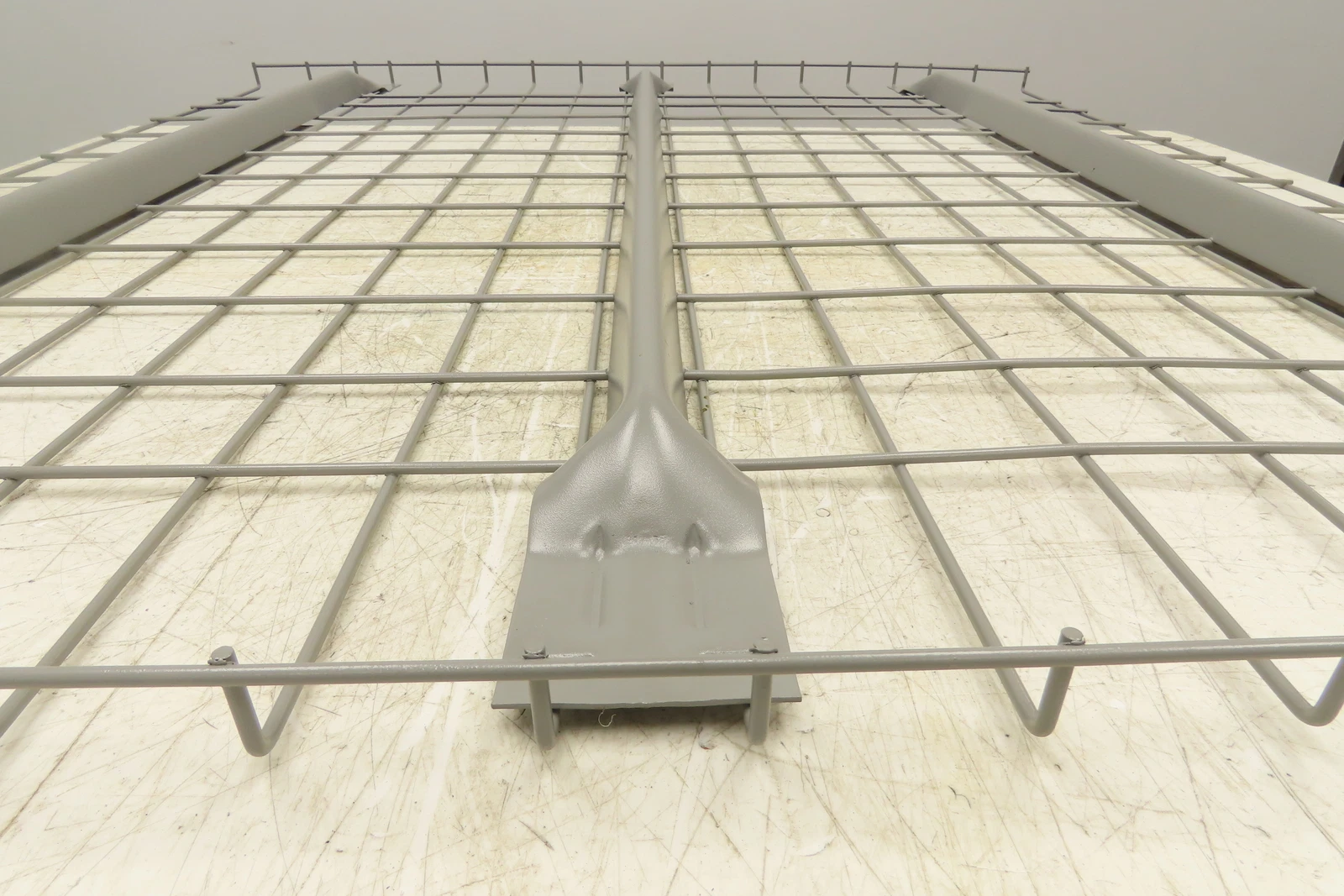
How Do Steel Service Centers Leverage Cantilever Racking?
Table Of Contents
- How Do Steel Service Centers Leverage Cantilever Racking?
- What Challenges Do Steel Centers Face In Storage Solutions?
- How Does Cantilever Racking Optimize Space In Facilities?
- Can Cantilever Systems Handle Heavy Steel Loads Efficiently?
- What Safety Benefits Does Cantilever Racking Provide Operators?
- How Does Cantilever Racking Improve Inventory Accessibility?
- What Cost Savings Result From Using Cantilever Racks?
- Conclusion
- Other Resources
- Glossary Of Terms
- Other Questions
- Checklist
What Challenges Do Steel Centers Face In Storage Solutions?
Running a steel center is no picnic, especially when it comes to storage. You’re dealing with heavy, bulky materials that don’t play nice with just any shelf or space. Pallet racking might sound straightforward on paper, but fitting countless tons of steel onto those racks without risking safety or efficiency is a daily grind. The weight alone demands rugged, well-planned solutions — not some flimsy setup that’ll bend or break under pressure. One wrong move and you’re staring at expensive damage, lost time, or worse, safety hazards that put your crew at risk.
Then there’s the constant juggle of space. Steel stock doesn’t shrink — it grows, shifts, and sometimes shows up in all kinds of awkward sizes. Maximizing storage while keeping everything accessible is a puzzle that never stops changing. Getting this balance wrong means wasted hours hunting for a particular piece or frustrating bottlenecks in the workflow. Efficiency isn’t a luxury here; it’s how you keep the whole operation running without blowing through budgets or burning out your people.
But it’s not just about muscle and metal. There’s an ethical weight on the whole thing too — the responsibility to keep workers safe, ensure materials aren’t wasted, and do the job right the first time. A steel center isn’t just a warehouse; it’s a backbone for countless builders, fabricators, and manufacturers who depend on what you store and ship out. Cutting corners on storage solutions shortchanges everyone downstream and cuts into the trust your clients put in you.
You learn quickly that the best solutions come from hands-on experience—seeing how steel behaves day in, day out, tweaking your pallet racking layouts, and listening to the folks who move the steel, not just the spreadsheets. It’s humility that beats arrogance here; no fancy tech or shiny system can replace the gut check of knowing your materials and people inside out.
When a steel center nails its storage, it’s more than just a tidy yard or full racks; it’s a testament to hard-earned knowledge, respect for craft, and a commitment to doing right by the people and industries that rely on you. That’s the kind of confidence that speaks louder than words—the kind that keeps steel centers standing strong, season after season.
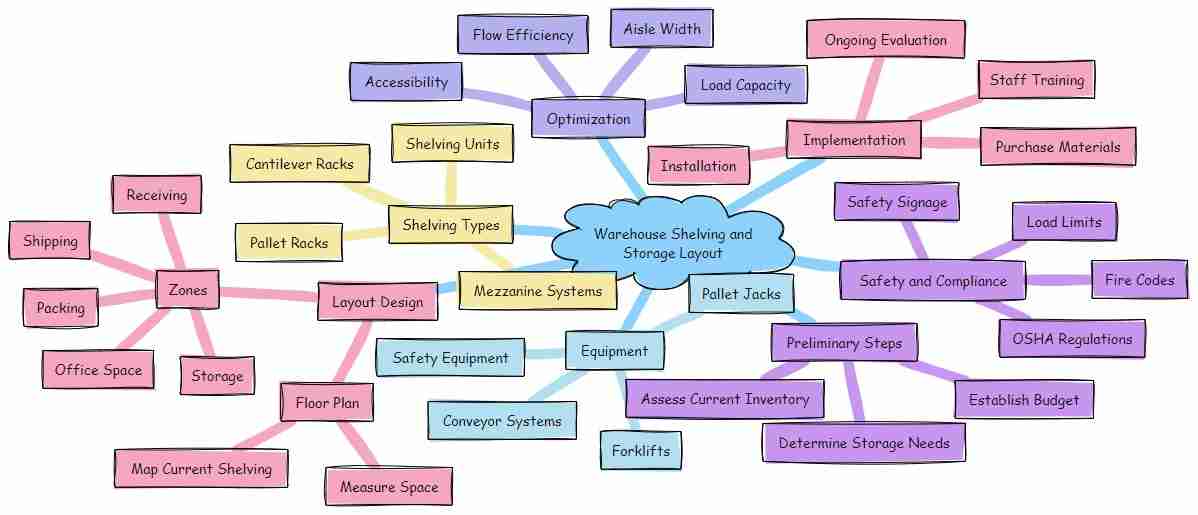
What Challenges Do Steel Centers Face In Storage Solutions?
What Challenges Do Steel Centers Face In Storage Solutions?
- Storing heavy, bulky steel requires strong, well-planned pallet racking to ensure safety and efficiency.
- Steel stock varies in size and grows over time, making space management a constant challenge.
- Maximizing storage accessibility prevents wasted time and workflow bottlenecks, maintaining operational efficiency.
- Ethical responsibility includes worker safety, minimizing material waste, and doing the job correctly the first time.
- A steel center supports numerous industries and must maintain trust by avoiding shortcuts in storage solutions.
- Effective storage solutions come from hands-on experience, observing material behavior, and listening to workers.
- Successful steel centers reflect knowledge, respect for craft, and commitment to their workforce and clients.
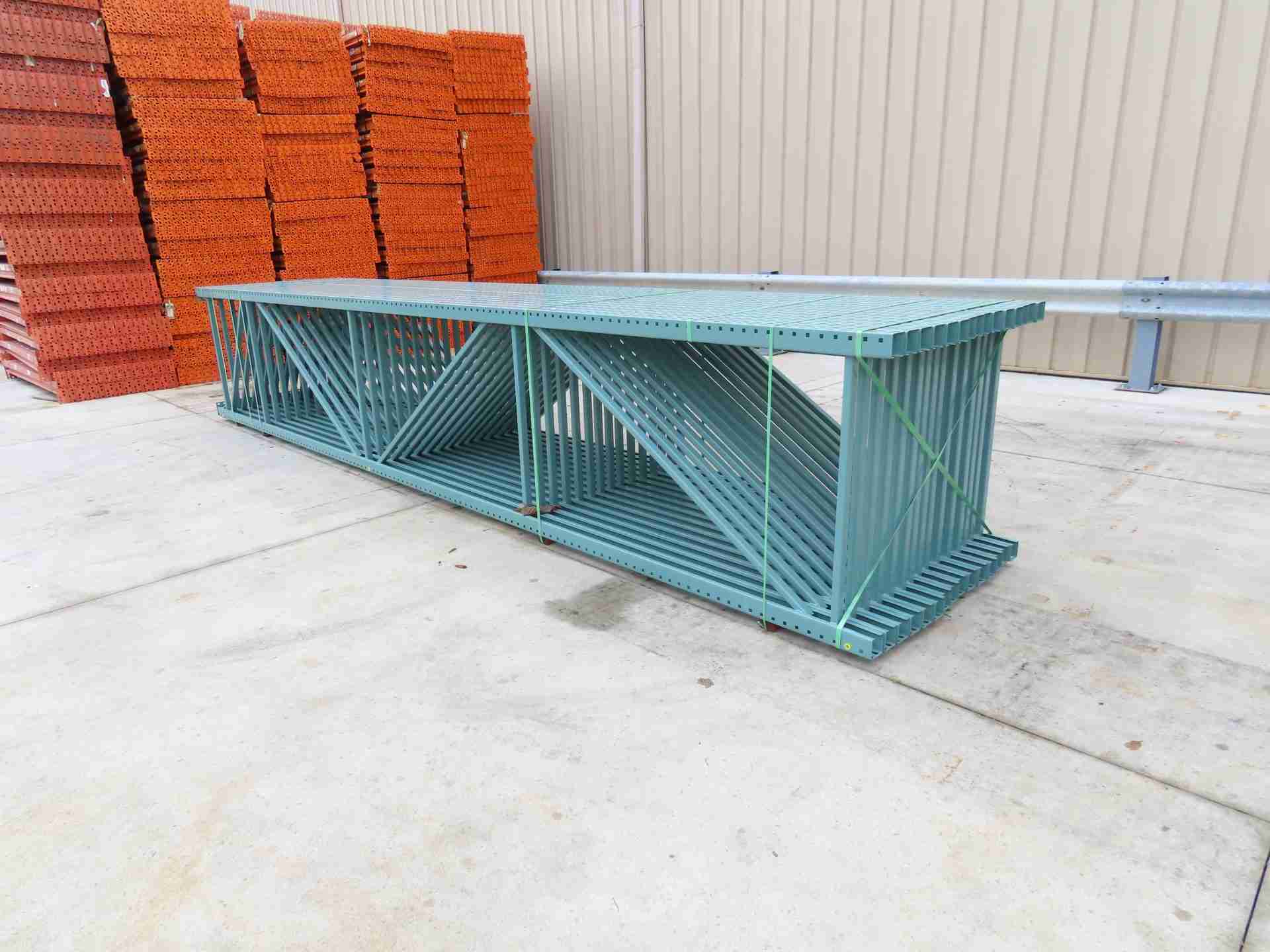
What Challenges Do Steel Centers Face In Storage Solutions?
How Does Cantilever Racking Optimize Space In Facilities?
If you’ve ever worked a warehouse or a shop floor, you know the gut-punch frustration of running out of room when the job’s only halfway done. That’s where cantilever racking steps in like a trusty buddy who always has your back. Unlike traditional pallet racking, which feels like it hogs the middle of the floor with bulky posts and beams, cantilever racking frees up every inch by ditching those front columns. It’s like going from playing in a crowded living room to having a clear stretch of yard to really spread out.
From a practical, head-on perspective, cantilever racks are game changers for handling long, awkward stuff — think lumber, pipes, steel bars. This system lets you slide them right in and grab ‘em without boarding a robotic space shuttle. It’s about making your space work as hard as you do, cutting down on time wasted squeezing around clunky racks or stacking pallets in a way that feels like a Jenga game about to collapse. You see, traditional pallet racking demands forklifts dance intricate ballet routines just to retrieve goods safely, but cantilever racking keeps the aisles wide and straightforward, letting your crew move fast and smart.
Beyond space-saving, it’s an ethical nod to the folks on the floor. When your equipment is right-sized and intuitive, you’re reducing strain, preventing accidents, and showing respect for the hard work that builds your business. It’s common sense — happy, healthy workers do better work. That benefits everyone, from the driver hauling finished goods to the customer counting on you to deliver on time.
Think of it like that favorite old tool you keep reaching for—no-frills, reliable, built tough to last. There’s no fancy wizardry; it’s just solid engineering meeting everyday needs. You don’t need a PhD to know this system keeps your products secure and accessible, prevents damage, and maxes out your vertical and horizontal space without wasting a scrap.
When your facility finally fits everything without feeling like a swept-back junkyard, it builds confidence. It says you’re running a tight ship, a place where every square foot pulls its weight. That’s the kind of organization that earns respect from partners, customers, and the team standing behind you. Cantilever racking isn’t just about storage; it’s about creating a workspace that works for you—smart, tough, and ready to roll.

How Does Cantilever Racking Optimize Space In Facilities?
How Does Cantilever Racking Optimize Space In Facilities?
- Cantilever racking maximizes space by eliminating bulky front columns, freeing up floor area compared to traditional pallet racking.
- It is ideal for storing long, awkward items like lumber, pipes, and steel bars, allowing easy access and faster handling.
- The design keeps aisles wide and simple, improving forklift maneuverability and reducing time wasted on complex navigation.
- Cantilever racking promotes worker safety and comfort by reducing strain and accidents through intuitive, right-sized equipment.
- Its straightforward, durable engineering secures products, prevents damage, and optimizes both vertical and horizontal storage space.
- A well-organized facility using cantilever racking fosters confidence and respect from partners, customers, and employees.
- The system enhances overall workspace efficiency, creating a smart, tough, and reliable storage solution.

How Does Cantilever Racking Optimize Space In Facilities?
Can Cantilever Systems Handle Heavy Steel Loads Efficiently?
When it comes to handling heavy steel loads, cantilever systems aren’t just another piece of warehouse gear—they’re the unsung workhorses built for tough jobs. If you’ve ever wrestled with bulky, awkward lengths of steel—those long beams or pipes that won’t fit neatly on standard pallet racking—you know the drill: you need a storage solution that’s as durable as the loads you’re stacking. Cantilever systems step into that gritty scene like the reliable, no-nonsense partner who carries the weight without breaking a sweat.
Let’s be straight: pallet racking does its job well for boxed or palletized goods, but when you’re staring down heavy steel that defies the neat stacks those racks expect, cantilever systems make all the difference. They’re designed with arms reaching out, ready to hold odd lengths and heavy weights without compromising stability. That means no more compromising on safety or struggling with inefficient storage setups. These systems hold their ground, literally, supporting loads that would otherwise strain or damage conventional racks.
From a practical standpoint, cantilever systems offer unmatched efficiency. They simplify loading and unloading, cutting down the time crews spend fumbling with heavy steel beams. Less hassle means fewer accidents and smoother operations. If saving time and reducing strain on your people matters to you—and it should—this system is worth every dime. On top of that, they’re built tough, often outlasting other storage options, paying you back in years of reliable service.
There’s something to be said about investing in storage that respects the hard work that goes into every beam and pipe you store. Cantilever systems are the blue-collar backbone in warehouses where heavy steel is the norm. They embody common-sense design, proven under the pressure of real-world demands, not just theory. Choosing cantilever means choosing a solution rooted in responsibility—to workers’ safety, to operational efficiency, and to the integrity of your materials.
Making the switch also sends a clear message across your team and business partners: you’re serious about quality and safety. A well-maintained cantilever system shows you value the folks who move those loads and the equipment itself. That trust in your setup builds confidence, fosters respect, and keeps your operations humming smoothly under pressure.
Can cantilever systems handle heavy steel loads efficiently? Put simply, yes—they handle the job with grit and grace because they were built for it. They take the load so you don’t have to worry, letting you focus on the work that matters without breaking your back or your budget.

Can Cantilever Systems Handle Heavy Steel Loads Efficiently?
Can Cantilever Systems Handle Heavy Steel Loads Efficiently?
- Cantilever systems are essential for storing heavy, bulky steel loads that don’t fit on standard pallet racking.
- Designed with outward-reaching arms, they provide stable support for odd lengths and heavy weights without compromising safety.
- They improve efficiency by simplifying loading and unloading, reducing handling time and workplace accidents.
- Built for durability, cantilever systems often outlast other storage options, offering long-term reliable service.
- They represent practical, real-world tested design focused on worker safety, operational efficiency, and material integrity.
- Switching to cantilever storage signals a commitment to quality and safety to employees and business partners alike.
- Cantilever systems handle heavy steel loads effectively, allowing workers to focus on tasks without added strain or cost concerns.
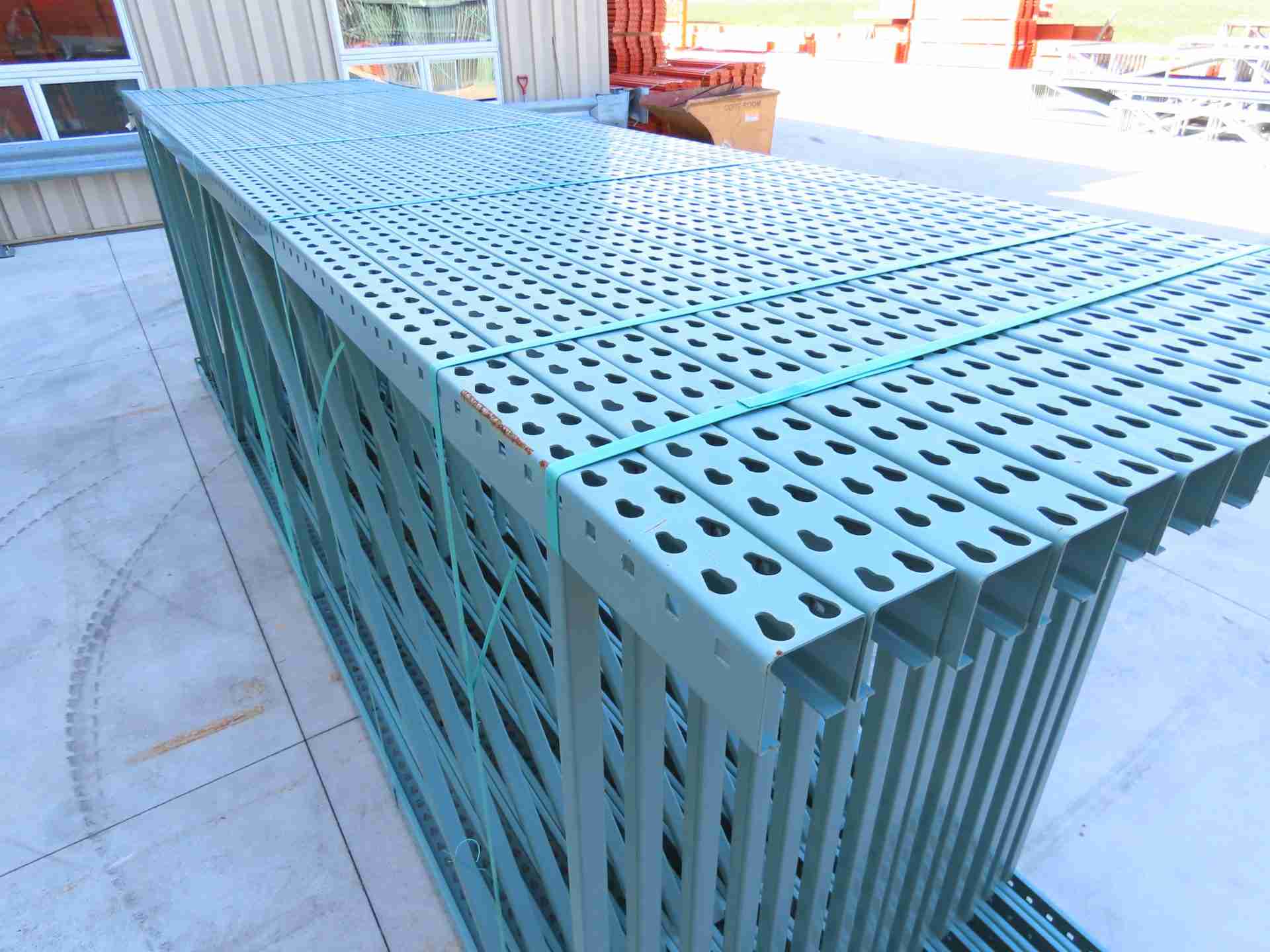
Can Cantilever Systems Handle Heavy Steel Loads Efficiently?
What Safety Benefits Does Cantilever Racking Provide Operators?
When you’ve spent your days hauling heavy gear, stacking bulky loads, and wrestling with tight storage spaces, safety isn’t just a word—it’s the reason you come home in one piece. Cantilever racking speaks directly to that hard-earned peace of mind. Unlike your typical pallet racking setups, this system is designed for those awkward, long, or oddly shaped items that don’t fit neatly on pallets. By giving operators clear sightlines and easy access, it cuts down the dirtworks – less fumbling, less risk of tipping heavy stuff, and fewer scrapes or busted knuckles. It’s the difference between pushing your luck and knowing your rig is built right for the job.
Think about it: no more guessing where that oversized pipe or lumber stack sits. Cantilever racks let you walk up, load fast, and feel confident that what you put in stays put. There’s a trust that grows when your storage system acts like a team member, one that’s got your back from shift start through quitting time. It’s a quiet kind of confidence, born from solid steel arms holding those loads steady, unlike pallet racking where bulky long items can hang dangerously or require awkward maneuvers. That grounded common-sense approach means less workplace drama and more time getting the job done without fearing a spill or collapse.
And there’s an ethical line in the sand every operator knows: safety isn’t just about you. It’s about the crew watching your back, the hands that unload after you, and the family waiting at home. Cantilever racking respects that. It eliminates the hidden hazards lurking where you can’t see or reach. When company leadership invests in this kind of smart infrastructure, it shows they value each person’s well-being over shortcuts or cutting costs. That kind of respect creates a culture where everybody—from the newbie to the seasoned pro—feels seen, protected, and ready to tackle the day.
It’s no accident that workshops and warehouses leaning on cantilever racks report fewer injuries and smoother operations. The arrangement fits the way people actually work—not forcing them into awkward angles or risky lifts. Operators stick around longer, feel better about their workplaces, and pass on that good word. That’s the kind of real-world proof no sales pitch can match. Safety, after all, isn’t a checkbox—it’s the lifeblood of daily grind, the quiet assurance that you’ll clock out in one piece, every single time.

What Safety Benefits Does Cantilever Racking Provide Operators?
What Safety Benefits Does Cantilever Racking Provide Operators?
- Cantilever racking enhances safety by accommodating long, awkward, or oddly shaped items that don’t fit on typical pallet racks.
- It provides clear sightlines and easy access, reducing fumbling, tipping risks, and physical injuries like scrapes and busted knuckles.
- Operators experience confidence and trust in a storage system that holds loads steadily and fits job demands without awkward maneuvers.
- Safety extends beyond the individual, protecting co-workers, unloaders, and families, reflecting an ethical commitment by company leadership.
- Investing in cantilever racking signals valuing employee well-being over cost-cutting, fostering a protective and inclusive workplace culture.
- Workshops and warehouses using cantilever racks report fewer injuries, smoother operations, and higher operator satisfaction and retention.
- Safety is foundational to daily work, ensuring operators can finish their shifts securely without accidents or spills.

What Safety Benefits Does Cantilever Racking Provide Operators?
How Does Cantilever Racking Improve Inventory Accessibility?
When your warehouse feels more like a junkyard jungle than a well-oiled machine, finding what you need can beat the hell out of your day. That’s where cantilever racking steps in, turning chaos into order with a no-nonsense approach that speaks straight to anyone who’s ever wrestled with awkward, bulky gear. Pallet racking might stack the usual crates, but cantilever racks straighten out what doesn’t fit neatly on pallets—long pipes, lumber, steel bars—stuff that’s been giving your team headaches for years.
Here’s the honest truth: when inventory is messy and hard to reach, it churns frustration and wastes time. Cantilever racking slices through that problem by making every inch count and every item reachable without a circus act. Arms that stick out from a single column hold goods like a strong hand holding a stubborn mule’s bridle—steady, reliable, and easy to grab. This means no more awkward bending, no more playing hide and seek with your stock. The folks loading and unloading feel it in their bones—the difference between a smooth day’s work and a blood-pressure spike.
Besides making the tough stuff accessible, cantilever racking respects the space you’ve got without demanding you bulldoze walls or build fancy extensions. It ushers in an honest efficiency that every foreman and warehouse worker trusts because it doesn’t promise miracles—it delivers practical, hard-earned results that respect your time and effort. Using this system shows leadership that values their crew’s sweat and saves pennies without penny-pinching on safety or ease.
There’s a deep satisfaction in seeing inventory laid out like a well-tuned engine—every piece where it should be, ready to move without a second thought. This isn’t just about keeping things orderly; it’s about fostering pride in your workspace and, let’s be real, keeping the boss off your back about delays and lost items. The reliability of cantilever racking isn’t a fancy pitch—it’s the quiet backbone of warehouses where work gets done every day, by folks who know that accessibility means respect for the hard work behind every shipment.
Installing cantilever racking means betting on a system that honors the grit, sweat, and know-how punched into the warehouse floor. It turns your inventory from a beast to be tamed into a clear, manageable stockpile—easy to access, easy to move, and easy to keep track of. It’s more than storage; it’s a trusted ally, standing firm just like the hands that built it.

How Does Cantilever Racking Improve Inventory Accessibility?
How Does Cantilever Racking Improve Inventory Accessibility?
- Cantilever racking transforms cluttered warehouses into organized spaces by efficiently storing long, bulky items like pipes, lumber, and steel bars that don’t fit on pallets.
- It improves accessibility, reducing frustration and time wasted by making all inventory easy to reach without awkward bending or searching.
- Its design features arms extending from a single column that securely hold goods, providing steady and reliable support.
- The system maximizes space without requiring building modifications or extensions, delivering practical efficiency trusted by warehouse teams.
- Using cantilever racking demonstrates leadership’s respect for workers’ effort while balancing cost savings without compromising safety or ease of use.
- It fosters workplace pride by maintaining orderly inventory and preventing delays or lost items, contributing to smoother operations.
- Installing cantilever racking converts chaotic stock into manageable, accessible inventory, serving as a durable, dependable support system in daily warehouse work.
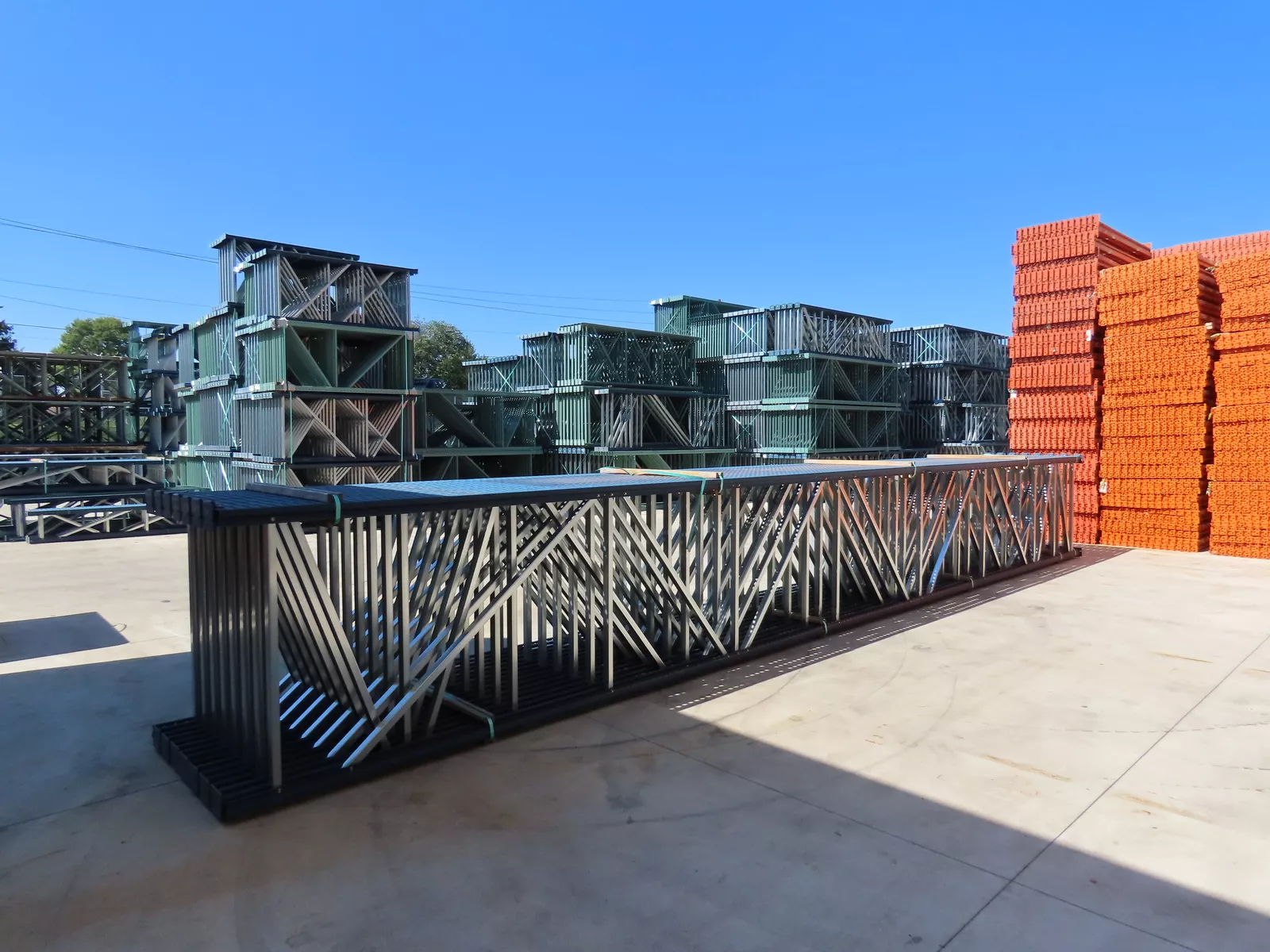
How Does Cantilever Racking Improve Inventory Accessibility?
What Cost Savings Result From Using Cantilever Racks?
If you’ve wrestled with pallet racking that’s a pain to load or just doesn’t fit what you store, you know it’s more than a nuisance—it’s a hit to the wallet. Cantilever racks aren’t just another storage option; they cut costs in ways that make sense for anyone who’s tried to squeeze every inch out of a cramped warehouse or shop floor.
First off, think about space. Traditional pallet racking boxes you in, stacking your goods on fixed racks that only work if your stuff fits right. Cantilever racks throw that problem out the window. With their open arms, they shrug off box shapes, awkward lengths, and bulky loads. That means you can pack more in, store odd-sized materials without decking out extra space, and avoid costly back-and-forth juggling. Less wasted footage equals real dollars saved.
Then, there’s the time factor. Pallet racks rigged for fuss and bother slow everything down. Cantilever racks get into the nitty-gritty of your day-to-day, speeding up load and unload times. When your crew spends fewer minutes wrestling with clunky systems, their hands get on the job faster and safer. Less downtime means more productivity—turning into savings you can count on when month-end rolls around.
Don’t overlook the tough stuff, either: durability and upkeep. Cantilever racks take a beating and keep on ticking. With fewer parts to break or replace, maintenance costs dip. It’s not just about saving a dollar here or there, but about lowering headaches from unexpected repairs that can throw a wrench in schedules and budgets alike.
It’s also an ethical win for anyone mindful of how business shapes the workplace. By making storage safer and more efficient, cantilever racks help protect workers’ well-being. Safer spaces mean fewer accidents and less stress, creating solid grounds for teams to trust leadership and their tools.
From a straightforward, hands-on perspective, these racks aren’t some fancy invention—they’re practical, built tough, and designed to fit real-world challenges. Switching to cantilever racks means more control and fewer surprises. It’s about doing the job right without breaking the bank or grinding your workers down.
Switching your pallet racking game to cantilever racks isn’t just smart—it’s smart with grit and heart. It saves money, drives efficiency, and respects the folks on the floor who make it all happen. That’s worth paying attention to.

What Cost Savings Result From Using Cantilever Racks?
What Cost Savings Result From Using Cantilever Racks?
- Cantilever racks optimize storage by accommodating odd-sized and bulky items, maximizing warehouse space and reducing wasted footage.
- They improve loading and unloading efficiency, speeding up operations and increasing productivity with less downtime.
- Durable design with fewer parts lowers maintenance costs and reduces unexpected repair disruptions.
- Enhance workplace safety by creating a more efficient and secure storage environment, reducing accidents and stress.
- Offer practical, tough solutions tailored to real-world storage challenges without unnecessary complexity.
- Provide better control over storage without breaking the budget or overburdening workers.
- Switching to cantilever racks results in cost savings, improved efficiency, and a respectful work environment for employees.

What Cost Savings Result From Using Cantilever Racks?
Conclusion
Running a steel service center isn’t glamorous work—it’s tough, gritty, and demands practical solutions that hold up under pressure. Cantilever racking fits that bill like a trusted pair of worn-in boots. It’s not flashy, but it handles those long, heavy steel pieces the way they need to be handled: steady, accessible, and without fuss. When steel beams and pipes won’t fit on pallet racks, cantilever arms reach out and carry the load, clearing the way for the crew to work smarter not harder. This straightforward design cuts the hassle, reduces the risk of damage and injury, and saves time—because every minute spent fumbling on the floor is a minute lost or a safety hazard waiting to happen.
There’s more than just muscle behind this system. Using cantilever racking is an ethical choice—it respects the value of the materials, the safety of workers, and the trust of customers who count on timely, intact deliveries. It’s about doing the job right the first time, every time. The open design maximizes storage space without turning your facility into a maze, putting an end to wasted hours hunting for that one pipe or beam buried in a jumble of steel. It’s a strong, simple answer to a complex problem, designed by people who’ve been in the trenches and know what works.
Cantilever systems carry heavy loads efficiently because they’re built tough from the ground up. When piles of steel threaten to crush flimsy racks, these arms stand firm—cutting strain on crews and smoothing workflow. They demonstrate practical wisdom, breaking down big challenges into manageable tasks without undercutting safety or quality. Choosing this system shows you’re serious about your craft, your team, and the partners who rely on you.
Safety isn’t an afterthought with cantilever racking. It’s baked into the design, reducing dangerous maneuvers and workplace accidents. That kind of respect for your workforce creates a culture where everyone feels valued and protected. It’s no coincidence that operations using cantilever racks boast fewer injuries and longer-tenured crews, proving that investing in the right tools pays dividends in trust and productivity.
Then there’s the bottom line: cantilever racking saves money. It squeezes more usable storage into every square foot without costly expansions. It boosts efficiency and durability, lowering maintenance and downtime costs. And it spares budgets by preventing material damage and reducing workplace injuries. This isn’t pie-in-the-sky thinking—it’s common sense wrapped in steel arms, built to last, and designed to make tough work easier.
In the end, cantilever racking stands as more than just storage—it’s a solid partner in the daily grind, a quiet champion of safety, efficiency, and respect for the craft. It earns its place hands down, load after load, proving that sometimes the simplest solutions carry the heaviest weight—and hold everything together.
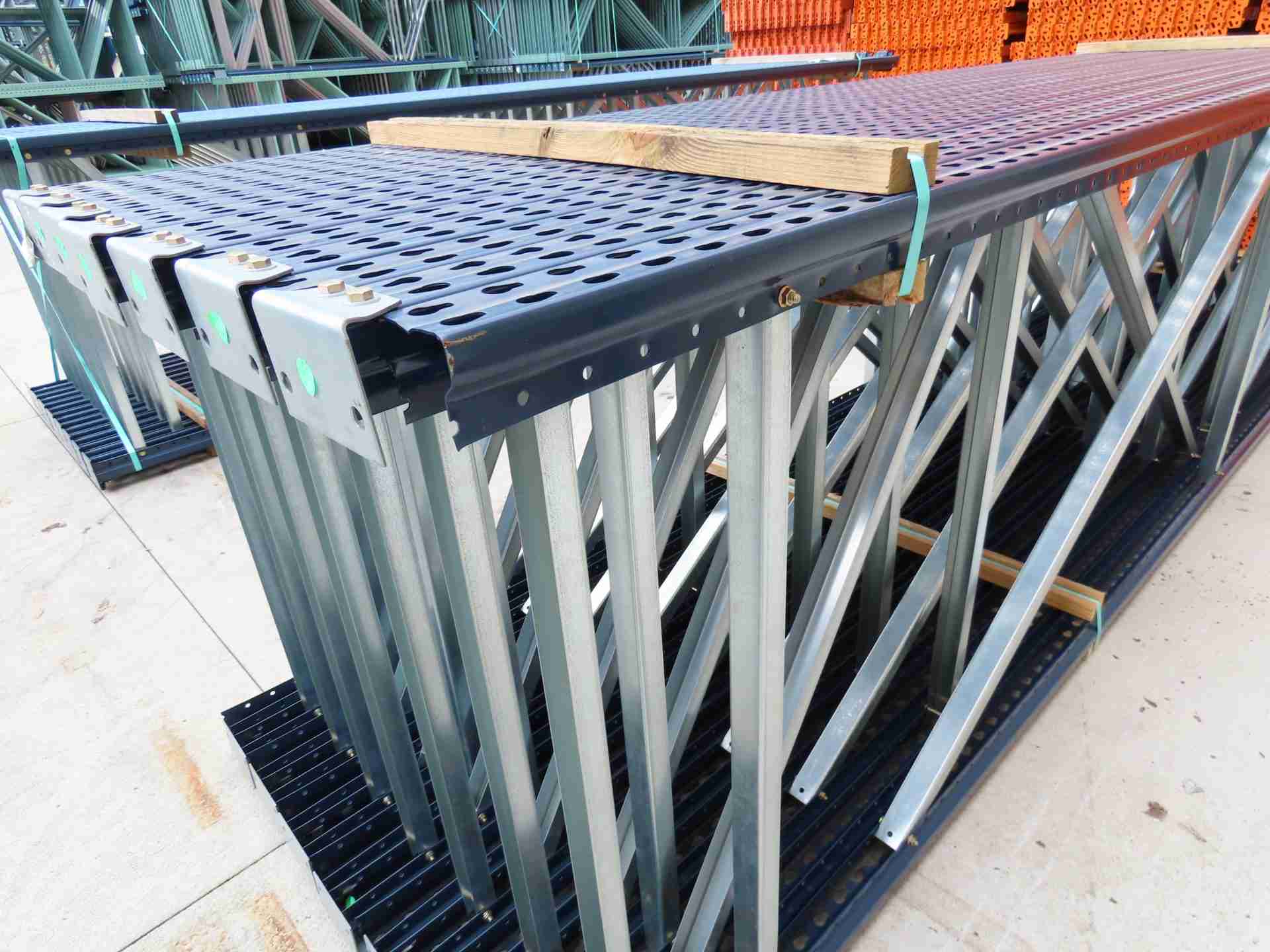
Conclusion
Conclusion:
- Cantilever racking provides a practical, durable solution for storing long, heavy steel pieces that don’t fit on pallet racks.
- The design improves accessibility, reduces handling hassle, and minimizes the risk of damage and injury.
- Its open structure maximizes storage space and eliminates wasted time searching for materials.
- Built tough, cantilever systems efficiently carry heavy loads and enhance workflow by reducing strain on workers.
- Safety is integral to the design, contributing to fewer workplace accidents and fostering a protective work culture.
- Cantilever racking saves money by optimizing storage capacity, reducing maintenance, and preventing material damage and injuries.
- Overall, cantilever racking serves as a reliable, efficient, and respectful storage solution that supports daily operations and long-term productivity.

Conclusion
Other Resources
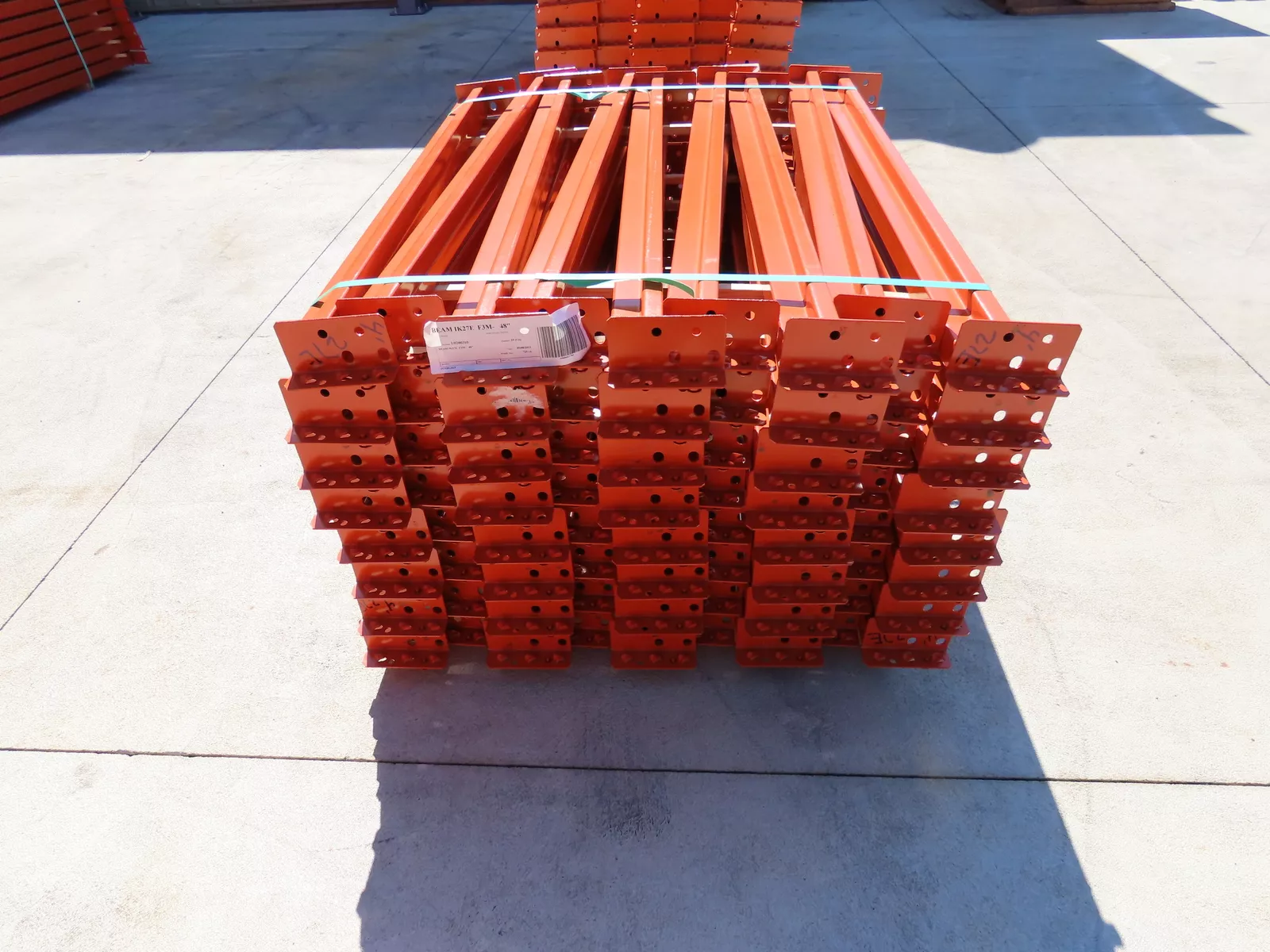
Other Resources
Here is a list of other resources you can review online to learn more:
- Teardrop Racks – Pallet Rack World
- Selective Racking
- Warehousing and Fulfillment
- Selective Pallet Racking Systems – Container Systems
- What is Selective Pallet Racking
- Storage Equipment Manufacturers’ Association
- Warehouse Racks, Warehouse Racking in Stock – ULINE
- Warehouse Storage Racking in Illinois
- RMI
- Pallet Racking 101: A Comprehensive Guide & Options Explained
- What is Selective Racking: Understanding Benefits & Options
- Bradford Systems
- NSC
- Material Handling Industry
- Rack Manufacturers Institute
- Intro to Warehouse Racks & Warehouse Racking Systems – ShipBob
- Selective Pallet Racking Systems
- Chicago Pallet Racking
- Warehouse Racking Layout: The Ultimate Guide – Conger
- Warehouse Racking Chicago, IL
Use This Prompt To Get More Resources With Your Favorite Online AI Tool: Please provide me with a list of online articles with their URLs in a bulleted list that I can read regarding How Do Steel Service Centers Leverage Cantilever Racking?
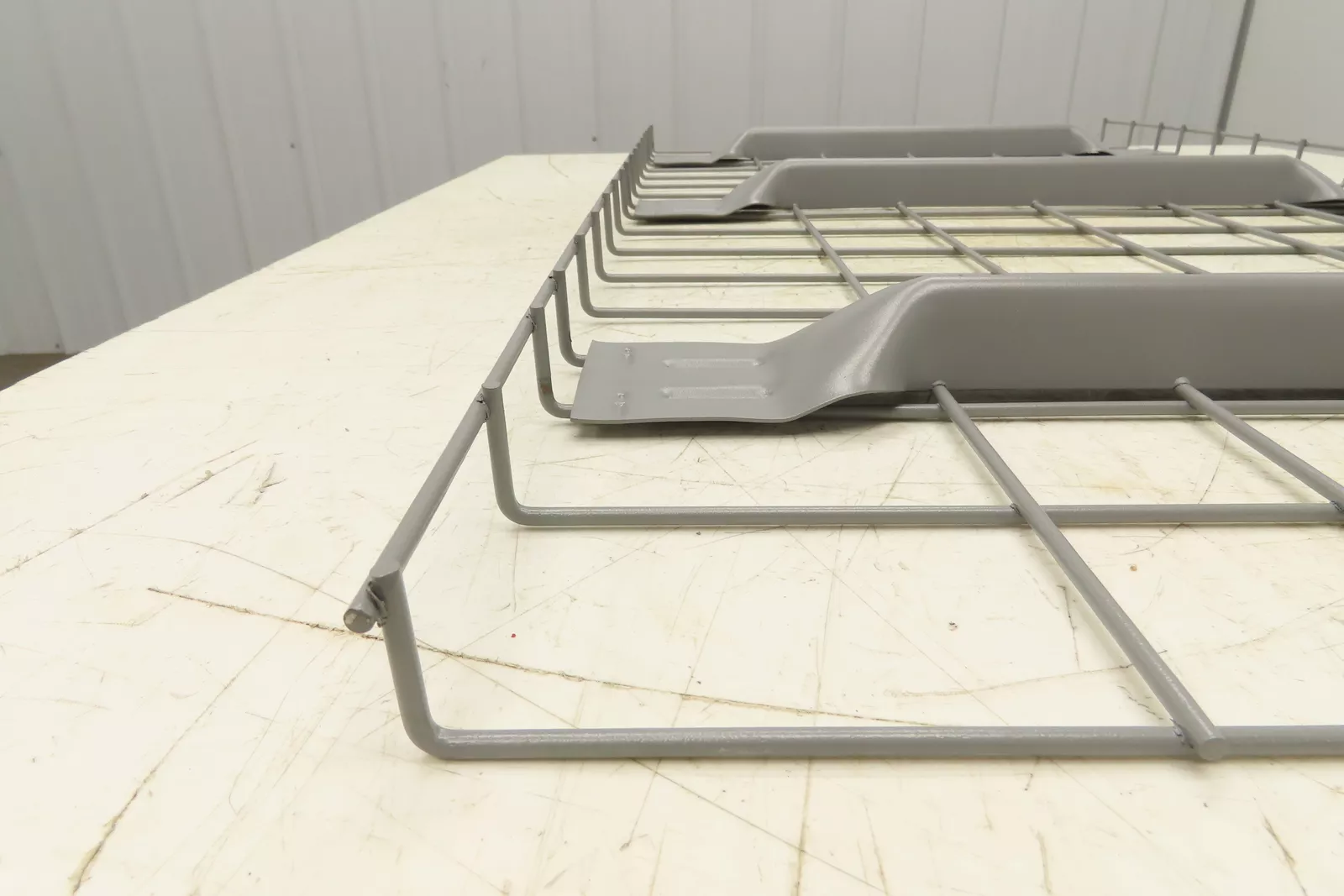
Other Resources
Glossary Terms
How Do Steel Service Centers Leverage Cantilever Racking? – Glossary Of Terms
1. Cantilever Racking: A storage system using horizontal arms projecting from vertical columns to hold long, bulky items like steel.
2. Steel Service Center: A facility that processes, stores, and distributes steel products to various customers.
3. Arms: Horizontal beams in cantilever racks that support stored steel materials.
4. Vertical Columns: Upright supports in cantilever racking that hold the arms in place.
5. Load Capacity: The maximum weight a cantilever rack can safely support.
6. Open Storage: A storage method where items are stored without enclosures, typical in cantilever racking.
7. Accessibility: The ease of retrieving and placing steel products within racking systems.
8. Inventory Management: The process of tracking and organizing steel stock within service centers.
9. Material Handling: Techniques and equipment used to move steel within service centers.
10. Space Optimization: Efficient use of storage area, enhanced by cantilever racks in service centers.
11. Long Product Storage: Storing steel items such as pipes, beams, and bars that are lengthy and bulky.
12. Forklift Compatibility: Adaptation of storage systems to enable forklift access for loading and unloading.
13. Adjustable Arms: Arms on cantilever racks that can be repositioned vertically to accommodate different steel dimensions.
14. Structural Integrity: The strength and stability of the cantilever racking system under load.
15. Modular Design: Construction of racks in sections to allow flexible configuration and expansion.
16. Safety Features: Design elements in cantilever racks to prevent accidents, such as secure arm locking.
17. Load Distribution: The way weight is spread across the cantilever rack to maintain balance and prevent failure.
18. Vertical Storage: Storing items upright, or using vertical height efficiently, as with cantilever racks.
19. Customization: Tailoring rack dimensions and configurations to specific steel product needs.
20. Stock Rotation: Managing inventory so that older steel materials are used before newer stock.
21. Damage Prevention: Measures to protect steel products from dents or deformation during storage.
22. Inventory Visibility: The ability to see and access stored steel easily with cantilever racking.
23. Operational Efficiency: Improving workflow speed and accuracy through organized storage systems.
24. Heavy-Duty Racking: Cantilever systems designed to hold exceptionally heavy steel loads.
25. Rust Prevention: Strategies to avoid corrosion of steel products during storage.
26. Load Securing: Techniques to keep steel materials stable on racks during movement or in storage.
27. Warehouse Layout: The arrangement of storage systems and aisles within a steel service center.
28. Stock Accessibility: The ability to retrieve steel products quickly from storage racks.
29. Cost Efficiency: Reducing operational expenses by optimizing storage and handling.
30. Vertical Clearance: The available height in storage areas influencing rack design and steel storage.
Glossary Of Terms
Other Questions
How Do Steel Service Centers Leverage Cantilever Racking? – Other Questions
If you wish to explore and discover more, consider looking for answers to these questions:
- What are the load capacities per arm, per column, and per bay for cantilever racking?
- How do you calculate the required number of arms and bay lengths for specific steel products?
- What are the standard dimensions and what customization options are available?
- How are cantilever racks anchored to the floor and what concrete specifications are required?
- What are the recommended installation procedures and typical lead times?
- What safety standards, codes, and certifications apply (OSHA, RMI, local codes)?
- How should cantilever racking be inspected and maintained, and how often?
- What operator training and safe handling procedures are recommended?
- How do cantilever racks perform in outdoor or corrosive environments and what coatings or materials are best?
- What seismic or wind-load considerations exist for cantilever systems?
- How do cantilever racks compare to pallet racking, plate racks, and other alternatives in cost and efficiency?
- What are common layout strategies to maximize space and workflow efficiency using cantilever racking?
- How do you accommodate different product shapes (beams, pipes, sheets, coils) and lengths in the same system?
- What accessories are available (end stops, cradles, dividers, protection guards) and when should they be used?
- How do you prevent material damage (scratching, bending, corrosion) when storing steel on cantilever arms?
- What forklift or handling equipment clearances and aisle widths are required for safe operation?
- Can cantilever racking be reconfigured or expanded easily as inventory changes?
- What are the expected lifecycle, durability, typical warranties, and replacement costs?
- What are the upfront costs, ongoing maintenance costs, and typical ROI or payback period?
- How do dynamic impacts (forklift collisions) affect rack integrity and what protection is recommended?
- How does cantilever racking integrate with inventory management systems and barcoding or labeling best practices?
- Are there financing, leasing, or tax incentive options for purchasing cantilever systems?
- What insurance or liability implications should a steel center consider when using cantilever racks?
- How do temperature extremes or humidity affect rack performance and stored steel?
- What fire safety implications exist (sprinkler coverage, egress, material separation) for cantilever-stored steel?
- Can cantilever systems be used with automation (AGVs, AS/RS) and what modifications are needed?
- What are common installation or design mistakes and how can they be avoided?
- How should inventory be organized and rotated on cantilever racks to minimize handling and damage?
- What metrics should managers track to measure the effectiveness of cantilever racking (throughput, damage, space utilization)?
- How do manufacturers differ and what criteria should be used to select a reputable supplier or installer?
- Are there case studies or real-world examples of steel service centers that improved performance with cantilever racking?
- What permits or inspections are typically required before and after installation?
- How do you safely store mixed-material loads (e.g., coated and uncoated steel) to avoid contamination or damage?
- What end-of-life options exist for cantilever racking (recycling, resale, refurbishment)?
Other Questions
Checklist
How Do Steel Service Centers Leverage Cantilever Racking? – A Checklist
Fit-for-Purpose Assessment
✅______ Primary stored items are long or bulky (beams, tubes, bars, pipe, plate bundles, lumber)
✅______ Inventory profile favors open-front access (no front posts) over pallet racking
✅______ Handling method (forklift or side loader) matches long-goods requirements
Load and Dimension Data
✅______ Maximum and minimum item lengths recorded
✅______ Maximum bundle weight and typical piece weight documented
✅______ Load type identified (uniform load, point loads, mixed sizes)
✅______ Required arm capacity and deflection limits calculated
✅______ Required bay and level capacities verified
✅______ Desired overhang and clearance standards defined
Facility & Equipment Compatibility
✅______ Floor slab thickness, flatness, and load capacity verified
✅______ Anchor type, length, and embedment confirmed
✅______ Seismic and wind requirements identified and incorporated
✅______ Clear height supports target vertical storage plan
✅______ Sprinkler, lighting, and HVAC obstructions checked and clearances met
✅______ Aisle widths matched to lift truck turning radius and mast height
✅______ Forklift carriage and attachments suitable for long loads (side shift, fork positioners)
System Design Choices
✅______ Single- or double-sided rack selection made
✅______ Column height and spacing optimized for SKU lengths
✅______ Arm length and capacity selected per load envelope
✅______ Arm style chosen (straight, inclined, with lips) to suit materials
✅______ Base length and bracing pattern ensure stability
✅______ End stops, pipe stops, saddles, or cradles specified as needed
✅______ Decking or spreader bars specified for sheets and plate bundles, if applicable
✅______ Finish or coating selected for the environment (indoor, outdoor, corrosive)
Layout & Space Optimization
✅______ Fast movers placed at optimal heights and closest aisles
✅______ Vertical beam spacing matches common bundle heights
✅______ Clear, straight forklift approaches free of front-column interference
✅______ Staging zones for receiving and shipping sized and placed logically
✅______ Cross aisles and traffic flow planned to reduce congestion
✅______ Slotting minimizes mixed sizes within a level to prevent point loading
Safety & Risk Controls
✅______ Load rating plaques posted at each bay (arm, level, and bay capacities)
✅______ Arm end stops or pins installed where rollover risk exists
✅______ Rack protectors, column guards, and end-of-aisle barriers in place
✅______ Housekeeping plan removes dunnage and debris from aisles and bases
✅______ Clear placement rules: centered load, controlled overhang, even arm contact
✅______ No-climbing policy enforced; approved access methods defined
✅______ Emergency egress and fire code clearances maintained
Accessibility & Inventory Control
✅______ Location IDs and visible labels on columns and arms
✅______ Color coding by grade, size, and length applied
✅______ Bundle strapping and banding standards defined and enforced
✅______ Dunnage specifications (timber, spacers) standardized for safe fork entry
✅______ FIFO and rotation rules set where applicable
✅______ Cycle counting process adapted to long goods
Training & Procedures
✅______ Operator training on cantilever-specific loading and unloading
✅______ Safe travel paths and speed limits defined for long loads
✅______ Lift heights, tilt, and fork spread procedures documented
✅______ Damaged bundle handling and quarantine process defined
✅______ Change management process for re-slotting or reconfiguring racks
Inspection & Maintenance
✅______ Pre-shift visual checks of arms, bases, bracing, and anchors
✅______ Scheduled detailed inspections (plumb/level, fastener torque, corrosion)
✅______ Damage criteria and immediate unload and tag-out protocol defined
✅______ Repair parts (arms, pins, hardware) stocked or lead times known
✅______ Post-impact evaluation procedure documented
✅______ Records maintained for inspections, repairs, and modifications
Compliance & Documentation
✅______ Engineered drawings and calculations retained on-site
✅______ Building code, fire code, and seismic compliance verified
✅______ Commissioning checklist completed and signed off
✅______ Owner’s manuals, capacities, and maintenance guides accessible
Performance & ROI Tracking
✅______ Baseline and target KPIs set (pick time, damage rate, injuries, space use)
✅______ Space utilization measured before and after implementation
✅______ Load and unload time studies completed and monitored
✅______ Damage and scrap tracking in place to quantify reduction
✅______ Payback and total cost of ownership model established
Ethical & Operational Outcomes
✅______ Documented reduction in material damage and waste
✅______ Injury and near-miss rates trending downward
✅______ Operator feedback loop active; issues resolved promptly
✅______ Customer fulfillment accuracy and on-time performance improved
Implementation Plan
✅______ Pilot bay tested and validated with real loads
✅______ Phased rollout schedule minimizes disruption
✅______ Final as-built verification completed
✅______ Handover meeting with operations, safety, and maintenance
✅______ Continuous improvement reviews set at 30, 60, and 90 days

Checklist
At RackingWorld, we help guide you through selecting warehouse storage systems and racking.
Be sure to read our other related stories at RackingWorld to learn more about warehouse storage systems.
0 Comments