
Unlock Efficiency And Strength: Cantilever Racking’S Impact On Metal Masters
By Tom Seest
At RackingWorld, we help guide you through selecting warehouse storage systems and racking.
Be sure to read our other related stories at RackingWorld to learn more about warehouse storage systems.
How Do Steel, Metal, and Fabrication Companies Leverage Cantilever Racking?
When your business deals with heavy steel beams, bulky metal sheets, or oddly shaped fabrication parts, standard storage just won’t cut it. That’s where cantilever racking steps in—like that reliable old pickup that hauls everything but never complains. These racks don’t box you into tight spaces like pallet racking often does. Instead, they offer open arms—long, sturdy arms—to hold long, unwieldy loads safely and accessibly.
For steel, metal, and fabrication shops, time equals money, and every minute wasted digging through clutter eats into both. Cantilever racking lays it all out, making it clear where each pipe, bar, or angle iron belongs. It’s simple: fewer headaches finding materials, faster jobs, and less chance of accidents. When your team spends less time wrestling with inventory and more time fabricating, business runs smoother and customers get their orders on time. That builds trust—inside and outside the shop.
And here’s the thing—these racks are more than just spaces to stash stuff. They’re sturdy companions that take a beating without bending or bowing. That durability means fewer worries about safety or replacements down the road. You’re investing not just in metal beams on beams, but in peace of mind for your crew. Keeping the worksite organized and secure shows you value the people who get your products made. That’s simple ethics—looking out for your team like they look out for you.
It’s not just about function; it’s about smart use of space and putting your shop’s best foot forward. Cantilever racking adapts to your needs because steel won’t wait around neatly stacked on the floor, and fabrication parts come in all sorts of shapes and sizes. It’s the quiet workhorse that solves problems without a fuss, saving space and cutting downtime.
When you see those arms bearing the weight of your toughest materials, it tells a story of reliability and grit. It’s the kind of solution that speaks to anyone who’s ever rolled up their sleeves, faced a mountain of inventory, and needed a straightforward fix. That’s why steel, metal, and fabrication companies lean on cantilever racking—not just to stack materials, but to build a foundation where hard work meets smart design. It’s straightforward, solid, and ready to haul your business forward.
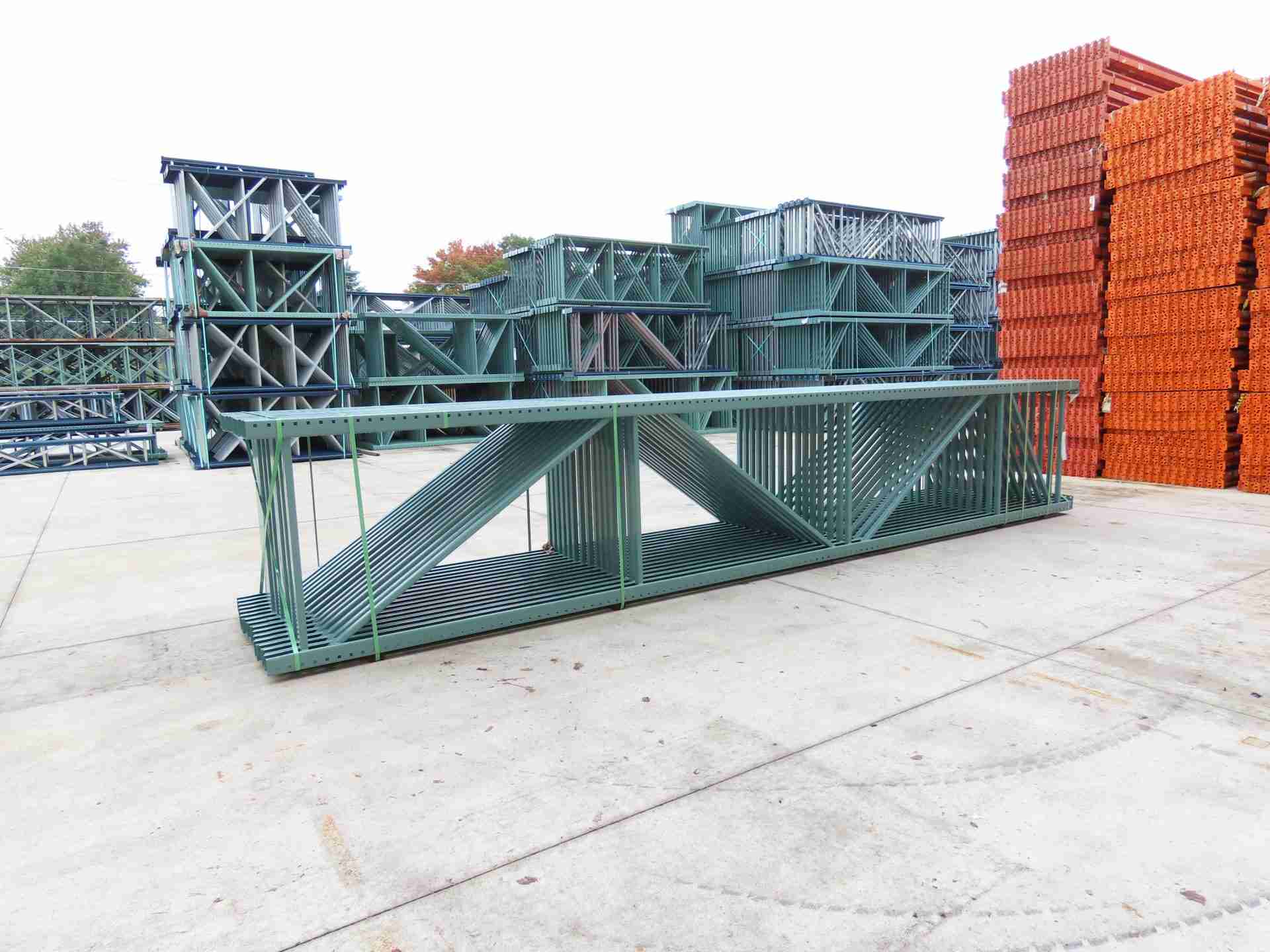
How Do Steel, Metal, and Fabrication Companies Leverage Cantilever Racking?
How Do Steel, Metal, and Fabrication Companies Leverage Cantilever Racking?
- Cantilever racking provides open, long arms ideal for storing heavy, bulky, and oddly shaped materials that standard pallet racking cannot handle.
- It improves organization by clearly designating space for pipes, bars, and angle irons, reducing time wasted searching for materials.
- Using cantilever racks speeds up workflow, decreases accidents, and helps deliver orders on time, building trust internally and externally.
- These racks are durable and resistant to bending, ensuring safety and reducing the need for frequent replacements.
- Investing in cantilever racking promotes workplace safety and organization, demonstrating care for the crew and ethical management.
- Cantilever racks adapt to various sizes and shapes of fabrication parts, optimizing space usage and minimizing downtime.
- They represent a reliable, straightforward storage solution that supports efficient operations and smart shop design.

How Do Steel, Metal, and Fabrication Companies Leverage Cantilever Racking?
Table Of Contents
- How Do Steel, Metal, and Fabrication Companies Leverage Cantilever Racking?
- What Emotional Benefits Do Cantilever Racks Offer Your Team?
- How Does Cantilever Racking Improve Workspace Efficiency?
- Can Cantilever Racks Withstand Heavy Steel Loads Safely?
- Why Trust Cantilever Racking Over Traditional Storage Systems?
- How Have Companies Transformed Operations with Cantilever Racks?
- Does Cantilever Racking Reduce Injury Risks In Metal Shops?
- Conclusion
- Other Resources
- Glossary Of Terms
- Other Questions
- Checklist
What Emotional Benefits Do Cantilever Racks Offer Your Team?
There’s something about a cluttered workspace that chips away at folks’ confidence and morale. When your team’s surrounded by chaos—pipes piled on pallets, lumber leaning this way and that—it’s tough to focus, let alone feel good about the job. Cantilever racks don’t just hold materials; they hold up your team’s spirit. By making it easier to find what’s needed without wrestling with a mess, these racks breathe order into the everyday grind. That kind of clarity? It calms the mind and sharpens focus, turning frustration into steady progress.
From a practical standpoint, cantilever racks save more than space—they save time. When your crew isn’t squinting through a jumble looking for the right pipe or beam, that’s hours reclaimed every week. Using pallet racking systems that actually fit what you handle makes sense. It’s about setting your team up to win before the whistle blows, not scrambling when the heat’s on. Those small wins build trust, because you’ve provided tools that show you care about their day-to-day grind, not just results on paper.
There’s an ethical muscle here too: respect. Providing proper storage isn’t just a box-check; it’s telling your people that their safety matters, that their workspace should be as straightforward and dependable as the work boots on their feet. When a company invests in well-designed cantilever racks, it’s saying, “You’re worth protecting, and your work is worth doing right.” That kind of respect spreads from the rack to the whole crew, fostering a culture where everyone feels their contribution counts.
Look around a well-organized yard or shop, and you’ll see how common sense meets craftsmanship. It’s a silent nod to experience that knows a good setup makes the whole operation hum smoother. Teams working with smart pallet racking know it cuts down on heavy lifting mishaps and backaches—turning physical strain into confidence. That’s why the racks become more than metal and bolts; they’re part of a trusted system that supports both body and mind.
Cantilever racks don’t just stack material—they stack up trust, pride, and a sense of teamwork. When the jobsite looks sharp and works right, folks feel it in their gut—they’re part of something solid, reliable, and built to last. That’s the emotional horsepower your team needs to tackle the next job with grit and assurance.

What Emotional Benefits Do Cantilever Racks Offer Your Team?
What Emotional Benefits Do Cantilever Racks Offer Your Team?
- Cluttered workspaces diminish confidence and morale, while cantilever racks create order, improving focus and reducing frustration.
- Cantilever racks save time by making materials easy to find, enabling crews to work efficiently without unnecessary delays.
- Providing proper storage demonstrates respect for workers’ safety and well-being, fostering a culture of care and trust.
- Well-designed cantilever racks reduce physical strain and accidents, supporting both the body and mind of workers.
- Cantilever racks symbolize more than storage; they represent trust, pride, and teamwork among the crew.
- A well-organized workspace with smart racking enhances overall operation smoothness and craftsmanship.
- Effective storage solutions empower teams emotionally and practically, preparing them to handle jobs with confidence and grit.
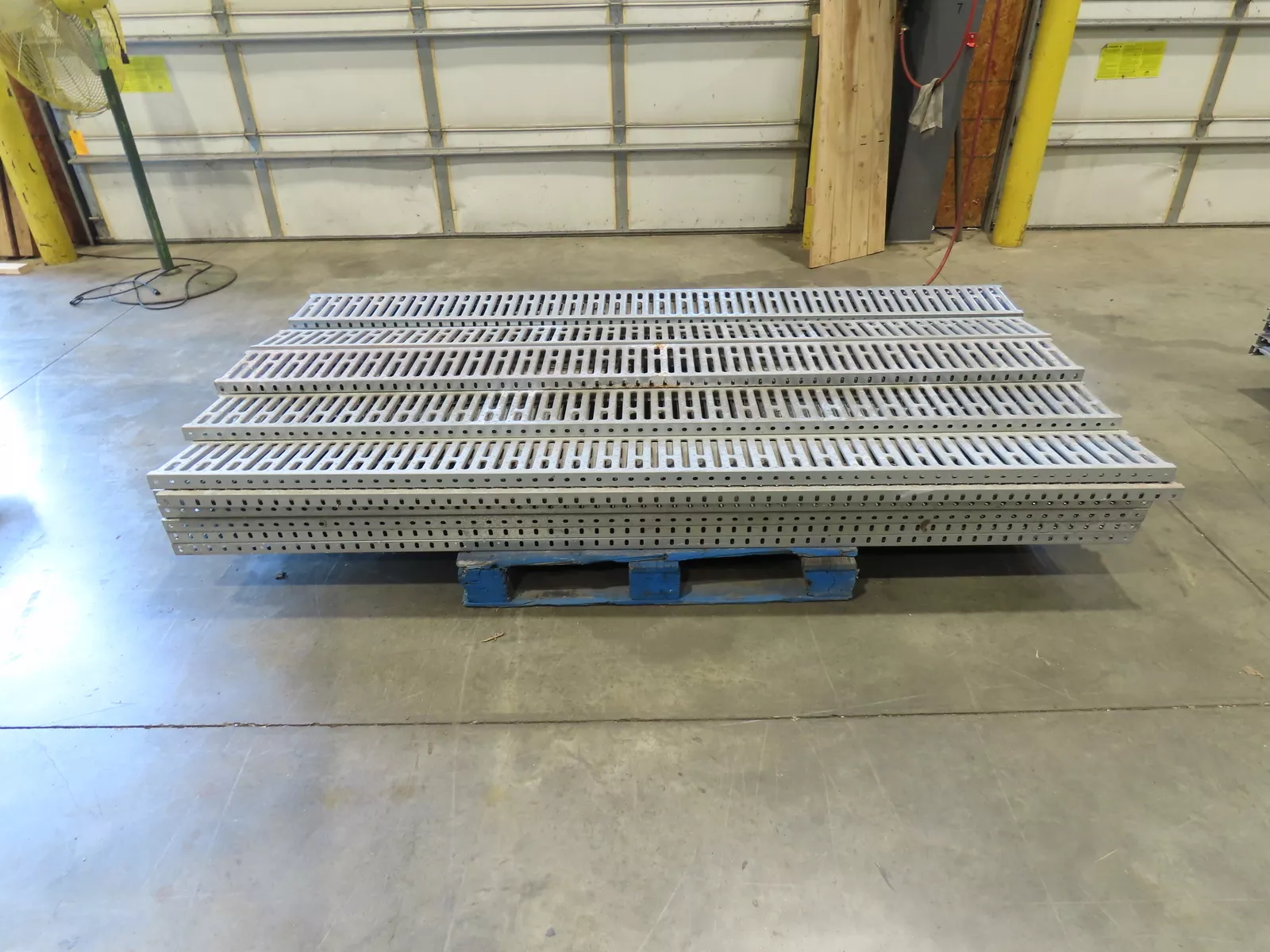
What Emotional Benefits Do Cantilever Racks Offer Your Team?
How Does Cantilever Racking Improve Workspace Efficiency?
When you step into a cluttered warehouse or workshop, it hits you right in the gut—wasting time hunting down materials isn’t just annoying; it costs money. Cantilever racking changes the game by making storage straightforward and accessible, cutting through the chaos like a well-oiled machine. Unlike traditional pallet racking, which can box you in with bulky uprights and tight corners, cantilever racks open up your space, giving you clear sightlines and easy reach. That means less fumbling around, fewer mistakes, and a smoother workday where things actually flow.
You see, this isn’t some fancy gimmick. It’s about real, grounded improvements—boosting safety by keeping heavy, awkward items off the floor and stacked solidly without cramming every aisle till you can’t even squeeze through. Hands-on folks know the value of having the right gear at arm’s length, not buried under piles of scrap or heaps of pallet racking gone wrong. This setup respects the grit and grind of daily labor, recognizing that every minute saved stacking or retrieving counts.
On a deeper level, there’s an ethical nudge here—we owe it to the team to provide a workspace that doesn’t frustrate or slow them down. Giving folks a clean, organized area shows respect for their effort and dignity at work. It’s about making the job easier and safer, not harder. The straightforward design of cantilever racking supports that, proving you don’t have to overcomplicate things to get results. It is honest and dependable, like the best tools in the shed.
When you put cantilever racking in place, you’re tapping into decades of know-how—warehousing pros and shopkeepers alike rely on this solution because it gets the job done without fuss. No fluff, just solid performance. It’s a choice that signals you mean business about efficiency and care about how your workspace runs day-to-day. That builds trust not just between you and your team, but with clients and partners who see a smooth operation at work.
If your workspace tells a story of frustration and wasted effort, cantilever racking writes a new chapter—one where order, ease, and respect for the work itself take center stage. The payoff isn’t just tidier aisles; it’s a workplace that runs with confidence and pride. And that’s a win everyone can get behind.
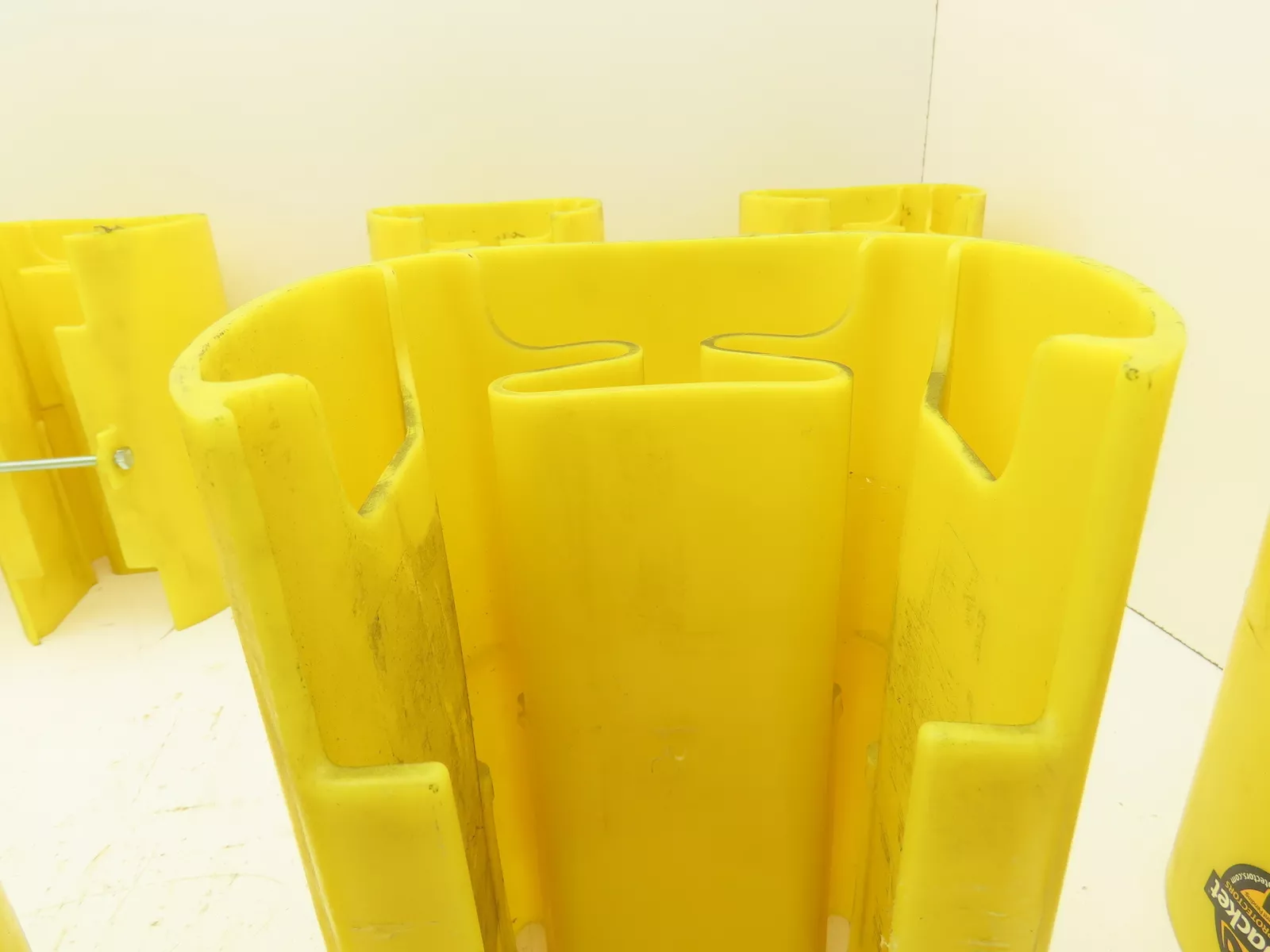
How Does Cantilever Racking Improve Workspace Efficiency?
How Does Cantilever Racking Improve Workspace Efficiency?
- Cantilever racking simplifies storage, improving accessibility and reducing time wasted searching for materials compared to traditional pallet racking.
- It opens up workspace by eliminating bulky uprights and tight corners, creating clear sightlines and easier reach.
- This system enhances safety by securely stacking heavy items off the floor without overcrowding aisles.
- Cantilever racking respects the daily labor effort by keeping tools and materials within easy reach, saving valuable time.
- Provides an organized, frustration-free workspace that honors workers’ dignity and effort, facilitating easier and safer tasks.
- Backed by decades of practical use, it delivers reliable performance without unnecessary complexity, fostering trust among teams and partners.
- Transforms cluttered, inefficient areas into orderly, confident workplaces that boost pride and operational smoothness.
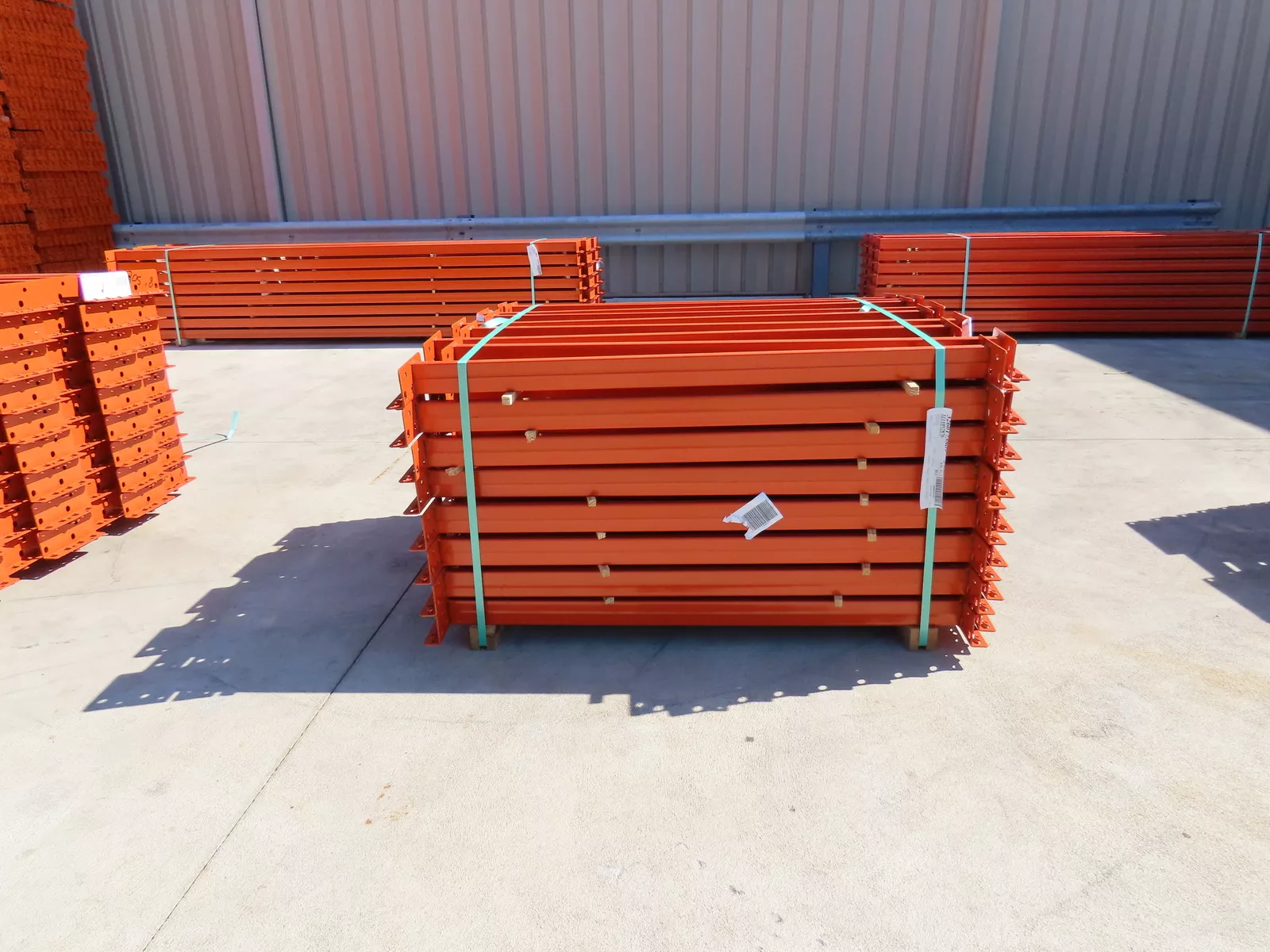
How Does Cantilever Racking Improve Workspace Efficiency?
Can Cantilever Racks Withstand Heavy Steel Loads Safely?
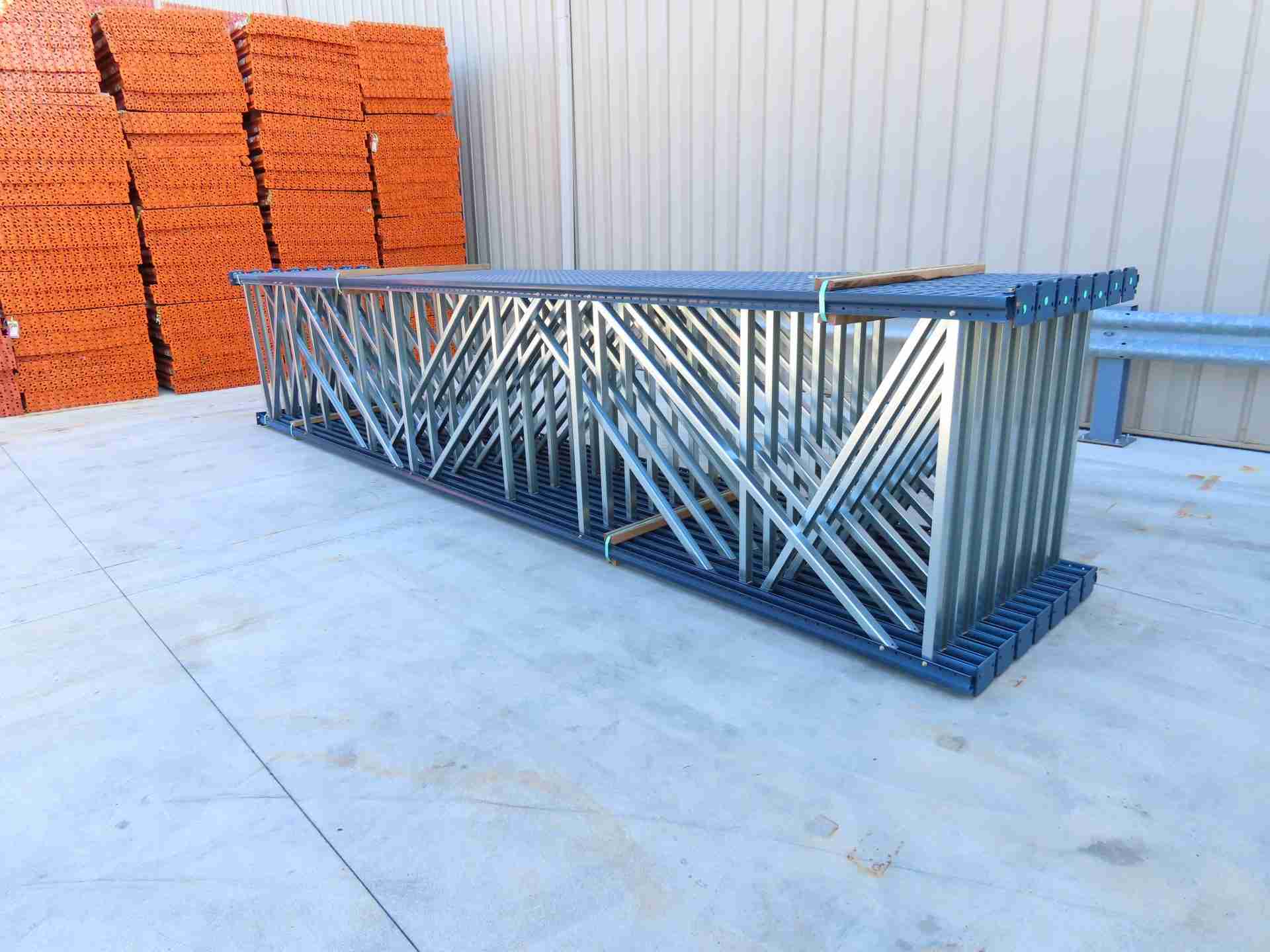
When you’re standing in a busy shop or warehouse, looking up at stacks of heavy steel beams hanging off cantilever racks, you want to know one thing: can those things hold up under the weight? The short answer from experience and common sense is yes, if you treat them right. Cantilever racks aren’t just some fancy shelving—they’re workhorses built to carry big loads, especially awkward stuff that pallet racking can’t handle easily. But that trust doesn’t come from a wish or guessing game; it’s earned by understanding their design, respecting the limits, and setting them up with care.
Think about it for a minute: steel beams are heavy. If the rack breaks, the crash won’t only cost you thousands in damaged goods—it could seriously hurt someone. So a little pragmatism goes a long way. These racks are engineered with thick arms and sturdy uprights specifically for heavy-duty jobs. They rely on solid construction and careful installation. Using them without weighing the specs is like driving a truck blindfolded. But if you follow the weight limits, anchor them securely, and keep the rack level, the steel sits there like an old workhorse, steady and reliable through a harsh day’s grind. You’d trust that rig because it’s been tested by time, sweat, and steel.
There’s a kind of ethics baked into this too. When you install and maintain cantilever racks the right way, you’re not just protecting your merchandise—you’re protecting your crew. Safety isn’t just a rule on paper; it’s a responsibility you take seriously. It’s the difference between a close call and a workplace tragedy. That sense of care is what keeps people coming back home at the end of the day, which is what really matters.
At its core, cantilever racking offers a practical solution when pallet racking simply won’t cut it. Sure, pallet racking is great for boxes and pallets, but those heavy steel pipes and beams need something beefier. Cantilever racks stand up to that challenge by letting you sort, store, and access steel with confidence. Once set up, they become part of the team, reliable like a trusted buddy who always has your back.
So when you’re asking if cantilever racks can safely handle heavy steel loads, remember this: with solid construction, smart setup, and respect for limits, the answer is a straight “yes.” They’re not just racks—they’re a promise that the heavy stuff will stay put, the work gets done, and everyone goes home safe. That’s the kind of reliability you can stake your business on.

Can Cantilever Racks Withstand Heavy Steel Loads Safely?
Can Cantilever Racks Withstand Heavy Steel Loads Safely?
- Cantilever racks are designed to carry heavy, awkward loads that pallet racking cannot handle effectively.
- Their strength and reliability depend on understanding their design, respecting weight limits, and proper installation.
- Racks are engineered with thick arms and sturdy uprights specifically for heavy-duty use.
- Following specifications, securely anchoring, and keeping racks level ensures safety and durability.
- Proper installation and maintenance protect both merchandise and workers, emphasizing safety as a responsibility.
- Cantilever racks provide a practical solution for storing heavy steel pipes and beams, offering confidence and accessibility.
- When used correctly, cantilever racks reliably support heavy loads, ensuring work efficiency and workplace safety.
Can Cantilever Racks Withstand Heavy Steel Loads Safely?
Why Trust Cantilever Racking Over Traditional Storage Systems?
When it comes to storage solutions, you’ve probably heard the chatter about pallet racking—big, bulky, and usually all about stacking boxes in a one-size-fits-all way. But let me tell you why cantilever racking earns your trust over those old-school options. This isn’t just about holding stuff; it’s about doing it with a no-nonsense kind of smarts that makes your workday easier, safer, and more productive.
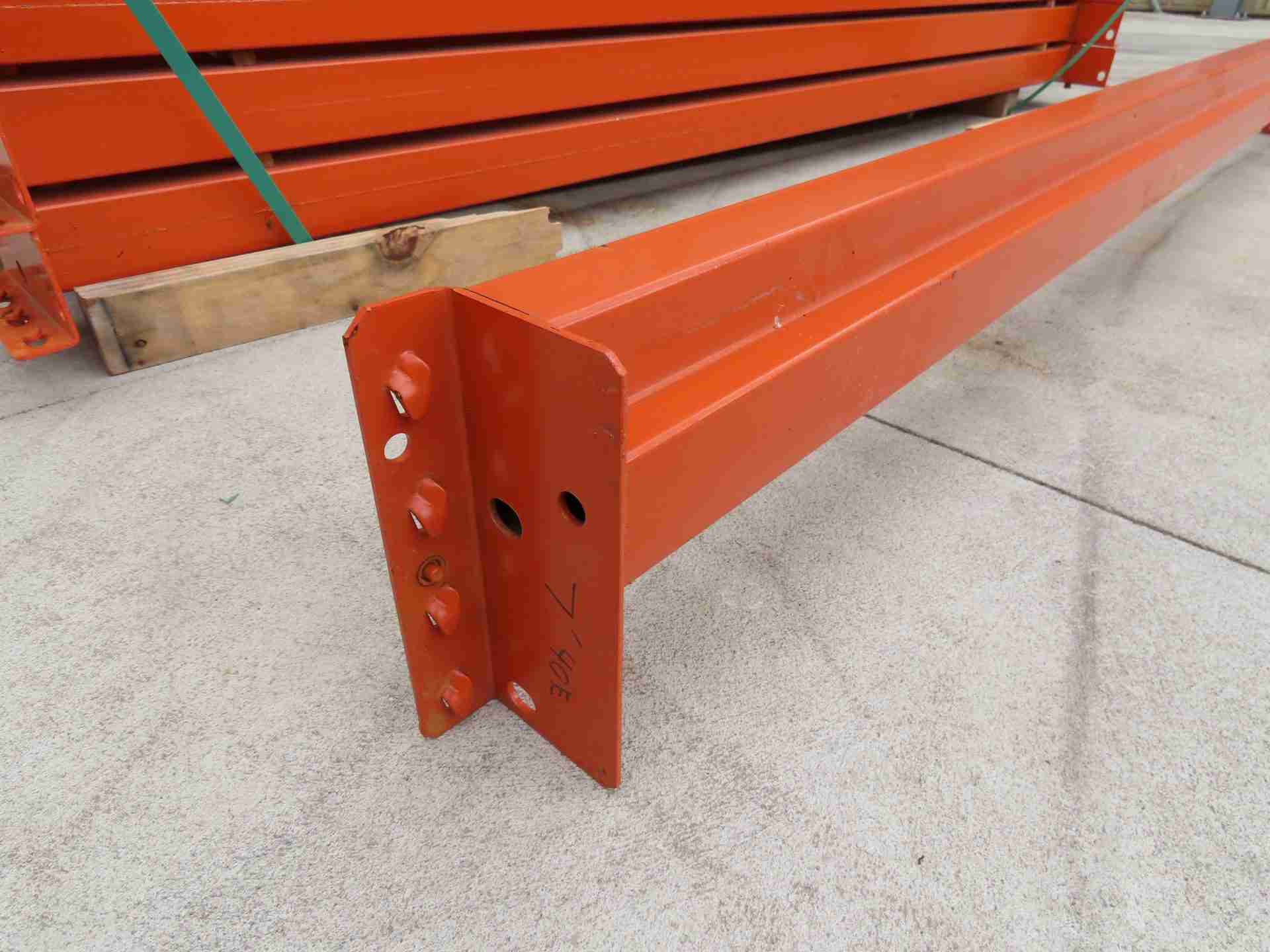
First off, cantilever racks remind you of the no-frills, get-the-job-done approach that real folks with rough hands appreciate. Imagine trying to haul awkward, long, or bulky items—think lumber, pipes, or metal bars—onto pallet racking designed more for square boxes than real-world shapes. It’s like fitting a square peg in a round hole. Cantilever racking is built for these oddballs. No more wrestling goods into tight spots or risking a tip-over because the system just can’t handle the shape or size. That’s common sense, plain and simple.
Beyond the practical, there’s trust built into the steel arms jutting out like a reliable handshake. Durable, solid, and ready to carry heavy loads without flinching, cantilever racks say, “I got your back.” And when your equipment feels that dependable, every hour on the floor breathes a little easier. You’re not just stacking stuff; you’re stacking confidence. That’s the kind of backbone any hardworking crew deserves.
Ethically, the choice is clear. Using a system that reduces accidents and streamlines work respects the sweat equity every worker pours into the day. It’s about valuing people and their safety without fussing over unnecessary bells and whistles. Plus, cantilever racking often means fewer damaged goods, which keeps waste down and budgets in better shape. Honesty and integrity shine through when your storage system does its job right, day in and day out.
From a social standpoint, teams using cantilever racks tend to swap stories about how it changes the game—less strain, quicker access, fewer headaches. That’s the kind of word-of-mouth that turns heads because it comes from folks who’ve been in the trenches, not just from shiny brochure promises. It builds community around smarter work, and who doesn’t want to be part of that?
So whether you’re weighing cost, durability, or just plain old reliability, cantilever racking stands tall where pallet racking might wobble. It’s a straightforward, trustworthy partner in the hard work of keeping your operation running smooth and steady. Choose it, and you’re not just picking storage—you’re picking peace of mind.
Why Trust Cantilever Racking Over Traditional Storage Systems?
Why Trust Cantilever Racking Over Traditional Storage Systems?
- Cantilever racking is designed for handling awkward, long, or bulky items like lumber, pipes, and metal bars, unlike pallet racking meant for square boxes.
- It offers a practical, no-frills solution that prevents product damage and reduces the risk of tip-overs.
- Durable steel arms provide dependable support for heavy loads, enhancing workplace safety and confidence.
- Using cantilever racks respects worker safety and effort by reducing accidents and streamlining workflow.
- It helps minimize damaged goods, lowering waste and improving budget efficiency.
- Workers value cantilever racking for reducing strain and improving access, fostering a community of smarter work.
- Cantilever racking combines cost-effectiveness, durability, and reliability to keep operations running smoothly and provide peace of mind.
Why Trust Cantilever Racking Over Traditional Storage Systems?
How Have Companies Transformed Operations with Cantilever Racks?
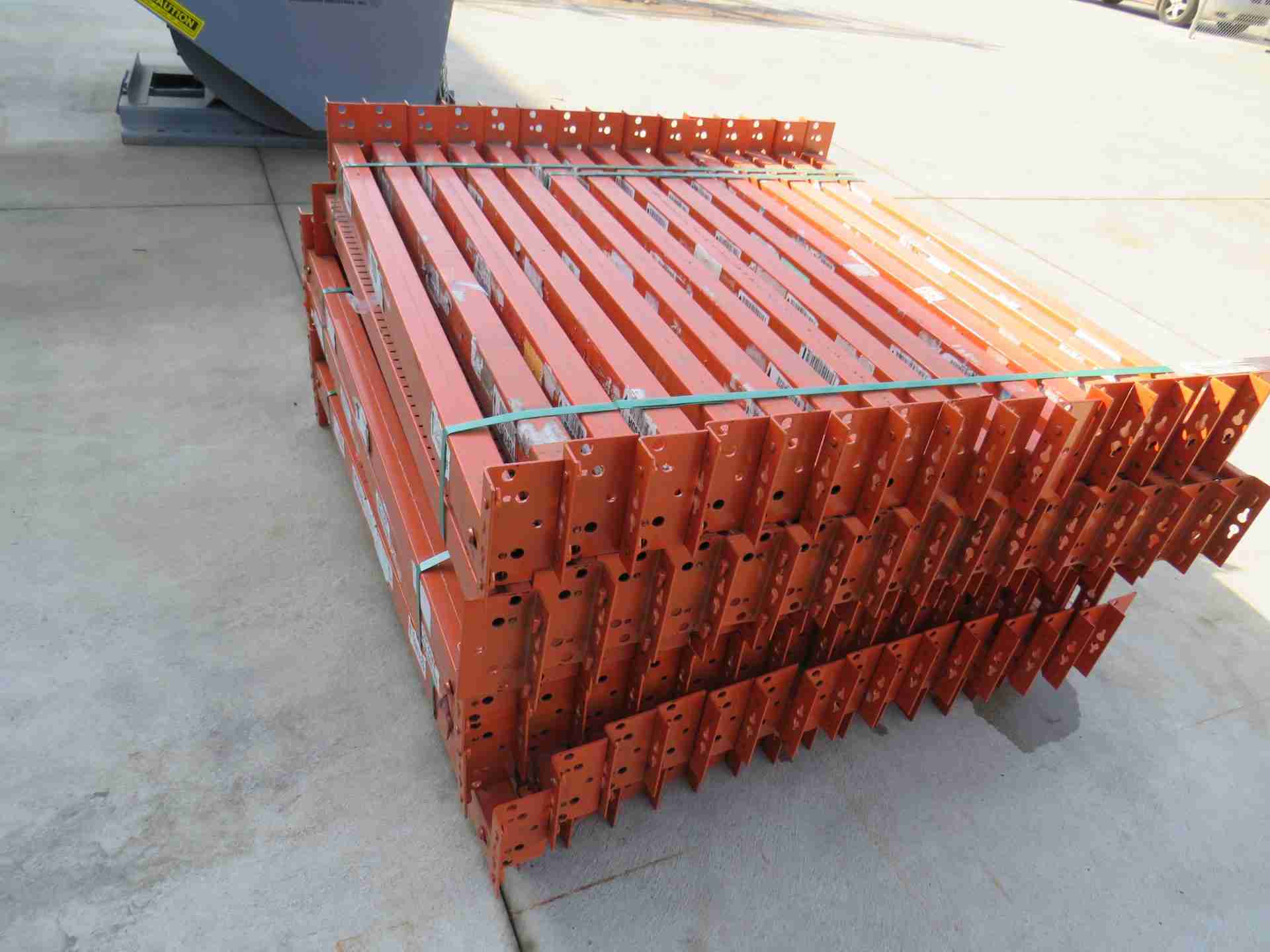
When you’ve been in the game long enough, you learn that the right tools can change everything. Cantilever racks aren’t just some fancy storage solution; they’re the backbone for businesses looking to handle long, awkward loads like pipes, lumber, and metal bars with less hassle and more muscle. Companies who switched from traditional pallet racking setups to cantilever racks tell similar stories: fewer bruised goods, better organized aisles, and a boost in worker morale because handling materials became smoother and safer.
Think about it. If your workers dread wrestling with bulky items, productivity tanks and safety takes a hit. Cantilever racks make it easier to see, reach, and retrieve those hefty materials without the back-breaking guesswork. That means quicker turnaround times and less downtime caused by accidents or misplaced goods. You’re not just stacking loads; you’re building trust in your system and in the people running it every day.
There’s also a smart money angle. Switching to cantilever racks transforms floor space, turning tight, cluttered warehouses into streamlined operations. Companies that once struggled with inadequate Pallet Racking layouts found cantilever racks brought versatility and efficiency without tearing apart the whole setup. Investing in the right rack pays off—not just on paper but in the slow, steady hum of daily work where every second counts. It’s about doing more with less, cutting waste, and reshaping workflows that might’ve been stuck in the past.
Ethically, it’s the right call too. Providing a safer, more organized workplace shows respect for the hours and sweat your crew pour in day after day. It’s not glam, but it means something. When workers feel looked after, their connection to the job deepens. That’s good for business and good for communities relying on honest, steady work.
The authority of experience backs it up, proven across industries from construction yards to manufacturing floors. Cantilever racks aren’t a gimmick; they’re a practical, hands-on solution that earns trust through results. When you see how quickly materials flow and how straightforward inventory becomes, you understand why companies stick with it.
Bottom line: cantilever racks transform more than storage. They transform how a company feels, works, and grows—saving time, cutting costs, and lifting the weight off everyone’s shoulders in plain sight. That kind of smart, no-nonsense grit is what keeps operations running strong, day in and day out.

How Have Companies Transformed Operations with Cantilever Racks?
How Have Companies Transformed Operations with Cantilever Racks?
- Cantilever racks optimize handling of long, awkward materials like pipes, lumber, and metal bars, improving efficiency and reducing damage.
- They enhance worker safety and morale by making it easier to see, reach, and retrieve bulky items, reducing accidents and fatigue.
- Switching from pallet racking to cantilever racks streamlines warehouse space and boosts operational versatility without major overhaul.
- Investing in cantilever racks cuts waste, reshapes workflows, and delivers ongoing productivity benefits beyond initial costs.
- Providing a safer, more organized workplace respects employees’ efforts and strengthens their connection to the job.
- Proven effective across industries, cantilever racks offer a practical solution that improves material flow and inventory management.
- Cantilever racks transform company operations by saving time, lowering costs, and supporting consistent, reliable daily performance.
How Have Companies Transformed Operations with Cantilever Racks?
Does Cantilever Racking Reduce Injury Risks In Metal Shops?
Look, anyone who’s spent a day in a metal shop knows the weight and awkwardness of the stuff we handle—long pipes, heavy sheets, and oddly shaped bars that don’t neatly fit on your standard pallet racking. When those materials get stacked wrong, it’s not just a nuisance; it’s a straight-up hazard. A shelf collapse or a load sliding off can send guys to the hospital, or worse, screw up a whole crew’s day in ways you can’t fix with a bandage.
Cantilever racking steps into this story as the unsung hero. Instead of cramming everything onto pallet racking designed for boxed goods and pallets, cantilever racks reach out like a good set of arms, holding long materials safely and where you need them. It’s straightforward but smart—making heavy metal easier to grab without leaning over, twisting, or risking it slipping through gaps. That means fewer strained backs, fewer hands caught in pinch points, and a whole lot less worry about what might fall when you’re in a hurry.
There’s a real ethical angle here, too. Putting your people in harm’s way because you skimp on the right storage is just bad business. When a company invests in cantilever racking, it’s more than buying steel shelves—it’s showing up for your crew in a way that says, “Your safety matters.” That builds trust in a way no memo can.
From the folks who’ve wrestled with endless pallet racking setups, cantilever storage fits the bill for metal shops with loads that don’t obey the usual rules. It’s custom-built to reduce injuries by keeping materials stable and accessible. Written into the design is a respect for the hands that handle the gear every day. And when material handlers know their tools won’t sneak up on them, they move better, think clearer, and work harder.
If you’re running a shop where keeping heads down and hands whole counts, cantilever racking isn’t just a good idea—it’s a step toward a safer, smarter workspace. It’s about cutting down the injuries that slow everything else down and showing a bit of care that goes beyond just getting the job done. When safety meets the common sense of the right racks, everyone wins.
Does Cantilever Racking Reduce Injury Risks In Metal Shops?
Does Cantilever Racking Reduce Injury Risks In Metal Shops?
- Metal shops handle heavy, awkward materials like long pipes and sheets that don’t fit standard pallet racking, creating safety hazards if stacked improperly.
- Cantilever racking provides a safer storage solution by securely holding long materials where they’re easily accessible, reducing physical strain and risk of accidents.
- Using cantilever racks lowers the chance of back injuries, pinch points, and falling loads, improving overall workplace safety.
- Investing in proper storage like cantilever racking demonstrates a company’s commitment to employee safety and builds trust beyond formal communications.
- Cantilever storage is tailored for irregular, heavy loads common in metal shops, designed to keep materials stable and accessible.
- Proper storage reduces injuries, allowing workers to perform tasks more efficiently, think clearly, and work harder without fear of workplace hazards.
- Implementing cantilever racking is a crucial step toward a safer, smarter workspace, minimizing injuries and showing genuine care for the well-being of employees.

Does Cantilever Racking Reduce Injury Risks In Metal Shops?
Conclusion
Cantilever racking is the no-nonsense backbone for steel, metal, and fabrication shops that wrestle daily with bulky, awkward materials. Unlike standard pallet racking, these racks offer open, sturdy arms that don’t box you in but open up your workspace, making it easier to store and access heavy steel beams, pipes, and odd-shaped parts. When every minute counts, this kind of organization saves time, cuts down frustration, and keeps the jobs rolling smoothly. It’s about giving your crew a setup that respects their sweat and grit, not making them jump through hoops just to find the right piece of metal.
There’s a quiet emotional win here, too. Working in a cluttered shop wears down morale and focus. Cantilever racks bring clarity to the chaos, turning a mess into a system that lifts spirits and steady hands. When workers know where everything lives and can grab it without a wrestling match, confidence grows. That respect for their daily grind isn’t just practical—it’s ethical. Investing in solid storage means you’re valuing their safety and dignity, showing you care about the bodies and minds behind the work. It spreads through the whole crew, building pride and trust that go hand in hand with productivity.
Safety isn’t an afterthought with these racks. They’re built tough, engineered to hold heavy loads without bending or bowing under pressure. But that strength depends on using them smartly—anchored, level, and within their specs. When set up right, cantilever racks don’t just hold steel; they hold up a promise that the jobsite is safer for everyone. It’s the difference between a close call and getting everyone home intact at the end of the day. That responsibility goes deep, mixing practical design with real care for the people on the floor.
From a pure efficiency standpoint, cantilever systems empower shops to do more with less space. Clear sightlines and easy access smooth out the flow of materials, cutting downtime and mishaps. No more clutching at shadows under piles of junk or squeezing past bulky racks. It’s a setup born from hands-on experience, built for the real shapes and weights those shops deal with daily. This straightforward tool boosts the bottom line not just through space savings but by improving workflows that once felt stuck or clumsy.
Companies that make the switch often tell the same story: fewer damaged goods, safer workspaces, and crews who feel cared for instead of shuffled around. It’s not just about storing metal—it’s about building a foundation of trust, respect, and steady teamwork. Cantilever racking is the rugged, dependable partner that keeps operations humming—solid, smart, and ready to shoulder the load so the shop can keep moving forward. That blend of common sense and grit makes it clear why it’s not just a storage choice, but a commitment to the work and the people who do it.
Conclusion
Conclusion:
- Cantilever racking provides open, sturdy arms that facilitate easy storage and access to heavy, bulky materials like steel beams, pipes, and odd-shaped parts.
- This system improves workspace organization, saving time and reducing frustration during daily operations.
- It enhances worker morale and focus by turning cluttered spaces into organized systems, promoting confidence and respect for workers.
- Designed for safety, cantilever racks are robust and engineered to hold heavy loads securely when installed correctly.
- The racks optimize space efficiency with clear sightlines and easy access, streamlining material flow and reducing downtime.
- Users report fewer damaged goods, safer environments, and crews feeling valued and supported.
- Cantilever racking represents a reliable, practical storage solution that fosters trust, respect, and smooth teamwork in steel and fabrication shops.

Conclusion
Other Resources
Other Resources
Here is a list of other resources you can review online to learn more:
- ASSP
- Pallet Racking systems in Illinois, Great Lakes
- Pallet Racking 101: A Comprehensive Guide & Options Explained
- Overhead Lifting
- Selective Racking
- What is Selective Racking: Understanding Benefits & Options
- Teardrop Pallet Rack – Ridg-U-Rak
- Warehouse Racking Layout: The Ultimate Guide – Conger
- Bradford Systems
- Warehousing Education and Research Council: https://www.werc.org/
- Arrow Industrial Sales
- Storage Equipment Manufacturers’ Association
- CMMA
- Selective Pallet Racking Systems – Container Systems
- Interlake
- Crane Manufacturers Association Of America Inc.
- NSC
- BMH Equipment LLC
- Teardrop Pallet Rack – Ridg-U-Rak
- Heavy-Duty Cantilever Storage Racks
Use This Prompt To Get More Resources With Your Favorite Online AI Tool: Please provide me with a list of online articles with their URLs in a bulleted list that I can read regarding How Do Steel, Metal, and Fabrication Companies Leverage Cantilever Racking?
Other Resources
Glossary Terms
How Do Steel, Metal, and Fabrication Companies Leverage Cantilever Racking? – Glossary Of Terms
1. Cantilever Racking: A storage system with horizontal arms extending from a vertical column to hold long or bulky items.
2. Load Capacity: The maximum weight a cantilever rack can safely support.
3. Upright Column: Vertical supports anchored to the floor, forming the backbone of cantilever racks.
4. Arms: Horizontal extensions from the upright column that hold materials.
5. Baseplate: A flat metal plate at the bottom of the upright that provides stability.
6. Adjustability: The ability to move arms vertically to accommodate different load heights.
7. Heavy-Duty Storage: Storage designed to hold heavy materials such as steel beams and pipes.
8. Bulk Storage: Large quantities of materials stored without individual packaging.
9. Space Optimization: Efficient use of warehouse space to maximize storage capacity.
10. Accessibility: Ease of accessing stored materials with forklifts or manual handling.
11. Overhead Clearance: The vertical space above the cantilever rack required for safety and access.
12. Pallet Alternative: Storage system used when pallets are unsuitable for certain materials.
13. Steel Beams: Long, heavy metal beams commonly stored on cantilever racks.
14. Tubing Storage: Organization and storage of metal tubes using cantilever systems.
15. Fabrication Workflow: The sequence of operations in shaping and assembling metal products.
16. Safety Features: Design elements ensuring stable and secure storage on racks.
17. Load Distribution: Even allocation of weight across rack arms and columns.
18. Corrosion Resistance: Ability of rack materials to withstand rust and degradation.
19. Material Handling Equipment: Tools such as forklifts used to place or retrieve materials.
20. Customization: Tailoring rack dimensions and configurations to specific storage needs.
21. Warehouse Efficiency: Optimizing storage and retrieval processes in a warehouse.
22. Vertical Storage: Utilizing vertical space for storing materials to reduce floor footprint.
23. Inventory Management: Tracking and controlling stored materials and stock levels.
24. Ergonomics: Designing storage for ease and safety of workers during material handling.
25. Heavy Gauge Steel: Thick metal used to construct durable cantilever racks.
26. Structural Stability: The ability of a rack system to remain secure under load and usage.
27. Modular Design: Rack components designed for flexible assembly and reconfiguration.
28. Load Rating: Manufacturer’s specified maximum load for the rack system.
29. Industrial Storage Solutions: Equipment and systems designed for heavy or specialized storage.
30. Fabrication Materials: Metals and components used in the manufacturing of parts and structures.

Glossary Of Terms
Other Questions
How Do Steel, Metal, and Fabrication Companies Leverage Cantilever Racking? – Other Questions
If you wish to explore and discover more, consider looking for answers to these questions:
- What are the typical load capacities (per arm and per column) and how are they calculated?
- What types of cantilever racking (single‑sided, double‑sided, heavy‑duty, adjustable) are best for steel, metal, and fabrication shops?
- How do I determine the correct arm length, spacing, and column height for my inventory?
- What anchoring requirements and concrete slab specifications are needed for safe installation?
- How do cantilever racks perform under seismic or wind loads and are seismic bracings or additional restraints required?
- What safety standards and industry codes apply (e.g., RMI/ANSI, OSHA) and how do I ensure compliance?
- How often should cantilever racks be inspected and what should a maintenance/inspection checklist include?
- What are common failure modes and warning signs of overloaded or damaged cantilever racking?
- What maintenance and repair procedures are recommended to extend service life?
- How do cantilever racks integrate with forklifts, cranes, and other material‑handling equipment?
- What aisle widths and clearances are recommended for safe operation with forklifts and other handling gear?
- Which accessories (arm stops, shelfboards, end caps, guards) improve safety and usability?
- How should different materials (pipe, sheet, bar, tubing, angle iron) be organized and supported on the arms?
- How do you prevent surface damage, scratching, or corrosion of stored metal while on the racks?
- Are there coating, galvanization, or weatherproofing options for outdoor or corrosive environments?
- Can cantilever racks be modified, reconfigured, or expanded later as inventory needs change?
- What limitations exist for very long materials (e.g., >20 ft) and how should they be supported?
- What are best practices for labeling, inventory control, and quick retrieval of odd‑shaped stock?
- How do you handle mixed‑weight loads and prevent uneven load distribution on arms and columns?
- What training should staff receive for safe loading, unloading, and general operation?
- How often should load testing be performed and what does a load test entail?
- How do fire codes and sprinkler systems affect rack layout, clearances, and storage height?
- How does cantilever racking compare cost‑wise to pallet racking or custom storage (installation, lifecycle, ROI)?
- What is the typical lead time for bespoke cantilever systems and what does installation involve?
- When should I use professional installers versus in‑house assembly?
- What warranty, spare parts availability, and after‑sales support should suppliers provide?
- What are the insurance and liability implications of installing heavy‑duty cantilever racks?
- Are there documented case studies or metrics showing productivity gains and injury reductions?
- How do you choose between different manufacturers—what certifications, references, and tests matter?
- What retrofit options exist for replacing pallet racking with cantilever systems in an existing facility?
- Can cantilever racks be used in multi‑tier or mezzanine systems and what constraints apply?
- What temporary or mobile cantilever solutions are available for yards or job sites?
- How do environmental considerations (recyclability, embodied carbon) compare across rack materials?
- What signage, PPE, and operational procedures should accompany cantilever rack installation?
Other Questions
Checklist
How Do Steel, Metal, and Fabrication Companies Leverage Cantilever Racking? – A Checklist
Pre-Assessment
✅______ List long, bulky, and irregular SKUs (length, weight, profile, handling notes)
✅______ Identify current pain points (material hunts, damage, bottlenecks, floor clutter)
✅______ Measure available floor area, ceiling height, and obstructions
✅______ Confirm material handling equipment clearances (forklift mast height, turning radius, side-loader, crane paths)
Rack Specification
✅______ Choose single- or double-sided uprights based on aisle layout and access
✅______ Select arm length and type to suit longest items and desired overhang
✅______ Determine arm and total bay capacities required per SKU family
✅______ Set upright spacing based on product deflection and support needs
✅______ Choose base length and bracing to match load and aisle constraints
✅______ Add end stops, pins, or saddles where needed to prevent roll or slide
✅______ Decide on optional decking, dividers, or cradles for sheets and small bundles
✅______ Specify finish/coating suitable for the environment (indoor, outdoor, corrosive)
Space Planning and Layout
✅______ Map pick faces by SKU family (pipe, bar, angle, tube, sheet, plate)
✅______ Slot high-frequency items at ergonomic heights and closest aisles
✅______ Set aisle widths to equipment specs and two-way traffic needs
✅______ Define staging zones for receiving, cutting, and shipping
✅______ Provide clear travel paths for forklifts and cranes
Capacity and Labeling
✅______ Verify manufacturer ratings for each arm, level, and bay exceed planned loads
✅______ Post visible load labels on uprights and arms
✅______ Create location IDs for every bay/arm position
✅______ Standardize bundle sizes and strapping for consistent loading
Floor and Installation Readiness
✅______ Check slab thickness and condition for anchors and point loads
✅______ Plan anchoring pattern and hardware per supplier specs
✅______ Schedule certified installers or trained in-house crew
✅______ Verify plumb, level, and torque during install and after first loading
Material Handling and Access
✅______ Confirm fork length and attachments suit arm depth and product
✅______ Validate crane hook heights, sling types, and approach angles
✅______ Establish safe approach zones and lift points for each SKU type
✅______ Set max stack heights and overhang rules per product
Organization and Visual Controls
✅______ Label SKUs and locations; use color bands by material type or size
✅______ Post simple diagrams showing where each family is stored
✅______ Mark floor lines for aisles, staging, and no-drop zones
✅______ Implement 5S (sort, set in order, shine, standardize, sustain)
Operating Procedures
✅______ Write SOPs for put-away, retrieval, partial bundles, and returns
✅______ Define rules for uneven loads, mixed bundles, and damaged stock
✅______ Set handling sequence for long loads (spotter use, speed limits, pathways)
✅______ Train all operators on rack use, signs, and exception handling
Inspection and Care
✅______ Schedule routine checks for bent arms, damaged uprights, and loose anchors
✅______ Inspect pins, stops, and bracing after impacts or heavy picks
✅______ Clean debris from bases and aisles on a set cadence
✅______ Record and resolve issues before reloading affected positions
Workflow and Efficiency
✅______ Arrange first-in/first-out flow where required
✅______ Group companion SKUs near each other to reduce travel
✅______ Pre-stage cutting jobs and kits near work cells
✅______ Review slotting quarterly based on pick data
Team and Change Management
✅______ Brief crews on the new layout and how it benefits daily work
✅______ Assign ownership for each rack row and audit cadence
✅______ Create a quick feedback loop to adjust arm heights or slotting
✅______ Recognize improvements in retrieval time and reduced rehandling
Metrics to Track
✅______ Average retrieval time per pick before and after install
✅______ Damage rate per SKU and total write-offs
✅______ Aisle blockages or rehandling incidents
✅______ Space utilization (linear feet stored per square foot of floor)
✅______ Order lead time and on-time completion rate
Cost and ROI
✅______ Tally total project cost (racks, install, permits, downtime)
✅______ Estimate labor hours saved per week from faster access
✅______ Quantify damage reduction and scrap avoidance
✅______ Measure floor space reclaimed and deferment of expansion
Scalability and Future-Proofing
✅______ Reserve capacity (empty arms/levels) for growth SKUs
✅______ Choose modular components for easy reconfiguration
✅______ Document a spare parts list (arms, pins, anchors)
✅______ Keep as-built drawings and layout files for updates
Go-Live Checklist
✅______ All labels, load signs, and floor markings installed
✅______ SOPs distributed; operators trained and signed off
✅______ First-article load test completed within posted limits
✅______ Initial metrics baseline captured with photos of condition and layout
✅______ Post-install review scheduled after 30 and 90 days

Checklist
At RackingWorld, we help guide you through selecting warehouse storage systems and racking.
Be sure to read our other related stories at RackingWorld to learn more about warehouse storage systems.
0 Comments