
Maximizing Safety, Efficiency, And Strength: Pallet Racking In Steel Yards
By Tom Seest
At RackingWorld, we help guide you through selecting warehouse storage systems and racking.
Be sure to read our other related stories at RackingWorld to learn more about warehouse storage systems.
How Do Steel Beam and Rebar Yards Leverage Pallet Racking?
In steel beam and rebar yards, Pallet Racking isn’t just some fancy storage system—it’s the backbone that keeps everything running smooth, safe, and efficient. When you’re dealing with tons of heavy steel, every inch of space matters, and every second wasted hunting down material hits the bottom line hard. Pallet Racking steps in like a reliable workhorse, stacking steel beams and bundles of rebar with a no-nonsense approach that respects the weight and size of each piece while keeping the yard organized.
These yards are tough places to work—not just because of the heavy metal, but because time is money and safety isn’t negotiable. Pallet Racking helps cut through the chaos: it turns what could be a sprawling mess into a neat, structured setup. That means fewer trips across the yard, less risk of injury, and a clear path for forklifts to do what they do best. When crews can grab exactly what they need without guesswork, morale gets a boost, and so does productivity. Folks take pride in a yard that shows respect to hard work by making their day easier and safer.
It’s more than just stacking steel. It’s about watching that pile of rebar get arranged so thoughtfully it feels like someone actually knows the rhythm of the trade. Pallet Racking invites you to see the yard not as a dumping ground, but like a well-oiled machine. Steel and sweat go hand in hand. By giving the materials a proper home, these yards honor the craft, the crews, and the countless projects that rely on their stockpile.
Trust comes from experience. When a team can count on Pallet Racking to keep things solid—no surprises, no collapses, no last-minute scrambling—that builds confidence. It shows a commitment to doing the job right, respecting every piece of steel as a crucial part of a bigger story. That anchored feeling doesn’t just stop in the yard; it sends a clear signal to customers and partners that this outfit means business and knows its stuff.
At the end of the day, Pallet Racking isn’t just about storage. It’s about respect—respect for the work, the workers, and the material that shapes every building and bridge. That grounded common-sense setup pulls the whole operation together, making those yards more efficient, safer, and ultimately stronger. It’s a simple tool with a heavy impact, and any yard that trusts it is one step ahead in the game.
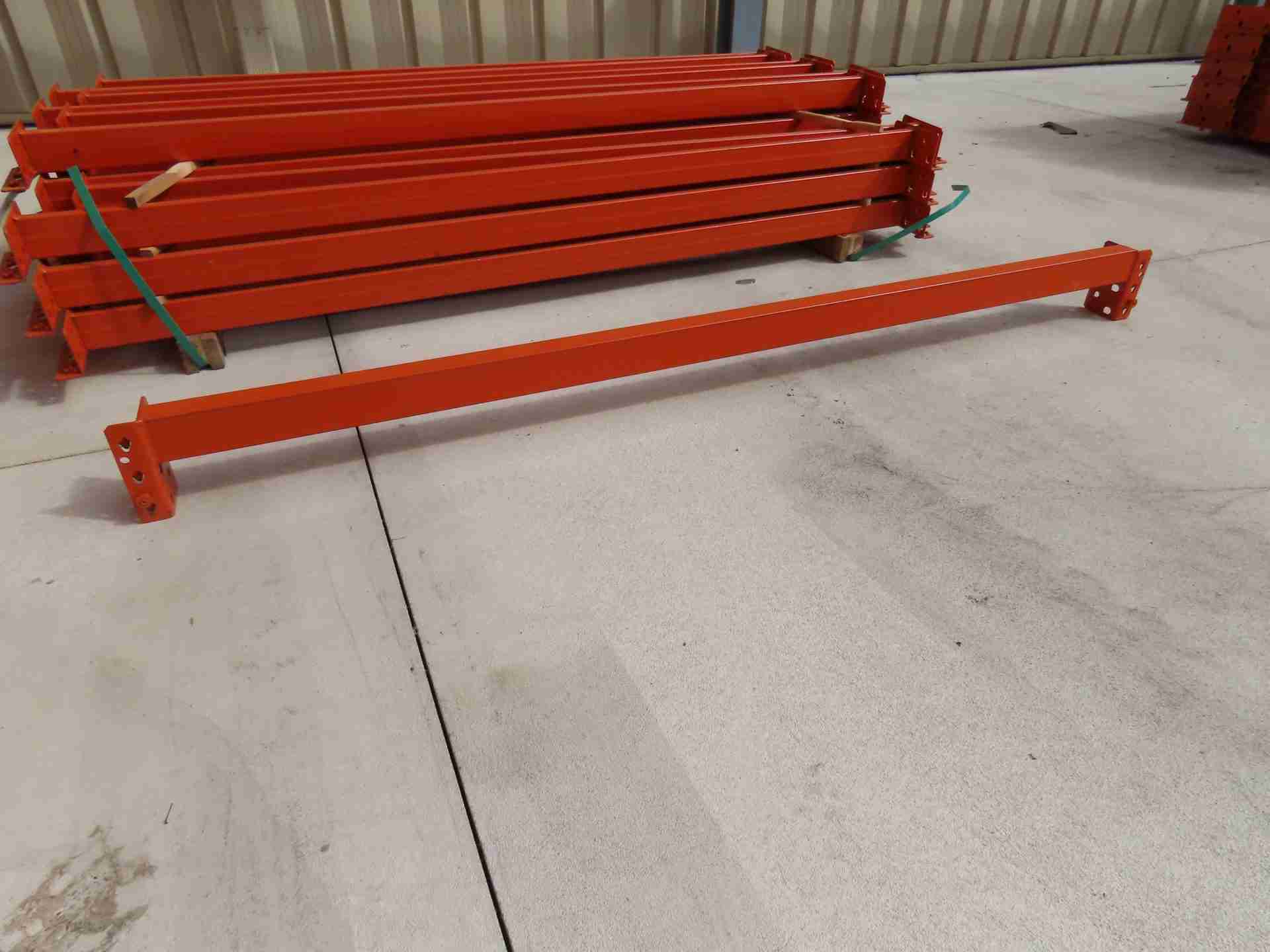
How Do Steel Beam and Rebar Yards Leverage Pallet Racking?
How Do Steel Beam and Rebar Yards Leverage Pallet Racking?
- Pallet Racking is essential in steel beam and rebar yards for efficient, safe, and organized storage of heavy materials.
- It maximizes space and reduces time wasted searching for materials, directly impacting productivity and costs.
- The system creates a structured setup that minimizes injury risks, streamlines forklift operations, and boosts worker morale.
- Pallet Racking treats the yard like a well-oiled machine, respecting the weight and size of materials while honoring the craft and crews.
- Reliable Pallet Racking builds trust by preventing collapses and last-minute issues, demonstrating commitment to quality work.
- This organized approach signals professionalism and competence to customers and partners.
- Pallet Racking represents respect for the work, workers, and materials, enhancing yard efficiency, safety, and overall strength.
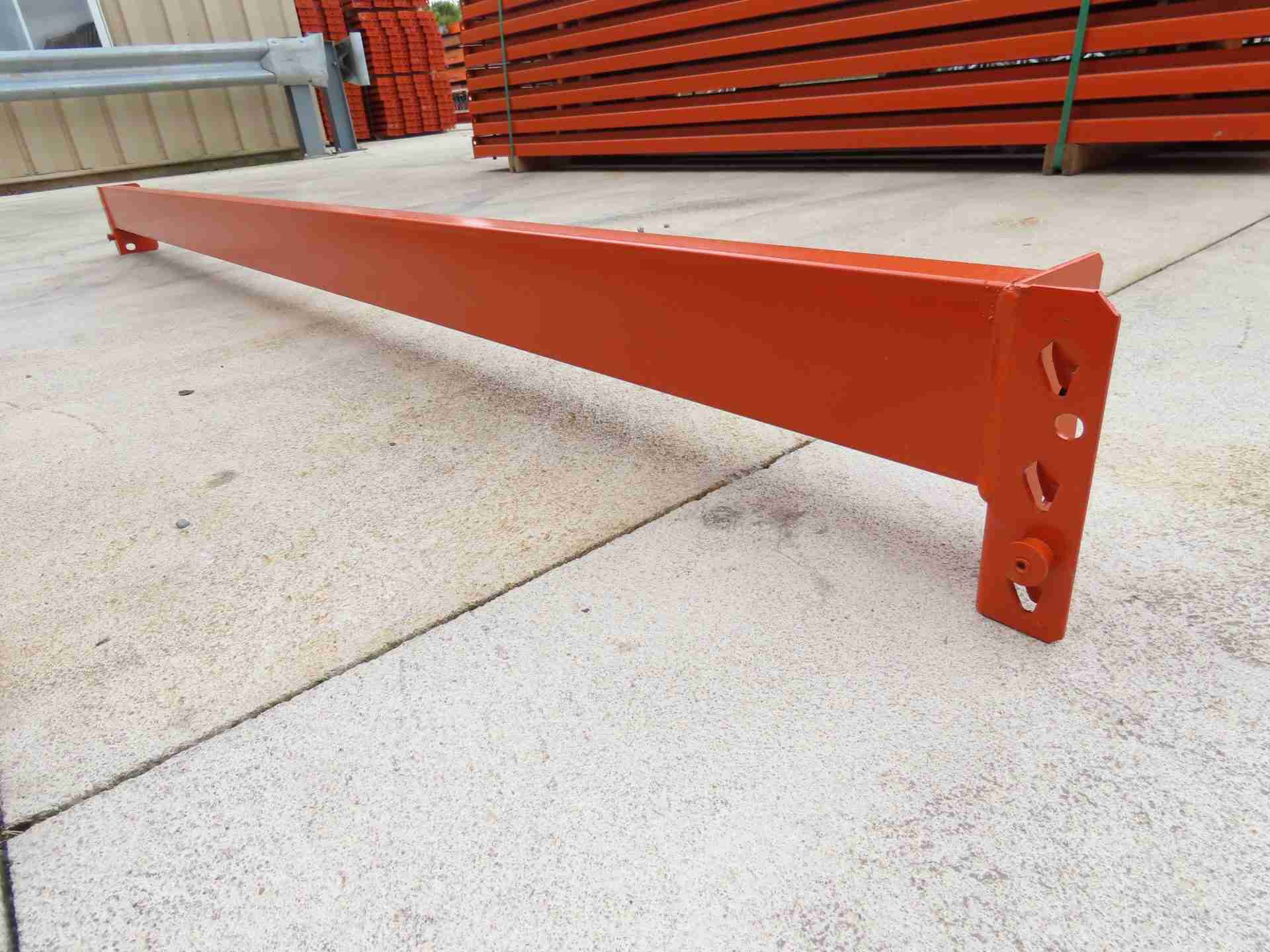
How Do Steel Beam and Rebar Yards Leverage Pallet Racking?
Table Of Contents
- How Do Steel Beam and Rebar Yards Leverage Pallet Racking?
- How Does Pallet Racking Improve Yard Organization?
- What Safety Standards Apply to Pallet Racking?
- How Can Pallet Racks Protect Steel Beams and Rebar?
- What Cost Savings Come From Efficient Pallet Racking?
- How Does Pallet Racking Speed Up Inventory Access?
- Can Pallet Racking Reduce Workplace Injuries?
- Conclusion
- Other Resources
- Glossary Of Terms
- Other Questions
- Checklist
How Does Pallet Racking Improve Yard Organization?
You know that feeling when you pull up at a busy yard and everything’s a chaotic mess—pallets stacked haphazardly, forklifts weaving through narrow gaps, and equipment buried under piles that look ready to collapse any second. That’s the kind of scene that makes a hardworking crew’s day twice as long and twice as frustrating. Pallet racking steps in like a well-oiled workhorse, turning that chaos into a straightforward system that just works.
At its core, pallet racking isn’t just about stacking stuff up high and out of the way. It’s about respect—for the work, for the people doing it, and for the time that’s always too short. When pallets are organized on sturdy racks, everything has its place, easy to reach without danger or delay. That means less fumbling around, less risk of injury, and more hours spent moving forward instead of putting out fires.
From a practical standpoint, pallet racking optimizes space like nothing else. Yards aren’t bottomless pits; there’s only so much square footage, and how you use it matters. By lifting pallets off the ground and onto racks, you free up walkways and loading areas, making motions smoother and faster. Forklift drivers aren’t getting stuck or running blind—they see where to go, and what’s next. It’s a boost to productivity that anyone who’s put in a hard day will appreciate.
But here’s where it hits the gut: pallet racking feels right. It’s a system built on common sense and raw experience, not fancy gimmicks. When everything is neatly lined up and within arm’s reach, it tells a story—that this yard cares, that this crew values their work, and that this business respects its own backbone: the people who move the goods. It’s a trustworthy setup that says, “We’ve got our act together.”
On the ethical side, organizing with pallet racking isn’t just good for business; it’s good for safety. Keeping products off the floor and properly stored reduces accidents, protecting workers from harm. That’s not just a line on a safety manual—it’s a promise, plain and simple, that the yard cares enough to keep its people safe.
And the social rhythm of a well-organized yard? It breeds camaraderie and pride. When everyone knows where stuff is and how the system works, teamwork flows smoother. You’re not chasing missing pallets or shouting over noise trying to find the right load. You’re working smart, knowing the job is set up so you can get done and move on.
Pallet racking turns a messy yard into a place that runs on respect, efficiency, and safety—a system that every hand on deck can count on. It’s not just racks and metal; it’s the backbone of a yard that’s ready for whatever comes next.
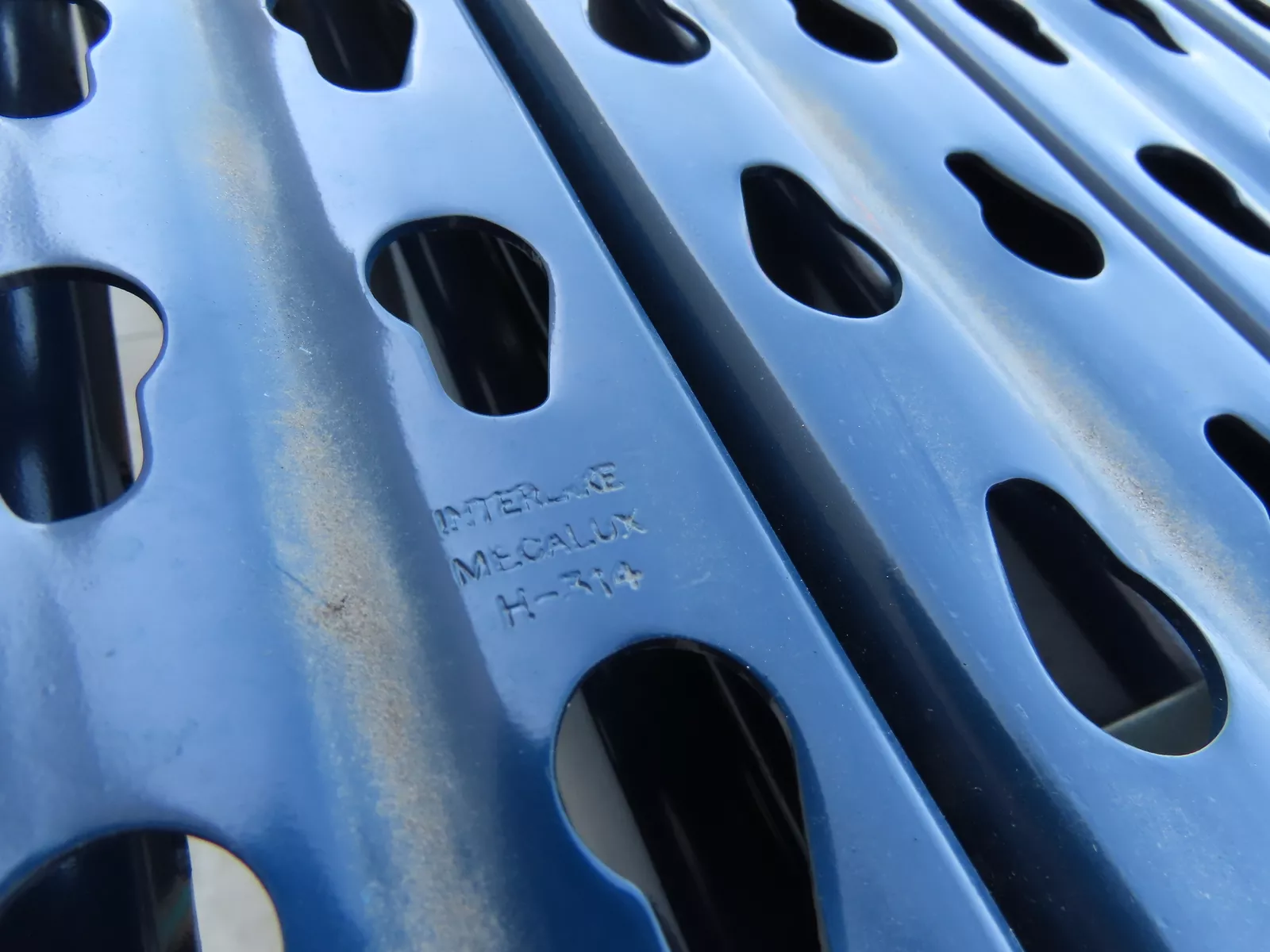
How Does Pallet Racking Improve Yard Organization?
How Does Pallet Racking Improve Yard Organization?
- Pallet racking transforms chaotic, inefficient yards into organized, functional spaces.
- It demonstrates respect for the work, workers, and time by providing easy, safe access to pallets.
- Optimizes limited yard space by elevating pallets, freeing walkways and improving workflow.
- Enhances productivity by enabling forklift drivers to navigate and locate items easily.
- Represents a practical, experience-based system that shows the yard values its crew and operations.
- Improves safety by keeping products off the floor, reducing accidents and protecting workers.
- Fosters teamwork and pride through an orderly system that simplifies locating and handling materials.
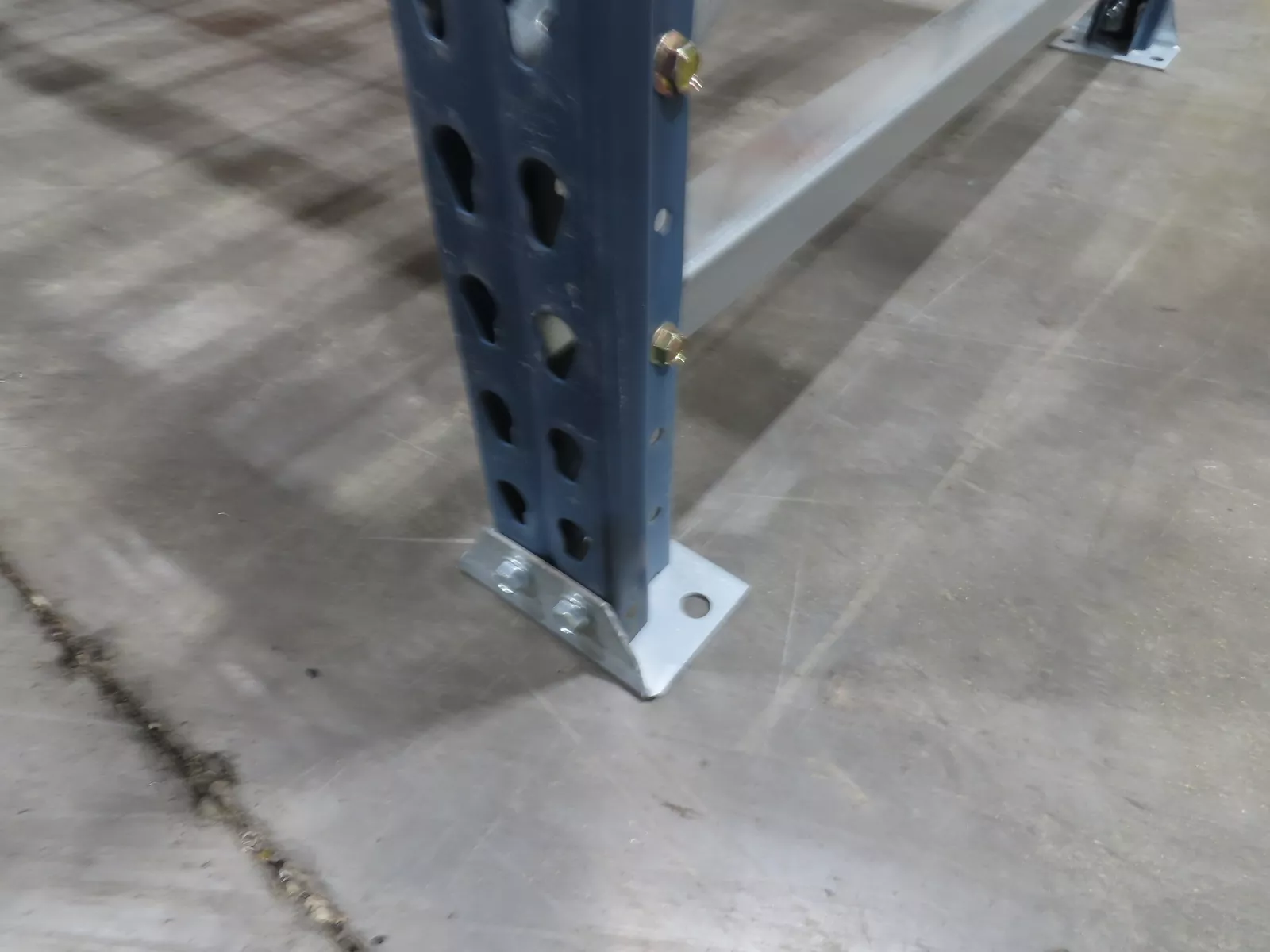
How Does Pallet Racking Improve Yard Organization?
What Safety Standards Apply to Pallet Racking?
When you’re stacking goods on pallet racking, you’re not just organizing space—you’re stacking trust. Every beam and upright holds more than boxes; it holds the safety of the folks working beneath it. That’s why safety standards matter, plain and simple. These aren’t just red tape or boxes to check off; they’re the rules born from past mistakes, hard lessons learned where corners cut cost too much.
Pallet racking systems have to meet specific guidelines designed to prevent the kind of chaos no one wants to face. Standards cover everything from the weight each shelf can hold without bending or breaking, to making sure racks are properly anchored so they don’t wobble like a Jenga tower ready to tumble with one wrong move. These rules are there for reason: to keep things standing strong, even when faced with heavy loads, forklifts speeding by, or the unexpected punch of a bump or knock.
The rational part is clear—if your pallet racking doesn’t meet these safety standards, you’re risking far more than shelf collapse; you’re risking injuries, downtime, and serious setbacks. Ethics come into play because anyone responsible for warehouse operations owes it to their team to provide a workplace that doesn’t feel like playing Russian roulette with every pallet moved. It’s about respect—respect for fellow workers, respect for the hard work put in every day, and respect for the families who expect them safe at home each night.
From the standpoint of authority, these standards aren’t just suggestions; they’re backed by organizations who know the drill from years in the trenches. Following these guidelines isn’t just about avoiding fines or inspections—it’s about building a culture where safety is part of the daily grind, not an afterthought. Workers who see this commitment know they’re valued, and that feeling spreads like wildfire through any crew.
Anyone who’s been around warehouse life knows these safety standards feel organic, like common sense given concrete form. The stories you hear about racks failing often start with ignoring those standards—maybe a cheap fix, a hurried installation, or a load that just pushed limits too far. That’s why paying attention to pallet racking safety isn’t just another job; it’s part of the commitment to everyone’s well-being on the floor. It’s a connection that keeps the place running smooth and people coming back safe every day.

What Safety Standards Apply to Pallet Racking?
What Safety Standards Apply to Pallet Racking?
- Pallet racking is more than storage; it embodies trust and safety for workers below.
- Safety standards arise from past mistakes and are crucial for preventing accidents and structural failures.
- These standards specify weight limits, anchoring, and stability to withstand heavy loads and impacts.
- Ignoring safety risks injuries, operational downtime, and serious consequences beyond shelf collapse.
- Ethics demand warehouse managers provide a safe work environment out of respect for employees and their families.
- Standards are enforced by experienced authorities and foster a workplace culture prioritizing safety daily.
- Adhering to safety rules is essential for maintaining smooth operations and ensuring worker well-being.
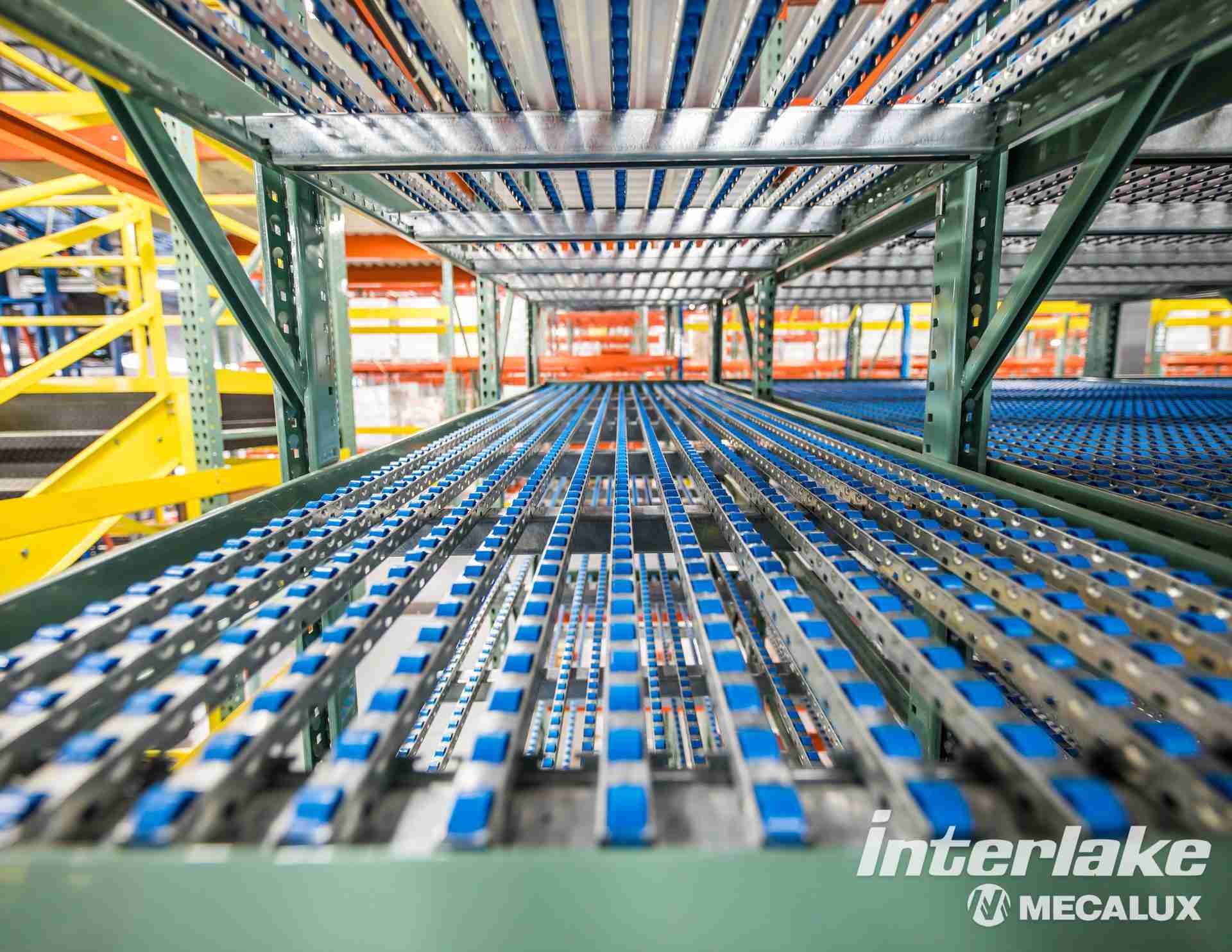
What Safety Standards Apply to Pallet Racking?
How Can Pallet Racks Protect Steel Beams and Rebar?
When you’ve got steel beams and rebar stacked up, you know they’re the backbone of any solid build. But anyone who’s spent time on a job site understands that these heavy, costly materials don’t last long when left lying around willy-nilly. That’s where pallet racking steps in—not just as a convenience, but as a guardian of your investment.
Think about it: steel and rebar are tough, but they’re not immune to the everyday wear and tear of a busy yard. Dropped bundles, shifting loads, or damp ground can all chip away at their strength before they even hit the construction site. Pallet racking keeps these materials off the dirt, out of puddles, and away from impact damage. By giving them a stable, elevated home, you preserve their integrity and keep them ready for action. It’s like giving your steel beams a suit of armor made from simple, sturdy racks.
There’s more to it than just protection, though. Using pallet racking shows you respect your gear and your crew. When materials are stored neatly, workers move faster, safer, and with fewer headaches. That efficiency isn’t just about saving time—it’s about building trust in your operation. Reliable storage means fewer mistakes and accidents, which means fewer expensive delays. Everybody wins when you get this right.
From a plain-dealing point of view, pallet racking pays for itself. It’s the difference between paying to replace bent beams and damaged rebar or keeping everything in tip-top shape till the job wraps. The hard truth is, every dollar spent on thoughtful storage cuts down on waste and keeps your bottom line honest. And that kind of commonsense saving builds a sturdy business just like your steel frames build a sturdy building.
Picture a job site where every piece of steel is accounted for, easy to find, and ready to go. Your team sees you’ve got their back, you see your materials last longer, and your schedules actually hold. Pallet racking isn’t just a storage choice—it’s a smart move born of hands-on experience, one that protects your steel beams and rebar from the daily grind so they can do the heavy lifting where it counts: in the structure you’re proud to build.

How Can Pallet Racks Protect Steel Beams and Rebar?
How Can Pallet Racks Protect Steel Beams and Rebar?
- Steel beams and rebar are essential but vulnerable to damage when left unsecured on job sites.
- Pallet racking protects these materials by keeping them elevated and away from dirt, moisture, and impact.
- Proper storage preserves material integrity, ensuring they remain ready for use and reducing premature wear.
- Neat storage improves worker efficiency, safety, and morale, minimizing mistakes and costly delays.
- Pallet racking offers cost savings by reducing damage-related replacements and material waste.
- Effective material organization builds trust within the crew and supports reliable project schedules.
- Using pallet racking is a practical investment that safeguards materials and strengthens overall business operations.
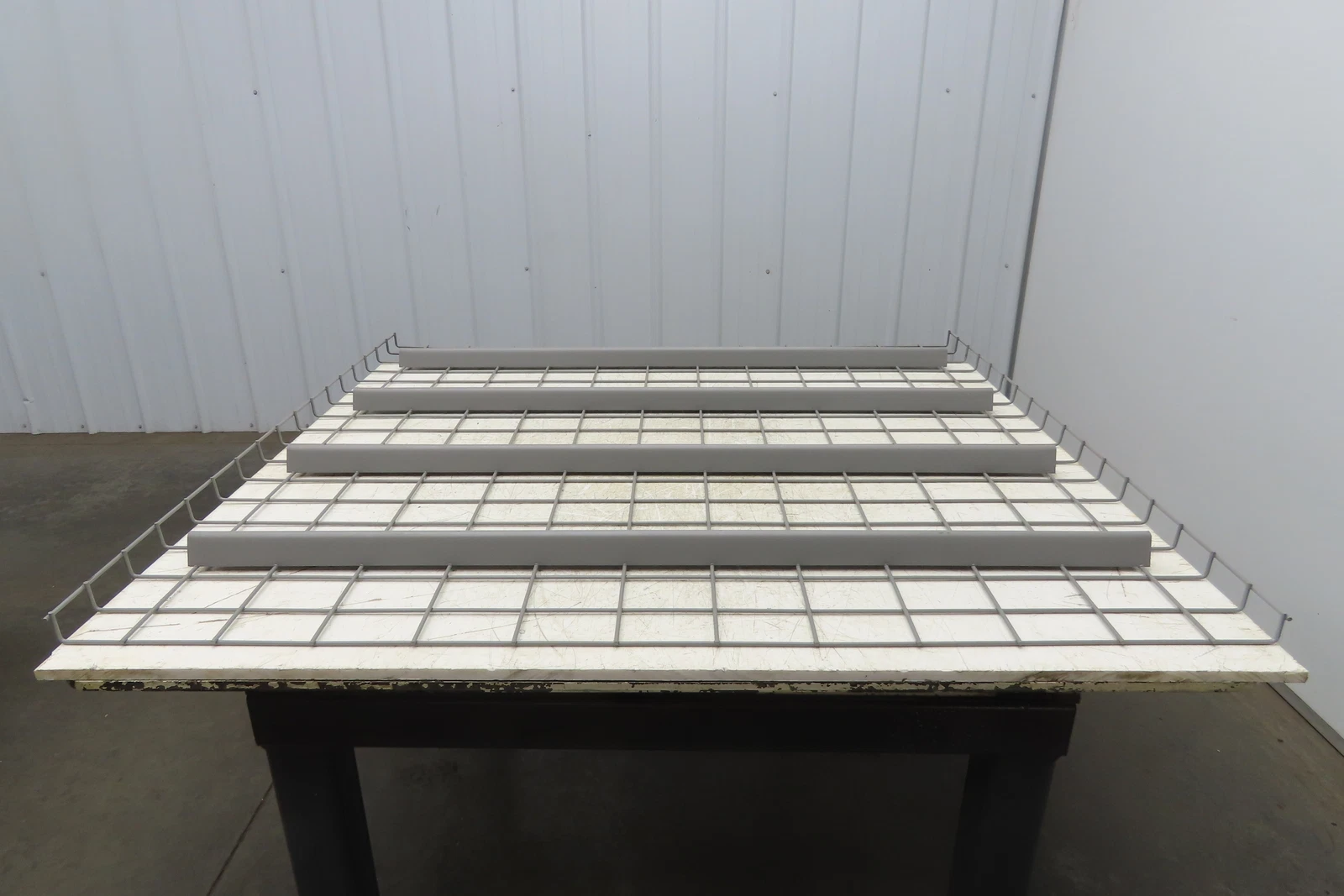
How Can Pallet Racks Protect Steel Beams and Rebar?
What Cost Savings Come From Efficient Pallet Racking?
When you think about pallet racking, it’s easy to picture a bunch of metal racks—just some storage. But here’s the truth: efficient pallet racking is one of the smartest investments a warehouse or business can make, and it pays off in ways you might not expect. It’s not just about stuffing more pallets into a space; it’s about saving money where it counts, day in and day out.
First off, efficient pallet racking takes the guesswork and chaos out of your storage. When every pallet has its place, your team spends less time hunting down products and more time moving things out fast. That means less overtime, fewer mistakes, and less frustration. A smoother workflow runs your operation leaner, and every minute saved is money saved.
On the floor, better pallet racking means safer conditions. You reduce clutter, cut down on heavy lifting errors, and keep aisles clear. Safety isn’t just a box to check—it saves you serious cash on insurance premiums, workers’ comp claims, and keeps your trusted team on the job. When your crew knows their job won’t risk their necks, morale improves, and turnover drops. That’s a win that goes straight to your bottom line.
Space, or the lack of it, is the silent budget killer. Stretching vertical space with smart pallet racking lets you stash more product without paying for extra square footage. Warehouses don’t grow on trees, and rent or property costs bite deep. Efficient use of space means squeezing every penny’s worth from what you’ve got, which boosts your profit margins without extra outlay.
There’s also the long game—durability. Quality pallet racking built right lasts years under heavy loads and abuse. Skimp on the racks, and you’re buying repairs or replacements down the road. A solid investment upfront means fewer headaches later, and that’s honest business.
Beyond dollars and cents, efficient pallet racking builds trust with your customers. Quick order fulfillment, fewer mistakes, and intact products show you mean business. Reliability earns repeat clients and strengthens your reputation. That kind of social proof can’t be bought, but it sure can be built one pallet at a time.
In short, efficient pallet racking isn’t just metal on metal—it’s a backbone holding up every part of your operation. It shows you care about your people, your business, and your customers. And when the bills come, it’s the smartest tool you’ve got to keep those costs down and the wheels turning.
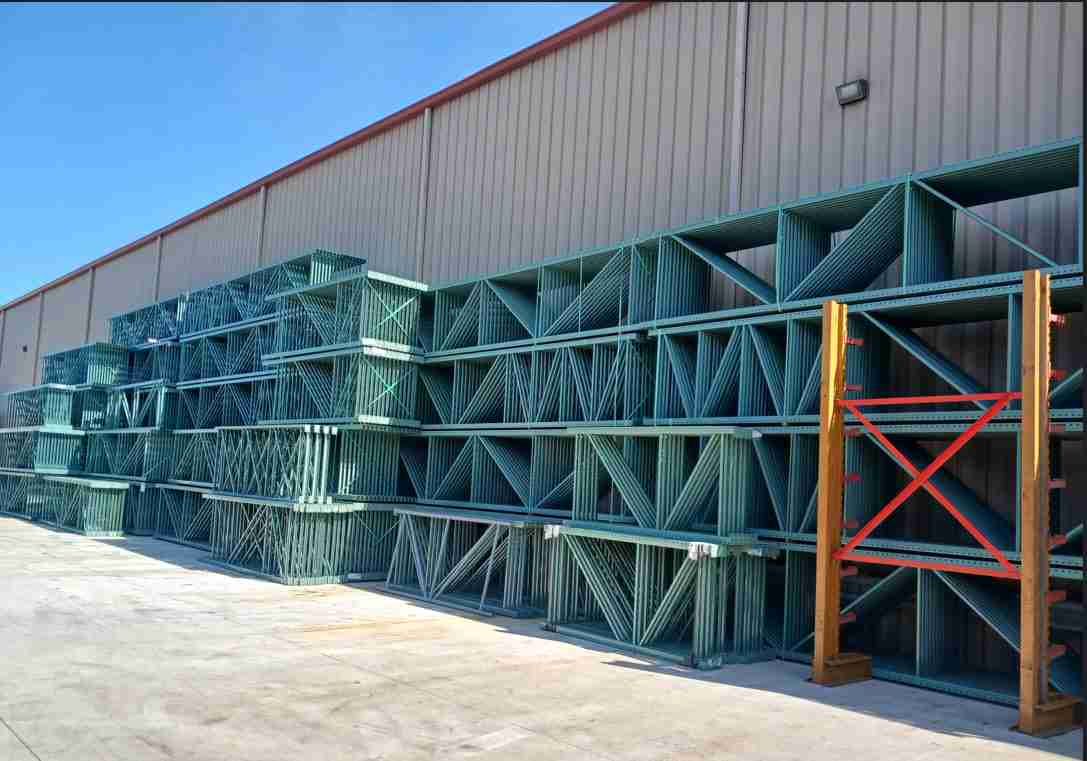
What Cost Savings Come From Efficient Pallet Racking?
What Cost Savings Come From Efficient Pallet Racking?
- Efficient pallet racking is a smart investment that saves money beyond just maximizing storage space.
- Organized storage reduces time spent locating products, lowers overtime, mistakes, and frustration, improving workflow efficiency.
- Better pallet racking enhances safety by reducing clutter, heavy lifting errors, and keeping aisles clear, which lowers insurance and workers’ compensation costs and improves employee morale.
- Utilizing vertical space effectively cuts costs on rent or property by maximizing existing warehouse capacity, boosting profit margins without extra expense.
- Durable, high-quality pallet racks last longer under heavy use, preventing costly repairs or replacements in the future.
- Efficient pallet racking supports quick and accurate order fulfillment, building customer trust, repeat business, and strengthening reputation.
- Overall, pallet racking is essential to maintaining operational efficiency, employee well-being, and cost control in a warehouse or business.
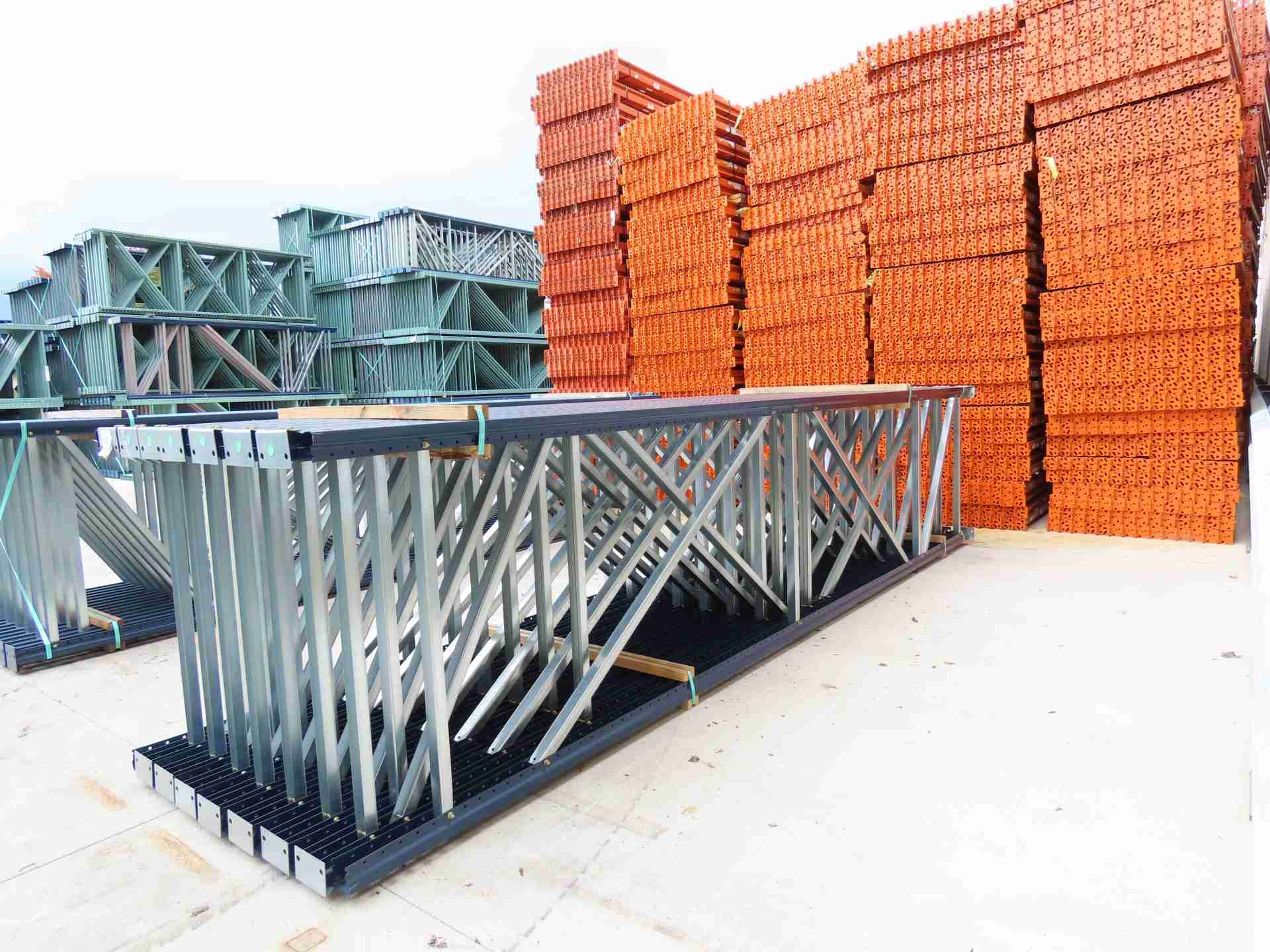
What Cost Savings Come From Efficient Pallet Racking?
How Does Pallet Racking Speed Up Inventory Access?
When it comes to running a busy warehouse, every second counts. Pallet racking isn’t just some fancy storage system—it’s the backbone that keeps the whole operation moving like a well-oiled machine. Imagine the difference between digging through piles of boxes and having everything neatly stacked, organized, and easy to get to. That’s what pallet racking brings to the table: speed and simplicity that any hands-on worker can appreciate.
There’s something honest about pallet racking. It’s straightforward—no fluff, no gimmicks. You set it up right, and suddenly, your inventory isn’t just stored, it’s accessible. This isn’t about flash; it’s about common sense making life less frustrating. When you don’t waste time hunting down materials, you get more done, and that relief touches everybody’s day. You’ve been there, fumbling with poorly stacked goods or squeezing through cramped spaces. Pallet racking takes those headaches away and replaces them with a sense of control.
Rationally, pallet racking adds clear value. By organizing stock off the floor and categorizing it by need or frequency of use, it shaves off minutes—or even hours—each day. That might not sound like much at first, but in a place where downtime costs money and delays ripple through production, those minutes pile up. The quicker you can grab a pallet, the quicker you keep the line running, the quicker you get out the door to customers waiting. Efficiency here isn’t a nice-to-have; it’s the lifeblood of the business.
Ethically, it’s about respect—respect for the people on the floor who literally lift the business. Providing pallet racking means making their work safer and smarter. When inventory is easy to reach and well-organized, it cuts down on injuries and the wear and tear that kills morale. It says you care enough to invest in a system that values their time and health. That’s the kind of ethical move that builds loyalty and trust, not just in the team but in the whole company culture.
From an authority perspective, warehouses that lean on pallet racking don’t just talk about getting faster—they prove it. Years of industry experience and data back it up: streamlined access translates to smoother operations and better inventory control. It’s not guesswork or fancy jargon; it’s a tried-and-true method recognized everywhere from small shops to massive distribution centers.
Socially, pallet racking fosters a shared rhythm. When everyone knows where things are and how to get them, you cut down on frustration and chaos. It’s a little like a dance—each step coordinated, each move predictable. That smooth flow builds camaraderie and pride in a job well done. It’s good for business, sure, but it’s also good for the people who make that business tick.
In short, pallet racking isn’t just about racks and pallets. It’s about respect for time, care for people, and making the daily grind a bit easier. It’s a quiet hero that speeds up inventory access and lifts the whole operation. If you want to work smarter and keep everyone moving forward, putting a good pallet racking system in place is one of the best calls you can make.

How Does Pallet Racking Speed Up Inventory Access?
How Does Pallet Racking Speed Up Inventory Access?
- Pallet racking is essential for efficient warehouse operations, providing speed and simplicity in storage and retrieval.
- It offers straightforward, accessible inventory management that reduces frustration and wasted time.
- Organizing stock off the floor based on need improves efficiency, saving valuable minutes and minimizing downtime.
- Ethically, pallet racking enhances worker safety and morale by making materials easily reachable and reducing injury risks.
- Industry data confirms pallet racking’s effectiveness in streamlining operations and controlling inventory across various warehouse sizes.
- It fosters social cohesion by creating a predictable, coordinated workflow that reduces chaos and builds team pride.
- Pallet racking represents respect for time and people, making daily warehouse tasks easier and boosting overall business performance.

How Does Pallet Racking Speed Up Inventory Access?
Can Pallet Racking Reduce Workplace Injuries?
Look, anyone who’s spent more than a day hauling boxes knows the pain of a cramped, cluttered workspace. Pallet racking changes that whole game. It’s not just about stacking stuff higher; it’s about making the place safer—plain and simple. When things are piled on the floor or shoved haphazardly, accidents happen. Trips, falls, crushed toes—these injuries aren’t just numbers on a report, they’re real people dealing with real pain and time off work. Pallet racking clears the floor and gives every item a proper home, cutting down on the chaos and risk.
From the head’s perspective, the logic is solid as a steel beam. Properly installed pallet racking optimizes storage space, but even more crucially, it organizes the workplace to minimize dangerous clutter. When workers know exactly where to find what they need and how to store it safely, it reduces the chances of risky maneuvers and heavy lifting mistakes. The stats back it up: warehouses with structured pallet racking systems consistently show fewer injury claims and higher efficiency. It’s a simple engineering fix with a big payoff—not just for your bottom line, but for the folks on the floor who deserve to clock out in one piece.
Ethically, it’s a no-brainer. Creating a safer workplace isn’t just a box to check or a line item on a budget. It’s about valuing people—coworkers, employees, friends—who walk in every morning looking to do their best without worrying if the next load might knock them down. Investing in pallet racking sends that message loud and clear: you matter here, your safety matters, and we’re doing everything we can to protect that.
You don’t have to be a warehouse wizard to see the difference either. Imagine the ease of navigating aisles without twisting an ankle or fumbling for stuff buried under a mountain. Time saved looking for inventory becomes time spent doing the job right, with respect for your own back and the team counting on you. Seen it, lived it, and trust me—those pallet racking setups don’t just hold crates, they hold up safety, dignity, and a better day at work. If reducing injuries means clearer floors and smarter storage, that’s a win everyone can get behind.
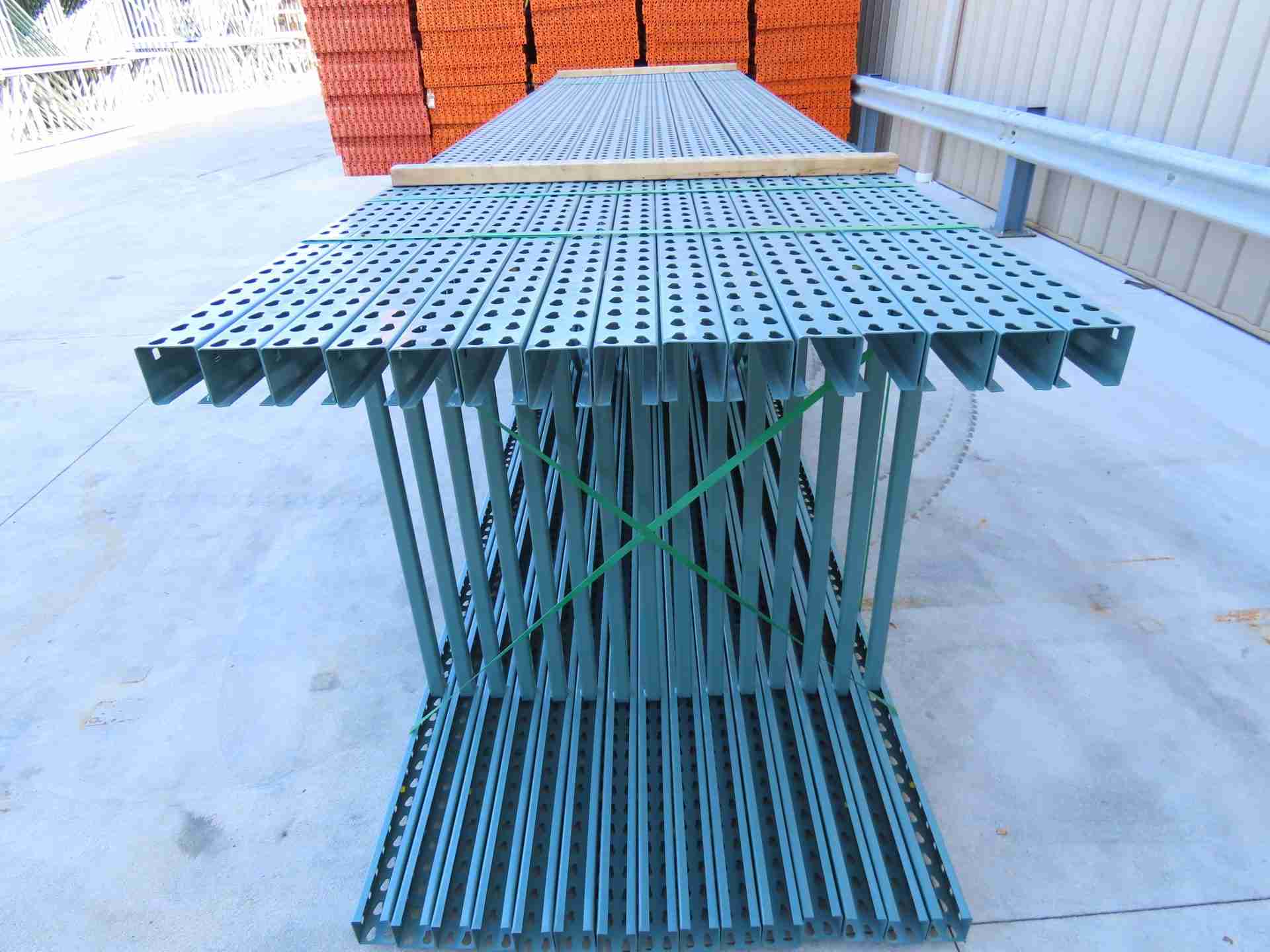
Can Pallet Racking Reduce Workplace Injuries?
Can Pallet Racking Reduce Workplace Injuries?
- Pallet racking transforms cramped, cluttered workspaces by clearing floors and providing organized storage.
- Proper use of pallet racking significantly reduces workplace accidents such as trips, falls, and crushed toes.
- Organized storage helps workers find items easily and reduces risky handling and heavy lifting errors.
- Warehouses with pallet racking report fewer injury claims and improved operational efficiency.
- Investing in pallet racking demonstrates a commitment to employee safety and well-being.
- Clear aisles and smart storage save time and promote safer, more respectful working conditions.
- Pallet racking supports not only inventory but also workplace safety, dignity, and overall morale.

Can Pallet Racking Reduce Workplace Injuries?
Conclusion
Steel beam and rebar yards are no-nonsense places where every scrap of space and second counts, and pallet racking shows up as the unsung hero holding it all together. It’s not just about stacking heavy steel off the ground—it’s about respect. Respect for the craft, the crew, and the work that turns raw metal into buildings, bridges, and livelihoods. Pallet racking takes a chaotic yard, where bundles of rebar and steel beams could easily turn into hazards or headaches, and tames it into a system that hums with efficiency and safety. When everything’s neatly organized and easy to find, workdays get shorter, frustration drops, and the whole team feels the difference. It’s the kind of simple, grounded solution that carries weight—literally and figuratively.
On the ground level, pallet racking frees up space by stacking materials smartly, turning cramped yards into functional work zones. Forklifts zip through wide aisles, crews move with purpose, and the risk of injury slips down. Safety isn’t just red tape or something tacked on; it’s baked into every beam and upright that stands steady under heavy loads. When racks meet strict safety standards, they’re more than metal—they’re a promise that no one’s going home hurt or fearing a collapse. That promise is an unshakable foundation for trust, because in yards full of muscle and grit, trust is what keeps the crew coming back day after day.
Pallet racking is also a guardian of the gear. Steel beams and rebar are tough, but they’re no good to anyone if they get bent, chipped, or soaked from lying on wet ground. Elevating and securing these materials protects the investment and helps keep projects on track, avoiding costly delays. That kind of practical foresight turns storage into strategy. It’s plain common sense that pays off in saved replacement costs, fewer mistakes, and smoother days at the yard.
When you think about money, pallet racking is an honest-to-goodness workhorse. It cuts down on wasted time hunting for materials, reduces injury-related costs, and maximizes storage without blowing the budget on extra space. Long-term, solid racks last through the knocks and bruises of daily grind—no quick fixes, no shortcuts. Efficiency, durability, and safety combine to keep operations running lean and reliable. That reliability builds a reputation that clients respect and crews can be proud of, creating a cycle of trust and steady business that doesn’t rely on luck.
Finally, pallet racking speeds up inventory access so work flows without the usual bottlenecks and chaos. Everyone knows where things are, finds what they need fast, and gets finished sooner. It’s a rhythm that pushes morale up and frustration down, all rooted in respect—for the workers’ time, their health, and the craft they’ve mastered. A well-racked yard isn’t just a place where metal sits—it’s a place that works like clockwork because it cares. And in the end, that’s about as real and valuable as it gets in this line of work.

Conclusion
Conclusion:
- Pallet racking organizes steel beam and rebar yards, transforming chaotic spaces into efficient, safe work zones.
- It maximizes ground-level space, allowing forklifts and crews to move safely and purposefully with reduced injury risks.
- Pallet racks protect materials from damage by elevating and securing them, preventing costly delays and replacement expenses.
- They improve operational efficiency by reducing time spent searching for materials and minimizing injury-related costs.
- The durability and safety of pallet racking contribute to long-term reliability and a strong reputation for the yard.
- Inventory access is faster and more organized, enhancing workflow and boosting worker morale.
- Pallet racking reflects respect for workers, the craft, and overall productivity, making the yard function smoothly and reliably.
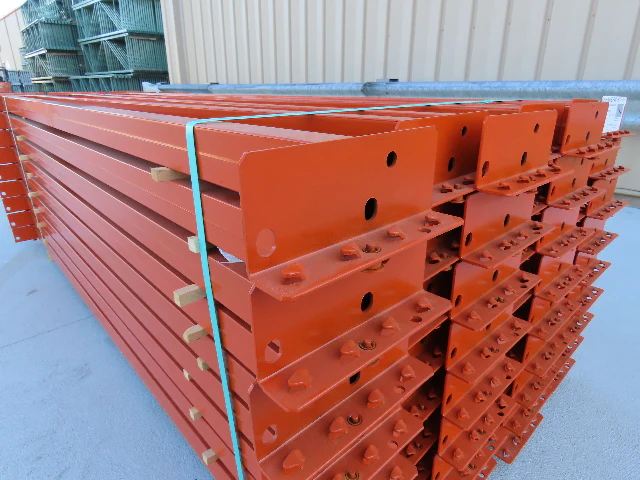
Conclusion
Other Resources

Other Resources
Here is a list of other resources you can review online to learn more:
- Used Teardrop Pallet Rack – American Surplus
- Interlake Mecalux
- The Ultimate Pallet Racking Guide – Speedrack West
- Used Pallet Rack for Sale in Illinois – American Surplus
- SEMA
- Heavy-Duty Cantilever Storage Racks
- What is Selective Pallet Racking
- Selective Pallet Racking Systems – Container Systems
- Storage Equipment Manufacturers Association
- Warehouse Automation
- The Complete Pallet Rack Guide – Simply Rack
- Warehouse Racking System: Powerful Guide to Optimise, 2024
- Material Handling Industry
- Rack Manufacturers Institute
- Teardrop Industrial Shelving Rack
- Pallet Rack Systems – New and Used Pallet Racking and Shelving Experts
- Illinois Pallet Racking – Storage Solutions
- Interlake Mecalux
- Overhead Lifting
- Selective Racking
Use This Prompt To Get More Resources With Your Favorite Online AI Tool: Please provide me with a list of online articles with their URLs in a bulleted list that I can read regarding How Do Steel Beam and Rebar Yards Leverage Pallet Racking?

Other Resources
Glossary Terms
How Do Steel Beam and Rebar Yards Leverage Pallet Racking? – Glossary Of Terms
1. Pallet Racking: A storage system designed to hold materials on pallets for efficient use of vertical space.
2. Steel Beam: A long, sturdy piece of steel used as a structural support in construction.
3. Rebar: Reinforcing steel bars used to strengthen concrete structures.
4. Load Capacity: The maximum weight a pallet racking system can safely support.
5. Vertical Storage: Using height to store materials, optimizing warehouse space.
6. SKU (Stock Keeping Unit): A unique identifier for each product or material in inventory.
7. Pick Face: The accessible front area of pallet racking where items are retrieved.
8. Aisle Width: The space between racking rows allowing for equipment movement.
9. Forklift: A vehicle used to lift and move pallets and heavy materials.
10. Beam Level: A horizontal support beam in pallet racking on which pallets rest.
11. Upright Frame: The vertical component of pallet racking supporting beams.
12. Material Handling: The movement, protection, storage, and control of materials.
13. Inventory Management: The process of overseeing stock levels and location.
14. Load Distribution: The even allocation of weight across pallet racking components.
15. Safety Locks: Devices that secure beams to uprights preventing accidental dislodgement.
16. Pallet Jack: Manual or electric tool for moving pallets short distances.
17. Racking Configuration: The arrangement of pallet racks to suit storage needs.
18. Space Optimization: Maximizing storage capacity while maintaining access and safety.
19. Accessibility: Ease of reaching and retrieving stored materials.
20. Modular Design: Components designed for flexible assembly and scalability.
21. Cross Beam: Horizontal bars supporting pallet loads in racking.
22. Damage Protection: Measures to prevent physical harm to racking or materials.
23. Run: A single row or section of pallet racking.
24. Inventory Turnover: Frequency at which inventory is replaced or moved.
25. Load Integrity: Maintaining the stability and security of stored materials.
26. Warehouse Workflow: The movement and processes of materials within a storage facility.
27. Space Utilization Rate: Percentage of available warehouse space effectively used.
28. Stock Rotation: The process of managing inventory to use older stock first.
29. Pick Efficiency: Speed and ease with which materials are retrieved from storage.
30. Structural Stability: The strength and durability ensuring racking remains secure under load.

Glossary Of Terms
Other Questions
How Do Steel Beam and Rebar Yards Leverage Pallet Racking? – Other Questions
If you wish to explore and discover more, consider looking for answers to these questions:
- What specific safety standards and codes apply to pallet racking in steel beam and rebar yards (e.g., OSHA, ANSI, RMI) and where can they be referenced?
- What are typical load capacities for pallet racking used with steel beams and rebar, and how are capacities calculated?
- How should racks be anchored and what foundation or ground-preparation is required for heavy steel storage?
- How often should pallet racking be inspected, who should perform inspections, and what are the inspection checklists?
- What are the best methods for repairing or replacing damaged rack components after forklift impact or corrosion?
- What rack configurations (single-deep, double-deep, cantilever, push-back) work best for long steel beams and rebar bundles?
- How do cantilever racks compare to standard pallet racking for storing long, irregular-length steel?
- What protective accessories (row spacers, beam protectors, column guards) are recommended to prevent rack and product damage?
- How should weight be distributed across racks to avoid overloading and imbalance, especially with mixed-length bundles?
- What training should forklift operators and yard staff receive specific to pallet racking in steel yards?
- How can a yard efficiently track inventory locations and quantities on racks (barcodes, RFID, WMS integration)?
- What are best practices for labeling, signage, and load capacity posting on racks to ensure safe use?
- How does pallet racking hold up to outdoor exposure, and what corrosion protection or coatings are recommended?
- What weather protection measures (canopies, tarps, drainage) should be used when racks are outdoors?
- How can a yard estimate ROI and payback period for investing in pallet racking versus floor stacking?
- What are the upfront and ongoing cost components of a pallet racking system (equipment, installation, maintenance, inspections)?
- How can pallet racking be retrofitted into an existing yard layout without major operational disruption?
- What are common installation errors to avoid and how can professional installers be vetted?
- How do seismic or high-wind requirements affect rack design and anchoring in different regions?
- What are safe load-handling and bundling methods for rebar and beams to prevent shifting on racks?
- How can pallet racking improve ergonomics and reduce manual handling injuries in the yard?
- What impact does pallet racking have on insurance premiums and liability exposure?
- How do you choose between new racks and used racks, and what certification or testing is needed for used equipment?
- What spacing and aisle widths are optimal for safe and efficient forklift access in a steel yard?
- How can yards accommodate different beam sizes and varying bundle weights on the same racking system?
- What maintenance schedule and tasks (bolt tightening, paint touch-up, corrosion control) keep racks serviceable long-term?
- How are emergency procedures and access routes integrated with racking layouts for first responders?
- What metrics and KPIs should yards track to measure the efficiency gains from pallet racking?
- What case studies or examples show measurable improvements in safety and productivity after installing pallet racking?
- What alternatives to pallet racking exist for heavy steel storage and in what scenarios are they preferable?
- How should a yard handle mixed storage (palletized items plus loose beams/rebar) safely on the same racks?
- What are the best practices for stacking height limits and preventing vertical instability with long loads?
- How do temperature extremes and chemical exposure (e.g., salt, fertilizers) affect rack longevity and protective options?
- What procurement criteria and specifications should be included when requesting quotes from racking suppliers?
- How can impact-monitoring systems or sensors be used to detect rack collisions and trigger inspections?
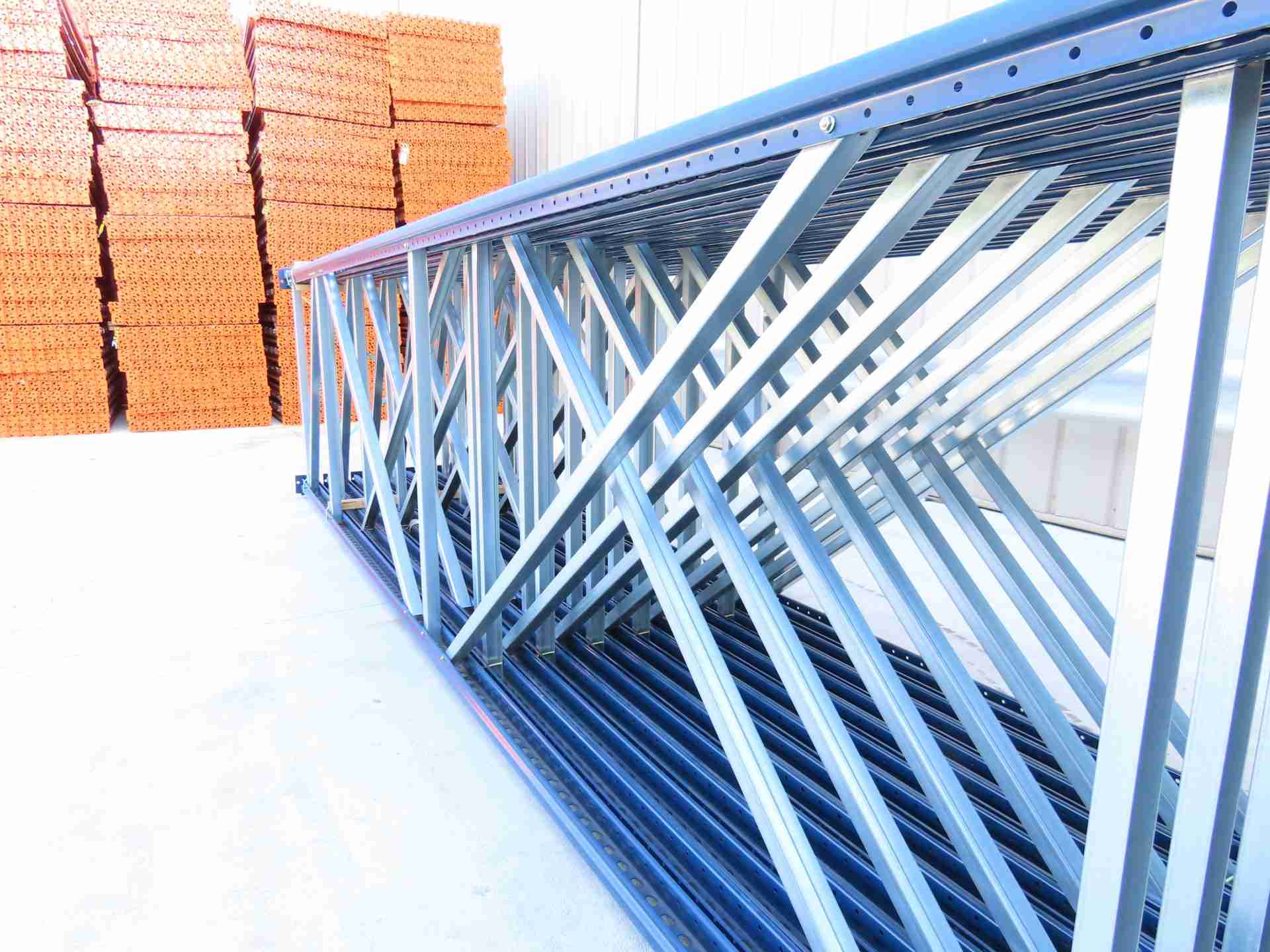
Other Questions
Checklist
How Do Steel Beam and Rebar Yards Leverage Pallet Racking? – A Checklist
Planning and Compliance
✅______ Goals defined: capacity, bundle sizes, SKUs, throughput, forklift types, indoor/outdoor use
✅______ Applicable codes identified: OSHA; ANSI/RMI MH16.1 (racking); MH26.2 (decking); NFPA 13; local building and seismic
✅______ Engineered design with stamped calculations (including seismic and wind, if required)
✅______ Permits and inspections scheduled and documented
Rack Design and Specification
✅______ Rack configuration suits steel bundles (palletized loads, cradles, or supports for round stock)
✅______ Load ratings verified for worst-case loads; point-load effects addressed; uniform load assumptions validated
✅______ Beam elevations set for bundle height plus safe clearances; pallet overhang limits defined
✅______ Flue spaces maintained per code; load stops/backstops where needed
✅______ Decking/supports sized and rated for load type (wire deck, pallet supports, or solid deck as required)
✅______ Outdoor/corrosive environments specified (galvanized or coated components)
✅______ Row spacers/ties for back-to-back bays; end-of-aisle and column protection included
✅______ Base plates and anchors sized for slab/footing; slab adequacy verified
✅______ Aisle widths meet truck right-angle stack requirement with margin
Pallets and Unitization
✅______ Heavy-duty pallets or steel skids rated for load and fork entry pattern
✅______ Dunnage/saddles to prevent rolling and point damage on beams/rebar
✅______ Bundles banded/strapped with tags; edge protectors used
✅______ Moisture barriers/timber dunnage used to keep steel off ground
Installation
✅______ Installed by qualified crew per manufacturer drawings
✅______ Uprights plumb and level within tolerance; shims installed correctly
✅______ Anchors installed and torqued to spec; beam locking pins engaged
✅______ Load plaques with bay capacities posted and visible
✅______ Location labels/barcodes applied and mapped to WMS
Operations and Organization
✅______ Slotting plan implemented (ABC); fast movers at lower levels and near docks
✅______ One SKU/bundle type per location; clear location naming
✅______ One-way travel paths and pedestrian walkways marked and enforced
✅______ Staging zones defined; no floor storage encroaching on aisles
✅______ FIFO/FEFO rules defined and followed where applicable
Forklifts and Access
✅______ Operators certified on specific truck type and lift heights
✅______ Truck capacity verified at top beam elevation with attachments installed
✅______ Speed limits, horn points, and stop lines marked
✅______ Procedures for fork entry/exit to avoid beam impact
✅______ Approved attachments for beams/rebar inspected and maintained
Safety and Protection
✅______ End-of-aisle/corner guards and rack end barriers installed
✅______ Column protectors on high-traffic uprights
✅______ Netting/backstops where personnel work behind rack faces
✅______ Housekeeping standard: clear floors; debris and spill removal schedule
✅______ Impact, vibration, and hot-work controls near rack structures
Fire Protection
✅______ Sprinkler clearances maintained; heads unobstructed
✅______ Required transverse and longitudinal flue spaces kept clear
✅______ Egress paths and exits unobstructed; signage posted
✅______ Combustible packaging/dunnage fire load assessed and controlled
Inspection and Maintenance
✅______ Daily walk-through for obvious damage, obstructions, or load issues
✅______ Monthly documented rack inspections with photo records
✅______ Annual third-party/engineer audit of racking and anchors
✅______ Damage criteria and tag-out procedure in place; unload damaged bays immediately
✅______ Repairs with OEM components only; no field welding or drilling without approval
✅______ Scheduled torque checks for anchors; fastener verification
✅______ Records maintained: inspections, repairs, load changes, and reconfigurations
Material Care and Protection
✅______ Corrosion control: covers, drainage, coatings; outdoor water shedding verified
✅______ Separators between dissimilar metals where applicable
✅______ Rust inhibitors or protective wraps used per storage duration
✅______ Handling procedures minimize edge dents and gouging
Inventory Access and Flow
✅______ Pick paths optimized to reduce travel and congestion
✅______ Visual cues: bay IDs, beam-level markers, and direction arrows
✅______ Cycle counting schedule with location accuracy targets
✅______ Replenishment rules defined to keep prime pick faces stocked
Training and Culture
✅______ New-hire and refresher training on rack loading patterns and signage
✅______ Clear rules posted: max unit weights, overhang limits, beam locations
✅______ Stop-work authority encouraged and recognized
✅______ Toolbox talks conducted after incidents and near misses
Change Management
✅______ Engineering review before changing beam elevations, load types, or pallets
✅______ Permit and inspection updates after modifications
✅______ WMS and labels updated immediately after layout changes
KPIs and ROI Tracking
✅______ Space utilization and storage density (%)
✅______ Pick/putaway time, search time, and forklift travel distance
✅______ Inventory accuracy and on-time fulfillment
✅______ Product and rack damage rates
✅______ Recordable injury and near-miss rates
✅______ Labor hours saved and avoided expansion and rent costs quantified
Go-Live Readiness
✅______ Pilot lane tested with typical steel bundles from receipt to shipment
✅______ Retrieval time meets target; no pinch points or blind spots
✅______ Sign-off by operations, safety, maintenance, and finance leads

Checklist
At RackingWorld, we help guide you through selecting warehouse storage systems and racking.
Be sure to read our other related stories at RackingWorld to learn more about warehouse storage systems.
0 Comments