
Unlock Efficiency, Savings, And Sustainability In Soft Drink Storage
By Tom Seest
At RackingWorld, we help guide you through selecting warehouse storage systems and racking.
Be sure to read our other related stories at RackingWorld to learn more about warehouse storage systems.
How Do Soft Drink Distributors Leverage Pallet Racking?
When you’re running a soft drink distribution operation, the last thing you want is chaos in the warehouse. That’s where pallet racking steps in—not just as some fancy storage system, but as the backbone of keeping things moving without a hitch. You get rows upon rows of sturdy racks holding pallets stacked with everything from soda cans to bottles, all organized like clockwork. It’s not just about fitting more on the floor; it’s about making your whole process slick and reliable.
Here’s the gritty truth: when your product sits tight on pallet racking, it’s safer, easier to handle, and quicker to ship out. Imagine a delivery truck waiting, engines idling, cash ticking off the clock. Having well-planned pallet racking means you can grab the right load fast, no fumbling around, no wasted minutes. Time saved here means customers get their drinks fresh and ready, and that builds trust. Folks don’t just want a cold soda—they want it right when they expect it. That’s how you keep a line of happy retailers coming back for more.
There’s also an unspoken respect for the workers down in the trenches. A good pallet racking setup doesn’t just protect the product—it protects the people. No awkward reaches, no precarious stacks that could spill and cause injury. When drivers and warehouse hands know they’re dealing with a stable, trustworthy setup, morale goes up, accidents go down. That’s ethics in action: providing a safe place to work while keeping goods intact so customers get what they paid for.
And this isn’t guesswork. Years of hands-on experience for distributors have proven pallet racking pays off. It’s not just a piece of equipment; it’s a commitment to doing business right. The kind where you show up early, work hard, and make sure every pallet is in its place. There’s a pride in that kind of order—one that speaks to the blue-collar spirit of getting the job done, day in and day out.
So when you think about pallet racking in soft drink distribution, picture much more than metal shelves. Picture dependable rhythm in your warehouse, respect for your crew, and a clear path from dock to customer. It’s a simple, honest tool that earns trust, keeps the operation humming, and makes sure those sodas get where they belong—fresh, safe, and on time.
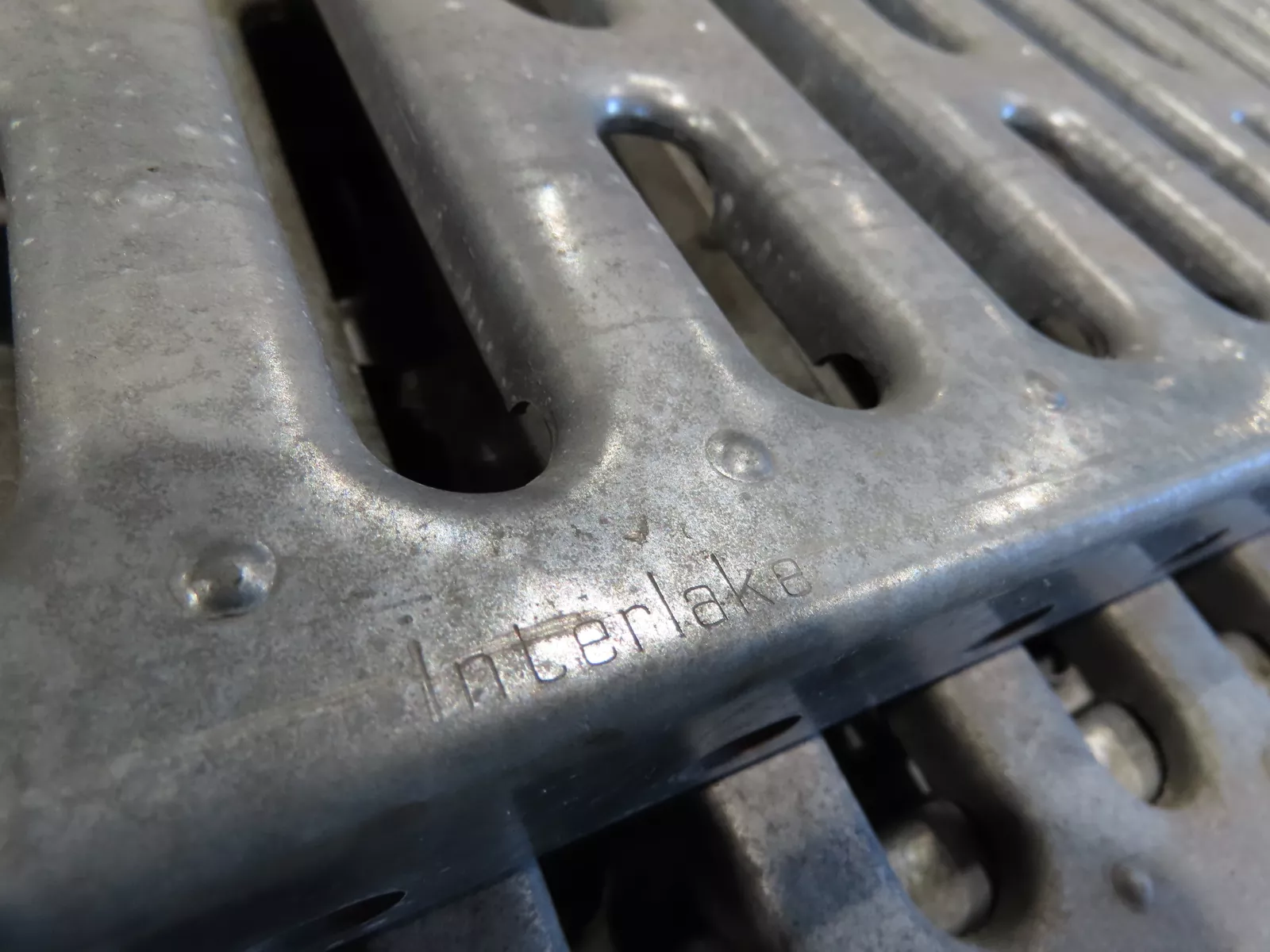
How Do Soft Drink Distributors Leverage Pallet Racking?
How Do Soft Drink Distributors Leverage Pallet Racking?
- Pallet racking is essential for organizing soft drink warehouses, ensuring efficient, reliable storage and operations.
- Proper pallet racking improves safety, handling, and speeds up shipping, reducing wasted time during deliveries.
- Efficient pallet organization helps deliver fresh products on time, building customer trust and retailer loyalty.
- A well-designed racking system protects workers by preventing unsafe stacking and reducing injury risks.
- Stable pallet racks boost worker morale and decrease workplace accidents, reflecting ethical business practices.
- Experienced distributors recognize pallet racking as a vital commitment to operational discipline and pride in work.
- Pallet racking symbolizes dependable warehouse workflow, respect for the crew, and a smooth supply chain from dock to customer.

How Do Soft Drink Distributors Leverage Pallet Racking?
Table Of Contents
- How Do Soft Drink Distributors Leverage Pallet Racking?
- How Does Pallet Racking Improve Warehouse Space Efficiency?
- How Do Distributors Reduce Costs Using Pallet Racking?
- What Safety Benefits Does Pallet Racking Offer Staff?
- How Does Pallet Racking Speed Up Soft Drink Order Fulfillment?
- Which Pallet Racking Types Best Suit Soft Drink Distribution?
- How Can Pallet Racking Prevent Product Damage During Storage?
- Conclusion
- Other Resources
- Glossary Of Terms
- Other Questions
- Checklist
How Does Pallet Racking Improve Warehouse Space Efficiency?
You walk into a warehouse stacked high with goods, and if it’s done right, you feel the difference—a sense of order that doesn’t just come from keeping things neat but from making every inch of space earn its keep. That’s the magic of pallet racking. It’s not just steel and bolts; it’s the backbone of getting more done without adding a square foot.
Pallet racking turns a jumble of boxes into a system that works like a well-oiled machine. Instead of stumbling over clutter or piling stuff on the floor, you’re stacking up smart, with purpose. Your footprint shrinks while your storage climbs skyward—straight up and organized. It’s like turning a cluttered garage into a tidy tool shed where every wrench, every part, has its place and you reach it without hassle. This isn’t just efficiency; it’s respect for the hard work behind every shipment and every sale.
The rational side is simple: a warehouse that uses pallet racking right boosts capacity without the cost of building more walls or leasing more land. That’s cold, hard saving right there. You get safer aisles, quicker access to what you need, and less wasted movement. Time spent hunting down inventory or dodging clunky stacks becomes time spent making deals, sending orders, or calling the next customer. Every minute saved is a profit earned.
But pallets on racks do more than just stack goods. They protect inventory from damage—no more crushed boxes or soggy bottoms from being left on damp floors. That’s ethical handling. You owe it to your products and your buyers. Treat it right, and it’ll treat you right back, every time.
Seasoned warehouse folks know this all too well—pallet racking is a quiet hero in the daily grind. It’s about making the workplace safer, the flow smoother, and the job easier. Nobody likes chaos, especially when the deadlines are tight and the pressure’s on. Pallet racking offers a dependable, proven way to keep it together—a foundation you build on that just makes sense.
So when you invest in pallet racking, you’re not just buying shelves. You’re staking a claim for pride in your work, for smarter hustle, and for a set-up where everyone can be confident they’re working in a place that’s built to last. It’s space with a backbone—solid, reliable, and ready to take on the day, just like you.

How Does Pallet Racking Improve Warehouse Space Efficiency?
How Does Pallet Racking Improve Warehouse Space Efficiency?
- Pallet racking maximizes warehouse space by utilizing vertical storage, turning clutter into organized, accessible systems.
- It boosts storage capacity without expanding the warehouse footprint or incurring extra real estate costs.
- Provides safer aisles and quicker access to inventory, reducing wasted movement and increasing efficiency.
- Protects inventory from damage by keeping goods off damp floors and preventing crushed boxes.
- Enhances workplace safety, smooths workflow, and simplifies daily warehouse operations.
- Represents an investment in pride, efficiency, and a durable, reliable warehouse setup.
- Transforms the warehouse environment into an orderly, dependable space that supports productivity and respect for the products handled.

How Does Pallet Racking Improve Warehouse Space Efficiency?
How Do Distributors Reduce Costs Using Pallet Racking?
When you run a distribution operation, every inch of space and every minute counts. Pallet racking isn’t just some fancy metal framework—it’s the backbone of cutting costs and cranking up efficiency on the warehouse floor. You’ve seen it before: towering rows of pallets stacked neatly, easy to reach, making the whole process smoother. That simplicity? It’s gold when the clock’s ticking and orders are piling up.
Here’s the deal: pallet racking lets you stack goods higher and tighter without the chaos. That means less floor space wasted on clutter and more room for what matters—moving product fast and steady. With smart racking systems, you reduce the need for extra storage buildings or costly expansions. The savings show up not just in the monthly rent but in manpower, energy, and headaches, too. When workers don’t have to waste time hunting for pallets or navigating narrow aisles, productivity goes through the roof. And that’s money walking right into your pocket.
But it’s not just about dollars and cents; there’s pride in running a neat ship. A well-organized warehouse speaks volumes about the company culture—it shouts reliability and respect, both to your team and your customers. When folks see a clean, efficient system, confidence builds. They know you’ve got your act together and that their orders will arrive on time, every time. That trust is hard-earned but invaluable. Pallet racking helps you earn it by turning chaos into order, a messy warehouse into a place your crew doesn’t dread walking into every morning.
From a backbone-of-the-business standpoint, investing in solid pallet racking pays off ethically, too. It reduces workplace injuries by making heavy loads stable and accessible, showing you care about your team’s well-being, not just the bottom line. When workers feel safe and valued, it reflects in their work, their loyalty, and your turnover rates.
It’s a straightforward story: you want to cut costs without cutting corners. Pallet racking offers a tangible, no-nonsense way to do just that. It’s tried and true—built for the grind, like the folks who keep the supply chain humming. Lean on pallet racking, and you’re not just storing pallets; you’re stacking success, bit by bit, day after day.

How Do Distributors Reduce Costs Using Pallet Racking?
How Do Distributors Reduce Costs Using Pallet Racking?
- Pallet racking maximizes warehouse space and efficiency by allowing goods to be stacked higher and tighter without disorder.
- It reduces floor space waste, minimizing the need for additional storage buildings and costly expansions.
- Efficient racking decreases time wasted searching for pallets and navigating aisles, boosting worker productivity.
- A well-organized warehouse with pallet racking enhances company culture, reflecting reliability and respect to employees and customers.
- Pallet racking builds customer trust by ensuring timely and accurate order fulfillment.
- Investing in solid pallet racking improves workplace safety by stabilizing heavy loads and reducing injury risks.
- Overall, pallet racking cuts costs without compromising quality, supporting long-term business success and operational stability.

How Do Distributors Reduce Costs Using Pallet Racking?
What Safety Benefits Does Pallet Racking Offer Staff?
You know, when folks talk about pallet racking, they often focus on space and efficiency — and sure, those matter — but there’s a side that hits closer to home: the safety of the people doing the work. When your team is moving heavy stuff day in, day out, the last thing you want is a close call or an injury. Pallet racking isn’t just a fancy way to stack goods; it’s a system built to protect the hands and backs of the folks on the floor.
Think about it like this: when boxes and pallets are piled haphazardly, the risk of something falling or collapsing is high. That’s where pallet racking steps in, bringing order. It holds items steady, keeps aisles clear, and reduces those nerve-wracking moments where someone worries if the next load will shift or drop unexpectedly. It’s peace of mind you can feel all the way down to your bones because nobody wants to send a coworker home hurt or worse.
This isn’t just an idea pulled from a safety manual — it’s grounded in practical, dusty-floor experience. When workers have clear, reliable storage that’s designed for the loads they handle, they move faster and smarter. They’re not ducking and dodging, guessing if they should stack one more pallet up or if that shelf will bear the weight. It’s about making the job safer so they can focus on doing good work without that pit in their stomach.
There’s an ethical side too. Companies investing in proper pallet racking show they value their people. It’s a statement: “We aren’t just after productivity. We care about your well-being.” That builds trust between the floor and the boss, keeps the team together, and breathes life into the phrase “safety first.” When staff feel looked after, morale climbs, accidents drop, and the whole place runs smoother.
So, pallet racking isn’t just racks — it’s a lifeline. It protects bodies, eases worries, and shows a clear line of care straight from management to the heart of the workforce. No unnecessary risks, no shortcuts. Just solid, dependable support where it counts: beneath those pallets and inside every hand that lifts them.

What Safety Benefits Does Pallet Racking Offer Staff?
What Safety Benefits Does Pallet Racking Offer Staff?
- Pallet racking prioritizes worker safety alongside space and efficiency in handling heavy goods.
- Properly organized pallet racking reduces the risk of falling or collapsing loads, ensuring steadiness and clear aisles.
- Clear, reliable storage designed for specific loads helps workers move faster and safer without guessing or dodging hazards.
- Investing in pallet racking demonstrates a company’s commitment to employee well-being, not just productivity.
- This commitment builds trust between management and workers, fostering a “safety first” culture and improving team morale.
- Reduced accidents and heightened morale contribute to smoother operations throughout the workplace.
- Pallet racking provides dependable, essential support directly affecting worker safety and job performance.
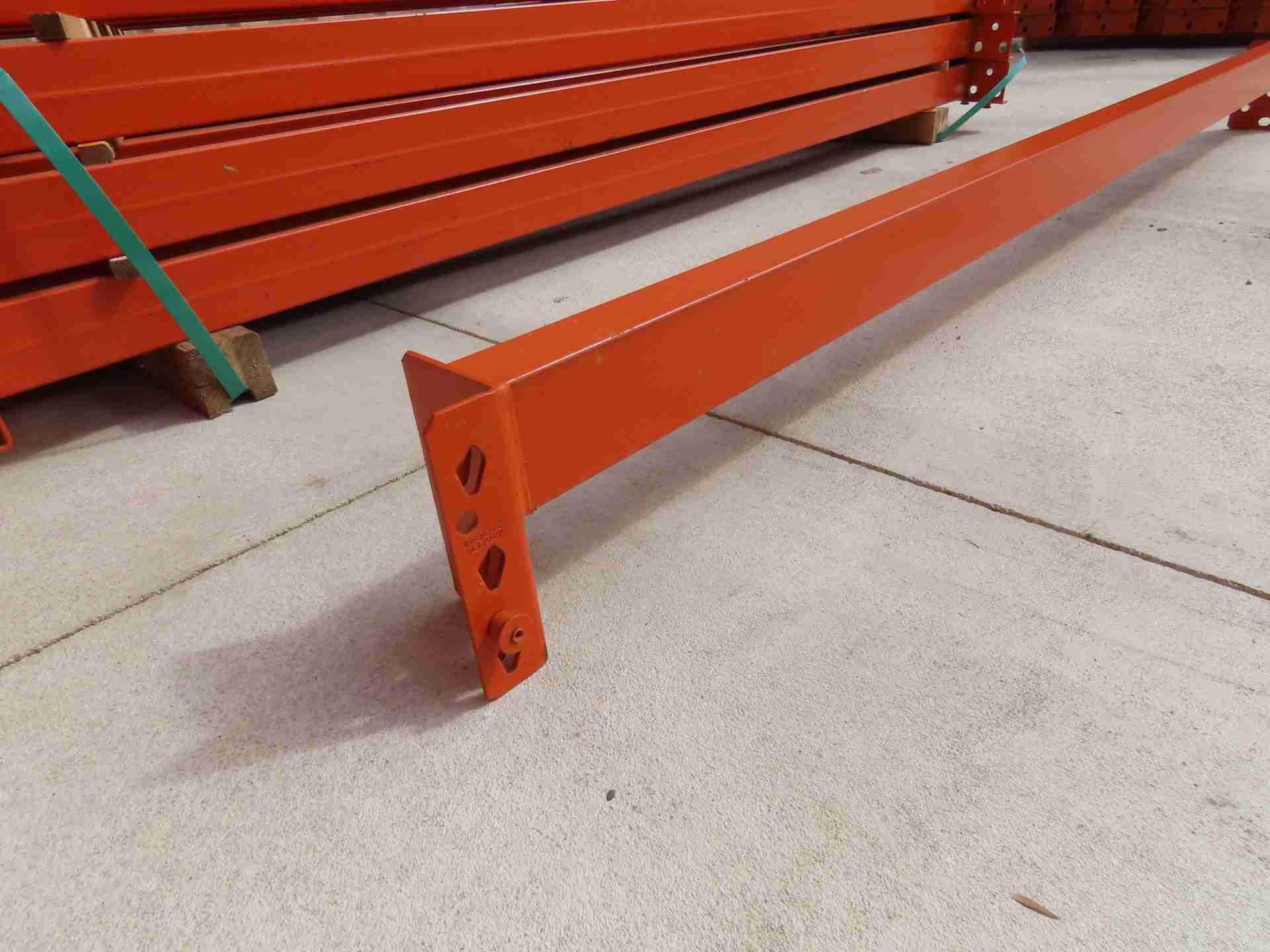
What Safety Benefits Does Pallet Racking Offer Staff?
How Does Pallet Racking Speed Up Soft Drink Order Fulfillment?
When it comes to moving soft drinks out the door fast, pallet racking isn’t just some fancy storage setup—it’s the backbone that keeps the whole operation humming. Picture a busy warehouse floor where orders pile up like stubborn traffic jams. Without pallet racking, you’re digging through stacks, wasting time, and letting customers wait. That frustration hits everyone—from the guy loading the truck to the family waiting on a picnic cooler filled with their favorite soda. Pallet racking cuts through that mess, turning chaos into order.
Here’s the heart of it: pallet racking lets you organize products by type, date, and demand, making sure the freshest stock floats to the surface and orders can be picked sharp and quick. It’s like having a well-oiled toolbox, not a jumbled junk drawer. When your team can reach what they need with a couple of solid moves, morale stays up because nobody’s stuck hunting or lifting twice. That kind of respect for the worker’s sweat translates to better focus and fewer mistakes. The trust you build with your crew echoes in every pallet that rolls out, ensuring your customers get their soft drinks just when and how they want them.
From a practical angle, pallet racking optimizes space like a champ—stacking vertical, clearing walkways, and trimming inches off travel time. It means fewer forklifts buzzing around like bees in a hive, which cuts down on mishaps and wear on equipment. That’s money saving and a safer spot for everyone, no debate. Plus, when the orders are flying out smooth, you reduce backlogs and reroutes. It’s not just good business; it’s ethical business—you deliver on promises, treat labor right, and serve communities who count on you.
Storytime: imagine a warehouse where pallet racking didn’t exist. Forklifts weaving through clutter, workers scrambling, soda crates getting banged and bruised, and deadlines slipping away under pressure. Now switch the tape to a setup with pallet racking—everything lined up, each bottle in its place, order fulfillment flowing like clockwork. That’s a shift that not only changes numbers but builds pride in the job well done. It forges a connection between the warehouse floor and the store shelves, reminding everyone that their small part makes a big difference.
Pallet racking is more than racks and beams—it’s the silent partner turning hard work into reliable results, speeding up soft drink order fulfillment in ways your customers don’t just see but taste in every cold, refreshing sip.
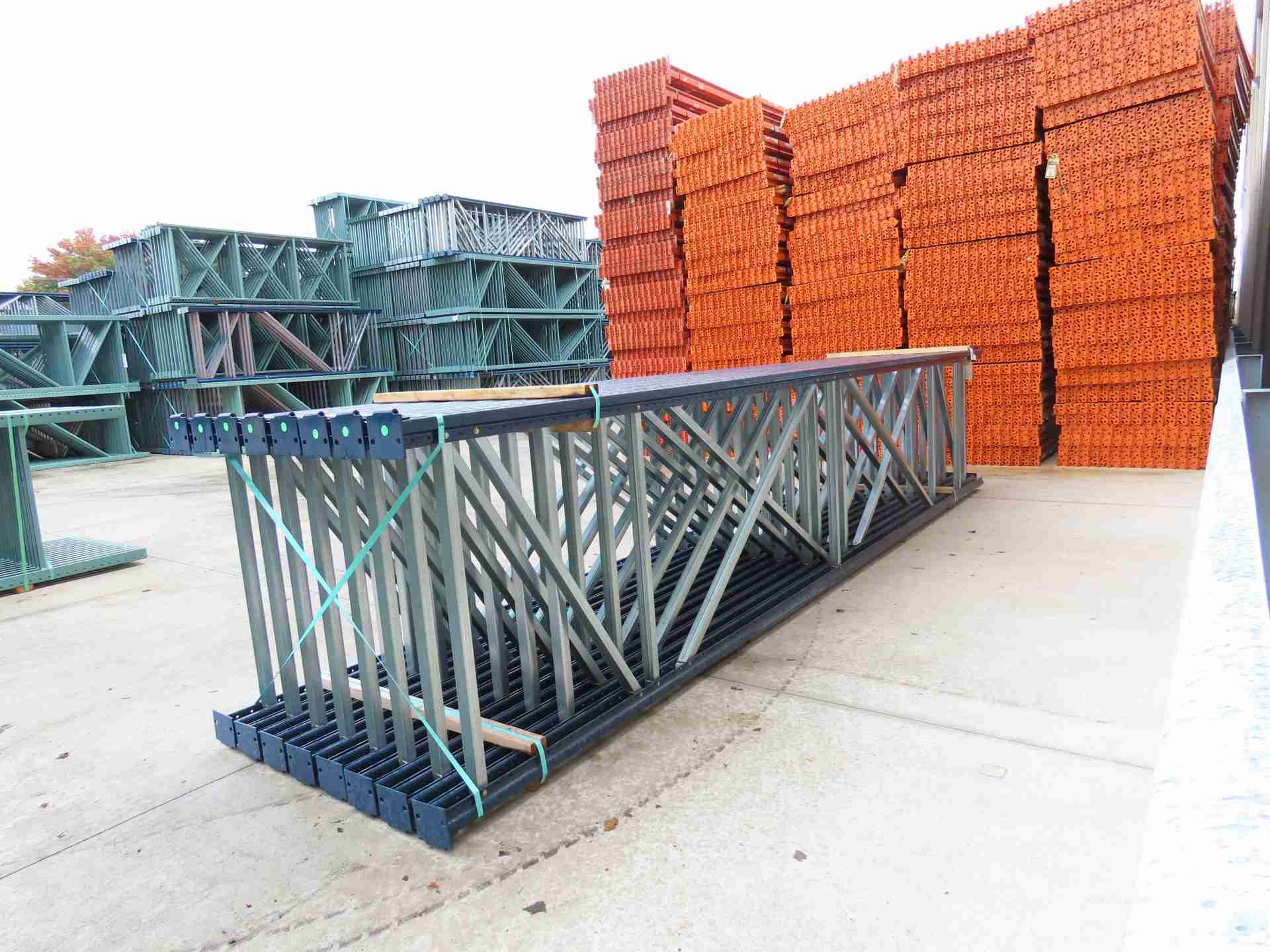
How Does Pallet Racking Speed Up Soft Drink Order Fulfillment?
How Does Pallet Racking Speed Up Soft Drink Order Fulfillment?
- Pallet racking is essential for efficient soft drink order fulfillment, preventing delays and chaos on busy warehouse floors.
- It organizes products by type, date, and demand, ensuring fresh stock is easily accessible for fast picking.
- Improved organization boosts worker morale by reducing unnecessary lifting and searching, leading to fewer mistakes.
- Optimizes space utilization by stacking vertically, clearing walkways, and reducing travel time within the warehouse.
- Decreases forklift traffic and equipment wear, enhancing safety and saving money.
- Smooth operations reduce backlogs and reroutes, supporting ethical business practices and reliable customer service.
- Pallet racking transforms warehouse workflow, building pride among workers and ensuring soft drinks reach customers promptly and intact.

How Does Pallet Racking Speed Up Soft Drink Order Fulfillment?
Which Pallet Racking Types Best Suit Soft Drink Distribution?
In the hustle of getting cold, fizzy drinks from the warehouse to the corner store, the last thing a crew needs is a rickety storage setup causing headaches. Pallet racking isn’t just steel and bolts—it’s the backbone of how soft drinks keep flowing smoothly. When you’re stacking thousands of cases of soda or sparkling water, the right pallet racking system becomes less of a convenience and more of a necessity. It keeps things organized, accessible, and safe—because a toppled pallet can spell disaster in more ways than one.
From hands-on experience, selective pallet racking stands out as the workhorse for soft drink distribution. It’s the straightforward system where every pallet gets its own lane, making it easy for drivers and warehouse hands to grab exactly what they need, without a wild goose chase. This simplicity isn’t just about speed; it’s about trust. Knowing that each carton of pop is sitting exactly where you expect it reduces mistakes and saves time. After all, when the clock’s ticking and the orders pile up, no one wants to be hunting for that missing pallet.
But if your warehouse space is tighter than a jam-packed delivery truck, push-back or drive-in pallet racking systems can step in to maximize your footprint. These designs pack pallets deep, squeezing every inch out of the warehouse. It’s like making room at the dinner table for one more cousin—it takes a little coordination but pays off in volume. The push-back system keeps things moving with a first-in, last-out rhythm, while drive-in racks let you stack pallets deeper and higher. Both can boost capacity and reduce infrastructure costs, which makes sense when profit margins are as thin as cheap cola’s fizz.
Ethically, using the right pallet racking means respecting the hard work of the team on the floor. Well-chosen systems reduce back strain and accidents, showing a straightforward respect for those moving the goods day in and day out. Plus, this picks up on social responsibility—after all, injuries don’t just slow the warehouse down; they impact families and communities. Taking care of your crew means fewer lost workdays and a better reputation all around.
Choose pallet racking that’s sturdy, versatile, and honestly, built for the grind. It’s about trusting the gear to do the heavy lifting while your team focuses on what matters: delivering those soft drinks fresh, fast, and intact. That’s how you keep the fizz alive all the way from shelf to sip.

Which Pallet Racking Types Best Suit Soft Drink Distribution?
Which Pallet Racking Types Best Suit Soft Drink Distribution?
- Pallet racking is essential for organizing, accessing, and safely storing thousands of cases of soft drinks in warehouses.
- Selective pallet racking is the preferred system for soft drink distribution, providing clear lanes for each pallet and reducing search time.
- Push-back and drive-in pallet racking systems maximize warehouse space by allowing deeper and higher stacking, increasing capacity and lowering costs.
- Push-back systems operate on a first-in, last-out basis, while drive-in racks enable compact, high-density storage.
- Proper pallet racking reduces physical strain and workplace accidents, demonstrating respect for warehouse workers and supporting social responsibility.
- Investing in sturdy and versatile pallet racking helps maintain efficient, safe operations and protects the workforce.
- Reliable pallet racking systems ensure soft drinks are delivered fresh, quickly, and intact from warehouse to retail shelves.

Which Pallet Racking Types Best Suit Soft Drink Distribution?
How Can Pallet Racking Prevent Product Damage During Storage?
When you’re stacking pallets high, you don’t want to gamble with your goods. Pallet racking is like the unsung hero in your warehouse—quietly keeping your products safe so you don’t end up paying the price for a careless spill or crushed shipment. It’s not just about having more shelves; it’s about creating a system that respects the sweat and dollars you poured into every item. That’s where pallet racking steps in, giving your storage a backbone that holds firm against the chaos.
Think about it—without sturdy pallet racking, those boxes and crates might be slapped one on top of another like an unstable house of cards waiting to collapse. You’ve seen it happen: products get crushed, labels torn off, or worse—the whole stack topples and chaos reigns. Pallet racking isn’t just metal beams bolted to the floor; it’s a promise that each product has its place, held steady and separated at just the right height. It’s a controlled environment that prevents damage not by chance, but by design.
And it’s not just about protecting your stock; it’s about protecting what that stock stands for. Every item on those racks is the result of hard work and trust—trust from your team to handle and store it right, trust from your customers to deliver it undamaged, and trust from yourself to keep the operation running smooth. Using pallet racking shows you care, not only about the boxes but about the people behind them, turning storage from a messy chore into a disciplined craft.
With proper pallet racking, you’re also playing it smart. The design improves visibility and access so workers aren’t fumbling around, risking damage through hurried moves or unnecessary lifting. Organized storage means you can move faster and safer, reducing injuries and mistakes. This kind of efficiency doesn’t just happen—it’s earned by choosing a system that holds up under pressure. The upside? Less waste, fewer replacements, lower costs, and a smoother workflow everyone respects.
Pallet racking isn’t just a piece of equipment—it’s the quiet backbone that stands between your product and disaster. It’s the difference between watching your hard work fall apart or standing tall and solid. And when you choose pallet racking, you’re choosing respect for your work, your team, and your business. Because in the gritty, no-nonsense world of storage, that’s what real peace of mind looks like.
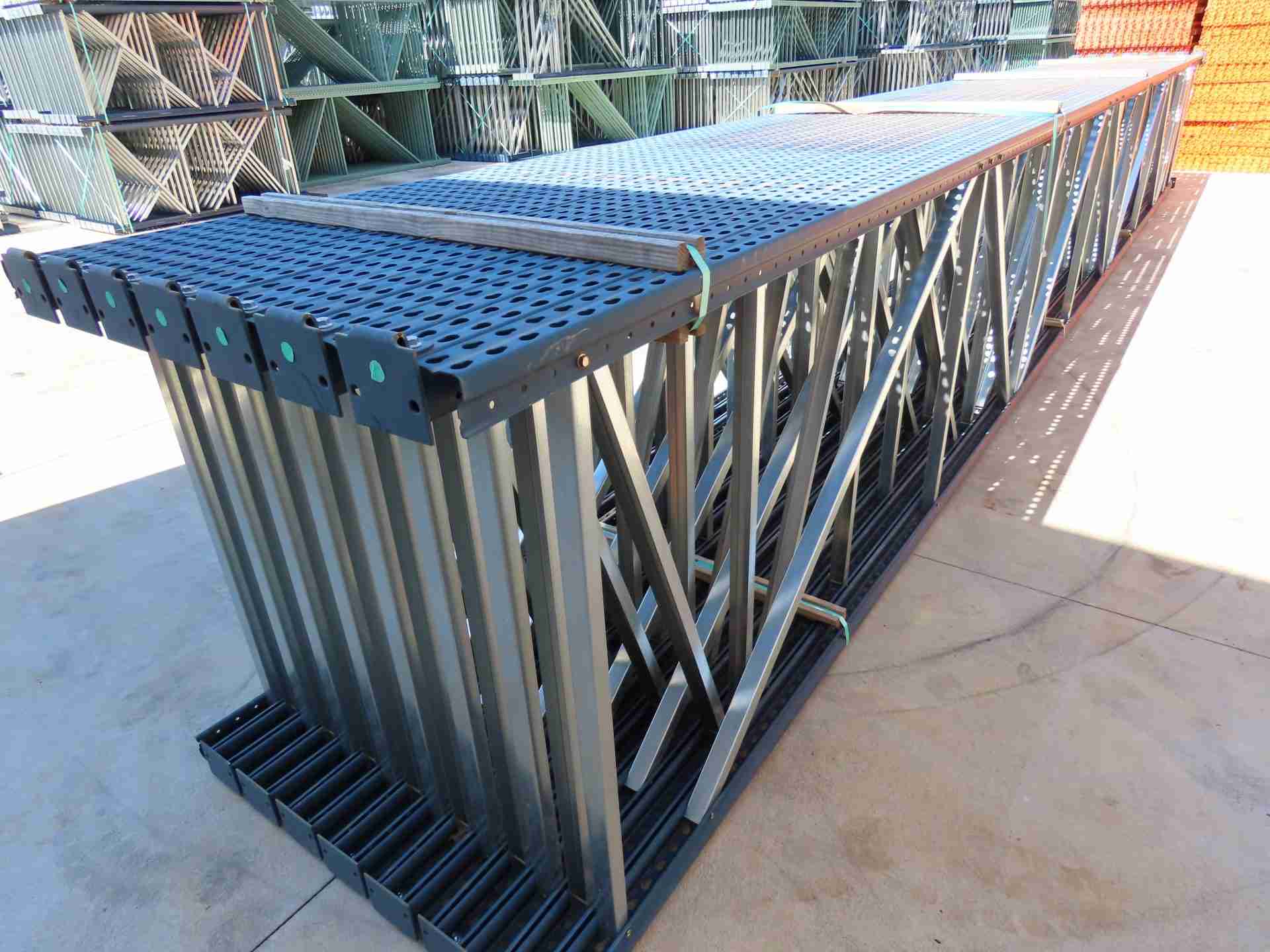
How Can Pallet Racking Prevent Product Damage During Storage?
How Can Pallet Racking Prevent Product Damage During Storage?
- Pallet racking secures products in warehouses, preventing damage from spills, crushing, or toppling stacks.
- It provides a stable, organized system that respects the value of stored goods and the effort behind them.
- Without pallet racking, products risk being stacked haphazardly, causing damage and operational chaos.
- Pallet racking ensures each product has a secure, designated place, reducing risk through intentional design.
- It represents trust between workers, customers, and management by protecting goods and maintaining smooth operations.
- The design enhances visibility and access, minimizing handling risks, injuries, and mistakes for more efficient workflows.
- Choosing pallet racking reduces waste, costs, and disruptions, serving as a vital backbone for warehouse safety and respect for the business.

How Can Pallet Racking Prevent Product Damage During Storage?
Conclusion
Pallet racking isn’t just some metal framework cluttering up a warehouse—it’s the unsung backbone holding soft drink distribution together. When you’ve got stacks of soda cases piling up day after day, the last thing you need is chaos slowing the whole operation down. Pallet racking steps in to turn disorder into a well-oiled machine, saving time, cutting costs, and protecting both product and people. It’s about making every inch of warehouse space count without breaking the bank on expansions, keeping aisles clear, and everything stacked tidy and reachable. That kind of efficiency isn’t just smart business—it’s respect for the sweat behind every pallet and the trust of every customer waiting on a cold drink on time.
Beyond the numbers, pallet racking is the practical way distributors show they care about the crew hustling on the floor. It cuts accidents by keeping heavy loads steady and reachable, making sure nobody’s risking a back injury chasing down a misplaced pallet. When workers feel safe and valued, morale goes up, turnover drops, and the whole place hums better. That’s not just good ethics—it’s good business sense. You treat your people right, and they return the favor with solid performance that keeps orders moving and customers happy.
On the delivery end, pallet racking speeds up order fulfillment like nothing else. Instead of scrambling through piles of goods, crews can find exactly what they need in seconds, keeping trucks rolling and customers stocked. The system’s organized by product type and demand, ensuring the freshest stock is always at hand. This trust—across the warehouse, up the supply chain, and out to the store shelves—builds a reputation that money can’t buy. When everyone’s working in rhythm, from the dock to the driver, the whole operation is leaner, faster, and more reliable.
Choosing the right type of racking matters too. Whether it’s selective racks for straightforward access or push-back systems squeezing every inch out of tight spaces, the goal’s the same: maximize volume without chaos or injury. This kind of setup respects the work, protects product integrity, and keeps the supply chain flowing without those hair-raising close calls. It’s a simple, solid investment that delivers returns not just in dollars, but in pride and trust.
At the end of the day, pallet racking is more than shelves—it’s a commitment to doing things right. It protects the product, respects the workforce, and keeps the business running smooth and steady. For folks who clock in every morning ready to grind, it’s the honest tool that turns hard work into dependable results. And that’s worth raising a cold one to.

Conclusion
Conclusion:
- Pallet racking is essential in organizing soft drink warehouses, saving time, reducing costs, and protecting products and workers.
- It maximizes warehouse space efficiently without costly expansions, keeping aisles clear and stacks neat and accessible.
- The system improves workplace safety by stabilizing heavy loads and reducing the risk of injuries, boosting employee morale and retention.
- Pallet racking speeds up order fulfillment by enabling quick access to products, ensuring fresh stock is always available.
- An organized racking system fosters trust and reliability throughout the supply chain, from warehouse to store shelves.
- Selecting the right racking type—such as selective or push-back racks—optimizes space and safety in varied warehouse layouts.
- Overall, pallet racking is a strategic investment that protects products, respects workers, and ensures smooth, dependable operations.

Conclusion
Other Resources
Other Resources
Here is a list of other resources you can review online to learn more:
- Pallet Rack Systems – New and Used Pallet Racking and Shelving Experts
- NSC
- Pallet Racking systems in Illinois and Great Lakes
- Shipping Boxes, Packaging Materials, Pallet Racking
- BMH Equipment LLC
- Selective Rack – Raymond West
- Rack Manufacturers Institute
- Rack Manufacturers Institute
- ASSP
- Warehouse Storage Racks
- What is Selective Racking: Understanding Benefits & Options
- Cantilever Racks Chicago
- Illinois Pallet Racking – WPRP
- Warehouse Racking Chicago, IL
- Warehousing Education and Research Council: https://www.werc.org/
- RMI
- Racking World
- Teardrop Pallet Rack – Ridg-U-Rak
- Storage Equipment Manufacturers’ Association
- Warehouse Racks, Warehouse Racking in Stock – ULINE
Use This Prompt To Get More Resources With Your Favorite Online AI Tool: Please provide me with a list of online articles with their URLs in a bulleted list that I can read regarding How Do Soft Drink Distributors Leverage Pallet Racking?
Other Resources
Glossary Terms
How Do Soft Drink Distributors Leverage Pallet Racking? – Glossary Of Terms
1. Pallet Racking: A storage system designed to hold pallets in horizontal rows with multiple levels.
2. Soft Drink Distributor: A company or entity responsible for delivering and supplying soft drinks to retailers and vendors.
3. Inventory Management: The process of overseeing and controlling stock levels within a warehouse or distribution center.
4. Warehouse Efficiency: The measure of how effectively warehouse resources are utilized to optimize operations.
5. Space Utilization: Maximizing the storage capacity of a warehouse through strategic layout and organization.
6. Load Capacity: The maximum weight that a pallet racking system can safely support.
7. Forklift Access: The ability for forklifts to reach and retrieve pallets stored on racks.
8. Picking Speed: The rate at which products are retrieved from storage for order fulfillment.
9. Stock Rotation: The practice of moving older stock to the front to ensure first-in, first-out (FIFO) inventory flow.
10. Safety Standards: Regulations and guidelines ensuring the safe use and installation of pallet racking systems.
11. Aisle Width: The space between pallet racks allowing forklifts and workers to navigate efficiently.
12. Load Stability: The secure placement of pallets on racks to prevent shifting or falling.
13. Modular Racking: Pallet racking systems that can be adjusted or expanded based on storage needs.
14. Cross-Docking: A logistics practice where incoming goods are directly transferred to outbound shipments with minimal storage.
15. Dock Leveler: Equipment that bridges the gap between a loading dock and a truck to facilitate loading and unloading.
16. Rack Inspection: Regular checks of pallet racking systems to ensure structural integrity and safety compliance.
17. Order Accuracy: The precision in selecting the correct items and quantities during order picking.
18. Lead Time Reduction: Decreasing the time from receiving an order to delivery through efficient warehousing.
19. Seasonal Demand: Fluctuations in soft drink sales tied to specific times of the year.
20. Load Distribution: Even spreading of weight across pallet racking to prevent damage or collapse.
21. Automated Storage: Use of technology-driven systems to store and retrieve products with minimal human intervention.
22. SKU (Stock Keeping Unit): A unique identifier for each product type stocked in inventory.
23. Throughput: The amount of goods moved through a warehouse in a given time period.
24. Cold Storage: Temperature-controlled warehouse sections for storing beverages requiring refrigeration.
25. Vendor Compliance: Requirements set by suppliers or retailers to ensure quality and delivery standards.
26. Material Handling Equipment: Tools and machinery used to move, store, and control inventory.
27. Just-In-Time (JIT): Inventory strategy aiming to reduce stock holding by receiving goods only as needed.
28. Damage Prevention: Measures taken to avoid product or rack damage during storage and handling.
29. Capacity Planning: Forecasting and preparing warehouse space and resources to meet future demand.
30. Ergonomics: Designing warehouse systems and processes to reduce worker strain and improve productivity.

Glossary Of Terms
Other Questions
How Do Soft Drink Distributors Leverage Pallet Racking? – Other Questions
If you wish to explore and discover more, consider looking for answers to these questions:
- What is the typical return on investment (ROI) for installing pallet racking in a soft drink distribution warehouse?
- How much does pallet racking cost per pallet position?
- What are the installation lead times for different pallet racking systems?
- Which pallet racking types (selective, drive-in, push-back, pallet flow, mobile) are best for different warehouse layouts?
- How do you choose the right racking system for mixed SKUs of cans, bottles, and multipacks?
- How does pallet racking integrate with warehouse management systems (WMS) and inventory tracking?
- What are the space savings and capacity gains I can expect after installing racking?
- How does pallet racking support FIFO or FEFO inventory rotation for perishability and freshness?
- What load capacities and pallet sizes must be considered for soft drink pallets?
- How do temperature-controlled or refrigerated warehouses affect racking selection and design?
- What floor loading and building structural considerations are required for tall racking installations?
- Which safety standards and regulations (OSHA, local codes) apply to pallet racking in distribution centers?
- How often should racking be inspected and what does a routine inspection checklist include?
- What are best practices for racking maintenance and repair after impact damage?
- How do you calculate required aisle widths for forklifts, pallet jacks, and automated equipment?
- What types of accessories (wire decking, pallet supports, row spacers, guards) improve safety and performance?
- How does pallet racking affect picking speed and order fulfillment metrics (pick rate, cycle time)?
- Can pallet racking be retrofitted into an existing warehouse without major downtime?
- What training do staff need to use racking systems safely and efficiently?
- How does racking choice influence worker ergonomics and injury reduction?
- What fire protection and sprinkler compatibility issues arise with high-density racking?
- How does pallet racking reduce product damage rates and shrinkage in practice?
- What are the best layouts (bay depth, block stacking, cross-aisles) for seasonal peak demand?
- How do automated solutions (AS/RS, conveyors, pick-to-light) work with pallet racking?
- What are the tax, leasing, and financing options for purchasing racking systems?
- How long do pallet racking systems typically last and what are warranty terms?
- What environmental or sustainability benefits come from optimized racking (reduced footprint, energy savings)?
- How are corrosion, condensation, and sanitation handled in beverage storage racking?
- What are the best practices for labeling, barcode placement, and traceability on racked pallets?
- How do you design racking for mixed-case and full-pallet picking strategies?
- What are common mistakes to avoid when planning and installing pallet racking?
- How do racking suppliers compare on lead time, customization, and after-sales support?
- What insurance or compliance documentation is typically required for racking installations?
- How can racking layouts be optimized for cross-docking and fast-turn SKUs?
- What metrics should managers track to measure the performance impact of pallet racking?
Other Questions
Checklist
How Do Soft Drink Distributors Leverage Pallet Racking? – A Checklist
Goals and KPIs
✅______ Define target pick rate and order lead time
✅______ Set dock-to-stock time and accuracy goals
✅______ Establish damage rate and incident rate targets
✅______ Set space utilization and throughput benchmarks
Product and Demand Profile
✅______ List SKUs with dimensions and pallet weights
✅______ Determine case, layer, and full-pallet handling needs
✅______ Identify FIFO, FEFO, or LIFO requirements
✅______ Map demand velocity (A/B/C tiers) and seasonality
Racking Type Selection
✅______ Use selective racking for maximum accessibility
✅______ Use double-deep for higher density with moderate selectivity
✅______ Use push-back for LIFO, high density, and fast turns
✅______ Use drive-in/through for maximum density and homogeneous SKUs
✅______ Use pallet flow (gravity) for FIFO and fast rotation
✅______ Add wire decking or pallet supports as needed
Layout and Capacity Planning
✅______ Validate ceiling height and sprinkler and flue clearances
✅______ Confirm slab capacity and rack anchoring requirements
✅______ Set beam levels to product heights plus clearance
✅______ Size aisles for equipment turning radius
✅______ Plan staging lanes for receiving and shipping
✅______ Obtain engineer-stamped load calculations and drawings
Safety and Protection
✅______ Install end-of-aisle guards and column protectors
✅______ Use row spacers, backstops, and anti-collapse mesh
✅______ Apply load plaques and safety clips on all beams
✅______ Standardize pallet quality and inspection criteria
✅______ Create rack inspection and repair procedures
Material Handling Equipment
✅______ Match forklift class to rack and aisle design
✅______ Confirm fork length, mast height, and attachments
✅______ Add cameras, guidance, or pick-assist technology as needed
✅______ Designate battery charging and maintenance areas
Inventory Strategy and Slotting
✅______ Slot high-velocity SKUs in the golden zone
✅______ Separate full-pallet and case-pick locations
✅______ Configure replenishment triggers and min/max levels
✅______ Standardize date coding and lot control rules
Order Fulfillment Acceleration
✅______ Design fast-pick zones near shipping docks
✅______ Optimize pick paths and travel distance
✅______ Enable wave, batch, or zone picking in WMS
✅______ Pre-stage routes and prioritize hot orders
Receiving and Putaway
✅______ Standardize pallet inspection and labeling on receipt
✅______ Use directed putaway rules in WMS
✅______ Cross-dock eligible full pallets when possible
✅______ Maintain clean, obstruction-free inbound lanes
Cost and ROI
✅______ Compare CapEx, installation, and permitting costs
✅______ Quantify space savings versus expansion or leasing
✅______ Model labor savings and throughput gains
✅______ Estimate damage reduction and insurance impact
✅______ Plan depreciation and life-cycle replacement
Compliance and Permitting
✅______ Adhere to RMI/ANSI MH16.1 rack standards
✅______ Comply with OSHA and local building codes
✅______ Follow NFPA 13 for fire protection and sprinklers
✅______ Obtain permits and inspections before use
Training and SOPs
✅______ Certify operators on equipment and rack loading
✅______ Train on safe stacking and pallet condition checks
✅______ Implement emergency, spill, and incident procedures
✅______ Reinforce housekeeping and 5S standards
Maintenance and Inspections
✅______ Schedule daily visual and monthly detailed checks
✅______ Tag and unload damaged components immediately
✅______ Torque-check anchors and beam connectors periodically
✅______ Keep a rack repair and parts log
Sustainability and Waste Reduction
✅______ Specify recycled-content steel where feasible
✅______ Reuse or refurbish racks and components
✅______ Reduce product damage and shrink
✅______ Optimize lighting and charging energy use
Change Management and Go-Live
✅______ Phase installation to minimize downtime
✅______ Run pilot bays and stress tests
✅______ Update WMS locations and master data
✅______ Communicate changes to all shifts
Vendor and Installer Selection
✅______ Choose RMI-certified manufacturers and installers
✅______ Verify engineering stamps and warranties
✅______ Check references and service response times
✅______ Confirm spare parts availability and lead times
Continuous Improvement
✅______ Track KPIs on a live dashboard
✅______ Review near misses and corrective actions weekly
✅______ Audit slotting and layout quarterly
✅______ Run Kaizen events for throughput and safety improvements

Checklist
At RackingWorld, we help guide you through selecting warehouse storage systems and racking.
Be sure to read our other related stories at RackingWorld to learn more about warehouse storage systems.
0 Comments