
Unlock Efficiency, Strength, And Safety In Siding Storage Solutions
By Tom Seest
At RackingWorld, we help guide you through selecting warehouse storage systems and racking.
Be sure to read our other related stories at RackingWorld to learn more about warehouse storage systems.
How Do Siding and Exterior Cladding Distributors Leverage Cantilever Racking?
When you’re dealing with siding and exterior cladding, you know the materials don’t come in neat little boxes. Long, bulky, awkward pieces that don’t fit on just any shelf. That’s where cantilever racking steps in, solving problems like an old reliable buddy who shows up when you need him most. These systems hold those lengthy boards and panels with ease, making the loading and unloading process smoother than a fresh coat of paint on a well-worn fence.
This isn’t just about storage—it’s about respect for the material and the people handling it. When siding distributors switch from basic pallet racking to cantilever racking, they’re making a practical choice that saves backs, time, and mental overhead. It’s smarter. The design keeps those heavy pieces off the floor and organized by size and type, helping crews find exactly what they need without digging through heaps of mess. That cuts wasted minutes and bruised knuckles, building trust between warehouse and worksite because everyone knows the job will move faster.
From a rational standpoint, cantilever racking maximizes space and efficiency. It’s no secret that yard space and warehouse room are expensive. Pallet racking works fine for boxed materials, but siding? It demands a system that’s flexible enough to handle beams, panels, and all the irregularly shaped goods that come your way. With adjustable arms and an open design, cantilever racks accommodate all kinds of lengths and thicknesses, giving distributors a leg up on inventory management and jobsite readiness.
There’s also a quiet ethics at play. Warehouses that invest in proper racking show they care about safety—not just for their workers but for the customers counting on durable, damage-free materials. It’s the difference between a good reputation and one that’s just getting by. When siding arrives in perfect shape, every builder and homeowner knows the distributor took pride in every step. It’s business grounded in respect, honesty, and doing right by the work.
Story after story comes back to how cantilever racking changed the game for teams juggling deliveries and tight deadlines. The system turns chaos into order, stress into confidence. It’s the kind of common-sense tool that feels good in the gut—solid, reliable, and built to handle whatever the day throws at it. It earns its place next to pallet racking in every distributor’s yard, proving that smart storage isn’t about flash; it’s about showing up ready, every single time.

How Do Siding and Exterior Cladding Distributors Leverage Cantilever Racking?
How Do Siding and Exterior Cladding Distributors Leverage Cantilever Racking?
- Cantilever racking efficiently stores long, bulky siding and exterior cladding materials that don’t fit on standard shelves.
- Switching from pallet racking to cantilever racking saves time, reduces physical strain, and organizes materials by size and type.
- The system keeps heavy materials off the floor, reducing wasted time and workplace injuries while improving workflow trust.
- Cantilever racks maximize space and flexibility, accommodating various lengths and thicknesses with adjustable arms and open design.
- Investing in proper racking demonstrates a commitment to safety and protects materials from damage, enhancing distributor reputation.
- Cantilever racking transforms chaotic storage into orderly, efficient systems, supporting teams under tight deadlines.
- The system complements pallet racking as a reliable, practical storage solution essential to siding distributors’ operations.
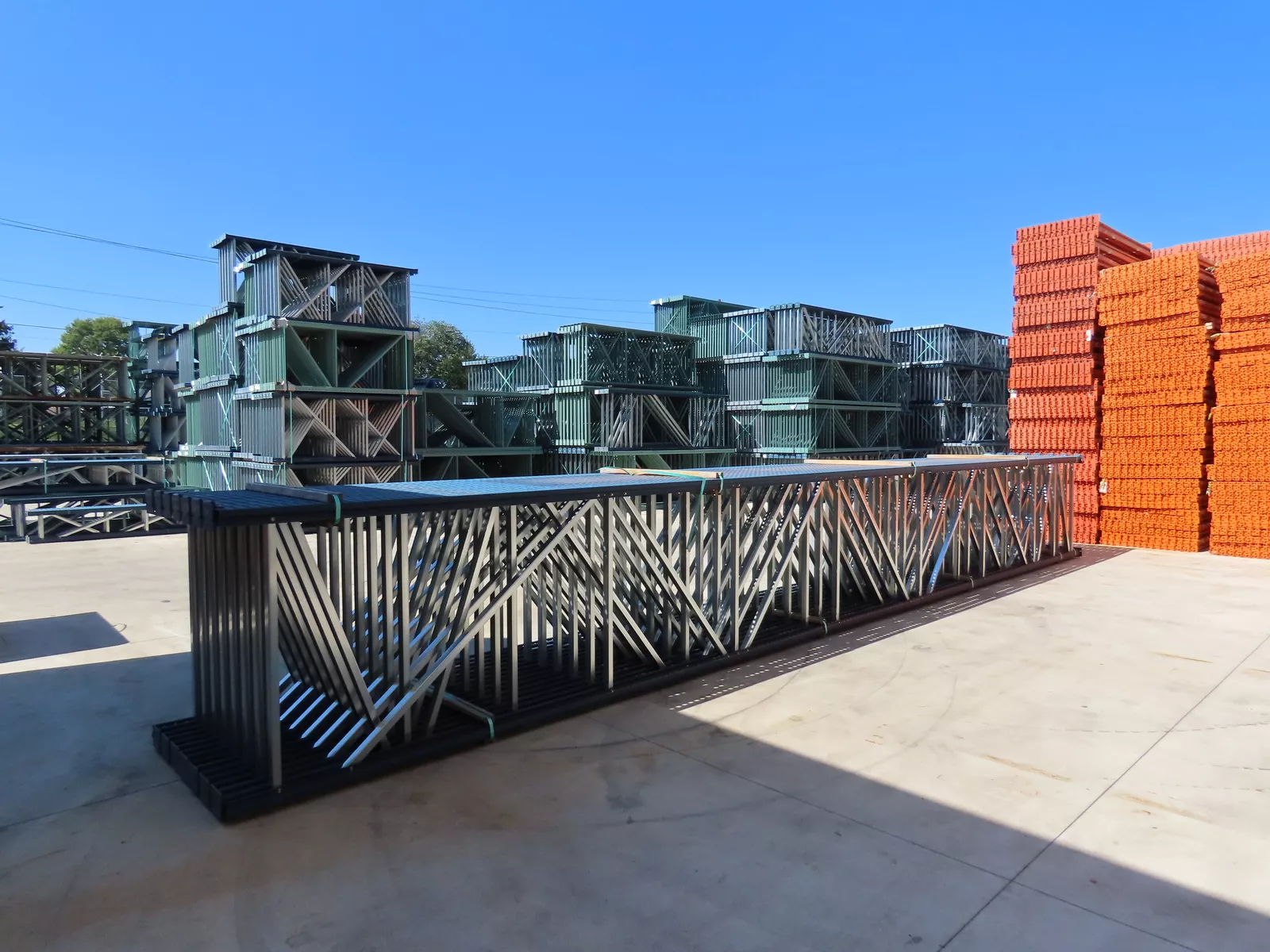
How Do Siding and Exterior Cladding Distributors Leverage Cantilever Racking?
Table Of Contents
- How Do Siding and Exterior Cladding Distributors Leverage Cantilever Racking?
- What Emotional Impact Does Efficient Storage Have on Your Team?
- How Can Cantilever Racking Optimize Siding Inventory Management?
- What Ethical Practices Ensure Safe Use Of Cantilever Racking?
- How Does Cantilever Racking Improve Space Utilization Rationally?
- Can Leveraging Cantilever Racks Reduce Supply Chain Delays?
- What Authority Guidelines Govern Cantilever Racking for Cladding?
- Conclusion
- Other Resources
- Glossary Of Terms
- Other Questions
- Checklist
What Emotional Impact Does Efficient Storage Have on Your Team?
There’s something quietly powerful about walking into a space where everything has its place. When your pallet racking is set up right, it’s more than just steel and boards — it’s a backbone that keeps the whole operation humming without chaos or confusion. For the folks on your team, that kind of order isn’t just convenient; it hits deep. It’s the relief of knowing you’re not wasting time digging through piles or scavenging for parts. It’s the pride in a workspace that’s sharp and dependable. That confidence swells quietly but surely.
You can feel it in the way people move. No more frantic scrambles or sideways glances when the clock’s ticking down. When pallet racking holds your inventory solidly and clearly, it’s like giving everyone a better tool. It makes your team’s job doable—not just by throwing muscle at it but by working smart. That clarity cuts frustration, and frustration kills morale faster than a busted forklift. It’s a grind without good storage, and no one wants to go home every day feeling like they fought the system, not the work.
Beyond the sweat and hustle, efficient storage says something about respect. Respect for your team’s time and effort, respect for safety, and respect for doing things right. It’s ethical, in the plain, blue-collar sense, to provide conditions where people don’t just survive but thrive. The right pallet racking setup prevents injuries, keeps pathways clear, and shows the crew that management cares enough to invest in the tools that make life less rough.
Stories from the floor are easy to find. The crew who finally stopped wasting half their day searching for pallets. The team whose shift changed because they could rely on organized storage instead of guesswork. These aren’t just anecdotes; these are the markers of trust and efficiency built in sweat and steel. They build a quiet kind of leadership where people feel seen, heard, and ready to put their backs into the work without that nagging second-guess.
When pallet racking is done right, your team’s emotional load lightens. People want to come in, punch the clock, and do a good day’s work. There’s dignity in that. And when your warehouse runs smooth, everybody wins—not just on paper but in the daily grind where real work and real lives meet.
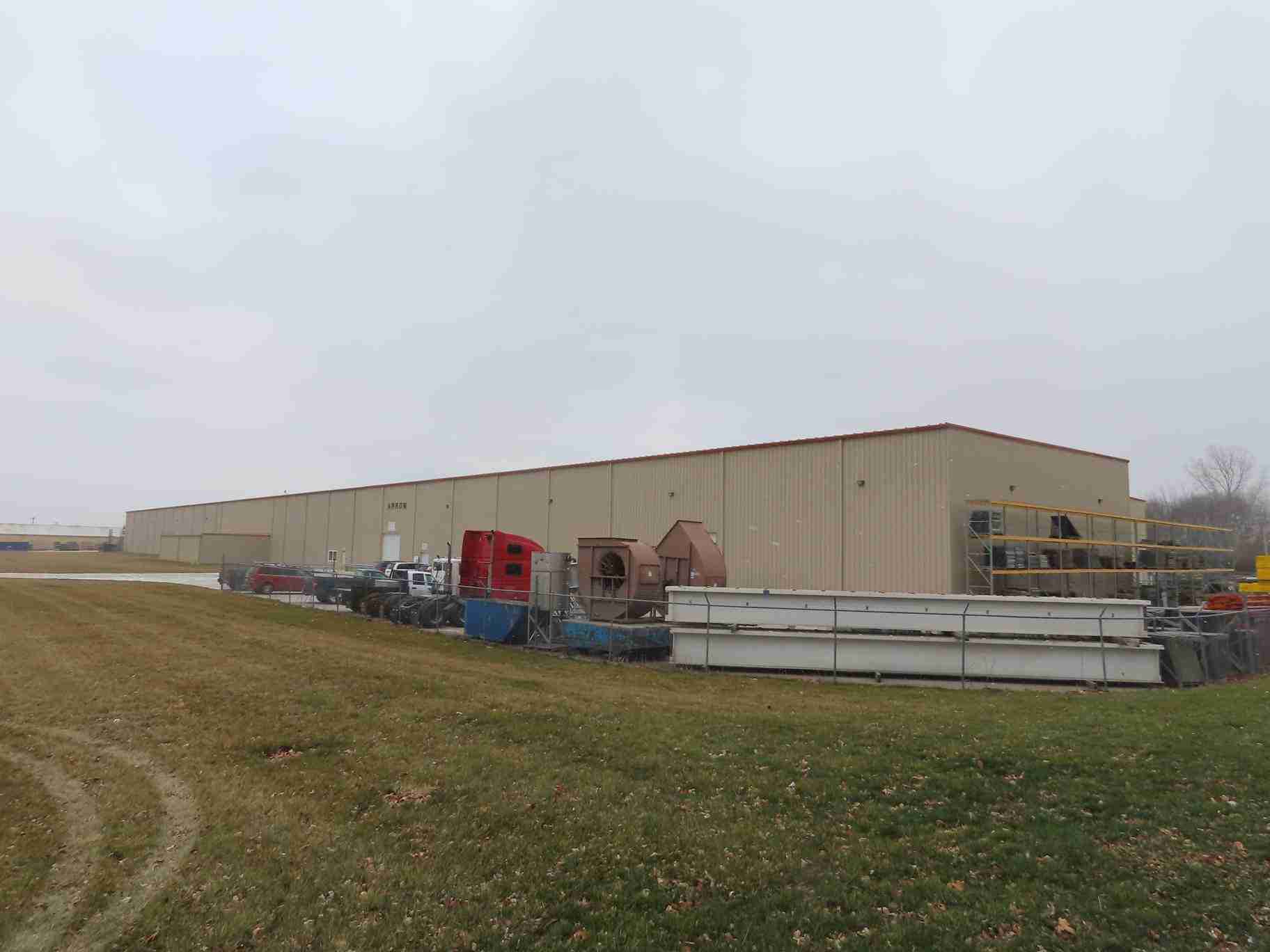
What Emotional Impact Does Efficient Storage Have on Your Team?
What Emotional Impact Does Efficient Storage Have on Your Team?
- Properly set up pallet racking creates an organized workspace that eliminates chaos and confusion, boosting team confidence and pride.
- Efficient storage reduces wasted time searching for parts, enabling the team to work smarter, not harder, and cutting down on frustration.
- Good pallet racking demonstrates respect for the team’s time, safety, and effort, fostering ethical conditions where employees can thrive.
- It helps prevent injuries, keeps pathways clear, and signals management’s investment in improving work conditions.
- Organized storage leads to real improvements in trust, efficiency, and leadership by reducing guesswork and stress for workers.
- A well-maintained pallet racking system lightens emotional burdens and encourages employees to take pride in their work.
- When a warehouse runs smoothly with proper storage, everyone benefits in both productivity and daily work experience.
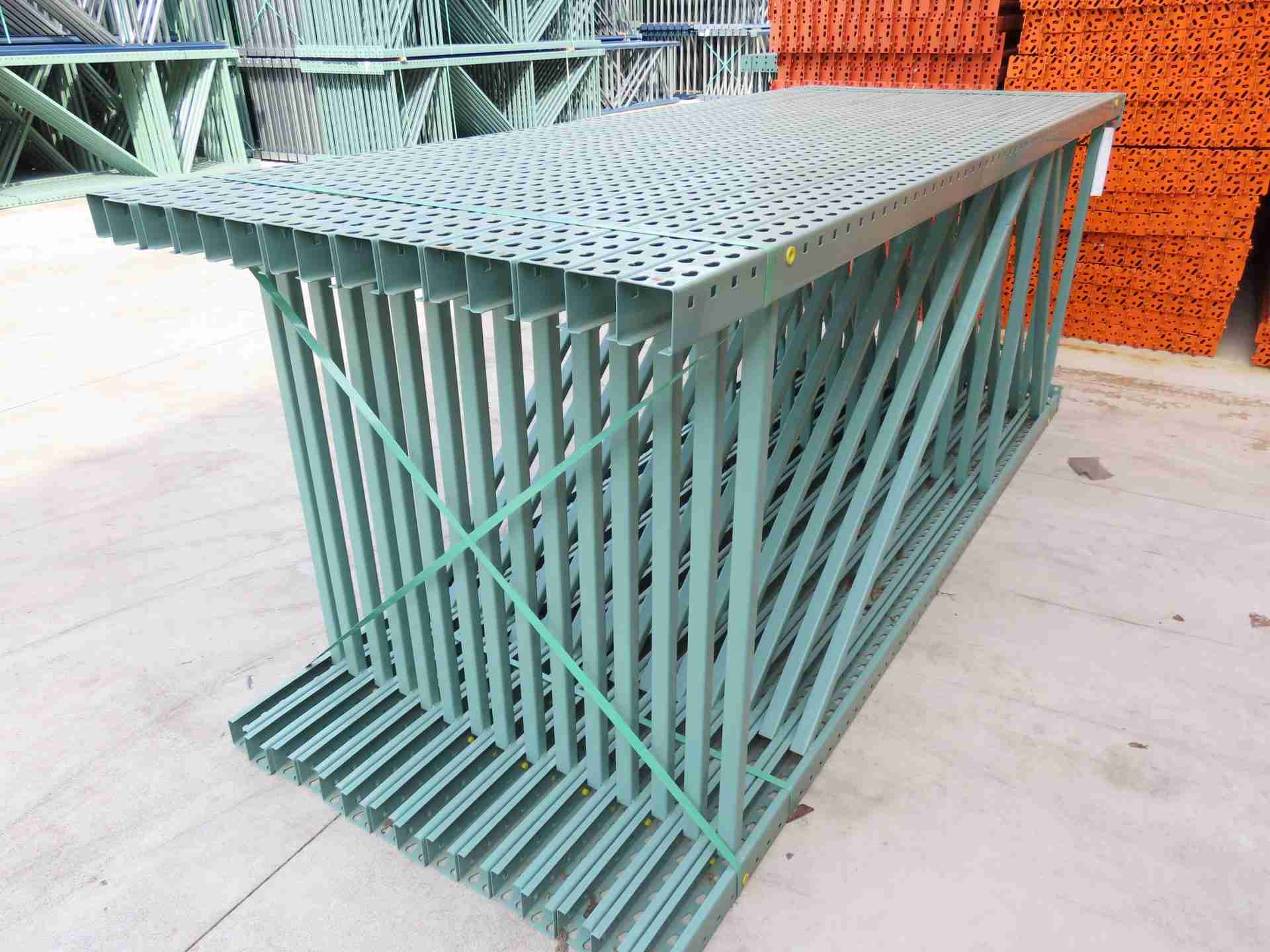
What Emotional Impact Does Efficient Storage Have on Your Team?
How Can Cantilever Racking Optimize Siding Inventory Management?
When it comes to handling siding stock, you don’t want guesswork or wasted steps slowing you down. Cantilever racking is the unsung hero of siding inventory management, built to keep things straightforward and solid. Unlike traditional pallet racking, which stacks boxes and crates, cantilever racking arms out to hold long, bulky materials—like siding—that just don’t fit neatly on a pallet. It’s the difference between forcing a square peg in a round hole and having the right tool for the job.
You’ve been there—the job site’s waiting, the orders are piling up, and the siding’s all jumbled in a mess that’s more headache than help. Cantilever racking turns that chaos into clear aisles and easy-to-grab stock. Each arm acts like a strong, reliable hand, holding boards steady and easy to see. This means less fumbling around, fewer mistakes, and faster fulfillment. You save time, and more importantly, you save face with your crew and customers.
Look past just the practical and you’ll see the value in how cantilever racking treats your siding like the valuable asset it is. When stored properly, siding is protected from damage and warping, preserving quality and cutting down on waste—a clear win for your bottom line and a nod to good stewardship of your materials. Plus, it’s a setup that respects safety, keeping your workspace neat and your team out of harm’s way.
For anyone who runs a warehouse, construction yard, or lumber supply spot, the choice is plain as day. Pallet racking is great for boxes, but siding? That calls for cantilever racking’s steady arms and open design. It’s a system designed by people who know how materials behave in the real world, not just on paper. That kind of grounded know-how earns trust and confidence, making you look sharp to clients and collaborators alike.
Investing in cantilever racking isn’t just about better storage; it’s about working smarter and safer, day after day. It’s about turning something bulky and awkward into a well-organized, easy-to-manage inventory that keeps projects rolling and wallets healthy. When siding is stored right, the whole operation runs smoother—and that’s a lesson any hands-on pro can appreciate.

How Can Cantilever Racking Optimize Siding Inventory Management?
How Can Cantilever Racking Optimize Siding Inventory Management?
- Cantilever racking is designed specifically for storing long, bulky materials like siding that do not fit on traditional pallet racks.
- It simplifies siding inventory management by providing clear aisles and easy access, reducing mistakes and speeding up fulfillment.
- Cantilever racking protects siding from damage and warping, preserving material quality and reducing waste.
- The system enhances workplace safety by keeping storage organized and minimizing hazards.
- It is ideal for warehouses, construction yards, and lumber supply locations where siding handling is common.
- This racking system reflects practical, real-world understanding of material behavior, building trust with clients and collaborators.
- Investing in cantilever racking improves operational efficiency, safety, and inventory management, ultimately benefiting project flow and profitability.
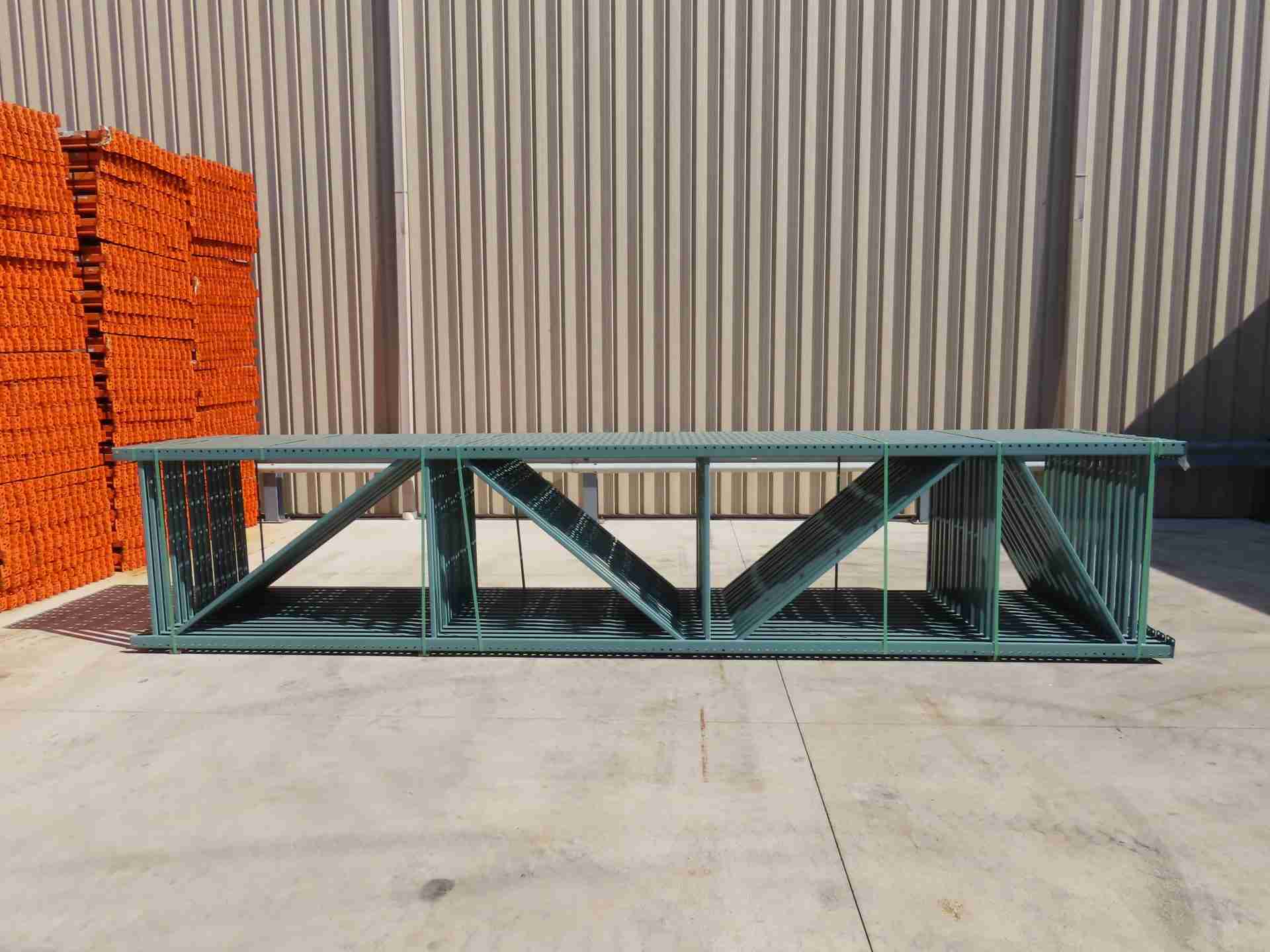
How Can Cantilever Racking Optimize Siding Inventory Management?
What Ethical Practices Ensure Safe Use Of Cantilever Racking?
You don’t get to be good at handling cantilever racking by guessing or cutting corners. It’s about doing right by the gear, the folks using it, and the whole operation. This isn’t just some corporate checkbox—it’s the kind of responsibility that hits you in the gut when you see a worker lean on a poorly installed rack or a load teetering like a house of cards. Safe use starts with respecting the steel and the hands that rely on it every day.
First and foremost, understanding the limits of your cantilever racking is a must. It’s not magic; it’s metal and bolts designed to hold a certain weight. Treating it like pallet racking and stacking beyond specs is a fast track to disaster. When you follow the load capacity recommendations, you’re not just ticking a box—you’re preserving lives and livelihoods. That kind of respect builds trust with your crew, and trust makes for a better, safer workplace.
Inspection isn’t just some paper-pushing exercise—it’s hands-on, practical, and necessary. You want to catch bowed arms, loose bolts, or rust spots before they cause a problem. Regular checks become part of the rhythm, like oil changes on a truck—keeping things running smooth and safe. Involving everyone from the floorhands up to the supervisors creates a culture where safety belongs to all of us, not just the safety officer. Sharing responsibility taps into a powerful social ethic that drives real, lasting safety improvements.
Training is another pillar you can’t skip. It’s one thing to have the right rack, another to use it right. The folks stacking and moving goods need straight talk about what’s safe, what’s not, and why it matters. No jargon, no fluff—just clear instructions that respect their experience and intelligence. When people feel informed and valued, they step up and own the safety culture. That ownership goes a long way, turning rules from burdens into shared rules that save muscle and lives.
All these ethical practices link back to real-world experience—what’s proven to work, not just what looks good on paper. It’s about a commitment to getting everyone home the same as they came in. Every bolt tightened, every weight checked, every training session run well is a vote for safety, respect, and common sense. That’s how ethical use of cantilever racking isn’t just a policy but a promise made and kept.
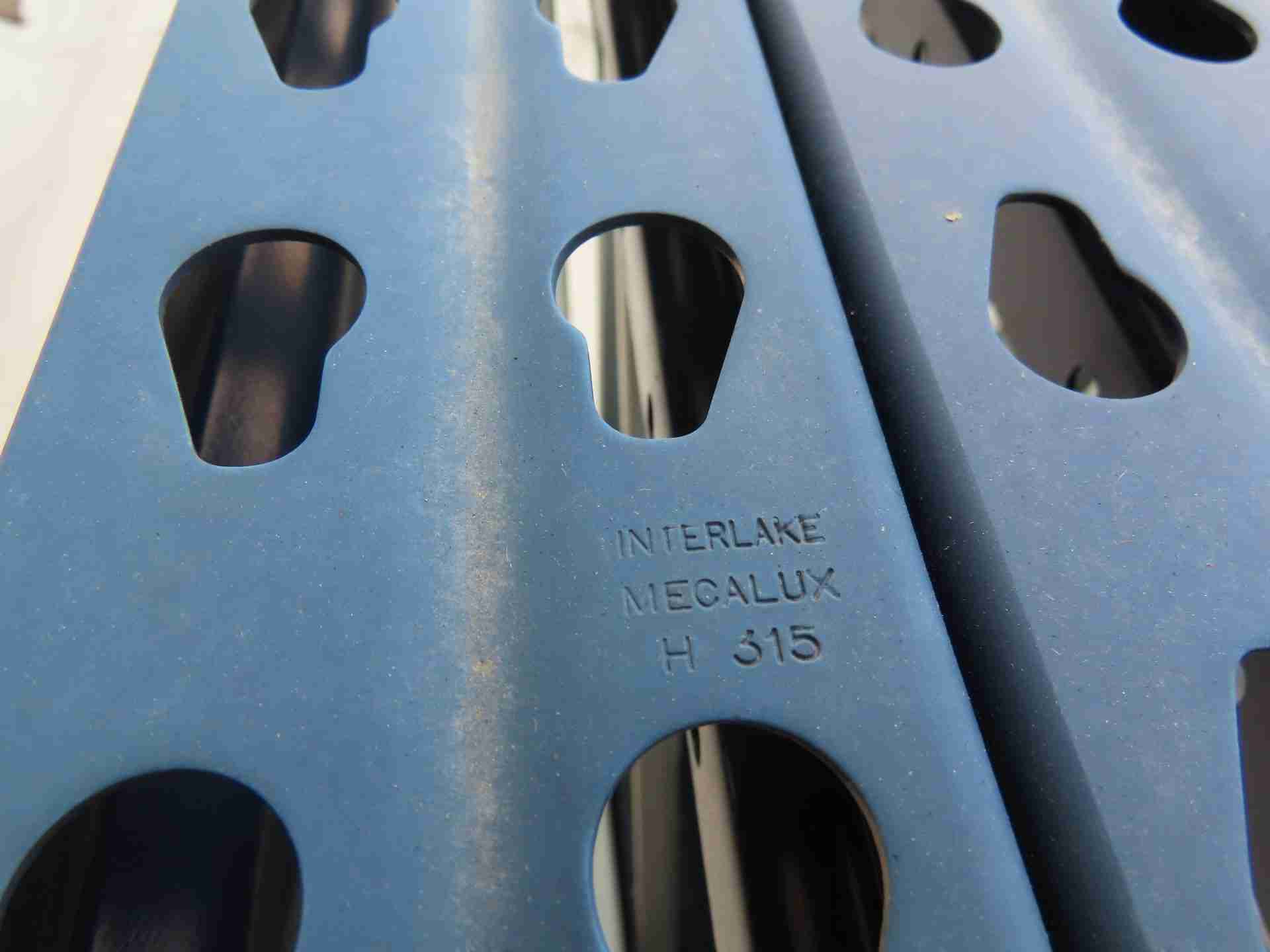
What Ethical Practices Ensure Safe Use Of Cantilever Racking?
What Ethical Practices Ensure Safe Use Of Cantilever Racking?
- Handling cantilever racking requires responsibility toward the equipment, users, and overall operation, not guesswork or shortcuts.
- Understanding and respecting the load capacity limits of cantilever racking is essential to prevent accidents and build trust within the team.
- Regular, hands-on inspections to identify issues like bowed arms, loose bolts, or rust are critical for maintaining safety.
- Safety responsibility should be shared across all levels, creating a culture that values everyone’s role in maintaining safety.
- Clear, straightforward training for those handling the racks ensures proper use and fosters ownership of safety practices.
- Ethical cantilever racking use is grounded in real-world experience and proven methods, emphasizing commitment to worker safety.
- Consistent maintenance, load checks, and well-run training sessions represent a commitment to safety, respect, and common sense.

What Ethical Practices Ensure Safe Use Of Cantilever Racking?
How Does Cantilever Racking Improve Space Utilization Rationally?
You ever walk into a warehouse or workshop and see stuff piled up like a jigsaw puzzle gone wrong? Boxes stacked haphazardly, tools shoved in corners, and those old pallet racking systems crammed full but still leaving aisles tight enough to pinch a finger. That’s where cantilever racking steps in — like the difference between wrangling a mule and steering a well-oiled machine. It’s not just another storage option; it’s a game changer for anyone serious about making every inch count.
First off, cantilever racking frees you from the limitations of traditional pallet racking. Instead of bulky frames and beams eating into your horizontal space, cantilever arms reach out — no front columns blocking your way. That means you can stack long, awkward items like lumber, pipes, or furniture with a confidence that they won’t tip or fall. It’s rational because it cuts wasted space and speeds up getting the job done. No fumbling around racks designed for pallets when you’re moving something that needs a bit more elbow room.
But there’s more than just number crunching here; there’s the pride of a clean, organized workspace. When your stuff is neatly arranged, easy to access, and safely stowed, stress drops and confidence rises. It’s a quiet, everyday victory that workers and managers feel — like clocking out knowing the day went smoother. Ethically, it speaks to respect for the gear, the people handling it, and the workplace itself. We all deserve setups that don’t make us wrestle with our tools or worry about safety.
From a storytelling angle, think of every inch saved as hard-won territory. You don’t just ‘gain’ space; you reclaim time, reduce accidents, and build teamwork around how things get done. Teams chatter less about where stuff “might” be and focus more on the work that matters. Socially, that kind of order breeds trust — between workers trusting the system and managers trusting their crew.
In a world where square footage carries a price tag, cantilever racking delivers authority backed by practical results. It turns messy piles into streamlined workflows without requiring fancy gadgets or guesswork. It’s a common-sense tool, tested in barns, garages, and industrial floors alike. If you’re running a place where every pallet racking decision chips away at efficiency or safety, cantilever racking isn’t just an upgrade — it’s the shot of clarity and control your space’s been begging for.
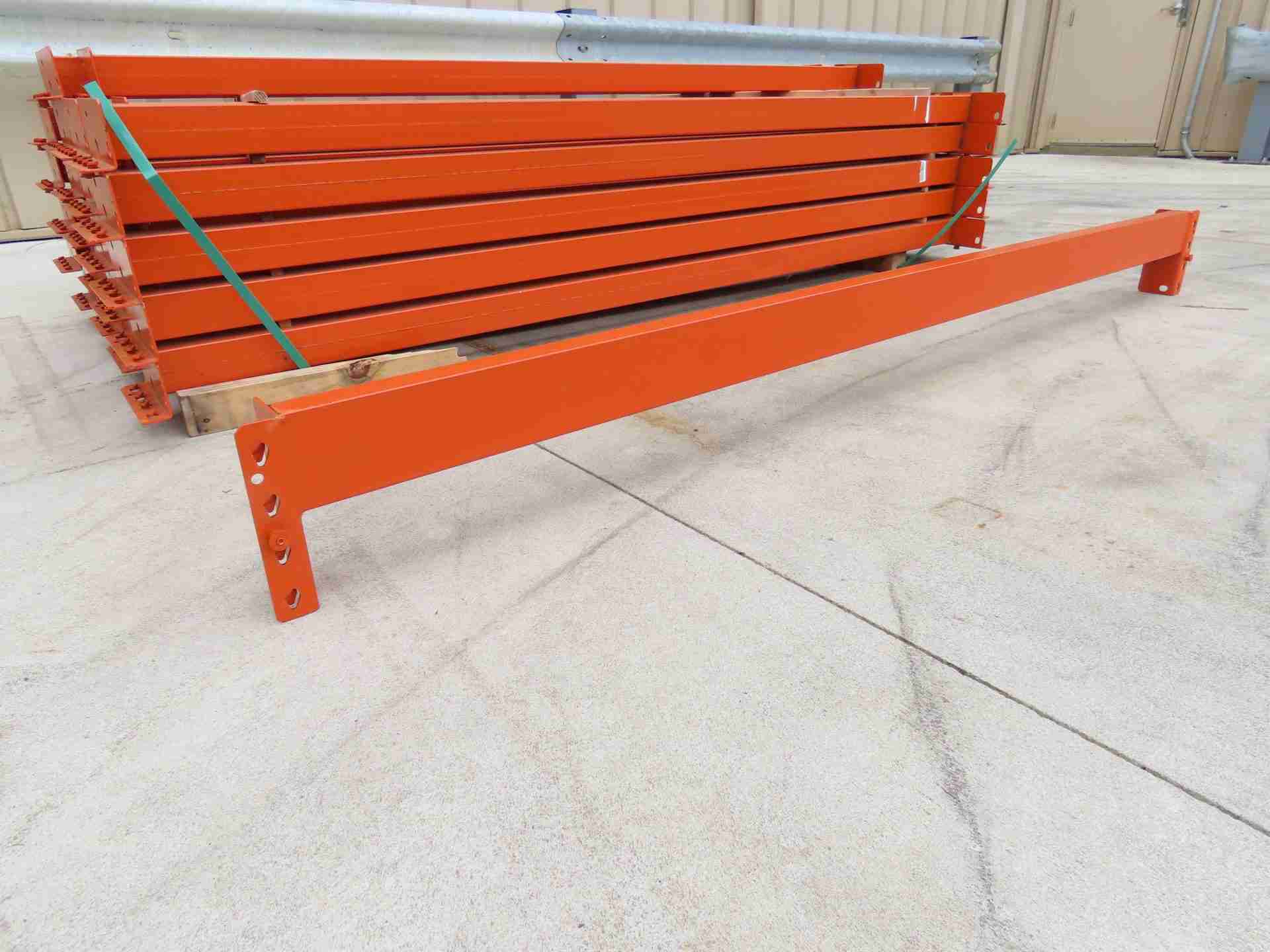
How Does Cantilever Racking Improve Space Utilization Rationally?
How Does Cantilever Racking Improve Space Utilization Rationally?
- Cantilever racking offers a superior storage solution compared to traditional pallet racking, maximizing space and ease of access.
- Its design eliminates front columns, allowing safe stacking of long, awkward items like lumber, pipes, and furniture without tipping.
- It reduces wasted space and accelerates workflow by providing more elbow room and eliminating fumbling with pallets.
- A clean, organized workspace created by cantilever racking lowers stress and boosts confidence among workers and managers.
- It fosters respect for equipment, employee safety, and the workplace environment by minimizing wrestling with tools and safety concerns.
- Saving every inch of space also saves time, decreases accidents, improves teamwork, and builds trust within teams and management.
- Cantilever racking transforms cluttered storage into efficient, practical workflows without requiring complex technology, proving effective in various settings.
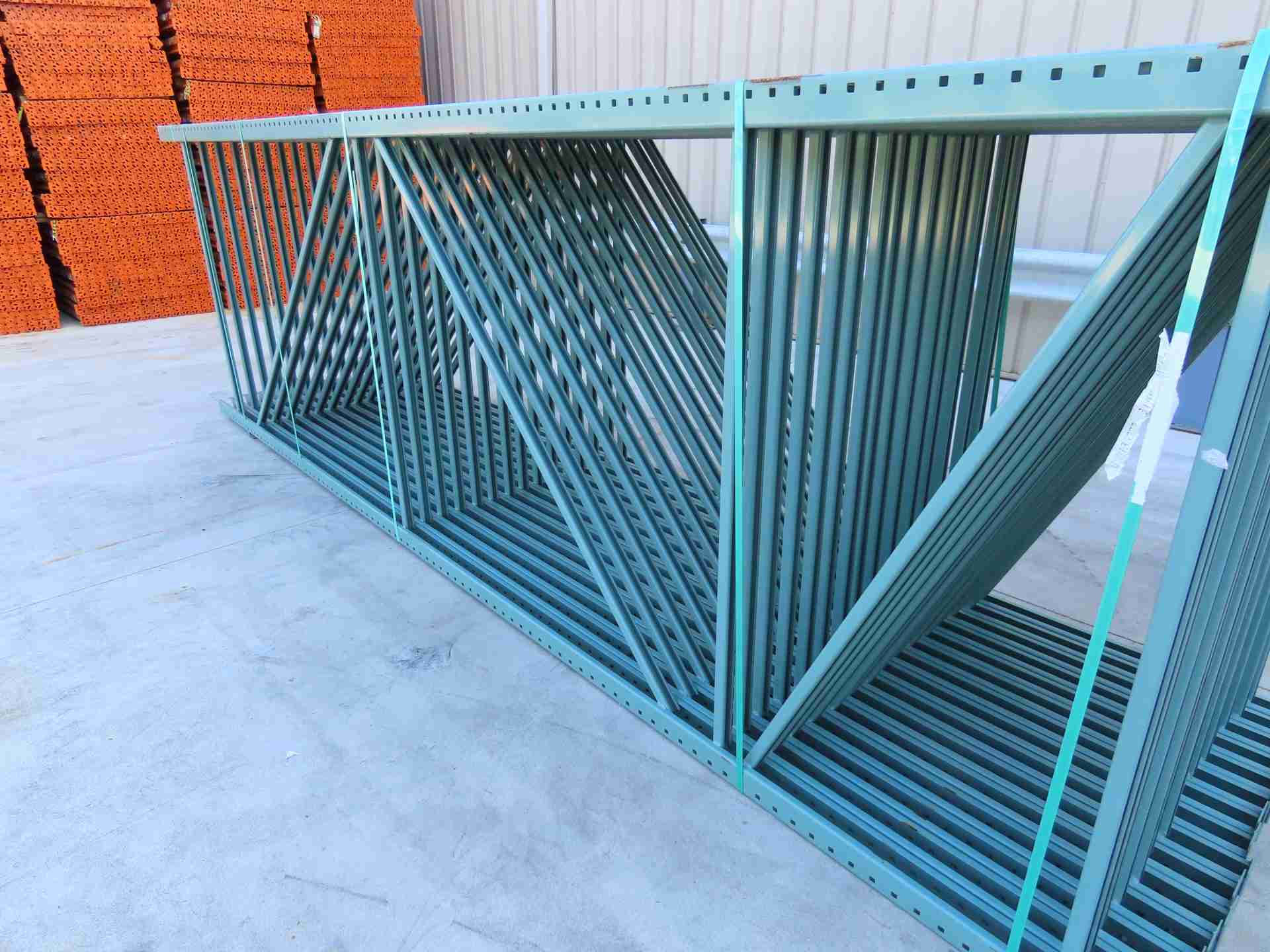
How Does Cantilever Racking Improve Space Utilization Rationally?
Can Leveraging Cantilever Racks Reduce Supply Chain Delays?
When the deadlines stack up and shipments hang in the balance, every minute counts. That’s where cantilever racks come in—simple, no-frills rigs that can seriously cut down on supply chain hiccups. You see, unlike traditional pallet racking systems that box you into neat little squares, cantilever racks give you open arms for those long, awkward loads that don’t fit the standard mold. Think lumber, pipes, or steel bars—stuff that’s a pain to handle but crucial to keep the wheels turning.
From the grind of the warehouse floor, folks know clutter and cramped spaces slow you down like a busted engine. Cantilever racks clear that clutter by offering quick, easy access. You’re not wrestling with pallets stacked three or four deep, guessing where that one piece of stock is hiding. You see it, grab it, and get on with your day. That kind of straightforward efficiency isn’t just theory—it’s the difference between trucks rolling out on time or sitting idle while a load gets sorted.
And it’s not just about speed; it’s about playing it smart and safe. With the right cantilever setup, you can stack materials securely, reducing the risk of accidents that throw everyone off schedule. When your team knows they’re working in a safer spot, morale holds steady, and productivity climbs. That’s an ethical edge many overlook—taking care of your crew isn’t just good manners, it’s good business.
Plenty of warehouses swear by pallet racking, and rightly so. But cantilever racks bring something different to the table—flexibility that fits the unpredictable rhythm of modern supply chains. They’re the trusty sidekick when the usual strategies fall short. When you leverage these racks, you’re making a commitment to keep your supply chain moving with fewer glitches, less fuss, and more reliability.
At the end of the day, it boils down to common sense. You want storage that works as hard as you do, that cuts through the chaos and keeps things flowing. Cantilever racks aren’t flashy, but they get the job done. If supply chain delays keep gnawing at your bottom line, giving cantilever racks a good look might just be the practical fix you’ve been waiting for.
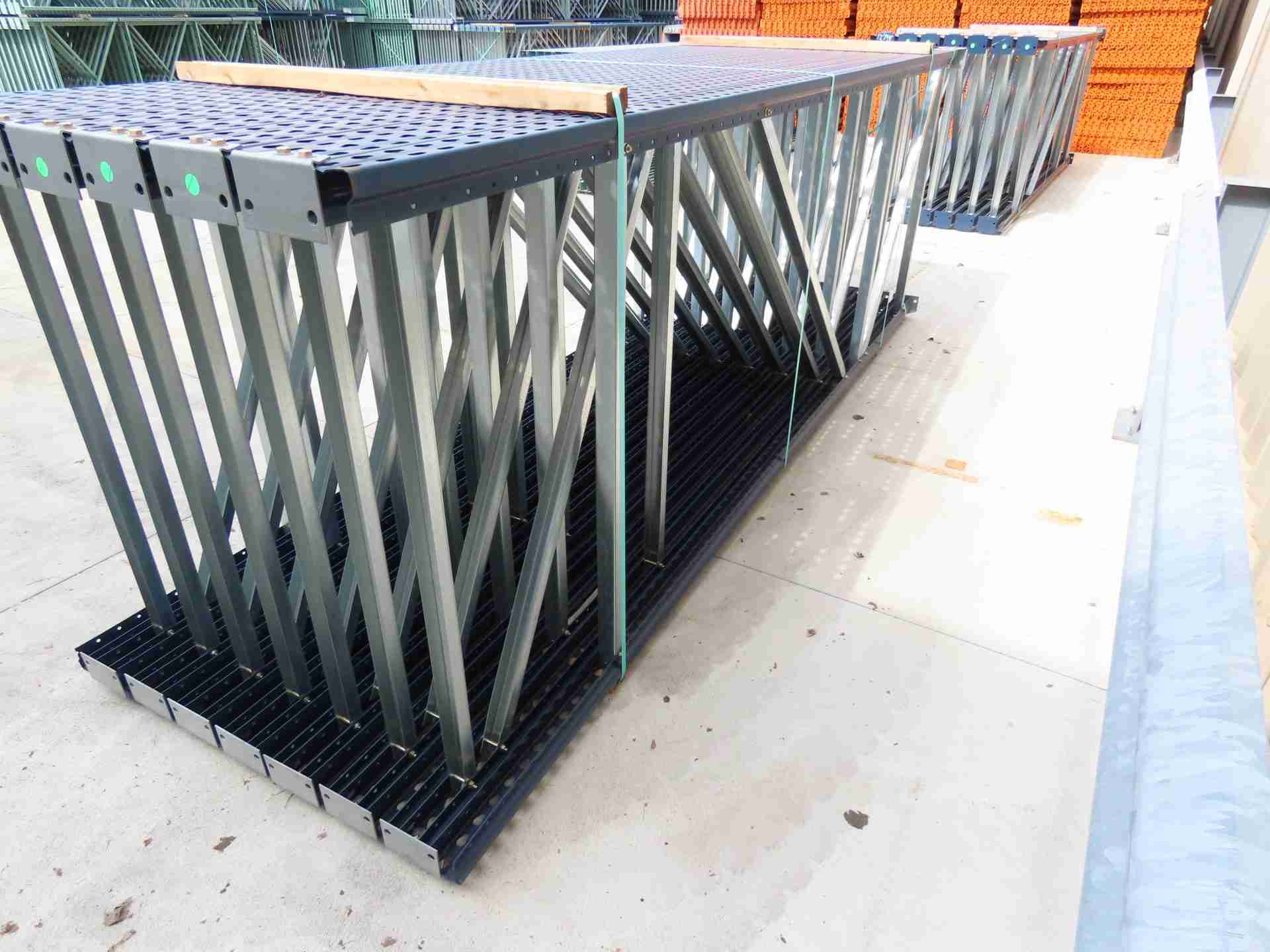
Can Leveraging Cantilever Racks Reduce Supply Chain Delays?
Can Leveraging Cantilever Racks Reduce Supply Chain Delays?
- Cantilever racks handle long, awkward loads like lumber, pipes, and steel bars that don’t fit traditional pallet racks.
- They reduce clutter and provide quick, easy access to materials, improving warehouse efficiency.
- Improved access helps shipments move out on time, preventing delays caused by searching or stacking pallets.
- Proper cantilever rack setups enhance safety by securely stacking materials, reducing accident risks.
- Safer workplaces boost employee morale and productivity, offering an ethical and business advantage.
- Cantilever racks offer flexibility to meet the unpredictable demands of modern supply chains.
- They provide a practical, no-frills storage solution that keeps operations running smoothly and cuts down supply chain hiccups.
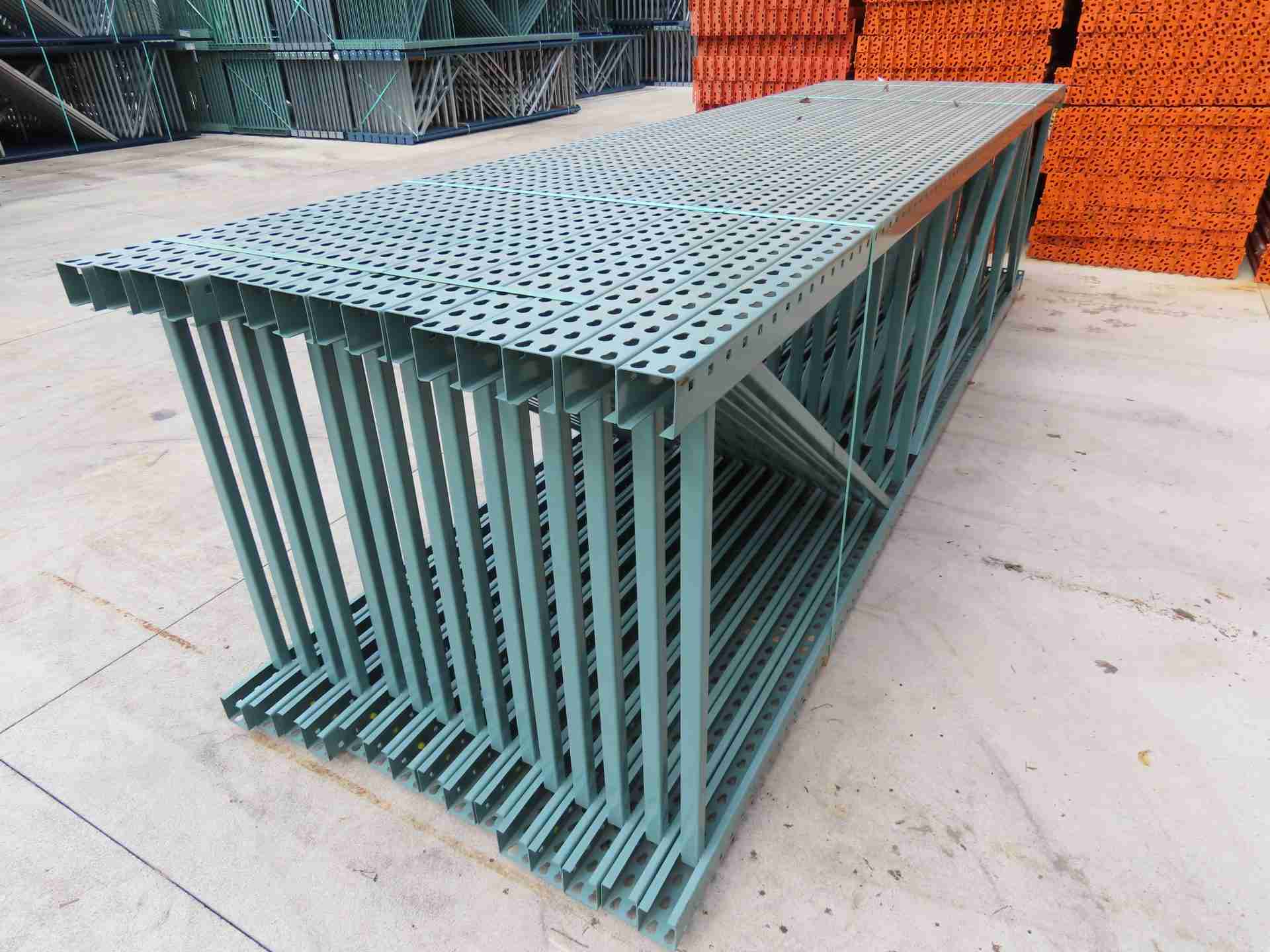
Can Leveraging Cantilever Racks Reduce Supply Chain Delays?
What Authority Guidelines Govern Cantilever Racking for Cladding?
When it comes down to it, cantilever racking isn’t just about stacking materials and hoping for the best. Especially with cladding—those long, awkward pieces you can’t just toss on a standard shelf—you’re dealing with weight, balance, and safety that can’t be ignored. The rules that govern cantilever racking might seem like a maze of jargon and paperwork, but they’re there for a simple, solid reason: keeping people safe and materials intact.
You know the deal. Pallet racking has been around long enough to have a clear playbook—the standards, codes, and guidelines based on good, proven practice. Cantilever racking for cladding steps into that same game, but it asks for a different set of careful measurements. Authorities don’t just pull these guidelines out of thin air. They’re built from hard-earned experience and lessons learned the tough way. You don’t want a cantilever arm snapping under the weight of a load, causing damage or worse, injury. That’s why there are specific standards about load limits, proper anchoring, and inspection routines that keep everything standing tall and steady.
It’s not just about following rules because some paper-pusher said so; it’s about responsible stewardship of your workplace. When you comply with these authority guidelines, you’re sending a message: this is a setup where safety and order matter. That’s a signal your workers respect and respond to, and it builds trust from the ground up. When someone knows the racking is up to code, their confidence in handling heavy cladding grows, making the whole job smoother and safer.
This isn’t theoretical stuff, either. The guidelines include specifications on beam strength, arm length, spacing, and the quality of materials—nothing random. It’s practical common sense turned into firm rules to stop accidents before they start. Ignoring them isn’t just foolish; it’s a liability that can cost lives or shut down operations. Better to get it right the first time, lean on these codes, and get your cantilever racking set up strong as a rock.
In a workspace where every piece of equipment carries weight—literally and figuratively—the authority guidelines for cantilever racking stand as the backbone. They’re not obstacles but trusted partners, like a seasoned crew watching your six. Respect the rules, invest in quality racking, and you’re not only protecting your cladding but earning the peace of mind that comes from knowing you did the job right. After all, a safe warehouse and well-secured pallet racking system isn’t just good business—it’s the kind of no-nonsense common sense that keeps everyone coming back at the end of the day.
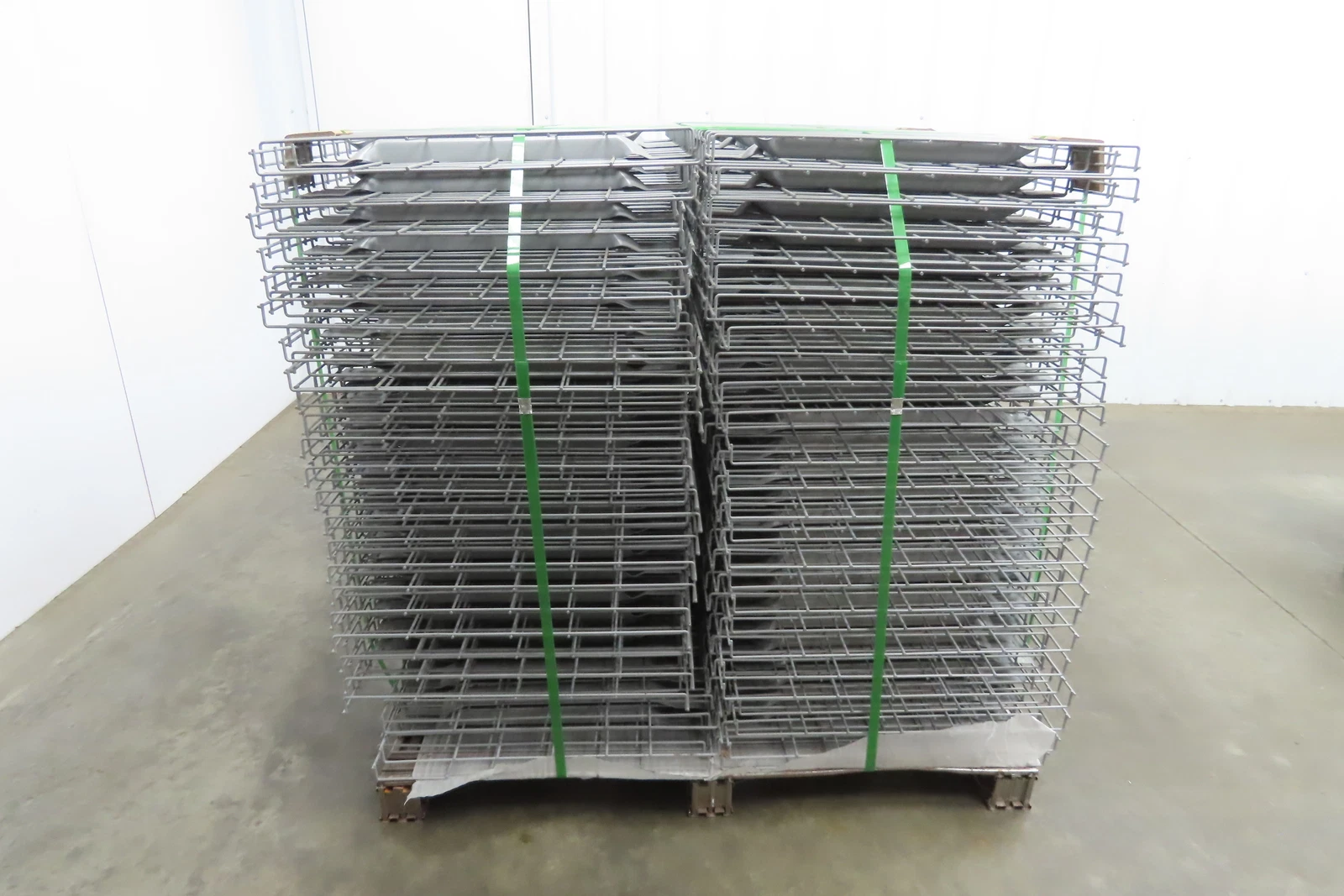
What Authority Guidelines Govern Cantilever Racking for Cladding?
What Authority Guidelines Govern Cantilever Racking for Cladding?
- Cantilever racking for cladding involves managing weight, balance, and safety beyond just stacking materials.
- Standards for cantilever racking are based on proven practices and built from real-world experience to prevent failure and injuries.
- Specific guidelines cover load limits, proper anchoring, inspection routines, beam strength, arm length, spacing, and material quality.
- Compliance with these rules promotes workplace safety, order, and trust among workers, enhancing operational confidence.
- Following guidelines is practical common sense designed to prevent accidents and avoid liabilities.
- Authority guidelines serve as essential support in maintaining safe and reliable racking systems, not as bureaucratic obstacles.
- Investing in proper cantilever racking ensures protection of materials, safety of personnel, and continuity of business operations.
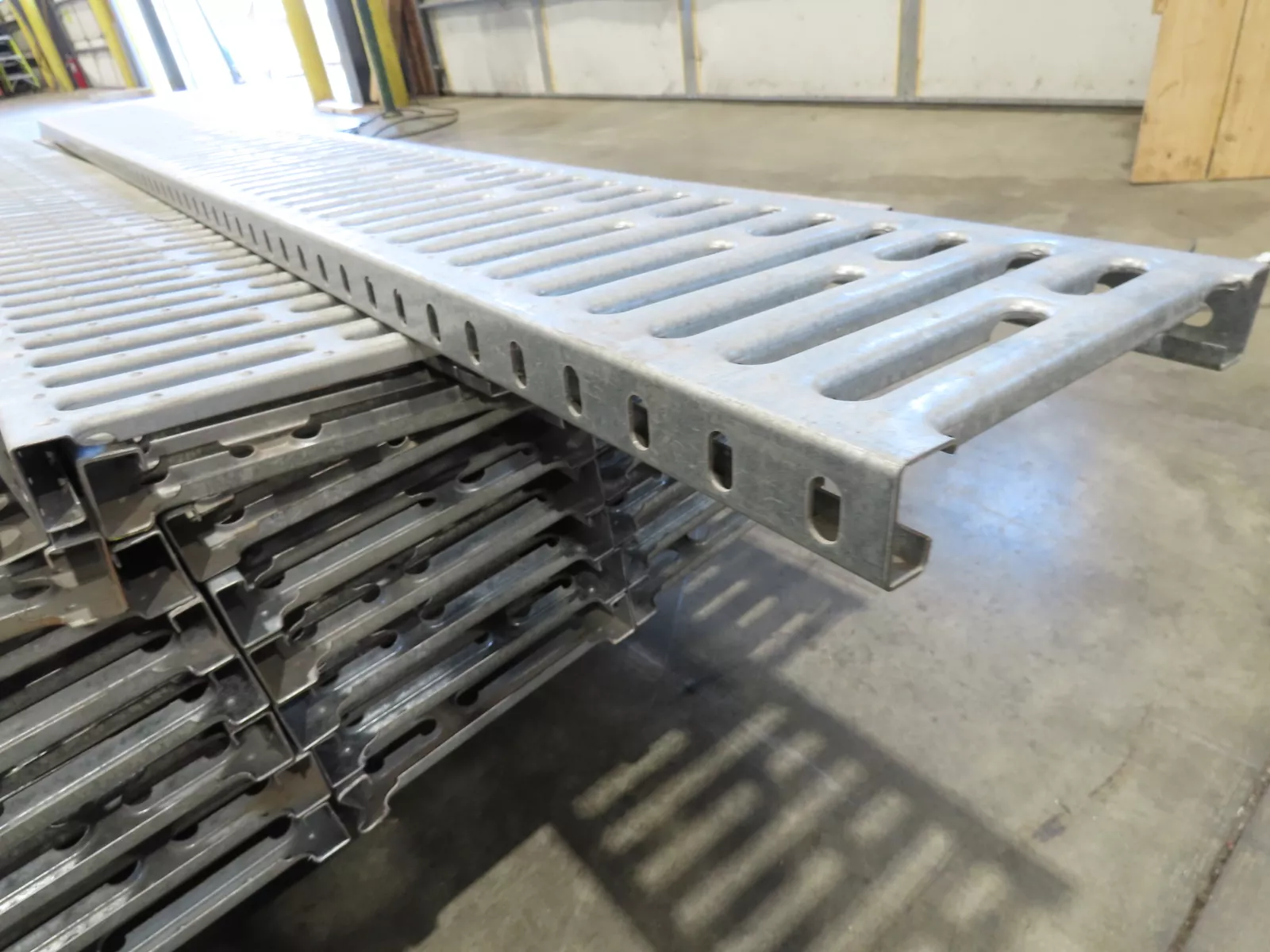
What Authority Guidelines Govern Cantilever Racking for Cladding?
Conclusion
When you’re knee-deep in siding and exterior cladding, storage isn’t just a backroom concern—it’s the backbone that keeps everything ticking. Cantilever racking shows up like an honest, hard-working partner, designed not to complicate but to simplify the daily grind. It handles those long, awkward pieces that don’t play nice with traditional pallet racks, turning a cluttered mess into a neat, accessible lineup. That makes a difference you feel in your bones: less wasted time digging through heaps, fewer bruises and busted knuckles, and a smoother rhythm from the warehouse right out to the jobsite.
There’s a quiet pride in working around well-organized materials, a boost that goes beyond just making the job easier. It’s about respect—respect for the material, respect for the crew, and respect for doing the work right. A yard where siding sits solid and safe builds trust with every builder and homeowner who counts on that quality. That’s the ethical heartbeat of good business, grounded in common sense and plain honesty. You’re not just storing boards; you’re protecting livelihoods and reputations.
Cantilever racking shines not only in strength but in its smarts—making every inch of warehouse space count without sweating the details. Its open design and adjustable arms are tailored for irregular loads, cutting down the noise and frustration of cramped aisles or stashed-away stock. Efficient storage isn’t flashy, but it’s mighty. It frees up time, cuts inventory guesswork, and keeps the crew confident they’re working safe and smart. And safety isn’t just a box to check; it’s the practical care that keeps folks whole at the end of a hard day, the kind of respect that pays off in loyalty and trust.
Playing by the rules—following authority guidelines on weight limits, installation, and inspections—isn’t bureaucracy. It’s the common-sense muscle that keeps the system steady and the people using it safe. Regular checks and clear training turn safety from a grunt task into a shared commitment among everyone on the floor. That’s real leadership, built on trust and lived experience rather than fancy talk.
Bottom line: cantilever racking isn’t just another piece of warehouse gear—it’s the hands-on, no-nonsense solution that respects the work, protects the people, and gets the job done better. It cuts chaos, builds confidence, and earns its place as an everyday hero where siding and cladding are handled with care and common sense. If you want your operation to run smoother, safer, and smarter, this is how you do it.
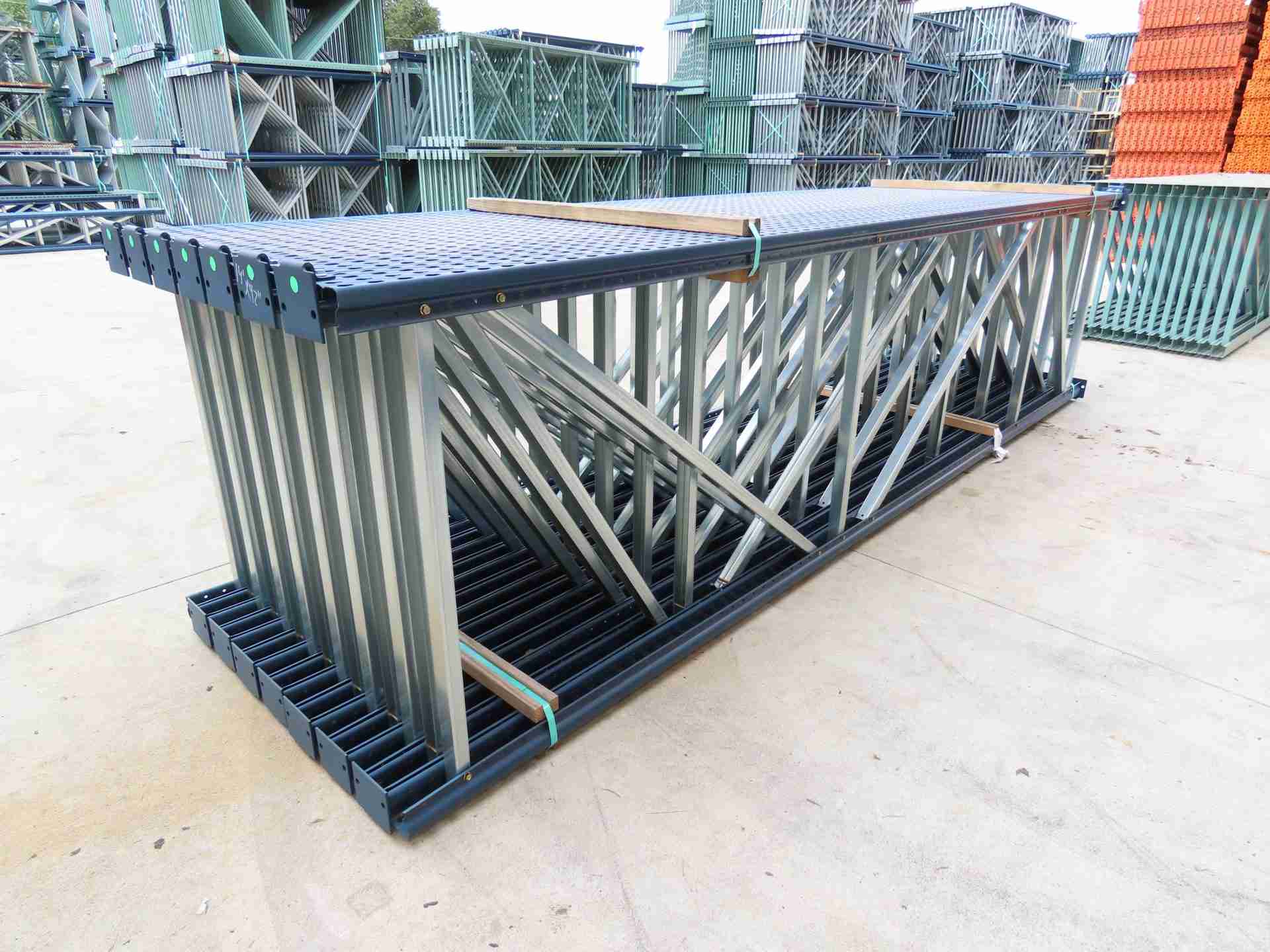
Conclusion
Conclusion:
- Cantilever racking simplifies storage for long, awkward siding and cladding pieces, making materials neat and accessible.
- Well-organized materials foster respect for the product, crew, and quality workmanship, building trust with builders and homeowners.
- The system maximizes warehouse space with an open design and adjustable arms tailored for irregular loads.
- Efficient storage reduces time wasted, cuts inventory guesswork, and promotes a safer, more confident workforce.
- Following guidelines on weight limits, installation, and inspections ensures safety and system stability through shared commitment.
- Cantilever racking acts as a reliable, practical solution that improves operations by reducing chaos and boosting confidence.
- This storage method supports smoother, safer, and smarter handling of siding and cladding materials in daily work.
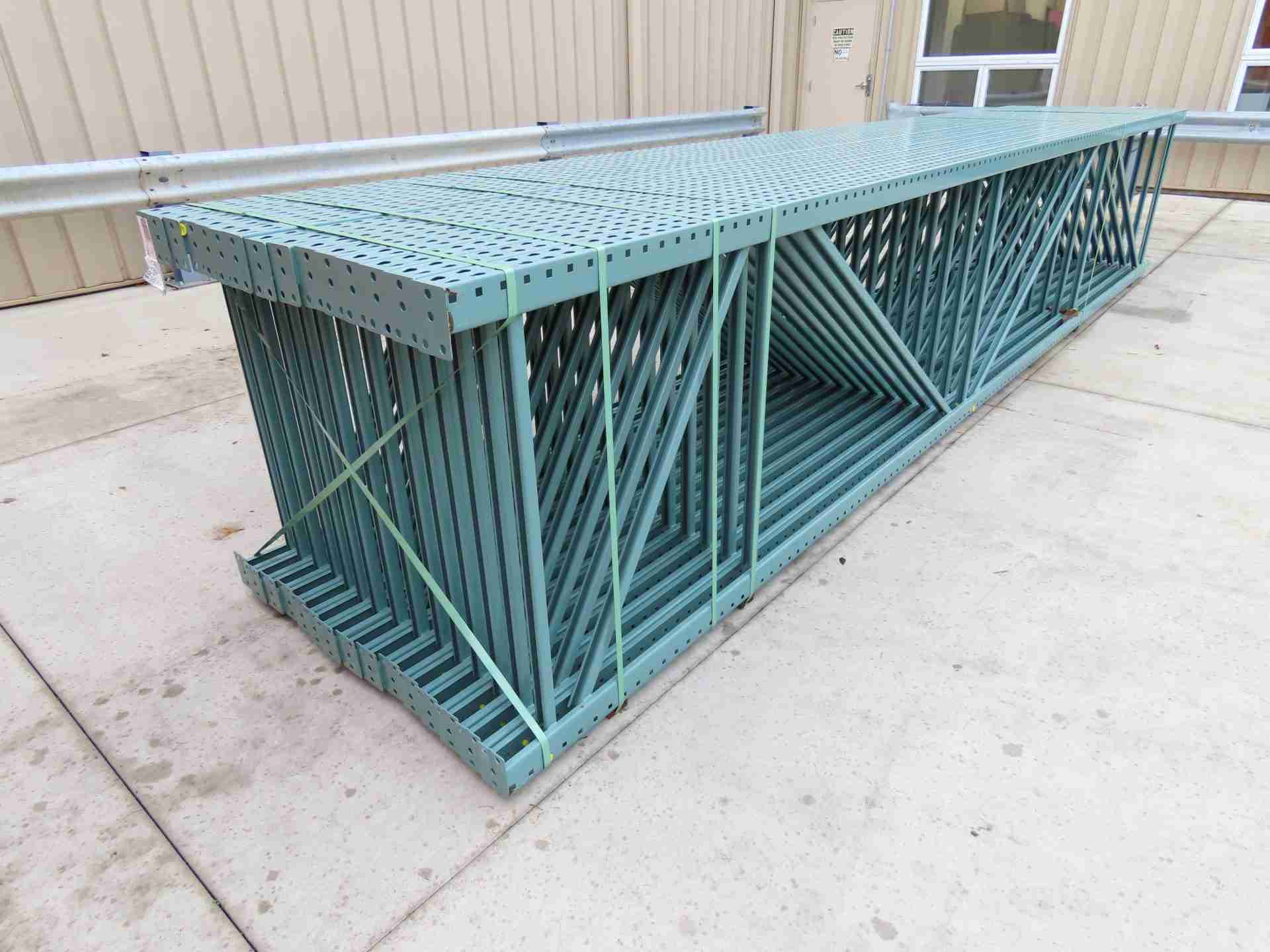
Conclusion
Other Resources
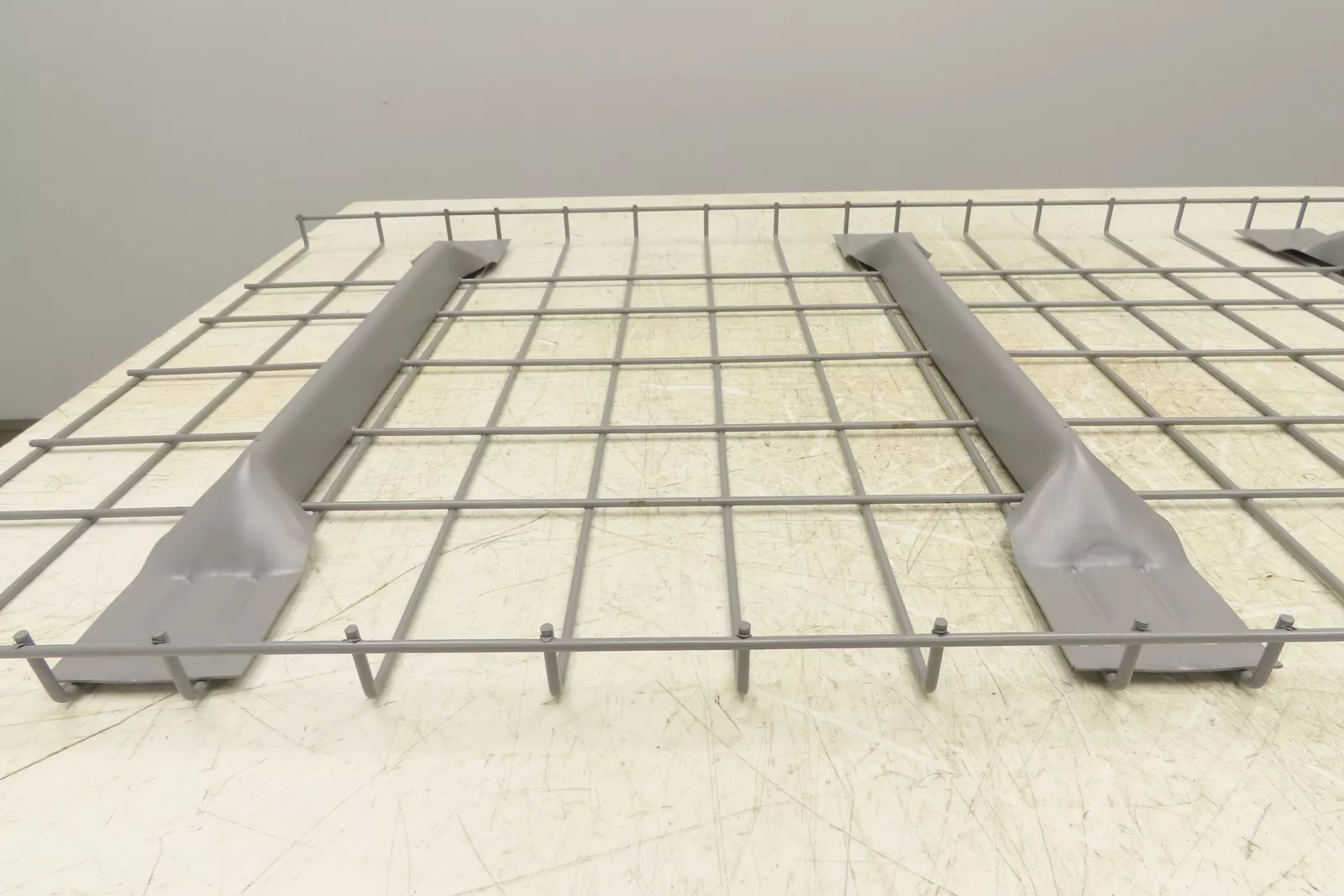
Other Resources
Here is a list of other resources you can review online to learn more:
- Pallet Racks, Pallet Racking, Pallet Shelves in Stock – ULINE
- Racking World
- Warehousing and Fulfillment
- Arrow Industrial Sales
- Teardrop Industrial Shelving Rack
- Chicago Pallet Racking
- Teardrop Pallet Rack – Ridg-U-Rak
- Mustang Material Handling
- What is Selective Racking: Understanding Benefits & Options
- SEMA
- Logic Material Handling
- Cantilever Racks Chicago
- IIWS Inc. Rack Installation Illinois & Rack Repairs Illinois
- The Ultimate Pallet Racking Guide – Speedrack West
- Illinois
- Warehouse Racking System: Powerful Guide to Optimise, 2024
- IIWS Inc. Rack Installation Illinois & Rack Repairs Illinois
- Cantilever Rack Guide: Ordering Cantilever Racking
- The Complete Pallet Rack Guide – Simply Rack
- Teardrop Racks – Pallet Rack World
Use This Prompt To Get More Resources With Your Favorite Online AI Tool: Please provide me with a list of online articles with their URLs in a bulleted list that I can read regarding How Do Siding and Exterior Cladding Distributors Leverage Cantilever Racking?
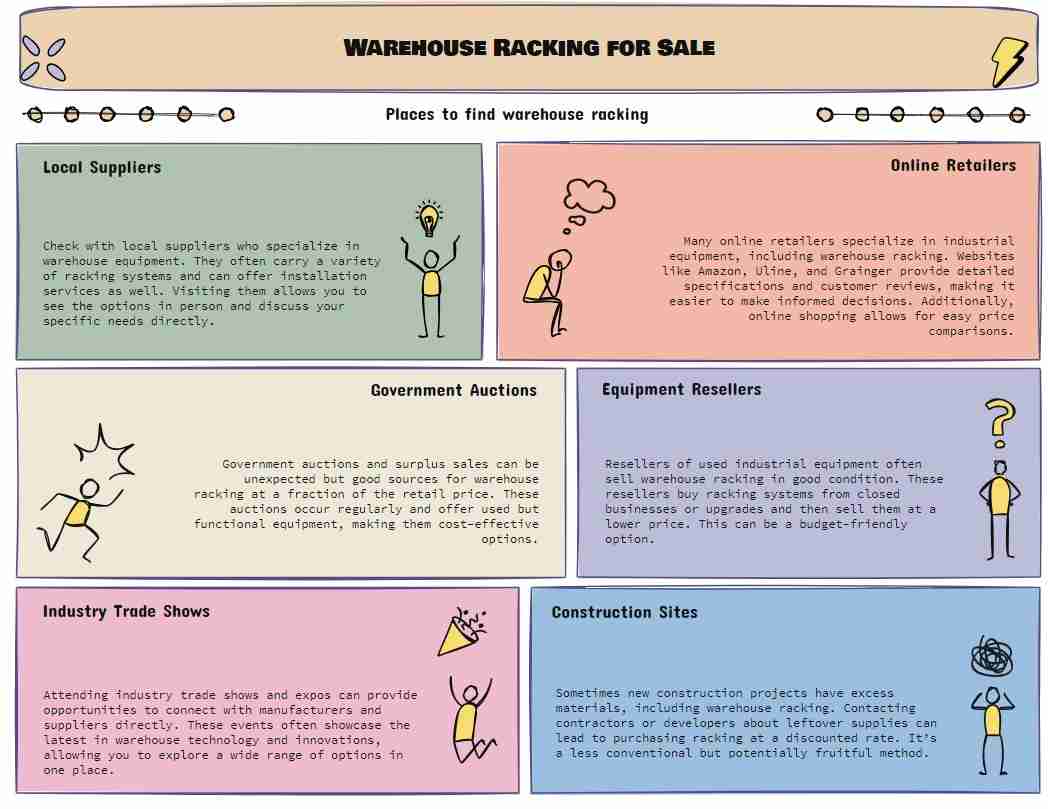
Other Resources
Glossary Terms
How Do Siding and Exterior Cladding Distributors Leverage Cantilever Racking? – Glossary Of Terms
1. Cantilever Racking: A storage system with arms extending from a central column, designed to hold long or bulky items like siding and cladding materials.
2. Siding: Exterior material applied to the walls of a building for protection and aesthetic purposes.
3. Exterior Cladding: Protective outer layer applied to buildings to shield from weather and improve appearance.
4. Distributor: A company or entity that supplies products to retailers or contractors.
5. Inventory Management: The process of ordering, storing, and using a company’s goods.
6. Load Capacity: The maximum weight a cantilever rack arm or system can safely hold.
7. Accessibility: The ease with which materials can be retrieved from storage.
8. Space Optimization: Efficient use of storage space to maximize capacity and organization.
9. Bulk Storage: Storing large quantities of products together to facilitate handling.
10. Reach Truck: A type of forklift used to access cantilever racking stored items.
11. Material Handling: The movement, protection, storage, and control of materials during manufacturing and distribution.
12. Vertical Storage: Utilizing height for storing products, increasing storage density.
13. Stock Rotation: The method of managing inventory to use older stock first.
14. Load Arm: The horizontal beam on a cantilever rack supporting the material load.
15. Anchor System: Mechanisms used to secure cantilever racks to the floor to ensure stability.
16. Custom Racking: Tailored cantilever racking systems designed for specific product sizes or weights.
17. Durability: The ability of racking materials to withstand wear, pressure, or damage.
18. Warehouse Efficiency: The degree to which warehouse operations are conducted cost-effectively and timely.
19. Safety Compliance: Adhering to safety standards and regulations in storage systems.
20. Offloading: The process of removing materials from delivery vehicles to storage.
21. Picking Efficiency: The speed and accuracy in retrieving items from storage for orders.
22. Loading Zone: Area designated for receiving and staging materials before storage.
23. Inventory Turnover: The rate at which inventory is sold and replaced over a period.
24. Modular Design: A racking system made of interchangeable components for flexibility.
25. Weather Resistance: The ability of siding and cladding to withstand environmental conditions.
26. Bulk Quantity: Large amounts of materials ordered or stored together.
27. Stock Keeping Unit (SKU): A unique identifier for each distinct product and service that can be purchased.
28. Load Distribution: How weight is spread across the cantilever racking system.
29. Operational Workflow: The sequence of processes through which siding and cladding move from receipt to delivery.
30. Ergonomics: Design considerations that promote operator comfort and reduce labor strain during material handling.
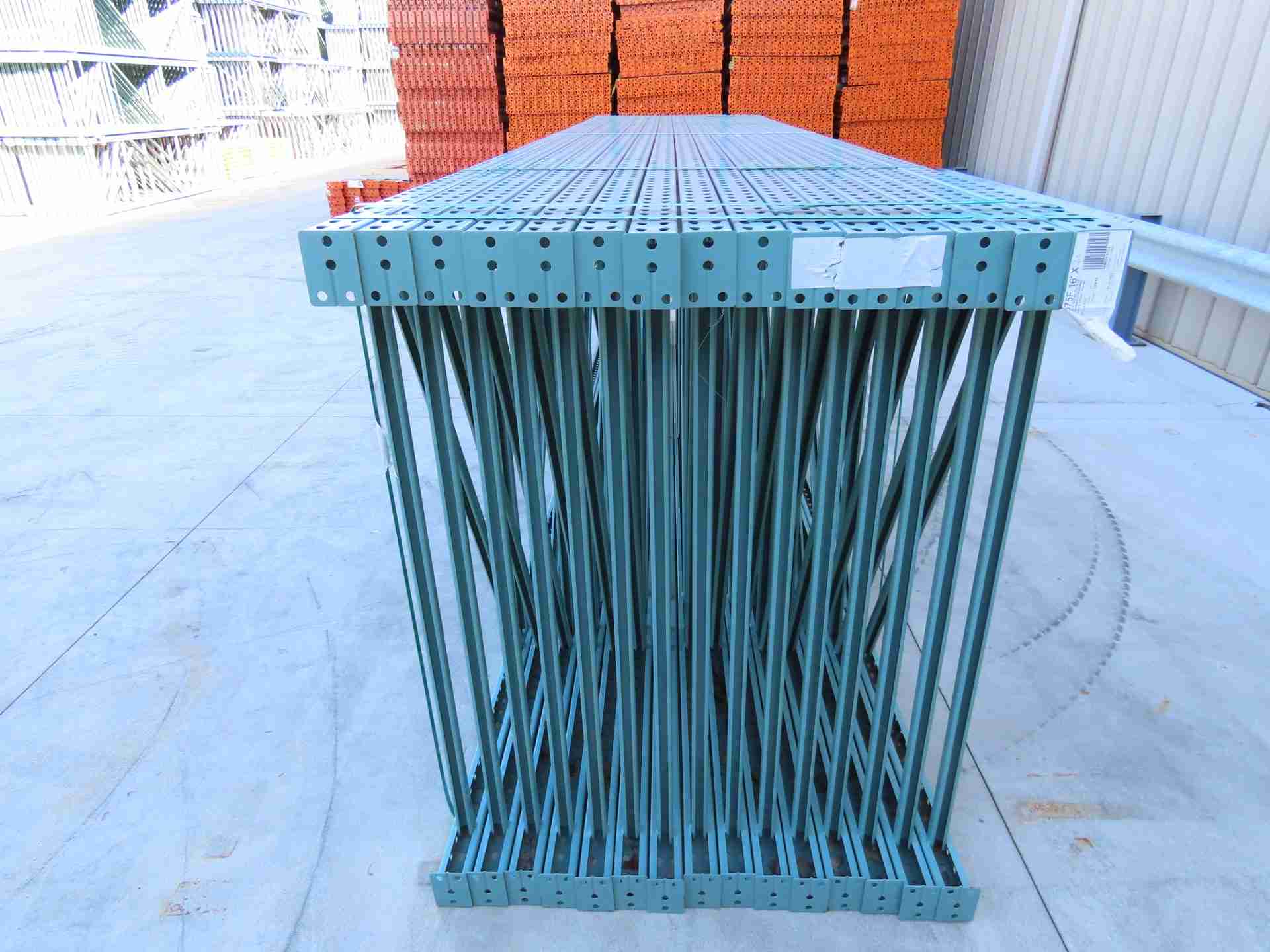
Glossary Of Terms
Other Questions
How Do Siding and Exterior Cladding Distributors Leverage Cantilever Racking? – Other Questions
If you wish to explore and discover more, consider looking for answers to these questions:
- What are the typical load capacities for different cantilever rack configurations?
- How do you calculate safe load per arm, per column, and per bay?
- How do you choose between single-sided and double-sided cantilever racking?
- What arm lengths, heights, and spacing options are available and how do you choose them?
- How should cantilever racks be anchored to various floor types (concrete, asphalt, gravel)?
- Can cantilever racking be used outdoors, and what corrosion protection or coatings are recommended?
- How does the cost per cubic foot compare between cantilever racking and pallet racking?
- What is the typical installation process, timeline, and labor cost for new cantilever systems?
- Can existing pallet racking be retrofitted or converted to cantilever racking?
- What routine inspection and maintenance schedule is recommended for cantilever racks?
- What are common signs of damage or fatigue in cantilever components and how are they repaired?
- Which safety accessories are recommended (end stops, arm locks, column guards, bollards)?
- What training do workers need for safe loading, unloading, and forklift operation around cantilever racks?
- Which types of forklifts, telehandlers, or cranes work best with cantilever-stored materials?
- How should different cladding materials (vinyl, wood, fiber cement, metal) be stored to avoid warping or damage?
- How can humidity, temperature, and UV exposure be managed to protect siding stored on racks?
- What labeling, binning, or inventory strategies (FIFO/LIFO) work best with cantilever storage?
- How do you plan rack layout for efficient picking, staging, and shipping flow?
- What barcode, WMS, or RFID integrations work well with cantilever configurations?
- What regulatory standards and codes apply (OSHA, ANSI, RMI, local building codes) to cantilever racking?
- Are permits or third‑party inspections required for large or outdoor cantilever installations?
- How often should load testing or certification be performed and by whom?
- What are best practices for storing mixed lengths and mixed-material loads safely on the same rack?
- How should oversize or custom-length siding be supported and secured on cantilever arms?
- What are recommended spacing and arm counts for typical siding inventory profiles?
- How do seismic, wind, or other site-specific forces affect design and anchoring requirements?
- What are the warranty terms, expected service life, and replacement costs for cantilever components?
- How do you estimate ROI and payback period after switching from pallet to cantilever racking?
- Are there rental or leasing options for cantilever racks for seasonal demand?
- How do insurance requirements or premiums change when installing cantilever racking?
- How should damaged or decommissioned cantilever rack components be disposed of or recycled?
- How do you select a reputable manufacturer or installer, and what specifications or certifications should you require?
- What case studies or real-world examples demonstrate measurable improvements in throughput or safety?
- What are the hidden costs to watch for (shipping, foundation work, site prep, protective coatings)?
- How can you protect racks and inventory from forklift impact and operational accidents?
- What emergency procedures should be in place if a rack fails or a load shifts?
- How do you scale cantilever racking as inventory volumes change over time?

Other Questions
Checklist
How Do Siding and Exterior Cladding Distributors Leverage Cantilever Racking? – A Checklist
Planning and Fit-for-Purpose Selection
✅______ Long-load SKUs (length, thickness, weight) mapped and prioritized for cantilever storage
✅______ Cantilever chosen for non-palletized, oversized items; pallet racking retained for boxed goods
✅______ Arm lengths, column heights, and base depths specified to match product profiles
✅______ Indoor or outdoor use determined; finishes and coatings selected for the environment
Layout and Space Utilization
✅______ Aisle widths set for equipment turning radius and mast height
✅______ Clear vertical and horizontal access to all arms; no front-column obstructions
✅______ Bays organized by material type, length class, and thickness for fast picking
✅______ High-velocity SKUs placed in easiest-access zones
✅______ Staging, consolidation, and wrap/pack areas positioned adjacent to pick faces
Installation and Configuration
✅______ Slab and foundation suitability confirmed and documented
✅______ Anchoring, column spacing, and arm adjustments completed to manufacturer specs
✅______ End stops and retainers specified where product control is needed
✅______ Load ID plates and bay/level/arm labels installed and visible
✅______ Change-control process defined for any reconfiguration
Inventory Management
✅______ Location schema implemented (Aisle–Bay–Level–Arm)
✅______ Barcode/RFID enabled for receipt, moves, and picks
✅______ Min/Max or reorder points set by SKU, with lead times and seasonality considered
✅______ FIFO, project allocation, or other fulfillment logic defined and posted
✅______ Quarantine locations defined for returns, damage, and overages
Operations and Workflow
✅______ Standard work defined for receipt, put-away, picking, and dispatch
✅______ Dedicated fast-pick lanes for top movers
✅______ Cross-dock workflow ready for rush and direct-to-truck orders
✅______ Visual management in place (color coding by length/type, directional signage)
✅______ Cycle counting schedule aligned to SKU velocity and value
Team, Training, and Culture
✅______ Role-based training delivered (receiving, put-away, picking, supervision)
✅______ Visual guides posted for rack use, locations, and material handling paths
✅______ Feedback loop from floor to improve slotting, labeling, and flow
✅______ Housekeeping standards defined; 5S or equivalent applied in rack zones
Care, Condition, and Upkeep
✅______ Routine condition checks scheduled and documented
✅______ Hardware integrity checks and adjustments planned at defined intervals
✅______ Corrosion control plan in place for outdoor or humid environments
✅______ Critical spare parts identified and stocked (arms, bolts, anchors, labels)
Supply Chain Performance
✅______ Pick-to-ship lead time tracked and reviewed
✅______ On-time dispatch and order completeness measured
✅______ Damage/claim rates monitored by SKU and storage location
✅______ Yard/dock dwell times and truck turn times reported
Customer Quality and Material Protection
✅______ Protective dunnage and strapping standards defined for long loads
✅______ Handling methods minimize scuffs, edge crush, and warping
✅______ Condition documentation at dispatch (photos/scans) captured for key accounts
Compliance and Documentation
✅______ Manufacturer manuals, drawings, and ratings archived and accessible
✅______ Applicable standards and local requirements identified and referenced
✅______ Load capacity signage posted at rack entry points
✅______ Configuration, inspection, and incident records maintained with revision control
Continuous Improvement and Metrics
✅______ Space utilization (vertical and horizontal) reviewed quarterly
✅______ Labor productivity (lines/hour, picks/hour) tracked by area
✅______ Slotting refresh scheduled based on demand shifts
✅______ ROI tracked for racking investment via throughput, accuracy, and damage reduction
Checklist
At RackingWorld, we help guide you through selecting warehouse storage systems and racking.
Be sure to read our other related stories at RackingWorld to learn more about warehouse storage systems.
0 Comments