
Maximizing Space, Safety, And Efficiency With Cantilever Racking Solutions
By Tom Seest
At RackingWorld, we help guide you through selecting warehouse storage systems and racking.
Be sure to read our other related stories at RackingWorld to learn more about warehouse storage systems.
How Do Sheet Metal Warehouses Leverage Cantilever Racking?
In the rough-and-tumble world of sheet metal warehouses, space isn’t just money—it’s survival. When you’re dealing with heavy, bulky sheets that don’t fit neatly on standard pallet racking, cantilever racking becomes the unsung hero everyone relies on. It’s like the quiet but sturdy workhorse in the corner, built to handle lengths and weights that would bow under the strain in a typical setup.
From the heart of the operation, workers appreciate cantilever racking because it respects their hustle. You don’t have to wrestle with awkward loads or risk injury grabbing steel sheets from a jumbled stack. The open arms of this racking system cradle the materials just right, making it easier to load and unload without a lot of fancy equipment or a bunch of steps that slow you down. This boosts morale—not just because it makes the job safer, but because it shows a real understanding of the grind, the sweat, and the insistence on doing work that’s got to get done.
Head-wise, it’s a no-brainer. Cantilever racking maximizes vertical and horizontal space in ways pallet racking just can’t. It’s designed for long, unwieldy items like sheet metal, pipes, or lumber. This means warehouses get more bang for their square footage, cutting down on clutter and making workflow smoother. With materials neatly arranged and readily accessible, operations run leaner, faster, and with fewer headaches. Efficiency isn’t just a buzzword here—it’s the difference between hitting deadlines and missing them, between staying competitive and falling behind.
On the ethical front, using cantilever isn’t just smart; it’s responsible. These racks reduce waste and damage by keeping metal sheets from leaning, bending, or rubbing against one another. When materials arrive in better shape, customers get quality they trust, and workers don’t have to pick up the pieces of mistakes caused by poor storage. It’s about respect—respect for the product, the customer, and the folks in the warehouse who handle these materials day in and day out.
Socially and from a narrative standpoint, cantilever racking represents a shared language among warehouse teams. It’s a system built on collective know-how that grows from years of trial, error, and plain old common sense. When everyone—from the floor crew to the warehouse manager—knows the strengths and quirks of their storage system, it builds camaraderie and confidence. This shared understanding makes work easier and safer, empowering teams to tackle whatever the job throws at them.
Cantilever racking in sheet metal warehouses isn’t just about stacking stuff—it’s about standing firm, making smart use of space, and honoring the hard work that keeps the wheels turning. It’s the quiet framework behind every smooth operation, the kind of workhorse any warehouse would be proud to count on. Pallet racking might be common, but when it comes to sheet metal, cantilever racks are the real backbone.
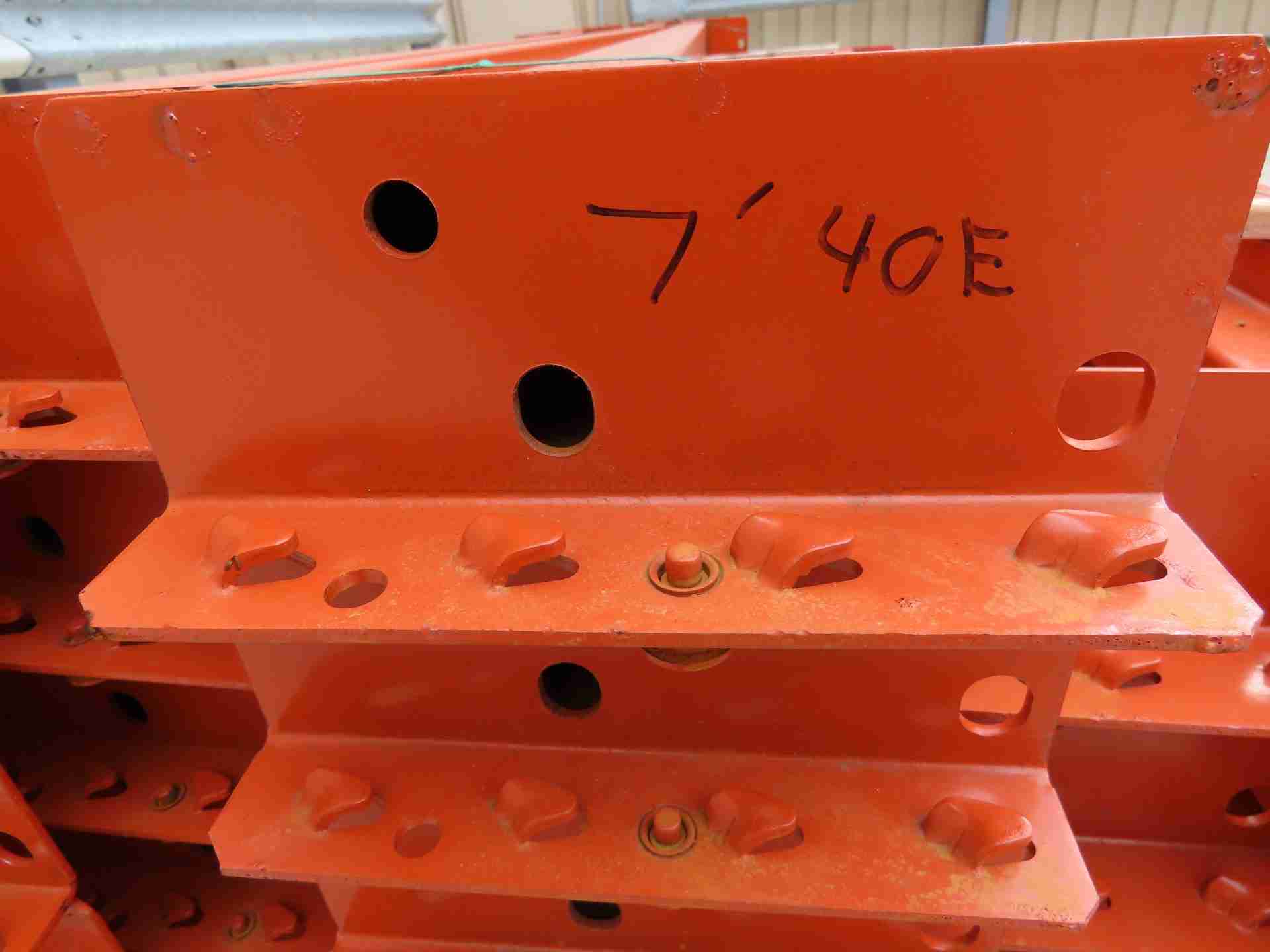
How Do Sheet Metal Warehouses Leverage Cantilever Racking?
How Do Sheet Metal Warehouses Leverage Cantilever Racking?
- Cantilever racking is essential in sheet metal warehouses for safely storing heavy, bulky sheets that pallet racking cannot accommodate.
- It improves worker safety and efficiency by making loading and unloading easier, reducing the risk of injury and boosting morale.
- The system maximizes vertical and horizontal space, increasing warehouse storage capacity and streamlining workflow.
- Cantilever racks prevent material damage by keeping sheets from bending, leaning, or rubbing, ensuring higher quality for customers.
- Using cantilever racking reflects respect for products, customers, and warehouse workers by reducing waste and handling errors.
- The system fosters teamwork and shared knowledge among warehouse staff, enhancing safety and operational confidence.
- Cantilever racking is the reliable backbone of sheet metal storage, offering a smarter, more durable alternative to standard pallet racks.
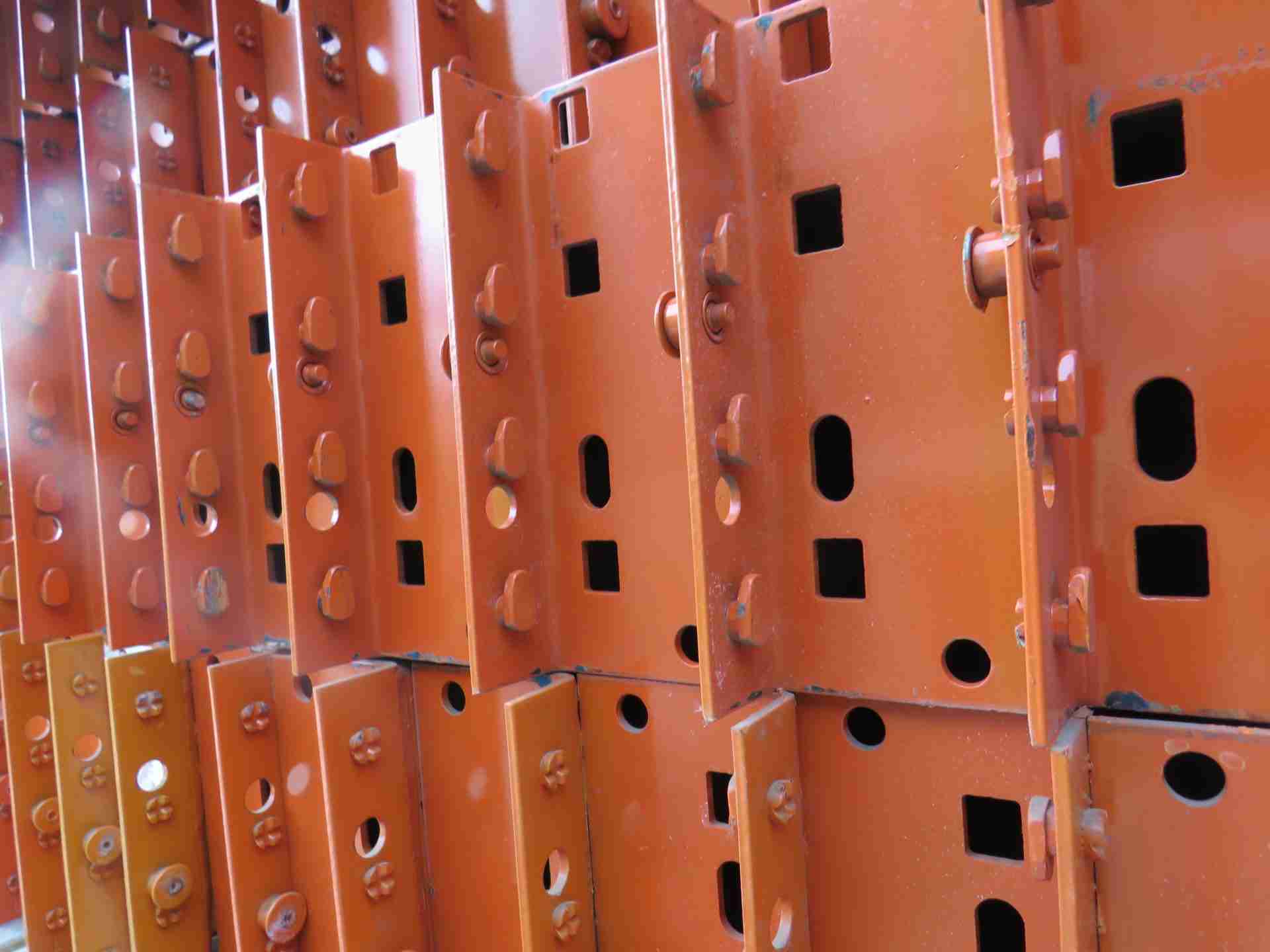
How Do Sheet Metal Warehouses Leverage Cantilever Racking?
Table Of Contents
- How Do Sheet Metal Warehouses Leverage Cantilever Racking?
- What Is Cantilever Racking In Sheet Metal Warehouses?
- How Does Cantilever Racking Improve Storage Efficiency?
- Why Choose Cantilever Racks Over Traditional Shelving?
- How Does Cantilever Racking Protect Sheet Metal Inventory?
- What Are the Cost Benefits Of Cantilever Racking Systems?
- How Does Cantilever Design Optimize Warehouse Space?
- Conclusion
- Other Resources
- Glossary Of Terms
- Other Questions
- Checklist
What Is Cantilever Racking In Sheet Metal Warehouses?
When you walk into a sheet metal warehouse, you’re not just seeing stacks of cold, sharp metal—they’re stories of sweat, precision, and careful planning. Cantilever racking is the backbone holding it all together, a no-nonsense solution that’s earned its keep over years on the floor.
Unlike pallet racking, which depends on vertical frames juggling heavy pallets stacked high, cantilever racking steps in where bulky, long materials like sheet metal need a different kind of support. Imagine trying to wedge a flat, wide piece of steel onto a typical pallet; it just doesn’t fit, not safely or efficiently. Cantilever arms reach out like a sturdy helping hand, holding sheets horizontally with nothing getting in the way. It’s the kind of commonsense design made for the kinds of tough jobs that don’t tolerate shortcuts.
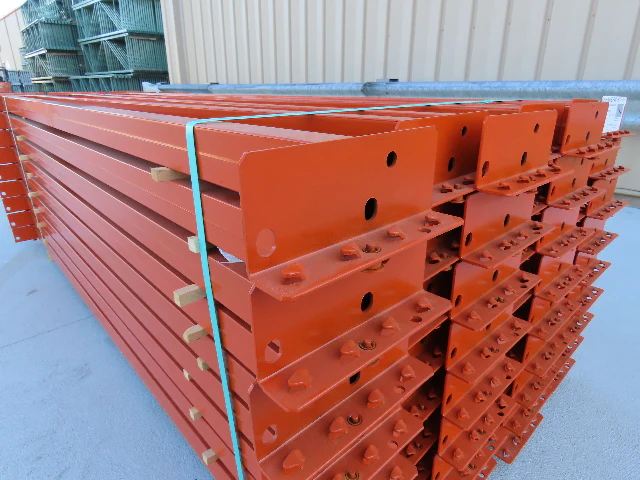
This isn’t some fancy, overengineered system either. No, cantilever racking is about reliability and practicality—steel columns planted solid, arms bolted on with a purpose, built to hold the weight without bowing under pressure. That means fewer accidents, less wasted time fumbling around, and a warehouse that hums with quiet confidence. Anyone who’s spent time moving sheet metal knows the value of that kind of peace of mind: safer workers and materials that don’t get bent, scratched, or worse.
There’s an ethical side to it too, beyond just efficiency. When you choose cantilever racking, you’re investing in a workspace that respects the hard work of your team. It’s about providing tools that keep folks safe and capable, letting them do their jobs without risking injury or damage. That kind of responsibility builds trust throughout the operation—from the loading dock to the boss’s office.
Plus, in a business where margins are tight and every inch counts, cantilever racking gives you more usable space and easier access. It’s a straightforward, proven method of organizing your inventory that turns the chaos of heavy metal sheets into an orderly, manageable system. So it’s no surprise this setup has lasted the test of time, becoming a quiet hero in sheet metal warehouses everywhere.
Cantilever racking isn’t just storage—it’s the workhorse you rely on, the friend you lean on when the day’s grind is relentless. It’s the difference between a pile of metal and a warehouse that works. That’s practical enough to earn respect and smart enough to keep your whole operation running smooth.

What Is Cantilever Racking In Sheet Metal Warehouses?
What Is Cantilever Racking In Sheet Metal Warehouses?
- Cantilever racking is essential in sheet metal warehouses, providing reliable support for bulky, long materials that pallet racking cannot safely hold.
- Unlike pallet racks, cantilever arms hold sheet metal horizontally with no obstructions, ensuring efficient and safe storage.
- Its design prioritizes reliability and practicality, with solid steel columns and bolted arms built to bear heavy loads without bending.
- This system enhances safety by reducing accidents and preventing damage to materials, contributing to a safer work environment.
- Cantilever racking represents an ethical investment in worker safety, enabling employees to perform tasks without risking injury.
- It maximizes usable warehouse space and provides easier access, organizing heavy metal sheets into an orderly, manageable system.
- Proven over time, cantilever racking is a durable, efficient storage solution that supports smooth warehouse operations daily.
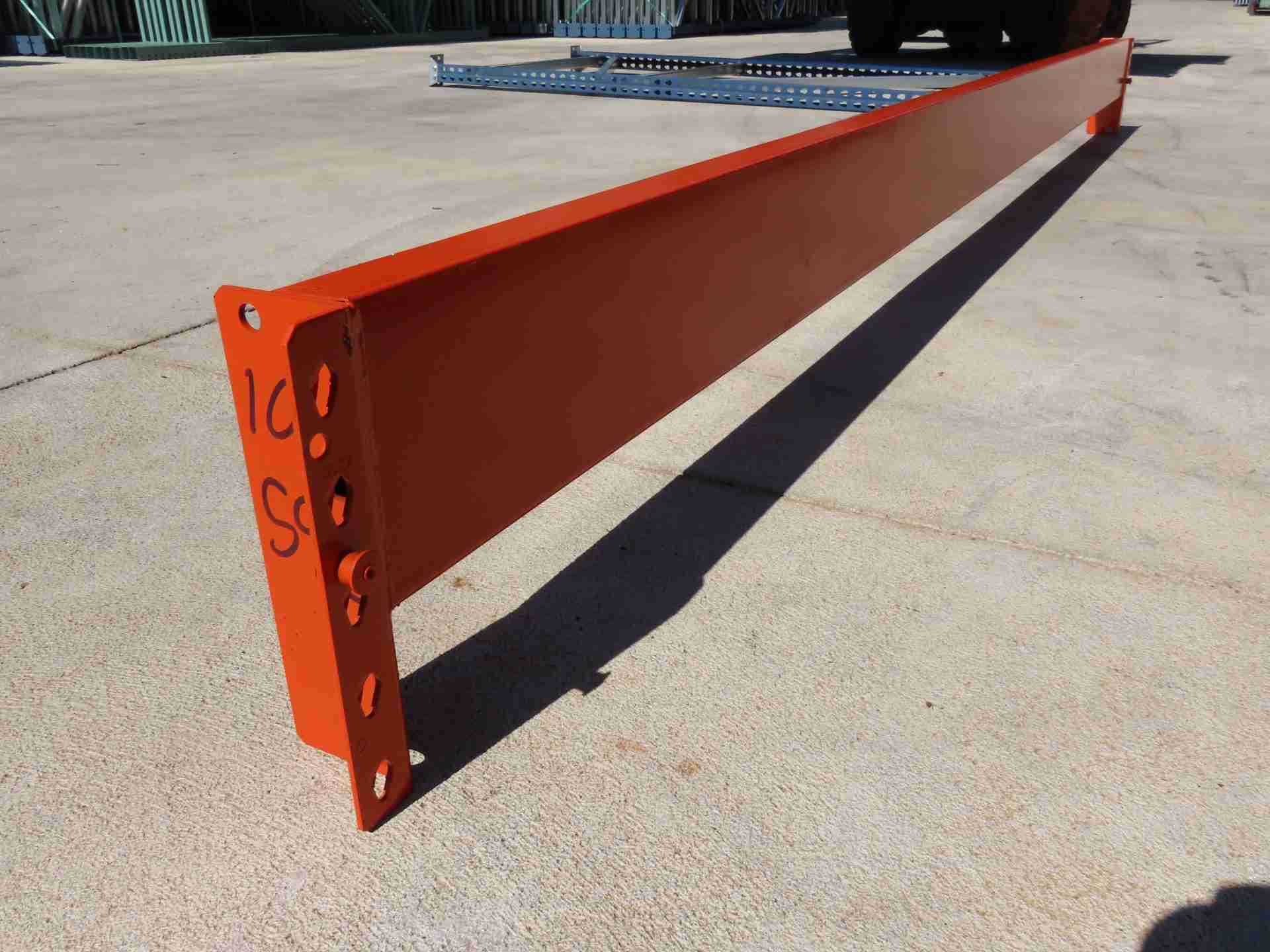
What Is Cantilever Racking In Sheet Metal Warehouses?
How Does Cantilever Racking Improve Storage Efficiency?
Imagine walking into a warehouse where every inch of space feels wasted—boxes piled haphazardly, forklifts bumping into each other, and downtime eating into profits. That’s the kind of chaos cantilever racking was built to fix. This isn’t about fancy technology or complicated systems; it’s straightforward, common-sense gear that tackles storage problems head-on. When you swap out clunky pallet racking for cantilever racking, you’re not just buying shelves—you’re investing in a solution that makes life on the floor easier and work faster.
Cantilever racking is the no-nonsense option for storing long, awkward stuff—think lumber, pipes, or metal bars—that pallet racking simply can’t handle without turning your space into a maze. It clears out clutter and puts everything within arm’s reach or forklift’s reach without the endless stacking and unstacking. That means less time hunting for materials, fewer accidents, and a smoother flow that keeps the whole operation humming. From the guy loading up trucks to the manager crunching numbers on profitability, everyone feels the impact.
There’s something almost ethical about it too. Efficient storage means fewer mistakes, less waste, and safer conditions. When your team isn’t dodging unstable piles or wrestling with bulky materials, they go home in one piece, and the business runs cleaner. It’s a respect thing—respect for your crew, your inventory, and your bottom line. Making a smart choice like cantilever racking shows you care about all three, building trust that you’re in the trenches with the folks who make the work happen daily.
The real authority behind cantilever racking comes from solid, tested performance. It’s been the go-to in workshops and warehouses for decades because it works. It’s simple, sturdy, and versatile. Unlike complicated systems promising the moon, this is equipment you can count on—engineered to hold heavy loads with fewer parts to break or fumble with. The kind of reliability that’s as reassuring as a good pair of work boots.
At the end of the day, switching to cantilever racking isn’t just a tweak—it’s a shift toward smarter, safer, and more efficient storage that feels right in the gut. It’s practical wisdom made physical: freeing up space without fuss, cutting down wasted steps, and letting your team get the job done clean and steady. When you see the difference in how smoothly the place runs, you’ll know you made the call because it just makes sense, plain and simple. No fluff—just better storage done the right way. And that kind of straightforward improvement is something any operation can rally behind.
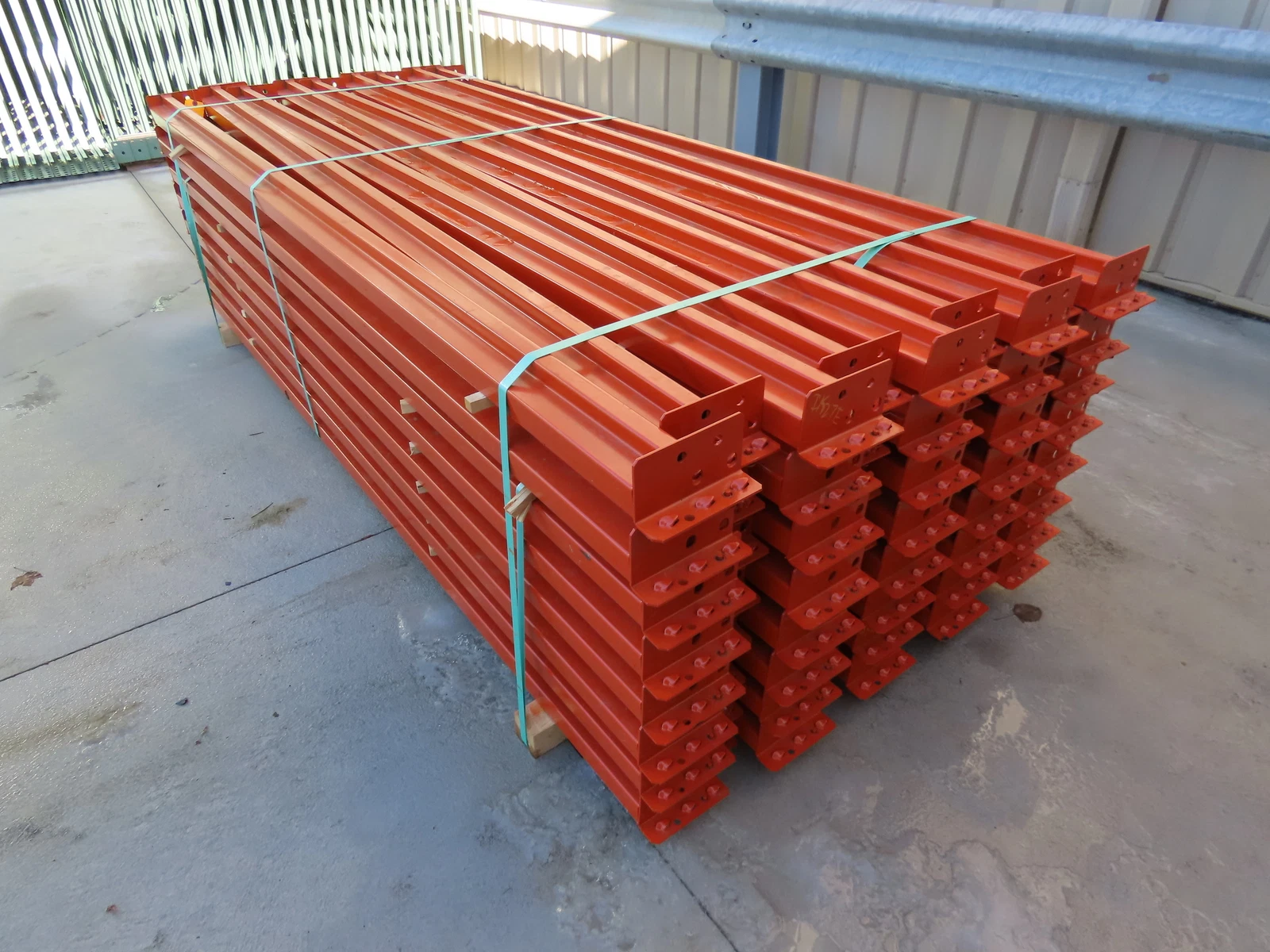
How Does Cantilever Racking Improve Storage Efficiency?
How Does Cantilever Racking Improve Storage Efficiency?
- Cantilever racking solves warehouse space chaos by offering straightforward, efficient storage, replacing clunky pallet racking.
- Designed for long, awkward items like lumber and pipes, it reduces clutter and minimizes stacking, improving accessibility and safety.
- Improves workflow by cutting down material hunting and accidents, benefiting all workers from loaders to managers.
- Promotes safer working conditions, less waste, and respect for crew, inventory, and profits, building trust in the workplace.
- Proven, reliable, and durable solution trusted for decades for heavy loads with simple, sturdy construction.
- Switching to cantilever racking enhances storage efficiency by freeing space, reducing unnecessary movement, and streamlining operations.
- Represents practical, no-nonsense improvement that tangibly boosts warehouse performance and worker experience.

How Does Cantilever Racking Improve Storage Efficiency?
Why Choose Cantilever Racks Over Traditional Shelving?
When you’re weighing your storage options, it’s easy to get lost in the maze of fancy shelving systems and shiny promises. But let’s cut through the noise and talk real: cantilever racks aren’t just another piece of hardware; they’re the workhorse that gets the job done where traditional shelving often falls short. Imagine you’ve got long, awkward stuff—pipes, lumber, metal bars—things that just don’t fit neatly on your average pallet racking or shelf. Cantilever racks were made for that kind of work. They open up your space instead of cramping it, giving you the freedom to store big, bulky items with ease and safety.
There’s a straight-up simple honesty in cantilever design: arms reaching out, ready to support what you need without barriers getting in the way. No weird corners, no squeezing your stock into awkward shapes; just clean access and straightforward organization. That means less time wrestling pallets or trying to jam in that last piece of steel, and more time getting stuff out to the job or the next customer. And when your team isn’t wrestling with storage headaches, they’re more productive, less frustrated—there’s no hiding it, that comfort and ease matters on the floor.
From an ethical standpoint, choosing cantilever racks shows you respect your people and your materials. Proper storage means fewer accidents, less damaged goods, and a safer work environment. You build a place where folks don’t just survive the workday—they feel looked out for. That’s something any boss or operator can be proud of because it’s not just about making a buck; it’s about doing right by the people who keep the wheels turning.
Here’s the kicker: nobody trusts gear that breaks down on ‘em. Cantilever racks stand up to the test. They’re built tough, designed for heavy loads and rugged use. That means every dollar you invest goes further because you’re getting durability, versatility, and peace of mind all rolled into one. When you pull up to the yard or step onto the warehouse floor, you want to know your system isn’t going to fail you halfway through the day.
Choosing cantilever over traditional pallet racking isn’t just a practical call; it’s a statement—that you value straightforward, smart solutions built on solid ground. It’s about using a system that respects the grit of the work and the people behind it. So when it comes down to stacking your gear right the first time, cantilever racks aren’t just a choice—they’re the choice that gets it done without fuss, without frills, and with that damn good, reliable feeling every blue-collar worker knows they can count on.
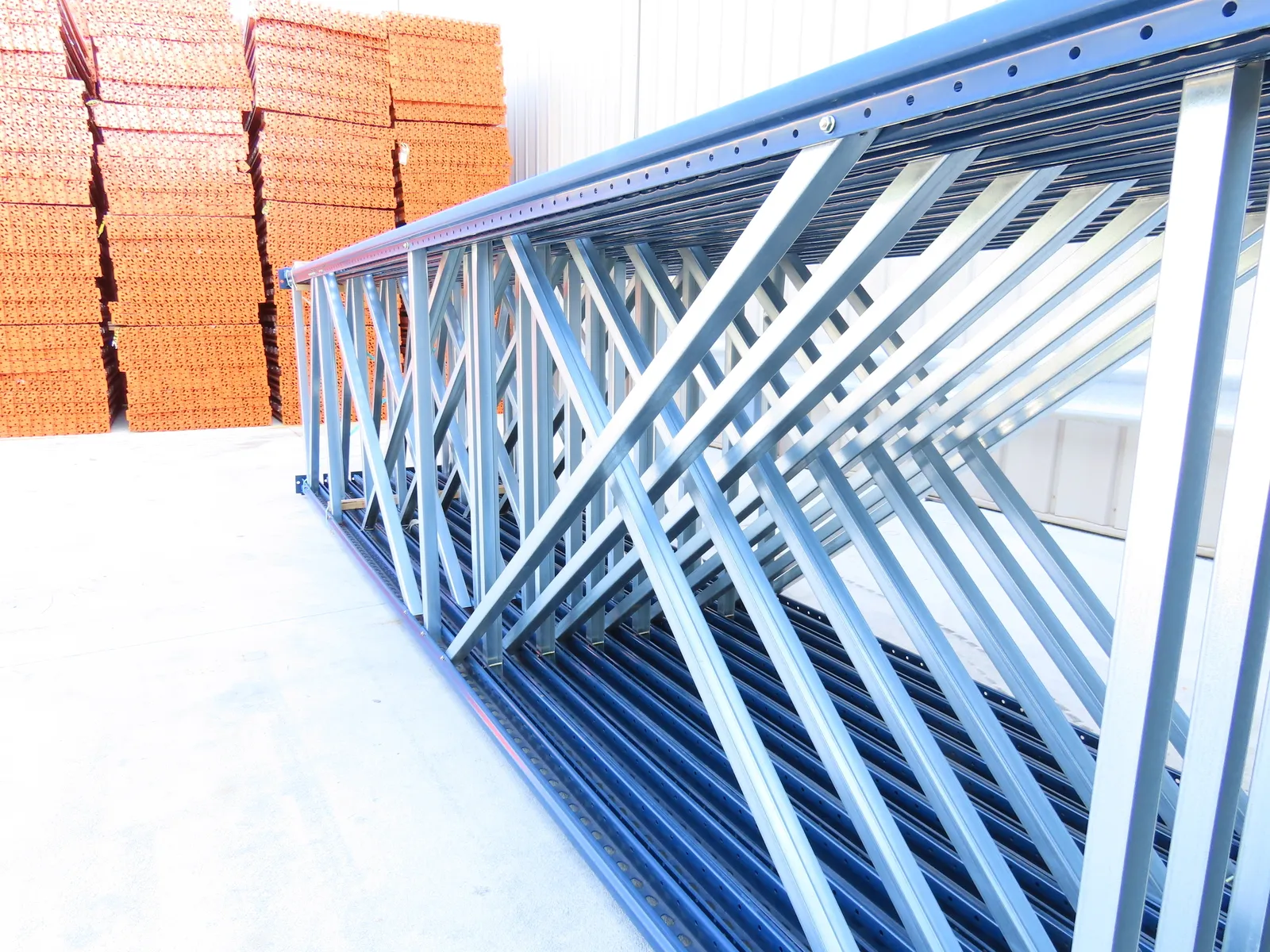
Why Choose Cantilever Racks Over Traditional Shelving?
Why Choose Cantilever Racks Over Traditional Shelving?
- Cantilever racks are ideal for storing long, awkward items like pipes, lumber, and metal bars that don’t fit on traditional shelving.
- The design offers open space and clear access without barriers, simplifying organization and handling.
- They reduce time spent wrestling with storage, increasing team productivity and reducing frustration.
- Choosing cantilever racks supports a safer work environment with fewer accidents and less damaged goods.
- The racks demonstrate respect for both workers and materials, enhancing workplace ethics and morale.
- Cantilever racks are durable, built for heavy loads and rugged use, ensuring reliability and long-term value.
- Opting for cantilever systems reflects a preference for straightforward, practical, and dependable storage solutions.

Why Choose Cantilever Racks Over Traditional Shelving?
How Does Cantilever Racking Protect Sheet Metal Inventory?
You’ve got stacks of sheet metal piled up, every piece a promise of work done right and jobs well earned. When you’re running a workshop or a warehouse, it isn’t just material—it’s your livelihood, your reputation hammered out on every job. That’s where cantilever racking steps in like the unsung hero of storage. Unlike pallet racking, which is great for boxed goods but clumsy for flat, awkward lengths of metal, cantilever racks cradle those long sheets and bars like a firm handshake, keeping them off the floor and out of harm’s way.
From the gut, you just know that keeping your inventory safe means less hassle and headaches. Imagine this: no more wrestling piles of metal that keep slipping and sliding into each other, causing scratches, dents, and frustration that throws schedules off and costs time and money. Cantilever racking gives you shoulders to lean on—arms extending out like a work buddy, strong and steady, ready to hold the load evenly so your sheet metal stays crisp and ready to use. That protection is something you can feel in your gut, a quiet reassurance that what you’ve paid for won’t turn into scrap.
Looking at it from the head, cantilever systems are designed smart—arms that leave the front open, so moving metal in and out is quick, safe, and efficient. That adds up to productivity you can measure in hours saved and mistakes avoided. Plus, less damage means your inventory holds its value longer. You don’t just store metal; you protect your cash flow and keep your operation lean and professional. It’s simple economics with a no-nonsense, blue-collar edge.
There’s an ethical layer here, too. Protecting what’s entrusted to you—whether it’s your own stock or goods for a customer—is about respect and responsibility. Using the right racking sends a message: you care, you’re reliable. That matters in an industry built on trust and repeat business. The cantilever rack isn’t just metal; it’s a statement about how seriously you take your work.
Authority comes from solid engineering and proven durability. Cantilever racks have been tested on the job countless times, built specifically for these heavy, unwieldy loads. The design recognizes the demands of steel, aluminum, and every alloy in between. It’s a tried-and-true solution that equips you with confidence because it’s built for your reality, not some ideal scenario.
When your team sees sheet metal stored neatly and securely on cantilever racking, it fosters pride and reliability. It’s a shared understanding that the jobsite, the shop, or the warehouse runs smoother when you treat your gear right. Switching out pallet racking for cantilever in the right spots isn’t just a tweak—it’s leveling up your operation and protecting what pays the bills.
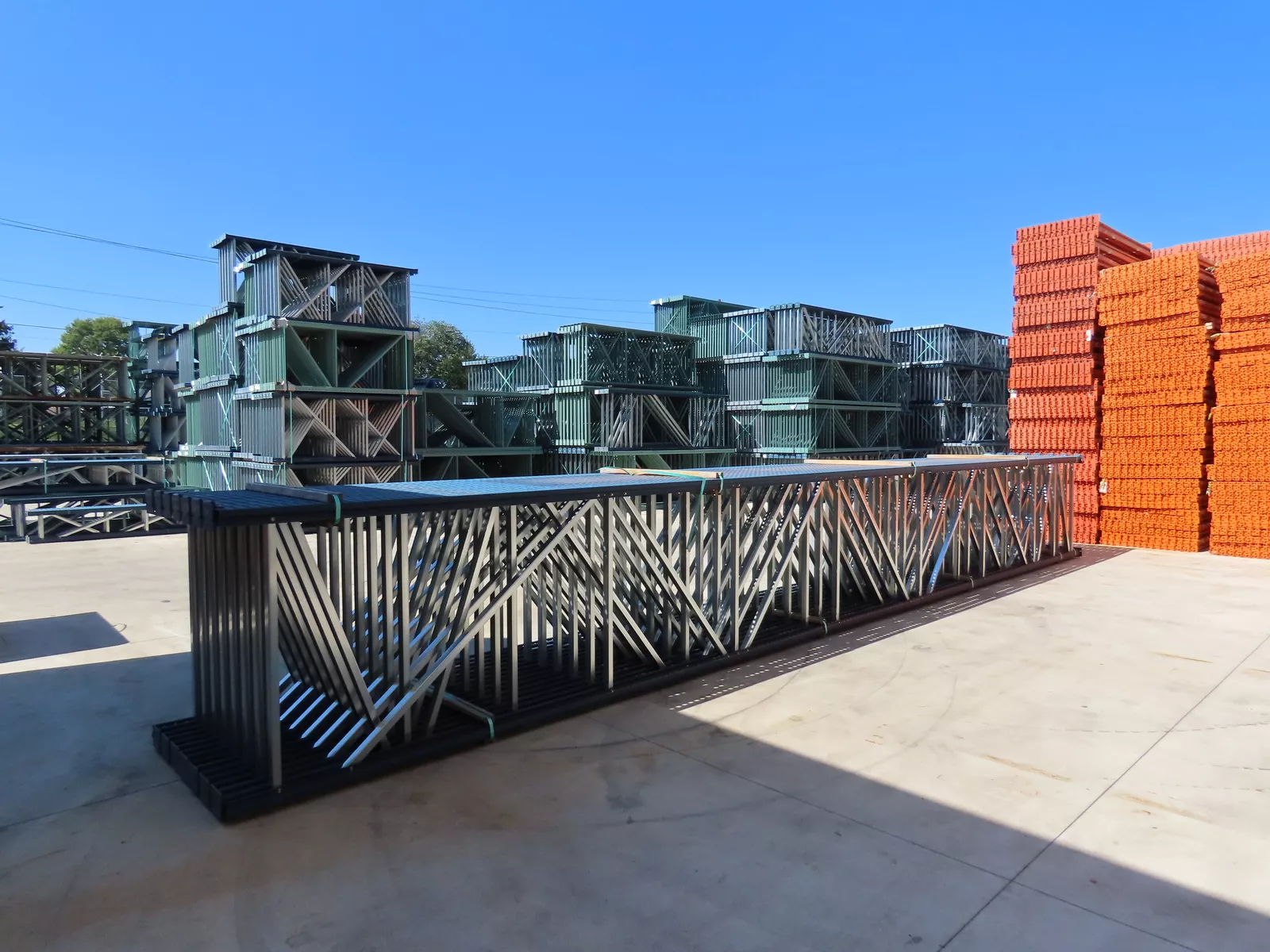
How Does Cantilever Racking Protect Sheet Metal Inventory?
How Does Cantilever Racking Protect Sheet Metal Inventory?
- Cantilever racking is ideal for storing long, flat metal sheets and bars, unlike pallet racking which suits boxed goods.
- It prevents damage by keeping metal off the floor and avoiding scratches, dents, and inventory loss.
- The open-front design allows quick, safe, and efficient loading and unloading, boosting productivity and reducing mistakes.
- Using cantilever racks protects inventory value, supports cash flow, and keeps operations lean and professional.
- Choosing the right racking demonstrates respect, responsibility, and reliability in an industry based on trust and repeat business.
- Built with solid engineering and durability, cantilever racks are proven to handle heavy metal loads confidently in real-world conditions.
- Proper metal storage fosters team pride and improves warehouse or jobsite efficiency by treating materials and equipment with care.

How Does Cantilever Racking Protect Sheet Metal Inventory?
What Are the Cost Benefits Of Cantilever Racking Systems?
When it comes to storing bulky, awkward stuff—think long pipes, timber, or steel bars—a cantilever racking system isn’t just another option; it’s a game-changer. You see, unlike your run-of-the-mill pallet racking that tries to squeeze everything into boxes and slots, cantilever racking respects what you’re dealing with. It’s open, flexible, and built for the kind of heavy, uneven loads that make warehouse managers sigh and shop floor workers sweat.
The first thing that hits you is how much floor space you save. Traditional pallet racking can gobble up square footage because you need aisles wide enough for forklifts, plus deeper racks. Cantilever racks stretch out sideways, letting you stack longer items vertically without extra clutter. That means fewer square feet wasted and more capacity packed into the same footprint—a simple math for any business watching costs like a hawk.
Financially, this translates into fewer headaches and better cash flow. You spend less on expanding facilities and more on keeping operations smooth. And because the system is designed around your product’s quirks, you cut down on damage and shrinkage. Nothing chips or dents your stock like sticking odd-sized materials into the wrong spot. With cantilever racks, each piece has its place—steady, secure, and easy to grab when the clock is ticking.
From an ethical standpoint, investing in the right storage isn’t just about saving pennies; it’s about valuing the people who handle that gear daily. Imagine the difference when your team can work confidently, knowing the racks won’t collapse or cause an accident. That peace of mind doesn’t just protect bodies; it protects your reputation and shows you care about doing things right.
Experience proves these systems stand the test of time. They’re rugged, made to endure years of hard knocks in dusty warehouses, and if you need tweaks or expansions, adding arms or adjusting spacing won’t stop production. That kind of authority in a product means your investment isn’t a gamble—it’s a reliable partner.
Everybody in the know talks about how upgrading storage changes the game for their operation. More than just a cost benefit on paper, cantilever racking builds confidence across teams, making your workplace safer and smarter. It’s one of those practical improvements that, once in place, you wonder how you ever got by without it. So if you’re weighing options between pallet racking setups, remember this: sometimes the right solution isn’t the biggest or the flashiest, but the one built for your needs, saving you money while standing strong for the long haul.
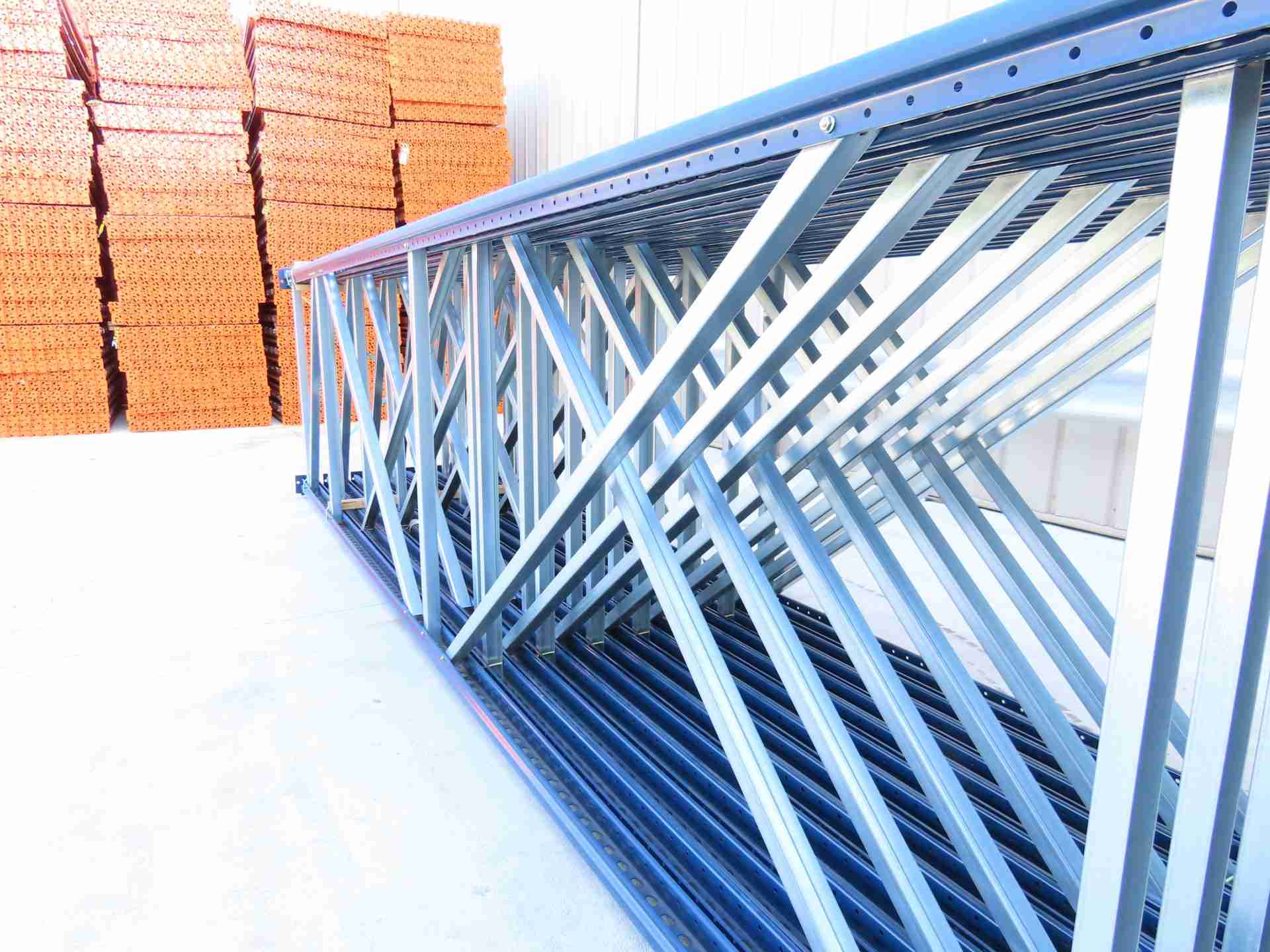
What Are the Cost Benefits Of Cantilever Racking Systems?
What Are the Cost Benefits Of Cantilever Racking Systems?
- Cantilever racking systems provide an open, flexible solution specifically designed for storing bulky, heavy, and uneven items like long pipes, timber, and steel bars.
- They save significant floor space by allowing vertical stacking and stretching out sideways, reducing wasted square footage compared to traditional pallet racking.
- Financial benefits include lower facility expansion costs, improved cash flow, and reduced damage or shrinkage due to proper fit for odd-sized materials.
- Investing in cantilever racks enhances workplace safety, protecting employees from accidents and reinforcing a company’s ethical commitment to worker well-being.
- The systems are durable and adaptable, able to withstand tough warehouse conditions and allow easy adjustments without disrupting production.
- Upgrading to cantilever racking boosts team confidence and operational efficiency, creating a safer, smarter work environment.
- The right storage solution prioritizes fit for specific needs over size or appearance, offering long-term reliability and cost savings.

What Are the Cost Benefits Of Cantilever Racking Systems?
How Does Cantilever Design Optimize Warehouse Space?
When you’ve spent years in warehouses, you come to respect good design like you do a reliable truck—something built to get the job done without fuss or failure. Cantilever racks fit right into that category. They’re not just another set of shelves; they’re a game-changer for anyone who’s battled cramped aisles or awkward storage spaces. Unlike traditional pallet racking systems, cantilever designs give you open arms to store bulky, long items without the boxing-in that kills your space and your patience.
Think about the rough-and-tumble goods many warehouses handle—lumber, pipes, or metal bars. Pallet racking can struggle with those because it’s made for boxes, pallets, and neat little stacks. Cantilever racks throw that restriction out the window with an open-front design that lets you access your stock quickly. No more wrestling pallets through tight spots or wasting time in a game of Tetris with awkwardly sized materials.
Beyond just making life easier, cantilever racks speak straight to your bottom line. Optimizing warehouse space means you’re squeezing more value out of every square foot. Good use of space isn’t just a smart move—it’s the difference between turning a profit and watching inventory pile up like lost dreams. When equipment and supplies fit efficiently, operations flow smoother and employees spend less time hunting for things and more time moving the business forward.
There’s also something fundamentally right about taking care of your workers with smart design. Cantilever racks reduce the strain and hassle in loading and unloading, making the workday safer and less taxing. It’s not glamorous, but it’s the kind of practical ethics that earns respect. You build your operation on trust—trust that your gear stands up to the job and that the folks relying on it won’t be worn down by poor planning.
On top of that, plenty of folks in the industry swear by cantilever systems because of their durability and adaptability. This isn’t some fancy gimmick; it’s proven gear that holds its ground when the job gets rough. When you combine that reliability with the space-saving design, it’s clear why so many warehouses make cantilever racks a cornerstone of their operations.
Cantilever design isn’t just about racks or storage. It’s about working smarter in a tough industry and giving yourself the room to breathe and grow. For warehouses serious about making every inch count, cantilever racks don’t just optimize space—they optimize the whole workflow, bringing confidence and calm to the chaos.

How Does Cantilever Design Optimize Warehouse Space?
How Does Cantilever Design Optimize Warehouse Space?
- Cantilever racks provide a durable, efficient storage solution for bulky, long items that traditional pallet racks struggle to accommodate.
- The open-front design allows quick access to materials like lumber, pipes, and metal bars, reducing handling difficulties and wasted time.
- Optimizing warehouse space with cantilever racks increases value per square foot, improving profitability and operational flow.
- They reduce physical strain during loading and unloading, enhancing worker safety and comfort.
- Trusted in the industry for their durability and adaptability, cantilever racks withstand tough conditions without failure.
- Cantilever racks help warehouses work smarter, not harder, by optimizing storage and workflow efficiency.
- They contribute to a more organized and manageable workspace, fostering confidence and reducing chaos in operations.
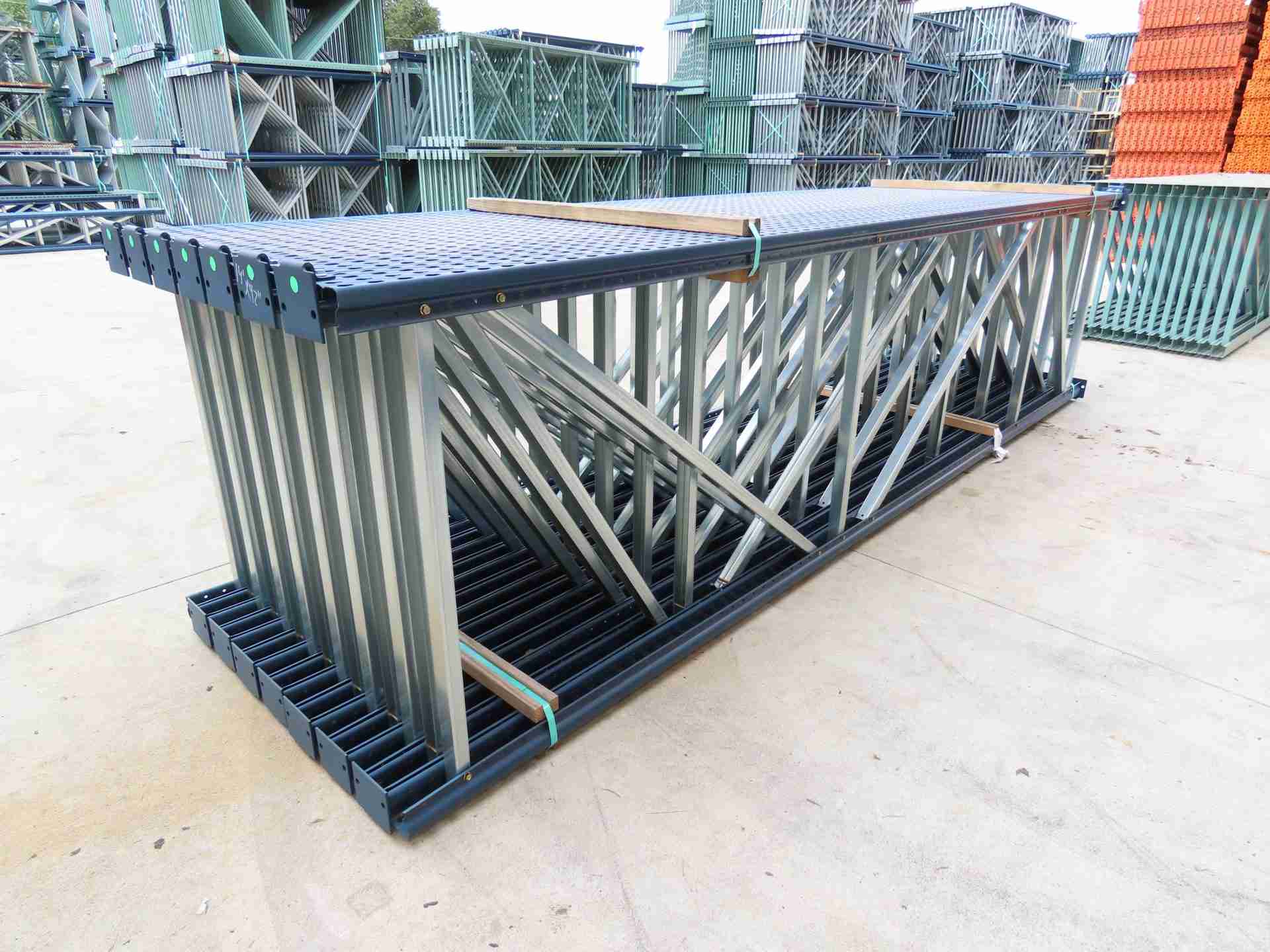
How Does Cantilever Design Optimize Warehouse Space?
Conclusion
In the hard-scrabble world of sheet metal warehouses, cantilever racking isn’t just another storage option—it’s the rugged backbone that keeps everything running smooth and safe. When you’re dealing with heavy, long sheets that don’t play nice with standard shelves or pallet racks, cantilever arms step up like a solid, no-nonsense partner. They grab hold of bulky metal like a steady hand, keeping it off the floor, easy to reach, and free from damage. That kind of thoughtful design respects the sweat and grit of the workers who move these heavy loads day in and day out, making their grueling jobs a little less of a wrestling match and more of a straightforward task.
From the head, the practicality is plain as day. Cantilever racking makes the most out of every inch—vertical, horizontal, and deep—without turning warehouses into cluttered mazes. It’s built for things that don’t fit in boxes or pallets: sheet metal, pipes, lumber. By organizing these unwieldy items cleanly and clearly, it cuts down on wasted time, mistakes, and injuries. When materials are easy to find and grab, the whole operation hums along faster, with fewer slip-ups and more predictable outcomes. That efficiency translates into hitting deadlines, saving money, and keeping customers coming back for the quality they trust.
Ethically, choosing cantilever racking shows you care—not just about your bottom line, but about the folks on the floor and the integrity of your inventory. Fewer damaged goods means less waste, fewer costly replacements, and a safer workplace. It’s about respect—giving workers the tools to handle heavy gear without risking soreness, injury, or frustration. That kind of responsibility builds trust throughout the crew and sends a clear message that the people and the materials both matter here.
Authority in this game comes not from fancy promises, but from solid, time-tested engineering. Cantilever racks stand tough against heavy loads, day after day, year after year, proving they’re built for the real world—not some showroom scenario. That reliability brings peace of mind on the floor, boosts confidence in the team, and smooths out the hiccups that always come in a fast-moving warehouse.
On a social and practical level, cantilever racking creates a shared understanding across teams. Everyone knows the system’s strengths and quirks—the way it holds, the way it frees space, the way it protects inventory. That collective know-how builds pride and camaraderie, making work safer and smarter. It turns a jumble of metal into an organized, efficient flow, helping the whole crew do their best.
In the end, cantilever racking isn’t just about stacking metal. It’s about standing firm—in a world that demands hard work, smart solutions, and respect for the hands that make it all happen. It’s the quiet, tough workhorse every sheet metal warehouse counts on to keep the wheels turning, day after day, no fuss, just getting the job done right.

Conclusion
Conclusion:
- Cantilever racking is essential for handling heavy, long sheet metal that doesn’t fit standard shelves or pallet racks, ensuring materials are off the floor, accessible, and undamaged.
- It maximizes storage space vertically, horizontally, and deeply, organizing bulky items like sheet metal, pipes, and lumber without cluttering the warehouse.
- By providing easy access to materials, it reduces wasted time, mistakes, and injuries, improving operational efficiency and reliability in meeting deadlines.
- Choosing cantilever racking minimizes damaged goods, waste, and replacements, supporting a safer workplace and showing respect for workers and inventory.
- Its design is proven, durable, and dependable, built to withstand heavy loads consistently, boosting team confidence and operational smoothness.
- The system fosters teamwork and shared understanding by creating an organized flow and pride among workers, enhancing safety and productivity.
- Cantilever racking represents a reliable, practical solution that supports hard work and efficient warehouse operations without unnecessary complexity.

Conclusion
Other Resources
Other Resources
Here is a list of other resources you can review online to learn more:
- Warehouse Racking Systems: Beginner’s Guide to Rack Systems
- Teardrop Pallet Rack – Ridg-U-Rak
- Selective Pallet Racking Systems – Container Systems
- Cantilever Rack Guide: Ordering Cantilever Racking
- Crane Manufacturers Association Of America Inc.
- Pallet Racking 101: A Comprehensive Guide & Options Explained
- Selective Pallet Racking Systems
- Illinois Pallet Racking – WPRP
- CMMA
- Logic Material Handling
- What is Selective Racking: Understanding Benefits & Options
- Chicago Pallet Racking
- The Complete Pallet Rack Guide – Simply Rack
- Storage Equipment Manufacturers Association
- Pallet Racking systems in Illinois and Great Lakes
- Teardrop Racks – Pallet Rack World
- New Cantilever Racks and Racking Kits
- Arrow Industrial Sales
- Warehouse Racks, Warehouse Racking in Stock – ULINE
- Cantilever Rack Guide: Ordering Cantilever Racking
Use This Prompt To Get More Resources With Your Favorite Online AI Tool: Please provide me with a list of online articles with their URLs in a bulleted list that I can read regarding How Do Sheet Metal Warehouses Leverage Cantilever Racking?
Other Resources
Glossary Terms
How Do Sheet Metal Warehouses Leverage Cantilever Racking? – Glossary Of Terms
1. Cantilever Racking: A type of storage system with arms extending from a central column, designed to hold long, bulky items such as sheet metal.
2. Sheet Metal: Thin, flat pieces of metal used in manufacturing and construction, often stored in warehouses.
3. Warehouse Storage: Organized space within a warehouse for storing goods efficiently and safely.
4. Load Capacity: The maximum weight that a cantilever rack or arm can safely support.
5. Arms: Horizontal supports extending from the vertical columns of cantilever racks that hold materials.
6. Vertical Columns: Upright supports that hold the arms in a cantilever racking system.
7. Adjustable Arms: Arms that can be repositioned vertically to accommodate different lengths and sizes of sheet metal.
8. Accessibility: Ease of reaching and retrieving stored sheet metal from the racks.
9. Space Optimization: Efficient use of warehouse space to maximize storage capacity.
10. Inventory Management: The process of tracking and organizing materials stored in the warehouse.
11. Material Handling: Techniques and equipment used to move, store, and control materials within a warehouse.
12. Pallet Racking: A storage system using pallets, less suited for long sheet metal compared to cantilever racking.
13. Forklift Compatibility: The ability of forklifts to safely access materials stored on cantilever racks.
14. Load Distribution: Even allocation of weight across rack arms and columns to maintain stability.
15. Modular Design: A rack system built in sections that can be expanded or reconfigured as needed.
16. Corrosion Resistance: The ability of rack components to withstand rust or degradation from environmental exposure.
17. Safety Features: Design elements that prevent accidents, such as locking arms or load stops.
18. Warehouse Workflow: The sequence of processes involved in storing, retrieving, and managing inventory.
19. Long-span Storage: Storage design targeting lengthy materials like sheet metal sheets or beams.
20. Ergonomics: Design considerations that facilitate safe and efficient material handling by workers.
21. Heavy-duty Racking: Racking systems constructed to support very heavy loads typical of sheet metal.
22. Customization: Tailoring rack dimensions and configurations to specific warehouse and material needs.
23. Space Utilization: The percentage of warehouse volume or area occupied by stored materials.
24. Load Safety: Ensuring stored sheet metal remains secure and stable to prevent damage or injury.
25. Vertical Storage: Using height effectively to store materials without excessive floor space use.
26. Retrieval Efficiency: Speed and ease with which sheet metal can be accessed from the racks.
27. Structural Integrity: The strength and stability of the racking system under load conditions.
28. Warehouse Layout: The physical arrangement of storage racks and aisles within the warehouse.
29. Inventory Turnover: The rate at which stored sheet metal is used and replenished.
30. Maintenance: Routine inspections and repairs required to keep cantilever racking safe and functional.
Glossary Of Terms
Other Questions
How Do Sheet Metal Warehouses Leverage Cantilever Racking? – Other Questions
If you wish to explore and discover more, consider looking for answers to these questions:
- What are the load capacities and weight limits of cantilever racking for different arm lengths?
- How do you calculate required arm length and spacing for various sheet metal sizes?
- What are the recommended clearances and aisle widths for safe forklift access?
- How do floor loading and foundation requirements affect cantilever installation?
- What anchor and seismic restraint options are available for cantilever racks?
- Which industry standards and regulations (eg. OSHA, local codes) apply to cantilever racking?
- How often should cantilever racking be inspected and what should inspections include?
- What are common failure modes and warning signs to watch for in cantilever systems?
- What maintenance and repair procedures are recommended for prolonging rack life?
- How do cantilever racks compare cost-wise to pallet racking and other specialty systems?
- What is the typical return on investment (ROI) and payback period after installing cantilever racking?
- Can existing pallet racking be retrofitted or partially replaced with cantilever arms?
- What customization options exist (arm lengths, coatings, protective accessories)?
- How do surface treatments (powder coat, galvanizing) affect corrosion resistance for outdoor or humid sites?
- What protective accessories (end stops, edge guards, separators) help prevent sheet metal damage?
- How should sheet metal be stacked and banded on cantilever arms to minimize shifting and scratching?
- What forklift attachments or handling equipment are recommended for loading/unloading long sheets?
- How does cantilever racking integrate with automated systems, AGVs, and conveyors?
- What training do workers need for safe use of cantilever racking and long-load handling?
- How do you plan layout and flow to optimize picking times and minimize travel distance?
- What labeling, location identification, and inventory-management best practices work with cantilever systems?
- Are there best practices for stacking mixed thicknesses or different metal types on the same arm?
- How do temperature and humidity extremes affect stored sheet metal and rack performance?
- What fire-safety considerations apply (sprinkler clearances, aisle access, firewalls)?
- How do insurance providers view cantilever racking—are there policy implications or requirements?
- What are the typical lead times, delivery, and installation timelines for cantilever systems?
- What warranty and post-sale support should buyers expect from manufacturers/suppliers?
- How modular and expandable are cantilever systems for future growth or layout changes?
- What are the upfront costs versus lifecycle costs (maintenance, replacements) to consider?
- How do you size and position cantilever racks for both short-term staging and long-term storage?
- What environmental, health, or safety controls are recommended for handling sharp sheet edges?
- How do you manage mixed inventory (sheet metal plus pipes/lumber) on the same cantilever runs?
- What metrics or KPIs should warehouses track after installing cantilever racking (throughput, damage rate, space utilization)?
- What case studies or examples show measurable benefits from switching to cantilever racking?
- How easy is it to relocate, reconfigure, or sell used cantilever racking?
Other Questions
Checklist
How Do Sheet Metal Warehouses Leverage Cantilever Racking? – A Checklist
Inventory and Use Case
✅______ Define materials: sheet sizes, gauges, lengths, weights; bundle vs. single
✅______ Identify highest weight and longest item to set design baseline
✅______ Map access frequency and rotation (fast vs. slow movers)
✅______ Confirm handling methods: forklift type and attachments, crane, side loader
Space Planning and Layout
✅______ Measure clear height, column grid, doors, sprinklers, and obstructions
✅______ Set aisle widths per equipment turning radius and load length
✅______ Plan number of levels within safe lift height
✅______ Establish flow from receiving to storage to processing to shipping
✅______ Allocate staging and inspection zones and return paths
Rack Specification
✅______ Choose single- vs. double-sided configuration
✅______ Verify column and base sizing and slab capacity; define anchor requirements
✅______ Calculate per-arm, per-bay, and total load capacities with margin
✅______ Set arm length to fully support sheet depth; define allowable overhang
✅______ Determine arm spacing and centerlines to limit deflection and sag
✅______ Select accessories: end stops, dividers, decking/panels as needed
✅______ Specify finish (galvanized or powder coat) for the environment; include edge protection
Accessibility and Efficiency
✅______ Use open-front access; match level heights to equipment reach
✅______ Slot by material type, gauge, and size; ensure clear bay and location labeling
✅______ Place fast movers at ergonomic heights; slow movers higher
✅______ Dedicate lanes by length to prevent conflicts and rehandling
Damage Reduction and Quality
✅______ Use dunnage/spacers and anti-abrasion pads between bundles
✅______ Keep sheets off the floor; protect edges with end stops/dividers
✅______ Standardize loading/unloading sequence to minimize reshuffling
✅______ Define rules for banding/strapping integrity and bundle handling
Compliance and Ratings
✅______ Confirm local code, seismic, and fire/life safety requirements
✅______ Install visible load rating plaques at each bay/aisle
✅______ Complete commissioning checklist; file documentation
✅______ Set inspection cadence: daily visual, periodic detailed, annual third-party
✅______ Define damage reporting and rack out-of-service procedure
Training and SOPs
✅______ Train operators on approach angles, placement depth, and uneven loads
✅______ Maintain SOPs for partial bundles, mixed sizes, and overhang limits
✅______ Define traffic rules and one-way patterns for racking aisles
✅______ Reinforce labeling, slotting, and location accuracy practices
Operations and Continuous Improvement
✅______ Track KPIs: pick time, touches per move, damage rate, utilization %
✅______ Conduct cycle counts and location audits on a set schedule
✅______ Review congestion points and rebalance slotting quarterly
✅______ Plan modular expansion: additional arms/bays for future lengths/gauges
Cost and ROI
✅______ Baseline vs. after: storage density (tons per sq ft or per linear ft)
✅______ Quantify damage reduction and shrink improvement
✅______ Measure labor time saved per pick/putaway
✅______ Estimate maintenance and reconfiguration costs over time
✅______ Compare total cost of ownership vs. prior system
Go-Live Readiness
✅______ Permits/approvals received
✅______ Anchors installed and torque-verified; racks plumb and level
✅______ Load plaques and location labels installed
✅______ Aisles marked; traffic flow established
✅______ First-run validation completed with representative loads
✅______ Inspection log and maintenance schedule activated
Checklist
At RackingWorld, we help guide you through selecting warehouse storage systems and racking.
Be sure to read our other related stories at RackingWorld to learn more about warehouse storage systems.
0 Comments