
Unlock Efficiency, Safety, And Growth: Pallet Racking’S Power Revealed
By Tom Seest
At RackingWorld, we help guide you through selecting warehouse storage systems and racking.
Be sure to read our other related stories at RackingWorld to learn more about warehouse storage systems.
How Do Seed and Fertilizer Distributors Leverage Pallet Racking?
When you’re dealing with seed and fertilizer distribution, every inch of space matters, and every minute counts. That’s where pallet racking steps in—not as some flashy gadget but as the trusty backbone of your warehouse. It’s the kind of practical hero that keeps your operation running smooth and steady, day after gritty day.
Think about it: seeds and fertilizer aren’t just products on a shelf. They’re the foundation of growth and sustenance for farms and communities. Mishandling them or fumbling through disorganized storage isn’t just bad business—it can be a real hit to someone’s livelihood. Pallet racking gives distributors that rock-solid order and efficiency that brings peace of mind. It means the right bags are at hand when the planting season’s clock is ticking, no frantic last-minute scrambles or wasted trips through a cluttered floor.
There’s an honest pride in the way pallet racking holds it all together. Rows of sturdy steel keep pallets stacked cleanly, safely, maximizing space so you get more in, without a mess or risking damage. You save on real estate inside your warehouse and cut down on labor hours rifling through random stacks. That’s money earned and stress shed. Ethically, it shows respect for the product and those who rely on it—no shortcuts, just solid, dependable storage.
Experience proves that when distributors lean on pallet racking, they’re not just organizing stuff. They’re giving themselves an edge—boosting reliability and trust with customers who count on timely delivery of crucial supplies. That trust isn’t won by chance; it’s built by showing up with a system that knows the value of every seed and sack of fertilizer.
For those who’ve been in the trenches long enough, pallet racking isn’t just equipment—it’s a partner. It lets you focus on what matters: keeping farms growing and fields fed. When the trucks roll out full and on time, you know you’ve done right by the work, the customers, and the community. And that’s the kind of job worth sticking around for.
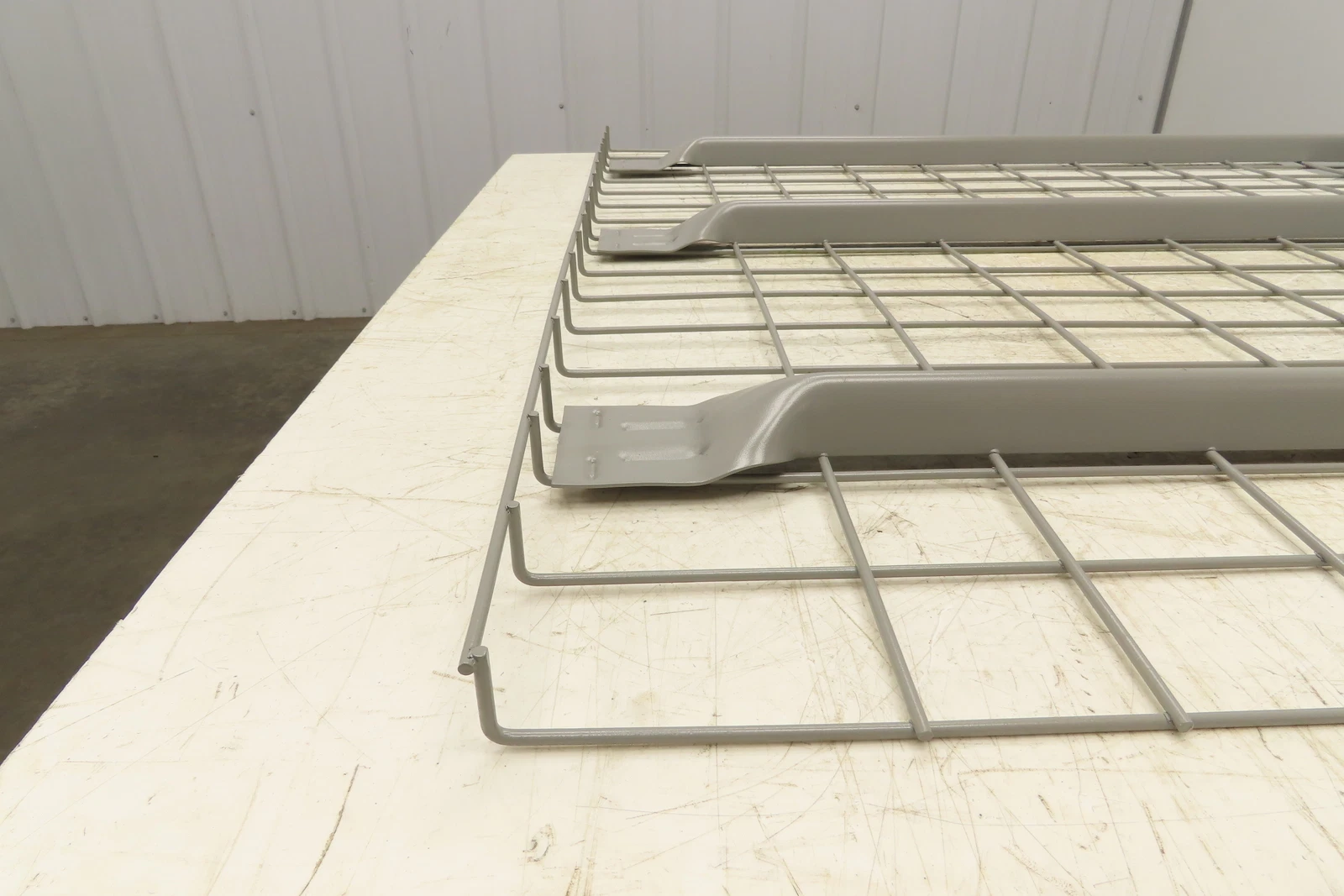
How Do Seed and Fertilizer Distributors Leverage Pallet Racking?
How Do Seed and Fertilizer Distributors Leverage Pallet Racking?
- Pallet racking maximizes warehouse space and efficiency, crucial for seed and fertilizer distribution where every inch and minute matter.
- Seeds and fertilizer are foundational to farming and communities; proper storage with pallet racking prevents mishandling that could harm livelihoods.
- Pallet racking provides organized, accessible storage, enabling timely access during critical planting seasons and reducing wasted effort.
- Sturdy steel racks keep pallets stacked safely and neatly, optimizing space and minimizing damage risk.
- Use of pallet racking reduces labor hours spent searching through disorganized stacks, saving money and lowering stress.
- Reliance on pallet racking builds distributor reliability and customer trust by ensuring timely delivery of essential supplies.
- Pallet racking serves as a dependable partner in distribution, helping keep farms productive and communities supported through efficient operations.

How Do Seed and Fertilizer Distributors Leverage Pallet Racking?
Table Of Contents
- How Do Seed and Fertilizer Distributors Leverage Pallet Racking?
- How Does Pallet Racking Improve Warehouse Efficiency?
- Can Pallet Racking Reduce Seed and Fertilizer Damage?
- What Are the Cost Savings From Using Pallet Racking?
- How Does Pallet Racking Support Inventory Accuracy?
- Does Pallet Racking Enhance Worker Safety?
- What Ethical Benefits Come From Organized Storage?
- Conclusion
- Other Resources
- Glossary Of Terms
- Other Questions
- Checklist
How Does Pallet Racking Improve Warehouse Efficiency?
Look, when you’re knee-deep in the daily grind of a warehouse, every second counts. The last thing you want is to be wandering around, hunting for that one crate or pallet like a kid in a candy store with the lights off. Pallet Racking changes all that. It’s not just some fancy setup—it’s a solid, no-nonsense way to turn chaos into order. You stack smart, you work smart. It’s like turning your warehouse from a cluttered garage into a well-oiled machine.
There’s a reason the pros swear by pallet racking. It’s about making your space do more without asking for more real estate. You don’t need to build a whole new building; you just rack up vertically, making every inch count. And that means less time wasting steps, less time fiddling with awkward piles, and more time moving goods out the door. When you’ve got pallet racking, you can see what you’ve got, reach what you need, and keep the workflow humming. Efficiency isn’t just a buzzword here—it’s the lifeblood of any operation.
But beyond the numbers and the inches saved, there’s something more that hits home. Pallet racking brings a kind of fairness to the workforce. It makes the job safer and less of a slog. Nobody has to risk their back scrambling through a mess or twisting in tight spots. It’s about respecting the hands that keep the place running—the backbone of any business. When folks know their work isn’t setting them up for a hurt, you get more than loyalty—you get pride in the job well done.
And look around at any thriving warehouse, the story’s the same: pallet racking quietly working behind the scenes, making sure everyone’s day runs smoother. It’s not flashy. It doesn’t toss you gold stars. But it delivers. It delivers on trust, efficiency, and respect for the grind. When your setup matches the rhythm of real, hard work, it shows. So, if you’re serious about running a tight operation, pallet racking isn’t just a piece of equipment—it’s the backbone you lean on.

How Does Pallet Racking Improve Warehouse Efficiency?
How Does Pallet Racking Improve Warehouse Efficiency?
- Pallet racking transforms chaotic warehouse spaces into organized, efficient environments.
- It maximizes vertical space without requiring additional real estate or new buildings.
- Improved organization reduces wasted time searching for items and handling awkward piles.
- Increased visibility and accessibility keep workflows smooth and efficient.
- Pallet racking enhances worker safety by reducing physical strain and hazardous conditions.
- It fosters workforce pride and loyalty by respecting and protecting employees.
- Though understated, pallet racking is essential for trust, efficiency, and smooth warehouse operations.
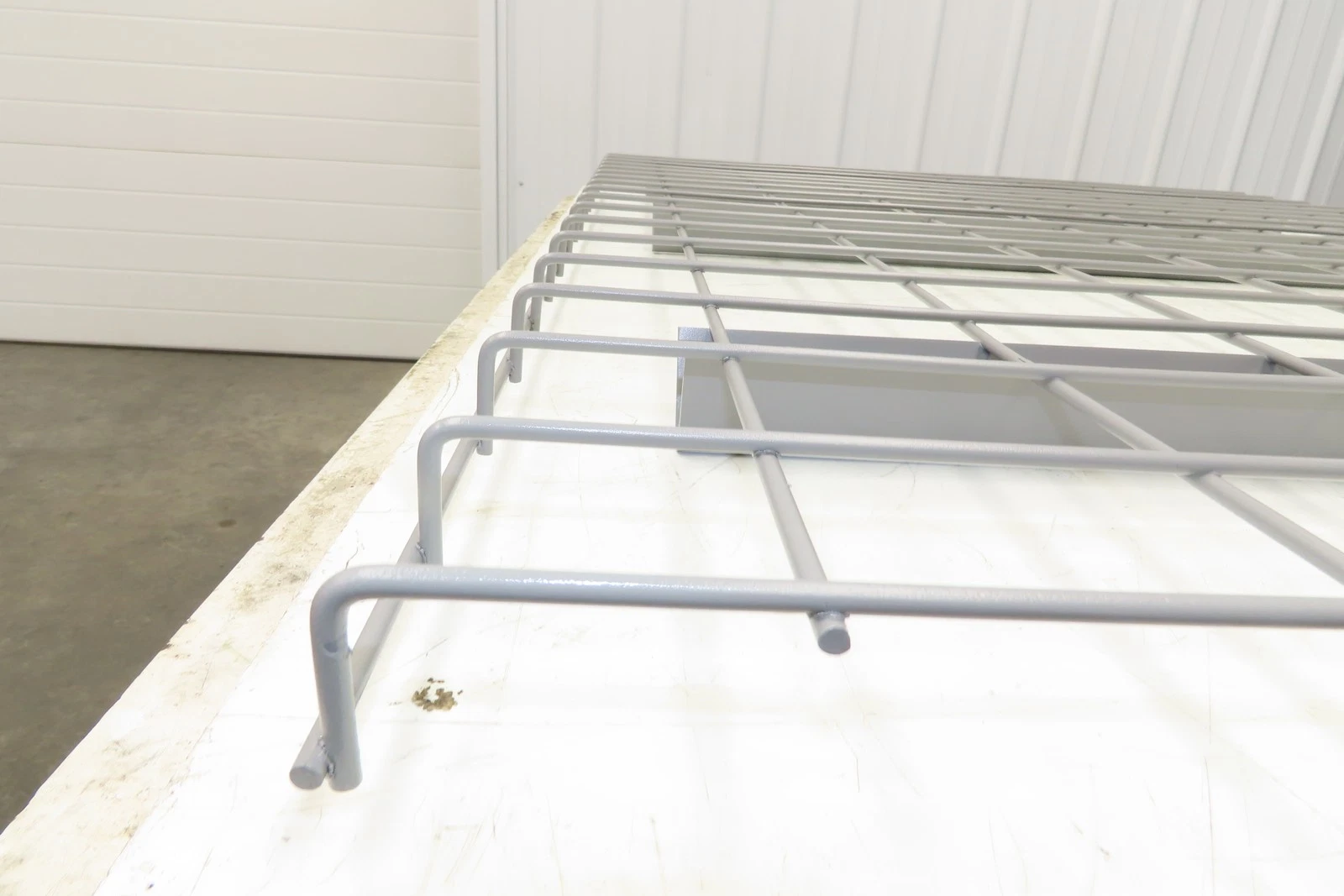
How Does Pallet Racking Improve Warehouse Efficiency?
Can Pallet Racking Reduce Seed and Fertilizer Damage?
When you’re hauling around bags of seed and fertilizer, every single sack counts. There’s no room for busted bags or spilled fertilizer—those losses hit harder than just the wallet. It’s about respect for the work you put in from planting to harvest, and respect for the land you’re tending. Pallet racking steps in like a good set of hands, steadying that load so it doesn’t get tossed around like last week’s weather. It’s a simple fix, but it means fewer crushed seeds and less fertilizer wasted, which translates straight into better yields and less frustration at the end of a long day.
From the head’s standpoint, pallet racking isn’t just some fancy warehouse setup plugged into a green thumb. It’s smart storage, designed to keep everything organized and off the ground where moisture and pests love to sneak in. When seed bags and fertilizer are stacked neatly on those sturdy racks, there’s less chance of them taking damage from wear and tear in the shuffle. It cuts down on waste, saves money, and keeps your operation running smoother. It’s an investment that pays off by protecting the critical stuff you depend on—stuff that takes time, sweat, and hard-earned dollars to get.
Think about the ethical side of it. Handling seed and fertilizer with care isn’t just about profits—it’s about responsibility. Using pallet racking sends the message that you’re serious about doing things right, honoring the cycle of planting and growth, and minimizing the footprint on the environment by reducing waste. It’s a common-sense approach that respects resources and the people who rely on a healthy, fertile field.
If you talk to those who’ve made the switch, the talk always drifts to how pallet racking changed their daily grind. Less time spent picking through damaged bags, fewer headaches over unforeseen spoilage, and more time focusing on what matters—growing good crops and running a business that lasts. It’s a simple piece of equipment, sure, but it earns its place in any farm or supply shed where the stakes are high and every grain counts.
Pallet racking isn’t just about shelving; it’s about standing up for the hard work, protecting your product, and making sure that what goes in the ground is as good as it can be. It’s hands-on, practical, and built for folks who get that every seed saved is another chance at a better harvest.
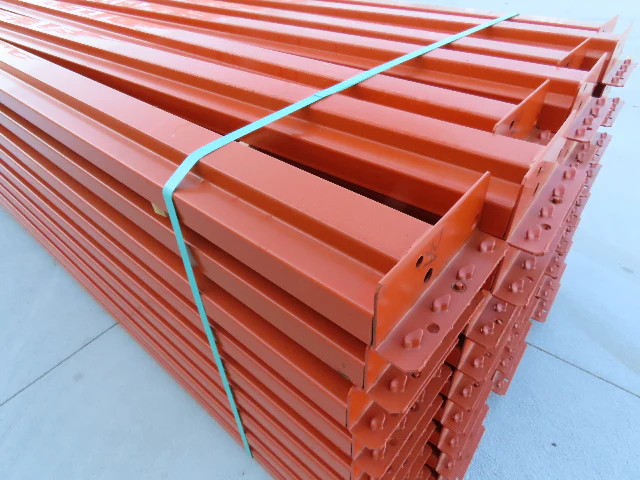
Can Pallet Racking Reduce Seed and Fertilizer Damage?
Can Pallet Racking Reduce Seed and Fertilizer Damage?
- Every sack of seed and fertilizer matters; damaged bags and spills cause financial loss and disrespect the effort from planting to harvest.
- Pallet racking stabilizes loads, reducing crushed seeds and wasted fertilizer, leading to better yields and less frustration.
- It provides smart storage by keeping materials organized and off the ground, protecting them from moisture, pests, and wear.
- Using pallet racks cuts waste, saves money, and ensures smoother farm operations by safeguarding valuable inputs.
- Handling seed and fertilizer carefully reflects ethical responsibility, minimizing environmental impact and respecting resources.
- Farmers who switch to pallet racking report less time dealing with damaged goods and more focus on growing crops and business sustainability.
- Pallet racking supports hard work and quality by protecting products and maximizing the chances of a better harvest.
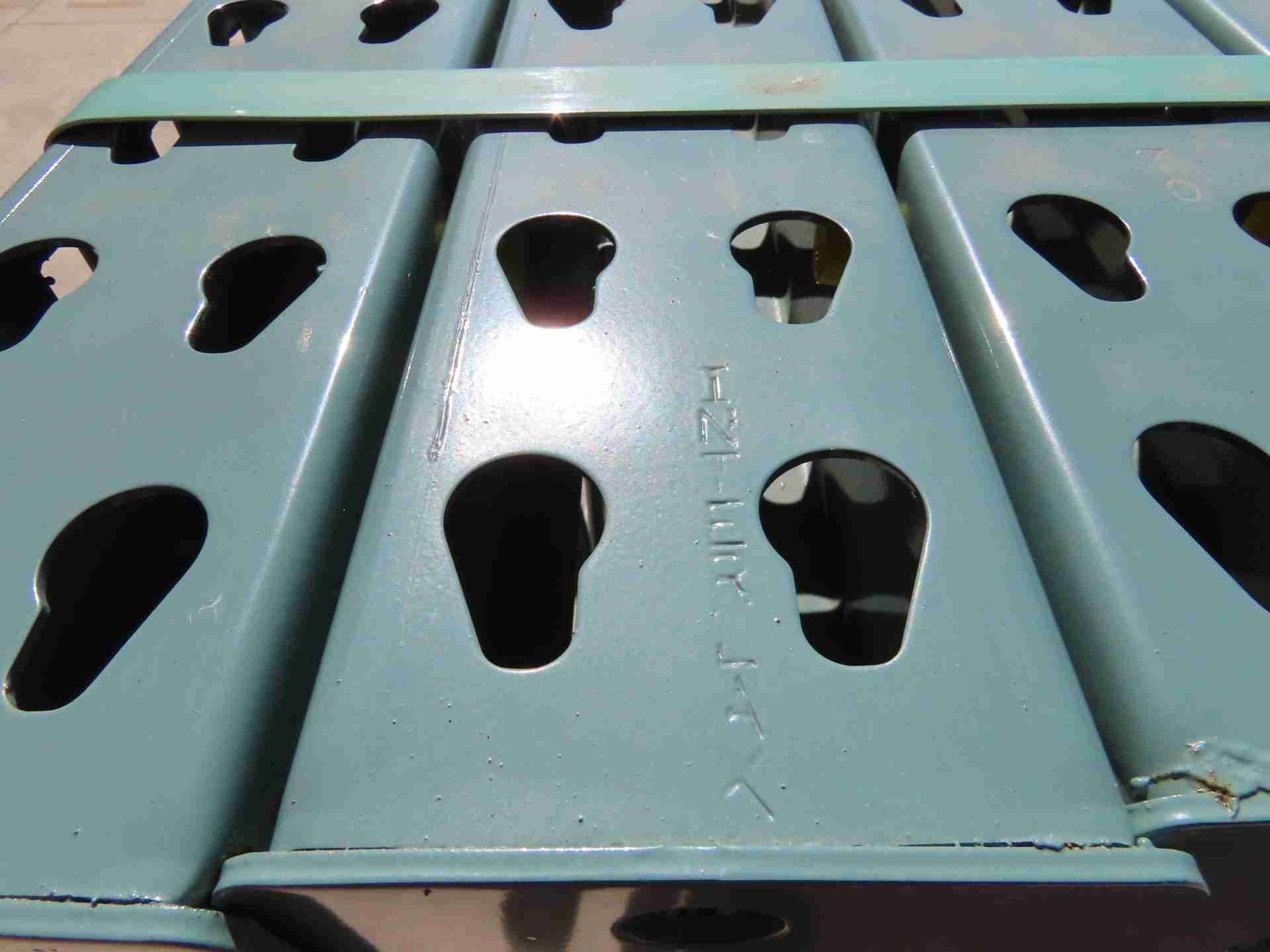
Can Pallet Racking Reduce Seed and Fertilizer Damage?
What Are the Cost Savings From Using Pallet Racking?
Look, managing a warehouse ain’t just about stacking boxes and moving pallets — it’s about making every inch count without breaking the bank. Pallet racking isn’t some fancy add-on; it’s a game-changer when it comes to saving money where it really matters. For starters, by organizing goods vertically instead of sprawled out on the floor, pallet racking lets you squeeze more product into the same footprint. That means fewer square feet rented or bought, and anyone who’s run the numbers knows real estate doesn’t come cheap.
But it’s not just about space; it’s about time, too. Picture the difference between digging through a jumbled pile and neatly arranged pallets you can reach with a forklift in seconds. That efficiency chops down labor hours, which turns into real dollars saved. Workers aren’t battling messes or risking injuries trying to pull things out from some wild tangle — it’s safer, faster, and less stressful. And that safer environment means fewer workplace accidents, which keeps insurance costs down and morale up. Everyone’s happier when they don’t have to worry about knocking over a stack or squeezing into a cramped spot.
There’s a practical pride, too, in a clean, orderly warehouse. When everything’s in its place, you avoid the costs of lost inventory or damaged goods. Nothing eats into profits like having to write off spoiled or misplaced stock because you couldn’t find it or it was crushed under a careless load. Pallet racking protects your investment, literally holding it up and keeping it safe.
On the ethical side, it feels right. Stewardship of your resources—whether it’s your crew, your cash, or your space—is just sound business. People want to work where there’s respect for their effort and equipment, and customers want to deal with businesses that operate responsibly. Pallet racking helps send that message loud and clear: you’re serious about running things well without waste or shortcuts.
If you’ve ever watched a warehouse suddenly get streamlined by good pallet racking, you see it change the rhythm—less chaos, more flow, and suddenly the costs begin to nip at your heels instead of running wild. That’s the kind of cost saving that hits your gut and your ledger at the same time, and it’s worth every penny put into the racks. Pallet racking isn’t just shelving—it’s a solid investment that turns your space and your labor into a well-oiled machine, cutting waste where it counts and keeping your business lean, mean, and ready to roll.

What Are the Cost Savings From Using Pallet Racking?
What Are the Cost Savings From Using Pallet Racking?
- Pallet racking maximizes warehouse space by organizing goods vertically, reducing the need for additional square footage and lowering real estate costs.
- Efficient pallet arrangement saves labor hours by making products easily accessible, leading to significant cost savings.
- Improved organization enhances worker safety, reducing injuries, workplace accidents, insurance costs, and boosting employee morale.
- A clean, orderly warehouse minimizes losses from misplaced or damaged inventory, protecting overall investment.
- Pallet racking promotes ethical business practices by demonstrating respect for resources, employees, and customers.
- Streamlined warehouse operations reduce chaos and increase workflow efficiency, driving down operational costs effectively.
- Pallet racking is a valuable investment that optimizes space and labor, cutting waste and maintaining a lean, efficient business.

What Are the Cost Savings From Using Pallet Racking?
How Does Pallet Racking Support Inventory Accuracy?
Pallet racking isn’t just a bunch of metal beams and shelves—it’s the backbone that holds your entire inventory’s story together. Imagine walking into a warehouse where every box has a home, every pallet fits like a glove, and you’re not playing hide-and-seek with your stock. That’s the quiet power of pallet racking at work. It keeps things honest, straightforward, and easy to find.
When you’ve been in the trenches, you know that chaos is the enemy of accuracy. Too many times, I’ve seen folks scrambling because items weren’t where the system said they’d be. Pallet racking changes that. By giving each pallet a specific, visible spot, it cuts down the guesswork and the endless searching. It creates a map—a clear, logical place for everything—so you don’t waste time chasing ghosts in the warehouse. This isn’t just about neatness; it’s about respect for the hard work everyone’s putting in. When you respect your inventory, it respects you back by being traceable and countable.
On a gut level, there’s a satisfaction that comes with walking a well-organized warehouse. Your team moves with purpose, not panic. They know exactly where to go, what to pick, and how much is left. Pallet racking makes it obvious when something’s out of place. That sense of control builds confidence—it’s the kind of quiet assurance that can turn a hectic day into a manageable one.
And it’s not just practical; it’s ethical. When inventory is accurate, you don’t have to fall back on inflated numbers to cover mistakes or fudge counts to meet deadlines. Pallet racking supports transparency. It holds you accountable to the truth of your stock, which in turn builds trust with customers and partners. You’re not just moving boxes—you’re moving honesty through every stage of your business.
Industry experts agree: facilities that invest in good pallet racking systems see fewer errors, less shrinkage, and better overall efficiency. It’s a trusted solution, proven over time, that speaks volumes about how seriously you take your inventory. The social proof is right there—in every successful warehouse that runs smoother, cleaner, and smarter.
Pallet racking isn’t just a storage method—it’s a mindset. It’s about taking pride in the details and standing firm against disorder. That’s how it turns ordinary warehouses into champions of accuracy, efficiency, and trustworthiness.

How Does Pallet Racking Support Inventory Accuracy?
How Does Pallet Racking Support Inventory Accuracy?
- Pallet racking serves as the essential framework organizing warehouse inventory, ensuring every item has a designated, easy-to-find place.
- It reduces chaos and errors by assigning specific, visible locations for pallets, cutting down on time wasted searching for items.
- Well-organized racking promotes operational confidence, enabling teams to work purposefully without confusion or panic.
- The system fosters ethical inventory management by supporting accuracy and transparency, preventing the need to falsify stock data.
- Industry experts confirm that quality pallet racking systems lead to fewer errors, less shrinkage, and improved efficiency.
- Successful warehouses demonstrate the effectiveness of pallet racking through smoother, cleaner, and smarter operations.
- Pallet racking embodies a mindset of pride in detail and discipline against disorder, transforming warehouses into models of trustworthiness and reliability.
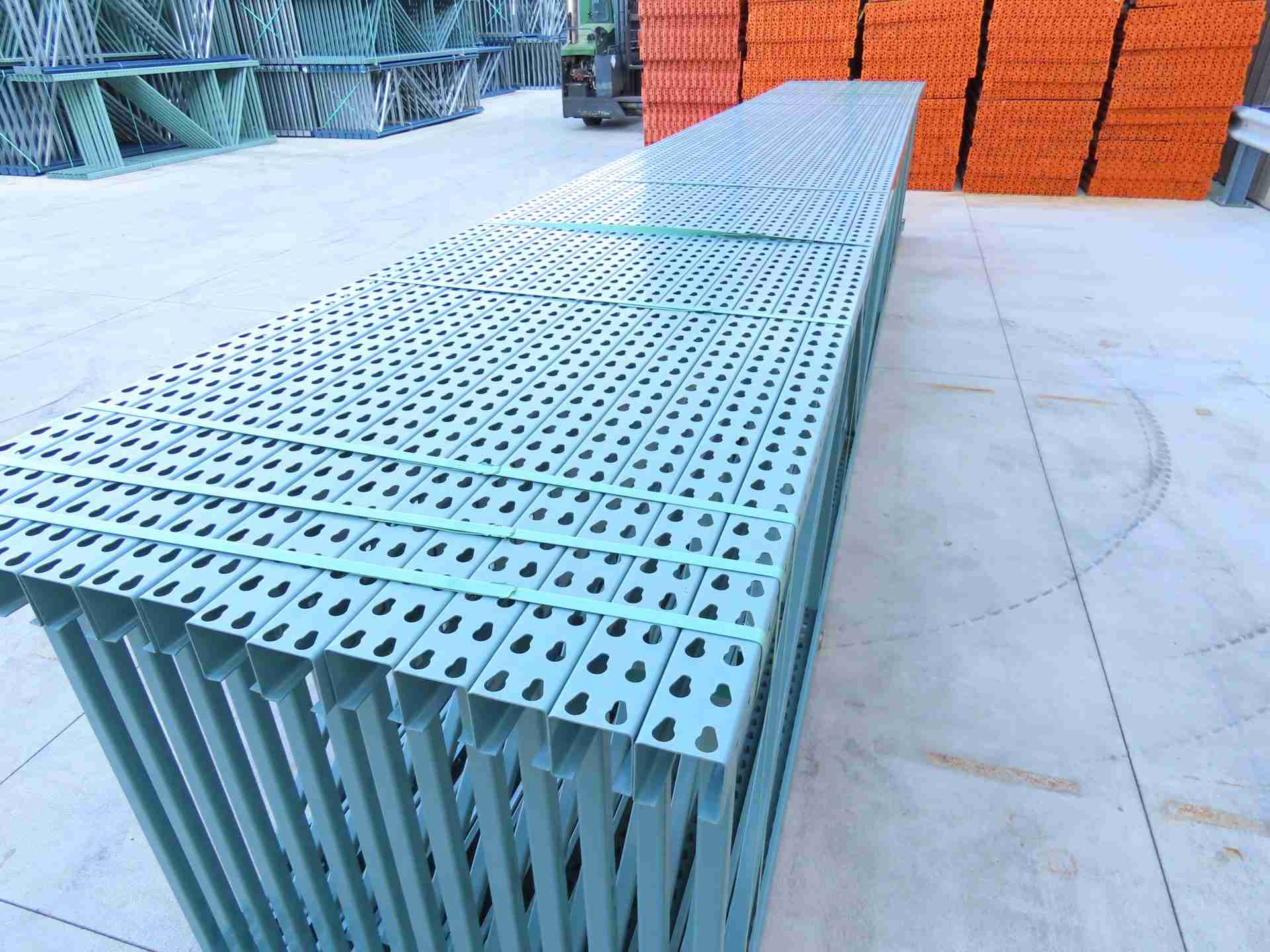
How Does Pallet Racking Support Inventory Accuracy?
Does Pallet Racking Enhance Worker Safety?
When you step onto a warehouse floor stacked high with pallets, your first thought shouldn’t be whether someone’s about to get hurt. Pallet racking plays a big part in making sure that risk stays low. It’s not just about piling boxes up; it’s about building a system that protects the folks moving those loads every day. You’ve probably seen the chaos when things aren’t stored right—boxes tumbling down, forklifts squeezed into tight corners, workers ducking and dodging just to keep from getting banged up. Pallet racking changes that story. It creates order out of the chaos and sets clear boundaries that keep the heavy stuff exactly where it’s supposed to be.
From a practical standpoint, pallet racking organizes the workspace so workers can find what they need without fumbling around. This saves time and spares a lot of unnecessary bending, reaching, and lifting injuries. There’s a reason safety experts push for it—it cuts down on slips, trips, and falls, and it keeps those heavy loads from turning into hazards. You don’t just trust pallet racking because it sounds good on paper. It’s tested thousands of times over in real warehouses where the stakes are high and the margins for error are slim. Those racks hold up when you need them to, making them an unsung hero of workplace safety.
But it’s not just about the racks themselves. It’s about what they mean to the people working around them. Every pallet racking system installed is a quiet promise that the folks on the line matter. It signals respect for their hard work and recognition that safety isn’t just a checkbox—it’s a commitment. When management invests in good pallet racking, it sends a message: you’re not just a cog in the machine; you’re the backbone of the operation, and your wellbeing counts.
Socially, safe pallet racking fosters a culture where people look out for each other. It builds trust in the workplace because everyone knows their safety is taken seriously. The confidence that comes from knowing your environment won’t turn against you is powerful—it keeps teams tight and morale high. In the world of heavy lifting and tight schedules, that peace of mind makes all the difference.
So yeah, pallet racking does more than hold pallets. It holds up workers, shoulders the weight of safety concerns, and keeps the whole operation running smooth and steady. When you’ve seen the kinds of accidents that happen without it, you come to trust pallet racking not just as equipment, but as the quiet guardian of every hardworking person in that warehouse.
Does Pallet Racking Enhance Worker Safety?
Does Pallet Racking Enhance Worker Safety?
- Pallet racking reduces injury risk by organizing heavy loads and creating safe boundaries on warehouse floors.
- Proper racking prevents chaos, such as falling boxes and cramped forklift movement, ensuring order and clear workspace layout.
- It saves time and reduces physical strain by making items easier to find and minimizing bending, reaching, and lifting injuries.
- Safety experts endorse pallet racking for lowering slips, trips, falls, and other hazards associated with heavy loads.
- Pallet racking systems represent a commitment from management to value worker safety and well-being beyond regulatory compliance.
- Safe racking fosters a culture of mutual care and trust among employees, boosting morale and team cohesion.
- It is a proven, reliable safety measure in warehouses, acting as a protector for workers and supporting smooth operations.

Does Pallet Racking Enhance Worker Safety?
What Ethical Benefits Come From Organized Storage?
You ever walk into a place where everything has its spot, from the tiniest bolt to the heaviest crate on a Pallet Racking system? There’s a quiet honesty to that kind of order—it’s respect in action. When you organize storage well, you’re not just stacking stuff; you’re honoring the people who work there, the customers who rely on timely deliveries, and the environment that suffers when waste goes unchecked.
On a gut level, chaos in storage feels like a betrayal. It’s the slow drip of frustration when you can’t find what you need or the creeping danger of unsafe piles tipping over. Good Pallet Racking isn’t just steel bolted to the floor—it’s a promise that the work environment protects everyone’s well-being. That promise carries weight. It says, “We care enough to keep this place safe,” and that builds trust from the ground up.
Now, on the head side of things, organized storage saves time, reduces errors, and cuts waste. When every item lives on the right shelf or pallet, workers move efficiently, mistakes shrink, and you minimize losses from expired or damaged goods. There’s a kind of quiet math in all this: less waste means better use of resources, fewer replacements, and smaller environmental footprints. This isn’t just good for business; it’s the responsible thing to do.
Ethically, it goes deeper. When you respect your inventory and your team by investing in sturdy Pallet Racking and solid organization systems, you set a standard. You’re saying, “Our people are worth safe, thoughtful workplaces. Our customers deserve reliability. Our planet needs us to be mindful.” That’s the kind of stewardship that builds character in a company and sets an example others will want to follow.
In every nuts-and-bolts warehouse or shop floor I’ve been in, the story is the same: storage is more than space—it’s culture. When you build that culture right, with respect and responsibility baked in, it isn’t just easier to do the job—it feels right. And that feeling? It spreads, it sticks. It lifts everyone a little higher, giving each person the confidence to trust their work, their tools, and each other. That’s the real, everyday ethical benefit of organized storage.

What Ethical Benefits Come From Organized Storage?
What Ethical Benefits Come From Organized Storage?
- Organized storage reflects respect for workers, customers, and the environment by keeping everything in its proper place.
- Chaos in storage creates frustration and safety hazards, while good Pallet Racking ensures a safe work environment and builds trust.
- Efficient organization saves time, reduces errors, and minimizes waste, enhancing resource use and lowering environmental impact.
- Investing in durable Pallet Racking and organization shows ethical commitment to employee safety, customer reliability, and environmental mindfulness.
- Storage is more than space; it represents the culture of respect and responsibility within a workplace.
- A well-built culture of organization fosters confidence, trust in work and tools, and improves overall morale.
- The ethical benefits of organized storage create a positive example and build character in a company.
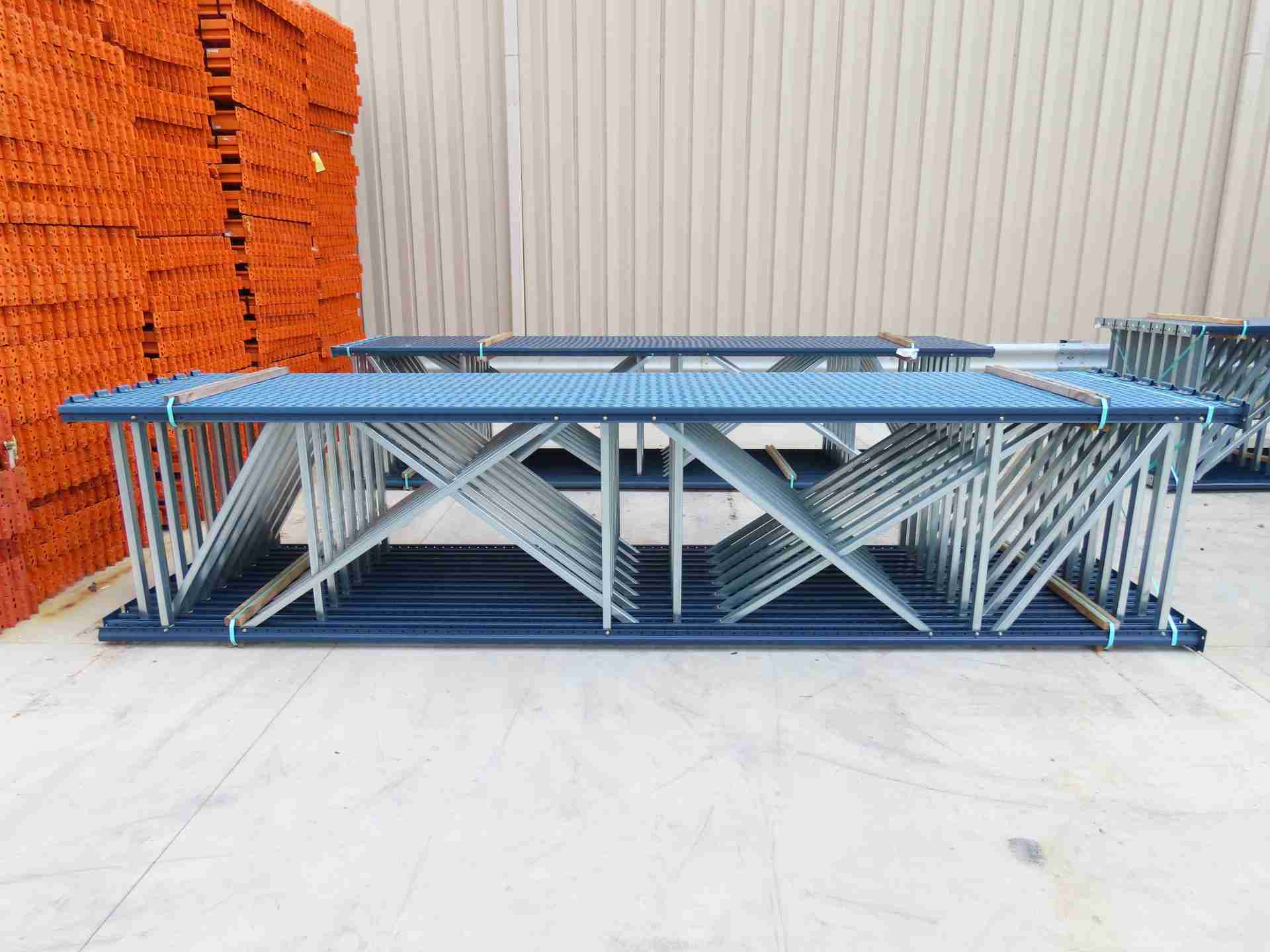
What Ethical Benefits Come From Organized Storage?
Conclusion
At the end of the day, pallet racking isn’t just a bunch of steel bolted to a floor—it’s the steady backbone holding together the tough, no-nonsense world of seed and fertilizer distribution. When every bag matters, and every minute counts, these racks turn chaos into order, stacking pallets smart so you can cram more product into less space without the headache of wasted steps or frantic searches. There’s a plain truth in that kind of efficiency; it’s about respect—respect for the product, for the workers busting their backs, and for the farmers relying on those seeds and sacks to feed fields and communities.
Using pallet racking isn’t flashy, but it’s the kind of practical muscle that saves money and sweat. By stacking vertically, it slashes the cost of warehouse real estate. By making everything easy to find and handle, it cuts labor time and keeps folks safer from injury. And safer workers mean fewer accidents, lower insurance costs, and a workplace where pride and trust can stick around instead of stress and shortcuts. That’s real authority on the floor, earned through steady reliability, not empty promises.
Damage to seed and fertilizer? Pallet racking tackles that too. It’s the difference between crushed bags left forgotten on a damp floor and neatly stacked pallets that keep product fresh and whole. That’s an ethical win, plain and simple—because wasting a single sack isn’t just bad for the bottom line, it’s a slap in the face to everyone counting on a good harvest and a healthy earth. It’s common sense turned into action: protect your stock, respect the resources, and honor the hard work behind every seed.
Inventory accuracy rides on pallet racking’s back, too. It’s the difference between hunting for ghosts in a messy pile and knowing exactly where everything lives. That means fewer mistakes, clearer counts, and a trustworthy operation that doesn’t fudge numbers or scramble to cover errors. It’s simple honesty that builds lasting relationships with customers—because when you can find what you’re looking for every time, you show that you’re running a tight, accountable ship.
Finally, pallet racking boosts safety like a quiet guardian. It keeps heavy loads where they belong, clears pathways, and spares backs from needless strain. That’s not just good business—it’s respect for the people doing the hard grind day in and day out. It’s about creating a workplace where folks feel safe, appreciated, and part of a team that looks out for each other. In a trade where the stakes run high and the clock is always ticking, that peace of mind is worth more than gold.
In a nutshell, pallet racking is the unsung hero holding together seed and fertilizer distribution. It protects product, saves money, keeps workers safe, and builds trust—not with fancy talk or shiny gadgets, but with tough, reliable practicality that respects the hard work fueling farms and communities. That’s the kind of backbone worth leaning on.

Conclusion
Conclusion:
- Pallet racking provides essential structural support in seed and fertilizer distribution by maximizing space efficiency and reducing wasted labor.
- It lowers warehouse real estate costs by enabling vertical stacking and improves workflow by making products easy to locate and handle.
- Pallet racking protects products from damage, preventing crushed bags and preserving product quality and value.
- It ensures inventory accuracy by organizing stock clearly, reducing errors and enabling reliable inventory management.
- The system enhances workplace safety by securely holding heavy loads, maintaining clear pathways, and minimizing physical strain on workers.
- Using pallet racking fosters respect for products, workers, and customers by promoting efficiency, accountability, and trustworthiness.
- Overall, pallet racking is a dependable, practical solution that supports the hard work behind seed and fertilizer supply chains without relying on flashy technology.

Conclusion
Other Resources

Other Resources
Here is a list of other resources you can review online to learn more:
- Selective Pallet Racking Systems – Container Systems
- Warehouse Racks, Warehouse Racking in Stock – ULINE
- Interlake Mecalux
- Illinois Pallet Racking – Storage Solutions
- Cantilever Rack Guide: Ordering Cantilever Racking
- Cantilever Racks Chicago
- Warehouse Racking Layout: The Ultimate Guide – Conger
- Logic Material Handling
- Pallet Racks, Pallet Racking, Pallet Shelves in Stock – ULINE
- Teardrop Industrial Shelving Rack
- Pallet Racking systems in Illinois and Great Lakes
- Cantilever Rack Configuration & Installation: A Comprehensive Guide – BMH
- What is Selective Pallet Racking
- Chicago Pallet Racking
- Warehouse Storage Racks
- WERC
- Illinois Pallet Racking – WPRP
- Overhead Lifting
- NSC
- National Safety Council
Use This Prompt To Get More Resources With Your Favorite Online AI Tool: Please provide me with a list of online articles with their URLs in a bulleted list that I can read regarding How Do Seed and Fertilizer Distributors Leverage Pallet Racking?
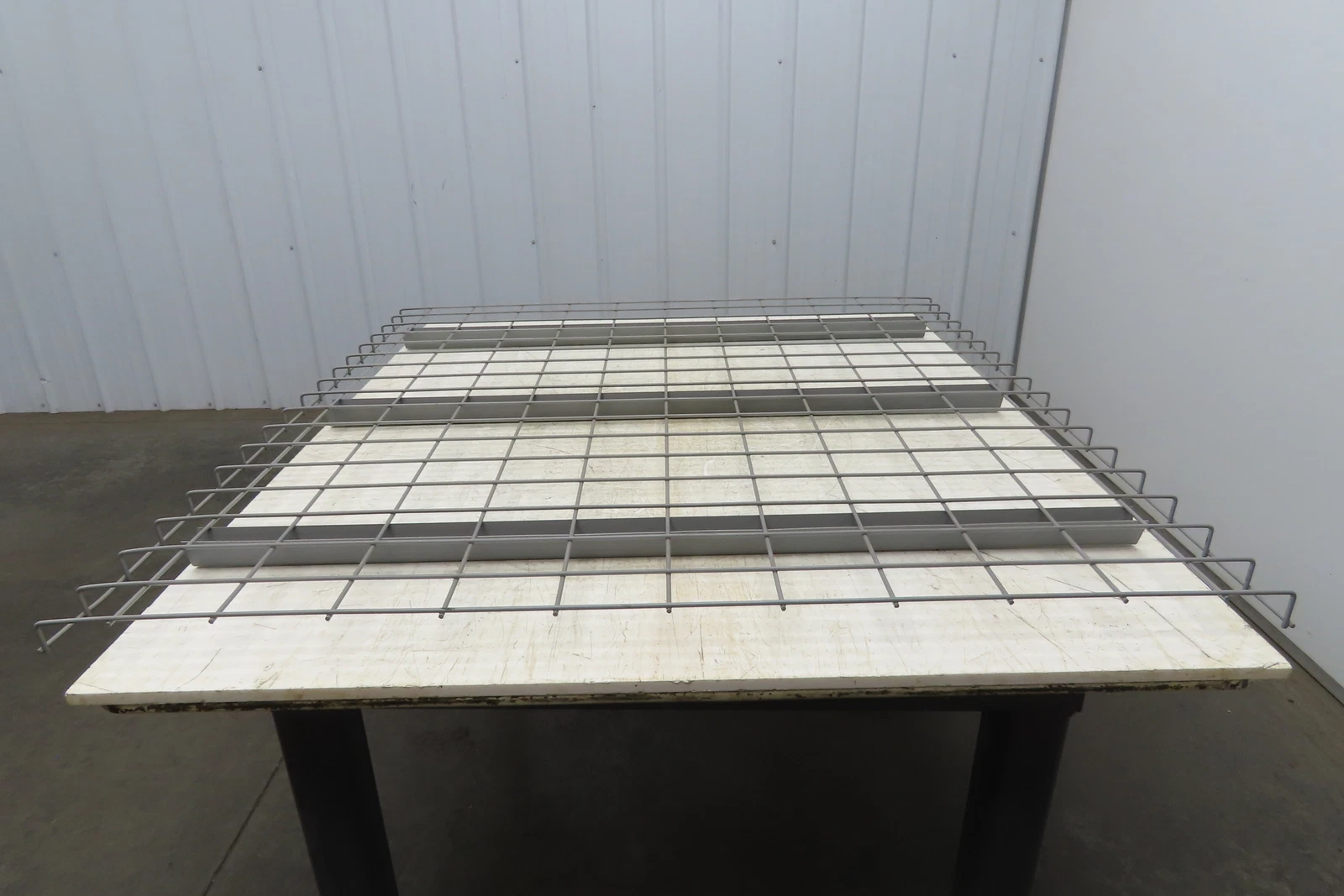
Other Resources
Glossary Terms
How Do Seed and Fertilizer Distributors Leverage Pallet Racking? – Glossary Of Terms
1. Pallet Racking: A storage system designed to hold materials on pallets in horizontal rows with multiple levels.
2. Seed Distributor: A company or individual that supplies seeds to farmers and agricultural businesses.
3. Fertilizer Distributor: A supplier responsible for providing fertilizers to agricultural producers.
4. Inventory Management: The process of ordering, storing, and using a company’s inventory.
5. Warehouse Efficiency: The optimization of warehouse operations to maximize productivity and reduce costs.
6. Space Utilization: The effective use of available storage area to maximize capacity.
7. Load Capacity: The maximum weight a pallet rack can safely support.
8. Accessibility: The ease with which goods can be retrieved from storage.
9. FIFO (First In, First Out): An inventory method where the oldest stock is used first.
10. LIFO (Last In, First Out): An inventory method where the newest stock is used first.
11. Stock Rotation: The practice of moving older stock to the front to be used before newer stock.
12. Material Handling: The movement, protection, storage, and control of materials throughout the supply chain.
13. Pallet Jack: A tool used to lift and move pallets within the warehouse.
14. Forklift: A powered industrial truck used to lift and move heavy materials.
15. Bulk Storage: Storing large quantities of goods without individual packaging.
16. Safety Standards: Regulations ensuring safe storage and handling in warehouses.
17. Load Distribution: The proper placement of weight to ensure stability and safety in pallet racks.
18. Vertical Storage: Utilizing height in warehouses to increase storage density.
19. Rack Damage Prevention: Measures taken to avoid damage to pallet racks and stored goods.
20. Inventory Tracking: Systems used to monitor stock levels and locations.
21. Automated Retrieval: Technology that helps in automatically moving stock within storage.
22. Order Fulfillment: The process of receiving, processing, and delivering orders.
23. Supply Chain Management: The oversight of materials, information, and finances in production and distribution.
24. Seasonal Demand: Fluctuations in demand based on seasons affecting inventory needs.
25. Load Optimization: Arranging pallets to maximize capacity and safety.
26. Cross-Docking: Quickly transferring goods from inbound to outbound trucks with minimal storage.
27. Warehouse Layout: The physical arrangement of storage and operational areas.
28. Pest Control: Measures to prevent damage to seeds and fertilizers by pests.
29. Environmental Control: Managing temperature and humidity to preserve product quality.
30. Compliance: Adhering to laws and regulations governing seed and fertilizer storage and distribution.

Glossary Of Terms
Other Questions
How Do Seed and Fertilizer Distributors Leverage Pallet Racking? – Other Questions
If you wish to explore and discover more, consider looking for answers to these questions:
- What types of pallet racking (selective, drive-in, push-back, pallet flow, cantilever) are best for seed and fertilizer?
- How do I determine the proper load capacity and beam ratings for my racks?
- What are the upfront costs for purchasing and installing pallet racking?
- What is the typical ROI or payback period after installing pallet racking?
- How should pallet racking be anchored to the floor, and are there special foundation requirements?
- What maintenance and inspection routines are required to keep racking safe and compliant?
- Which safety standards and regulations (OSHA, local codes) apply to pallet racking in seed and fertilizer warehouses?
- How does pallet racking need to be adapted for seismic or high-wind regions?
- How can pallet racking reduce damage from moisture, pests, and contamination?
- What fire protection and sprinkler system considerations are required for racked storage of seeds and fertilizers?
- Are there special storage rules or restrictions for specific fertilizers (e.g., oxidizers, ammonium nitrate)?
- How should spill containment and cleanup be managed with racked pallets?
- Can pallet racking integrate with warehouse management systems (WMS), barcoding, or RFID for better inventory control?
- What worker training is needed for safe forklift operation and rack handling?
- How should warehouse layout and racking be optimized for seasonal peaks and fast-moving SKUs?
- What are best practices for palletizing and stacking seed and fertilizer on racks to prevent crushing or shifting?
- How do you prevent cross-contamination between different seed varieties or fertilizer types on racks?
- What temperature, humidity, and ventilation controls are recommended for racked storage of seed and fertilizer?
- How should bulk bags (FIBCs) or loose bulk be accommodated on pallet racking systems?
- How are returns, damaged goods, and quarantine stock handled within a racked system?
- What insurance implications and potential cost savings result from improved racking and organization?
- How do you choose a reputable racking supplier and installer, and what certifications or references should you request?
- What warranties and load-test documentation should vendors provide?
- How do you inspect, repair, or replace damaged rack components safely and cost-effectively?
- What is the expected lifespan of pallet racking, and when should you plan replacements or upgrades?
- Are there tax incentives, depreciation rules, or financing options for investing in pallet racking?
- How easy is it to retrofit an existing warehouse with pallet racking, and what disruptions should be expected during installation?
- What layout considerations are needed for forklift turning radii, aisles, and traffic flow around racking?
- How does racking choice affect order-picking strategies (FIFO vs LIFO) and picking productivity?
- What KPIs should I track to measure the impact of pallet racking (inventory accuracy, space utilization, pick time, shrinkage)?
- What common mistakes do distributors make when implementing pallet racking and how can they be avoided?
- How can pallet racking be designed to allow modular expansion as business grows?
- Can pallet racking systems be relocated or reused if a facility moves?
- What options exist for temporary, mobile, or mezzanine racking solutions in seasonal operations?
- How does storing fertilizer on racks affect environmental compliance and runoff concerns?
- Are racking materials recyclable or environmentally friendly, and what are disposal considerations?
- What emergency procedures and evacuation plans should account for racked storage hazards?
- How do racking choices interact with loading dock operations, truck staging, and inbound/outbound workflows?
Other Questions
Checklist
How Do Seed and Fertilizer Distributors Leverage Pallet Racking? – A Checklist
Readiness and Goals
✅______ Define primary goals: efficiency, damage reduction, accuracy, safety, cost savings
✅______ Identify peak-season needs and volume swings
✅______ Confirm handling methods (forklift types, pallet sizes, bag types)
Space and Layout
✅______ Measure building clear height and usable vertical space
✅______ Map columns, doors, sprinklers, and utilities
✅______ Set aisle widths to match equipment turning radius
✅______ Plan clear staging zones for receiving, picking, and shipping
✅______ Allocate buffer space for seasonal overflow
Rack Selection and Components
✅______ Choose rack style to fit SKUs and turns (for example, selective racks for accessibility)
✅______ Specify beam levels, bay widths, and pallet positions per bay
✅______ Verify rack load capacities and post clear load signage
✅______ Include decking or supports suitable for bagged goods
✅______ Add row spacers, end guards, column protectors, and anchors
Product Protection and Quality
✅______ Keep product off the floor to reduce moisture and pest exposure
✅______ Use moisture barriers or liners where needed
✅______ Set stacking rules to prevent crushed or torn bags
✅______ Inspect pallet quality; reject broken or weak pallets
✅______ Establish handling SOPs to minimize impacts and drops
Inventory Organization and Accuracy
✅______ Assign fixed locations and a clear location naming scheme
✅______ Label bays, levels, and aisles clearly
✅______ Align WMS/ERP locations with the rack map
✅______ Use barcode or RFID scanning for putaway and picking
✅______ Schedule cycle counts and variance reviews
Workflow and Throughput
✅______ Define standardized receiving and putaway processes
✅______ Create optimized pick paths and batch or pallet picking rules
✅______ Place fast-movers at ground or golden zones
✅______ Plan cross-dock or priority lanes for time-sensitive orders
✅______ Balance replenishment to avoid pick-face stockouts
Safety and Compliance
✅______ Train operators on racking use, load placement, and equipment
✅______ Verify compliance with fire codes and sprinkler clearances
✅______ Keep aisles, egress paths, and signage clear
✅______ Implement a rack inspection schedule (daily visual; periodic detailed)
✅______ Document incident reporting and corrective actions
Cost Control and ROI
✅______ Baseline key metrics: pallet positions, picks per hour, labor hours per order
✅______ Track shrink and damage rates before and after installation
✅______ Monitor accidents and insurance impacts
✅______ Calculate utilization (positions used versus total) and payback period
✅______ Review maintenance and repair costs quarterly
Seasonal Readiness
✅______ Pre-stage high-demand SKUs before peak
✅______ Add temporary locations or floor staging plans with controls
✅______ Secure extra pallets, dunnage, and packaging materials
✅______ Align labor scheduling and equipment availability with demand
Maintenance and Continuous Improvement
✅______ Conduct weekly housekeeping walk-throughs
✅______ Perform quarterly rack torque checks and hardware inspections
✅______ Audit labeling and location accuracy monthly
✅______ Review KPIs and update slotting each season
✅______ Capture team feedback and implement improvements
Ethical and Stewardship Commitments
✅______ Set waste-reduction targets for damaged or expired goods
✅______ Document care standards for seeds and fertilizer
✅______ Communicate safety and product care expectations to staff
✅______ Share reliability metrics with customers to build trust
✅______ Reuse or recycle pallets and materials where feasible
Checklist
At RackingWorld, we help guide you through selecting warehouse storage systems and racking.
Be sure to read our other related stories at RackingWorld to learn more about warehouse storage systems.
0 Comments