
Maximizing Efficiency And Safety: The Backbone Of Seafood Storage Success
By Tom Seest
At RackingWorld, we help guide you through selecting warehouse storage systems and racking.
Be sure to read our other related stories at RackingWorld to learn more about warehouse storage systems.
How Do Seafood Processors Leverage Pallet Racking?
In the gritty world of seafood processing, pallet racking isn’t just some fancy storage idea—it’s the backbone that keeps everything running smooth when the clock won’t stop. Picture a busy warehouse: crates stacked high, freezing cold air biting at your skin, and every second ticking off the freshness clock. Without pallet racking, it’d be chaos—boxes piled on the floor, workers tripping over one another, and precious catch lost to spoilage or damage.
Seafood processors leverage pallet racking to turn this storm of activity into an organized dance. It’s about respect—respect for the hard work it takes to haul fish out of the water, respect for the hands that pack and ship it, and respect for the customer waiting on the other side of the chain. Pallet racking gives those heavy loads a sturdy, well-planned home so workers can move them quickly without breaking backs or backsides.
On a practical level, the head knows pallet racking maximizes space and efficiency. Those racks make it easier to see what’s in stock, what needs shipping first, and how to rotate inventory so nothing rots upstairs. When you’re dealing with fish that can spoil fast, that kind of control isn’t just smart—it’s survival. It saves time and money, making the whole operation leaner and more reliable. No wasted steps, no lost products, just a straightforward system that respects the clock and the cargo alike.
Ethically, using pallet racking speaks volumes about how much a seafood processor values quality and safety. It means they’re serious about handling food properly, reducing contamination risks, and maintaining cleanliness in a tough, wet environment. This isn’t just about profits—it’s about doing right by customers who trust them to deliver fresh, safe seafood to their table. It’s a silent promise, but a powerful one.
The authority of a well-run warehouse with pallet racking shows a business that knows its trade inside and out. It’s confidence you can feel—knowing the gear is durable, the load secure, and the process consistent. This kind of setup attracts respect from suppliers, buyers, and workers alike.
For every hand that unloads, stacks, and ships seafood, pallet racking is like a trusted partner quietly making each shift smoother and safer. It reminds everyone involved that success comes from working smarter, looking out for each other, and never letting quality slip through the cracks. When seafood processors leverage pallet racking, they’re not just storing fish—they’re preserving livelihoods, feeding families, and stewarding a tradition built on trust, sweat, and a whole lot of grit.
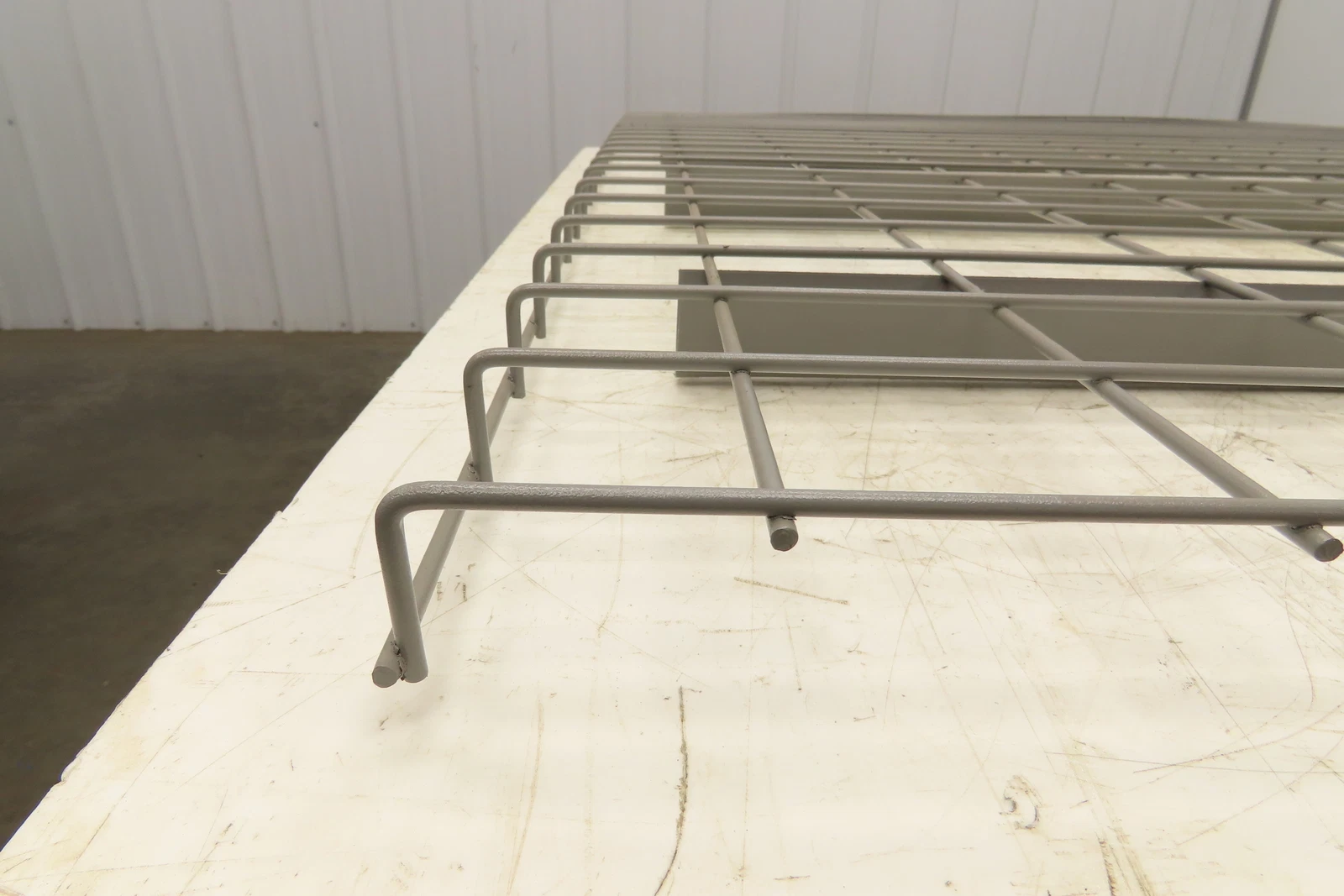
How Do Seafood Processors Leverage Pallet Racking?
How Do Seafood Processors Leverage Pallet Racking?
- Pallet racking is essential in seafood processing for maintaining order, preventing spoilage, and ensuring worker safety in fast-paced, cold environments.
- It organizes heavy loads efficiently, allowing workers to move products quickly without injury, showing respect for labor and customers.
- Maximizes space and inventory control, enabling better stock visibility, proper rotation, and reducing waste and spoilage.
- Supports ethical handling by promoting food safety, reducing contamination risks, and maintaining cleanliness in challenging conditions.
- Reflects the professionalism and reliability of a seafood processing business through durable equipment and consistent operations.
- Builds respect from suppliers, buyers, and workers by demonstrating confidence and expertise in handling seafood.
- Acts as a dependable partner to workers, improving efficiency and quality, preserving livelihoods, and honoring a tradition of hard work and trust.
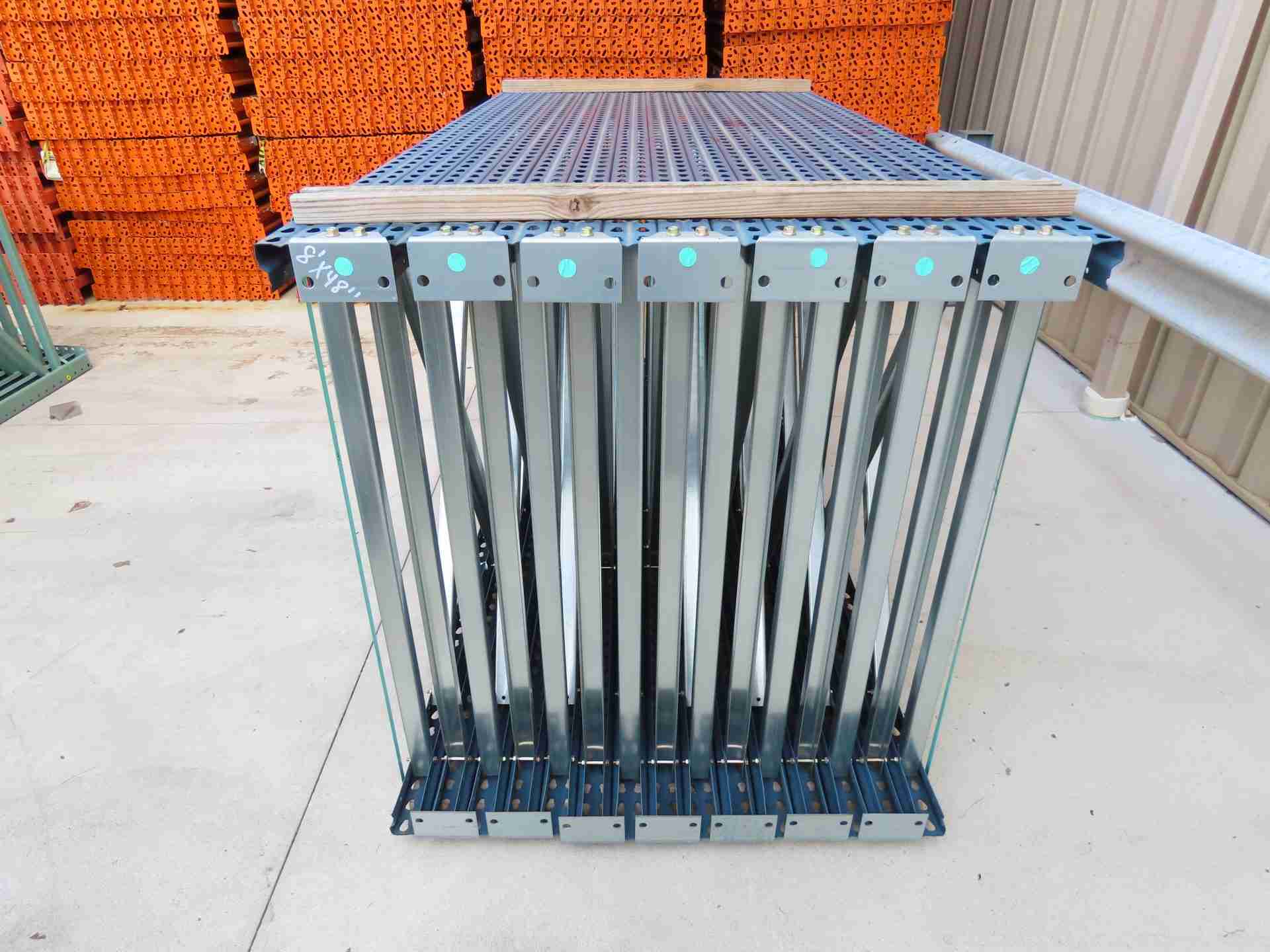
How Do Seafood Processors Leverage Pallet Racking?
Table Of Contents
- How Do Seafood Processors Leverage Pallet Racking?
- How Does Pallet Racking Improve Seafood Storage Safety?
- What Are the Cost Benefits Of Pallet Racking In Seafood Processing?
- How Can Pallet Racking Reduce Spoilage In Seafood Supply Chains?
- What Ethical Practices Are Supported By Effective Pallet Racking?
- How Does Pallet Racking Enhance Workflow Efficiency In Seafood Plants?
- Can Pallet Racking Prevent Cross-Contamination In Seafood Handling?
- Conclusion
- Other Resources
- Glossary Of Terms
- Other Questions
- Checklist
How Does Pallet Racking Improve Seafood Storage Safety?
When you’re handling seafood, there’s no room for slip-ups. Pallet racking steps in like a reliable workhorse, making sure everything’s stacked right and safe from the get-go. It’s not just about throwing boxes on the floor and hoping for the best—pallet racking organizes your storage so the cold stays consistent and the goods don’t get crushed or cross-contaminated. That’s real peace of mind, knowing the catch won’t spoil because it’s been kept neat, dry, and accessible.
From the gut perspective, anyone who’s ever worked a dock or a cold storage knows the mess and chaos that can happen without a proper system. Boxes piled haphazardly lead to spills, accidents, and product loss—wasting hard-earned money and risking health. Pallet racking cuts through that mess, giving you a layout where every layer holds weight safely and securely, reducing accidents and keeping the seafood fresh longer. When your crew walks into a clean, orderly storage area, you feel that confidence too; you’re not just playing the odds, you’re controlling the environment.
Look at it from the head, it’s straightforward engineering and efficiency. Pallet racking uses vertical space, letting you store more with less footprint. That means quicker stock rotation, easier inspections, and better inventory management—all vital for seafood, where freshness has a tight expiry clock. It’s a practical investment that pays dividends by reducing waste and boosting product integrity. Smart storage becomes a backbone of your operation, cutting down on downtime and costly errors.
Ethically, you’re doing your part to protect consumers. Seafood is perishable and delicate; mishandling can lead to foodborne illnesses that impact families and communities. Proper storage on pallet racking respects that responsibility, showing you care about the quality and safety of what ends up on someone’s table. There’s honor in that—knowing every pallet you stack is a promise kept.
In the day-to-day grind, pallet racking isn’t glamorous, but it’s the kind of unsung hero that gets the job done and keeps you proud of your work. It builds trust—not just with your team, but with customers who rely on you to deliver seafood that’s not just fresh, but safe. When you see those stacks lined up solid and organized, you know your operation is built on common sense, respect for your product, and a commitment to doing things right. That’s the kind of confidence everyone wants, whether you’re hauling fish or just working a blue-collar shift where doing your best matters every single day.
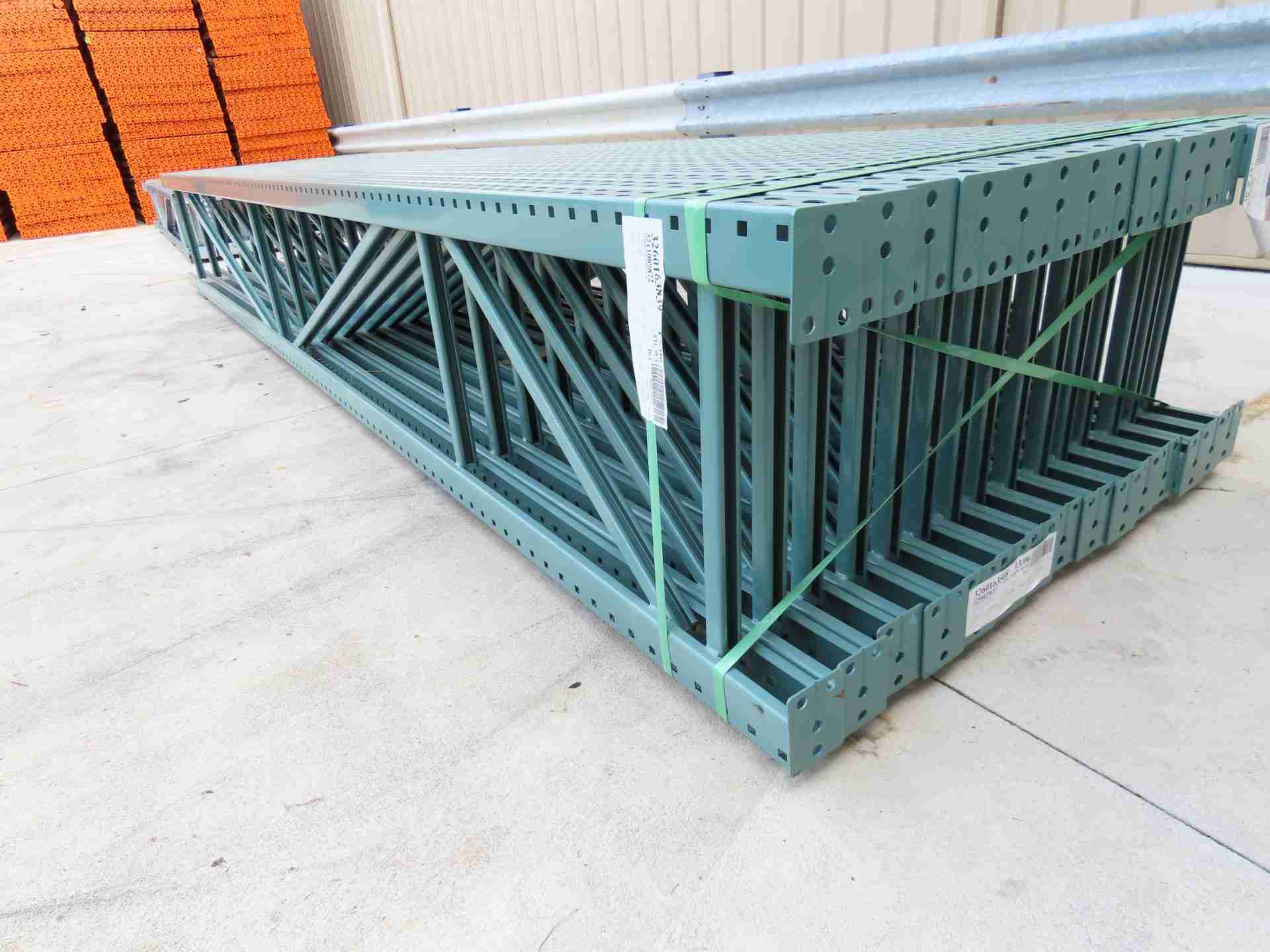
How Does Pallet Racking Improve Seafood Storage Safety?
How Does Pallet Racking Improve Seafood Storage Safety?
- Pallet racking ensures seafood is stacked safely, maintaining consistent cold storage and preventing crushing or cross-contamination.
- Proper organization reduces spills, accidents, and product loss, protecting both health and investment.
- Maximizes vertical space for efficient stock rotation, inspections, and inventory management crucial for perishable seafood.
- Reduces waste and downtime, improving overall operational efficiency and product integrity.
- Supports ethical responsibility by protecting consumers from foodborne illnesses through proper handling and storage.
- Creates a clean, orderly environment that boosts team confidence and operational control.
- Builds trust with customers by consistently delivering fresh, safe seafood through reliable and smart storage solutions.
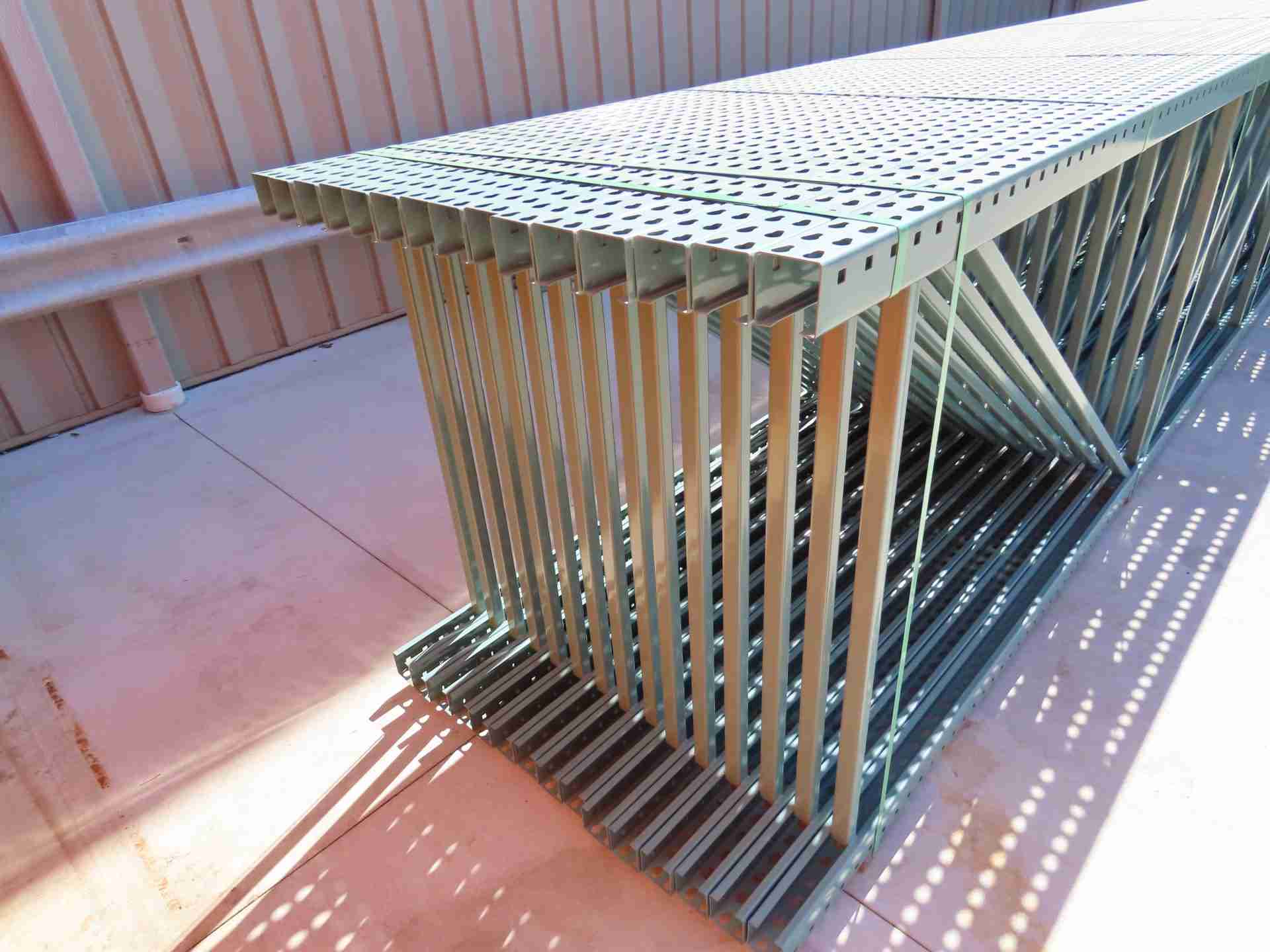
How Does Pallet Racking Improve Seafood Storage Safety?
What Are the Cost Benefits Of Pallet Racking In Seafood Processing?
Look, when you’re knee-deep in seafood processing, every second counts and every inch of space matters. Pallet racking isn’t just some fancy storage solution—it’s the backbone of keeping your operation smooth and your costs in check. When your cold storage is tight and your products are fresh as morning tide, pallet racking helps you stack smarter, not just higher. That means less clutter, less time hunting for inventory, and fewer spoiled goods. The simple truth: it saves money by saving time and reducing waste.
You can feel it—those extra bucks slipping through your fingers every time you fumble in a cramped, disorganized warehouse. Pallet racking turns that frustration into confidence. It’s about respecting your team’s hard work and giving them a workspace that works for them. When racks are arranged right, it’s like giving your crew a clear path to get the job done quicker and safer. No more awkward lifts or risky balancing acts on slippery floors. It’s a down-to-earth improvement that keeps everyone’s backs and spirits intact.
Ethically, it’s a no-brainer. Seafood is one of those products that demands respect—from the ocean to the plate. Proper pallet racking means less spoilage, less waste, and less environmental hit from thrown-out fish. That’s good for the planet, your conscience, and your bottom line. When you commit to smart storage, you’re committing to a sustainable business that values quality over shortcuts.
Numbers don’t lie either. Studies and seasoned seafood processors underscore how pallet racking boosts storage density by up to 50 percent, cuts handling times dramatically, and slashes product damage. These aren’t just stats—they’re business lifelines that keep crews employed and customers satisfied. Investing in pallet racking means fewer headaches and more steady paychecks.
So, if you want to keep your seafood fresh, your crew safe, and your business thriving, pallet racking isn’t optional—it’s essential. It’s the quiet workhorse behind the scenes that gets you from haul to market without the extra costs dragging you down. That’s the kind of practical value every seafood processor deserves.
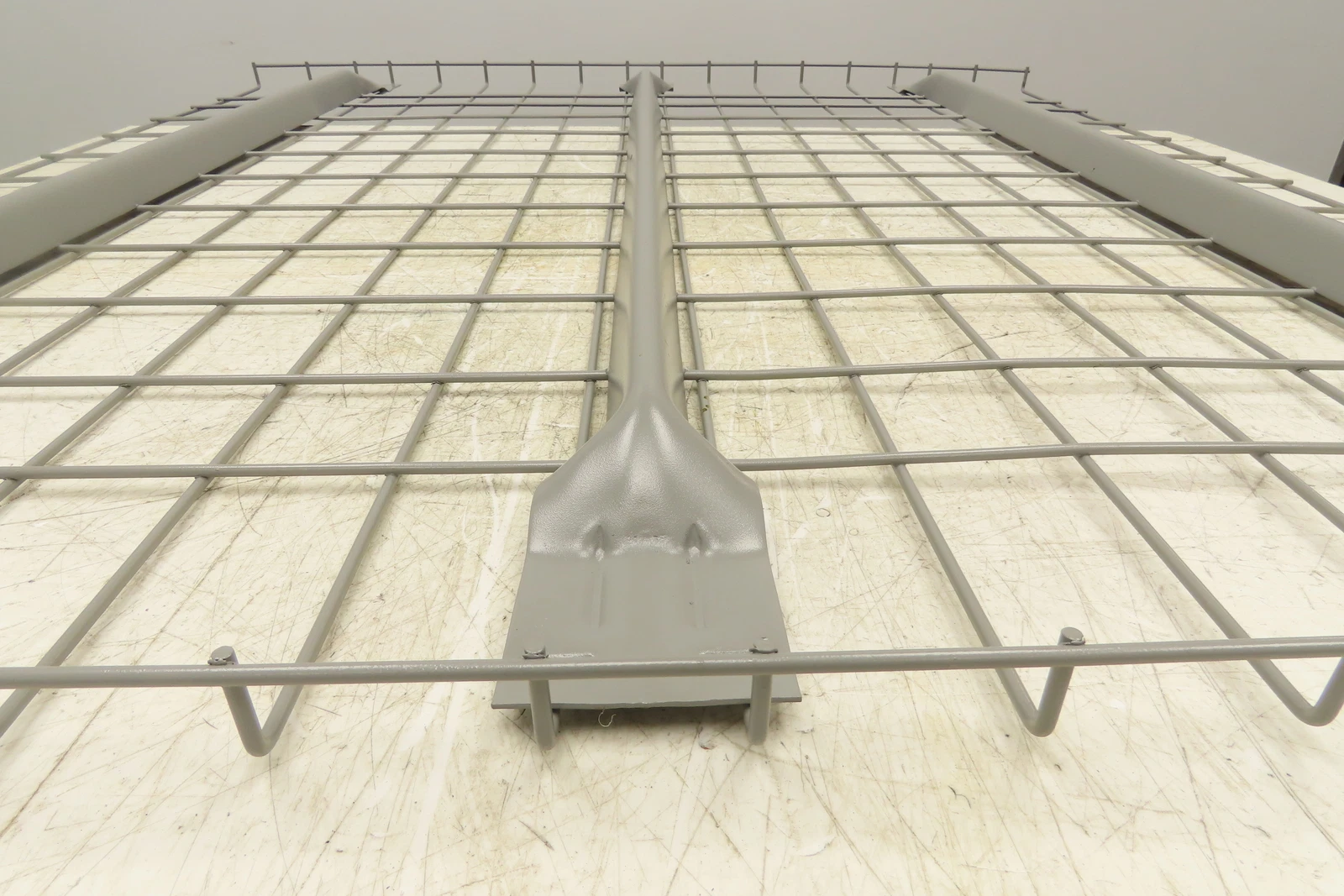
What Are the Cost Benefits Of Pallet Racking In Seafood Processing?
What Are the Cost Benefits Of Pallet Racking In Seafood Processing?
- Pallet racking is essential in seafood processing, maximizing space and improving efficiency in tight cold storage environments.
- It reduces clutter, minimizes time spent searching for inventory, and decreases product spoilage, saving money by saving time and waste.
- Proper rack arrangement creates a safer, more organized workspace, reducing physical strain and risks for workers.
- Using pallet racking supports ethical practices by lowering spoilage and environmental impact of wasted seafood.
- It boosts storage density by up to 50%, cuts handling times significantly, and reduces product damage according to industry studies.
- Implementing pallet racking leads to smoother operations, steady employment, and higher customer satisfaction.
- Pallet racking is a crucial, practical investment that keeps seafood fresh, crews safe, and businesses profitable.
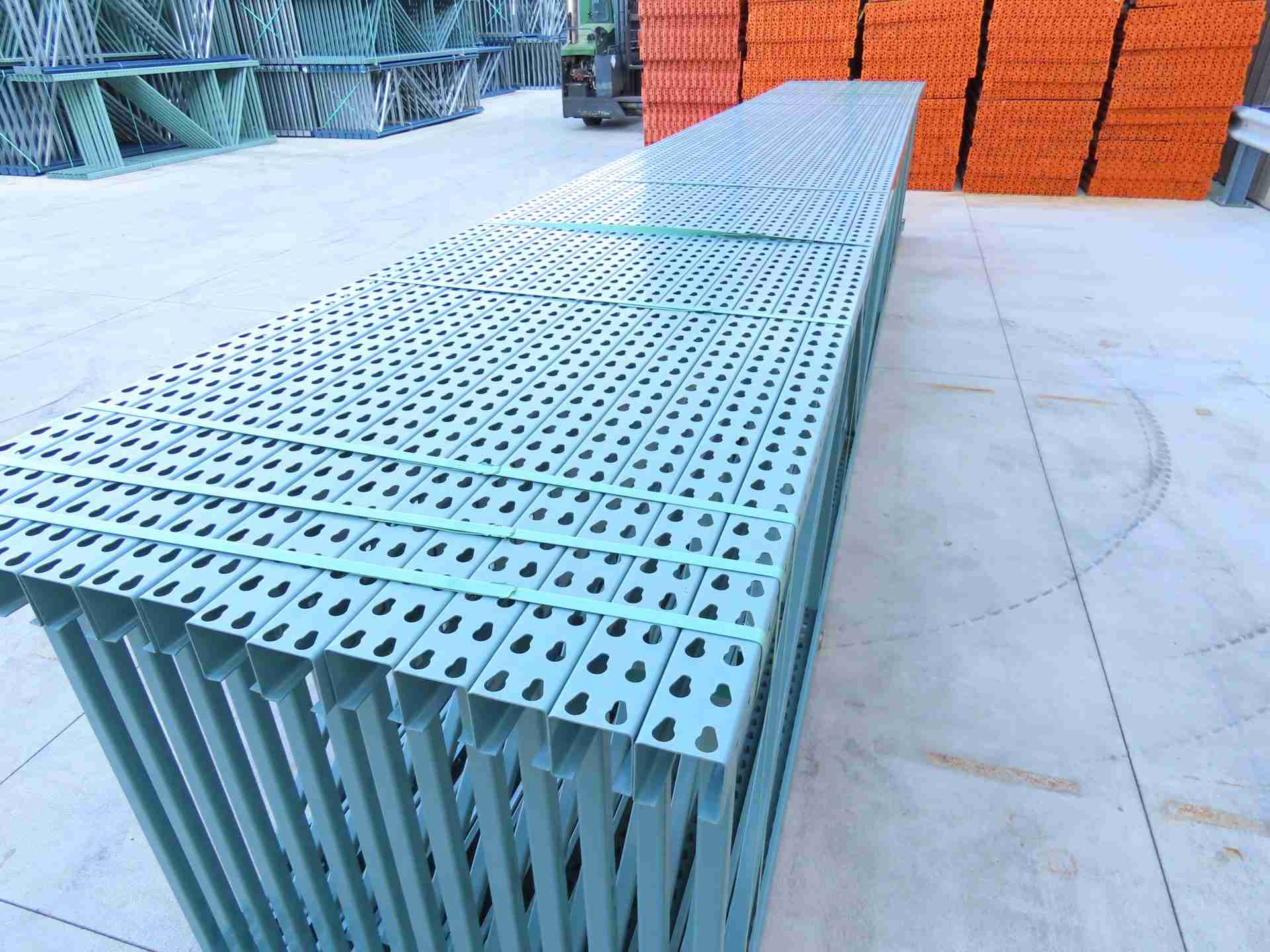
What Are the Cost Benefits Of Pallet Racking In Seafood Processing?
How Can Pallet Racking Reduce Spoilage In Seafood Supply Chains?
When you’re dealing with seafood, every hour counts. Fish and shellfish don’t wait around—they start losing their freshness the moment they leave the water. That’s where pallet racking steps up. It’s not just some fancy storage solution; it’s the backbone keeping seafood fresh through the bumps and bruises of the supply chain. Pallet racking gives you a solid, reliable way to stack and organize pallets off the floor, letting air flow freely around the product. Good airflow means the cold stays consistent, and the heat doesn’t sneak in to spoil the catch before it reaches your plate.
Think about the last time you opened a cooler and found seafood smelling off—nobody wants that. Pallet racking cuts down on those moments by keeping everything neat and accessible, so handling is faster and gentler. Less tossing and turning means less bruising, which means the product holds up better. It’s a simple thing, but the difference it makes? Huge. The less damage seafood takes, the less waste ends up in the dumpster, which is not just good for business, it’s the right thing to do. Respecting the catch means respecting the environment and the hardworking folks who pulled it in.
On a practical level, pallet racking helps workers move products smoothly and safely. When the racks are organized well, people can find what they need without frantic shoves or juggling pallets in tight spaces. That means fewer accidents, fewer dropped boxes, and a more focused workforce. When a team trusts their tools, they get the job done right—and faster. You can see where this goes: fresher fish, less spoilage, less cost, happier customers, and a better reputation all around.
Storytime: imagine a small seafood warehouse that switched from piles of pallets on the floor to a sturdy pallet racking system. Suddenly, they had extra room, and their inventory stayed fresh longer. Deliveries went out on time because nothing got lost scrambling from one pile to the next. Their customers noticed the difference, and so did their bottom line. It’s not glam, but it works. Plus, it feels good knowing you’re doing things smarter while keeping the product you love top-notch.
Pallet racking isn’t just about racks—it’s about trust. Trust that the seafood will be handled with care, that the supply chain won’t let good catch go bad, and that everyone from fishermen to grocery shoppers can count on quality every time. That’s a system worth building your business on.

How Can Pallet Racking Reduce Spoilage In Seafood Supply Chains?
How Can Pallet Racking Reduce Spoilage In Seafood Supply Chains?
- Seafood begins losing freshness immediately after being caught, making timely storage essential.
- Pallet racking provides a reliable method to stack and organize seafood pallets off the floor, allowing proper airflow to maintain consistent cold temperatures.
- Good airflow and organized storage reduce bruising and spoilage by enabling gentle, efficient handling of seafood.
- Less damage to seafood decreases waste, benefiting both business and environmental responsibility.
- Well-organized pallet racks improve worker safety and efficiency by reducing accidents and simplifying product access.
- A switch to pallet racking can create more storage space, extend freshness, improve delivery reliability, and enhance customer satisfaction.
- Pallet racking builds trust across the supply chain, ensuring quality seafood for everyone from fishermen to consumers.
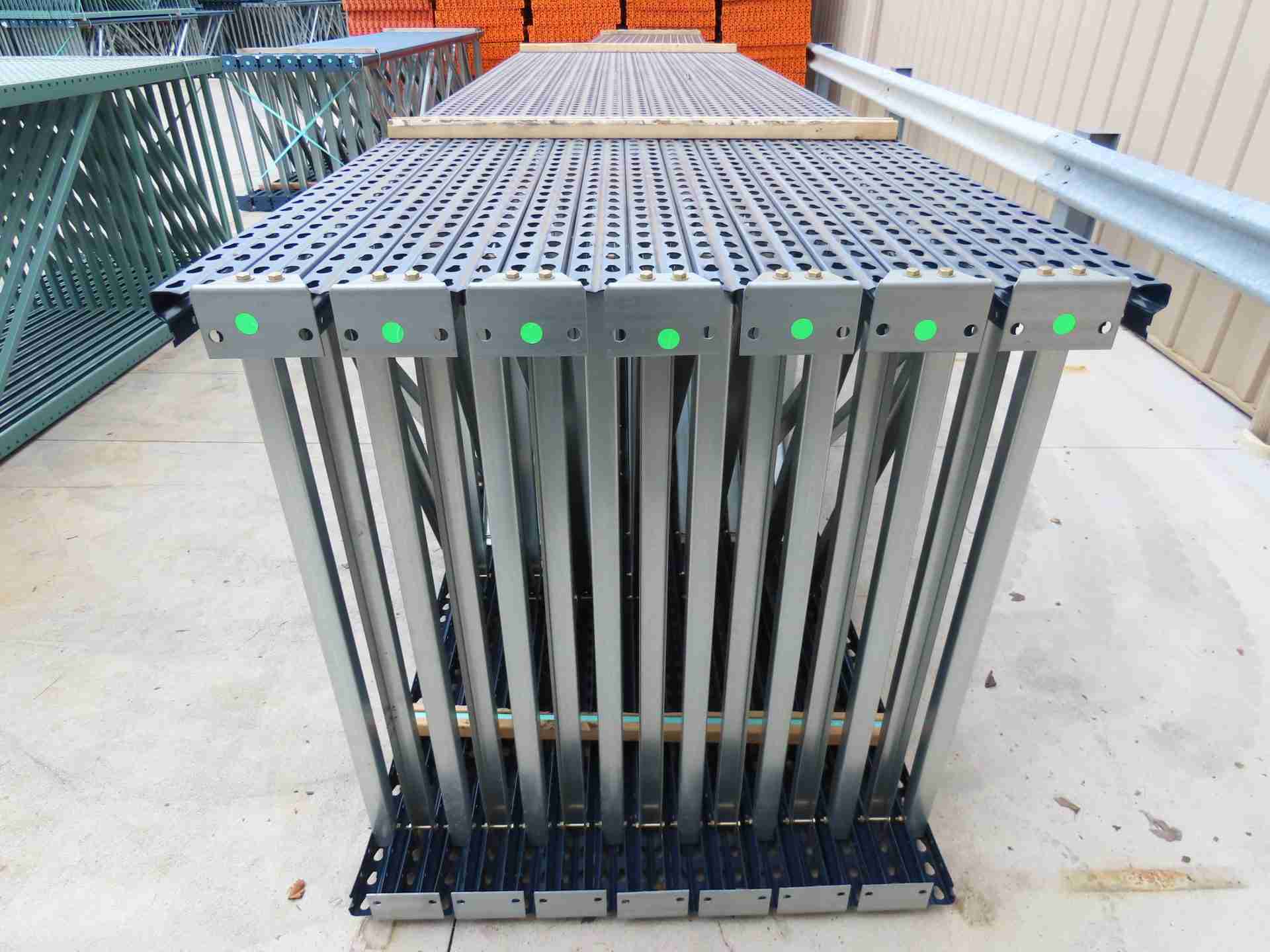
How Can Pallet Racking Reduce Spoilage In Seafood Supply Chains?
What Ethical Practices Are Supported By Effective Pallet Racking?
Every warehouse or shop floor outfitted with solid pallet racking isn’t just stacking boxes—it’s stacking values. When you get this right, you’re not only boosting efficiency but also honoring the people who walk those aisles every day. Think about it: secure, well-organized pallet racking reduces the risk of accidents. We’re talking about protecting real folks—your coworkers, your team—from the kind of injuries nobody wants on their conscience. It’s a straightforward way to show respect for human dignity, plain and simple.
On the practical side, pallet racking that’s thoughtfully installed and maintained means things get done smoother and smarter. It keeps inventory in check, reduces wasted time hunting for misplaced goods, and cuts down on damage that can eat your profits. This isn’t just about dollars—it’s about fairness to customers and partners who rely on your word and your stock. When products are stored properly, they arrive in better shape, building trust that can’t be faked.
Ethically, effective pallet racking says you care about sustainability too. Neat, stacked goods use space efficiently, meaning fewer warehouses gobbling up more land or energy than necessary. It’s a down-to-earth move toward reducing waste in a business world that often runs faster than it thinks. At its core, it’s a promise to do better for the planet, even in the nitty-gritty of daily operations.
There’s no guesswork here—authoritative guidelines and industry standards back up these practices, not just for safety’s sake but for the long haul of responsible business. Following these rules isn’t a headache; it’s a commitment that says your operation isn’t cutting corners because you value honesty and reliability.
At the end of the day, effective pallet racking weaves a story of pride and care. It’s about the muscle in your workforce, the trust in your partners, and the kind of care that turns a warehouse into a community. When every pallet finds its spot safe and sound, it’s a quiet act of doing right by everyone involved. That’s not just smart—it’s the right thing to do.

What Ethical Practices Are Supported By Effective Pallet Racking?
What Ethical Practices Are Supported By Effective Pallet Racking?
- Solid pallet racking boosts efficiency and honors the people working in the warehouse by reducing accident risks and protecting employees.
- Thoughtfully installed and maintained pallet racking improves operations, keeps inventory organized, saves time, and reduces product damage.
- Proper storage ensures products arrive in better condition, fostering trust with customers and partners.
- Efficient pallet stacking promotes sustainability by optimizing space and reducing energy and land use.
- Adherence to industry guidelines and standards ensures safety and long-term responsible business practices.
- Following these practices demonstrates commitment to honesty, reliability, and avoiding shortcuts.
- Effective pallet racking builds pride, care, and community within the workforce and supports trustworthy partnerships.
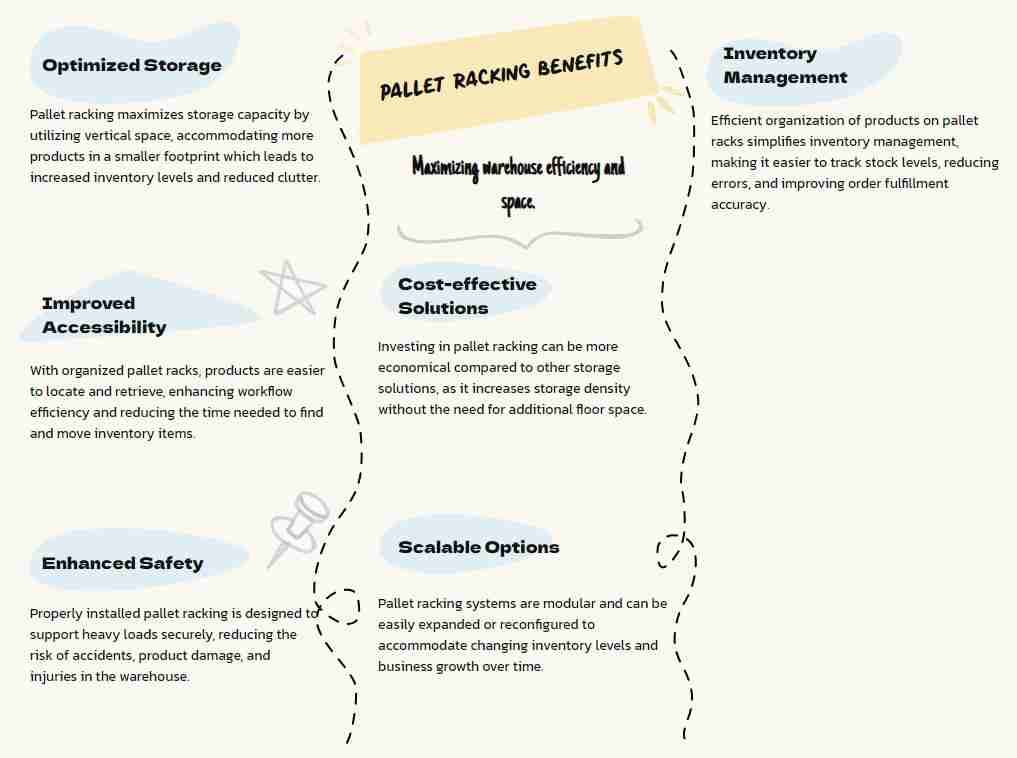
What Ethical Practices Are Supported By Effective Pallet Racking?
How Does Pallet Racking Enhance Workflow Efficiency In Seafood Plants?
In a seafood plant, everything moves fast and nothing waits around. Pallet racking doesn’t just store stuff; it keeps the whole operation humming like a well-oiled engine. When you walk into a plant bustling with fish and ice, you want to know that every piece of gear and every pallet is exactly where it should be. Pallet racking does that—it’s the backbone that holds up the workflow, making sure nothing trips over itself and slows down the line.
There’s something satisfying about knowing your stock isn’t just thrown wherever. Pallet racking organizes the chaos, making ladders, crates, and boxes easy to reach without playing the guessing game every morning. When workers don’t have to scramble or waste a minute searching, morale lifts because the job feels doable. Time saved is earned—more time to focus on quality control, safety checks, or simply catching a breath without stress. That’s not just good business; it’s respect for the folks on the floor who keep the plant alive.
On the practical side, pallet racking maximizes vertical space in ways that flat stacking never can. In seafood plants, where space is tight and downtime costs money, having a system to neatly stack and access hundreds of pallets makes a real dent in efficiency. It means faster loading and unloading, fewer accidents, and less damage to the product. When you can count on the system to hold its weight—you can count on your team to move faster and smarter.
Ethically, it’s about giving everyone a safer environment to work in. A well-maintained pallet racking setup reduces clutter and trip hazards and keeps heavy loads secure, which is crucial in the wet, slippery world of seafood processing. It tells every worker that management cares about not just what gets shipped out but how people get through their shifts unharmed.
At its best, pallet racking doesn’t just improve the bottom line; it builds a smooth, steady rhythm in a place where chaos is the enemy. It’s a tool that says, “We respect the work, the workers, and the process.” When that clicks, the whole plant feels it—a quiet confidence that today’s catch will be handled right, delivered fresh, and done with fewer headaches. That’s the kind of everyday win that gets you through long, cold shifts better than anything else.
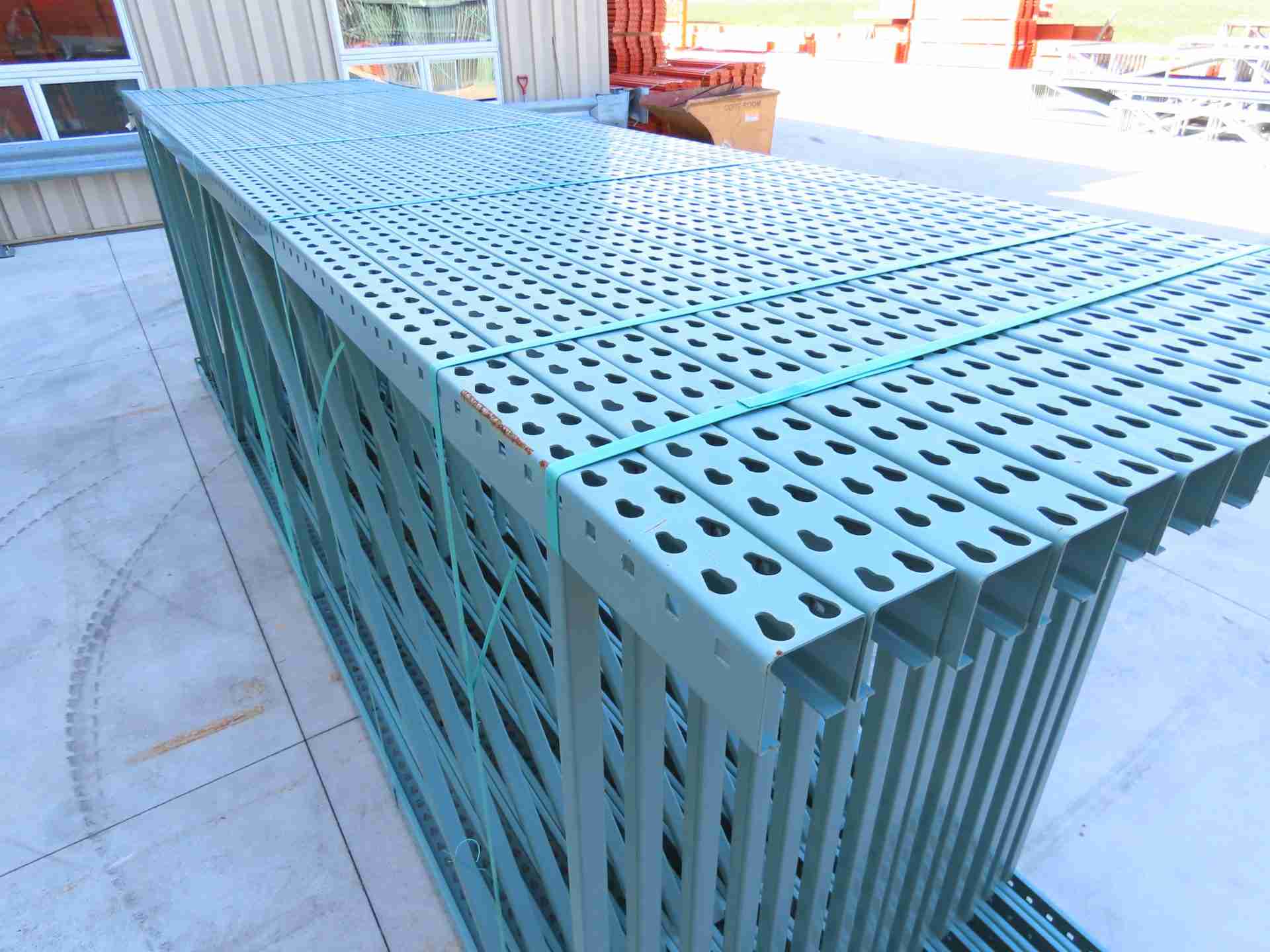
How Does Pallet Racking Enhance Workflow Efficiency In Seafood Plants?
How Does Pallet Racking Enhance Workflow Efficiency In Seafood Plants?
- Pallet racking is essential in seafood plants, ensuring every piece of equipment and pallet is properly organized to keep operations smooth and efficient.
- It organizes gear like ladders, crates, and boxes, eliminating wasted time and boosting worker morale by making tasks feel manageable.
- Maximizes vertical space, allowing efficient storage and access to hundreds of pallets, reducing downtime and improving overall plant efficiency.
- Enables faster loading and unloading, reduces accidents, and minimizes product damage by providing a reliable support system for heavy loads.
- Enhances workplace safety by reducing clutter and trip hazards, showing management’s commitment to employee well-being in a challenging environment.
- Builds a steady workflow rhythm by organizing chaos, which improves the plant’s productivity and quality of output.
- Fosters respect for the work, workers, and process, instilling confidence that seafood is handled carefully and efficiently during long shifts.

How Does Pallet Racking Enhance Workflow Efficiency In Seafood Plants?
Can Pallet Racking Prevent Cross-Contamination In Seafood Handling?
When you work with seafood, you know it’s not just about stacking boxes or moving crates—it’s about respect for the product and the people who’ll be eating it. Pallet racking isn’t just some fancy storage setup; it’s a frontline defense against cross-contamination. You put that fresh catch on the rack, and it’s off the cold floor, away from spills and grime, where bacteria love to hide. It’s a simple, practical way to keep seafood clean and safe, the kind of common-sense solution anyone who’s handled fish all day can appreciate.
Think of pallet racking like the trusted workbench in a busy garage—it organizes, separates, and protects everything you need to keep the job done right. When racks are set up right, with proper spacing and materials, they create natural barriers that stop stuff from touching that shouldn’t. You’re not just stacking for space; you’re stacking for safety—keeping raw from cooked, clean from dirty, and fresh fish from anything that might spoil it. It ain’t glamorous, but it’s the quiet hero in the room.
Ethically? It’s about doing right by your neighbors, customers, and your own crew. Every slab of fish that goes out the door has got your name on it, literally, and you want that name to mean something—fresh, reliable, safe. Using pallet racking the right way shows you care about quality and health, and that you’re running a place that plays by the rules without cutting corners. It builds trust not just in your process, but in your character.
Stories from the dockside tell you that mistakes happen when things get sloppy—when seafood sits on the floor, when stuff’s piled haphazard, when there’s no structure at all. Pallet racking cleans that mess up, making it easier to spot problems early, keep cleanup quick, and keep everyone’s hands steady. It’s the system that keeps you honest and your fish fresher, longer.
Pallet racking is more than metal beams and shelves. It’s about pride in your work, safety in every bite, and a straightforward, no-nonsense way to handle seafood like it deserves. When the job’s done right, your customers notice—and they come back, knowing you didn’t cut corners where it counts.

Can Pallet Racking Prevent Cross-Contamination In Seafood Handling?
Can Pallet Racking Prevent Cross-Contamination In Seafood Handling?
- Pallet racking protects seafood from cross-contamination by keeping it off the floor and away from spills and grime.
- It organizes and separates products, maintaining safety by preventing contact between raw, cooked, clean, and dirty items.
- Proper use of pallet racking demonstrates ethical responsibility towards customers, neighbors, and workers by ensuring product quality and safety.
- Using pallet racks builds trust in both the seafood quality and the integrity of the business handling it.
- Without pallet racking, seafood storage becomes chaotic, increasing the risk of mistakes and contamination.
- Pallet racking simplifies problem detection, speeds up cleanup, and helps maintain steady, careful handling of seafood.
- Pallet racking symbolizes pride, safety, and a no-nonsense approach to seafood handling that customers recognize and appreciate.

Can Pallet Racking Prevent Cross-Contamination In Seafood Handling?
Conclusion
Seafood processing isn’t some polished show—it’s a tough, hands-on grind where every minute and square foot counts. Pallet racking isn’t just a storage fix; it’s the backbone holding the whole operation together, turning what could be chaos into a working rhythm that respects the hard work and sweat behind every catch. It’s about giving the seafood and the people handling it a sturdy, reliable place to rest—a place that keeps the product fresh longer and the workers safer.
When the cold’s biting and the clock’s ticking on freshness, pallet racking makes sure that fish and shellfish aren’t just piled on the floor or shoved wherever. It stacks smart, lifts off the ground, and lets cold air flow freely, cutting down spoilage and bruising. That’s not just good business; it’s respect for the catch, the crew, and the folks who expect quality at the other end of the line. It turns a warehouse into a place where nothing’s wasted—no time, no space, no product—because every pallet has its place, and every worker knows exactly where to find it.
There’s something solid about walking into a well-racked seafood plant. It says this operation means business, knows its craft, and values the team that hustles day in and day out. It’s about making the job doable and safe—not fancy, just sensible. Workers avoid risky lifts and slippery floors, inventories get turned over fast, and accidents drop because everything’s organized and within reach. That steadies morale and boosts the bottom line. When pallets are stacked right, the whole supply chain hums smoother: less waste, less damage, fewer headaches.
Ethics play a quiet but heavy role here, too. Good pallet racking is an honest nod to doing the right thing—protecting food safety, cutting contamination risks, and delivering fresh, healthy seafood without shortcuts. It’s about environmental respect, too: using space well means fewer wasted resources and a smaller footprint. It’s a humble but powerful promise to customers and communities that food arriving at tables was handled with care, pride, and common sense.
In the end, pallet racking isn’t just metal and beams—it’s the unsung partner that keeps seafood processing honest, safe, and efficient. It’s what turns a messy patch of cold storage into a well-oiled machine, preserves livelihoods, and feeds families. It’s the quiet, steady backbone in a world where timing, trust, and hard work can never be taken for granted.

Conclusion
Conclusion:
- Seafood processing is a demanding, hands-on industry where efficient use of space and time is critical.
- Pallet racking serves as the structural backbone, organizing operations and supporting both the product and workers.
- Proper pallet stacking off the ground allows cold air circulation, reducing spoilage and preserving seafood quality.
- Well-organized pallet racks improve workplace safety by minimizing risky lifts and slippery floors, while speeding inventory turnover.
- Effective pallet racking enhances operational efficiency, reduces waste, and improves morale and profitability.
- Ethically, good pallet racking supports food safety, minimizes contamination risks, and demonstrates environmental responsibility.
- Ultimately, pallet racking is essential to maintaining an honest, safe, and efficient seafood processing supply chain.
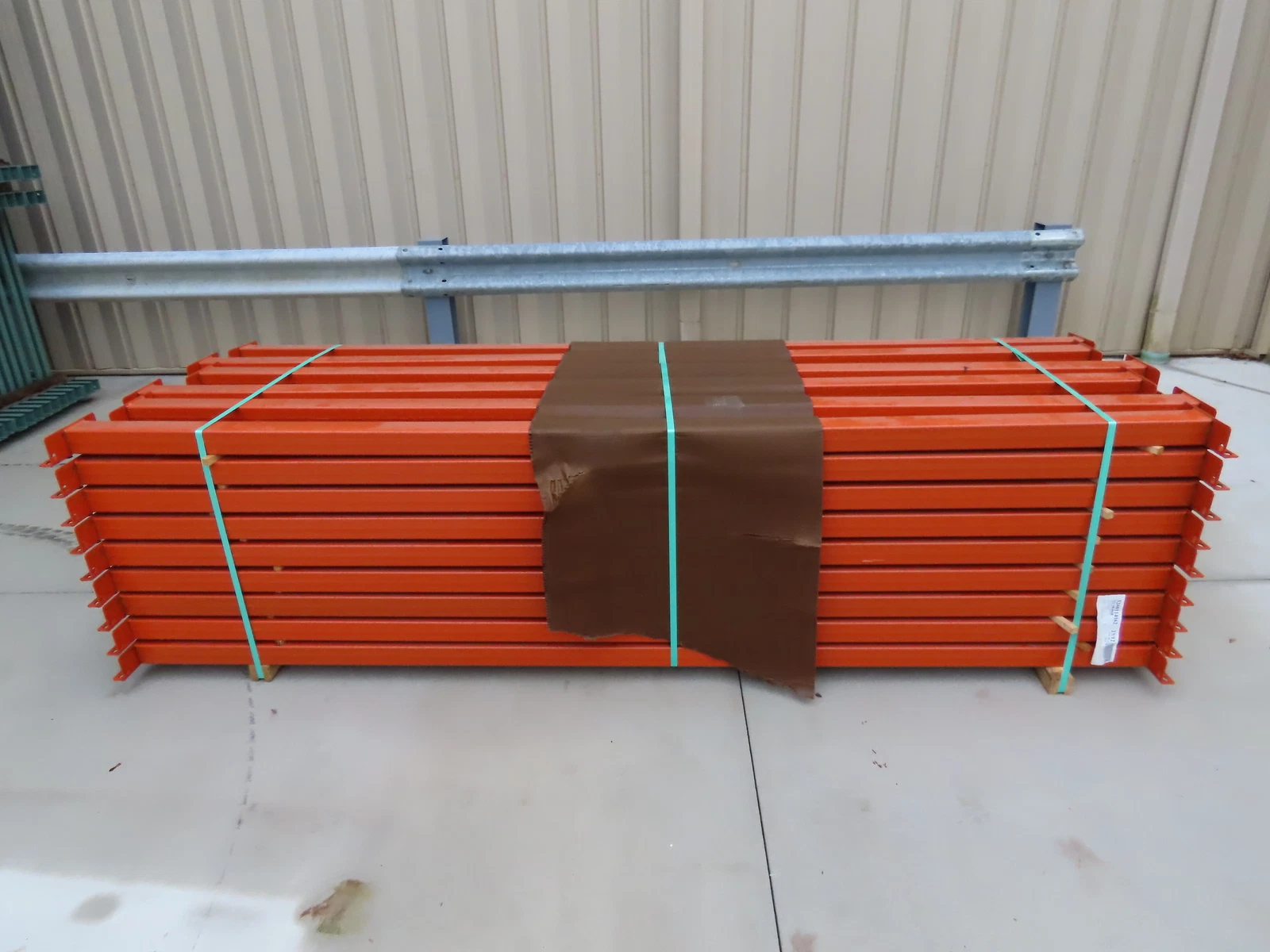
Conclusion
Other Resources

Other Resources
Here is a list of other resources you can review online to learn more:
- IIWS Inc. Rack Installation Illinois & Rack Repairs Illinois
- Warehouse Racking Chicago, IL
- Intro to Warehouse Racks & Warehouse Racking Systems – ShipBob
- Pallet Racking systems in Illinois and Great Lakes
- WERC
- Material Handling Industry
- CMMA
- CA Wire
- Material Handling Safety
- Warehouse Racks, Warehouse Racking in Stock – ULINE
- Pallet Racks, Pallet Racking, Pallet Shelves in Stock – ULINE
- BMH
- Teardrop Industrial Shelving Rack
- Selective Racking
- Iowa Illinois Warehouse Racking
- Chicago Pallet Racking
- IWLA
- Interlake Mecalux
- American Surplus
- Heavy-Duty Cantilever Storage Racks
Use This Prompt To Get More Resources With Your Favorite Online AI Tool: Please provide me with a list of online articles with their URLs in a bulleted list that I can read regarding How Do Seafood Processors Leverage Pallet Racking?

Other Resources
Glossary Terms
How Do Seafood Processors Leverage Pallet Racking? – Glossary Of Terms
1. Pallet Racking: A storage system designed to hold materials on pallets in horizontal rows with multiple levels.
2. Seafood Processor: A business or facility involved in cleaning, packaging, and preparing seafood for distribution.
3. Inventory Management: The process of overseeing and controlling stock levels and storage locations.
4. Cold Storage: Refrigerated storage areas used to preserve seafood freshness.
5. FIFO (First In, First Out): An inventory method ensuring older stock is used before newer stock to maintain quality.
6. LIFO (Last In, First Out): Inventory method where the latest stock is used first, less common in seafood processing.
7. Load Capacity: The maximum weight a pallet rack can safely hold.
8. Pallet: A flat transport structure used to support goods in a stable manner.
9. Accessibility: Ease of reach to stored items for efficient handling and retrieval.
10. Space Optimization: Efficient use of storage areas to maximize capacity.
11. Ergonomics: Design considerations to reduce worker strain during handling and storage.
12. Cold Chain: Temperature-controlled supply chain ensuring seafood remains fresh.
13. Cross-Docking: Transferring products directly from receiving to shipping without long-term storage.
14. Inventory Turnover: The rate at which inventory is sold and replaced.
15. Automated Storage and Retrieval System (AS/RS): Mechanized system for managing pallet storage and retrieval.
16. Load Stability: Ensuring pallets remain secure and balanced on racks.
17. Hazard Analysis: Identifying risks related to seafood storage and handling.
18. HACCP (Hazard Analysis Critical Control Point): A systematic preventive approach to food safety.
19. Pallet Jack: Equipment used to lift and move pallets within storage facilities.
20. Rack Protection: Measures such as guards to prevent damage from forklifts or collisions.
21. Forklift: A powered industrial truck used to lift and move pallets.
22. Cold Room: A temperature-controlled room for storing perishable seafood items.
23. Traceability: The ability to track seafood back through the supply chain.
24. Load Distribution: Even spreading of weight across pallet racking to prevent collapse.
25. Pick Rate: Speed at which items are retrieved from storage.
26. Sanitation: Processes ensuring cleanliness of storage and handling areas.
27. Shelf Life: Duration seafood remains safe and fresh for sale or consumption.
28. Storage Density: Amount of product stored per unit area or volume.
29. Compliance: Adherence to industry regulations and standards for seafood safety.
30. Space Utilization: Maximizing the available storage area within a facility using pallet racking.

Glossary Of Terms
Other Questions
How Do Seafood Processors Leverage Pallet Racking? – Other Questions
If you wish to explore and discover more, consider looking for answers to these questions:
- What types of pallet racking systems are best suited for seafood processing (selective, drive-in, push-back, pallet flow, ASRS, etc.)?
- What rack materials, coatings, or finishes resist corrosion and cold in wet/freezing seafood environments?
- How should pallet racking be designed specifically for cold storage and freezer conditions?
- What are recommended load capacities and safety factors for racks storing seafood pallets?
- How often should pallet racking be inspected, tested, and maintained in a seafood facility?
- What cleaning and sanitation protocols apply to rack structures in seafood plants?
- Which cleaning chemicals are safe to use on racking without degrading coatings or compromising food safety?
- How can racking be configured to support FIFO or FEFO inventory rotation for perishable seafood?
- How do ventilation and airflow around racks affect temperature consistency and product preservation?
- What regulatory standards and industry guidelines (FDA, HACCP, OSHA, RMI, local codes) apply to pallet racking in seafood operations?
- How can pallet racking reduce cross-contamination between different species or between raw and processed products?
- What are best practices for labeling, lot tracking, and traceability when using pallet racks?
- What rack protection devices (column guards, row spacers, beam protectors) are recommended for dock and forklift traffic?
- Which forklift types, load-handling equipment, and aisle widths work best with specific racking layouts in seafood plants?
- How do defrost cycles, condensation, and freeze–thaw effects impact rack durability and product quality?
- What are the upfront costs, ongoing maintenance costs, and typical ROI/payback period for installing pallet racking versus floor stacking?
- How should a seafood processor choose a racking supplier, and what certifications, warranties, or references should they require?
- Can existing facilities be retrofitted with pallet racking, and what are typical installation timelines and downtime impacts?
- How do seismic, wind, and floor-load considerations influence racking design in coastal or offshore processing sites?
- What training and certification should workers receive for safe rack use and forklift operation in seafood environments?
- How can pallet racking be integrated with warehouse management systems (WMS) and inventory controls to improve traceability?
- What automation or semi-automation options (conveyors, ASRS, pick-to-light) are compatible with pallet racking in seafood plants?
- How should facilities handle storage of both fresh and frozen products—separate racking zones, temperature barriers, specialized racks?
- What pest-control and hygiene measures should be implemented around racked storage areas?
- How should rack safety and compliance be documented and prepared for third-party audits or customer inspections?
- What are common failure modes for pallet racking in cold, wet environments and how can they be mitigated?
- What is the typical service life of rack systems in seafood operations and what are lifecycle cost considerations?
- How can racking choices support sustainability goals, recycling, or reduction of food waste?
- How should rack layouts be planned to accommodate seasonal volume spikes and fluctuating inventory levels?
- Are there case studies or metrics that quantify spoilage reduction, throughput gains, or cost savings after installing racking?
- How do pallet types (wood, plastic, hygienic stainless) influence racking selection and sanitation protocols?
- What insurance, liability, or workers’ compensation implications arise from improving racking and storage safety?
- How should hazardous materials (cleaning agents, de-icing chemicals) be stored relative to seafood pallet racks?
- What emergency response procedures should be in place for rack collapse, spills, power loss, or refrigeration failure?
- How can processors balance maximum storage density with accessibility and safety for high-turnover seafood operations?
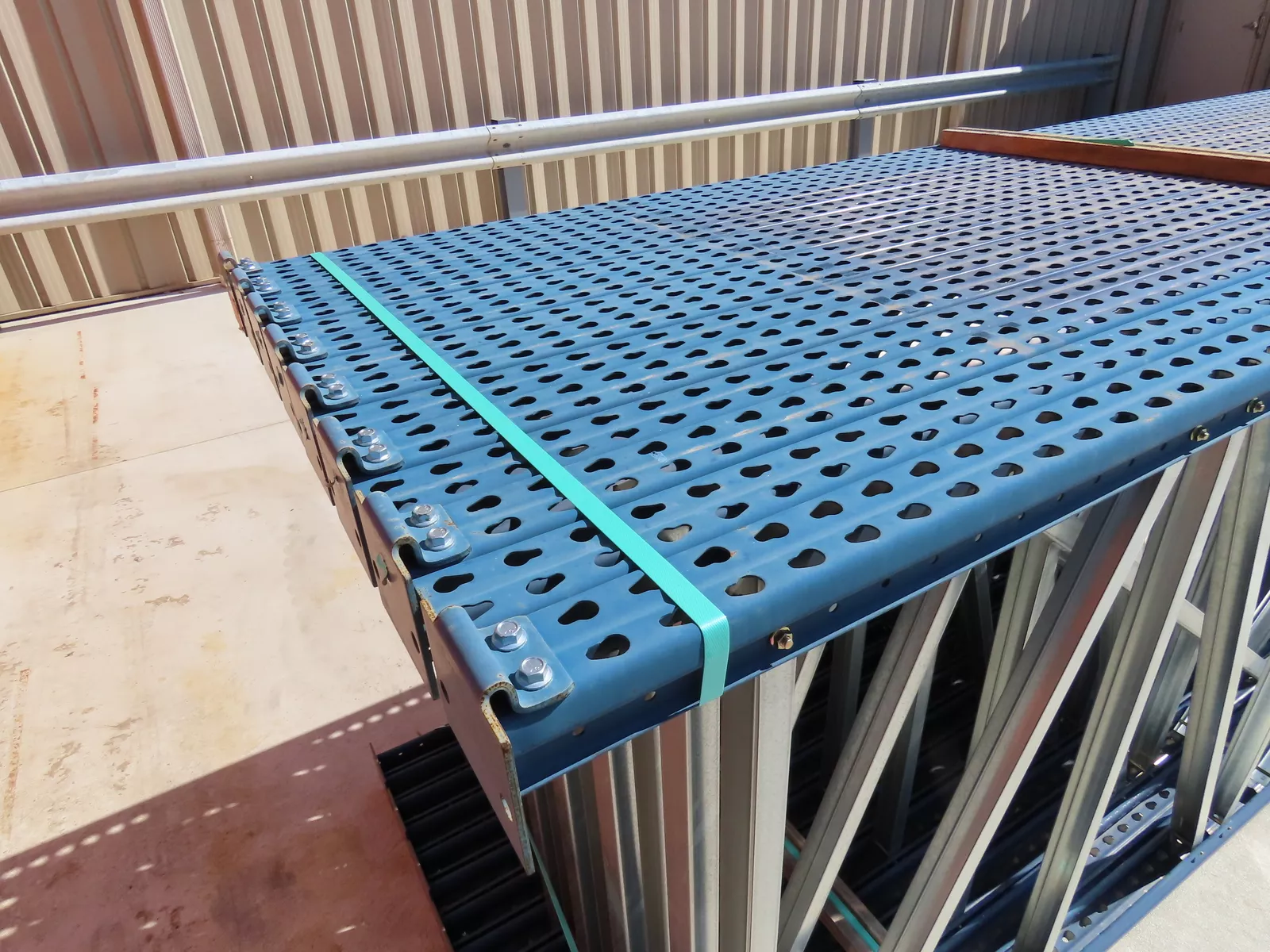
Other Questions
Checklist
How Do Seafood Processors Leverage Pallet Racking? – A Checklist
Planning and Layout
✅______ Map product flow from receiving to storage to shipping to prevent backtracking
✅______ Select storage method (selective, drive-in/drive-thru, pushback, pallet flow, mobile) matched to SKU velocity and rotation needs
✅______ Calculate required pallet positions, bay heights, and clearances (forklift mast, sprinklers, lighting)
✅______ Define dedicated zones for raw, RTE (ready-to-eat), allergens, QA hold, and rework
✅______ Set aisle widths to equipment specifications and turning templates
Rack Specification for Cold/Wet Environments
✅______ Use galvanized or epoxy-coated racks; stainless fasteners/hardware in high-splash/brine areas
✅______ Engineering documentation: rated load per beam level and per bay posted on racking
✅______ Seismic, slab, and anchor calculations approved; anchors installed to manufacturer-specified torque
✅______ Beam locks/clips installed on all beams; pallet supports or wire decking (minimum 50% open) fitted
✅______ Backstops/pallet stops installed where needed to protect flues and aisles
✅______ Column protectors, end-of-aisle guards, and row spacers installed
✅______ Maintain flue spaces (longitudinal ≥ 6 in; transverse ≥ 3 in, or per local code/engineer)
✅______ Bottom beam height allows cleaning and pallet jack access (typically 6–8 in)
✅______ Rack style compatible with pallet type and load (consider plastic/food-grade pallets)
Food Safety and Cross-Contamination Control
✅______ Physically segregate raw vs RTE and allergen (e.g., shellfish) vs non-allergen products
✅______ Drip control: wire decking, drip trays/caps, and top covers when storing mixed SKUs
✅______ Store all products off the floor; no direct floor contact
✅______ Use color-coded zones, tools, and signage aligned to HACCP plans
✅______ Follow sanitation SOPs for racks (routine wash/sanitize; corrosion checks; spill response)
✅______ Store chemicals and cleaning supplies in separate, contained areas
Temperature, Airflow, and Spoilage Reduction
✅______ Preserve flue spaces and do not overhang pallets beyond beams/decking
✅______ Maintain clearances from evaporators and walls per manufacturer guidance
✅______ Use FIFO/FEFO; consider pallet flow lanes with speed controllers for FEFO
✅______ Implement continuous temperature monitoring with alerts; map cold rooms to find hot spots
✅______ Enforce door discipline: curtains/air doors, staging rules, and minimized open time
✅______ Minimize double handling; standardize put-away and pick paths
Inventory Control and Traceability
✅______ Pallet labels show lot/batch, species, harvest/production date, and allergen status
✅______ Post location IDs at rack levels; use scannable barcodes/GS1 labels
✅______ Update WMS or inventory system in real time; schedule cycle counts
✅______ Physically separate and access-control QA hold/quarantine locations
Material Handling and Workflow
✅______ Use forklifts/pallet jacks rated for low temperatures; train operators for cold conditions
✅______ Perform pre-receipt pallet quality checks; reject broken or contaminated pallets
✅______ Size staging areas for peak loads; do not block egress or airflow
✅______ Implement a traffic plan with marked lanes, mirrors, and horn points; add anti-slip floor measures
Worker Safety and Training
✅______ Rack safety training: no climbing, no altering components, load placement rules
✅______ PPE policy: insulated gloves, anti-slip footwear, and eye protection where needed
✅______ Keep emergency egress clear; ensure exits, extinguishers, and signage are visible and lit
✅______ Keep lift-truck certifications current; schedule refresher training
Inspection, Maintenance, and Compliance
✅______ Daily checks: visible rack damage, ice buildup, missing locks, loose anchors
✅______ Weekly cleaning under and around racks; verify drains are functioning
✅______ Monthly plumb/level checks (out-of-plumb ≤ 1/240 height) and beam/connector inspection
✅______ Tag out damaged components; use OEM parts; re-inspect after repair
✅______ Fire protection review: ESFR/in-rack compatibility, flue integrity, wrap/film considerations
✅______ Verify compliance with OSHA, FDA/FSMA, HACCP, and local building and seismic codes
Cost and Performance Metrics
✅______ Baseline and track: pick rate, dock-to-stock time, damage rate, spoilage %, storage density, energy per pallet
✅______ Conduct monthly KPI reviews with documented corrective actions
✅______ Perform periodic ROI comparisons of storage options (selective vs drive-in vs pushback vs flow vs mobile)
Sustainability and Ethics
✅______ Set spoilage reduction targets; use donation or byproduct programs for safe unsold product
✅______ Use recyclable/repairable pallets; minimize single-use plastics and shrink where feasible
✅______ Energy efficiency measures: layout, door management, defrost schedules, LED/IP-rated lighting
Recall and Emergency Readiness
✅______ Conduct mock recalls at least annually; meet recovery time and accuracy targets
✅______ Use clear isolation and signage for suspect lots; have physical barriers available
✅______ Stage spill kits for brine, blood, and chemicals; ensure staff are trained to use them
✅______ Maintain a backup power plan for cold rooms; document hold-time limits and response steps

Checklist
At RackingWorld, we help guide you through selecting warehouse storage systems and racking.
Be sure to read our other related stories at RackingWorld to learn more about warehouse storage systems.
0 Comments