
Maximizing Efficiency And Safety: The Smart Choice For Scaffold Rentals
By Tom Seest
At RackingWorld, we help guide you through selecting warehouse storage systems and racking.
Be sure to read our other related stories at RackingWorld to learn more about warehouse storage systems.
How Do Scaffold and Formwork Rental Companies Leverage Cantilever Racking?
When you’re running a scaffold and formwork rental business, every inch of space counts and every minute saved on handling gear matters. That’s where cantilever racking steps in like a trusty workhorse. It’s not some fancy gadget; it’s plain, solid, and built to carry the kind of awkward, heavy loads that don’t fit neatly on your typical pallet racking. Beams, planks, pipes—things that defy stacking and demand a setup that keeps them easy to grab without a wrestling match every single time.
You know the drill: cluttered yards or cramped warehouses with gear piled up like a jigsaw puzzle with missing pieces. Cantilever racking gives you a straightforward solution. With those open arms reaching out, you can organize and store long, heavy materials the way you’d stack firewood—neatly, accessibly, and safely. It means less time hunting for parts and more time getting jobs done. It’s a practical setup born from the dirt-under-your-nails reality of construction work, where inefficiency can drag down the whole operation.
Trust isn’t built on smooth talk or flashy promises; it’s forged in the daily grind. Companies tapping into cantilever racking show they understand the stakes—keeping things orderly, reducing hazards, and respecting their crews’ time and safety. When your formwork and scaffold pieces have a home that’s designed for them, the whole job flows better. Workers move quicker, stress drops, and your equipment lives longer without damage from awkward pile-ups.
There’s an ethical angle too. Investing in smart storage isn’t just good for business; it shows care for your people. It’s saying you’re not willing to gamble on clutter that can lead to sprains, cuts, or worse. That kind of responsibility earns loyalty and pride in your team, building a culture where everyone feels looked after.
You don’t have to figure it out alone. Plenty of companies in this field have walked the same path—space crunches, juggling big pieces, safety headaches—and switched to cantilever racking to solve those headaches. It’s a classic move that blends experience with smart resourcefulness, the kind of choice that wins respect from your crew and clients alike.
So if your yard or warehouse feels like a battle zone, think about giving cantilever racks a shot. It’s not rocket science. It’s just good-old common sense—built tough, built right, and ready to handle your long, heavy gear with the respect it deserves. Pallet racking’s great, but when it comes to those one-of-a-kind loads, cantilever racks wear the crown.

How Do Scaffold and Formwork Rental Companies Leverage Cantilever Racking?
How Do Scaffold and Formwork Rental Companies Leverage Cantilever Racking?
- Cantilever racking is a practical, robust solution designed to handle awkward, heavy loads like beams, planks, and pipes that do not fit on traditional pallet racking.
- It maximizes space and efficiency in cluttered yards or cramped warehouses by organizing long materials accessibly and safely.
- Using cantilever racks reduces time spent searching for parts, increases workflow efficiency, and decreases equipment damage.
- Employing this system promotes safety, reduces hazards, and respects the time and well-being of workers.
- Investing in smart storage demonstrates ethical responsibility by preventing injuries and fostering team loyalty and pride.
- Many companies have successfully transitioned to cantilever racking to solve space and safety challenges, gaining respect from crews and clients.
- Cantilever racks offer a common-sense, durable alternative to pallet racking for unique, heavy loads, improving overall job site organization and operation.

How Do Scaffold and Formwork Rental Companies Leverage Cantilever Racking?
Table Of Contents
- How Do Scaffold and Formwork Rental Companies Leverage Cantilever Racking?
- How Does Cantilever Racking Improve Scaffold Rental Efficiency?
- How Can Scaffold Companies Reduce Costs Using Cantilever Racking?
- What Space-Saving Advantages Does Cantilever Racking Provide?
- How Does Cantilever Racking Impact Inventory Management?
- Why Is Cantilever Racking Ideal for Storing Irregular Formwork?
- How Does Cantilever Racking Minimize Damage to Scaffolding Materials?
- Conclusion
- Other Resources
- Glossary Of Terms
- Other Questions
- Checklist
How Does Cantilever Racking Improve Scaffold Rental Efficiency?
When you’re out on the job, time is money, and getting your gear stacked and ready without running around like a chicken with your head cut off means everything. Cantilever racking steps in like a trusty workhorse—simple, sturdy, and built to handle the awkward, long stuff that won’t play nice on regular pallet racking. You know the drill: pipes, planks, scaffold boards—those bulky, unwieldy pieces that aren’t meant to be boxed up tight or shoved onto pallets. Cantilever racking holds them steady, easy to reach, and keeps them all in order without that pile-of-junk mess most yards settle for.
Here’s the thing: with scaffold rental, every minute you save organizing means more time on the tools, less time hunting down your stuff behind mountains of pallets and mixed gear. It’s not just about neatness; it’s about cutting down those frustrating moments when you can’t find the right board or brace because it got buried under some random scrap or stacked the wrong way. Cantilever racking turns that chaos into clear lanes and straightforward access. You can load up, pull out what you need, and get back to the real work instead of playing warehouse detective. That’s efficiency you can feel—in your gut and in the paycheck.
There’s also an ethical angle here—treating your gear right isn’t just smart; it’s responsible. Scaffold components aren’t cheap, and dropping them in a heap or forcing them onto pallet racking that doesn’t fit causes damage over time. Cantilever racking respects the integrity of your materials, reducing wear and tear, which means fewer replacements, less waste, and a smaller footprint. When you’re renting out scaffolds, that means passing savings—and quality—down the line. Your customers notice gear that’s solid, safe, and well cared for. That trust builds your reputation like nothing else.
And look, the authority on all this comes from the dirt, grease, and hours clocked on job sites. Anyone who’s handled scaffold rentals knows you need a system that works for the real world, not just flashy concepts on paper. Cantilever racking fits the bill: heavy-duty, flexible, and a breeze to set up in cramped yards or busy warehouses. It’s a no-nonsense solution everyone from the floor hand to the foreman can appreciate. Plus, it boosts social proof—walk into a rental yard that’s got its scaffold boards all lined up and off the ground, and you see professionalism in action. People do business with those who get it right.
So, when you’re figuring out how to get the best mileage from your scaffold rentals, don’t just settle for any setup. Invest in cantilever racking, because it’s more than storage—it’s peace of mind, respect for your gear, and a way to get everyone home on time. Pallet racking has its place, sure, but for scaffolding that lives on the long haul, cantilever racks are the unsung heroes that keep things moving.

How Does Cantilever Racking Improve Scaffold Rental Efficiency?
How Does Cantilever Racking Improve Scaffold Rental Efficiency?
- Cantilever racking is designed for storing long, bulky materials like pipes, planks, and scaffold boards that don’t fit well on standard pallet racks.
- It helps organize gear efficiently, saving time by providing easy access and reducing the need to search through cluttered piles.
- Proper storage with cantilever racks reduces damage and wear on scaffold components, extending their lifespan and lowering replacement costs.
- Using cantilever racking demonstrates responsibility and care for equipment, which enhances reputation and customer trust in scaffold rentals.
- The system is heavy-duty, flexible, and simple to set up in tight or busy spaces, suitable for real-world job site conditions.
- Organized scaffold yards with cantilever racks project professionalism, increasing social proof and business credibility.
- Investing in cantilever racking provides peace of mind, preserves gear quality, and improves overall job efficiency compared to traditional pallet racking.
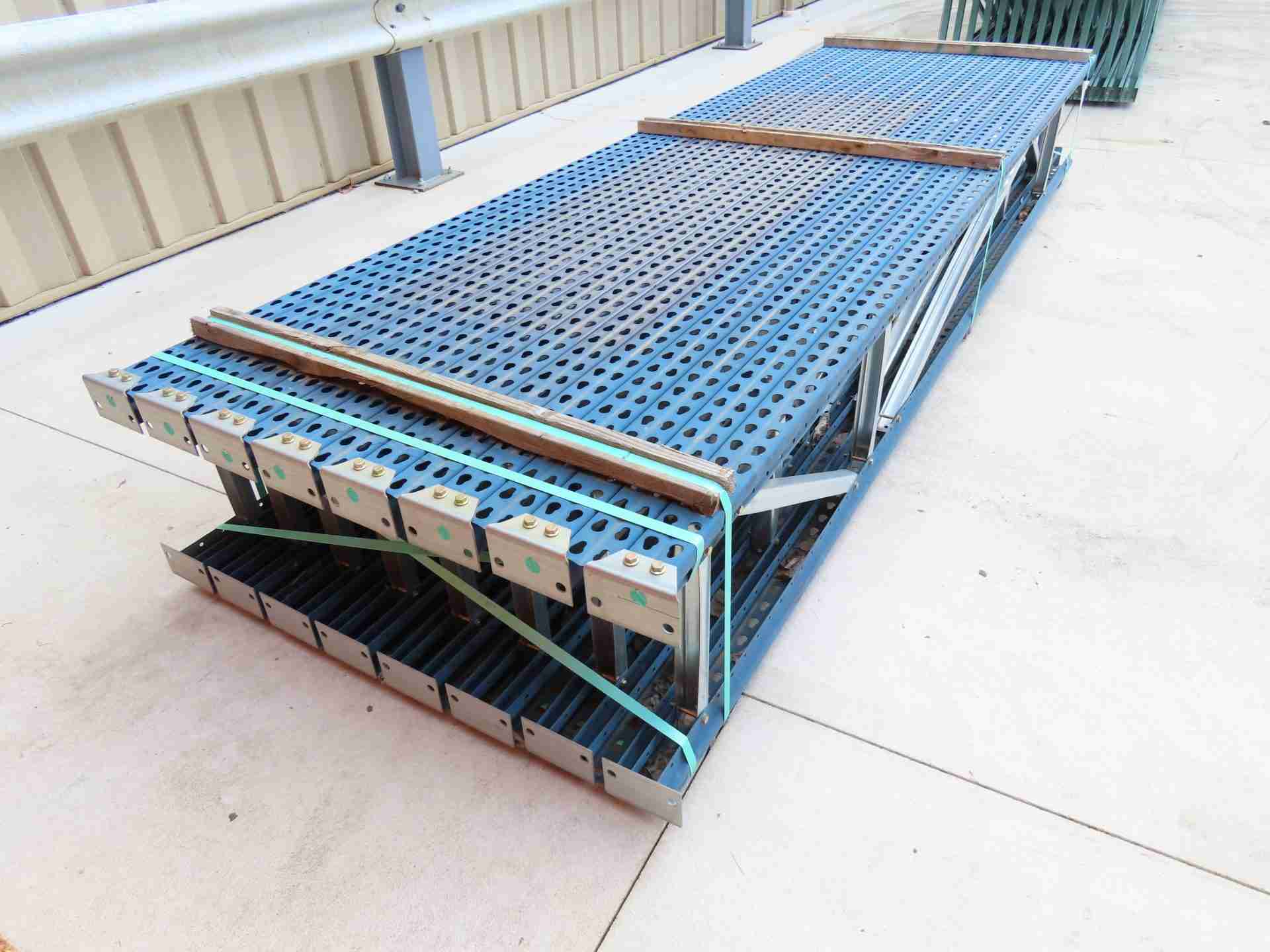
How Does Cantilever Racking Improve Scaffold Rental Efficiency?
How Can Scaffold Companies Reduce Costs Using Cantilever Racking?
Scaffold companies know well that every penny counts when managing materials, and cantilever racking offers a straightforward way to keep costs down without cutting corners. Unlike traditional pallet racking, cantilever racking is made for long, awkward pieces like pipes, lumber, and scaffolding components, which don’t fit neatly on pallets. When you rely on pallet racking for these items, you waste space, make retrieval tougher, and slow down your crew. Cantilever racking clears that up — it’s simple, accessible, and built for the tough shapes scaffolders deal with every day.
From a practical standpoint, cantilever racks save you money by reducing the need for excessive handling and shrinkage. The open arms allow easy loading and unloading, cutting down on labor time and minimizing damage. Scrap and replacement costs come down, and you spend less on rushed orders because you always know what’s on hand. That’s not just smart business; it’s respecting the sweat and hours your team puts in.
There’s also something honest about this method. It’s not flashy or complicated. It’s the kind of no-nonsense solution that feels right for a trade built on trust and skill. When you organize your materials clearly and efficiently, everyone on site knows where things belong, and that breeds respect and teamwork—two things you can’t put a price tag on but sure pay for when missing.
On the numbers side, cantilever racking helps avoid overcrowded storage, which leads to accidents, delays, and wasted daylight. With better visibility and order, your scaffold yard runs smoother, no question. That’s better safety, fewer insurance claims, and a reputation that keeps customers coming back because you look like the outfit that has it together.
If you’ve ever wrestled with a pile of pipe falling over or dug through pallets for the right beam, you know what a difference proper racking makes. Cantilever racking is a solid investment that pays off in less damage, less downtime, and more work done on time. It’s the kind of commonsense fix that almost feels too simple, until you’re the one saving the day and the budget.
Switching to cantilever racking isn’t just about storage. It’s about doing right by your people, your schedule, and your balance sheet. When scaffold companies choose the right tools for the job, including cantilever over pallet racking where it counts, they keep their business lean, their workers safe, and their clients happy. That’s how you build a solid future from the ground up.

How Can Scaffold Companies Reduce Costs Using Cantilever Racking?
How Can Scaffold Companies Reduce Costs Using Cantilever Racking?
- Cantilever racking is designed for long, awkward items like pipes and scaffolding that don’t fit well on traditional pallet racking, improving space use and retrieval efficiency.
- It reduces labor time and material damage by allowing easy loading and unloading with open arms, lowering scrap, replacement costs, and rushed orders.
- This straightforward, no-nonsense system fosters clear organization, which builds respect and teamwork on site.
- Cantilever racking prevents overcrowding, reducing accidents, delays, and wasted daylight, leading to better safety and fewer insurance claims.
- Proper racking investments minimize damage and downtime, resulting in more timely completion of work.
- Choosing cantilever over pallet racking helps keep businesses lean, workers safe, and clients satisfied.
- Adopting cantilever racking supports a solid, efficient foundation for scaffold companies’ future growth and success.
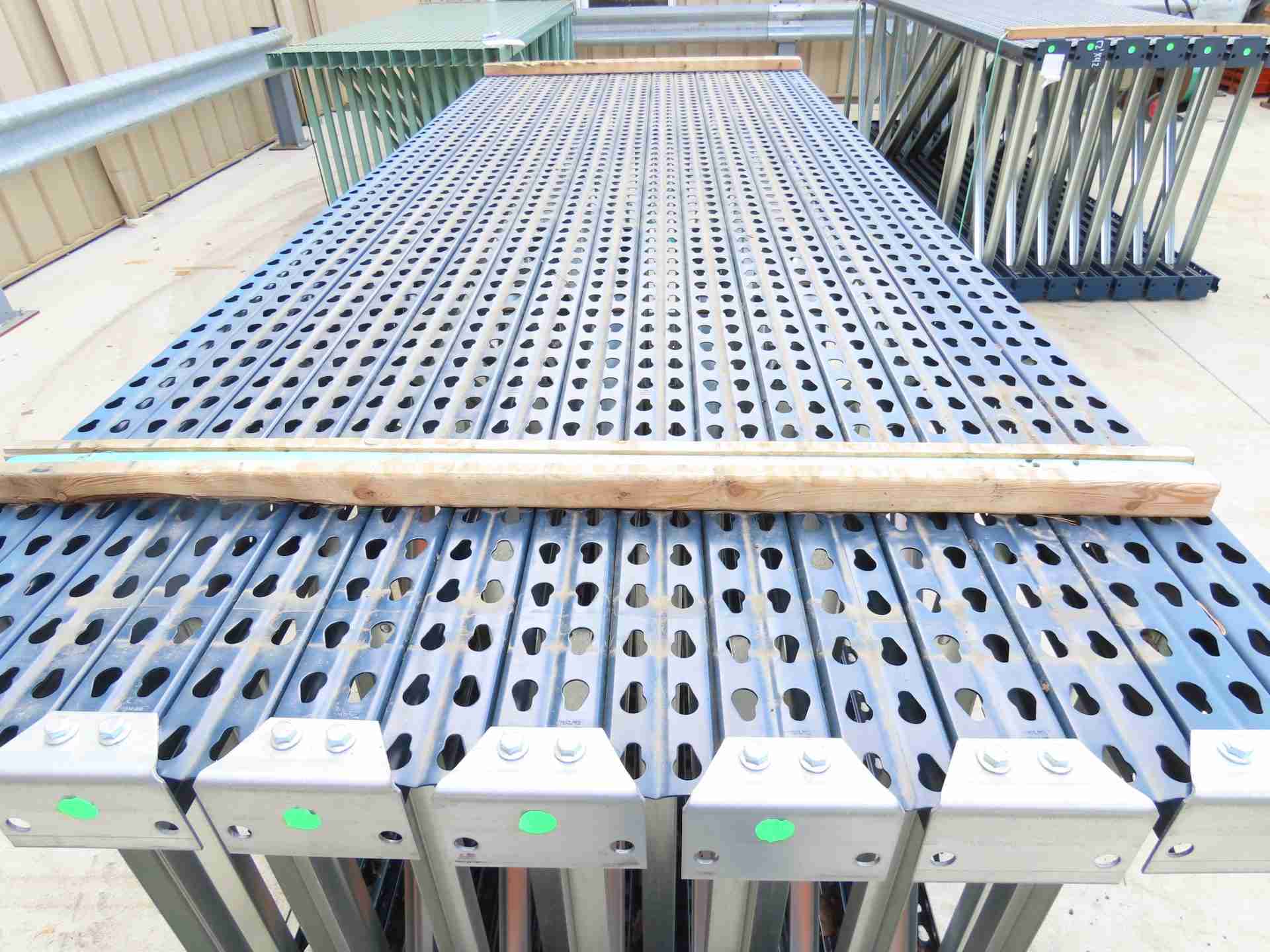
How Can Scaffold Companies Reduce Costs Using Cantilever Racking?
What Space-Saving Advantages Does Cantilever Racking Provide?
If you’ve ever tried to shove lumber, pipes, or any long, awkward stuff into a tight warehouse corner, you know the struggle. Standard pallet racking might hold a lot, but it often turns your storage into a jumbled maze, wasting valuable floor space and making your day harder than it needs to be. That’s where cantilever racking steps in like the hardworking, no-nonsense buddy you didn’t know you needed. It’s designed with open arms—literally—making it perfect for storing bulky, lengthy items without boxing you in.
Cantilever racking frees you from the cramped confines of traditional pallet racking. Without those pesky vertical uprights getting in the way on the front, you can slide in your materials from the side, quickly and easily. It’s a simple idea, but the way it opens up space in your warehouse is like turning a jammed closet into a wide-open workshop. You’re not just stacking stuff—you’re reclaiming room to move, think, and work smarter.
From a practical standpoint, this system cuts down on wasted space by stacking items vertically but without the hassle of squeezing between beams. It makes your inventory more accessible, cutting time lost in wrestling with pallets or forklift blind spots. When every inch counts, and efficiency means paying the bills, cantilever racking offers a straightforward, reliable solution that won’t leave you scratching your head.
On the ethical side, being organized isn’t just about neatness—it’s about respect. Respect for your crew who work hard to keep things running, respect for the safety they deserve, and respect for the materials that keep your business afloat. Cantilever racking helps keep your site safer by reducing the clutter and congestion that cause accidents. It’s a small investment in doing right by your people, and that’s a win no matter how you slice it.
You don’t need fancy jargon to see why cantilever racking earns a spot in any space-conscious operation. Its rugged, flexible design has stood the test of time in workshops and warehouses across the board. The folks on the floor know it: well-organized materials mean fewer headaches and a smoother day. It’s an upgrade that respects the sweat and grit behind every job.
If you’re tired of battling with overstuffed pallet racking and want your space and sanity back, cantilever racking is the answer. It balances brain and brawn—saving space, boosting efficiency, and making your workday a little less chaotic. When it’s time to get serious about space, this is where common sense meets solid performance.
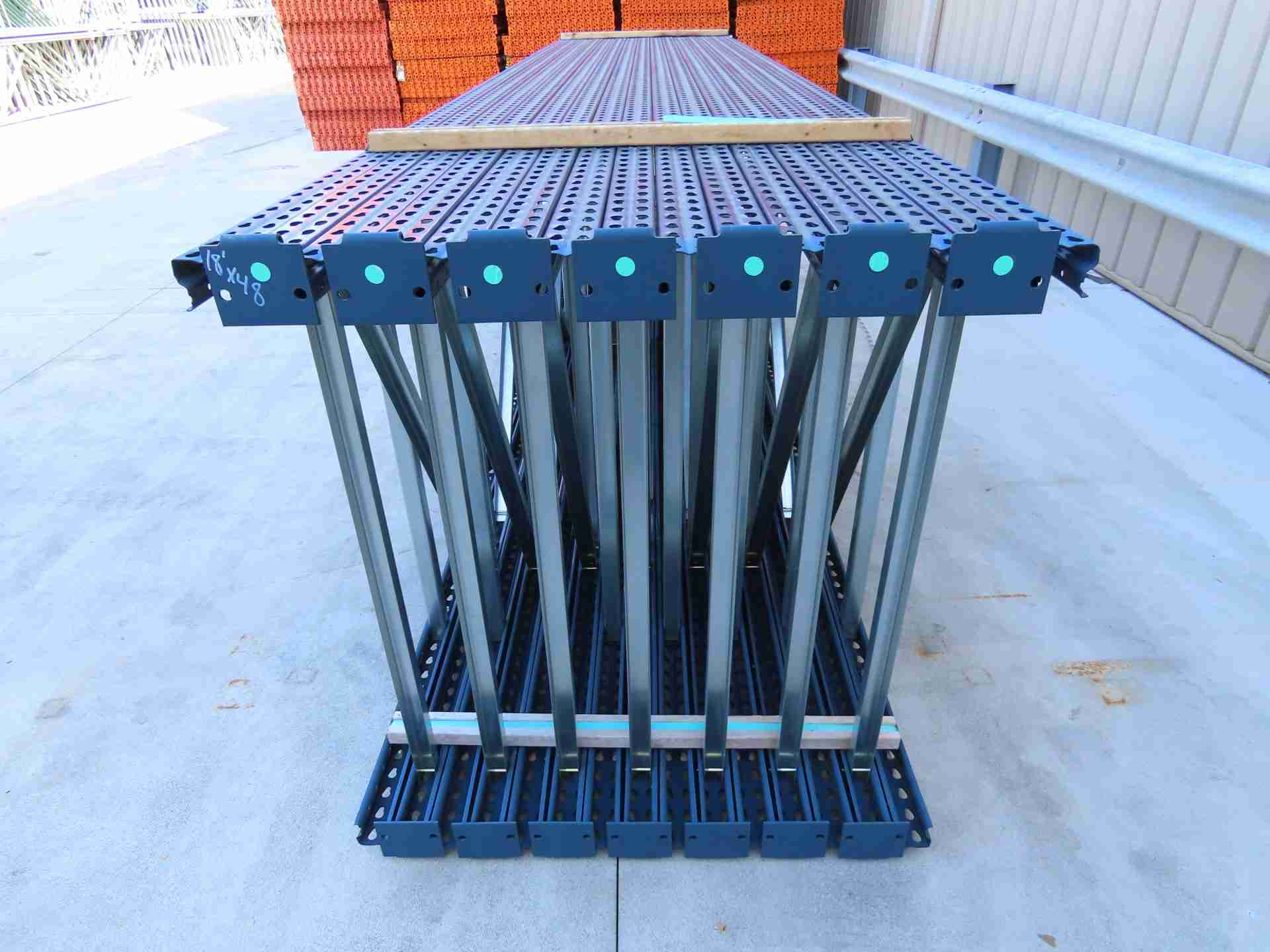
What Space-Saving Advantages Does Cantilever Racking Provide?
What Space-Saving Advantages Does Cantilever Racking Provide?
- Cantilever racking is ideal for storing bulky, long items like lumber and pipes, avoiding the space constraints of standard pallet racking.
- Its open-front design allows materials to be loaded from the side, increasing accessibility and freeing up warehouse space.
- The system maximizes vertical storage without the obstruction of front uprights, improving inventory management and reducing handling time.
- Cantilever racking enhances workplace safety by reducing clutter and congestion, respecting both crew welfare and material integrity.
- Its durable and flexible design has proven reliable across various workshops and warehouses, promoting better organization.
- The improved organization leads to fewer operational headaches and smoother daily workflow for workers on the floor.
- The solution balances efficiency and simplicity, saving space and making workdays less chaotic for space-conscious operations.

What Space-Saving Advantages Does Cantilever Racking Provide?
How Does Cantilever Racking Impact Inventory Management?
When you’re knee-deep in the day-to-day grind of managing stock, cantilever racking isn’t just some shiny new toy—it’s a game-changer that speaks straight to your gut and your common sense. Unlike traditional pallet racking that boxes you into tight rows and stacked cubes, cantilever arms reach out like a strong handshake, ready to hold those awkward, long items that otherwise turn your warehouse into a tangled mess. Think lumber, pipes, metal bars—stuff that’s stubborn to store but vital to keep track of. This racking isn’t just practical; it’s like having the right tools for a tough job, cutting down the headache in spotting inventory and grabbing the right pieces on time.
On the head side of things, cantilever racking gives you rational clarity. It opens up your storage space with a clean design that’s easy to navigate, meaning fewer mistakes and less time lost hunting down materials. When you’re handling inventory, especially bulky or irregular shapes, every minute spent fumbling around is a minute your business loses money. With cantilever, the layout brings efficiency—stock is visible, accessible, and organized. It reduces bottlenecks and speeds up the flow, making your operations smoother and more predictable. That’s not just smart; it’s straight-up necessary in today’s fast-paced logistics world.
But beyond efficiency, choosing cantilever racking says something ethical about how you run your business. It shows respect for the folks on the floor who move, load, and unload goods every day. It’s a safer way to store, reducing risks of accidents caused by awkward stacking or unstable loads on pallet racking that wasn’t built for these types of items. Investing in better storage isn’t just about protecting your inventory; it’s about protecting people—your team, your partners—and that responsibility matters. It builds trust, not just between you and your crew but also with clients who want to know you handle their goods with care and professionalism.
Storytime: there’s something satisfying in walking through a warehouse where everything has its place, especially when those long, unwieldy materials are hanging out on cantilever arms, neat as a pin. It doesn’t just make work easier—it makes you proud of the system you built. It’s a little victory every day against chaos, a quiet assurance that you’ve got your inventory under control.
In a world littered with complicated solutions and flashy promises, cantilever racking is the honest, hardworking choice. It respects the rough-and-tumble reality of inventory management while delivering real results. Pallet racking may rule many warehouses, but when you need a no-nonsense partner for those tricky items that won’t fit the usual mold, cantilever steps up, giving your inventory the home it deserves and your business the edge it needs.
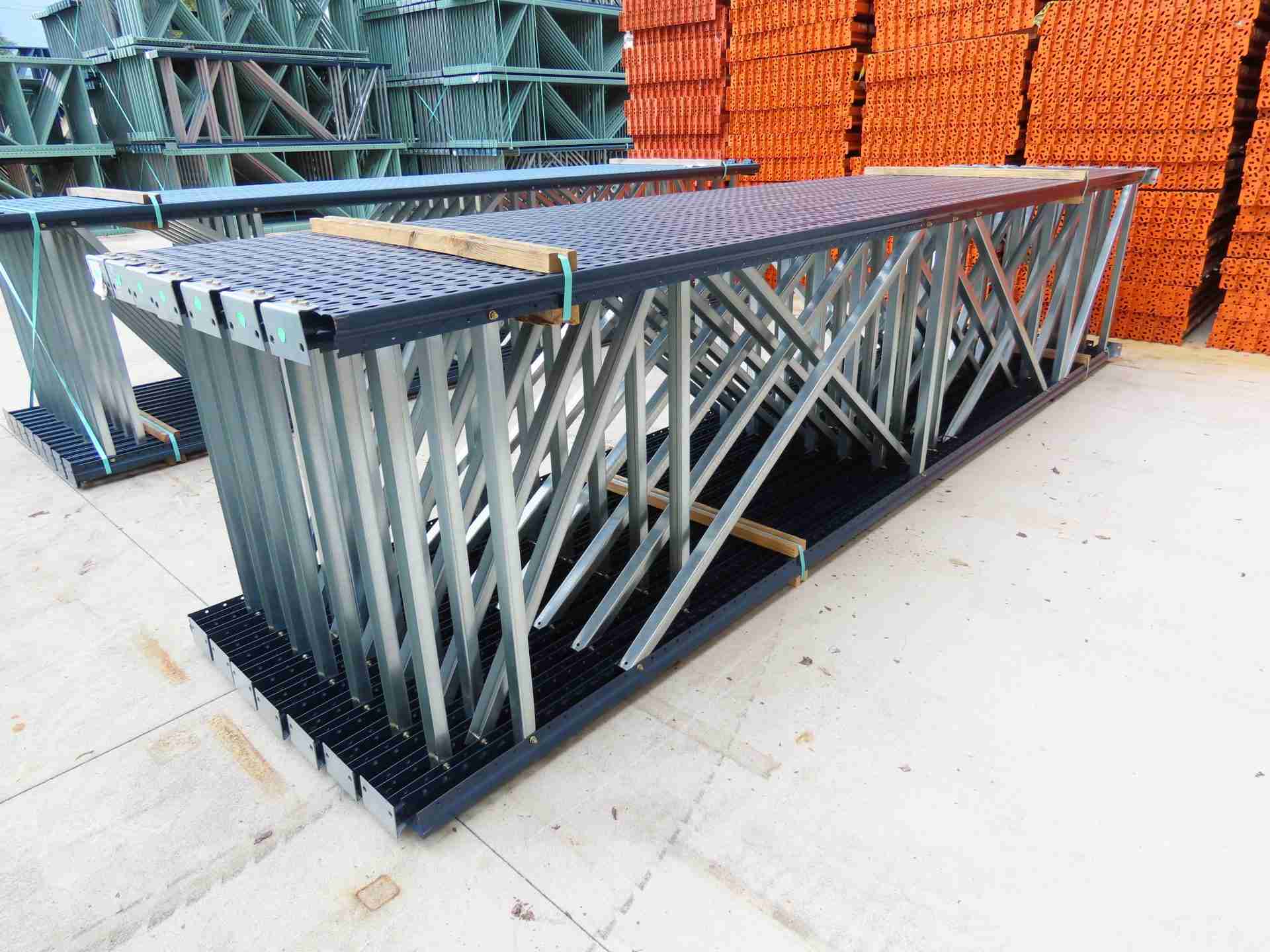
How Does Cantilever Racking Impact Inventory Management?
How Does Cantilever Racking Impact Inventory Management?
- Cantilever racking effectively stores long, awkward items like lumber, pipes, and metal bars, unlike traditional pallet racking.
- Its open design improves warehouse navigation, reducing mistakes and time lost searching for materials.
- Visible and accessible stock layout enhances operational efficiency and speeds up workflow.
- Provides a safer storage solution, lowering risks of accidents from unstable or awkwardly stacked loads.
- Investing in cantilever racking demonstrates respect and care for warehouse staff and business partners.
- Creates a sense of order and pride by keeping inventory organized and easily manageable.
- Offers a practical, reliable alternative to complex solutions, giving warehouses an edge in handling difficult-to-store items.

How Does Cantilever Racking Impact Inventory Management?
Why Is Cantilever Racking Ideal for Storing Irregular Formwork?
When you’re knee-deep in a construction project, there’s nothing more frustrating than trying to shove oddly shaped formwork onto standard Pallet Racking that just wasn’t made for it. Cantilever racking steps in here like a sturdy workhorse built with the job in mind. Unlike traditional Pallet Racking with its fixed arms and narrow bays, cantilever racks offer open, unobstructed space that lets you stack, slide, and store formwork pieces of all shapes and sizes without the hassle. It’s like having a versatile toolbox designed to fit every unique gear, not just a one-size-fits-all box.
The heart of the matter is respect for the hard work and craft that goes into every piece of formwork. Those odd angles, curves, and bulky profiles aren’t just scrap—they’re the backbone of your build. Cantilever racking treats that formwork right, letting you organize your site with care and order, so you’re not wrestling with chaos every morning. There’s a real pride in walking onto a job with gear that’s stored safely, neatly, and within easy reach. That sense of control and readiness? It makes a long day easier and the job smoother.
From a practical viewpoint, cantilever racks save time and headaches. You don’t have to dismantle or awkwardly stack formwork to fit it on some limited Pallet Racking shelf. When something is hard to store, it’s hard to find—and that wastes your money in delays and damaged materials. Solid, tailored cantilever systems reduce accidents by keeping heavy, weirdly shaped pieces stable and secure. The fewer close calls you have on site, the more you can focus without a knot in your stomach, confident that your storage won’t betray you when you least expect it.
Ethically, investing in the right storage system shows you care not just about the bottom line but about your crew and the quality of your work. Cantilever racking respects the materials, your team’s safety, and the overall workflow. It’s a morale booster when everyone knows the jobsite runs on smart solutions, not shortcuts.
Proven on job sites nationwide, cantilever racking stands as a trusted ally for contractors who’ve learned the hard way that irregular formwork deserves more than Pallet Racking’s cookie-cutter approach. It’s simple, straightforward, and built tough—just like the folks who use it every day. Choosing cantilever racking means choosing to work smarter, safer, and with a bit more ease in the daily grind.
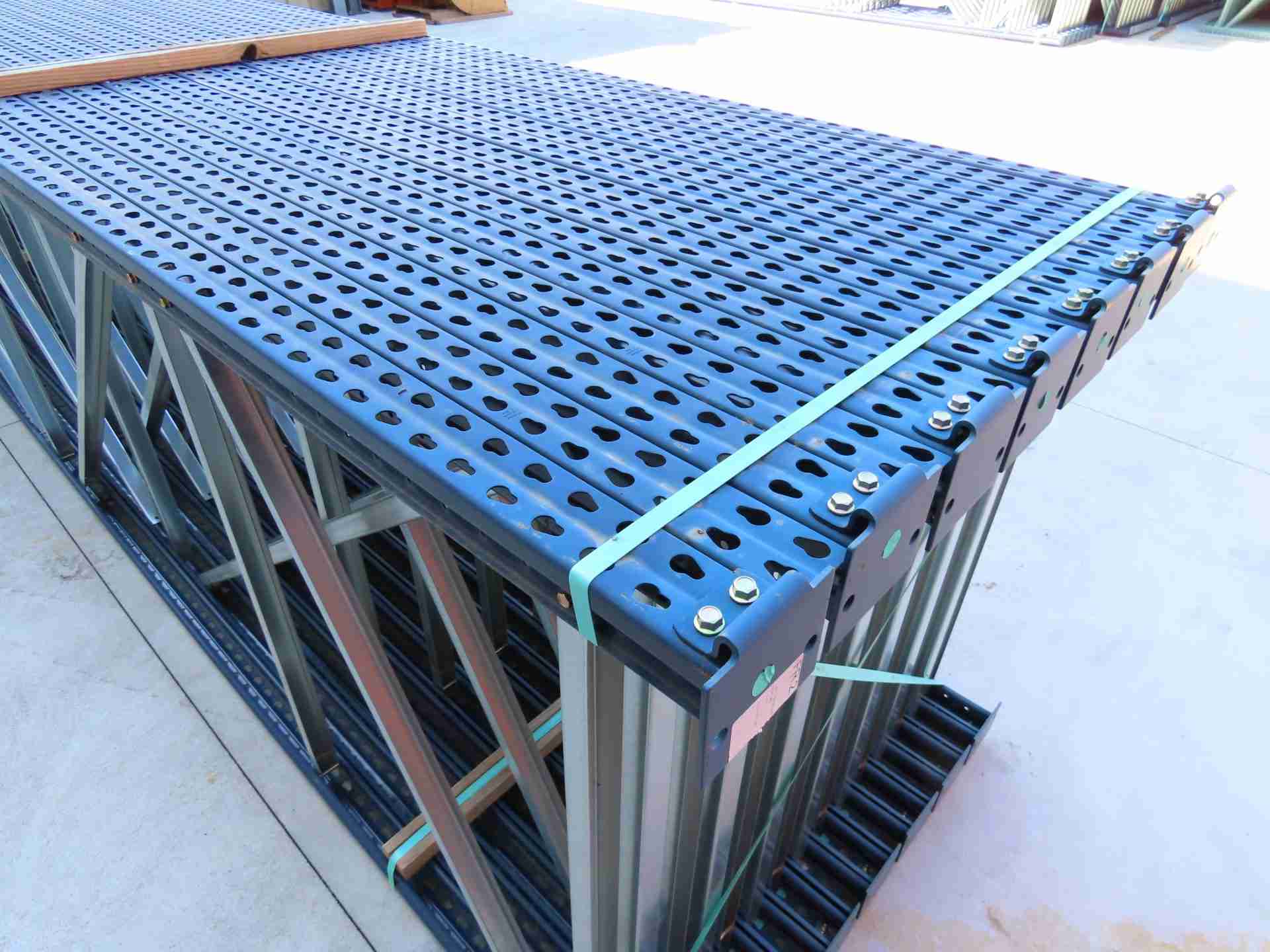
Why Is Cantilever Racking Ideal for Storing Irregular Formwork?
Why Is Cantilever Racking Ideal for Storing Irregular Formwork?
- Cantilever racking offers open, unobstructed storage space ideal for oddly shaped formwork, unlike traditional Pallet Racking with fixed arms and narrow bays.
- It respects the craftsmanship of formwork by accommodating irregular angles, curves, and bulky profiles, ensuring organized and safe storage onsite.
- Using cantilever racks reduces time wasted dismantling or awkwardly stacking formwork, minimizing delays and material damage.
- These racks improve safety by securely holding heavy, irregular pieces, reducing accidents and increasing on-site focus and confidence.
- Investing in cantilever racking demonstrates care for crew safety, material quality, and efficient workflow, boosting morale.
- Proven nationwide, cantilever racking is trusted by contractors as a durable, practical alternative to one-size-fits-all racking solutions.
- Choosing cantilever racking supports smarter, safer, and more efficient work practices in daily construction operations.
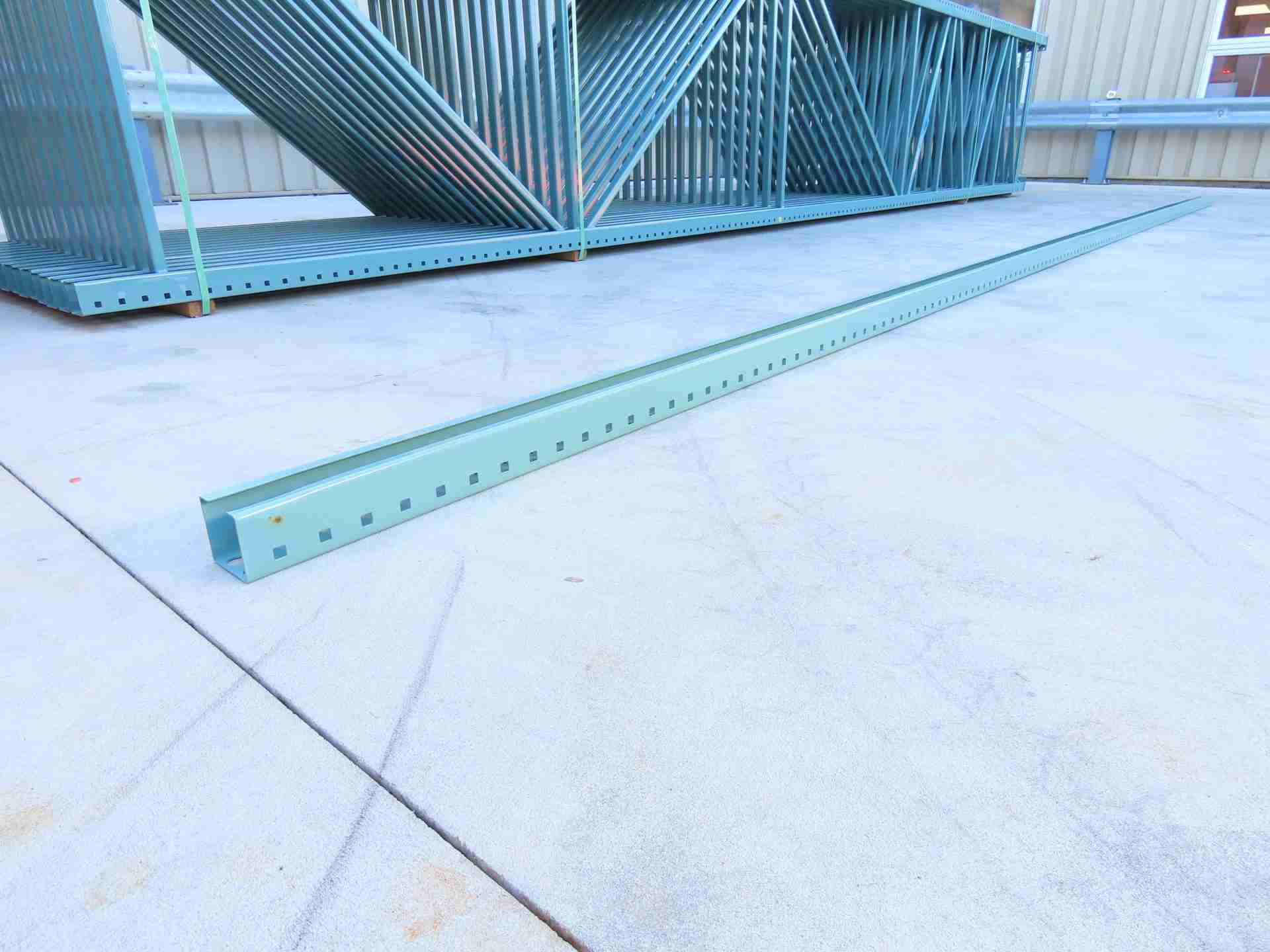
Why Is Cantilever Racking Ideal for Storing Irregular Formwork?
How Does Cantilever Racking Minimize Damage to Scaffolding Materials?
When you’ve spent hard-earned time and sweat building scaffolding materials, the last thing you want is to see them battered and bent out of shape before they even hit the job site. Cantilever racking steps in like a dependable workmate who knows how to respect the tools of the trade. Unlike pallet racking that stacks goods in blocks, cantilever racks open their arms wide, giving long, awkward pieces—like scaffolding poles and planks—the space they need to rest easy without leaning on each other or catching sharp edges. That simple design ain’t fancy, but it’s practical as hell, guarding your gear from scrapes and dents that chip away at their strength.
On the job, you see it all the time: scaffolding materials tossed into tight spots, piled high with no rhyme or reason, left to rub and bang during loading and unloading. It wears folks down to think about the wasted money sinking into damaged gear that could’ve lasted years if handled right. Cantilever racking, with its open arms and sturdy arms, stops this nonsense. It lets materials breathe, spreading the weight evenly, so nothing bears too much stress or gets crushed under the weight of the next piece. This respect for your gear doesn’t just save money—it saves your patience and your credibility on site. The people you work with notice when gear is cared for; it tells a story that you value quality and safety, and in this line of work, that trust is everything.
Ethically speaking, treating materials with care reflects a kind of responsibility you can look yourself in the eye over at day’s end. It’s not just about cash saved on replacements; it’s about setting a standard that your crew can be proud of. When you use cantilever racking, you’re saying you give a damn about the tools that make your trade possible. That’s an honest kind of respect that channels through to your whole operation.
Hands down, it’s authority proven in yards and warehouses all over. The smart folks who know how to run a tight ship use cantilever systems because they understand that protecting scaffolding materials isn’t an afterthought—it’s the foundation of smooth, efficient workdays. Saying no to damage means fewer headaches, faster turnarounds, and a better reputation. It’s a practical but powerful move every crew deserves to make. So, if you’re serious about keeping your scaffolding gear sharp, lean into cantilever racking instead of cramming everything onto old pallet racking setups that weren’t made for the twist and turns of your materials. It’s the kind of no-nonsense, reliable solution that feels right in the bones—and keeps your gear ready for the next climb.
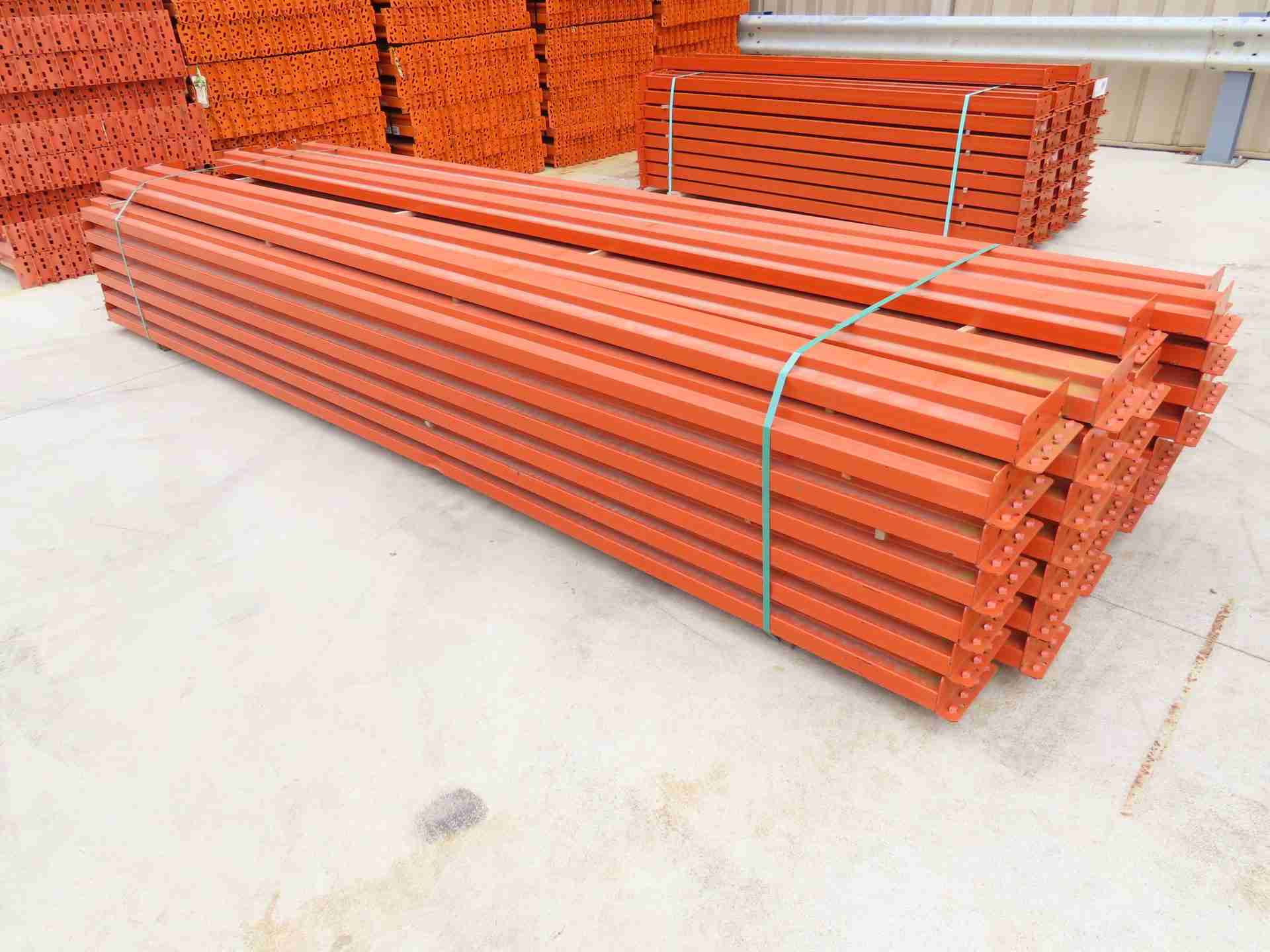
How Does Cantilever Racking Minimize Damage to Scaffolding Materials?
How Does Cantilever Racking Minimize Damage to Scaffolding Materials?
- Cantilever racking provides open, spacious storage ideal for long, awkward scaffolding materials, preventing damage from leaning or sharp edges.
- Unlike pallet racking, its design evenly distributes weight, avoiding stress and crushing of materials during loading and unloading.
- Using cantilever racks saves money by reducing damage and extends the lifespan of scaffolding gear.
- Proper storage with cantilever racking demonstrates respect for tools, enhancing credibility and trust on the job site.
- Treating materials with care through cantilever racking reflects ethical responsibility and sets a standard for the crew.
- Widely trusted in yards and warehouses, cantilever systems support efficient, smooth workdays by minimizing equipment damage.
- Choosing cantilever racking over pallet racking is a practical, reliable solution to keep scaffolding gear ready and protected.

How Does Cantilever Racking Minimize Damage to Scaffolding Materials?
Conclusion
Running a scaffold and formwork rental business is no joke. Every bit of space is precious and wasted minutes can cost you real money. Cantilever racking is like that reliable buddy who shows up ready to handle the mess you’ve been wrestling with—long pipes, heavy beams, awkward boards that just don’t fit nicely on regular pallet racks. It’s straightforward, sturdy, and built for the quirks of your gear. Not flashy, but damn effective. When your equipment’s laid out neat and easy to reach, everyone saves time and hassle. No more hunting through piles or risking damage just to grab the right piece. That saves headaches, keeps jobs on schedule, and lets crews get home without extra stress.
Cantilever racks aren’t just about tidiness—they’re about respect. Respect for your team who handle the gear day in and out, and respect for the materials that make your work possible. Tossing expensive scaffold parts in a heap might seem quick, but it pins a target on your wallet—damaged gear means replacements, delays, and wasted effort. Good storage shows you care about safety, quality, and the sweat everyone puts in. That kind of responsibility builds loyalty, pride, and a locker room culture of getting it right the first time.
On the money side, cantilever racks cut down on wasted space and reduce the time spent wrestling gear into place. Traditional pallet racking can turn a yard into a cramped maze, but cantilever’s open arms mean you slide long materials in easy and keep them visible. That clarity isn’t about neat freakery—it’s about cold, hard efficiency. Less accidental damage, fewer “where’s that part?” moments, and a smoother flow from yard to site. That matters because every delay or accident chips away at your bottom line and reputation. A clean, safe yard speaks volumes to clients; it’s proof you’re the outfit that’s got their act together.
When it comes to irregular, oddly shaped formwork, cantilever racks shine brightest. These are the tough pieces that don’t obey any standard pallet size or shape, and forcing them into the wrong racks just spells disaster. Cantilever lets you stack and store with room to breathe, not crush. That cuts risk of injury and gear damage, keeps crews safer, and gives you peace of mind that your equipment and people are looked after.
In a business built on trust, sweat, and timing, cantilever racking is the no-nonsense tool that frees up your day, saves your gear, and shows you’re serious about running things right. It’s not about flash or gimmicks—it’s about solid, proven common sense that respects the grind and keeps the work moving. If you want your yard tidy, your team safe, and your costs down, cantilever racking isn’t a nice-to-have—it’s the backbone of getting the job done.

Conclusion
Conclusion:
- Cantilever racking efficiently handles long, heavy, and awkward materials that don’t fit on regular pallet racks, saving valuable space and time.
- Organized storage minimizes damage and loss, protecting expensive scaffold and formwork equipment and preventing costly replacements and delays.
- Neat and accessible equipment layout reduces hassle, speeds up workflows, and decreases stress for crews on the job site.
- Cantilever racks show respect for both the team and materials by promoting safety, quality, and a responsible work culture.
- The open design improves yard efficiency by cutting down wasted space and easing material access, leading to fewer accidents and delays.
- They are ideal for storing irregular, oddly shaped formwork, preventing damage and reducing injury risks by providing ample space.
- Cantilever racking is a practical, no-nonsense solution that supports better organization, safety, and cost control in scaffold and formwork rental businesses.
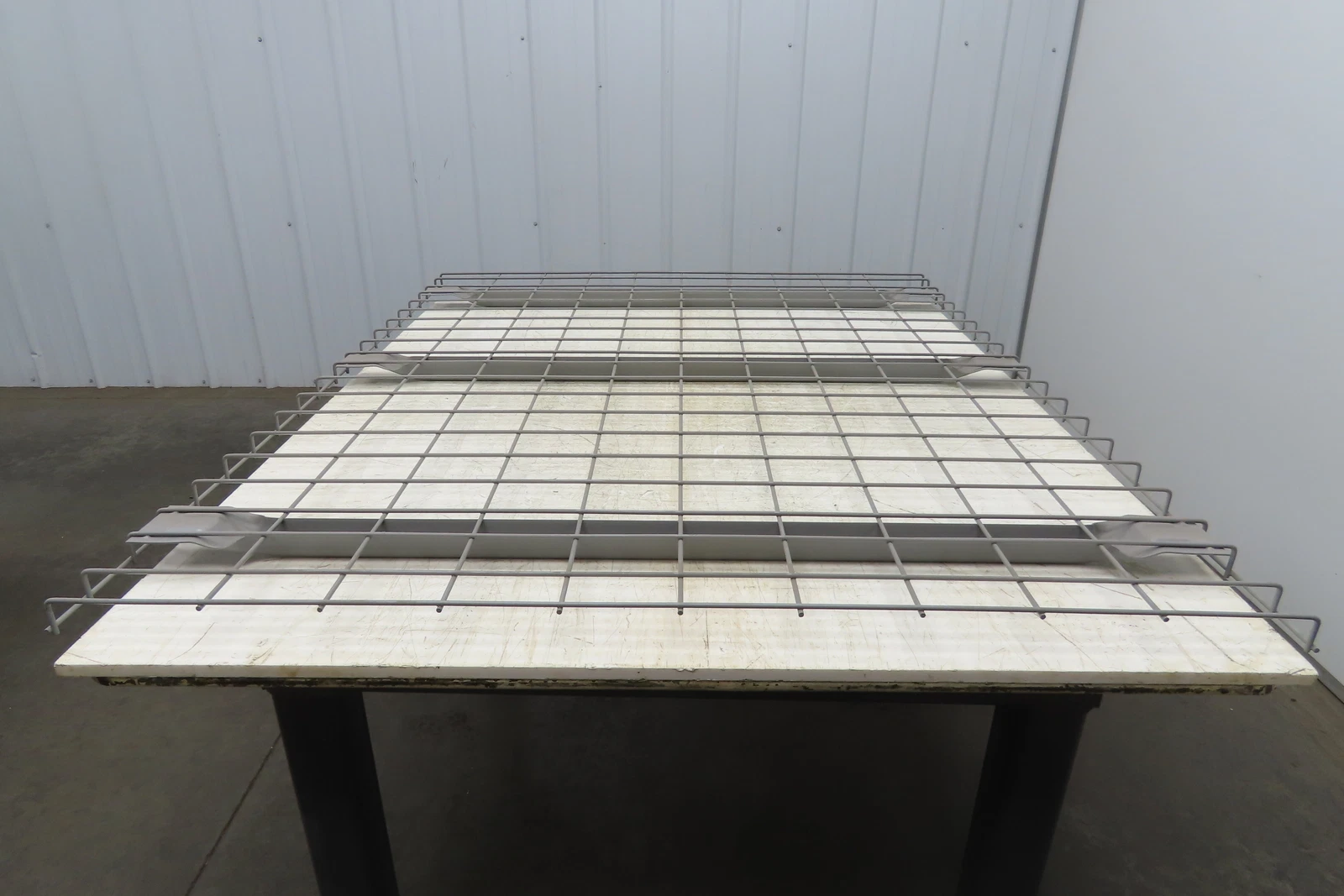
Conclusion
Other Resources
Other Resources
Here is a list of other resources you can review online to learn more:
- CMMA
- Arrow Industrial Sales
- Warehouse Storage Racks
- BMH
- Teardrop Uprights
- IIWS Inc. Rack Installation Illinois & Rack Repairs Illinois
- Selective Pallet Racking Systems
- MHI
- American Society of Safety Professionals
- What is Cantilever Racking? – AK Material Handling Systems
- Warehouse Racking Layout: The Ultimate Guide – Conger
- Teardrop Racks – Pallet Rack World
- Rack Manufacturers Institute
- Crane Manufacturers Association Of America Inc.
- Pallet Racking systems in Illinois, Great Lakes
- Pallet Racking 101: A Comprehensive Guide & Options Explained
- Iowa Illinois Warehouse Racking
- Interlake Mecalux
- Intro to Warehouse Racks & Warehouse Racking Systems – ShipBob
Use This Prompt To Get More Resources With Your Favorite Online AI Tool: Please provide me with a list of online articles with their URLs in a bulleted list that I can read regarding How Do Scaffold and Formwork Rental Companies Leverage Cantilever Racking?
Other Resources
Glossary Terms
How Do Scaffold and Formwork Rental Companies Leverage Cantilever Racking? – Glossary Of Terms
1. Cantilever Racking: A storage system with horizontal arms projecting from vertical columns, ideal for long or bulky items.
2. Scaffold Rental: The service of providing temporary scaffold structures for construction or maintenance projects.
3. Formwork Rental: The provision of temporary molds or structures used to shape poured concrete.
4. Load Capacity: The maximum weight that cantilever racking or scaffolding can safely support.
5. Vertical Columns: Upright supports in cantilever racking that hold arms and bear loads.
6. Horizontal Arms: Extending elements from vertical columns that support stored materials.
7. Adjustable Arms: Cantilever racking arms that can be repositioned to accommodate different load sizes.
8. Modular Design: A system composed of standardized units for easy assembly and flexibility.
9. Storage Efficiency: The effective use of space through organized racking systems.
10. Heavy-Duty Storage: Racking designed to support heavy or oversized materials.
11. Accessibility: The ease of retrieving or placing items within the racking system.
12. Space Optimization: Maximizing storage capacity within limited floor space using vertical systems.
13. Safety Compliance: Adherence to regulations ensuring safe use of racking and scaffolding.
14. Temporary Structure: Non-permanent installations like scaffolds or formwork used during projects.
15. Material Handling: The movement, protection, storage, and control of materials in logistics.
16. Inventory Management: The supervision of stored items for efficient retrieval and stock control.
17. Flexibility: The ability of racking systems to adapt to various load sizes and types.
18. Durability: The ability of equipment to withstand wear, pressure, or damage.
19. Load Distribution: Even spreading of weight to prevent structural failure.
20. Formwork Support: Scaffolding or structures providing stability to formwork during concrete curing.
21. Quick Assembly: Rapid installation and dismantling of racking or scaffolding systems.
22. Rental Turnover: Frequency at which equipment is rented out and returned.
23. Space Leasing: Offering floor or yard space for customers to use rental equipment.
24. Maintenance Service: Regular inspection and repair of rental equipment.
25. Client Customization: Tailoring racking or scaffolding setups to meet specific customer needs.
26. Logistics Coordination: Planning and managing the flow of equipment to job sites.
27. Load Testing: Verifying the strength and safety of racking systems before use.
28. Cost Efficiency: Maximizing value through optimal use and rental of equipment.
29. On-site Support: Assistance provided to customers during equipment use at project locations.
30. Equipment Inventory: The stock of rental scaffolding and formwork materials managed by the company.
Glossary Of Terms
Other Questions
How Do Scaffold and Formwork Rental Companies Leverage Cantilever Racking? – Other Questions
If you wish to explore and discover more, consider looking for answers to these questions:
- What are the typical load capacities per arm and per column for cantilever racking?
- How do I calculate floor loading and foundation requirements for cantilever installations?
- What standard heights, arm lengths, and bay widths are available, and can they be customized?
- How adjustable are the arms and bays to accommodate different lengths of scaffold and formwork?
- What materials and finishes are offered (e.g., galvanized, powder-coated) and which are best for outdoor yards?
- How does cantilever racking perform in different weather conditions and how do I protect it from corrosion?
- Are there seismic, wind-load, or other structural considerations and certifications I should be aware of?
- Which safety and regulatory standards apply (OSHA, EN, AS/NZS, local codes) and how do I ensure compliance?
- How often should cantilever racks be inspected, and who should perform those inspections?
- What anchoring and leveling systems are required for safe installation?
- How does cantilever racking compare to pallet racking for different types of scaffold and formwork materials?
- What is the typical cost (per bay/arm) and estimated ROI or payback period after installing cantilever racking?
- What are the installation timeframes and labor requirements for a typical yard or warehouse?
- Can cantilever systems be relocated or reconfigured easily as my inventory or yard layout changes?
- What accessories are available (end stops, dividers, padding, load bars) to secure irregular pieces?
- How does cantilever racking affect forklift operations, aisle widths, and safe handling procedures?
- What worker training is recommended for loading, unloading, and general use of cantilever racks?
- What are the best practices for inventory labeling, tracking, and retrieval of long or irregular items?
- Can cantilever racking integrate with inventory management systems, barcoding, or RFID?
- What routine maintenance is required and what are common wear or failure points to monitor?
- How much damage reduction and shrinkage savings can I realistically expect after switching to cantilever racking?
- Are there rental or leasing options for cantilever racking or is purchasing usually better for rental businesses?
- Should I consider buying new or used cantilever racks, and what should I inspect when purchasing used units?
- What warranties, load tests, or certification documents should reputable manufacturers provide?
- How do I choose a reliable supplier or installer with experience serving scaffold and formwork rental companies?
- What site preparation (concrete pads, drainage, grading) is needed before installing cantilever racking?
- How should irregular or curved formwork be supported and secured on cantilever arms?
- Can cantilever racking safely store mixed loads (e.g., timber, steel pipes, aluminum frames) in the same bay?
- What are the recommended stacking and tie-down methods to prevent rolls, slides, or tipping?
- Is cantilever racking suitable for short-term on-site storage versus long-term yard or warehouse storage?
- How might installing cantilever racking impact insurance premiums, claims, or risk assessments?
- What environmental benefits (reduced waste, longer equipment life) can be measured after adoption?
- Are there case studies or customer testimonials showing measurable benefits for scaffold/formwork rentals?
- What common mistakes do companies make when first implementing cantilever racking and how can they be avoided?
- How do I design a layout that maximizes space and workflow for a given yard or warehouse footprint?
- What permit, planning, or local-authority approvals might be required for large outdoor cantilever installations?

Other Questions
Checklist
How Do Scaffold and Formwork Rental Companies Leverage Cantilever Racking? – A Checklist
Fit & Load Requirements
✅______ List all long and awkward SKUs (pipes, boards, ledgers, braces, panels) with maximum lengths and weights
✅______ Define required arm length and capacity per arm based on the heaviest and longest items
✅______ Choose single- or double-sided racks to match inventory and aisle layout
✅______ Confirm column, base, and arm capacities meet combined load requirements with a margin
✅______ Verify compatibility with current lift equipment (side access, fork length, mast height)
Layout & Space Optimization
✅______ Map footprint, aisle widths, and turning radii for efficient side loading
✅______ Plan vertical utilization (clear heights, sprinkler clearance, overhead obstructions)
✅______ Group bays by material family and length to minimize mixed loads
✅______ Reserve staging zones for receiving, picking, and returns near rack faces
✅______ Use end stops and defined overhang to maximize density without obstructing access
Safety & Compliance
✅______ Post rated capacities on columns and arms; keep load diagrams visible
✅______ Install arm end stops or restraints where appropriate
✅______ Anchor bases per manufacturer instructions and local code requirements
✅______ Separate pedestrian walkways from lift lanes with barriers and markings
✅______ Implement a documented rack inspection program and corrective action process
Handling & Workflow Efficiency
✅______ Standardize putaway by length class and SKU ID
✅______ Establish clear picking paths to reduce travel and double handling
✅______ Set return-to-stock procedures for off-rent items (inspect, clean, sort, stage)
✅______ Use color coding or tags for lengths, conditions, and job status
✅______ Define maximum stack heights per arm to speed visual verification
Inventory Management Controls
✅______ Assign bin locations per arm and bay; mirror in WMS or a location sheet
✅______ Set minimum/maximum levels for fast movers (boards, tubes, braces) to avoid rush orders
✅______ Conduct cycle counts by bay; reconcile discrepancies promptly
✅______ Tag damaged items immediately and move them to a quarantine area
✅______ Track turns, dwell time, and shrink to validate improvements
Damage Prevention Measures
✅______ Fit arm surfaces with protective pads or saddle strips where needed
✅______ Use dunnage and spacers to prevent point loading and rubbing
✅______ Keep materials off the ground; do not lean outside designated arms
✅______ Train operators on controlled insertion and removal to avoid strikes
✅______ Inspect for arm deflection, twists, or bent components after incidents
Irregular Formwork Adaptations
✅______ Configure adjustable arm spacing for odd shapes and panels
✅______ Add cradles, V-saddles, or custom brackets for curved or angled pieces
✅______ Secure with straps or chains when stability requires restraint
✅______ Assign dedicated bays for irregular returns to avoid mixing
✅______ Document special handling notes at the bay level for quick reference
Installation & Engineering
✅______ Verify floor slab thickness, flatness, and load capacity for anchors and point loads
✅______ Obtain engineering documentation and drawings from the manufacturer
✅______ Install per specification; torque anchors to the specified values and record results
✅______ Consider seismic and wind requirements and bracing where applicable
✅______ Complete the final commissioning checklist and retain records
Maintenance & Inspections
✅______ Perform daily visual checks for damage, loose anchors, and obstructions
✅______ Schedule monthly detailed inspections of columns, bases, arms, and stops
✅______ Touch up coatings and address corrosion, especially outdoors
✅______ Replace damaged components only with manufacturer-approved parts
✅______ Log all findings and corrective actions
ROI & Business Impact
✅______ Measure labor time for putaway and picking before and after implementation
✅______ Track damage rates and reduction in replacement spend
✅______ Quantify floor space reclaimed and SKU visibility improvements
✅______ Calculate payback period based on labor, damage, and space savings
✅______ Capture customer feedback on gear condition and turnaround speed
Outdoor/Environmental Considerations
✅______ Specify galvanized or coated racks for outdoor use
✅______ Ensure drainage and ground stability under bases
✅______ Add canopies or covers where exposure threatens material condition
✅______ Plan for snow and ice clearance and account for wind loads in open yards
✅______ Prevent debris buildup around bases and aisles
Professionalism & Team Culture
✅______ Keep aisles clear; mark zones and bay IDs
✅______ Post SOPs for putaway, picking, returns, and inspections at the rack
✅______ Train all operators and refresh training after changes or incidents
✅______ Photograph organized bays for marketing and onboarding
✅______ Recognize teams for maintaining order, reducing damage, and improving flow
Checklist
At RackingWorld, we help guide you through selecting warehouse storage systems and racking.
Be sure to read our other related stories at RackingWorld to learn more about warehouse storage systems.
0 Comments