
Maximizing Efficiency, Safety, And Innovation In Lab Supply Storage
By Tom Seest
At RackingWorld, we help guide you through selecting warehouse storage systems and racking.
Be sure to read our other related stories at RackingWorld to learn more about warehouse storage systems.
How Do Research Laboratory Supply Warehouses Leverage Pallet Racking?
When you step into a research laboratory supply warehouse, what you’re really seeing is the backbone of countless discoveries, the quiet engine behind breakthroughs that can change the world. Pallet racking isn’t just metal beams holding boxes; it’s the unsung hero making sure every vial, every pipette, every critical piece of equipment is exactly where it needs to be, when it needs to be there.
It’s a system born from hard-earned experience—straight-up practicality meeting the demand for precision. These warehouses have no room for error, no chance for slowdowns, because researchers rely on speed and accuracy to push science forward. Pallet racking gives them that reliability. From bulky chemicals to fragile, temperature-sensitive supplies, organizing it all on sturdy, well-thought-out racks keeps the whole operation humming smoothly.
Think about the pressure on these places: a hundred orders daily, tight regulations, and the need to juggle countless SKUs without missing a beat. Pallet racking answers that call with economical use of space and easy accessibility. Workers don’t waste time fishing around in cluttered aisles; they grab what’s needed and get it moving. Efficiency here isn’t a buzzword—it’s life or death for the people relying on those supplies.
Besides being a workhorse in functionality, pallet racking also plays a quiet ethical role. It safeguards fragile materials and ensures safe handling – protecting both the people working in the warehouse and the integrity of the research down the line. That’s more than boxes on shelves; that’s responsibility layered into metal and bolts.
And there’s something you can’t fake about the sense of order these racks bring. It reflects a culture of care and respect for the work being done, fostering trust from the ground up. When you see a well-kept warehouse with tidy pallet racking, you’re looking at a place that values every detail – not just speed, but safety and accuracy too.
So yeah, pallet racking may seem like a small piece in a huge puzzle. But it’s the kind of unswerving, grounded foundation that keeps the wheels turning. It’s how supply warehouses lean on common sense and solid design to support science’s highest ambitions, day in and day out.

How Do Research Laboratory Supply Warehouses Leverage Pallet Racking?
How Do Research Laboratory Supply Warehouses Leverage Pallet Racking?
- Pallet racking is essential in research laboratory supply warehouses, ensuring every item is precisely located and accessible when needed.
- It combines practical experience with the demand for precision, providing reliability critical for scientific progress.
- The system efficiently organizes diverse items, from bulky chemicals to fragile, temperature-sensitive supplies, maintaining smooth operations.
- Pallet racking optimizes space and accessibility, enabling quick fulfillment of numerous orders under tight regulations.
- It ensures safe handling and protection of fragile materials, safeguarding both workers and research quality.
- The orderly arrangement reflects a culture of care, respect, safety, and accuracy within the warehouse environment.
- Pallet racking serves as a fundamental, dependable framework supporting the high ambitions of scientific research daily.

How Do Research Laboratory Supply Warehouses Leverage Pallet Racking?
Table Of Contents
- How Do Research Laboratory Supply Warehouses Leverage Pallet Racking?
- How Does Pallet Racking Improve Space In Research Labs?
- How Can Pallet Racking Boost Efficiency In Lab Supply Storage?
- What Safety Measures Are Essential When Using Pallet Racking?
- How Does Pallet Racking Reduce Handling Time for Lab Supplies?
- What Are the Environmental Benefits Of Using Pallet Racking?
- How Does Pallet Racking Support Inventory Accuracy In Labs?
- Conclusion
- Other Resources
- Glossary Of Terms
- Other Questions
- Checklist
How Does Pallet Racking Improve Space In Research Labs?
In a research lab, space is more than just a spot on the floor—it’s where ideas take shape, experiments get done, and breakthroughs happen. Pallet racking steps into that cramped, cluttered scene like a steady workhorse, turning chaos into order without a fuss. When you’re juggling all the gear, supplies, and samples, every inch counts. Pallet racking makes sure you’re not wasting precious floor space stacking stuff haphazardly or worse, risking damage to expensive lab materials. It takes what could be a cluttered mess and turns it into a clean, organized system where everything has its place.
There’s a real, practical magic in pallet racking for labs—it’s all about maximizing vertical space. Instead of spreading out and running out of room, you build up. That’s plain common sense right there. You’re not expanding your lab walls; you’re using the height you’ve got, freeing up the floor for what really matters—experiments, equipment, and people moving around safely. It’s not just about fitting more in; it’s about fitting smart. Pallet racking lets researchers see, reach, and access materials quick without wasting time hunting through piles or risking spills.
On that gut level, there’s comfort in walking into a lab where everything is solid, trustworthy, and built to last—pallet racking isn’t some flimsy setup. It’s strong, dependable, and designed with the rough-and-tumble of lab life in mind. You know the kind that holds up under heavy loads day in and day out without bending or breaking. That reliability builds confidence. When you trust your storage, you focus better on your work instead of worrying about a stack falling or a sample getting crushed.
Ethically, organizing your lab with pallet racking supports better safety and efficiency, which isn’t just good sense—it’s your responsibility. Proper storage reduces clutter risks, prevents accidents, and helps keep sensitive materials secure. It’s about respect for the work you do, the people around you, and the investment in research. It’s also about setting a standard. When you walk into a well-organized lab, you’re not just seeing shelves—you’re witnessing a space that values precision, care, and professionalism.
Pallet racking in a research setting isn’t just a storage solution. It’s a practical ally that respects the hard grind of discovery. It’s where hands-on experience meets smart space management, helping labs run smoother, safer, and more focused. Everyone in the team feels the difference when tools and materials are exactly where they’re needed—because good organization isn’t just about space; it’s about making every minute and every idea count.

How Does Pallet Racking Improve Space In Research Labs?
How Does Pallet Racking Improve Space In Research Labs?
- Pallet racking transforms crowded lab spaces into organized systems, optimizing the use of every inch without wasting floor space or risking damage to materials.
- It maximizes vertical space, allowing labs to build upward rather than outward, freeing floor area for experiments, equipment, and safe movement.
- The system enables quick and easy access to materials, reducing time spent searching and minimizing risks like spills.
- Pallet racking is strong, reliable, and designed to withstand the heavy demands of lab environments, ensuring safety and durability.
- Organizing labs with pallet racking supports safety and efficiency, reducing clutter, preventing accidents, and securing sensitive materials.
- Using pallet racking demonstrates respect for research work, lab personnel, and sets a standard of professionalism and care.
- It serves as a practical tool that enhances lab operations, helping teams focus on discovery by ensuring tools and materials are always accessible and well-organized.

How Does Pallet Racking Improve Space In Research Labs?
How Can Pallet Racking Boost Efficiency In Lab Supply Storage?
When you walk into a lab cluttered with boxes and supplies stacked haphazardly, it doesn’t take long to feel the frustration. Time wasted digging through piles, the stress of misplaced tools, and the risk of damaging delicate materials weigh heavy on everyone’s shoulders. Pallet racking changes all that—bringing order where chaos once ruled. It’s not just shelves; it’s a straightforward system that works with you, not against you.
From experience on the ground, pallet racking is the kind of practical solution that makes sense to even the busiest, no-nonsense folks running a tight lab operation. It takes the guesswork out of storage. You assign a spot for each type of supply, and everything finds its place. No more hunting, no more “I thought it was here” moments. That saves time—and time is money, especially when lab work is precision-driven and deadlines loom large. Pallet racking helps staff focus on what truly matters: the science, not the scavenger hunt.
Ethically speaking, we all have a responsibility to maintain a safe workspace for our teams. Piled-up boxes on pallets can lead to accidents; materials falling, injuries happening, and expensive equipment getting damaged. Pallet racking keeps everything stable, organized, and easy to handle, reducing hazards and fostering a safer, more respectful work environment. When people feel safe and respected, they perform better—that’s just plain common sense.
Think about the authority behind pallet racking systems, too. These aren’t random stacks thrown together but engineered solutions designed to hold weight, optimize space, and endure the daily grind. Knowing your supplies are stored in a system built on solid principles calms the nerves. It’s not a shortcut; it’s a smart investment in your lab’s backbone.
There’s a narrative here we all relate to—turning a messy, stressful problem into a clear, manageable system. When your lab’s supply area runs smoothly, there’s a quiet satisfaction in knowing you’ve nailed the basics, that foundational step so often overlooked. The teamwork improves, morale rises, and the lab hums along without those frustrating hiccups.
Pallet racking doesn’t just store supplies; it stores peace of mind, pride in your workspace, and the confidence to tackle whatever comes next. In a world where every minute counts, that’s worth its weight in gold.
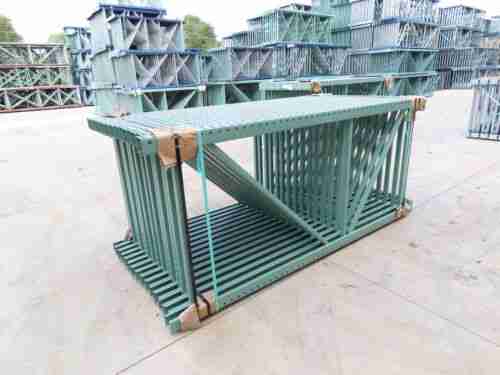
How Can Pallet Racking Boost Efficiency In Lab Supply Storage?
How Can Pallet Racking Boost Efficiency In Lab Supply Storage?
- Pallet racking transforms chaotic, cluttered labs into organized, efficient spaces, reducing time wasted searching for supplies.
- It provides a straightforward storage system that assigns specific spots for each supply, eliminating confusion and saving valuable time.
- By stabilizing materials and reducing hazards, pallet racking promotes a safer, more respectful work environment, enhancing staff performance.
- These systems are engineered solutions designed to support weight, optimize space, and withstand daily use, providing reliability and peace of mind.
- Pallet racking represents a smart investment in a lab’s operational backbone, not a shortcut or temporary fix.
- Organized storage boosts teamwork and morale, allowing the lab to function smoothly without frustrating disruptions.
- Beyond storage, pallet racking fosters pride in the workspace and confidence to focus on critical scientific work.

How Can Pallet Racking Boost Efficiency In Lab Supply Storage?
What Safety Measures Are Essential When Using Pallet Racking?
Working around pallet racking isn’t just about stacking boxes and moving freight—it’s about respect. Respect for the gear, for the team, for the hours spent on the job, and for the family waiting back home. You don’t want a moment’s carelessness to spell disaster. The most essential safety measures start with knowing your pallet racking inside and out. That means inspecting every beam, load, and bolt like your paycheck depends on it—because it does.
First off, the weight limits aren’t suggestions. Pallet racking is engineered to handle so much, and pushing it beyond that isn’t just dumb, it’s dangerous. Keeping those limits top of mind protects everyone on the floor and ensures the entire rig lasts longer. Damage to a single rack isn’t just a dent in metal; it’s a threat to stability that can bring the whole system down. If you spot bent uprights or loose braces, speak up and tag it out—because ignoring it only puts lives at risk.
Then there’s the art of loading and unloading. Putting heavier pallets low and lighter ones high isn’t just some warehouse myth. It’s common sense grounded in physics, like stacking firewood. When the load is right, the pallet racking system works like a well-oiled machine without putting unnecessary strain on its frame. And if you’re running forklifts, taking your time, checking your clearance, and making sure those forks don’t gouge the racks is a way of showing the work and your coworkers the respect they deserve.
Don’t underestimate training—it’s the backbone of pallet racking safety. The folks who operate around this equipment need clear, hands-on instruction. Nobody learns these tricks by reading a manual once; they learn by watching, doing, and hearing from seasoned pros who’ve seen what happens when standards slip. When safety is everyone’s business, mistakes get caught before they turn into emergencies.
Finally, the moral side: safety isn’t just about rules; it’s about caring for your people. When a team buys into the importance of pallet racking safety, it builds a culture of responsibility that outlasts any policy sheet. That’s when the job stops being a guessing game and starts being a place where every day ends with everyone going home safe. That’s not just good business—it’s the right thing to do.

What Safety Measures Are Essential When Using Pallet Racking?
What Safety Measures Are Essential When Using Pallet Racking?
- Working around pallet racking requires respect for the equipment, the team, the job, and families, emphasizing the importance of careful safety practices.
- Knowing pallet racking thoroughly involves inspecting every beam, load, and bolt to prevent accidents and ensure stability.
- Adhering strictly to weight limits protects workers and prolongs the lifespan of the racking system; damaged racks must be reported and tagged out immediately.
- Proper loading techniques, such as placing heavier pallets low and lighter ones high, reduce strain and maintain system integrity.
- Forklift operators must be cautious, checking clearance and avoiding damage to racks to respect coworkers and equipment.
- Hands-on training from experienced professionals is crucial, helping operators learn and maintain high safety standards.
- Building a culture of safety responsibility ensures the well-being of all workers and reinforces that safety is both good business and an ethical priority.
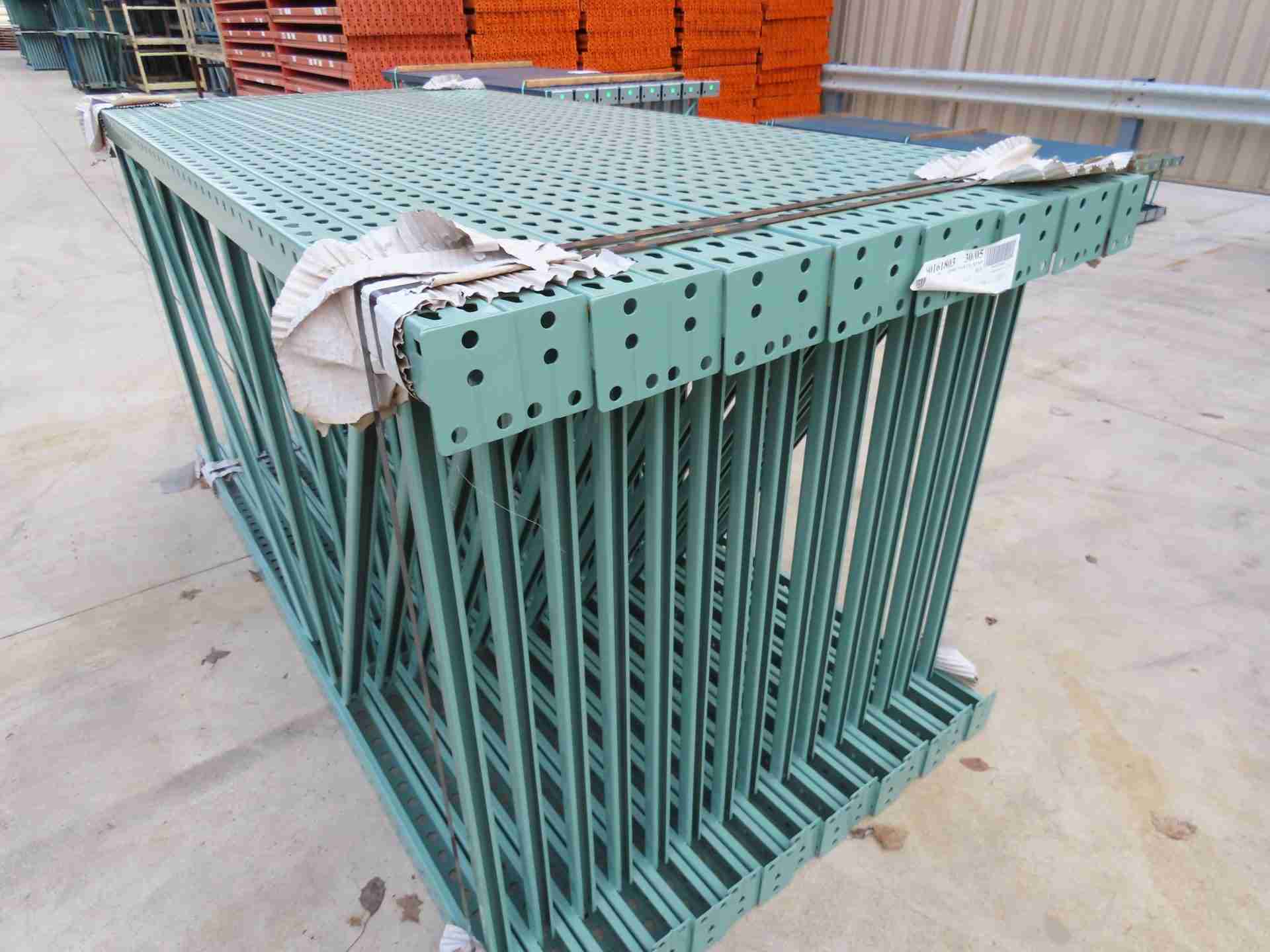
What Safety Measures Are Essential When Using Pallet Racking?
How Does Pallet Racking Reduce Handling Time for Lab Supplies?
You ever stand in a cluttered lab storeroom, knee-deep in boxes and thinking, “There’s gotta be a better way”? That’s where pallet racking steps in like the unsung hero of organization. It’s not just metal beams stacked high—it’s a smart system built to cut down all the fumbling and hunting that eats up your day. When lab supplies are lined up neat and easy to reach, you save hours every week, and those hours mean more than just time—they mean less frustration, fewer mistakes, and a smoother workflow.
Think about the times you’ve scrambled for that one vial or that specific batch of gloves. With pallet racking, everything’s got its place. You know exactly where to grab what you need, fast. It’s common sense—less fumbling, less double-handling. That’s not just convenience; it means the lab runs tighter with fewer hiccups. When supplies are stacked right, you’re not wasting muscle or brainpower guessing and searching. You’re working smarter, not harder.
And here’s the heart of it: lab work isn’t just about keeping things running. It’s about trust. When you reduce handling time with pallet racking, you’re also cutting down on the risks—less chance of dropping fragile samples or mixing up critical materials. That kind of reliability doesn’t just boost productivity, it saves lives and strengthens the integrity of every test and experiment. Knowing your supplies are stored safely, neatly, and ready to go builds confidence across the whole team.
Ethically, this is about respect—respect for the people doing the work and for the delicate nature of lab supplies. Pallet racking shows you care enough to create an environment where efficiency and safety walk hand in hand. It says, “We value your time and your precision.”
There’s something about walking into a space where every box and bottle is exactly where it should be. It pulls the team together, builds a quiet sense of order and pride. Pallet racking isn’t flashy, but it’s a steady backbone—a simple solution that solves big headaches. When you see those racks full and organized, you feel it—the kind of quiet satisfaction that says, “Yeah, we’ve got this.”
Pallet racking makes handling lab supplies less of a chore and more of a straightforward part of the day. No fuss, no guesswork, just a solid system that respects your time, your work, and the importance of what you’re doing. It’s common sense that pays off, every single shift.

How Does Pallet Racking Reduce Handling Time for Lab Supplies?
How Does Pallet Racking Reduce Handling Time for Lab Supplies?
- Pallet racking is an efficient organizational system that reduces the time spent searching for lab supplies, leading to less frustration and fewer mistakes.
- It provides a designated place for each item, minimizing fumbling and double-handling, which streamlines lab operations and boosts productivity.
- By reducing handling time, pallet racking lowers the risk of damaging fragile samples and mixing up critical materials, ensuring reliability and safety.
- It fosters trust and confidence among lab staff by keeping supplies stored safely, neatly, and readily accessible.
- The system reflects respect for both the workers and the delicate nature of lab materials, emphasizing efficiency and safety.
- Organized storage creates a sense of order and pride within the team, acting as a steady backbone that resolves major organizational challenges.
- Pallet racking transforms the management of lab supplies into a simple, dependable process that saves time and supports the quality of lab work every day.

How Does Pallet Racking Reduce Handling Time for Lab Supplies?
What Are the Environmental Benefits Of Using Pallet Racking?
Look, at the end of a long day, when you’re standing in a warehouse watching all those boxes stacked neat as a row of dominoes, it’s easy to overlook what’s really going on behind the scenes. Pallet racking isn’t just a way to keep things organized—it’s a solid green move. First off, it squeezes the most out of every square inch of space. That means fewer warehouses, less sprawling concrete, and a smaller footprint gobbling up land and resources. When you stack smart with pallet racking, you’re cutting down on the need to build bigger or bigger, which saves timber, steel, and everything that goes into construction.
You can feel that in your gut—that tightening knowledge that we’re running out of places to shove things; pallet racking helps slow that down. It’s conservation by organization, plain and simple. And here’s the kicker: it reduces waste. How? By making your inventory easier to manage, you cut down on damaged goods. When pallets sit tight and stable, boxes don’t get crushed or rotted, which means less junk headed to the landfill. That translates straight to less waste polluting the planet, saving resources before they’re even wasted.
From an ethical standpoint, using pallet racking speaks to a kind of quiet responsibility—doing right by the workers who rely on a clean, safe environment and the generations coming after us. Warehouses built tough with efficient pallet racking run cleaner, greener, and smoother, helping companies uphold their promise to the planet and their people. It’s about taking pride in getting it done right, without cutting corners or leaving a mess for someone else to deal with.
You can trust this isn’t just a sales pitch; the industry knows pallet racking reduces energy use, too. When things are arranged logically, forklifts don’t waste time or fuel hunting down items. Less idling, less back-and-forth, fewer emissions. That’s real-world impact, backed by hard-earned experience.
So next time you walk past those stacked pallets, remember: it’s about more than just storage. It’s a down-to-earth solution that respects the land, saves resources, protects workers, and makes business sense all at once. Pallet racking isn’t just smart—it’s right. And that’s a story worth being part of.
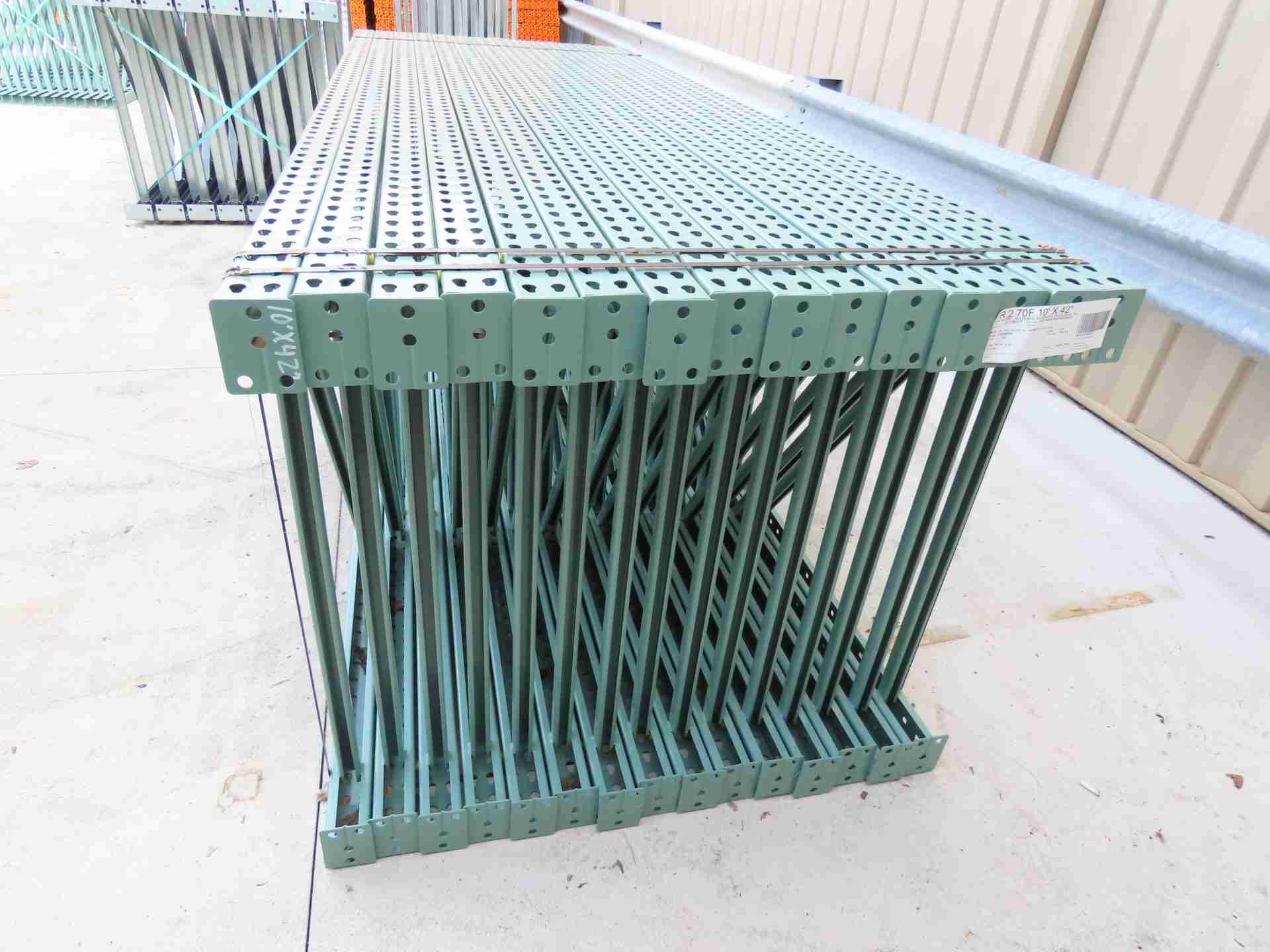
What Are the Environmental Benefits Of Using Pallet Racking?
What Are the Environmental Benefits Of Using Pallet Racking?
- Pallet racking maximizes warehouse space, reducing the need for larger facilities and preserving land and resources.
- Efficient stacking minimizes construction materials like timber and steel, promoting sustainable building practices.
- It helps conserve space as storage demands grow, slowing the depletion of available land.
- By stabilizing pallets, it reduces damaged goods and waste, lowering landfill contributions and resource loss.
- Using pallet racking supports ethical responsibility by providing a safer, cleaner work environment and benefiting future generations.
- Logical organization with pallet racking decreases energy use and emissions by reducing forklift travel and idling time.
- Pallet racking offers a practical, environmentally friendly storage solution that benefits businesses, workers, and the planet.
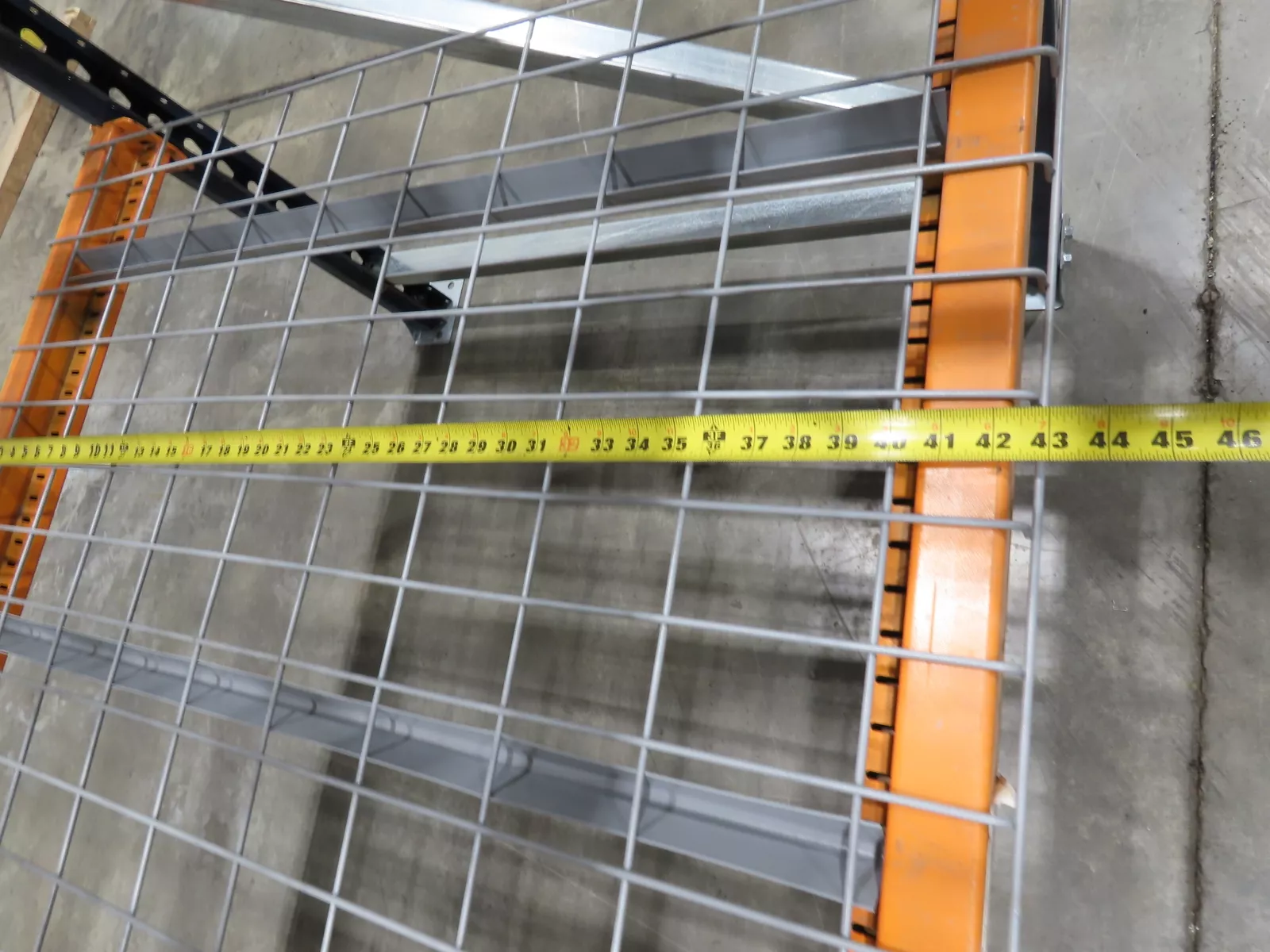
What Are the Environmental Benefits Of Using Pallet Racking?
How Does Pallet Racking Support Inventory Accuracy In Labs?
When you step into a lab, it’s easy to overlook the quiet workhorses behind the scenes—like pallet racking—that keep everything running smooth as a well-oiled machine. Pallet racking isn’t just metal shelves; it’s the backbone of inventory accuracy in places where every vial, bottle, or box counts, sometimes literally for lives. You know that sinking feeling when you can’t find a critical chemical or component right when you need it? Pallet racking helps cut that out by giving each item its proper place, reducing guesswork and frantic searches.
From an honest, hands-on standpoint, pallet racking organizes materials so lab workers don’t waste time playing hide-and-seek with their inventory. When every pallet has its spot, it’s easier to keep track of stock levels, spot when supplies run low, and avoid mistakes that come from grabbing the wrong item. That means fewer errors, less downtime, and less frustration all around—because nobody has time for chaos when deadlines and safety depend on precision.
There’s also an ethical angle to this. Labs deal with sensitive chemicals and expensive equipment. Misplaced items aren’t just an inconvenience—they can lead to contamination risks, compromised tests, or wasted funds. Pallet racking supports responsible stewardship of materials, showing respect for the work, the team, and the clients who depend on accuracy. It helps maintain high standards without adding hassle, proving that good organization is a quiet act of care.
If you’ve ever felt the satisfaction of a well-run workspace, that’s no accident. Pallet racking creates a reliable system that builds confidence in the day’s work. It fosters a sense of pride and accountability among lab staff because everyone knows that their inventory is accounted for and ready when called upon. It’s a simple fix with real impact—a sturdy framework that helps people do their jobs better and with less stress.
Colleagues talk about how pallet racking changes the game, turning clutter into clarity. When inventory is easy to access and count, accuracy becomes the norm, not the exception. It builds trust up and down the chain from the worker scanning barcodes to the manager overseeing compliance. That’s the kind of straightforward solution that listens to the needs on the floor and answers with pure practicality. Pallet racking is more than storage; it’s the unsung hero that keeps lab operations honest, efficient, and dependable.

How Does Pallet Racking Support Inventory Accuracy In Labs?
How Does Pallet Racking Support Inventory Accuracy In Labs?
- Pallet racking is essential for maintaining inventory accuracy in labs, ensuring every item has a designated place to reduce search time and errors.
- Organizing materials on racks saves lab workers time and helps track stock levels, preventing mistakes and minimizing downtime.
- Proper storage supports ethical handling of sensitive chemicals and expensive equipment, reducing contamination risks and wasted funds.
- Pallet racking fosters a sense of pride and accountability among staff by creating a reliable, stress-reducing work system.
- Easy access to inventory through pallet racking improves accuracy and builds trust from workers to management.
- It transforms cluttered spaces into organized environments, promoting efficiency and compliance in lab operations.
- Pallet racking acts as an unsung hero, supporting honest, efficient, and dependable lab workflows.

How Does Pallet Racking Support Inventory Accuracy In Labs?
Conclusion
At its core, pallet racking is the no-nonsense backbone holding research laboratory supply warehouses together, quietly making sure every critical piece—from fragile chemicals to bulky equipment—is stored safely, accessed quickly, and accounted for accurately. It’s not flashy, but it’s the kind of sturdy, everyday hero born from real experience and plain common sense. When you bounce through a lab storeroom that’s organized with pallet racking, you see more than just shelves; you witness a working culture that values speed, safety, and respect for the work at hand.
These racks aren’t just about stacking stuff. They’re about turning limited, precious space into a lean, efficient operation that serves the urgent pulse of scientific discovery. Lab space is tight, and every inch saved on the floor means more room for what really matters: experiments, equipment, and people moving safely and smoothly through their day. Pallet racking maximizes vertical space with unshakable reliability—a system built tough to handle the grind without buckling or bending. That reliability builds confidence across the crew, letting folks focus on the mission without second-guessing whether a load might topple or a sample might crack.
Efficiency isn’t just a goal; it’s survival. Misplaced supplies or wasted minutes hunting through clutter add up to delays and stress that ripple through the entire lab. Pallet racking eliminates the scattershot chaos by giving each item a home, making grabbing exactly what’s needed a swift, no-fuss routine. That means fewer mistakes, less downtime, and a lab that hums rather than stumbles. On top of saving time, it cuts down on accidental damage and workplace hazards—because when gear is stacked right and stored safely, injuries and losses shrink. That’s ethical stewardship in action: respect for your team, the critical materials, and the work’s high stakes.
Safety around pallet racking demands sharp eyes and steady hands. Knowing your weight limits, inspecting racks, and loading with care isn’t optional—it’s the lifeline that protects workers and preserves integrity in the supply chain. Training anchors these habits, turning safety into a shared responsibility rather than a dry checklist. That culture of care means everyone walks out at the end of the shift as whole as when they came in, a quiet but powerful win.
Beyond the warehouse walls, pallet racking carries an environmental edge. By squeezing more efficiency out of space, it cuts down on wasted building materials and lessens the need for sprawling, resource-hungry facilities. It also prevents product damage, reducing landfill-bound waste. The efficient layout cuts forklift trips and fuel use, trimming emissions and energy drain. In this regard, pallet racking isn’t just about storage—it’s a simple, grounded way to do right by the planet while running a smarter operation.
Inventory accuracy rides on the back of pallet racking, too. When every box and bottle has a proper place, the dreaded “where’d it go?” moments fade away. This orderliness protects lab results from contamination and costly errors, builds trust from the lab bench to the compliance office, and lifts morale by cutting down frustration. It’s a practical pillar that turns chaos into clarity, helping every handdoer—from the supply clerk to the lead scientist—do their job with less stress and more confidence.
In the end, pallet racking is more than steel beams and bolts; it’s the steady hand that steadies the whole lab supply operation. It ties efficiency, safety, responsibility, and respect into a simple, reliable system that supports great science every single day. It’s the quiet foundation beneath every breakthrough, built on hands-on know-how and a deep down understanding that the details matter, and that trust earned on the warehouse floor ripples out into the world of discovery beyond.
Conclusion
Conclusion:
- Pallet racking is essential for safely storing and quickly accessing critical laboratory supplies, supporting an efficient and respectful work culture.
- It maximizes limited lab space by utilizing vertical storage, enabling smooth, safe movement and reliable handling of heavy or fragile items.
- By organizing supplies with designated places, pallet racking reduces errors, downtime, and workplace hazards, enhancing overall lab efficiency and safety.
- Maintaining safety through proper use, inspection, and training is crucial, fostering a shared responsibility that protects workers and supply integrity.
- Pallet racking contributes to environmental sustainability by minimizing facility footprint, reducing waste and emissions, and promoting efficient resource use.
- Accurate inventory management is supported by pallet racking’s orderliness, preventing loss, contamination, and frustration while improving morale and trust.
- Overall, pallet racking forms a reliable foundation that integrates efficiency, safety, responsibility, and respect to support scientific progress daily.
Conclusion
Other Resources

Other Resources
Here is a list of other resources you can review online to learn more:
- Cantilever Racking Specialists – Get the Right Racks
- Selective Racking
- New Cantilever Racks and Racking Kits
- Pallet Rack Systems – New and Used Pallet Racking and Shelving Experts
- CMMA
- Crane Manufacturers Association Of America Inc.
- Illinois
- National Safety Council
- Total Warehouse
- IIWS Inc. Rack Installation Illinois & Rack Repairs Illinois
- Storage Equipment Manufacturers Association
- Warehouse Storage Racks
- Warehouse Racking Systems: Beginner’s Guide to Rack Systems
- Selective Pallet Racking Systems
- Logic Material Handling
- Warehouse Racking System: Powerful Guide to Optimise, 2024
- Cantilever Racks Chicago
- What is Selective Racking: Understanding Benefits & Options
- WERC
- CA Wire
Use This Prompt To Get More Resources With Your Favorite Online AI Tool: Please provide me with a list of online articles with their URLs in a bulleted list that I can read regarding How Do Research Laboratory Supply Warehouses Leverage Pallet Racking?

Other Resources
Glossary Terms
How Do Research Laboratory Supply Warehouses Leverage Pallet Racking? – Glossary Of Terms
1. Pallet Racking: A storage system designed to hold materials on pallets in horizontal rows and multiple levels.
2. Warehouse Optimization: The process of organizing storage to maximize space and efficiency.
3. Inventory Management: The supervision of stock levels, orders, and storage.
4. Space Utilization: The effective use of available warehouse space.
5. Load Capacity: The maximum weight a pallet racking system can hold safely.
6. Selective Racking: A common pallet racking type allowing direct access to each pallet.
7. Drive-In Racking: A high-density storage system where forklifts drive into racking bays.
8. FIFO (First In, First Out): Inventory method ensuring older stock is used before newer stock.
9. LIFO (Last In, First Out): Inventory method where the most recently stored items are retrieved first.
10. Picking Efficiency: The speed and accuracy of retrieving items from storage.
11. Forklift Accessibility: The ability for forklifts to reach and retrieve palletized goods.
12. Slotting: The arrangement of inventory in a warehouse to optimize picking and storage.
13. Warehouse Throughput: The amount of material moved through a warehouse in a given period.
14. Pallet Load Stability: The security and balance of goods stacked on a pallet.
15. Safety Compliance: Adherence to regulations governing warehouse operations and storage.
16. Vertical Storage: Utilizing warehouse height to increase storage density.
17. Structural Integrity: The strength and durability of pallet racking systems.
18. Racking Configuration: The specific design layout of pallet racking in a warehouse.
19. Cross-Docking: Transferring goods directly from inbound to outbound transportation without storage.
20. Material Handling Equipment: Tools like forklifts and pallet jacks used in warehouses.
21. Inventory Turnover: The rate at which inventory is sold and replaced.
22. Load Containment: Systems or methods to prevent goods from falling off pallets.
23. Warehouse Automation: Use of technology to improve efficiency in warehouse operations.
24. Rack Damage Prevention: Measures taken to avoid structural damage to racking systems.
25. Accessibility: The ease with which items can be reached within the warehouse.
26. Density Storage: Storing goods compactly to maximize space usage.
27. Stock Rotation: Regularly moving inventory to prevent spoilage or obsolescence.
28. Warehouse Layout Design: Planning the arrangement of storage and workflow in a warehouse.
29. Pallet Flow Racking: A dynamic storage system where pallets move forward on rollers or wheels.
30. Inventory Accuracy: The precision of recorded stock levels versus actual products on hand.

Glossary Of Terms
Other Questions
How Do Research Laboratory Supply Warehouses Leverage Pallet Racking? – Other Questions
If you wish to explore and discover more, consider looking for answers to these questions:
- What types of pallet racking systems (selective, drive-in, push-back, cantilever, mezzanine) are best suited for research laboratory supply warehouses?
- How do you calculate required load capacity per bay and per shelf for different lab materials?
- What are the relevant industry standards and regulations (OSHA, RMI/ANSI, local codes) for pallet racking in lab environments?
- How should pallet racking be configured for hazardous chemical storage and segregation?
- What fire protection and sprinkler design considerations apply to high-density pallet racking in labs?
- How do pallet racking solutions integrate with cold-chain or temperature-controlled storage (freezers, refrigerators)?
- What containment options (spill trays, secondary containment) are recommended for liquid chemicals on racks?
- How can pallet racking support cleanroom-compatible or contamination-sensitive storage areas?
- What are best practices for labeling, signage, and aisle identification to improve pick accuracy?
- How can pallet racking be integrated with inventory systems (barcodes, RFID, WMS, LIMS)?
- What automation options (AS/RS, pallet shuttles, automated guided vehicles) work with pallet racking in lab warehouses?
- How does pallet racking affect workflow design and picking strategies (FIFO, LIFO, zone picking)?
- What ergonomic considerations and equipment (pallet jacks, specialized forklifts) reduce handling injuries?
- How frequently should racks be inspected and by whom, and what inspection checklist items are essential?
- What training programs and certifications should staff operating around pallet racking complete?
- How do you manage and repair rack damage, and when must a rack component be replaced rather than repaired?
- What are the costs and expected ROI of installing or upgrading pallet racking in a lab supply warehouse?
- How can pallet racking layouts be phased or expanded to support future growth or changing SKU mix?
- What flooring and building-load considerations are required for high-rise racking installations?
- How do seismic or high-wind region requirements change racking design and bracing?
- What are the environmental benefits in measurable terms (energy savings, reduced footprint, waste reduction)?
- How should sensitive or fragile items be packaged and placed on pallets to prevent damage on racks?
- What options exist for corrosion-resistant racking materials in corrosive or humid lab storage areas?
- How do you implement traceability and lot-control for regulated lab supplies stored on racks?
- What permits or approvals are typically required for installing large pallet racking systems in commercial lab facilities?
- How do you design racks and aisles for safe forklift clearance and visibility in narrow-aisle or very-high-bay systems?
- What are the pros and cons of buying new vs. used pallet racking for a laboratory supplier warehouse?
- How can pallet racking support emergency response procedures and safe evacuation routes?
- What maintenance contracts, warranties, and service plans should be negotiated with racking suppliers?
- How do you measure improvements from a racking upgrade (KPIs such as pick time, inventory accuracy, incident rates)?
- What are practical case studies or examples of labs that improved operations significantly with pallet racking?
- How should incompatible chemicals and reactive materials be separated and stored on pallet racks?
- What considerations exist for lighting, sensors, and IoT monitoring on racking aisles to improve safety and efficiency?
- How do pallet racking systems interact with regulatory audits (GLP, GMP, FDA) and documentation requirements?
- What options are available for temporary or modular racking when renovating or reconfiguring lab spaces?
- How should temperature, humidity, and vibration-sensitive instruments be stored on pallet systems to protect integrity?
Other Questions
Checklist
How Do Research Laboratory Supply Warehouses Leverage Pallet Racking? – A Checklist
Planning and Layout
✅______ Inventory profile documented (SKUs, dimensions, weights, turnover, temperature and hazard class)
✅______ Growth forecast mapped for future capacity
✅______ Zoning defined (ambient, cool or cold, chemicals, fragile or high value, quarantine)
Space Optimization and Configuration
✅______ Vertical height maximized within code and sprinkler clearances
✅______ Proper flue spaces maintained (longitudinal and transverse)
✅______ Aisle widths set for equipment (forklifts or order pickers)
✅______ Rack type matched to need (selective, double-deep, narrow aisle, pushback, pallet flow, drive-in)
✅______ Location numbering scheme designed (aisle–bay–level–position)
Rack Specification and Installation
✅______ Engineer-reviewed load design, including seismic and wind considerations
✅______ Uprights anchored and shimmed; plumb tolerance verified
✅______ Beam locks or clips installed and engaged
✅______ Load plaques posted with capacities per bay and level
✅______ Wire decking or pallet supports for mixed or small-case loads
✅______ Backstops, mesh, and side guards installed for containment where needed
✅______ End-of-aisle and upright column protection installed
✅______ Spill containment and sumps for chemicals, and segregated storage for incompatibles
✅______ Cold-room-rated components used where applicable
✅______ Pallet specification defined (quality, dimensions, entry, overhang limits)
Safety Operations
✅______ Weight limits enforced; heavier items stored low, lighter items high
✅______ Safe loading and unloading procedures standardized
✅______ Forklift speed, clearance checks, and impact reporting policy in place
✅______ Aisles and egress kept clear; no product encroaching into aisles or flues
✅______ Approved access equipment for hand-pick levels
✅______ PPE and chemical-handling rules posted and training provided
✅______ Emergency equipment accessible (eyewash stations and fire extinguishers) and unobstructed
Training and Culture
✅______ Operator and pedestrian training completed and refreshed on schedule
✅______ New-hire onboarding includes rack safety and location system orientation
✅______ Near-miss and damage reporting process active without penalty
✅______ Visual management in place (signage, labels, and floor markings)
Inventory Accuracy
✅______ Fixed locations assigned; slotting based on velocity and compatibility
✅______ Barcode or RFID labeling and WMS integration configured
✅______ FEFO and FIFO rules enforced for dated or temperature-sensitive items
✅______ Cycle counting program defined (ABC frequency and reconciliation steps)
✅______ Quarantine and hold areas controlled with clear status labeling
✅______ Replenishment minimum and maximum levels and triggers set
Efficiency and Handling Time
✅______ Fast movers placed in golden zones and near dispatch
✅______ Pallet heights standardized to reduce beam adjustments
✅______ One-touch receiving implemented (inspect, label, scan, putaway)
✅______ Pick paths optimized; batch or cluster picking where applicable
✅______ Staging zones for inbound and outbound with clear lane IDs
✅______ Kitting and consolidation areas designated for lab orders
Environmental Performance
✅______ Vertical storage used to reduce footprint compared to expansion
✅______ Travel paths minimized to cut fuel and energy use and emissions
✅______ Damage-prevention measures in place to reduce waste
✅______ Pallet reuse and repair program and packaging recycling set up
✅______ Energy-efficient lighting with sensors in rack aisles
Inspection, Maintenance, and Repairs
✅______ Daily walkthrough for obvious damage and obstructions
✅______ Scheduled detailed inspections (monthly or quarterly) documented
✅______ Tag-out protocol for damaged components; qualified repairs only
✅______ Housekeeping schedule for dust and debris, especially in flues and on decks
✅______ Periodic torque checks on anchors and bolts per manufacturer
Compliance and Documentation
✅______ SOPs for storage, handling, spills, and emergencies approved and accessible
✅______ Lot and serial and temperature traceability maintained as required
✅______ Calibration and validation, and returns and quarantine processes defined
✅______ Visitor and contractor rack safety briefing in place
KPIs to Monitor
✅______ Inventory accuracy (percent)
✅______ Order-pick time per line and dock-to-stock time
✅______ Damage rate (parts per million) and product loss
✅______ Space utilization (percent cube and slot fill)
✅______ Forklift travel distance and energy use
✅______ Safety incidents and near misses
✅______ Replenishment service level and stockouts
Continuous Improvement
✅______ Pilot new layouts and slotting in one zone before scaling
✅______ Quarterly reslotting based on updated velocity data
✅______ Feedback loop with operators; corrective actions tracked
✅______ Annual capacity and risk review against demand and regulations

Checklist
At RackingWorld, we help guide you through selecting warehouse storage systems and racking.
Be sure to read our other related stories at RackingWorld to learn more about warehouse storage systems.
0 Comments