
Maximizing Safety And Efficiency: Cold Chain Pallet Racking Strategies Unveiled
By Tom Seest
At RackingWorld, we help guide you through selecting warehouse storage systems and racking.
Be sure to read our other related stories at RackingWorld to learn more about warehouse storage systems.
How Do Regulatory-Compliant Cold Chain Operators Leverage Pallet Racking?
In the cold chain business, every minute counts and every move matters. Pallet racking isn’t just a place to stack boxes; it’s the backbone that holds the whole operation together. For operators playing by the rules—who know the price of a spoiled shipment means both lost trust and hard cash—using pallet racking the right way is a no-brainer. It’s where hard work meets smart design, making sure cold goods stay fresh from the moment they arrive till the second they leave.
The beauty of pallet racking lies in its simplicity and toughness. These racks are built to hold heavy loads steady in chilly, often cramped spaces where forklifts dance tight ballets. Operators rely on pallet racking to maximize space in warehouses that often feel like fightin’ for every square inch. When you’re juggling strict temperature controls and navigating strict regulations, having a racking system that lets you organize inventory by batches, dates, or priority gives you peace of mind—and keeps regulators happy.
There’s a big ethical muscle behind this, too. Handling perishable goods means responsibility—not just to the client’s bottom line, but to the regular folks who count on those products being safe and fresh. Pallet racking helps keep the product off the floor, reducing contamination risks and ensuring that cold air circulates right where it’s supposed to. That simple design choice reflects an honest respect for quality and consumer safety. When you lean on pallet racking that meets regulatory standards, you’re telling your team and your customers you care about doing things right.
It’s real work, backed by real experience on the floor. Operators know that not all racks are created equal. The right metal, the right setup, and the right maintenance spell the difference between a day running smooth and a costly cold chain nightmare. Stories from operators who’ve been there, sweating through peaks and low points, show that investing in solid pallet racking pays dividends—not just in compliance but in the quieter, everyday wins of fewer errors, faster turnaround, and less waste.
At the end of the day, pallet racking is more than racks; it’s trust stacked high and strong. For every operator who wakes up knowing the clock’s ticking and the freight must keep cool, it’s the reliable partner that makes the cold chain’s promise possible. When you see those rows neat and organized, you’re looking at a system earning its keep, one pallet at a time.

How Do Regulatory-Compliant Cold Chain Operators Leverage Pallet Racking?
How Do Regulatory-Compliant Cold Chain Operators Leverage Pallet Racking?
- In the cold chain business, pallet racking is essential for maintaining freshness and preventing costly spoiled shipments.
- Pallet racks are designed to hold heavy loads securely in cold, cramped spaces, maximizing warehouse space efficiently.
- Effective racking systems enable inventory organization by batches, dates, or priority, aiding temperature control and regulatory compliance.
- Pallet racking reduces contamination risks by keeping products off the floor and promoting proper cold air circulation, ensuring safety and quality.
- Choosing the right materials, setup, and maintenance is critical to smooth operations and avoiding costly cold chain failures.
- Experienced operators find that solid pallet racking investments improve compliance, reduce errors, accelerate turnaround, and minimize waste.
- Pallet racking symbolizes trust and reliability, playing a vital role in fulfilling cold chain commitments every day.

How Do Regulatory-Compliant Cold Chain Operators Leverage Pallet Racking?
Table Of Contents
- How Do Regulatory-Compliant Cold Chain Operators Leverage Pallet Racking?
- How Does Pallet Racking Improve Cold Chain Efficiency?
- What Safety Standards Govern Cold Chain Pallet Racking?
- How Can Pallet Racking Reduce Product Spoilage Risks?
- Why Is Regulatory Compliance Vital for Cold Chain Storage?
- How Does Proper Racking Protect Temperature-Sensitive Goods?
- What Are the Cost Benefits Of Optimized Pallet Racking?
- Conclusion
- Other Resources
- Glossary Of Terms
- Other Questions
- Checklist
How Does Pallet Racking Improve Cold Chain Efficiency?
Picture a busy warehouse, cold air humming through the aisles, workers hustling to keep things moving without a hitch. In that chilly world, time and space are everything. That’s where pallet racking steps in—not just as some metal framework but as the unsung backbone of cold chain efficiency. When stacks of frozen goods sit neatly on pallet racking systems, every inch gets put to work. This isn’t just about cramming more stuff into a freezer; it’s about making sure each pallet is easy to find, grab, and move without breaking a sweat or melting the product.
From a common-sense standpoint, pallet racking organizes inventory so well that it shrinks the time workers spend fumbling around. Less time hunting means fresher goods make it to the shelves faster, cutting down spoilage and waste. That’s cold chain integrity right there—keeping products at the right temperature all the way from warehouse to customer. It’s simple math: better racks lead to smoother flow, and smoother flow saves money and resources. That’s good for the bottom line and good for customers who expect their food, medicine, or whatever else, to be reliable.
There’s an ethical angle, too—the responsibility to handle products safely and sustainably. A rickety pile of boxes shoved into a freezer corner might seem harmless until it spells disaster: damaged goods, lost inventory, or worse, cold chain breaks that risk health and safety. Pallet racking demands respect for the product, the workers, and the environment. It’s a sign that you care enough to get the job done right, not just fast.
Experts and seasoned operators swear by pallet racking because it works. It’s durable, adaptable, and built to handle the demands of cold storage spaces, where moisture and low temps can wreck lesser setups. This authority isn’t just in manuals—it’s hammered in by years of real-world use, fixes, and upgrades. Facilities that invest in smart pallet racking earn trust from their partners and customers alike because they show they’re in the business of reliability.
At the end of the day, pallet racking embodies a simple truth: When we respect the tools and the process, we respect each other. It connects workers, managers, and customers in a shared aim—getting quality goods out right, every time. That makes pallet racking more than steel and bolts; it makes it the quiet hero of cold chain efficiency.
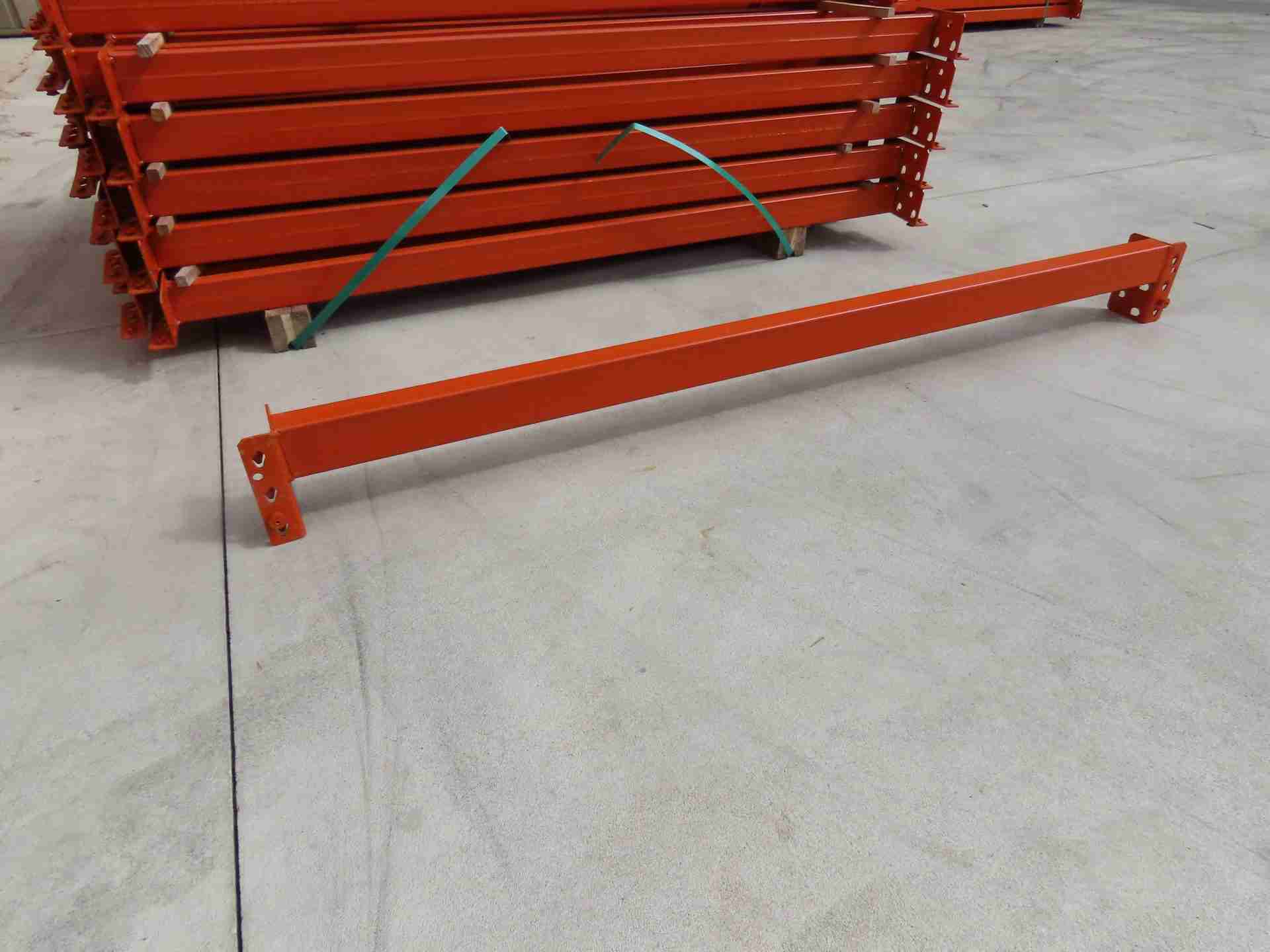
How Does Pallet Racking Improve Cold Chain Efficiency?
How Does Pallet Racking Improve Cold Chain Efficiency?
- Pallet racking maximizes space and efficiency in cold warehouses, ensuring frozen goods are stored accessibly without compromising product integrity.
- Organized pallet racking reduces time workers spend searching for items, speeding up inventory handling and minimizing spoilage and waste.
- Maintains cold chain integrity by preserving the correct temperature from storage to customer delivery, protecting product quality.
- Promotes safe, sustainable handling of products, preventing damage, inventory loss, and health risks associated with improper storage.
- Durable and adaptable design withstands harsh cold storage conditions, outperforming less robust storage solutions.
- Proven reliability through extensive real-world use makes pallet racking a trusted choice for facilities and their partners.
- Serves as a vital link between workers, managers, and customers, embodying respect for processes and commitment to quality in cold chain logistics.
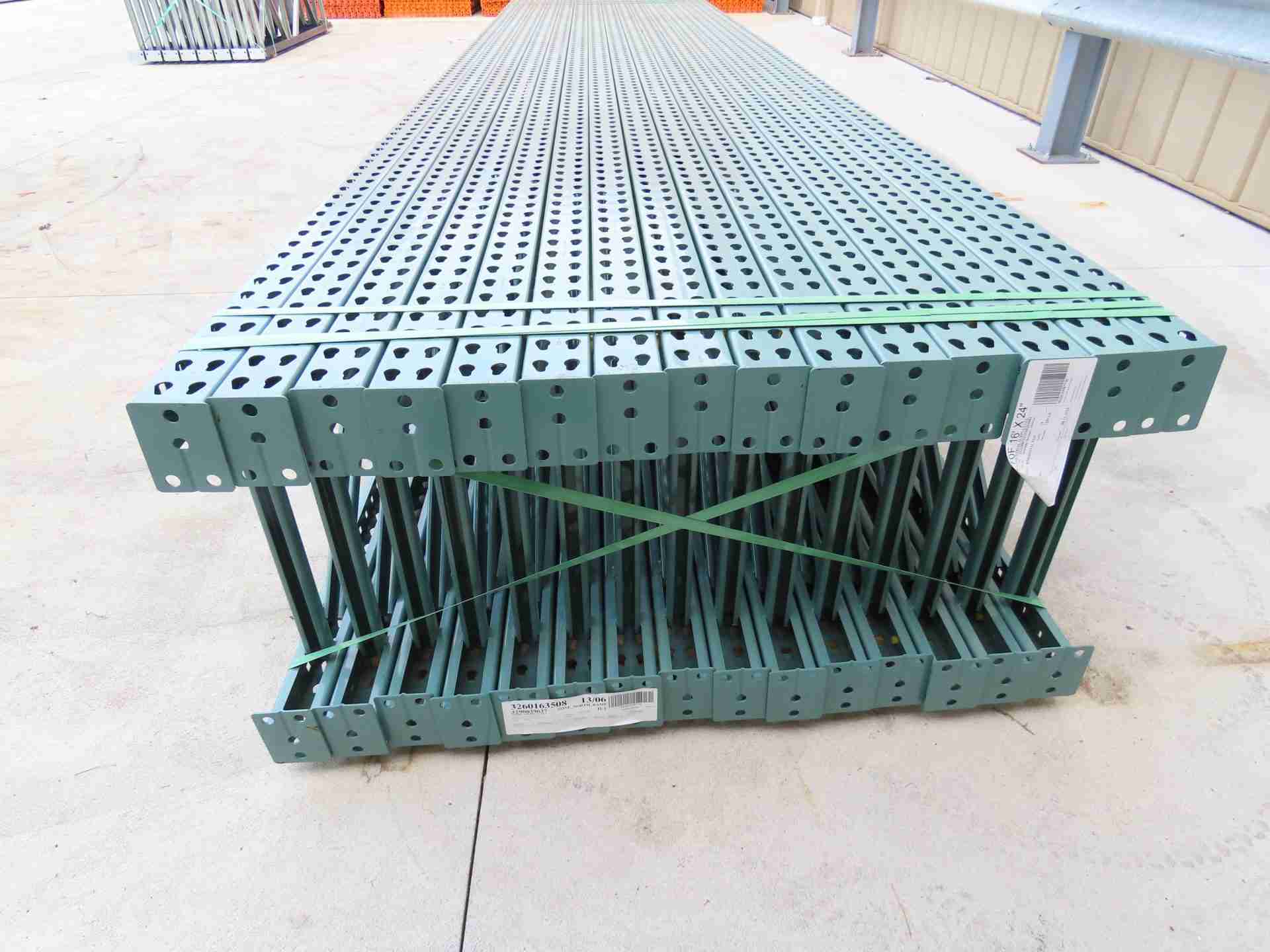
How Does Pallet Racking Improve Cold Chain Efficiency?
What Safety Standards Govern Cold Chain Pallet Racking?
When you’re dealing with cold chain pallet racking, it’s not just about stacking pallets; it’s about safeguarding a whole system that holds our food, medicine, and other temperature-sensitive goods. Imagine the ripple effect if a rack collapses—spoiled medicine, wasted food, lost trust. That’s why the safety standards aren’t just rules on paper—they’re the backbone keeping everyone’s livelihood, health, and hard work intact.
At the heart of it, these standards come down to solid, proven engineering principles—things like weight capacity, proper anchoring, and clearance requirements, especially crucial when forklifts rumble through icy aisles. Cold temps can make steel brittle; racks must be designed with that reality baked in. It’s easy to think “it’s just metal,” but every bolt and beam must meet exact specifications to handle the load without shortcuts or guesswork. That’s the rational side—if you cut corners, something’s going to give, and it won’t just be a dent; it’ll be a disaster.
Ethically, those codes exist because real people’s jobs and safety depend on them. The operators who climb up on those pallets, the managers who count on inventory holding steady, the customers trusting that what they buy hasn’t been compromised— there’s a whole chain of trust. Ignoring standards isn’t just careless; it’s a break in that trust. Rules set by industry bodies and regulators reflect years of hard lessons learned the tough way. They’re there to keep workers safe and products intact, ensuring nobody goes home with a crisis weighing on their conscience.
Socially, there’s a collective responsibility. Cold chain pallet racking sites often become tightly knit crews working in synchronized rhythm. Following safety standards is like honoring your part in that team effort. When one person slips up, it impacts everyone. Those standards foster respect and pride in doing a job right, every time.
At the end of the day, the best pallet racking isn’t some fancy setup; it’s one built on common sense and respect for the job and people involved. It’s knowing that every standard followed means fewer headaches, safer shifts, and a cold chain that never cracks under pressure. The peace of mind that comes from trusting your gear is worth every extra bolt turned tight.
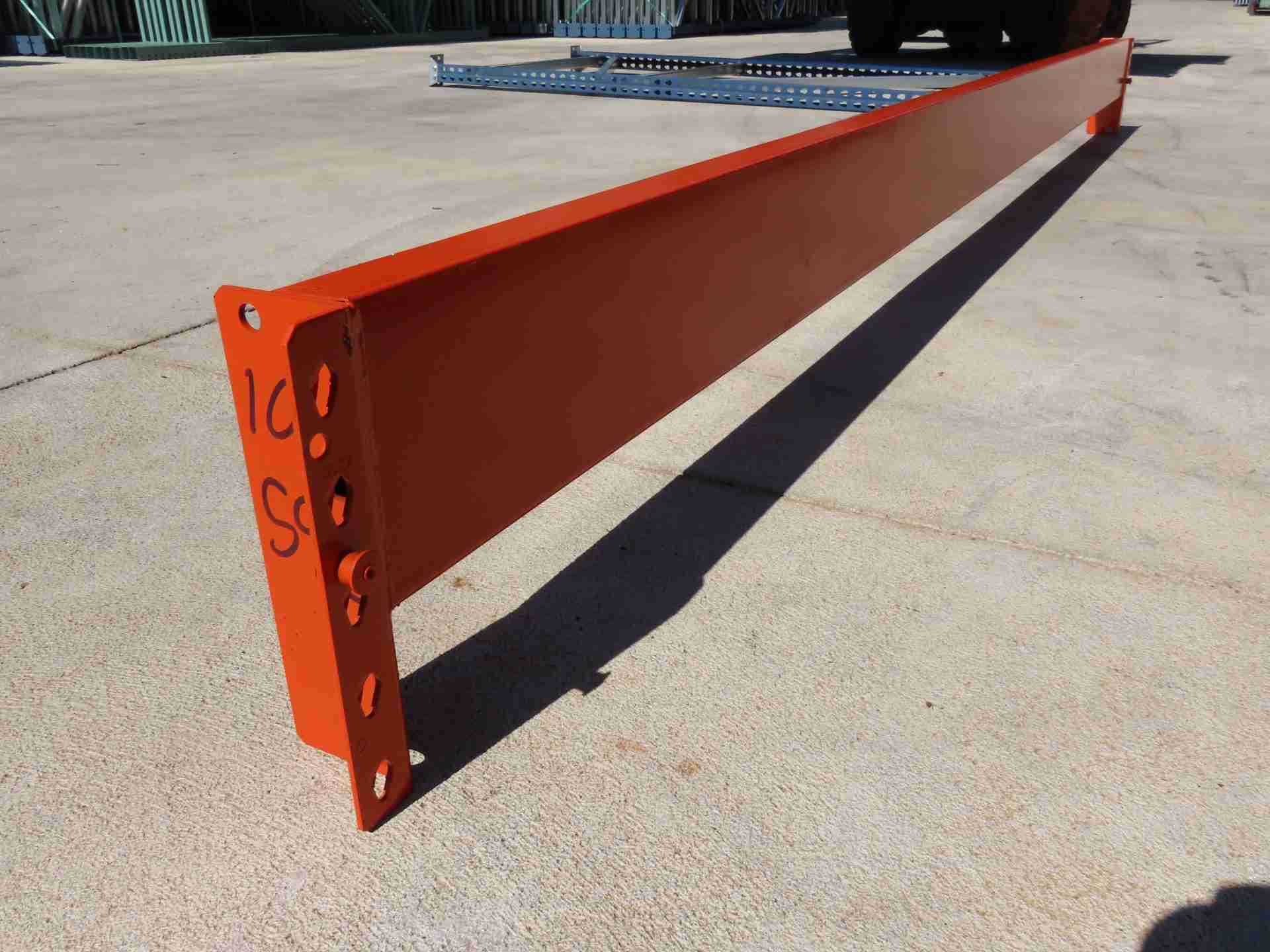
What Safety Standards Govern Cold Chain Pallet Racking?
What Safety Standards Govern Cold Chain Pallet Racking?
- Cold chain pallet racking safeguards critical goods like food and medicine, preventing spoilage and loss of trust in case of failure.
- Safety standards are grounded in engineering principles such as weight capacity, anchoring, and clearance, accounting for challenges like cold-induced steel brittleness.
- Every component of the racking system must meet exact specifications to prevent catastrophic failures caused by shortcuts or guesswork.
- Ethical standards protect workers, managers, and customers by maintaining a trusted chain where safety and product integrity are paramount.
- Industry regulations embody hard-earned lessons aimed at keeping both people safe and products uncompromised.
- Social responsibility and teamwork are integral; adherence to safety standards fosters respect, pride, and collective success among crews.
- The most effective pallet racking combines practical engineering with respect for the job and people, ensuring reliability and peace of mind.

What Safety Standards Govern Cold Chain Pallet Racking?
How Can Pallet Racking Reduce Product Spoilage Risks?
You know that sinking feeling when you walk into a warehouse and spot pallets stacked haphazardly, boxes crushed or leaning like they’re about to fall over? That’s not just sloppy — it’s a recipe for spoiled goods, wasted time, and lost money. Pallet racking ain’t just some fancy storage system; it’s the frontline defense against product spoilage that often gets overlooked.
From the gut, you see it plain as day: when pallets are jumbled on the floor or piled in piles without order, product gets damaged. Items get crushed under weight, moisture creeps in, and airflow gets blocked. That’s spoilage, and it hits hard because it’s not just about replacing lost goods; it’s about the trust your customers place in you. Trust that what they ordered arrives fresh, intact, ready to use. Pallet racking puts an end to that mess by giving each pallet a dedicated spot — off the floor, off the dirt, and away from walls where dampness lurks. This simple separation means fewer surprises, less rot, and a warehouse that works like a well-oiled machine.
Rationally speaking, pallet racking maximizes space and streamlines inventory management. When products are stacked neatly and accessibly, stock rotation becomes a no-brainer. First-in, first-out (FIFO) works, and expired items don’t get overlooked in forgotten corners. It’s common sense wrapped in steel beams: organized storage reduces errors, speeds up handling, and cuts down on handling damage. You save money by cutting spoilage, but more than that, you save your reputation.
Ethically, handling products with care isn’t just good business; it’s about respect — respect for your team, who work hard to keep things moving, and respect for the customers who rely on timely, quality deliveries. Pallet racking doesn’t just protect goods; it protects livelihoods and builds community trust. Every pallet properly stored is a promise kept — reliability in steel form.
From experience, warehouses that embrace pallet racking see the difference day in and day out. The clutter fades, the call-backs stop, and the whole place breathes easier. It’s the difference between feeling like you’re chasing losses or running a smooth operation you can be proud of. Pallet racking isn’t just storage — it’s the backbone of a business that knows its priorities: keep product fresh, keep people safe, and keep customers coming back. It isn’t flashy, but it works — and that’s what counts.

How Can Pallet Racking Reduce Product Spoilage Risks?
How Can Pallet Racking Reduce Product Spoilage Risks?
- Pallet racking prevents product spoilage by organizing pallets off the floor, away from dirt and dampness, reducing damage caused by weight, moisture, and blocked airflow.
- Proper pallet storage protects customer trust by ensuring products arrive fresh, intact, and ready to use.
- It maximizes warehouse space and streamlines inventory management, enabling effective stock rotation and reducing overlooked expired items.
- Organized storage reduces errors, speeds up handling, cuts down on damage, and ultimately saves money and reputation.
- Handling products carefully through pallet racking shows respect for employees and customers, protecting livelihoods and building community trust.
- Warehouses using pallet racking experience less clutter, fewer mistakes, and smoother daily operations.
- Pallet racking serves as the backbone of a business focused on product freshness, safety, and customer retention, supporting reliable and efficient warehouse management.
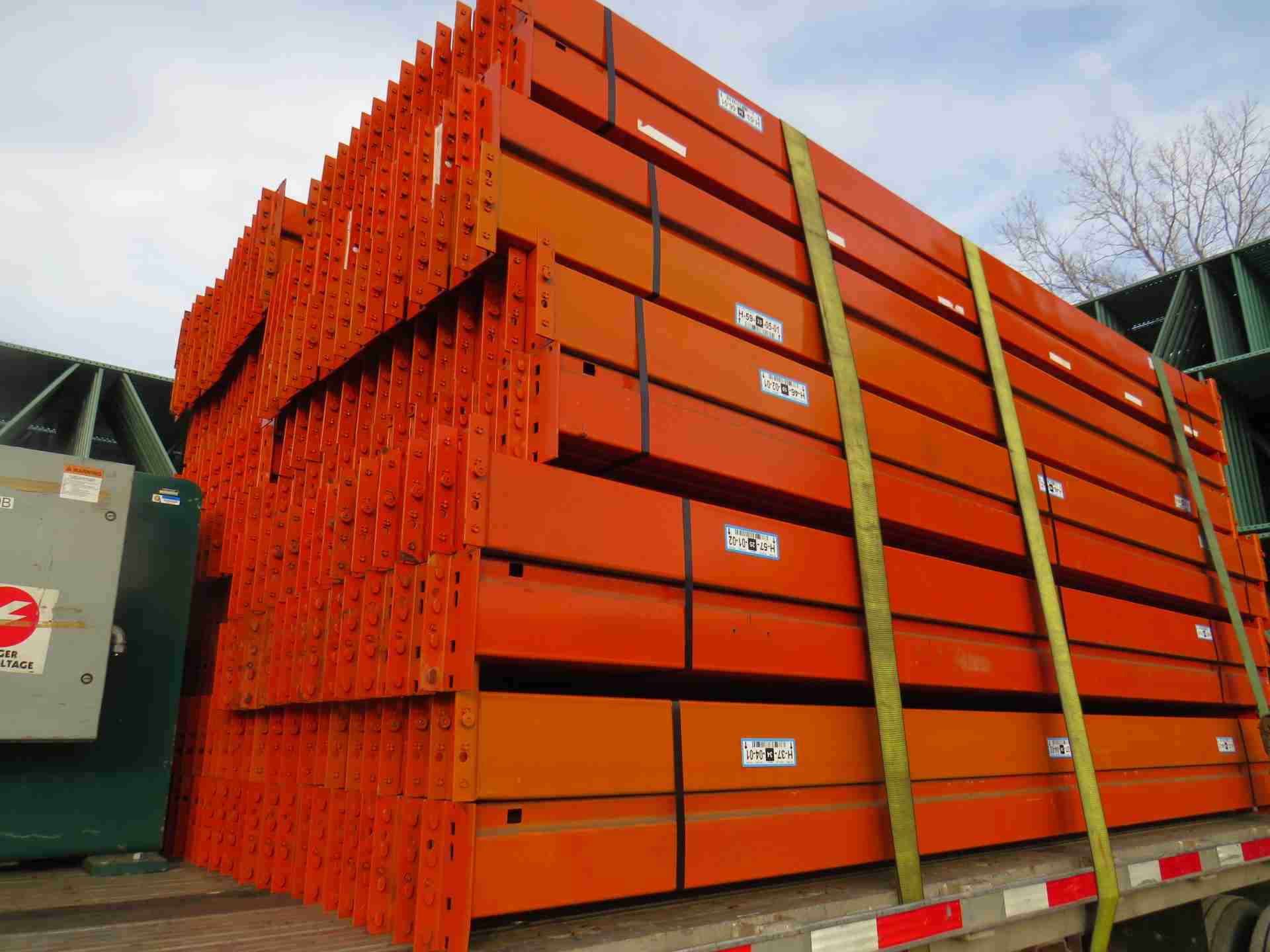
How Can Pallet Racking Reduce Product Spoilage Risks?
Why Is Regulatory Compliance Vital for Cold Chain Storage?
You don’t mess around when it comes to cold chain storage. It’s more than just keeping things chilly. It’s about trust – trust that the medicine, food, or whatever’s on those pallet racks will get to you safe and sound, just like it left the factory. You can’t put a price on that peace of mind. When regulations are skipped or ignored, it’s folks’ health and livelihoods on the line. You’ve seen the horror stories where one little lapse in temperature control turned a whole batch into waste or worse. That’s not just lost profit; that’s people relying on you getting sick or worse. Compliance in this business isn’t red tape; it’s the rope that keeps the whole operation tied tight.
Cold chain is a delicate dance, and rules help keep everyone in step. From how goods are stacked on pallet racking to the monitoring systems that never blink, every detail matters. Regulations aren’t just arbitrary boxes to check; they’re built on hard-earned lessons – from things gone wrong, and from experts who’ve been in the trenches. When you follow the guidelines, you’re standing on the shoulders of those who’ve been there, done that, and saved the day. That kind of authority and experience can’t be bought, only respected and learned from.
Ethically, you’re dealing with more than product; you’re handling trust. Whether it’s lifesaving vaccines or food for families, compliance means showing you care enough to do it right, every single time. It’s a promise. A handshake with customers, regulators, and your own team that you won’t cut corners when it counts. That makes every pallet rack loaded safely and accurately something to be proud of – a step toward keeping communities healthy and whole.
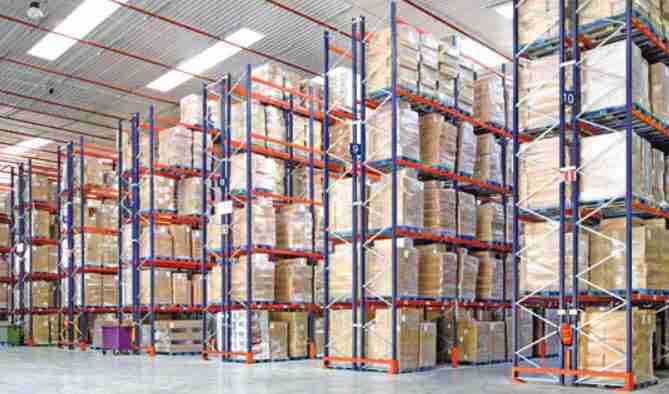
And here’s the cold, hard truth from those who’ve worked in these chilly warehouses: when things aren’t up to snuff, it’s the gut that tells you something’s off. Cutting corners might save bucks today, but it costs handsomely in reputation, trust, and sometimes lives. Keeping tight with regulations might not sound glamorous, but it’s the backbone that makes cold chain storage work day-in and day-out. Bottom line: follow the rules, respect the science, and build a system that stands tall and steady – just like those well-loaded pallet racks, ready for the long haul.

Why Is Regulatory Compliance Vital for Cold Chain Storage?
Why Is Regulatory Compliance Vital for Cold Chain Storage?
- Cold chain storage is crucial for maintaining the safety and efficacy of medicines, food, and other products from factory to delivery.
- Skipping or ignoring regulations can jeopardize health, livelihoods, and lead to significant waste or harm.
- Compliance is essential, acting as the foundation that secures the entire cold chain operation.
- Regulations are based on lessons learned from past mistakes and expert experience, ensuring best practices.
- Ethical responsibility in cold chain management builds trust with customers, regulators, and teams by consistently doing it right.
- Cutting corners may provide short-term savings but ultimately damages reputation, trust, and can cost lives.
- Following rules and respecting scientific guidelines is the backbone of a reliable and steady cold chain system.
Why Is Regulatory Compliance Vital for Cold Chain Storage?
How Does Proper Racking Protect Temperature-Sensitive Goods?
When you’re handling temperature-sensitive goods, you’re not just moving boxes around—you’re safeguarding livelihoods, health, and sometimes even lives. Proper pallet racking isn’t just about stacking stuff neatly; it’s about creating a controlled environment that keeps those goods from spoiling, losing potency, or turning into a pile of wasted money. It’s the kind of practical wisdom that comes from getting your hands dirty and learning the hard way about what works and what doesn’t.
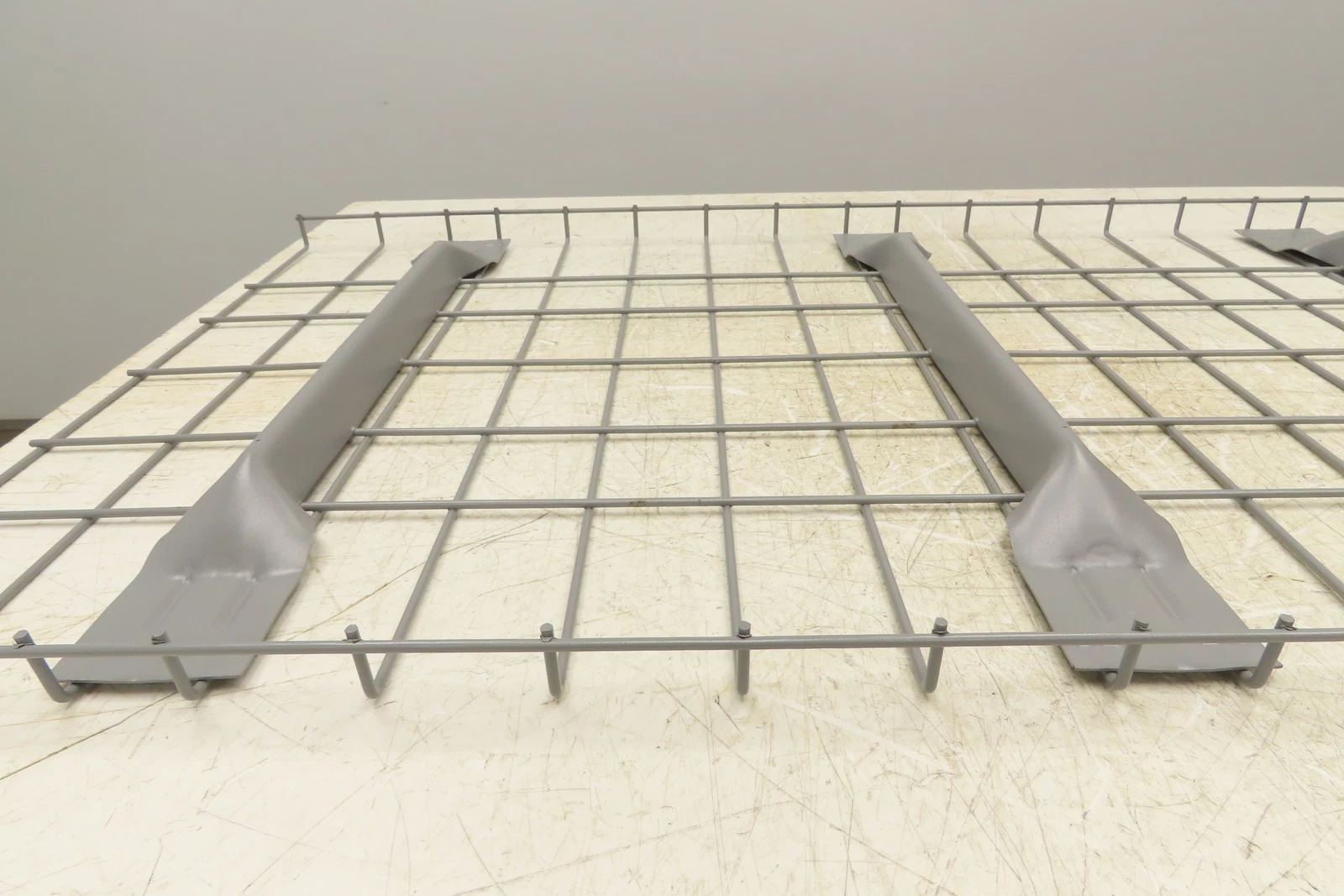
Good pallet racking setups do more than hold pallets—they allow air to circulate constantly around every product. If you’ve ever stored something sensitive in a tight, cramped space, you’ll know how quickly things go south. Heat pockets form, cold spots freeze stuff solid, and moisture creeps in like an uninvited guest. Proper racking means spacing pallets just right so air flows like it’s supposed to, keeping the temperature steady and the goods well-preserved. It’s a straightforward fix with powerful results.
There’s an ethical dimension here, too. Knowing your job involves handling medicines, food, or fragile chemicals means you’re on the front line of responsibility. Every pallet placed right is a promise kept—to the farm worker, the pharmacist, the family counting on those supplies. Cutting corners with racking isn’t just bad practice; it’s a gamble with real stakes, and proper setup honors the trust customers put in your hands.
From the standpoint of authority, years of industry experience back up this truth: warehouses that invest in quality pallet racking systems see fewer product losses, smoother inventory turnover, and happier customers. It’s proven and practical. It saves money, time, and stress. Skimping on racking leads to bottlenecks, damaged goods, and uncomfortable explanations to bosses that everyone wants to avoid.
Picture a cold storage facility where the racking is done right—neatly organized rows, pallets evenly spaced, and a hum of efficient climate control humming along. Warehouse workers know that when every piece is in its place, they can trust that what they’re moving will arrive in good shape. It’s a team effort, built on respect for the goods and know-how in handling them.
Proper pallet racking is more than equipment. It’s a backbone holding up an entire chain of care that keeps sensitive products safe, customers satisfied, and hard work respected. Making sure those racks are done right means standing behind your work with confidence every day.

How Does Proper Racking Protect Temperature-Sensitive Goods?
How Does Proper Racking Protect Temperature-Sensitive Goods?
- Handling temperature-sensitive goods involves safeguarding health, livelihoods, and lives through proper pallet racking.
- Effective pallet racking ensures constant air circulation around products, preventing spoilage caused by heat pockets, cold spots, and moisture.
- Proper spacing of pallets maintains steady temperatures and preserves the quality and potency of sensitive goods.
- There is an ethical responsibility in handling medicines, food, and chemicals, where correct pallet placement honors customer trust.
- Industry experience shows that quality pallet racking reduces product loss, improves inventory turnover, and increases customer satisfaction.
- Well-organized cold storage with proper racking fosters teamwork and confidence that goods will be delivered in good condition.
- Pallet racking is a crucial foundation supporting the entire supply chain’s care, safety, and respect for hard work.
How Does Proper Racking Protect Temperature-Sensitive Goods?
What Are the Cost Benefits Of Optimized Pallet Racking?
Look, when you’re running a warehouse or a storage yard, every inch of space counts. Pallet racking isn’t just metal beams holding boxes; it’s the backbone of your operation. Optimized pallet racking means you’re working smarter, not harder, and that’s where the dollars really start stacking up. First off, it frees up a ton of floor space, letting you shove more product in without turning your place into a spaghetti bowl of clutter. More room means fewer trips, faster loading and unloading, and less chance of some poor bloke knackerin’ his back fishing for that one elusive box.
The math is simple – better use of space equals more inventory, which equals more sales without shelling out for a bigger building. And here’s the kicker: efficient pallet racking slashes damage rates because goods are less likely to get knocked about when properly stored and easy to access. Fewer smashed pallets and soaked goods isn’t just good for your bottom line, it’s good for morale too. Nobody wants to waste hard-earned cash on replacements or deal with pissed-off customers because you couldn’t keep your stock tidy.
On the tough side, investing in optimized pallet racking upfront feels like dropping cash on gear that’s just sitting there. But that’s the thing — this isn’t a cost, it’s an investment. You’re setting your operation up for long-term gains, making workflows smoother, cutting overhead, and even minimizing insurance premiums. Think of it as building a strong foundation; the less chaos, the better the business runs. Plus, it’s ethical business practice to keep your workplace safe and efficient. A well-organized rack system reduces accidents and shows you respect your workers’ health and safety. That kind of care builds loyalty – and loyalty is worth its weight in gold.
The stories from the floor tell it best: one optimized pallet racking setup turned a maze of pallets into a streamlined machine, where forklifts zip through like clockwork and orders leave quicker than ever. It’s not just freight; it’s confidence growing with every pallet stacked right. There’s pride in running a tight ship where every piece has a place, and that pride fuels better work and better results.
Bottom line: optimized pallet racking saves you space, saves you headache, and saves you money. It’s the no-nonsense way to get your inventory in line and your business humming, day in and day out.
What Are the Cost Benefits Of Optimized Pallet Racking?
What Are the Cost Benefits Of Optimized Pallet Racking?
- Optimized pallet racking maximizes floor space, allowing more inventory without clutter or expansion costs.
- Improved space utilization reduces trips, speeds up loading/unloading, and decreases workplace injuries.
- Efficient storage lowers damage rates, minimizing product loss and boosting employee morale.
- Investing in pallet racking is a long-term benefit that streamlines workflows and reduces overhead.
- Well-organized racks enhance safety, demonstrate care for workers, and foster employee loyalty.
- Optimized systems transform chaotic storage areas into efficient operations, speeding up order fulfillment.
- Overall, pallet racking saves space, reduces stress, cuts costs, and supports smooth daily business operations.

What Are the Cost Benefits Of Optimized Pallet Racking?
Conclusion
Cold chain operations hinge on precision, hard work, and respect for every link in a delicate supply chain. Pallet racking isn’t just about shoving boxes onto shelves; it’s the unsung backbone that keeps cold goods fresh, safe, and on schedule. When done right—built tough, spaced smart, and kept compliant—it transforms cluttered warehouses into well-oiled machines where every pallet has a purpose, and every movement counts.
From the grit of the warehouse floor, you learn fast that pallet racking is more than metal and bolts. It’s about maximizing space in tight spots while allowing cold air to flow freely, warding off spoilage like a guardian on watch. It’s about keeping products off the floor, away from dirt and moisture, and stacked so inventory flows smoothly—FIFO becomes natural, not a hassle. This clarity means fewer mistakes, less waste, and quicker turnaround. That’s not just dollars saved; it’s customers getting what they expect: fresh food, effective medicine, and safe supplies.
There’s a moral weight tied to how you store and handle perishables. Every pallet placed right is a promise kept—to the workers hustling in freezing aisles, to families counting on that medicine, to communities relying on safety. Cutting corners with your racks isn’t just sloppy; it’s a gamble with people’s health and trust. Compliance with safety standards isn’t red tape; it’s the no-nonsense way to protect lives and livelihoods. Every regulation followed, every bolt tightened, keeps the whole system from tipping into disaster. It’s respect—respect for the job, the team, and everyone down the line.
Experience shows the payoff: sturdy, well-planned racking systems cut down damage, speed up work, and build trust with customers and inspectors alike. They make cramped cold storage feel like a space where things get done right, where employees move faster and safer, and where leaders can count on steady operations day in, day out.
Investing in optimized pallet racking might look like a cost at first, but it’s a bet on smoother workflows, reduced accidents, and fewer lost goods—not to mention the pride that comes with running a shipshape operation. It’s the difference between chaos and control, between risking spoilage and delivering on promises.
In the cold chain world, pallet racking isn’t just storage. It’s the quiet hero holding up a promise: that everything stacked on those shelves will arrive ready to use, trusted and intact. That’s good business, plain and simple—hard work with a backbone made of steel and integrity.
Conclusion
Conclusion:
- Cold chain pallet racking is essential for maintaining freshness, safety, and schedule adherence in perishable goods storage.
- Effective pallet racking maximizes space, ensures proper cold air flow, and supports inventory management through natural FIFO processes.
- Proper storage of perishables carries a moral responsibility to protect workers, customers, and communities by following safety standards.
- Compliance with regulations and robust racking design prevent accidents, spoilage, and operational disruptions.
- Well-planned racking systems enhance efficiency, reduce damage, and build trust with customers and inspectors.
- Investing in quality pallet racking improves workflows, decreases accidents, minimizes losses, and fosters operational pride.
- Pallet racking is a critical foundation in cold chain logistics, ensuring goods arrive intact, trusted, and ready for use.
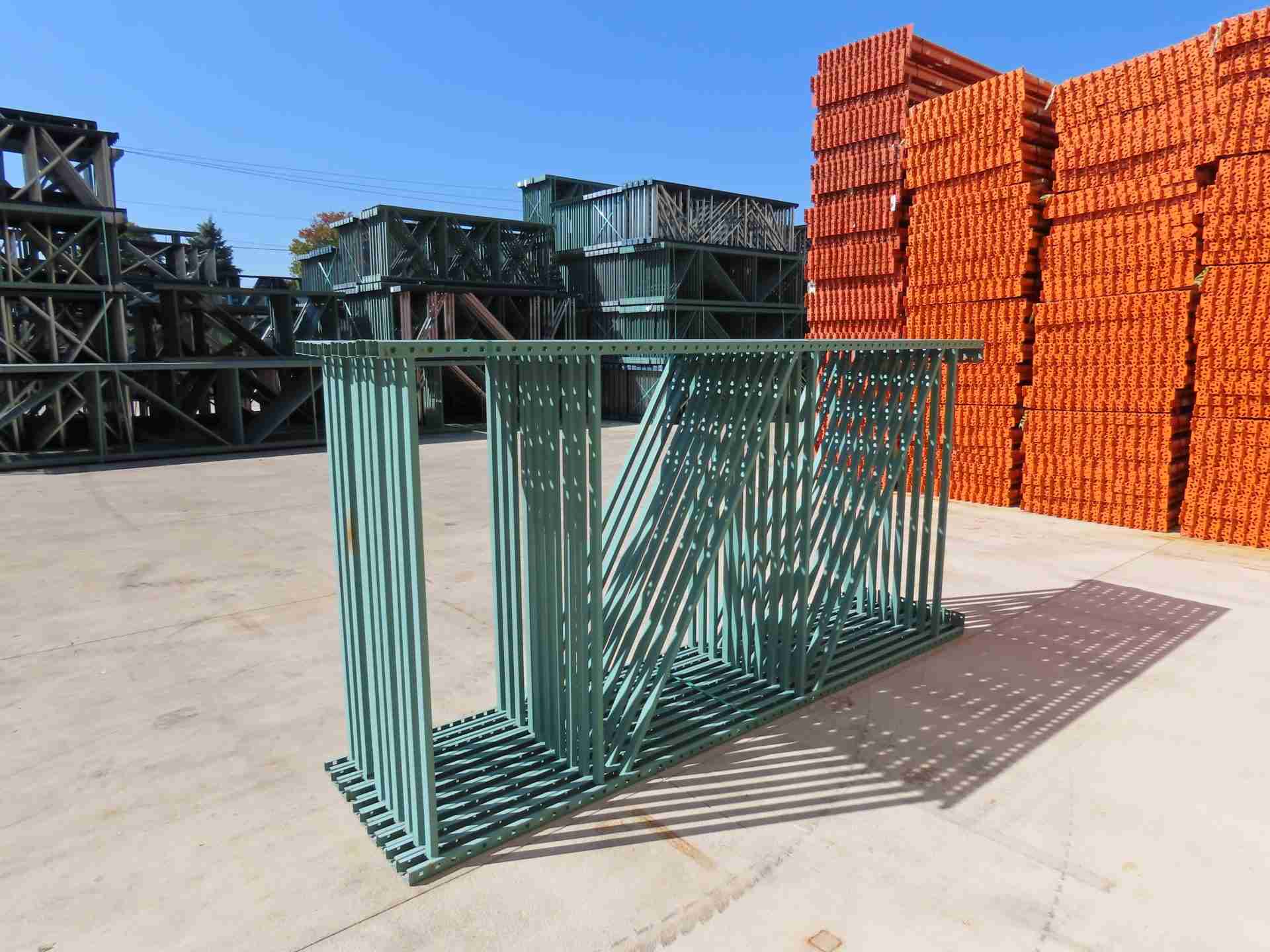
Conclusion
Other Resources

Other Resources
Here is a list of other resources you can review online to learn more:
- IWLA
- Storage Equipment Manufacturers’ Association
- Pallet Racking systems in Illinois, Great Lakes
- Teardrop Pallet Rack – Ridg-U-Rak
- Warehouse Racking System: Powerful Guide to Optimise, 2024
- Warehousing and Fulfillment
- Total Warehouse
- Teardrop Industrial Shelving Rack
- American Society of Safety Professionals
- Material Handling Industry
- Storage Equipment Manufacturers Association
- Bradford Systems
- Warehouse Racking Systems: Beginner’s Guide to Rack Systems
- Pallet Racking systems in Illinois and Great Lakes
- Crane Manufacturers Association Of America Inc.
- Mustang Material Handling
- IIWS Inc. Rack Installation Illinois & Rack Repairs Illinois
- Cantilever Racks Chicago
- Pallet Racking 101: A Comprehensive Guide & Options Explained
- Pallet Racking systems in Illinois and Great Lakes
Use This Prompt To Get More Resources With Your Favorite Online AI Tool: Please provide me with a list of online articles with their URLs in a bulleted list that I can read regarding How Do Regulatory-Compliant Cold Chain Operators Leverage Pallet Racking?

Other Resources
Glossary Terms
How Do Regulatory-Compliant Cold Chain Operators Leverage Pallet Racking? – Glossary Of Terms
1. Cold Chain: A temperature-controlled supply chain ensuring products remain within required temperature ranges.
2. Regulatory Compliance: Adherence to laws, guidelines, and specifications relevant to cold chain operations.
3. Cold Chain Operator: An entity managing the storage and transportation of temperature-sensitive goods.
4. Pallet Racking: A storage system using pallets supported on racks to maximize space and organization.
5. Temperature Monitoring: The process of continuously tracking temperature conditions in storage areas.
6. Hazard Analysis and Critical Control Points (HACCP): A management system addressing food safety through hazard control.
7. Good Distribution Practice (GDP): Guidelines ensuring quality and integrity in the distribution of pharmaceuticals.
8. Inventory Management: Oversight of stock levels and product rotation within storage facilities.
9. Space Optimization: Efficient use of storage volume to maximize capacity and reduce costs.
10. Product Traceability: The ability to track a product’s location and handling history throughout the supply chain.
11. Load Capacity: The maximum weight a pallet rack can safely support.
12. Airflow Management: Control of air circulation to maintain uniform temperature across stored goods.
13. FIFO (First In, First Out): A stock rotation method ensuring older inventory is used before newer stock.
14. Compliance Audits: Inspections verifying adherence to regulatory standards.
15. Cold Storage Facility: A warehouse equipped to maintain specified cold temperatures for goods.
16. Temperature Zones: Different areas within a facility that maintain distinct temperature ranges.
17. Shelf Life: The length of time a product remains usable or saleable under proper conditions.
18. Refrigeration Equipment: Machines used to maintain low temperatures in storage areas.
19. Risk Management: Identifying and mitigating risks related to product quality and safety.
20. Automation: Use of technology to manage pallet racking, inventory, and environmental controls.
21. Load Stability: Ensuring palletized goods are securely stored to prevent shifting or damage.
22. Data Logging: Recording temperature and environmental data for compliance and analysis.
23. Cleaning Protocols: Procedures ensuring pallet racks and storage areas are hygienic.
24. Cross-contamination Prevention: Measures to avoid mixing allergens or contaminants between products.
25. Cold Chain Logistics: The processes involved in moving temperature-sensitive products.
26. Structural Integrity: The soundness and durability of pallet racks under operational loads.
27. Handling Procedures: Guidelines on the correct movement and storage of pallets.
28. Quality Assurance: Systematic activities ensuring products meet specified requirements.
29. Inventory Accuracy: Correctness of recorded stock levels compared to physical counts.
30. Regulatory Documentation: Official records and reports required to demonstrate compliance.
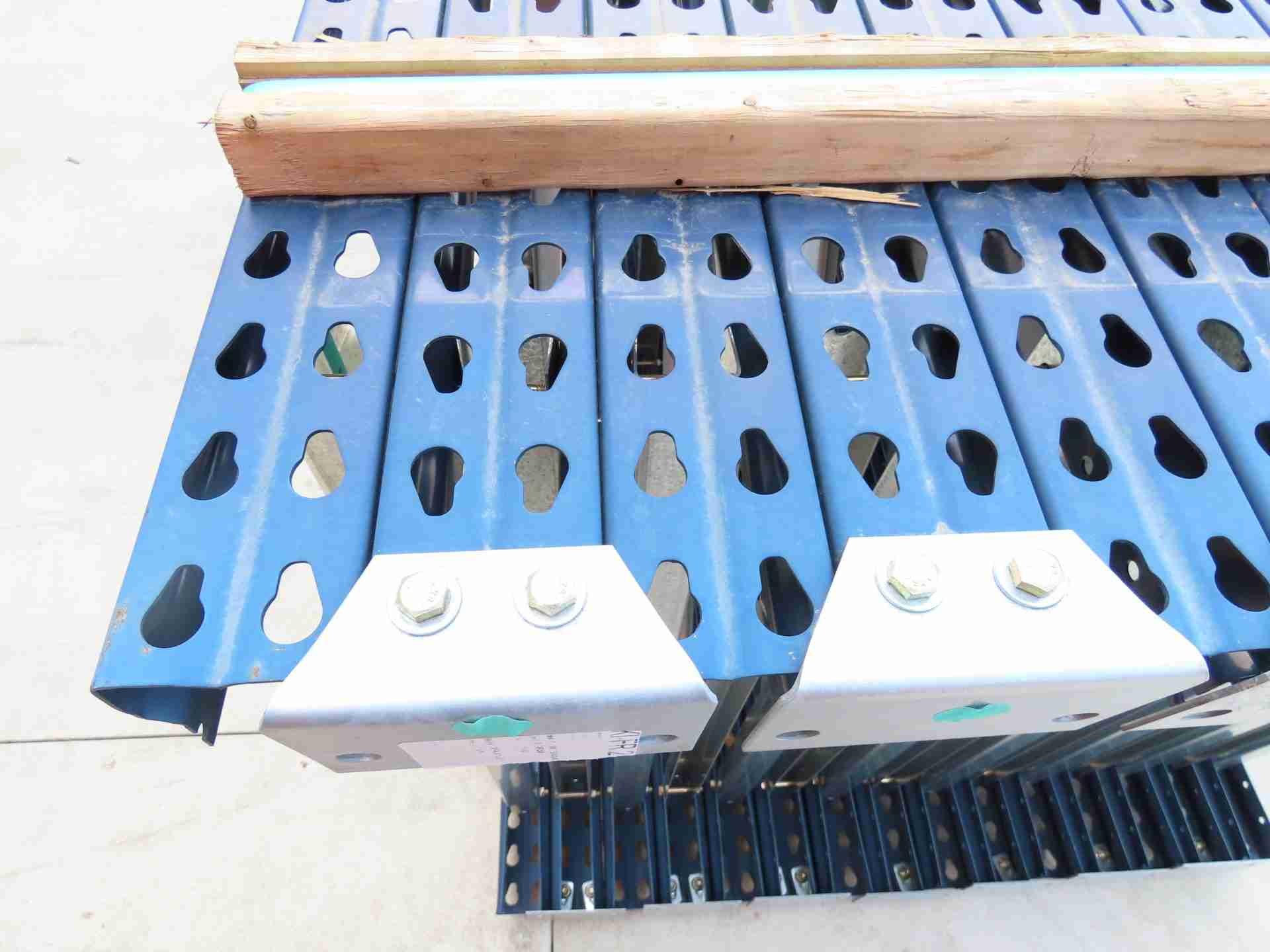
Glossary Of Terms
Other Questions
How Do Regulatory-Compliant Cold Chain Operators Leverage Pallet Racking? – Other Questions
If you wish to explore and discover more, consider looking for answers to these questions:
- What specific types of pallet racking (selective, drive-in, push-back, pallet flow, cantilever, mobile) work best in different cold chain scenarios?
- How do ultra-low and freezer temperatures affect rack material properties and which metals/coatings resist brittleness and corrosion?
- Which national and international regulations and standards (FDA, USDA, OSHA, EU, ISO, local codes) specifically govern pallet racking in cold storage?
- What are the required load capacities, safety factors, and labeling practices for racks storing temperature-sensitive goods?
- How often should racking be inspected, what should inspections cover, and who is qualified to perform them?
- What anchoring, bracing, and seismic considerations apply to racking in different jurisdictions and facility types?
- How should pallet racking be designed and spaced to ensure proper airflow and uniform temperature distribution?
- What are best practices for row, aisle, and pallet spacing to support FIFO rotation and minimize temperature stratification?
- How do you integrate racking layout with HVAC/ refrigeration systems and temperature mapping strategies?
- What rack accessories (decking, pallet supports, mesh, guards, row spacers) are recommended for cold storage and why?
- How should racking be protected from forklifts and other handling equipment (column protectors, bollards, impact guards)?
- What are the maintenance requirements for racks in cold and humid environments to prevent corrosion and structural degradation?
- How does condensation and frost impact racking and stored products, and what mitigation measures work best?
- What training and certification do staff need to safely operate in cold storage and handle pallet racking systems?
- How do battery performance and equipment operation at low temperatures influence racking and handling workflows?
- How should cleaning, sanitation, and pest control be performed around racking without compromising rack integrity or product safety?
- What documentation and recordkeeping are required to demonstrate compliance with cold chain racking standards during audits?
- How can inventory management systems (WMS), IoT sensors, and temperature monitoring integrate with racking to improve traceability?
- What redundancy and alerting strategies are recommended for temperature sensors and monitoring systems tied to racking locations?
- How do retrofit and upgrade options compare to full racking replacement in terms of cost, downtime, and compliance impact?
- What is the typical ROI timeline for investing in optimized pallet racking in cold storage facilities?
- How do insurance requirements and premiums change with different racking systems and documented safety programs?
- What are the considerations for mixing pallet sizes and configurations (Euro, GMA, custom pallets) on the same racking system?
- How do automated storage and retrieval systems (AS/RS) and robotics interact with pallet racking in cold environments?
- What are best practices for loading/unloading procedures and staging areas to minimize temperature excursions?
- How should emergency procedures (power loss, refrigeration failure, rack collapse) be planned around racking layout?
- What KPIs should operators track to measure the effectiveness of pallet racking on spoilage reduction, throughput, and safety?
- What lifecycle and replacement timelines should be expected for racking in different cold storage conditions?
- How do environmental sustainability and materials recycling factor into racking selection and end-of-life plans?
- What are common failure modes of pallet racking in cold storage and how can they be prevented through design or policy?
- How should racking be specified for combined refrigerated and frozen zones or for multi-temperature facilities?
- What lead times, supplier qualifications, and warranties should facilities expect when sourcing cold-rated pallet racking?
- How do regulatory requirements differ for pharmaceutical cold chain racking versus food cold chain racking?
- What testing, validation, and commissioning steps are recommended after racking installation to confirm compliance and performance?
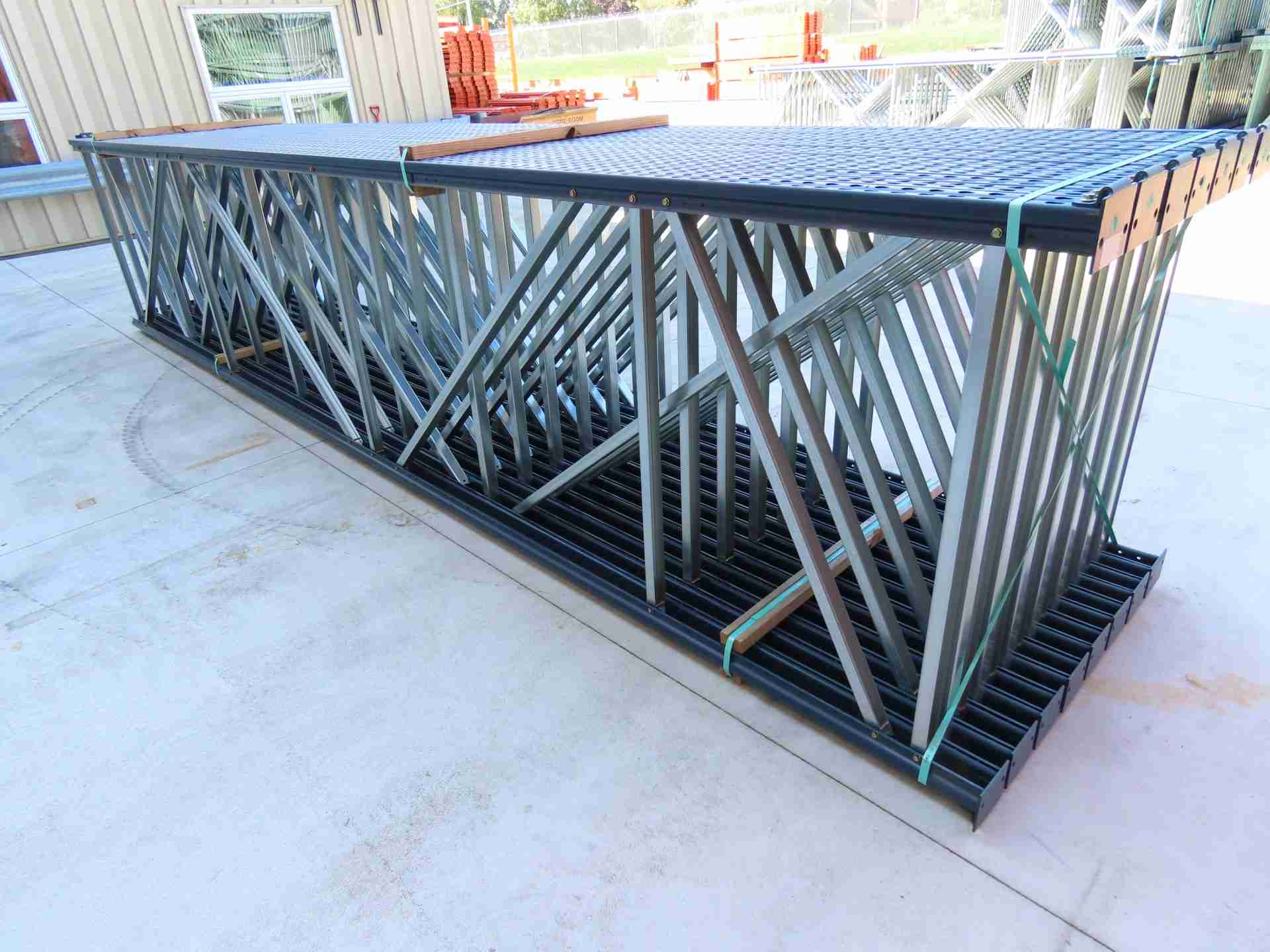
Other Questions
Checklist
How Do Regulatory-Compliant Cold Chain Operators Leverage Pallet Racking? – A Checklist
Strategy & System Design
✅______ Racking type matches SKU profile and flow (selective, drive-in, pushback, pallet flow, mobile)
✅______ Design supports FIFO/FEFO and lot/expiry management
✅______ Load calculations completed for bay, beam level, and pallet capacities
✅______ Seismic, wind, slab capacity, and building code constraints engineered and stamped
✅______ Aisle widths sized for equipment and traffic patterns
Regulatory & Standards Alignment
✅______ Conforms to ANSI/RMI MH16.1 (design), MH26.2 (welded wire), and OSHA 29 CFR 1910
✅______ Compliant with IBC and local building code; permits and inspections completed
✅______ Fire protection per NFPA 13 (ESFR or in-rack sprinklers as required)
✅______ Food/pharma programs applied as applicable (FSMA, HACCP, cGMP, GDP, BRCGS/SQF, ISO 22000)
✅______ Electronic monitoring/data integrity requirements addressed (e.g., 21 CFR Part 11, where applicable)
Materials & Environment Suitability
✅______ Galvanized or epoxy-coated steel rated for low-temperature and corrosive environments
✅______ Hardware, seals, and plastics rated for operating temperature
✅______ Floor flatness and capacity verified; moisture barrier addressed
✅______ Anchors and base plates specified for freezer conditions; frost-heave risks mitigated
Layout, Airflow & Temperature Control
✅______ Transverse and longitudinal flue spaces maintained (per code and engineering)
✅______ Clearance from walls and ceilings maintained; sprinkler clearances respected
✅______ Wire decking or open surfaces used to promote airflow
✅______ Pallet spacing prevents wrap from blocking airflow; no overhang into flues
✅______ Temperature mapping completed; sensors placed at representative points
✅______ Continuous monitoring, alarms, and backup power tested
✅______ Door management (high-speed doors, vestibules, curtains) minimizes heat gain
Inventory Control & Product Care
✅______ FEFO/FIFO rules enforced via racking or process
✅______ Location labels readable at low temperatures; scanner performance verified
✅______ Lot/batch and expiry traceability at location level
✅______ Pallet quality inspected (size, condition, stringer orientation)
✅______ No pallets stored on floor; dedicated quarantine/reject locations available
Rack Installation & Physical Safety
✅______ Installed by qualified personnel per manufacturer instructions
✅______ Uprights plumb and level within tolerance; row spacers and backstops installed
✅______ Anchors installed and torqued; beam locking pins present and secured
✅______ Load plaques posted with bay/beam capacities and limitations
✅______ End-of-aisle guards, column protectors, and pallet stops in place
✅______ Traffic controls: one-way aisles, speed limits, mirrors, and markings implemented
Fire Protection & Defrost/Drainage
✅______ Sprinkler design matches commodity class and rack configuration
✅______ Flue space management devices installed if required
✅______ Defrost cycles coordinated; ice buildup controls in place
✅______ Drainage for meltwater; floors treated for slip resistance
Operations & Handling
✅______ Pre-cool or pre-condition pallets before putaway when required
✅______ Maximum time-out-of-cold limits defined and enforced
✅______ Equipment (forklifts, batteries, lubricants) rated for low temperatures
✅______ Load placement within beam perimeters; no double-stacking unless designed
✅______ Staging areas sized to avoid blocking airflow or doors
Sanitation & Food Safety
✅______ Cleaning schedule covers racks, decks, and difficult-to-reach areas
✅______ Coatings intact; no flaking paint or rust in product zones
✅______ Allergen/segregation controls and spill containment in place
✅______ Integrated pest management maintained for cold environments
Inspection, Maintenance & Training
✅______ Daily operator checks for rack damage and ice hazards
✅______ Scheduled monthly inspections; annual third-party rack audit
✅______ Red-tag/unload procedures for damaged components; repair records kept
✅______ Periodic torque checks of anchors and bolts; corrosion monitoring
✅______ Calibration schedule for temperature and alarm devices
✅______ Training on racking limits, FEFO/FIFO, and cold-handling SOPs with refreshers
✅______ SOPs and emergency procedures posted and accessible
KPI Tracking & Continuous Improvement
✅______ Space utilization (pallets per cubic foot) and pick/putaway rates tracked
✅______ Damage and spoilage rates monitored; root causes corrected
✅______ Energy per pallet and door open time monitored
✅______ Audit scores and corrective actions trended over time
Emergency & Incident Response
✅______ Temperature excursion response plan (quarantine, disposition, CAPA)
✅______ Product recall and traceability drill-ready; mock recalls performed
✅______ Power outage plan (generators, door control, monitoring continuity)
✅______ Spill, contamination, and water ingress procedures defined
Documentation
✅______ As-built drawings, engineering calculations, and approvals on file
✅______ Load plaques, permits, inspection logs, and maintenance records current
✅______ Training, calibration, monitoring, and deviation records maintained and retrievable
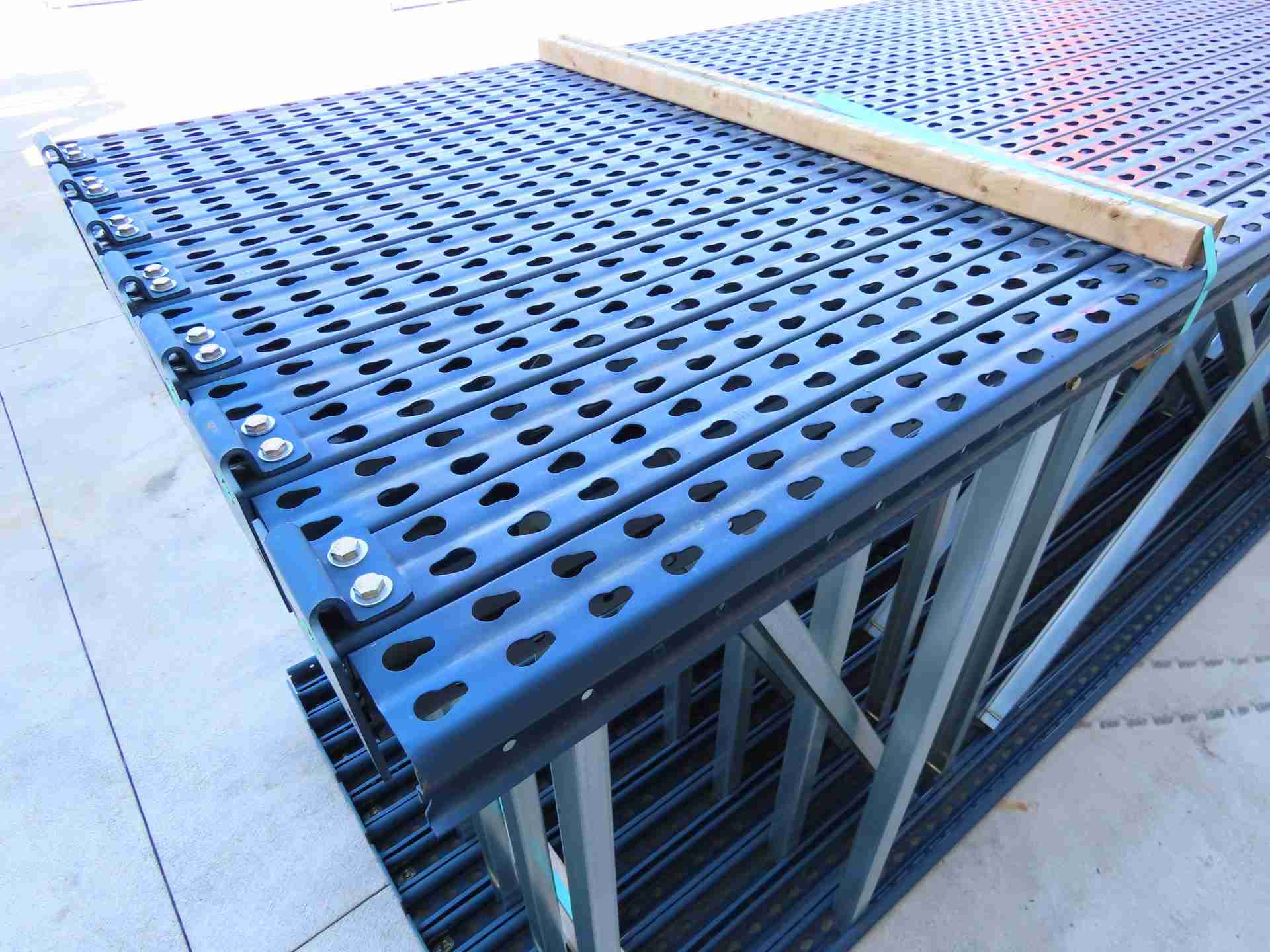
Checklist
At RackingWorld, we help guide you through selecting warehouse storage systems and racking.
Be sure to read our other related stories at RackingWorld to learn more about warehouse storage systems.
0 Comments