
Maximizing Efficiency And Sustainability: The Pallet Racking Advantage In Metal Recycling
By Tom Seest
At RackingWorld, we help guide you through selecting warehouse storage systems and racking.
Be sure to read our other related stories at RackingWorld to learn more about warehouse storage systems.
How Do Recycling and Scrap Metal Yards Leverage Pallet Racking?
Out here in the thick of it, when you’re sifting through heaps of metal scraps and piles of recyclable goods, every inch of space counts. Pallet racking isn’t just some fancy storage idea; it’s the backbone that keeps the chaos from swallowing the yard whole. You’ve got scrap metals crammed in every corner, and pallets stacked like cards ready to topple. Using pallet racking gives order to that mess, keeps everything accessible, and saves your back from unnecessary strain.
From a practical standpoint, pallet racking helps by maximizing vertical space. Instead of spreading out like a wildfire, the yard grows upward, letting you stash more without sprawling outward. It’s the kind of common sense solution you don’t flip-flop on once you’ve worked a few tough shifts. Imagine the frustration of searching through sprawling piles, wasting time, risking injuries, and slowing down the whole operation. Pallet racking cuts through the hassle, saving time, reducing accidents, and boosting productivity. That’s not just good for business; it’s good for the people working their tails off every day.
There’s an ethical angle too. Recycling metal saves raw resources and reduces environmental abuse. Properly organized scrap yards aren’t just safer—they help keep the neighborhood cleaner and the planet a bit healthier. Pallet racking systems make it easier to sort, store, and ship materials efficiently, reducing waste and improving recycling rates. It’s a quiet contribution to something bigger than any one person or yard.
Everybody who’s been in these yards knows the pride that comes from doing the job right. Pallet racking stands as a symbol of that pride—a nod to the effort, sweat, and know-how that goes into turning scrap into something useful again. When a yard is well-ordered, it shows respect for the work, the workers, and the wider community. It’s an unspoken handshake among folks who know that smart setups matter.
Pallet racking doesn’t just hold things up; it holds together a system that’s dependable, efficient, and ethical. It invites yards to step up their game, get the most from what they have, and play a meaningful part in the circle of reuse. When you see those racks stacked just right, you know somebody’s thinking ahead—making the hard work easier and the future cleaner.
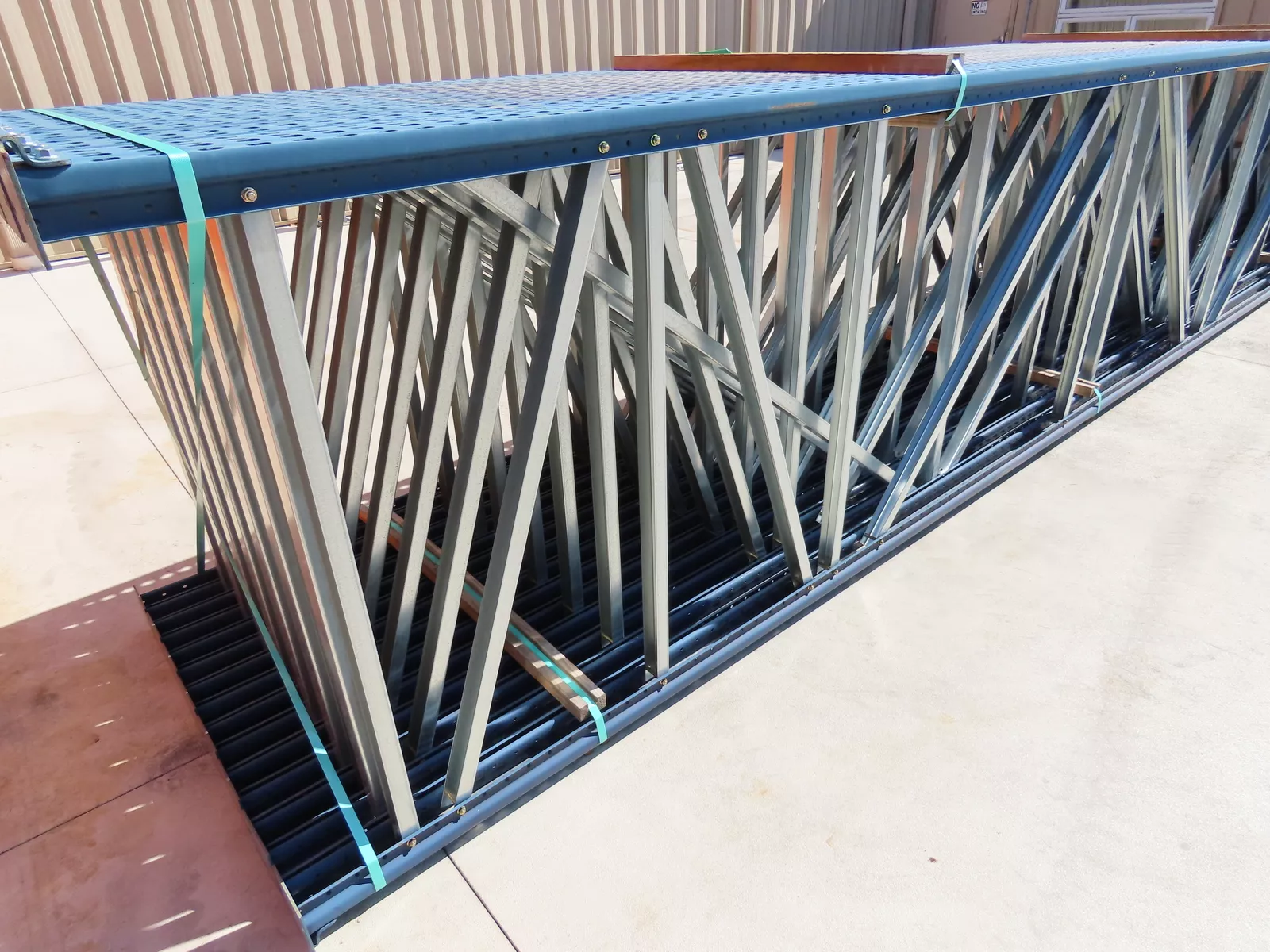
How Do Recycling and Scrap Metal Yards Leverage Pallet Racking?
How Do Recycling and Scrap Metal Yards Leverage Pallet Racking?
- Pallet racking organizes messy scrap yards, maximizing space and accessibility while reducing physical strain on workers.
- It enables vertical storage, preventing yard sprawl and improving efficiency and safety by reducing wasted time and accidents.
- Using pallet racking supports recycling efforts by improving sorting, storage, and shipping, which reduces waste and environmental impact.
- Well-ordered yards reflect pride in the work and respect for the workers and the surrounding community.
- Pallet racking symbolizes a dependable, efficient, and ethical system within scrap yards.
- It encourages yards to optimize resources and contribute meaningfully to material reuse and environmental sustainability.
- Properly stacked racks represent foresight, making work easier and promoting a cleaner future.

How Do Recycling and Scrap Metal Yards Leverage Pallet Racking?
Table Of Contents
- How Do Recycling and Scrap Metal Yards Leverage Pallet Racking?
- How Does Pallet Racking Improve Safety In Scrap Metal Yards?
- What Are the Cost Benefits Of Pallet Racking for Recyclers?
- How Can Pallet Racking Maximize Space In Metal Recycling Yards?
- Why Is Organization Critical In Recycling and Scrap Metal Yards?
- How Does Efficient Storage Impact Recycling Yard Productivity?
- What Ethical Advantages Come From Better Pallet Racking Use?
- Conclusion
- Other Resources
- Glossary Of Terms
- Other Questions
- Checklist
How Does Pallet Racking Improve Safety In Scrap Metal Yards?
Working in a scrap metal yard is no joke. Every day, folks are hustling around heavy, jagged, and unpredictable loads that could turn a careless moment into a serious injury. Pallet racking stands out as more than just a storage solution; it’s a lifeline. When you stack scrap metal on solid pallet racking, you’re not just organizing; you’re building a fortress against chaos. You take the random piles and turn them into something stable and manageable. That’s safety by design.
Rationally speaking, pallet racking transforms a yard that’s usually a maze of sharp edges and awkward piles into neat, predictable rows. This means forklift drivers don’t have to guess where the next load ends or where it might slide off. It reduces the chances of metal scrap falling on someone’s foot or sending sparks flying unexpectedly. It’s simple math: less clutter, fewer accidents. And with clear aisles and marked spots, emergency exits stay clear too, protecting everyone when it counts most.
Ethically, it’s about looking out for your crew like family. No one should clock in worried about dodging dangerous debris just to earn a paycheck. Using pallet racking shows a genuine commitment to the people who keep the yard running — a commitment to their safety and well-being. It’s solid proof that you value their lives more than just getting the job done fast.
On the authority front, the steel frames of pallet racking are built tough, engineered with standards that’ve been tested and retested in industrial settings. They stand tall under heavy loads where makeshift, piled-up scrap would tumble without warning. Years of hands-on experience back their reliability—it’s not a fancy fix, it’s a tried-and-true workhorse.
Imagine walking through a yard where every stack is where it’s supposed to be, solid and secure. You feel the difference; a weight lifts off your chest because you know the mess isn’t going to bite back. That common-sense order inspires confidence in every worker: This place is controlled, careful, and respectful of your safety.
Pallet racking does more than keep metal off the ground—it keeps people whole. It’s about smart, honest work and looking out for your own. And in a world where safety is never guaranteed, choosing pallet racking is a down-to-earth, no-nonsense way to protect lives and keep the yard moving smooth.
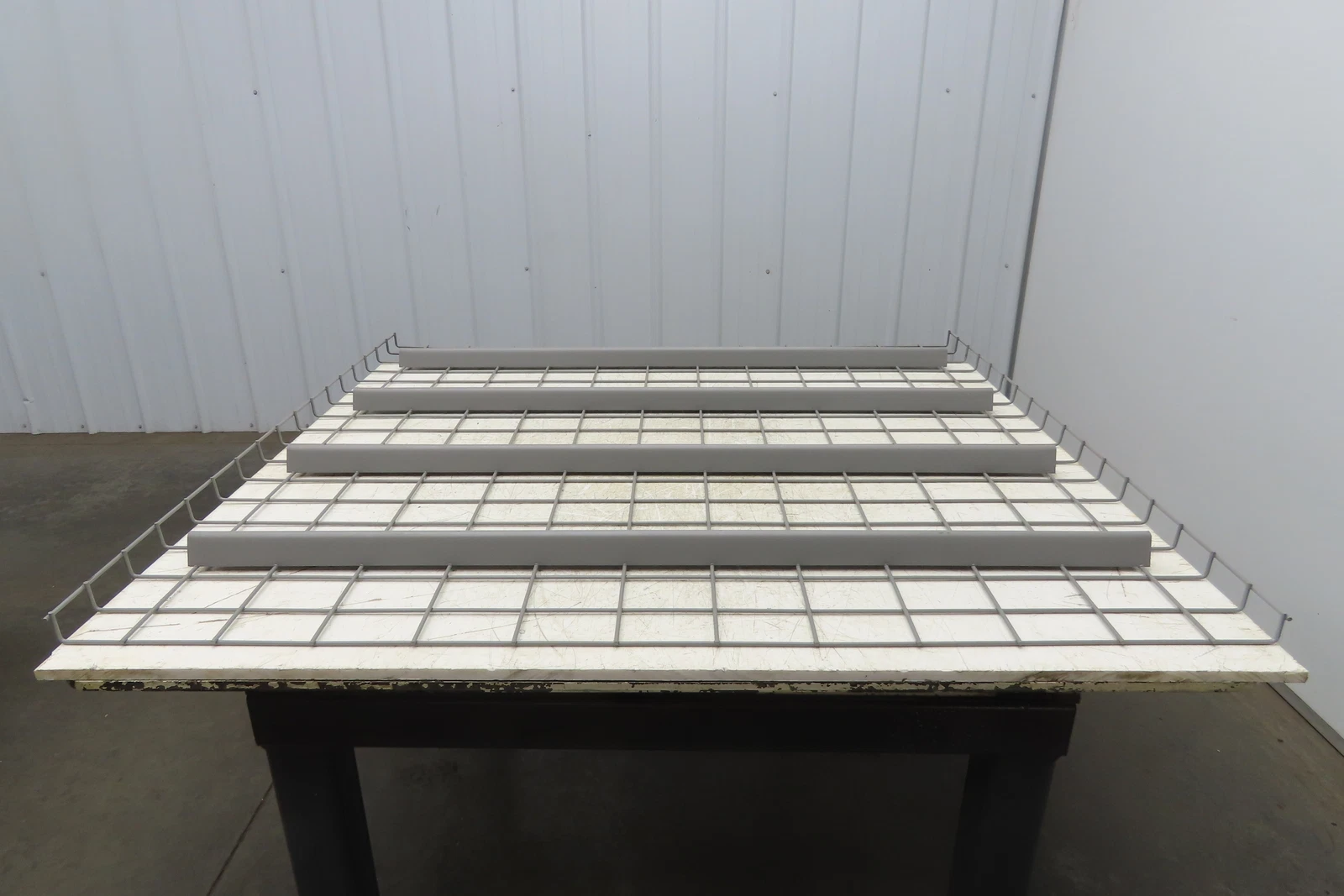
How Does Pallet Racking Improve Safety In Scrap Metal Yards?
How Does Pallet Racking Improve Safety In Scrap Metal Yards?
- Working in a scrap metal yard involves handling heavy, jagged loads that pose serious injury risks, making safety crucial.
- Pallet racking provides stable, organized storage that transforms chaotic scrap piles into manageable, secure stacks.
- It creates clear aisles and marked spots, reducing clutter, minimizing accidents, and keeping emergency exits accessible.
- Using pallet racking demonstrates a commitment to worker safety and well-being, treating the crew like family.
- Steel pallet racking frames are engineered to industrial standards, reliably supporting heavy loads where piles would fail.
- A well-organized yard boosts worker confidence by providing a safe, controlled environment free from unpredictable hazards.
- Pallet racking protects lives by promoting smart, honest work and maintaining smooth, safe yard operations.

How Does Pallet Racking Improve Safety In Scrap Metal Yards?
What Are the Cost Benefits Of Pallet Racking for Recyclers?
When you’re running a recycling operation, every inch of space and every minute of time counts. Pallet racking isn’t just some fancy storage solution—it’s the backbone that turns clutter into order and chaos into cash. Think about the last time you had to crawl under piles of scrap or shuffle through stacks blocking your way. Pallet racking clears that mess up, putting everything in its place so you can find what you need without wasting a second. That kind of order means less downtime, fewer accidents, and more product moving out the door.
From a straight-shooting money standpoint, pallet racking stretches your floor space like nothing else. Instead of spreading out and renting more space, you build up—stacking pallets safely and efficiently. That saves you on monthly rent and utilities, simple as that. Plus, better organization cuts down on damaged goods. When materials are piled haphazardly, they get crushed or contaminated, chewing away at your profits. Pallet racking gives your inventory a fighting chance to stay intact, which means fewer refunds, less waste, and more green in your pocket.
There’s also an ethical angle here that sometimes gets overlooked. Recycling isn’t just about moving materials; it’s about taking care of the planet for the next generation. Pallet racking helps you do your part better by reducing waste from damaged goods and making your operation safer for the folks on the floor. When staff feel respected and protected, they work smarter and stick around longer. That builds a company culture grounded in respect, responsibility, and real pride.
Listen, investing in pallet racking isn’t a gimmick—it’s a practical, proven way to sharpen your operation. It’s the difference between running a job site that constantly backs up and one that flows smooth as a well-oiled machine. When your recycling yard’s neat, safe, and efficient, your team knows you mean business. It cuts through the daily grind and lets everyone see the impact of their hard work. It’s about respect for the product, the people, and the planet. If you want to keep the wheels turning with less hassle and more cash, pallet racking is where you start.
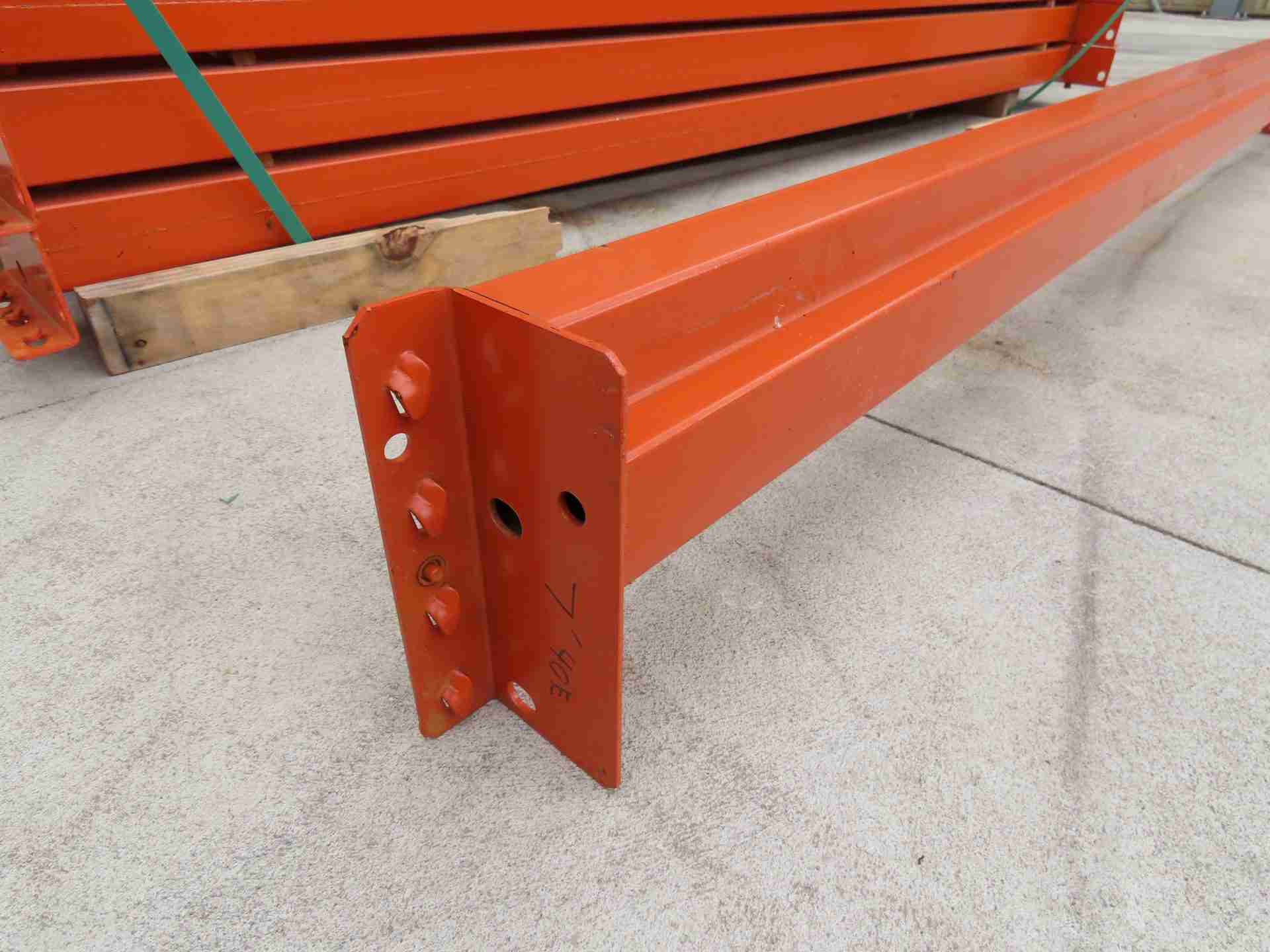
What Are the Cost Benefits Of Pallet Racking for Recyclers?
What Are the Cost Benefits Of Pallet Racking for Recyclers?
- Pallet racking transforms clutter into organized storage, reducing downtime and accidents while increasing product flow.
- It maximizes floor space by allowing vertical stacking, saving on rent and utility costs.
- Better organization with pallet racking minimizes damage to goods, reducing waste and refunds.
- Pallet racking supports ethical recycling by lowering waste and improving workplace safety.
- Safe and respectful working conditions created by pallet racking increase employee retention and productivity.
- Investing in pallet racking streamlines operations, preventing bottlenecks and enhancing efficiency.
- It promotes respect for products, people, and the planet while boosting profitability in recycling operations.
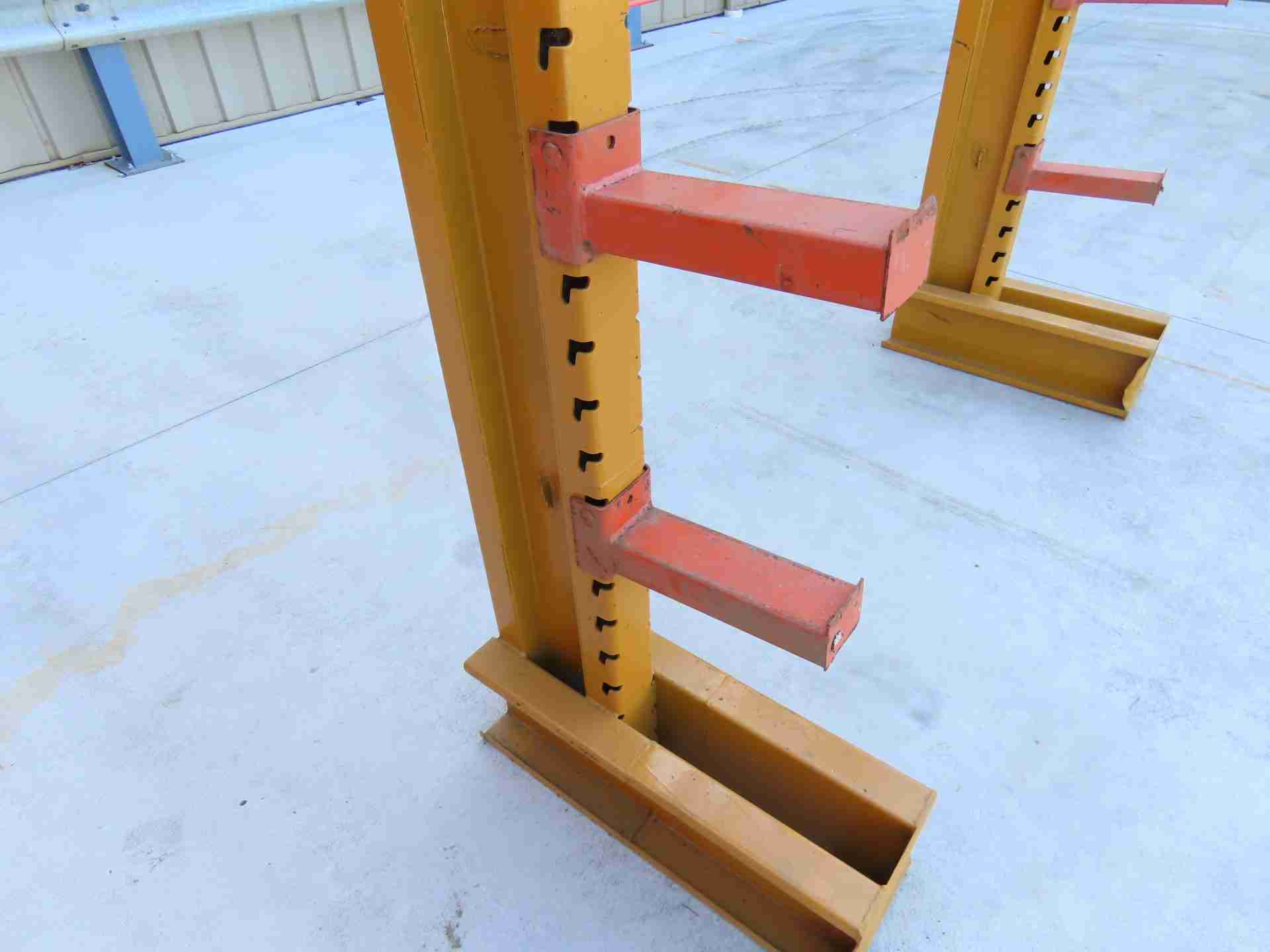
What Are the Cost Benefits Of Pallet Racking for Recyclers?
How Can Pallet Racking Maximize Space In Metal Recycling Yards?
In a metal recycling yard, space isn’t just empty ground—it’s potential, sweat equity, and profit all rolled into one. Pallet Racking turns that potential into something real, something you can touch and count on. Picture a yard cluttered with scrap and stacks of metal sheets piled high but haphazard—wasting every inch and making your crew’s work harder than it needs to be. Pallet Racking organizes all that chaos. It lifts your inventory off the dirt and stacks it smart, turning acres into neat, accessible rows.
There’s something about well-planned Pallet Racking that speaks to your gut. You’ve been there, carrying heavy steel, dodging uneven piles, watching time slip away sorting through jumbled scrap. Installing sturdy racks isn’t just about saving space; it’s about safety, too. It keeps everything steady, reduces accidents, and protects the folks on the yard. When your crew knows the setup’s solid, morale gets a boost, and the yard hums like a well-oiled machine rather than a hazard zone.
From the head’s perspective, Pallet Racking is pure efficiency. More storage means you can handle bigger loads without expanding your footprint—saving on costly leases and property fees. It streamlines workflow; materials are easier to locate, move, and process. This kind of orderliness makes your operation leaner and faster, cutting down hours spent fumbling through piles. That’s not fluff—that’s hard dollars and cents backed by industry know-how. Installing the right rack system is a proven method metal recyclers trust to maximize every square foot.
On the ethical side, Pallet Racking supports responsible work practices. It shows you care about worker wellbeing and operational sustainability, which resonates not only with employees but with partners and clients who want to do business with a yard that runs clean and safe. That’s reputation currency you can’t just buy—it’s built from honest, everyday choices.
At the end of the day, Pallet Racking turns overwhelming metal stockpiles into manageable assets. It’s the quiet backbone of a thriving recycling yard, helping you work smarter, not harder—earning trust from your crew and clients alike. When your yard’s arranged right, everyone feels it—the confidence, pride, and knowing you’re running a lean operation worth standing behind.
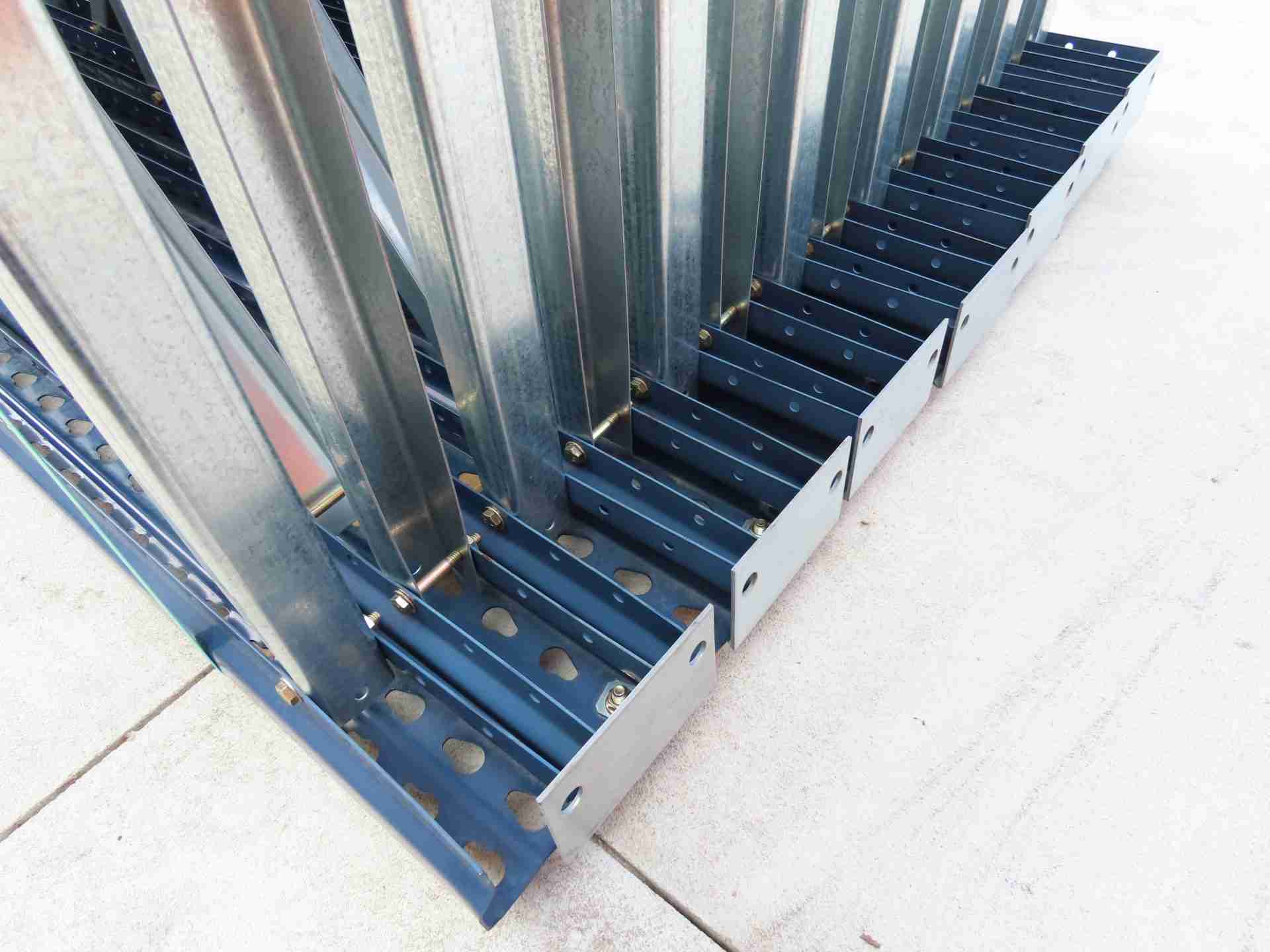
How Can Pallet Racking Maximize Space In Metal Recycling Yards?
How Can Pallet Racking Maximize Space In Metal Recycling Yards?
- Pallet Racking transforms cluttered metal recycling yards by organizing scrap and metal sheets into neat, accessible rows, maximizing space use.
- It raises inventory off the ground, improving safety by stabilizing materials, reducing accidents, and boosting crew morale.
- From a management perspective, it increases storage capacity without expanding the yard’s footprint, saving on leases and property costs.
- Pallet Racking streamlines workflow by making materials easier to locate, move, and process, increasing operational efficiency and cutting labor hours.
- The system supports responsible work practices, showing commitment to worker wellbeing and sustainability, enhancing reputation with employees, partners, and clients.
- It converts overwhelming metal stockpiles into manageable assets, serving as the backbone of a productive and orderly recycling yard.
- An organized yard with Pallet Racking fosters confidence and pride among crew and clients, reflecting a lean, trustworthy operation.
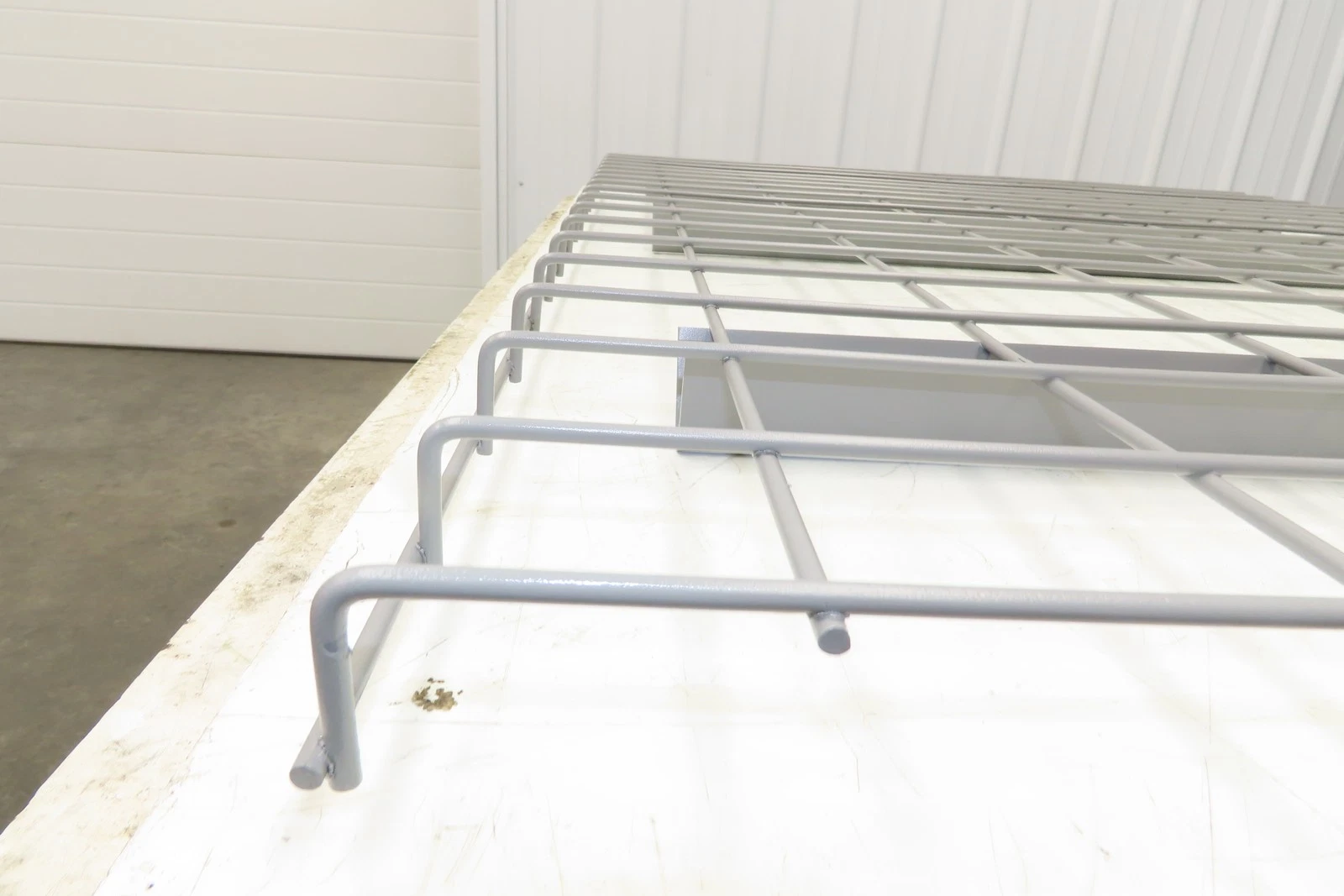
How Can Pallet Racking Maximize Space In Metal Recycling Yards?
Why Is Organization Critical In Recycling and Scrap Metal Yards?
Running a scrap metal yard or recycling center without organization is like trying to build a house without a blueprint. It might go up, but it’ll be crooked, dangerous, and never last. When you’re dealing with piles of metal scraps, tangled wires, and stacks of bulky materials, disorganization isn’t just annoying—it’s downright costly and risky. Pallet racking, for example, isn’t just some fancy storage hack; it’s the backbone that keeps everything sturdy and accessible. Without it, you’re fumbling through heaps, wasting time and energy, and more importantly, putting folks’ safety on the line.
At the heart of it, organizing a yard respects the people working there. It shows a kind of grit and care, like looking out for the next guy and the crew who depend on you. It’s not just about neat piles and clear aisles—it’s about making sure everyone goes home in one piece at the end of the day. When tools, materials, and metal all have their place—whether that’s stacked carefully on pallet racking or sorted by type and weight—it means fewer accidents, less strain, and a smoother day for everyone on the ground.
From a head standpoint, the numbers don’t lie: a well-organized yard means higher efficiency. Sorting scrap properly lets you maximize value because buyers pay top dollar for clean, easy-to-handle material. It cuts down on turnaround time, meaning trucks aren’t waiting around, and profits don’t get eaten up by wasted hours. Organization isn’t a luxury—it’s the smartest business move, saving money, boosting output, and making hard work pay off. The ethics of recycling demand that we do more with less waste and mess. Proper handling and sorting mean fewer materials lost or contaminated, so what we put back into the world is pure and useful. That’s dignity—giving scrap a second life, and making sure what’s leftover doesn’t hurt the planet or the community.
Socially, a well-run yard builds trust with suppliers, customers, and the community. It says you’re serious, responsible, and dependable. People want to do business with those who show they care about their work and their impact. When a yard is clean, organized, and running like a machine, it’s proof of strong leadership and respect for the craft. It inspires confidence, not just in the product, but in the people behind it—the folks who turn metal scraps into something meaningful.
Organization in recycling yards isn’t some extra burden; it’s the foundation. When you get it right, everything else follows—safer workers, smarter profits, and a hand extended toward a cleaner, stronger future. And that’s a story worth telling every day.

Why Is Organization Critical In Recycling and Scrap Metal Yards?
Why Is Organization Critical In Recycling and Scrap Metal Yards?
- Disorganization in scrap metal yards is costly, dangerous, and inefficient; pallet racking is essential for sturdy and accessible storage.
- Organizing the yard shows respect for workers by ensuring their safety and reducing accidents and physical strain.
- A well-organized yard improves efficiency, enabling faster turnaround times and higher profits by providing clean, sorted scrap materials.
- Proper handling reduces waste and contamination, supporting ethical recycling and environmental responsibility.
- Clean, organized yards build trust with suppliers, customers, and the community by demonstrating responsibility and reliability.
- Strong organization reflects leadership and respect for the craft, inspiring confidence in both products and workers.
- Organization is foundational to successful recycling operations, leading to safer work environments, better profits, and a positive environmental impact.

Why Is Organization Critical In Recycling and Scrap Metal Yards?
How Does Efficient Storage Impact Recycling Yard Productivity?
A recycling yard without a solid storage system is like a cook without a kitchen — chaos waiting to happen. When materials pile up in every corner, it’s not just messy; it’s dangerous, expensive, and downright frustrating for the folks on the ground who wrestle with trucks, forklifts, and mountains of scrap every day. Pallet racking isn’t just some fancy term tossed around by warehouse salespeople—it’s the backbone of keeping order in the pandemonium.
Imagine walking into a yard where every piece of metal, every stack of cardboard, and every crate has a rightful place, stacked neat and sturdy on pallet racking designed to take the load without buckling. That’s not just efficient; it’s respectful. It tells the crew their work matters, that their time isn’t wasted searching or shifting piles around like a never-ending game of Jenga. When storage is efficient, workers feel the difference in their bones—it’s less strain on their backs, fewer accidents, and a rhythm to their day that makes coming to work something to look forward to, not dread.
On the practical side, efficient storage means faster turnarounds. When you know exactly where every item sits, you spend less time hunting and more time moving materials through the system. That translates to a yard that can handle more volume, hit deadlines, and keep customers happy with reliable pickups and deliveries. It’s good stewardship of resources—not just the scrap that’s recycled but the people and machinery that keep the yard alive. Better storage stretches every dollar, reducing damage and shrinkage, and cutting down on costly downtime.
Then there’s the bigger picture—the ethics of what we do in recycling. We’re not just sorting waste; we’re protecting the environment and investing in the future. An efficient storage setup isn’t just good business sense; it’s a commitment. It’s a statement that this place—this yard—cares about doing its part right. When workers see a well-organized yard, it breeds pride and accountability. It fosters a sense of belonging to a team that respects both the material and the mission.
Efficient storage is more than racks and shelves. It’s about building a foundation where productivity isn’t just a target but a natural outcome of respect for the work, the workers, and the world we’re trying to make cleaner. That’s the kind of yard people want to work in. The kind they want to come home from, tired but knowing they did a good day’s work. Pallet racking might look like simple steel, but in this work, it’s the unsung hero that holds everything together.

How Does Efficient Storage Impact Recycling Yard Productivity?
How Does Efficient Storage Impact Recycling Yard Productivity?
- A recycling yard without solid storage creates chaos, danger, expense, and frustration for workers handling heavy materials.
- Pallet racking provides organized, sturdy storage that respects the work and reduces physical strain and accidents.
- Efficient storage leads to faster material handling, increased yard capacity, timely deadlines, and improved customer satisfaction.
- Good storage conserves resources by minimizing damage, shrinkage, and costly downtime.
- Organized storage reflects ethical commitment to environmental protection and responsible recycling practices.
- A well-maintained yard fosters worker pride, accountability, and a sense of teamwork aligned with the mission.
- Pallet racking serves as a foundational element that enhances productivity and supports a positive work environment.

How Does Efficient Storage Impact Recycling Yard Productivity?
What Ethical Advantages Come From Better Pallet Racking Use?
You know that feeling when you walk into a warehouse, and everything’s just where it ought to be? That’s more than neatness; it’s respect—for the people who work there, for the products stacked high, and for the business itself. Better pallet racking isn’t just about squeezing more boxes onto shelves; it’s about doing right by everyone involved. When you get pallet racking right, you’re creating a safer, cleaner, and more efficient place, and that speaks volumes about your values.
The first thing that hits you is safety, plain and simple. Nobody wants to deal with accidents, and better pallet racking cuts down on those risks in a way that feels almost like common sense. When racks are sturdy, organized, and suited for the load, workers don’t have to worry about pallets tipping over or heavy goods falling from unexpected heights. That’s not just good for the bottom line—it saves people from harm. And you don’t build trust with your crew by shrugging at hazards; you build it by showing you care enough to invest in proper equipment, proper training, and thoughtful setup. It’s a real-world way to say “You matter here.”
Then there’s the matter of respect for the goods themselves. Pallet racking done right means less crushed boxes, fewer damaged products, and a smoother workflow. When a warehouse is a well-oiled machine, you protect the value of what’s inside your stock. That’s ethical business. You’re not just pushing inventory around; you’re honoring the investment made by customers or clients who depend on quality and reliability. It’s a steady reassurance that shortcuts aren’t cutting corners on integrity.
From a bigger-picture standpoint, efficient pallet racking can lead to less waste and better resource use. That’s a nod to responsibility that goes beyond your own four walls—it’s about stewarding materials and space in a way that lessens your footprint. It’s about working smarter, not just harder, with what’s available. These choices quietly echo a commitment to fairness, sustainability, and transparency. They tell your partners and your community that you’re in it for the long haul, not just quick wins.
When everybody—from dockhands to managers—sees that pallet racking is handled with care, it builds a culture that values hard work and accountability. It’s a signal that everyone’s role matters and that the business is run with an eye toward fairness and foresight. That’s the kind of place folks want to roll up their sleeves for, day after day. Better pallet racking is more than just racks and pallets—it’s the backbone of an ethical workplace that earns respect at every level.
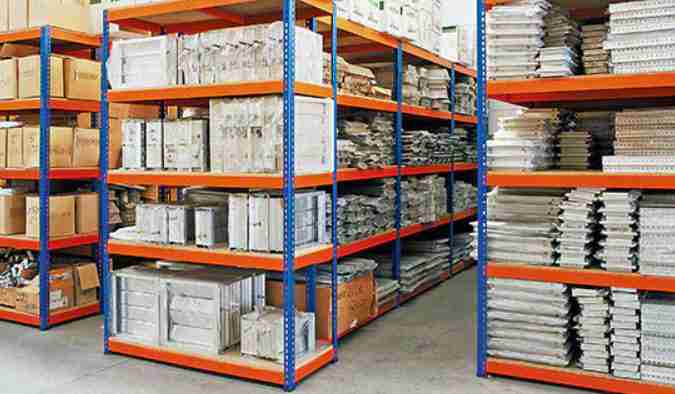
What Ethical Advantages Come From Better Pallet Racking Use?
What Ethical Advantages Come From Better Pallet Racking Use?
- Better pallet racking reflects respect for workers, products, and the business, creating a safer, cleaner, and more efficient environment.
- Safety is prioritized by using sturdy, organized racks suited for the load, minimizing risks of accidents and injuries.
- Proper pallet racking reduces damaged goods and ensures smoother workflows, protecting the value of inventory and maintaining ethical business practices.
- Efficient pallet storage supports sustainability by reducing waste and optimizing resource use, demonstrating responsibility beyond the warehouse.
- Investment in quality equipment and training shows care for employees and builds trust within the workforce.
- Thoughtful pallet management fosters a culture of hard work, accountability, and fairness across all levels of the organization.
- Better pallet racking serves as the foundation of an ethical workplace that earns respect internally and externally.
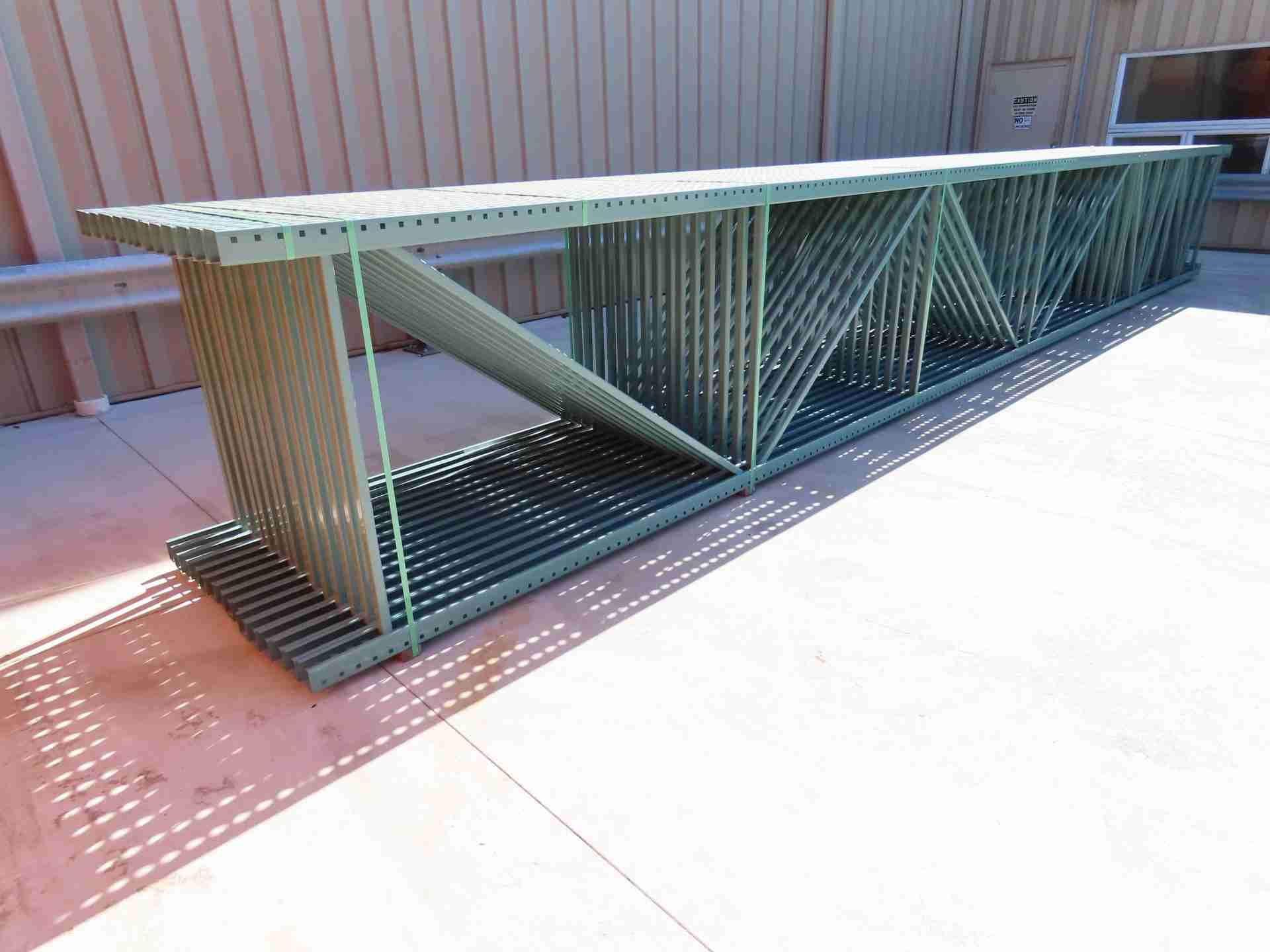
What Ethical Advantages Come From Better Pallet Racking Use?
Conclusion
Out here in the thick of scrap metal yards and recycling centers, pallet racking isn’t just a storage option—it’s the unsung backbone holding everything together. When you deal with tons of heavy, jagged metal and other recyclables, space quickly turns from an asset into a curse if you don’t manage it right. Pallet racking answers that by turning chaos upside down—stacking materials smartly and vertically, so you use every inch without sprawling into a sprawling mess. That’s not just efficiency; it’s common sense born from sweat and shifts that teach you the hard way how a sloppy yard slows down work and puts folks in harm’s way.
This isn’t about fancy showmanship. It’s about respect. Respect for the workers who risk injury every day, rummaging through heaps of clipped and heavy scrap. A yard with sturdy racks means fewer accidents, less strain on backs, and clear aisles where forklifts can flex without playing a dangerous guessing game. That clarity doesn’t just save time—it saves lives. It tells the crew, plain as day, “We’ve got your back.” And when workers feel cared for, it shows up in their pride and their work. Everyone knows a messy yard invites trouble; a tidy one, built on solid racks, carries dignity.
On the business side, pallet racking means dollars saved and earned. Stretching vertical space means renting less ground, spending less on utilities, and cutting downtime that piles up when you lose time digging through disorder. Neatly stacked, goods avoid damage and contamination, which translates to fewer headaches with clients and more green parked in the till. It’s a no-nonsense investment that pays off by turning a jammed yard into a well-oiled machine, speeding workflows, and keeping trucks moving like clockwork.
Beyond the balance sheets and the bruised knuckles lies something bigger—the ethical backbone of recycling. Using pallet racking means handling materials responsibly, wasting less, and helping the yard run cleaner and safer. It’s a quiet nod to sustainability and stewardship, a way of doing right by the planet and the people who work the yard. Good order breeds trust—with staff, with partners, and with the community. When a yard’s neat, safe, and running smooth, it shows leadership that’s grounded, reliable, and built to last.
At the end of the day, pallet racking is more than metal holding up metal. It’s a symbol of grit and good sense, weaving together efficiency, safety, and ethics. It respects the hard work that turns scrap into opportunity and keeps the wheels turning toward a cleaner future. For anyone who’s been on the ground, that’s not just smart—it’s essential.
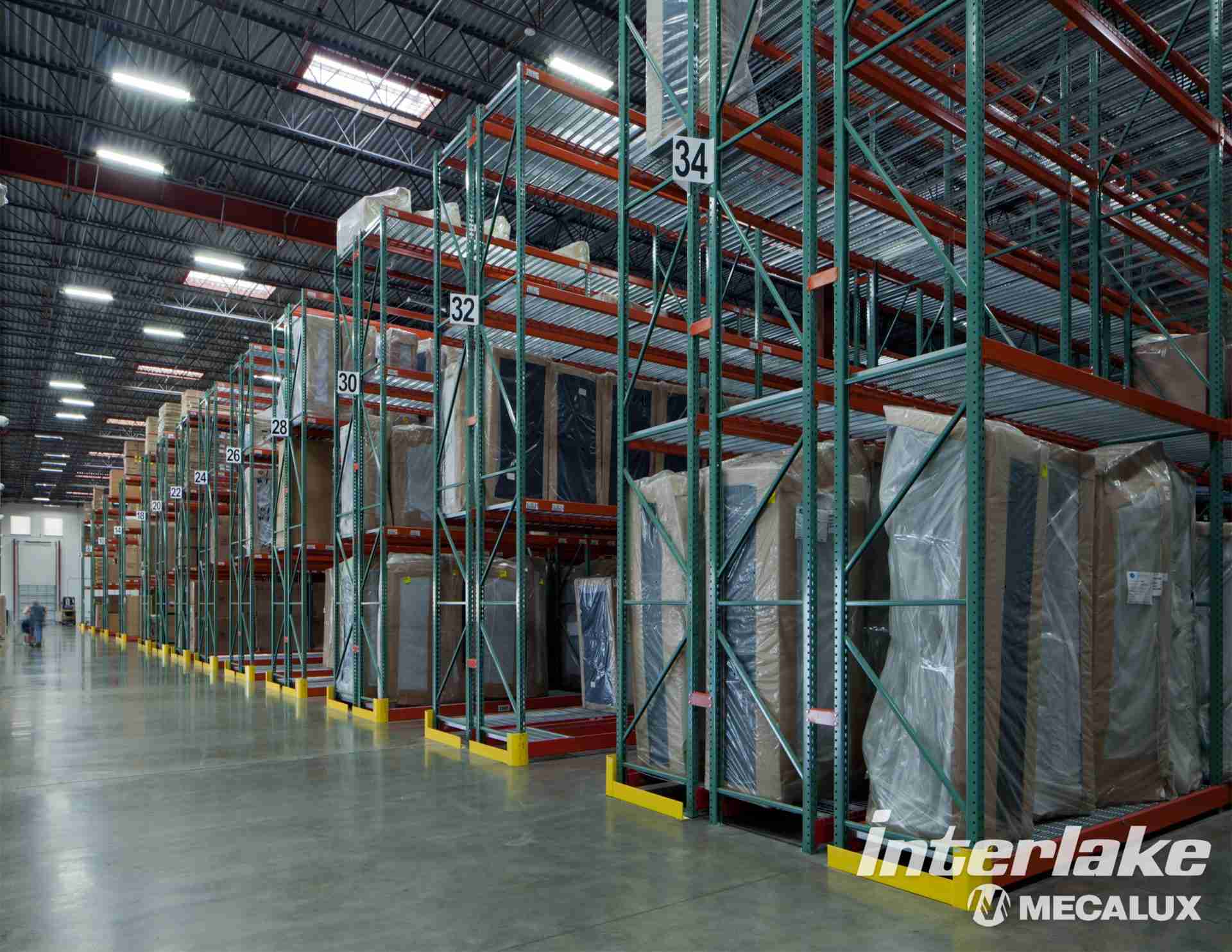
Conclusion
Conclusion:
- Pallet racking is essential in scrap metal yards and recycling centers for efficient, vertical storage of heavy materials, maximizing space and reducing clutter.
- It improves safety by reducing accidents, minimizing physical strain on workers, and creating clear aisles for forklifts.
- Organized yards with sturdy racks increase worker pride and foster a safer, more respectful work environment.
- From a business perspective, pallet racking saves money by reducing ground rental costs, utility expenses, and downtime caused by disorder.
- Proper stacking reduces damage and contamination, improving client satisfaction and operational efficiency.
- Pallet racking supports sustainability efforts by promoting responsible material handling, waste reduction, and a cleaner, safer yard.
- Overall, pallet racking symbolizes the integration of efficiency, safety, and ethical responsibility in recycling operations.
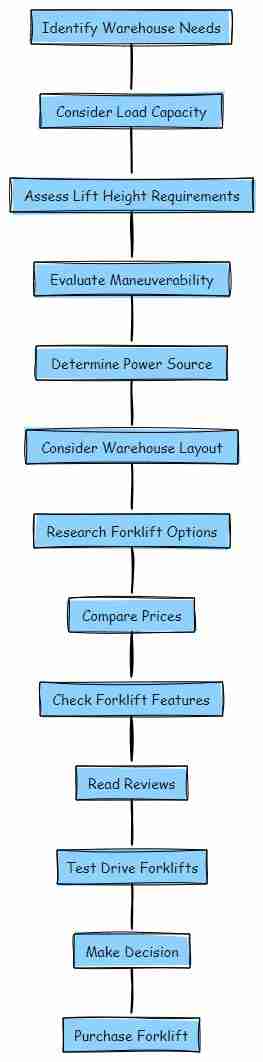
Conclusion
Other Resources

Other Resources
Here is a list of other resources you can review online to learn more:
- BMH
- WERC
- Warehouse Racks, Warehouse Racking in Stock – ULINE
- Used Pallet Rack for Sale in Illinois – American Surplus
- Cantilever Rack Configuration & Installation: A Comprehensive Guide – BMH
- Warehouse Racking Chicago, IL
- Pallet Racking systems in Illinois and Great Lakes
- Warehouse Racking System: Powerful Guide to Optimise, 2024
- BMH Equipment LLC
- Used Teardrop Pallet Rack – American Surplus
- Material Handling Safety
- CA Wire
- Bradford Systems
- Teardrop Pallet Rack – Ridg-U-Rak
- American Society of Safety Professionals
- Selective Racking
- Warehouse Racking Systems: Beginner’s Guide to Rack Systems
- What is Selective Racking: Understanding Benefits & Options
- Interlake Mecalux
- Teardrop Industrial Shelving Rack
Use This Prompt To Get More Resources With Your Favorite Online AI Tool: Please provide me with a list of online articles with their URLs in a bulleted list that I can read regarding How Do Recycling and Scrap Metal Yards Leverage Pallet Racking?
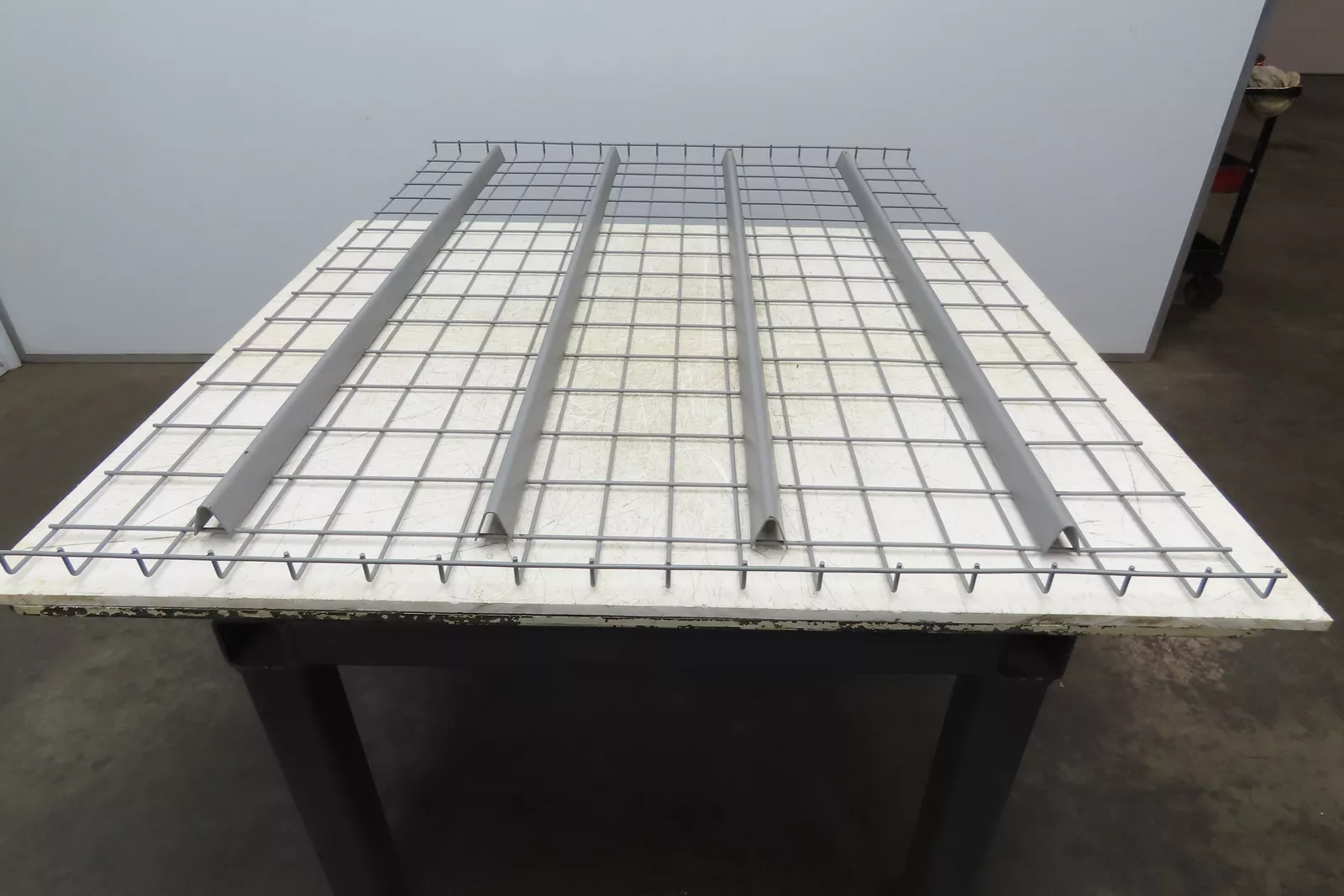
Other Resources
Glossary Terms
How Do Recycling and Scrap Metal Yards Leverage Pallet Racking? – Glossary Of Terms
1. Pallet Racking: A storage system designed to hold materials on pallets in horizontal rows with multiple levels.
2. Scrap Metal Yard: A facility where scrap metals are collected, sorted, and stored for recycling or resale.
3. Recycling: The process of converting waste materials into reusable materials.
4. Inventory Management: The practice of overseeing and controlling the ordering, storage, and use of materials.
5. Space Optimization: Efficient use of available storage space to maximize capacity.
6. Load Capacity: The maximum weight a pallet racking system can safely hold.
7. Vertical Storage: Utilizing vertical space for storing goods to save floor space.
8. Forklift Access: The ability of forklifts to navigate and retrieve materials from racking systems.
9. Material Handling: The movement, protection, storage, and control of materials throughout manufacturing and distribution.
10. Structural Integrity: The strength and durability of pallet racking to support heavy loads.
11. Safety Compliance: Adherence to regulations governing the safe use and installation of storage systems.
12. Slotting: Assigning specific locations within pallet racks for different types of materials for easy retrieval.
13. Load Distribution: Evenly spreading weight across pallet racks to prevent overloading.
14. Recycling Bins: Containers used to collect and store recyclable materials before processing.
15. Stock Rotation: Managing material placement to ensure older stock is used or processed before newer stock.
16. Accessibility: Ease of reaching and handling stored materials within racks.
17. Modular Design: Pallet racking systems that can be adjusted or expanded as needed.
18. Durability: The ability of racking components to withstand harsh conditions in scrap yards.
19. Efficiency: Improving workflow and reducing time and effort in material storage and retrieval.
20. Load Safety: Measures ensuring stored materials remain secure and do not pose hazards.
21. Custom Racking: Tailored pallet rack solutions designed to meet specific scrap metal yard needs.
22. Maintenance: Routine inspection and repair of pallet racks to ensure safe operation.
23. Crossbeam: Horizontal beam in pallet racks that supports the pallet load.
24. Upright Frame: Vertical component of pallet racks that supports beams and loads.
25. Pallet Jack: Manual or powered tool used to move pallets within storage areas.
26. Material Segregation: Separating materials into categories for efficient recycling and storage.
27. Load Identification: Labeling and tracking materials stored in pallet racks.
28. Recycling Throughput: The volume of recyclable materials processed in a facility over time.
29. Dock Loading: The process of loading and unloading materials at shipping and receiving areas.
30. Warehouse Management System (WMS): Software used to manage inventory, storage, and material handling in facilities.

Glossary Of Terms
Other Questions
How Do Recycling and Scrap Metal Yards Leverage Pallet Racking? – Other Questions
If you wish to explore and discover more, consider looking for answers to these questions:
- What types of pallet racking are best suited for scrap metal and recycling yards?
- How do load capacities differ between common racking systems?
- How do I calculate the required rack capacity for my yard’s inventory and throughput?
- What are the upfront costs and lifecycle costs of installing pallet racking?
- What is a typical ROI or payback period for pallet racking investments in recycling operations?
- How do pallet racks handle irregularly shaped, bulky, or loose metal loads?
- What methods are used to secure jagged or sharp materials on racks to prevent falling or injury?
- What OSHA, local building codes, or industry standards apply to pallet racking in scrap yards?
- What fire prevention and fire suppression requirements relate to pallet racking in recycling yards?
- Can pallet racking be used outdoors, and how does weather exposure affect performance?
- What coatings, materials, or corrosion protections are recommended for outdoor racks?
- How should racks be anchored on uneven, saturated, or soft ground?
- What regular maintenance and inspection schedules should be followed for pallet racking?
- How often should racks be load-tested, certified, or professionally inspected?
- What training and certifications should forklift operators and yard staff have for racked storage?
- What personal protective equipment and site safety procedures are recommended around racking?
- How does pallet racking affect forklift traffic patterns, aisle widths, and yard layout?
- What types of forklifts or attachments work best with heavy scrap on pallet racks?
- How do you determine optimal aisle width to balance storage density and operational efficiency?
- What are best practices for labeling, tagging, and tracking inventory stored on racks?
- Can pallet racking be integrated with inventory management or ERP systems for tracking and billing?
- How should materials be sorted and staged on racks to maximize value and minimize contamination?
- What rack accessories (beam protectors, column guards, row spacers) are essential for scrap yards?
- How do you retrofit pallet racking into an existing yard without disrupting operations?
- What permits or approvals are typically required for installing large racking systems?
- How does installing pallet racking affect insurance premiums and liability exposure?
- Are there government grants, tax incentives, or sustainability credits available for upgrading storage?
- How do racking systems perform in seismic zones, high winds, or extreme weather events?
- What grounding or bonding requirements exist when storing conductive metals on racks?
- How can yards prevent theft, vandalism, or unauthorized access to stored scrap on racks?
- How should hazardous, contaminated, or mixed-material loads be stored on pallet racks?
- What space-saving alternatives or complements exist (mezzanines, compactors, vertical lifts)?
- How recyclable or sustainable are the racking materials themselves at end of life?
- What is the typical service life of a pallet racking system in a metal recycling environment?
- What visible signs indicate a rack is compromised and needs repair or replacement?
- Are there case studies or performance benchmarks showing productivity gains from racking in scrap yards?
- How do you estimate the number of pallet positions or linear rack feet required?
- What impact does improved racking have on worker morale, retention, and safety culture?
- How should racking plans account for seasonal volume swings and peak processing periods?
- What common mistakes do yards make when choosing or installing pallet racking, and how can they be avoided?

Other Questions
Checklist
How Do Recycling and Scrap Metal Yards Leverage Pallet Racking? – A Checklist
Goals & Scope
✅______ Define target outcomes (safety, space gain, throughput, labor savings)
✅______ Map current material flows and bottlenecks
✅______ List material categories (ferrous, non-ferrous, long stock, coils, e-waste, batteries, fluids)
✅______ Set capacity needs by SKU/material type and seasonal peaks
✅______ Identify indoor vs. outdoor storage requirements
Engineering & Compliance
✅______ Verify slab thickness, compressive strength, and load capacity
✅______ Obtain engineered rack drawings and load calculations
✅______ Design for seismic and wind per local code; confirm anchor specifications
✅______ Ensure sprinkler clearance, flue spaces, and NFPA requirements
✅______ Post rack load plaques at aisle ends
✅______ Secure permits and inspections from authorities having jurisdiction
Rack Selection & Configuration
✅______ Choose rack types (selective, drive-in/drive-through, push-back, pallet flow, cantilever)
✅______ Select decking (wire mesh, solid, steel) for small pieces and containment
✅______ Specify corrosion-resistant finishes for outdoor or splash zones
✅______ Add backstops and netting for fall protection of loose scrap
✅______ Use cantilever for long items; use cradles/saddles for coils and rounds
✅______ Standardize bay widths, beam levels, and pallet overhang rules
Space Planning
✅______ Measure clear height; set top of load below sprinkler deflector limits
✅______ Plan vertical utilization with consistent beam elevations
✅______ Set aisle widths per truck type and turning radius
✅______ Designate staging, quarantine, and rework zones
✅______ Allocate high-velocity items to lower, closer bays
✅______ Separate inbound inspection and outbound consolidation areas
Safety & Protection
✅______ Install column protectors and end-of-aisle guardrails
✅______ Fit row spacers and proper anchors; verify torque
✅______ Use rack safety clips/locking devices on all beams
✅______ Create a no-storage buffer around exits and electrical panels
✅______ Provide edge protection for sharp scrap; band/strap irregular loads
✅______ Place signage for weight limits, PPE, and hazard warnings
Materials Handling & Loading
✅______ Approve only intact pallets/containers rated for the load
✅______ Center and evenly distribute loads; no point loading on beams
✅______ Cage or crate loose/irregular scrap to prevent spill-through
✅______ Use drip trays/containment under oily or fluids-bearing items
✅______ Define maximum stack heights for totes, bins, and gaylords
✅______ Establish reject criteria for damaged pallets or racks
Inventory, Sorting & Labeling
✅______ Implement location codes (aisle-bay-level); label beams clearly
✅______ Color-code by material type/value and hazard class
✅______ Separate by contamination risk (clean vs. mixed scrap)
✅______ Create quarantine areas for unknown or alloy-mixed items
✅______ Define FIFO/LIFO rules by commodity and process
✅______ Track weights, grades, and moisture content at receipt
Equipment, Training & PPE
✅______ Match forklifts and attachments (clamps, magnets, booms) to loads
✅______ Train operators on rack loading/unloading and safe travel
✅______ Train staff on cut-resistant handling and banding/strapping
✅______ Provide PPE (cut-level gloves, eye/face protection, steel toes, hi-vis, hearing protection)
✅______ Certify spotters and signalers for tight aisles
✅______ Post standard work for bin changes, picks, and put-away
Traffic & Aisle Control
✅______ Mark pedestrian walkways and crossings; add mirrors at blind spots
✅______ Set one-way aisles where possible; enforce speed limits
✅______ Use horns and lights on trucks; maintain audible and visible alarms
✅______ Keep aisles clear to defined widths at all times
✅______ Provide protected staging zones outside main travel lanes
✅______ Schedule dock times to avoid congestion
Fire, Environmental & Housekeeping
✅______ Place fire extinguishers and hot work permits in cutting/welding areas
✅______ Control sparks and slag away from racks and combustibles
✅______ Provide spill kits and secondary containment for fluids
✅______ Manage stormwater and runoff for outdoor racks
✅______ Remove fines/dust and sharp debris; sweep on schedule
✅______ Segregate batteries, refrigerants, and hazardous components
Maintenance & Inspection
✅______ Perform daily walk-by checks for beam displacement, damage, and anchors
✅______ Conduct monthly documented rack inspections; tag and isolate damaged bays
✅______ Conduct an annual third-party or engineer audit
✅______ Replace damaged components like-for-like from the same manufacturer
✅______ Inspect for corrosion, paint loss, and deck deformation
✅______ Maintain tool calibration for anchor torque checks
Cost, Metrics & ROI
✅______ Baseline space utilization, throughput, pick/put times, and injury rates
✅______ Track damage/shrink, load handling time, and rework
✅______ Measure before/after storage density (pallets per square foot)
✅______ Calculate labor savings and reduced equipment hours
✅______ Estimate payback period and total cost of ownership
✅______ Monitor worker retention and absenteeism as a safety proxy
Vendor, Installation & Documentation
✅______ Select an RMI/SEMA-compliant vendor with industry references
✅______ Approve shop drawings and bill of materials before installation
✅______ Verify installer qualifications and supervision plan
✅______ Capture as-built drawings, certifications, and warranties
✅______ File inspection logs, training records, and SOPs
✅______ Stock spare parts for critical components
Continuous Improvement
✅______ Run 5S audits and corrective actions monthly
✅______ Review near-misses and incident reports; implement fixes
✅______ Cycle count high-value materials to validate controls
✅______ Rebalance slotting quarterly based on velocity and weight
✅______ Gather crew feedback on rack layout and flow changes
✅______ Reassess design after equipment or commodity mix changes
Outdoor and Scrap-Specific Considerations
✅______ Verify level foundations or install footings for uneven yards
✅______ Use canopies or covers for weather-sensitive metals
✅______ Inspect UV/weather wear on coatings and labels
✅______ Provide tie-downs and backstops for wind-exposed elevations
✅______ Designate cutting/torch areas away from rack faces
✅______ Ensure magnets and grapples operate clear of rack structures

Checklist
At RackingWorld, we help guide you through selecting warehouse storage systems and racking.
Be sure to read our other related stories at RackingWorld to learn more about warehouse storage systems.
0 Comments