
Maximizing Space And Efficiency: The Smart Choice For Pvc Piping Suppliers
By Tom Seest
At RackingWorld, we help guide you through selecting warehouse storage systems and racking.
Be sure to read our other related stories at RackingWorld to learn more about warehouse storage systems.
How Do Pvc and Plastic Piping Suppliers Leverage Cantilever Racking?
When it comes to PVC and plastic piping suppliers, making the most of space and keeping inventory in shipshape condition isn’t just a matter of convenience—it’s a matter of survival. Cantilever racking steps into this story like a trusty workhorse. Picture rows of long, heavy pipes stacked neatly off the ground, each one easy to spot and grab without wrestling a dangerous pile down. It’s simple, straightforward, and it just works.
This isn’t about fancy gadgetry or over-engineered systems; it’s common-sense warehouse wisdom. Pallet racking has its place for boxes and crates, but when your stock is a lineup of awkward, lengthwise materials like pipes, cantilever racking gives you the elbow room and accessibility that make daily grind tasks smoother and safer. Workers don’t have to strain or shuffle around precarious stacks—they can just reach in and pull out exactly what’s needed. That respect for the hands-on people on the floor isn’t just practical; it shows you value their well-being.
From a numbers standpoint, every inch of storage space is precious real estate. Cantilever racking helps suppliers pack more product into less room without tangling into a cluttered mess. It’s a smart use of warehouse square footage that keeps deliveries timely and costs lean—something that business owners can appreciate long after the dust settles. Customers get their orders faster, and the whole supply chain ticks along with less fuss.
Ethically, it’s about doing right by your team and your clients. Good storage means fewer accidents, less damage to pricey inventory, and better product integrity. When pipes come out sound and ready to install, everyone wins. It’s honest work that builds trust—not just in the product, but in the people handling it and the company behind the scenes.
There’s a story behind every pipe stacked on those racking arms, a story of skilled hands and straightforward solutions. Those racks aren’t just metal beams; they’re the backbone of a hardworking supplier’s promise to deliver quality and reliability. For anyone in the business, upgrading to cantilever racking isn’t an expense—it’s an investment in smarter work and steadier growth.

How Do Pvc and Plastic Piping Suppliers Leverage Cantilever Racking?
How Do Pvc and Plastic Piping Suppliers Leverage Cantilever Racking?
- Cantilever racking efficiently stores long, heavy PVC and plastic pipes off the ground, enabling easy access without unsafe handling.
- It offers a practical, common-sense solution ideal for awkward, lengthwise materials, unlike pallet racking suited for boxes and crates.
- Improves worker safety and convenience by reducing strain and preventing unstable stacks, showing respect for employees’ well-being.
- Maximizes valuable warehouse space by allowing more organized storage, leading to timely deliveries and lower operational costs.
- Enhances ethical practices by minimizing accidents, protecting inventory quality, and ensuring product integrity.
- Cantilever racks symbolize reliability and a commitment to quality service, reflecting the skilled labor behind the supply chain.
- Upgrading to cantilever racking is a strategic investment in efficient workflow and sustained business growth for piping suppliers.
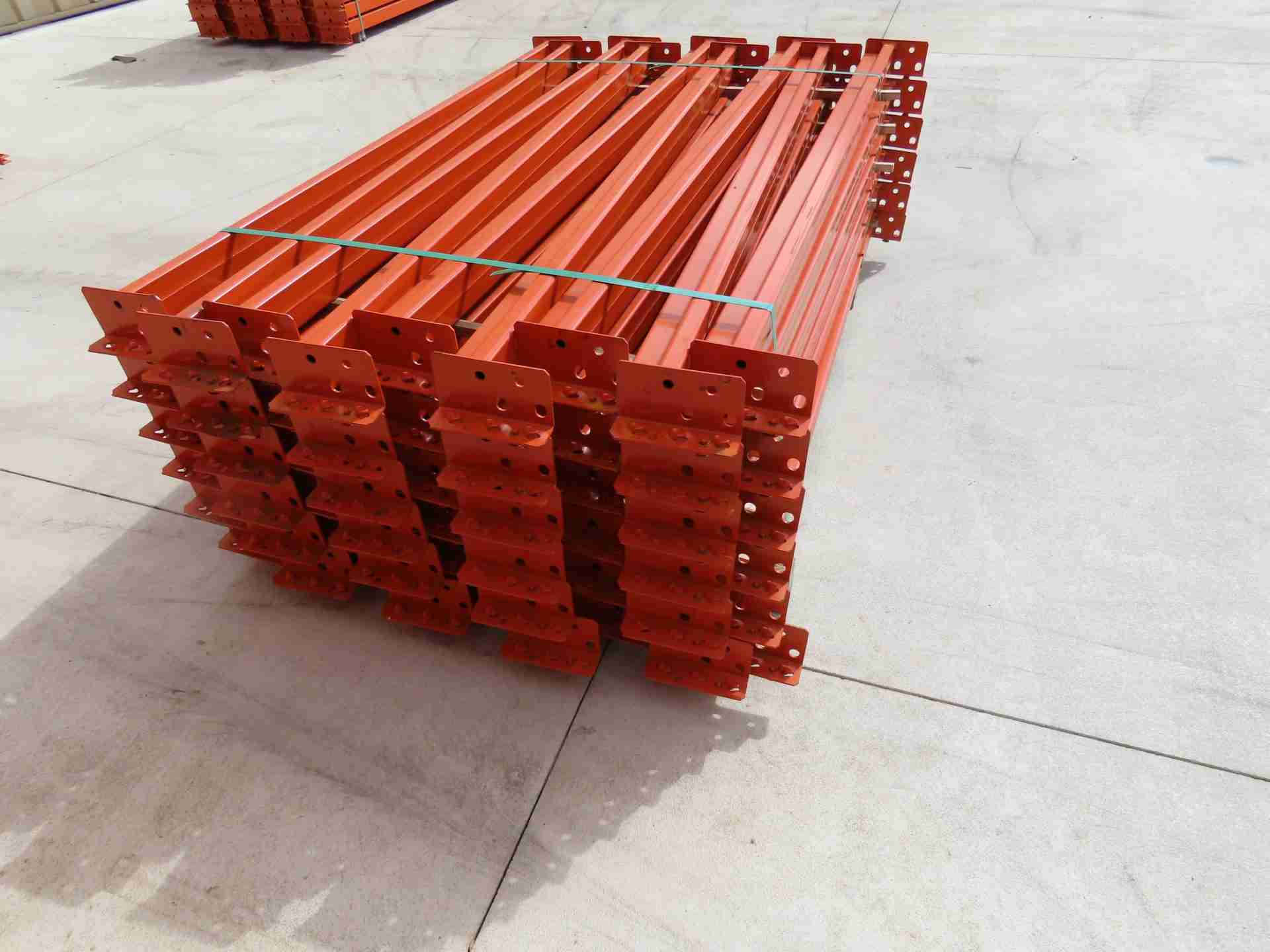
How Do Pvc and Plastic Piping Suppliers Leverage Cantilever Racking?
Table Of Contents
- How Do Pvc and Plastic Piping Suppliers Leverage Cantilever Racking?
- How Does Cantilever Racking Improve Storage for Pvc Pipes?
- What Cost Savings Come From Using Cantilever Racking?
- How Safe Is Cantilever Racking for Heavy Plastic Piping?
- Can Cantilever Racking Help Reduce Product Damage Risks?
- What Space Efficiency Benefits Does Cantilever Racking Offer?
- How Do Suppliers Optimize Inventory Tracking with Cantilever Racks?
- Conclusion
- Other Resources
- Glossary Of Terms
- Other Questions
- Checklist
How Does Cantilever Racking Improve Storage for Pvc Pipes?
How Does Cantilever Racking Improve Storage for PVC Pipes?
When you’ve been around the yard, handling PVC pipes day in and day out, you know they’re a tricky piece to store right. Those long, unwieldy tubes don’t fit neatly on Pallet Racking designed for boxes or crates, and stacking them haphazardly only leads to bending, cracking, or just plain chaos. Cantilever racking steps in like the no-nonsense workhorse it is, built especially for the kind of stuff that doesn’t play by the rules—long pipes, lumber, or anything else that’s awkward and awkwardly shaped.
On a practical level, cantilever racking keeps PVC pipes off the floor, out of the way, and organized by length and diameter. This means no more crawling under heaps of mismatched stock to find the right pipe or worrying about damage while you’re at it. The open design means easy loading and unloading, saving you time and backaches—a welcome relief when you’ve got a day full of heavy lifting and deadlines. Compared to Pallet Racking, it’s tailor-made for these shapes, giving you the space and support that boxes and pallets just can’t.
But here’s where it gets good beyond the nuts and bolts: It shows respect for your stuff and your crew. When you store your pipes properly, you reduce the risk of accidents and damage, which means fewer weekends lost to fixing mistakes or replacement orders. It’s good for the bottom line and good for the people who keep things moving. Choosing cantilever racking isn’t just good business—it’s common sense, plain and simple. It says you care about quality and safety, and that reliability matters more than cutting corners.
That kind of setup makes your whole operation look sharp, too. When visitors see a clean, functional storeroom with pipes lined up and ready to go, it tells a story of professionalism and pride in the work. It’s not just about looking good; it’s about building a workplace culture where people feel the job is done right the first time—every time. That builds trust with customers and respect among your own crew.
So, in the end, cantilever racking isn’t just another piece of gear. It’s a straightforward, tough-as-nails solution that respects both your investment in PVC pipes and the hands that handle them. And when your storage works this well, it frees you up to focus on what really matters: getting the job done, without the nonsense.
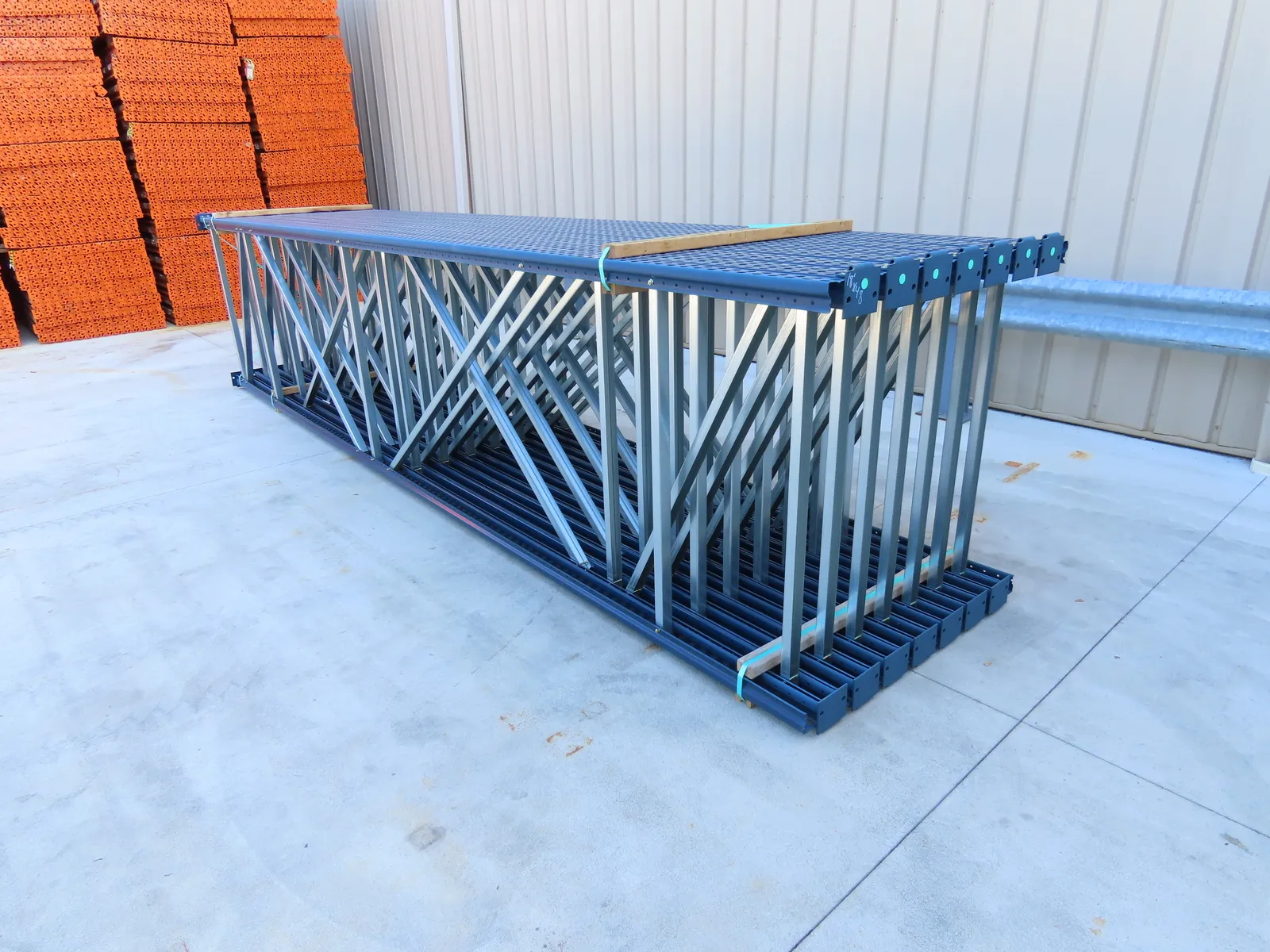
How Does Cantilever Racking Improve Storage for Pvc Pipes?
How Does Cantilever Racking Improve Storage for Pvc Pipes?
- Cantilever racking is specifically designed for storing long, awkward items like PVC pipes, unlike pallet racking made for boxes and crates.
- It keeps PVC pipes off the floor and organized by length and diameter, preventing damage and clutter.
- The open design allows easy loading and unloading, saving time and reducing physical strain.
- Proper storage with cantilever racking reduces accidents and damage, benefiting both safety and operational costs.
- Using cantilever racking demonstrates care for quality, safety, and reliability in storage practices.
- A neat and organized storage area projects professionalism and builds trust with customers and respect among workers.
- Cantilever racking improves overall efficiency by protecting investments and freeing workers to focus on their tasks.

How Does Cantilever Racking Improve Storage for Pvc Pipes?
What Cost Savings Come From Using Cantilever Racking?
When it comes to saving money in a warehouse or workshop, cantilever racking isn’t just a nice-to-have—it’s a hands-down smart investment that pays off in ways you might not immediately see. Picture this: you’re dealing with bulky, odd-shaped stuff that doesn’t fit neatly on traditional pallet racking. You could shove it in corners, stack it on the floor, or worse, force it into the wrong racks and risk damage. That’s wasted space, wasted time, and wasted money right there.
Cantilever racking opens up a new world because it’s built to handle those long, unwieldy items—pipes, lumber, tubing—without the fuss. That means you’re using your space smarter, not harder. Instead of spreading your inventory out over a bigger footprint, you stack it higher and better, freeing up room for more product or safer work zones. This efficiency translates directly into savings because every square foot you recapture lowers your overhead, and you’re not shelling out for costly expansions or new facilities.
Let’s talk durability and maintenance, too. Cantilever racks are built tough and designed for straightforward repairs. When you compare the wear and tear to pallet racking, which can get dinged, bent, or broken when you try to force-fit awkward loads, the cantilever’s simple, rugged design cuts down on downtime and unexpected replacement bills. It’s the kind of common-sense setup that respects your bottom line by not needing constant babysitting.
Beyond the dollars saved, there’s peace of mind in knowing your gear is securely stored and easy to access. When workers aren’t wrestling with unstable loads or hunting for parts in a cluttered maze, productivity climbs and accidents fall off. That trust in your storage system feeds into a safer, more reliable operation. And that’s not just good business sense—it’s the right thing to do for the folks putting in the hard work day after day.
People who’ve been around this block know that investing in cantilever racking isn’t just about spending less. It’s about making every dollar count, keeping things moving safely, and respecting the sweat and grind it takes to run your operation. It’s a quiet kind of wisdom—built on real experience, not sales pitches.
So, while pallet racking has its place, don’t underestimate how cantilever racking can slash costs by fitting the job better. It’s the practical, no-nonsense choice that rewards you with savings, safety, and savings again.
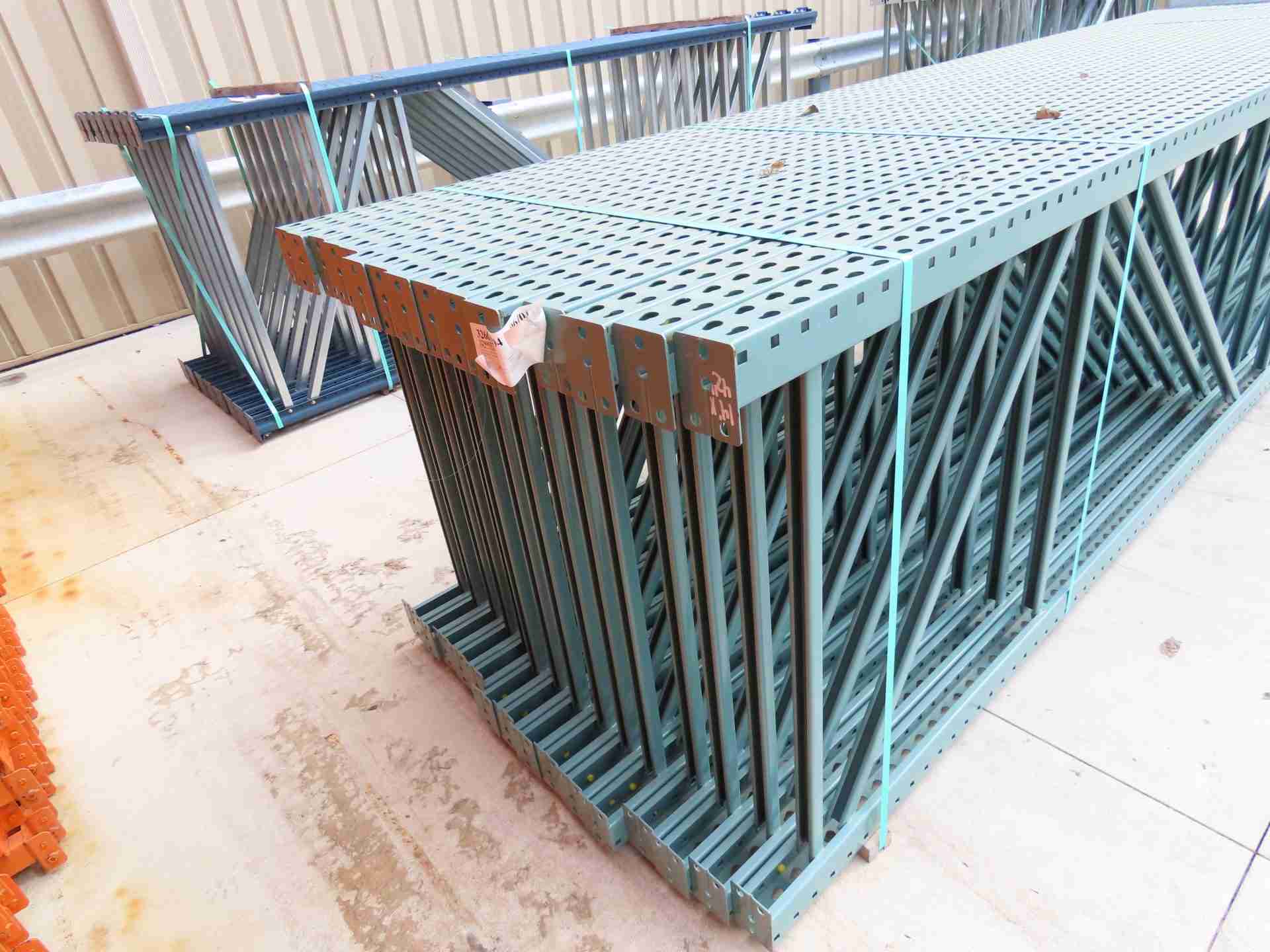
What Cost Savings Come From Using Cantilever Racking?
What Cost Savings Come From Using Cantilever Racking?
- Cantilever racking is a smart investment for storing bulky, odd-shaped items that don’t fit on traditional pallet racks.
- It maximizes space efficiency by enabling higher and better stacking, freeing up room for more inventory or safer work zones.
- Using cantilever racks reduces overhead costs by minimizing the need for facility expansion.
- Cantilever racks have a durable, rugged design that requires minimal maintenance and reduces downtime compared to pallet racking.
- Secure and accessible storage improves worker productivity and lowers the risk of accidents.
- Investing in cantilever racking respects operational needs, optimizing every dollar spent and ensuring smooth workflows.
- Cantilever racking offers practical cost savings and safety benefits, making it a superior choice over pallet racking for certain items.
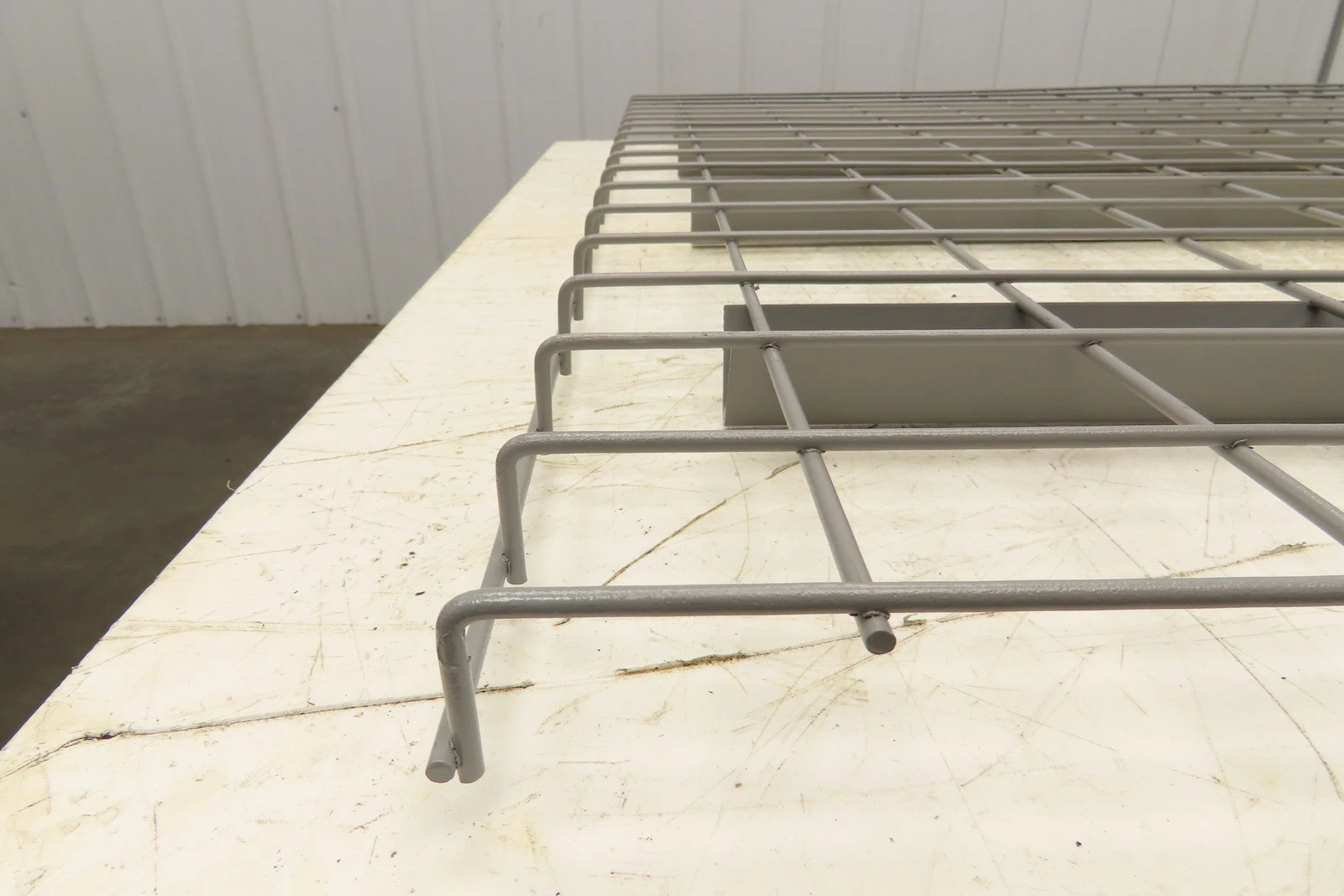
What Cost Savings Come From Using Cantilever Racking?
How Safe Is Cantilever Racking for Heavy Plastic Piping?
When you’re stacking heavy plastic piping, safety isn’t just a box to tick—it’s the backbone of your whole operation. Cantilever racking might sound like fancy warehouse jargon, but at its core, it’s a straightforward solution designed for the job. Unlike pallet racking, which is great for boxes and crates stacked neat and tidy, cantilever racking steps up when the goods get long, bulky, and just plain awkward—like those hefty lengths of plastic pipe that don’t fit on a standard pallet without a fight.
From where I’m standing, safety comes down to respect—for the materials, the gear, and the people relying on everything holding steady. Cantilever racking holds heavy plastic piping off the ground, keeps everything organized, and lets you grab exactly what you need without wrestling with unwieldy bundles. This isn’t just about avoiding a spill or a scrape; it’s about knowing every arm and bracket can handle the pressure, the weight, the real-world wear and tear from daily loading and unloading.
You can feel it in the way the system’s designed—thick arms extending out like strong arms ready to support. The steel’s tough, engineered to take the strain but also built with a kind of grown-up common sense: adjustability for pipes of different sizes, extra support where it counts, and a setup that minimizes hazards. You don’t want your piping sliding off some rickety shelf, no matter how careful you are. Cantilever racking stands firm, making it easier to work confidently and efficiently, knowing the rack’s got your back.
There’s something ethical, too, about choosing the right storage method. It’s about looking out for your crew, your customers, and your bottom line. Damaged pipes mean delays, extra costs, and stress for everyone. Safe storage isn’t a luxury—it’s a responsibility. When you pick cantilever racking for heavy plastic piping, you’re making a practical, no-nonsense choice that values people and product alike. It’s about trust—trusting the design, trusting your team to do their job safely, and trusting that your inventory won’t turn into a costly mess.
It boils down to this: when you’re running a workspace where heavy plastic piping is part of the daily grind, cantilever racking is a straight shooter. It’s a tool built from real experience and real needs. The kind of tool that doesn’t ask for second guesses, just gets the job done. That’s the kind of safety and reliability that lets you focus on the work, not worrying if what’s holding your stock will hold up. It’s the difference between jumping in every day with confidence or standing back, holding your breath.

How Safe Is Cantilever Racking for Heavy Plastic Piping?
How Safe Is Cantilever Racking for Heavy Plastic Piping?
- Cantilever racking is designed specifically for storing long, bulky items like heavy plastic piping that don’t fit on standard pallet racks.
- It prioritizes safety by securely holding pipes off the ground, keeping them organized and easily accessible without risk of spills or damage.
- The system features thick, strong steel arms engineered to handle heavy weight and daily wear, with adjustable supports for different pipe sizes.
- Cantilever racking reduces hazards by providing a stable, reliable storage solution that prevents piping from sliding or falling.
- Choosing the right storage method reflects an ethical commitment to protecting workers, customers, and minimizing costs due to damaged inventory.
- Safe storage with cantilever racking helps avoid delays and extra expenses, reinforcing trust in equipment, personnel, and inventory management.
- The racking system is a practical, experience-based tool that delivers dependable safety and efficiency, allowing workers to focus confidently on their tasks.
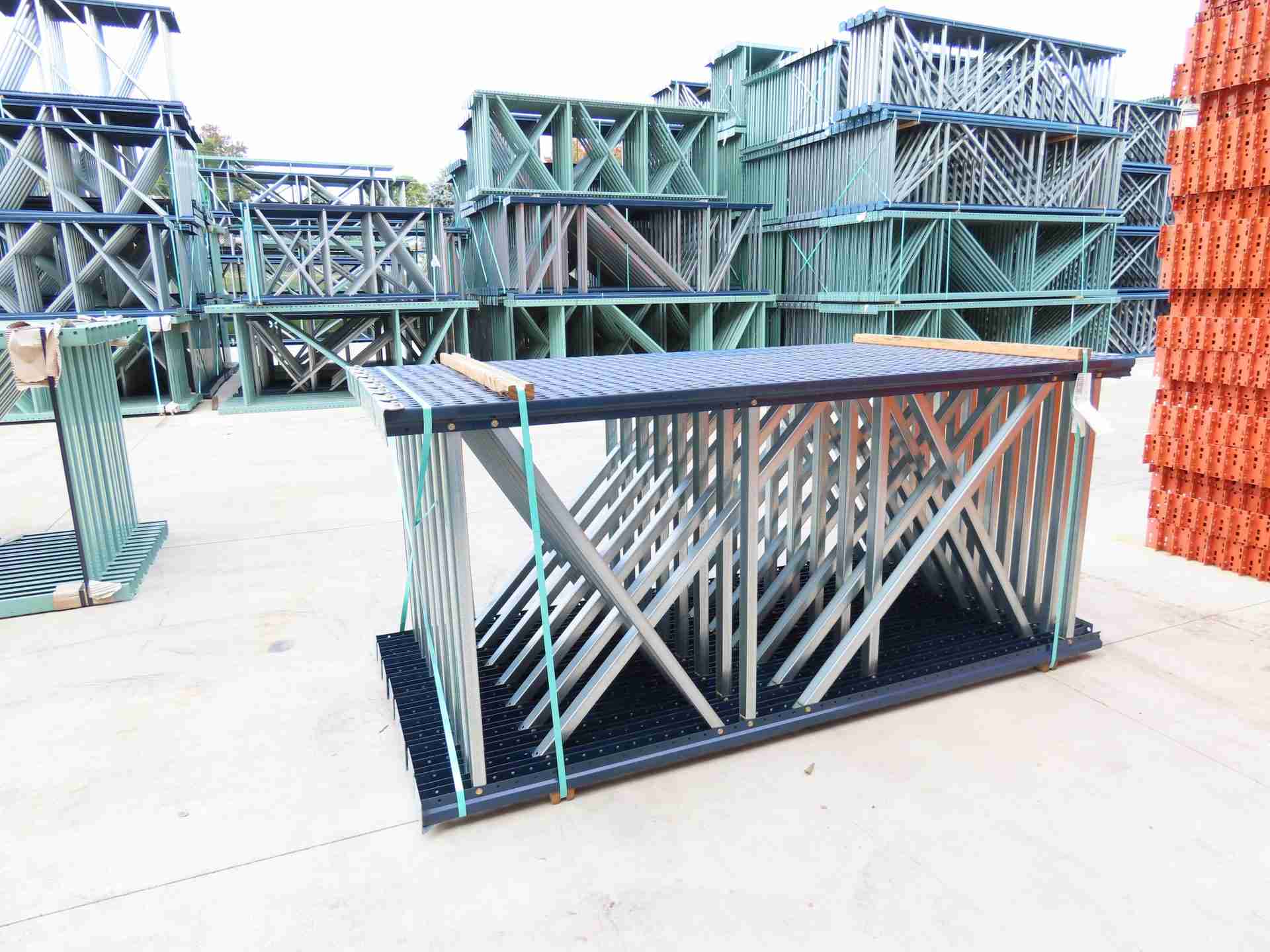
How Safe Is Cantilever Racking for Heavy Plastic Piping?
Can Cantilever Racking Help Reduce Product Damage Risks?
When you’ve been around warehouses and loading docks as long as some of us have, you learn quick that the only thing more heartbreaking than losing a day’s work is seeing good product get mangled because of lousy storage. Pallet racking has been the go-to for years, stacking goods high and tight. But anyone who’s had to wrestle with bulky, oddly shaped items knows that sometimes those steel racks feel more like obstacles than helpers. That’s where cantilever racking steps in, offering a way to cut down on damage risks that aren’t always obvious until you see the dents, scrapes, and crushed corners piling up.
Cantilever racking is built for stuff that won’t fit in a neat little box—lumber, pipes, furniture, or anything long and awkward. Instead of slats or beams between upright columns, it uses arms reaching out to hold products with open space underneath—and that open space means fewer chances for fork trucks and pallets to bump into your inventory’s soft underbelly. More than just a design, it’s a reminder that storage should work with your product, not squash it.
From the heart, this means fewer facepalms at shift’s end. The crew feels good seeing their hard work last the day without patch jobs or returns. From the head, it’s clear: protecting your stock means less waste, fewer replacements, and smoother operations. The fewer knocks and scrapes you have to deal with, the less you bleed cash on repairs or lost sales. There’s an ethical edge, too—respecting product integrity shows you care about doing right by your customers and your team.
When you look across warehouses using cantilever racking, you see less chaos and more order—not just because it’s neat, but because it’s sensible. The buried value is in how it reduces accidents that come from squeezing round pegs into square holes, literally and figuratively. That’s authority earned from countless hours of trial, error, and plain old common sense.
Imagine the relief of walking into a warehouse where every long, unwieldy item sits safe on its cantilever perch, no more guessing or overcompensating. It’s a straightforward fix with a clear payoff: fewer damaged products, less stress on the floor, and a better bottom line. Pallet racking will always have its place, but when your goods don’t behave like neat boxes, cantilever racking is the unsung hero that can make all the difference.
Can Cantilever Racking Help Reduce Product Damage Risks?
Can Cantilever Racking Help Reduce Product Damage Risks?
- Traditional pallet racking is common but often unsuitable for bulky, oddly shaped items, causing product damage.
- Cantilever racking is designed for long, awkward items like lumber, pipes, and furniture, using outward-reaching arms instead of beams.
- Open space beneath cantilever racks reduces the risk of forklifts and pallets damaging products.
- It protects inventory integrity, resulting in fewer damages, less waste, and smoother warehouse operations.
- Crew morale improves when products are stored safely, avoiding last-minute repairs or returns.
- Cantilever racking creates more order and reduces accidents by fitting storage solutions to product shapes.
- Overall, it reduces product damage, decreases stress during handling, and improves financial outcomes compared to pallet racking for irregular goods.

Can Cantilever Racking Help Reduce Product Damage Risks?
What Space Efficiency Benefits Does Cantilever Racking Offer?
When it comes to making the most out of every inch in a warehouse or workshop, cantilever racking isn’t just some fancy shelf—it’s a game changer. Imagine walking into a cluttered space where every box, beam, or pipe is stacked haphazardly, leaving you bumping into walls and wasting precious time hunting down materials. Now, picture that same space transformed: neat, open, and easy to navigate. That’s the kind of relief cantilever racking brings, and it’s about more than just looking good—it’s about working smarter.
Here’s the deal: cantilever racking gives you clear, unobstructed access to long, bulky items that don’t fit well on traditional pallet racking. Forget squeezing lumber, steel rods, or piping into cramped spaces; this system lets you store them in plain sight, with arms supporting the weight without any front posts in the way. The real magic? You gain back floor space and gain efficiency by stacking vertically. That’s space you can then use for packing, staging, or moving inventory without tripping over a sea of pallets.
What this means, down to brass tacks, is saving time, cutting down on accidents, and making your team’s job less frustrating. When tools and materials are easy to grab, productivity rises and morale does too. You don’t have to waste your days playing Tetris with pallet racking or wrestling with awkwardly placed items. That’s not just efficient—it’s respectful to the hardworking folks who keep the operation moving day in and day out.
From a practical, ethical standpoint, maximizing space with cantilever racking also means fewer trips with forklifts, less congestion, and a safer, more organized workplace. It’s a smart way to avoid the tight squeezes and potential hazards that otherwise pile up fast. Supervisors see the clear benefits, and crews appreciate a system designed with their daily grind in mind. This isn’t about bells and whistles; it’s about giving you back control of the workspace.
Cantilever racking offers a grounded, no-nonsense answer to the age-old problem of storage. It trusts that the people doing the work know what they need—space that works with them, not against them. Add up the space saved, the ease of access, and the boost in safety, and you’ve got a solution that respects your hustle and stretches every square foot to its fullest. If you’re ready to stop battling clutter and start working with flow, it’s time to give cantilever racking a serious look.
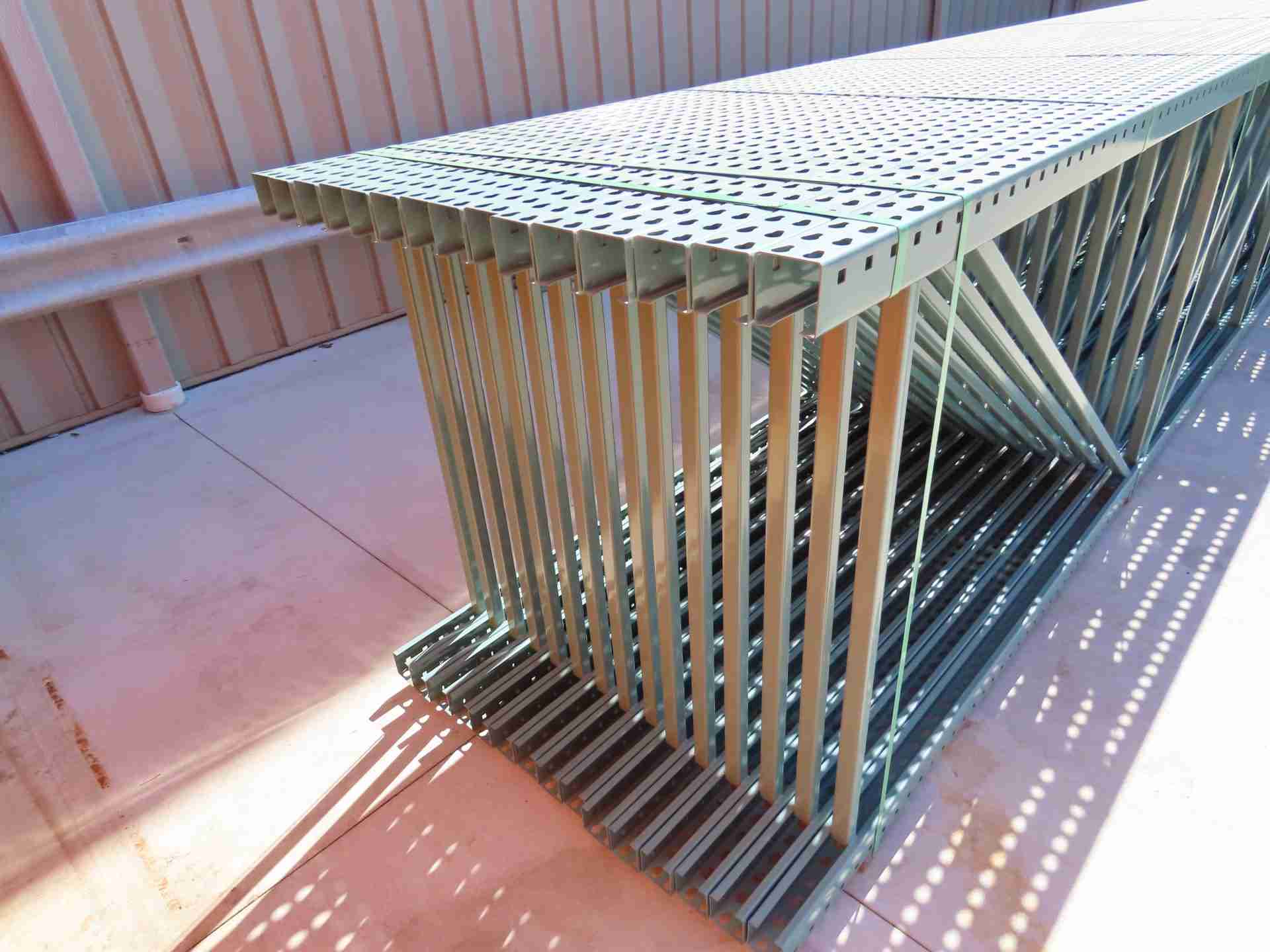
What Space Efficiency Benefits Does Cantilever Racking Offer?
What Space Efficiency Benefits Does Cantilever Racking Offer?
- Cantilever racking transforms cluttered spaces into neat, open, and easy-to-navigate areas, improving workflow.
- It provides clear, unobstructed access to long, bulky items that traditional pallet racking can’t accommodate.
- The design allows vertical stacking, saving floor space for packing, staging, or moving inventory efficiently.
- Improved organization reduces time spent searching for materials, cuts down accidents, and boosts team productivity and morale.
- Maximizing space with cantilever racking leads to fewer forklift trips, less congestion, and a safer workplace.
- Supervisors and crews benefit from a system designed to meet practical daily work needs without unnecessary complexity.
- Cantilever racking offers a straightforward, effective storage solution that optimizes space and respects workers’ efforts.
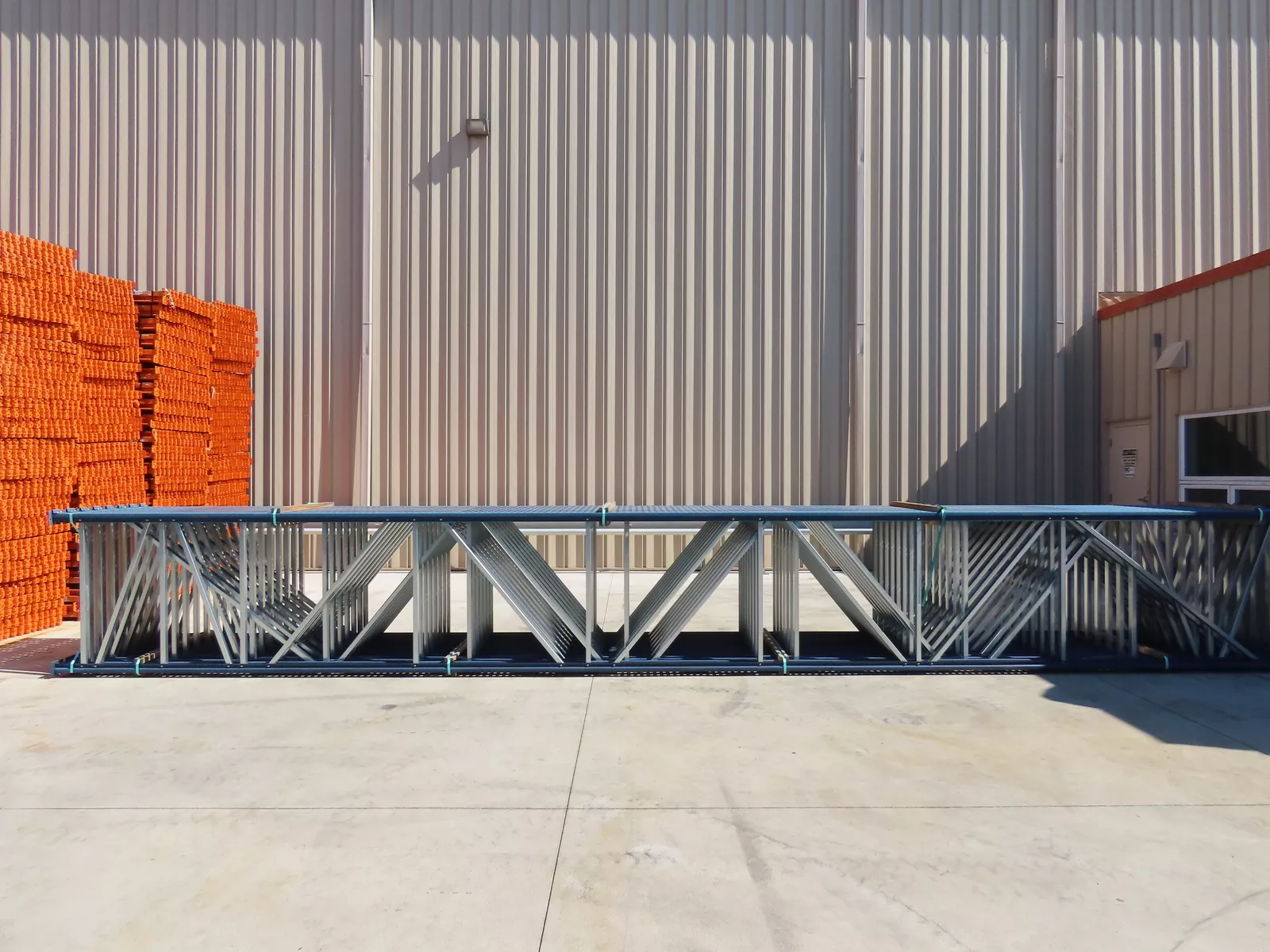
What Space Efficiency Benefits Does Cantilever Racking Offer?
How Do Suppliers Optimize Inventory Tracking with Cantilever Racks?
When you’re running a warehouse, you quickly learn that every inch counts, and tracking what’s where isn’t just a nice-to-have—it’s the heartbeat of everyday success. Suppliers lean on cantilever racks because they aren’t just shelves; they’re smart, rugged partners that make inventory tracking less of a headache and more of a habit you can trust. Unlike traditional pallet racking, cantilever racks handle odd-shaped, bulky stock with a steady grip, cutting down the chaos and letting workers see the goods at a glance. That clarity isn’t just good for the folks on the floor—it’s good for the whole supply chain’s peace of mind.
Picture this: instead of wrestlin’ pallets into tight spots or playing guess-the-item, your team lays out materials on arms that are open and visible. This setup turns your inventory tracking into a straightforward, honest process, no smoke and mirrors. It respects the hands-on worker’s need for practicality while giving supervisors the control they need to keep things running smooth. And let’s be real—when your inventory is in order, everybody sleeps a little better at night. You save money, avoid mix-ups, and meet deadlines without nail-biting.
There’s more to it than just ease, too. Choosing cantilever racks tells a story about your business values. It says you care about doing the job right, respecting the workforce who handles your gear day in and day out. It builds trust with customers and partners by showing that you don’t cut corners when it comes to precision and reliability. Suppliers who embrace this system step up as pros who don’t just talk about efficiency—they show it.
The real power lies in doing inventory tracking so well that it becomes second nature, something your crew doesn’t have to think twice about. It fosters teamwork and accountability because everyone knows the system works in their favor. When your rack system is dependable, it not only holds your stock but also holds your whole operation together. That’s the kind of strength that keeps orders flowing, customers happy, and the workday feeling just right.
Long story short: cantilever racks make inventory tracking honest, efficient, and trustworthy. They’re the kind of equipment that earns respect every day, from the first load to the last delivery. Folks who know the value of hard work and smart storage won’t settle for less. You don’t just get pallet racking—you get the backbone of a kept-together operation.

How Do Suppliers Optimize Inventory Tracking with Cantilever Racks?
How Do Suppliers Optimize Inventory Tracking with Cantilever Racks?
- Cantilever racks maximize warehouse space and simplify inventory tracking, making it a reliable daily habit.
- They handle odd-shaped, bulky items better than traditional pallet racks, reducing clutter and improving visibility.
- Open, visible arms allow straightforward, transparent inventory management, benefiting both workers and supervisors.
- Using cantilever racks reflects business values of precision, reliability, and respect for the workforce.
- They foster teamwork and accountability by making inventory tracking intuitive and dependable.
- A dependable rack system supports smooth operations, meeting deadlines and reducing errors.
- Cantilever racks serve as the structural backbone of an organized and efficient warehouse operation.
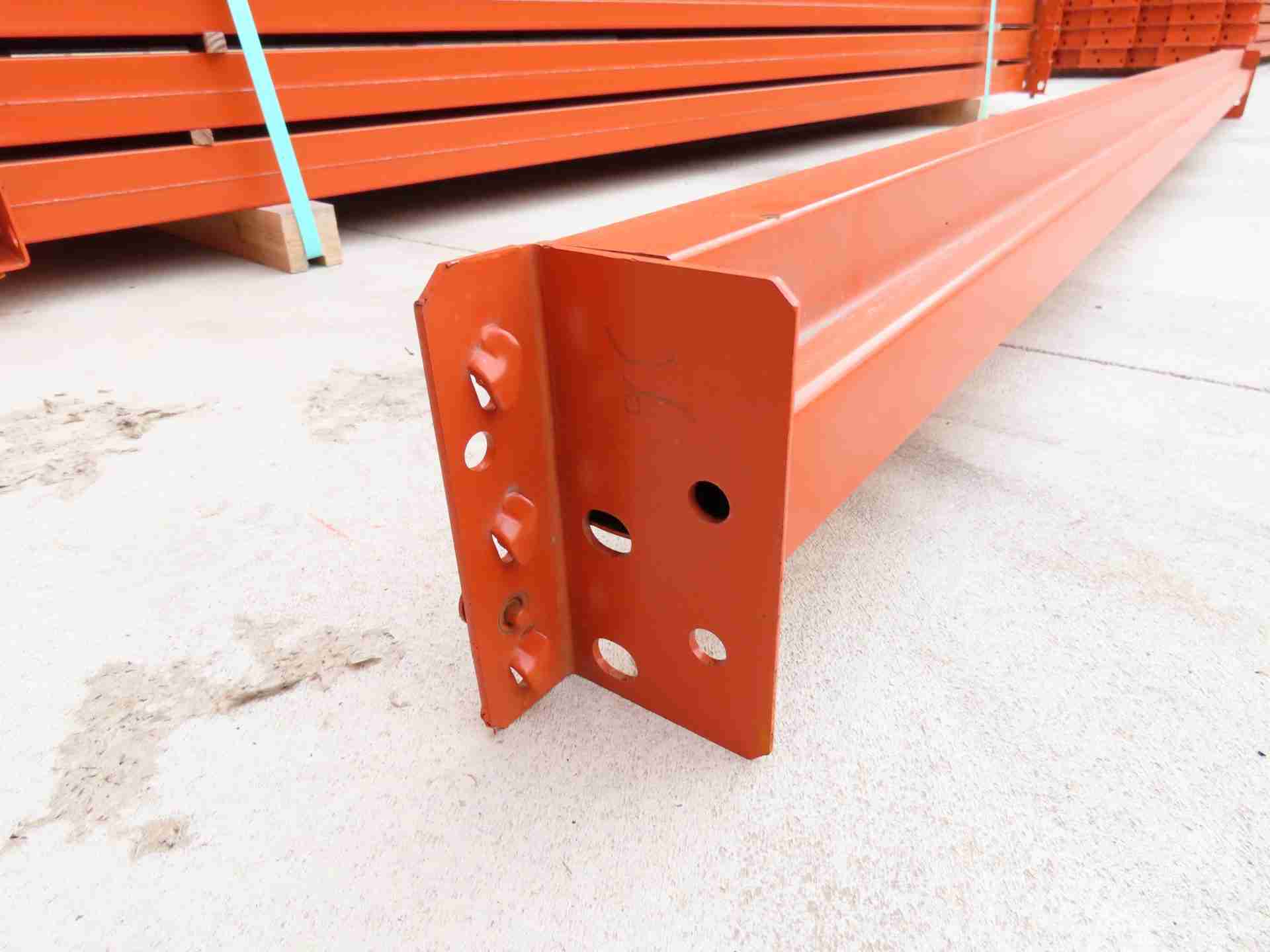
How Do Suppliers Optimize Inventory Tracking with Cantilever Racks?
Conclusion
For PVC and plastic piping suppliers, making space work isn’t just about fitting more stuff—it’s about respect. Respect for the pipes, respect for the crew, and respect for the business that depends on smooth, steady operation day after day. Cantilever racking is the unsung hero in this story. It’s not flashy, but it’s built for the long haul, taking on those awkward, bulky pipes and holding them steady without the hassle of wrestling with cramped pallet racks or risking damage by stacking on the floor.
This setup isn’t some highfalutin system—it’s common sense put into steel. By keeping pipes off the ground and organized by size, cantilever racking saves backs, clears walkways, and keeps the workday moving without those frustrating slowdowns caused by digging through jumbled piles. More than making the job easier, it makes it safer. Fewer injuries, fewer crushed pipes, fewer headaches all around. It’s a solid way to show the folks doing the heavy lifting that their safety matters, which builds loyalty and pride as much as it saves dollars.
Speaking of dollars, every square inch counts in a warehouse. Cantilever racks stack vertically and stretch out horizontally in ways pallet racking just can’t match when it comes to pipes. That means more product in less space, cutting the need for expensive expansions or cramped, inefficient setups. It’s not just about cramming more in; it’s about working smarter—freeing up areas for packing and staging so the whole operation hums along smoother, faster, and with less clutter. Less clutter that could mean less risk of accidents or missteps.
The financial picture gets even clearer when you factor in durability. Cantilever racks are tough, easy to repair, and built for abuse. They save money by avoiding the constant fixes and replacements that come with forcing pipes onto the wrong racks. This means fewer surprises in the budget and less downtime—hard-earned money saved and your operation running steady.
On the ethical front, good storage means good business. When pipes come out intact and ready to go, it’s a win for customers and crews alike. Damage costs time, money, and reputation. Cantilever racking reduces those risks, proving that doing right by your product and your people isn’t just talk—it’s built in. It’s a straightforward, honest system that delivers reliability every day.
Inventory tracking is another piece of this puzzle. With cantilever racking, everything is visible, sorted, and easy to count, cutting down on mistakes and confusion. That clarity keeps deadlines on track and helps everyone sleep at night knowing the job’s done right. It’s a setup that speaks volumes about professionalism and pride without needing to shout.
At the end of the day, cantilever racking is more than just metal on metal. It’s a lifeline that respects the sweat and grit behind every pipe moved out the door. It turns a messy, inefficient challenge into a simple, workable system that honors craft, safety, and bottom-line sense—all in one tough, common-sense package. For anyone serious about their operation, it’s not just a storage choice; it’s the backbone that keeps the whole thing standing tall.

Conclusion
Conclusion:
- Cantilever racking offers a durable, efficient storage solution for PVC and plastic pipes, prioritizing respect for the pipes, crew, and business operations.
- It keeps pipes organized and off the ground, reducing physical strain on workers and minimizing workplace slowdowns caused by disorganized storage.
- The racks maximize warehouse space by stacking vertically and extending horizontally, allowing more product storage without costly expansions.
- Its durability reduces maintenance costs and downtime, providing a cost-effective, long-term storage investment.
- Cantilever racking minimizes pipe damage and associated costs, supporting both customer satisfaction and operational reputation.
- Improved inventory visibility and organization help reduce counting errors and keep projects on schedule.
- The system fosters workplace safety, efficiency, and professionalism, serving as a reliable backbone for pipe storage operations.

Conclusion
Other Resources
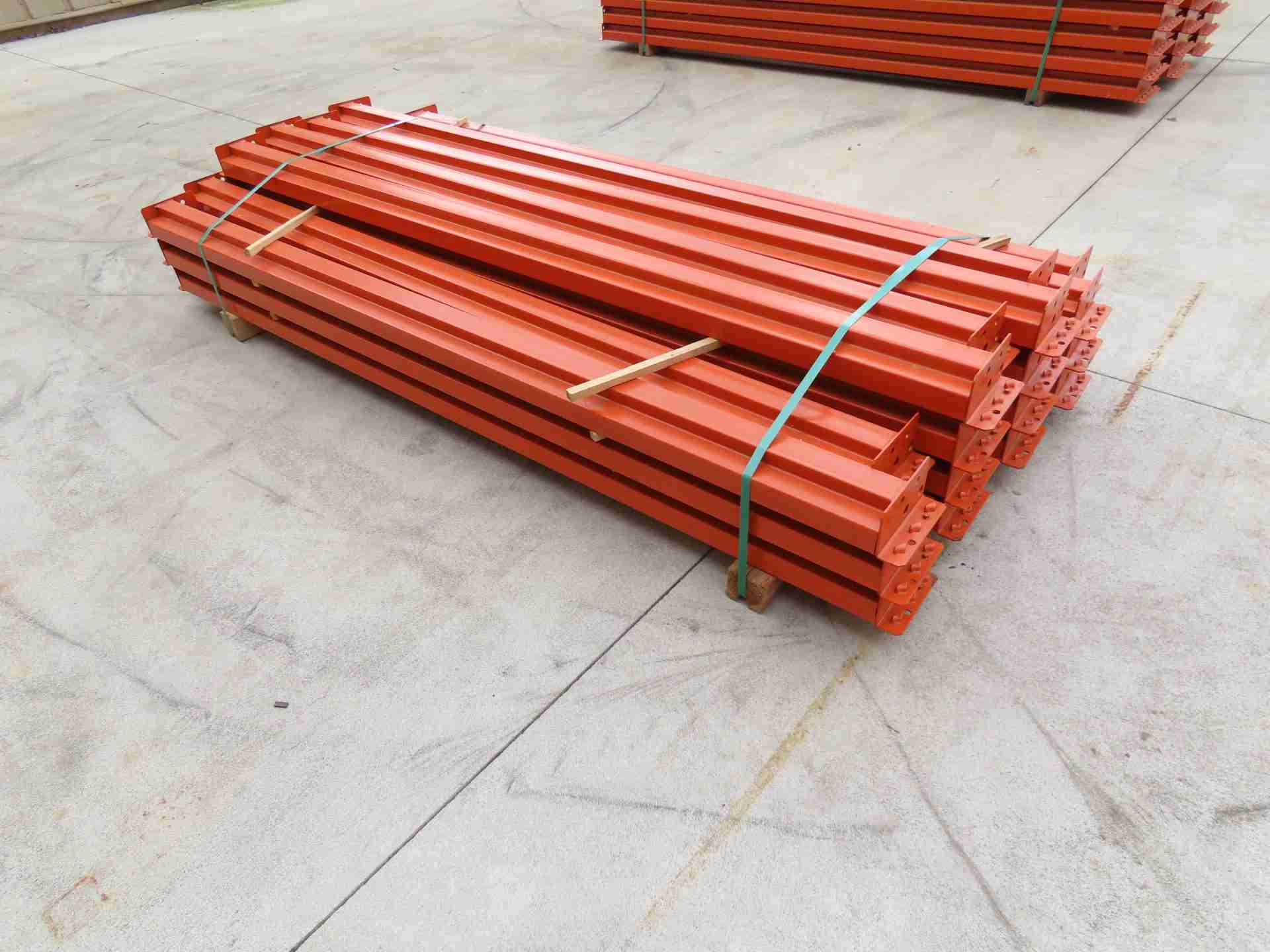
Other Resources
Here is a list of other resources you can review online to learn more:
- What is Cantilever Racking? – AK Material Handling Systems
- BMH Equipment LLC
- Interlake
- Warehouse Racking System: Powerful Guide to Optimise, 2024
- Cantilever Racks Chicago
- Teardrop Industrial Shelving Rack
- American Society of Safety Professionals
- New Cantilever Racks and Racking Kits
- Heavy-Duty Cantilever Storage Racks
- Selective Rack – Raymond West
- Warehouse Racking Layout: The Ultimate Guide – Conger
- National Safety Council
- Iowa Illinois Warehouse Racking
- RMI
- Illinois
- Chicago Pallet Racking
- Warehouse Racks, Warehouse Racking in Stock – ULINE
- Used Pallet Rack for Sale in Illinois – American Surplus
- IIWS Inc. Rack Installation Illinois & Rack Repairs Illinois
- Selective Racking
Use This Prompt To Get More Resources With Your Favorite Online AI Tool: Please provide me with a list of online articles with their URLs in a bulleted list that I can read regarding How Do Pvc and Plastic Piping Suppliers Leverage Cantilever Racking?

Other Resources
Glossary Terms
How Do Pvc and Plastic Piping Suppliers Leverage Cantilever Racking? – Glossary Of Terms
1. PVC: Polyvinyl chloride, a type of plastic commonly used for pipes.
2. Plastic Piping: Pipes made from various plastic materials used for fluid transport.
3. Cantilever Racking: A storage system with horizontal arms used to hold long, bulky items.
4. Supplier: A company or entity that provides goods or materials to customers.
5. Inventory Management: The process of ordering, storing, and using a company’s goods.
6. Storage Efficiency: Optimizing space utilization in a warehouse or storage area.
7. Load Capacity: The maximum weight a racking system can safely support.
8. Accessibility: The ease with which items can be reached and retrieved.
9. Long-Length Storage: Storing items that are longer than typical pallet sizes, such as pipes.
10. Warehouse Layout: The arrangement of storage systems and aisles in a warehouse.
11. Material Handling: The movement, protection, and storage of materials within a facility.
12. Space Optimization: Maximizing the use of available storage area.
13. Safety Standards: Regulations and guidelines to ensure safety in storage and handling.
14. Arms (Cantilever Arms): Horizontal supports extending from the uprights that hold loads.
15. Uprights: Vertical columns in cantilever racking that support the arms.
16. Bulk Storage: Storing large quantities of items without individual packaging.
17. Product Segmentation: Organizing inventory by type, size, or specification.
18. Load Distribution: The manner in which weight is spread across racking components.
19. Forklift Accessibility: The ability for forklifts to maneuver within storage aisles.
20. Order Picking: Retrieving specific items from inventory to fulfill customer orders.
21. Stock Rotation: Managing inventory to use older stock before newer stock.
22. Damage Prevention: Methods used to avoid damage to goods during storage.
23. Modular Racking: Racking systems that can be adjusted or expanded as needed.
24. Cost Efficiency: Minimizing storage and handling expenses.
25. Supplier Fulfillment: The process of preparing and sending products to customers.
26. Return on Investment (ROI): Financial return from investment in racking systems.
27. Customization: Tailoring racking configurations to meet specific product needs.
28. Load Height: The vertical space occupied by stored items.
29. Space Utilization Rate: Ratio of used storage space to total available space.
30. Workflow Optimization: Arranging storage and processes to improve efficiency.

Glossary Of Terms
Other Questions
How Do Pvc and Plastic Piping Suppliers Leverage Cantilever Racking? – Other Questions
If you wish to explore and discover more, consider looking for answers to these questions:
- What are the load capacity limits per arm and per bay for different cantilever rack models?
- How do I calculate required arm length and spacing for various PVC pipe diameters and lengths?
- What are the recommended support intervals to prevent long PVC pipes from sagging or warping?
- Are there standard industry specifications or codes (ANSI, OSHA, Eurocode) that apply to cantilever racking?
- How should cantilever racks be anchored to the floor and what are the foundation requirements?
- Can cantilever racking be used outdoors, and what coatings or materials prevent corrosion and UV damage to PVC?
- How do seismic or wind-load considerations affect cantilever racking design and installation in my region?
- What are typical price ranges (initial cost per bay) and lifetime cost estimates for cantilever systems?
- How do I estimate ROI and payback period after switching from pallet racking or floor storage?
- What safety features (end stops, restraints, safety pins) are recommended to prevent pipes from rolling off?
- How do cantilever racks integrate with forklifts, telehandlers, or manual handling equipment safely?
- What aisle widths and clearances are optimal for safe and efficient picking with cantilever racking?
- How do I retrofit cantilever racking into an existing warehouse layout without major disruption?
- What inspection and maintenance schedule should be followed to ensure rack integrity and safety?
- How often should racks be load-tested or professionally inspected, and by whom?
- What are common failure modes for cantilever racks and how can they be prevented?
- How do I label and organize different pipe sizes and materials for fast picking and inventory accuracy?
- What inventory tracking technologies (barcode, RFID, WMS integration) work best with cantilever storage?
- Are there special handling or storage guidelines for different plastic types (PVC vs CPVC vs HDPE) on cantilever arms?
- How does temperature and humidity in the warehouse affect PVC pipe storage and rack selection?
- What design options exist (single-sided vs double-sided, adjustable arms, modular bays) and when to choose each?
- How do cantilever racks compare to alternatives (pallet racking, drive-in, bulk floor storage) for cost, space, and throughput?
- What accessories (dividers, cradles, roller arms) improve safety and picking speed for pipes?
- How should mixed-length and mixed-diameter inventory be stored to minimize damage and picking errors?
- What training and standard operating procedures should staff follow when loading/unloading cantilever racks?
- Does insurance or liability exposure change after installing cantilever racking, and what documentation insurers require?
- How long is the expected service life of a well-maintained cantilever system, and what factors shorten it?
- What warranty terms and post-sale support should I expect from reputable cantilever rack manufacturers?
- Can cantilever racking be leased or purchased used, and what inspection criteria apply for second‑hand systems?
- How do I size and configure cantilever racks to allow efficient staging for loading trucks or order fulfillment?
- What are best practices for stacking bundled pipes safely on cantilever arms to prevent shifting during picks?
- How does cantilever racking affect forklift traffic patterns and operational flow in the warehouse?
- What fire-code and sprinkler-system compatibility issues arise with vertical stacking on cantilever racks?
- How easily can a cantilever system be expanded as inventory or SKU variety grows?
- Are there case studies or performance metrics from PVC suppliers who switched to cantilever racking?
- What environmental sustainability considerations (recyclable materials, lifecycle impact) apply to cantilever racks?
- Which manufacturers or suppliers are recommended for PVC-focused cantilever solutions, and what lead times apply?
- How do I ensure even load distribution across arms and bays to avoid overloading localized points?
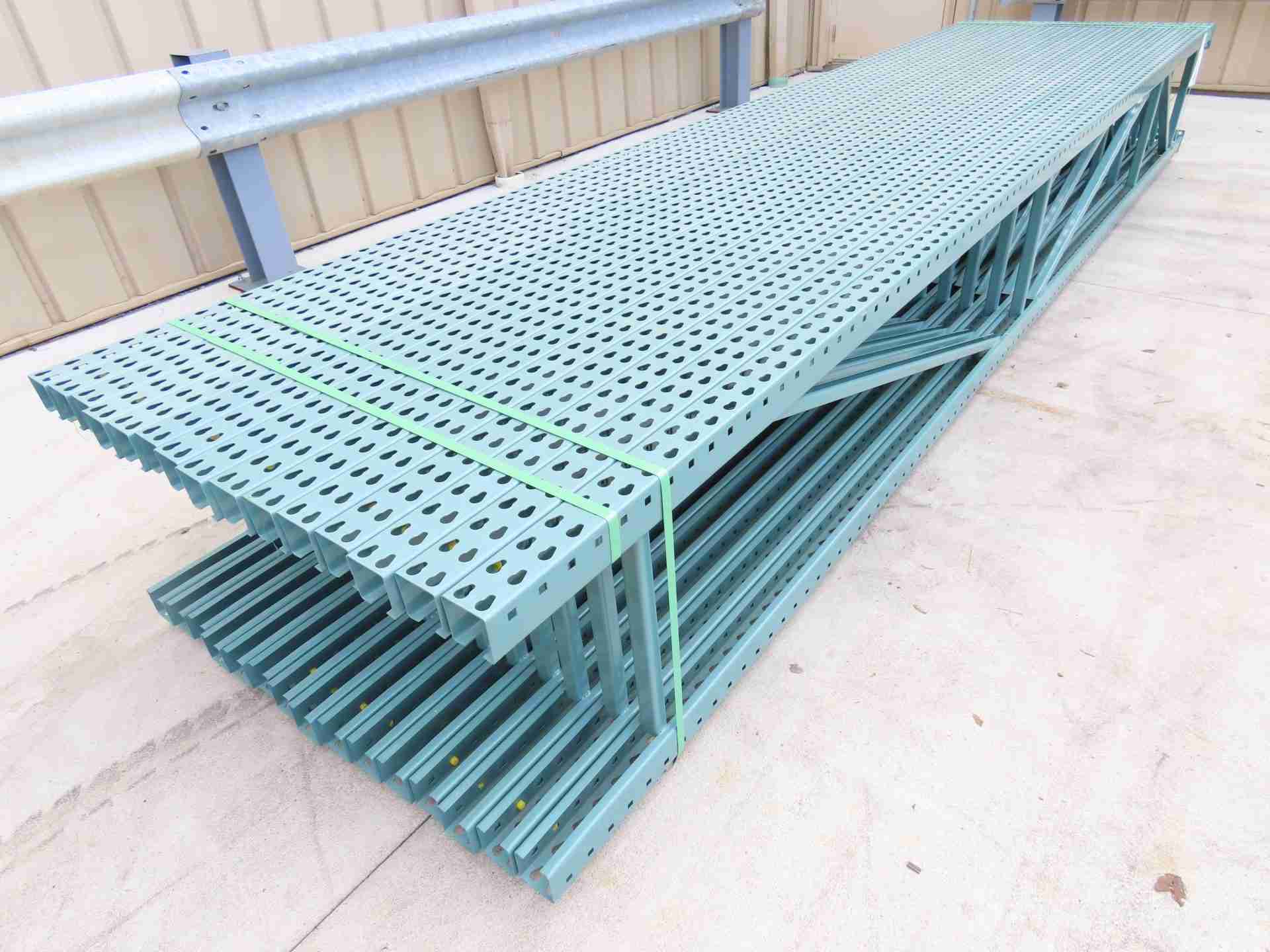
Other Questions
Checklist
How Do Pvc and Plastic Piping Suppliers Leverage Cantilever Racking? – A Checklist
Fit-for-Purpose Assessment
✅______ Profile all products: lengths, diameters, and weights per piece and per bundle
✅______ Document handling equipment: fork length, mast height, and attachments
✅______ Verify floor slab thickness, capacity, and condition; engage an engineer if needed
✅______ Check local code, seismic, and fire protection requirements for cantilever systems
✅______ Decide on single- vs. double-sided racks based on access and flow
✅______ Define service life, environment (indoor or outdoor), and corrosion protection needs
Layout and Space Efficiency
✅______ Measure clear height; set top-of-load clearance to sprinklers and structure per code
✅______ Size aisles to equipment turning radius and load length; standardize widths
✅______ Plan vertical arm levels to minimize unused air space by pipe OD and bundle height
✅______ Slot high movers nearest shipping and receiving to reduce travel time
✅______ Designate staging zones for receiving, order assembly, and returns
✅______ Map one-way traffic patterns to reduce congestion
Rack Design and Specification
✅______ Confirm upright, base, and arm capacities exceed worst-case loads with an appropriate safety factor
✅______ Set arm length to support ≥2/3 of bundle diameter; add cradles or saddles as needed
✅______ Determine arm spacing and number of supports to control deflection
✅______ Specify end stops, retainer pins, or chains to prevent roll-off
✅______ Select base length and anchor pattern per manufacturer and slab specifications
✅______ Add column protectors, end-of-aisle guards, and guide rails where traffic is heavy
✅______ Choose finish (galvanized or powder coat) for environment and durability
Safety and Risk Reduction
✅______ Post capacity plaques at each bay (show per arm level and total)
✅______ Install load stops, netting, or restraints where roll-off risk exists
✅______ Separate pedestrian and forklift lanes with barriers and floor markings
✅______ Standardize banding and strapping criteria for bundles; no loose items on arms
✅______ Define damaged-product quarantine and disposition steps
✅______ Provide adequate lighting for clear visibility at all levels
Handling and Operations
✅______ Create SOPs for loading and unloading: fork spacing, approach angles, and lift points
✅______ Use spreader bars, carpet poles, or padding for delicate or thin-wall pipe
✅______ Standardize dunnage type and thickness to protect surfaces and allow fork entry
✅______ Assign zones by length, diameter, and material type to reduce mispicks
✅______ Set min/max levels and replenishment triggers per SKU and location
✅______ Establish housekeeping rules to keep bases and aisles clear
Inventory Visibility and Tracking
✅______ Label every column and arm level with durable location IDs
✅______ Apply barcode, QR, or RFID tags to bundles; scan on receipt, moves, and picks
✅______ Implement cycle counting by class; investigate and correct variances
✅______ Use FIFO or FEFO where required; capture lot and date codes on receipt
✅______ Add clear size and grade signage at eye level and end-of-aisle directories
✅______ Enable real-time location updates in WMS/ERP for visibility
Cost Control and ROI
✅______ Establish baseline for current space usage, travel time, and damage rates
✅______ Set target improvements for space gained, time saved, and damage reduction
✅______ Track rack maintenance and repair costs versus the prior setup
✅______ Review capacity utilization monthly; re-slot top movers quarterly
✅______ Plan modular expansion with add-on arms and uprights to defer new facilities
✅______ Monitor throughput and labor hours for payback verification
Maintenance and Inspections
✅______ Perform monthly visual checks for bent arms, loose bolts, and plumb uprights
✅______ Check torque on anchors and arm locks per manufacturer schedule
✅______ Inspect floor around bases for cracks and spalls; repair promptly
✅______ Replace damaged components immediately; no unapproved modifications
✅______ Lubricate moving or adjustable elements as specified
✅______ Keep inspection logs and corrective actions on file
Training and Culture
✅______ Train all operators on rack limits, signage, and SOPs before go-live
✅______ Certify forklift operators for any special attachments used
✅______ Post quick-reference loading diagrams at each aisle
✅______ Establish near-miss and incident reporting; review weekly
✅______ Retrain after layout, equipment, or process changes
Compliance and Go-Live Readiness
✅______ Obtain engineering stamps, permits, and final inspection sign-off
✅______ Verify all labels, signage, and capacity plaques are installed
✅______ Conduct pilot picks and replenishments; adjust slotting as needed
✅______ Communicate traffic patterns and staging rules to all shifts
✅______ Archive manuals, drawings, load tables, and warranties in a known location
Sign-off
Owner/Manager ____________________ Date ____________
Checklist
At RackingWorld, we help guide you through selecting warehouse storage systems and racking.
Be sure to read our other related stories at RackingWorld to learn more about warehouse storage systems.
0 Comments